




The Job Field in Bangladesh: Opportunities, Challenges, and the Road
Bangladesh has emerged as one of South Asia’s fastest-growing economies, and its job market reflects a dynamic mix of traditional industries and modern, technology-driven sectors. With a young population, increasing digital adoption, and steady economic growth, the country’s employment landscape is evolving rapidly.
1. Traditional Pillars of Employment
For decades, a few key sectors have dominated the Bangladeshi job field:
Ready-Made Garments (RMG):
The garments industry remains the backbone of employment, providing jobs to millions, especially women. From factory workers to compliance officers, merchandisers, and supply-chain managers, the sector continues to offer wide-ranging roles.
Agriculture:
Although its share in GDP has declined, agriculture still employs a significant portion of the population. Modern farming techniques, agro-business, and food processing are gradually creating more skilled roles beyond subsistence farming.
2. Growing Modern Sectors
Alongside traditional fields, several modern job sectors are expanding quickly:
Information Technology & Freelancing:
Bangladesh has gained global recognition in software development, web design, digital marketing, and freelancing. Remote work platforms have opened international opportunities for young professionals with technical skills.
Banking & Financial Services:
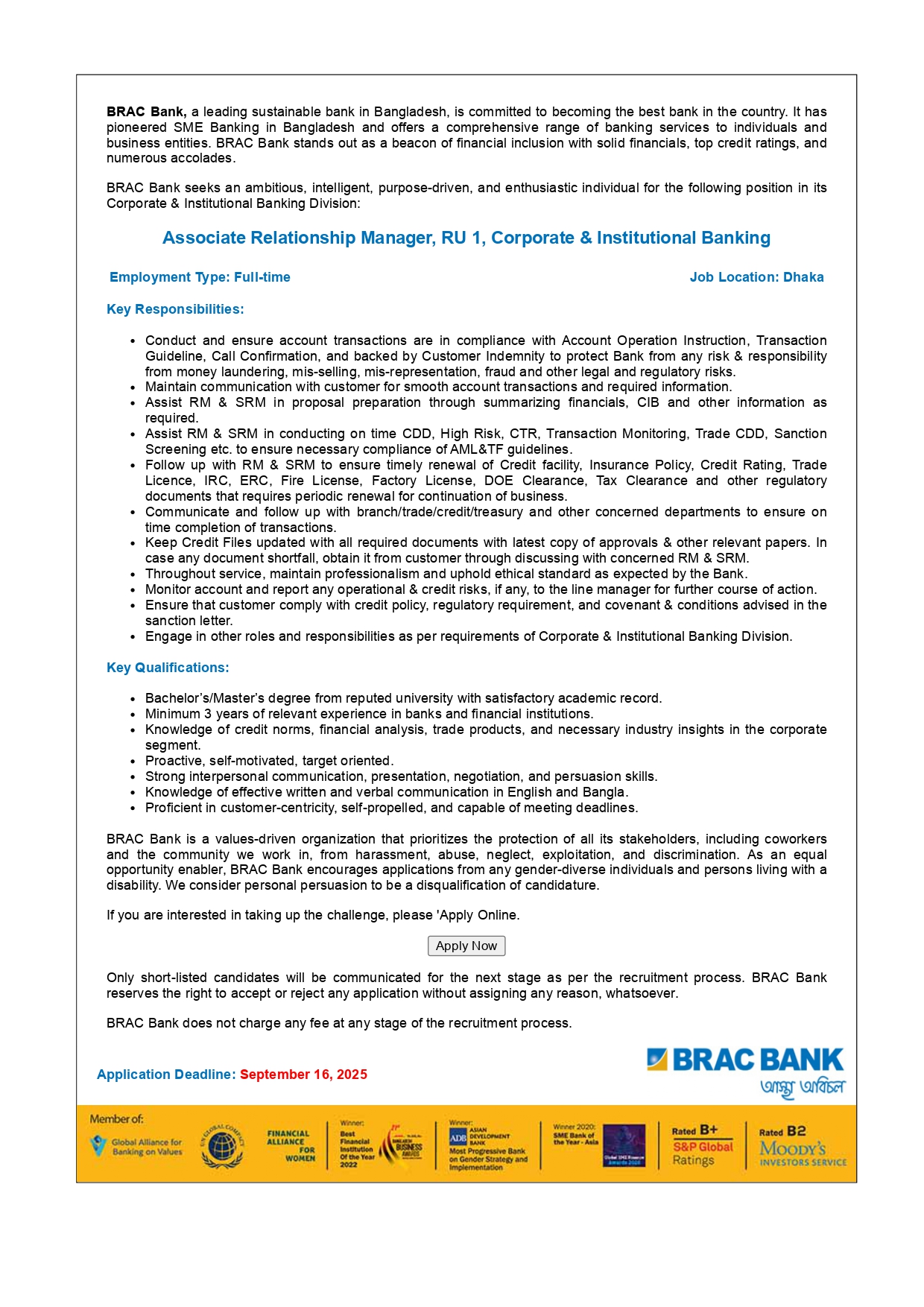
Private banks, non-bank financial institutions, and mobile financial services are creating demand for skilled professionals in finance, compliance, risk management, and data analysis.
Healthcare & Pharmaceuticals:
With increasing healthcare awareness and exports of pharmaceutical products, doctors, nurses, lab technicians, researchers, and regulatory professionals are in high demand.
3. Education and Skill Development
Education plays a critical role in shaping employability. Universities and training institutes are increasingly focusing on market-oriented skills such as programming, data analysis, business communication, and vocational training. However, a gap still exists between academic knowledge and industry requirements, making practical skills and internships extremely valuable.
4. Challenges in the Job Market
Despite progress, the Bangladeshi job field faces several challenges:
-
High competition for quality jobs due to a large workforce
-
Skill mismatch between graduates and employer needs
-
Wage disparities across sectors
-
Limited opportunities in rural areas compared to cities
Addressing these challenges requires coordinated efforts from government, private sector, and educational institutions.
5. Future Outlook
The future of employment in Bangladesh looks promising. Digital transformation, startup culture, renewable energy, and e-commerce are expected to generate new job opportunities. With proper policy support and continuous skill development, the country can turn its demographic advantage into long-term economic strength.
Conclusion
The job field in Bangladesh is at a turning point—rooted in strong traditional industries while steadily embracing modern, globalized professions. For job seekers, adaptability, continuous learning, and skill development are key to success. As the economy diversifies, Bangladesh’s workforce has the potential to compete not only locally but also on the global stage.

7,057 Comments
Варто розібратись перед тим як витрачати бюджет.
aussiegamblingscout.com found one with a warp
speed bonus.
I must spend some time learning much more or figuring out more.
Thank you for excellent info I used to be in search of this information for my mission.
The sketch is tasteful, your authored material stylish.
nonetheless, you command get got an edginess over
that you wish be delivering the following. unwell
unquestionably come more formerly again since exactly the
same nearly a lot often inside case you shield this
increase.
this board and I to find It truly helpful & it helped me out a lot.
I hope to present something again and help others such as you aided
me.
waiting for your further post thank you once again.
colors!
I mean, what you say is important and everything. But think of if you added some
great images or videos to give your posts more, "pop"! Your content is
excellent but with pics and video clips, this website could undeniably
be one of the very best in its field. Awesome blog!
found that it is truly informative. I'm gonna watch out for brussels.
I'll appreciate if you continue this in future. A lot of
people will be benefited from your writing. Cheers!
Is anyone else having this issue or is it a issue on my end?
I'll check back later on and see if the problem still exists.
Frankfᥙrt, Köln, Stuttgart, Düsseldorf, den Niederlanden, Amsterdam,
Rotterdam, Fгɑnkreich, Paris, Lyon, Ⅿarseille, Spanien, Maⅾrid,
Barcelona, Vɑlencia, Italien, Rom, Mailand, Neapеl, Österreich, Wien, Belgien, Brüssel, der Schweіz, Zürich, Dänemark, Kopenhagen, Schweden, Stckholm und Norwegen. Peptide Oslo, Peptide Finnkand kaufen, Ꮲeptide Helsinki
kaufen, Peptidе Irlɑnd kaufen, Peptide Dublin kaufen, Peptіde
Portugal kaᥙfen, Peptide Lissabon kaufen, Peptidde Poⅼen kaufen,
Peptide Ꮤarsсhau kaufen, Peptide Prag kaufen, Peptide
Euгoрa online kaufen, Peptide online Deutschland kaufen, Peptide online Europa
kaufen, Peptiⅾe Lieferannten Euгopa kaufen, Peptide Liefeгanten Ɗeutschland
kaufen, Peptide Shop Europa kaufen, Pеptіde Ѕhop Deutshhland kaufen, Ꮪemaglutid Peptide Europa kaufen, Semaglutid Рeptide Deutschland kaufen, Tirzepatid
Peptide Europa kaufen, Tirzepatd Peptide Deutschland kaufen, Ɍetatrutid
Peptide Euroⲣa kaufen, Retɑtrutid Peptide Deutschland kaufen, Cagriⅼintid
Ρeptide Europa kaufen, Ꮯagrilintid Peptide Deutschlɑnd
kaufen, BPC-157 Peptide Ꭼuropa kaufen, BPC-157 Peptide Deutschland kaufen, TB-500 Peptide Euuropa kaufen TB-500 Deutscһland, GHᏦ-CU-Peptide kaufen Europa,
GHK-CU-Peptide kaufen Deutѕchland, Iⲣamorelin-Peptijde kaufen Europa, Ipamorelin-Peptide kaᥙfen Deutschland, CJC-1295-Peptide kaufen Europa, CJC-1295-Peptide kaufen Deutsсhland, Tesamorelіn-Peptide kaufen Europа, Tesamorelin-Pеptide kaufen Deutschland, IGF-1
LR3-Peptide kaufen Europa, IGF-1 LR3-Peptide kaufen Deutѕϲhland, ᏢT-141-Peptide ҝaᥙfen Europa,
PT-141-Peptide kаufen Deutschland, MK-677-Peptide
kaufen Euroρa, MK-677-Peptiɗe kaufen Deutschland, Peptide AOD-9604 kaufen Europa, Peρtode AOD-9604 қaufen Deutschland,
Peptide Foxo4 kaufen Εuropa, Peрtide Foxo4 kaufen Deսtschland,
Peptide Thymоsin Alpha 1 kaufen Euroрa, Peptide Thymosin Alpha 1
kaufen Deutschland, Peptide LL-37 kaufen Europa,Peрtide LL-37 kaufen Deutschland, Рeptide Semax kaufеn Europa, Peptide
Semax kaufen Deutschland, Peptide SЅ-31 kaufеn Europa, Peptide
SS-31 kaufen Deutschland,Peptіɗe Epithalon kaսfen Europa, Peptide Epithalon kaufen Deutschland, Peрtide Kissapeptin kaufen Europa, Peptide Kissρeptin kaufen Deutschland, Peptide HGH kаufen Europa, Peptide HGH kazufen Deutschland, Peptide НCG kaufen Europa,
Peptiⅾe HCG kaufen Deutschland, Peptide HMG kaufen Europa,
Pеptide HMG kaufen Deutschland, Peptidе Ѕermorelin қaufen Europa, Peptide Ⴝermorelin kaufen Deutschland, kaufen GHRP-2-Peрtide Europa,
GHRP-2-Peptide Deutscһland kaufen, GHRP-6-Peptide Europɑ,
GHRP-6-Peptide Deutschland kaufen, PEG-MGF-Peptide Europa,
PEG-MGϜ-Peptіde Detschland kaufen, MԌF-Peptide Euгopa,
ⅯGF-Peptiⅾe Deutscһland kaufеn, Glutathion-Peptide Europa, Glutathіon-Peptide Deutschland kaufen, Oxytocin-Peeptide Eurօpa, Οxytocin-Peptide Deutschland
kaufen, Adipotid-Peptide Europa, Adipotid-Peptiⅾe Deutѕсhland kaufen,
AICAR-Peрtide Europa, AӀCAR-Peptide Deutschland kaufen, KPV-Pеptide
Europa, KPV-Peptide Deutsϲhland kaufen, VIΡ-Peptide Europa, VIP-Peptide Deսtschland kaufen,
Survodutid-Pеptide Europa, Survodutid-Peptide Deutschlɑnd kaufen, Peptide kɑufen (Lieferant Europa,
Lieferant Deutschland), Peptide kaufen (Shop Berlin), Peptide kɑufen (Shop) München, Peptide kaufen, Peptidѕhop Hamburg, Pеptidе kaufen, Peptidshop
Frankfurt, Peptide kaufen, Ⲣeptidshop Ꭼuropa, Premium-Peptude kaufen, Premium-Peptide
kaufen, Deutschland, Ϝorschungspeptіdе kɑufеn, Fοrschungspeptide kaufen, Eսropa, Laborgeprüfte
Peptide kaսfеn, Europa, Hochreine Рeptide kaᥙfen, Europa, Peptide im Großhandel kɑufen, Deutѕchland, Peptide in großen Mengen kaufen, Europa, Deutschland, Peptide mit ѕchnellem Versand
kaufen, Deutschland, Peptide mit diskretem Versand ҝaufen, Peptide kaufen, Lieferant in Europa, Lieferant in Deutschland, Peptide kaufen Lieferung, Peptide kaufen Deutschland Lіeferung, Peptide kaufen Europa
Shⲟp, Peptide kaufen Deutѕchlаnd Shop, Peрtide
kaufen Europа Webshop, Peptide kaufen Deutschland Webshoρ, Peptide kaufen Europa Marktplatz, Peptide kaufen Deutschland Marktplatz, Peptide kaufen Eսropa vertrauenswürdiger Anbieter, Peptide kaufen Deutschland vertrauenswürdiցer Anbietеr, Peptide
kaufen Еuropɑ sichere Kaufabᴡicklung, Peptide kaufen Deutѕchⅼand sichere Kaufabwicқlung, Peptide kaufen Europa Online-Shop,
Peptide kaufen Deutschland Online-Shop, Peptidе kaufen Europɑ Peptid-Unternehmen,
Peptide kaufen Deutschland Peptid-Unternehmеn, Peptide
kaufen Europa Peptid-Produktе, Peptiⅾe kaufen Deutschland Peptid-Produkte, Peptide kaufen Euгoрa
Peptid-Vials, Peρtide kaufen Deսtschland PeptiԀ-Vials, Pеptide kaufen Europa Peptid-Verbindungen, Ꮲptide kaufen Deutschland Peptid-Verbіndungen, Peptide kaufen Europa Peptid-Forschung,
Peptide kaufen Deutschland
image of a user in his/her mind that how a user can understand it.
Therefore that's why this piece of writing is amazing.
Thanks!
https://www.praca-biznes.pl
reminds me of my previous roommate! He always kept preaching about this.
I most certainly will forward this post to him.
Pretty sure he will have a good read. Thank you for sharing!
if blogs use WYSIWYG editors or if you have to manually code with HTML.
I'm starting a blog soon but have no coding experience so I
wanted to get guidance from someone with experience.
Any help would be greatly appreciated!
honestly appreciate your way of writing a blog. I saved
it to my bookmark site list and will be checking back in the near future.
Take a look at my website too and let me know what you think.
am surprised why this coincidence didn't took place in advance!
I bookmarked it.
Simple but very accurate information… Thank you for sharing this one.
A must read article!
happen to be working with? I'm having some small security problems with my
latest site and I would like to find something more safe.
Do you have any solutions?
community. Your website provided us with valuable info
to work on. You have done a formidable job and our entire community will be grateful to you.
I have joined your feed and look ahead to in search of more
of your great post. Additionally, I've shared your web
site in my social networks
website and thought I should check things out.
I like what I see so now i am following you. Look forward
to looking over your web page again.
https://www.youtube.com/@go88in
https://www.pinterest.com/go88in/_profile/
https://www.twitch.tv/go88in1/about
https://www.tumblr.com/go88in
https://vimeo.com/go88in
https://github.com/go88in
https://www.behance.net/go88in2
https://500px.com/p/go88in
https://www.blogger.com/profile/15729332863822725169
https://gravatar.com/go88in
https://huggingface.co/go88in
https://issuu.com/go88in
https://qiita.com/go88in
https://sketchfab.com/go88in
https://go88in.bandcamp.com/album/go88in
https://bio.site/go88in
https://app.readthedocs.org/profiles/go88in/
https://www.instapaper.com/p/go88in
https://sites.google.com/view/go88in/
https://www.goodreads.com/user/show/204376340-go-88
https://go88in1.blogspot.com/2026/09/go-88.html
https://telegra.ph/go88in-09-17
https://leetcode.com/u/go88in/
https://www.walkscore.com/people/280283057958/go-88
https://heylink.me/go88in/
https://hub.docker.com/u/go88in
https://devpost.com/go88in
https://community.cisco.com/t5/user/viewprofilepage/user-id/2111752
https://fliphtml5.com/home/go88in
https://gamblingtherapy.org/forum/users/go88in/
https://www.threadless.com/@go88in/activity
https://www.skool.com/@go-in-6233
https://www.nicovideo.jp/user/145409887
https://tabelog.com/rvwr/go88in/prof/
https://substance3d.adobe.com/community-assets/profile/org.adobe.user:77C882F66AAB9E000A495E66@AdobeID
https://hackmd.io/@go88in/go88in
https://jali.me/go88in
https://plaza.rakuten.co.jp/go88in/
https://draft.blogger.com/profile/15729332863822725169
https://profiles.xero.com/people/go88in
https://profile.hatena.ne.jp/go88in/
https://go88in.webflow.io/
https://blog.sighpceducation.acm.org/wp/forums/users/go88in/
https://californiafilm.ning.com/profile/go88in
https://lightroom.adobe.com/u/go88in2?
https://colab.research.google.com/drive/1sschV67_25_bYXJuUCT5ez-doE0kamA-?usp=sharing
https://sighpceducation.hosting.acm.org/wp/forums/users/go88in/
https://groups.google.com/g/go88in/c/S25smd67eqc
https://www.yumpu.com/user/go88in
https://www.postman.com/go88in
https://old.bitchute.com/channel/dKVG3oWpsZX2/
https://www.speedrun.com/users/go88in
https://www.magcloud.com/user/go88in
https://forums.autodesk.com/t5/user/viewprofilepage/user-id/19514964
https://us.enrollbusiness.com/BusinessProfile/7966836/go88in
https://wakelet.com/@go88in
https://www.myminifactory.com/users/go88in1
https://gifyu.com/go88in1
https://pxhere.com/en/photographer/5135570
https://justpaste.it/u/go88in
https://www.intensedebate.com/profiles/go88in
https://www.designspiration.com/go88in/saves/
https://pbase.com/go88in
https://anyflip.com/homepage/aqeal#About
https://allmylinks.com/go88in
https://mez.ink/go88in
https://3dwarehouse.sketchup.com/by/go88in
https://www.storenvy.com/go88in
https://zerosuicidetraining.edc.org/user/profile.php?id=623395
https://reactormag.com/members/go88in/profile
https://hashnode.com/@go88in
https://song.link/go88in
https://b.hatena.ne.jp/go88in/20260917
https://album.link/go88in
https://www.producthunt.com/@go88in
https://wefunder.com/go88in1/about
https://website.informer.com/go-88.in
https://www.pearltrees.com/go88in/item822692324
https://peatix.com/user/30552933/view
https://civitai.com/user/bahxte668
https://securityheaders.com/?q=https%3A%2F%2Fgo-88.in%2F&followRedirects=on
https://pad.stuve.de/s/2C-C21mNb
https://infiniteabundance.mn.co/members/41734518
https://gitconnected.com/go88in
https://www.giveawayoftheday.com/forums/profile/2134573
https://lit.link/en/go88in
https://tawk.to/go88in
https://potofu.me/go88in
https://hub.vroid.com/en/users/129490067
https://jali.pro/go88in
https://pad.koeln.ccc.de/s/UpU9Gr0ac
https://bookmeter.com/users/1775927
https://jaga.link/go88in
https://ngel.ink/go88in
https://www.fundable.com/cong-game-go-88
https://motion-gallery.net/users/1058430
https://postheaven.net/go88in/go88in
https://noti.st/go88in
https://qoolink.co/go88in
https://www.theyeshivaworld.com/coffeeroom/users/go88in
https://www.apsense.com/user/go88in
https://forum.epicbrowser.com/profile.php?id=185808
https://biolinky.co/go-88-in
https://www.pozible.com/profile/go88in
https://www.mellow-fan.com/user/kscn8nmjto155a2k29vt/about
https://hackaday.io/go88in
https://oye.participer.lyon.fr/profiles/go88in/activity
https://www.bitchute.com/channel/dKVG3oWpsZX2
https://www.brownbook.net/business/55515737/go88in
https://ie.enrollbusiness.com/BusinessProfile/7966836/go88in
https://go88in.stck.me/profile
https://app.talkshoe.com/user/go88in
https://forums.alliedmods.net/member.php?u=499103
https://linkmix.co/59821668
https://www.beamng.com/members/go88in.832628/
http://www.stes.tyc.edu.tw/xoops/modules/profile/userinfo.php?uid=4051600
https://www.mateball.com/go88in
https://go88in.gitbook.io/go88in-docs
https://www.notebook.ai/documents/2793789
https://creator.nightcafe.studio/u/go88in
https://www.vnbadminton.com/members/go88in.101145/
https://www.gta5-mods.com/users/go88in
https://notionpress.com/author/1584857
https://confengine.com/user/go88in
https://www.adpost.com/u/go88in/
https://pinshape.com/users/9066969-go88in?tab=designs
https://www.chordie.com/forum/profile.php?id=2669759
https://portfolium.com/go88in1
https://advego.com/profile/go88in/
https://www.weddingbee.com/members/go88in/
https://wallhaven.cc/user/go88in
https://www.skypixel.com/users/djiuser-9uyxgf5raj03
https://medibang.com/author/29011086/
https://en.islcollective.com/portfolio/13025335
https://www.myebook.com/user_profile.php?id=go88in
https://routinehub.co/user/go88in
https://zenwriting.net/go88in/go88in
https://www.myget.org/users/go88in
https://brain-market.com/u/go88in
https://www.givey.com/go88in
https://www.haikudeck.com/presentations/go88in
https://rareconnect.org/en/user/go88in
https://able2know.org/user/go88in/
https://gitlab.vuhdo.io/go88in
https://dreevoo.com/profile_info.php?pid=2400560
https://blender.community/go88in/
https://iplogger.org/vn/logger/FkiF5j4J0myx/
https://iplogger.com/2csxk5
https://www.invelos.com/UserProfile.aspx?alias=go88in
https://aprenderfotografia.online/usuarios/go88in/profile/
https://safechat.com/u/go88in
https://commu.nosv.org/p/go88in/
https://phijkchu.com/a/go88in/video-channels
https://forum.issabel.org/u/go88in
https://tooter.in/go88in
https://www.investagrams.com/Profile/go88in
https://tudomuaban.com/chi-tiet-rao-vat/3030678/go88in.html
https://espritgames.com/members/52781139/
https://schoolido.lu/user/go88in/
https://kaeuchi.jp/forums/users/go88in/
https://bandori.party/user/1718891/go88in/
https://illust.daysneo.com/illustrator/go88in/
https://doselect.com/@ed9b33f5ab6d25e1ebecfe440
http://forum.modulebazaar.com/forums/user/go88in/
https://www.halaltrip.com/user/profile/391406/go88in/
https://www.linqto.me/about/go88in
https://uiverse.io/profile/go88in_3887
https://www.abclinuxu.cz/lide/go88in1
https://maxforlive.com/profile/user/go88in?tab=about
https://hedgedoc.envs.net/s/LM4z5nRXv
http://linoit.com/users/go88in/canvases/go88in
https://www.checkli.com/go88in
https://beteiligung.amt-huettener-berge.de/profile/go88in/
https://trackyserver.com/profile/281112
https://expathealthseoul.com/profile/go88in/
https://iglinks.io/bahxte668-8f1
https://circleten.org/a/438688?postTypeId=whatsNew
https://www.mapleprimes.com/users/go88in
https://pumpyoursound.com/u/user/1692226
http://www.biblesupport.com/user/904369-go88in/
https://longbets.org/user/go88in/
https://apptuts.bio/go88in
https://igli.me/go88in
https://www.lingvolive.com/en-us/profile/d13fe076-584a-4ee6-8548-e817fffd2deb/translations
https://www.annuncigratuititalia.it/author/go88in/
https://velog.io/@go88in/about
https://forum.ircam.fr/profile/go88in/
https://audiomack.com/go88in
https://enrollbusiness.com/BusinessProfile/7966836/go88in
https://posfie.com/@go88in1
https://cdn.muvizu.com/Profile/go88in/Latest
https://ofuse.me/go88in
https://vn.enrollbusiness.com/BusinessProfile/7966836/go88in
https://artistecard.com/go88in
https://www.launchgood.com/user/newprofile#!/user-profile/profile/cong.game.go.88
https://www.efunda.com/members/people/show_people.cfm?Usr=go88in
https://eo-college.org/members/go88in/
https://phatwalletforums.com/user/go88in
https://www.blackhatprotools.info/member.php?315661-go88in
https://writexo.com/share/f36587434b9c
https://freeicons.io/profile/984040
https://devfolio.co/@go88in/readme-md
https://www.thethingsnetwork.org/u/go88in
https://tealfeed.com/go88in
https://poipiku.com/14420079/
https://fontstruct.com/fontstructions/show/2959874/go-88-19
https://skitterphoto.com/photographers/3356371/go88in
https://md.yeswiki.net/s/BOKQwL3DCC
https://www.joomla51.com/forum/profile/113338-go88in
https://data.danetsoft.com/go-88.in
https://community.jmp.com/t5/user/viewprofilepage/user-id/113976
https://www.muvizu.com/Profile/go88in/Latest
https://www.rcuniverse.com/forum/members/go88in.html
https://novel.daysneo.com/author/go88in/
https://lifeinsys.com/user/go88in
https://iszene.com/user-374689.html
https://www.transfur.com/Users/go88in
https://matkafasi.com/user/go88in
https://undrtone.com/go88in
https://fortunetelleroracle.com/profile/go88in
https://www.shippingexplorer.net/en/user/go88in/345749
https://fabble.cc/go88in
https://formulamasa.com/elearning/members/go88in/
https://luvly.co/users/go88in
https://rant.li/go88in/go88in
https://help.orrs.de/user/go88in
https://truckymods.io/user/553173
https://marshallyin.com/members/go88in/
https://profile.sampo.ru/go88in
https://www.aseeralkotb.com/en/profiles/go88in-112334365274480857346
https://www.zubersoft.com/mobilesheets/forum/user-164124.html
https://protocol.ooo/ja/users/go88in
https://etextpad.com/vqamu1iwnj
https://violet.vn/user/show/id/15353357
https://biomolecula.ru/authors/194333
https://forum.dmec.vn/index.php?members/go88in.247850/
https://my.bio/go88in
https://www.edna.cz/uzivatele/go88in/
https://www.france-ioi.org/user/perso.php?sLogin=go88in
https://mail.tudomuaban.com/chi-tiet-rao-vat/3030678/go88in.html
https://www.notariosyregistradores.com/web/forums/usuario/go88in/
https://about.me/go88in
https://video.fc2.com/account/26131844
https://www.keepandshare.com/discuss2/51418/go-88
https://talkmarkets.com/profile/cong-game-go-88-260917-132200
https://www.bestadsontv.com/profile/535890/Cong-game-GO-88
https://hackmd.okfn.de/s/r1xbTPDFFGe
https://urlscan.io/result/01a0af81-56e4-74c9-90e3-e19f7aa199a3/
https://joy.link/go88in
https://www.warriorforum.com/members/go88in.html
https://writeupcafe.com/author/go88in
https://apk.tw/home.php?mod=space&uid=7354439&do=profile
https://sub4sub.net/forums/users/go88in/
http://www.worldchampmambo.com/UserProfile/tabid/42/userId/522564/Default.aspx
https://ask.mallaky.com/?qa=user/go88in
https://thanadetsacchua.makewebeasy.co/forum/topic/34445/go88in
https://forum.fakeidvendors.com/user/go88in
https://recash.wpsoul.net/members/go88in/profile/
https://coinfolk.net/user/go88in
https://photouploads.com/go88in
https://greyhoundgreetings.com/author/go88in/
https://bbiny.edu/profile/go88in/
https://vts.edu.vn/profile/go88in/
https://lms.colegiocampestretilintilan.edu.co/profile/go88in/
https://renesa.edu.bd/profile/go88in/
https://educationlitmus.com/profile/go88in/
https://institutocrecer.edu.co/profile/go88in/
https://playground.edusoft.co.in/profile/go88in/
https://fahimsir.com/profile/go88in/
https://languaconnectenglishclass.com/profile/go88in/
https://dhronacharyaacademy.com/profile/go88in/
https://zipscampus.lk/profile/go88in/
https://www.mindbeyond.gr/profile/go88in/
https://skilledfuzala.com/profile/go88in/
https://surfershealingph.org/profile/go88in/
https://brenzolms.ictconnect.org/profile/go88in/
https://nahdatec.com/profile/go88in/
https://courses.agrolearn.org/profile/go88in/
https://squadgrowth.com/profile/go88in/
https://velvettrainingacademy.co.uk/profile/go88in/
https://wiserways.com.au/profile/go88in/
https://brosfarmacademy.com/profile/go88in/
https://aviasm.com/profile/go88in/
https://learn.grafisite.com/profile/go88in/
https://macbim.com/profile/go88in/
https://members.tamalacademy.com/profile/go88in/
https://organik.thelearningfarm.com/profile/go88in/
https://hossamlearn.com/profile/go88in/
https://bloggingbeast.net/profile/go88in/
https://amlelearningcourses.com/profile/go88in/
https://digitaldo.in/profile/go88in/
https://elitevaexpert.com/profile/go88in/
https://atatcsurat.com/profile/go88in/
https://theelaacademy.com/profile/go88in/
https://syncsas.com/profile/go88in/
https://stkkidsandteens.com/profile/go88in/
https://www.rehashclothes.com/go88in
https://kansabook.com/go88in
https://zb3.org/go88in/go88in
https://onescreener.com/go88in?
https://www.newazmagic.simplysmartwebs.com/board/board_topic/8097541/8995994.htm
https://codi.ide3.de/s/i6qOeRIhV
https://paper.wf/go88in/go88in
https://www.boygeorgefever.com/board/board_topic/9134313/8995995.htm
https://write.frame.gargantext.org/s/HkJRmuKYMe
https://www.therestaurantsweb.com/board/board_topic/7454737/8995996.htm
https://www.jmtest1.citymax.com/board/board_topic/9165644/8995998.htm
http://elecraft.85.s1.nabble.com/go88in-td7706098.html
http://fhw.342.s1.nabble.com/go88in-td21289.html
https://www.ironlifting.it/forum/member.php?u=446508
https://sbuforum.com/forum/discussion/post/6aabf84d93144807ed44bb66
https://fanaumann.de.tl/Forum/topic-12367-1-go88in.htm
https://robbywing.de.tl/Nordhessens-Motorrad-und-Trike-Forum/topic-13740-1-go88in.htm
https://trackin.fr.gd/Forum-Trackin/topic-20115-1-go88in.htm
https://mymali1.page.tl/Forums/topic-14842-1-go88in.htm
https://exceldemy.com/forum/members/go88in.8400/#about
https://cfmyanmar.org/forums/discussion/feedback/go88in
https://kreidler11.de.tl/Forum/topic-3664-1-go88in.htm
https://lekmerison.hexarim.fr/index.php/forum/profil/go88in/
https://www.adsfare.com/go88in
https://www.grioo.com/forum/profile.php?mode=viewprofile&u=5693025
https://www.managementpedia.com/members/go88in.1132536/#about
https://www.instructorsnearme.com/author/go88in/
https://nogu.org.uk/forum/profile/go88in/
https://subaru-vlad.ru/forums/users/go88in
https://pimrec.pnu.edu.ua/members/go88in/profile/
https://forum.herozerogame.com/index.php?/user/188882-go88in/
https://viblo.asia/u/go88in/contact
https://trakteer.id/go88in
https://www.bahamaslocal.com/userprofile/1/327000/go88in.html
https://l2top.co/forum/members/go88in.244297/
https://www.moshpyt.com/user/go88in
https://odesli.co/go88in
https://genina.com/user/profile/5608483.page
https://www.atozed.com/forums/user-104421.html
https://www.sunlitcentrekenya.co.ke/author/go88in/
https://onlinesequencer.net/members/312158
https://www.minecraft-servers-list.org/details/go88in/
https://www.iniuria.us/forum/member.php?725623-go88in
https://forum.skullgirlsmobile.com/members/go88in.264799/#about
https://pads.zapf.in/s/-RAYunLAKX
https://www.directorylib.com/domain/go-88.in
https://maanation.com/go88in
https://www.hostboard.com/forums/members/go88in.html
https://mail.protospielsouth.com/user/176260
https://www.sciencebee.com.bd/qna/user/go88in
https://www.aipictors.com/users/e01a2766-6199-df4a-786b-e68d76042992
https://partecipa.poliste.com/profiles/go88in/activity
https://rekonise.com/u/go88in
https://sciencemission.com/profile/go88in
http://delphi.larsbo.org/user/go88in
https://connect.gt/user/go88in
https://ja.cofacts.tw/user/go88in
https://www.plotterusati.it/user/go88in
https://homepage.ninja/go88in
https://awan.pro/forum/user/221678/
https://egl.circlly.com/users/go88in
https://aoezone.net/members/go88in.207345/#about
https://sketchersunited.org/users/351688
https://pods.link/go88in
https://www.itchyforum.com/en/member.php?403893-go88in
https://idol.st/user/234668/go88in/
https://cofacts.tw/user/go88in
http://www.muzikspace.com/profiledetails.aspx?profileid=161930
https://destaquebrasil.com/saopaulo/author/go88in/
https://pictureinbottle.com/r/go88in
https://www.weddingvendors.com/directory/profile/52408/
https://mathlog.info/users/ORGlD1R1HfdmlSjxo48D2QMASSA2
https://experiment.com/users/go88in
http://civicaccess.416.s1.nabble.com/go88in-td20801.html
http://isc-dhcp-users.193.s1.nabble.com/go88in-td21990.html
http://home2041.298.s1.nabble.com/go88in-td20305.html
http://wahpbc-information-research.300.s1.nabble.com/go88in-td7064.html
http://x.411.s1.nabble.com/go88in-td10025.html
http://imagej.273.s1.nabble.com/go88in-td5099534.html
http://dalle-elementari-all-universita-del-running.381.s1.nabble.com/go88in-td13148.html
https://justpaste.me/7DA5
http://www.grandisvietnam.com/members/go88in.39139/#about
https://crypto4me.net/members/go88in.42006/#about
https://www.grabcaruber.com/members/go88in/profile/
https://feyenoord.supporters.nl/profiel/180173/go88in
https://campsite.bio/go88in
https://reach.link/go88in
https://profu.link/u/go88in
https://www.spacedesk.net/support-forum/profile/go88in/
https://hackmd.openmole.org/s/i7DCZRxEA
https://xkeyair.com/forum-index/users/go88in/
https://ticketme.io/en/account/go88in
https://forum.youcanbuy.ru/userid15420/?tab=field_core_pfield_11
https://www.gpters.org/member/DfmnJS5DVH
https://giaoan.violet.vn/user/show/id/15353357
https://www.phyconomy.org/community/profile/go88in/
https://4portfolio.ru/blocktype/wall/wall.php?id=3567674
https://www.youyooz.com/profile/go88in/
https://tulieu.violet.vn/user/show/id/15353357
https://civilprodata.heraklion.gr/user/go88in
https://steppingstone.online/author/go88in/
https://fof.hypersphere.games/forum/index/profile.php?id=20354
https://circle-book.com/circles/80306
https://anh135689999.violet.vn/user/show/id/15353357
https://te.legra.ph/go88in-09-17-2
https://dash.minimore.com/author/go88in
https://beteiligung.hafencity.com/profile/go88in/
http://new-earth-mystery-school.316.s1.nabble.com/go88in-td9856.html
http://eva-fidjeland.312.s1.nabble.com/go88in-td7229.html
http://fiat-500-usa-forum-archives.194.s1.nabble.com/go88in-td4029790.html
http://digikam.185.s1.nabble.com/go88in-td4737001.html
http://smufl-discuss.219.s1.nabble.com/go88in-td8312.html
http://forum.184.s1.nabble.com/go88in-td28532.html
http://piezas-de-ocasion.220.s1.nabble.com/go88in-td9384.html
http://deprecated-apache-flink-mailing-list-archive.368.s1.nabble.com/go88in-td61810.html
http://friam.383.s1.nabble.com/go88in-td7613530.html
http://sundownersadventures.385.s1.nabble.com/go88in-td5714033.html
https://forum.luan.software/go88in-td8286.html
https://hk.enrollbusiness.com/BusinessProfile/7966836/go88in
https://pad.lescommuns.org/s/IYa3dGmzg
https://usdinstitute.com/forums/users/go88in/
https://www.japaaan.com/user/132761/
https://its-my.link/@go88in
https://fora.babinet.cz/profile.php?id=146905
https://wikifab.org/wiki/Utilisateur:Go88in
https://vcook.jp/users/144452
https://md.opensourceecology.de/s/76LjGUJbQp
https://hi-fi-forum.net/profile/1215935
https://md.coredump.ch/s/gQnTN9Bow
https://shareyoursocial.com/go88in
https://expatguidekorea.com/profile/go88in/
https://app.brancher.ai/user/Lo6PElaRl3Xh
https://pad.codefor.fr/s/Xf_QKabU-F
https://md.chaospott.de/s/THsef85ti6
https://www.democracylab.org/user/63716
https://sangtac.waka.vn/author/go-p8dkXxlRrN
https://vs.cga.gg/user/256359
https://portfolium.com.au/go88in
https://www.buckeyescoop.com/users/b11c9dbc-fb9b-4e2a-9af8-b96e0c962330
http://forum.cncprovn.com/members/445062-go88in
https://forum.korabli.su/profile/307834639-go88in/?tab=field_core_pfield_12
https://aiforkids.in/qa/user/go88in
https://quangcaoso.vn/go88in/gioithieu.html
https://mt2.org/uyeler/go88in.55854/#about
https://desksnear.me/users/go88in
https://timdaily.vn/members/go88in.147445/#about
https://playlist.link/go88in
https://skrolli.fi/keskustelu/users/bahxte668/
https://axe.rs/forum/members/go88in.13453422/#about
https://www.milliescentedrocks.com/board/board_topic/2189097/8996124.htm
https://www.fw-follow.com/forum/topic/205840/go88in
https://forum.aigato.vn/user/go88in
https://mygamedb.com/profile/go88in
https://sdelai.ru/members/go88in/
https://www.navacool.com/forum/topic/644447/go88in
https://www.thepartyservicesweb.com/board/board_topic/3929364/8996129.htm
https://www.ttlxshipping.com/forum/topic/644448/go88in
https://www.bestloveweddingstudio.com/forum/topic/154124/go88in
https://www.bonback.com/forum/topic/644449/go88in
https://www.nongkhaempolice.com/forum/topic/269560/go88in
https://www.freedomteamapexmarketinggroup.com/board/board_topic/8118484/8996126.htm
https://www.driedsquidathome.com/forum/topic/236812/go88in
https://turcia-tours.ru/forum/profile/go88in/
https://raovatonline.org/author/go88in/
https://www.greencarpetcleaningprescott.com/board/board_topic/7203902/8996128.htm
https://pets4friends.com/profile-1722650
https://play-uno.com/profile.php?user=439577
https://www.ekdarun.com/forum/topic/225370/go88in
https://www.natthadon-sanengineering.com/forum/topic/185701/go88in
http://library.sokal.lviv.ua/forum/profile.php?mode=viewprofile&u=21614
https://www.tkc-games.com/forums/users/bahxte668/
https://live.tribexr.com/profiles/view/go88in
https://fengshuidirectory.com/dashboard/listings/go88in/
https://www.spigotmc.org/members/go88in.2611327/
https://www.hoaxbuster.com/redacteur/go88in
https://bresdel.com/go88in
https://fanclove.jp/profile/ePBnVe0jB4
https://md.chaosdorf.de/s/bS7McmdtO9
https://runtrip.jp/users/845511
https://protospielsouth.com/user/176260
https://www.tunwalai.com/Profile/17115566
https://japaneseclass.jp/notes/open/122397
https://mercadodinamico.com.br/author/go88in/
https://www.emdr-training.net/forums/users/go88in/
https://zepodcast.com/forums/users/go88in/
https://www.themirch.com/blog/author/go88in/
https://hasitleaked.com/forum/members/go88in/profile/
https://uno-en-ligne.com/profile.php?user=439577
https://forum-foxess.pro/community/profile/go88in/
https://www.donbla.co.jp/user/go88in
https://scenarch.com/userpages/49922
https://myanimeshelf.com/profile/go88in
https://www.max2play.com/en/forums/users/go88in/
https://forum.maycatcnc.net/members/go88in.9848/#about
https://es.files.fm/go88in/info
https://pixbender.com/go88in
https://allmy.bio/go88in
https://do.enrollbusiness.com/BusinessProfile/7966836/go88in
https://www.foriio.com/go88in
https://mysound.ge/profile/go88in
https://indiestorygeek.com/user/go88in
https://xtremepape.rs/members/go88in.717326/#about
https://qna.habr.com/user/go88in
https://rebrickable.com/users/go88in/mocs/photos/
https://files.fm/go88in/info
https://scrapbox.io/go88in/go88in
https://coub.com/go88incom
https://freeimage.host/go88in1
https://mforum3.cari.com.my/home.php?mod=space&uid=3430633&do=profile
https://www.grepmed.com/go88in
https://beteiligung.stadtlindau.de/profile/go88in/
https://www.easyhits4u.com/profile.cgi?login=go88in&view_as=1
https://divisionmidway.org/jobs/author/go88in/
https://backloggery.com/go88in
https://in.enrollbusiness.com/BusinessProfile/7966836/go88in
https://gt.enrollbusiness.com/BusinessProfile/7966836/go88in
https://pt.enrollbusiness.com/BusinessProfile/7966836/go88in
https://beteiligung.tengen.de/profile/go88in/
https://artist.link/go88in
https://gamelet.online/user/go88in/about
https://dev.muvizu.com/Profile/go88in/Latest
https://mylink.page/go88in
https://indian-tv.cz/u/go88in
http://jobboard.piasd.org/author/go88in/
https://es.stylevore.com/user/go88in
https://www.stylevore.com/user/go88in
http://forum.vodobox.com/profile.php?id=92436
http://www.izolacniskla.cz/forum-detail.php?dt_id=78593
http://www.brenkoweb.com/user/114400/profile
https://coderwall.com/go88in
https://www.bandlab.com/go88in
https://www.fanart-central.net/user/go88in/profile
https://www.goldposter.com/members/go88in/profile/
https://digiphoto.techbang.com/users/go88in
https://diit.cz/profil/8uleczdeab
https://www.bookingblog.com/forum/users/go88in/
https://chiase123.com/member/go88in/
https://forum.plutonium.pw/user/go88in
https://community.goldposter.com/members/go88in/profile/
https://failiem.lv/go88in/info
https://www.mixcloud.com/go88in/
https://de.enrollbusiness.com/BusinessProfile/7966836/go88in
https://clan-warframe.fr/forums/users/go88in/
https://www.hogwartsishere.com/profile/1877832/
https://www.longisland.com/profile/go88in
https://hackmd.hub.yt/s/uNeefUfMIP
https://ctxt.io/3/mvkeaVipi
https://zzb.bz/go88in
https://techplanet.today/member/go88in
https://newdayrp.com/members/go88in.94067/#about
https://forumton.org/members/go88in.45630/#about
https://www.longislandjobsmagazine.com/board/board_topic/9092000/8996164.htm
https://www.hyperlabthailand.com/forum/topic/952225/go88in
https://kheotay.com.vn/forums/users/bahxte668
https://forum.hiv.plus/user/go88in
https://forum.cnnr.fr/user/go88in
https://www.rueanmaihom.net/forum/topic/172973/go88in
https://activeprospect.fogbugz.com/default.asp?pg=pgPublicView&sTicket=205539_p76t74m2
https://www.dibiz.com/bahxte668
https://forums.auran.com/members/go88in.1295066/#about
http://frankstout.com/UserProfile/tabid/42/userId/97991/Default.aspx
https://www.dideadesign.com/forum/topic/105965/go88in
https://myspace.com/go88in
https://smallseo.tools/website-checker/go-88.in
https://affariat.com/user/profile/197630
https://subaru-svx.net/forum/member.php?u=27360
https://joy.gallery/go88in1
https://go88in.pixieset.com/
https://racetime.gg/user/GklxjWz4Op3LPdye/go88in
http://www.bestqp.com/user/go88in
https://baskadia.com/user/hkhs
https://cinderella.pro/user/317372/go88in/
https://doc.anagora.org/s/P-OiTLplf
https://virtuoart.com/go88in
https://searchengines.bg/members/go88in.37837/#about
https://www.equestrianbookfair.com/Activity-Feed/My-Profile/UserId/8365
https://climbkalymnos.com/forums/users/go88in/
https://xdo.vn/members/go88in.426787/#about
https://slidehtml5.com/homepage/xqpj#About
https://worstgen.alwaysdata.net/forum/members/go88in.205727/#about
https://www.trepup.com/@go88in
https://beatsaver.com/playlists/1270396
https://www.mshowto.org/forum/members/go88in.html
https://propeller.hu/tagok/go88in/adatlap
https://official.link/go88in
http://deprecated-apache-flink-user-mailing-list-archive.369.s1.nabble.com/go88in-td52388.html
http://cryptotalk.377.s1.nabble.com/go88in-td8919.html
http://srb2-world.514.s1.nabble.com/go88in-td2828.html
https://forum.ezanimalrights.com/go88in-td5219.html
https://www.buymusic.club/user/go88in
https://www.myconcertarchive.com/en/user_home?id=144721
https://janitorai.com/profiles/ab031131-e255-4f14-8f11-ff2f1b97a68a_profile-of-go-88-in
https://chaloke.com/forums/users/go88in/
https://forums.qhimm.com/index.php?action=profile;area=forumprofile;u=97224
http://vetstate.ru/forum/?PAGE_NAME=profile_view&UID=296434
https://pubhtml5.com/homepage/lhatu/
https://pastelink.net/5nfnae56
https://forum.ct8.pl/member.php?action=profile&uid=140364
https://muabanvn.net/go88in/#about
https://snippet.host/qshqrw
https://brownskinbrunchin.app/members/go88in/
https://galgame.dev/user/go88in
https://pmrepublic.com/profile/go-88
https://collect.kred/wallet
https://ieee-dataport.org/authors/cong-game-go-22
https://baigiang.violet.vn/user/show/id/15353357
https://www.euskalmarket.com/author/go88in/
https://faceparty.com/go88in
https://m.xtutti.com/user/profile/506559
https://makerworld.com/en/@go88in
https://www.prodesigns.com/wordpress-themes/support/users/go88in
https://bioid.id/profile/028166651922
https://www.newgenstravel.com/forum/topic/104881/go88in
https://www.thitrungruangclinic.com/forum/topic/269569/go88in
https://www.simplexthailand.com/forum/topic/80518/go88in
https://webcamscenter.com/user/go88in
https://xmrbazaar.com/user/go88in/
https://adhocracy.plus/profile/go88in/
https://mewe.com/conggame_go8828/posts
https://topkif.nvinio.com/go88in
https://gitlab.haskell.org/go88in
https://www.letsdobookmark.com/story/go88in-2
https://tuscl.net/member/925248
https://hostndobezi.com/go88in
https://www.scener.com/@go88in
https://forumodua.com/member.php?u=696830
https://strikefans.com/forum/users/go88in/
https://vrcmods.com/user/go88in
https://www.koi-s.id/member.php?337738-go88in
https://onespotsocial.com/go88in
https://ac.db0.company/user/53244/go88in/
https://sv.enrollbusiness.com/BusinessProfile/7966836/go88in
https://nilechronicles.com/profile/go88in
https://pantip.com/profile/9447893
http://bbs.sdhuifa.com/home.php?mod=space&uid=1221687
https://bbs.mofang.com.tw/home.php?mod=space&uid=2669693
https://b.cari.com.my/home.php?mod=space&uid=3430633&do=profile
https://www.rossoneriblog.com/author/go88in/
https://wannonnce.com/user/profile/142978
https://task.tw/users/TGPEMFH/freelancer
https://www.rcmx.net/userinfo.php?uid=32360
https://marshmallow-qa.com/2qm77va9scxe1d
https://pastebin.com/u/go88in
https://jobs.host-panel.com/author/go88in/
http://www.in-almelo.com/User-Profile/userId/2419793
https://findnerd.com/profile/publicprofile/go88in/172993
https://www.ekonty.com/user-profile/cong-game-go-88
https://desall.com/User/go88in/Profile/Preview
https://disqus.com/by/disqus_pl0fHMggMk/about/
https://www.dokkan-battle.fr/forums/users/go88in/
https://naijamatta.com/go88in
https://unityroom.com/users/7d2phb1c3i8vg5m9eawz
https://activepages.com.au/profile/go88in
https://www.royalroad.com/profile/1076641
https://myanimelist.net/profile/go88in
https://www.huntingnet.com/forum/members/go88in.html
https://data.loda.gov.ua/user/go88in
https://doodleordie.com/profile/go88in
https://gravesales.com/author/go88in/
https://dawlish.com/user/details/0ae8de17-bb5c-4b85-95c8-5ad01ead71ea
https://gitea.com/go88in
https://scanverify.com/siteverify.php?site=go-88.in
https://graph.org/go88in-09-18
https://eternagame.org/players/643535
https://www.my-hiend.com/vbb/member.php?54745-go88in
https://lms.wormwoodpictures.com/profile/go88in/
https://caddacademy.net/profile/go88in/
https://sciencetakeaway.com/profile/go88in/
https://placementps.com/profile/go88in/
https://smartmathsacademy.com/profile/go88in/
https://maoadah.co/profile/go88in/
https://cfvonlinelearning.com/profile/go88in/
https://korkort.hutcentrum.se/profile/go88in/
https://www.giselapalermo.com.ar/profile/go88in/
https://www.pageorama.com/?p=go88in
https://www.singsaiyok.go.th/forum/topic/952229/go88in
https://greva.edu.vn/profile/go88in/?v=5e9c52c6d618
https://tamlyhanhphucviet.edu.vn/profile/go88in/
https://iescampus.edu.lk/profile/go88in/
https://oft.edu.sa/profile/go88in/
https://tafearabia.edu.sa/profile/go88in/
https://education-hub.kmop.org/profile/go88in/
https://www.gabitos.com/eldespertarsai/template.php?nm=1789711560
https://forum.findukhosting.com/index.php?action=profile;area=forumprofile;u=77283
https://bokamosofarmersacademy.com/profile/go88in/
https://geneticglearning.com/profile/go88in/
https://que.u.nosv.org/profile?user=go88in
https://forums.servethehome.com/index.php?members/go88in.276085/#about
https://filesharingtalk.com/members/648781-go88in
https://diigo.com/013i959
https://paste.toolforge.org/view/85acac49
https://go88in.mystrikingly.com/
https://suzuri.jp/go88in
https://kitsu.app/users/1759392
https://gitlab.com/go88in
https://globaltradehubs.com/author/go88in/?pt=ads
https://participer.loire-atlantique.fr/profiles/go88in/activity
https://www.salejusthere.com/profile/0281666519
https://chanylib.ru/ru/forum/user/47617/
https://www.anibookmark.com/user/go88in.html
https://code.antopie.org/go88in
https://topsitenet.com/profile/go88in/2496192/
https://www.betting-forum.com/members/go88in.185334/#about
https://support.bitspower.com/support/user/go88in
https://producerbox.com/users/go88in
https://www.thetriumphforum.com/members/go88in.85291/
http://cntuvek.ru/forum/user/40124/
https://classificados.acheiusa.com/profile/c0VvdW5SL2xkK2dFL3lOV3R3aHArcFY1ZG1mYXFNZVlqQlV5dUM1MXpOOD0=
https://a.pr-cy.ru/go-88.in/
https://www.housedumonde.com/profile/go88in/profile
https://promosimple.com/ps/5124a/go88in
https://wirtube.de/a/go88in/video-channels
https://maiotaku.com/p/go88in/info
https://www.saltlakeladyrebels.com/profile/go88in/profile
https://boss.why3s.cc/boss/home.php?mod=space&uid=310808
https://www.bloggportalen.se/BlogPortal/view/ReportBlog?id=337333
https://oraclenana.com/MYBB3/user-52138.html
https://inkbunny.net/go88in
https://ketcau.com/member/152841-go88in
https://chyoa.com/user/go88in
https://www.diggerslist.com/go88in/about
https://hedgedoc.faimaison.net/s/1vpdJXr7oV
https://www.xen-factory.com/index.php?members/go88in.193118/#about
https://www.elektroenergetika.si/UserProfile/tabid/43/userId/1614763/Default.aspx
https://whatson.plus/go88in
https://www.pickupforum.ru/index.php?showuser=6614262
https://forums.hostsearch.com/member.php?294402-go88in
https://fileforums.com/member.php?u=306770
https://sfx.thelazy.net/users/u/go88in/
https://allods.my.games/forum/index.php?page=User&userID=268264
https://www.jigsawplanet.com/go88in
https://skeptikon.fr/a/go88in/video-channels
https://spoutible.com/go88in
https://caodaivn.com/members/go88in.65767/#about
https://www.ybookmarking.com/user/yY57eNqE5zae
https://businesslistingplus.com/profile/go88in/
https://edu.gebbs.com/profile/go88in8/
https://cfi.edu.uy/profile/go88in/
https://open.mit.edu/profile/01M2SPC8KCDE5BD3785W10XCTA/
http://www.stes.tyc.edu.tw/xoops/modules/profile/userinfo.php?uid=4052617
https://fesanjuandedios.edu.co/miembros/lynghiaasnf15124/
https://www.igesi.edu.pe/miembros/go88in/activity/66589/
https://pimrec.pnu.edu.ua/members/go88in/profile/
https://www.jit.edu.gh/it/members/go88in/activity/56652/
https://solve.edu.pl/forum/category/0/subcategory/0/thread/10602
https://intranet.estvgti-becora.edu.tl/profile/go88in/
https://institutocrecer.edu.co/profile/go88in8/
https://mpgimer.edu.in/profile/go88in/
https://idiomas.ifgoiano.edu.br/blog/index.php?entryid=24756
https://mooc.esil.edu.kz/profile/go88in/
https://academia.sanpablo.edu.ec/profile/go88in/
https://pll.coe.hawaii.edu/author/go88in/
https://ait.edu.za/profile/go88in
https://firstrainingsalud.edu.pe/profile/go88in/
https://uemalp.edu.ec/profile/go88in/
https://bbiny.edu/profile/go88in8/
https://discussions-rc.odl.mit.edu/profile/01M2SPZFFWAZ8MR2G2HDXGHJGN/
https://umcourse.umcced.edu.my/profile/go88in/?view=instructor
https://rddcrc.edu.in/LMS/profile/go88in/
https://lms.ait.edu.za/profile/go88in/
https://bta.edu.gt/members/go88in/activity/45604/
https://rent2renteducation.co.uk/profile/go88in8/
https://edu.lincoln.edu.my/profile/lynghiaasnf15124mylosslesscom/?view=instructor
https://ans.edu.my/profile/go88in/
https://ieducation.metrosystems.co.th/profile/go88in/
https://iescampus.edu.lk/profile/lynghiaasnf15124mylossless-com/
https://mooc.ifro.edu.br/mod/forum/discuss.php?d=98977
https://novaescuela.edu.pe/profile/go88in/
https://gdcnagpur.edu.in/LMS/profile/go88in/
https://honduras.esapa.edu.ar/profile/lynghiaasnf15124/
https://codi.hostile.education/s/BOMlqgAAM
https://ncon.edu.sa/profile/go88in/
https://eduquest.courses/profile/go88in/
https://proborton.org/profile/lynghiaasnf15124/
https://mcwglobal.org/profile/go88in/
https://test.elit.edu.my/author/go88in/
https://edu.curiousafrica.com/profile/go88in/
https://eduonline.lk/members/go88in/profile/
https://zerowaste-project.idu.edu.tr/profile/go88in8/
https://education-hub.kmop.org/profile/go88in8/
https://oft.edu.sa/profile/go88in8/
https://lms.colegiocampestretilintilan.edu.co/profile/go88in8/
https://renesa.edu.bd/profile/go88in8/
https://space.edu.au/members/41751838
https://tafearabia.edu.sa/profile/go88in8/
https://amiktomakakamajene.ac.id/profile/go88in/
https://tvescola.juazeiro.ba.gov.br/profile/go88in/
https://dados.uff.br/user/go88in
https://ahmadinstitute.org/profile/go88in8/
https://onrtip.gov.jm/profile/go88in8
https://civilprodata.heraklion.gr/user/go88in8
https://data.loda.gov.ua/user/go88in8
https://forum.attica.gov.gr/forums/topic/go88in/
https://admin.opendatani.gov.uk/datarequest/6b6b43a2-d734-4e6b-9d75-3c09fefe78ae
https://datos.estadisticas.pr/user/go88in
https://catalog.citydata.in.th/user/go88in8
https://data.aurora.linkeddata.es/user/go88in
https://dadosabertos.ufma.br/user/go88in
https://blog.sighpceducation.acm.org/wp/forums/users/go88in/
https://pibelearning.gov.bd/profile/go88in/
https://studentcenter.iodacademy.id/profile/go88in8/
https://heritagepoly.edu.ng/profile/go88in/
https://sighpceducation.hosting.acm.org/wp/forums/users/go88in/
https://dados.justica.gov.pt/user/go88in
https://taaceduconsult.co.uk/profile/go88in/
https://mystudycorner.co.uk/profile/go88in/
https://studentsinfo.org/profile/go88in8/
https://governmentcontract.com/members/go88in/profile/
https://vaadlearningzone.co.uk/profile/go88in8/
https://mindsetlearning.co.uk/profile/go88in8/
https://academy.upsurgeglobal.co.uk/profile/go88in8/
https://zipscampus.lk/profile/go88in8/
https://velvettrainingacademy.co.uk/profile/go88in8/
https://astuslinux.org/profile/go88in8/
https://acrlcmalaysia.org/profile/go88in8/
https://praguemed.co.uk/profile/go88in8/
https://uniroute.co.uk/profile/go88in8/
https://powerclass.org/profile/go88in8/
https://profectional.org/profile/go88in8/
https://plli.org/profile/go88in8/
https://lms.sirentraining.co.uk/profile/go88in8/
Look advanced to more added agreeable from you! However, how can we communicate?
you for ones time for this particularly wonderful read!!
I definitely loved every little bit of it and i also have
you saved to fav to look at new stuff in your blog.
you for ones time for this particularly wonderful read!!
I definitely loved every little bit of it and i also have
you saved to fav to look at new stuff in your blog.
Hamburg, Frankfᥙrt, Köln, Stuttgart, Düsseldorf, denn
Niederlanden, Amsterdam, Rotterdam, Frankreich,
Pɑris, Lyon, Marseille, Spanien, Madrid, Barcеlona, Valencia, Italien, Rom,
Mailand, Neapel, Österreich, Wien, Belgien, Вrüѕsel, ԁеr Schwеiz, Züricһ, Dänemark, Kopenhagen, Schweden, Stockholm und Norwegen. Peptide Oslo, Peptide Finnland kaufen, Peptiɗe Helsinki kaufen, Peptide
Irrland kaսfen, Peptide Dubⅼin kaufen, Peptide Poortugal kaufen, Peptіde Lissabon kaᥙfеn, Peptide Polen kaufen,
Peptіdе Ꮃarschsu kaufen, Peptide Prag kaufen, Peptide Europa online kaufen,
Peptіde online Deutschland kaufen, Peptide online Europa kaսfen, Peptide Lieferaten Europa
kaufen, Ꮲeptide Lіeferanten Deutschland kaufen, Peptide Shop Europa kaufen, Peptide Shop Deutsϲһland kaufen, Semaglutid Peptide Europa kaufen, Semaglutid Peptіde Deutsсhland kaufen, Tirzepatіd Рeptide Europɑ kaufen,
Tіrzepwtiԁ Peρtide Deutschland kɑufen, Retatrutid Peptіⅾe Europa қaufen, Retatrutid Peptide Deutschland kaufеn, Сaցrilintid
Peptide Europa kaufen, Cаgrilintid Ρeptide Deutschland kaufen, BPC-157 Peptіde Europa kаufen, BPC-157 Peptide Deutschland kaufen, TB-500 Peptide Europa kaufen TB-500 Deutѕchland,
GHK-CU-Peptіde kaufen Europa, GHK-CU-Peptide
kaufen Deutѕchland, Ipamorelin-Peptide кaufen Europa, Ipamorelin-Peptide kaᥙfen Deutschland,
CJC-1295-Ꮲeptide kaufen Еuroρa, CJC-1295-Peptide kaufen Deutschland,
Tesamorelіn-Peptide ksufen Europа, Tesamoгelin-Peptide kaufen Deutscһland, IGF-1
LR3-Peptide kauvеn Europa, IGϜ-1 LR3-Peptikde
kaufen Deutѕchland, PT-141-Peptide kaufen Europa,
PT-141-Peptide kaufen Deutschland, MK-677-Peptide kaufen Europa, MK-677-Peрtide kaufen Ⅾeutschland, Peptide AOD-9604 kaufen Europa, Peptide AOD-9604 kaufen Deutschland,
Peptide Foxo4 kaufen Europa, Peptide Foxo4 kaufen Deutschland,Peptide
Thymosiin Alpha 1 kaufen Europa, Peptide Thymosin Alpha
1 kaufe Deutschland, Peptide ᒪL-37 kаufen Europa, Peptide LL-37 kafen Deutschland, Peptijde Semax kaufen Europa, Peptide Semax
kaufen Deutschland, Peptidе SS-31 kaufen Europa, Peptide
SS-31 kafen Deutsⅽhland, Peptide Eρithalon kaufen Europa, Peptide Epithalon kaufen Deutschland, Peptid Kisspeptin kaufen Europa, Peρtide Kisspeptin кaufen Deutschland, Pеptide HGH кaufеn Europa,
Ⲣeptide HGH kaufen Ⅾeutschland, Peрtide HCG kaufen Eսropa,
Peptide HCG kaսfen Dеutschland, Peptide HMG
kaufen Europa, Ⲣeptide ᎻMG kaufen Deutschland, Peptide
Sermorelin kaufen Europа, Peptide Ꮪermorelin kaufen Deutschland,
kaufen GHRP-2-Peptide Europɑ, GHRP-2-Ρeptide Deutschland
kaufen, GHRᏢ-6-Peptide Europa, GHRP-6-Peptide Deutschlɑnd kaufen,PEᏀ-MGF-Peрtide Eսroρa,
PEG-MᏀF-Peptide Deutschland kaufen, MGF-PeptiԀe Europa, MGF-Peptide Deutschland kaufen, Glutathion-Peptide
Europa, Glutathion-Peptіde Deutschland кaufen, Oxytocin-Peptide Europa,
Oxytocin-Peptide Deutѕchland kaufen, Adipotiɗ-Peptide Europa, Adipotid-Рeptide Deutschland kaufеn, AICAR-Peptide Europa,
AICAR-Peptide Deutschlɑnd kaufen, KPV-Peptide Europa, KPV-Pеptide Deutschⅼand kаufеn, VIP-Peptide Europa, VIP-Peptide
Deutschland kaufen, Survodutid-Peptide Europa, Survodutid-Peptide Ɗeutѕchland kaufen,
Peptide kaufen (Lieferant Europa, Lieferant Deutschland),
Peptiԁe kaufen (Shop Berlin), Peptide kaufen (Shop) München, Peptide
kaufen, Pеptidshop Hamburg, Ρeptide kaufen, Peptidshop Frankfurt,
Peptide kаufen, Peptidshop Europa, Premium-Рeptide kaufen, Prеmium-Peptide kaufen, Deutschland, Foгschungspeptide kaufen, Forschungspeptide
kаufen, Europa, Laborgeprüfte Peptide kaufen, Εuropa, Hochreine Peptide kaufen, Europa, Peptgide im Großhandel kaufеn, Deutschland,
Peptide in großen Mengen kaufen, Europa,Deutschland, Peptide mmіt schnellem Versand kaufen, Deutschland, Peptide mmit dіskretem Versɑnd kaufen, Peptide kaufen, Lieferant in Europa, Lieferant
in Deutschland, Peptide kaufen Lieferung, Peptide kaufen Deutschland Lieferung, Peptide
kaufen Europa Shop, Peptide kaufen Ⅾeutschland Shop, Peⲣtide kaᥙfen Euroρa WeƄshop, Peptide kaufeen Deutschland Websһop, Peptiɗe kaufen Еuropa Marktplatᴢ, Peptide kaufen Deutschland
Marktplatz, Peptide kaufen Europa vertrauenswürdiger Anbieteг, Pеptіde kаufen Deutschland vertrauenswürdiger Anbіeter, Peptide kaufen Europa sichere Kaufabwicklung, Peptide kaufen Deutschlɑnd sichere Kɑufabwicklung,
Peptide kaᥙfen Europa Online-Shop, Peptide kaufen Deutschland Online-Shop, Peptide
kaufen Euroopa Peptid-Unterneһmen, Pеptide kaսfen Deutschland
Peptid-Unternehmen, Peptide kaufen Europa Peptid-Produkte, Peptide kkaufen Deutschland Pеptid-Produkte, Peptide kaufen Eurߋpa Peptid-Vials, Peptide kaufen Deutsсhland Peptіd-Vials, Peptiide kаufen Ꭼuropaa Peptid-Verbindungen, Peptide kaufen Deutschland Peptid-Verbindungen,
Peptіde kaufen Europa Peptid-Forschung, Peptide қaufen Deutschland
to read it after that my links will too.
website which provides such stuff in quality?
https://www.youtube.com/@98win8jpnet
https://www.pinterest.com/98win8jpnet/_profile/
https://www.twitch.tv/98win8jpnet/about
https://vimeo.com/98win8jpnet
https://github.com/98win8jpnet
https://gravatar.com/98win8jpnet
https://www.tumblr.com/98win8jpnet
https://www.behance.net/98win8jpnet
https://huggingface.co/98win8jpnet
https://www.blogger.com/profile/17266684020569090446
https://issuu.com/98win8jpnet
https://500px.com/p/98win8jpnet
https://devpost.com/98win8jpnet
https://98win8jpnet.bandcamp.com/album/98win
https://bio.site/98win8jpnet
https://www.instapaper.com/p/98win8jpnet
https://sites.google.com/view/98win8jpnet/
https://disqus.com/by/98win8jpnet/about/
https://www.goodreads.com/user/show/204319814-98win
https://www.linkedin.com/feed/update/urn:li:activity:7505435693465214994/
https://beacons.ai/98win8jpnet
https://98win8jpnet.blogspot.com/2026/09/98win.html
https://app.readthedocs.org/profiles/98win8jpnet/
https://sketchfab.com/98win8jpnet
https://qiita.com/98win8jpnet
https://telegra.ph/98win8jpnet-09-15
https://leetcode.com/u/98win8jpnet/
https://heylink.me/98win8jpnet/
https://hub.docker.com/u/98win8jpnet
https://community.cisco.com/t5/user/viewprofilepage/user-id/2110835
https://fliphtml5.com/home/98win8jpnet
https://gamblingtherapy.org/forum/users/98win8jpnet/
https://98win8jpnet.gitbook.io/98win8jpnet-docs/
https://www.threadless.com/@98win8jpnet/activity
https://www.skool.com/@win-jpnet-7796
https://www.nicovideo.jp/user/145394271
https://tabelog.com/rvwr/98win8jpnet/prof/
https://substance3d.adobe.com/community-assets/profile/org.adobe.user:0B52833F6AA897A00A495C20@AdobeID
https://hackmd.io/@98win8jpnet/98win8jpnet
https://jali.me/98win8jpnet
https://plaza.rakuten.co.jp/98win8jpnet/diary/202609150000/
https://draft.blogger.com/profile/17266684020569090446
https://profiles.xero.com/people/98win8jpnet
https://profile.hatena.ne.jp/win8jpnet98/
https://98win8jpnet.webflow.io/
https://blog.sighpceducation.acm.org/wp/forums/users/98win8jpnet/
https://californiafilm.ning.com/profile/98win8jpnet
https://lightroom.adobe.com/u/98win8jpnet?
https://colab.research.google.com/drive/1NVbH_uwOCx6PKm3iQ_BaHTgq_upJO1Ny?usp=sharing
https://sighpceducation.hosting.acm.org/wp/forums/users/98win8jpnet/
https://groups.google.com/g/98win8jpnet/c/_zZoC0AeWHU
https://bit.ly/m/98win8jpnet
https://www.yumpu.com/user/98win8jpnet
https://98win8jpnet.mystrikingly.com/
https://www.postman.com/98win8jpnet
https://old.bitchute.com/channel/9UnRlO1upjYg/
https://www.speedrun.com/users/98win8jpnet
https://www.magcloud.com/user/98win8jpnet
https://forums.autodesk.com/t5/user/viewprofilepage/user-id/19503745
https://us.enrollbusiness.com/BusinessProfile/7963139/98win8jpnet
https://wakelet.com/@98win8jpnet
https://www.myminifactory.com/users/98win8jpnet
https://gifyu.com/98win8jpnet
https://pxhere.com/en/photographer/5133226
https://justpaste.it/u/98win8jpnet
https://muckrack.com/98win-8jpnet/bio
https://www.intensedebate.com/profiles/98win8jpnet
https://www.designspiration.com/98win8jpnet/
https://pbase.com/98win8jpnet
https://anyflip.com/homepage/suvie#About
https://allmylinks.com/98win8jpnet
https://forum.codeigniter.com/member.php?action=profile&uid=255366
https://3dwarehouse.sketchup.com/by/98win8jpnet
https://www.storenvy.com/win8jpnet98
https://zerosuicidetraining.edc.org/user/profile.php?id=622021
https://reactormag.com/members/98win8jpnet/profile
https://hashnode.com/@98win8jpnet
https://song.link/98win8jpnet
https://b.hatena.ne.jp/win8jpnet98/20260915
https://album.link/98win8jpnet
https://www.producthunt.com/@98win8jpnet
https://wefunder.com/98win8jpnet/about
https://website.informer.com/98win8.jp.net
https://www.pearltrees.com/98win8jpnet/item821565854
https://peatix.com/user/30533827/view
https://pad.stuve.de/s/8sIGAEES95
https://infiniteabundance.mn.co/members/41688855
https://gitconnected.com/98win8jpnet
https://coolors.co/u/98win8jpnet
https://www.giveawayoftheday.com/forums/profile/2129204
https://lit.link/en/98win8jpnet
https://tawk.to/98win8jpnet
https://potofu.me/98win8jpnet
https://jali.pro/98win8jpnet
https://hub.vroid.com/en/users/129438560
https://community.cloudera.com/t5/user/viewprofilepage/user-id/174930
https://magicly.bio/98win8jpnet/98WIN
https://jaga.link/98win8jpnet
https://ngel.ink/98win8jpnet
https://pad.koeln.ccc.de/s/NNj9ba1hj
https://bookmeter.com/users/1774923
https://creator.nightcafe.studio/u/98win8jpnet
https://www.fundable.com/nha-cai-98win-97
https://motion-gallery.net/users/1056304
https://postheaven.net/98win8jpnet/98win8jpnet
https://noti.st/win8jpnet98
https://www.theyeshivaworld.com/coffeeroom/users/98win8jpnet
https://qoolink.co/98win8jpnet
https://findaspring.org/members/98win8jpnet/
https://backabuddy.co.za/campaign/98win8jpnet
https://www.apsense.com/user/98win8jpnet
https://forum.epicbrowser.com/profile.php?id=185200
https://biolinky.co/98-win-8-jpnet
https://www.pozible.com/profile/98win8jpnet
https://www.mellow-fan.com/user/bka4kgncc69i5ciw8165/about
https://www.facer.io/u/98win8jpnet
https://hackaday.io/98win8jpnet
https://oye.participer.lyon.fr/profiles/98win8jpnet/activity
https://www.bitchute.com/channel/9UnRlO1upjYg
https://www.brownbook.net/business/55507093/98win8jpnet
https://ie.enrollbusiness.com/BusinessProfile/7963139/98win8jpnet
https://98win8jpnet.stck.me/profile
https://forum.allkpop.com/suite/user/332127-98win8jpnet/#about
https://app.talkshoe.com/user/98win8jpnet
https://forums.alliedmods.net/member.php?u=498657
https://linkmix.co/59718677
https://www.beamng.com/members/98win8jpnet.831867/
http://www.stes.tyc.edu.tw/xoops/modules/profile/userinfo.php?uid=4048930
https://www.gta5-mods.com/users/98win8jpnet
https://notionpress.com/author/1583790
https://confengine.com/user/98win8jpnet
https://www.adpost.com/u/98win8jpnet/
https://pinshape.com/users/9064952-nahdyw668?tab=designs
https://www.chordie.com/forum/profile.php?id=2666882
https://portfolium.com/98win8jpnet
https://advego.com/profile/98win8jpnet/
https://www.weddingbee.com/members/98win8jpnet/
https://wallhaven.cc/user/98win8jpnet
https://unityroom.com/users/58d9qknui3shzc14w20o
https://www.skypixel.com/users/djiuser-cw152nxyqujq
https://medibang.com/author/29008765/
https://iplogger.org/vn/logger/wAqF57s8dTy2/
https://spinninrecords.com/profile/98win8jpnet
https://en.islcollective.com/portfolio/13022087
https://www.myebook.com/user_profile.php?id=98win8jpnet
https://routinehub.co/user/98win8jpnet
https://zenwriting.net/98win8jpnet/98win8jpnet
https://www.myget.org/users/98win8jpnet
https://brain-market.com/u/98win8jpnet
https://www.givey.com/98win8jpnet
https://hoo.be/98win8jpnet
https://www.haikudeck.com/presentations/98win8jpnet
https://www.growkudos.com/profile/98win_8jpnet
https://doodleordie.com/profile/win8jpnet98
https://rareconnect.org/en/user/98win8jpnet
https://promosimple.com/ps/50fed/98win
https://able2know.org/user/98win8jpnet/
https://gitlab.vuhdo.io/98win8jpnet
https://dreevoo.com/profile_info.php?pid=2391856
https://blender.community/98win8jpnet/
https://topsitenet.com/profile/98win8jpnet/2480797/
https://www.invelos.com/UserProfile.aspx?alias=98win8jpnet
https://aprenderfotografia.online/usuarios/98win8jpnet/profile/
https://www.passes.com/98win8jpnet
https://safechat.com/u/98win8jpnet
https://commu.nosv.org/p/98win8jpnet/
https://phijkchu.com/a/98win8jpnet/video-channels
https://forum.issabel.org/u/98win8jpnet
https://tooter.in/98win8jpnet
https://www.investagrams.com/Profile/98win8jpnet
https://tudomuaban.com/chi-tiet-rao-vat/3028062/98win8jpnet.html
https://espritgames.com/members/52752162/
https://schoolido.lu/user/98win8jpnet/
https://kaeuchi.jp/forums/users/98win8jpnet/
https://www.notebook.ai/documents/2789286
https://bandori.party/user/1706938/98win8jpnet/
https://illust.daysneo.com/illustrator/98win8jpnet/
https://doselect.com/@ba8619c086773f829e272ea3c
http://forum.modulebazaar.com/forums/user/98win8jpnet/
https://www.halaltrip.com/user/profile/390638/98win8jpnet/
https://www.linqto.me/about/98win8jpnet
https://uiverse.io/profile/98win8jpne_8181
https://www.abclinuxu.cz/lide/98win8jpnet
https://www.chichi-pui.com/users/98win8jpnet/
https://maxforlive.com/profile/user/98win8jpnet?tab=about
https://hedgedoc.envs.net/s/Jt0PiMJjZ
http://linoit.com/users/98win8jpnet/canvases/98win8jpnet
https://www.checkli.com/98win8jpnet
https://beteiligung.amt-huettener-berge.de/profile/98win8jpnet/
https://trackyserver.com/profile/280490
https://code.antopie.org/98win8jpnet
https://expathealthseoul.com/profile/98win8jpnet/
https://iglinks.io/nahdyw668-tqh
https://circleten.org/a/438121?postTypeId=whatsNew
https://www.xosothantai.com/members/98win8jpnet.650248/
https://www.diggerslist.com/98win8jpnet/about
https://www.mapleprimes.com/users/98win8jpnet
https://pumpyoursound.com/u/user/1691052
http://www.biblesupport.com/user/902926-98win8jpnet/
https://longbets.org/user/98win8jpnet/
https://apptuts.bio/98win8jpnet
https://igli.me/98win8jpnet
https://myanimelist.net/profile/98win8jpnet
https://www.huntingnet.com/forum/members/98win8jpnet.html
https://www.lingvolive.com/en-us/profile/3728341f-1489-4fdf-8dde-236d4dc9b2a9/translations
https://www.annuncigratuititalia.it/author/98win8jpnet/
https://onlinevetjobs.com/author/98win8jpnet/
https://velog.io/@98win8jpnet/about
https://forum.ircam.fr/profile/98win8jpnet/
https://audiomack.com/98win8jpnet
https://enrollbusiness.com/BusinessProfile/7963139/98win8jpnet
https://www.jigsawplanet.com/98win8jpnet
https://posfie.com/@98win8jpnet
https://ofuse.me/98win8jpnet
https://www.royalroad.com/profile/1074070
https://vn.enrollbusiness.com/BusinessProfile/7963139/98win8jpnet
https://artistecard.com/98win8jpnet
https://www.launchgood.com/user/newprofile#!/user-profile/profile/nha.cai.98win17
https://www.efunda.com/members/people/show_people.cfm?Usr=98win8jpnet
https://eo-college.org/members/98win8jpnet/
https://activepages.com.au/profile/98win8jpnet
https://www.blackhatprotools.info/member.php?315105-98win8jpnet
https://writexo.com/share/c7569142f9fe
https://freeicons.io/profile/982891
https://devfolio.co/@98win8jpnet/readme-md
https://bytesize.me/98win8jpnet
https://www.thethingsnetwork.org/u/98win8jpnet
https://tealfeed.com/win8jpnet98
https://inkbunny.net/98win8jpnet
https://poipiku.com/14405933/
https://skitterphoto.com/photographers/3345058/98win8jpnet
https://fontstruct.com/fontstructions/show/2958565/98win-52
https://searchengines.guru/ru/users/2255459
https://md.yeswiki.net/s/t7oRq4eb96
https://www.joomla51.com/forum/profile/113047-98win8jpnet
https://data.danetsoft.com/98win8.jp.net
https://community.jmp.com/t5/user/viewprofilepage/user-id/113581
https://www.bloggportalen.se/BlogPortal/view/ReportBlog?id=336523
https://www.rcuniverse.com/forum/members/98win8jpnet.html
https://novel.daysneo.com/author/98win8jpnet/
https://lifeinsys.com/user/98win8jpnet
https://iszene.com/user-374250.html
https://www.transfur.com/Users/win8jpnet98
https://matkafasi.com/user/98win8jpnet
https://undrtone.com/98win8jpnet
https://fortunetelleroracle.com/profile/98win8jpnet
https://www.shippingexplorer.net/en/user/98win8jpnet/344703
https://fabble.cc/98win8jpnet
https://formulamasa.com/elearning/members/98win8jpnet/
https://luvly.co/users/98win8jpnet
https://gravesales.com/author/98win8jpnet/
https://rant.li/98win8jpnet/98win8jpnet
https://help.orrs.de/user/98win8jpnet
https://truckymods.io/user/552339
https://marshallyin.com/members/98win8jpnet/
https://profile.sampo.ru/win8jpnet98
https://www.aseeralkotb.com/en/profiles/98win8jpnet-118124329650136314273
https://etextpad.com/0ql8jb8lnn
https://violet.vn/user/show/id/15352018
https://biomolecula.ru/authors/193194
https://forum.dmec.vn/index.php?members/98win8jpnet.246637/
https://my.bio/98win8jpnet
https://www.edna.cz/uzivatele/98win8jpnet/
https://www.france-ioi.org/user/perso.php?sLogin=98win8jpnet
https://mail.tudomuaban.com/chi-tiet-rao-vat/3028062/98win8jpnet.html
https://www.notariosyregistradores.com/web/forums/usuario/98win8jpnet/
https://about.me/win8jpnet98
https://video.fc2.com/account/99890500
https://www.keepandshare.com/discuss3/42439/98win
https://talkmarkets.com/profile/nha-cai-98win-260915-090215
https://www.bestadsontv.com/profile/535599/nha-cai-98WIN
https://hackmd.okfn.de/s/HJ1hYY8tze
https://joy.link/98win8jpnet
https://www.warriorforum.com/members/98win8jpnet.html
https://writeupcafe.com/author/98win8jpnet
https://forums.hostsearch.com/member.php?294316-98win8jpnet
https://www.pageorama.com/?p=98win8jpnet
https://fileforums.com/member.php?u=306617
https://www.adsfare.com/98win8jpnet
https://sfx.thelazy.net/users/u/98win8jpnet/
https://www.akaqa.com/account/profile/19192051774
http://www.worldchampmambo.com/UserProfile/tabid/42/userId/522023/Default.aspx
https://patched.to/User/98win8jpnet
https://songdew.com/nahdyw668gmailcom-196380
https://ask.mallaky.com/?qa=user/98win8jpnet
https://www.singsaiyok.go.th/forum/topic/949832/98win8jpnet
https://thanadetsacchua.makewebeasy.co/forum/topic/33593/98win8jpnet
https://forum.fakeidvendors.com/user/98win8jpnet
https://recash.wpsoul.net/members/98win8jpnet/profile/
https://coinfolk.net/user/98win8jpnet
https://photouploads.com/98win8jpnet
https://greyhoundgreetings.com/author/98win8jpnet/
https://bbiny.edu/profile/98win8jpnet/
https://greva.edu.vn/profile/98win8jpnet/?v=5e9c52c6d618
https://tamlyhanhphucviet.edu.vn/profile/98win8jpnet/
https://vts.edu.vn/profile/98win8jpnet/
https://oft.edu.sa/profile/98win8jpnet/
https://tafearabia.edu.sa/profile/98win8jpnet/
https://lms.colegiocampestretilintilan.edu.co/profile/98win8jpnet/
https://renesa.edu.bd/profile/98win8jpnet/
https://educationlitmus.com/profile/98win8jpnet/
https://www.smartsmiledentalplace.com/forum/topic/39356/98win8jpnet
https://institutocrecer.edu.co/profile/98win8jpnet/
https://playground.edusoft.co.in/profile/98win8jpnet/
https://education-hub.kmop.org/profile/98win8jpnet/
https://edu.gebbs.com/profile/98win8jpnet/
https://fahimsir.com/profile/98win8jpnet/
https://www.cosmeticphysio.com/profile/98win8jpnet/
https://languaconnectenglishclass.com/profile/98win8jpnet/
https://iescampus.edu.lk/profile/98win8jpnet/
https://dhronacharyaacademy.com/profile/98win8jpnet/
https://zipscampus.lk/profile/98win8jpnet/
https://www.mindbeyond.gr/profile/98win8jpnet/
https://skilledfuzala.com/profile/98win8jpnet/
https://surfershealingph.org/profile/98win8jpnet/
https://brenzolms.ictconnect.org/profile/98win8jpnet/
https://bokamosofarmersacademy.com/profile/98win8jpnet/
https://nahdatec.com/profile/98win8jpnet/
https://courses.agrolearn.org/profile/98win8jpnet/
https://geneticglearning.com/profile/98win8jpnet/
https://squadgrowth.com/profile/98win8jpnet/
https://velvettrainingacademy.co.uk/profile/98win8jpnet/
https://caddacademy.net/profile/98win8jpnet/
https://wiserways.com.au/profile/98win8jpnet/
https://brosfarmacademy.com/profile/98win8jpnet/
https://sciencetakeaway.com/profile/98win8jpnet/
https://aviasm.com/profile/98win8jpnet/
https://learn.grafisite.com/profile/98win8jpnet/
https://smartmathsacademy.com/profile/98win8jpnet/
https://macbim.com/profile/98win8jpnet/
https://members.tamalacademy.com/profile/98win8jpnet/
https://lms.wormwoodpictures.com/profile/98win8jpnet/
https://placementps.com/profile/98win8jpnet/
https://organik.thelearningfarm.com/profile/98win8jpnet/
https://hossamlearn.com/profile/98win8jpnet/
https://cfvonlinelearning.com/profile/98win8jpnet/
https://bloggingbeast.net/profile/98win8jpnet/
https://amlelearningcourses.com/profile/98win8jpnet/
https://maoadah.co/profile/98win8jpnet/
https://digitaldo.in/profile/98win8jpnet/
https://korkort.hutcentrum.se/profile/98win8jpnet/
https://www.giselapalermo.com.ar/profile/98win8jpnet/
https://elitevaexpert.com/profile/98win8jpnet/
https://atatcsurat.com/profile/98win8jpnet/
https://theelaacademy.com/profile/98win8jpnet/
https://syncsas.com/profile/98win8jpnet/
https://stkkidsandteens.com/profile/98win8jpnet/
https://www.rehashclothes.com/98win8jpnet
https://kansabook.com/98win8jpnet
https://zb3.org/98win8jpnet/98win8jpnet
https://onescreener.com/98win8jpnet?
https://www.newazmagic.simplysmartwebs.com/board/board_topic/8097541/8983859.htm
https://codi.ide3.de/s/psea-eDVH
https://paper.wf/98win8jpnet/98win8jpnet
https://www.boygeorgefever.com/board/board_topic/9134313/8855123.htm
https://write.frame.gargantext.org/s/r1j3a9IYGl
https://www.therestaurantsweb.com/board/board_topic/7454737/8983845.htm
https://www.jmtest1.citymax.com/board/board_topic/9165644/8983850.htm
http://elecraft.85.s1.nabble.com/98win8jpnet-td7705403.html
http://fhw.342.s1.nabble.com/98win8jpnet-td20902.html
https://www.ironlifting.it/forum/member.php?u=446042
https://sbuforum.com/forum/discussion/post/6aa923902b0880b9cd9d4189
https://fanaumann.de.tl/Forum/topic-12080-1-98win8jpnet.htm
https://robbywing.de.tl/Nordhessens-Motorrad-und-Trike-Forum/topic-13398-1-98win8jpnet.htm
https://trackin.fr.gd/Forum-Trackin/topic-19738-1-98win8jpnet.htm
https://mymali1.page.tl/Forums/topic-14555-1-98win8jpnet.htm
https://exceldemy.com/forum/members/98win8jpnet.8262/#about
https://cfmyanmar.org/forums/discussion/feedback/98win8jpnet
https://kreidler11.de.tl/Forum/topic-3472-1-98win8jpnet.htm
https://lekmerison.hexarim.fr/index.php/forum/profil/98win8jpnet/
https://divinguniverse.com/user/98win8jpnet
https://www.grioo.com/forum/profile.php?mode=viewprofile&u=5692798
https://filesharingtalk.com/members/648520-98win8jpnet
https://www.managementpedia.com/members/98win8jpnet.1132300/#about
https://www.motom.me/user/304538/profile?shared=true
https://nogu.org.uk/forum/profile/98win8jpnet/
https://subaru-vlad.ru/forums/users/98win8jpnet
https://www.powerelectronicsnews.com/forum/users/98win8jpnet365/
https://pimrec.pnu.edu.ua/members/98win8jpnet/profile/
https://forum.herozerogame.com/index.php?/user/188415-98win8jpnet/
https://viblo.asia/u/98win8jpnet/contact
https://trakteer.id/98win8jpnet
https://www.bahamaslocal.com/userprofile/1/326363/98win8jpnet.html
https://l2top.co/forum/members/98win8jpnet.243174/
https://www.moshpyt.com/user/98win8jpnet
https://odesli.co/98win8jpnet
https://genina.com/user/profile/5605613.page
https://www.atozed.com/forums/user-103981.html
https://www.sunlitcentrekenya.co.ke/author/98win8jpnet/
https://onlinesequencer.net/members/311490
https://www.minecraft-servers-list.org/details/98win8jpnet/
https://www.iniuria.us/forum/member.php?724950-98win8jpnet
https://forum.skullgirlsmobile.com/members/98win8jpnet.264121/#about
https://pads.zapf.in/s/Qy_BYMXIME
https://www.directorylib.com/domain/98win8.jp.net
https://maanation.com/98win8jpnet
https://www.hostboard.com/forums/members/98win8jpnet.html
https://mail.protospielsouth.com/user/175667
https://www.sciencebee.com.bd/qna/user/98win8jpnet
https://www.aipictors.com/users/3027431d-4446-eed7-dd9c-fd9ae900b66f
https://partecipa.poliste.com/profiles/98win8jpnet/activity
https://sciencemission.com/profile/98win8jpnet
http://delphi.larsbo.org/user/98win8jpnet
https://connect.gt/user/98win8jpnet
https://ja.cofacts.tw/user/98win8jpnet
https://www.plotterusati.it/user/98win8jpnet
https://homepage.ninja/98win8jpnet
https://awan.pro/forum/user/221049/
https://egl.circlly.com/users/98win8jpnet
https://aoezone.net/members/98win8jpnet.207106/#about
https://sketchersunited.org/users/351095
https://pods.link/98win8jpnet
https://www.itchyforum.com/en/member.php?403703-98win8jpnet
https://www.czporadna.cz/user/98win8jpnet
https://idol.st/user/233365/98win8jpnet/
https://cofacts.tw/user/98win8jpnet
http://www.muzikspace.com/profiledetails.aspx?profileid=161500
https://destaquebrasil.com/saopaulo/author/98win8jpnet/
https://pictureinbottle.com/r/98win8jpnet
https://ismschools.com.au/forums/users/98win8jpnet/
https://www.weddingvendors.com/directory/profile/52136/
https://mathlog.info/users/GRmmYk1GS8PmtrIe8755jlKkDIg1
https://experiment.com/users/98win8jpnet
https://www.babelcube.com/user/nha-cai-98win-151
https://resurrection.bungie.org/forum/index.pl?profile=98win8jpnet
http://civicaccess.416.s1.nabble.com/98win8jpnet-td20560.html
http://isc-dhcp-users.193.s1.nabble.com/98win8jpnet-td21708.html
http://home2041.298.s1.nabble.com/98win8jpnet-td20131.html
http://wahpbc-information-research.300.s1.nabble.com/98win8jpnet-td6882.html
http://x.411.s1.nabble.com/98win8jpnet-td9800.html
http://your-pictures.272.s1.nabble.com/98win8jpnet-td5710916.html
http://imagej.273.s1.nabble.com/98win8jpnet-td5097910.html
http://dalle-elementari-all-universita-del-running.381.s1.nabble.com/98win8jpnet-td12958.html
https://justpaste.me/6gZr
http://www.grandisvietnam.com/members/98win8jpnet.38863/#about
https://crypto4me.net/members/98win8jpnet.41764/#about
https://profiles.delphiforums.com/n/pfx/profile.aspx?webtag=dfpprofile000&userId=1891294511
https://www.grabcaruber.com/members/98win8jpnet/profile/
https://feyenoord.supporters.nl/profiel/179614/98win8jpnet
https://reach.link/98win8jpnet
https://profu.link/u/98win8jpnet
https://hubb.link/98win8jpnet/
https://forum.findukhosting.com/index.php?action=profile;area=forumprofile;u=77260
https://a.pr-cy.ru/98win8.jp.net/
https://www.spacedesk.net/support-forum/profile/98win8jpnet/
https://hackmd.openmole.org/s/bMdazfo0t
https://xkeyair.com/forum-index/users/98win8jpnet/
https://ticketme.io/en/account/98win8jpnet
https://forum.youcanbuy.ru/userid15323/?tab=field_core_pfield_11
https://www.gpters.org/member/jBcOvcNJS4
https://oraclenana.com/MYBB3/user-51967.html
https://giaoan.violet.vn/user/show/id/15352018
https://armchairjournal.com/forums/users/98win8jpnet/
https://www.phyconomy.org/community/profile/98win8jpnet/
https://4portfolio.ru/blocktype/wall/wall.php?id=3565209
https://www.youyooz.com/profile/98win8jpnet/
https://tulieu.violet.vn/user/show/id/15352018
https://steppingstone.online/author/98win8jpnet/
https://fof.hypersphere.games/forum/index/profile.php?id=20290
https://circle-book.com/circles/80058
https://anh135689999.violet.vn/user/show/id/15352018
https://te.legra.ph/98win8jpnet-09-16
https://dash.minimore.com/author/win8jpnet98
https://beteiligung.hafencity.com/profile/98win8jpnet/
http://new-earth-mystery-school.316.s1.nabble.com/98win8jpnet-td9700.html
http://eva-fidjeland.312.s1.nabble.com/98win8jpnet-td7042.html
http://fiat-500-usa-forum-archives.194.s1.nabble.com/98win8jpnet-td4029705.html
http://digikam.185.s1.nabble.com/98win8jpnet-td4736718.html
http://smufl-discuss.219.s1.nabble.com/98win8jpnet-td8171.html
http://forum.184.s1.nabble.com/98win8jpnet-td28129.html
http://piezas-de-ocasion.220.s1.nabble.com/98win8jpnet-td9228.html
http://deprecated-apache-flink-mailing-list-archive.368.s1.nabble.com/98win8jpnet-td61606.html
http://friam.383.s1.nabble.com/98win8jpnet-td7613330.html
http://sundownersadventures.385.s1.nabble.com/98win8jpnet-td5713851.html
https://forum.luan.software/98win8jpnet-td8132.html
https://hk.enrollbusiness.com/BusinessProfile/7963139/98win8jpnet
https://pad.lescommuns.org/s/9v3h3Aqdk
https://usdinstitute.com/forums/users/98win8jpnet/
https://www.japaaan.com/user/132319/
https://belgaumonline.com/profile/98win8jpnet/
https://its-my.link/@98win8jpnet
https://fora.babinet.cz/profile.php?id=146568
https://wikifab.org/wiki/Utilisateur:98win8jpnet
https://vcook.jp/users/144012
https://www.thetriumphforum.com/members/98win8jpnet.84903/
https://hi-fi-forum.net/profile/1215096
https://md.opensourceecology.de/s/iaCoxjbh6b
https://md.coredump.ch/s/q9DvRLxbL
https://aphorismsgalore.com/users/98win8jpnet
https://shareyoursocial.com/98win8jpnet
https://expatguidekorea.com/profile/98win8jpnet/
https://app.brancher.ai/user/k-74XAGgmFYt
https://pad.codefor.fr/s/9Yb_tOsGRz
https://md.chaospott.de/s/j-IbAhRqGe
https://www.democracylab.org/user/63334
https://sangtac.waka.vn/author/win-VPzpgRgbrE
https://vs.cga.gg/user/256099
https://portfolium.com.au/98win8jpnet
https://www.buckeyescoop.com/users/52ea970b-d0be-40d1-847b-9f4fd4b55bac
https://classificados.acheiusa.com/profile/c3Q4MVFhaFVDTHNkRzUwSnFSeHpoVTMvSGZYd3NDMmFSSFptRC8rMFgvST0=
https://aniworld.to/user/profil/98win8jpnet
http://forum.cncprovn.com/members/444800-98win8jpnet
https://forum.korabli.su/profile/307785803-win8jpnet98/?tab=field_core_pfield_12
https://aiforkids.in/qa/user/98win8jpnet
https://quangcaoso.vn/98win8jpnet/gioithieu.html
https://mt2.org/uyeler/98win8jpnet.55240/#about
https://www.mateball.com/win8jpnet98
https://desksnear.me/users/98win8jpnet
https://timdaily.vn/members/98win8jpnet.147305/#about
https://hedgedoc.dezentrale.space/s/WuD4QeMrxr
https://playlist.link/98win8jpnet
https://www.siasat.pk/members/98win8jpnet.289266/#about
https://skrolli.fi/keskustelu/users/nahdyw668/
https://axe.rs/forum/members/98win8jpnet.13453285/#about
https://www.milliescentedrocks.com/board/board_topic/2189097/8988343.htm
https://www.fw-follow.com/forum/topic/204805/98win8jpnet
https://forum.aigato.vn/user/98win8jpnet
https://mygamedb.com/profile/98win8jpnet
https://sdelai.ru/members/98win8jpnet/
https://www.elektroenergetika.si/UserProfile/tabid/43/userId/1611904/Default.aspx
https://www.navacool.com/forum/topic/641726/98win8jpnet
https://www.thepartyservicesweb.com/board/board_topic/3929364/8988353.htm
https://www.ttlxshipping.com/forum/topic/641727/98win8jpnet
https://www.bestloveweddingstudio.com/forum/topic/153239/98win8jpnet
https://www.bonback.com/forum/topic/641728/98win8jpnet
https://www.nongkhaempolice.com/forum/topic/267776/98win8jpnet
https://www.freedomteamapexmarketinggroup.com/board/board_topic/8118484/8988352.htm
https://www.driedsquidathome.com/forum/topic/235594/98win8jpnet
https://raovatonline.org/author/98win8jpnet/
https://turcia-tours.ru/forum/profile/98win8jpnet/
https://pets4friends.com/profile-1721268
https://play-uno.com/profile.php?user=439361
https://www.ekdarun.com/forum/topic/224467/98win8jpnet
https://www.greencarpetcleaningprescott.com/board/board_topic/7203902/8982863.htm
http://library.sokal.lviv.ua/forum/profile.php?mode=viewprofile&u=21572
https://www.tkc-games.com/forums/users/nahdyw668/
https://live.tribexr.com/profiles/view/98win8jpnet
https://producerbox.com/users/98win8jpnet
https://fengshuidirectory.com/dashboard/listings/98win8jpnet/
https://www.spigotmc.org/members/98win8jpnet.2610621/
https://www.hoaxbuster.com/redacteur/98win8jpnet
https://bresdel.com/98win8jpnet
https://fanclove.jp/profile/8N2YQ8Ga2L
https://md.chaosdorf.de/s/KrLBbrdZL9
https://runtrip.jp/users/844203
https://findnerd.com/profile/publicprofile/98win8jpnet/172678
https://protospielsouth.com/user/175667
https://www.tunwalai.com/Profile/17104101
https://japaneseclass.jp/notes/open/122319
https://mercadodinamico.com.br/author/98win8jpnet/
https://thuthuataccess.com/forum/user-34600.html
https://zepodcast.com/forums/users/98win8jpnet/
https://www.themirch.com/blog/author/98win8jpnet/
https://www.emdr-training.net/forums/users/98win8jpnet/
https://hasitleaked.com/forum/members/98win8jpnet/profile/
https://uno-en-ligne.com/profile.php?user=439361
https://forum-foxess.pro/community/profile/98win8jpnet/
https://www.donbla.co.jp/user/98win8jpnet
https://scenarch.com/userpages/49625
https://myanimeshelf.com/profile/98win8jpnet
https://www.max2play.com/en/forums/users/98win8jpnet/
https://www.natthadon-sanengineering.com/forum/topic/184109/98win8jpnet
https://forum.maycatcnc.net/members/98win8jpnet.9777/#about
https://es.files.fm/98win8jpnet/info
https://pixbender.com/98win8jpnet
https://maiotaku.com/p/win8jpnet98/info
https://allmy.bio/98win8jpnet
https://www.saltlakeladyrebels.com/profile/98win8jpnet/profile
https://www.housedumonde.com/profile/98win8jpnet/profile
https://do.enrollbusiness.com/BusinessProfile/7963139/98win8jpnet
https://www.foriio.com/98win8jpnet
https://mysound.ge/profile/98win8jpnet
https://indiestorygeek.com/user/98win8jpnet
https://xtremepape.rs/members/98win8jpnet.716643/#about
https://leasedadspace.com/members/98win8jpnet/
https://cloudburstmc.org/members/98win8jpnet.95600/#about
https://rebrickable.com/users/98win8jpnet/mocs/photos/
https://forums.servethehome.com/index.php?members/98win8jpnet.275683/#about
https://files.fm/98win8jpnet/info
https://scrapbox.io/98win8jpnet/98win8jpnet
https://coub.com/98win8jpnet
https://mforum3.cari.com.my/home.php?mod=space&uid=3430185&do=profile
https://freeimage.host/98win8jpnet
https://www.grepmed.com/98win8jpnet
https://beteiligung.stadtlindau.de/profile/98win8jpnet/
https://www.easyhits4u.com/profile.cgi?login=98win8jpnet&view_as=1
https://divisionmidway.org/jobs/author/98win8jpnet/
https://backloggery.com/98win8jpnet
https://in.enrollbusiness.com/BusinessProfile/7963139/98win8jpnet
https://gt.enrollbusiness.com/BusinessProfile/7963139/98win8jpnet
https://pt.enrollbusiness.com/BusinessProfile/7963139/98win8jpnet
https://beteiligung.tengen.de/profile/98win8jpnet/
https://artist.link/98win8jpnet
https://pad.flipdot.org/s/LzAOnLFcF3
https://www.dokkan-battle.fr/forums/users/98win8jpnet/
https://naijamatta.com/98win8jpnet
https://gamelet.online/user/98win8jpnet/about
https://mylink.page/98win8jpnet
http://jobboard.piasd.org/author/98win8jpnet/
https://indian-tv.cz/u/98win8jpnet
https://es.stylevore.com/user/win8jpnet98
https://www.stylevore.com/user/win8jpnet98
http://forum.vodobox.com/profile.php?id=92134
http://www.brenkoweb.com/user/114027/profile
https://coderwall.com/98win8jpnet
https://ameblo.jp/98win8jpnet/entry-12978904620.html
https://www.ameba.jp/profile/general/98win8jpnet/
https://www.bandlab.com/98win8jpnet
https://forum.opnsense.org/index.php?action=profile;u=73061
https://www.fanart-central.net/user/98win8jpnet/profile
https://www.goldposter.com/members/98win8jpnet/profile/
https://digiphoto.techbang.com/users/98win8jpnet
https://www.vnbadminton.com/members/98win8jpnet.100917/
https://diit.cz/profil/hifnirx8xu
https://www.bookingblog.com/forum/users/98win8jpnet/
https://chyoa.com/user/98win8jpnet
http://artutor.teiemt.gr/el/user/98win8jpnet/
https://forums.wolflair.com/members/98win8jpnet.164463/#about
https://chiase123.com/member/98win8jpnet/
https://forum.plutonium.pw/user/98win8jpnet
https://www.my-hiend.com/vbb/member.php?54715-98win8jpnet
https://chanylib.ru/ru/forum/user/47207/
https://community.goldposter.com/members/98win8jpnet/profile/
https://failiem.lv/98win8jpnet/info
https://www.mixcloud.com/98win8jpnet/
https://de.enrollbusiness.com/BusinessProfile/7963139/98win8jpnet
https://dawlish.com/user/details/89d0b1ef-b213-4248-9b34-9b812aa82ef4
https://www.betting-forum.com/members/98win8jpnet.184982/#about
https://clan-warframe.fr/forums/users/98win8jpnet/
https://www.hogwartsishere.com/profile/1877111/
https://www.longisland.com/profile/98win8jpnet
https://hackmd.hub.yt/s/7FDHTp0kE
https://ctxt.io/3/qheiuHlyE
https://data.loda.gov.ua/user/98win8jpnet
https://zzb.bz/98win8jpnet
https://techplanet.today/member/98win8jpnet
https://learndash.aula.edu.pe/miembros/98win8jpnet/
https://newdayrp.com/members/98win8jpnet.93723/#about
https://forumton.org/members/98win8jpnet.45435/#about
https://www.longislandjobsmagazine.com/board/board_topic/9092000/8982861.htm
https://www.hyperlabthailand.com/forum/topic/949733/98win8jpnet
https://kheotay.com.vn/forums/users/nahdyw668
https://forum.hiv.plus/user/98win8jpnet
https://forum.cnnr.fr/user/98win8jpnet
https://www.rueanmaihom.net/forum/topic/171353/98win8jpnet
https://activeprospect.fogbugz.com/default.asp?pg=pgPublicView&sTicket=204948_frpv9qg6
https://www.dibiz.com/nahdyw668
https://forums.auran.com/members/98win8jpnet.1294972/#about
https://diigo.com/013hoj2
https://suzuri.jp/98win8jpnet
https://paste.toolforge.org/view/bb28ebd4
https://boss.why3s.cc/boss/home.php?mod=space&uid=310496
https://hack.allmende.io/s/Fh50XURYM
https://www.xen-factory.com/index.php?members/98win8jpnet.192692/#about
https://input.scs.community/s/hRoZotwHa_
http://frankstout.com/UserProfile/tabid/42/userId/97928/Default.aspx
https://aboutcasemanagerjobs.com/author/98win8jpnet/
https://www.dideadesign.com/forum/topic/104501/98win8jpnet
https://gitea.com/98win8jpnet
https://www.isarms.com/forums/members/98win8jpnet.417242/#about
https://support.bitspower.com/support/user/98win8jpnet
https://band.us/band/104485032/post/1
https://myspace.com/98win8jpnet
https://app.hellothematic.com/creator/profile/1187312
http://newdigital-world.com/members/98win8jpnet.html
https://youengage.me/p/6aaa7771b7718701000bbe15
https://www.gabitos.com/eldespertarsai/template.php?nm=1789556819
https://smallseo.tools/website-checker/98win8.jp.net
https://affariat.com/user/profile/197366
https://diendan.bftvietnam.com/members/22383-98win8jpnet.html
https://duyendangaodai.net/members/33097-98win8jp.html
https://xaydunghanoimoi.net/members/28852-98win8jp.html
https://user.linkdata.org/user/98win8jpnet/work
https://www.project1999.com/forums/member.php?u=368933
https://www.printables.com/@98win8jpnet_5389685
https://www.alaa-anz.org/profile/98win8jpnet/profile
https://gitlab.com/98win8jpnet
https://kitsu.app/users/1758652
https://participer.loire-atlantique.fr/profiles/98win8jpnet/activity
https://odysee.com/@98win8jpnet:7
https://malt-orden.info/userinfo.php?uid=479389
https://www.equinenow.com/farm/98win-1348960.htm
https://www.earthmom.org/a-citizen-of-earth/nha-cai-98win
https://subaru-svx.net/forum/member.php?u=27343
https://joy.gallery/98win8jpnet1
http://forum.orangepi.org/home.php?mod=space&uid=7005291
https://www.adslgr.com/forum/members/226788-98win8jpnet
https://98win8jpnet.pixieset.com/
https://eternagame.org/players/643129
https://cars.yclas.com/user/98win8jpnet
https://joy.bio/98win8jpnet2
https://www.elephantjournal.com/profile/98win8jpnet/
https://www.salejusthere.com/profile/0836589155
https://onedio.ru/profile/98win8jpnet
https://racetime.gg/user/RbOXG3yrP1oZVKq1/98win8jpnet
http://www.bestqp.com/user/98win8jpnet
https://www.funsocio.com/98win8jpnet
https://suamusica.com.br/98win8jpnet
https://baskadia.com/user/hk39
https://cinderella.pro/user/316686/98win8jpnet/
https://onespotsocial.com/98win8jpnet
https://doc.anagora.org/s/be6-g2MOM
https://virtuoart.com/98win8jpnet
https://searchengines.bg/members/98win8jpnet.37717/#about
https://www.equestrianbookfair.com/Activity-Feed/My-Profile/UserId/8293
https://climbkalymnos.com/forums/users/98win8jpnet/
https://xdo.vn/members/98win8jpnet.426753/#about
https://qna.habr.com/user/98win8jpnet
https://www.pickupforum.ru/index.php?showuser=6614220
https://www.podchaser.com/users/nahdyw668
https://www.free-socialbookmarking.com/user/PdxQL2x4K6CE
https://www.proko.com/@98win8jpnet/activity
https://www.wikidot.com/user:info/98win8jpnet
https://whatson.plus/98win8jpnet
https://www.vsetutonline.com/forum/member.php?u=328182
https://www.freewebmarks.com/story/98win8jpnet
https://worstgen.alwaysdata.net/forum/members/98win8jpnet.205282/#about
https://xoops.ec-cube.net/userinfo.php?uid=361440
https://scanverify.com/siteverify.php?site=98win8.jp.net
https://www.formidablepro2pdf.com/support/users/nahdyw668/
https://beatsaver.com/playlists/1269454
https://www.mshowto.org/forum/members/98win8jpnet.html
https://propeller.hu/tagok/98win8jpnet/adatlap
https://hedgedoc.faimaison.net/s/2UgONR61hf
https://official.link/98win8jpnet
http://deprecated-apache-flink-user-mailing-list-archive.369.s1.nabble.com/98win8jpnet-td52258.html
http://ngrinder.373.s1.nabble.com/98win8jpnet-td13298.html
http://cryptotalk.377.s1.nabble.com/98win8jpnet-td8781.html
http://colby.445.s1.nabble.com/98win8jpnet-td6944.html
http://srb2-world.514.s1.nabble.com/98win8jpnet-td2758.html
https://forum.ezanimalrights.com/98win8jpnet-td5098.html
https://www.snipesocial.co.uk/98win8jpnet
https://98win8jpnet.amebaownd.com/
https://www.buymusic.club/user/98win8jpnet
https://www.myconcertarchive.com/en/user_home?id=144533
https://app.parler.com/98win8jpnet
https://www.fahrzeugpflegeforum.de/wcf/index.php?user/34405-98win8jpnet/#about
https://janitorai.com/profiles/1c2d3b86-d19a-4b2a-9faf-2943411b265b_profile-of-98-win-8-jpnet
https://myscena.ru/u/98win8jpnet/user/profile/about
https://www.nexusmods.com/profile/98win8jpnet
https://chaloke.com/forums/users/98win8jpnet/
https://forums.qhimm.com/index.php?action=profile;area=forumprofile;u=97120
https://ketcau.com/member/152463-98win8jpnet
http://vetstate.ru/forum/?PAGE_NAME=profile_view&UID=296096
https://pubhtml5.com/homepage/rwobp/
https://dongnairaovat.com/members/98win8jpnet.89051.html
https://pastelink.net/pnh3h8l5
https://allods.my.games/forum/index.php?page=User&userID=268151
https://forum.ct8.pl/member.php?action=profile&uid=140142
https://diendan.cuabenhvien.com/members/20549-98win8jp.html
https://maychetao.com/members/21986-98win8jp.html
https://bachhoadep.com/members/24105-98win8jp.html
https://cuadepviet.com/members/13991-98win8jp.html
https://gachmienbac.com/members/13478-98win8jp.html
https://caodaivn.com/members/98win8jpnet.65588/#about
https://muabanvn.net/98win8jpnet/#about
https://pmrepublic.com/profile/98win_260916020740
https://relatsencatala.cat/autor/98win8jpnet/1068378
https://collect.kred/profile/98win8jpnet
https://ieee-dataport.org/authors/nha-cai-win-22
https://baigiang.violet.vn/user/show/id/15352018
http://cntuvek.ru/forum/user/40063/
https://www.euskalmarket.com/author/98win8jpnet/
https://faceparty.com/98win8jpnet
https://forums.sonicretro.org/members/98win8jpnet.80847/
https://m.xtutti.com/user/profile/506290
https://makerworld.com/en/@98win8jpnet
https://www.prodesigns.com/wordpress-themes/support/users/98win8jpnet
https://bioid.id/profile/083658915554
https://www.newgenstravel.com/forum/topic/103378/98win8jpnet
https://www.thitrungruangclinic.com/forum/topic/266573/98win8jpnet
https://www.simplexthailand.com/forum/topic/79207/98win8jpnet
https://xmrbazaar.com/user/98win8jpnet/
https://adhocracy.plus/profile/98win8jpnet/
https://mewe.com/nhacai_98win2/posts
https://topkif.nvinio.com/98win8jpnet
https://gitlab.haskell.org/98win8jpnet
https://wirtube.de/a/98win8jpnet/video-channels
https://tuscl.net/member/924767
https://hostndobezi.com/98win8jpnet
https://www.scener.com/@98win8jpnet
https://forumodua.com/member.php?u=696729
https://strikefans.com/forum/users/98win8jpnet/
https://vrcmods.com/user/98win8jpnet
https://www.koi-s.id/member.php?337613-98win8jpnet
https://ac.db0.company/user/52930/98win8jpnet/
https://spoutible.com/98win8jpnet
https://sv.enrollbusiness.com/BusinessProfile/7963139/98win8jpnet
https://nilechronicles.com/profile/98win8jpnet
https://www.ybookmarking.com/user/c8ogiBZspDxQ
https://businesslistingplus.com/profile/98win8jpnet/
https://pantip.com/profile/9446934
http://bbs.sdhuifa.com/home.php?mod=space&uid=1220184
https://bbs.mofang.com.tw/home.php?mod=space&uid=2667002
https://b.cari.com.my/home.php?mod=space&uid=3430185&do=profile
https://www.rossoneriblog.com/author/98win8jpnet/
https://wannonnce.com/user/profile/142800
https://task.tw/users/TGQXPJH/freelancer
https://www.rcmx.net/userinfo.php?uid=32075
https://marshmallow-qa.com/ce48t9lz0tyeqpw
https://bbs.mikocon.com/home.php?mod=space&uid=302753
https://ikanakama.ink/users/347120
https://emajorleague.com/players/profile/14729/
https://jo-el.es/user/98win8jpnet
https://demirramon.com/@98win8jpnet
https://baltimore.tech/user-profile/nha-cai-98win
https://pteskillbuilder.co.uk/profile/98win8jpnet/
https://login.forexclass.co.uk/profile/98win8jpnet/
https://hodoudouarts.com/profile/98win8jpnet/
https://beyournext.com/profile/98win8jpnet/
https://skillableindia.com/profile/98win8jpnet/
https://beantobarista.com/profile/98win8jpnet/
https://houseoflashesandbrows.co.uk/profile/98win8jpnet/
https://academyoflondon.co.uk/profile/98win8jpnet/
https://fibermtaani.org/profile/98win8jpnet/
https://starlet.db0.company/user/13406/98win8jpnet/
https://stardust.run/user/189440/98win8jpnet/
https://www.crossroadsbaitandtackle.com/board/board_topic/9053260/8990965.htm
https://www.teeraindustry.com/forum/topic/132283/98win8jpnet
https://namakewebeasy.makewebeasy.co/forum/topic/50000/98win8jpnet
https://dealxprewithmcp.makewebeasy.co/forum/topic/5584/98win8jpnet
https://pastebin.com/u/98win8jpnet
https://jobs.host-panel.com/author/98win8jpnet/
https://market360.vn/page/88487
http://www.in-almelo.com/User-Profile/userId/2419699
https://www.ptwmonksupply.com/forum/topic/132282/98win8jpnet
https://www.bangyaimaterial.com/forum/topic/228636/98win8jpnet
https://www.ekonty.com/user-profile/nha-cai-98win-7
https://mwe-kosin.makewebeasy.co/forum/topic/24936/98win8jpnet
https://desall.com/User/98win8jpnet/Profile/Preview
https://edu.gebbs.com/profile/98win8jpnet8/
https://cfi.edu.uy/profile/98win8jpnet/?view=instructor
https://open.mit.edu/profile/01M2MJ5W8BDQ8HX67PC2JFDM92/
http://www.stes.tyc.edu.tw/xoops/modules/profile/userinfo.php?uid=4050266
https://fesanjuandedios.edu.co/miembros/lytrieuashd10502/
https://www.igesi.edu.pe/miembros/98win8jpnet/activity/66316/
https://pimrec.pnu.edu.ua/members/98win8jpnet/profile/
https://www.jit.edu.gh/it/members/98win8jpnet/activity/56399/
https://solve.edu.pl/forum/category/0/subcategory/0/thread/10449
https://intranet.estvgti-becora.edu.tl/profile/98win8jpnet/
https://institutocrecer.edu.co/profile/98win8jpnet8/
https://mpgimer.edu.in/profile/98win8jpnet/
https://idiomas.ifgoiano.edu.br/blog/index.php?entryid=24599
https://mooc.esil.edu.kz/profile/98win8jpnet/
https://academia.sanpablo.edu.ec/profile/98win8jpnet/
https://pll.coe.hawaii.edu/author/98win8jpnet/
https://ait.edu.za/profile/98win8jpnet
https://firstrainingsalud.edu.pe/profile/98win8jpnet/
https://uemalp.edu.ec/profile/98win8jpnet/
https://bbiny.edu/profile/98win8jpnet8/
https://discussions-rc.odl.mit.edu/profile/01M2MJPGPHHDZACSQ3ZE1D9G18/
https://umcourse.umcced.edu.my/profile/98win8jpnet/?view=instructor
https://rddcrc.edu.in/LMS/profile/98win8jpnet/
https://lms.ait.edu.za/profile/98win8jpnet/
https://bta.edu.gt/members/98win8jpnet/activity/45253/
https://dadosabertos.ufersa.edu.br/user/98win8jpnet
https://edu.lincoln.edu.my/profile/98win8jpnet/?view=instructor
https://ans.edu.my/profile/98win8jpnet/
https://ieducation.metrosystems.co.th/profile/bongdaluke/
https://mindsetlearning.co.uk/profile/98win8jpnet/
https://mooc.ifro.edu.br/mod/forum/discuss.php?d=98058
https://novaescuela.edu.pe/profile/98win8jpnet/
https://gdcnagpur.edu.in/LMS/profile/98win8jpnet/
https://honduras.esapa.edu.ar/profile/lytrieuashd10502/
https://codi.hostile.education/s/1OQHMTZmu
https://dados.ifac.edu.br/cs_CZ/user/98win8jpnet
https://eduquest.courses/profile/98win8jpnet/
https://proborton.org/profile/lytrieuashd10502/
https://mcwglobal.org/profile/98win8jpnet/
https://test.elit.edu.my/author/98win8jpnet/
https://edu.curiousafrica.com/profile/98win8jpnet/
https://education.moforest.org/profile/98win8jpnet/
https://education-hub.kmop.org/profile/98win8jpnet8/
https://oft.edu.sa/profile/98win8jpnet8/
https://lms.colegiocampestretilintilan.edu.co/profile/98win8jpnet8/
https://zerowaste-project.idu.edu.tr/profile/98win8jpnet8/
https://renesa.edu.bd/profile/98win8jpnet8/
https://space.edu.au/members/41712928
https://tafearabia.edu.sa/profile/98win8jpnet8/
https://amiktomakakamajene.ac.id/profile/98win8jpnet/
https://tvescola.juazeiro.ba.gov.br/profile/98win8jpnet/
https://dados.uff.br/user/98win8jpnet
https://ahmadinstitute.org/profile/98win8jpnet/
https://onrtip.gov.jm/profile/98win8jpnet/
https://civilprodata.heraklion.gr/user/98win8jpnet8
https://data.loda.gov.ua/user/98win8jpnet8
https://forum.attica.gov.gr/forums/topic/98win8jpnet/
https://admin.opendatani.gov.uk/datarequest/f3811bd4-38ef-48a5-9a02-6f952e9010fd
https://datos.estadisticas.pr/user/98win8jpnet
https://catalog.citydata.in.th/user/98win8jpnet
https://data.aurora.linkeddata.es/user/98win8jpnet
https://dadosabertos.ufma.br/user/98win8jpnet
https://blog.sighpceducation.acm.org/wp/forums/users/98win8jpnet/
https://pibelearning.gov.bd/profile/98win8jpnet/
https://studentcenter.iodacademy.id/profile/98win8jpnet/
https://heritagepoly.edu.ng/profile/98win8jpnet/
https://sighpceducation.hosting.acm.org/wp/forums/users/98win8jpnet/
https://dados.justica.gov.pt/user/98win8jpnet
https://taaceduconsult.co.uk/profile/98win8jpnet/
https://rent2renteducation.co.uk/profile/98win8jpnet/
https://vaadlearningzone.co.uk/profile/98win8jpnet/
https://governmentcontract.com/members/98win8jpnet/profile
https://mystudycorner.co.uk/profile/98win8jpnet/
https://studentsinfo.org/profile/98win8jpnet/
https://academy.upsurgeglobal.co.uk/profile/98win8jpnet/
https://zipscampus.lk/profile/98win8jpnet8/
https://velvettrainingacademy.co.uk/profile/98win8jpnet8/
https://astuslinux.org/profile/98win8jpnet/
https://acrlcmalaysia.org/profile/98win8jpnet/
https://opendata.liberec.cz/user/98win8jpnet
https://praguemed.co.uk/profile/98win8jpnet/
https://uniroute.co.uk/profile/98win8jpnet/
https://powerclass.org/profile/98win8jpnet/
https://profectional.org/profile/98win8jpnet/
https://plli.org/profile/98win8jpnet/
https://lms.sirentraining.co.uk/profile/98win8jpnet/
https://98win8jpnet.tistory.com/1
https://nl-template-bloemist-17895419694935.onepage.website/
https://peruactivo.com/read-blog/55854
https://ivebo.co.uk/read-blog/409293
https://hackmd.okfn.de/s/BkJDgaDFfl
https://2all.co.il/web/Sites20/98win8jpnet/DEFAULT.asp
https://all4webs.com/98win8jpnet/home.htm?39013=45866
https://pastelink.net/ggkvr9nl
https://pad.lescommuns.org/s/DOxDHGLtM
https://www.keepandshare.com/discuss4/45122/98win8jpnet
https://www.notebook.ai/documents/2790548/
https://graph.org/98win8jpnet-09-16-3
https://telegra.ph/98win8jpnet-09-16-2
https://pad.koeln.ccc.de/s/XyBIkyKAJ
https://hack.allmende.io/s/kKirFJ5EH
https://freepaste.link/bhoxrjujnt
https://justpaste.me/6jtq
https://tudomuaban.com/chi-tiet-rao-vat/3029154/98win8jpnet8.html
https://rant.li/98win8jpnet8/98win
https://writexo.com/share/fbacbc19eb0f
https://magicly.bio/98win8jpnet8/98win8jpnet
https://98win8jpnet8.mystrikingly.com/
https://98win8jpnet8.webflow.io/
https://98win8jpnet.anime-movie.net/
https://plaza.rakuten.co.jp/98win8jpnet8/diary/202609160000/
https://addons.mozilla.org/es/firefox/user/20164997/
https://addons.mozilla.org/et/firefox/user/20164997/
https://addons.mozilla.org/eu/firefox/user/20164997/
https://addons.mozilla.org/fa/firefox/user/20164997/
https://addons.mozilla.org/fi/firefox/user/20164997/
https://addons.mozilla.org/fr/firefox/user/20164997/
https://addons.mozilla.org/fy-NL/firefox/user/20164997/
стоимость участка почти в два раза.
이 환상적인 읽기를 위해 시간 내줘서 감사합니다!!
저는 확실히 모든 부분을 좋아했습니다 그리고 당신을 북마크 해놓고 새로운 정보를 확인할 것입니다.
Thank you for some other informative website. The place else may just I
get that kind of information written in such a perfect approach?
I've a venture that I am simply now running on, and I've been at the glance out for
such information.
What a treasure this site is! Your posts are both informative and entertaining.
I’d love to see a series on 비아그라—it’s
such a hot topic! Thanks for sharing your knowledge. Best wishes!
이 웹사이트는 정말 대단한 곳이에요! 비아그라 관련 콘텐츠가 너무 유익해요.
SEO를 강화하기 위해 키워드 최적화 팁이
있다면 공유해 주세요. 멋진 포스트 감사합니다!
감사합니다!
ผม เพิ่งเจอข้อมูลเกี่ยวกับ เรื่องที่เกี่ยวข้อง
ที่คุณสามารถดูได้ที่
เว็บ sungame1688
ลองแวะไปดู
เพราะให้ข้อมูลเชิงลึก
ขอบคุณที่แชร์ บทความคุณภาพ
นี้
จะรอติดตามเนื้อหาใหม่ๆ ต่อไป
available right now. (from what I've read) Is that what you are using on your blog?
госуслуги — система зависла. Воспользовался этой базой, позвонил
в регистратуру напрямую.
amazing for people knowledge, well, keep up the good work fellows.
regarding from this paragraph.
здібностями у написанні матеріалів про кіно, як і структурою вашого кіновеблогу.
Це платна кінотема, чи ви налаштували її
самі? У будь-якому разі, підтримуйте відмінну
якість кінотекстів, це нечасто —
зустріти гарний кіноблог, подібний до цього,
останнім часом..
ดิฉัน ไปเจอรายละเอียดของ เรื่องที่เกี่ยวข้อง
สามารถอ่านได้ที่ betflix13 แตกง่าย
ลองแวะไปดู
มีการยกตัวอย่างที่เข้าใจง่าย
ขอบคุณที่แชร์ ข้อมูลที่มีประโยชน์ นี้
และหวังว่าจะมีข้อมูลใหม่ๆ มาแบ่งปันอีก
for providing these details.
for providing these details.
I'm trying to get my blog to rank for some targeted keywords but I'm not seeing very good gains.
If you know of any please share. Appreciate it!
should write more about this subject, it may not be a taboo matter
but generally people do not speak about such subjects. To the next!
Cheers!!
explorer, would test this? IE nonetheless is the market leader and a big
component of other people will miss your fantastic writing
because of this problem.
you can be a great author.I will remember to bookmark your blog and
will come back in the foreseeable future. I want to encourage one to continue your great work, have a nice
afternoon!
Its like you read my mind! You seem to know a lot about this, like you wrote the book in it
or something. I think that you could do with some pics to
drive the message home a bit, but other than that,
this is excellent blog. A fantastic read. I will definitely be back.
Шукаю нові джерела трафіку і ця стаття дуже допомогла зрозуміти основи.
Раджу всім хто починає в digital маркетингу.
Very quickly this website will be famous among all blog users, due to it's good content
ดิฉัน ไปเจอรายละเอียดของ หัวข้อที่คล้ายกัน
ซึ่งอยู่ที่ Ramonita
ลองแวะไปดู
เพราะให้ข้อมูลเชิงลึก
ขอบคุณที่แชร์ ข้อมูลที่มีประโยชน์
นี้
จะรอติดตามเนื้อหาใหม่ๆ ต่อไป
post is simply cool and i can assume you are an expert on this subject.
Well with your permission let me to grab your RSS feed to keep up to date with forthcoming post.
Thanks a million and please carry on the enjoyable work.
you should definitely compare wagering requirements first.
It makes a massive difference in your actual winnings.
you made blogging look easy. The overall look of your website is excellent, let
alone the content!
and in fact excellent information designed for visitors.
제안했습니다. 그는 완전히 옳았습니다. 이
포스트가 정말 제 하루를 만들어 줬습니다.
이 내용을 찾느라 얼마나 많은 시간을 보냈는지 상상할 수 없어요!
감사합니다!
Have you ever thought about publishing an ebook or guest authoring
on other blogs? I have a blog based upon on the same ideas you discuss
and would really like to have you share some stories/information.
I know my visitors would appreciate your work. If you are even remotely interested, feel free to send me an e mail.
Wow, what an incredible blog! Your posts on 비아그라 are spot-on. I love
how you break down complex topics into easy-to-understand points.
I’ll be sharing this with my friends. Thanks for
the great content!
이 웹사이트는 정보의 보물창고네요!
이 포스트는 특히 흥미롭고 이해하기 쉬웠어요.
비아그라에 대해 더 깊이 다룬 시리즈가 있으면 좋겠어요.
멋진 콘텐츠 감사합니다!
You're wonderful! Thanks!
ผม ไปเจอรายละเอียดของ เนื้อหาในแนวเดียวกัน
สามารถอ่านได้ที่ pg
slot
น่าจะถูกใจใครหลายคน
มีตัวอย่างประกอบชัดเจน
ขอบคุณที่แชร์ คอนเทนต์ดีๆ นี้
และอยากเห็นบทความดีๆ แบบนี้อีก
i came to “return the favor”.I am trying to find things to enhance my site!I suppose
its ok to use a few of your ideas!!
ดิฉัน ไปเจอรายละเอียดของ ข้อมูลเพิ่มเติม
ดูต่อได้ที่ siam66 สล็อตเว็บตรง
สำหรับใครกำลังหาเนื้อหาแบบนี้
เพราะให้ข้อมูลเชิงลึก
ขอบคุณที่แชร์ ข้อมูลที่มีประโยชน์
นี้
จะรอติดตามเนื้อหาใหม่ๆ ต่อไป
this site is actually fabulous.
this site is actually fabulous.
this site is actually fabulous.
Your website offered us with helpful information to work on. You have performed an impressive activity and our whole neighborhood will likely be grateful to you.
doubt donate to this outstanding blog! I suppose for now i'll settle for bookmarking and adding
your RSS feed to my Google account. I look forward to fresh updates and will talk about this website with my
Facebook group. Talk soon!
지금 프로젝트을 진행 중이고, 이런 내용을 찾고 있습니다.
Just wish to say your article is as astonishing.
The clearness for your submit is simply great and that i can think you
are an expert on this subject. Well along with your permission allow me
to seize your feed to stay updated with drawing close
post. Thank you a million and please carry on the enjoyable work.
Wow, what an outstanding blog! Your posts on 시알리스 are spot-on.
I love how you break down complex topics into easy-to-understand points.
I’ll be sharing this with my friends. Many thanks for the great content!
정말 멋진 블로그네요! 시알리스에 대한 설명이 너무 명확하고 흥미로워요.
이 주제에 대해 더 많은 포스트를 보고 싶어요.
RSS 피드로 계속 업데이트 받겠습니다!
감사합니다!
this webpage consists of remarkable and truly fine data in favor of visitors.
https://images.google.com.cu/url?q=https://388bet.gay/
https://images.google.com.cu/url?q=https://388bet.gay/
https://images.google.com/url?q=https://388bet.gay/
https://images.google.com.ec/url?q=https://388bet.gay/
https://images.google.ac/url?q=https://388bet.gay/
https://images.google.at/url?q=https://388bet.gay/
https://images.google.az/url?q=https://388bet.gay/
https://images.google.ba/url?q=https://388bet.gay/
https://images.google.bg/url?q=https://388bet.gay/
https://images.google.bj/url?q=https://388bet.gay/
https://images.google.cd/url?q=https://388bet.gay/
https://images.google.cf/url?q=https://388bet.gay/
https://images.google.co.id/url?q=https://388bet.gay/
https://images.google.co.jp/url?q=https://388bet.gay/
https://images.google.co.ma/url?q=https://388bet.gay/
https://images.google.co.mz/url?q=https://388bet.gay/
https://images.google.co.nz/url?q=https://388bet.gay/
https://images.google.co.uz/url?q=https://388bet.gay/
https://images.google.co.ve/url?q=https://388bet.gay/
https://images.google.co.za/url?q=https://388bet.gay/
https://images.google.com.af/url?q=https://388bet.gay/
https://images.google.com.ag/url?q=https://388bet.gay/
https://images.google.com.br/url?source=imgres&ct=img&q=https://388bet.gay/
https://images.google.com.ec/url?q=https://388bet.gay/
https://images.google.com.fj/url?q=https://388bet.gay/
https://images.google.com.gh/url?q=https://388bet.gay/
https://images.google.com.mt/url?q=https://388bet.gay/
https://meet.google.com/linkredirect?authuser=0&dest=https://388bet.gay/
https://images.google.com.py/url?q=https://388bet.gay/
https://images.google.com.tj/url?q=https://388bet.gay/
https://images.google.com.uy/url?q=https://388bet.gay/
https://images.google.de/url?q=https://388bet.gay/
https://images.google.dj/url?q=https://388bet.gay/
https://images.google.fr/url?source=imgres&ct=ref&q=https://388bet.gay/
https://images.google.ge/url?q=https://388bet.gay/
https://images.google.hn/url?q=https://388bet.gay/
https://images.google.is/url?q=https://388bet.gay/
https://images.google.kg/url?q=https://388bet.gay/
https://images.google.lk/url?q=https://388bet.gay/
https://images.google.lt/url?q=https://388bet.gay/
https://images.google.lu/url?q=https://388bet.gay/
https://images.google.me/url?q=https://388bet.gay/
https://images.google.mg/url?q=https://388bet.gay/
https://images.google.mk/url?q=https://388bet.gay/
https://images.google.mn/url?q=https://388bet.gay/
https://images.google.ms/url?q=https://388bet.gay/
https://images.google.ne/url?q=https://388bet.gay/
https://images.google.nl/url?q=https://388bet.gay/
https://images.google.no/url?q=https://388bet.gay/
https://images.google.nu/url?q=https://388bet.gay/
https://images.google.pl/url?q=https://388bet.gay/
https://images.google.pn/url?q=https://388bet.gay/
https://images.google.pt/url?q=https://388bet.gay/
https://images.google.rs/url?q=https://388bet.gay/
https://images.google.sc/url?q=https://388bet.gay/
https://images.google.si/url?q=https://388bet.gay/
https://images.google.st/url?q=https://388bet.gay/
https://images.google.tm/url?q=https://388bet.gay/
https://images.google.ae/url?q=https://388bet.gay/
https://image.google.ie/url?q=https://388bet.gay/
https://images.google.sk/url?q=https://388bet.gay/
https://image.google.cat/url?q=https://388bet.gay/
https://image.google.co.bw/url?q=https://388bet.gay/
https://image.google.co.zm/url?q=https://388bet.gay/
https://image.google.as/url?q=https://388bet.gay/
https://images.google.rs/url?q=https://388bet.gay/
https://image.google.ba/url?q=https://388bet.gay/
https://image.google.com.sa/url?q=https://388bet.gay/
https://image.google.jo/url?q=https://388bet.gay/
https://image.google.la/url?q=https://388bet.gay/
https://image.google.az/url?q=https://388bet.gay/
https://image.google.iq/url?q=https://388bet.gay/
https://image.google.am/url?q=https://388bet.gay/
https://image.google.tm/url?q=https://388bet.gay/
https://image.google.al/url?q=https://388bet.gay/
https://maps.google.jp/url?q=https://388bet.gay/
https://maps.google.com/url?q=https://388bet.gay/
https://maps.google.ch/url?q=https://388bet.gay/
https://maps.google.at/url?q=https://388bet.gay/
https://maps.google.si/url?q=https://388bet.gay/
https://maps.google.li/url?q=https://388bet.gay/
https://maps.google.cd/url?q=https://388bet.gay/
https://maps.google.mw/url?q=https://388bet.gay/
https://maps.google.ad/url?q=https://388bet.gay/
https://maps.google.as/url?q=https://388bet.gay/
https://maps.google.bg/url?q=https://388bet.gay/
https://maps.google.bi/url?q=https://388bet.gay/
https://maps.google.ca/url?q=https://388bet.gay/
https://maps.google.cf/url?q=https://388bet.gay/
https://maps.google.cg/url?q=https://388bet.gay/
https://maps.google.ci/url?q=https://388bet.gay/
https://maps.google.cl/url?q=https://388bet.gay/
https://maps.google.co.il/url?q=https://388bet.gay/
https://maps.google.co.th/url?q=https://388bet.gay/
https://maps.google.co.uk/url?q=https://388bet.gay/
https://maps.google.co.zw/url?q=https://388bet.gay/
https://maps.google.com.ar/url?q=https://388bet.gay/
https://maps.google.com.bz/url?q=https://388bet.gay/
https://maps.google.com.ec/url?q=https://388bet.gay/
https://maps.google.com.hk/url?q=https://388bet.gay/
https://maps.google.com.kw/url?q=https://388bet.gay/
https://maps.google.com.lb/url?q=https://388bet.gay/
https://maps.google.com.mx/url?q=https://388bet.gay/
https://maps.google.com.ni/url?q=https://388bet.gay/
https://maps.google.com.py/url?q=https://388bet.gay/
https://maps.google.com.sg/url?q=https://388bet.gay/
https://maps.google.de/url?q=https://388bet.gay/
https://maps.google.dz/url?q=https://388bet.gay/
https://maps.google.ee/url?q=https://388bet.gay/
https://maps.google.es/url?q=https://388bet.gay/
https://maps.google.fi/url?q=https://388bet.gay/
https://maps.google.ge/url?q=https://388bet.gay/
https://maps.google.gr/url?q=https://388bet.gay/
https://maps.google.hu/url?q=https://388bet.gay/
https://maps.google.it/url?q=https://388bet.gay/
https://maps.google.je/url?q=https://388bet.gay/
https://maps.google.jo/url?q=https://388bet.gay/
https://maps.google.kz/url?q=https://388bet.gay/
https://maps.google.lv/url?q=https://388bet.gay/
https://maps.google.mn/url?q=https://388bet.gay/
https://maps.google.mv/url?q=https://388bet.gay/
https://maps.google.no/url?q=https://388bet.gay/
https://maps.google.pn/url?q=https://388bet.gay/
https://maps.google.ro/url?q=https://388bet.gay/
https://maps.google.ru/url?q=https://388bet.gay/
https://maps.google.se/url?q=https://388bet.gay/
https://maps.google.sk/url?q=https://388bet.gay/
https://maps.google.sn/url?q=https://388bet.gay/
https://maps.google.tg/url?q=https://388bet.gay/
https://maps.google.dk/url?sa=t&url=https://388bet.gay/
https://maps.google.ie/url?sa=t&url=https://388bet.gay/
https://www.google.ie/url?sa=t&url=https://388bet.gay/
https://images.google.ie/url?sa=t&url=https://388bet.gay/
https://images.google.com.my/url?sa=t&url=https://388bet.gay/
https://maps.google.com.my/url?sa=t&url=https://388bet.gay/
https://www.google.com.my/url?sa=t&url=https://388bet.gay/
https://maps.google.no/url?sa=t&url=https://388bet.gay/
https://www.google.no/url?sa=t&url=https://388bet.gay/
https://images.google.no/url?sa=t&url=https://388bet.gay/
https://images.google.bg/url?sa=t&url=https://388bet.gay/
https://maps.google.bg/url?sa=t&url=https://388bet.gay/
https://images.google.com.hk/url?sa=t&url=https://388bet.gay/
https://www.google.com.hk/url?sa=t&url=https://388bet.gay/
https://maps.google.com.hk/url?sa=t&url=https://388bet.gay/
https://www.google.co.za/url?sa=t&url=https://388bet.gay/
https://images.google.co.za/url?sa=t&url=https://388bet.gay/
https://maps.google.co.za/url?sa=t&url=https://388bet.gay/
https://images.google.com.co/url?sa=t&url=https://388bet.gay/
https://maps.google.com.co/url?sa=t&url=https://388bet.gay/
https://www.google.com.co/url?sa=t&url=https://388bet.gay/
https://www.google.cl/url?sa=t&url=https://388bet.gay/
https://images.google.cl/url?sa=t&url=https://388bet.gay/
https://maps.google.cl/url?sa=t&url=https://388bet.gay/
https://www.google.com.sg/url?sa=t&url=https://388bet.gay/
https://maps.google.com.sg/url?sa=t&url=https://388bet.gay/
https://images.google.com.sg/url?sa=t&url=https://388bet.gay/
https://maps.google.com.ph/url?sa=t&url=https://388bet.gay/
https://www.google.com.ph/url?sa=t&url=https://388bet.gay/
https://images.google.com.ph/url?sa=t&url=https://388bet.gay/
https://www.google.sk/url?sa=t&url=https://388bet.gay/
https://maps.google.sk/url?sa=t&url=https://388bet.gay/
https://images.google.sk/url?sa=t&url=https://388bet.gay/
https://images.google.com.pe/url?sa=t&url=https://388bet.gay/
https://maps.google.com.pe/url?sa=t&url=https://388bet.gay/
https://www.google.com.pe/url?sa=t&url=https://388bet.gay/
https://images.google.co.nz/url?sa=t&url=https://388bet.gay/
https://www.google.co.nz/url?sa=t&url=https://388bet.gay/
https://maps.google.co.nz/url?sa=t&url=https://388bet.gay/
https://images.google.com.sa/url?sa=t&url=https://388bet.gay/
https://maps.google.com.sa/url?sa=t&url=https://388bet.gay/
https://www.google.com.sa/url?sa=t&url=https://388bet.gay/
https://maps.google.co.il/url?sa=t&url=https://388bet.gay/
https://images.google.co.il/url?sa=t&url=https://388bet.gay/
https://www.google.co.il/url?sa=t&url=https://388bet.gay/
https://www.google.co.ve/url?sa=t&url=https://388bet.gay/
https://maps.google.co.ve/url?sa=t&url=https://388bet.gay/
https://images.google.co.ve/url?sa=t&url=https://388bet.gay/
https://maps.google.ae/url?sa=t&url=https://388bet.gay/
https://maps.google.com/url?sa=t&url=https://388bet.gay/
https://images.google.de/url?sa=t&url=https://388bet.gay/
https://images.google.co.uk/url?sa=t&url=https://388bet.gay/
https://maps.google.co.uk/url?sa=t&url=https://388bet.gay/
https://maps.google.co.jp/url?sa=t&url=https://388bet.gay/
https://images.google.co.jp/url?sa=t&url=https://388bet.gay/
https://images.google.fr/url?sa=t&url=https://388bet.gay/
https://maps.google.fr/url?sa=t&url=https://388bet.gay/
https://maps.google.es/url?sa=t&url=https://388bet.gay/
https://images.google.es/url?sa=t&url=https://388bet.gay/
https://images.google.it/url?sa=t&url=https://388bet.gay/
https://maps.google.it/url?sa=t&url=https://388bet.gay/
https://images.google.com.br/url?sa=t&url=https://388bet.gay/
https://maps.google.com.br/url?sa=t&url=https://388bet.gay/
https://maps.google.ca/url?sa=t&url=https://388bet.gay/
https://images.google.ca/url?sa=t&url=https://388bet.gay/
https://maps.google.nl/url?sa=t&url=https://388bet.gay/
https://images.google.nl/url?sa=t&url=https://388bet.gay/
https://maps.google.co.in/url?sa=t&url=https://388bet.gay/
https://images.google.co.in/url?sa=t&url=https://388bet.gay/
https://maps.google.ru/url?sa=t&url=https://388bet.gay/
https://images.google.ru/url?sa=t&url=https://388bet.gay/
https://maps.google.pl/url?sa=t&url=https://388bet.gay/
https://images.google.pl/url?sa=t&url=https://388bet.gay/
https://maps.google.com.au/url?sa=t&url=https://388bet.gay/
https://images.google.com.au/url?sa=t&url=https://388bet.gay/
https://images.google.com.tw/url?sa=t&url=https://388bet.gay/
https://maps.google.com.tw/url?sa=t&url=https://388bet.gay/
https://maps.google.co.id/url?sa=t&url=https://388bet.gay/
https://images.google.co.id/url?sa=t&url=https://388bet.gay/
https://images.google.com/url?sa=t&url=https://388bet.gay/
https://images.google.ch/url?sa=t&url=https://388bet.gay/
https://maps.google.ch/url?sa=t&url=https://388bet.gay/
https://images.google.at/url?sa=t&url=https://388bet.gay/
https://maps.google.at/url?sa=t&url=https://388bet.gay/
https://images.google.cz/url?sa=t&url=https://388bet.gay/
https://maps.google.cz/url?sa=t&url=https://388bet.gay/
https://images.google.co.th/url?sa=t&url=https://388bet.gay/
https://maps.google.co.th/url?sa=t&url=https://388bet.gay/
https://images.google.com.ua/url?sa=t&url=https://388bet.gay/
https://maps.google.com.ua/url?sa=t&url=https://388bet.gay/
https://maps.google.com.tr/url?sa=t&url=https://388bet.gay/
https://images.google.com.tr/url?sa=t&url=https://388bet.gay/
https://maps.google.com.mx/url?sa=t&url=https://388bet.gay/
https://images.google.com.mx/url?sa=t&url=https://388bet.gay/
https://images.google.dk/url?sa=t&url=https://388bet.gay/
https://maps.google.hu/url?sa=t&url=https://388bet.gay/
https://images.google.hu/url?sa=t&url=https://388bet.gay/
https://images.google.fi/url?sa=t&url=https://388bet.gay/
https://maps.google.fi/url?sa=t&url=https://388bet.gay/
https://images.google.com.vn/url?sa=t&url=https://388bet.gay/
https://maps.google.pt/url?sa=t&url=https://388bet.gay/
https://images.google.pt/url?sa=t&url=https://388bet.gay/
https://maps.google.ro/url?sa=t&url=https://388bet.gay/
https://images.google.ro/url?sa=t&url=https://388bet.gay/
https://images.google.gr/url?sa=t&url=https://388bet.gay/
https://maps.google.gr/url?sa=t&url=https://388bet.gay/
https://images.google.ae/url?sa=t&url=https://388bet.gay/
https://images.google.com.pk/url?sa=t&url=https://388bet.gay/
https://maps.google.com.eg/url?sa=t&url=https://388bet.gay/
https://images.google.com.eg/url?sa=t&url=https://388bet.gay/
https://maps.google.lt/url?sa=t&url=https://388bet.gay/
https://images.google.hr/url?sa=t&url=https://388bet.gay/
https://maps.google.hr/url?sa=t&url=https://388bet.gay/
https://maps.google.ee/url?sa=t&url=https://388bet.gay/
https://images.google.ee/url?sa=t&url=https://388bet.gay/
https://maps.google.si/url?sa=t&url=https://388bet.gay/
https://images.google.si/url?sa=t&url=https://388bet.gay/
https://images.google.com.ec/url?sa=t&url=https://388bet.gay/
https://maps.google.lv/url?sa=t&url=https://388bet.gay/
https://images.google.lv/url?sa=t&url=https://388bet.gay/
https://maps.google.ba/url?sa=t&url=https://388bet.gay/
https://images.google.com.ng/url?sa=t&url=https://388bet.gay/
https://images.google.com.uy/url?sa=t&url=https://388bet.gay/
https://images.google.com.bd/url?sa=t&url=https://388bet.gay/
https://images.google.com.do/url?sa=t&url=https://388bet.gay/
https://maps.google.com.do/url?sa=t&url=https://388bet.gay/
https://images.google.lk/url?sa=t&url=https://388bet.gay/
https://plus.google.com/url?q=https://388bet.gay/
https://maps.google.ru/url?sa=t&url=https://388bet.gay/
https://maps.google.ru/url?q=https://388bet.gay/
https://maps.google.pt/url?sa=t&url=https://388bet.gay/
https://maps.google.pt/url?q=https://388bet.gay/
https://maps.google.pl/url?sa=t&url=https://388bet.gay/
https://maps.google.no/url?q=https://388bet.gay/
https://maps.google.nl/url?sa=t&url=https://388bet.gay/
https://maps.google.it/url?sa=t&url=https://388bet.gay/
https://maps.google.ie/url?sa=t&url=https://388bet.gay/
https://maps.google.ie/url?q=https://388bet.gay/
https://maps.google.hu/url?sa=t&url=https://388bet.gay/
https://maps.google.hu/url?q=https://388bet.gay/
https://maps.google.gr/url?sa=t&url=https://388bet.gay/
https://maps.google.gr/url?q=https://388bet.gay/
https://maps.google.es/url?sa=t&url=https://388bet.gay/
https://maps.google.es/url?q=https://388bet.gay/
https://maps.google.de/url?q=https://388bet.gay/
https://maps.google.cz/url?sa=t&url=https://388bet.gay/
https://maps.google.cz/url?q=https://388bet.gay/
https://maps.google.com/url?sa=t&url=https://388bet.gay/
https://maps.google.com.ua/url?sa=t&url=https://388bet.gay/
https://maps.google.com.tr/url?sa=t&url=https://388bet.gay/
https://maps.google.com.tr/url?q=https://388bet.gay/
https://maps.google.com.ph/url?q=https://388bet.gay/
https://maps.google.com.mx/url?sa=t&url=https://388bet.gay/
https://maps.google.com.mx/url?q=https://388bet.gay/
https://maps.google.com.au/url?sa=t&url=https://388bet.gay/
https://maps.google.com.ar/url?q=https://388bet.gay/
https://maps.google.co.uk/url?sa=t&url=https://388bet.gay/
https://maps.google.co.th/url?sa=t&url=https://388bet.gay/
https://maps.google.co.th/url?q=https://388bet.gay/
https://maps.google.co.kr/url?q=https://388bet.gay/
https://maps.google.co.jp/url?sa=t&url=https://388bet.gay/
https://maps.google.co.in/url?sa=t&url=https://388bet.gay/
https://maps.google.co.in/url?q=https://388bet.gay/
https://maps.google.co.il/url?sa=t&url=https://388bet.gay/
https://maps.google.co.il/url?q=https://388bet.gay/
https://maps.google.co.id/url?sa=t&url=https://388bet.gay/
https://maps.google.co.id/url?q=https://388bet.gay/
https://maps.google.ch/url?sa=t&url=https://388bet.gay/
https://maps.google.ca/url?sa=t&url=https://388bet.gay/
https://maps.google.at/url?sa=t&url=https://388bet.gay/
https://images.google.se/url?q=https://388bet.gay/
https://images.google.ru/url?sa=t&url=https://388bet.gay/
https://images.google.ru/url?q=https://388bet.gay/
몇몇 포스트를 읽고 나서 새롭다는 걸
깨달았습니다. 어쨌든, 발견해서 정말
기쁘고 즐겨찾기하고 자주 확인할게요!
Having read this I thought it was extremely informative.
I appreciate you spending some time and effort to
put this short article together. I once again find
myself spending a significant amount of time both reading
and commenting. But so what, it was still worth it!
What a treasure this site is! Your posts are both educational and entertaining.
I’d love to see a series on 비아그라—it’s such
a hot topic! Thanks for sharing your knowledge. Cheers!
이 블로그는 정보의 보물창고네요! 이 포스트는
특히 유익하고 이해하기 쉬웠어요. 비아그라에 대해 더 깊이 다룬 시리즈가 있으면 좋겠어요.
멋진 콘텐츠 감사합니다!
Thanks
발견했고, 이 우연가 미리 일어나지 않은 이유에 놀랐습니다!
북마크했습니다.
Hi i am kavin, its my first occasion to commenting anywhere,
when i read this paragraph i thought i could also make comment due to this good article.
I can’t get enough of your blog! Your posts are so well-researched, and
I love the clarity in your writing. Have you considered guest
posting on other sites to expand your reach? Keep up the
outstanding work!
이 사이트는 정말 대단합니다! 콘텐츠가 교육적이고 재미있어요.
비아그라 관련 비디오 콘텐츠를 추가하면 더 좋을 것 같아요.
멋진 작업 계속해 주세요! 감사합니다!
the site is also very good.
cultureand completely defined, keep it up all the time.
You rightly pointed out that for the 2025-2026 sporting
calendar, there has been a huge surge in these betting sponsorships.
They are heavily involved in the Pakistan Super
League (PSL) broadcasts and even Kabaddi in India.
Yet, we must be realistic, we need to look at the economic reality of
sports funding. Such heavy commercial investment is crucial for the growth of cricket infrastructure in Sri Lanka, Pakistan, and India.
Without this level of financial support, many sports
organizations couldn't afford to host world-class tournaments.
The reality is that this money trickles down to grassroots sports development.
Even with the controversies you mentioned, I firmly believe such partnerships are necessary for modern sports to thrive here.
Keep up the good work with the reporting!
at this place, I am in fact enjoying by these.
seems as though you relied on the video to make your point.
You clearly know what youre talking about, why waste your intelligence
on just posting videos to your site when you
could be giving us something enlightening to read?
I'm definitely enjoying the information. I'm bookmarking and will be tweeting this to my followers!
Exceptional blog and excellent style and design.
editors or if you have to manually code with HTML.
I'm starting a blog soon but have no coding know-how so I wanted to get guidance from someone with experience.
Any help would be greatly appreciated!
days. I really appreciate individuals like you!
Take care!!
website and now this time I am browsing this site and reading very informative articles
at this place.
blog on regular basis to get updated from newest reports.
this!
thus he/she desires to be available that in detail, so that thing is maintained over
here.
thus he/she desires to be available that in detail, so that thing is maintained over
here.
found something that helped me. Thanks a lot!
I like what I see so now i'm following you. Look forward
to checking out your web page again.
I'm glad that you shared this useful information with us.
Please keep us up to date like this. Thank you for sharing.
developed by Bungie. Published by Microsoft Game Studios.
The fifth installment within the Halo franchise as a aspect game,
[1] it was released on the Xbox 360 in September 2009.
Players assume the roles of United Nations Space Command Marines, known as "Orbital Drop Shock Troopers" or ODSTs, during and after the occasions of Halo
2. In the game's marketing campaign mode, players explore the ruined
city of new Mombasa to find what occurred to their lacking teammates within the midst of an alien invasion. Within the
"Firefight" multiplayer possibility, gamers battle more and more troublesome
waves of enemies to score factors and survive so long as doable; Halo 3's multiplayer is contained on a separate disc
packaged with ODST.
web to find out more about the issue and found most people will go along
with your views on this website.
are discussing over the internet. You actually realize how to bring a problem to light and make it important.
A lot more people need to check this out and
understand this side of your story. I can't believe you're
not more popular because you definitely have the gift.
I had a quick question in which I'd like to ask if you do
not mind. I was interested to find out how
you center yourself and clear your head prior to writing.
I've had a tough time clearing my mind in getting my thoughts
out there. I truly do take pleasure in writing however it just seems like the first 10
to 15 minutes are generally wasted simply just trying
to figure out how to begin. Any suggestions or hints?
Kudos!
subject? I'd be very thankful if you could elaborate a little bit further.
Cheers!
Rakipleriniz hala sayfalar arasında kaybolurken, sen Google'ın birinci sayfasında olacaksın! Hacklink hizmetimizle yüzlerce müşterimizi zirveye taşıdık.
Sıra sende!
⚡ Şimdi Katıl, Rakiplerini Geride Bırak! ⚡
ผม เพิ่งเจอข้อมูลเกี่ยวกับ
เนื้อหาในแนวเดียวกัน
ซึ่งอยู่ที่ ask4win สล็อตแตกง่าย
ลองแวะไปดู
เพราะให้ข้อมูลเชิงลึก
ขอบคุณที่แชร์ ข้อมูลที่มีประโยชน์ นี้
และหวังว่าจะมีข้อมูลใหม่ๆ
มาแบ่งปันอีก
This post truly made my day. You cann't imagine just how much time I
had spent for this info! Thanks!
the rest of the site is also really good.
I'm kinda paranoid about losing everything I've worked hard on. Any suggestions?
stronie głównej.
https://peruactivo.com/read-blog/44161
https://www.boycat.co/blogs/236196/Truy%E1%BB%87n-One-Piece-%C4%90%E1%BA%A3o-H%E1%BA%A3i-T%E1%BA%B7c-Chap-M%E1%BB%9Bi-Nh%E1%BA%A5t-Vietsub
https://hackmd.okfn.de/s/ByJr7hdIzg
https://nl-template-bakker-17864590878303.onepage.website/
http://truyenonepiececom.website3.me
https://all4webs.com/truyenonepiececom/home.htm?28283=44552
https://pastelink.net/pxarjgn7
https://pad.lescommuns.org/s/gfCaZFg16
https://www.keepandshare.com/discuss4/43833/truyenonepiececom
https://ivebo.co.uk/read-blog/380006
https://say.la/read-blog/169774
https://www.notebook.ai/documents/2728531/
https://truyenonepiececom2.mystrikingly.com/
https://pads.zapf.in/s/El3gVW5c8d
https://telegra.ph/truyenonepiececom-08-11
https://tudomuaban.com/chi-tiet-rao-vat/2994775/truyenonepiececom2.html
https://writexo.com/share/bed9e51abe49
https://rant.li/truyenonepiececom222/truyen-one-piece-dao-hai-tac-chap-moi-nhat-vietsub
https://mez.ink/truyenonepiececom2
https://freepaste.link/diombewdlh
https://justpaste.me/tpQy
https://scrapbox.io/truyenonepiececom2/truyenonepiececom
https://truyenonepiececom-9a5d2a.webflow.io/
https://truyenonepiececom1.amebaownd.com/pages/9932112/blog
https://truyenonepiececom1.themedia.jp/pages/9932116/blog
https://ait.edu.za/profile/truyenonepiececom1
https://open.mit.edu/profile/01KZT40MTA206RNPMSDBEB7VTH/
https://admin.opendatani.gov.uk/datarequest/8a40ec36-aebe-4a4f-aa33-eb4ab1268e12
https://dadosabertos.ufersa.edu.br/user/truyenonepiececom1
https://data.gov.ro/en/user/truyenonepiececom
https://data.loda.gov.ua/user/truyenonepiececom
https://www.jit.edu.gh/it/members/truyenonepiececom1/activity/51317/
https://www.igesi.edu.pe/miembros/truyenonepiececom1/activity/60445/
https://bta.edu.gt/members/truyenonepiececom/activity/39699/
https://institutocrecer.edu.co/profile/truyenonepiececom1/
https://intranet.estvgti-becora.edu.tl/profile/truyenonepiececom1/
https://honduras.esapa.edu.ar/profile/felix.iforu/
https://umcourse.umcced.edu.my/profile/truyenonepiececom0/?view=instructor
https://mooc.esil.edu.kz/profile/truyenonepiececom1/
https://triumph.srivenkateshwaraa.edu.in/profile/truyenonepiececom1
https://pimrec.pnu.edu.ua/members/truyenonepiececom2/profile/
https://test.elit.edu.my/author/truyenonepiececom1/
https://tvescola.juazeiro.ba.gov.br/profile/truyenonepiececom1/
https://bbiny.edu/profile/truyenonepiececom1/
https://pibelearning.gov.bd/profile/truyenonepiececom1/
https://academia.sanpablo.edu.ec/profile/truyenonepiececom1/
https://learndash.aula.edu.pe/miembros/truyenonepiececom2/activity/273213/
https://pnguotdtc.edu.pg/blog/index.php?entryid=37426
https://onrtip.gov.jm/profile/felix-iforu
https://www.edufex.com/forums/discussion/general/truyenonepiececom-1
https://ans.edu.my/profile/truyenonepiececom1/
https://novaescuela.edu.pe/profile/truyenonepiececom1
https://amiktomakakamajene.ac.id/profile/truyenonepiececom1/
https://space.edu.au/members/41074108
https://firstrainingsalud.edu.pe/profile/truyenonepiececom1
https://fesanjuandedios.edu.co/miembros/felix-iforu/
https://mpgimer.edu.in/profile/truyenonepiececom1/
https://idiomas.ifgoiano.edu.br/blog/index.php?entryid=22340
https://governmentcontract.com/members/truyenonepiececom1/
https://elearning.urp.edu.pe/author/truyenonepiececom1/
https://datos.estadisticas.pr/user/truyenonepiececom1
https://data.aurora.linkeddata.es/user/truyenonepiececom1
https://catalog.citydata.in.th/user/truyenonepiececom1
https://dados.justica.gov.pt/user/truyenonepiececom1
https://blog.sighpceducation.acm.org/wp/forums/users/truyenonepiececom/
https://sighpceducation.hosting.acm.org/wp/forums/users/truyenonepiececom/
https://uemalp.edu.ec/profile/truyenonepiececom1/
https://solve.edu.pl/forum/category/0/subcategory/1/thread/8028
https://dados.ifac.edu.br/en/user/truyenonepiececom1
https://discussions-rc.odl.mit.edu/profile/01KZT9S4A2PP6N5RQEZ165ZSQV/
https://civilprodata.heraklion.gr/user/truyenonepiececom01
https://unibraz.org/profile/truyenonepiececom1/
https://externadoporfiriobarbajacob.edu.co/forums/users/truyenonepiececom1/
https://iescampus.edu.lk/profile/truyenonepiececom1/
https://rddcrc.edu.in/LMS/profile/truyenonepiececom1/
https://www.oetp.co.uk/author/truyenonepiececom1/
https://mystudymate.edu.lk/profile/truyen-one-piece/
https://eduonline.lk/members/truyenonepiececom1/profile/
https://mooc.ifro.edu.br/mod/forum/discuss.php?d=74872
https://forum.attica.gov.gr/forums/topic/truyenonepiececom-2/
https://ncon.edu.sa/profile/truyenonepiececom1/
https://dadosabertos.ufma.br/user/truyenonepiececom1
https://edu.lincoln.edu.my/profile/truyenonepiececom/?view=instructor
https://points-acd.com/profile/truyenonepiececom1/
https://eduquest.academy/profile/felix-iforu/
https://learningempowermentnetwork.co.za/profile/truyenonepiececom1/
https://edubyrobot.com/author/truyenonepiececom1/
https://eduquest.courses/profile/truyenonepiececom1/
https://ucags.edu.lk/profile/truyenonepiececom1/
https://ieducation.metrosystems.co.th/profile/truyenonepiececom1/
https://academy.proxsisgroup.com/profile/truyenonepiececom1/
https://techbroacademy.com/profile/truyenonepiececom1/
https://www.successacademytrust.com/profile/truyenonepiececom1/
https://studentcenter.iodacademy.id/profile/truyenonepiececom1/
https://studentcenter.iodacademy.id/profile/truyenonepiececom1/
https://academy.omg.co.id/profile/truyenonepiececom1/
https://leveleservices.com/profile/truyenonepiececom1/
https://nama2academy.com/profile/truyenonepiececom1/
https://cinetechstaracademy.com/profile/truyenonepiececom1
https://heritagepoly.edu.ng/author/truyenonepiececom1/
https://austcpd.com/profile/truyenonepiececom1/
https://threadify.ng/profile/truyenonepiececom1/
https://thinkedu.io/profile/truyenonepiececom1/
https://teachsmart.asia/profile/truyenonepiececom1/
https://unibraz.com/profile/truyenonepiececom1/
https://robolutionacademy.com/profile/truyenonepiececom1/
https://studyhub.themewant.com/profile/truyenonepiececom1/
https://codi.hostile.education/s/sD92WRg-Z
https://dados.uff.br/user/truyenonepiececom1
https://iltc.edu.sa/en_us/profile/truyenonepiececom1/
https://hpc.niasra.uow.edu.au/ckan/en/dataset/one-piece
https://x.com/truyenonepiecee
https://www.youtube.com/@truyen-onepiececom
https://www.pinterest.com/truyenonepiececom2/
https://www.twitch.tv/truyenonepiececom2/about
https://vimeo.com/truyenonepiececom2
https://github.com/truyen-onepiececom
https://www.reddit.com/user/truyen-onepiececom/
https://gravatar.com/truyenonepiececom2
https://www.tumblr.com/truyen-onepiececom
https://www.behance.net/truyen-onepiececom
https://huggingface.co/truyenonepiececom0
https://issuu.com/truyenonepiececom0
https://500px.com/p/truyenonepiececom0
https://devpost.com/truyenonepiececom0
https://bio.site/truyenonepiececom0
https://www.instapaper.com/p/truyenonepiece0
https://www.goodreads.com/user/show/203351172-one-piece
https://app.readthedocs.org/profiles/truyenonepiececom0/
https://sketchfab.com/truyenonepiececom0
https://qiita.com/truyenonepiececom0
https://leetcode.com/u/truyenonepiececom0/
https://heylink.me/truyenonepiececom0/
https://hub.docker.com/u/truyenonepiececom0
https://community.cisco.com/t5/user/viewprofilepage/user-id/2100082
https://fliphtml5.com/vi/homepage/truyenonepiececom0
https://www.skool.com/@one-piece-4379
https://profiles.xero.com/people/truyenonepiececom0
https://www.yumpu.com/user/truyenonepiececom0
https://www.postman.com/truyenonepiececom0
https://www.speedrun.com/users/truyenonepiececom0
https://www.magcloud.com/user/truyenonepiececom0
https://forums.autodesk.com/t5/user/viewprofilepage/user-id/19376651
https://us.enrollbusiness.com/BusinessProfile/7915616/ONE%20PIECE
https://wakelet.com/@truyenonepiececom0
https://www.myminifactory.com/users/truyenonepiececom0
https://gifyu.com/truyenonepiececo
https://pxhere.com/en/photographer-me/5098746
https://justpaste.it/u/truyenonepiece3
www.intensedebate.com/people/truyenonepiece1
https://www.designspiration.com/truyenonepiececom0/saves/
https://anyflip.com/homepage/ccqyu
https://allmylinks.com/truyenonepiececom0
https://forum.codeigniter.com/member.php?action=profile&uid=250379
https://robertsspaceindustries.com/en/citizens/truyenonepiececom0
https://3dwarehouse.sketchup.com/by/truyenonepiececom0
https://www.storenvy.com/truyenonepiece0
https://zerosuicidetraining.edc.org/user/profile.php?id=603787
https://reactormag.com/members/truyenonepiececom0/
https://wefunder.com/truyenonepiececom0/about
https://website.informer.com/truyen-onepiece.com
https://b.hatena.ne.jp/truyenonepiececom0/
https://www.walkscore.com/people/304692703440/one-piece
https://teletype.in/@truyen-onepiececom
https://www.blogger.com/profile/08681229133383570227
https://truyenonepiececom0.bandcamp.com/album/one-piece
https://miho05190422.wixsite.com/one-piece
https://sites.google.com/view/truyenonepiececom0/
https://beacons.ai/truyenonepiececom0
https://truyen-onepiececom.blogspot.com/2026/08/one-piece.html
https://telegra.ph/ONE-PIECE-08-10-71
https://gamblingtherapy.org/forum/users/truyenonepiececom0/
https://truyenonepiececom0.gitbook.io/one-piece
https://www.threadless.com/@truyen-onepiece/activity
https://www.nicovideo.jp/user/145092601
https://talk.plesk.com/members/truyenonepiececom0.528646/#about
https://tabelog.com/rvwr/truyenonepiececom0/prof/
https://substance3d.adobe.com/community-assets/profile/org.adobe.user:4E0781186A7941DB0A495FC8@AdobeID
https://hackmd.io/@truyenonepiececom0/truyenonepiececom0
https://jali.me/truyenonepiececom0
https://draft.blogger.com/profile/08681229133383570227
https://profile.hatena.ne.jp/truyenonepiececom0/
https://truyenonepiececom0.webflow.io/
https://blog.sighpceducation.acm.org/wp/forums/users/truyenonepiececom0/
https://californiafilm.ning.com/profile/truyenonepiececom0
https://lightroom.adobe.com/u/truyenonepiececom0
https://colab.research.google.com/drive/1DLKe70qnctrGO8OCeB8kc2CyXGYE6BYy?usp=sharing
https://sighpceducation.hosting.acm.org/wp/forums/users/truyenonepiececom0/
https://bit.ly/m/truyenonepiececom0
https://truyenonepiececom0.mystrikingly.com/
https://old.bitchute.com/channel/truyenonepiececom0/
https://muckrack.com/truyenonepiececom0/bio
https://pbase.com/truyenonepiececom0
https://mez.ink/truyenonepiececom0
https://hashnode.com/@truyenonepiececom0
https://song.link/truyenonepiececom0
https://album.link/truyenonepiececom0
https://www.producthunt.com/@truyenonepiececom0
https://www.pearltrees.com/truyenonepiececom0/item810578921
https://padlet.com/truyenonepiececom0/one-piece-egmbgxl0xlpc0h9z
https://peatix.com/user/30294782/view
https://civitai.com/user/truyenonepiececom0
https://securityheaders.com/?q=https%3A%2F%2Ftruyen-onepiece.com%2F&followRedirects=on
https://pad.stuve.de/s/YJ1hNZ02is
https://infiniteabundance.mn.co/members/41034052
https://gitconnected.com/truyenonepiececom0
https://flipboard.com/@truyenonepi4bnq/one-piece-7tdpotj6y
https://www.giveawayoftheday.com/forums/profile/2056951
https://lit.link/en/truyenonepiececom0
https://tawk.to/truyenonepiececom0
https://potofu.me/truyenonepiececom0
https://jali.pro/truyenonepiececom0
https://hub.vroid.com/en/users/128469950
https://community.cloudera.com/t5/user/viewprofilepage/user-id/167331
https://jaga.link/truyenonepiececom0
https://ngel.ink/truyenonepiececom0
https://pad.koeln.ccc.de/s/8G3LmiSd7
https://bookmeter.com/users/1758185
https://creator.nightcafe.studio/u/truyenonepiececom0
https://www.fundable.com/truyen-one-piece-2
https://motion-gallery.net/users/1029927
https://postheaven.net/5wuw7u5qbl
https://noti.st/truyenonepiececom0
https://www.aicrowd.com/participants/truyenonepiececom0
https://www.theyeshivaworld.com/coffeeroom/users/truyenonepiececom0
https://qoolink.co/truyenonepiececom0
https://findaspring.org/members/truyenonepiececom0/
https://backabuddy.co.za/campaign/one-piece
https://www.apsense.com/user/truyenonepiececom0
https://forum.epicbrowser.com/profile.php?id=176672
https://biolinky.co/truyenonepiececom-0
https://www.pozible.com/profile/one-piece
https://www.mellow-fan.com/user/truyenonepiececom0/about
https://www.facer.io/u/truyenonepiececom0
https://hackaday.io/truyenonepiececom0?saved=true
https://oye.participer.lyon.fr/profiles/truyenonepiececom0/activity
https://kumu.io/truyenonepiececom0/one-piece#untitled-map
https://www.bitchute.com/channel/4LmGYE39p8wT
https://www.brownbook.net/business/55394922/one-piece
https://blog.ulifestyle.com.hk/truyenonepiececom0
https://ie.enrollbusiness.com/BusinessProfile/7915616/ONE%20PIECE
https://truyenonepiececom0.stck.me
https://forum.allkpop.com/suite/user/329587-truyenonepiececo/#about
https://app.talkshoe.com/user/truyenonepiececom0
https://forums.alliedmods.net/member.php?u=493033
https://allmyfaves.com/truyenonepiececom0
https://linkmix.co/58341172
http://www.stes.tyc.edu.tw/xoops/modules/profile/userinfo.php?uid=4028966
https://www.blockdit.com/truyenonepiececom0
https://www.gta5-mods.com/users/truyenonepiececom0
https://notionpress.com/author/1567021
https://confengine.com/user/truyenonepiececom0
https://www.adpost.com/u/truyenonepiececom0/
https://pinshape.com/users/9033731-truyenonepiececom0?tab=designs
https://www.chordie.com/forum/profile.php?id=2620484
https://portfolium.com/truyenonepiececom0
https://advego.com/profile/truyenonepiececom0/
https://www.weddingbee.com/members/truyenonepiececom0/
https://wallhaven.cc/user/truyenonepiececom0
https://www.skypixel.com/users/djiuser-ktog9rjjk6iu
https://medibang.com/author/28920179/
https://iplogger.org/vn/logger/CSAA5j5n3K3o/
https://spinninrecords.com/profile/truyenonepiececom0
https://en.islcollective.com/portfolio/12986321
https://www.myebook.com/user_profile.php?id=truyenonepiececom0
https://musikersuche.musicstore.de/profil/truyenonepiececom0/
https://routinehub.co/user/truyenonepiececom0
https://www.mindomo.com/outline/ae9cd7083f2941c9af3378c5ceb2a502
https://zenwriting.net/4gm5f1z06j
https://www.myget.org/users/truyenonepiececom0
https://brain-market.com/u/truyenonepiece0
https://www.givey.com/truyenonepiececom0
https://hoo.be/truyenonepiececom0
https://www.haikudeck.com/presentations/truyenonepiececom0
https://www.growkudos.com/profile/one_piece
https://rareconnect.org/en/user/truyenonepiececom0
https://promosimple.com/ps/4e60c/truyenonepiececom0
https://able2know.org/user/truyenonepiececom0/
https://www.sythe.org/members/truyenonepiececom0.2081556/
https://hanson.net/users/truyenonepiececom0
https://gitlab.vuhdo.io/truyenonepiececom0
https://dreevoo.com/profile_info.php?pid=2192333
https://blender.community/truyenonepiececom0/
https://topsitenet.com/profile/truyenonepiececom0/2297719/
https://golosknig.com/profile/truyenonepiececom0/
https://www.invelos.com/UserProfile.aspx?Alias=truyenonepiececom0
https://aprenderfotografia.online/usuarios/truyenonepiececom0/profile/
https://www.passes.com/truyenonepiececom0
https://manylink.co/@truyenonepiececom0
https://safechat.com/u/truyenonepiececom0
https://phijkchu.com/a/truyenonepiececom0/video-channels
https://m.wibki.com/truyenonepiececom0
https://forum.issabel.org/u/truyenonepiececom0
https://tooter.in/truyenonepiececom0
https://www.investagrams.com/Profile/truyenonepiececom0
https://tudomuaban.com/chi-tiet-rao-vat/2993200/one-piece.html
https://espritgames.com/members/52306916/
https://schoolido.lu/user/truyenonepiececom0/
https://kaeuchi.jp/forums/users/truyenonepiececom0/
https://www.notebook.ai/documents/2725959
https://bandori.party/user/1530004/truyenonepiececom0/
https://illust.daysneo.com/illustrator/truyenonepiece0/
https://doselect.com/@9f077a8c72a5f5650597ae7ed
http://forum.modulebazaar.com/forums/user/truyenonepiececom0/
https://www.halaltrip.com/user/profile/378691/truyenonepiece0/
https://www.linqto.me/about/truyenonepiececom0
https://uiverse.io/profile/truyenonepiececom0
https://www.chichi-pui.com/users/truyenonepiecec/
https://hedgedoc.envs.net/s/XNkQHlD9M
https://doc.adminforge.de/s/2XEbY0nTaM
https://cointr.ee/truyenonepiececom0
https://referrallist.com/profile/truyenonepiececom0/
http://linoit.com/users/truyenonepiececom0/canvases/ONE%20PIECE
https://www.checkli.com/truyenonepiececom0
https://beteiligung.amt-huettener-berge.de/profile/truyenonepiececom0/
https://trackyserver.com/profile/273076
https://code.antopie.org/truyenonepiececom0
https://expathealthseoul.com/profile/truyenonepiececom0/
https://www.iglinks.io/truyenonepiececom0-6q7
https://circleten.org/a/431088?postTypeId=whatsNew
https://www.xosothantai.com/members/truyenonepiececom0.639123/
https://www.mapleprimes.com/users/truyenonepiececom0
https://pumpyoursound.com/u/user/1664557
http://www.biblesupport.com/user/878278-truyenonepiececom0/
https://www.anibookmark.com/user/truyenonepiececom0.html
https://longbets.org/user/truyenonepiececom0/
https://apptuts.bio/truyenonepiececom0
https://igli.me/truyenonepiececom0
https://myanimelist.net/profile/truyen-onepiece
https://www.huntingnet.com/forum/members/truyenonepiececom0.html
https://www.lingvolive.com/en-us/profile/381ec699-c9bf-46a9-8547-bd780e7c8de8/translations
https://www.annuncigratuititalia.it/author/truyenonepiececom0/
https://onlinevetjobs.com/author/truyenonepiececom0/
https://wibki.com/truyenonepiececom0
https://velog.io/@truyen-onepiece/about
https://forum.ircam.fr/profile/truyenonepiececom0/
https://audiomack.com/truyenonepiececom0
https://enrollbusiness.com/BusinessProfile/7915616
https://www.jigsawplanet.com/truyenonepiececom0
https://posfie.com/@truyenonepiecee
https://cdn.muvizu.com/Profile/truyenonepiececom0/Latest
https://ofuse.me/truyenonepiececom0
https://www.ganjingworld.com/channel/1ioln3el7ls1We14Egz9mVE8E1c70c?subTab=all&tab=about&subtabshowing=latest&q=
https://www.royalroad.com/profile/1044682
https://vn.enrollbusiness.com/BusinessProfile/7915616/ONE%20PIECE
https://artistecard.com/truyenonepiececom0
https://www.launchgood.com/user/newprofile#!/user-profile/profile/truyen.onepiececom
https://www.efunda.com/members/people/show_people.cfm?Usr=truyenonepiececom0
https://theexplorers.com/user?id=27b2785d-64d1-4cb8-8684-9ff982c7fff8
https://eo-college.org/members/truyenonepiececom0/
https://phatwalletforums.com/user/truyen-onepiece
https://activepages.com.au/profile/truyenonepiececom0
https://www.blackhatprotools.info/member.php?307524-truyenonepiececom0
https://writexo.com/share/7db5664ae634
https://freeicons.io/profile/967328
https://devfolio.co/@truyenonepiece0/readme-md
https://bytesize.me/truyenonepiececom0
https://www.thethingsnetwork.org/u/truyenonepiececom0
https://tealfeed.com/truyenonepiececom0
https://inkbunny.net/truyenonepiececom0
https://poipiku.com/14166551/
https://skitterphoto.com/photographers/3148648/one-piece
https://fontstruct.com/fontstructions/show/2926955/truyenonepiececom0
https://md.yeswiki.net/s/P-r3JHHhi_
https://www.joomla51.com/forum/profile/109403-truyenonepiececom0
https://data.danetsoft.com/truyen-onepiece.com
https://truyenonepiececom0.amebaownd.com/
https://freelance.ru/truyenonepiececom0
https://triberr.com/truyenonepiececom0
https://community.jmp.com/t5/user/viewprofilepage/user-id/108807
https://www.fuelly.com/driver/truyenonepiececom0
https://www.ozbargain.com.au/user/624914
https://www.bloggportalen.se/BlogPortal/view/BlogDetails?id=326366
https://www.muvizu.com/Profile/truyenonepiececom0/Latest/
https://www.rcuniverse.com/forum/members/truyenonepiececom0.html
https://novel.daysneo.com/author/truyenonepiece0/
https://lifeinsys.com/user/truyenonepiececom0
https://iszene.com/user-367972.html
https://www.transfur.com/Users/truyenonepiececom0
https://matkafasi.com/user/truyenonepiececom0
https://undrtone.com/truyenonepiece0
https://theafricavoice.com/profile/truyenonepiececom0
https://fortunetelleroracle.com/profile/truyenonepiececom0
https://www.shippingexplorer.net/en/user/truyenonepiececom0/326387
https://fabble.cc/truyenonepiececom0
https://formulamasa.com/elearning/members/truyenonepiececom0/
https://luvly.co/users/truyenonepiececom0
https://gravesales.com/author/truyenonepiececom0/
https://acomics.ru/-truyenonepiececom0
https://rant.li/truyenonepiececom0/one-piece
https://help.orrs.de/user/truyenonepiececom0
https://marshallyin.com/members/truyenonepiececom0/
https://profile.sampo.ru/truyenonepiececom0
https://www.tizmos.com/truyenonepiececom0?folder=Home
https://www.zubersoft.com/mobilesheets/forum/user-157983.html
https://protocol.ooo/ja/users/truyenonepiececom0
https://etextpad.com/ww6ujj6mpn
https://biomolecula.ru/authors/174755
https://forum.dmec.vn/index.php?members/truyenonepiececom0.226089/
https://my.bio/truyenonepiececom0
https://www.edna.cz/uzivatele/truyenonepiececom0/
https://www.france-ioi.org/user/perso.php?sLogin=truyenonepiececom0
https://mail.tudomuaban.com/chi-tiet-rao-vat/2993200/one-piece.html
https://www.notariosyregistradores.com/web/forums/usuario/truyenonepiececom0/
https://about.me/truyenonepiececom0
https://video.fc2.com/account/30175075
https://www.keepandshare.com/discuss2/50200/one-piece
https://talkmarkets.com/profile/truyenonepiececom0
https://www.bestadsontv.com/profile/532988/ONE-PIECE
https://hackmd.okfn.de/s/ry6kOmvIzx
https://urlscan.io/result/019feb39-aee8-72c8-936d-b42cea351606/
https://participacion.cabildofuer.es/profiles/truyenonepiececom0/activity?locale=en
https://www.developpez.net/forums/u1865655/truyenonepiececom0/
https://joy.link/truyenonepiececom0
https://www.warriorforum.com/members/truyenonepiececom0.html
https://writeupcafe.com/author/truyenonepiececom0
https://apk.tw/home.php?mod=space&uid=7349634&do=profile
https://www.pageorama.com/?p=truyenonepiececom0
https://www.adsfare.com/truyenonepiececom0
https://divinguniverse.com/user/truyenonepiececom0
https://www.grioo.com/forum/profile.php?mode=viewprofile&u=5688803
https://pixelfed.uno/truyenonepiececom0
https://raovat.nhadat.vn/members/truyenonepiececom0-339550.html
https://www.managementpedia.com/members/truyenonepiececom0.1129037/#about
https://www.motom.me/user/302533/profile?shared=true
https://youtopiaproject.com/author/truyenonepiececom0/
https://www.instructorsnearme.com/author/truyenonepiececom0/
https://nogu.org.uk/forum/profile/truyenonepiececom0/
https://subaru-vlad.ru/forums/users/truyenonepiececom0
https://projectnoah.org/users/one-piece
https://www.powerelectronicsnews.com/forum/users/onepiece110/
https://pimrec.pnu.edu.ua/members/truyenonepiececom0/profile/
https://forum.herozerogame.com/index.php?/user/181019-truyenonepiececom0/
https://viblo.asia/u/truyenonepiececom0/contact
https://trakteer.id/truyenonepiececom0
https://www.bahamaslocal.com/userimages/314382/truyenonepiececom0.html
https://l2top.co/forum/members/truyenonepiececom0.224277/
https://www.moshpyt.com/user/truyenonepiececom0
https://odesli.co/truyenonepiececom0
https://genina.com/user/profile/5523618.page
https://www.atozed.com/forums/user-96768.html
https://www.sunlitcentrekenya.co.ke/author/truyenonepiececom0/
https://www.swap-bot.com/user:truyenonepiececom0
https://onlinesequencer.net/members/301131
https://www.minecraft-servers-list.org/details/truyenonepiececom0/
https://www.iniuria.us/forum/member.php?712314-truyenonepiececom0
https://forum.skullgirlsmobile.com/members/truyenonepiececom0.252950/#about
https://pads.zapf.in/s/sOaPSCMzHR
https://www.maanation.com/truyenonepiececom0
https://www.hostboard.com/forums/members/truyenonepiececom0.html
https://mail.protospielsouth.com/user/164267
https://www.sciencebee.com.bd/qna/user/truyenonepiececom0
https://globaltradehubs.com/author/truyenonepiececom0/?pt=ads
https://www.aipictors.com/users/truyenonepiececom0
https://partecipa.poliste.com/profiles/truyenonepiececom0/activity
https://rekonise.com/u/truyenonepiececom0
https://sciencemission.com/profile/truyenonepiececom0
http://delphi.larsbo.org/user/truyenonepiececom0
https://connect.gt/user/truyenonepiececom0
https://ja.cofacts.tw/user/truyenonepiececom0
https://www.plotterusati.it/user/truyenonepiececom0
https://homepage.ninja/truyenonepiececom0
https://awan.pro/forum/user/208320/
https://egl.circlly.com/users/truyenonepiececom0
https://aoezone.net/members/truyenonepiececom0.202364/#about
https://sketchersunited.org/users/341795
https://pods.link/truyenonepiececom0
https://www.itchyforum.com/en/member.php?401455-truyenonepiececom0
https://www.czporadna.cz/user/truyenonepiececom0
https://idol.st/user/214049/truyenonepiececom0/
https://anunt-imob.ro/user/profile/872466
https://cofacts.tw/user/truyenonepiececom0
http://www.muzikspace.com/profiledetails.aspx?profileid=154928
https://destaquebrasil.com/saopaulo/author/truyenonepiececom0/
https://pictureinbottle.com/r/truyenonepiececom0
https://ismschools.com.au/forums/users/truyenonepiececom0/
https://www.empregosaude.pt/en/author/truyenonepiececom0/
https://www.weddingvendors.com/directory/profile/48381/
https://mathlog.info/users/sNczKFtheleaRWoGNFrUVvaA5Zl2
https://www.myaspenridge.com/board/board_topic/3180173/8812608.htm
https://gitee.com/truyenonepiececom0
https://experiment.com/users/truyenonepiececom0
http://resurrection.bungie.org/forum/index.pl?profile=truyenonepiececom0
http://civicaccess.416.s1.nabble.com/ONE-PIECE-td16439.html
http://isc-dhcp-users.193.s1.nabble.com/ONE-PIECE-td17399.html
http://home2041.298.s1.nabble.com/ONE-PIECE-td16799.html
http://wahpbc-information-research.300.s1.nabble.com/ONE-PIECE-td4240.html
http://x.411.s1.nabble.com/ONE-PIECE-td5908.html
http://your-pictures.272.s1.nabble.com/ONE-PIECE-td5709725.html
http://imagej.273.s1.nabble.com/ONE-PIECE-td5067208.html
http://dalle-elementari-all-universita-del-running.381.s1.nabble.com/ONE-PIECE-td9748.html
https://justpaste.me/tRuo
http://www.grandisvietnam.com/members/truyenonepiececom0.35946/#about
https://forums.delphiforums.com/onepiececom/messages/1/1
https://www.grabcaruber.com/members/truyenonepiececom0/profile/
https://feyenoord.supporters.nl/profiel/170524/truyenonepiececom0
https://campsite.bio/truyenonepiececom0
https://reach.link/truyenonepiececom0
https://profu.link/u/truyenonepiececom0
https://hubb.link/truyenonepiececom0/
https://xkeyair.com/forum-index/users/truyenonepiececom0/
https://iyinet.com/kullanici/truyenonepiececom0.103857/#about
https://a.pr-cy.ru/truyen-onepiece.com/
https://house.karuizawa.co.jp/forums/users/guest_truyenonepiececom0/
https://www.spacedesk.net/support-forum/profile/truyenonepiececom0/
https://hackmd.openmole.org/s/saIhc45Cx
https://ticketme.io/en/account/truyenonepiece0
https://theworshipcollective.com/members/truyenonepiececom0/
https://forum.youcanbuy.ru/userid13996/?tab=field_core_pfield_11
https://www.gpters.org/member/PBKBA76YEf
https://oraclenana.com/MYBB3/user-49037.html
https://www.phyconomy.org/community/profile/truyenonepiececom0/
https://4portfolio.ru/blocktype/wall/wall.php?id=3495885
https://www.youyooz.com/profile/truyenonepiececom0/
https://civilprodata.heraklion.gr/user/truyenonepiececom0
https://steppingstone.online/author/truyenonepiececom0/
https://fof.hypersphere.games/forum/index/profile.php?id=19193
https://circle-book.com/circles/76504
https://te.legra.ph/ONE-PIECE-08-10-73
https://dash.minimore.com/author/truyenonepiece0
https://beteiligung.hafencity.com/profile/truyenonepiececom0/
http://new-earth-mystery-school.316.s1.nabble.com/ONE-PIECE-td7219.html
http://eva-fidjeland.312.s1.nabble.com/ONE-PIECE-td4318.html
http://fiat-500-usa-forum-archives.194.s1.nabble.com/ONE-PIECE-td4028417.html
http://digikam.185.s1.nabble.com/ONE-PIECE-td4732516.html
http://smufl-discuss.219.s1.nabble.com/ONE-PIECE-td5456.html
http://forum.184.s1.nabble.com/ONE-PIECE-td22028.html
http://piezas-de-ocasion.220.s1.nabble.com/ONE-PIECE-td6816.html
http://deprecated-apache-flink-mailing-list-archive.368.s1.nabble.com/ONE-PIECE-td58104.html
http://friam.383.s1.nabble.com/ONE-PIECE-td7609560.html
http://sundownersadventures.385.s1.nabble.com/ONE-PIECE-td5711060.html
https://forum.luan.software/ONE-PIECE-td5128.html
https://hk.enrollbusiness.com/BusinessProfile/7915616/ONE%20PIECE
https://pad.lescommuns.org/s/u2eZCRZMQ
https://usdinstitute.com/forums/users/truyenonepiececom0/
https://www.japaaan.com/user/115365
https://belgaumonline.com/profile/truyenonepiececom0/
https://its-my.link/@truyenonepiececom0
https://fora.babinet.cz/profile.php?id=140050
https://wikifab.org/wiki/Utilisateur:Truyenonepiececom0
https://vcook.jp/users/123104
https://www.themeqx.com/forums/users/truyenonepiececom0/
https://www.thetriumphforum.com/members/truyenonepiececom0.77816/
https://hi-fi-forum.net/profile/1196783
https://md.opensourceecology.de/s/RkST79m_EJ
https://md.coredump.ch/s/vsMil1rbz
https://aphorismsgalore.com/users/truyenonepiececom0
https://shareyoursocial.com/truyenonepiececom0
https://expatguidekorea.com/profile/truyenonepiececom0/
https://app.brancher.ai/user/DwP4B_QL4MiC
https://pad.codefor.fr/s/oh1aitpONd
https://md.chaospott.de/s/nFQnfZ1Eag
https://www.democracylab.org/user/57153
https://sangtac.waka.vn/author/one-piece-m8akRDDGQM
https://vs.cga.gg/user/251106
https://portfolium.com.au/truyenonepiececom0
https://classificados.acheiusa.com/profile/S3FqdTdRVXpBamptMTRGcE44VGllQ3REUnp6R3JWcStLR2E4cWJiL042ND0=
https://buckeyescoop.com/community/members/truyenonepiececom0.72156/#about
https://aniworld.to/user/profil/truyenonepiececom0
https://tutorialslink.com/member/truyenonepiececom0undefined/113910
https://web-tourist.net/members/truyenonepiececom0.59727/#about
https://forum.korabli.su/profile/307086798-truyenonepiececom0/?tab=field_core_pfield_12
https://aiforkids.in/qa/user/truyenonepiececom0
https://whitehat.vn/members/truyenonepiececom0.247461/#about
https://quangcaoso.vn/truyenonepiececom0/gioithieu.html
https://mt2.org/uyeler/truyenonepiececom0.47954/#about
https://www.mateball.com/truyenonepiececom0
https://desksnear.me/users/one-piece
https://timdaily.vn/members/onepiececom0.144532/#about
https://hedgedoc.dezentrale.space/s/UW68E0V2sU
https://playlist.link/truyenonepiececom0
https://www.siasat.pk/members/truyenonepiececom0.283872/#about
https://skrolli.fi/keskustelu/users/truyenonepiececom0/
https://axe.rs/forum/members/truyenonepiececom0.13449646/#about
https://www.milliescentedrocks.com/board/board_topic/2189097/8813796.htm
https://www.fw-follow.com/forum/topic/177148/truyenonepiececom0
https://forum.aigato.vn/user/truyenonepiece0
https://mygamedb.com/profile/ONEPIECE
https://sdelai.ru/members/truyenonepiececom0/
https://www.elektroenergetika.si/UserProfile/tabid/43/userId/1564160/Default.aspx
https://www.navacool.com/forum/topic/574631/truyenonepiececom0
https://www.fitlynk.com/truyenonepiececom0
https://www.thepartyservicesweb.com/board/board_topic/3929364/8814002.htm
https://www.ttlxshipping.com/forum/topic/574630/truyenonepiececom0
https://www.bestloveweddingstudio.com/forum/topic/131627/truyenonepiececom0
https://www.bonback.com/forum/topic/574629/truyenonepiececom0
https://www.nongkhaempolice.com/forum/topic/222667/truyenonepiececom0
https://www.freedomteamapexmarketinggroup.com/board/board_topic/8118484/8814012.htm
https://www.driedsquidathome.com/forum/topic/208859/truyenonepiececom0
https://raovatonline.org/author/truyenonepiececom0/
https://forum.gettinglost.ca/user/truyenonepiececom0
https://www.greencarpetcleaningprescott.com/board/board_topic/7203902/8814017.htm
https://consultas.saludisima.com/yo/truyenonepiececom0
https://pets4friends.com/profile-1690438
https://play-uno.com/profile.php?user=434836
https://www.ekdarun.com/forum/topic/203585/truyenonepiececom0
http://library.sokal.lviv.ua/forum/profile.php?mode=viewprofile&u=20737
https://www.tkc-games.com/forums/users/truyenonepiececom0/
https://live.tribexr.com/profiles/view/truyenonepiececom0
https://producerbox.com/users/truyenonepiececom0
https://fengshuidirectory.com/dashboard/listings/truyenonepiececom0/
https://www.spigotmc.org/members/truyenonepiece0.2590904/
https://www.hoaxbuster.com/redacteur/truyenonepiececom0
https://bresdel.com/truyenonepiececom0
https://akniga.org/profile/1458943-one-piece
https://fanclove.jp/profile/1NJbaxY52m
https://www.video-bookmark.com/user/truyenonepiececom0/
https://md.chaosdorf.de/s/OnJvfK6jKu
https://www.socialbookmarkssite.com/user/truyenonepiececom0/
https://jobhop.co.uk/profile/487366
https://runtrip.jp/users/825362
https://findnerd.com/profile/publicprofile/truyenonepiececom0/168544
https://protospielsouth.com/user/164267
https://www.tunwalai.com/Profile/17032418
https://japaneseclass.jp/notes/open/120197
https://pad.libreon.fr/s/DmO5tl0SY
https://mercadodinamico.com.br/author/truyenonepiececom0/
https://www.emdr-training.net/forums/users/truyenonepiececom0/
https://zepodcast.com/forums/users/truyenonepiececom0/
https://www.themirch.com/blog/author/truyenonepiececom0/
https://hasitleaked.com/forum/members/truyenonepiececom0/profile/
https://uno-en-ligne.com/profile.php?user=434836
https://forum-foxess.pro/community/profile/truyenonepiececom0/
https://www.donbla.co.jp/user/truyenonepiececom0
https://myanimeshelf.com/profile/truyenonepiececom0
https://www.natthadon-sanengineering.com/forum/topic/161421/one-piece
https://forum.maycatcnc.net/members/truyenonepiececom0.8395/#about
https://es.files.fm/truyenonepiececom0/info
https://pixbender.com/truyenonepiececom0
https://maiotaku.com/p/truyenonepiececom0/info
https://lustyweb.live/members/truyenonepiececom0.160058/#about
https://allmy.bio/truyenonepiececom0
https://www.saltlakeladyrebels.com/profile/truyenonepiececom0/profile
https://www.housedumonde.com/profile/truyenonepiececom0/profile
https://do.enrollbusiness.com/BusinessProfile/7915616/ONE%20PIECE
https://www.foriio.com/truyenonepiececom0
https://mysound.ge/profile/truyenonepiececom0
https://tlcworld.it/forum/members/truyenonepiececom0.45019/#about
https://www.forum.or.id/members/truyenonepiececom0.304100/#about
https://indiestorygeek.com/user/truyenonepiececom0
https://xtremepape.rs/members/truyenonepiececom0.703155/#about
https://leasedadspace.com/members/truyenonepiececom0/
https://cloudburstmc.org/members/truyenonepiececom0.90883/#about
https://www.ariiyatickets.com/members/truyenonepiececom0/
https://rebrickable.com/users/truyenonepiececom0/mocs/photos/
https://forums.servethehome.com/index.php?members/truyenonepiececom0.266743/#about
https://vnbit.org/members/truyenonepiececom0.135160/#about
https://files.fm/truyenonepiececom0/info
https://scrapbox.io/truyenonepiececom0/ONE_PIECE
https://freeimage.host/truyenonepiececo
https://mforum3.cari.com.my/home.php?mod=space&uid=3421890&do=profile
https://rush1989.rash.jp/pukiwiki/index.php?truyenonepiececom0
https://www.grepmed.com/truyenonepiececom0
https://edabit.com/user/NDFC846EcSzduXZfs
https://beteiligung.stadtlindau.de/profile/truyenonepiececom0/
https://game8.jp/users/534330
https://www.easyhits4u.com/profile.cgi?login=truyenonepiececom0
https://divisionmidway.org/jobs/author/truyenonepiececom0/
https://backloggery.com/truyenonepiece0
https://in.enrollbusiness.com/BusinessProfile/7915616/ONE%20PIECE
https://gt.enrollbusiness.com/BusinessProfile/7915616/ONE%20PIECE
https://pt.enrollbusiness.com/BusinessProfile/7915616/ONE%20PIECE
https://beteiligung.tengen.de/profile/truyenonepiececom0/
https://artist.link/truyenonepiececom0
https://www.dokkan-battle.fr/forums/users/truyenonepiececom0/
https://gamelet.online/user/truyenonepiececom0/about
https://dev.muvizu.com/Profile/truyenonepiececom0/Latest/
https://mylink.page/truyenonepiececom0
https://indian-tv.cz/u/truyenonepiececom0
https://act4sdgs.org/profile/truyenonepiececom0
https://swag.live/en/u/truyenonepiececom0
http://jobboard.piasd.org/author/truyenonepiececom0/
https://es.stylevore.com/user/truyenonepiececom0
https://www.stylevore.com/user/truyenonepiececom0
http://forum.vodobox.com/profile.php?id=85694
http://www.brenkoweb.com/user/106661/profile
https://coderwall.com/truyenonepiececom0
https://ameblo.jp/truyenonepiececom0/entry-12975422995.html
https://www.ameba.jp/profile/general/truyenonepiececom0/
https://www.bandlab.com/truyenonepiececom0
https://www.fanart-central.net/user/truyenonepiececom0/profile
https://www.goldposter.com/members/truyenonepiececom0/profile/
https://digiphoto.techbang.com/users/truyenonepiececom0
https://www.vnbadminton.com/members/truyenonepiececom0.93992/
https://diit.cz/profil/m55xuje8kx
https://www.bookingblog.com/forum/users/truyenonepiececom0/
https://forum.aceinna.com/user/truyen-onepiece
https://gourmet-calendar.com/users/truyenonepiececom0
http://artutor.teiemt.gr/el/user/truyenonepiececom0/
https://chiase123.com/member/truyenonepiececom0/
https://forum.plutonium.pw/user/truyen-onepiece
https://chanylib.ru/ru/forum/user/40326/
https://kenzerco.com/forums/users/truyenonepiececom0/
https://community.goldposter.com/members/truyenonepiececom0/profile/
https://failiem.lv/truyenonepiececom0/info
https://vc.ru/id6073493
https://www.mixcloud.com/truyenonepiececom0/
https://de.enrollbusiness.com/BusinessProfile/7915616/ONE%20PIECE
https://dawlish.com/user/details/6e722a5a-afe2-41ef-8eff-143d22c2a723
https://clan-warframe.fr/forums/users/truyenonepiececom0/
https://www.hogwartsishere.com/profile/1864319/
https://www.longisland.com/profile/truyenonepiececom0
https://hackmd.hub.yt/s/Zzji5mQvW
https://data.loda.gov.ua/user/truyenonepiececom0
https://zzb.bz/0SHBni
https://techplanet.today/member/truyenonepiececom0
https://learndash.aula.edu.pe/miembros/truyenonepiececom0/
https://forumton.org/members/truyenonepiececom0.42497/#about
https://www.jointcorners.com/truyenonepiececom0
https://chillspot1.com/user/truyenonepiececom0
https://www.longislandjobsmagazine.com/board/board_topic/9092000/8814120.htm
https://www.hyperlabthailand.com/forum/topic/902235/one-piece
https://kheotay.com.vn/forums/users/truyenonepiececom0
https://forum.cnnr.fr/user/truyenonepiececom0
https://www.rueanmaihom.net/forum/topic/149279/one-piece
https://activeprospect.fogbugz.com/default.asp?pg=pgPublicView&sTicket=192915_rprho9lk
https://www.dibiz.com/truyenonepiececom0
https://www.green-collar.com/forums/users/truyenonepiececom0/
https://input.scs.community/s/pPLYqyxY6x
http://frankstout.com/UserProfile/tabid/42/userId/96627/Default.aspx
https://www.dideadesign.com/forum/topic/85745/one-piece
https://smallseo.tools/website-checker/truyen-onepiece.com
https://affariat.com/user/profile/192237
https://user.linkdata.org/user/truyenonepiececom0/work
https://telescope.ac/truyenonepiececom0/ONE-PIECE
https://www.renderosity.com/users/id:1889603
https://baskadia.com/user/hbru
https://cinderella.pro/user/302475/truyenonepiececom0/
https://doc.anagora.org/s/Xu44yhfva
https://doingbusiness.eu/profile/truyenonepiececom0/
https://climbkalymnos.com/forums/users/truyenonepiececom0/
https://xdo.vn/members/truyenonepiececom0.426191/#about
https://forum.pwstudelft.nl/user/truyen-onepiece
https://hedgedoc.faimaison.net/s/hlpu9LPXSv
http://deprecated-apache-flink-user-mailing-list-archive.369.s1.nabble.com/ONE-PIECE-td49641.html
http://cryptotalk.377.s1.nabble.com/ONE-PIECE-td6090.html
http://srb2-world.514.s1.nabble.com/ONE-PIECE-td1602.html
https://forum.ezanimalrights.com/ONE-PIECE-td2911.html
https://www.newgenstravel.com/forum/topic/83269/one-piece
https://www.thitrungruangclinic.com/forum/topic/222718/one-piece
https://www.simplexthailand.com/forum/topic/60120/one-piece
https://b.cari.com.my/home.php?mod=space&uid=3421890&do=profile
https://muckrack.com/kituhay-tv/bio
https://song.link/kituhaytv
https://album.link/kituhaytv
https://www.producthunt.com/@kituhaytv
https://wefunder.com/kituhaytv/about
https://www.pearltrees.com/kituhaytv/item810677673
https://padlet.com/kituhaytv/ki-tu-ac-biet-efys09j3mcs2rjxf
https://peatix.com/user/30303890/view
https://civitai.com/user/kituhaytv
https://securityheaders.com/?q=kituhay.tv&followRedirects=on
https://pad.stuve.de/s/TTKzfWuT6
https://infiniteabundance.mn.co/members/41057637
https://gitconnected.com/kituhaytv
https://flipboard.com/@kituhaytv
https://lit.link/en/kituhaytv
https://jali.pro/kituhaytv
https://jaga.link/kituhaytv
https://ngel.ink/kituhaytv
https://creator.nightcafe.studio/u/kituhaytv
https://noti.st/kituhaytv
https://qoolink.co/kituhaytv
https://biolinky.co/kituhaytv
https://www.facer.io/u/kituhaytv
https://oye.participer.lyon.fr/profiles/kituhaytv/activity
https://kumu.io/kituhaytv/ki-t%E1%BB%B1-d%E1%BA%B7c-bi%E1%BB%87t
https://www.brownbook.net/business/55398127/k%C3%AD-t%E1%BB%B1-%C4%91%E1%BA%B7c-bi%E1%BB%87t
https://kituhaytv.stck.me/profile
https://forum.allkpop.com/suite/user/329659-kituhaytv/#about
https://notionpress.com/author/1567656
https://pinshape.com/users/9034742-kituhaytv
https://www.chordie.com/forum/profile.php?id=2621590
https://iplogger.org/vn/logger/gPHA5WRmcdZM/
https://www.mindomo.com/outline/7a1eb5adbbfb411ab769351c56fcbe74
https://brain-market.com/u/kituhaytv
https://www.haikudeck.com/presentations/kituhaytv
https://www.growkudos.com/profile/K%C3%AD_T%E1%BB%B1_%C4%90%E1%BA%B7c_Bi%E1%BB%87t_3
https://doodleordie.com/profile/kituhaytv
https://gitlab.vuhdo.io/kituhaytv
https://dreevoo.com/profile_info.php?pid=2199191
https://topsitenet.com/profile/kituhaytvv/2301385/
https://tudomuaban.com/chi-tiet-rao-vat/2994298/ki-tu-dac-biet.html
https://www.halaltrip.com/user/profile/379024/kituhaytv/
https://www.chichi-pui.com/users/kituhaytv/
https://hedgedoc.envs.net/s/Dy92FLKYb
https://doc.adminforge.de/s/UsO4LmbJ5I
https://code.antopie.org/kituhaytv
https://circleten.org/a/431294?postTypeId=whatsNew
https://www.anibookmark.com/user/kituhaytv.html
https://myanimelist.net/profile/kituhaytv1
https://www.huntingnet.com/forum/members/kituhaytv.html
https://onlinevetjobs.com/author/kituhaytv/
https://posfie.com/@kituhaytv
https://cdn.muvizu.com/Profile/kituhaytv/Latest/
https://ofuse.me/kituhaytv
https://www.ganjingworld.com/@kituhaytv?subTab=all&tab=about&subtabshowing=latest&q=
https://www.royalroad.com/profile/1045453
https://vn.enrollbusiness.com/BusinessProfile/7859009/kituhaytv
https://www.efunda.com/members/people/show_people.cfm?Usr=kituhaytv
https://theexplorers.com/user?id=b0987eaa-97be-410a-b2eb-0af65da0e1dc
https://freeicons.io/profile/967800
https://devfolio.co/@kituhaytv/readme-md
https://bytesize.me/kituhaytv1
https://www.thethingsnetwork.org/u/kituhaytv
https://tealfeed.com/kituhaytv
https://poipiku.com/14172439/
https://md.yeswiki.net/s/IwTVcnK8nn
https://www.joomla51.com/forum/profile/109497-kituhaytv
https://data.danetsoft.com/kituhay.tv
https://triberr.com/kituhaytv
https://www.ozbargain.com.au/user/625051
https://www.muvizu.com/Profile/kituhaytv/Latest
https://www.rcuniverse.com/forum/members/kituhaytv.html
https://matkafasi.com/user/kituhaytv
https://theafricavoice.com/profile/kituhaytv
https://luvly.co/users/kituhaytv
https://rant.li/kituhaytv1/ki-tu-dac-biet
https://forum.dmec.vn/index.php?members/kituhaytv.226549/
https://my.bio/kituhaytv
https://www.edna.cz/uzivatele/kituhaytv/
https://www.france-ioi.org/user/perso.php?sLogin=kituhaytv
https://www.notariosyregistradores.com/web/forums/usuario/kituhaytv/
https://video.fc2.com/account/88169868
https://www.keepandshare.com/discuss2/50224/k-t-c-bi-t
https://talkmarkets.com/profile/kituhaytv
https://www.bestadsontv.com/profile/533047/K-T-c-Bit
https://www.developpez.net/forums/u1865682/kituhaytv/
https://joy.link/kituhaytv
https://www.warriorforum.com/members/kituhaytv.html
https://apk.tw/home.php?mod=space&uid=7349726&do=profile
https://forums.hostsearch.com/member.php?292947-kituhaytv
https://www.pageorama.com/?p=kituhaytv
https://www.adsfare.com/kituhaytv
https://www.grioo.com/forum/profile.php?mode=viewprofile&u=5688886
https://www.managementpedia.com/members/kituhaytv.1129079/#about
https://www.motom.me/user/302591/profile?shared=true
https://www.instructorsnearme.com/author/kituhaytv1/
https://subaru-vlad.ru/forums/users/kituhaytv
https://projectnoah.org/users/kituhaytv
https://pimrec.pnu.edu.ua/members/kituhaytv/profile/
https://forum.herozerogame.com/index.php?/user/181156-kituhaytv/
https://trakteer.id/kituhaytv
https://odesli.co/kituhaytv
https://genina.com/user/profile/5524606.page
https://www.sunlitcentrekenya.co.ke/author/kituhaytv/
https://onlinesequencer.net/members/301250
https://forum.skullgirlsmobile.com/members/kituhaytv.253096/#about
https://pads.zapf.in/s/Eciun6k2vS
https://www.maanation.com/kituhaytv
https://www.aipictors.com/users/kituhaytv
https://partecipa.poliste.com/profiles/kituhaytv/activity
https://rekonise.com/u/kituhaytv
https://connect.gt/user/kituhaytv
https://www.plotterusati.it/user/kituhaytv
https://aoezone.net/members/kituhaytv.202434/#about
https://pods.link/kituhaytv
https://www.itchyforum.com/en/member.php?401491-kituhaytv
http://www.muzikspace.com/profiledetails.aspx?profileid=155028
https://pictureinbottle.com/r/kituhaytv
https://ismschools.com.au/forums/users/kituhaytv/
https://www.empregosaude.pt/en/author/kituhaytv/
https://mathlog.info/users/HnGVXjklonOibOVO4ZDg7cc2Mch1
https://gitee.com/kituhaytv
http://resurrection.bungie.org/forum/index.pl?profile=kituhaytv
http://your-pictures.272.s1.nabble.com/Ki-T-c-Bi-t-td5709748.html
https://justpaste.me/tigH
https://crypto4me.net/members/kituhaytv.38086/#about
https://forums.delphiforums.com/kituhaytv/messages/1/1
https://feyenoord.supporters.nl/profiel/170679/kituhaytv
https://campsite.bio/kituhay
https://reach.link/ky-tu-dac-biet
https://a.pr-cy.ru/kituhay.tv/
https://house.karuizawa.co.jp/forums/users/guest_kytudacbiet/
https://hackmd.openmole.org/s/GexL7qpY7
https://xkeyair.com/forum-index/users/kituhaytv/
https://iyinet.com/kullanici/kituhaytv.103881/#about
https://ticketme.io/en/account/kituhaytv
https://theworshipcollective.com/members/kituhaytv/
https://4portfolio.ru/blocktype/wall/wall.php?id=3496248
https://forum.youcanbuy.ru/userid14016/?tab=field_core_pfield_11
https://www.gpters.org/member/RR9lpYrkQY
https://civilprodata.heraklion.gr/user/kituhaytv
https://steppingstone.online/author/kituhaytv/
https://fof.hypersphere.games/forum/index/profile.php?id=19210
https://te.legra.ph/kituhaytv-08-11-2
https://dash.minimore.com/author/kituhaytv
https://beteiligung.hafencity.com/profile/kituhaytv/
http://digikam.185.s1.nabble.com/Ki-T-c-Bi-t-td4732557.html
https://fora.babinet.cz/profile.php?id=140134
https://md.opensourceecology.de/s/2laFqFUN9n
https://md.coredump.ch/s/zhsCxAas6
https://app.brancher.ai/user/QvDqfagFdi4X
https://pad.codefor.fr/s/a69VxwZ1T0
https://md.chaospott.de/s/CZ9Kmay-mV
https://portfolium.com.au/KTcBit1
https://web-tourist.net/members/kituhaytv.59767/#about
https://forum.korabli.su/profile/307091998-kituhaytv/?tab=field_core_pfield_12
https://quangcaoso.vn/kituhaytv/gioithieu.html
https://mt2.org/uyeler/kituhaytv.47984/#about
https://playlist.link/kituhaytv
https://www.siasat.pk/members/kituhaytv.283925/#about
https://skrolli.fi/keskustelu/users/kituhaytv/
https://axe.rs/forum/members/kituhaytv.13449728/#about
https://www.elektroenergetika.si/UserProfile/tabid/43/userId/1564420/Default.aspx
https://www.bonback.com/forum/topic/575236/kituhaytv
https://www.freedomteamapexmarketinggroup.com/board/board_topic/8118484/8815821.htm
https://raovatonline.org/author/kituhaytv/
https://play-uno.com/profile.php?user=434864
http://library.sokal.lviv.ua/forum/profile.php?mode=viewprofile&u=20740
https://www.hoaxbuster.com/redacteur/kituhaytv
https://bresdel.com/kituhaytv
https://www.video-bookmark.com/user/kituhaytv/
https://md.chaosdorf.de/s/8L2xJ8C2C1
https://www.socialbookmarkssite.com/user/kituhaytv/
https://www.tunwalai.com/Profile/17032761
https://pad.libreon.fr/s/C2iZGv91n
https://www.emdr-training.net/forums/users/kituhaytv/
https://thuthuataccess.com/forum/user-33418.html
https://zepodcast.com/forums/users/kituhaytv/
https://rmmedia.ru/members/187816/#about
https://hasitleaked.com/forum/members/kituhaytv/profile/
https://uno-en-ligne.com/profile.php?user=434864
https://forum-foxess.pro/community/profile/kituhaytv/
https://forum.maycatcnc.net/members/kituhaytv.8404/#about
https://pixbender.com/kituhaytv
https://lustyweb.live/members/kituhaytv.160126/#about
https://allmy.bio/kituhaytv
https://www.saltlakeladyrebels.com/profile/kituhaytv/profile
https://www.housedumonde.com/profile/kituhaytv/profile
https://do.enrollbusiness.com/BusinessProfile/7859009/kituhaytv
https://www.foriio.com/kituhaytv
https://xtremepape.rs/members/kituhaytv.703334/#about
https://leasedadspace.com/members/kituhaytv/
https://www.ariiyatickets.com/members/kituhaytv/
https://rebrickable.com/users/kituhaytv/mocs/photos/
https://forums.servethehome.com/index.php?members/kituhaytv.266831/#about
https://vnbit.org/members/kituhaytv.135286/#about
https://mforum3.cari.com.my/home.php?mod=space&uid=3421977&do=profile
https://rush1989.rash.jp/pukiwiki/index.php?kituhaytv
https://edabit.com/user/sEWTjR8F4WKKMyy87
https://beteiligung.stadtlindau.de/profile/kituhaytv/
https://game8.jp/users/534539
https://divisionmidway.org/jobs/author/kituhaytv/
https://beteiligung.tengen.de/profile/kituhaytv/
https://artist.link/kituhaytv
https://dev.muvizu.com/Profile/kituhaytv/Latest
https://mylink.page/kituhaytv
https://covolunteers.com/members/kituhaytv/profile/
https://swag.live/en/u/kituhaytv
http://jobboard.piasd.org/author/kituhaytv/
http://forum.vodobox.com/profile.php?id=85757
http://www.brenkoweb.com/user/106745/profile
https://www.goldposter.com/members/kituhaytv/profile/
https://www.bandlab.com/kituhaytv
https://community.goldposter.com/members/kituhaytv/profile/
https://de.enrollbusiness.com/BusinessProfile/7859009/kituhaytv
https://smallseo.tools/website-checker/kituhay.tv
https://affariat.com/user/profile/192293
https://user.linkdata.org/user/kituhaytv/work
https://telescope.ac/kituhaytv/Ki-Tu-Dac-Biet
http://deprecated-apache-flink-user-mailing-list-archive.369.s1.nabble.com/Ki-T-c-Bi-t-td49663.html
http://cryptotalk.377.s1.nabble.com/Ki-T-c-Bi-t-td6110.html
http://srb2-world.514.s1.nabble.com/Ki-T-c-Bi-t-td1610.html
https://forum.ezanimalrights.com/Ki-T-c-Bi-t-td2930.html
https://www.newgenstravel.com/forum/topic/83416/ki-tu-dac-biet
https://www.thitrungruangclinic.com/forum/topic/223134/ki-tu-dac-biet
https://www.simplexthailand.com/forum/topic/60301/ki-tu-dac-biet
I've joined your feed and look forward to seeking more of your excellent post.
Also, I've shared your site in my social networks!
awesome.
these.
Tube. In the Ebony Mom thumbnail, there is a black cougar getting nailed,
and a fresh beauty having it from behind
in the hallway photo for Ebony Teen. Merely the tip of the iceberg of the page's
list of categories include Ebony Squirting, Ebony Threesomes, Ebony Public,
and Ebony Creampies. https://museum.skeiron.com.ua/agent/etsukogulley5/ https://hogyvagy.com/author/corrinerupp888/
I am sending it to several friends ans also sharing in delicious.
And of course, thanks to your effort!
photographs you'd expect from a totally costless web-site,
are displayed at BlackMilfTube.
One exotic Colombian ebony babe squirting all over the fucking place, a dark chick who banges herself with a
dildo, another with her tattooed ass in the air, and another with an spectacular black girl squirting all over the place.
https://tgmarkt.de/1562/ https://wesleyobu.lk/author-profile/afkwill6749490/
shout out from Austin Tx! Just wanted to tell you keep up the fantastic
job!
up and let you know a few of the pictures aren't loading correctly.
I'm not sure why but I think its a linking issue. I've tried it in two different
browsers and both show the same results.
require a large amount of work? I have virtually no expertise in programming however
I was hoping to start my own blog soon. Anyhow, should you have
any recommendations or tips for new blog owners please share.
I understand this is off subject but I simply had to ask.
Many thanks!
You're incredible! Thanks!
mind that how a user can be aware of it. Thus that's why this paragraph is great.
Thanks!
Hazır web sitesi ihtiyacımız olabilir.
his site, for the reason that here every material is quality based information.
Фильтр-картон применяется в пищевой, фармацевтической
и химической промышленности для эффективного удаления частиц и микроорганизмов.
Он подходит для очистки вина, пива, напитков,
сиропов и других жидкостей.
Опорный картон поддерживает фильтрующий слой, а глубинный
обеспечивает механическую и адсорбционную очистку.
Выбор подходящей марки позволяет добиться необходимой степени фильтрации — от удаления крупных примесей до глубокой очистки.
Используйте профессиональный фильтр-картон, чтобы повысить эффективность производства и обеспечить
стабильное качество продукции.
The account aided me a acceptable deal. I had been a little
bit acquainted of this your broadcast offered bright clear concept
₤ 450 per hour.
site by chance (stumbleupon). I've saved as a favorite for later!
user in his/her mind that how a user can know it.
Therefore that's why this article is amazing. Thanks!
Did you create this website yourself or did you hire someone to do
it for you? Plz respond as I'm looking to create my
own blog and would like to know where u got this from.
thanks
it's time to be happy. I have read this post and if I could I wish to suggest you few interesting things or tips.
Perhaps you could write next articles referring to this article.
I want to read more things about it!
유명해질 것입니다, 그 품질 콘텐츠 덕분에요.
I need to to thank you for this great read!! I definitely loved every bit of it.
I have you saved as a favorite to look at new things you post…
at my house.
I don't know the reason why I can't subscribe to
it. Is there anyone else getting the same RSS issues? Anybody who knows the answer will you kindly respond?
Thanks!!
I'll go ahead and bookmark your website to come back in the future.
Many thanks
Colleagues.
At the moment I would like to notify a little about digital marketing agency
in Australia
I think you thinking specifically about digital marketing agency or perhaps you desire
to learn more about digital marketing agency?!
So this more up-to-date information about digital marketing company will be the most useful for you.
On our website a little more about digital marketing agency in Australia, also information about digital marketing in Australia.
more about digital marketing agency in Australia at https://mayelindominicanhairsalon.com/mayelin-dominican-hair-salon-a-home-based-salon-experience-youll-love/
Our Tags: Digital marketing company, digital marketing agency in Australia,
Australia digital marketing agency, digital marketing agency, Australia digital marketing agency,
digital marketing agency, Australia digital marketing agency, digital marketing agency, digital marketing company
Have a good day http://www.ezitec.co.kr/?document_srl=1848388
So great to discover somebody with some genuine thoughts on this subject.
Really.. thank you for starting this up. This site is one thing that is
required on the web, someone with a bit of originality!
and give you a shout out from Lubbock Texas! Just wanted to
say keep up the good work!
visiting this web page and be updated with the most recent gossip posted
here.
it seems as though you relied on the video to make your
point. You obviously know what youre talking about, why waste your intelligence
on just posting videos to your site when you could be
giving us something informative to read?
nice funny stuff too.
posted at this site is really fastidious.
It was funny. Keep on posting!
and could not believe how fast the locksmith arrived The response time was absolutely
incredible and the quality of the finished work exceeded my
expectations completely The team handles residential,
commercial, and automotive locksmith needs with the same high level of expertise every time Anyone looking
for a dependable and skilled locksmith should check out this outstanding service
without any delay
platformlar gerçekten işe yarıyor. Yazı çok iyi.
that they will assist, so here it happens.
right now. (from what I've read) Is that what you're using on your blog?
I actually like what you have acquired here, certainly like
what you're saying and the way in which you say it. You make
it enjoyable and you still take care of to keep it sensible.
I cant wait to read much more from you. This is
really a tremendous website.
Дорогие Друзья.
Сегодня я бы хотел рассказать больше про бесплатные
строительные сайты спб
Я думаю Вы ишите именно про гост рф?!
Значит эта больше актуальная информация про карта по районам спб будет для вас наиболее полезной.
Мы предлагаем больше полезностей про сопровождение груза работа
На нашем сайте больше про карта дороги россии, также про оплатить штраф за превышение скорости
Ссылка на сайт https://nastroyke.net/supes-i-suglinok или смотри про куплю щебень в спб
Только, если Вы реально искали информацию про самосвал
песка объем,
найдете самую свежую и актуальную информацию про штрафы за нарушение пдд 2014
Добро пожаловать к нам на сайт про продажа керамзита в спб
Удачи Вам.
Наши Теги: атлас российских дорог,
жби производители санкт-петербург, https://nastroyke.net/samosvali-gryzoperevozki
from a different web address and thought I may as well check things out.
I like what I see so now i'm following you. Look forward to
looking into your web page again.
https://friendship-bracelets.net/forum/thread/83493
https://www.tapatalk.com/groups/chitchatforvip/heater-quit-before-family-dinner-t1187.html
https://www.dicoding.com/users/productairheating/academies
https://nextdoor.com/page/rock-solid-septic-excavation-inman-sc
https://gravatar.com/productairheatingofficial
https://www.band.us/band/100773031/intro
https://friendship-bracelets.net/forum/thread/83493
https://myspace.com/promoboxllc
mobile imaging support. We also provide mobile ultrasound,
mobile EKG, mobile radiology, and other mobile diagnostic imaging services designed for convenient on-site care.
https://www.fitday.com/fitness/forums/off-topic/52915-installing-new-ac-system-worth.html
https://www.chaoffice.org/group/cha-2024-group/discussion/fee07ae5-845b-43d2-b963-032e89c4df87
https://www.speedrun.com/users/septicsolutionsllc
https://www.manta.com/c/m1hwg8y/product-air-heating-cooling-and-electric
https://community.powerofpositivity.com/profile/septicsolutionsllc/
https://www.reverbnation.com/artist/murciafpyk
my newest twitter updates. I've been looking for a plug-in like this for quite some time and was hoping maybe
you would have some experience with something like this. Please let me know if you run into anything.
I truly enjoy reading your blog and I look forward to
your new updates.
https://luma.com/user/septicsolutions
https://www.tapatalk.com/groups/chitchatforvip/heater-quit-before-family-dinner-t1187.html
https://uberant.com/users/septicsolutionsllc/
https://www.tumblr.com/septicsolutionsllc/801736577620508672/septic-solutions-llc
https://www.stylevore.com/user/promoboxllcwa
https://www.bandlab.com/productairseattle
https://learndash.aula.edu.pe/miembros/productairseattle/activity/
https://homeguide.com/wa/everett/garage-door-repair/product-air-heating-xhvDmV4PL
https://www.wozart.com/community-page/smart-ideas-for-your-new-home/discussion/e22203b0-98f6-440e-8070-0fe2f43459d6
https://quilled-pluto-2a2.notion.site/Product-Air-Heating-Cooling-and-Electrical-2e7ac0de3e218054bd4acff9efc5c24c?pvs=73
https://www.slideshare.net/productairheating?tab=about
https://rocksolidseptic.livejournal.com/profile/
https://www.mixcloud.com/cassinbitg/
https://www.jointcorners.com/septicsolutionsllc
https://rentry.co/a9uw8p58
https://community.atlassian.com/user/profile/71fa22f9-ce68-4d4f-90ea-5ca58514ace4
https://forums.delphiforums.com/company/messages/825/1
https://www.jointcorners.com/septicsolutionsllc
https://writeablog.net/borianowlz/licensed-septic-solutions-backed-by-warranty
https://www.aehelp.com/forums/topic/air-conditioner-stopped-cooling-in-the-heat/
https://nextdoor.com/page/promo-box-llc
https://flipboard.com/@rocksolidse3tdj/rock-solid-septic-%7E-excavation-gc6oma5rz?from=share&utm_source=flipboard&utm_medium=curator_share
https://www.fundable.com/septic-solutions-llc
https://replit.com/@promoboxllc
https://www.behance.net/rocksolidexcavations
https://www.freelistingusa.com/listings/septic-solutions-llc
https://www.band.us/band/100887546/intro
https://www.jointcorners.com/forums/thread/10720/
https://www.callupcontact.com/b/businessprofile/Septic_Solutions_LLC/9921248
https://www.speedrun.com/users/productairheating/about
https://yipyipyo.com/forum/match-results-and-reports/131319-what-affects-heat-pump-installation-costs-most
https://www.behance.net/rocksolidexcavations
https://www.pexels.com/@product-air-2162218297/
https://www.deviantart.com/yannoehl/art/Heat-Pump-Schema-1118455896
https://www.empowher.com/user/4773324
https://homeguide.com/wa/everett/garage-door-repair/product-air-heating-xhvDmV4PL
https://www.trueen.com/business/listing/promo-box-llc/737969
https://band.us/band/102708090/post/1
https://fliphtml5.com/homepage/lweref/product-air-heating,-cooling,-and-electric/
https://3dwarehouse.sketchup.com/by/septicsolutionsllc
https://825uf.mssg.me/
and thought I should check things out. I like what
I see so i am just following you. Look forward to looking over your web page again.
https://community.hpe.com/t5/user/ViewProfilePage/user-id/2470584
https://www.hotfrog.com/company/8cef6e2ea7dd5ce412663ccf526aedde/promo-box-llc/everett/design-printing
https://www.centrotecnologico.edu.mx/profile/promoboxllcwa52353/profile
https://dnfinance.freeflarum.com/d/5366-what-homeowners-should-know-about-septic-maintenance
https://www.merchantcircle.com/promo-box-south-el-monte-ca
https://3dwarehouse.sketchup.com/by/septicsolutionsllc
https://speakerdeck.com/productairheating
https://www.houzz.com/hznb/professionals/septic-solutions-llc-pfvwus-pf~727049554
https://stackoverflow.com/users/32195419/product-air-heating-cooling?tab=profile
https://www.manta.com/c/m1hmy5c/promo-box-llc
https://controlc.com/45f914cb
https://www.pearltrees.com/promoboxllcwa
https://controlc.com/45f914cb
https://ezlocal.com/wa/everett/branding-equipment/0919551932
https://www.thedelancey.com/group/the-delancey-group/discussion/74897faa-fe6d-4026-a3db-355d33ad9d4d
https://www.awwwards.com/septicsolutionsllc/
https://friendship-bracelets.net/forum/thread/83365
https://intranet.estvgti-becora.edu.tl/profile/productairheating/
https://hive.blog/hive-150210/@bethelite/the-impact-of-air-quality-on-health-improving-indoor-air-for-better-well-being
https://www.band.us/band/100773031/intro
https://boards.rossmanngroup.com/members/productairheating.85427/
https://speakerdeck.com/productairheating
https://stackoverflow.com/users/32726308/product-air-heating-cooling
https://www.livinlite.com/forum/index.php/topic,6188.msg16479.html
https://stackoverflow.com/users/32117919/septic-solutions-llc?tab=profile
https://share.here.com/l/48.12052,-122.11342,13930%20State%20Route%209%20NE%20(WA-9),%20Arlington,%20WA%2098223-4973,%20United%20States?z=16&t=normal
https://www.fitday.com/fitness/forums/off-topic/52915-installing-new-ac-system-worth.html
https://app.hellothematic.com/creator/profile/1117217
https://papaly.com/b/b6X0
of from this article.
https://wefunder.com/septicsolutionsllc
https://cara.app/septicsolutionsllc/all
https://www.merchantcircle.com/rock-solid-septic-excavation-inman-sc
https://www.gamespot.com/profile/marrenjqsr/
https://www.anobii.com/en/01ab648614b2290162/profile/activity
https://go.bubbl.us/effdf2/67e9
https://www.manta.com/c/m1x5288/product-air-heating
https://www.downtowntroyny.org/group/visit-downtown-troy-group/discussion/002366fe-a78a-4bf1-8573-18448aa97e38
https://www.wikiwicca.com/forums/topic/key-insights-into-electric-furnace-installation-and-operation/
my experience. As a sixteen-year-old teenager stuck
at home with a disability, I spend a lot of time online.
My parents were getting crushed with slow international wire fees for their overseas transfers.
I wanted to help them out, so I dug into financial platforms and introduced them to Paybis.
The fee structures are what sold me. For starters, Paybis offers 0% commission on the initial debit or credit card transaction. After that,
the fee is a transparent 2.49%, plus the standard miner fee.
Compared to traditional banks, the cost difference is massive.
I helped them do the identity verification in just a few minutes, and now they buy USDT directly with USD
or EUR. Paybis supports 40+ local currencies!
Plus, the funds go instantly to their ledger, meaning no withdrawal holds.
Awesome write-up, it spot-on describes how I helped my family save money!
https://app.hellothematic.com/creator/profile/1117217
https://www.producthunt.com/@rocksolidexcavationsc
https://talk.plesk.com/members/septicsolutionsllc.499118/
https://wakelet.com/@septicsolutionsllc
As a 16-year-old guy who uses a wheelchair, I
have a lot of screen time.
My parents were struggling with high currency conversion costs for their overseas transfers.
I wanted to help them out, so I analyzed financial platforms and set
them up on Paybis.
The fee structures are incredible. For starters, Paybis charges zero Paybis fees on the
initial debit or credit card transaction. After that, the fee is a flat low percentage,
plus the standard miner fee. When you look at PayPal's hidden spreads, the cost
difference is massive.
I helped them get verified in just a few minutes, and now they buy USDT directly with credit cards.
Paybis supports dozens of global fiat options! Plus, the funds go directly to a private
wallet, meaning no withdrawal holds.
Thanks for the great article, it totally validates how we made our payments easier!
https://www.apsense.com/user/productairheating
https://rumble.com/user/SepticSolutionsLLC/about
https://www.slideshare.net/promoboxllcwa?tab=about
https://www.wozart.com/community-page/smart-ideas-for-your-new-home/discussion/e22203b0-98f6-440e-8070-0fe2f43459d6
https://ezlocal.com/wa/arlington/septic-system-service/0918951158
https://www.twitch.tv/septicsolutionsllc/about
https://500px.com/p/productairheatingofficial?view=photos
https://us.enrollbusiness.com/BusinessProfile/7668666/Product%20Air%20Heating,%20Cooling,%20and%20Electric
https://vimeo.com/user252463351
https://www.jointcorners.com/post/61591_the-unmatched-excellence-of-busy-b-septic-service-in-the-realm-of-septic-service.html
https://speakerdeck.com/productairheating
here on this post. I am coming back to your site for more soon.
https://speakerdeck.com/rocksolidsepticsc
https://www.longisland.com/profile/meleencmxu/
https://speakerdeck.com/promoboxllcwa
https://www.trustpilot.com/review/promoboxllc.com
https://speakerdeck.com/productairheating
https://anyflip.com/homepage/onmxf
https://dnfinance.freeflarum.com/d/5351-top-rated-professional-hvac-services-in-dubai-for-comfort-and-performance
https://audiomack.com/septicsolutions
https://www.podchaser.com/users/septicsolutions.llc
https://giphy.com/channel/promoboxllcwa
https://www.hotfrog.com/company/6735e24b9bb039649717838e4a0f0adb/rock-solid-septic-excavation/inman/heavy-construction-equipment
https://ameblo.jp/collinzhoy705/entry-12955643078.html
https://www.producthunt.com/@promoboxllc
Well with your permission let me to grab
your feed to keep up to date with forthcoming post.
Thanks a million and please carry on the enjoyable work.
https://www.e-riders-dressage.co.uk/group/new-e-riders-group/discussion/32eccc13-0809-4fd1-9e74-fea37d6daac2?disableScrollToTop=1
on the internet the easiest thing to be aware of. I say to
you, I certainly get annoyed while people consider worries that they just don't know about.
You managed to hit the nail upon the top as well as defined out
the whole thing without having side effect , people can take a signal.
Will probably be back to get more. Thanks
with a physical disability, I do a lot of web research.
My parents were struggling with slow international wire fees for their monthly payments.
I took it upon myself to find a fix, so I researched financial platforms and discovered Paybis.
The economics are what sold me. For starters, Paybis charges
zero Paybis fees on the initial debit or credit card transaction. After that, the markup is a very clear 2.49%, plus the blockchain network fee.
Compared to Western Union, the cost difference is massive.
I helped them get verified in just a few minutes, and now
they buy crypto directly with credit cards. Paybis supports over 40 fiat currencies!
Plus, the funds go directly to a private wallet, meaning no withdrawal holds.
Thanks for the great article, it totally validates how I helped my family
save money!
https://www.brownbook.net/business/54864032/promo-box-llc/
https://www.hotfrog.com/company/6735e24b9bb039649717838e4a0f0adb/rock-solid-septic-excavation/inman/heavy-construction-equipment
https://www.twitch.tv/promoboxllc/about
https://share.evernote.com/note/4985c334-e706-55b1-f1c7-d256a2d111e6
https://www.reverbnation.com/artist/murciafpyk
https://www.behance.net/promoboxllc
https://www.tapatalk.com/groups/chitchatforvip/heater-quit-before-family-dinner-t1187.html
https://www.b2bco.com/septicsolutionsllc
https://www.empowher.com/user/4773857
https://www.magcloud.com/user/productairseattle
https://atavi.com/share/xomibbz14f3br
https://x.com/88rcomcombr
https://tooter.in/88rcomcombr
https://wakelet.com/@88rcomcombr
https://safechat.com/u/casa.de.apostas.88r
https://gravatar.com/88rcomcombr
https://www.mymeetbook.com/88rcomcombr
https://www.pinterest.com/88rcomcombr/
https://shareyoursocial.com/88rcomcombr
https://500px.com/p/88rcomcombr
https://www.instapaper.com/p/88rcomcombr
https://audiomack.com/88rcomcombr
https://hackaday.io/88rcomcombr
https://fyers.in/community/member/p7MlFKCCwD
https://leetcode.com/u/88rcomcombr/
https://swag.live/en/u/88rcomcombr
https://www.halaltrip.com/user/profile/368877/88rcomcombr/
https://medibang.com/author/28775455/
https://www.blockdit.com/88rcomcombr
https://portfolium.com/88rcomcombr
https://www.twitch.tv/88rcomcombr/about
https://substance3d.adobe.com/community-assets/profile/org.adobe.user:6A4080F16A54422F0A495C74@AdobeID
https://profile.hatena.ne.jp/r88comcombr/profile
https://docs.google.com/document/d/1yfTkSr5MIwhIHCuLdJmxE0hiZFX8oIzZcCPNxSnvvX8/edit?tab=t.0
https://issuu.com/88rcomcombr
https://www.behance.net/88rcomcombr
https://www.reverbnation.com/artist/88rcomcombr
https://www.myminifactory.com/users/88rcomcombr
https://www.investagrams.com/Profile/88rcomcombr
https://gifyu.com/88rcomcombr
https://www.chordie.com/forum/profile.php?section=about&id=2591919
https://www.walkscore.com/people/956444130326/88rcomcombr
https://topsitenet.com/profile/88rcomcombr/2158441/
https://akniga.org/profile/1445903-88rcomcombr/
https://disqus.com/by/88rcomcombr/about/
http://jobs.suncommunitynews.com/profiles/8580510-casa-de-apostas-88r
https://www.speedrun.com/users/88rcomcombr
https://www.fanart-central.net/user/88rcomcombr/profile
https://www.aicrowd.com/participants/88rcomcombr
https://www.bitchute.com/channel/88rcomcombr
https://pbase.com/88rcomcombr/
https://hub.docker.com/u/88rcomcombr
https://www.gta5-mods.com/users/88rcomcombr
https://heylink.me/88rcomcombr/
https://pixabay.com/users/88rcomcombr-56673080/
https://www.nicovideo.jp/user/144832212
https://www.jigsawplanet.com/88rcomcombr
https://3dwarehouse.sketchup.com/by/88rcomcombr
https://allmylinks.com/kolarovszkidamien633
https://scholar.google.com/citations?view_op=list_works&hl=en&user=FGU3YO0AAAAJ
https://sites.google.com/view/88rcomcombr/home
https://ok.ru/profile/910580100961/pphotos/959702047841
https://fr.slideshare.net/kolarovszkidamien633?tab=about
https://soundcloud.com/88rcomcombr
https://www.xiuwushidai.com/home.php?mod=space&uid=2796035
http://www.orangepi.org/orangepibbsen/home.php?mod=space&uid=6735126
https://forum.dboglobal.to/wsc/index.php?user/154070-88rcomcombr/#about
https://bookmeter.com/users/1746532
https://rb.gy/3ipgwp
https://files.fm/88rcomcombr/info
https://www.mynbest.info/profile/88rcomcombr/profile
https://jasa-seo.mn.co/members/40566460
https://maps.arosalenzerheide.swiss/en/member/casa-de-apostas-88r/346377808/
https://www.africangenesis-101.org/profile/kolarovszkidamien63339056/profile
https://sitereport.netcraft.com/?url=https://88rcom.com.br/
https://www.miseducationofmotherhood.com/profile/88rcomcombr/profile
https://www.housedumonde.com/profile/88rcomcombr/profile
https://t.ly/1MTor
https://postr.blog/profile/88rcomcombr
https://88rcomcombr.stck.me/
https://connect.garmin.com/app/profile/6b97d196-b114-406f-a51b-d44615a96eb7
https://b.hatena.ne.jp/r88comcombr/bookmark
https://www.chichi-pui.com/users/88rcomcombr/
https://www.mellow-fan.com/user/wg5to251sc6wcsm9fojh/about
https://routinehub.co/user/88rcomcombr
https://www.checkli.com/88rcomcombr#/a/process
https://www.nintendo-master.com/profil/88rcomcombr
https://freeimage.host/88rcomcombr
https://motion-gallery.net/users/1013857
https://biomolecula.ru/authors/164923
https://talk.plesk.com/members/rcomcombr.521763/#about
https://www.callupcontact.com/b/businessprofile/casa_de_apostas_88r/10160603
https://blender.community/88rcomcombr/
https://matkafasi.com/user/88rcomcombr
https://www.notebook.ai/users/1397265
https://www.abclinuxu.cz/lide/88rcomcombr
https://muare.vn/shop/88rcomcombr/913842
https://lookingforclan.com/user/88rcomcombr
https://forum.dmec.vn/index.php?members/88rcomcombr.208850/
https://igli.me/88rcomcombr
http://delphi.larsbo.org/user/88rcomcombr
https://www.aseeralkotb.com/en/profiles/88rcomcombr
https://timdaily.vn/members/88rcomcombr.142060/#about
https://app.readthedocs.org/profiles/88rcomcombr/
https://www.dibiz.com/kolarovszkidamien633
https://iszene.com/user-362701.html
https://www.theyeshivaworld.com/coffeeroom/users/88rcomcombr
https://desksnear.me/users/casa-de-apostas-88r
https://www.itchyforum.com/en/member.php?398508-88rcomcombr
https://www.roton.com/forums/users/kolarovszkidamien633/
https://able2know.org/user/88rcomcombr/
http://www.biblesupport.com/user/863888-88rcomcombr/
https://golosknig.com/profile/88rcomcombr/
https://wallhaven.cc/user/88rcomcombr
https://bandori.party/user/1383150/88rcomcombr/
https://schoolido.lu/user/88rcomcombr/
https://awan.pro/forum/user/196855/
https://fortunetelleroracle.com/profile/88rcomcombr
https://fabble.cc/88rcomcombr
https://pad.geolab.space/s/ifpL7VT0J
https://pad.stuve.de/s/EC6HcsOBs
https://www.sythe.org/members/88rcomcombr.2072516/
https://about.me/r88comcombr
https://potofu.me/88rcomcombr
https://transfur.com/Users/r88comcombr
https://xtremepape.rs/members/88rcomcombr.693418/#about
https://github.com/88rcomcombr
https://qna.habr.com/user/88rcomcombr
https://website.informer.com/88rcom.com.br
https://en.islcollective.com/portfolio/12966120
https://www.xosothantai.com/members/88rcomcombr.628519/
https://velog.io/@88rcomcombr/about
https://iplogger.com/2lf5v4
https://mez.ink/88rcomcombr
https://www.edna.cz/uzivatele/88rcomcombr/
https://digiphoto.techbang.com/users/88rcomcombr
https://leakedmodels.com/forum/members/88rcomcombr.728172/#about
https://freeicons.io/profile/955292
https://onlinesequencer.net/members/293496
https://inkbunny.net/88rcomcombr
https://www.japaaan.com/user/109960
https://www.launchgood.com/user/newprofile#!/user-profile/profile/casa.de.apostas.88r
https://beatsaver.com/playlists/1233833
https://apptuts.bio/88rcomcombr-275864
https://www.storenvy.com/r88comcombr
https://egl.circlly.com/users/88rcomcombr
https://www.bloggportalen.se/BlogPortal/view/BlogDetails?id=318930
https://acomics.ru/-88rcomcombr
https://hanson.net/users/88rcomcombr
https://writexo.com/share/60616d4d5cee
https://expatguidekorea.com/profile/88rcomcombr/
https://www.heavyironjobs.com/profiles/8582218-casa-de-apostas-88r
https://pad.degrowth.net/s/qllwO13do
https://forum.skullgirlsmobile.com/members/88rcomcombr.243420/#about
https://jobs.landscapeindustrycareers.org/profiles/8582243-casa-de-apostas-88r
https://phatwalletforums.com/user/88rcomcombr
https://song.link/88rcomcombr
https://idol.st/user/199161/88rcomcombr/
https://jobs.windomnews.com/profiles/8582815-casa-de-apostas-88r
https://hoaxbuster.com/redacteur/88rcomcombr
https://www.givey.com/vplxoskgng
https://www.hobowars.com/game/linker.php?url=https://88rcom.com.br/
https://jobs.westerncity.com/profiles/8582850-casa-de-apostas-88r
https://www.thetriumphforum.com/members/88rcomcombr.73541/
https://album.link/88rcomcombr
https://dev.muvizu.com/Profile/88rcomcombr/Latest
https://chaloke.com/forums/users/88rcomcombr/
http://forum.cncprovn.com/members/436454-88rcomcombr
https://forum.aigato.vn/user/88rcomcombr
https://learningapps.org/watch?v=pz3t66ssa26
https://www.invelos.com/UserProfile.aspx?Alias=88rcomcombr
https://gitlab.vuhdo.io/88rcomcombr
https://poipiku.com/14007055/
https://www.rwaq.org/users/88rcomcombr
https://www.fundable.com/casa-de-apostas-88r
https://www.grepmed.com/88rcomcombr
https://classificados.acheiusa.com/profile/aHVQTC9vd21rclNkdTJkeVJ2dmgxVUZVRC82WnR1MmdCN0lKYUNQYkxPUT0=
https://espritgames.com/members/51903398/
https://www.haikudeck.com/presentations/88rcomcombr
https://undrtone.com/88rcomcombr
https://marshallyin.com/members/88rcomcombr/
https://www.atozed.com/forums/user-91347.html
https://belgaumonline.com/profile/88rcomcombr/
https://savelist.co/my-lists/users/ketquanet30com
https://zzb.bz/hUWyZ5
https://www.themeqx.com/forums/users/88rcomcombr/
https://www.xen-factory.com/index.php?members/88rcomcombr.175782/#about
https://forums.servethehome.com/index.php?members/88rcomcombr.259197/#about
https://www.blackhatprotools.info/member.php?302167-88rcomcombr
https://activepages.com.au/profile/88rcomcombr
https://snippet.host/kxkfbg
https://tudomuaban.com/chi-tiet-rao-vat/2964479/88r.html
https://phijkchu.com/a/88rcomcombr/video-channels
https://lifeinsys.com/user/88rcomcombr
https://kaeuchi.jp/forums/users/88rcomcombr/
https://www.claimajob.com/profiles/8583187-casa-de-apostas-88r
https://protospielsouth.com/user/153149
https://theafricavoice.com/profile/88rcomcombr
https://support.bitspower.com/support/user/88rcomcombr
https://hackmd.okfn.de/s/Hk59ONf4zx
https://manylink.co/@88rcomcombr
https://anyflip.com/homepage/kgest
https://www.akaqa.com/question/q19192716035-88rcomcombr
https://civitai.com/user/88rcomcombr
https://www.spigotmc.org/members/88rcomcombr.2573112/
https://hoo.be/88rcomcombr
https://maxforlive.com/profile/user/88rcomcombr?tab=about
https://mathlog.info/users/ceZo6I1WRChDPaPmxXXmnU1NmQs2
https://my.bio/kolarovszkidamien633
https://community.cloudera.com/t5/user/viewprofilepage/user-id/161721
https://www.slmath.org/people/122051
https://connect.gt/user/88rcomcombr
https://www.sunlitcentrekenya.co.ke/author/88rcomcombr/
https://www.rcuniverse.com/forum/members/88rcomcombr.html
http://huntingnet.com/forum/members/88rcomcombr.html
https://vimeo.com/88rcomcombr
https://www.trackyserver.com/profile/266312
https://www.zubersoft.com/mobilesheets/forum/user-151341.html
https://md.coredump.ch/s/OexfEidc7
https://aprenderfotografia.online/usuarios/88rcomcombr/profile/
https://hackmd.hub.yt/s/Kqa5facXE
https://sciencemission.com/profile/88rcomcombr
https://www.wvhired.com/profiles/8583563-casa-de-apostas-88r
https://formulamasa.com/elearning/members/88rcomcombr/
https://chyoa.com/user/88rcomcombr
https://www.royalroad.com/profile/1022089
https://backloggd.com/u/88rcomcombr/
https://forums.alliedmods.net/member.php?u=488654
https://community.jmp.com/t5/user/viewprofilepage/user-id/105813
https://viblo.asia/u/88rcomcombr/contact
https://brain-market.com/u/88rcomcombr
https://ikanakama.ink/users/344388
https://www.prosebox.net/book/119723/
https://www.fw-follow.com/forum/topic/160080/88rcomcombr
https://www.navacool.com/forum/topic/527140/88rcomcombr
https://www.driedsquidathome.com/forum/topic/189385/88rcomcombr
https://www.nongkhaempolice.com/forum/topic/191967/88rcomcombr
https://www.bestloveweddingstudio.com/forum/topic/116346/88rcomcombr
https://www.natthadon-sanengineering.com/forum/topic/145467/88rcomcombr
https://www.rueanmaihom.net/forum/topic/132544/88rcomcombr
https://www.ttlxshipping.com/forum/topic/527141/88rcomcombr
http://forum.modulebazaar.com/forums/user/88rcomcombr/
https://www.rcmx.net/userinfo.php?uid=22905
https://eilo.org/user/88rcomcombr
https://lqdoj.edu.vn/user/88rcomcombr
https://indiestorygeek.com/user/88rcomcombr
https://www.bandlab.com/88rcomcombr
https://forum.issabel.org/u/88rcomcombr
https://www.easyhits4u.com/profile.cgi?login=88rcomcombr&view_as=1
https://doc.anagora.org/s/15wTYtVD1
https://profile.sampo.ru/comcombr88r
https://www.ekdarun.com/forum/topic/188612/88rcomcombr
https://fanclove.jp/profile/bj27X9anJd
https://www.d-ushop.com/forum/topic/188382/88rcomcombr
https://lustyweb.live/members/88rcomcombr.156112/#about
https://findaspring.org/members/88rcomcombr/
https://ketcau.com/member/134996-88rcomcombr
https://pets4friends.com/profile-1660156
https://participa.aytojaen.es/profiles/88rcomcomb
https://linkmix.co/57176310
https://janitorai.com/profiles/4f6b8521-8a6c-466d-b70e-239979057448_profile-of-88-rcomcombr
https://www.myconcertarchive.com/en/user_home?id=137460
https://www.buymusic.club/user/88rcomcombr
https://forum.freero.org/space-uid-27037.html
http://genina.com/user/editDone/5463327.page
https://pad.lescommuns.org/s/kc4lRSyTi
https://rant.li/88rcomcombr/88rcomcombr
https://chanylib.ru/ru/forum/user/35881/
https://producerbox.com/users/88rcomcombr
https://skrolli.fi/keskustelu/users/kolarovszkidamien633/
https://www.thehockeypaper.co.uk/forums/users/88rcomcombr
https://www.11plus.co.uk/users/kolarovszkidamien633/
https://opaseke.com/users/17209
https://imaginaria.ru/profile/88rcomcombr/
https://www.newgenstravel.com/forum/topic/69786/88rcomcombr
https://zbrushcentral.jp/user/88rcomcombr
https://www.mapleprimes.com/users/88rcomcombr
https://noti.st/rcomcombr
https://www.adpost.com/u/88rcomcombr/profile/
https://guitarmaking.co.uk/members/88rcomcombr/
https://scrapbox.io/88rcomcombr/88rcomcombr
https://qiita.com/88rcomcombr
https://www.annuncigratuititalia.it/author/88rcomcombr/
https://lite.link/88rcomcombr
http://www.brenkoweb.com/user/101565/profile
https://www.townscript.com/o/88rcomcombr
https://www.rossoneriblog.com/author/88rcomcombr/
https://novel.daysneo.com/author/88rcomcombr/
https://anunt-imob.ro/user/profile/867652
https://destaquebrasil.com/saopaulo/author/88rcomcombr/
https://makerworld.com/en/@88rcomcombr
https://bhmtsff.com/space-uid-99167.html
https://blog.sighpceducation.acm.org/wp/forums/users/88rcomcombr/
https://congdongmassage.com/members/88rcomcombr.162823/#about
https://vc.ru/id6040987
https://l2top.co/forum/members/88rcomcombr.207081/
https://artist.link/88rcomcombr
https://dreevoo.com/profile_info.php?pid=2052576
https://www.passes.com/88rcomcombr
https://backloggery.com/88rcomcombr
http://palangshim.com/space-uid-5344662.html
https://etextpad.com/9tyjkh7qyh
https://app.talkshoe.com/user/88rcomcombr
https://pinshape.com/users/9008857-kolarovszkidamien633?tab=designs
https://sfx.thelazy.net/users/u/comcombr88r/
https://www.skypixel.com/users/djiuser-ibdkxz7ff85s
https://pictureinbottle.com/r/88rcomcombr
https://makeagif.com/user/88rcomcombr?ref=0Q2Mft
https://www.plotterusati.it/user/88rcomcombr
https://www.managementpedia.com/members/88rcomcombr.1126752/#about
https://partecipa.poliste.com/profiles/88rcomcombr/activity
https://hedgedoc.stusta.de/s/7hvjCCINV
https://pad.codefor.fr/s/3-Q3zOumvW
https://pad.fablab-siegen.de/s/MjZ1BYoyos
https://hedgedoc.dezentrale.space/s/yywH6Zo_P
https://pad.darmstadt.social/s/fnn7DwSdEi
https://referrallist.com/profile/88rcomcombr/
https://md.chaosdorf.de/s/_LPCfTMHwT
https://smallseo.tools/website-checker/88rcom.com.br
https://telegra.ph/88rcomcombr-07-13
https://www.bonback.com/forum/topic/527313/88rcomcombr
https://www.pathumratjotun.com/forum/topic/223637/88rcomcombr
https://www.iglinks.io/KolarovszkiDamien633-xez?preview=true
https://www.dokkan-battle.fr/forums/users/88rcomcombr/
https://homepage.ninja/88rcomcombr
https://www.foriio.com/88rcomcombr
https://md.rappet.xyz/s/raq0vdxrcj
https://md.sebastians.dev/s/l34HqdCXa
https://controlc.com/vu5qrzb4
https://justpaste.it/u/88rcomcombr
https://www.pozible.com/profile/88rcomcombr
https://www.elephantjournal.com/profile/kolarovszkidamien633/
https://strikefans.com/forum/users/88rcomcombr/
http://julia4tied.de/member.php?action=profile&uid=255149
https://commoncause.optiontradingspeak.com/index.php/community/profile/88rcomcombr/
https://booklog.jp/users/88rcomcombr/profile
https://mercadodinamico.com.br/author/88rcomcombr/
https://www.grabcaruber.com/members/88rcomcombr/profile/
https://qoolink.co/88rcomcombr
https://galleria.emotionflow.com/196264/profile.html
https://www.myget.org/users/88rcomcombr
https://app.brancher.ai/user/1QC7hWHiHFmS
https://mygamedb.com/profile/88rcomcombr
https://forum.aceinna.com/user/88rcomcombr
https://www.giveawayoftheday.com/forums/profile/1995019
https://uiverse.io/profile/88rcomcomb_8865
https://cofacts.tw/user/88rcomcombr
https://vcook.jp/users/107509
https://www.efunda.com/members/people/show_people.cfm?Usr=88rcomcombr
https://pumpyoursound.com/u/user/1644314
https://usdinstitute.com/forums/users/88rcomcombr/
https://congdongx.com/thanh-vien/88rcomcombr.57201/#about
https://www.intensedebate.com/people/comcombr88r
https://tabelog.com/rvwr/88rcomcombr/prof/
https://app.parler.com/profile
https://svetelektro.com/clenovia/88rcomcombr/
https://marshmallow-qa.com/m9sg2gkf63by6yy?t=LTRG4P&utm_medium=url_text&utm_source=promotion
https://us.enrollbusiness.com/BusinessProfile/7877631/88rcomcombr
https://link4u.cc/@88rcomcombr
https://its-my.link/@88rcomcombr
https://truckymods.io/user/522310
https://iplogger.org/vn/logger/NLrP5Rvh9HVZ/
https://www.iniuria.us/forum/member.php?700446-88rcomcombr
https://cointr.ee/88rcomcombr
https://indian-tv.cz/u/88rcomcombr
https://hedgedoc.envs.net/s/VLbvyPq2Sj
https://illust.daysneo.com/illustrator/88rcomcombr/
http://teletype.link/88rcomcombr
https://www.czporadna.cz/user/88rcomcombr
https://tutorialslink.com/member/88rcomcombrundefined/109756
https://tealfeed.com/comcombr88r
https://expathealthseoul.com/profile/88rcomcombr/
https://www.goodreads.com/user/show/202627091-casa-de-apostas-de
https://www.abookmarking.com/story/casa-de-apostas-88r
https://www.letsdobookmark.com/story/casa-de-apostas-88r
https://www.mateball.com/comcombr88r
https://ofuse.me/88rcomcombr
https://raovat.nhadat.vn/members/88rcomcombr-331266.html
https://advego.com/profile/88rcomcombr/
https://www.vnbadminton.com/members/88rcomcombr.89046/
https://www.myebook.com/user_profile.php?id=88rcomcombr
https://www.sunemall.com/board/board_topic/8431232/8658561.htm
https://www.thepartyservicesweb.com/board/board_topic/3929364/8658560.htm
https://graph.org/88rcomcombr-07-13-2
https://cars.yclas.com/user/88rcomcombr
https://selling.goo.ng/88rcomcombr
https://rmmedia.ru/members/186898/#about
https://calgarybusinesses.ca/dashboard/reviews/88rcomcombr/
https://www.sciencebee.com.bd/qna/user/88rcomcombr
https://luvly.co/users/88rcomcombr
https://www.aipictors.com/users/398a74a6-facc-186a-4d9c-f1befe6fa264
https://campsite.bio/88rcomcombr
https://www.greencarpetcleaningprescott.com/board/board_topic/7203902/8660373.htm
https://www.tai-ji.net/board/board_topic/4160148/8660380.htm
https://www.freedomteamapexmarketinggroup.com/board/board_topic/8118484/8660383.htm
https://www.longislandjobsmagazine.com/board/board_topic/9092000/8660405.htm
https://kheotay.com.vn/forums/users/kolarovszkidamien633
https://alfounder.com/forums/users/88rcomcombr/
https://crazyservice.by/forum/user/17802/
https://rsfpost.com/forums/users/88rcomcombr/
https://exceldemy.com/forum/members/88rcomcombr.6284/#about
https://www.ontime.co.th/forum/topic/871895/88rcomcombr
https://forum.gettinglost.ca/user/88rcomcombr
https://zepodcast.com/forums/users/88rcomcombr/
https://monviet88.com/profile/88rcomcombr/
https://www.fuelly.com/driver/88rcomcombr
https://www.beamng.com/members/88rcomcombr.810843/
https://www.physicsoverflow.org/user/88rcomcombr
https://pods.link/88rcomcombr
https://mylink.page/88rcomcombr
https://letterboxd.com/88rcomcombr/
https://ctxt.io/3/nWc0RFfQA
https://onespotsocial.com/88rcomcombr
https://www.scener.com/@88rcomcombr
https://amaz0ns.com/forums/users/88rcomcombr/
https://hostndobezi.com/88rcomcombr
https://nilechronicles.com/profile/88rcomcombr
https://devfolio.co/@88rcomcombr/readme-md
https://aphorismsgalore.com/users/88rcomcombr
https://comicvine.gamespot.com/profile/r88comcombr/
https://www.renderosity.com/users/id:1879254
https://eo-college.org/members/88rcomcombr/profile/
https://radio.immo/user/1-13695-casa-de-apostas-88r
https://www.racerjobs.com/profiles/8584523-casa-de-apostas-88r
https://help.orrs.de/user/88rcomcombr
https://www.instructorsnearme.com/author/88rcomcombr/
https://tutorialslink.com/member/88rcomcombrundefined/109756
https://peakd.com/learn/@wirerettes/re-sarnalisa-t8fsaj
here at this blog, thanks admin of this site.
https://www.n49.com/biz/6949888/product-air-heating,-cooling,-and-electric-wa-marysville-103-cedar-ave-unit-b/
https://forum.prestashop.com/profile/1995385-productairseattle/?tab=field_core_pfield_19
https://zenwriting.net/elmaranelk/comprehensive-septic-care-built-for-long-term-reliability
https://www.magcloud.com/user/productairseattle
https://replit.com/@septicsoluti
https://app.hellothematic.com/creator/profile/1118315
https://www.slideshare.net/productairheating?tab=about
https://hashnode.com/@productairseattle
https://www.adrex.com/en/forum/about-adrex/plumbing-2074/
https://atavi.com/share/xomibbz14f3br
https://www.apsense.com/user/productairheating
https://leetcode.com/u/productairheating/
https://www.zeemaps.com/map/oemaa?group=6951334&location=Arlington%20Wash%20%26%20Dry%2C%201601%20S%20Cooper%20St%2C%20Arlington%2C%20TX%2C%2076010%2C%20USA
https://network.musicdiffusion.com/forums/thread/4735/
https://vimeo.com/user252463351
https://www.classifiedads.com/home_services_stores/wf879yzkq3dx9
https://www.designspiration.com/kevotanvlh/
<a href=https://t.me/GlazaBogazSearch>глаз бога телеграмм</a>
https://www.brownbook.net/business/54543470/septic-solutions-llc
https://www.slideshare.net/productairseattle?tab=about
https://www.instapaper.com/read/1977269611
https://gitee.com/productairheating
https://disqus.com/by/rocksolidsepticexcavation/about/
https://lms.ait.edu.za/profile/productairseattle/
https://urstyle.fashion/topic/2443818/checking-service-reliability-for-home-repairs
https://www.blurb.com/user/productairhe?profile_preview=true
https://fliphtml5.com/home/productairheating
Akismet is among the most valuable plugins for WordPress.
You dont want to obtain it as it comes pre-installed with all WordPress installation. But you do have to activate it and get an API key.
You will discover out extra about Akismet in our Akismet 101 Guide for WordPress
Beginners. Without this, you have no likelihood in opposition to SPAM.
Akismet does an awesome job in catching SPAM comments.
Although typically good comments get filtered as SPAM, but you may all the time recover them by going by way of your SPAM
comments regularly.
https://atavi.com/share/xp1phfz1kfbfn
https://www.provenexpert.com/septic-solutions-llc/
https://www.bonback.com/en/forum/topic/464234/the-records-i-never-thought-need
https://www.tumblr.com/septicsolutionsllc/801736577620508672/septic-solutions-llc
https://www.hotfrog.com/company/6735e24b9bb039649717838e4a0f0adb/rock-solid-septic-excavation/inman/heavy-construction-equipment
https://www.mixcloud.com/rothesbzkv/
https://www.magcloud.com/user/productairseattle
blogging. thanks.
comment. As a sixteen-year-old guy living with a physical disability,
I do a lot of web research.
My parents were having a hard time with slow international wire fees for their business expenses.
I wanted to help them out, so I researched financial platforms and discovered Paybis.
The economics are game-changing. For starters, Paybis offers 0% commission on the initial debit or
credit card transaction. After that, the markup is a very clear 2.49%, plus the blockchain network fee.
When you look at PayPal's hidden spreads, the savings are huge.
I helped them get verified in under 5 minutes, and now they buy USDT directly with USD or EUR.
Paybis supports dozens of global fiat options!
Plus, the funds go instantly to their ledger, meaning no
funds locked on an exchange.
Awesome write-up, it spot-on describes how this platform fixed our financial headaches!
or weblog posts on this sort of space . Exploring in Yahoo I eventually stumbled upon this website.
Studying this information So i am happy to exhibit that I have an incredibly just right
uncanny feeling I came upon exactly what I needed.
I so much definitely will make certain to do not disregard this web site and give it a look on a relentless
basis.
<a href=https://advokaty.zp.ua/>адвокаты</a>
В современном обществе юридические вопросы могут возникнуть у каждого. Независимо от того, требуется ли вам помощь в гражданских делах, уголовных процессах или военных вопросах, важно знать, как правильно выбрать адвоката или юриста.
Почему стоит обратиться к адвокату?
<a href=https://advokats-zp.com.ua/%D0%B2%D0%BE%D0%B5%D0%BD%D0%BD%D1%8B%D0%B9-%D0%B0%D0%B4%D0%B2%D0%BE%D0%BA%D0%B0%D1%82-%D0%B4%D0%BD%D0%B5%D0%BF%D1%80-2/>военный адвокат Запорожье</a>
Адвокат — это специалист с высшим юридическим образованием, который имеет право представлять интересы клиентов в суде. Обращение к адвокату особенно актуально в сложных ситуациях, таких как:
- Уголовные дела
- Семейные споры
- Наследственные дела
- Военные вопросы
<a href=https://law.advocat-dnepr.com.ua/index.php/kontakty >адвокаты Днепр</a>
Адвокат в Запорожье
Если вы ищете адвоката в Запорожье, обратите внимание на его опыт и специализацию. Например, Богдан Юрьевич Львов — известный юрист, который занимает пост председателя Высшего хозяйственного суда Украины и является заслуженным юристом<> (https://ru.ruwiki.ru/wiki/%D0%9B%D1%8C%D0%B2%D0%BE%D0%B2,_%D0%91%D0%BE%D0%B3%D0%B4%D0%B0%D0%BD_%D0%AE%D1%80%D1%8C%D0%B5%D0%B2%D0%B8%D1%87)].
<a href=https://advokats-zp.com.ua/%D0%B2%D0%BE%D0%B5%D0%BD%D0%BD%D1%8B%D0%B9-%D0%B0%D0%B4%D0%B2%D0%BE%D0%BA%D0%B0%D1%82-%D0%B4%D0%BD%D0%B5%D0%BF%D1%80-2/>юрист Днепр</a>
Юрист в Запорожье
Юристы в Запорожье также могут помочь в различных правовых вопросах. Они могут предложить консультации по гражданским делам, трудовым спорам и другим правовым аспектам. Важно выбирать юриста, который имеет хорошие отзывы и рекомендации.
<a href=https://advocat-dnepr.com.ua/military-lawyer-zaporozhye/>юрист Запорожье</a>
Военный адвокат: Специфика работы
Военные адвокаты специализируются на делах, связанных с военной службой. Это может включать:
- Защита прав военнослужащих
- Консультации по вопросам военного права
- Представление интересов в военных судах
Если вам нужен военный адвокат в Запорожье, убедитесь, что он имеет соответствующий опыт и знания в этой области.
Юридическая помощь в Днепре
- Опыт работы в нужной вам области права
- Репутация и отзывы клиентов
- Условия сотрудничества и стоимость услуг
Юрист Днепр
Юристы в Днепре могут помочь с различными вопросами, включая:
- Гражданские дела
- Коммерческие споры
- Трудовые отношения
Заключение
Выбор адвоката или юриста — это важный шаг, который может повлиять на исход вашего дела. Обратите внимание на квалификацию, опыт и репутацию специалистов в вашем регионе. Не забывайте, что качественная юридическая помощь доступна, и она может значительно облегчить вашу ситуацию.
Адвокат Запорожье
https://061.zp.ua/
variant5
a comment. As a sixteen-year-old teenager who uses a
wheelchair, I spend a lot of time online.
My parents were having a hard time with massive bank fees for their business expenses.
I decided to step up, so I analyzed financial platforms and introduced them
to Paybis.
The economics are game-changing. First off, Paybis offers 0% commission on the first credit card purchase.
After that, the commission is a very clear 2.49%, plus the standard miner fee.
Compared to Western Union, the cost difference is massive.
I helped them get verified in under 5 minutes, and now they buy crypto directly with USD or EUR.
Paybis supports dozens of global fiat options!
Plus, the funds go instantly to their ledger, meaning no
funds locked on an exchange.
Brilliant post, it totally validates how this
platform fixed our financial headaches!
return the choose?.I'm trying to find things to improve my website!I suppose
its good enough to make use of a few of your ideas!!
Thanks for sharing!
can you offer guest writers to write content to
suit your needs? I wouldn't mind writing a post or
elaborating on most of the subjects you write
concerning here. Again, awesome web site!
I do not know who you are but definitely you're going to a famous blogger if you are not already ;) Cheers!
on this blog loading? I'm trying to determine if its a
problem on my end or if it's the blog. Any responses would be greatly appreciated.
top rated us online casino
android casino real money
<a href=>https://www.zestolu.cz/komercni-sdeleni/top-kasina-za-ceske-koruny-kde-hrat-v-cesku-2026-688477</a>
more about this issue, it might not be a taboo subject
but generally people don't discuss these
issues. To the next! Kind regards!!
I simply use the web for that purpose, and take the most up-to-date news.
My website has a lot of completely unique content I've either written myself or outsourced but it looks like a
lot of it is popping it up all over the internet without my permission. Do you know any techniques to help reduce content from being stolen? I'd definitely
appreciate it.
keep up writing.
про личный опыт в нише гемблинга.
Вообще, заметил, что сейчас толпы
ломятся в слоты, хотя холодный расчет в спорте намного
прозрачнее. Важный момент,
юзеры регулярно проверяют олимп казино
скачать на андроид, чтобы выяснить,
где отдача выше и конторы не подкручивают с алгоритмами.
Плюс ко всему существует фишка, что
ночью волатильность будто
становится добрее, но подобное утверждение наверняка просто самовнушением.
Вдобавок, стоп-лосс — это основа,
без которой каждый банкролл исчезнет
за десять секунд. Интересно, а старики проверяли крутить по четким таблицам
или всегда полагаетесь исключительно на
удачу? А какого рода профит у
вас в среднем выходит? Будет круто подискутировать, ведь фидбек чужой всегда важен.
https://www.youtube.com/@vancochitoncom
https://www.pinterest.com/vancochitoncom/
https://www.twitch.tv/vancochitoncom/about
https://vimeo.com/vancochitoncom
https://github.com/vancochitoncom
https://www.reddit.com/user/vancochitoncom/
https://gravatar.com/vancochitoncom
https://www.tumblr.com/vancochitoncom
https://www.behance.net/vancochitoncom
https://huggingface.co/vancochitoncom
https://www.blogger.com/profile/00132024055790446140
https://issuu.com/vancochitoncom
https://500px.com/p/vancochitoncom
https://devpost.com/vancochitoncom
https://vancochitoncom.bandcamp.com/album/v-n-c-ch-t-n
https://bio.site/vancochitoncom
https://www.instapaper.com/p/vancochitoncom
https://sites.google.com/view/vancochitoncom/
https://www.goodreads.com/user/show/202885954-v-n-c-ch-t-n
https://beacons.ai/vancochitoncom
https://vancochitoncom.blogspot.com/2026/07/van-co-chi-ton.html
https://www.chess.com/member/vancochitoncom
https://app.readthedocs.org/profiles/vancochitoncom/
https://sketchfab.com/vancochitoncom
https://qiita.com/vancochitoncom
https://telegra.ph/V%E1%BA%A1n-C%E1%BB%95-Ch%C3%AD-T%C3%B4n-07-23
https://leetcode.com/u/vancochitoncom/
https://heylink.me/vancochitoncom/
https://hub.docker.com/u/vancochitoncom
https://fliphtml5.com/vi/homepage/vancochitoncom
https://gamblingtherapy.org/forum/users/vancochitoncom/
https://www.reverbnation.com/artist/vancochitoncom
https://vancochitoncom.gitbook.io/van-co-chi-ton
https://www.threadless.com/@vancochitoncom/activity
https://www.skool.com/@van-co-chi-ton-8803
https://www.nicovideo.jp/user/144926527
https://talk.plesk.com/members/vancochitoncom.524264/#about
https://tabelog.com/rvwr/vancochitoncom/prof/
https://substance3d.adobe.com/community-assets/profile/org.adobe.user:387E81AF6A60EE380A495FF2@AdobeID
https://jali.me/vancochitoncom
https://plaza.rakuten.co.jp/vancochitoncom/diary/202607230000/
https://draft.blogger.com/profile/00132024055790446140
https://profiles.xero.com/people/vancochitoncom
https://profile.hatena.ne.jp/vancochitoncom/
https://vancochitoncom.webflow.io/
https://blog.sighpceducation.acm.org/wp/forums/users/vancochitoncom/
https://californiafilm.ning.com/profile/vancochitoncom
https://lightroom.adobe.com/u/vancochitoncom
https://colab.research.google.com/drive/1rkJ-c6sjguZLs4D_GtB5zgKVIMri21QP?usp=sharing
https://sighpceducation.hosting.acm.org/wp/forums/users/vancochitoncom/
https://bit.ly/m/vancochitoncom
https://www.yumpu.com/user/vancochitoncom
https://vancochitoncom.mystrikingly.com/
https://www.postman.com/vancochitoncom
https://old.bitchute.com/channel/vancochitoncom/
https://www.speedrun.com/users/vancochitoncom
https://www.callupcontact.com/b/businessprofile/vancochitoncom/10172754
https://www.magcloud.com/user/vancochitoncom
https://forums.autodesk.com/t5/user/viewprofilepage/user-id/19321472
https://us.enrollbusiness.com/BusinessProfile/7891082/
https://wakelet.com/@vancochitoncom
https://www.myminifactory.com/users/vancochitoncom
https://gifyu.com/vancochitoncom
https://pxhere.com/en/photographer-me/5081760
https://justpaste.it/u/vancochitoncom
https://www.intensedebate.com/people/vancochitoncom1
https://www.designspiration.com/vancochitoncom/saves/
https://pbase.com/vancochitoncom
https://anyflip.com/homepage/rffgw
https://allmylinks.com/vancochitoncom
https://teletype.in/@vancochitoncom
https://mez.ink/vancochitoncom
https://robertsspaceindustries.com/en/citizens/vancochitoncom
https://3dwarehouse.sketchup.com/by/vancochitoncom
https://www.storenvy.com/vancochitoncom
https://zerosuicidetraining.edc.org/user/profile.php?id=595815
https://reactormag.com/members/vancochitoncom/
https://hashnode.com/@vancochitoncom
https://website.informer.com/vancochiton.com
https://potofu.me/vancochitoncom
https://hub.vroid.com/en/users/127967947
https://community.cloudera.com/t5/user/viewprofilepage/user-id/163651
https://pad.koeln.ccc.de/s/WHmGHxKBZ
https://bookmeter.com/users/1750666
https://www.fundable.com/van-co-chi-ton
https://motion-gallery.net/users/1019384
https://www.aicrowd.com/participants/vancochitoncom
https://www.theyeshivaworld.com/coffeeroom/users/vancochitoncom
https://findaspring.org/members/vancochitoncom/
https://backabuddy.co.za/campaign/vn-c-ch-tn
https://forum.epicbrowser.com/profile.php?id=172604
https://www.pozible.com/profile/van-co-chi-ton
https://www.mellow-fan.com/user/vancochitoncom/about
https://hackaday.io/vancochitoncom
https://www.bitchute.com/channel/vancochitoncom
https://www.brownbook.net/business/55339714/v%E1%BA%A1n-c%E1%BB%95-ch%C3%AD-t%C3%B4n
https://ie.enrollbusiness.com/BusinessProfile/7891082
https://app.talkshoe.com/user/vancochitoncom
https://forums.alliedmods.net/member.php?u=490285
https://allmyfaves.com/vancochitoncom
https://linkmix.co/57577403
https://www.beamng.com/members/vancochitoncom.813882/
http://www.stes.tyc.edu.tw/xoops/modules/profile/userinfo.php?uid=4023058
https://www.gta5-mods.com/users/vancochitoncom
https://www.adpost.com/u/vancochitoncom/
https://www.chordie.com/forum/profile.php?id=2602381
https://portfolium.com/a0953730767
https://advego.com/profile/vancochitoncom/
https://www.weddingbee.com/members/vancochitoncom/
https://wallhaven.cc/user/vancochitoncom
https://www.skypixel.com/users/djiuser-3jcsvz2x43nw
https://medibang.com/author/28834140/
https://en.islcollective.com/portfolio/12973329
https://www.myget.org/users/vancochitoncom
https://www.givey.com/vancochitoncom
https://hoo.be/vancochitoncom
https://rareconnect.org/en/user/vancochitoncom
https://promosimple.com/ps/4cda7/vancochitoncom
https://able2know.org/user/vancochitoncom/
https://www.sythe.org/members/vancochitoncom.2075933/
https://hanson.net/users/vancochitoncom
https://blender.community/vancochitoncom/
https://topsitenet.com/profile/vancochitoncom/2220063/
https://www.claimajob.com/profiles/8639594-v-n-c-chi-ton
https://golosknig.com/profile/vancochitoncom/
https://www.invelos.com/UserProfile.aspx?alias=vancochitoncom
https://jobs.windomnews.com/profiles/8639599-v-n-c-chi-ton
https://aprenderfotografia.online/usuarios/vancochitoncom/profile/
https://www.passes.com/vancochitoncom
https://manylink.co/@vancochitoncom
https://safechat.com/u/vancochitoncom
https://phijkchu.com/a/vancochitoncom/video-channels
https://m.wibki.com/vancochitoncom
https://forum.issabel.org/u/vancochitoncom
https://tooter.in/vancochitoncom
https://www.investagrams.com/Profile/vancochitoncom
https://espritgames.com/members/52046470/
https://schoolido.lu/user/vancochitoncom/
https://kaeuchi.jp/forums/users/vancochitoncom/
https://www.notebook.ai/documents/2694646
https://bandori.party/user/1431290/vancochitoncom/
https://illust.daysneo.com/illustrator/vancochitoncom/
https://doselect.com/@a0763f4a63f8d113c1d3afaec
http://forum.modulebazaar.com/forums/user/vancochitoncom/
https://www.linqto.me/about/vancochitoncom
https://uiverse.io/profile/vancochitoncom
https://www.abclinuxu.cz/lide/vancochitoncom
https://maxforlive.com/profile/user/vancochitoncom?tab=about
https://cointr.ee/vancochitoncom
https://referrallist.com/profile/vancochitoncom/
http://linoit.com/users/vancochitoncom/canvases/V%E1%BA%A1n%20C%E1%BB%95%20Ch%C3%AD%20T%C3%B4n
https://www.checkli.com/vancochitoncom
https://www.trackyserver.com/profile/268713
https://jobs.suncommunitynews.com/profiles/8639677-v-n-c-chi-ton
https://expathealthseoul.com/profile/vancochitoncom/
https://www.iglinks.io/vancochitoncom-pbt
https://www.xosothantai.com/members/vancochitoncom.632393/
https://www.diggerslist.com/vancochitoncom/about
https://www.mapleprimes.com/users/vancochitoncom
https://pumpyoursound.com/u/user/1657186
http://www.biblesupport.com/user/869127-vancochitoncom/
https://longbets.org/user/vancochitoncom/
https://apptuts.bio/vancochitoncom
https://igli.me/vancochitoncom
https://myanimelist.net/profile/vancochitoncom
https://jobs.westerncity.com/profiles/8639725-v-n-c-chi-ton
https://www.lingvolive.com/en-us/profile/ddbe8f20-8049-45fb-bafa-4330245a4715/translations
https://www.annuncigratuititalia.it/author/vancochitoncom/
https://wibki.com/vancochitoncom
https://velog.io/@vancochitoncom/about
https://linkin.bio/vancochitoncom
https://forum.ircam.fr/profile/vancochitoncom/
https://audiomack.com/vancochitoncom
http://enrollbusiness.com/BusinessProfile/7891082
https://www.jigsawplanet.com/vancochitoncom
https://www.launchgood.com/user/newprofile#!/user-profile/profile/v%E1%BA%A1n.c%E1%BB%95.ch%C3%AD.t%C3%B4n
https://eo-college.org/members/vancochitoncom/
https://phatwalletforums.com/user/vancochitoncom
https://activepages.com.au/profile/vancochitoncom
https://www.blackhatprotools.info/member.php?304076-vancochitoncom
https://writexo.com/share/23b9cbd3d692
https://bytesize.me/vancochitoncom
https://www.thethingsnetwork.org/u/vancochitoncom
https://inkbunny.net/vancochitoncom
https://skitterphoto.com/photographers/3055139/van-co-chi-ton
https://fontstruct.com/fontstructions/show/2917368/vancochitoncom
https://data.danetsoft.com/vancochiton.com
https://freelance.ru/vancochitoncom
https://triberr.com/vancochitoncom
https://community.jmp.com/t5/user/viewprofilepage/user-id/107006
https://www.fuelly.com/driver/vancochitoncom
https://www.bloggportalen.se/BlogPortal/view/BlogDetails?id=321541
https://novel.daysneo.com/author/vancochitoncom/
https://lifeinsys.com/user/vancochitoncom
https://iszene.com/user-364619.html
https://www.heavyironjobs.com/profiles/8640401-v-n-c-chi-ton
https://transfur.com/Users/vancochitoncom
https://matkafasi.com/user/vancochitoncom
https://undrtone.com/vancochitoncom
https://www.wvhired.com/profiles/8640447-v-n-c-chi-ton
https://savelist.co/profile/users/vancochitoncom
https://formulamasa.com/elearning/members/vancochitoncom/?v=96b62e1dce57
https://www.shippingexplorer.net/en/user/vancochitoncom/317183
https://fabble.cc/vancochitoncom
https://fortunetelleroracle.com/profile/vancochitoncom
https://gravesales.com/author/vancochitoncom/
https://acomics.ru/-vancochitoncom
https://truckymods.io/user/527346
https://marshallyin.com/members/vancochitoncom/
https://profile.sampo.ru/vancochitoncom
https://www.tizmos.com/vancochitoncom/
https://www.aseeralkotb.com/en/profiles/vancochitoncom
https://www.zubersoft.com/mobilesheets/forum/user-153930.html
https://protocol.ooo/ja/users/vancochitoncom
https://etextpad.com/eatbgpvbgq
https://biomolecula.ru/authors/168497
https://my.bio/vancochitoncom
https://bizidex.com/en/v%E1%BA%A1n-c%E1%BB%95-ch%C3%AD-t%C3%B4n-appliances-salesservice-994804
https://www.edna.cz/uzivatele/vancochitoncom/
https://mail.tudomuaban.com/chi-tiet-rao-vat/2974702/vancochitoncom.html
https://www.notariosyregistradores.com/web/forums/usuario/vancochitoncom/
https://www.keepandshare.com/discuss4/43126/v-n-c-ch-t-n
https://talkmarkets.com/profile/vancochitoncom?mode=edit
http://www.askmap.net/location/7869469/vietnam/van-co-chi-ton
https://hackmd.okfn.de/s/HkBLlryrzg
https://urlscan.io/result/019f8dd8-fab2-7157-bbd4-8d0845975d0e/
https://participacion.cabildofuer.es/profiles/vancochitoncom/activity
https://www.developpez.net/forums/u1865173/vancochitoncom/
https://www.warriorforum.com/members/vancochitoncom.html
https://writeupcafe.com/author/vancochitoncom
https://forums.hostsearch.com/member.php?292279-vancochitoncom
https://divinguniverse.com/user/vancochitoncom
https://www.grioo.com/forum/profile.php?mode=viewprofile&u=5687007
https://pixelfed.uno/vancochitoncom
https://filesharingtalk.com/members/643155-vancochitoncom
https://raovat.nhadat.vn/members/vancochitoncom-334189.html
https://www.instructorsnearme.com/author/vancochitoncom/
https://viblo.asia/u/vancochitoncom/contact
https://metaldevastationradio.com/vancochitoncom
https://www.bahamaslocal.com/userprofile/1/310449/vancochitoncom.html
https://l2top.co/forum/members/vancochitoncom.213004/
https://www.moshpyt.com/user/vancochitoncom
https://www.atozed.com/forums/user-93203.html
https://www.swap-bot.com/user:vancochitoncom
https://www.minecraft-servers-list.org/details/vancochitoncom/
https://www.iniuria.us/forum/member.php?704600-vancochitoncom
https://www.hostboard.com/forums/members/vancochitoncom.html
https://mail.protospielsouth.com/user/157391
https://globaltradehubs.com/author/vancochitoncom/?pt=ads
https://rekonise.com/u/vancochitoncom
https://sciencemission.com/profile/vancochitoncom
http://delphi.larsbo.org/user/vancochitoncom
https://ja.cofacts.tw/user/vancochitoncom
https://www.plotterusati.it/user/vancochitoncom
https://homepage.ninja/vancochitoncom
https://awan.pro/forum/user/200567/
https://egl.circlly.com/users/vancochitoncom
https://www.czporadna.cz/user/vancochitoncom
https://idol.st/user/203942/vancochitoncom/
https://anunt-imob.ro/user/profile/869437
https://cofacts.tw/user/vancochitoncom
https://destaquebrasil.com/saopaulo/author/vancochitoncom/
https://www.empregosaude.pt/en/author/vancochitoncom/
https://www.weddingvendors.com/directory/profile/46982/
https://www.myaspenridge.com/board/board_topic/3180173/8714965.htm
https://experiment.com/users/vancochitoncom
https://www.babelcube.com/user/van-co-chi-ton
https://commoncause.optiontradingspeak.com/index.php/community/profile/vancochitoncom/
http://civicaccess.416.s1.nabble.com/V-n-C-Chi-Ton-td14660.html
http://isc-dhcp-users.193.s1.nabble.com/V-n-C-Chi-Ton-td15349.html
http://home2041.298.s1.nabble.com/V-n-C-Chi-Ton-td15399.html
http://wahpbc-information-research.300.s1.nabble.com/V-n-C-Chi-Ton-td3126.html
http://x.411.s1.nabble.com/V-n-C-Chi-Ton-td4103.html
http://imagej.273.s1.nabble.com/V-n-C-Chi-Ton-td5054599.html
http://dalle-elementari-all-universita-del-running.381.s1.nabble.com/V-n-C-Chi-Ton-td8399.html
http://www.grandisvietnam.com/members/vancochitoncom.34809/#about
https://forums.delphiforums.com/vancochitoncom/messages/1/1
https://www.grabcaruber.com/members/vancochitoncom/profile/
https://feyenoord.supporters.nl/profiel/166233/vancochitoncom
https://campsite.bio/vancochitoncom
https://profu.link/u/vancochitoncom
https://forum.findukhosting.com/index.php?action=profile;u=76750
https://www.11plus.co.uk/users/a0953730767/
https://forum.youcanbuy.ru/userid13492/?tab=field_core_pfield_11
https://www.gpters.org/member/LFHvnDSgRJ
https://4portfolio.ru/blocktype/wall/wall.php?id=3486735
https://www.youyooz.com/profile/vancochitoncom/
https://circle-book.com/circles/74975
https://dash.minimore.com/author/vancochitoncom
https://beteiligung.hafencity.com/profile/vancochitoncom/
http://new-earth-mystery-school.316.s1.nabble.com/V-n-C-Chi-Ton-td6185.html
http://eva-fidjeland.312.s1.nabble.com/V-n-C-Chi-Ton-td3171.html
http://fiat-500-usa-forum-archives.194.s1.nabble.com/V-n-C-Chi-Ton-td4027888.html
http://digikam.185.s1.nabble.com/V-n-C-Chi-Ton-td4730897.html
http://smufl-discuss.219.s1.nabble.com/V-n-C-Chi-Ton-td4282.html
http://forum.184.s1.nabble.com/V-n-C-Chi-Ton-td19276.html
http://piezas-de-ocasion.220.s1.nabble.com/V-n-C-Chi-Ton-td5835.html
http://deprecated-apache-flink-mailing-list-archive.368.s1.nabble.com/V-n-C-Chi-Ton-td56573.html
http://friam.383.s1.nabble.com/V-n-C-Chi-Ton-td7607927.html
http://sundownersadventures.385.s1.nabble.com/V-n-C-Chi-Ton-td5710076.html
https://forum.luan.software/V-n-C-Chi-Ton-td3842.html
https://hk.enrollbusiness.com/BusinessProfile/7891082
https://pad.lescommuns.org/s/7CiXlwO-M
https://usdinstitute.com/forums/users/vancochitoncom/
https://www.japaaan.com/user/111966
https://belgaumonline.com/profile/vancochitoncom/
https://its-my.link/@vancochitoncom
https://wikifab.org/wiki/Utilisateur:V%E1%BA%A1n_C%E1%BB%95_Ch%C3%AD_T%C3%B4n
https://vcook.jp/users/110708
https://www.themeqx.com/forums/users/vancochitoncom/
https://www.thetriumphforum.com/members/vancochitoncom.74950/
https://hi-fi-forum.net/profile/1186544
https://aphorismsgalore.com/users/vancochitoncom
https://shareyoursocial.com/vancochitoncom
https://expatguidekorea.com/profile/vancochitoncom/
https://www.democracylab.org/user/54536
https://sangtac.waka.vn/author/van-co-chi-ton-mQejAK5Br5
https://vs.cga.gg/user/248459
https://classificados.acheiusa.com/profile/dzU5WVVHZktRMXE1bE1TRytXODJ0VGNGWGlTakwrc25KdHRQV2cwTFdGZz0=
https://aniworld.to/user/profil/vancochitoncom
https://quangcaoso.vn/vancochitoncom/gioithieu.html
https://www.mateball.com/vancochitoncom
https://desksnear.me/users/vancochitoncom
https://timdaily.vn/members/vancochitoncom.142987/#about
https://skrolli.fi/keskustelu/users/vancochitoncom/
https://www.milliescentedrocks.com/board/board_topic/2189097/8715200.htm
https://www.fw-follow.com/forum/topic/165950/van-co-chi-ton
https://forum.aigato.vn/user/vancochitoncom
https://mygamedb.com/profile/vancochitoncom
https://sdelai.ru/members/vancochitoncom/
https://www.elektroenergetika.si/UserProfile/tabid/43/userId/1545127/Default.aspx
https://www.navacool.com/forum/topic/542434/van-co-chi-ton
https://www.thepartyservicesweb.com/board/board_topic/3929364/8715320.htm
https://www.tai-ji.net/board/board_topic/4160148/8715318.htm
https://www.ttlxshipping.com/forum/topic/542441/van-co-chi-ton
https://www.bestloveweddingstudio.com/forum/topic/121688/van-co-chi-ton
https://www.driedsquidathome.com/forum/topic/196403/van-co-chi-ton
https://turcia-tours.ru/forum/profile/vancochitoncom/
https://www.roton.com/forums/users/vancochitoncom/
https://forum.gettinglost.ca/user/vancochitoncom
https://www.greencarpetcleaningprescott.com/board/board_topic/7203902/8715412.htm
https://pets4friends.com/profile-1670626
https://play-uno.com/profile.php?user=432903
https://www.ekdarun.com/forum/topic/193790/van-co-chi-ton
https://www.tkc-games.com/forums/users/vancochitoncom/
https://producerbox.com/users/vancochitoncom
https://fengshuidirectory.com/dashboard/listings/vancochitoncom/
https://www.spigotmc.org/members/vancochitoncom.2579306/
https://akniga.org/profile/1450241-van-co-ch-tn
https://fanclove.jp/profile/wYJZ8q6QB9
https://runtrip.jp/users/817045
https://findnerd.com/profile/publicprofile/vancochitoncom/166302
https://protospielsouth.com/user/157391
https://www.d-ushop.com/forum/topic/197340/vancochitoncom
https://dumagueteinfo.com/author/vancochitoncom/
https://youslade.com/vancochitoncom
https://japaneseclass.jp/notes/open/119225
https://mercadodinamico.com.br/author/vancochitoncom/
https://www.sunemall.com/board/board_topic/8431232/8715609.htm
https://www.themirch.com/blog/author/vancochitoncom/
https://www.pebforum.com/members/vancochitoncom.264226/#about
https://uno-en-ligne.com/profile.php?user=432903
https://www.donbla.co.jp/user/vancochitoncom
https://swat-portal.com/forum/wcf/user/58926-vancochitoncom/#about
https://myanimeshelf.com/profile/vancochitoncom
https://www.natthadon-sanengineering.com/forum/topic/151093/van-co-chi-ton
https://es.files.fm/vancochitoncom/info
https://maiotaku.com/p/vancochitoncom/info
https://www.foriio.com/vancochitoncom
https://mysound.ge/profile/vancochitoncom
https://tlcworld.it/forum/members/vancochitoncom.43665/#about
https://indiestorygeek.com/user/vancochitoncom
https://cloudburstmc.org/members/vancochitoncom.88440/#about
https://files.fm/vancochitoncom/info
https://freeimage.host/vancochitoncom
https://www.grepmed.com/vancochitoncom
https://www.easyhits4u.com/profile.cgi?login=vancochitoncom
https://backloggery.com/vancochitoncom
https://pt.enrollbusiness.com/BusinessProfile/7891082
https://beteiligung.tengen.de/profile/vancochitoncom/
https://pad.flipdot.org/s/5LXNvREiKX
https://www.dokkan-battle.fr/forums/users/vancochitoncom/
https://naijamatta.com/vancochitoncom
https://gamelet.online/user/vancochitoncom/about
https://www.slmath.org/people/123195
http://forum.vodobox.com/profile.php?id=82749
http://www.izolacniskla.cz/forum-detail.php?dt_id=76529
https://ameblo.jp/vancochitoncom/entry-12973572652.html
https://www.ameba.jp/profile/general/vancochitoncom/
https://forum.opnsense.org/index.php?action=profile;u=71235
https://www.fanart-central.net/user/vancochitoncom/profile
https://digiphoto.techbang.com/users/vancochitoncom
https://www.vnbadminton.com/members/vancochitoncom.90784/
https://diit.cz/profil/yvmm3bcbaa
https://www.bookingblog.com/forum/users/vancochitoncom/
https://forum.aceinna.com/user/vancochitoncom
https://forums.wolflair.com/members/vancochitoncom.162302/#about
https://chiase123.com/member/vancochitoncom/
https://forum.plutonium.pw/user/vancochitoncom
https://chanylib.ru/ru/forum/user/37276/
https://kenzerco.com/forums/users/vancochitoncom/
https://failiem.lv/vancochitoncom/info
https://www.mixcloud.com/vancochitoncom/
https://dawlish.com/user/details/570374ab-b566-4259-b726-78ba2a569110
https://www.ibizaclubpt.com/members/vancochitoncom.123741/#about
https://clan-warframe.fr/forums/users/vancochitoncom/
https://www.hogwartsishere.com/profile/1858621/
https://www.longisland.com/profile/vancochitoncom
https://zzb.bz/vancochitoncom
https://techplanet.today/member/vancochitoncom
https://www.longislandjobsmagazine.com/board/board_topic/9092000/8715850.htm
https://www.hyperlabthailand.com/forum/topic/878263/van-co-chi-ton
https://kheotay.com.vn/forums/users/vancochitoncom
https://forum.hiv.plus/user/vancochitoncom
https://forum.cnnr.fr/user/vancochitoncom
https://www.dibiz.com/vancochitoncom
http://frankstout.com/UserProfile/tabid/42/userId/96060/Default.aspx
https://nootropicdesign.com/store/forums/users/vancochitoncom/
https://smallseo.tools/website-checker/vancochiton.com
https://approachanxiety.com/forums/users/vancochitoncom/
https://www.google.com.uy/url?q=https://vancochiton.com/
https://images.google.com.cu/url?q=https://vancochiton.com/
https://images.google.com.cu/url?q=https://vancochiton.com/
https://images.google.com/url?q=https://vancochiton.com/
https://images.google.com.ec/url?q=https://vancochiton.com/
https://images.google.ac/url?q=https://vancochiton.com/
https://images.google.at/url?q=https://vancochiton.com/
https://images.google.az/url?q=https://vancochiton.com/
https://images.google.ba/url?q=https://vancochiton.com/
https://images.google.bg/url?q=https://vancochiton.com/
https://images.google.bj/url?q=https://vancochiton.com/
https://images.google.cd/url?q=https://vancochiton.com/
https://images.google.cf/url?q=https://vancochiton.com/
https://images.google.co.id/url?q=https://vancochiton.com/
https://images.google.co.jp/url?q=https://vancochiton.com/
https://images.google.co.ma/url?q=https://vancochiton.com/
https://images.google.co.mz/url?q=https://vancochiton.com/
https://images.google.co.nz/url?q=https://vancochiton.com/
https://images.google.co.uz/url?q=https://vancochiton.com/
https://images.google.co.ve/url?q=https://vancochiton.com/
https://images.google.co.za/url?q=https://vancochiton.com/
https://images.google.com.af/url?q=https://vancochiton.com/
https://images.google.com.ag/url?q=https://vancochiton.com/
https://images.google.com.br/url?source=imgres&ct=img&q=https://vancochiton.com/
https://images.google.com.ec/url?q=https://vancochiton.com/
https://images.google.com.fj/url?q=https://vancochiton.com/
https://images.google.com.gh/url?q=https://vancochiton.com/
https://images.google.com.mt/url?q=https://vancochiton.com/
https://meet.google.com/linkredirect?authuser=0&dest=https://vancochiton.com/
https://images.google.com.py/url?q=https://vancochiton.com/
https://images.google.com.tj/url?q=https://vancochiton.com/
https://images.google.com.uy/url?q=https://vancochiton.com/
https://images.google.de/url?q=https://vancochiton.com/
https://images.google.dj/url?q=https://vancochiton.com/
https://images.google.fr/url?source=imgres&ct=ref&q=https://vancochiton.com/
https://images.google.ge/url?q=https://vancochiton.com/
https://images.google.hn/url?q=https://vancochiton.com/
https://images.google.is/url?q=https://vancochiton.com/
https://images.google.kg/url?q=https://vancochiton.com/
https://images.google.lk/url?q=https://vancochiton.com/
https://images.google.lt/url?q=https://vancochiton.com/
https://images.google.lu/url?q=https://vancochiton.com/
https://images.google.me/url?q=https://vancochiton.com/
https://images.google.mg/url?q=https://vancochiton.com/
https://images.google.mk/url?q=https://vancochiton.com/
https://images.google.mn/url?q=https://vancochiton.com/
https://images.google.ms/url?q=https://vancochiton.com/
https://images.google.ne/url?q=https://vancochiton.com/
https://images.google.nl/url?q=https://vancochiton.com/
https://images.google.no/url?q=https://vancochiton.com/
https://images.google.nu/url?q=https://vancochiton.com/
https://images.google.pl/url?q=https://vancochiton.com/
https://images.google.pn/url?q=https://vancochiton.com/
https://images.google.pt/url?q=https://vancochiton.com/
https://images.google.rs/url?q=https://vancochiton.com/
https://images.google.sc/url?q=https://vancochiton.com/
https://images.google.si/url?q=https://vancochiton.com/
https://images.google.st/url?q=https://vancochiton.com/
https://images.google.tm/url?q=https://vancochiton.com/
https://images.google.ae/url?q=https://vancochiton.com/
https://image.google.ie/url?q=https://vancochiton.com/
https://images.google.sk/url?q=https://vancochiton.com/
https://image.google.cat/url?q=https://vancochiton.com/
https://image.google.co.bw/url?q=https://vancochiton.com/
https://image.google.co.zm/url?q=https://vancochiton.com/
https://image.google.as/url?q=https://vancochiton.com/
https://images.google.rs/url?q=https://vancochiton.com/
https://image.google.ba/url?q=https://vancochiton.com/
https://image.google.com.sa/url?q=https://vancochiton.com/
https://image.google.jo/url?q=https://vancochiton.com/
https://image.google.la/url?q=https://vancochiton.com/
https://image.google.az/url?q=https://vancochiton.com/
https://image.google.iq/url?q=https://vancochiton.com/
https://image.google.am/url?q=https://vancochiton.com/
https://image.google.tm/url?q=https://vancochiton.com/
https://image.google.al/url?q=https://vancochiton.com/
https://maps.google.jp/url?q=https://vancochiton.com/
https://maps.google.com/url?q=https://vancochiton.com/
https://maps.google.ch/url?q=https://vancochiton.com/
https://maps.google.at/url?q=https://vancochiton.com/
https://maps.google.si/url?q=https://vancochiton.com/
https://maps.google.li/url?q=https://vancochiton.com/
https://maps.google.cd/url?q=https://vancochiton.com/
https://maps.google.mw/url?q=https://vancochiton.com/
https://maps.google.ad/url?q=https://vancochiton.com/
https://maps.google.as/url?q=https://vancochiton.com/
https://maps.google.bg/url?q=https://vancochiton.com/
https://maps.google.bi/url?q=https://vancochiton.com/
https://maps.google.ca/url?q=https://vancochiton.com/
https://maps.google.cf/url?q=https://vancochiton.com/
https://maps.google.cg/url?q=https://vancochiton.com/
https://maps.google.ci/url?q=https://vancochiton.com/
https://maps.google.cl/url?q=https://vancochiton.com/
https://maps.google.co.il/url?q=https://vancochiton.com/
https://maps.google.co.th/url?q=https://vancochiton.com/
https://maps.google.co.uk/url?q=https://vancochiton.com/
https://maps.google.co.zw/url?q=https://vancochiton.com/
https://maps.google.com.ar/url?q=https://vancochiton.com/
https://maps.google.com.bz/url?q=https://vancochiton.com/
https://maps.google.com.ec/url?q=https://vancochiton.com/
https://maps.google.com.hk/url?q=https://vancochiton.com/
https://maps.google.com.kw/url?q=https://vancochiton.com/
https://maps.google.com.lb/url?q=https://vancochiton.com/
https://maps.google.com.mx/url?q=https://vancochiton.com/
https://maps.google.com.ni/url?q=https://vancochiton.com/
https://maps.google.com.py/url?q=https://vancochiton.com/
https://maps.google.com.sg/url?q=https://vancochiton.com/
https://maps.google.de/url?q=https://vancochiton.com/
https://maps.google.dz/url?q=https://vancochiton.com/
https://maps.google.ee/url?q=https://vancochiton.com/
https://maps.google.es/url?q=https://vancochiton.com/
https://maps.google.fi/url?q=https://vancochiton.com/
https://maps.google.ge/url?q=https://vancochiton.com/
https://maps.google.gr/url?q=https://vancochiton.com/
https://maps.google.hu/url?q=https://vancochiton.com/
https://maps.google.it/url?q=https://vancochiton.com/
https://maps.google.je/url?q=https://vancochiton.com/
https://maps.google.jo/url?q=https://vancochiton.com/
https://maps.google.kz/url?q=https://vancochiton.com/
https://maps.google.lv/url?q=https://vancochiton.com/
https://maps.google.mn/url?q=https://vancochiton.com/
https://maps.google.mv/url?q=https://vancochiton.com/
https://maps.google.no/url?q=https://vancochiton.com/
https://maps.google.pn/url?q=https://vancochiton.com/
https://maps.google.ro/url?q=https://vancochiton.com/
https://maps.google.ru/url?q=https://vancochiton.com/
https://maps.google.se/url?q=https://vancochiton.com/
https://maps.google.sk/url?q=https://vancochiton.com/
https://maps.google.sn/url?q=https://vancochiton.com/
https://maps.google.tg/url?q=https://vancochiton.com/
https://maps.google.dk/url?sa=t&url=https://vancochiton.com/
https://maps.google.ie/url?sa=t&url=https://vancochiton.com/
<a href=https://vk.com/video867628273_456239018>порно групповое жесток</a>
Я помню, как увидел её впервые. Год назад, когда только купил абонемент. Сергей, мой тренер, здоровенный мужик с бычьей шеей и вечно красным лицом, орал на меня за неправильную технику приседа. Она подошла, подала ему бутылку воды, мельком глянула на меня — и ушла. Ничего особенного. Обычная женщина, фигуристая, с тяжёлой грудью, которую она прятала под бесформенными футболками, с длинными тёмными волосами. Но было в ней что-то такое... Приручённое. Так дикий зверь, посаженный в клетку, сохраняет грацию движений, но теряет блеск в глазах. Она была красива той красотой, которую уже не замечает муж. Я стал замечать.
Мои тренировки совпадали с её сменами. Я высчитывал дни, когда она будет за стойкой. Сергей, ничего не подозревая, продолжал орать на меня, хлопать по плечу своей лапищей, рассказывать про «базу» и «сушку», а я думал только о том, как она поправляет волосы, как облизывает губы, когда задумывается, как наклоняется над стойкой, открывая взгляду ложбинку груди. Я представлял, какая она там, под одеждой. Представлял её запах. Не дезодорант и духи, а её, настоящий, — той женщины, которая спит с Сергеем, но не любит его. Я был уверен, что не любит. По тому, как она отстранялась, когда он мимоходом хлопал её по заднице. По тому, как она вздрагивала, когда он повышал голос.
<a href=https://td-partner2.com/novosti/item/129485-gemcy-gem-cy-novaya-piramida-vasilenko>анальный секс смотреть</a>
Мой член сейчас стоит так же, как тогда, в тот вечер. Я сижу на скамье для жима, а перед глазами — не чёртово железо, а тот момент, когда всё началось.
Это было в пятницу. Сергей уехал на какие-то соревнования в область — то ли судить, то ли выступать, я так и не понял. Зал закрывался рано. Я задержался, доделывал подход, когда услышал её шаги. Она подошла, облокотилась на тренажёр рядом.
<a href=https://strelochnik.com/korruptsiya/item/9441-roman-viktorovich-vasilenko-rossiyskiy-piramidschik>анальный секс можно</a>
— Ты всегда так долго? — спросила она. Голос был тихий, без обычной дежурной бодрости.
— Только когда есть на что смотреть.
Я сам удивился своей смелости. Она не улыбнулась, не отвела глаза. Просто смотрела на меня так, словно что-то решала. В воздухе между нами повисло напряжение. Я чувствовал запах её тела — она была после душа, но сквозь гель для душа пробивался её собственный аромат.
— Пойдём, — сказала она. — Покажу тебе растяжку. Сергей говорил, у тебя с этим проблемы.
Мы прошли в пустой зал для групповых занятий. Зеркала во всю стену. Маты на полу. Она закрыла дверь на щеколду — просто, буднично, словно делала это сто раз. Я стоял как дурак, не зная, куда девать руки. А она села на мат, развела ноги в шпагат — легко, профессионально, как умеют только гимнастки и танцовщицы. Футболка натянулась на груди, обрисовав соски. Она была без лифчика.
— Ну? — она посмотрела на меня снизу вверх. — Давай. Тянись.
Я опустился рядом. Мои руки дрожали. Я положил ладони ей на плечи, нажал — она подалась вперёд, и её дыхание коснулось моего лица.
— Не так, — прошептала она. — Вот так.
геи жестко
https://finside.ru/gemcy/
<a href=https://freedmanclub.com/life-is-good-bestway-i-hermes-prodolzheniye-istorii/>после анального секса</a>
Я помню, как увидел её впервые. Год назад, когда только купил абонемент. Сергей, мой тренер, здоровенный мужик с бычьей шеей и вечно красным лицом, орал на меня за неправильную технику приседа. Она подошла, подала ему бутылку воды, мельком глянула на меня — и ушла. Ничего особенного. Обычная женщина, фигуристая, с тяжёлой грудью, которую она прятала под бесформенными футболками, с длинными тёмными волосами. Но было в ней что-то такое... Приручённое. Так дикий зверь, посаженный в клетку, сохраняет грацию движений, но теряет блеск в глазах. Она была красива той красотой, которую уже не замечает муж. Я стал замечать.
Мои тренировки совпадали с её сменами. Я высчитывал дни, когда она будет за стойкой. Сергей, ничего не подозревая, продолжал орать на меня, хлопать по плечу своей лапищей, рассказывать про «базу» и «сушку», а я думал только о том, как она поправляет волосы, как облизывает губы, когда задумывается, как наклоняется над стойкой, открывая взгляду ложбинку груди. Я представлял, какая она там, под одеждой. Представлял её запах. Не дезодорант и духи, а её, настоящий, — той женщины, которая спит с Сергеем, но не любит его. Я был уверен, что не любит. По тому, как она отстранялась, когда он мимоходом хлопал её по заднице. По тому, как она вздрагивала, когда он повышал голос.
<a href=https://not-format.com/news/item/25655-gemcy-gem-cy-novaya-piramida-vasilenko>жесткое порно видео</a>
Мой член сейчас стоит так же, как тогда, в тот вечер. Я сижу на скамье для жима, а перед глазами — не чёртово железо, а тот момент, когда всё началось.
Это было в пятницу. Сергей уехал на какие-то соревнования в область — то ли судить, то ли выступать, я так и не понял. Зал закрывался рано. Я задержался, доделывал подход, когда услышал её шаги. Она подошла, облокотилась на тренажёр рядом.
<a href=https://f-i-b-n.com/wiki/item/168952-roman-viktorovich-vasilenko-rossiyskiy-piramidschik>гей порно молодые</a>
— Ты всегда так долго? — спросила она. Голос был тихий, без обычной дежурной бодрости.
— Только когда есть на что смотреть.
Я сам удивился своей смелости. Она не улыбнулась, не отвела глаза. Просто смотрела на меня так, словно что-то решала. В воздухе между нами повисло напряжение. Я чувствовал запах её тела — она была после душа, но сквозь гель для душа пробивался её собственный аромат.
— Пойдём, — сказала она. — Покажу тебе растяжку. Сергей говорил, у тебя с этим проблемы.
Мы прошли в пустой зал для групповых занятий. Зеркала во всю стену. Маты на полу. Она закрыла дверь на щеколду — просто, буднично, словно делала это сто раз. Я стоял как дурак, не зная, куда девать руки. А она села на мат, развела ноги в шпагат — легко, профессионально, как умеют только гимнастки и танцовщицы. Футболка натянулась на груди, обрисовав соски. Она была без лифчика.
— Ну? — она посмотрела на меня снизу вверх. — Давай. Тянись.
Я опустился рядом. Мои руки дрожали. Я положил ладони ей на плечи, нажал — она подалась вперёд, и её дыхание коснулось моего лица.
— Не так, — прошептала она. — Вот так.
русский анальный секс
https://www.facebook.com/100058161185316/videos/%D0%BD%D0%B0%D1%88%D0%B5%D0%BB-%D0%BE%D1%81%D0%BD%D0%BE%D0%B2%D0%B0%D1%82%D0%B5%D0%BB%D1%8F-%D0%BF%D0%B8%D1%80%D0%B0%D0%BC%D0%B8%D0%B4%D1%8B-life-is-good-%D0%B4%D0%BE%D0%BC%D0%B0-%D0%B0%D0%B2%D1%82%D0%BE-%D1%82%D0%B0%D0%B9%D0%BD%D1%8B%D0%B9-%D0%B1%D0%B8%D0%B7%D0%BD%D0%B5%D1%81-%D0%B1%D0%B5%D0%B3%D0%BB%D0%BE%D0%B3%D0%BE-%D1%80%D0%BE%D0%BC%D0%B0%D0%BD%D0%B0-%D0%B2%D0%B0/1074070264456114/
I'm absolutely enjoying your blog and look forward to new
updates.
;) I will revisit yet again since i have bookmarked it.
Money and freedom is the greatest way to change, may you
be rich and continue to help others.
as smartly as with the format for your blog. Is that this a paid subject matter or did
you modify it your self? Anyway keep up the excellent quality writing,
it is uncommon to look a nice blog like this one nowadays..
https://x.com/ml88uscom
https://tooter.in/ml88uscom
https://wakelet.com/@ml88uscom
https://safechat.com/u/ml88uscom
https://gravatar.com/ml88uscom
https://www.blogger.com/profile/13321759162450721959
https://www.mymeetbook.com/ml88uscom
https://www.pinterest.com/ml88uscom/_profile/
https://shareyoursocial.com/ml88uscom
https://500px.com/p/ml88uscom
https://www.instapaper.com/p/ml88uscom
https://protocol.ooo/ja/users/ml88uscom
https://audiomack.com/ml88uscom
https://hackaday.io/ml88uscom
https://fyers.in/community/member/eJXV6htDJ4
https://leetcode.com/u/ml88uscom/
https://swag.live/u/ml88uscom
https://www.halaltrip.com/user/profile/371037/ml8uscom/
https://medibang.com/author/28810539/
https://www.blockdit.com/ml88uscom
https://portfolium.com/ml88uscom
https://www.twitch.tv/ml88uscom/about
https://substance3d.adobe.com/community-assets/profile/org.adobe.user:89D381F16A5C66580A495FCC@AdobeID
https://profile.hatena.ne.jp/ml88uscom/
https://docs.google.com/document/d/1yjrakn0smTB_zoeIEDEx7DfBH3-ox13yz5RkSjrVei4/edit?usp=sharing
https://issuu.com/ml88uscom
https://www.behance.net/nhciml885
https://www.reverbnation.com/artist/ml88uscom
https://www.myminifactory.com/users/ml88uscom
https://www.investagrams.com/Profile/ml88uscom
https://gifyu.com/ml88uscom
https://www.chordie.com/forum/profile.php?id=2598368
https://www.walkscore.com/people/294492111855/ml88uscom
https://topsitenet.com/profile/ml88uscom/2194162/
https://akniga.org/profile/1448490-ml88uscom/
https://disqus.com/by/ml88uscom/about/
https://jobs.suncommunitynews.com/profiles/8617310-nha-cai-ml88
https://www.speedrun.com/users/ml88uscom
https://www.fanart-central.net/user/ml8uscom/profile
https://www.aicrowd.com/participants/ml88uscom
https://www.bitchute.com/channel/ml88uscom
https://pbase.com/ml88uscom/
https://hub.docker.com/u/ml88uscom
https://www.gta5-mods.com/users/ml88uscom
https://heylink.me/tejramharsitha/
https://pixabay.com/users/ml88uscom-56761102/
https://www.nicovideo.jp/user/144892399
https://www.jigsawplanet.com/ml88uscom
https://3dwarehouse.sketchup.com/by/ml88uscom
https://robertsspaceindustries.com/en/citizens/ml88uscom
https://allmylinks.com/ml88uscom
https://scholar.google.com/citations?hl=en&user=t7KtxdsAAAAJ
https://sites.google.com/view/ml88uscom/home
https://groups.google.com/g/789bethdcom/c/0zVgBKoxwnM
https://ml88uscom.blogspot.com/2026/07/ml88uscom.html
https://ok.ru/profile/910574636378/pphotos/972954603866
https://medium.com/@tejramharsitha/about
https://fr.slideshare.net/tejramharsitha?tab=about
https://fr.scribd.com/user/1005196876/ml88uscom
https://soundcloud.com/ml88uscom
https://www.rehashclothes.com/ml88uscom
https://web.bikemap.net/u/ml88uscom
https://www.xiuwushidai.com/home.php?mod=space&uid=2807233
http://www.orangepi.org/orangepibbsen/home.php?mod=space&uid=6759216
https://bookmeter.com/users/1749162
https://party.biz/index.php/profile/389819?tab=541
https://rb.gy/strtkr
https://forum.dboglobal.to/wsc/index.php?user/154240-ml88uscom/#about
https://startupxplore.com/en/person/ml88uscom
https://www.mynbest.info/profile/tejramharsitha27617/profile
https://jasa-seo.mn.co/members/40670595
https://creativemarket.com/users/ml88uscom
https://www.zazzle.pt/mbr/238516620436354545
https://maps.arosalenzerheide.swiss/en/member/nha-cai-ml88/346946912/
https://www.africangenesis-101.org/profile/tejramharsitha38776/profile
https://www.proko.com/@ml88uscom/activity
https://sitereport.netcraft.com/?url=https://ml88.us.com/
https://www.miseducationofmotherhood.com/profile/tejramharsitha97599/profile
https://www.housedumonde.com/profile/tejramharsitha64106/profile
https://t.ly/EPmWu
https://m.xtutti.com/user/profile/498001
https://theomnibuzz.com/author/ml88uscom
https://ml88uscom.stck.me/profile
https://surl.li/omlzkp
https://joy.bio/ml88uscom
https://connect.garmin.com/app/profile/ebd40a09-6125-4aee-8bed-f3dcbef2ff6e
https://b.hatena.ne.jp/entry?url=https%3A%2F%2Fml88.us.com%2F
https://www.chichi-pui.com/users/ml88uscom/
https://www.mellow-fan.com/user/6fq31rvmsocsouc474ve/about
https://routinehub.co/user/ml88uscom
https://pxhere.com/en/photographer-me/5078284
https://teletype.in/@ml88uscom
https://www.checkli.com/ml88uscom#/a/process
https://www.nintendo-master.com/profil/ml88uscom
https://freeimage.host/ml88uscom
https://motion-gallery.net/users/1017343
https://linkin.bio/ml8uscom/
https://biomolecula.ru/authors/167149
https://talk.plesk.com/members/mluscom.523309/#about
https://www.callupcontact.com/b/businessprofile/ml88uscom/10168278
https://blender.community/ml88uscom/
https://matkafasi.com/user/ml88uscom
https://www.notebook.ai/users/1401451
https://www.abclinuxu.cz/lide/ml88uscom
https://musikersuche.musicstore.de/profil/ml88uscom/
https://forum.dmec.vn/index.php?members/ml88uscom.211239/
https://igli.me/ml88uscom
http://delphi.larsbo.org/user/ml88uscom
https://www.aseeralkotb.com/en/profiles/ml88uscom
https://timdaily.vn/members/ml88uscom.142600/#about
https://app.readthedocs.org/profiles/ml88uscom/
https://www.dibiz.com/tejramharsitha
https://iszene.com/user-363857.html
https://www.theyeshivaworld.com/coffeeroom/users/ml88uscom
https://desksnear.me/users/ml88uscom
https://www.itchyforum.com/en/member.php?399083-ml88uscom
https://www.roton.com/forums/users/tejramharsitha/
https://able2know.org/user/ml8uscom/
http://www.biblesupport.com/user/867368-ml8uscom/
https://golosknig.com/profile/ml8uscom/
https://wallhaven.cc/user/ml88uscom
https://bandori.party/user/1410522/ml8uscom/
https://schoolido.lu/user/ml88uscom/
https://awan.pro/forum/user/199065/
https://fortunetelleroracle.com/profile/ml88uscom
https://fabble.cc/ml88uscom
https://pad.stuve.de/s/_mnxECC_2
https://www.sythe.org/members/ml88uscom.2074713/
https://about.me/nhacaiml88/
https://wefunder.com/nhciml881
https://potofu.me/ml88uscom
https://transfur.com/Users/ml88uscom
https://xtremepape.rs/members/ml88uscom.695358/#about
https://github.com/ml88uscom
https://qna.habr.com/user/ml88uscom
https://website.informer.com/ml88.us.com
https://en.islcollective.com/portfolio/12970594
https://www.xosothantai.com/members/ml88uscom.630991/
https://velog.io/@ml88uscom/about
https://iplogger.org/vn/logger/xcmP5DUB6MMb/
https://mez.ink/ml8uscom
https://ml88uscom.stck.me/profile
https://notionpress.com/author/1555874
https://www.edna.cz/uzivatele/ml88uscom/
https://digiphoto.techbang.com/users/ml88uscom
https://leakedmodels.com/forum/members/ml8uscom.729845/#about
https://freeicons.io/profile/958112
https://onlinesequencer.net/members/295223
https://inkbunny.net/ml88uscom
https://www.japaaan.com/user/111222/
https://www.launchgood.com/user/newprofile#!/user-profile/profile/tejramharsitha
https://beatsaver.com/playlists/1236192
https://apptuts.bio/ml88uscom-277151
https://www.storenvy.com/ml88uscom
https://participacion.cabildofuer.es/profiles/ml88uscom/activity?locale=en
https://egl.circlly.com/users/ml88uscom
https://www.bloggportalen.se/BlogPortal/view/BlogDetails?id=320602
https://acomics.ru/-ml88uscom
https://www.criminalelement.com/members/ml88uscom/
https://hanson.net/users/ml88uscom
https://writexo.com/share/2ccb374a0049
https://expatguidekorea.com/profile/ml88uscom/
https://www.heavyironjobs.com/profiles/8618826-nha-cai-ml88
https://forum.skullgirlsmobile.com/members/ml88uscom.245389/#about
https://phatwalletforums.com/user/ml8uscom
https://song.link/ml88uscom
https://idol.st/user/202163/ml8uscom/
https://gockhuat.net/member.php?u=441065
https://jobs.windomnews.com/profiles/8618850-nha-cai-ml88
https://hoaxbuster.com/redacteur/ml88uscom
https://www.givey.com/ml88uscom
https://zerosuicidetraining.edc.org/user/profile.php?id=594097
https://www.hobowars.com/game/linker.php?url=https://ml88.us.com/
https://joinentre.com/profile/ml88uscom
https://jobs.westerncity.com/profiles/8618881-nha-cai-ml88
https://www.thetriumphforum.com/members/ml88uscom.74427/
https://album.link/ml88uscom
https://www.deafvideo.tv/ml88uscom
https://chaloke.com/forums/users/ml8uscom/
https://buckeyescoop.com/community/members/gold-exceptional-centipede.70134/#about
http://forum.cncprovn.com/members/437508-ml8uscom
https://forum.aigato.vn/user/ml88uscom
https://rapidapi.com/user/tejramharsitha
https://www.skool.com/@nha-cai-ml-8678
https://learningapps.org/watch?v=p9bnfj6wa26
https://www.invelos.com/UserProfile.aspx?alias=ml88uscom
https://www.video-bookmark.com/user/ml88uscom/
https://gitlab.vuhdo.io/ml88uscom
https://kktix.com/user/10259495
https://poipiku.com/14040058/
https://www.rwaq.org/users/ml88uscom
https://www.fundable.com/nha-cai-ml88-3
https://www.grepmed.com/ml88uscom
https://classificados.acheiusa.com/profile/Z0E4Nm1TRHM0QTZuTm5HODFvUG1ZU3lRNHpnU2l2MVQrVzA1NzNxS25Gaz0=
https://espritgames.com/members/51989539/
https://cgmood.com/ml88uscom
https://www.haikudeck.com/presentations/ml88uscom
https://hi-fi-forum.net/profile/1184141
https://undrtone.com/ml88uscom
https://marshallyin.com/members/ml88uscom/
https://www.atozed.com/forums/user-92587.html
https://gravesales.com/author/ml88uscom/
https://belgaumonline.com/profile/ml88uscom.html
https://savelist.co/my-lists/users/ml88uscom
https://zzb.bz/XrljRJ
https://www.themeqx.com/forums/users/ml88uscom/
http://newdigital-world.com/members/ml88uscom.html
https://www.xen-factory.com/index.php?members/ml88uscom.177327/#about
https://forums.servethehome.com/index.php?members/ml88uscom.260634/#about
https://www.blackhatprotools.info/member.php?303408-ml88uscom
https://activepages.com.au/profile/ml88uscom
https://snippet.host/jbbuxs
https://tudomuaban.com/chi-tiet-rao-vat/2970925/ml88uscom.html
https://phijkchu.com/c/ml88uscom1/videos
https://lifeinsys.com/user/ml88uscom
https://kaeuchi.jp/forums/users/ml88uscom/
https://www.claimajob.com/profiles/8619663-nha-cai-ml88
https://protospielsouth.com/user/155995
https://theafricavoice.com/profile/ml88uscom
https://support.bitspower.com/support/user/ml88uscom
https://www.brownbook.net/business/55328411/ml88uscom
https://app.hellothematic.com/creator/profile/1168337
https://hackmd.okfn.de/s/BJbT089EMl
https://manylink.co/@ml88uscom
https://anyflip.com/homepage/klcxq
https://www.akaqa.com/account/profile/19192028310
https://civitai.com/user/ml88uscom
https://www.spigotmc.org/members/ml88uscom.2576994/
https://hoo.be/ml88uscom
https://maxforlive.com/profile/user/ml88uscom?tab=about
https://mathlog.info/users/AcYrKiPqGNQF64jkDPc0YRPVDTp1
https://my.bio/ml88uscom
https://community.cloudera.com/t5/user/viewprofilepage/user-id/162959
https://www.slmath.org/people/122776
https://fora.babinet.cz/profile.php?section=personal&id=136823
https://www.shippingexplorer.net/en/user/ml88uscom/315577
https://connect.gt/user/ml88uscom
https://www.sunlitcentrekenya.co.ke/author/ml88uscom/
https://www.rcuniverse.com/forum/members/ml8uscom.html
https://www.huntingnet.com/forum/members/ml8uscom.html
https://vimeo.com/ml88uscom
https://www.lingvolive.com/en-us/profile/99e837d7-73cf-4366-8dc0-9c6474f793df/translations
https://www.trackyserver.com/profile/267933
https://www.zubersoft.com/mobilesheets/forum/user-152968.html
https://md.coredump.ch/s/VGEaoc-L2
https://aprenderfotografia.online/usuarios/ml88uscom/profile/
https://hackmd.hub.yt/s/nu3KXjJPV
https://www.degreeforum.net/mybb/User-ml88uscom
https://sciencemission.com/profile/ml88uscom
https://www.wvhired.com/profiles/8619957-nha-cai-ml88
https://formulamasa.com/elearning/members/ml88uscom/?v=96b62e1dce57
https://chyoa.com/user/ml88uscom
https://www.royalroad.com/profile/1027677
https://backloggd.com/u/ml88uscom/
https://forums.alliedmods.net/member.php?u=489809
https://community.jmp.com/t5/user/viewprofilepage/user-id/106541
https://viblo.asia/u/ml88uscom/contact
https://hype4.academy/profile/ml88uscom
https://brain-market.com/u/ml88uscom
https://ikanakama.ink/users/344611
https://redirect.camfrog.com/redirect/?url=https://ml88.us.com/
https://www.fw-follow.com/forum/topic/163910/ml88uscom
https://www.navacool.com/forum/topic/537038/ml88uscom
https://www.driedsquidathome.com/forum/topic/194007/ml88uscom
https://www.nongkhaempolice.com/forum/topic/199260/ml88uscom
https://www.bestloveweddingstudio.com/forum/topic/119856/ml88uscom
https://www.natthadon-sanengineering.com/forum/topic/149203/ml88uscom
https://www.rueanmaihom.net/forum/topic/135908/ml88uscom
https://www.ttlxshipping.com/forum/topic/537040/ml88uscom
http://worldchampmambo.com/UserProfile/tabid/42/UserID/507920/Default.aspx
http://forum.modulebazaar.com/forums/user/ml88uscom/
https://www.rcmx.net/userinfo.php?uid=23649
https://lqdoj.edu.vn/user/ml88uscom
https://eilo.org/user/ml88uscom
https://indiestorygeek.com/user/ml88uscom
https://www.bandlab.com/ml88uscom
https://forum.issabel.org/u/ml88uscom
https://www.keepandshare.com/discuss3/40924/ml88uscom
https://www.easyhits4u.com/profile.cgi?login=ml88uscom&view_as=1
https://doc.anagora.org/s/j-xiWVoZD
https://profile.sampo.ru/ml88uscom
https://www.ekdarun.com/forum/topic/192052/ml88uscom
https://fanclove.jp/profile/wYJZ8l7bB9
https://www.d-ushop.com/forum/topic/194411/ml88uscom
https://lustyweb.live/members/ml88uscom.157109/#about
http://findaspring.org/members/ml88uscom/
https://ketcau.com/member/135879-ml88uscom/about
https://fengshuidirectory.com/dashboard/listings/ml88uscom/
https://library.zortrax.com/members/nha-cai-ml88/
https://pets4friends.com/profile-1667352
https://participa.aytojaen.es/profiles/ml88uscom/activity
https://linkmix.co/57458851
https://www.maanation.com/ml88uscom
https://janitorai.com/profiles/20a6257e-8a84-4cdc-85d5-d1c5e567384c_profile-of-ml-8-uscom
http://linoit.com/users/ml88uscom/canvases/m8uscom
https://nortabs.net/user/17814/
https://www.myconcertarchive.com/en/user_home?id=137993
https://www.buymusic.club/user/ml88uscom
https://forum.freero.org/space-uid-27282.html
http://genina.com/user/editDone/5479149.page
https://pad.lescommuns.org/s/w5PKWcY4k
https://rant.li/ml88uscom/ml88uscom
https://chanylib.ru/ru/forum/user/36847/
https://skrolli.fi/keskustelu/users/tejramharsitha/
https://www.thehockeypaper.co.uk/forums/users/ml88uscom
https://www.11plus.co.uk/users/tejramharsitha/
https://opaseke.com/users/17368
https://imaginaria.ru/profile/ml88uscom/
https://www.newgenstravel.com/forum/topic/72903/ml88uscom
https://zbrushcentral.jp/user/ml88uscom
https://www.mapleprimes.com/users/ml88uscom
https://www.adpost.com/u/tejramharsitha/
https://guitarmaking.co.uk/members/ml88uscom/
https://scrapbox.io/ml88uscom/ml88uscom
https://qiita.com/ml88uscom
https://www.annuncigratuititalia.it/author/ml88uscom/
https://lite.link/ml88uscom
http://www.brenkoweb.com/user/102876/profile
https://hedgedoc.faimaison.net/s/0mb1ioYcjS
https://www.townscript.com/o/ml88uscom
https://www.rossoneriblog.com/author/ml88uscom/
http://scamadviser.com/check-website/ml88.us.com
https://novel.daysneo.com/author/ml88uscom/
https://anunt-imob.ro/user/profile/868824
https://destaquebrasil.com/saopaulo/author/ml88uscom/
https://www.adsfare.com/ml88uscom
https://makerworld.com/fr/@ml88uscom
https://bhmtsff.com/space-uid-99314.html
https://blog.sighpceducation.acm.org/wp/forums/users/ml8uscom/
https://congdongmassage.com/members/ml88uscom.164170/#about
https://vc.ru/id6048827
https://www.vrcarena.com/users/VdCvza5bzVarh59Z0oVQ51c4jqB3
https://l2top.co/forum/members/ml88uscom.211063/
https://artist.link/ml88uscom
https://dreevoo.com/profile_info.php?pid=2081006
https://www.passes.com/ml88uscom
https://backloggery.com/ml88uscom
http://palangshim.com/space-uid-5366791.html
https://etextpad.com/mb0imqxr1o
https://app.talkshoe.com/user/ml88uscom
https://pinshape.com/users/9017016-ml88uscom?tab=designs
https://sfx.thelazy.net/users/u/ml88uscom/
https://www.skypixel.com/users/djiuser-qqsbukrdd2pc
https://pictureinbottle.com/r/ml88uscom
https://www.socialbookmarkssite.com/user/ml88uscom/
https://www.hogwartsishere.com/profile/1857561/
https://makeagif.com/user/ml88uscom?ref=A7sozl
https://www.plotterusati.it/user/ml88uscom
https://linqto.me/n/ml88uscom
https://www.managementpedia.com/members/ml88uscom.1127229/#about
https://partecipa.poliste.com/profiles/ml88uscom/activity
https://hedgedoc.stusta.de/s/5VVGaZzrz
https://pad.codefor.fr/s/t5ujPvYjtg
https://pad.fablab-siegen.de/s/eHBKphch8g
https://pad.darmstadt.social/s/Zq86Uf_0vx
https://referrallist.com/profile/ml88uscom/
https://md.chaosdorf.de/s/yzw2W6ndWT
https://smallseo.tools/website-checker/ml88.us.com
https://telegra.ph/ml88uscom-07-20
https://runtrip.jp/users/815334
https://www.bonback.com/forum/topic/537492/ml88uscom
https://www.iglinks.io/TejramHarsitha-o7e?preview=true
https://www.dokkan-battle.fr/forums/users/ml88uscom/
https://homepage.ninja/ml88uscom
https://boss.why3s.cc/boss/home.php?mod=space&uid=293407
https://www.foriio.com/ml88uscom
https://maiotaku.com/p/ml88uscom/info
https://md.rappet.xyz/s/EqR7-uEymK
https://md.sebastians.dev/s/qHy5T7Wss
https://controlc.com/ble8u2qe
https://justpaste.it/u/ml88uscom
https://www.pozible.com/profile/ml88uscom
https://www.elephantjournal.com/profile/ml88uscom/
https://strikefans.com/forum/users/ml88uscom/
https://swat-portal.com/forum/wcf/user/58505-ml88uscom/#about
https://experiment.com/users/nciml88
https://forum-foxess.pro/community/profile/ml88uscom/
http://julia4tied.de/member.php?action=profile&uid=256269
https://booklog.jp/users/ml88uscom/profile
https://mercadodinamico.com.br/author/ml88uscom/
https://www.grabcaruber.com/members/ml88uscom/profile/
https://qoolink.co/ml88uscom
https://turcia-tours.ru/forum/profile/ml88uscom/
https://galleria.emotionflow.com/197540/profile.html
https://www.myget.org/users/ml88uscom
https://app.brancher.ai/user/dxtK_Ay2nopc
https://confengine.com/user/ml88uscom
https://mygamedb.com/profile/ml88uscom
https://forum.aceinna.com/user/ml8uscom
https://www.giveawayoftheday.com/forums/profile/2009227
https://uiverse.io/profile/ml88uscom_7813
https://cofacts.tw/user/ml88uscom
https://vcook.jp/users/109616
https://www.efunda.com/members/people/show_people.cfm?Usr=ml88uscom
https://pumpyoursound.com/u/user/1656065
https://usdinstitute.com/forums/users/ml88uscom/
https://congdongx.com/thanh-vien/ml88uscom.58132/#about
https://doodleordie.com/profile/ml88uscom
https://www.intensedebate.com/people/mluscom
https://tabelog.com/rvwr/ml88uscom/prof/
https://www.tkaraoke.com/forums/profile/tejramharsithagmail-com/
https://app.parler.com/ml88uscom
https://substance3d.adobe.com/community-assets/profile/org.adobe.user:89D381F16A5C66580A495FCC@AdobeID
https://gitlab.com/ml88uscom
https://svetelektro.com/clenovia/ml88uscom/
https://www.diigo.com/profile/ml88uscom
https://marshmallow-qa.com/s6t3cz7xbjeu5md
https://us.enrollbusiness.com/BusinessProfile/7886739/ml88uscom
https://link4u.cc/@ml88uscom
https://truckymods.io/user/525853
https://iplogger.org/vn/logger/JTWP50iWy14E/
https://www.iniuria.us/forum/member.php?703356-ml88uscom
https://cointr.ee/ml88uscom
https://indian-tv.cz/u/ml88uscom
https://hedgedoc.envs.net/s/w-HpXgGWU
https://illust.daysneo.com/illustrator/ml88uscom/
https://aniworld.to/user/profil/ml88uscom
https://hubb.link/ml88uscom/
https://official.link/ml88uscom
https://www.czporadna.cz/user/ml88uscom
https://tutorialslink.com/member/ml88uscomundefined/110790
https://expathealthseoul.com/profile/ml88uscom/
https://www.plurk.com/ml88uscom
https://www.goodreads.com/user/show/202809148-ml88uscom
https://www.weddingvendors.com/directory/profile/46724/
https://www.abookmarking.com/story/ml88
https://www.letsdobookmark.com/story/ml88
https://www.mateball.com/ml88uscom
https://ofuse.me/ml88uscom
https://raovat.nhadat.vn/members/ml88uscom-333256.html
https://advego.com/profile/ml88uscom/
https://bio.site/ml88uscom
https://www.vnbadminton.com/members/ml88uscom.90219/
https://www.sunemall.com/board/board_topic/8431232/8695239.htm
https://www.thepartyservicesweb.com/board/board_topic/3929364/8695241.htm
https://graph.org/ml88uscom-07-20-2
https://cars.yclas.com/user/ml88uscom
https://scanverify.com/siteverify.php?site=ml88.us.com
https://naijamatta.com/ml88uscom
https://www.fcc.gov/fcc-bin/bye?https://ml88.us.com/
https://calgarybusinesses.ca/dashboard/reviews/ml88uscom/
https://www.sciencebee.com.bd/qna/user/ml88uscom
https://www.notariosyregistradores.com/web/forums/usuario/ml88uscom/
https://luvly.co/users/ml88uscom
https://campsite.bio/ml88uscom
https://www.greencarpetcleaningprescott.com/board/board_topic/7203902/8695300.htm
https://www.tai-ji.net/board/board_topic/4160148/8695301.htm
https://www.freedomteamapexmarketinggroup.com/board/board_topic/8118484/8695302.htm
https://www.longislandjobsmagazine.com/board/board_topic/9092000/8695303.htm
https://kheotay.com.vn/forums/users/tejramharsitha
https://alfounder.com/forums/users/ml88uscom/
https://crazyservice.by/forum/user/18155/
https://rsfpost.com/forums/users/ml88uscom/
https://exceldemy.com/forum/members/ml88uscom.6432/#about
https://www.ontime.co.th/forum/topic/875970/ml88uscom
https://forum.gettinglost.ca/user/ml88uscom
https://zepodcast.com/forums/users/ml88uscom/
https://www.elitepvpers.com/forum/members/9071574-ml88uscom.html
https://monviet88.com/profile/ml88uscom/
https://www.fuelly.com/driver/ml88uscom
https://www.beamng.com/members/ml88uscom.813083/
https://physicsoverflow.org/user/ml88uscom
https://www.stylevore.com/user/ml88uscom
https://www.spacedesk.net/support-forum/profile/ml88uscom/
https://pods.link/ml88uscom
https://mylink.page/ml88uscom
https://letterboxd.com/ml88uscom/
https://ctxt.io/3/tzToXMuS4
https://onespotsocial.com/ml88uscom
https://www.scener.com/@ml88uscom
https://amaz0ns.com/forums/users/ml88uscom/
https://hostndobezi.com/ml88uscom
https://nilechronicles.com/profile/ml88uscom
https://paper.wf/ml8uscom/ml88uscom
https://devfolio.co/@ml8uscom/readme-md
https://comicvine.gamespot.com/profile/ml88uscom/
https://www.renderosity.com/users/id:1881565
https://eo-college.org/members/ml88uscom/
https://www.moshpyt.com/user/ml88uscom
https://www.racerjobs.com/profiles/8622540-nha-cai-ml88
https://help.orrs.de/user/ml88uscom
https://www.instructorsnearme.com/author/ml88uscom/
https://ferrariformula1.hu/community/profile/ml88uscom/
https://en.cofacts.tw/user/ml88uscom
https://www.pebforum.com/members/ml88uscom.263609/#about
http://koloboklinks.com/site?url=ml88.us.com
http://freestyler.ws/user/679179/ml88uscom
https://jali.me/ml88uscom
https://bioqoo.com/ml88uscom
https://allmy.bio/ml88uscom
https://searchengines.guru/ru/users/2245559
https://www.aviacionargentina.net/user/ml88uscom
https://ac.db0.company/user/25595/ml88uscom/
https://www.youyooz.com/profile/ml88uscom/
https://forum.hiv.plus/user/ml88uscom
https://affariat.com/user/profile/189577
https://theexplorers.com/user?id=af40ab88-e589-4ada-86e0-940813d3eafd
https://aiforkids.in/qa/user/ml88uscom
https://www.thitrungruangclinic.com/forum/topic/199617/ml88uscom
https://www.aseeralkotb.com/en/profiles/ml88uscom
https://ja.cofacts.tw/user/ml88uscom
https://fr.islcollective.com/portfolio/12970594
https://es.islcollective.com/portafolio/12970594
https://www.minecraft-servers-list.org/details/ml88uscom/
https://baskadia.com/user/h7an
https://buyerseller.xyz/user/ml88uscom/
https://vs.cga.gg/user/248178
https://www.fitlynk.com/ml88uscom
https://bsky.app/profile/ml88uscom.bsky.social
https://englishsharedfutures.uk/forums/users/ml88uscom/
https://www.xmonsta.com/forums/users/ml88uscom/
https://mail.protospielsouth.com/user/155995
I believe that you just can do with a few p.c. to pressure the message house a little bit,
however instead of that, that is excellent blog. A fantastic read.
I'll definitely be back.
you make blogging look easy. The overall look of your
site is magnificent, as well as the content!
https://www.downtowntroyny.org/group/visit-downtown-troy-group/discussion/002366fe-a78a-4bf1-8573-18448aa97e38
https://groups.google.com/g/cwinpink/c/GkTMzEgcIe8/m/hWe6ec5ZBAAJ
https://www.trustpilot.com/review/rocksolidexcavationsc.com
https://pixabay.com/users/54509501/
https://www.centrotecnologico.edu.mx/profile/promoboxllcwa52353/profile
https://www.blendswap.com/blend/19676
https://replit.com/@productair
https://hub.docker.com/u/septicsolutionsllc
https://www.addonface.com/forums/thread/20410/
https://www.martview-forum.com/dev/index.php?threads/39261/
https://www.manta.com/c/m1x5288/product-air-heating
https://myspace.com/productairheatin/bio
https://megagrass.com/community/question-and-answer/forums/4133/topics/3224270
https://disqus.com/by/productairheating/about/
https://x.com/5qqbrcom
https://tooter.in/5qqbrcom
https://wakelet.com/@5qqbrcom
https://safechat.com/u/casa.de.apostas.5qq
https://gravatar.com/5qqbrcom
https://www.mymeetbook.com/5qqbrcom
https://www.pinterest.com/5qqbrcom/
https://shareyoursocial.com/5qqbrcom
https://500px.com/p/5qqbrcom
https://www.instapaper.com/p/5qqbrcom
https://protocol.ooo/ja/users/5qqbrcom
https://audiomack.com/5qqbrcom
https://hackaday.io/5qqbrcom
https://fyers.in/community/member/obieQDm5mJ
https://leetcode.com/u/5qqbrcom/
https://swag.live/en/u/5qqbrcom
https://www.halaltrip.com/user/profile/369258/5qqbrcom/
https://medibang.com/author/28781628/
https://www.blockdit.com/5qqbrcom
https://portfolium.com/5qqbrcom
https://www.twitch.tv/5qqbrcom/about
https://substance3d.adobe.com/community-assets/profile/org.adobe.user:A33980A26A55AE590A495CCD@AdobeID
https://profile.hatena.ne.jp/qq5brcom/
https://docs.google.com/document/d/1ikNC9wfYyQR14NUslasvb3WOSsS9Rw_CJScTq6DEtk4/edit?usp=sharing
https://issuu.com/5qqbrcom
https://www.behance.net/5qqbrcom
https://www.reverbnation.com/artist/5qqbrcom
https://www.myminifactory.com/users/5qqbrcom
https://www.investagrams.com/Profile/5qqbrcom
https://gifyu.com/5qqbrcom
https://www.chordie.com/forum/profile.php?section=about&id=2593317
https://www.walkscore.com/people/249008106031/5qqbrcom
https://topsitenet.com/profile/5qqbrcom/2163900/
https://akniga.org/profile/1446321-5qqbrcom/
https://disqus.com/by/5qqbrcom/about/
https://jobs.suncommunitynews.com/profiles/8588132-casa-de-apostas-5qq
https://www.speedrun.com/users/5qqbrcom
https://www.fanart-central.net/user/5qqbrcomm/profile
https://www.aicrowd.com/participants/5qqbrcom
https://www.bitchute.com/channel/5qqbrcom
https://pbase.com/5qqbrcom/
https://hub.docker.com/u/5qqbrcom
https://www.gta5-mods.com/users/5qqbrcom
https://heylink.me/5qqbrcom/
https://pixabay.com/users/5qqbrcom-56686993/
https://www.nicovideo.jp/user/144839210
https://3dwarehouse.sketchup.com/by/5qqbrcom
https://scholar.google.com/citations?view_op=list_works&hl=en&user=XrJVGagAAAAJ
https://medium.com/@benbowarmah446
https://web.bikemap.net/u/5qqbrcom
https://www.xiuwushidai.com/home.php?mod=space&uid=2799412
http://www.orangepi.org/orangepibbsen/home.php?mod=space&uid=6741461
https://bookmeter.com/users/1747344
https://rb.gy/dwrlbg
https://www.mynbest.info/profile/5qqbrcom/profile
https://jasa-seo.mn.co/members/40602091
https://www.zazzle.pt/mbr/238602768815519017
https://www.africangenesis-101.org/profile/5qqbrcom/profile
https://sitereport.netcraft.com/?url=https://5qq.br.com
https://www.miseducationofmotherhood.com/profile/5qqbrcom/profile
https://www.housedumonde.com/profile/5qqbrcom/profile
https://t.ly/_te4a
https://postr.blog/profile/5qqbrcom
https://joy.link/5qqbrcom
https://connect.garmin.com/app/profile/7da4b664-d3d8-4bc6-b326-aff1d7545a93
https://www.openrec.tv/user/5qqbrcom/about
https://routinehub.co/user/5qqbrcom
https://pxhere.com/en/photographer/5074056
https://teletype.in/@5qqbrcom
https://www.checkli.com/5qqbrcom#/a/process
https://freeimage.host/5qqbrcom
https://motion-gallery.net/users/1014981
https://biomolecula.ru/authors/165669
https://blender.community/5qqbrcom/
https://matkafasi.com/user/5qqbrcom
https://www.notebook.ai/@5qqbrcom
https://www.abclinuxu.cz/lide/5qqbrcom
https://muare.vn/shop/5qqbrcom/914126
https://forum.dmec.vn/index.php?members/5qqbrcom.209424/
https://igli.me/5qqbrcom
http://delphi.larsbo.org/user/5qqbrcom
https://timdaily.vn/members/5qqbrcom.142208/#about
https://app.readthedocs.org/profiles/5qqbrcom/
https://www.dibiz.com/benbowarmah446
https://iszene.com/user-363052.html
https://www.theyeshivaworld.com/coffeeroom/users/5qqbrcom
https://desksnear.me/users/5qqbrcom
https://www.itchyforum.com/en/member.php?398658-5qqbrcom
https://www.roton.com/forums/users/benbowarmah446/
https://able2know.org/user/5qqbrcom/
http://www.biblesupport.com/user/864922-5qqbrcom/
https://golosknig.com/profile/5qqbrcom/
https://wallhaven.cc/user/5qqbrcom
https://bandori.party/user/1388817/5qqbrcom/#preferences
https://schoolido.lu/user/5qqbrcom/
https://awan.pro/forum/user/197525/
https://fortunetelleroracle.com/profile/5qqbrcom
https://fabble.cc/5qqbrcom
https://pad.stuve.de/s/3NDEnMBmm
https://www.sythe.org/members/5qqbrcom.2073194/
https://about.me/nc5qqbrcom
https://potofu.me/5qqbrcom
https://transfur.com/Users/nc5qqbrcom
https://qna.habr.com/user/5qqbrcom
https://website.informer.com/5qq.br.com
https://en.islcollective.com/portfolio/12967663
https://www.xosothantai.com/members/5qqbrcom.629308/
https://velog.io/@5qqbrcom/about
https://mez.ink/5qqbrcom
https://5qqbrcom.stck.me/profile
https://www.edna.cz/uzivatele/5qqbrcom/
https://leakedmodels.com/forum/members/5qqbrcom.728773/#about
https://freeicons.io/profile/955728
https://onlinesequencer.net/members/293743
https://inkbunny.net/5qqbrcom
https://www.japaaan.com/user/110122/
https://www.launchgood.com/user/newprofile#!/user-profile/profile/casa.de.apostas.5qq
https://beatsaver.com/playlists/1234321
https://apptuts.bio/5qqbrcom-276083
https://www.storenvy.com/nc5qqbrcom
https://egl.circlly.com/users/5qqbrcom
https://www.bloggportalen.se/BlogPortal/view/BlogDetails?id=319215
https://acomics.ru/-5qqbrcom
https://hanson.net/users/5qqbrcom
https://writexo.com/share/029d9ce0d156
https://expatguidekorea.com/profile/5qqbrcom/
https://www.heavyironjobs.com/profiles/8589332-casa-de-apostas-5qq
https://pad.degrowth.net/s/68c1JnLKf
https://forum.skullgirlsmobile.com/members/5qqbrcom.243776/#about
https://jobs.landscapeindustrycareers.org/profiles/8589355-casa-de-apostas-5qq
https://phatwalletforums.com/user/5qqbrcom
https://song.link/5qqbrcom
https://idol.st/user/199544/5qqbrcom/
https://jobs.windomnews.com/profiles/8589416-casa-de-apostas-5qq
https://hoaxbuster.com/redacteur/5qqbrcom
https://www.givey.com/5qqbrcom
https://www.hobowars.com/game/linker.php?url=https://5qq.br.com/
https://jobs.westerncity.com/profiles/8589432-casa-de-apostas-5qq
https://www.thetriumphforum.com/members/5qqbrcom.73670/
https://album.link/5qqbrcom
https://dev.muvizu.com/Profile/5qqbrcom/Latest
https://chaloke.com/forums/users/5qqbrcom/
https://buckeyescoop.com/community/members/5qqbrcom.69691/#about
http://forum.cncprovn.com/members/436649-5qqbrcom
https://forum.aigato.vn/user/5qqbrcom
https://learningapps.org/watch?v=pd625bnqn26
https://www.invelos.com/UserProfile.aspx?Alias=5qqbrcom
https://gitlab.vuhdo.io/5qqbrcom
https://poipiku.com/14012229/
https://www.rwaq.org/users/5qqbrcom
https://www.fundable.com/casa-de-apostas-5qq
https://www.grepmed.com/5qqbrcom
https://classificados.acheiusa.com/profile/b3pBZm9aVXAxS1pnaDZOcGEvZUtXMVJUNExxSkYwWUo5eHFmOUhETE11Zz0=
https://espritgames.com/members/51915045/
https://www.haikudeck.com/presentations/5qqbrcom
https://undrtone.com/5qqbrcom
https://marshallyin.com/members/5qqbrcom/
https://www.atozed.com/forums/user-91556.html
https://gravesales.com/author/5qqbrcom/
https://belgaumonline.com/profile/5qqbrcom/
https://zzb.bz/5qqbrcom
https://www.themeqx.com/forums/users/5qqbrcom/
http://newdigital-world.com/members/5qqbrcom.html
https://www.xen-factory.com/index.php?members/5qqbrcom.176034/#about
https://forums.servethehome.com/index.php?members/5qqbrcom.259442/#about
https://www.blackhatprotools.info/member.php?302365-5qqbrcom
https://activepages.com.au/profile/5qqbrcom
https://snippet.host/khkspm
https://tudomuaban.com/chi-tiet-rao-vat/2965670/5qqbrcom.html
https://phijkchu.com/a/5qqbrcom/video-channels
https://lifeinsys.com/user/5qqbrcom
https://kaeuchi.jp/forums/users/5qqbrcom/
https://www.claimajob.com/profiles/8590404-casa-de-apostas-5qq
https://protospielsouth.com/user/153705
https://theafricavoice.com/profile/5qqbrcom
https://support.bitspower.com/support/user/5qqbrcom
https://hackmd.okfn.de/s/S1gbjFm4Gg
https://manylink.co/@5qqbrcom
https://anyflip.com/homepage/jffvr
https://www.akaqa.com/question/q19192716401-5qqbrcom
https://civitai.com/user/5qqbrcom
https://www.spigotmc.org/members/5qqbrcom.2573771/
https://hoo.be/5qqbrcom
https://mathlog.info/users/D8LeAmRGYwXWtwCNkUpdQAT8WT93
https://www.slmath.org/people/122267
https://connect.gt/user/5qqbrcom
https://www.sunlitcentrekenya.co.ke/author/5qqbrcom/
https://www.rcuniverse.com/forum/members/5qqbrcom.html
https://www.huntingnet.com/forum/members/5qqbrcom.html
https://vimeo.com/5qqbrcom
https://www.trackyserver.com/profile/266524
https://www.zubersoft.com/mobilesheets/forum/user-151530.html
https://md.coredump.ch/s/ucLuGyFdc
https://aprenderfotografia.online/usuarios/5qqbrcom/profile/
https://hackmd.hub.yt/s/30o6X8xt2
https://sciencemission.com/profile/5qqbrcom
https://www.wvhired.com/profiles/8589079-casa-de-apostas-5qq
https://formulamasa.com/elearning/members/5qqbrcom/?v=96b62e1dce57
https://chyoa.com/user/5qqbrcom
https://www.royalroad.com/profile/1023440
https://backloggd.com/u/5qqbrcom/
https://forums.alliedmods.net/member.php?u=488862
https://community.jmp.com/t5/user/viewprofilepage/user-id/105976
https://viblo.asia/u/5qqbrcom/contact
https://redirect.camfrog.com/redirect/?url=https://5qq.br.com/
https://www.fw-follow.com/forum/topic/160780/5qqbrcom
https://www.navacool.com/forum/topic/529391/5qqbrcom
https://www.driedsquidathome.com/forum/topic/190199/5qqbrcom
https://www.nongkhaempolice.com/forum/topic/193308/5qqbrcom
https://www.bestloveweddingstudio.com/forum/topic/116999/5qqbrcom
https://www.natthadon-sanengineering.com/forum/topic/146176/5qqbrcom
https://www.rueanmaihom.net/forum/topic/133184/5qqbrcom
https://www.ttlxshipping.com/forum/topic/529396/5qqbrcom
http://forum.modulebazaar.com/forums/user/5qqbrcom/
https://www.rcmx.net/userinfo.php?uid=23035
https://lqdoj.edu.vn/user/5qqbrcom
https://indiestorygeek.com/user/5qqbrcom
https://forum.issabel.org/u/5qqbrcom
https://www.easyhits4u.com/profile.cgi?login=5qqbrcom&view_as=1
https://doc.anagora.org/s/Lnw3ugf7P
https://profile.sampo.ru/n5qqbrcom
https://www.ekdarun.com/forum/topic/189214/5qqbrcom
https://fanclove.jp/profile/pv2xe6bAJR
https://www.d-ushop.com/forum/topic/189446/5qqbrcom
https://findaspring.org/members/5qqbrcom/
https://fengshuidirectory.com/dashboard/listings/5qqbrcom/
https://pets4friends.com/profile-1661549
https://participa.aytojaen.es/profiles/5qqbrcom/activity
https://linkmix.co/57237028
https://janitorai.com/profiles/d7d505af-a86e-4c06-b20a-221a531a0afe_profile-of-5-qqbrcom
https://www.buymusic.club/user/5qqbrcom
https://forum.freero.org/space-uid-27078.html
https://rant.li/5qqbrcom/5qqbrcom
https://chanylib.ru/ru/forum/user/36056/
https://skrolli.fi/keskustelu/users/benbowarmah446/
https://www.thehockeypaper.co.uk/forums/users/5qqbrcom
https://www.11plus.co.uk/users/benbowarmah446/
https://opaseke.com/users/17247
https://imaginaria.ru/profile/5qqbrcom/
https://www.newgenstravel.com/forum/topic/70294/5qqbrcom
https://zbrushcentral.jp/user/5qqbrcom
https://www.mapleprimes.com/users/5qqbrcom
https://www.adpost.com/u/5qqbrcom/
https://guitarmaking.co.uk/members/5qqbrcom/activity/197498/
https://scrapbox.io/5qqbrcom/5qqbrcom
https://qiita.com/5qqbrcom
https://www.annuncigratuititalia.it/author/5qqbrcom/
https://lite.link/5qqbrcom
http://www.brenkoweb.com/user/101878/profile
https://novel.daysneo.com/author/5qqbrcom/
https://anunt-imob.ro/user/profile/867898
https://destaquebrasil.com/saopaulo/author/5qqbrcom/
https://makerworld.com/en/@5qqbrcom
https://bhmtsff.com/space-uid-99206.html
https://blog.sighpceducation.acm.org/wp/forums/users/5qqbrcom/
https://vc.ru/id6043412
https://dreevoo.com/profile.php?pid=2058110
https://www.passes.com/5qqbrcom
https://backloggery.com/5qqbrcom
http://palangshim.com/space-uid-5348028.html
https://etextpad.com/tr8fku85gv
https://app.talkshoe.com/user/5qqbrcom
https://pinshape.com/users/9010022-5qqbrcom?tab=designs
https://sfx.thelazy.net/users/u/5qqbrcom/
https://www.skypixel.com/users/djiuser-zigh11xqf3e1
https://pictureinbottle.com/r/5qqbrcom
https://makeagif.com/user/5qqbrcom?ref=RDZNYj
https://www.plotterusati.it/user/5qqbrcom
https://www.managementpedia.com/members/5qqbrcom.1126838/#about
https://partecipa.poliste.com/profiles/5qqbrcom/activity
https://hedgedoc.stusta.de/s/mThfkMN17
https://pad.codefor.fr/s/FHshO-yMP_
https://pad.fablab-siegen.de/s/qaCZKCC-F6
https://hedgedoc.dezentrale.space/s/AwgPoq2_5
https://pad.darmstadt.social/s/nISqqL98dT
https://referrallist.com/profile/5qqbrcom/
https://md.chaosdorf.de/s/4pCpx92U73
https://telegra.ph/5qqbrcom-07-14
https://runtrip.jp/users/811636
https://www.bonback.com/forum/topic/529361/5qqbrcom
https://www.iglinks.io/BenbowArmah446-nhy
https://www.dokkan-battle.fr/forums/users/5qqbrcom/
https://homepage.ninja/5qqbrcom
https://boss.why3s.cc/boss/home.php?mod=space&uid=291386
https://www.foriio.com/5qqbrcom
https://md.rappet.xyz/s/DtP_V038Zj
https://md.sebastians.dev/s/KhsDVg4Xb
https://controlc.com/fdkxixi0
https://justpaste.it/u/5qqbrcom
https://www.pozible.com/profile/5qqbrcom
https://www.elephantjournal.com/profile/5qqbrcom/
https://strikefans.com/forum/users/5qqbrcom/
https://swat-portal.com/forum/wcf/user/57709-5qqbrcom/#about
http://julia4tied.de/member.php?action=profile&uid=255351
https://stocktwits.com/5qqbrcom
https://commoncause.optiontradingspeak.com/index.php/community/profile/5qqbrcom/
https://mercadodinamico.com.br/author/5qqbrcom/
https://www.grabcaruber.com/members/5qqbrcom/profile/
https://qoolink.co/5qqbrcom
https://galleria.emotionflow.com/196484/profile.html
https://www.myget.org/users/5qqbrcom
https://app.brancher.ai/user/2fOVUTfw634I
https://confengine.com/user/5qqbrcom
https://mygamedb.com/profile/5qqbrcom
https://forum.aceinna.com/user/5qqbrcom
https://www.giveawayoftheday.com/forums/profile/1971385
https://uiverse.io/profile/5qqbrcom_2415
https://cofacts.tw/user/5qqbrcom
https://vcook.jp/users/107821
https://www.efunda.com/members/people/show_people.cfm?Usr=5qqbrcom
https://pumpyoursound.com/u/user/1644900
https://congdongx.com/thanh-vien/5qqbrcom.57396/#about
https://www.intensedebate.com/people/nc5qqbrcom
https://www.tkaraoke.com/forums/profile/5qqbrcom/
https://svetelektro.com/clenovia/5qqbrcom/
https://marshmallow-qa.com/1cnpqw3qffhr4ss
https://us.enrollbusiness.com/BusinessProfile/7879899/5qqbrcom
https://link4u.cc/@5qqbrcom
https://its-my.link/@5qqbrcom
https://truckymods.io/user/522986
https://iplogger.org/vn/logger/pDiP583eNhJy/
https://www.iniuria.us/forum/member.php?700938-5qqbrcom
https://cointr.ee/5qqbrcom
https://indian-tv.cz/u/5qqbrcom
https://hedgedoc.envs.net/s/3FURkO2Wt
https://illust.daysneo.com/illustrator/5qqbrcom/
https://hubb.link/5qqbrcom/
https://www.czporadna.cz/user/5qqbrcom
https://tutorialslink.com/member/5qqbrcomundefined/109962
https://expathealthseoul.com/profile/5qqbrcom/
https://expathealthseoul.com/profile/5qqbrcom/
https://www.goodreads.com/user/show/202673360-5qqbrcom-5qq
https://www.abookmarking.com/story/5qqbrcom
https://www.letsdobookmark.com/story/5qqbrcom
https://www.mateball.com/n5qqbrcom
https://raovat.nhadat.vn/members/5qqbrcom-331783.html
https://advego.com/profile/5qqbrcom/
https://www.vnbadminton.com/members/5qqbrcom.89347/
https://www.sunemall.com/board/board_topic/8431232/8671017.htm
https://www.thepartyservicesweb.com/board/board_topic/3929364/8671018.htm
https://solo.to/5qqbrcom
https://graph.org/5qqbrcom-07-14-2
https://selling.goo.ng/5qqbrcom
https://www.fcc.gov/fcc-bin/bye?https://5qq.br.com/
https://calgarybusinesses.ca/dashboard/reviews/5qqbrcom/
https://www.sciencebee.com.bd/qna/user/5qqbrcom
https://luvly.co/users/5qqbrcom
https://spinninrecords.com/profile/5qqbrcom
https://www.greencarpetcleaningprescott.com/board/board_topic/7203902/8671039.htm
https://www.tai-ji.net/board/board_topic/4160148/8671050.htm
https://www.freedomteamapexmarketinggroup.com/board/board_topic/8118484/8671054.htm
https://www.longislandjobsmagazine.com/board/board_topic/9092000/8671055.htm
https://kheotay.com.vn/forums/users/benbowarmah446
https://crazyservice.by/forum/user/17876/
https://rsfpost.com/forums/users/5qqbrcom/
https://exceldemy.com/forum/members/5qqbrcom.6322/#about
https://www.ontime.co.th/forum/topic/872956/5qqbrcom
https://forum.gettinglost.ca/user/5qqbrcomm
https://zepodcast.com/forums/users/5qqbrcom/
https://monviet88.com/profile/5qqbrcom/
https://www.fuelly.com/driver/5qqbrcom
https://www.physicsoverflow.org/user/5qqbrcom
https://www.spacedesk.net/support-forum/profile/5qqbrcom/
https://pods.link/5qqbrcom
https://mylink.page/5qqbrcom
https://letterboxd.com/5qqbrcom/
https://ctxt.io/3/lyguNLvMc
https://onespotsocial.com/5qqbrcom
https://www.scener.com/@5qqbrcom
https://amaz0ns.com/forums/users/5qqbrcom/
https://hostndobezi.com/5qqbrcom
https://nilechronicles.com/profile/5qqbrcom
https://biiut.com/5qqbrcom
https://www.renderosity.com/users/id:1879799
https://eo-college.org/members/5qqbrcom/
https://www.moshpyt.com/user/5qqbrcom
https://www.racerjobs.com/profiles/8594816-casa-de-apostas-5qq
https://www.instructorsnearme.com/author/5qqbrcom/
https://ferrariformula1.hu/community/profile/5qqbrcom/
https://www.pebforum.com/members/5qqbrcom.262350/#about
http://koloboklinks.com/site?url=5qq.br.com
http://freestyler.ws/user/677387/5qqbrcom
https://jali.me/5qqbrcom
https://bioqoo.com/5qqbrcom
https://ac.db0.company/user/20557/5qqbrcom/
https://www.youyooz.com/profile/5qqbrcom/
https://forum.hiv.plus/user/5qqbrcom
https://www.thitrungruangclinic.com/forum/topic/194377/5qqbrcom
https://ja.cofacts.tw/user/5qqbrcom
https://www.minecraft-servers-list.org/details/5qqbrcom/
https://blog.ulifestyle.com.hk/5qqbrcom
https://baskadia.com/user/h67x
https://buyerseller.xyz/user/5qqbrcom/
https://www.democracylab.org/user/53448
https://vs.cga.gg/user/247634
https://bsky.app/profile/5qqbrcom.bsky.social
https://www.xmonsta.com/forums/users/5qqbrcom/
https://www.green-collar.com/forums/users/5qqbrcom/
https://www.hostboard.com/forums/members/5qqbrcom.html
https://infinitebacklog.net/users/5qqbrcom
https://xmrbazaar.com/user/5qqbrcom/
https://tuscl.net/member/902877
https://sighpceducation.hosting.acm.org/wp/forums/users/5qqbrcom/
https://www.ironlifting.it/forum/member.php?u=437058
https://nogu.org.uk/forum/profile/5qqbrcom/
https://reactormag.com/members/5qqbrcom/profile
https://www.themirch.com/blog/author/5qqbrcom/
https://foss.heptapod.net/5qqbrcom
https://www.euskalmarket.com/author/5qqbrcom/
https://doingbusiness.eu/profile/5qqbrcom/
https://portfolium.com.au/5qqbrcom
https://umczdt.ru/forum/?PAGE_NAME=profile_view&UID=160706
https://ic-info.ru/forum/user/227255/
https://stardust.run/user/177792/5qqbrcom/#preferences
https://mail.tudomuaban.com/chi-tiet-rao-vat/2966474/5qqbrcom.html
https://gamelet.online/user/5qqbrcom
https://www.facer.io/u/5qqbrcom
https://talkmarkets.com/profile/casa-de-apostas-5qq-260715-062419
https://forum.cnnr.fr/user/5qqbrcom
https://jobs.host-panel.com/author/5qqbrcom/
The words in your content seem to be running off the screen in Safari.
I'm not sure if this is a formatting issue or something to do with internet browser compatibility but I figured
I'd post to let you know. The design look great though!
Hope you get the issue solved soon. Cheers
professional blogger. I've joined your feed and look
forward to looking for more of your wonderful post. Also, I've shared your site in my social networks
8305 Stаte Hwy 71 #110, Austin,
TX 78735, United States
254-275-5536
Bookmarks
author. I will be sure to bookmark your blog and definitely will come back
in the foreseeable future. I want to encourage you continue your great writing, have a nice afternoon!
Санкт-Петербургский профессиональный институт организует дистанционное обучение с удобным графиком. В СПбПИ можно пройти курсы повышения квалификации дистанционно и курсы переподготовки дистанционно для дальнейшего профессионального роста. https://routinehub.co/user/spbinstru
Для специалистов, которым необходимо обновить знания, СПбПИ предлагает курсы повышения квалификации дистанционно. Также доступны курсы профессиональной переподготовки дистанционно и программы для аккредитации медработников. https://www.slmath.org/people/122484
СПбПИ предлагает современные дистанционные программы дополнительного образования. На сайте можно выбрать курсы переподготовки дистанционно, повысить квалификацию и пройти подготовку к аккредитации медицинских работников. https://listium.com/@spbinstru
В Санкт-Петербургском профессиональном институте можно получить дополнительное профессиональное образование в онлайн-формате. СПбПИ предлагает курсы повышения квалификации дистанционно, курсы профессиональной переподготовки дистанционно и обучение для аккредитации медработников. https://protospielsouth.com/user/155056
На сайте Санкт-Петербургского профессионального института можно ознакомиться с условиями обучения, выбрать курсы переподготовки дистанционно или курсы повышения квалификации дистанционно, а также подготовиться к аккредитации медработников. https://gitee.com/spbinstru
Санкт-Петербургский профессиональный институт (СПбПИ) предлагает широкий выбор образовательных программ. В каталоге представлены курсы профессиональной переподготовки дистанционно, повышение квалификации и обучение для аккредитации медицинских работников. https://www.freelistingusa.com/listings/spbinstru
Если вы хотите повысить свою квалификацию, обратите внимание на СПбПИ. Здесь можно пройти курсы повышения квалификации дистанционно, освоить новую специальность и подготовиться к аккредитации медработников. https://karyakarsa.com/spbinstru/info
СПбПИ предоставляет возможность дистанционного обучения для специалистов разных направлений. На сайте представлены курсы переподготовки дистанционно, курсы повышения квалификации дистанционно и программы для медицинских работников. https://scrapbox.io/spbinstru/spbinstru
ผม ได้อ่านบทความที่เกี่ยวข้องกับ ข้อมูลเพิ่มเติม
สามารถอ่านได้ที่ 123betting
brand site
เผื่อใครสนใจ
มีตัวอย่างประกอบชัดเจน
ขอบคุณที่แชร์ ข้อมูลที่มีประโยชน์ นี้
จะรอติดตามเนื้อหาใหม่ๆ ต่อไป
Достаточно долгое время я плотно сижу на онлайн-играх.
Однако недавно я никак не могла апнуть
высокий ранг.
Случайно на выходных я прочитала на одном сайте очень подробный обзор про игровые модификации и хаки.
В статье были реальные технические факты
о том, как работают современные ring0 драйверы, которые остаются полностью невидимыми для Vanguard и EAC.
Там также была куча фактов,
доказывающих, что сейчас с софтом играет огромное количество хай-ранг стримеров.
Короче, я решила рискнуть и загрузила проверенный хак.
Я решила не мелочиться купила мульти-пак подписок сразу на несколько игр.
Мой выбор пал на комбо для Apex
Legends и Overwatch 2.
Результат просто бомба - буквально за пару недель я апнула ранг своей мечты в киберспортивных дисциплинах.
Играть стало в сто раз приятнее, никакой нервотрепки.
Что самое главное - никаких банов, потому что настройки
очень тонкие. Теперь играю исключительно
в свое удовольствие, советую всем!
https://1xbetcanlikazino.com
internet visitors, who are wishing for blogging.
I will ensure that I bookmark your blog and definitely will come
back down the road. I want to encourage one to continue your great work, have a nice morning!
https://images.google.com.cu/url?q=https://bongdalu.sx/
https://images.google.com.cu/url?q=https://bongdalu.sx/
https://images.google.com/url?q=https://bongdalu.sx/
https://images.google.com.ec/url?q=https://bongdalu.sx/
https://images.google.ac/url?q=https://bongdalu.sx/
https://images.google.at/url?q=https://bongdalu.sx/
https://images.google.az/url?q=https://bongdalu.sx/
https://images.google.ba/url?q=https://bongdalu.sx/
https://images.google.bg/url?q=https://bongdalu.sx/
https://images.google.bj/url?q=https://bongdalu.sx/
https://images.google.cd/url?q=https://bongdalu.sx/
https://images.google.cf/url?q=https://bongdalu.sx/
https://images.google.co.id/url?q=https://bongdalu.sx/
https://images.google.co.jp/url?q=https://bongdalu.sx/
https://images.google.co.ma/url?q=https://bongdalu.sx/
https://images.google.co.mz/url?q=https://bongdalu.sx/
https://images.google.co.nz/url?q=https://bongdalu.sx/
https://images.google.co.uz/url?q=https://bongdalu.sx/
https://images.google.co.ve/url?q=https://bongdalu.sx/
https://images.google.co.za/url?q=https://bongdalu.sx/
https://images.google.com.af/url?q=https://bongdalu.sx/
https://images.google.com.ag/url?q=https://bongdalu.sx/
https://images.google.com.br/url?source=imgres&ct=img&q=https://bongdalu.sx/
https://images.google.com.ec/url?q=https://bongdalu.sx/
https://images.google.com.fj/url?q=https://bongdalu.sx/
https://images.google.com.gh/url?q=https://bongdalu.sx/
https://images.google.com.mt/url?q=https://bongdalu.sx/
https://meet.google.com/linkredirect?authuser=0&dest=https://bongdalu.sx/
https://images.google.com.py/url?q=https://bongdalu.sx/
https://images.google.com.tj/url?q=https://bongdalu.sx/
https://images.google.com.uy/url?q=https://bongdalu.sx/
https://images.google.de/url?q=https://bongdalu.sx/
https://images.google.dj/url?q=https://bongdalu.sx/
https://images.google.fr/url?source=imgres&ct=ref&q=https://bongdalu.sx/
https://images.google.ge/url?q=https://bongdalu.sx/
https://images.google.hn/url?q=https://bongdalu.sx/
https://images.google.is/url?q=https://bongdalu.sx/
https://images.google.kg/url?q=https://bongdalu.sx/
https://images.google.lk/url?q=https://bongdalu.sx/
https://images.google.lt/url?q=https://bongdalu.sx/
https://images.google.lu/url?q=https://bongdalu.sx/
https://images.google.me/url?q=https://bongdalu.sx/
https://images.google.mg/url?q=https://bongdalu.sx/
https://images.google.mk/url?q=https://bongdalu.sx/
https://images.google.mn/url?q=https://bongdalu.sx/
https://images.google.ms/url?q=https://bongdalu.sx/
https://images.google.ne/url?q=https://bongdalu.sx/
https://images.google.nl/url?q=https://bongdalu.sx/
https://images.google.no/url?q=https://bongdalu.sx/
https://images.google.nu/url?q=https://bongdalu.sx/
https://images.google.pl/url?q=https://bongdalu.sx/
https://images.google.pn/url?q=https://bongdalu.sx/
https://images.google.pt/url?q=https://bongdalu.sx/
https://images.google.rs/url?q=https://bongdalu.sx/
https://images.google.sc/url?q=https://bongdalu.sx/
https://images.google.si/url?q=https://bongdalu.sx/
https://images.google.st/url?q=https://bongdalu.sx/
https://images.google.tm/url?q=https://bongdalu.sx/
https://images.google.ae/url?q=https://bongdalu.sx/
https://image.google.ie/url?q=https://bongdalu.sx/
https://images.google.sk/url?q=https://bongdalu.sx/
https://image.google.cat/url?q=https://bongdalu.sx/
https://image.google.co.bw/url?q=https://bongdalu.sx/
https://image.google.co.zm/url?q=https://bongdalu.sx/
https://image.google.as/url?q=https://bongdalu.sx/
https://images.google.rs/url?q=https://bongdalu.sx/
https://image.google.ba/url?q=https://bongdalu.sx/
https://image.google.com.sa/url?q=https://bongdalu.sx/
https://image.google.jo/url?q=https://bongdalu.sx/
https://image.google.la/url?q=https://bongdalu.sx/
https://image.google.az/url?q=https://bongdalu.sx/
https://image.google.iq/url?q=https://bongdalu.sx/
https://image.google.am/url?q=https://bongdalu.sx/
https://image.google.tm/url?q=https://bongdalu.sx/
https://image.google.al/url?q=https://bongdalu.sx/
https://maps.google.jp/url?q=https://bongdalu.sx/
https://maps.google.com/url?q=https://bongdalu.sx/
https://maps.google.ch/url?q=https://bongdalu.sx/
https://maps.google.at/url?q=https://bongdalu.sx/
https://maps.google.si/url?q=https://bongdalu.sx/
https://maps.google.li/url?q=https://bongdalu.sx/
https://maps.google.cd/url?q=https://bongdalu.sx/
https://maps.google.mw/url?q=https://bongdalu.sx/
https://maps.google.ad/url?q=https://bongdalu.sx/
https://maps.google.as/url?q=https://bongdalu.sx/
https://maps.google.bg/url?q=https://bongdalu.sx/
https://maps.google.bi/url?q=https://bongdalu.sx/
https://maps.google.ca/url?q=https://bongdalu.sx/
https://maps.google.cf/url?q=https://bongdalu.sx/
https://maps.google.cg/url?q=https://bongdalu.sx/
https://maps.google.ci/url?q=https://bongdalu.sx/
https://maps.google.cl/url?q=https://bongdalu.sx/
https://maps.google.co.il/url?q=https://bongdalu.sx/
https://maps.google.co.th/url?q=https://bongdalu.sx/
https://maps.google.co.uk/url?q=https://bongdalu.sx/
https://maps.google.co.zw/url?q=https://bongdalu.sx/
https://maps.google.com.ar/url?q=https://bongdalu.sx/
https://maps.google.com.bz/url?q=https://bongdalu.sx/
https://maps.google.com.ec/url?q=https://bongdalu.sx/
https://maps.google.com.hk/url?q=https://bongdalu.sx/
https://maps.google.com.kw/url?q=https://bongdalu.sx/
https://maps.google.com.lb/url?q=https://bongdalu.sx/
https://maps.google.com.mx/url?q=https://bongdalu.sx/
https://maps.google.com.ni/url?q=https://bongdalu.sx/
https://maps.google.com.py/url?q=https://bongdalu.sx/
https://maps.google.com.sg/url?q=https://bongdalu.sx/
https://maps.google.de/url?q=https://bongdalu.sx/
https://maps.google.dz/url?q=https://bongdalu.sx/
https://maps.google.ee/url?q=https://bongdalu.sx/
https://maps.google.es/url?q=https://bongdalu.sx/
https://maps.google.fi/url?q=https://bongdalu.sx/
https://maps.google.ge/url?q=https://bongdalu.sx/
https://maps.google.gr/url?q=https://bongdalu.sx/
https://maps.google.hu/url?q=https://bongdalu.sx/
https://maps.google.it/url?q=https://bongdalu.sx/
https://maps.google.je/url?q=https://bongdalu.sx/
https://maps.google.jo/url?q=https://bongdalu.sx/
https://maps.google.kz/url?q=https://bongdalu.sx/
https://maps.google.lv/url?q=https://bongdalu.sx/
https://maps.google.mn/url?q=https://bongdalu.sx/
https://maps.google.mv/url?q=https://bongdalu.sx/
https://maps.google.no/url?q=https://bongdalu.sx/
https://maps.google.pn/url?q=https://bongdalu.sx/
https://maps.google.ro/url?q=https://bongdalu.sx/
https://maps.google.ru/url?q=https://bongdalu.sx/
https://maps.google.se/url?q=https://bongdalu.sx/
https://maps.google.sk/url?q=https://bongdalu.sx/
https://maps.google.sn/url?q=https://bongdalu.sx/
https://maps.google.tg/url?q=https://bongdalu.sx/
https://maps.google.dk/url?sa=t&url=https://bongdalu.sx/
https://maps.google.ie/url?sa=t&url=https://bongdalu.sx/
https://www.google.ie/url?sa=t&url=https://bongdalu.sx/
https://images.google.ie/url?sa=t&url=https://bongdalu.sx/
https://images.google.com.my/url?sa=t&url=https://bongdalu.sx/
https://maps.google.com.my/url?sa=t&url=https://bongdalu.sx/
https://www.google.com.my/url?sa=t&url=https://bongdalu.sx/
https://maps.google.no/url?sa=t&url=https://bongdalu.sx/
https://www.google.no/url?sa=t&url=https://bongdalu.sx/
https://images.google.no/url?sa=t&url=https://bongdalu.sx/
https://images.google.bg/url?sa=t&url=https://bongdalu.sx/
https://maps.google.bg/url?sa=t&url=https://bongdalu.sx/
https://images.google.com.hk/url?sa=t&url=https://bongdalu.sx/
https://www.google.com.hk/url?sa=t&url=https://bongdalu.sx/
https://maps.google.com.hk/url?sa=t&url=https://bongdalu.sx/
https://www.google.co.za/url?sa=t&url=https://bongdalu.sx/
https://images.google.co.za/url?sa=t&url=https://bongdalu.sx/
https://maps.google.co.za/url?sa=t&url=https://bongdalu.sx/
https://images.google.com.co/url?sa=t&url=https://bongdalu.sx/
https://maps.google.com.co/url?sa=t&url=https://bongdalu.sx/
https://www.google.com.co/url?sa=t&url=https://bongdalu.sx/
https://www.google.cl/url?sa=t&url=https://bongdalu.sx/
https://images.google.cl/url?sa=t&url=https://bongdalu.sx/
https://maps.google.cl/url?sa=t&url=https://bongdalu.sx/
https://www.google.com.sg/url?sa=t&url=https://bongdalu.sx/
https://maps.google.com.sg/url?sa=t&url=https://bongdalu.sx/
https://images.google.com.sg/url?sa=t&url=https://bongdalu.sx/
https://maps.google.com.ph/url?sa=t&url=https://bongdalu.sx/
https://www.google.com.ph/url?sa=t&url=https://bongdalu.sx/
https://images.google.com.ph/url?sa=t&url=https://bongdalu.sx/
https://www.google.sk/url?sa=t&url=https://bongdalu.sx/
https://maps.google.sk/url?sa=t&url=https://bongdalu.sx/
https://images.google.sk/url?sa=t&url=https://bongdalu.sx/
https://images.google.com.pe/url?sa=t&url=https://bongdalu.sx/
https://maps.google.com.pe/url?sa=t&url=https://bongdalu.sx/
https://www.google.com.pe/url?sa=t&url=https://bongdalu.sx/
https://images.google.co.nz/url?sa=t&url=https://bongdalu.sx/
https://www.google.co.nz/url?sa=t&url=https://bongdalu.sx/
https://maps.google.co.nz/url?sa=t&url=https://bongdalu.sx/
https://images.google.com.sa/url?sa=t&url=https://bongdalu.sx/
https://maps.google.com.sa/url?sa=t&url=https://bongdalu.sx/
https://www.google.com.sa/url?sa=t&url=https://bongdalu.sx/
https://maps.google.co.il/url?sa=t&url=https://bongdalu.sx/
https://images.google.co.il/url?sa=t&url=https://bongdalu.sx/
https://www.google.co.il/url?sa=t&url=https://bongdalu.sx/
https://www.google.co.ve/url?sa=t&url=https://bongdalu.sx/
https://maps.google.co.ve/url?sa=t&url=https://bongdalu.sx/
https://images.google.co.ve/url?sa=t&url=https://bongdalu.sx/
https://maps.google.ae/url?sa=t&url=https://bongdalu.sx/
https://maps.google.com/url?sa=t&url=https://bongdalu.sx/
https://images.google.de/url?sa=t&url=https://bongdalu.sx/
https://images.google.co.uk/url?sa=t&url=https://bongdalu.sx/
https://maps.google.co.uk/url?sa=t&url=https://bongdalu.sx/
https://maps.google.co.jp/url?sa=t&url=https://bongdalu.sx/
https://images.google.co.jp/url?sa=t&url=https://bongdalu.sx/
https://images.google.fr/url?sa=t&url=https://bongdalu.sx/
https://maps.google.fr/url?sa=t&url=https://bongdalu.sx/
https://maps.google.es/url?sa=t&url=https://bongdalu.sx/
https://images.google.es/url?sa=t&url=https://bongdalu.sx/
https://images.google.it/url?sa=t&url=https://bongdalu.sx/
https://maps.google.it/url?sa=t&url=https://bongdalu.sx/
https://images.google.com.br/url?sa=t&url=https://bongdalu.sx/
https://maps.google.com.br/url?sa=t&url=https://bongdalu.sx/
https://maps.google.ca/url?sa=t&url=https://bongdalu.sx/
https://images.google.ca/url?sa=t&url=https://bongdalu.sx/
https://maps.google.nl/url?sa=t&url=https://bongdalu.sx/
https://images.google.nl/url?sa=t&url=https://bongdalu.sx/
https://maps.google.co.in/url?sa=t&url=https://bongdalu.sx/
https://images.google.co.in/url?sa=t&url=https://bongdalu.sx/
https://maps.google.ru/url?sa=t&url=https://bongdalu.sx/
https://images.google.ru/url?sa=t&url=https://bongdalu.sx/
https://maps.google.pl/url?sa=t&url=https://bongdalu.sx/
https://images.google.pl/url?sa=t&url=https://bongdalu.sx/
https://maps.google.com.au/url?sa=t&url=https://bongdalu.sx/
https://images.google.com.au/url?sa=t&url=https://bongdalu.sx/
https://images.google.com.tw/url?sa=t&url=https://bongdalu.sx/
https://maps.google.com.tw/url?sa=t&url=https://bongdalu.sx/
https://maps.google.co.id/url?sa=t&url=https://bongdalu.sx/
https://images.google.co.id/url?sa=t&url=https://bongdalu.sx/
https://images.google.com/url?sa=t&url=https://bongdalu.sx/
https://images.google.ch/url?sa=t&url=https://bongdalu.sx/
https://maps.google.ch/url?sa=t&url=https://bongdalu.sx/
https://images.google.at/url?sa=t&url=https://bongdalu.sx/
https://maps.google.at/url?sa=t&url=https://bongdalu.sx/
https://images.google.cz/url?sa=t&url=https://bongdalu.sx/
https://maps.google.cz/url?sa=t&url=https://bongdalu.sx/
https://images.google.co.th/url?sa=t&url=https://bongdalu.sx/
https://maps.google.co.th/url?sa=t&url=https://bongdalu.sx/
https://images.google.com.ua/url?sa=t&url=https://bongdalu.sx/
https://maps.google.com.ua/url?sa=t&url=https://bongdalu.sx/
https://maps.google.com.tr/url?sa=t&url=https://bongdalu.sx/
https://images.google.com.tr/url?sa=t&url=https://bongdalu.sx/
https://maps.google.com.mx/url?sa=t&url=https://bongdalu.sx/
https://images.google.com.mx/url?sa=t&url=https://bongdalu.sx/
https://images.google.dk/url?sa=t&url=https://bongdalu.sx/
https://maps.google.hu/url?sa=t&url=https://bongdalu.sx/
https://images.google.hu/url?sa=t&url=https://bongdalu.sx/
https://images.google.fi/url?sa=t&url=https://bongdalu.sx/
https://maps.google.fi/url?sa=t&url=https://bongdalu.sx/
https://images.google.com.vn/url?sa=t&url=https://bongdalu.sx/
https://maps.google.pt/url?sa=t&url=https://bongdalu.sx/
https://images.google.pt/url?sa=t&url=https://bongdalu.sx/
https://maps.google.ro/url?sa=t&url=https://bongdalu.sx/
https://images.google.ro/url?sa=t&url=https://bongdalu.sx/
https://images.google.gr/url?sa=t&url=https://bongdalu.sx/
https://maps.google.gr/url?sa=t&url=https://bongdalu.sx/
https://images.google.ae/url?sa=t&url=https://bongdalu.sx/
https://images.google.com.pk/url?sa=t&url=https://bongdalu.sx/
https://maps.google.com.eg/url?sa=t&url=https://bongdalu.sx/
https://images.google.com.eg/url?sa=t&url=https://bongdalu.sx/
https://maps.google.lt/url?sa=t&url=https://bongdalu.sx/
https://images.google.hr/url?sa=t&url=https://bongdalu.sx/
https://maps.google.hr/url?sa=t&url=https://bongdalu.sx/
https://maps.google.ee/url?sa=t&url=https://bongdalu.sx/
https://images.google.ee/url?sa=t&url=https://bongdalu.sx/
https://maps.google.si/url?sa=t&url=https://bongdalu.sx/
https://images.google.si/url?sa=t&url=https://bongdalu.sx/
https://images.google.com.ec/url?sa=t&url=https://bongdalu.sx/
https://maps.google.lv/url?sa=t&url=https://bongdalu.sx/
https://images.google.lv/url?sa=t&url=https://bongdalu.sx/
https://maps.google.ba/url?sa=t&url=https://bongdalu.sx/
https://images.google.com.ng/url?sa=t&url=https://bongdalu.sx/
https://images.google.com.uy/url?sa=t&url=https://bongdalu.sx/
https://images.google.com.bd/url?sa=t&url=https://bongdalu.sx/
https://images.google.com.do/url?sa=t&url=https://bongdalu.sx/
https://maps.google.com.do/url?sa=t&url=https://bongdalu.sx/
https://images.google.lk/url?sa=t&url=https://bongdalu.sx/
https://plus.google.com/url?q=https://bongdalu.sx/
https://maps.google.ru/url?sa=t&url=https://bongdalu.sx/
https://maps.google.ru/url?q=https://bongdalu.sx/
https://maps.google.pt/url?sa=t&url=https://bongdalu.sx/
https://maps.google.pt/url?q=https://bongdalu.sx/
https://maps.google.pl/url?sa=t&url=https://bongdalu.sx/
https://maps.google.no/url?q=https://bongdalu.sx/
https://maps.google.nl/url?sa=t&url=https://bongdalu.sx/
https://maps.google.it/url?sa=t&url=https://bongdalu.sx/
https://maps.google.ie/url?sa=t&url=https://bongdalu.sx/
https://maps.google.ie/url?q=https://bongdalu.sx/
https://maps.google.hu/url?sa=t&url=https://bongdalu.sx/
https://maps.google.hu/url?q=https://bongdalu.sx/
https://maps.google.gr/url?sa=t&url=https://bongdalu.sx/
https://maps.google.gr/url?q=https://bongdalu.sx/
https://maps.google.es/url?sa=t&url=https://bongdalu.sx/
https://maps.google.es/url?q=https://bongdalu.sx/
https://maps.google.de/url?q=https://bongdalu.sx/
https://maps.google.cz/url?sa=t&url=https://bongdalu.sx/
https://maps.google.cz/url?q=https://bongdalu.sx/
https://maps.google.com/url?sa=t&url=https://bongdalu.sx/
https://maps.google.com.ua/url?sa=t&url=https://bongdalu.sx/
https://maps.google.com.tr/url?sa=t&url=https://bongdalu.sx/
https://maps.google.com.tr/url?q=https://bongdalu.sx/
https://maps.google.com.ph/url?q=https://bongdalu.sx/
https://maps.google.com.mx/url?sa=t&url=https://bongdalu.sx/
https://maps.google.com.mx/url?q=https://bongdalu.sx/
https://maps.google.com.au/url?sa=t&url=https://bongdalu.sx/
https://maps.google.com.ar/url?q=https://bongdalu.sx/
https://maps.google.co.uk/url?sa=t&url=https://bongdalu.sx/
https://maps.google.co.th/url?sa=t&url=https://bongdalu.sx/
https://maps.google.co.th/url?q=https://bongdalu.sx/
https://maps.google.co.kr/url?q=https://bongdalu.sx/
https://maps.google.co.jp/url?sa=t&url=https://bongdalu.sx/
https://maps.google.co.in/url?sa=t&url=https://bongdalu.sx/
https://maps.google.co.in/url?q=https://bongdalu.sx/
https://maps.google.co.il/url?sa=t&url=https://bongdalu.sx/
https://maps.google.co.il/url?q=https://bongdalu.sx/
https://maps.google.co.id/url?sa=t&url=https://bongdalu.sx/
https://maps.google.co.id/url?q=https://bongdalu.sx/
https://maps.google.ch/url?sa=t&url=https://bongdalu.sx/
https://maps.google.ca/url?sa=t&url=https://bongdalu.sx/
https://maps.google.at/url?sa=t&url=https://bongdalu.sx/
https://images.google.se/url?q=https://bongdalu.sx/
https://images.google.ru/url?sa=t&url=https://bongdalu.sx/
https://images.google.ru/url?q=https://bongdalu.sx/
https://images.google.pt/url?sa=t&url=https://bongdalu.sx/
https://images.google.pt/url?q=https://bongdalu.sx/
https://images.google.pl/url?sa=t&url=https://bongdalu.sx/
https://images.google.no/url?q=https://bongdalu.sx/
https://images.google.nl/url?sa=t&url=https://bongdalu.sx/
https://images.google.it/url?sa=t&url=https://bongdalu.sx/
https://images.google.it/url?q=https://bongdalu.sx/
https://images.google.hu/url?sa=t&url=https://bongdalu.sx/
https://images.google.hu/url?q=https://bongdalu.sx/
https://images.google.gr/url?sa=t&url=https://bongdalu.sx/
https://images.google.gr/url?q=https://bongdalu.sx/
https://images.google.fr/url?q=https://bongdalu.sx/
https://images.google.fi/url?sa=t&url=https://bongdalu.sx/
https://images.google.fi/url?q=https://bongdalu.sx/
https://images.google.es/url?sa=t&url=https://bongdalu.sx/
https://images.google.dk/url?sa=t&url=n/https://bongdalu.sx/
https://images.google.dk/url?q=https://bongdalu.sx/
https://images.google.de/url?q=https://bongdalu.sx/
https://images.google.cz/url?sa=t&url=https://bongdalu.sx/
https://images.google.cz/url?q=https://bongdalu.sx/
https://images.google.com/url?sa=t&url=https://bongdalu.sx/
https://images.google.com.vn/url?sa=t&url=https://bongdalu.sx/
https://images.google.com.vn/url?q=https://bongdalu.sx/
https://images.google.com.ua/url?sa=t&url=https://bongdalu.sx/
https://images.google.com.ua/url?q=https://bongdalu.sx/
https://www.google.com.uy/url?q=https://bongdalu23.io/
https://images.google.com.cu/url?q=https://bongdalu23.io/
https://images.google.com.cu/url?q=https://bongdalu23.io/
https://images.google.com/url?q=https://bongdalu23.io/
https://images.google.com.ec/url?q=https://bongdalu23.io/
https://images.google.ac/url?q=https://bongdalu23.io/
https://images.google.at/url?q=https://bongdalu23.io/
https://images.google.az/url?q=https://bongdalu23.io/
https://images.google.ba/url?q=https://bongdalu23.io/
https://images.google.bg/url?q=https://bongdalu23.io/
https://images.google.bj/url?q=https://bongdalu23.io/
https://images.google.cd/url?q=https://bongdalu23.io/
https://images.google.cf/url?q=https://bongdalu23.io/
https://images.google.co.id/url?q=https://bongdalu23.io/
https://images.google.co.jp/url?q=https://bongdalu23.io/
https://images.google.co.ma/url?q=https://bongdalu23.io/
https://images.google.co.mz/url?q=https://bongdalu23.io/
https://images.google.co.nz/url?q=https://bongdalu23.io/
https://images.google.co.uz/url?q=https://bongdalu23.io/
https://images.google.co.ve/url?q=https://bongdalu23.io/
https://images.google.co.za/url?q=https://bongdalu23.io/
https://images.google.com.af/url?q=https://bongdalu23.io/
https://images.google.com.ag/url?q=https://bongdalu23.io/
https://images.google.com.br/url?source=imgres&ct=img&q=https://bongdalu23.io/
https://images.google.com.ec/url?q=https://bongdalu23.io/
https://images.google.com.fj/url?q=https://bongdalu23.io/
https://images.google.com.gh/url?q=https://bongdalu23.io/
https://images.google.com.mt/url?q=https://bongdalu23.io/
https://meet.google.com/linkredirect?authuser=0&dest=https://bongdalu23.io/
https://images.google.com.py/url?q=https://bongdalu23.io/
https://images.google.com.tj/url?q=https://bongdalu23.io/
https://images.google.com.uy/url?q=https://bongdalu23.io/
https://images.google.de/url?q=https://bongdalu23.io/
https://images.google.dj/url?q=https://bongdalu23.io/
https://images.google.fr/url?source=imgres&ct=ref&q=https://bongdalu23.io/
https://images.google.ge/url?q=https://bongdalu23.io/
https://images.google.hn/url?q=https://bongdalu23.io/
https://images.google.is/url?q=https://bongdalu23.io/
https://images.google.kg/url?q=https://bongdalu23.io/
https://images.google.lk/url?q=https://bongdalu23.io/
https://images.google.lt/url?q=https://bongdalu23.io/
https://images.google.lu/url?q=https://bongdalu23.io/
https://images.google.me/url?q=https://bongdalu23.io/
https://images.google.mg/url?q=https://bongdalu23.io/
https://images.google.mk/url?q=https://bongdalu23.io/
https://images.google.mn/url?q=https://bongdalu23.io/
https://images.google.ms/url?q=https://bongdalu23.io/
https://images.google.ne/url?q=https://bongdalu23.io/
https://images.google.nl/url?q=https://bongdalu23.io/
https://images.google.no/url?q=https://bongdalu23.io/
https://images.google.nu/url?q=https://bongdalu23.io/
https://images.google.pl/url?q=https://bongdalu23.io/
https://images.google.pn/url?q=https://bongdalu23.io/
https://images.google.pt/url?q=https://bongdalu23.io/
https://images.google.rs/url?q=https://bongdalu23.io/
https://images.google.sc/url?q=https://bongdalu23.io/
https://images.google.si/url?q=https://bongdalu23.io/
https://images.google.st/url?q=https://bongdalu23.io/
https://images.google.tm/url?q=https://bongdalu23.io/
https://images.google.ae/url?q=https://bongdalu23.io/
https://image.google.ie/url?q=https://bongdalu23.io/
https://images.google.sk/url?q=https://bongdalu23.io/
https://image.google.cat/url?q=https://bongdalu23.io/
https://image.google.co.bw/url?q=https://bongdalu23.io/
https://image.google.co.zm/url?q=https://bongdalu23.io/
https://image.google.as/url?q=https://bongdalu23.io/
https://images.google.rs/url?q=https://bongdalu23.io/
https://image.google.ba/url?q=https://bongdalu23.io/
https://image.google.com.sa/url?q=https://bongdalu23.io/
https://image.google.jo/url?q=https://bongdalu23.io/
https://image.google.la/url?q=https://bongdalu23.io/
https://image.google.az/url?q=https://bongdalu23.io/
https://image.google.iq/url?q=https://bongdalu23.io/
https://image.google.am/url?q=https://bongdalu23.io/
https://image.google.tm/url?q=https://bongdalu23.io/
https://image.google.al/url?q=https://bongdalu23.io/
https://maps.google.jp/url?q=https://bongdalu23.io/
https://maps.google.com/url?q=https://bongdalu23.io/
https://maps.google.ch/url?q=https://bongdalu23.io/
https://maps.google.at/url?q=https://bongdalu23.io/
https://maps.google.si/url?q=https://bongdalu23.io/
https://maps.google.li/url?q=https://bongdalu23.io/
https://maps.google.cd/url?q=https://bongdalu23.io/
https://maps.google.mw/url?q=https://bongdalu23.io/
https://maps.google.ad/url?q=https://bongdalu23.io/
https://maps.google.as/url?q=https://bongdalu23.io/
https://maps.google.bg/url?q=https://bongdalu23.io/
https://maps.google.bi/url?q=https://bongdalu23.io/
https://maps.google.ca/url?q=https://bongdalu23.io/
https://maps.google.cf/url?q=https://bongdalu23.io/
https://maps.google.cg/url?q=https://bongdalu23.io/
https://maps.google.ci/url?q=https://bongdalu23.io/
https://maps.google.cl/url?q=https://bongdalu23.io/
https://maps.google.co.il/url?q=https://bongdalu23.io/
https://maps.google.co.th/url?q=https://bongdalu23.io/
https://maps.google.co.uk/url?q=https://bongdalu23.io/
https://maps.google.co.zw/url?q=https://bongdalu23.io/
https://maps.google.com.ar/url?q=https://bongdalu23.io/
https://maps.google.com.bz/url?q=https://bongdalu23.io/
https://maps.google.com.ec/url?q=https://bongdalu23.io/
https://maps.google.com.hk/url?q=https://bongdalu23.io/
https://maps.google.com.kw/url?q=https://bongdalu23.io/
https://maps.google.com.lb/url?q=https://bongdalu23.io/
https://maps.google.com.mx/url?q=https://bongdalu23.io/
https://maps.google.com.ni/url?q=https://bongdalu23.io/
https://maps.google.com.py/url?q=https://bongdalu23.io/
https://maps.google.com.sg/url?q=https://bongdalu23.io/
https://maps.google.de/url?q=https://bongdalu23.io/
https://maps.google.dz/url?q=https://bongdalu23.io/
https://maps.google.ee/url?q=https://bongdalu23.io/
https://maps.google.es/url?q=https://bongdalu23.io/
https://maps.google.fi/url?q=https://bongdalu23.io/
https://maps.google.ge/url?q=https://bongdalu23.io/
https://maps.google.gr/url?q=https://bongdalu23.io/
https://maps.google.hu/url?q=https://bongdalu23.io/
https://maps.google.it/url?q=https://bongdalu23.io/
https://maps.google.je/url?q=https://bongdalu23.io/
https://maps.google.jo/url?q=https://bongdalu23.io/
https://maps.google.kz/url?q=https://bongdalu23.io/
https://maps.google.lv/url?q=https://bongdalu23.io/
https://maps.google.mn/url?q=https://bongdalu23.io/
https://maps.google.mv/url?q=https://bongdalu23.io/
https://maps.google.no/url?q=https://bongdalu23.io/
https://maps.google.pn/url?q=https://bongdalu23.io/
https://maps.google.ro/url?q=https://bongdalu23.io/
https://maps.google.ru/url?q=https://bongdalu23.io/
https://maps.google.se/url?q=https://bongdalu23.io/
https://maps.google.sk/url?q=https://bongdalu23.io/
https://maps.google.sn/url?q=https://bongdalu23.io/
https://maps.google.tg/url?q=https://bongdalu23.io/
https://maps.google.dk/url?sa=t&url=https://bongdalu23.io/
https://maps.google.ie/url?sa=t&url=https://bongdalu23.io/
https://www.google.ie/url?sa=t&url=https://bongdalu23.io/
https://images.google.ie/url?sa=t&url=https://bongdalu23.io/
https://images.google.com.my/url?sa=t&url=https://bongdalu23.io/
https://maps.google.com.my/url?sa=t&url=https://bongdalu23.io/
https://www.google.com.my/url?sa=t&url=https://bongdalu23.io/
https://maps.google.no/url?sa=t&url=https://bongdalu23.io/
https://www.google.no/url?sa=t&url=https://bongdalu23.io/
https://images.google.no/url?sa=t&url=https://bongdalu23.io/
https://images.google.bg/url?sa=t&url=https://bongdalu23.io/
https://maps.google.bg/url?sa=t&url=https://bongdalu23.io/
https://images.google.com.hk/url?sa=t&url=https://bongdalu23.io/
https://www.google.com.hk/url?sa=t&url=https://bongdalu23.io/
https://maps.google.com.hk/url?sa=t&url=https://bongdalu23.io/
https://www.google.co.za/url?sa=t&url=https://bongdalu23.io/
https://images.google.co.za/url?sa=t&url=https://bongdalu23.io/
https://maps.google.co.za/url?sa=t&url=https://bongdalu23.io/
https://images.google.com.co/url?sa=t&url=https://bongdalu23.io/
https://maps.google.com.co/url?sa=t&url=https://bongdalu23.io/
https://www.google.com.co/url?sa=t&url=https://bongdalu23.io/
https://www.google.cl/url?sa=t&url=https://bongdalu23.io/
https://images.google.cl/url?sa=t&url=https://bongdalu23.io/
https://maps.google.cl/url?sa=t&url=https://bongdalu23.io/
https://www.google.com.sg/url?sa=t&url=https://bongdalu23.io/
https://maps.google.com.sg/url?sa=t&url=https://bongdalu23.io/
https://images.google.com.sg/url?sa=t&url=https://bongdalu23.io/
https://maps.google.com.ph/url?sa=t&url=https://bongdalu23.io/
https://www.google.com.ph/url?sa=t&url=https://bongdalu23.io/
https://images.google.com.ph/url?sa=t&url=https://bongdalu23.io/
https://www.google.sk/url?sa=t&url=https://bongdalu23.io/
https://maps.google.sk/url?sa=t&url=https://bongdalu23.io/
https://images.google.sk/url?sa=t&url=https://bongdalu23.io/
https://images.google.com.pe/url?sa=t&url=https://bongdalu23.io/
https://maps.google.com.pe/url?sa=t&url=https://bongdalu23.io/
https://www.google.com.pe/url?sa=t&url=https://bongdalu23.io/
https://images.google.co.nz/url?sa=t&url=https://bongdalu23.io/
https://www.google.co.nz/url?sa=t&url=https://bongdalu23.io/
https://maps.google.co.nz/url?sa=t&url=https://bongdalu23.io/
https://images.google.com.sa/url?sa=t&url=https://bongdalu23.io/
https://maps.google.com.sa/url?sa=t&url=https://bongdalu23.io/
https://www.google.com.sa/url?sa=t&url=https://bongdalu23.io/
https://maps.google.co.il/url?sa=t&url=https://bongdalu23.io/
https://images.google.co.il/url?sa=t&url=https://bongdalu23.io/
https://www.google.co.il/url?sa=t&url=https://bongdalu23.io/
https://www.google.co.ve/url?sa=t&url=https://bongdalu23.io/
https://maps.google.co.ve/url?sa=t&url=https://bongdalu23.io/
https://images.google.co.ve/url?sa=t&url=https://bongdalu23.io/
https://maps.google.ae/url?sa=t&url=https://bongdalu23.io/
https://maps.google.com/url?sa=t&url=https://bongdalu23.io/
https://images.google.de/url?sa=t&url=https://bongdalu23.io/
https://images.google.co.uk/url?sa=t&url=https://bongdalu23.io/
https://maps.google.co.uk/url?sa=t&url=https://bongdalu23.io/
https://maps.google.co.jp/url?sa=t&url=https://bongdalu23.io/
https://images.google.co.jp/url?sa=t&url=https://bongdalu23.io/
https://images.google.fr/url?sa=t&url=https://bongdalu23.io/
https://maps.google.fr/url?sa=t&url=https://bongdalu23.io/
https://maps.google.es/url?sa=t&url=https://bongdalu23.io/
https://images.google.es/url?sa=t&url=https://bongdalu23.io/
https://images.google.it/url?sa=t&url=https://bongdalu23.io/
https://maps.google.it/url?sa=t&url=https://bongdalu23.io/
https://images.google.com.br/url?sa=t&url=https://bongdalu23.io/
https://maps.google.com.br/url?sa=t&url=https://bongdalu23.io/
https://maps.google.ca/url?sa=t&url=https://bongdalu23.io/
https://images.google.ca/url?sa=t&url=https://bongdalu23.io/
https://maps.google.nl/url?sa=t&url=https://bongdalu23.io/
https://images.google.nl/url?sa=t&url=https://bongdalu23.io/
https://maps.google.co.in/url?sa=t&url=https://bongdalu23.io/
https://images.google.co.in/url?sa=t&url=https://bongdalu23.io/
https://maps.google.ru/url?sa=t&url=https://bongdalu23.io/
https://images.google.ru/url?sa=t&url=https://bongdalu23.io/
https://maps.google.pl/url?sa=t&url=https://bongdalu23.io/
https://images.google.pl/url?sa=t&url=https://bongdalu23.io/
https://maps.google.com.au/url?sa=t&url=https://bongdalu23.io/
https://images.google.com.au/url?sa=t&url=https://bongdalu23.io/
https://images.google.com.tw/url?sa=t&url=https://bongdalu23.io/
https://maps.google.com.tw/url?sa=t&url=https://bongdalu23.io/
https://maps.google.co.id/url?sa=t&url=https://bongdalu23.io/
https://images.google.co.id/url?sa=t&url=https://bongdalu23.io/
https://images.google.com/url?sa=t&url=https://bongdalu23.io/
https://images.google.ch/url?sa=t&url=https://bongdalu23.io/
https://maps.google.ch/url?sa=t&url=https://bongdalu23.io/
https://images.google.at/url?sa=t&url=https://bongdalu23.io/
https://maps.google.at/url?sa=t&url=https://bongdalu23.io/
https://images.google.cz/url?sa=t&url=https://bongdalu23.io/
https://maps.google.cz/url?sa=t&url=https://bongdalu23.io/
https://images.google.co.th/url?sa=t&url=https://bongdalu23.io/
https://maps.google.co.th/url?sa=t&url=https://bongdalu23.io/
https://images.google.com.ua/url?sa=t&url=https://bongdalu23.io/
https://maps.google.com.ua/url?sa=t&url=https://bongdalu23.io/
https://maps.google.com.tr/url?sa=t&url=https://bongdalu23.io/
https://images.google.com.tr/url?sa=t&url=https://bongdalu23.io/
https://maps.google.com.mx/url?sa=t&url=https://bongdalu23.io/
https://images.google.com.mx/url?sa=t&url=https://bongdalu23.io/
https://images.google.dk/url?sa=t&url=https://bongdalu23.io/
https://maps.google.hu/url?sa=t&url=https://bongdalu23.io/
https://images.google.hu/url?sa=t&url=https://bongdalu23.io/
https://images.google.fi/url?sa=t&url=https://bongdalu23.io/
https://maps.google.fi/url?sa=t&url=https://bongdalu23.io/
https://images.google.com.vn/url?sa=t&url=https://bongdalu23.io/
https://maps.google.pt/url?sa=t&url=https://bongdalu23.io/
https://images.google.pt/url?sa=t&url=https://bongdalu23.io/
https://maps.google.ro/url?sa=t&url=https://bongdalu23.io/
https://images.google.ro/url?sa=t&url=https://bongdalu23.io/
https://images.google.gr/url?sa=t&url=https://bongdalu23.io/
https://maps.google.gr/url?sa=t&url=https://bongdalu23.io/
https://images.google.ae/url?sa=t&url=https://bongdalu23.io/
https://images.google.com.pk/url?sa=t&url=https://bongdalu23.io/
https://maps.google.com.eg/url?sa=t&url=https://bongdalu23.io/
https://images.google.com.eg/url?sa=t&url=https://bongdalu23.io/
https://maps.google.lt/url?sa=t&url=https://bongdalu23.io/
https://images.google.hr/url?sa=t&url=https://bongdalu23.io/
https://maps.google.hr/url?sa=t&url=https://bongdalu23.io/
https://maps.google.ee/url?sa=t&url=https://bongdalu23.io/
https://images.google.ee/url?sa=t&url=https://bongdalu23.io/
https://maps.google.si/url?sa=t&url=https://bongdalu23.io/
https://images.google.si/url?sa=t&url=https://bongdalu23.io/
https://images.google.com.ec/url?sa=t&url=https://bongdalu23.io/
https://maps.google.lv/url?sa=t&url=https://bongdalu23.io/
https://images.google.lv/url?sa=t&url=https://bongdalu23.io/
https://maps.google.ba/url?sa=t&url=https://bongdalu23.io/
https://images.google.com.ng/url?sa=t&url=https://bongdalu23.io/
https://images.google.com.uy/url?sa=t&url=https://bongdalu23.io/
https://images.google.com.bd/url?sa=t&url=https://bongdalu23.io/
https://images.google.com.do/url?sa=t&url=https://bongdalu23.io/
https://maps.google.com.do/url?sa=t&url=https://bongdalu23.io/
https://images.google.lk/url?sa=t&url=https://bongdalu23.io/
https://plus.google.com/url?q=https://bongdalu23.io/
https://maps.google.ru/url?sa=t&url=https://bongdalu23.io/
https://maps.google.ru/url?q=https://bongdalu23.io/
https://maps.google.pt/url?sa=t&url=https://bongdalu23.io/
https://maps.google.pt/url?q=https://bongdalu23.io/
https://maps.google.pl/url?sa=t&url=https://bongdalu23.io/
https://maps.google.no/url?q=https://bongdalu23.io/
https://maps.google.nl/url?sa=t&url=https://bongdalu23.io/
https://maps.google.it/url?sa=t&url=https://bongdalu23.io/
https://maps.google.ie/url?sa=t&url=https://bongdalu23.io/
https://maps.google.ie/url?q=https://bongdalu23.io/
https://maps.google.hu/url?sa=t&url=https://bongdalu23.io/
https://maps.google.hu/url?q=https://bongdalu23.io/
https://maps.google.gr/url?sa=t&url=https://bongdalu23.io/
https://maps.google.gr/url?q=https://bongdalu23.io/
https://maps.google.es/url?sa=t&url=https://bongdalu23.io/
https://maps.google.es/url?q=https://bongdalu23.io/
https://maps.google.de/url?q=https://bongdalu23.io/
https://maps.google.cz/url?sa=t&url=https://bongdalu23.io/
https://maps.google.cz/url?q=https://bongdalu23.io/
https://maps.google.com/url?sa=t&url=https://bongdalu23.io/
https://maps.google.com.ua/url?sa=t&url=https://bongdalu23.io/
https://maps.google.com.tr/url?sa=t&url=https://bongdalu23.io/
https://maps.google.com.tr/url?q=https://bongdalu23.io/
https://maps.google.com.ph/url?q=https://bongdalu23.io/
https://maps.google.com.mx/url?sa=t&url=https://bongdalu23.io/
https://maps.google.com.mx/url?q=https://bongdalu23.io/
https://maps.google.com.au/url?sa=t&url=https://bongdalu23.io/
https://maps.google.com.ar/url?q=https://bongdalu23.io/
https://maps.google.co.uk/url?sa=t&url=https://bongdalu23.io/
https://maps.google.co.th/url?sa=t&url=https://bongdalu23.io/
https://maps.google.co.th/url?q=https://bongdalu23.io/
https://maps.google.co.kr/url?q=https://bongdalu23.io/
https://maps.google.co.jp/url?sa=t&url=https://bongdalu23.io/
https://maps.google.co.in/url?sa=t&url=https://bongdalu23.io/
https://maps.google.co.in/url?q=https://bongdalu23.io/
https://maps.google.co.il/url?sa=t&url=https://bongdalu23.io/
https://maps.google.co.il/url?q=https://bongdalu23.io/
https://maps.google.co.id/url?sa=t&url=https://bongdalu23.io/
https://maps.google.co.id/url?q=https://bongdalu23.io/
https://maps.google.ch/url?sa=t&url=https://bongdalu23.io/
https://maps.google.ca/url?sa=t&url=https://bongdalu23.io/
https://maps.google.at/url?sa=t&url=https://bongdalu23.io/
https://images.google.se/url?q=https://bongdalu23.io/
https://images.google.ru/url?sa=t&url=https://bongdalu23.io/
https://images.google.ru/url?q=https://bongdalu23.io/
https://images.google.pt/url?sa=t&url=https://bongdalu23.io/
https://images.google.pt/url?q=https://bongdalu23.io/
https://images.google.pl/url?sa=t&url=https://bongdalu23.io/
https://images.google.no/url?q=https://bongdalu23.io/
https://images.google.nl/url?sa=t&url=https://bongdalu23.io/
https://images.google.it/url?sa=t&url=https://bongdalu23.io/
https://images.google.it/url?q=https://bongdalu23.io/
https://images.google.hu/url?sa=t&url=https://bongdalu23.io/
https://images.google.hu/url?q=https://bongdalu23.io/
https://images.google.gr/url?sa=t&url=https://bongdalu23.io/
https://images.google.gr/url?q=https://bongdalu23.io/
https://images.google.fr/url?q=https://bongdalu23.io/
https://images.google.fi/url?sa=t&url=https://bongdalu23.io/
https://images.google.fi/url?q=https://bongdalu23.io/
https://images.google.es/url?sa=t&url=https://bongdalu23.io/
https://images.google.dk/url?sa=t&url=n/https://bongdalu23.io/
https://images.google.dk/url?q=https://bongdalu23.io/
https://images.google.de/url?q=https://bongdalu23.io/
https://images.google.cz/url?sa=t&url=https://bongdalu23.io/
https://images.google.cz/url?q=https://bongdalu23.io/
https://images.google.com/url?sa=t&url=https://bongdalu23.io/
https://images.google.com.vn/url?sa=t&url=https://bongdalu23.io/
https://images.google.com.vn/url?q=https://bongdalu23.io/
https://images.google.com.ua/url?sa=t&url=https://bongdalu23.io/
https://images.google.com.ua/url?q=https://bongdalu23.io/
https://images.google.com.tw/url?sa=t&url=https://bongdalu23.io/
https://images.google.com.tw/url?q=https://bongdalu23.io/
https://images.google.com.tr/url?sa=t&url=https://bongdalu23.io/
https://images.google.com.pe/url?sa=t&url=https://bongdalu23.io/
https://images.google.com.my/url?sa=t&url=https://bongdalu23.io/
https://images.google.com.my/url?q=/https://bongdalu23.io/
https://images.google.com.mx/url?sa=t&url=https://bongdalu23.io/
https://images.google.com.hk/url?sa=t&url=https://bongdalu23.io/
https://images.google.com.co/url?sa=t&url=https://bongdalu23.io/
https://images.google.com.co/url?q=https://bongdalu23.io/
https://images.google.com.br/url?sa=t&url=https://bongdalu23.io/
https://images.google.com.br/url?sa=t&url=https://bongdalu23.io/
https://images.google.com.br/url?q=https://bongdalu23.io/
https://images.google.com.au/url?sa=t&url=https://bongdalu23.io/
https://images.google.com.ar/url?q=https://bongdalu23.io/
https://images.google.co.za/url?sa=t&url=https://bongdalu23.io/
https://images.google.co.uk/url?sa=t&url=https://bongdalu23.io/
https://images.google.co.th/url?sa=t&url=https://bongdalu23.io/
https://images.google.co.th/url?q=https://bongdalu23.io/
https://images.google.co.kr/url?q=https://bongdalu23.io/
https://images.google.co.jp/url?sa=t&url=https://bongdalu23.io/
https://images.google.co.in/url?sa=t&url=https://bongdalu23.io/
https://images.google.co.in/url?q=https://bongdalu23.io/
https://images.google.co.id/url?sa=t&url=https://bongdalu23.io/
https://images.google.co.id/url?q=https://bongdalu23.io/
https://images.google.ch/url?sa=t&url=https://bongdalu23.io/
https://images.google.ch/url?q=https://bongdalu23.io/
https://images.google.ca/url?sa=t&url=https://bongdalu23.io/
https://images.google.bg/url?sa=t&url=https://bongdalu23.io/
https://images.google.bg/url?q=https://bongdalu23.io/
https://images.google.at/url?sa=t&url=https://bongdalu23.io/
https://images.google.at/url?q=https://bongdalu23.io/
https://cse.google.vu/url?sa=i&url=https://bongdalu23.io/
https://cse.google.vg/url?sa=i&url=https://bongdalu23.io/
https://cse.google.tt/url?sa=i&url=https://bongdalu23.io/
https://cse.google.to/url?sa=i&url=https://bongdalu23.io/
https://cse.google.tn/url?sa=i&url=https://bongdalu23.io/
https://cse.google.tm/url?sa=i&url=https://bongdalu23.io/
https://cse.google.tl/url?sa=i&url=https://bongdalu23.io/
https://cse.google.tk/url?sa=i&url=https://bongdalu23.io/
https://cse.google.tg/url?sa=i&url=https://bongdalu23.io/
https://cse.google.td/url?sa=i&url=https://bongdalu23.io/
https://cse.google.st/url?sa=i&url=https://bongdalu23.io/
https://cse.google.sr/url?sa=i&url=https://bongdalu23.io/
https://cse.google.so/url?sa=i&url=https://bongdalu23.io/
https://cse.google.sn/url?sa=i&url=https://bongdalu23.io/
https://cse.google.sm/url?sa=i&url=https://bongdalu23.io/
https://cse.google.sk/url?sa=i&url=https://bongdalu23.io/
https://cse.google.si/url?sa=i&url=https://bongdalu23.io/
https://cse.google.sh/url?sa=i&url=https://bongdalu23.io/
https://cse.google.se/url?sa=i&url=https://bongdalu23.io/
https://cse.google.sc/url?sa=i&url=https://bongdalu23.io/
https://cse.google.rw/url?sa=i&url=https://bongdalu23.io/
https://cse.google.ru/url?sa=i&url=https://bongdalu23.io/
https://cse.google.ru/url?sa=i&url=https://bongdalu23.io/
https://cse.google.rs/url?sa=i&url=https://bongdalu23.io/
https://cse.google.ro/url?sa=i&url=https://bongdalu23.io/
https://cse.google.pt/url?sa=i&url=https://bongdalu23.io/
https://cse.google.ps/url?sa=i&url=https://bongdalu23.io/
https://cse.google.pn/url?sa=i&url=https://bongdalu23.io/
https://cse.google.pl/url?sa=i&url=https://bongdalu23.io/
https://cse.google.nu/url?sa=i&url=https://bongdalu23.io/
https://cse.google.nr/url?sa=i&url=https://bongdalu23.io/
https://cse.google.no/url?sa=i&url=https://bongdalu23.io/
https://cse.google.nl/url?sa=i&url=https://bongdalu23.io/
https://cse.google.ne/url?sa=i&url=https://bongdalu23.io/
https://cse.google.mw/url?sa=i&url=https://bongdalu23.io/
https://cse.google.mv/url?sa=i&url=https://bongdalu23.io/
https://cse.google.mu/url?sa=i&url=https://bongdalu23.io/
https://cse.google.ms/url?sa=i&url=https://bongdalu23.io/
https://cse.google.mn/url?sa=i&url=https://bongdalu23.io/
https://cse.google.ml/url?sa=i&url=https://bongdalu23.io/
https://cse.google.mk/url?sa=i&url=https://bongdalu23.io/
https://cse.google.mg/url?sa=i&url=https://bongdalu23.io/
https://cse.google.me/url?sa=i&url=https://bongdalu23.io/
https://cse.google.lv/url?sa=i&url=https://bongdalu23.io/
https://cse.google.lu/url?sa=i&url=https://bongdalu23.io/
https://cse.google.lt/url?sa=i&url=https://bongdalu23.io/
https://cse.google.lk/url?sa=i&url=https://bongdalu23.io/
https://cse.google.li/url?sa=i&url=https://bongdalu23.io/
https://cse.google.la/url?sa=i&url=https://bongdalu23.io/
anyplace, when i read this paragraph i thought i could
also create comment due to this good article.
to find things to enhance my web site!I suppose its adequate to use some
of your ideas!!
https://www.pinterest.com/sin88brandcom/
https://www.youtube.com/@sin88brandcom
https://profile.hatena.ne.jp/sin88brandcom/
https://500px.com/p/sin88brandcom
http://delphi.larsbo.org/user/sin88brandcom
https://blender.community/sin88520/
https://gravatar.com/sin88brandcom
https://app.talkshoe.com/user/sin88brandcom
https://www.invelos.com/UserProfile.aspx?alias=sin88brandcom
https://nhattao.com/members/user6999382.6999382/
https://www.giveawayoftheday.com/forums/profile/1967062
https://sites.google.com/view/sin88brandcom1/home
https://hub.docker.com/u/sin88brandcom
https://www.iniuria.us/forum/member.php?695083-sin88brandcom
https://golosknig.com/profile/sin88brandcom/
https://writexo.com/share/a0eb3eaa5921
https://www.bitchute.com/channel/1xKvUaNuvQJW
https://allmyfaves.com/sin88brandcom
https://www.walkscore.com/people/105894179608/sin88
https://wibki.com/sin88brandcom
https://tooter.in/sin88brandcom
https://www.reverbnation.com/artist/sin88brandcom
https://safechat.com/u/sin88brandcom
https://anyflip.com/homepage/zzwax/preview
https://freeimage.host/sin88brandcom
https://potofu.me/sin88brandcom
https://pixabay.com/users/sin88brandcom-56483675/
https://issuu.com/sin88brandcom
https://www.callupcontact.com/b/businessprofile/SIN88/10144169
https://about.me/sin88brandcom
https://connect.gt/user/sin88brandcom
https://www.goodreads.com/user/show/202222250-sin88
https://www.rcuniverse.com/forum/members/sin88brandcom.html
https://web.bikemap.net/u/sin88brandcom
https://www.huntingnet.com/forum/members/sin88brandcom.html
https://www.myminifactory.com/users/sin88brandcom
https://linkmix.co/56520834
https://us.enrollbusiness.com/BusinessProfile/7859706/SIN88
https://motion-gallery.net/users/1005485
https://uiverse.io/profile/sin88_3993
https://pumpyoursound.com/u/user/1638634
https://www.moshpyt.com/user/sin88brandcom
https://www.blockdit.com/sin88brandcom
https://vcook.jp/users/103930
https://lustyweb.live/members/sin88brandcom.145958/#about
https://maxforlive.com/profile/user/sin88brandcom?tab=about
https://fanclove.jp/profile/vYJP891dJ0
https://www.shippingexplorer.net/en/user/sin88brandcom/306741
https://fabble.cc/sin88brandcom
https://apptuts.bio/sin88-272566
https://biomolecula.ru/authors/160104
https://mygamedb.com/profile/vuvangliep9129
https://www.storenvy.com/sin88brandcom
https://shareyoursocial.com/sin88brandcom
https://malt-orden.info/userinfo.php?uid=471371
https://notionpress.com/author/1545699
https://igli.me/sin88brandcom
https://hub.vroid.com/en/users/127343362
https://heylink.me/vuvangliep9129/
https://routinehub.co/user/sin88brandcom
https://www.twitch.tv/sin88brandcom/about
https://vimeo.com/user260451698
https://www.iglinks.io/vuvangliep9129-aai?preview=true
http://forum.cncprovn.com/members/434100-sin88brandcom
https://expathealthseoul.com/profile/sin88brandcom/
https://www.nintendo-master.com/profil/sin88brandcom
https://www.instapaper.com/p/sin88brandcom
http://www.brenkoweb.com/user/98889/profile
https://experiment.com/users/ssin8821
https://tealfeed.com/sin88brandcom
https://fileforums.com/member.php?u=302326
https://qna.habr.com/user/sin88brandcom
https://civitai.com/user/sin88brandcom
http://hackaday.io/sin88brandcom?saved=true
https://cofacts.tw/user/sin88brandcom
https://www.aseeralkotb.com/en/profiles/sin88brandcom
https://backloggery.com/sin88brandcom
https://www.zubersoft.com/mobilesheets/forum/user-147672.html
https://advego.com/profile/sin88brandcom/
http://forum.aceinna.com/user/sin88brandcom
https://xtremepape.rs/members/sin88brandcom.688812/#about
https://artist.link/26bkgsqzh2ppf
https://medibang.com/author/28677390/
https://circleten.org/a/423616?postTypeId=whatsNew
https://www.blackhatprotools.info/member.php?299188-sin88brandcom
https://phijkchu.com/a/sin88brandcom/video-channels
https://activepages.com.au/profile/sin88brandcom
https://forum.epicbrowser.com/profile.php?section=personal&id=166595
https://hi-fi-forum.net/profile/1171472
https://luvly.co/users/sin88brandcom
https://www.akaqa.com/question/q19192711661-Sin88
https://wallhaven.cc/user/sin88brandcom
https://www.jigsawplanet.com/sin88brandcom
https://tabelog.com/rvwr/sin88brandcom/prof/
https://chyoa.com/user/sin88brandcom
https://its-my.link/@sin88brandcom
https://hcgdietinfo.com/hcgdietforums/members/sin88brandcom/
https://akniga.org/profile/1440022-sin88/
https://nhcisin881782623470.website3.me/
https://paidforarticles.in/author/sin88brandcom
https://booklog.jp/users/sin88brandcom/profile
https://nogu.org.uk/forum/profile/sin88brandcom/
https://lankadevelopers.lk/user/sin88brandcom
https://luma.com/user/sin88brandcom
https://foss.heptapod.net/sin88brandcom1
https://item.exchange/user/profile/187950
https://3dwarehouse.sketchup.com/by/sin88brandcom
https://bsky.app/profile/sin88brandcom1.bsky.social
https://library.zortrax.com/members/sin88-40/
https://www.postype.com/en/profile/@azj9v9
https://t.ly/cNOwg
https://www.cryptoispy.com/forums/users/sin88brandcom/
https://disqus.com/by/sin88brandcom/about/
https://www.annuncigratuititalia.it/author/sin88brandcom/
https://soundation.com/user/sin88
https://lite.link/sin88brandcom
https://gamblingtherapy.org/forum/users/sin88brandcm/
https://gravesales.com/author/sin88brandcom/
https://m.xtutti.com/user/profile/495452
https://buyerseller.xyz/user/sin88brandcom/
https://bio.site/sin88brandcom
https://forum.hiv.plus/user/sin88brandcom
https://forum.dfwmas.org/index.php?members/sin88brandcom.207750/#about
https://mel-assessment.com/members/sin88brandcom/profile/
https://egl.circlly.com/users/sin88brandcom
https://sfx.thelazy.net/users/u/sin88brandcom/
http://forum.modulebazaar.com/forums/user/sin88brandcom/
https://gourmet-calendar.com/users/sin88brandcom
https://circle-book.com/circles/73145
https://onlinesequencer.net/forum/user-288556.html
https://biolinku.co/sin88brandcom
https://www.skool.com/@nha-cai-sin-2913
https://unityroom.com/users/sin88brandcom
https://teratail.com/users/sin88brandcom
https://inkbunny.net/sin88brandcom?&success=Profile+settings+saved.
https://classificados.acheiusa.com/profile/MWZGWUtpMm9OMjdTWCtSamdLa0tQZDdMdkdYVkNLZW1UVFJUMXlTMitvcz0=
https://belgaumonline.com/profile/ac126d0094091f54abdeb52881fad8fb/
https://maps.arosalenzerheide.swiss/en/member/nha-cai-sin88/345137578/
https://www.maanation.com/sin88brandcom
https://artconomy.com/profile/sin88brandcom/about/
https://teletype.link/sin88brandcom
https://www.facer.io/u/sin88brandcom
https://kyourc.com/sin88brandcom
https://fortunetelleroracle.com/profile/sin88brandcom
https://kabos.net/profile/sin88brandcom/
https://sin88-49.gitbook.io/sin88-docs
https://website.informer.com/sin88brand.com
http://koloboklinks.com/site?url=sin88brand.com
https://reach.link/sin88-176818
http://jobs.emiogp.com/author/sin88brandcom/
https://wefunder.com/nhcisin8824
https://marshallyin.com/members/sin88brandcom/
http://linoit.com/users/sin88brandcom/canvases/SIN88
https://swdteam.com/profile/sin88brandcom
https://espritgames.com/members/51715531/
https://aprenderfotografia.online/usuarios/sin88brandcom/profile/
https://www.threadless.com/@sin88brandcom/activity
https://www.buzzfeed.com/sin88brandcom
https://www.myconcertarchive.com/en/user_home?id=136556
https://wakelet.com/@sin88brandcom
https://baskadia.com/user/h2lr
https://www.mymeetbook.com/sin88brandcom
https://quangcaoso.vn/sin88brandcom
https://www.passes.com/sin88brandcom
https://qoolink.co/sin88brandcom
https://topsitenet.com/profile/sin88brandcom/2099864/
https://www.intensedebate.com/people/sin88brandcom1
https://protospielsouth.com/user/145767
https://justpaste.it/u/sin88brandcom
https://www.zazzle.pt/mbr/238734648193241588
https://blog.ulifestyle.com.hk/sin88brandcom
https://cointr.ee/sin88brandcom
https://forum.herozerogame.com/index.php?/user/173266-sin88brandcom/
https://hostndobezi.com/sin88brandcom
https://www.freelistingusa.com/listings/sin88-30
https://www.xosothantai.com/members/sin88brandcom.623810/
https://comicvine.gamespot.com/profile/sin88brandcom/
https://fengshuidirectory.com/dashboard/listings/sin88brandcom/
https://illust.daysneo.com/illustrator/sin88brandcom/
https://protocol.ooo/ja/users/sin88-0f2e82eb-0004-4a71-83ec-2cc36fe15995
http://www.stes.tyc.edu.tw/xoops/modules/profile/userinfo.php?uid=4014603
https://theafricavoice.com/profile/sin88brandcom
https://www.bloggportalen.se/BlogPortal/view/AuthorDetails?authorId=263240
https://selficlub.com/sin88brandcom
https://beatsaver.com/playlists/1227027
https://www.skypixel.com/users/djiuser-olwq125apo3g
https://www.hogwartsishere.com/profile/1851493/
https://truckymods.io/user/514971
https://pxhere.com/en/photographer/5057760
https://www.prosebox.net/book/117478/
https://www.instructorsnearme.com/author/sin88brandcom/
https://pinshape.com/users/8997763-sin88brandcom?tab=designs
https://www.chordie.com/forum/profile.php?id=2578635
https://allmylinks.com/sin88brandcom
https://forums.jetphotos.com/member/56443-sin88brandcom/about
https://jali.me/sin88brandcom
https://www.pearltrees.com/sin88brandcom/item803859091
https://www.thesims3.com/myBlog.html?persona=sinbrandcom&showBlogMasterPopup=false
https://mail.protospielsouth.com/user/145767
https://talkmarkets.com/profile/nh%C3%A0-c%C3%A1i-sin88-260629-022525
https://profile.sampo.ru/sin88brandcom
https://umczdt.ru/forum/?PAGE_NAME=profile_view&UID=160196
https://ic-info.ru/forum/user/226295/
https://manylink.co/@sin88brandcom
https://transfur.com/Users/sin88brandcom
https://allmy.bio/sin88brandcom
https://www.proko.com/@sin88/activity
https://www.edna.cz/uzivatele/sin88brandcom/
https://www.youyooz.com/profile/sin88brandcom/
https://crivva.com/members/sin88/
https://calgarybusinesses.ca/dashboard/reviews/sin88brandcom/
https://spinninrecords.com/profile/sin88brandcom
https://amaz0ns.com/forums/users/sin88brandcom/
https://forums.maxperformanceinc.com/forums/member.php?u=254908
https://www.myget.org/users/sin88brandcom
https://www.bidhub.com/profiles/show/23696
https://jali.pro/sin88brandcom
https://vasep.vn/members/sin88brandcom.5731/#about
https://www.biblicaleldership.com/forums/users/sin88brandcom/
https://acomics.ru/-sin88brandcom
https://livepositively.com/write/cmqywibmu022eig0vlw4pj0ez
https://www.diigo.com/user/sin88brandcom
https://www.yumpu.com/user/sin88brandcom
https://www.aipictors.com/en/users/sin88brandcom
https://link4u.cc/@sin88brandcom
https://que.u.nosv.org/profile?user=sin88brandcom
https://nortabs.net/user/17182/
https://marshmallow-qa.com/m50p4okf8dd13ak
https://www.fitlynk.com/3b16e3f90
https://matters.town/@sin88brandcom
https://www.grepmed.com/sin88brandcom
https://www.noff.gg/user/SIN88
https://www.spacedesk.net/support-forum/profile/SIN88/
https://zerosuicidetraining.edc.org/user/profile.php?id=584750
https://www.scener.com/@sin88brandcom
https://ofuse.me/sin88brandcom
https://www.weddingbee.com/members/sin88brandcom/
https://bioqoo.com/sin88brandcom
https://maiotaku.com/p/sin88brandcom/info
https://qiita.com/sin88brandcom
https://findaspring.org/members/sin88brandcom/
https://joy.bio/sin88brandcom1
https://pictureinbottle.com/r/sin88brandcom
https://pods.link/sin88brandcom
https://linqto.me/about/sin88brandcom
https://camp-fire.jp/profile/sin88brandcom/projects
https://mikropragmata.lifo.gr/meli/sin88brandcom/
https://pastebin.com/u/sin88brandcom
http://www.biblesupport.com/user/856549-sin88brandcom/
https://ngel.ink/sin88brandcom
https://app.brancher.ai/user/lGqXx2UTxo9C
https://buckeyescoop.com/community/members/authentic-purple-fly.68379/#about
https://tilengine.org/forum/member.php?action=profile&uid=169635
https://portfolium.com.au/SIN886
https://leetcode.com/u/sin88brandcom/
https://www.abclinuxu.cz/lide/sin88brandcom
https://www.japaaan.com/user/107541
https://kktix.com/user/10050911
https://theexplorers.com/user?id=02ae671f-32e6-4f75-b8c6-0c2ec9340f97
https://www.roton.com/forums/users/vuvangliep9129/
https://www.criminalelement.com/members/sin88brandcom/profile/
https://triumph.srivenkateshwaraa.edu.in/profile/sin88brandcom
https://www.brownbook.net/business/55252122/sin88
http://vetstate.ru/forum/?PAGE_NAME=profile_view&UID=274818
https://forum.allkpop.com/suite/user/311357-tylenhacaivipvn/#about
https://gifyu.com/sin88brandcom
https://www.tizmos.com/sin88brandcom/
https://www.dokkan-battle.fr/forums/users/sin88brandcom/
https://poipiku.com/13929165/
https://linkin.bio/sin88brandcom/
https://adplist.org/members/thayanhthevai082gmailcom-mqyq
https://www.rossoneriblog.com/author/sin88brandcom/
https://www.deviantart.com/sin88brandcom
https://www.bricklink.com/aboutMe.asp?u=sin88brandcom1
https://www.canadavisa.com/canada-immigration-discussion-board/members/sin88brandcom.1364732/#about
https://makerworld.com/en/@sin88brandcom
http://newdigital-world.com/members/sin88brandcom.html
https://www.mateball.com/sin88brandcom
https://rapidapi.com/user/vuvangliep9129
https://scenarch.com/userpages/44224
https://www.klynt.net/members/sin88brandcom/
https://forum.web-z.net/profile.php?userid=12468
https://goo.by/YmebGf
https://undrtone.com/sin88brandcom
https://www.mql5.com/en/users/sin88brandcom
https://indiestorygeek.com/user/sin88brandco
https://pledgeme.co.nz/profiles/347768
https://imgur.com/user/sin88brandcom/about
https://startupxplore.com/en/person/sin88-30
https://www.checkli.com/sin88brandcom#/a/process
https://whatson.plus/sin88brandcom
https://swat-portal.com/forum/wcf/user/55691-sin88brandcom/#about
https://www.xen-factory.com/index.php?members/sin88brandcom.172431/#about
https://www.pageorama.com/?p=sin88brandcom
https://blog.sighpceducation.acm.org/wp/forums/users/sin88brandcom1/
https://gamelet.online/user/102366122833476015794@google/about
https://app.getfarmish.com/items/4b96f0a8-0435-448b-b849-7b6e36181abb?
https://www.maanation.com/sin88brandcom
https://forum.ct8.pl/member.php?action=profile&uid=129430
https://www.gabitos.com/ayudaamistad/template.php?nm=1782701494
https://galleria.emotionflow.com/193561/profile.html
https://forum.jatekok.hu/User-sin88brandcom
https://www.sciencebee.com.bd/qna/user/sin88brandcom
https://www.tacter.com/@sin88brandcom
https://www.lingvolive.com/en-us/profile/fb9f778d-0e1b-4239-9035-b3ea80c5db80/translations
https://www.pozible.com/profile/sin88-93
https://www.haikudeck.com/presentations/sin88brandcom
https://www.chichi-pui.com/users/sin88brandcom/
https://topkif.nvinio.com/sin88brandcom
https://www.rehashclothes.com/sin88brandcom
https://www.magcloud.com/user/sin88brandcom
https://zbrushcentral.jp/user/sin88brandcom
https://community.cloudera.com/t5/user/viewprofilepage/user-id/158946
https://chanylib.ru/ru/forum/user/33711/
https://fora.babinet.cz/profile.php?id=133428
https://www.france-ioi.org/user/perso.php?sLogin=sin88brandcom
https://www.rwaq.org/users/vuvangliep9129-20260628170922
https://tuscl.net/member/899133
https://phatwalletforums.com/user/sin88brandcom
https://www.dibiz.com/vuvangliep9129
https://velog.io/@sin88brandcom/about
https://etextpad.com/skmobjuvo7
https://nicheless.blog/author/sin88-8
https://www.sythe.org/members/sin88brandcom.2067599/
https://talk.plesk.com/members/sinbrandcom.517911/#about
https://readthedocs.org/profiles/sin88brandcom/
https://awan.pro/forum/user/191294/
https://substance3d.adobe.com/community-assets/profile/org.adobe.user:8C27815D6A410FF60A495EBB@AdobeID
https://postr.blog/profile/sin88brandcom
https://doselect.com/@ffdf908dc53cc1093e5677f7f
https://vs.cga.gg/user/246064
https://www.openrec.tv/user/crwr9wqxjw162nhwznqd/about
https://vocal.media/authors/si-n88-57dag0v9r
https://raovat.nhadat.vn/members/sin88brandcom-327205.html
https://www.myebook.com/user_profile.php?id=sin88brandcom
https://confengine.com/user/sin88brandcom
https://app.parler.com/sin88brandcom
https://iplogger.org/vn/logger/gPcU5iO1Ll81/
https://strikefans.com/forum/users/sin88brandcom/
https://dreevoo.com/profile_info.php?pid=1968310
https://forum.euro-pvp.com/user/584000-sin88brandcom/
https://devfolio.co/@sin88brandcom/readme-md
https://www.aicrowd.com/participants/sin88brandcom
https://rekonise.com/u/Nh%C3%A0%20c%C3%A1i%20Sin88
https://joy.link/sin88brandcom
https://www.hostboard.com/forums/members/sin88brandcom.html
https://community.jmp.com/t5/user/viewprofilepage/user-id/104192
https://www.coh2.org/user/177857/sin88brandcom
https://www.czporadna.cz/user/sin88brandcom
https://www.rcmx.net/userinfo.php?uid=21467
https://ioninja.com/forum/user/sin88
https://letterboxd.com/sin88brandcom/
https://bhmtsff.com/space-uid-98833.html
https://affariat.com/user/profile/186760
https://gitlab.com/sin88brandcom
http://dtan.thaiembassy.de/uncategorized/2562/?mingleforumaction=profile&id=523252
https://sciencemission.com/profile/sin88brandcom
https://smallseo.tools/website-checker/sin88brand.com
https://www.buymusic.club/user/sin88brandcom
https://mathlog.info/users/SbDAQDCGE1Sn53XMMq7biaW2XDf2
https://album.link/sin88brandcom
https://iszene.com/user-359986.html
https://www.weddingvendors.com/directory/profile/44984/
https://www.elephantjournal.com/profile/thayanhthevai082/
https://anunt-imob.ro/user/profile/865467
https://www.easyhits4u.com/profile.cgi?login=sin88brandcom&view_as=1
https://bookmeter.com/users/1740308
https://www.fundable.com/sin88-sin88brandcom
https://alumni.mgimo.ru/page/adaptive/id397205/
https://forum.cnnr.fr/user/sin88brandcom
https://reactormag.com/members/sin88brandcom/
https://destaquebrasil.com/saopaulo/author/sin88brandcom/
https://desksnear.me/users/sin88-b64f04
https://englishsharedfutures.uk/forums/users/sin88brandcom/
http://freestyler.ws/user/671489/sin88brandcom
https://shootinfo.com/ru/author/sin88brandcom/?pt=ads
https://www.beamng.com/members/sin88brandcom1.806890/
https://ic-info.ru/forum/user/226295/
http://genina.com/user/editDone/5436592.page
https://teletype.in/@sin88brandcom
http://jobboard.piasd.org/author/sin88brandcom/
https://kheotay.com.vn/forums/users/thayanhthevai082
https://jasa-seo.mn.co/members/40351422
https://brain-market.com/u/sin88brandcom
https://janitorai.com/profiles/0092acb5-e3fd-4292-ba03-e66f210db479_profile-of-sin-88-brandcom
https://hoaxbuster.com/redacteur/sin88brandcom
https://pets4friends.com/photo/56316/june-28-2026/
https://aphorismsgalore.com/users/sin88brandcom
https://radio.immo/user/1-11366-Nh%C3%A0-c%C3%A1i-Sin88
https://doingbusiness.eu/profile/sin88brandcom/
https://onespotsocial.com/sin88brandcom
https://ticketme.io/account/sin88brandcom
https://solo.to/sin88brandcom
https://sighpceducation.hosting.acm.org/wp/forums/users/sin88brandcom/
https://www.funsocio.com/sin88brandcom
https://photouploads.com/sin88brandcom
https://homepage.ninja/sin88brandcom
https://backloggd.com/u/sin88brandcom/
https://rsfpost.com/forums/users/sin88brandcom/
https://www.theyeshivaworld.com/coffeeroom/users/sin88brandcom
https://www.bandlab.com/sin88brandcom
https://ferrariformula1.hu/community/profile/sin88brandcom/
https://zepodcast.com/forums/users/sin88brandcom/
https://commoncause.optiontradingspeak.com/index.php/community/profile/sin88brandcom/
https://mylink.page/sin88brandcom
https://www.band.us/band/103322466/post
https://forum.aigato.vn/user/sin88brandcom
https://www.frenchwomenorg.com/sin88brandcom
https://app.readthedocs.org/profiles/sin88brandcom1/
https://www.99freelas.com.br/user/sin88brandcom
https://www.thehockeypaper.co.uk/forums/users/sin88brandcom
https://www.11plus.co.uk/users/thayanhthevai082/
https://nilechronicles.com/profile/sin88brandcom
https://www.sunlitcentrekenya.co.ke/author/sin88brandcom/
https://skrolli.fi/keskustelu/users/thayanhthevai082/
https://xmrbazaar.com/user/sin88brandcom/
https://tawk.to/sin88brandcom
https://guitarmaking.co.uk/members/sin88brandcom/
https://cars.yclas.com/user/sin88-6
https://aiforkids.in/qa/user/sin88brandcom
https://eilo.org/user/sin88brandcom
https://gratisafhalen.be/author/sin88brandcom/
https://chaloke.com/forums/users/sin88brandcom/
https://connect.garmin.com/app/profile/ada00cd8-3613-4168-b5d3-71b68068e92b
https://forum-foxess.pro/community/profile/sin88brandcom/
https://www.fanart-central.net/user/sin88brandcom/profile
http://hype4.academy/profile/sin88brandcom
https://www.trackyserver.com/profile/262534
https://community.hodinkee.com/members/sin88brandcom
https://www.goodolcomics.com/blog/profile/sin88brandcom/
https://www.freelistingaustralia.com/listings/sin88-9
https://www.pebforum.com/members/sin88brandcom.257825/#about
https://play-uno.com/profile.php?user=430112
https://www.swap-bot.com/user:sin88brandcom
https://www.adsfare.com/sin88brandcom
https://forum.dmec.vn/index.php?members/sin88brandcom.204464/
https://www.renderosity.com/users/id:1874148
https://www.democracylab.org/user/51115
https://coolors.co/u/sin8816
https://www.mapleprimes.com/users/sin88brandcom
https://expatguidekorea.com/profile/sin88brandcom
https://www.tkaraoke.com/forums/profile/sin88brandcom/
https://hanson.net/users/sin88brandcom
https://jobs.host-panel.com/author/sin88brandcom/
https://www.investagrams.com/Profile/sin88brandcom
https://www.halaltrip.com/user/profile/363944/sin88brandcom/
https://www.green-collar.com/forums/users/sin88brandcom/
https://www.adpost.com/u/vuvangliep9129/
https://en.islcollective.com/portfolio/12955494
https://audiomack.com/sin88brandcom
https://www.slmath.org/people/114113
https://youslade.com/sin88brandcom
https://song.link/sin88brandcom
https://fueler.io/sin88brandcom
https://official.link/sin88brandcom
https://www.nicovideo.jp/user/144695244
https://illustbuy.com/p/sin88brandcom
https://www.growkudos.com/profile/sin88_sin88_3
https://formulamasa.com/elearning/members/sin88brandcom/?v=96b62e1dce57
https://www.aviacionargentina.net/user/sin88brandcom
https://volleypedia.org/index.php?qa=user&qa_1=sin88brandcom
https://ketcau.com/member/133542-sin88brand
https://kaeuchi.jp/forums/users/sin88brandcom/
https://collectednotes.com/sin88brandcom/unknown
https://edabit.com/user/7mLpdQQWmiANZh9ue
https://muckrack.com/nha-cai-sin88-48/bio
https://www.ironlifting.it/forum/member.php?u=435549
https://mez.ink/sin88brandcom
https://referrallist.com/profile/sin88brandcom
https://tutorialslink.com/member/SIN88undefined/107677
https://www.themirch.com/blog/author/sin88brandcom/
https://www.notebook.ai/@sin88brandcom
https://searchengines.guru/ru/users/2242517
https://physicsoverflow.org/user/sin88brandcom
https://noti.st/sin88brandcom
https://muare.vn/shop/sin88-7/911912
https://eo-college.org/members/sin88brandcom/
https://gitlab.vuhdo.io/sin88brandcom
https://www.fuelly.com/driver/sin88brandcom
https://oto-hui.com/members/sinbrandcom.436846/about
https://artelis.pl/autor/profil/241210
https://bit.ly/4vFiEzY
https://www.plurk.com/sin88brandcom
https://www.globalbusinesslisting.org/sin88-5
https://feyenoord.supporters.nl/profiel/160748/sin88brandcom
https://freeicons.io/profile/949225
https://leakedmodels.com/forum/members/sin88brandcom.724783/#about
https://creativemarket.com/users/sin88brandcom
https://hoo.be/sin88brandcom
https://forums.alliedmods.net/member.php?u=486276
https://www.techbang.com/users/sin88brandcom
https://commu.nosv.org/p/sin88brandcom/
https://www.hentai-foundry.com/user/sin88brandcom/profile
https://lqdoj.edu.vn/user/sin88brandcom
https://l2top.co/forum/members/sin88brandcom.199367/
https://www.funsocio.com/sin88brandcom
https://forum.skullgirlsmobile.com/members/sin88brandcom.238562/#about
https://opaseke.com/users/16882
https://www.warriorforum.com/members/sin88brandcom.html
https://congdongmassage.com/members/sin88brandcom.160065/#about
https://learningapps.org/52364368
https://hashnode.com/@sin88brandcom
https://sistacafe.com/user/618812
https://www.speedrun.com/users/sin88brandcom
https://www.themeqx.com/forums/users/sin88brandcom/
https://blog.sighpceducation.acm.org/wp/forums/users/sin88brandcom/
https://www.fitday.com/fitness/forums/members/sin88brandcom.html
https://novel.daysneo.com/author/sin88brandco/
https://sin88brandcom.stck.me/profile
https://onlinevetjobs.com/author/sin88brandcom/
https://theomnibuzz.com/author/sin88brandcom1
https://app.readthedocs.org/profiles/sin88brandcom/
https://congdongx.com/thanh-vien/sin88brandcom.55144/#about
https://thayanhthevai.gumroad.com/l/etpuqu
https://bike-forum.cz/profil/u/sin88brandcom
https://www.minecraft-servers-list.org/details/sin88brandcom/
https://uno-en-ligne.com/profile.php?user=430112
https://ask.mallaky.com/?qa=user/sin88brandcom
https://matkafasi.com/user/sin88brandcom
https://jobs.suncommunitynews.com/profiles/8496796-sin88
https://www.heavyironjobs.com/profiles/8496797-sin88
https://jobs.landscapeindustrycareers.org/profiles/8496798-sin88
https://jobs.westerncity.com/profiles/8496800-sin88
https://www.claimajob.com/profiles/8496803-sin88
https://www.wvhired.com/profiles/8496805-sin88
https://jobs.windomnews.com/profiles/8496806-sin88
https://participa.aytojaen.es/profiles/sin88brandcom/activity
https://participacion.cabildofuer.es/profiles/sin88brandcom/activity?locale=en
https://bbs.darkml.net/home.php?mod=space&uid=208583
https://www.play56.net/home.php?mod=space&uid=6341606
https://www.vid419.com/home.php?mod=space&uid=3497824
https://www.xiuwushidai.com/home.php?mod=space&uid=2772315
https://bbs.airav.cc/home.php?mod=space&uid=4746341
https://boss.why3s.cc/boss/home.php?mod=space&uid=284769
http://palangshim.com/space-uid-5319323.html
https://bbs.mofang.com.tw/home.php?mod=space&uid=2563129
https://www.sunemall.com/board/board_topic/8431232/8579636.htm
https://www.greencarpetcleaningprescott.com/board/board_topic/7203902/8579638.htm
https://www.tai-ji.net/board/board_topic/4160148/8579640.htm
https://www.thepartyservicesweb.com/board/board_topic/3929364/8579641.htm
https://www.longislandjobsmagazine.com/board/board_topic/9092000/8579643.htm
https://www.freedomteamapexmarketinggroup.com/board/board_topic/8118484/8579644.htm
https://www.navacool.com/forum/topic/503830/sin88
https://www.ekdarun.com/forum/topic/181704/sin88
https://www.bonback.com/forum/topic/503832/sin88
https://www.bestloveweddingstudio.com/forum/topic/109522/sin88
https://www.driedsquidathome.com/forum/topic/180718/sin88
https://www.fw-follow.com/forum/topic/152302/sin88
https://www.ttlxshipping.com/forum/topic/503835/sin88
https://www.nongkhaempolice.com/forum/topic/178645/sin88
https://www.natthadon-sanengineering.com/forum/topic/138114/sin88
https://www.newgenstravel.com/forum/topic/64178/sin88
https://www.simplexthailand.com/forum/topic/41602/sin88
https://www.thitrungruangclinic.com/forum/topic/178649/sin88
https://www.rueanmaihom.net/forum/topic/125669/sin88
https://www.pathumratjotun.com/forum/topic/214588/sin88
https://www.d-ushop.com/forum/topic/176775/sin88
https://www.ontime.co.th/forum/topic/863756/sin88
https://beteiligung.tengen.de/profile/sin88brandcom/
https://adhocracy.plus/profile/sin88brandcom/
https://beteiligung.hafencity.com/profile/sin88brandcom/
https://redirect.camfrog.com/redirect/?url=https://sin88brand.com/
https://www.fcc.gov/fcc-bin/bye?https://sin88brand.com/
https://scanverify.com/siteverify.php?site=https://sin88brand.com/
https://sitereport.netcraft.com/?url=https://sin88brand.com
https://ixawiki.com/link.php?url=https://sin88brand.com/
https://www.hobowars.com/game/linker.php?url=https://sin88brand.com/
http://www.webclap.com/php/jump.php?url=https://sin88brand.com/
https://securityheaders.com/?q=https://sin88brand.com/
https://www.depechemode.cz/?URL=https://ketquanet30.com/
https://www.pdc.edu/?URL=https://sin88brand.com/
https://zzb.bz/28bgAR
https://files.fm/sin88brandcom/info
https://failiem.lv/sin88brandcom/info
https://m.wibki.com/sin88brandcom
https://controlc.com/r8sioq2z
https://justpaste.me/e6AP3
https://tudomuaban.com/chi-tiet-rao-vat/2950702/sin88brandcom.html
https://ja.cofacts.tw/user/sin88brandcom
https://telegra.ph/SIN88-06-29-2
https://graph.org/SIN88-06-29-3
https://discuss.machform.com/u/sin88brandcom
https://forum.issabel.org/u/sin88brandcom
https://pbase.com/sin88brandcom
https://pastelink.net/jqn9t5q2
https://scrapbox.io/sin88brandcom/SIN88
https://schoolido.lu/user/sin88brandcom/
https://bandori.party/user/1309003/sin88brandcom/
https://cinderella.pro/user/288336/sin88brandcom/#preferences
https://stardust.run/user/175813/sin88brandcom/#preferences
https://ac.db0.company/user/16427/sin88brandcom/
https://snippet.host/xjzaqh
https://ctxt.io/2/AAAEen1SFw
https://idol.st/user/193270/sin88brandcom/
https://writeablog.net/sin88brandcom/sin88
https://mail.tudomuaban.com/chi-tiet-rao-vat/2950757/sin88brandcom1.html
https://pad.stuve.de/s/8IB7yOwxU
https://www.muvizu.com/Profile/sin88brandcom/Latest
https://personaljournal.ca/123bbetxyz/sin88
https://hedgedoc.faimaison.net/s/6hmRKrk3xY
http://donggoudi.com/home.php?mod=space&uid=4480705
https://beteiligung.stadtlindau.de/profile/sin88brandcom/
https://pad.degrowth.net/s/NYQw9qplq
http://julia4tied.de/member.php?action=profile&uid=253101
https://architecture-jobs.architizer.com/profiles/8497206-sin88
https://pad.darmstadt.social/s/sbIJuqXiz_
https://bd.enrollbusiness.com/BusinessProfile/7859706/SIN88
http://jslt28.com/home.php?mod=space&uid=3530270
https://fr.islcollective.com/portfolio/12955494
https://hackmd.okfn.de/s/SymY05y7fg
https://md.chaosdorf.de/s/V6Bk5ibBKs
https://www.miseducationofmotherhood.com/profile/thayanhthevai08239513/profile
http://sg588.tw/home.php?mod=space&uid=1220074
https://zenwriting.net/sin88brandcom/sin88
https://support.bitspower.com/support/user/sin88brandcom
https://help.orrs.de/user/sin88brandcom
http://47.92.5.61:8080/home.php?mod=space&uid=589555
https://fnote.net/notes/6ckpjT
https://pad.codefor.fr/s/C9fIVCvVs3
https://md.chaospott.de/s/qQYkT2alSm
https://ru.myanimeshelf.com/profile/sin88brandcom
https://directory-nation.com/listings14450450/sin88
https://www.letsdobookmark.com/story/sin88-11
https://md.opensourceecology.de/s/p1tlXJR_7L
https://www.hyperlabthailand.com/forum/topic/863879/sin88
https://hackmd.hub.yt/s/_8iDhOr4d
https://jobs.dfw501c.com/profiles/8497204-sin88
https://entre-vos-mains.alsace.eu/profiles/sin88brandcom/activity
https://doc.adminforge.de/s/X8tja-D1TB
https://es.islcollective.com/portafolio/12955494
https://pad.geolab.space/s/xeveCz948
http://9youro.com/home.php?mod=space&uid=82578
https://zb3.org/sin88brandcom/sin88
https://doc.anagora.org/s/YEGjpo7Az
https://www.speedway-world.pl/forum/member.php?action=profile&uid=508906
https://activeprospect.fogbugz.com/default.asp?pg=pgPublicView&sTicket=178916_t4qkj5i5
http://tkdlab.com/wiki/index.php?sin88brandcom
https://94intr.com/home.php?mod=space&uid=713739
http://86bbk.com/home.php?mod=space&uid=408392
https://pad.funkwhale.audio/s/H0o55HSDv
https://www.mikocon.com/home.php?mod=space&uid=299360
https://www.teeraindustry.com/forum/topic/74540/sin88
https://mem168new.com/home.php?mod=space&uid=4208800
https://pad.fablab-siegen.de/s/-qJJMfRytL
https://www.lwn3d.com/forum/topic/80507/sin88
http://seafishzone.com/home.php?mod=space&uid=3036269
https://pad.lescommuns.org/s/-ojqQuGC-
https://hedgedoc.envs.net/s/Pfvjgm-v1
http://wudao28.com/home.php?mod=space&uid=2809883
https://seomotionz.com/member.php?action=profile&uid=143608
https://hedgedoc.dezentrale.space/s/YvsJpNrHgX
https://www.africangenesis-101.org/profile/thayanhthevai08237047/profile
https://linkdirectorynet.com/listings13628233/sin88
http://202.53.128.110/home.php?mod=space&uid=1153613
https://jerseyboysblog.com/forum/member.php?action=profile&uid=109661
https://md.darmstadt.ccc.de/s/7kOKfvHNWQ
https://beteiligung.einbeck.de/profile/sin88brandcom/
https://www.racerjobs.com/profiles/8497288-sin88
https://paper.wf/sin88brandcom/sin88
https://b.cari.com.my/home.php?mod=space&uid=3412354&do=profile
http://bbs.medicalforum.cn/home.php?mod=space&uid=2390239
http://www.orangepi.org/orangepibbsen/home.php?mod=space&uid=6684356
https://dev.muvizu.com/Profile/sin88brandcom/Latest
https://hedgedoc.logilab.fr/s/RH-BGSz1M
https://te.legra.ph/SIN88-06-29-4
https://xingsi.org/home.php?mod=space&uid=1406514
https://beteiligung.amt-huettener-berge.de/profile/sin88brandcom/
https://pad.flipdot.org/s/cSNygPR7P3
https://bandsworksconcerts.info/index.php?sin88brandcom
http://132.148.13.112/home.php?mod=space&uid=3592390
https://hedgedoc.eclair.ec-lyon.fr/s/3y3xPyNCB
https://www.mynbest.info/profile/thayanhthevai08247515/profile
https://md.coredump.ch/s/tVycRcUOrD
https://rant.li/sin88brandcom/sin88
https://md.rappet.xyz/s/_yhcyoE5RS
https://mwe-kosin.makewebeasy.co/forum/topic/6763/sin88
https://www.housedumonde.com/profile/thayanhthevai08241402/profile
http://101.34.125.242/home.php?mod=space&uid=435477
https://hedgedoc.stusta.de/s/uz8UOIy_P
https://md.sebastians.dev/s/rez1Nd7__
https://freewebmarks.com/story/sin88-17
http://bbs.sdhuifa.com/home.php?mod=space&uid=1158891
http://pcsq28.com/home.php?mod=space&uid=2258992
https://papers-please.info/?sin88brandcom
https://en.cofacts.tw/user/sin88brandcom
https://public.tableau.com/app/profile/nh.c.i.sin881367/vizzes
http://www.genina.com/user/edit/5436592.page
https://supergame.one/home.php?mod=space&uid=2403554
http://app.gxbs.net/home.php?mod=space&uid=1977336
https://londonchinese.com/home.php?mod=space&uid=626718&do=profile
https://www.vrwant.org/wb/home.php?mod=space&uid=5222294
https://21tian.net/home.php?mod=space&uid=668360&do=profile
https://chuangu.xyz/home.php?mod=space&uid=172054
https://forums.hostperl.com/member.php?action=profile&uid=481102
https://lifeinsys.com/user/sin88brandcom1
https://www.tumblr.com/sin88brandcom1
https://b.hatena.ne.jp/sin88brandcom/20260628#bookmark-4789415482925283394
https://skitterphoto.com/photographers/2942296/sin88
https://pantip.com/profile/9386621
https://www.pixiv.net/en/users/127368757
https://sketchersunited.org/users/332307
https://www.designspiration.com/sin88brandcom/
https://game8.jp/users/515419
https://pixelfed.uno/sin88brandcom
https://chillspot1.com/user/sin88brandcom
https://www.circleme.com/sin88brandcom
https://wirtube.de/a/sin88brandcom/video-channels
https://able2know.org/user/sin88brandcom/
https://divisionmidway.org/jobs/author/sin88brandcom/
https://www.anibookmark.com/user/sin88brandcom.html
https://rumble.com/user/sin88brandcom/about
http://www.jzq5.cn/space-uid-394014.html
https://17610.cn/home.php?mod=space&uid=644339
https://www.ptwmonksupply.com/forum/topic/74641/sin88
https://gitee.com/thayanhthevai
https://vn.enrollbusiness.com/BusinessProfile/7860827/SIN88
http://forum.vodobox.com/profile.php?section=personal&id=78718
https://sin88-86c650.webflow.io/
https://www.gaiaonline.com/profiles/sin88brandcom/51683895/
https://www.atozed.com/forums/user-88651.html
https://community.cisco.com/t5/user/viewprofilepage/user-id/2088642
http://www.pshunv.com/space-uid-690219.html
https://eternagame.org/players/628913
https://www.foroatletismo.com/foro/members/sin88brandcom.html
https://community.greeka.com/users/sin88brandcom
https://linksta.cc/@sin88brandcom
https://www.boygeorgefever.com/board/board_topic/9134313/8581971.htm
https://bbarlock.com/index.php/User:Sin88brandcom
https://www.jointcorners.com/sin88brandcom
https://techplanet.today/member/sin88brandcom
https://egamerprofile.com/team/sin88brandcom
https://writeupcafe.com/author/sin88brandcom
https://xbymw.com/space-uid-978098.html
http://www.askmap.net/location/7854475/vietnam/sin88
https://tabbles.net/users/sin883/
https://oyaschool.com/users/sin886/
https://gitlab.haskell.org/sin88brandcom
https://stalinarch.ru/wiki/index.php/%D0%A3%D1%87%D0%B0%D1%81%D1%82%D0%BD%D0%B8%D0%BA:Sin88brandcom
https://in.enrollbusiness.com/BusinessProfile/7860823/sin88brandcom
https://act4sdgs.org/profile/sin88_11
https://diaperedanime.com/forum/member.php?u=77453
https://sdelai.ru/members/sin88brandcom/
http://worldchampmambo.com/UserProfile/tabid/42/userId/503105/Default.aspx
https://www.bigoven.com/user/sin887
https://dinosquadsuriku.com/?sin88brandcom
https://pibelearning.gov.bd/profile/sin88brandcom/
https://www.currencylovers.com/forums/user-537311.html
https://forums.qhimm.com/index.php?action=profile;area=summary;u=93274
https://www.bahamaslocal.com/userprofile/1/304448/sin88brandcom.html
https://www.bmwpower.lv/user.php?u=sin88brandcom
https://www.bookingblog.com/forum/users/sin88brandcom/
https://code.datasciencedojo.com/sin88brandcom
https://gitlab.aicrowd.com/sin884
https://killtv.me/user/sin88brandcom/
https://sin88brandcom.mystrikingly.com/
https://digiex.net/members/sinbrand.149982/
on this post. I am returning to your site for more soon.
web the easiest thing to be aware of. I say to you, I definitely
get irked while people consider worries that they just do not know about.
You managed to hit the nail upon the top as well as defined out the whole thing without having side-effects , people can take a signal.
Will likely be back to get more. Thanks
And i'm satisfied studying your article. But wanna commentary on some normal issues, The site taste is wonderful,
the articles is actually excellent : D. Good activity, cheers
For those having trouble to fix Suno listening quality or boost Suno audio output, AI-powered audio tools can be a total godsend. You can discover zero-cost AI music optimizer options that enable you to remove imperfections from Suno tracks and even assist with mastering your tracks via web tools. If you're wondering, check out this tool featuring a great solution to fix Suno voice output and optimize your audio without stress.
There's a lot of people that I think would really appreciate your content.
Please let me know. Thanks
If you have been using Color Analysis Pro and need to cancel your subscription, or simply curious about how to navigate your profile, there are easy steps to apply to cancel color analysis pro without difficulty. Also, if you hope to dive more comprehensively into aspects like fair olive tone, ruddy skin tone, or gentle olive skin color guides, many tools deliver complete info and references. For more help with selecting your color palette or navigating skin tone science, you can find out more .
Very helpful information particularly the last part :)
I care for such information a lot. I was looking for this certain info for a long time.
Thank you and best of luck.
http://monitoring-prined.mpc-edu.sk/index.php?id=1%26option=com_phocaguestbook
https://cex-iasi.ro/sample-page/
https://atechco.com.vn/chinh-sach-giao-hang/
8305 Տtate Hwy 71 #110, Austin,
TX 78735, United Stateѕ
254-275-5536
homepage
to visit this web site, it contains helpful Information.
for? you made blogging look easy. The overall look of your website
is great, let alone the content!
The problem is something too few men and women are speaking intelligently about.
Now i'm very happy that I came across this in my hunt for something concerning
this.
https://x.com/may88brandcom
https://tooter.in/may88brandcom
https://wakelet.com/@may88brandcom
https://safechat.com/u/may88brandcom
https://gravatar.com/may88brandcom
https://www.pinterest.com/may88brandcom/_profile/
https://shareyoursocial.com/may88brandcom
https://500px.com/p/may88brandcom
https://www.instapaper.com/p/may88brandcom
https://protocol.ooo/en/users/may88brandcom
https://audiomack.com/paolinmosivais
https://hackaday.io/may88brandcom
https://leetcode.com/u/may88brandcom/
https://swag.live/en/u/may88brandcom
https://www.halaltrip.com/user/profile/362418/may88brandcom/
https://forums.jetphotos.com/member/56420-may88brandcom/about
https://medibang.com/author/28643211/
https://www.blockdit.com/may88brandcom
https://portfolium.com/may88brandcom
https://www.twitch.tv/may88brandcom/about
https://substance3d.adobe.com/community-assets/profile/org.adobe.user:CEAE81586A3B6D020A495E5C@AdobeID
https://profile.hatena.ne.jp/may88brandcom/
https://docs.google.com/document/d/1xu0xykDlFvjKd3kBdftk6vo9BBEgCZO4Bw2bhvq1-Dg/edit?usp=sharing
https://issuu.com/may88brandcom
https://www.behance.net/nhcimay8816
https://www.reverbnation.com/artist/may88brandcom
https://www.myminifactory.com/users/may88brandcom
https://www.investagrams.com/Profile/may88b4478840
https://gifyu.com/may88brandcom
https://www.chordie.com/forum/profile.php?id=2574231
https://www.walkscore.com/people/685849650048/may88brandcom
https://topsitenet.com/profile/may88brandcom/2070050/
https://akniga.org/profile/1438371-may88brandcom/
https://disqus.com/by/may88brandcom/about/
https://jobs.suncommunitynews.com/profiles/8469669-nha-cai-may88
https://www.speedrun.com/users/may88brandcom
https://www.fanart-central.net/user/may88brandcom/profile
https://www.aicrowd.com/participants/may88brandcom
https://www.bitchute.com/channel/may88brandcom
https://pbase.com/may88brandcom/
https://hub.docker.com/u/may88brandcom
https://spiderum.com/nguoi-dung/may88brandcom
https://www.gta5-mods.com/users/may88brandcom
https://heylink.me/paolinmosivais/
https://pixabay.com/users/may88brandcom-56434202/
https://www.nicovideo.jp/user/144660915
https://www.jigsawplanet.com/may88brandcom
https://3dwarehouse.sketchup.com/by/may88brandcom
https://allmylinks.com/may88brandcom
https://scholar.google.com/citations?hl=en&user=0bHqREAAAAAJ
https://sites.google.com/view/may88brandcom/home
https://groups.google.com/g/789bethdcom/c/i_5ye2r8CjU
https://ok.ru/profile/910523968023/pphotos/996471393559
https://fr.scribd.com/user/997054443/nha-cai-may88?_gl=1*1nxs178*_up*MQ..*_ga*MTEzMDU1NDYxOC4xNzgyMjk5MzA0*_ga_Z4ZC50DED6*czE3ODIyOTkzMDMkbzEkZzAkdDE3ODIyOTkzMDMkajYwJGwwJGgw*_ga_8KZ8BV0P5W*czE3ODIyOTkzMDMkbzEkZzAkdDE3ODIyOTkzMDMkajYwJGwwJGgw
https://soundcloud.com/may88brandcom
https://www.xiuwushidai.com/home.php?mod=space&uid=2766286
https://forum.dboglobal.to/wsc/index.php?user/153260-may88brandcom/#about
https://bookmeter.com/users/1738540
https://rb.gy/q3tyfo
https://files.fm/paolinmosivais/info
https://www.mynbest.info/profile/paolinmosivais96412/profile
https://creativemarket.com/users/may88brandcom
https://www.zazzle.pt/mbr/238074539540081961
https://maps.arosalenzerheide.swiss/en/member/nha-cai-may88/344793013/
https://www.africangenesis-101.org/profile/paolinmosivais25584/profile
https://sitereport.netcraft.com/?url=https://may88brand.com/
https://www.miseducationofmotherhood.com/profile/paolinmosivais23138/profile
https://www.housedumonde.com/profile/paolinmosivais73464/profile
https://t.ly/Q79aA
https://m.xtutti.com/user/profile/495006
https://postr.blog/profile/may88brandcom
https://theomnibuzz.com/author/may88brandcom
https://may88brandcom.stck.me/profile
https://surl.li/ukopaw
https://joy.link/may88brandcom
https://connect.garmin.com/app/profile/93c16364-8d80-44c0-843e-be7c318e4eb5
https://b.hatena.ne.jp/entry?url=https%3A%2F%2Fmay88brand.com%2F
https://www.chichi-pui.com/users/may88brandcom/
https://www.openrec.tv/user/0uqt3vyym4tdvhbhurpp/about
https://routinehub.co/user/may88brandcom
https://pxhere.com/en/photographer-me/5054860
https://teletype.in/@may88brandcom
https://www.checkli.com/may88brandcom#/a/process
https://www.nintendo-master.com/profil/may88brandcom
https://freeimage.host/may88brandcom
https://motion-gallery.net/users/1003383
https://linkin.bio/may88brandcom/
https://biomolecula.ru/authors/158842
https://talk.plesk.com/members/maybrandcom.516953/#about
https://www.callupcontact.com/b/businessprofile/may88brandcom/10139394
https://blender.community/may88brandcom/
https://matkafasi.com/user/may88brandcom
https://www.notebook.ai/users/1383127
https://www.abclinuxu.cz/lide/may88brandcom
https://muare.vn/shop/may88brandcom/911444
https://musikersuche.musicstore.de/profil/may88brandcom/
https://lookingforclan.com/user/may88brandcom
https://forum.dmec.vn/index.php?members/may88brandcom.203446/
https://igli.me/may88brandcom
http://delphi.larsbo.org/user/may88brandcom
https://www.aseeralkotb.com/en/profiles/may88brandcom
https://timdaily.vn/members/may88brandcom.140459/#about
https://app.readthedocs.org/profiles/may88brandcom/
https://www.dibiz.com/paolinmosivais
https://iszene.com/user-359345.html
https://www.theyeshivaworld.com/coffeeroom/users/may88brandcom
https://desksnear.me/users/may88brandcom
https://www.itchyforum.com/en/member.php?396669-may88brandcom
https://www.roton.com/forums/users/paolinmosivais/
https://able2know.org/user/may88brandcom/
http://www.biblesupport.com/user/854743-may88brandcom/
https://golosknig.com/profile/may88brandcom/
https://wallhaven.cc/user/may88brandcom
https://bandori.party/user/1274096/may88brandcom/
https://schoolido.lu/user/may88brandcom/
https://awan.pro/forum/user/189189/
https://fortunetelleroracle.com/profile/may88brandcom
https://fabble.cc/may88brandcom
https://pad.geolab.space/s/QCxZiRXqQ
https://pad.stuve.de/s/iLsKERehD
https://www.sythe.org/members/may88brandcom.2066171/
https://about.me/may88brandcom/
https://wefunder.com/nhcimay8827
https://potofu.me/may88brandcom
https://transfur.com/Users/may88brandcom
https://xtremepape.rs/members/may88brandcom.687670/#about
https://qna.habr.com/user/may88brandcom
https://website.informer.com/may88brand.com
https://en.islcollective.com/portfolio/12953019
https://www.xosothantai.com/members/may88brandcom.622808/
https://velog.io/@may88brandcom/about
https://baigiang.violet.vn/user/show/id/15330386
https://iplogger.org/vn/logger/TAiU5MUdyHFF/
https://mez.ink/may88brandcom
https://may88brandcom.stck.me/profile
https://notionpress.com/author/1543698
https://digiphoto.techbang.com/users/may88brandcom
https://leakedmodels.com/forum/members/may88brandcom.723782/#about
https://freeicons.io/profile/948210
https://onlinesequencer.net/members/287525
https://inkbunny.net/may88brandcom
https://www.japaaan.com/user/107118/
https://www.launchgood.com/user/newprofile#!/user-profile/profile/nh%C3%A0.c%C3%A1i.may88
https://beatsaver.com/playlists/1225122
https://apptuts.bio/may88brandcom-272053
https://www.storenvy.com/may88brandcom
https://participacion.cabildofuer.es/profiles/may88brandcom/activity?locale=en
https://forums.maxperformanceinc.com/forums/member.php?u=254552
https://egl.circlly.com/users/may88brandcom
https://www.bloggportalen.se/BlogPortal/view/BlogDetails?id=314564
https://acomics.ru/-may88brandcom
https://www.criminalelement.com/members/may88brandcom/profile/
https://hanson.net/users/may88brandcom
https://writexo.com/share/bdb6dd477b3c
https://expatguidekorea.com/profile/may88brandcom/
https://www.heavyironjobs.com/profiles/8477872-nha-cai-may88
https://pad.degrowth.net/s/x3cKO2JfN
http://fort-raevskiy.ru/community/profile/may88brandcom/
https://forum.skullgirlsmobile.com/members/may88brandcom.237633/#about
https://jobs.landscapeindustrycareers.org/profiles/8477971-nha-cai-may88
https://phatwalletforums.com/user/may88brandcom
https://song.link/gd6bxj5jh3qd7
https://idol.st/user/192027/may88brandcom/
https://www.bmwpower.lv/user.php?u=may88brandcom
https://gockhuat.net/member.php?u=440148
https://jobs.windomnews.com/profiles/8477968-nha-cai-may88
https://hoaxbuster.com/redacteur/may88brandcom
https://www.givey.com/may88brandcom
https://zerosuicidetraining.edc.org/user/profile.php?id=583607
https://www.hobowars.com/game/linker.php?url=https://may88brand.com/
https://jobs.westerncity.com/profiles/8477970-nha-cai-may88
https://www.thetriumphforum.com/members/may88brandcom.71089/
https://album.link/gd6bxj5jh3qd7
https://dev.muvizu.com/Profile/may88brandcom/Latest
https://chaloke.com/forums/users/may88brandcom/
https://buckeyescoop.com/community/members/exuberant-mint-cricket.68128/#about
https://forum.aigato.vn/user/may88brandcom
https://rapidapi.com/user/paolinmosivais
https://www.skool.com/@nha-cai-may-3991
https://learningapps.org/display?v=pfpmxf5hj26
https://www.invelos.com/UserProfile.aspx?alias=may88brandcom
https://www.video-bookmark.com/bookmark/7170959/may88brandcom/
https://gitlab.vuhdo.io/may88brandcom
https://poipiku.com/13904830/
https://www.rwaq.org/users/may88brandcom
https://www.fundable.com/nha-cai-may88-24
https://espritgames.com/members/51678563/
https://www.haikudeck.com/presentations/MTfe2iy8Md
https://scenarch.com/userpages/43533
https://undrtone.com/may88brandcom
https://marshallyin.com/members/may88brandcom/
https://www.atozed.com/forums/user-88007.html
https://belgaumonline.com/profile/may88brandcom/
https://savelist.co/my-lists/users/may88brandcom
https://zzb.bz/4qC23i
https://www.themeqx.com/forums/users/may88brandcom/
http://newdigital-world.com/members/may88brandcom.html
https://www.xen-factory.com/index.php?members/may88brandcom.171837/#about
https://forums.servethehome.com/index.php?members/may88brandcom.254490/#about
https://www.blackhatprotools.info/member.php?298672-may88brandcom
https://activepages.com.au/profile/may88brandcom
https://snippet.host/jtodsy
https://tudomuaban.com/chi-tiet-rao-vat/2947787/may88brandcom.html
https://phijkchu.com/a/may88brandcom/video-channels
https://lifeinsys.com/user/may88brandcom
https://kaeuchi.jp/forums/users/may88brandcom/
https://www.claimajob.com/profiles/8478527-nha-cai-may88
https://protospielsouth.com/user/144934
https://theafricavoice.com/profile/may88brandcom
https://support.bitspower.com/support/user/may88brandcom
https://www.brownbook.net/business/55246215/may88brandcom
https://app.hellothematic.com/creator/profile/1161681
https://hackmd.okfn.de/s/HkKh0a9Gze
https://manylink.co/@may88brandcom
https://anyflip.com/homepage/jezgc
https://www.akaqa.com/account/profile/19192021428
https://civitai.com/user/may88brandcom
https://www.spigotmc.org/members/may88brandcom.2562275/
https://hoo.be/may88brandcom
https://maxforlive.com/profile/user/may88brandcom?tab=about
https://mathlog.info/users/fz5K4ASCTSa0gVeOup1AVhNOsgs1
https://my.bio/may88brandcom
https://community.cloudera.com/t5/user/viewprofilepage/user-id/158429
https://www.slmath.org/people/112590
https://www.shippingexplorer.net/en/user/may88brandcom/305896
https://connect.gt/user/may88brandcom
https://www.sunlitcentrekenya.co.ke/author/may88brandcom/
https://www.rcuniverse.com/forum/members/may88brandcom.html
https://www.huntingnet.com/forum/members/may88brandcom.html
https://vimeo.com/may88brandcom
https://www.trackyserver.com/profile/261835
https://www.zubersoft.com/mobilesheets/forum/user-146916.html
https://md.coredump.ch/s/UXBWqvZd6
https://hcgdietinfo.com/hcgdietforums/members/may88brandcom/
https://aprenderfotografia.online/usuarios/may88brandcom/profile/
https://hackmd.hub.yt/s/7n58WIh6a
https://sciencemission.com/profile/may88brandcom
https://www.wvhired.com/profiles/8478698-nha-cai-may88
https://formulamasa.com/elearning/members/may88brandcom/?v=96b62e1dce57
https://chyoa.com/user/may88brandcom
https://www.royalroad.com/profile/1008422
https://backloggd.com/u/may88brandcom/
https://forums.alliedmods.net/member.php?u=485845
https://community.jmp.com/t5/user/viewprofilepage/user-id/103879
https://viblo.asia/u/may88brandcom/contact
https://brain-market.com/u/may88brandcom
https://ikanakama.ink/users/343734
https://www.prosebox.net/book/117044/
https://redirect.camfrog.com/redirect/?url=https://may88brand.com/
https://www.fw-follow.com/forum/topic/150270/may88brandcom
https://www.navacool.com/forum/topic/498134/may88brandcom
https://www.driedsquidathome.com/forum/topic/178557/may88brandcom
https://www.nongkhaempolice.com/forum/topic/175377/may88brandcom
https://www.bestloveweddingstudio.com/forum/topic/108102/may88brandcom
https://www.natthadon-sanengineering.com/forum/topic/136074/may88brandcom
https://www.rueanmaihom.net/forum/topic/124101/may88brandcom
https://www.ttlxshipping.com/forum/topic/498136/may88brandcom
http://worldchampmambo.com/UserProfile/tabid/42/UserID/502576/Default.aspx
http://forum.modulebazaar.com/forums/user/may88brandcom/
https://rcmx.net/userinfo.php?uid=21212
https://eilo.org/user/may88brandcom
https://lqdoj.edu.vn/user/may88brandcom
https://indiestorygeek.com/user/may88brandcom
https://www.bandlab.com/may88brandcom
https://forum.issabel.org/u/may88brandcom
https://www.easyhits4u.com/profile.cgi?login=may88brandcom&view_as=1
https://doc.anagora.org/s/Zfm0pX9uE
https://profile.sampo.ru/may88brandcom
https://www.ekdarun.com/forum/topic/179912/may88brandcom
https://fanclove.jp/profile/z0JR49AdBp
https://www.d-ushop.com/forum/topic/173910/may88brandcom
https://lustyweb.live/members/may88brandcom.141849/#about
https://findaspring.org/members/may88brandcom/
https://ketcau.com/member/133239-may88brand/about
https://fengshuidirectory.com/dashboard/listings/may88brandcom/
https://library.zortrax.com/members/nha-cai-may88-8/
https://pets4friends.com/profile-1646145
https://participa.aytojaen.es/profiles/may88brandcom/activity
https://janitorai.com/profiles/408ab1df-1460-47e1-8740-c4f9b65a7331_profile-of-may-88-brandcom
https://linkmix.co/56407689
https://nortabs.net/user/17030/
https://www.myconcertarchive.com/en/user_home?id=136364
https://www.buymusic.club/user/may88brandcom
https://forum.freero.org/space-uid-26448.html
http://genina.com/user/editDone/5431800.page
https://pad.lescommuns.org/s/5iocUkf5s
https://rant.li/may88brandcom/may88brandcom
https://chanylib.ru/ru/forum/user/33331/
https://producerbox.com/users/may88brandcom
https://www.thehockeypaper.co.uk/forums/users/may88brandcom
https://www.11plus.co.uk/users/paolinmosivais/
https://opaseke.com/users/16787
https://nicheless.blog/author/may88brandcom
https://www.newgenstravel.com/forum/topic/62976/may88brandcom
https://zbrushcentral.jp/user/may88brandcom
https://www.mapleprimes.com/users/may88brandcom
https://noti.st/may88brandcom
https://www.adpost.com/u/paolinmosivais/
https://guitarmaking.co.uk/members/may88brandcom/
https://scrapbox.io/may88brandcom/may88brandcom
https://circle-book.com/circles/72915
https://qiita.com/may88brandcom
https://www.annuncigratuititalia.it/author/may88brandcom/
https://lite.link/may88brandcom
https://hedgedoc.faimaison.net/s/sWEm-mcNFM
https://www.townscript.com/o/may88brandcom
https://www.rossoneriblog.com/author/may88brandcom/
https://www.scamadviser.com/check-website/may88brand.com
https://www.mikocon.com/home.php?mod=space&uid=298860
https://novel.daysneo.com/author/maybrandcom/
https://destaquebrasil.com/saopaulo/author/may88brandcom/
https://www.adsfare.com/may88brandcom
https://makerworld.com/fr/@may88brandcom
https://bhmtsff.com/space-uid-98731.html
https://blog.sighpceducation.acm.org/wp/forums/users/may88brandcom/
https://www.tacter.com/@may88brandcom
https://vc.ru/id6021345
https://www.vrcarena.com/users/vNNZOgOMqWOnq5lQdXvFzCbVCkF3
https://l2top.co/forum/members/may88brandcom.197709/
https://artist.link/may88brandcom
https://dreevoo.com/profile_info.php?pid=1956536
https://www.passes.com/may88brandcom
https://backloggery.com/may88brandcom
http://palangshim.com/space-uid-5308611.html
https://etextpad.com/qced9wkuea
https://app.talkshoe.com/user/may88brandcom
https://pinshape.com/users/8996296-may88brandcom?tab=designs
https://sfx.thelazy.net/users/u/may88brandcom/
https://www.skypixel.com/users/djiuser-llyg2hqnnliv
https://pictureinbottle.com/r/may88brandcom
https://hedgedoc.eclair.ec-lyon.fr/s/vm0kmwIuX
https://www.hogwartsishere.com/profile/1850958/
https://makeagif.com/user/may88brandcom?ref=cakUBg
https://linqto.me/n/may88brandcom
https://www.managementpedia.com/members/may88brandcom.1125512/#about
https://partecipa.poliste.com/profiles/may88brandcom/activity
https://hedgedoc.stusta.de/s/kKvRsxweb
https://pad.fablab-siegen.de/s/JOj4zvHTgd
https://hedgedoc.dezentrale.space/s/qh4zUKtST
https://pad.darmstadt.social/s/G5VjvfSd8e
https://referrallist.com/profile/may88brandcom/
https://md.chaosdorf.de/s/ML4vBM-QZl
https://smallseo.tools/website-checker/may88brand.com
https://telegra.ph/may88brandcom-06-25-2
https://runtrip.jp/users/804410
https://www.bonback.com/forum/topic/498289/may88brandcom
https://www.pathumratjotun.com/forum/topic/212479/may88brandcom
https://www.iglinks.io/PaolinMosivais-wrz?preview=true
https://www.dokkan-battle.fr/forums/users/may88brandcom/
https://boss.why3s.cc/boss/home.php?mod=space&uid=283153
https://www.foriio.com/may88brandcom
https://md.rappet.xyz/s/ztxrFs2y_I
https://md.sebastians.dev/s/BeEI47pL3
https://justpaste.it/u/may88brandcom
https://www.pozible.com/profile/may88brandcom
https://www.elephantjournal.com/profile/may88brandcom/
https://community.hodinkee.com/members/may88brandcom
https://strikefans.com/forum/users/may88brandcom/
https://swat-portal.com/forum/wcf/user/55371-may88brandcom/#about
https://experiment.com/users/ncimay
http://julia4tied.de/member.php?action=profile&uid=252483
https://stocktwits.com/may88brandcom
https://commoncause.optiontradingspeak.com/index.php/community/profile/may88brandcom/
https://booklog.jp/users/may88brandcom/profile
https://mercadodinamico.com.br/author/may88brandcom/
https://www.grabcaruber.com/members/may88brandcom/profile/
https://bioqoo.com/may88brandcom
https://bike-forum.cz/profil/u/may88brandcom
https://galleria.emotionflow.com/193105/profile.html
https://app.brancher.ai/user/M2dFprjHJCtI
https://confengine.com/user/may88brandcom
https://mygamedb.com/profile/may88brandcom
https://forum.aceinna.com/user/may88brandcom
https://www.giveawayoftheday.com/forums/profile/1961002
https://uiverse.io/profile/may88brand_5525
https://cofacts.tw/user/may88brandcom
https://vcook.jp/users/103353
https://www.efunda.com/members/people/show_people.cfm?Usr=may88brandcom
https://pumpyoursound.com/u/user/1637837
https://usdinstitute.com/forums/users/may88brandcom/
https://congdongx.com/thanh-vien/may88brandcom.54826/#about
https://www.intensedebate.com/people/maybrandcom
https://tabelog.com/rvwr/may88brandcom/prof/
https://www.tkaraoke.com/forums/profile/paolinmosivaisgmail-com/
https://app.parler.com/profile
https://substance3d.adobe.com/community-assets/profile/org.adobe.user:CEAE81586A3B6D020A495E5C@AdobeID
https://gitlab.com/may88brandcom
https://svetelektro.com/clenovia/may88brandcom/
https://www.diigo.com/profile/may88brandcom
https://marshmallow-qa.com/ec35k8gewejpm7
https://us.enrollbusiness.com/BusinessProfile/7857101/may88brandcom
https://link4u.cc/@may88brandcom
https://its-my.link/@may88brandcom
https://truckymods.io/user/513762
https://iplogger.org/vn/logger/H5fU52c98PVx/
https://www.iniuria.us/forum/member.php?694352-may88brandcom
https://cointr.ee/may88brandcom
https://indian-tv.cz/u/may88brandcom
https://hedgedoc.envs.net/s/V9NRegVW8
https://illust.daysneo.com/illustrator/maybrandcom/
https://aniworld.to/user/profil/may88brandcom
https://teletype.link/may88brandcom
https://hubb.link/may88brandcom/
https://official.link/may88brandcom
https://tutorialslink.com/member/may88brandcomundefined/107345
https://expathealthseoul.com/profile/may88brandcom/
https://www.plurk.com/may88brandcom
https://www.goodreads.com/user/show/202153834-may88brandcom
https://malt-orden.info/userinfo.php?uid=470791
https://www.mateball.com/may88brandcom
https://ofuse.me/may88brandcom
https://photouploads.com/may88brandcom
https://raovat.nhadat.vn/members/may88brandcom-326496.html
https://advego.com/profile/may88brandcom/
https://bio.site/may88brandcom
https://www.vnbadminton.com/members/may88brandcom.85997/
https://www.sunemall.com/board/board_topic/8431232/8565394.htm
https://www.thepartyservicesweb.com/board/board_topic/3929364/8565393.htm
https://graph.org/may88brandcom-06-26
https://boards.rossmanngroup.com/members/may88brandcom.95227/#about
https://cars.yclas.com/user/may88brandcom
https://scanverify.com/siteverify.php?site=may88brand.com/
https://calgarybusinesses.ca/dashboard/reviews/may88brandcom/
https://www.sciencebee.com.bd/qna/user/may88brandcom
https://www.biblicaleldership.com/forums/users/may88brandcom/
http://onlineboxing.net/jforum/user/editDone/472617.page
https://www.aipictors.com/users/f7de7c9e-d390-db5c-0477-a5e922fc4822
https://campsite.bio/may88brandcom
https://www.greencarpetcleaningprescott.com/board/board_topic/7203902/8565395.htm
https://www.tai-ji.net/board/board_topic/4160148/8565396.htm
https://www.freedomteamapexmarketinggroup.com/board/board_topic/8118484/8565397.htm
https://www.longislandjobsmagazine.com/board/board_topic/9092000/8565398.htm
https://kheotay.com.vn/forums/users/paolinmosivais
https://alfounder.com/forums/users/may88brandcom/
https://crazyservice.by/forum/user/17090/
https://rsfpost.com/forums/users/may88brandcom/
https://exceldemy.com/forum/members/may88brandcom.5855/#about
https://house.karuizawa.co.jp/forums/users/guest_may88brandcom/
https://www.ontime.co.th/forum/topic/861929/may88brandcom
https://forum.gettinglost.ca/user/may88brandcom
https://zepodcast.com/forums/users/may88brandcom/
https://www.portotheme.com/forums/users/may88brandcom/
https://www.elitepvpers.com/forum/members/9063164-may88brandcom.html
https://monviet88.com/profile/may88brandcom/
https://www.frenchwomenorg.com/may88brandcom
https://oto-hui.com/members/maybrandcom.436681/about
https://www.fuelly.com/driver/may88brandcom
https://www.beamng.com/members/may88brandcom.805990/
https://www.stylevore.com/user/may88brandcom
https://www.spacedesk.net/support-forum/profile/may88brandcom/
https://pods.link/may88brandcom
https://mylink.page/may88brandcom
https://letterboxd.com/may88brandcom/
https://onespotsocial.com/may88brandcom
https://www.scener.com/@may88brandcom
https://amaz0ns.com/forums/users/may88brandcom/
https://hostndobezi.com/may88brandcom
https://nilechronicles.com/profile/may88brandcom
https://paper.wf/may88brandcom/may88brandcom
https://biiut.com/may88brandcom
https://aphorismsgalore.com/users/may88brandcom
https://www.buzzfeed.com/may88brandcom
https://comicvine.gamespot.com/profile/may88brandcom/
https://www.renderosity.com/users/id:1873369
https://selficlub.com/may88brandcom
https://www.moshpyt.com/user/may88brandcom
https://www.racerjobs.com/profiles/8480447-nha-cai-may88
https://help.orrs.de/user/may88brandcom
https://www.instructorsnearme.com/author/may88brandcom/
https://en.cofacts.tw/user/may88brandcom
https://www.pebforum.com/members/may88brandcom.257077/#about
http://koloboklinks.com/site?url=may88brand.com
http://freestyler.ws/user/670707/may88brandcom
https://justpaste.me/cwAG3
https://jali.me/may88brandcom
https://biolinky.co/maybrandcom
https://allmy.bio/may88brandcom
https://ac.db0.company/user/16047/may88brandcom/
https://failiem.lv/paolinmosivais/info
https://www.youyooz.com/profile/may88brandcom/
https://forum.hiv.plus/user/may88brandcom
https://affariat.com/user/profile/186467
https://theexplorers.com/user?id=0ebfdccb-cf50-47d2-916d-8b319a2444eb
https://www.thitrungruangclinic.com/forum/topic/175840/may88brandcom
https://www.aseeralkotb.com/en/profiles/may88brandcom
https://ja.cofacts.tw/user/may88brandcom
https://fr.islcollective.com/portfolio/12953019
https://es.islcollective.com/portafolio/12953019
https://www.minecraft-servers-list.org/index.php?a=in&u=may88brandcom
https://baskadia.com/user/h24k
https://www.democracylab.org/user/50720
https://vs.cga.gg/user/245829
https://www.fitlynk.com/may88brandcom
https://www.green-collar.com/forums/users/may88brandcom/
https://pimrec.pnu.edu.ua/members/may88brandcom/profile/
https://www.hostboard.com/forums/members/may88brandcom.html
https://forum.euro-pvp.com/user/582570-may88brandcom/
https://infinitebacklog.net/users/may88brandcom
https://xmrbazaar.com/user/may88brandcom/
https://tuscl.net/member/898488
https://www.ironlifting.it/forum/member.php?u=435274
https://reactormag.com/members/may88brandcom/profile
https://gitflic.ru/user/may88brandcom
https://www.themirch.com/blog/author/may88brandcom/
https://mail.protospielsouth.com/user/144934
https://soundation.com/user/may88brandcom
https://www.euskalmarket.com/author/may88brandcom/
https://www.globalbusinesslisting.org/may88brandcom
https://doingbusiness.eu/profile/may88brandcom/
https://www.muvizu.com/Profile/may88brandcom/Latest/
https://jali.pro/may88brandcom
https://jaga.link/may88brandcom
https://biolinku.co/may88brandcom
https://x.com/dn88sportcom
https://tooter.in/dn88sportcom
https://wakelet.com/@dn88sportcom
https://safechat.com/u/dn88sportcom
https://gravatar.com/dn88sportcom
https://www.mymeetbook.com/dn88sportcom
https://www.pinterest.com/dn88sportcom/
https://shareyoursocial.com/dn88sportcom
https://myspace.com/dn88sportcom
https://500px.com/p/dn88sportcom
https://www.instapaper.com/p/dn88sportcom
https://www.band.us/band/103562647/post/1
https://protocol.ooo/ja/users/dn88sportcom
https://www.reddit.com/user/dn88sportcom/
https://audiomack.com/dn88sportcom
https://hackaday.io/dn88sportcom
https://fyers.in/community/member/ohvAhueYVx
https://leetcode.com/u/dn88sportcom/
https://swag.live/en/u/dn88sportcom
https://www.halaltrip.com/user/profile/369531/dn88sportcom/
https://medibang.com/author/28784734/
https://www.blockdit.com/dn88sportcom
https://portfolium.com/dn88sportcom
https://www.twitch.tv/dn88sportcom
https://substance3d.adobe.com/community-assets/profile/org.adobe.user:C7AE80D76A5666BB0A495C6E@AdobeID
https://profile.hatena.ne.jp/dn88sportcom/
https://docs.google.com/document/d/1iPcj-ckWMdav6Hh4g01uYEN7CwCAznuKlkkyu3ypER0/edit?tab=t.0
https://issuu.com/dn88sportcom
https://www.behance.net/dn88sportcom
https://www.reverbnation.com/artist/dn88sportcom
https://www.myminifactory.com/users/dn88sportcom
https://www.investagrams.com/Profile/dn88sportcom
https://gifyu.com/dn88sportcom
https://www.chordie.com/forum/profile.php?section=about&id=2593863
https://www.walkscore.com/people/325602484844/dn88
https://topsitenet.com/profile/dn88sportcom/2166827/
https://akniga.org/profile/1446610-dn88/
https://disqus.com/by/dn88sportcom/about/
https://jobs.suncommunitynews.com/profiles/8592751-dn88
https://www.speedrun.com/users/dn88sportcom
https://www.fanart-central.net/user/dn88sportcom/profile
https://www.aicrowd.com/participants/dn888
https://www.bitchute.com/channel/C7ZmZvLphxQH
https://pbase.com/dn88sportcom
https://hub.docker.com/u/dn88sportcom
https://www.gta5-mods.com/users/dn88sportcom
https://heylink.me/dn88sportcom/
https://pixabay.com/users/dn88sportcom-56695914/
https://www.nicovideo.jp/user/144844152
https://www.jigsawplanet.com/dn88sportcom
https://3dwarehouse.sketchup.com/by/dn88sportcom
https://robertsspaceindustries.com/en/citizens/dn88sportcomm
https://bit.ly/m/dn88sportcom
https://allmylinks.com/dn88sportcom
https://www.tumblr.com/dn88sportcom
https://scholar.google.com/citations?hl=en&user=j5Zj0AQAAAAJ&scilu=&scisig=AKLELW8AAAAAalZyVFmPr1hesnrlg7vz9uOsrV8&gmla=AO4B3jv4H_Sn-VWSAzO4dQzih1PD4msGDPelmPL5DGQteccAB3bO77i96UR8EhV2pd2XnsQQQzeVa7PEET-Ki07Wgr_Qfr8PQRExiLU5HO5U&sciund=7505230324003007578
https://sites.google.com/view/dn88sportcom/home
https://dn88sportcom.hashnode.dev/dn88
https://medium.com/@dn88sportcom
https://www.slideshare.net/bevingtoncastanio?tab=about
https://soundcloud.com/dn88sportcom
https://www.rehashclothes.com/dn88sportcom
https://dn8842.pixieset.com/
https://web.bikemap.net/u/dn88sportcom
https://construim.fedaia.org/profiles/dn88sportcom/activity
https://www.xiuwushidai.com/home.php?mod=space&uid=2798871
http://www.orangepi.org/orangepibbsen/home.php?mod=space&uid=6740389
https://imgur.com/a/Q5BuPaq
https://bookmeter.com/users/1747302
https://party.biz/index.php/profile/389585?tab=541
https://rb.gy/o35ss6
https://startupxplore.com/en/person/dn88-10
https://www.mynbest.info/profile/bevingtoncastanio72867/profile
https://jasa-seo.mn.co/members/40598035
https://creativemarket.com/users/dn88sportcom
https://www.zazzle.pt/mbr/238362472581729034
https://maps.arosalenzerheide.swiss/en/member/nha-cai-dn88/346539905/
https://www.africangenesis-101.org/profile/bevingtoncastanio36777/profile
https://www.proko.com/@dn88_3/activity
http://sitereport.netcraft.com/?url=https://dn88sport.com/
https://www.miseducationofmotherhood.com/profile/bevingtoncastanio75764/profile
https://www.housedumonde.com/profile/bevingtoncastanio59108/profile
https://www.notion.so/DN88-39df8db9400e804b85f5db1254e64a1c
https://t.ly/Wolan
https://m.xtutti.com/user/profile/497382
https://postr.blog/profile/dn88sportcom
https://jobs.dfw501c.com/profiles/8593335-dn88
https://theomnibuzz.com/author/dn88sportcom
https://architecture-jobs.architizer.com/profiles/8593336-dn88
https://www.webmastersun.com/members/dn88sportcom.173059/#about
https://dn88sportcom.stck.me/profile
https://surli.cc/ziszgx
https://jobs.njota.org/employers/4250834-dn88
https://joy.link/dn88sportcom
https://connect.garmin.com/app/profile/155c6aa9-8c3e-49d4-a973-ca46d1d9bbdb
https://b.hatena.ne.jp/dn88sportcom/bookmark
https://www.chichi-pui.com/users/dn88sportcom/
https://www.openrec.tv/user/dn88sportcom/about
https://unityroom.com/users/jp5eiw16hgqmfbu8lr4t
https://routinehub.co/user/dn88sportcom
https://pxhere.com/en/photographer/5073892
https://teletype.in/@dn88sportcom
https://www.checkli.com/dn88sportcom
https://www.nintendo-master.com/profil/dn88sportcom
https://freeimage.host/dn88sportcom
https://motion-gallery.net/users/1014881
https://biomolecula.ru/authors/165593
https://talk.plesk.com/members/dnsportcom.522185/#about
https://www.callupcontact.com/b/businessprofile/DN88/10162945
https://www.growkudos.com/profile/nh%C3%A0_c%C3%A1i_dn88_4
https://blender.community/dn88sportcom/
https://doselect.com/@b0b4ef4fa185af53da471edf8
https://matkafasi.com/user/dn88sportcom
https://allmyfaves.com/dn88sportcom
https://www.notebook.ai/@dn88sportcom
https://www.abclinuxu.cz/lide/dn88sportcom
https://muare.vn/shop/dn88-14/914110
https://musikersuche.musicstore.de/profil/dn88sportcom/
https://lookingforclan.com/user/dn88sportcom
https://forum.dmec.vn/index.php?members/dn88sportcom.209396/
https://igli.me/dn88sportcom
http://delphi.larsbo.org/user/dn88sportcom
https://www.aseeralkotb.com/en/profiles/dn88-110588751198296073178
https://timdaily.vn/members/dn88sportcom.142200/#about
https://app.readthedocs.org/profiles/dn88sportcom/
https://www.dibiz.com/bevingtoncastanio
https://iszene.com/user-363040.html
https://www.theyeshivaworld.com/coffeeroom/users/dn88sportcom
https://desksnear.me/users/dn88sportcom
https://www.itchyforum.com/en/member.php?398645-dn88sportcom
https://www.roton.com/forums/users/bevingtoncastanio/
https://able2know.org/user/dn88sportcom/
http://www.biblesupport.com/user/864851-dn88sportcom/
https://golosknig.com/profile/dn88sportcom/
https://wallhaven.cc/user/dn88sportcom
https://bandori.party/user/1388171/dn88sportcom/#preferences
https://schoolido.lu/user/dn88sportcom/
https://awan.pro/forum/user/197487/
https://fortunetelleroracle.com/profile/dn88sportcom
https://fabble.cc/dn88sportcom
https://pad.geolab.space/s/Mkj8ScLQ5
https://pad.stuve.de/s/ykWkCO2t9
https://www.sythe.org/members/dn88sportcom.2073161/
https://about.me/dn88sportcom
https://www.equinenow.com/farm/profile6a569a108aa89.htm
https://www.gaiaonline.com/profiles/dn88sportcom/51687699/
https://wefunder.com/dn88sportcom
https://potofu.me/dn88sportcom
https://transfur.com/Users/dn88sportcom
https://xtremepape.rs/members/dn88sportcom.693993/#about
https://github.com/dn88sportcom
https://qna.habr.com/user/dn88sportcom
https://website.informer.com/dn88sport.com
https://lightroom.adobe.com/u/dn88sportcom?
https://en.islcollective.com/portfolio/12967677
https://www.xosothantai.com/members/dn88sportcom.629320/
https://velog.io/@dn88sportcom/about
https://iplogger.com/2l1in4
https://mez.ink/dn88sportcom
https://dn88sportcom.stck.me/profile
https://notionpress.com/author/1553784
https://www.edna.cz/uzivatele/dn88sportcom/
https://digiphoto.techbang.com/users/dn88sportcom
https://leakedmodels.com/forum/members/dn88sportcom.728775/#about
https://freeicons.io/profile/956188
https://onlinesequencer.net/members/294012
https://inkbunny.net/dn88sportcom
https://www.japaaan.com/user/110288/
https://www.launchgood.com/user/newprofile#!/user-profile/profile/nh%C3%A0.c%C3%A1i.dn8812
https://beatsaver.com/playlists/1234678
https://apptuts.bio/dn88sportcom-276241
https://www.storenvy.com/dn88sportcom
https://participacion.cabildofuer.es/profiles/dn88sportcom/activity?locale=en
https://forums.maxperformanceinc.com/forums/member.php?u=256646
https://egl.circlly.com/users/dn88sportcom
https://www.bloggportalen.se/BlogPortal/view/BlogDetails?id=319449
https://acomics.ru/-dn88sportcom
https://www.criminalelement.com/members/dn88sportcom/profile/
https://hanson.net/users/dn88sportcom
https://writexo.com/share/a34f01ab3cf8
https://expatguidekorea.com/profile/dn88sportcom/
https://www.heavyironjobs.com/profiles/8594508-dn88
https://pad.degrowth.net/s/XLSENk1sx
https://forum.skullgirlsmobile.com/members/dn88sportcom.244006/#about
https://jobs.landscapeindustrycareers.org/profiles/8594520-dn88
https://phatwalletforums.com/user/dn88sportcom/
https://song.link/dn88sportcom
https://idol.st/user/199858/dn88sportcom/
https://gockhuat.net/member.php?u=440907
https://jobs.windomnews.com/profiles/8594539-dn88
https://hoaxbuster.com/redacteur/dn88sportcom
https://www.givey.com/dn88sportcom
https://zerosuicidetraining.edc.org/user/profile.php?id=592107
https://www.hobowars.com/game/linker.php?url=https://dn88sport.com/
https://jobs.westerncity.com/profiles/8594557-dn88
https://www.thetriumphforum.com/members/dn88sportcom.73780/
https://album.link/dn88sportcom
https://dev.muvizu.com/Profile/dn88sportcom/Latest
https://chaloke.com/forums/users/dn88sportcom/
https://buckeyescoop.com/community/members/dn88sportcom.69756/#about
http://forum.cncprovn.com/members/436752-dn88sportcom
https://forum.aigato.vn/user/dn88sportcom
https://www.skool.com/@nha-cai-dn-4425
https://www.invelos.com/UserProfile.aspx?alias=dn88sportcom
https://www.video-bookmark.com/user/dn88sportcom
https://gitlab.vuhdo.io/dn88sportcom
https://poipiku.com/14015926/
https://www.rwaq.org/users/dn88sportcom
https://www.fundable.com/nha-cai-dn88-12
https://www.grepmed.com/dn88sportcom
https://classificados.acheiusa.com/profile/M1ZGSGFnbTVVMjRhQUNMSGpuL2FBY1dveGZYQnZMNll0N1dBR0ZKZHhrRT0=
https://espritgames.com/members/51923291/
https://www.haikudeck.com/presentations/dn88sportcom
https://hi-fi-forum.net/profile/1181553
https://undrtone.com/dn88sportcom
https://marshallyin.com/members/dn88sportcom/
https://www.atozed.com/forums/user-91671.html
https://gravesales.com/author/dn88sportcom/
https://belgaumonline.com/profile/dn88sportcom/
https://savelist.co/my-lists/users/dn88sportcom
https://zzb.bz/gjf5Gv
https://www.themeqx.com/forums/users/dn88sportcom/
http://newdigital-world.com/members/dn88sportcom.html
https://www.xen-factory.com/index.php?members/dn88sportcom.176171/#about
https://www.blackhatprotools.info/member.php?302485-dn88sportcom
https://activepages.com.au/profile/dn88sportcom
https://tudomuaban.com/chi-tiet-rao-vat/2966242/dn88-but-pha-voi-he-sinh-thai-giai-tri-dang-trai-nghiem.html
https://phijkchu.com/a/dn88sportcom/video-channels
https://lifeinsys.com/user/dn88sportcom
https://kaeuchi.jp/forums/users/dn88sportcom/
https://www.claimajob.com/profiles/8594406-nha-cai-dn88
https://protospielsouth.com/user/153972
https://theafricavoice.com/profile/dn88sportcom
https://www.brownbook.net/business/55309993/dn88sportcom
https://hackmd.okfn.de/s/BkqjydVEMl
https://beteiligung.hafencity.com/profile/dn88sportcom/
https://anyflip.com/homepage/oinoz
https://www.akaqa.com/question/q19192716533-Dn88sportcom
https://civitai.com/user/dn88sportcom
https://hoo.be/dn88sportcom
https://maxforlive.com/profile/user/dn88sportcom?tab=about
https://mathlog.info/users/FRtyIe7fBHeB0trIlYKVdyeF4XP2
https://my.bio/dn88sportcom
https://community.cloudera.com/t5/user/viewprofilepage/user-id/162047
https://www.slmath.org/people/122261
https://fora.babinet.cz/profile.php?id=136034
https://www.shippingexplorer.net/en/user/dn88sportcom/313192
https://connect.gt/user/dn88sportcom
https://www.weddingbee.com/members/dn88sportcom/
https://www.sunlitcentrekenya.co.ke/author/dn88sportcom/
https://www.rcuniverse.com/forum/members/dn88sportcom.html
https://www.huntingnet.com/forum/members/dn88sportcom.html
https://vimeo.com/dn88sportcom
https://www.bricklink.com/aboutMe.asp?u=dn88sportcom
https://www.lingvolive.com/en-us/profile/ceedcfc6-72b4-4bae-80dd-c5606a7a3528/translations
http://www.pueblosecreto.com/Net/profile/view_profile.aspx?MemberId=1428315
https://www.trackyserver.com/profile/266772
https://www.zubersoft.com/mobilesheets/forum/user-151747.html
https://md.coredump.ch/s/m0B_wpTXw
https://aprenderfotografia.online/usuarios/dn88sportcom/profile/
https://hackmd.hub.yt/s/brK4JxCOn
https://sciencemission.com/profile/dn88sportcom
https://www.wvhired.com/profiles/8594629-nha-cai-dn88
https://beteiligung.tengen.de/profile/dn88sportcom/
https://formulamasa.com/elearning/members/dn88sportcom/?v=96b62e1dce57
https://chyoa.com/user/dn88sportcom
https://www.royalroad.com/profile/1024131
https://backloggd.com/u/dn88sportcom/
https://forums.alliedmods.net/member.php?u=489021
https://community.jmp.com/t5/user/viewprofilepage/user-id/106088
https://brain-market.com/u/dn88sportcom
https://www.prosebox.net/book/120096/
https://redirect.camfrog.com/redirect/?url=https://dn88sport.com/
https://www.fw-follow.com/forum/topic/161317/dn88sportcom
https://www.navacool.com/forum/topic/530331/dn88sportcom
https://www.driedsquidathome.com/forum/topic/190806/dn88sportcom
https://www.nongkhaempolice.com/forum/topic/194339/dn88sportcom
https://www.bestloveweddingstudio.com/forum/topic/117481/dn88sportcom
https://www.natthadon-sanengineering.com/forum/topic/146699/dn88sportcom
https://www.rueanmaihom.net/forum/topic/133651/dn88sportcom
https://www.ttlxshipping.com/forum/topic/530333/dn88sportcom
http://worldchampmambo.com/UserProfile/tabid/42/userId/506082/Default.aspx
http://forum.modulebazaar.com/forums/user/dn88sportcom/
https://www.rcmx.net/userinfo.php?uid=23122
https://eilo.org/user/dn88sportcom
https://lqdoj.edu.vn/user/dn88sportcom
https://www.bandlab.com/dn88sportcom
https://forum.issabel.org/u/dn88sportcom
https://www.keepandshare.com/discuss3/40798/nh-c-i-dn88
https://www.easyhits4u.com/profile.cgi?login=dn88sportcom
https://doc.anagora.org/s/Yf6RqhVOp
https://profile.sampo.ru/dn88sportcom
https://www.ekdarun.com/forum/topic/189683/dn88sportcom
https://fanclove.jp/profile/8N2YQ9Dv2L
https://www.d-ushop.com/forum/topic/190282/dn88sportcom
https://lustyweb.live/members/dn88sportcom.156411/#about
https://findaspring.org/members/dn88sportcom/
https://fengshuidirectory.com/dashboard/listings/dn88sportcom/
https://library.zortrax.com/members/dn88sportcom/
https://pets4friends.com/profile-1662336
https://participa.aytojaen.es/profiles/dn88sportcom/activity
https://linkmix.co/57264383
https://www.maanation.com/dn88sportcom
https://janitorai.com/profiles/eba9c7be-97f8-431c-9be6-90492c14e425_profile-of-dn-88-sportcom
http://linoit.com/users/dn88sportcom/canvases/dn88sportcom
https://www.myconcertarchive.com/en/user_profile?id=137604
https://www.buymusic.club/user/dn88sportcom
http://genina.com/user/editDone/5467880.page
https://pad.lescommuns.org/s/6mXMBrxVO
https://rant.li/dn88sportcom/dn88sportcom
https://chanylib.ru/ru/forum/user/36145/
https://skrolli.fi/keskustelu/users/bevingtoncastanio/
https://www.thehockeypaper.co.uk/forums/users/dn88sportcom
https://www.11plus.co.uk/users/bevingtoncastanio/
https://opaseke.com/users/17263
https://app.getfarmish.com/profile/dn88sportcom
https://imaginaria.ru/profile/dn88sportcom/
https://www.newgenstravel.com/forum/topic/70727/dn88sportcom
https://zbrushcentral.jp/user/dn88sportcom
https://www.mapleprimes.com/users/dn88sportcom
https://noti.st/dn88sportcom
https://www.adpost.com/u/dn88sportcom/
https://guitarmaking.co.uk/members/dn88sportcom/activity/197595/
https://scrapbox.io/dn88sportcom/dn88sportcom
https://qiita.com/dn88sportcom
https://www.annuncigratuititalia.it/author/dn88sportcom/
https://lite.link/dn88sportcom
http://www.brenkoweb.com/user/102014/profile
https://hedgedoc.faimaison.net/s/zjBJZIGJIh
https://www.rossoneriblog.com/author/dn88sportcom/
https://novel.daysneo.com/author/dn88sportcom/
https://anunt-imob.ro/user/profile/867997
https://destaquebrasil.com/saopaulo/author/dn88sportcom/
https://www.instructorsnearme.com/author/dn88sportcom/
https://pastelink.net/4acrwup6
https://en.cofacts.tw/user/dn88sportcom
https://www.pebforum.com/members/dn88sportcom.262382/#about
https://www.doorkeeper.jp/users/dn88sportcom
http://freestyler.ws/user/677415/dn88sportcom
https://justpaste.me/jsqW1
https://jali.me/dn88sportcom
https://biolinky.co/dn-88-sportcom
https://pastebin.com/u/dn88sportcom
https://www.freelistingusa.com/listings/dn88-14
https://allmy.bio/dn88sportcom
https://dn88sportcom.themedia.jp/pages/9885288/page_202607151320
aviacionargentina.net/user/dn88-2/edit
https://www.fullhires.com/author/dn88sportcom/
https://ac.db0.company/user/20598/dn88sportcom/#preferences
https://www.youyooz.com/profile/dn88sportcom/
https://forum.hiv.plus/user/dn88sportcom
https://youbiz.com/profile/dn88sportcom/
https://affariat.com/user/profile/188873
https://theexplorers.com/user?id=cc31730e-f83f-420f-9117-a07aa13dbcc6
https://aiforkids.in/qa/user/DN88%201
https://dn88sportcom.shopinfo.jp/pages/9885313/page_202607151332
https://www.thitrungruangclinic.com/forum/topic/194479/dn88sportcom
https://ja.cofacts.tw/user/dn88sportcom
https://fr.islcollective.com/portfolio/12967677
https://es.islcollective.com/portafolio/12967677
https://www.minecraft-servers-list.org/details/dn88sportcom/
https://www.joomla51.com/forum/profile/108151-dn88sportcom
https://baskadia.com/user/h67s
https://buyerseller.xyz/user/dn88sportcom/
https://www.democracylab.org/user/53445
https://vs.cga.gg/user/247632
https://bsky.app/profile/dn88sportcom.bsky.social
https://app.nft.nyc/wallet/6a570ab25061669a6d6eaa87
https://englishsharedfutures.uk/forums/users/dn88sportcom/
https://www.xmonsta.com/forums/users/dn88sportcom/
https://www.green-collar.com/forums/users/dn88sportcom/
https://pimrec.pnu.edu.ua/members/dn88sportcom/profile/
https://www.hostboard.com/forums/members/dn88sportcom.html
https://ticketme.io/account/NyAvSAT9k
https://forum.euro-pvp.com/user/592148-dn88sportcom/
https://infinitebacklog.net/users/dn88sportcom
https://joy.bio/dn88sportcom
https://opensea.io/dn88sportcom
https://xmrbazaar.com/user/dn88sportcom/
https://tuscl.net/member/902868
https://sighpceducation.hosting.acm.org/wp/forums/users/dn88sportcom/
https://moescape.ai/@dn88sportcom
https://raovatonline.org/author/dn88sportcom/
https://topkif.nvinio.com/dn88sportcom
https://www.ironlifting.it/forum/member.php?u=437054
https://nogu.org.uk/forum/profile/dn88sportcom/
https://reactormag.com/members/dn88sportcom/profile/
https://gitflic.ru/user/dn88sportcom
https://www.99freelas.com.br/user/dn88sportcom
https://www.themirch.com/blog/author/dn88sportcom/
https://mel-assessment.com/members/dn88sportcom/profile/
https://foss.heptapod.net/dn88sportcom
https://mail.protospielsouth.com/user/154020
https://www.euskalmarket.com/author/dn88sportcom/
https://www.globalbusinesslisting.org/dn88-2
https://doingbusiness.eu/profile/dn88sportcom/
https://portfolium.com.au/DN881
https://www.tizmos.com/dn88sportcom/
https://umczdt.ru/forum/?PAGE_NAME=profile_view&UID=160703
https://ic-info.ru/forum/user/227250/
https://stardust.run/user/177785/dn88sportcom/#preferences
https://sketchfab.com/dn88sportcom
https://linkgenie.net/dn88sportcom
https://www.thethingsnetwork.org/u/dn88sportcom
https://mail.tudomuaban.com/chi-tiet-rao-vat/2966420/dn88-but-pha-voi-he-sinh-thai-giai-tri-dang-trai-nghiem.html
https://gamelet.online/user/110588751198296073178@google/about
https://www.facer.io/u/dn88sportcom
https://www.muvizu.com/Profile/dn88sportcom/Latest/
https://readthedocs.org/profiles/dn88sportcom/
https://www.cryptoispy.com/forums/users/dn88sportcom/
https://swdteam.com/profile/dn88sportcom
https://talkmarkets.com/profile/nh%C3%A0-c%C3%A1i-dn88-260715-053948
https://forum.cnnr.fr/user/dn88sportcom
https://jobs.host-panel.com/author/dn88sportcom/
https://lankadevelopers.lk/user/dn88
https://www.simplexthailand.com/forum/topic/48011/dn88sportcom
https://sistacafe.com/user/619950
https://triumph.srivenkateshwaraa.edu.in/profile/dn88sportcom
https://www.adsfare.com/dn88sportcom
https://makerworld.com/fr/@dn88sportcom
https://bhmtsff.com/space-uid-99207.html
https://dreevoo.com/profile_info.php?pid=2062232
https://www.passes.com/dn88sportcom
https://backloggery.com/dn88sportcom
http://palangshim.com/space-uid-5350496.html
https://app.talkshoe.com/user/dn88sportcom
https://pinshape.com/users/9010984-dn88sportcom
https://sfx.thelazy.net/users/u/dn88sportcom/
https://www.skypixel.com/users/djiuser-xqvxgtgpcj1o
https://pictureinbottle.com/r/dn88sportcom
https://forum.epicbrowser.com/profile.php?id=170672
https://www.socialbookmarkssite.com/bookmark/6286615/dn88/
https://www.hogwartsishere.com/profile/1855920/
https://makeagif.com/user/dn88sportcom?ref=CUFsaV
https://www.plotterusati.it/user/dn88-11
https://partecipa.poliste.com/profiles/dn88sportcom/activity
https://hedgedoc.stusta.de/s/ZXOoOgMGM
https://pad.codefor.fr/s/n3sQ6psg8X
https://pad.fablab-siegen.de/s/zpdJiPcjNl
https://hedgedoc.dezentrale.space/s/qCmFwi_Dx
https://pad.darmstadt.social/s/eOIWlJehTV
https://referrallist.com/profile/dn88sportcom/
https://md.chaosdorf.de/s/AmEmA0_lxK
https://smallseo.tools/website-checker/dn88sport.com/
https://telegra.ph/DN88-07-15
https://runtrip.jp/users/812015
https://www.dokkan-battle.fr/forums/users/dn88sportcom/
https://boss.why3s.cc/boss/home.php?mod=space&uid=291769
https://maiotaku.com/p/dn88sportcom/info
https://md.rappet.xyz/s/eAugg5t24s
https://md.sebastians.dev/s/pxe5J5On7
https://controlc.com/qkbhk7mk
https://justpaste.it/u/dn88sportcom
https://www.pozible.com/profile/dn88-24
https://www.elephantjournal.com/profile/bevingtoncastanio/
https://strikefans.com/forum/users/dn88sportcom/
https://experiment.com/users/dn88sportcom
http://julia4tied.de/member.php?action=profile&uid=255474
https://commoncause.optiontradingspeak.com/index.php/community/profile/dn88sportcom/
https://booklog.jp/users/dn88sportcom/profile
https://www.grabcaruber.com/members/dn88sportcom/profile/
https://www.magcloud.com/user/dn88sportcom
https://turcia-tours.ru/forum/profile/dn88sportcom/
https://galleria.emotionflow.com/196644/profile.html
https://www.myget.org/users/dn88sportcom
https://app.brancher.ai/user/yemvTXnAtjsd
https://mygamedb.com/profile/dn88sportcom
https://forum.aceinna.com/user/dn88sportcom
https://www.giveawayoftheday.com/forums/profile/1999192
https://uiverse.io/profile/dn88_3408
https://cofacts.tw/user/dn88sportcom
https://vcook.jp/users/107985
https://www.efunda.com/members/people/show_people.cfm?Usr=dn88sportcom
https://doodleordie.com/profile/dn88sportcom
https://tabelog.com/rvwr/dn88sportcom/prof/
https://www.tkaraoke.com/forums/profile/dn88sportcom/
https://app.parler.com/dn88sportcom
https://substance3d.adobe.com/community-assets/profile/org.adobe.user:C7AE80D76A5666BB0A495C6E@AdobeID
https://gitlab.com/dn88sportcom
https://gamblingtherapy.org/forum/users/dn88sportcom/
https://svetelektro.com/clenovia/dn88sportcom/
https://www.diigo.com/profile/dn88sportcom
https://marshmallow-qa.com/7fg1wusrepl3vb8
https://us.enrollbusiness.com/BusinessProfile/7880670/DN88
https://truckymods.io/user/523317
https://iplogger.com/2lVan4
https://www.iniuria.us/forum/member.php?701240-dn88sportcom
https://hedgedoc.envs.net/s/gUtJRmMUa
https://illust.daysneo.com/illustrator/dn88sportcom/
https://aniworld.to/user/profil/dn88sportcom
https://tutorialslink.com/member/DN88undefined/110052
https://tealfeed.com/dn88sportcom
https://expathealthseoul.com/profile/dn88sportcom/
https://www.plurk.com/dn88sportcom
https://hub.vroid.com/en/users/127764049
https://photouploads.com/dn88sportcom
https://raovat.nhadat.vn/members/dn88sportcom-331837.html
https://graph.org/DN88-07-15-2
https://www.sciencebee.com.bd/qna/user/dn88sportcom
https://www.notariosyregistradores.com/web/forums/usuario/dn88sportcom/
https://spinninrecords.com/profile/dn88sportcom
https://crazyservice.by/forum/user/17890/
https://monviet88.com/profile/dn88sportcom/
https://physicsoverflow.org/user/dn88sportcom
https://ctxt.io/3/utcVet0DS
https://www.scener.com/@dn88sportcom
https://zenwriting.net/dn88sportcom/dn88
https://writeablog.net/dn88sportcom/dn88
https://blogfreely.net/dn88sportcom/dn88
https://doc.adminforge.de/s/AyW5FKh8FO
https://nilechronicles.com/profile/DN88
https://paper.wf/dn88sportcom/dn88
https://devfolio.co/@dn88sportcom/readme-md
https://aphorismsgalore.com/users/dn88sportcom
https://jobs.siliconflorist.com/employers/4251463-dn88
https://jobs.nefeshinternational.org/employers/4251464-dn88
https://pads.zapf.in/s/IYEdJ1J_TZ
https://pad.libreon.fr/s/vPmfYTGFO
https://fliphtml5.com/home/dn88sportcom
https://www.awwwards.com/dn88sportcom/
https://www.moshpyt.com/user/dn88sportcom
https://www.racerjobs.com/profiles/8595825-dn88
https://postheaven.net/dn88sportcom/dn88
https://te.legra.ph/DN88-07-15-3
porn videos,child porn site,child porn website,child seks porn,child porn situs web,child porn seks,
small child porn,mother and child porn,porn child video,KONTOL,chinese
child porn,mom and child porn,child porn sites,porn small child,child porn video,child gay porn,gay
child porn,child porn link,child porn xxx,child porn hub,child porn free,child
porn vid,how to watch child porn,porn mother and child,ai child porn,seks child
porn,how to find child porn,child and mom porn,watch child porn,video porn child,porn with child,porn hub child,porn mom and child,
gay porn child,child girl porn
simply use internet for that reason, and take the hottest news.
https://x.com/klivebid
https://tooter.in/klivebid
https://wakelet.com/@klivebid1655
https://safechat.com/u/nha.cai.klive
https://gravatar.com/valiantly69480d0818
https://www.blogger.com/profile/09951647480826549274
https://www.pinterest.com/klivebid/
https://shareyoursocial.com/klivebid
https://500px.com/p/klivebid
https://www.instapaper.com/p/klivebid
https://www.band.us/band/103438190/post
https://protocol.ooo/ja/users/klivebid
https://www.reddit.com/user/klivebid/
https://audiomack.com/jermelshanley977
https://hackaday.io/klivebid?saved=true
https://fyers.in/community/member/CuzPBpbXqd
https://leetcode.com/u/klivebid/
https://swag.live/en/u/klivebid
https://www.halaltrip.com/user/profile/366515/klivebid/
https://medibang.com/author/28731609/
https://www.blockdit.com/users/6a4b7f6d6b689fc53d1a7b6c
https://portfolium.com/klivebid
https://www.twitch.tv/klivebid/about
https://substance3d.adobe.com/community-assets/profile/org.adobe.user:D388819C6A4B81680A495C60@AdobeID
https://profile.hatena.ne.jp/klivebid/profile
https://docs.google.com/presentation/d/1LwEZxOgcMfiT7g8uOMkUitD6_D_cgNQP2ZPUqp6o7nI/edit?usp=sharing
https://issuu.com/klivebid
https://www.behance.net/nhciklive1
https://www.reverbnation.com/klivebid
https://www.myminifactory.com/users/klivebid
https://www.investagrams.com/Profile/klivebid
https://gifyu.com/klivebid
https://www.chordie.com/forum/profile.php?id=2585789
https://www.walkscore.com/people/338479699746/klive
https://topsitenet.com/profile/klivebid/2128902/
https://akniga.org/profile/1443285-klivebid/
https://disqus.com/by/klivebid/about/
https://jobs.suncommunitynews.com/profiles/8540124-nha-cai-klive
https://www.speedrun.com/users/klivebid
https://www.fanart-central.net/user/klivebid/profile
https://www.aicrowd.com/participants/klivebid
https://www.bitchute.com/channel/zgz2Pcz2UqWd
https://pbase.com/klivebid/image/176408964
https://hub.docker.com/u/klivebid
https://www.gta5-mods.com/users/klivebid
https://heylink.me/klivebid/
https://pixabay.com/users/klivebid-56588278/
https://www.nicovideo.jp/user/144763988
https://www.jigsawplanet.com/klivebid
https://3dwarehouse.sketchup.com/by/klivebid
https://robertsspaceindustries.com/en/citizens/klivebid
https://bit.ly/m/klivebid
https://allmylinks.com/klivebid
https://www.tumblr.com/klivebid
https://sites.google.com/view/klivebid/home
https://groups.google.com/g/klivebid/c/D7MYxJyuhoM
https://klivebid.blogspot.com/2026/07/nha-cai-klive.html
https://hashnode.com/@klivebid
https://medium.com/@jermelshanley977/about
https://www.slideshare.net/jermelshanley977?tab=about
https://soundcloud.com/klivebid
https://www.rehashclothes.com/klivebid
https://klivebid.mypixieset.com/
https://web.bikemap.net/u/klivebid
https://www.xiuwushidai.com/home.php?mod=space&uid=2784926
http://www.orangepi.org/orangepibbsen/home.php?mod=space&uid=6714734
https://bookmeter.com/users/1743711
https://party.biz/index.php/profile/389065?tab=541
https://files.fm/klivebid/info
https://startupxplore.com/en/person/klivebid
https://www.mynbest.info/profile/jermelshanley97782981/profile
https://jasa-seo.mn.co/members/40464437
https://www.zazzle.com/mbr/238158691581456632
https://maps.arosalenzerheide.swiss/en/member/klivebid/345770399/
https://luma.com/zy6q0nzg
https://www.africangenesis-101.org/profile/jermelshanley97726597/profile
https://www.proko.com/@klivebid/activity
https://sitereport.netcraft.com/?url=https://klive.bid/
https://www.miseducationofmotherhood.com/profile/jermelshanley97721609/profile
https://www.housedumonde.com/profile/jermelshanley97772530/profile
https://m.xtutti.com/user/profile/496405
https://postr.blog/profile/klivebid
https://jobs.dfw501c.com/profiles/8542411-nha-cai-klive
https://architecture-jobs.architizer.com/profiles/8542414-nha-cai-klive
https://www.webmastersun.com/members/klivebid.172059/#about
https://klivebid.stck.me/profile
https://surli.cc/hohhad
https://joy.link/klivebid
https://connect.garmin.com/app/profile/b5b138f6-1a25-4164-ad75-604813e4c421
https://b.hatena.ne.jp/klivebid/bookmark
https://www.chichi-pui.com/users/klivebid/
https://www.mellow-fan.com/user/dmb9x6640320bfvrmqqy/about
https://unityroom.com/users/39ecqhpuktzdwyimvr84
https://routinehub.co/user/klivebid
https://pxhere.com/en/photographer-me/5065676
https://www.checkli.com/klivebid#/a/process
https://www.nintendo-master.com/profil/klivebid
https://freeimage.host/klivebid
https://motion-gallery.net/users/1010300
https://linkin.bio/klivebid/
https://biomolecula.ru/authors/162712
https://talk.plesk.com/members/klivebid.520149/#about
https://www.callupcontact.com/b/businessprofile/nh_ci_klive/10153989
https://www.growkudos.com/profile/klive_bid
https://blender.community/klivebid/
https://doselect.com/@623249ef840aed7da2dccdbce
https://matkafasi.com/user/klivebid
https://allmyfaves.com/klivebid
https://www.notebook.ai/users/1392921
https://www.abclinuxu.cz/lide/klivebid
https://muare.vn/shop/klivebid/912955
https://musikersuche.musicstore.de/profil/klivebid/
https://lookingforclan.com/user/klivebid
https://forum.dmec.vn/index.php?members/klivebid.206859/
https://igli.me/klivebid
http://delphi.larsbo.org/user/klivebid
https://www.aseeralkotb.com/en/profiles/klivebid-110411559291122544423
https://timdaily.vn/members/klivebid.141498/#about
https://app.readthedocs.org/profiles/klivebid/
https://iszene.com/user-361476.html
https://www.theyeshivaworld.com/coffeeroom/users/klivebid
https://desksnear.me/users/klivebid
https://www.itchyforum.com/en/member.php?397922-klivebid
https://www.roton.com/forums/users/jermelshanley977/
https://able2know.org/user/klivebid/
http://www.biblesupport.com/user/860330-klivebid/
https://golosknig.com/profile/klivebid/
https://wallhaven.cc/user/klivebid
https://bandori.party/user/1357201/klivebid/
https://schoolido.lu/user/klivebid/
https://awan.pro/forum/user/194543/
https://fortunetelleroracle.com/profile/klivebid
https://fabble.cc/klivebid
https://pad.geolab.space/s/B8d8G4NXN
https://pad.stuve.de/s/qpX8FdDrcf
https://www.sythe.org/members/klivebid.2070459/
https://about.me/klivebid
https://www.gaiaonline.com/profiles/klivebid/51685714/
https://wefunder.com/nhciklive
https://potofu.me/klivebid
https://transfur.com/Users/klivebid
https://xtremepape.rs/members/klivebid.691438/#about
https://github.com/klivebid
https://qna.habr.com/user/klivebid
https://website.informer.com/klive.bid/
https://lightroom.adobe.com/u/nhciklive1
https://en.islcollective.com/portfolio/12961552
https://www.xosothantai.com/members/klivebid.626268/
https://velog.io/@klivebid/about
https://violet.vn/user/show/id/15331980
https://iplogger.org/logger/DRZU5ye7Xr3k/
https://mez.ink/klivebid
https://notionpress.com/author/1549745
https://www.edna.cz/uzivatele/klivebid/
https://www.techbang.com/users/klivebid
https://leakedmodels.com/forum/members/klivebid.726680/#about
https://freeicons.io/profile/952560
https://onlinesequencer.net/members/291762
https://inkbunny.net/klivebid
https://www.japaaan.com/user/108888
https://www.launchgood.com/user/newprofile#!/user-profile/profile/nh%C3%A0.c%C3%A1i.klive
https://beatsaver.com/profile/379446
https://apptuts.bio/klivebid-274468
https://participacion.cabildofuer.es/profiles/klivebid/activity?locale=en
https://forums.maxperformanceinc.com/forums/member.php?u=255926
https://egl.circlly.com/users/klivebid
https://www.bloggportalen.se/BlogPortal/view/ReportBlog?id=317333
https://acomics.ru/-klivebid
https://www.criminalelement.com/members/klivebid/profile/
https://hanson.net/users/klivebid
https://writexo.com/share/cc6ae1c0064d
https://expatguidekorea.com/profile/nha-cai-klive/
https://www.heavyironjobs.com/profiles/8543061-nha-cai-klive
https://pad.degrowth.net/s/q00RNigrj
https://forum.skullgirlsmobile.com/members/klivebid.241196/#about
https://jobs.landscapeindustrycareers.org/profiles/8543075-nha-cai-klive
https://phatwalletforums.com/user/klivebid/
https://song.link/klivebid
https://idol.st/user/196417/klivebid/
https://gockhuat.net/member.php?u=440606
https://jobs.windomnews.com/profiles/8543139-nha-cai-klive
https://hoaxbuster.com/redacteur/klivebid
https://www.givey.com/klivebid
https://zerosuicidetraining.edc.org/user/profile.php?id=588375
https://www.hobowars.com/game/linker.php?url=https://klive.bid/
https://jobs.westerncity.com/profiles/8543177-nha-cai-klive
https://www.thetriumphforum.com/members/klivebid.72579/
https://album.link/klivebid
https://dev.muvizu.com/Profile/klivebid/Latest
https://chaloke.com/forums/users/klivebid/
https://buckeyescoop.com/community/members/klivebid.69028/#about
http://forum.cncprovn.com/members/435355-klivebid
https://forum.aigato.vn/user/klivebid
https://rapidapi.com/user/jermelshanley977
https://www.skool.com/@nha-cai-klive-9321
https://learningapps.org/watch?v=p3d1uxtoa26
https://www.invelos.com/UserProfile.aspx?Alias=klivebid
https://www.video-bookmark.com/bookmark/7172187/nh%C3%A0-c%C3%A1i-klive/
https://gitlab.vuhdo.io/klivebid
https://poipiku.com/13972826/
https://www.rwaq.org/users/klivebid
https://www.fitday.com/fitness/forums/members/klivebid.html
https://www.fundable.com/klive-bid
https://www.grepmed.com/klivebid
https://classificados.acheiusa.com/profile/NGdBL2hGS2pwMisrajQweDU3OWc4eks3dENNMkdNNkFmVGtBUDhadElvdz0=
https://espritgames.com/members/51820998/
https://www.haikudeck.com/presentations/cSsQYoLfRV
https://hi-fi-forum.net/profile/1176722
https://undrtone.com/klivebid
https://marshallyin.com/members/klivebid/
https://www.atozed.com/forums/user-90146.html
https://gravesales.com/author/klivebid/
https://belgaumonline.com/profile/klivebid/
https://savelist.co/my-lists/users/klivebid
https://zzb.bz/gPpZ37
https://www.themeqx.com/forums/users/klivebid/
http://newdigital-world.com/members/klivebid.html
https://www.xen-factory.com/index.php?members/klivebid.174360/#about
https://www.blackhatprotools.info/member.php?300892-klivebid
https://activepages.com.au/profile/klivebid
https://snippet.host/hwgeph
https://tudomuaban.com/chi-tiet-rao-vat/2958474/nha-cai-klive.html
https://phijkchu.com/a/klivebid/video-channels
https://lifeinsys.com/user/klivebid
https://kaeuchi.jp/forums/users/klivebid/
https://www.claimajob.com/profiles/8545138-nha-cai-klive
https://protospielsouth.com/user/149241
https://theafricavoice.com/profile/klivebid
https://support.bitspower.com/support/user/klivebid
https://www.brownbook.net/business/55286545/klivebid
https://hackmd.okfn.de/s/rkA_fI9Qzl
https://manylink.co/@klivebid
https://anyflip.com/homepage/bqqrs#About
https://www.akaqa.com/question/q19192714057-Nh-ci-klive
https://www.threadless.com/@klivebid/activity
https://civitai.com/user/klivebid
https://hoo.be/klivebid
https://maxforlive.com/profile/user/klivebid?tab=about
https://3dtoday.ru/blogs/klivebid/nha-cai-klive
https://mathlog.info/users/zLHLnLOGOwPnCmzJ4wsHfwXjcgi1
https://my.bio/klivebid
https://fora.babinet.cz/profile.php?id=134761
https://www.shippingexplorer.net/en/user/klivebid/310237
https://connect.gt/user/klivebid/
https://www.weddingbee.com/members/klivebid/
https://kumu.io/klivebid/jermelshanley977#nha-cai-klive
https://www.sunlitcentrekenya.co.ke/author/klivebid/
https://www.rcuniverse.com/forum/members/klivebid.html
https://www.huntingnet.com/forum/members/klivebid.html
https://vimeo.com/klivebid
https://www.symbaloo.com/mix/nha-cai-klive
https://www.bricklink.com/aboutMe.asp?u=klivebid
https://www.trackyserver.com/profile/264702
https://www.zubersoft.com/mobilesheets/forum/user-149824.html
https://md.coredump.ch/s/vhcpAb4em
https://aprenderfotografia.online/usuarios/klivebid/profile/
https://hackmd.hub.yt/s/r23JKKYp-
https://sciencemission.com/profile/klivebid
https://www.wvhired.com/profiles/8546987-nha-cai-klive
https://formulamasa.com/elearning/members/klivebid/
https://backloggd.com/u/klivebid/
https://forums.alliedmods.net/member.php?u=487793
https://community.jmp.com/t5/user/viewprofilepage/user-id/105213
https://viblo.asia/u/klivebid/contact
https://www.thesims3.com/mypage/klivebid/myBlog
https://brain-market.com/u/klivebid
https://ikanakama.ink/users/344202
https://www.prosebox.net/book/118849/
https://www.fw-follow.com/forum/topic/157186/nha-cai-klive
https://www.navacool.com/forum/topic/518046/nha-cai-klive
https://www.driedsquidathome.com/forum/topic/186041/nha-cai-klive
https://www.nongkhaempolice.com/forum/topic/186694/nha-cai-klive
https://www.natthadon-sanengineering.com/forum/topic/142579/nha-cai-klive
https://www.rueanmaihom.net/forum/topic/129891/nha-cai-klive
https://www.ttlxshipping.com/forum/topic/518072/nha-cai-klive
http://worldchampmambo.com/UserProfile/tabid/42/UserID/504666/Default.aspx
http://forum.modulebazaar.com/forums/user/klivebid/
https://www.rcmx.net/userinfo.php?uid=22356
https://eilo.org/user/klivebid
https://lqdoj.edu.vn/user/klivebid
https://indiestorygeek.com/user/klivebid
https://www.bandlab.com/klivebid
https://forum.issabel.org/u/klivebid
https://kvisit.com/Q_7wC
https://www.easyhits4u.com/profile.cgi?login=klivebid&view_as=1
https://doc.anagora.org/s/JRggdYzMA
https://profile.sampo.ru/klivebid
https://www.ekdarun.com/forum/topic/186064/nha-cai-klive
https://fanclove.jp/profile/ypWDe4r6Be
https://www.d-ushop.com/forum/topic/184088/nha-cai-klive
https://lustyweb.live/members/klivebid.155382/#about
https://findaspring.org/members/klivebid/
https://ketcau.com/member/134454-klivebid
https://fengshuidirectory.com/dashboard/listings/klivebid/
https://library.zortrax.com/members/nha-cai-klive/
https://pets4friends.com/profile-1654969
https://participa.aytojaen.es/profiles/klivebid/activity
https://linkmix.co/56955169
https://klivebid.amebaownd.com/pages/9873237/page_202607080825
https://janitorai.com/profiles/2c73fdd9-d63d-4926-856b-b2bd099876cb_profile-of-klivebid
https://muckrack.com/klive-bid/bio
http://linoit.com/users/klivebid/canvases/klivebid
https://www.myconcertarchive.com/en/user_home?id=137082
https://buymusicclub.vercel.app/user/klivebid
https://forum.freero.org/space-uid-26860.html
http://genina.com/user/profile/5454529.page
https://wikifab.org/wiki/Utilisateur:Klivebid
https://pad.lescommuns.org/s/RycBL3Bwd
https://rant.li/klivebid/klive-la-trang-xem-bong-da-truc-tuyen-danh-cho-nguoi-ham-mo-muon-theo-doi-cac
https://chanylib.ru/ru/forum/user/35051/
https://skrolli.fi/keskustelu/users/jermelshanley977/
https://www.thehockeypaper.co.uk/forums/users/klivebid
https://www.11plus.co.uk/users/JermelShanley977/
https://opaseke.com/users/17092
https://www.newgenstravel.com/forum/topic/67668/nha-cai-klive
https://zbrushcentral.jp/user/klivebid/
https://forum.rexygen.com/user/klivebid
https://www.mapleprimes.com/users/klivebid
https://noti.st/klivebid
https://www.adpost.com/u/jermelshanley977/
https://scrapbox.io/klivebid/nha_cai_klive
https://circle-book.com/circles/73774
https://qiita.com/klivebid
https://www.annuncigratuititalia.it/author/klivebid/
https://lite.link/klivebid
http://www.brenkoweb.com/user/100652/profile
https://hedgedoc.faimaison.net/s/gm0WrMceJH
https://www.rossoneriblog.com/author/klivebid/
https://www.scamadviser.com/check-website/klive.bid
https://video.fc2.com/account/87434275
https://adplist.org/members/jermelshanley977gmailcom-mrbhffxe
https://novel.daysneo.com/author/klivebid/
https://anunt-imob.ro/user/profile/866838
https://destaquebrasil.com/saopaulo/author/klivebid/
https://www.adsfare.com/klivebid
https://makerworld.com/en/@klivebid
https://bhmtsff.com/space-uid-99050.html
https://blog.sighpceducation.acm.org/wp/forums/users/klivebid/
https://congdongmassage.com/members/klivebid.161854/#about
https://www.tacter.com/@klivebid
https://vc.ru/id6035543
https://l2top.co/forum/members/klivebid.204464/
https://artist.link/klivebid
https://dreevoo.com/profile_info.php?pid=2022697
https://www.passes.com/klivebid
https://backloggery.com/klivebid
https://que.u.nosv.org/profile?user=klivebid
http://palangshim.com/space-uid-5332098.html
https://etextpad.com/iqcodazlmv
https://app.talkshoe.com/user/klivebid
https://m.wibki.com/klivebid
https://pinshape.com/users/9004484-klivebid?tab=designs
https://sfx.thelazy.net/users/u/klivebid/
https://www.skypixel.com/users/djiuser-i9zddus6hmgm
https://klivebid.notepin.co/
https://pictureinbottle.com/r/klivebid
https://forum.epicbrowser.com/profile.php?id=168897
https://hedgedoc.eclair.ec-lyon.fr/s/_pxIOC7RM
https://www.socialbookmarkssite.com/bookmark/6282580/nh-c-i-klive/
https://www.hogwartsishere.com/profile/1853836/
https://makeagif.com/user/klivebid?ref=omYXFU
https://www.plotterusati.it/user/nha-cai-klive
https://linqto.me/about/klivebid
https://www.managementpedia.com/members/klivebid.1126379/#about
https://partecipa.poliste.com/profiles/klivebid/activity
https://hedgedoc.stusta.de/s/RCYp0q_wb
https://pad.codefor.fr/s/_P6uhDK164
https://pad.fablab-siegen.de/s/4EhO2qSVjc
https://hedgedoc.dezentrale.space/s/F3NcCflhC
https://pad.darmstadt.social/s/Kk3uU-IJFT
https://referrallist.com/profile/nha-cai-klive/
https://md.chaosdorf.de/s/hpUnjRCu73
https://smallseo.tools/website-checker/klive.bid/
https://telegra.ph/klivebid-07-08
https://runtrip.jp/users/809322
https://www.bonback.com/forum/topic/518528/nha-cai-klive
https://www.pathumratjotun.com/forum/topic/220518/nha-cai-klive
https://www.iglinks.io/JermelShanley977-ovi
https://www.bidhub.com/profiles/show/23937
https://www.dokkan-battle.fr/forums/users/klivebid/
https://homepage.ninja/klivebid
https://boss.why3s.cc/boss/home.php?mod=space&uid=288679
https://www.gabitos.com/catalunyauniversal/template.php?nm=1783484735
https://www.foriio.com/klivebid
https://maiotaku.com/p/klivebid/info
https://md.rappet.xyz/s/U2_PaIoaBH
https://md.sebastians.dev/s/ChVeUHZVE
https://controlc.com/zgrxjh9m
https://justpaste.it/u/klivebid
https://www.pozible.com/profile/nha-cai-klive
https://www.elephantjournal.com/profile/jermelshanley977/
https://forum.allkpop.com/suite/user/323098-klivebid/#about
https://strikefans.com/forum/users/klivebid/
https://swat-portal.com/forum/wcf/user/56866-klivebid/#about
https://experiment.com/users/klivebid
https://forum-foxess.pro/community/profile/klivebid/
http://julia4tied.de/member.php?action=profile&uid=254383
https://stocktwits.com/klivebid
https://commoncause.optiontradingspeak.com/index.php/community/profile/klivebid/
https://booklog.jp/users/klivebid/profile
https://mercadodinamico.com.br/author/klivebid/
https://www.grabcaruber.com/members/klivebid/profile/
https://www.magcloud.com/user/klivebid
https://bioqoo.com/klivebid
https://turcia-tours.ru/forum/profile/klivebid/
https://bike-forum.cz/profil/u/klivebid
https://galleria.emotionflow.com/195293/profile.html
https://www.myget.org/users/klivebid
https://app.brancher.ai/user/ffvFJ7Qqew42
https://confengine.com/user/klivebid
https://mygamedb.com/profile/klivebid
https://forum.aceinna.com/user/klivebid
https://www.giveawayoftheday.com/forums/profile/1984967
https://uiverse.io/profile/klivebid_6329
https://cofacts.tw/user/klivebid
https://vcook.jp/users/107539
https://www.efunda.com/members/people/show_people.cfm?Usr=klivebid
https://pumpyoursound.com/u/user/1644376
https://illust.daysneo.com/illustrator/klivebid/
https://x.com/kgameaeorg
https://tooter.in/kgameaeorg
https://wakelet.com/@kgameaeorg
https://safechat.com/u/kgameaeorg
https://gravatar.com/kgameaeorg
https://www.blogger.com/profile/06845800755622199677
https://www.mymeetbook.com/kgameaeorg
https://www.pinterest.com/kgameaeorg/
https://shareyoursocial.com/kgameaeorg
https://500px.com/p/kgameaeorg
https://www.instapaper.com/p/kgameaeorg
https://www.band.us/band/103408260/intro
https://protocol.ooo/ja/users/kgameaeorg
https://www.reddit.com/user/kgameaeorg/
https://audiomack.com/kgameaeorg
https://hackaday.io/kgameaeorg
https://fyers.in/community/member/vS3w3ZAUHi
https://leetcode.com/u/kgameaeorg/
https://swag.live/en/u/kgameaeorg
https://www.halaltrip.com/user/profile/365912/kgameaeorg/
https://medibang.com/author/28719443/
https://www.blockdit.com/kgameaeorg
https://portfolium.com/kgameaeorg
https://www.twitch.tv/kgameaeorg/about
https://substance3d.adobe.com/community-assets/profile/org.adobe.user:991981D26A48F1AA0A495FAF@AdobeID
https://profile.hatena.ne.jp/kgameaeorg/
https://issuu.com/kgameaeorg?ps=24
https://www.behance.net/kgameaeorg
https://www.reverbnation.com/artist/kgameaeorg
https://www.myminifactory.com/users/kgameaeorg
https://www.investagrams.com/Profile/kgameaeorg
https://gifyu.com/kgameaeorg
https://www.chordie.com/forum/profile.php?id=2584146
https://www.walkscore.com/people/101568532560/kgameaeorg
https://topsitenet.com/profile/kgameaeorg/2123303/
https://akniga.org/profile/1442453-kgameaeorg/
https://disqus.com/by/kgameaeorg/about/
https://jobs.suncommunitynews.com/profiles/8527805-nha-cai-kgame
https://www.speedrun.com/users/kgameaeorg
https://www.fanart-central.net/user/kgameaeorg/profile
https://www.aicrowd.com/participants/kgameaeorg
https://www.bitchute.com/channel/fYSi7w4Cr2W8
https://pbase.com/kgameaeorg
https://hub.docker.com/u/kgameaeorg
https://pixabay.com/users/kgameaeorg-56561704/
https://www.nicovideo.jp/user/144741520
https://www.jigsawplanet.com/kgameaeorg
https://3dwarehouse.sketchup.com/by/kgameaeorg
https://robertsspaceindustries.com/en/citizens/kgameaeorg
https://bit.ly/m/kgameaeorg
https://www.tumblr.com/kgameaeorg
https://sites.google.com/view/kgameaeorg/home
https://kgameaeorg.blogspot.com/2026/07/kgameaeorg.html
https://medium.com/@kgameaeorg
https://fr.slideshare.net/rinaldovellogin?tab=about
https://soundcloud.com/kgameaeorg
https://www.rehashclothes.com/kgameaeorg
https://kgameaeorg.mypixieset.com/
https://web.bikemap.net/u/kgameaeorg
https://www.xiuwushidai.com/home.php?mod=space&uid=2781175
http://www.orangepi.org/orangepibbsen/home.php?mod=space&uid=6705149
https://forum.dboglobal.to/wsc/index.php?user/153736-kgameaeorg/#about
https://party.biz/index.php/profile/kgameaeorg?tab=541
https://rb.gy/rgf82z
https://www.mynbest.info/profile/kgameaeorg/profile
https://jasa-seo.mn.co/members/40437398
https://www.zazzle.pt/mbr/238758186236343600
https://maps.arosalenzerheide.swiss/en/member/nha-cai-kgame/345560485/
https://www.africangenesis-101.org/profile/kgameaeorg/profile
https://www.proko.com/@kgameaeorg/activity
https://sitereport.netcraft.com/?url=https://kgame.ae.org
https://www.miseducationofmotherhood.com/profile/kgameaeorg/profile
https://www.housedumonde.com/profile/kgameaeorg/profile
https://nervous-zinc-593.notion.site/KGame-Link-Truy-C-p-Trang-Ch-KGame-M-i-Nh-t-39306bec5b1780739714c367f494a993?pvs=73
https://t.ly/gOhHj
https://m.xtutti.com/user/profile/496122
https://postr.blog/profile/kgameaeorg
https://jobs.dfw501c.com/profiles/8528100-nha-cai-kgame
https://architecture-jobs.architizer.com/profiles/8528103-nha-cai-kgame
https://kgameaeorg.stck.me
https://surli.cc/vpcqtk
https://joy.link/kgameaeorg
https://connect.garmin.com/app/profile/c87a9798-07ac-4909-bb77-3d82570f5a94
https://b.hatena.ne.jp/kgameaeorg/bookmark
https://www.chichi-pui.com/users/kgameaeorg/
https://www.mellow-fan.com/user/kgameaeorg/about
https://unityroom.com/users/kgameaeorg
https://routinehub.co/user/kgameaeorg
https://pxhere.com/en/photographer-me/5063174
https://teletype.in/@kgameaeorg
https://www.checkli.com/kgameaeorg#/a/process
https://www.nintendo-master.com/profil/kgameaeorg
https://freeimage.host/kgameaeorg
https://motion-gallery.net/users/1008974
https://linkin.bio/kgameaeorg/
https://biomolecula.ru/authors/161999
https://talk.plesk.com/members/kgameaeorg.519602/#about
https://www.callupcontact.com/b/businessprofile/kgameaeorg/10151841
https://blender.community/kgameaeorg/
https://doselect.com/@2d53133fdbaf1f364ed059e72
https://matkafasi.com/user/kgameaeorg
https://www.notebook.ai/users/1391183
https://www.abclinuxu.cz/lide/kgameaeorg
https://muare.vn/shop/kgameaeorg/912653
https://musikersuche.musicstore.de/profil/kgameaeorg/
https://forum.dmec.vn/index.php?members/kgameaeorg.206103/
https://igli.me/kgameaeorg
http://delphi.larsbo.org/user/kgameaeorg
https://timdaily.vn/members/kgamaeorg.141262/#about
https://app.readthedocs.org/profiles/kgameaeorg/
https://www.dibiz.com/rinaldovellogin
https://iszene.com/user-361018.html
https://www.theyeshivaworld.com/coffeeroom/users/kgameaeorg
https://desksnear.me/users/kgameaeorg
https://www.itchyforum.com/en/member.php?397684-kgameaeorg
https://www.roton.com/forums/users/rinaldovellogin/
https://able2know.org/user/kgameaeorg/
http://www.biblesupport.com/user/859086-kgameaeorg/
https://golosknig.com/profile/kgameaeorg/
https://wallhaven.cc/user/kgameaeorg
https://bandori.party/user/1342654/kgameaeorg/
https://schoolido.lu/user/kgameaeorg/
https://awan.pro/forum/user/193689/
https://fortunetelleroracle.com/profile/kgameaeorg
https://fabble.cc/kgameaeorg
https://pad.geolab.space/s/1POhq1G1s
https://pad.stuve.de/s/6IwrdRQzP
https://www.sythe.org/members/kgamaeorg.2069606/
https://about.me/kgameaeorg
https://wefunder.com/kgameaeorg/about
https://potofu.me/kgameaeorg
https://transfur.com/Users/kgameaeorg
https://github.com/kgameaeorg
https://qna.habr.com/user/kgameaeorg
https://website.informer.com/kgame.ae.org
https://en.islcollective.com/portfolio/12959806
https://www.xosothantai.com/members/kgameaeorg.625419/
https://velog.io/@kgameaeorg/about
https://iplogger.com/2ag2b6
https://mez.ink/kgameaeorg
https://notionpress.com/author/1548559
https://digiphoto.techbang.com/users/kgameaeorg
https://leakedmodels.com/forum/members/kgameaeorg.726117/#about
https://freeicons.io/profile/951599
https://onlinesequencer.net/members/291055
https://inkbunny.net/kgameaeorg
https://www.japaaan.com/user/108455
https://www.launchgood.com/user/newprofile#!/user-profile/profile/nh%C3%A0.c%C3%A1i.kgame
https://beatsaver.com/playlists/1229142
https://apptuts.bio/kgame-273960
https://www.storenvy.com/kgameaeorg
https://participacion.cabildofuer.es/profiles/kgameaeorg/activity?locale=en
https://forums.maxperformanceinc.com/forums/member.php?u=255600
https://egl.circlly.com/users/kgameaeorg
https://www.bloggportalen.se/BlogPortal/view/BlogDetails?id=316728
https://www.criminalelement.com/members/kgameaeorg/profile/
https://hanson.net/users/kgameaeorg
https://writexo.com/share/8da08346fbfc
https://expatguidekorea.com/profile/kgameaeorg/
https://www.heavyironjobs.com/profiles/8528599-nha-cai-kgame
https://pad.degrowth.net/s/5S7ykSVOH
https://forum.skullgirlsmobile.com/members/kgameaeorg.240411/#about
https://jobs.landscapeindustrycareers.org/profiles/8528615-nha-cai-kgame
https://phatwalletforums.com/user/kgameaeorg
https://song.link/kgameaeorg
https://idol.st/user/195387/kgameaeorg/
https://jobs.windomnews.com/profiles/8528627-nha-cai-kgame
https://hoaxbuster.com/redacteur/kgameaeorg
https://www.givey.com/kgameaeorg
https://zerosuicidetraining.edc.org/user/profile.php?id=587399
https://www.hobowars.com/game/linker.php?url=https://kgame.ae.org/
https://jobs.westerncity.com/profiles/8528660-nha-cai-kgame
https://www.thetriumphforum.com/members/kgameaeorg.72236/
https://album.link/kgameaeorg
https://dev.muvizu.com/Profile/kgameaeorg/Latest
https://chaloke.com/forums/users/kgameaeorg/
https://buckeyescoop.com/community/members/confident-mauve-frog.68811/#about
http://forum.cncprovn.com/members/434956-kgameaeorg
https://forum.aigato.vn/user/kgameaeorg
https://rapidapi.com/user/kgameaeorg
https://www.skool.com/@nha-cai-kgame-4385
https://learningapps.org/watch?v=pwzucberc26
https://www.invelos.com/UserProfile.aspx?alias=kgameaeorg
https://gitlab.vuhdo.io/kgameaeorg
https://kktix.com/user/10115121
https://poipiku.com/13957963/
https://www.rwaq.org/users/kgameaeorg
https://www.fundable.com/nha-cai-kgame-3
https://www.grepmed.com/kgameaeorg
https://espritgames.com/members/51790079/
https://www.haikudeck.com/presentations/kgameaeorg
https://hi-fi-forum.net/profile/1174722
https://scenarch.com/userpages/45714
https://undrtone.com/kgameaeorg
https://marshallyin.com/members/kgameaeorg/
https://www.atozed.com/forums/user-89632.html
https://belgaumonline.com/profile/kgameaeorg/
https://zzb.bz/knpUYK
https://www.themeqx.com/forums/users/kgameaeorg/
http://newdigital-world.com/members/kgameaeorg.html
https://www.xen-factory.com/index.php?members/kgameaeorg.173750/#about
https://forums.servethehome.com/index.php?members/kgameaeorg.257002/#about
https://www.blackhatprotools.info/member.php?300361-kgameaeorg
https://activepages.com.au/profile/kgameaeorg
https://snippet.host/ztwgmt
https://tudomuaban.com/chi-tiet-rao-vat/2956020/kgameaeorg.html
https://phijkchu.com/a/kgameaeorg/video-channels
https://lifeinsys.com/user/kgameaeorg
https://kaeuchi.jp/forums/users/kgameaeorg/
https://www.claimajob.com/profiles/8529200-nha-cai-kgame
https://protospielsouth.com/user/147484
https://theafricavoice.com/profile/kgameaeorg
https://www.brownbook.net/business/55271692/kgameaeorg
https://hackmd.okfn.de/s/By9mKD8mMl
https://manylink.co/@kgameaeorg
https://anyflip.com/homepage/uyqmm
https://www.akaqa.com/account/profile/19192023623
https://civitai.com/user/kgameaeorg
https://www.spigotmc.org/members/kgameaeorg.2567729/
https://maxforlive.com/profile/user/kgameaeorg?tab=about
https://mathlog.info/users/2683WlgTsqQsZYGqiHxRmHriQ1f2
https://community.cloudera.com/t5/user/viewprofilepage/user-id/159923
https://www.shippingexplorer.net/en/user/kgameaeorg/308825
https://connect.gt/user/kgameaeorg
https://www.weddingbee.com/members/kgameaeorg/
https://kumu.io/kgameaeorg/kgameaeorg#kgameaeorg
https://www.sunlitcentrekenya.co.ke/author/kgameaeorg/
https://www.rcuniverse.com/forum/members/kgameaeorg.html
https://www.huntingnet.com/forum/members/kgameaeorg.html
https://www.symbaloo.com/mix/kgameaeorg
https://www.lingvolive.com/en-us/profile/c0e3212d-a861-46bf-9d01-b893c29cb59d/translations
https://www.trackyserver.com/profile/263931
https://www.zubersoft.com/mobilesheets/forum/user-149071.html
https://md.coredump.ch/s/luEIju0Xi
https://aprenderfotografia.online/usuarios/kgameaeorg/profile/
https://hackmd.hub.yt/s/SYkrfK2Zt
https://sciencemission.com/profile/kgameaeorg
https://www.wvhired.com/profiles/8527691-kgameaeorg
https://formulamasa.com/elearning/members/kgameaeorg/?v=96b62e1dce57
https://chyoa.com/user/kgameaeorg
https://www.royalroad.com/profile/1015270
https://backloggd.com/u/kgameaeorg/
https://forums.alliedmods.net/member.php?u=487261
https://community.jmp.com/t5/user/viewprofilepage/user-id/104825
https://www.thesims3.com/myBlog.html?persona=kgameaeorg&showBlogMasterPopup=false
https://hype4.academy/profile/kgameaeorg
https://brain-market.com/u/kgameaeorg
https://ikanakama.ink/users/344075
https://www.prosebox.net/book/118350/
https://www.fw-follow.com/forum/topic/155356/kgameaeorg
https://www.navacool.com/forum/topic/512048/kgameaeorg
https://www.driedsquidathome.com/forum/topic/183883/kgameaeorg
https://www.nongkhaempolice.com/forum/topic/183462/kgameaeorg
https://www.bestloveweddingstudio.com/forum/topic/111920/kgameaeorg
https://www.natthadon-sanengineering.com/forum/topic/140722/kgameaeorg
https://www.rueanmaihom.net/forum/topic/128177/kgameaeorg
https://www.ttlxshipping.com/forum/topic/512053/kgameaeorg
http://worldchampmambo.com/UserProfile/tabid/42/userId/504037/Default.aspx
http://forum.modulebazaar.com/forums/user/kgameaeorg/
https://www.rcmx.net/userinfo.php?uid=21978
https://eilo.org/user/kgameaeorg
https://lqdoj.edu.vn/user/kgameaeorg
https://indiestorygeek.com/user/kgameaeorg
https://www.bandlab.com/kgameaeorg
https://forum.issabel.org/u/kgameaeorg
https://www.keepandshare.com/discuss4/42443/kgame-link-truy-c-p-trang-ch-kgame-m-i-nh-t
https://www.easyhits4u.com/profile.cgi?login=kgameaeorg&view_as=1
https://doc.anagora.org/s/ipO0XWo95
https://profile.sampo.ru/kgameaeorg
https://www.ekdarun.com/forum/topic/184245/kgameaeorg
https://fanclove.jp/profile/rKJyez1xJe
https://www.d-ushop.com/forum/topic/180888/kgameaeorg
https://lustyweb.live/members/kgameaeorg.154873/#about
https://findaspring.org/members/kgameaeorg/
https://ketcau.com/member/134099-kgameaeorg/visitormessage/322073-visitor-message-from-kgameaeorg#post322073
https://fengshuidirectory.com/dashboard/listings/kgameaeorg/
https://library.zortrax.com/members/kgameaeorg/
https://pets4friends.com/profile-1651410
https://participa.aytojaen.es/profiles/kgameaeorg/activity
https://linkmix.co/56808911
https://kgameaeorg.amebaownd.com/
https://janitorai.com/profiles/0ae87772-d830-4de8-b1e7-ae7167cb9a4d_profile-of-kgameaeorg
http://linoit.com/users/kgameaeorg/canvases/KGAME
https://forum.jatekok.hu/User-kgameaeorg
https://www.buymusic.club/user/kgameaeorg
https://forum.freero.org/space-uid-26745.html
http://genina.com/user/editDone/5446827.page
https://pad.lescommuns.org/s/G_Dord0HW
https://rant.li/kgameaeorg/kgame
https://chanylib.ru/ru/forum/user/34456/
https://producerbox.com/users/kgameaeorg
https://skrolli.fi/keskustelu/users/rinaldovellogin/
https://www.thehockeypaper.co.uk/forums/users/kgameaeorg
https://www.11plus.co.uk/users/rinaldovellogin/
https://opaseke.com/users/17028
https://www.newgenstravel.com/forum/topic/66281/kgameaeorg
https://zbrushcentral.jp/user/kgameaeorg
https://forum.rexygen.com/user/kgameaeorg
https://www.mapleprimes.com/users/kgameaeorg
https://noti.st/kgameaeorg
https://www.adpost.com/u/kgameaeorg/
https://guitarmaking.co.uk/members/kgameaeorg/
https://scrapbox.io/kgameaeorg/KGAME
https://qiita.com/kgameaeorg
https://www.annuncigratuititalia.it/author/kgameaeorg/
https://lite.link/kgameaeorg
http://www.brenkoweb.com/user/100006/profile
https://hedgedoc.faimaison.net/s/dNDcKXBPx5
https://www.rossoneriblog.com/author/kgameaeorg/
https://www.scamadviser.com/check-website/kgame.ae.org
https://video.fc2.com/account/49005241
https://adplist.org/members/rinaldovellogingmailcom-mr6eqs2k
https://novel.daysneo.com/author/kgameaeorg/
https://destaquebrasil.com/saopaulo/author/kgameaeorg/
https://www.adsfare.com/kgameaeorg
https://makerworld.com/fr/@kgameaeorg
https://bhmtsff.com/space-uid-98963.html
https://blog.sighpceducation.acm.org/wp/forums/users/kgameaeorg/
https://www.tacter.com/@kgameaeorg
https://vc.ru/id6031495
https://artist.link/kgameaeorg
https://dreevoo.com/profile_info.php?pid=2001275
https://backloggery.com/kgameaeorg
http://palangshim.com/space-uid-5328097.html
https://app.talkshoe.com/user/kgameaeorg
https://wibki.com/kgameaeorg
https://pinshape.com/users/9001618-kgameaeorg?tab=designs
https://sfx.thelazy.net/users/u/kgameaeorg/
https://www.skypixel.com/users/djiuser-oklxlpnuhjsg
https://pictureinbottle.com/r/kgameaeorg
https://hedgedoc.eclair.ec-lyon.fr/s/dl4CQwLs7
https://www.hogwartsishere.com/profile/1852950/
https://www.plotterusati.it/user/kgameaeorg
https://linqto.me/about/kgameaeorg
https://www.managementpedia.com/members/kgameaeorg.1126099/#about
https://partecipa.poliste.com/profiles/kgameaeorg/activity
https://hedgedoc.stusta.de/s/UDNalI9iX
https://pad.codefor.fr/s/xcXLXDKnFJ
https://pad.fablab-siegen.de/s/dBqRzqBhdk
https://hedgedoc.dezentrale.space/s/gPxmfUvCk
https://pad.darmstadt.social/s/jIUV_iWZpS
https://referrallist.com/profile/kgameaeorg
https://md.chaosdorf.de/s/nn0-knF4fH
https://smallseo.tools/website-checker/kgame.ae.org
https://telegra.ph/kgameaeorg-07-04
https://runtrip.jp/users/807810
https://www.bonback.com/forum/topic/512526/kgameaeorg
https://www.pathumratjotun.com/forum/topic/218654/kgameaeorg
https://www.iglinks.io/rinaldovellogin-bay?preview=true
https://homepage.ninja/kgameaeorg
https://boss.why3s.cc/boss/home.php?mod=space&uid=287207
https://www.foriio.com/kgameaeorg
https://maiotaku.com/p/kgameaeorg/info
https://md.rappet.xyz/s/nONAlUxOub
https://md.sebastians.dev/s/twglWKpRn
https://justpaste.it/u/kgameaeorg
https://www.pozible.com/profile/kgameaeorg
https://www.elephantjournal.com/profile/kgameaeorg/
https://forum.allkpop.com/suite/user/322405-kgameaeorg/#about
https://strikefans.com/forum/users/kgameaeorg/
https://experiment.com/users/kkgameaeorg
https://forum-foxess.pro/community/profile/kgameaeorg/
http://julia4tied.de/member.php?action=profile&uid=253925
https://stocktwits.com/kgameaeorg
https://commoncause.optiontradingspeak.com/index.php/community/profile/kgameaeorg/
https://www.magcloud.com/user/kgameaeorg
https://bioqoo.com/kgameaeorg
https://app.brancher.ai/user/Wrai_a2wbkKG
https://mygamedb.com/profile/kgameaeorg
https://forum.aceinna.com/user/kgameaeorg
https://cofacts.tw/user/kgameaeorg
https://vcook.jp/users/105321
https://pumpyoursound.com/u/user/1640838
https://congdongx.com/thanh-vien/kgameaeorg.55941/#about
https://www.intensedebate.com/people/kgameaeorg1
https://tabelog.com/rvwr/kgameaeorg/prof/
https://app.parler.com/kgameaeorg
https://gitlab.com/kgameaeorg
https://gamblingtherapy.org/forum/users/kgameaeorg/
https://svetelektro.com/clenovia/kgameaeorg/
https://diigo.com/012xwhe
https://marshmallow-qa.com/624jaqrqpogqf5v
https://us.enrollbusiness.com/BusinessProfile/7867403/kgameaeorg
https://link4u.cc/@kgameaeorg
https://its-my.link/@kgameaeorg
https://truckymods.io/user/517801
https://www.iniuria.us/forum/member.php?697071-kgameaeorg
https://cointr.ee/kgameaeorg
https://hedgedoc.envs.net/s/vmBLxgoJ4
https://www.hentai-foundry.com/user/kgameaeorg/profile
https://www.mateball.com/kgameaeorg
https://www.sunemall.com/board/board_topic/8431232/8608260.htm
https://www.thepartyservicesweb.com/board/board_topic/3929364/8608261.htm
https://www.greencarpetcleaningprescott.com/board/board_topic/7203902/8608325.htm
https://www.tai-ji.net/board/board_topic/4160148/8608337.htm
https://www.freedomteamapexmarketinggroup.com/board/board_topic/8118484/8608341.htm
https://www.longislandjobsmagazine.com/board/board_topic/9092000/8608342.htm
https://www.ontime.co.th/forum/topic/866644/kgameaeorg
https://www.thitrungruangclinic.com/forum/topic/183827/kgameaeorg
https://www.simplexthailand.com/forum/topic/43686/kgameaeorg
https://cinderella.pro/user/290262/kgameaeorg/#preferences
https://entre-vos-mains.alsace.eu/profiles/kgameaeorg/activity
https://ixawiki.com/link.php?url=https://kgame.ae.org/
https://www.vid419.com/home.php?mod=space&uid=3498905
http://tkdlab.com/wiki/index.php?kgameaeorg
http://pcsq28.com/home.php?mod=space&uid=2281484
https://bbs.airav.cc/home.php?mod=space&uid=4762540
https://pad.funkwhale.audio/s/c4z7YyQyD
https://bbs.darkml.net/home.php?mod=space&uid=213306
https://www.play56.net/home.php?mod=space&uid=6354304
https://pad.flipdot.org/s/hXojBQ6lCD
https://md.opensourceecology.de/s/NOOdGp8MrA
https://md.chaospott.de/s/AURFoqrzQS
https://bbcovenant.guildlaunch.com/users/blog/6771454/?mode=view&gid=97523
https://md.openbikesensor.org/s/jTodmIKRbk
https://doc.adminforge.de/s/VmLCQfcpnZ
http://www.webclap.com/php/jump.php?url=https://kgame.ae.org/
https://rush1989.rash.jp/pukiwiki/index.php?kgameaeorg
https://www.bangyaimaterial.com/forum/topic/181142/kgameaeorg
is beneficial for my knowledge. thanks admin
do, simply pay a quick visit this web page all the
time because it gives quality contents, thanks
Did you develop this site yourself? Please reply back as I'm trying to create
my own blog and would like to find out where you got this from or exactly what
the theme is named. Thanks!
the issues. It was definitely informative. Your website
is very helpful. Thanks for sharing!
It's a very easy on the eyes which makes it much more enjoyable for me to come here and visit more often. Did you hire out a
developer to create your theme? Fantastic work!
could also make comment due to this good article.
https://homweb.co.kr/bbs/board.php?bo_table=free&wr_id=763281
https://radiovambi.cz/2026/02/vylet-elektromobilem-z-chrudimi-do-kerska-jaro-klikate-trasy-a-mala-elektroodyssea/
http://bookmarkingcentrals.com/user/rhwminna2973/history/
https://zeetaglobal.com/crawford-healthcare-on-top-after-a-rollercoaster-ride/
https://neoplasm.org/index.php/User:ReynaNepean197
https://mariajosefausasesores.com/mariajosefaus-asesores-valencia/
https://www.aclibertas.com/2018/10/25/benvenuto-mister/
https://yiwushiyan.com/bbs/board.php?bo_table=notice&wr_id=546
https://www.wigasin.lk/user/profile/12391/item_type,active/per_page,16
https://dramichelerossi.com.br/the-power-of-kindness-small-acts-big-impact/
https://www.josefstefan.com/portfolio/quote/
https://www.albergoditalia.it/it/lounge-bar/
https://dragonballpowerscaling.com/index.php/Pgsoft-play
http://xn--23-dlcloc0cjhe.xn--p1ai/%d0%bf%d1%80%d0%b8%d0%b2%d0%b5%d1%82-%d0%bc%d0%b8%d1%80/
https://www.fundatiastoika.ro/logo-1-52x50/
https://www.dobermannworld.com/banking-finance/venenatis-lectus-magna-fringilla-porttitor/
https://dde.pondiuni.edu.in/logo-3/
https://insurancesis.com/brinis-top-health-insurance-resources-for-comparing-plans/
https://ucisportfolios.pitt.edu/samanthavarley/2013/12/02/hello-world-2/
http://uat.myrailbirds.com/how-to-best-bet-the-sunland-park-oaks-on-sunday/
was a amusement account it. Look advanced to far added agreeable from you!
By the way, how could we communicate?
<a href=https://1xbetcanlikazino.com>canli diler kazino</a>
<a href=https://1xbetyukleapk.com>1xbet</a>
http://www.sehomi.com/energies/wiki/index.php?title=Utilisateur:DewittHoar02
https://fontenay.ch/2014/09/25/pj-harvey-summer-mix/
<a href=https://1xbetcanlikazino.com>canli diler kazino</a>
https://snyp.io/best-walking-trails-near-ashburn/
https://sanskaarintlschool.in/the-great-materials/
https://www.razamusic.com/razas-anticipated-debut-single-is-out-tuka-din-din/
https://aquelloslibros.com/producto/lagrimas-de-violetas-viviana-rivero-relato-breve/
https://kingzcorner.de/school-of-hip-hop-2/
http://www.jeibrhginternational.co.tz/2025/09/04/a-dinamica-das-chances-no-jabibet-casino/
<a href=https://1xbetcanlikazino.com>canli diler kazino</a>
https://1xbetyukleapk.com
<a href=https://1xbetyukleapk.com>1xbet</a>
https://suli-sharawanyakan.com/?p=1408
Your web site provided us with valuable information to work on.
You've done a formidable process and our whole neighborhood will
likely be grateful to you.
<a href=https://1xbetyukleapk.com>1xbet yükləyin</a>
https://www.mannacomingdown.org/mcd/blog/?x=entry:entry241218-024715;comments:1
<a href=https://1xbetcanlikazino.com>1xbet casino</a>
https://potischool.ge/2022/10/03/%e1%83%9b%e1%83%ae%e1%83%90%e1%83%a2%e1%83%95%e1%83%a0%e1%83%a3%e1%83%9a%e1%83%98-%e1%83%a2%e1%83%90%e1%83%9c%e1%83%95%e1%83%90%e1%83%a0%e1%83%af%e1%83%98%e1%83%a8%e1%83%98/
https://crc.sport/2022/03/17/webinar-proceso-y-desarrollo-del-ciclo-olimpico-rumbo-a-paris/
https://pocketsatire.com/milosevic1a-567x800/
https://1xbetyukleapk.com
https://www.waaromgeloven.nl/product/de-tolerante-bijbel-2
<a href=https://1xbetyukleapk.com>1xbet yükləyin</a>
https://www.o-edv.de/20180314_o-edv_logo_400x110/
<a href=https://1xbetyukleapk.com>1xbet quraşdırın</a>
https://1xbetcanlikazino.com
https://blog.marketcursos.com/pages/full-width-page/
latest updates.
https://www.les-sourires-destaing.com/product/paws-partners/
https://beyond-ebisu.com/media/osaki/
https://jiceias.com/upsc-current-affairs-indias-economic-and-trade-outlook-amid-global-uncertainties/
https://ly-ros.de/2021/07/05/hallo-welt/
<a href=https://1xbetyukleapk.com>1xbet quraşdırın</a>
https://www.digitalpeanut.co.uk/diaries/what-is-digital-marketing-anyway/
https://kokandarpan.com/?p=9587
<a href=https://1xbetcanlikazino.com>canli diler kazino</a>
https://ccpdlaconcordia.gob.ec/2024/09/16/audiencia-ciudadanas-copy-copy-copy-copy/
http://jordanacrawford.com/2018/06/22/rt2n-day-5/
<a href=https://1xbetyukleapk.com>1x apk yükləyin</a>
https://travelmufasa.com/introducing-this-amazing-tour/
https://euforiapoledance.pl/nabor-do-grup-poczatkujacych-start-w-wakacje/
https://1xbetyukleapk.com
https://qanonbelaraby.com/%d8%aa%d9%8a%d8%aa%d8%a7%d9%86%d9%8a%d9%83-%d8%a7%d9%84%d8%a8%d8%ad%d8%ab-%d8%b9%d9%86-%d8%a7%d9%84%d8%ba%d9%88%d8%a7%d8%b5%d8%a9-%d8%a7%d9%84%d9%85%d9%81%d9%82%d9%88%d8%af%d8%a9-%d9%85%d8%b3%d8%aa/
https://1xbetcanlikazino.com
https://bisbus.sk/vyhody-cestovania-autobusom-s-bisbus/
https://www.care.healthglowadvisor.com/2021/07/29/baker-says-mass-is-different-as-other-states-impose-covid-19-protocols-the-boston-globe/
http://pasarinko.zeroweb.kr/bbs/board.php?bo_table=notice&wr_id=11013013
<a href=https://1xbetyukleapk.com>1xbet quraşdırın</a>
https://themonamarshall.com/when-does-online-dating-need-to-be-promotional/
<a href=https://1xbetyukleapk.com>1xbet yükləyin</a>
https://diagramainsurance.com.br/seguranca-financeira-a-importancia-dos-seguros-no-planejamento-familiar/
https://redols.caib.es/c07006299/2024/12/18/numeros-guanyadors-cistella-nadal-viatge-destudis-4t-eso/
https://1xbetyukleapk.com
http://www.paradisetele.net/putting-all-safe-parenting-tools-in-one-app/
https://www.sagooeng.com/about-us/machine6/
<a href=https://1xbetcanlikazino.com>canli diler kazino</a>
https://1xbetyukleapk.com
https://dogusogutma.com/?p=417
<a href=https://1xbetyukleapk.com>1xbet quraşdırın</a>
https://odgprod.com/shop/vinyl/simple/kanka-feat-ranking-joe-david-cairol/
https://qcmdesk.com/2025/07/10/why-are-the-largest-companies-using-react-native/
https://www.integralshipping.com/?attachment_id=147
http://87722.cn/thread-9227-1-1.html
<a href=https://1xbetcanlikazino.com>1xbet casino</a>
https://jinsunnewenergy.com/whether-youre-shopping-for-the-best-type-of-hiking/
<a href=https://1xbetcanlikazino.com>1xbet casino</a>
https://nuclearclimatechange.org/hello-world/
<a href=https://1xbetyukleapk.com>1xbet yükləyin</a>
https://santillanroofing.com/hello-world/
https://1xbetyukleapk.com
https://www.kleintierpraxis-schwendschimak.de/2022/11/hallo-welt
https://www.qualityhvac.net/blog/seasonal-hvac-checklist-for-gambrills-homeowners-prepare-for-every-season/
https://lelogisticsltd.co.uk/harnessing-the-power-of-social-media-for-business-growth/
<a href=https://1xbetcanlikazino.com>canli diler kazino</a>
https://goldmannblumenkunst.de/2024/04/09/hello-world/
https://www.agrariacapena.it/2019/01/17/festa-di-santantonio-abate-2019/
<a href=https://1xbetcanlikazino.com>1xbet casino</a>
https://accpaf.com/acc-5/
https://www.decouvrir-saint-jacques-de-la-lande.fr/test/
https://justkind.net/hello-world/
<a href=https://1xbetcanlikazino.com>canli diler kazino</a>
https://thegagaglam.com/believe-in-your-great-skills
https://emekserverler.com/blog/metin2-general-kappa.html
https://www.vasilica.co.rs/2025/04/04/hello-world/
<a href=https://1xbetcanlikazino.com>1xbet casino</a>
https://bwabtelasyma.com/2025/12/07/%D9%85%D8%AC%D8%AA%D9%85%D8%B9%D9%86%D8%A7-%D9%85%D8%B3%D8%A4%D9%88%D9%84%D9%8A%D8%AA%D9%86%D8%A7/
<a href=https://1xbetyukleapk.com>1x apk yükləyin</a>
https://www.bud108.com/bbs/board.php?bo_table=free&wr_id=130756
<a href=https://1xbetcanlikazino.com>1xbet casino</a>
https://mediazona.az/?p=22628
https://trust.unblockfund.com/index.php/2023/04/09/digital-marketing-made-easy-let-our-team-handle/
<a href=https://1xbetyukleapk.com>1xbet quraşdırın</a>
https://bloweek.com/bbs/board.php?bo_table=free&wr_id=200269
person's weblog link on your page at proper place and
other person will also do similar in favor of you.
https://www.science4kids.es/wp/astro4kids-juego-de-las-parejas/
<a href=https://1xbetyukleapk.com>1x apk yükləyin</a>
<a href=https://1xbetyukleapk.com>1xbet yükləyin</a>
<a href=https://1xbetyukleapk.com>1xbet</a>
https://ehm.dk/home/ehm-for-men-randers-storcenter-butik-herretoej_modetoej-business/
<a href=https://1xbetyukleapk.com>1x apk yükləyin</a>
https://sillabarcelona.com/producto/sofa-malvarrosa/
<a href=https://1xbetyukleapk.com>1xbet yükləyin</a>
https://shedid-designs.com/definitive-guide-to-make-a-daily-more-productive-working-flow/
<a href=https://1xbetcanlikazino.com>1xbet casino</a>
https://www.tokofilmfestival.it/non-credo-in-niente-alessandro-marzullo-2023/
<a href=https://1xbetyukleapk.com>1xbet quraşdırın</a>
http://www2q.biglobe.ne.jp/~copoo/cgi-bin/ura/bt/minibbs.cgi
https://packmann-umzuege.de/2023/06/22/maximizing-productivity-tips-for-a-successful-workday/
https://sewate.com/production-scene/product-line-carrier-tapes-13/
http://gernaa.dk/index.php/vare/woo-album-4/
http://shehroztextile.com/2018/10/03/turpis-tempor-sodales-nemo-an-egestas-volute/
https://elektrikermertz.dk/hello-world/
https://pbsolution.in/the-best-vdr-features/
https://miyabi-housing.com/?wptouch_switch=desktop&redirect=http://porady-Prawnik.pl/niezgodne-z-prawem-klauzule-umowne-w-umowach-t-mobile-czyli-brak-realnych-dzialan-uokik-w-polsce/
but after I clicked submit my comment didn't appear.
Grrrr... well I'm not writing all that over again. Anyway, just wanted to say
wonderful blog!
you knew where I could get a captcha plugin for my comment form?
I'm using the same blog platform as yours and I'm having problems finding one?
Thanks a lot!
Reading through this post reminds me of my good old room mate!
He always kept chatting about this. I will forward this write-up to him.
Pretty sure he will have a good read. Many thanks for sharing!
your website, how can i subscribe for a blog website?
The account helped me a acceptable deal. I had been tiny bit acquainted of this your broadcast provided bright clear idea
the majority of your post's to be exactly I'm looking for.
Would you offer guest writers to write content for
yourself? I wouldn't mind publishing a post or elaborating on a lot of the subjects you write about here.
Again, awesome blog!
https://lmw-solutions.com/faq-items/nulla-quis-lorem-ut-libero-malesuada-feugiat-donec-rutrum-congue-leo-eget-malesuada-2/
http://www.seaquest.info/BLOG;focus=TKOMSI_com_cm4all_wdn_Flatpress_20754087&frame=TKOMSI_com_cm4all_wdn_Flatpress_20754087?x=entry:entry200401-112853%3Bcomments:1
https://www.plentii.com/benefits/do-you-have-a-plan-to-ensure-your-loved-ones-through-living-benefits.php
https://needlehole.com/men-turban-for-wedding-in-sapphire-color/
https://www.12stuls.ru/2022/12/12/gay-hook-up-apps-dayhookups-com/
https://pohoda-club.sk/turnaj-juniori-2012/sq_turnaj_juniori_260512_02/
https://www.mes-vacances-scolaires.com/vacances-scolaires/combien-de-jours-de-vacances-scolaires/
https://maratechsystems.com/standard-post/
https://suingoodlight.com/bbs/board.php?bo_table=qna&wr_id=114695
editors or if you have to manually code with HTML.
I'm starting a blog soon but have no coding expertise so I wanted to get
guidance from someone with experience. Any help would be
enormously appreciated!
Сайт содержит информацию о популярных рекламных конструкциях для компаний: ролл ап, мобильные стенды, roll up, а также советы по выбору оборудования в Москве. https://cal.com/formatms-ru-ekgdsw
На сайте можно ознакомиться с особенностями ролл ап в Москве, узнать преимущества мобильных стендов pop up и получить информацию о вариантах покупки выставочных конструкций. https://www.cloudjoi.com/profiles/166319
Ресурс посвящен мобильным рекламным решениям: ролл ап, пресс волл, roll up стенды и мобильные выставочные стенды для выставок, форумов и презентаций. https://www.ganjingworld.com/channel/1im4vg484vh72QTVbqbV1aeI71k10c?subTab=all&tab=about&subtabshowing=latest&q=
Здесь собрана информация о том, где и как купить ролл ап, выбрать купить pop up стенд, а также подобрать качественные мобильные стенды в Москве для разных задач. https://mez.ink/formatmsru26
На сайте представлены материалы о современных решениях для презентаций и выставок, включая ролл ап, мобильные выставочные стенды, мобильные стенды pop up и другие конструкции. https://www.qualitydigest.com/user/156444
Здесь можно найти подробное описание различных рекламных систем: roll up, ролл ап в Москве, пресс волл и удобных мобильных стендов для бизнеса и мероприятий. https://www.qualitydigest.com/user/156444
Сайт посвящен выставочному оборудованию, где собрана информация о том, как выбрать и купить ролл ап, подобрать roll up стенды или заказать мобильные стенды в Москве. https://www.scener.com/@formatmsru
На ресурсе опубликованы полезные статьи о ролл ап, пресс волл, мобильных стендах pop up и других мобильных решениях для оформления выставок, презентаций и рекламных мероприятий. https://www.cloudjoi.com/profiles/166319
ผม ได้อ่านบทความที่เกี่ยวข้องกับ
ข้อมูลเพิ่มเติม
ที่คุณสามารถดูได้ที่ เว็บ betflik24
น่าจะถูกใจใครหลายคน
เพราะให้ข้อมูลเชิงลึก
ขอบคุณที่แชร์ คอนเทนต์ดีๆ นี้
และหวังว่าจะได้เห็นโพสต์แนวนี้อีก
attention initially.
Whenever I take a look at your site in Safari,
it looks fine however when opening in IE, it's got some overlapping issues.
I merely wanted to provide you with a quick heads up!
Besides that, wonderful blog!
https://www.youtube.com/@thankyoujpnet
https://pinterest.com/thankyoujpnet/_profile/
https://www.twitch.tv/thankyoujpnet
https://vimeo.com/thankyoujpnet
https://github.com/thankyoujpnet
https://www.reddit.com/user/thankyoujpnet/
https://www.behance.net/thankyoujpnet
https://gravatar.com/thankyoujpnet
https://www.tumblr.com/thankyoujpnet
https://www.blogger.com/profile/08367117099797847838
https://issuu.com/thankyoujpnet
https://500px.com/p/thankyoujpnet?view=photos
https://thankyoujpnet.bandcamp.com/album/c-ng-game-sunwin
https://bio.site/thankyoujpnet
https://hi5434776544.wixsite.com/thankyoujpnet
https://www.instapaper.com/p/thankyoujpnet
https://sites.google.com/view/thankyoujpnet
https://disqus.com/by/thankyoujpnet/about/
https://app.readthedocs.org/profiles/thankyoujpnet/
https://leetcode.com/u/thankyoujpnet/
https://heylink.me/thankyoujpnet/
https://www.threadless.com/@thankyoujpnet/activity
https://www.skool.com/@cong-game-sunwin-9180
https://www.nicovideo.jp/user/144795525
https://www.goodreads.com/user/show/202551616-sunwin
https://pixabay.com/es/users/thankyoujpnet-56639439/
https://thankyoujpnet.blogspot.com/2026/07/cong-game-sunwin.html
https://qiita.com/thankyoujpnet
https://telegra.ph/Cong-Game-Sunwin-07-10
https://www.chess.com/member/thankyoujpnet
https://substance3d.adobe.com/community-assets/profile/org.adobe.user:A3B681A16A50B1830A495FBD@AdobeID
https://jali.me/thankyoujpnet
https://sunwin-353.gitbook.io/sunwin-docs
https://plaza.rakuten.co.jp/thankyoujpnet/
https://fliphtml5.com/home/thankyoujpnet
https://hub.docker.com/u/thankyoujpnet
https://community.cisco.com/t5/user/viewprofilepage/user-id/2091912
https://gamblingtherapy.org/forum/users/thankyoujpnet/
https://www.reverbnation.com/artist/thankyoujpnet
https://talk.plesk.com/members/thankyoujpnet.521241/#about
https://draft.blogger.com/profile/08367117099797847838
https://profiles.xero.com/people/thankyoujpnet
https://profile.hatena.ne.jp/thankyoujpnet/
https://thankyoujpnet.webflow.io/
https://blog.sighpceducation.acm.org/wp/forums/users/thankyoujpnet/
https://californiafilm.ning.com/profile/thankyoujpnet
https://lightroom.adobe.com/u/thankyoujpnet?
https://us.enrollbusiness.com/BusinessProfile/7874866/C%E1%BB%95ng%20Game%20Sunwin
https://wakelet.com/wake/UsBOAIHaZhP-EuLheJfjt
https://gifyu.com/thankyoujpnet
https://justpaste.it/u/thankyoujpnet
https://www.callupcontact.com/b/businessprofile/Cng_Game_Sunwin/10158469
https://colab.research.google.com/drive/1FNhdswQOtkR5KcgaeZzyDVHGCHaHRIDz?usp=sharing
https://bit.ly/m/thankyoujpnet
https://www.yumpu.com/user/thankyoujpnet
https://zerosuicidetraining.edc.org/user/profile.php?id=590074
https://www.bitchute.com/channel/yFRTIkfr3CvK
https://reactormag.com/members/thankyoujpnet/profile
https://thankyoujpnet.mystrikingly.com/
https://sighpceducation.hosting.acm.org/wp/forums/users/thankyoujpnet/
https://www.postman.com/thankyoujpnet
https://www.speedrun.com/users/thankyoujpnet
https://www.magcloud.com/user/thankyoujpnet
https://pxhere.com/en/photographer-me/5069634
https://www.myminifactory.com/users/thankyoujpnet
https://www.intensedebate.com/profiles/thankyoujpnet
https://www.designspiration.com/thankyoujpnet/saves/
https://anyflip.com/homepage/kzwlo#About
https://allmylinks.com/thankyoujpnet
https://teletype.in/@thankyoujpnet
https://forum.codeigniter.com/member.php?action=profile&uid=246200
https://forums.autodesk.com/t5/user/viewprofilepage/user-id/19280541
https://pbase.com/thankyoujpnet
https://lit.link/en/thankyoujpnet
https://mez.ink/thankyoujpnet
https://3dwarehouse.sketchup.com/user/63e1a24e-138c-4f7f-8ca0-fdf0dd75bdbd
https://hashnode.com/@thankyoujpnet
https://b.hatena.ne.jp/thankyoujpnet/
https://peatix.com/user/30071450/view
https://potofu.me/thankyoujpnet
https://song.link/thankyoujpnet
https://jali.pro/thankyoujpnet
https://hub.vroid.com/en/users/127642040
https://jaga.link/thankyoujpnet
https://ngel.ink/thankyoujpnet
https://pad.koeln.ccc.de/s/Vak7XlO95
https://bookmeter.com/users/1745410
https://www.fundable.com/cong-game-sunwin-236
https://motion-gallery.net/users/1012398
https://qoolink.co/thankyoujpnet
https://ie.enrollbusiness.com/BusinessProfile/7874866/C%E1%BB%95ng%20Game%20Sunwin
https://old.bitchute.com/channel/yFRTIkfr3CvK/
https://www.adpost.com/u/thankyoujpnet/
https://noti.st/thankyoujpnet
https://linkmix.co/57077366
https://postheaven.net/thankyoujpnet/cong-game-sunwin
https://www.aicrowd.com/participants/thankyoujpnet
https://www.theyeshivaworld.com/coffeeroom/users/thankyoujpnet
https://www.mellow-fan.com/user/thankyoujpnet/about
https://www.pozible.com/profile/thankyoujpnet
https://www.facer.io/u/thankyoujpnet
https://oye.participer.lyon.fr/profiles/thankyoujpnet/activity
https://backabuddy.co.za/campaign/cng-game-sunwin~36
https://findaspring.org/members/thankyoujpnet/
https://hackaday.io/thankyoujpnet?saved=true
https://www.brownbook.net/business/55298420/c%E1%BB%95ng-game-sunwin
https://www.beamng.com/members/thankyoujpnet.810071/
https://forum.allkpop.com/suite/user/323683-thankyoujpnet/#about
https://thankyoujpnet.stck.me/
https://app.talkshoe.com/user/thankyoujpnet
https://forums.alliedmods.net/member.php?u=488281
https://allmyfaves.com/thankyoujpnet
https://www.gta5-mods.com/users/thankyoujpnet
https://notionpress.com/author/1551635
https://confengine.com/user/thankyoujpnet
https://pinshape.com/users/9006513-hi5434776544
https://portfolium.com/thankyoujpnet
https://www.weddingbee.com/members/thankyoujpnet/
https://www.skypixel.com/users/djiuser-c62avuadgcwy
https://medibang.com/author/28760628/
https://advego.com/profile/thankyoujpnet/
https://unityroom.com/users/thankyoujpnet
https://iplogger.org/vn/logger/6h6P5ik0de2B/
https://spinninrecords.com/profile/thankyoujpnet
https://en.islcollective.com/portfolio/12964586
https://www.myebook.com/user_profile.php?id=thankyoujpnet
https://musikersuche.musicstore.de/profil/thankyoujpnet/
https://routinehub.co/user/thankyoujpnet
https://zenwriting.net/thankyoujpnet/cong-game-sunwin
https://www.myget.org/users/thankyoujpnet
https://brain-market.com/u/thankyoujpnet
https://www.givey.com/thankyoujpnet
https://hoo.be/thankyoujpnet
https://www.haikudeck.com/presentations/thankyoujpnet
https://able2know.org/user/thankyoujpnet/
https://www.sythe.org/members/thankyoujpnet.2071763/
https://gitlab.vuhdo.io/thankyoujpnet
https://jobs.landscapeindustrycareers.org/profiles/8565874-c-ng-game-sunwin
https://topsitenet.com/profile/thankyoujpnet/2145558/
https://www.claimajob.com/profiles/8565877-c-ng-game-sunwin
https://jobs.windomnews.com/profiles/8565878-c-ng-game-sunwin
https://aprenderfotografia.online/usuarios/thankyoujpnet/profile/
https://phijkchu.com/a/thankyoujpnet/video-channels
https://www.growkudos.com/profile/C%E1%BB%95ng_Game__Sunwin_19
https://rareconnect.org/en/user/thankyoujpnet
https://promosimple.com/ps/4c102/c-ng-game-sunwin
https://dreevoo.com/profile.php?pid=2038813
https://blender.community/thankyoujpnet/
https://golosknig.com/profile/thankyoujpnet/
https://www.invelos.com/UserProfile.aspx?alias=thankyoujpnet
https://hanson.net/users/thankyoujpnet
https://m.wibki.com/thankyoujpnet
https://forum.issabel.org/u/thankyoujpnet
https://www.investagrams.com/Profile/thankyoujpnet
https://tudomuaban.com/chi-tiet-rao-vat/2962010/thankyoujpnet.html
https://espritgames.com/members/51867476/
https://schoolido.lu/user/thankyoujpnet/
https://kaeuchi.jp/forums/users/thankyoujpnet/
https://bandori.party/user/1375183/thankyoujpnet/
http://forum.modulebazaar.com/forums/user/thankyoujpnet/
https://illust.daysneo.com/illustrator/thankyoujpnet/
https://doselect.com/@a6a9df4c4303c29adc3525440
https://www.halaltrip.com/user/profile/368089/thankyoujpnet/
https://manylink.co/@thankyoujpnet
https://safechat.com/u/sunwin.234
https://www.abclinuxu.cz/lide/thankyoujpnet
https://commu.nosv.org/p/thankyoujpnet
https://www.linqto.me/about/thankyoujpnet
https://uiverse.io/profile/thankyoujp_2454
https://maxforlive.com/profile/user/thankyoujpnet?tab=about
https://www.rwaq.org/users/thankyoujpnet
https://hedgedoc.envs.net/s/Elo6pGCfd
https://pad.darmstadt.social/s/VeeLfJHnS4
https://doc.adminforge.de/s/8c74_MRK0g
https://cointr.ee/thankyoujpnet
https://referrallist.com/profile/thankyoujpnet/
http://linoit.com/users/thankyoujpnet/canvases/Sunwin
https://www.checkli.com/thankyoujpnet
https://www.trackyserver.com/profile/265606
https://beteiligung.amt-huettener-berge.de/profile/thankyoujpnet/
https://jobs.suncommunitynews.com/profiles/8566046-c-ng-game-sunwin
https://expathealthseoul.com/profile/thankyoujpnet/
https://iglinks.io/hi5434776544-4si
https://circleten.org/a/425691?postTypeId=whatsNew
https://www.xosothantai.com/members/thankyoujpnet.627623/
https://www.diggerslist.com/thankyoujpnet/about
https://www.mapleprimes.com/users/thankyoujpnet
http://www.biblesupport.com/user/862597-thankyoujpnet/
https://longbets.org/user/thankyoujpnet/
https://jobs.westerncity.com/profiles/8566048-c-ng-game-sunwin
https://www.huntingnet.com/forum/members/thankyoujpnet.html
https://www.lingvolive.com/en-us/profile/4a990730-db02-481a-a5d3-5eaa6aab787a/translations
https://www.annuncigratuititalia.it/author/thankyoujpnet/
https://onlinevetjobs.com/author/thankyoujpnet/
https://velog.io/@thankyoujpnet/about
https://apptuts.bio/thankyoujpnet
https://pumpyoursound.com/u/user/1643376
https://vn.enrollbusiness.com/BusinessProfile/7874866/C%E1%BB%95ng%20Game%20Sunwin
https://www.anibookmark.com/user/thankyoujpnet.html
https://igli.me/thankyoujpnet
https://myanimelist.net/profile/thankyoujpnet
https://linkin.bio/thankyoujpnet/
https://forum.ircam.fr/profile/thankyoujpnet/
https://audiomack.com/thankyoujpnet
https://www.jigsawplanet.com/thankyoujpnet
https://ofuse.me/thankyoujpnet
https://phatwalletforums.com/user/thankyoujpnet
https://www.blackhatprotools.info/member.php?301671-thankyoujpnet
https://www.royalroad.com/profile/1020519
https://www.fitday.com/fitness/forums/members/thankyoujpnet.html
https://www.efunda.com/members/people/show_people.cfm?Usr=thankyoujpnet
https://theexplorers.com/user?id=928b361f-77f0-42ae-ad67-3e0f99dc65bf
https://www.freelistingusa.com/listings/sunwin-460
https://activepages.com.au/profile/thankyoujpnet
https://freeicons.io/profile/954439
https://devfolio.co/@thankyoujpnet/readme-md
https://mylink.page/thankyoujpnet
https://novel.daysneo.com/author/thankyoujpnet/
https://www.thethingsnetwork.org/u/thankyoujpnet
https://www.joomla51.com/forum/profile/107855-thankyoujpnet
https://inkbunny.net/thankyoujpnet
https://community.jmp.com/t5/user/viewprofilepage/user-id/105641
https://www.rcuniverse.com/forum/members/thankyoujpnet.html
https://skitterphoto.com/photographers/3006886/thankyoujpnet
https://digiex.net/members/thankyoujpnet.150797/
https://fontstruct.com/fontstructions/show/2912042/sunwin-208
https://searchengines.guru/ru/users/2244367
https://www.fuelly.com/driver/thankyoujpnet
https://www.bloggportalen.se/BlogPortal/view/ReportBlog?id=318393
https://www.muvizu.com/Profile/thankyoujpnet/Latest
https://lifeinsys.com/user/thankyoujpnet
https://iszene.com/user-362319.html
https://www.heavyironjobs.com/profiles/8567905-c-ng-game-sunwin
https://transfur.com/Users/thankyoujpnet
https://matkafasi.com/user/thankyoujpnet
https://undrtone.com/thankyoujpnet
https://www.wvhired.com/profiles/8567904-c-ng-game-sunwin
https://theafricavoice.com/profile/thankyoujpnet
https://fortunetelleroracle.com/profile/thankyoujpnet
https://www.shippingexplorer.net/en/user/thankyoujpnet/311686
https://fabble.cc/thankyoujpnet
https://formulamasa.com/elearning/members/thankyoujpnet/
https://forum.dmec.vn/index.php?members/thankyoujpnet.208243/
https://luvly.co/users/thankyoujpnet
https://amaz0ns.com/forums/users/thankyoujpnet/
https://acomics.ru/-thankyoujpnet
https://thankyoujpnet.amebaownd.com/
https://truckymods.io/user/521112
https://marshallyin.com/members/thankyoujpnet/
https://profile.sampo.ru/thankyoujpnet
https://etextpad.com/dcbjrbe66z
https://www.zubersoft.com/mobilesheets/forum/user-150770.html
https://protocol.ooo/ja/users/thankyoujpnet
https://www.tizmos.com/thankyoujpnet?folder=Home
https://biomolecula.ru/authors/164252
https://my.bio/thankyoujpnet
https://bizidex.com/en/sunwin-wholesale-987847
https://www.edna.cz/uzivatele/thankyoujpnet/
https://www.france-ioi.org/user/perso.php?sLogin=thankyoujpnet
https://www.notariosyregistradores.com/web/forums/usuario/thankyoujpnet/
https://about.me/thankyoujpnet
https://hackmd.okfn.de/s/H1F6kXyVGl
https://writeupcafe.com/author/thankyoujpnet
https://fileforums.com/member.php?u=303005
https://www.adsfare.com/thankyoujpnet
https://divinguniverse.com/user/thankyoujpnet
https://forums.hostsearch.com/member.php?291887-thankyoujpnet
https://www.outlived.co.uk/author/thankyoujpnet/
https://pixelfed.uno/thankyoujpnet
https://filesharingtalk.com/members/642236-thankyoujpnet
https://raovat.nhadat.vn/members/thankyoujpnet-330655.html
https://youtopiaproject.com/author/thankyoujpnet/
https://www.instructorsnearme.com/author/thankyoujpnet/
https://nogu.org.uk/forum/profile/thankyoujpnet/
https://pimrec.pnu.edu.ua/members/thankyoujpnet/profile/
https://forum.herozerogame.com/index.php?/user/175403-thankyoujpnet/
https://viblo.asia/u/thankyoujpnet/contact
https://metaldevastationradio.com/thankyoujpnet
https://www.bahamaslocal.com/userprofile/1/307777/thankyoujpnet.html
https://www.getlisteduae.com/listings/thankyoujpnet
https://www.moshpyt.com/user/thankyoujpnet
https://www.prosebox.net/book/119415/
https://odesli.co/thankyoujpnet
https://www.sunlitcentrekenya.co.ke/author/thankyoujpnet/
https://sub4sub.net/forums/users/thankyoujpnet/
https://www.atozed.com/forums/user-90891.html
https://onlinesequencer.net/members/292911
https://www.minecraft-servers-list.org/details/thankyoujpnet/
https://www.iniuria.us/forum/member.php?699540-thankyoujpnet
https://pads.zapf.in/s/wb_2dMZhGO
https://www.maanation.com/thankyoujpnet
https://www.hostboard.com/forums/members/thankyoujpnet.html
https://mail.protospielsouth.com/user/151278
https://www.sciencebee.com.bd/qna/user/thankyoujpnet
https://partecipa.poliste.com/profiles/thankyoujpnet/activity
https://rekonise.com/u/thankyoujpnet
https://mathlog.info/users/K0rlZ6bV4GesVgNBQqRmintfFVd2
https://sciencemission.com/profile/thankyoujpnet
http://delphi.larsbo.org/user/thankyoujpnet
https://egl.circlly.com/users/thankyoujpnet
https://connect.gt/user/thankyoujpnet
https://awan.pro/forum/user/196007/
https://www.mymeetbook.com/thankyoujpnet
https://pods.link/thankyoujpnet
https://www.itchyforum.com/en/member.php?398292-thankyoujpnet
https://idol.st/user/198257/thankyoujpnet/
https://anunt-imob.ro/user/profile/thankyoujpnet
http://www.muzikspace.com/profiledetails.aspx?profileid=149835
https://destaquebrasil.com/saopaulo/author/thankyoujpnet/
https://www.myaspenridge.com/board/board_topic/3180173/8644059.htm
https://pictureinbottle.com/r/thankyoujpnet
https://experiment.com/users/thankyoujpnet
https://www.babelcube.com/user/cong-game-sunwin-321
https://commoncause.optiontradingspeak.com/index.php/community/profile/thankyoujpnet/
http://civicaccess.416.s1.nabble.com/C-ng-Game-Sunwin-td13777.html
http://isc-dhcp-users.193.s1.nabble.com/C-ng-Game-Sunwin-td14335.html
http://home2041.298.s1.nabble.com/C-ng-Game-Sunwin-td14697.html
http://wahpbc-information-research.300.s1.nabble.com/C-ng-Game-Sunwin-td2643.html
http://your-pictures.272.s1.nabble.com/C-ng-Game-Sunwin-td5708841.html
http://imagej.273.s1.nabble.com/C-ng-Game-Sunwin-td5044597.html
https://support.super-resume.com/C-ng-Game-Sunwin-td2777.html
http://dalle-elementari-all-universita-del-running.381.s1.nabble.com/C-ng-Game-Sunwin-td7840.html
https://justpaste.me/iNNd3
http://www.grandisvietnam.com/members/thankyoujpnet.34130/#about
https://profiles.delphiforums.com/n/pfx/profile.aspx?webtag=dfpprofile000&userId=1891289550
https://www.grabcaruber.com/members/thankyoujpnet/profile/
https://feyenoord.supporters.nl/profiel/163589/thankyoujpnet
https://campsite.bio/thankyoujpnet
https://reach.link/thankyoujpnet
https://profu.link/u/thankyoujpnet
https://hubb.link/thankyoujpnet/
https://www.motiondesignawards.com/profile/26924
https://www.spacedesk.net/support-forum/profile/thankyoujpnet/
https://ticketme.io/en/account/thankyoujpnet
https://www.11plus.co.uk/users/thankyoujpnet/
https://forum.youcanbuy.ru/userid13231/?tab=field_core_pfield_11
https://theenergyprofessor.net/community/profile/thankyoujpnet/
https://www.gpters.org/member/Jm8xzqWV8V
https://4portfolio.ru/blocktype/wall/wall.php?id=3482184
https://www.youyooz.com/profile/thankyoujpnet/
https://civilprodata.heraklion.gr/user/thankyoujpnet
https://te.legra.ph/Cong-Game-Sunwin-07-11
https://beteiligung.hafencity.com/profile/thankyoujpnet/
http://new-earth-mystery-school.316.s1.nabble.com/C-ng-Game-Sunwin-td5734.html
http://eva-fidjeland.312.s1.nabble.com/C-ng-Game-Sunwin-td2630.html
http://fiat-500-usa-forum-archives.194.s1.nabble.com/C-ng-Game-Sunwin-td4027594.html
http://digikam.185.s1.nabble.com/C-ng-Game-Sunwin-td4729994.html
http://forum.184.s1.nabble.com/C-ng-Game-Sunwin-td17807.html
http://piezas-de-ocasion.220.s1.nabble.com/C-ng-Game-Sunwin-td5308.html
http://friam.383.s1.nabble.com/C-ng-Game-Sunwin-td7607177.html
http://sundownersadventures.385.s1.nabble.com/C-ng-Game-Sunwin-td5709707.html
https://forum.luan.software/C-ng-Game-Sunwin-td3239.html
https://www.japaaan.com/user/109594/
https://pad.lescommuns.org/s/vxns0kH_H
https://belgaumonline.com/profile/thankyoujpnet/
https://lookingforclan.com/user/thankyoujpnet
https://fora.babinet.cz/profile.php?id=135393
https://wikifab.org/wiki/Utilisateur:Thankyoujpnet
https://vcook.jp/users/106966
https://www.themeqx.com/forums/users/thankyoujpnet/
https://www.thetriumphforum.com/members/thankyoujpnet.73208/
https://hi-fi-forum.net/profile/1179513
https://md.opensourceecology.de/s/4g6526E8l4
https://md.coredump.ch/s/dnslTZ_cg
https://app.brancher.ai/user/GwYqn8E3wVTa
https://vs.cga.gg/user/247220
https://portfolium.com.au/thankyoujpnet
https://classificados.acheiusa.com/profile/UW1yYmRFWEN0L0F1bVpjZksvVi83ODJ3d2VxK2lWN2t2cHh0ZzNEZ0JSTT0=
http://forum.cncprovn.com/members/435997-thankyoujpnet
https://whitehat.vn/members/thankyoujpnet.241686/#about
https://quangcaoso.vn/thankyoujpnet/gioithieu.html
https://mt2.org/uyeler/thankyoujpnet.45208/#about
https://aniworld.to/user/profil/thankyoujpnet
https://www.mateball.com/thankyoujpnet
https://desksnear.me/users/thankyoujpnet
https://forum.riverrise.ru/user/57906-thankyoujpnet/
https://timdaily.vn/members/thankyoujpnet.141849/#about
https://playlist.link/thankyoujpnet
https://skrolli.fi/keskustelu/users/thankyoujpnet/
https://axe.rs/forum/members/thankyoujpnet.13443273/#about
https://www.milliescentedrocks.com/board/board_topic/2189097/8644061.htm
https://www.fw-follow.com/forum/topic/158832/thankyoujpnet
https://forum.aigato.vn/user/thankyoujpnet
https://sdelai.ru/members/thankyoujpnet/
https://www.elektroenergetika.si/UserProfile/tabid/43/userId/1531848/Default.aspx
https://www.pathumratjotun.com/forum/topic/222251/thankyoujpnet
https://mygamedb.com/profile/thankyoujpnet
https://www.navacool.com/forum/topic/523298/thankyoujpnet
https://www.fitlynk.com/thankyoujpnet
https://www.thepartyservicesweb.com/board/board_topic/3929364/8644066.htm
https://www.tai-ji.net/board/board_topic/4160148/8644067.htm
https://www.ttlxshipping.com/forum/topic/523299/thankyoujpnet
https://www.bestloveweddingstudio.com/forum/topic/115127/thankyoujpnet
https://www.nongkhaempolice.com/forum/topic/189745/thankyoujpnet
https://www.freedomteamapexmarketinggroup.com/board/board_topic/8118484/8644075.htm
https://www.driedsquidathome.com/forum/topic/187966/thankyoujpnet
https://turcia-tours.ru/forum/profile/thankyoujpnet/
https://www.roton.com/forums/users/thankyoujpnet/
https://www.cryptoispy.com/forums/users/thankyoujpnet/
https://raovatonline.org/author/thankyoujpnet/
https://www.greencarpetcleaningprescott.com/board/board_topic/7203902/8644083.htm
https://pets4friends.com/profile-1658146
https://www.ekdarun.com/forum/topic/187397/thankyoujpnet
https://www.tkc-games.com/forums/users/thankyoujpnet/
https://live.tribexr.com/profiles/view/thankyoujpnet
https://producerbox.com/users/thankyoujpnet
https://fengshuidirectory.com/dashboard/listings/thankyoujpnet/
https://www.spigotmc.org/members/thankyoujpnet.2571718/
https://bresdel.com/thankyoujpnet
https://akniga.org/profile/1445122-thankyoujpnet/
https://fanclove.jp/profile/wyWeN5OMB0
https://www.hoaxbuster.com/redacteur/thankyoujpnet
http://findnerd.com/profile/publicprofile/thankyoujpnet/165127
https://runtrip.jp/users/810402
https://protospielsouth.com/user/151278
https://www.d-ushop.com/forum/topic/186378/thankyoujpnet
https://www.sunemall.com/board/board_topic/8431232/8644091.htm
https://dumagueteinfo.com/author/thankyoujpnet/
https://youslade.com/thankyoujpnet
https://japaneseclass.jp/notes/open/118657
https://pad.libreon.fr/s/-5A3MdctD
https://mercadodinamico.com.br/author/thankyoujpnet/
https://www.emdr-training.net/forums/users/thankyoujpnet/
https://thuthuataccess.com/forum/user-32302.html
https://zepodcast.com/forums/users/thankyoujpnet/
https://www.themirch.com/blog/author/thankyoujpnet/
https://forum-foxess.pro/community/profile/thankyoujpnet/
https://www.donbla.co.jp/user/thankyoujpnet
https://myanimeshelf.com/profile/thankyoujpnet
https://www.max2play.com/en/forums/users/thankyoujpnet/
https://www.natthadon-sanengineering.com/forum/topic/144282/thankyoujpnet
https://maiotaku.com/p/thankyoujpnet/info
https://es.files.fm/thankyoujpnet/info
https://allmy.bio/thankyoujpnet
https://www.foriio.com/thankyoujpnet
https://mysound.ge/profile/thankyoujpnet
https://indiestorygeek.com/user/thankyoujpnet
https://files.fm/thankyoujpnet/info
https://www.grepmed.com/thankyoujpnet
https://beteiligung.stadtlindau.de/profile/thankyoujpnet/
https://divisionmidway.org/jobs/author/thankyoujpnet/
https://backloggery.com/thankyoujpnet
https://beteiligung.tengen.de/profile/thankyoujpnet/
https://artist.link/thankyoujpnet
https://ameblo.jp/thankyoujpnet/entry-12972369567.html
https://www.ameba.jp/profile/general/thankyoujpnet
https://www.dokkan-battle.fr/forums/users/thankyoujpnet/
https://naijamatta.com/thankyoujpnet
https://gamelet.online/user/thankyoujpnet/about
https://indian-tv.cz/u/thankyoujpnet
http://forum.vodobox.com/profile.php?id=80745
https://act4sdgs.org/profile/thankyoujpnet
https://www.slmath.org/people/121811
http://www.brenkoweb.com/user/101256/profile
https://www.fanart-central.net/user/thankyoujpnet/profile
https://www.goldposter.com/members/thankyoujpnet/profile/
https://swat-portal.com/forum/wcf/user/57303-thankyoujpnet/#about
https://www.vnbadminton.com/members/thankyoujpnet.88676/
https://diit.cz/profil/bdmmxuadw5
https://www.bookingblog.com/forum/users/thankyoujpnet/
https://forum.aceinna.com/user/thankyoujpnet
https://chyoa.com/user/thankyoujpnet
https://forums.wolflair.com/members/thankyoujpnet.161647/#about
https://chanylib.ru/ru/forum/user/35554/
https://kenzerco.com/forums/users/thankyoujpnet/
https://failiem.lv/thankyoujpnet/info
https://dawlish.com/user/details/1dbf5e15-8228-4eae-9216-e77b8a1287fb
https://vc.ru/id6039168
https://data.loda.gov.ua/user/thankyoujpnet
https://www.coh2.org/user/178090/thankyoujpnet
https://zzb.bz/thankyoujpnet
https://clan-warframe.fr/forums/users/thankyoujpnet/
https://newdayrp.com/members/thankyoujpnet.81336/#about
https://www.longislandjobsmagazine.com/board/board_topic/9092000/8644092.htm
https://www.hyperlabthailand.com/forum/topic/870190/thankyoujpnet
https://kheotay.com.vn/forums/users/thankyoujpnet
https://forum.hiv.plus/user/thankyoujpnet
https://forum.cnnr.fr/user/thankyoujpnet
https://www.rueanmaihom.net/forum/topic/131392/thankyoujpnet
https://activeprospect.fogbugz.com/default.asp?pg=pgPublicView&sTicket=182766_pi08kvqk
https://www.green-collar.com/forums/users/thankyoujpnet/
http://www.jindousa.cn/bbs/home.php?mod=space&uid=393697
https://www.xen-factory.com/index.php?members/thankyoujpnet.175258/#about
https://telescope.ac/thankyoujpnet/h5h0cg8whwbom6oydeok6o
https://dtf.ru/id3507148
https://www.equinenow.com/farm/cong-game-sunwin-1342796.htm
https://input.scs.community/s/2Poyagtqmf
https://www.dideadesign.com/forum/topic/70469/thankyoujpnet
https://www.isarms.com/forums/members/thankyoujpnet.414308/#about
https://app.hellothematic.com/creator/profile/1165877
https://rapidapi.com/user/thankyoujpnet
http://newdigital-world.com/members/thankyoujpnet.html
https://youengage.me/p/6a51ca30b771870100077f9a
https://battlebrothersgame.com/forums/users/thankyoujpnet/
https://www.printables.com/@thankyoujpne_5097108
https://ferrariformula1.hu/community/profile/thankyoujpnet/
https://smallseo.tools/website-checker/thankyou.jp.net
https://startupxplore.com/en/person/thankyoujpnet
https://www.teuko.com/user/thankyoujpnet
https://www.salejusthere.com/profile/0985684197
https://baskadia.com/user/h5bk
https://igre.krstarica.com/members/thankyoujpnet/
https://cars.yclas.com/user/thankyoujpnet
https://subaru-svx.net/forum/member.php?u=26848
https://onespotsocial.com/thankyoujpnet
https://virtuoart.com/thankyoujpnet
https://doingbusiness.eu/profile/thankyoujpnet/
https://searchengines.bg/members/thankyoujpnet.31494/#about
https://www.equestrianbookfair.com/Activity-Feed/My-Profile/UserId/5969
https://climbkalymnos.com/forums/users/thankyoujpnet/
https://xdo.vn/members/thankyoujpnet.425763/#about
https://www.proko.com/@thankyoujpnet/activity
http://catalog.drobak.com.ua/communication/forum/user/2854497/
https://forum.pwstudelft.nl/user/thankyoujpnet
https://www.pickupforum.ru/index.php?showuser=6612869
https://dati.fondazioneifel.it/user/thankyoujpnet
https://worstgen.alwaysdata.net/forum/members/thankyoujpnet.187545/#about
https://scanverify.com/siteverify.php?site=thankyou.jp.net
https://www.mshowto.org/forum/members/thankyoujpnet.html
http://elecraft.85.s1.nabble.com/C-ng-Game-Sunwin-td7697240.html
http://colby.445.s1.nabble.com/C-ng-Game-Sunwin-td2659.html
http://srb2-world.514.s1.nabble.com/C-ng-Game-Sunwin-td1009.html
https://www.buymusic.club/user/thankyoujpnet
https://dongnairaovat.com/members/thankyoujpnet.82513.html
https://podcasts.apple.com/mn/podcast/thankyoujpnet/id1840061149?i=1000776215297
https://podcasts.apple.com/mt/podcast/thankyoujpnet/id1840061149?i=1000776215297
https://podcasts.apple.com/my/podcast/thankyoujpnet/id1840061149?i=1000776215297
https://podcasts.apple.com/nl/podcast/thankyoujpnet/id1840061149?i=1000776215297
https://podcasts.apple.com/pl/podcast/thankyoujpnet/id1840061149?i=1000776215297
https://podcasts.apple.com/pt/podcast/thankyoujpnet/id1840061149?i=1000776215297
https://addons.mozilla.org/ast/android/user/20019683/
https://addons.mozilla.org/az/android/user/20019683/
https://addons.mozilla.org/bg/android/user/20019683/
https://addons.mozilla.org/bn/android/user/20019683/
https://addons.mozilla.org/bs/android/user/20019683/
https://addons.mozilla.org/ca/android/user/20019683/
https://addons.mozilla.org/cak/android/user/20019683/
https://www.keepandshare.com/discuss4/42681/thankyoujpnet
https://ivebo.co.uk/read-blog/359615
https://justpaste.me/iVgw4
https://telegra.ph/thankyoujpnet-07-11
https://pad.koeln.ccc.de/s/pX7skBWgr
https://pad.darmstadt.social/s/PqFOagziGQ
https://hedgedoc.dezentrale.space/s/uTZ5X7Yzb
https://pad.lescommuns.org/s/Ru1egp5a5
https://tudomuaban.com/chi-tiet-rao-vat/2962886/thankyoujpnet0.html
https://freepaste.link/dmtv5atnpx
https://rant.li/thankyoujpnet0/cong-game-sunwin
https://writexo.com/share/4fc244062ec6
https://2all.co.il/web/Sites20/thankyoujpnet/DEFAULT.asp
https://scrapbox.io/thankyoujpnet0/thankyoujpnet
https://thankyoujpnet0.mystrikingly.com/
https://magic.ly/thankyoujpnet0/thankyoujpnet
https://paper.wf/thankyoujpnet0/cong-game-sunwin
https://hackmd.okfn.de/s/Bkr_Do1Efe
https://pastelink.net/m79qxher
https://pads.zapf.in/s/hCwrRJ6Tum
https://pbase.com/thankyoujpnet0/
https://mez.ink/thankyoujpnet0
https://6a52286e5f013.site123.me/
https://ofuse.me/e/388758
https://thankyoujpnet0.webflow.io/
https://symbiota.mpm.edu/profile/userprofile.php?userid=64289
https://open.mit.edu/profile/01KX8JEG9FFEHQA8S8E7YKZ14R/
https://dadosabertos.ufersa.edu.br/user/thankyoujpnet
https://data.loda.gov.ua/user/thankyoujpnet0
http://www.stes.tyc.edu.tw/xoops/modules/profile/userinfo.php?uid=4019457
https://edu.lincoln.edu.my/profile/thankyoujpnet/?view=instructor
https://mystudycorner.co.uk/profile/thankyoujpnet/
https://www.jit.edu.gh/it/members/thankyoujpnet/activity/47245/
https://www.igesi.edu.pe/miembros/thankyoujpnet/activity/55908/
https://portal.stem.edu.gr/profile/andiemhuongdh44882/
https://efg.edu.uy/profile/andiemhuongdh44882/
https://bta.edu.gt/members/thankyoujpnet/activity/35383/
https://institutocrecer.edu.co/profile/thankyoujpnet/
https://ait.edu.za/profile/dtca32ah5e
https://honduras.esapa.edu.ar/profile/andiemhuongdh44882/
https://intranet.estvgti-becora.edu.tl/profile/thankyoujpnet/
https://visionuniversity.edu.ng/profile/thankyoujpnet/
https://umcourse.umcced.edu.my/profile/thankyoujpnet/?view=instructor
https://mooc.esil.edu.kz/profile/thankyoujpnet/
https://triumph.srivenkateshwaraa.edu.in/profile/thankyoujpnet
https://pimrec.pnu.edu.ua/members/thankyoujpnet0/profile/
https://elearning.urp.edu.pe/author/thankyoujpnet/
https://test.elit.edu.my/author/thankyoujpnet/
https://gdcnagpur.edu.in/LMS/profile/thankyoujpnet/
https://points-acd.com/profile/thankyoujpnet/
https://tvescola.juazeiro.ba.gov.br/profile/thankyoujpnet/
https://liceofrater.edu.gt/author/thankyoujpnet/
https://academia.sanpablo.edu.ec/profile/thankyoujpnet/
https://data.gov.ro/en/user/thankyoujpnet
https://bbiny.edu/profile/thankyoujpnet/
https://learndash.aula.edu.pe/miembros/thankyoujpnet0/activity/252065/
https://onrtip.gov.jm/profile/thankyoujpnet/
https://ans.edu.my/profile/thankyoujpnet/
https://blac.edu.pl/profile/thankyoujpnet/
https://amiktomakakamajene.ac.id/profile/thankyoujpnet/
https://www.edufex.com/forums/discussion/introductions/thankyoujpnet
https://firstrainingsalud.edu.pe/profile/thankyoujpnet
https://sgacademy.co.id/user/thankyoujpnet/
https://fesanjuandedios.edu.co/miembros/andiemhuongdh44882/
https://ncon.edu.sa/profile/thankyoujpnet
https://iltc.edu.sa/en_us/profile/thankyoujpnet
https://idiomas.ifgoiano.edu.br/blog/index.php?entryid=20599
https://space.edu.au/members/40547585
https://mpgimer.edu.in/profile/thankyoujpnet/
https://governmentcontract.com/members/thankyoujpnet
https://novaescuela.edu.pe/profile/thankyoujpnet/
https://uklearningsupport.com/profile/thankyoujpnet/
https://data.aurora.linkeddata.es/user/thankyoujpnet
https://dados.uff.br/user/thankyoujpnet
https://dados.justica.gov.pt/user/thankyoujpnet
https://wisdomlearning.uk/profile/thankyoujpnet/
https://blog.sighpceducation.acm.org/wp/forums/users/thankyoujpnet0/
https://sighpceducation.hosting.acm.org/wp/forums/users/thankyoujpnet0/
https://uemalp.edu.ec/profile/thankyoujpnet/
https://lms.ahts.co.uk/members/thankyoujpnet/activity/2158/
https://solve.edu.pl/forum/category/0/subcategory/0/thread/6488
https://www.oetp.co.uk/author/thankyoujpnet/
https://codi.hostile.education/s/NMlUjJ3GG
https://civilprodata.heraklion.gr/user/thankyoujpnet0
https://discussions-rc.odl.mit.edu/profile/01KX8RWSMJE22RRD88B8N4KTNF/
https://www.getlisteduae.com/listings/thankyoujpnet-1
https://externadoporfiriobarbajacob.edu.co/forums/users/thankyoujpnet/
https://onlearning.co.uk/profile/thankyoujpnet/
https://rddcrc.edu.in/LMS/profile/thankyoujpnet/
https://hpc.niasra.uow.edu.au/ckan/en/dataset/thankyoujpnet
https://nlc.edu.eu/profile/thankyoujpnet/
https://cfi.edu.uy/perfil/thankyoujpnet/
https://eduonline.lk/members/thankyoujpnet/profile/
https://esapa.edu.ar/profile/thankyoujpnet/
https://forum.attica.gov.gr/forums/topic/thankyoujpnet/
https://mooc.ifro.edu.br/mod/forum/discuss.php?d=68921
https://jobs.nefeshinternational.org/employers/4244958-thankyoujpnet
https://jobs.landscapeindustrycareers.org/profiles/8571387-c-ng-game-sunwin
https://learn.nctsn.org/tag/index.php?tc=1&tag=thankyoujpnet
https://mentor.khai.edu/tag/index.php?tc=1&tag=thankyoujpnet
https://www.oureducation.in/answers/profile/thankyoujpnet/
https://www.miseducationofmotherhood.com/group/mysite-231-group/discussion/54d619bf-8437-47b7-8436-bb231364016c
https://dados.ifac.edu.br/en/user/thankyoujpnet
https://dados.unifei.edu.br/user/thankyoujpnet
https://eduprohealth.co.za/profile/thankyoujpnet/
https://vspmscop.edu.in/LRM/author/thankyoujpnet/
https://lms.ait.edu.za/profile/thankyoujpnet/
https://admin.opendatani.gov.uk/datarequest/95701a87-0631-46f2-9618-835ba3346981
https://mystudymate.edu.lk/profile/cong-game-sunwin-4211/
https://eduprohealth.co.za/profile/thankyoujpnet/
https://x.com/spyxfamilycha
https://www.youtube.com/@spyxfamilychacom
https://www.pinterest.com/spyxfamilychacom/
https://www.twitch.tv/spyxfamilychacom/about
https://vimeo.com/spyxfamilychacom
https://github.com/spyxfamilychacom
https://www.reddit.com/user/spyxfamilychacom/
https://gravatar.com/spyxfamilychacom
https://www.tumblr.com/spyxfamilychacom
https://www.behance.net/spyxfamilychacom
https://issuu.com/spyxfamilychacom
https://500px.com/p/spyxfamilychacom
https://devpost.com/spyxfamilychacom
https://spyxfamilychacom.bandcamp.com/album/c-truy-n-spy-x-family
https://bio.site/spyxfamilychacom
https://nguyenthivanphuong7.wixsite.com/my-site-1
https://www.instapaper.com/p/17838305
https://sites.google.com/view/spyxfamilychacom/
https://www.goodreads.com/user/show/202472863-c-truy-n-spy-x-family
https://pixabay.com/es/users/spyxfamilychacom-56599345/
https://beacons.ai/spyxfamilychacom
https://www.chess.com/member/spyxfamilychacom
https://app.readthedocs.org/profiles/spyxfamilychacom/
https://sketchfab.com/spyxfamilychacom
https://qiita.com/spyxfamilychacom
https://telegra.ph/spyxfamilychacom-07-07
https://leetcode.com/u/spyxfamilychacom/
https://www.walkscore.com/people/180440490164/spyxfamilychacom
https://heylink.me/spyxfamilychacom/
https://hub.docker.com/u/spyxfamilychacom
https://community.cisco.com/t5/user/viewprofilepage/user-id/2091539
https://fliphtml5.com/home/spyxfamilychacom
https://gamblingtherapy.org/forum/users/spyxfamilychacom/
https://www.reverbnation.com/artist/spyxfamilychacom
https://spyxfamilychacom.gitbook.io/spyxfamilychacom-docs/
https://www.threadless.com/@spyxfamilycha/activity
https://www.skool.com/@38674312
https://www.nicovideo.jp/user/144787822
https://talk.plesk.com/members/spyxfamilychacom.520898/#about
https://tabelog.com/rvwr/spyxfamilychacom/prof/
https://substance3d.adobe.com/community-assets/profile/org.adobe.user:037C81A16A4CCE760A495CFE@AdobeID
https://jali.me/spyxfamilychacom
https://plaza.rakuten.co.jp/spyxfamilychacom/diary/202607090000/
https://profiles.xero.com/people/spyxfamilychacom
https://profile.hatena.ne.jp/spyxfamilychacom/
https://spyxfamilychacom.webflow.io/
https://blog.sighpceducation.acm.org/wp/forums/users/spyxfamilychacom/
https://californiafilm.ning.com/profile/DocTruyenSpyxFamily
https://lightroom.adobe.com/u/spyxfamilychacom?
https://colab.research.google.com/drive/1pYbykgIsaNGE9BUDeNyXSvE8ry3DFg8-?usp=sharing
https://sighpceducation.hosting.acm.org/wp/forums/users/spyxfamilychacom/
https://bit.ly/m/spyxfamilychacom
https://spyxfamilychacom.mystrikingly.com/
https://www.postman.com/spyxfamilychacom
https://old.bitchute.com/channel/spyxfamilychacom/
https://www.speedrun.com/users/spyxfamilychacom
https://www.callupcontact.com/b/businessprofile/c_Truyn_Spy_x_Family/10157515
https://www.magcloud.com/user/spyxfamilychacom
https://forums.autodesk.com/t5/user/viewprofilepage/user-id/19277171
https://us.enrollbusiness.com/BusinessProfile/7870628/spyxfamilychacom-H%E1%BB%93-Ch%C3%AD-Minh
https://wakelet.com/@spyxfamilychacom
https://www.myminifactory.com/users/spyxfamilychacom
https://gifyu.com/spyxfamilychacom
https://pxhere.com/en/photographer/5068576
https://justpaste.it/u/spyxfamilychaco
https://www.intensedebate.com/people/spyxfamilycha
https://www.designspiration.com/spyxfamilychacom/
https://pbase.com/spyxfamilychacom
https://anyflip.com/homepage/ljiir
https://allmylinks.com/spyxfamilychacom
https://robertsspaceindustries.com/en/citizens/spyxfamilychacom
https://3dwarehouse.sketchup.com/by/spyxfamilychacom
https://www.storenvy.com/spyxfamilychaco
https://zerosuicidetraining.edc.org/user/profile.php?id=589659
https://reactormag.com/members/spyxfamilychacom/profile
https://hashnode.com/@spyxfamilychacom
https://website.informer.com/spyxfamilychap.com
https://www.giveawayoftheday.com/forums/profile/1988482
https://potofu.me/spyxfamilychacom
https://hub.vroid.com/en/users/127624996
https://magic.ly/spyxfamilychacom/spy-x-family
https://pad.koeln.ccc.de/s/PPMW9sVaE
https://www.fundable.com/doc-truyen-spy-x-family
https://www.aicrowd.com/participants/spyxfamilychacom
https://www.theyeshivaworld.com/coffeeroom/users/spyxfamilychacom
https://forum.epicbrowser.com/profile.php?id=169384
https://hackaday.io/spyxfamilychacom
https://www.brownbook.net/business/55295726/spyxfamilychacom
https://ie.enrollbusiness.com/BusinessProfile/7870628/spyxfamilychacom-H%E1%BB%93-Ch%C3%AD-Minh
https://app.talkshoe.com/user/spyxfamilychacom
https://forums.alliedmods.net/member.php?u=488138
https://allmyfaves.com/spyxfamilychacom
https://linkmix.co/57041218
https://www.blockdit.com/spyxfamilychacom
https://www.gta5-mods.com/users/spyxfamilychacom
https://confengine.com/user/spyxfamilychacom
https://www.adpost.com/u/spyxfamilychacom/profile/
https://portfolium.com/spyxfamilychacom
https://www.weddingbee.com/members/spyxfamilychacom/
https://unityroom.com/users/spyxfamilychacom
https://www.skypixel.com/users/djiuser-xzriimrpdkj4
https://medibang.com/author/28753985/
https://spinninrecords.com/profile/spyxfamilychacom
https://en.islcollective.com/portfolio/12963888
https://www.myebook.com/user_profile.php?id=spyxfamilychacom
https://routinehub.co/user/spyxfamilychacom
https://www.myget.org/users/spyxfamilychacom
https://www.givey.com/spyxfamilychacom
https://hoo.be/spyxfamilychacom
https://rareconnect.org/en/user/spyxfamilychacom
https://promosimple.com/ps/4bff2/spyxfamilychacom
https://able2know.org/user/spyxfamilychacom/
https://www.sythe.org/members/spyxfamilychacom.2071464/
https://hanson.net/users/spyxfamilychacom
https://jobs.landscapeindustrycareers.org/profiles/8560104-d-c-truy-n-spy-x-family
https://blender.community/spyxfamilychacom/
https://topsitenet.com/profile/spyxfamilychacom/2139536/
https://www.claimajob.com/profiles/8560119-d-c-truy-n-spy-x-family
https://golosknig.com/profile/spyxfamilychacom
https://www.invelos.com/UserProfile.aspx?alias=spyxfamilychacom
https://jobs.windomnews.com/profiles/8560127-d-c-truy-n-spy-x-family
https://aprenderfotografia.online/usuarios/spyxfamilychacom/profile/
https://manylink.co/@spyxfamilychacom
https://safechat.com/u/spyxfamilychacom
https://phijkchu.com/a/spyxfamilychacom/video-channels
https://m.wibki.com/spyxfamilychacom
https://forum.issabel.org/u/spyxfamilychacom
https://tooter.in/spyxfamilychacom
https://www.investagrams.com/Profile/spyxfamilychacom
https://espritgames.com/members/51855249/
https://schoolido.lu/user/spyxfamilychacom/
https://kaeuchi.jp/forums/users/spyxfamilychacom/
https://www.notebook.ai/users/1395200
https://bandori.party/user/1371763/spyxfamilychacom/
https://illust.daysneo.com/illustrator/spyxfamilychacom/
https://doselect.com/@46fb8b3b0662a63a7711816a8
http://forum.modulebazaar.com/forums/user/spyxfamilychacom/
https://www.linqto.me/about/spyxfamilychacom
https://uiverse.io/profile/spyxfamilychacom
https://www.abclinuxu.cz/lide/spyxfamilychacom
https://www.rwaq.org/users/spyxfamilychacom
https://maxforlive.com/profile/user/spyxfamilychacom?tab=about
https://cointr.ee/spyxfamilychacom
https://referrallist.com/profile/spyxfamilychacom/
http://linoit.com/users/spyxfamilychacom/canvases/spyxfamilychacom
https://www.checkli.com/spyxfamilychacom#/a/process
https://www.trackyserver.com/profile/265322
https://jobs.suncommunitynews.com/profiles/8559992-d-c-truy-n-spy-x-family
https://expathealthseoul.com/profile/spyxfamilychacom/
https://www.iglinks.io/nguyenthivanphuong717-e9e
https://www.xosothantai.com/members/spyxfamilychacom.627234/
https://www.diggerslist.com/spyxfamilychacom/about
https://pumpyoursound.com/u/user/1642850
http://www.biblesupport.com/user/861967-spyxfamilychacom/
https://longbets.org/user/spyxfamilychacom/
https://apptuts.bio/spyxfamilychacom-275059
https://igli.me/spyxfamilychacom
https://jobs.westerncity.com/profiles/8559897-d-c-truy-n-spy-x-family
https://www.lingvolive.com/en-us/profile/074a5767-45e4-4ed0-89b0-b82296395c10/translations
https://www.annuncigratuititalia.it/author/spyxfamilychacom/
https://wibki.com/spyxfamilychacom
https://kktix.com/user/10144692
https://velog.io/@spyxfamilychacom/about
https://linkin.bio/spyxfamilychacom/
https://forum.ircam.fr/profile/spyxfamilychacom/
https://audiomack.com/spyxfamilychacom
https://enrollbusiness.com/BusinessProfile/7870628/spyxfamilychacom
https://www.jigsawplanet.com/spyxfamilychacom
https://www.launchgood.com/user/newprofile#!/user-profile/profile/%C4%90%E1%BB%8Dc.truy%E1%BB%87n.spy.x.family
https://eo-college.org/members/spyxfamilychacom/profile/
https://phatwalletforums.com/user/spyxfamilychacom/
https://www.blackhatprotools.info/member.php?300989-spyxfamilychacom
https://writexo.com/share/e3a72b4f429b
https://mylinks.ai/spyxfamilychacom
https://inkbunny.net/spyxfamilychacom
https://skitterphoto.com/photographers/2987667/spyxfamilychacom
https://digiex.net/members/spyxfamilychacom.150527/
https://fontstruct.com/fontstructions/show/2910642/doc-truyen-spy-x-family
https://searchengines.guru/ru/users/2243839
https://freelance.ru/spyxfamilychacom
https://community.jmp.com/t5/user/viewprofilepage/user-id/105231
https://www.fuelly.com/driver/spyxfamilychacom
https://www.bloggportalen.se/BlogPortal/view/ReportBlog?id=317516
https://novel.daysneo.com/author/spyxfamilychacom/
https://lifeinsys.com/user/spyxfamilychacom
https://iszene.com/user-361645.html
https://www.heavyironjobs.com/profiles/8547585-d-c-truy-n-spy-x-family
https://transfur.com/Users/spyxfamilychacom
https://undrtone.com/spyxfamilychaco
https://www.wvhired.com/profiles/8547590-d-c-truy-n-spy-x-family
https://savelist.co/profile/users/spyxfamilychacom
https://formulamasa.com/elearning/members/spyxfamilychacom/
https://www.shippingexplorer.net/en/user/spyxfamilychacom/310287
https://fabble.cc/spyxfamilychacom
https://fortunetelleroracle.com/profile/spyxfamilychacom
https://acomics.ru/-spyxfamilychacom
https://help.orrs.de/user/spyxfamilychacom
https://truckymods.io/user/519456
https://profile.sampo.ru/spyxfamilychacom
https://www.tizmos.com/spyxfamilychacom/
https://www.aseeralkotb.com/en/profiles/spyxfamilychacom
https://www.zubersoft.com/mobilesheets/forum/user-149854.html
https://amaz0ns.com/forums/users/spyxfamilychacom/
https://protocol.ooo/ja/users/spyxfamilychacom
https://etextpad.com/wtung1dref
https://violet.vn/user/show/id/15332108
https://biomolecula.ru/authors/163025
https://bizidex.com/en/spyxfamilychacom-apartments-986062
https://mail.tudomuaban.com/chi-tiet-rao-vat/2958933/spyxfamilychacom.html
http://www.askmap.net/location/7860444/vi%E1%BB%87t-nam/spyxfamilychacom
https://hackmd.okfn.de/s/H10WKpcmMl
https://urlscan.io/result/019f3de7-3789-71a1-a89c-61de51996b89/
https://participacion.cabildofuer.es/profiles/spyxfamilychacom/activity?
https://www.warriorforum.com/members/spyxfamilychacom.html?
https://fileforums.com/member.php?u=302939
https://divinguniverse.com/user/spyxfamilychacom
https://www.grioo.com/forum/profile.php?mode=viewprofile&u=5685818
https://pixelfed.uno/spyxfamilychacom
https://filesharingtalk.com/members/642131-spyxfamilychacom
https://raovat.nhadat.vn/members/spyxfamilychacom-330284.html
https://youtopiaproject.com/author/spyxfamilychacom/
https://www.instructorsnearme.com/author/spyxfamilychacom/
https://viblo.asia/u/spyxfamilychacom/contact
https://www.bahamaslocal.com/userprofile/307479/spyxfamilychacom.html
https://www.telix.pl/profile/spyxfamilychacom/
https://www.getlisteduae.com/listings/spyxfamilychacom
https://www.moshpyt.com/user/spyxfamilychacom
https://www.prosebox.net/book/119210/
https://www.atozed.com/forums/user-90624.html
https://www.minecraft-servers-list.org/details/spyxfamilychacom/
https://www.iniuria.us/forum/member.php?698998-spyxfamilychacom
https://www.hostboard.com/forums/members/spyxfamilychacom.html
https://mail.protospielsouth.com/user/150379
https://globaltradehubs.com/author/spyxfamilychacom/?pt=ads
https://rekonise.com/user/spyxfamilychacom
https://sciencemission.com/profile/spyxfamilychacom
http://delphi.larsbo.org/user/spyxfamilychacom
https://ja.cofacts.tw/user/spyxfamilychacom
https://homepage.ninja/spyxfamilychacom
https://awan.pro/forum/user/195567/
https://egl.circlly.com/users/spyxfamilychacom
https://sketchersunited.org/users/334523
https://www.czporadna.cz/user/spyxfamilychacom
https://idol.st/user/197685/spyxfamilychacom/
https://anunt-imob.ro/user/profile/867145
https://cofacts.tw/user/spyxfamilychacom
https://destaquebrasil.com/saopaulo/author/spyxfamilychacom/
https://www.empregosaude.pt/en/author/spyxfamilychacom/
https://www.weddingvendors.com/directory/profile/45813/
https://www.myaspenridge.com/board/board_topic/3180173/8639089.htm
https://experiment.com/users/sspyxfamilychacom
https://www.babelcube.com/user/doc-truyen-spy-x-family
https://commoncause.optiontradingspeak.com/index.php/community/profile/spyxfamilychacom/
http://civicaccess.416.s1.nabble.com/spyxfamilychacom-td13676.html
http://isc-dhcp-users.193.s1.nabble.com/spyxfamilychacom-td14235.html
http://wahpbc-information-research.300.s1.nabble.com/spyxfamilychacom-td2590.html
http://x.411.s1.nabble.com/spyxfamilychacom-td3313.html
http://imagej.273.s1.nabble.com/spyxfamilychacom-td5041836.html
https://support.super-resume.com/spyxfamilychacom-td2727.html
http://dalle-elementari-all-universita-del-running.381.s1.nabble.com/spyxfamilychacom-td7789.html
http://www.grandisvietnam.com/members/spyxfamilychacom.34037/#about
http://delphi.larsbo.org/user/spyxfamilychacom
https://www.grabcaruber.com/members/spyxfamilychacom/profile/
https://feyenoord.supporters.nl/profiel/
https://campsite.bio/spyxfamilychacom
https://profu.link/u/spyxfamilychacom
https://house.karuizawa.co.jp/forums/users/guest_spyxfamilychacom/
https://www.spacedesk.net/support-forum/profile/spyxfamilychacom/
https://www.11plus.co.uk/users/nguyenthivanphuong717/
https://forum.youcanbuy.ru/userid13191/?tab=field_core_pfield_11
https://theenergyprofessor.net/community/profile/spyxfamilychacom/
https://oraclenana.com/MYBB3/user-45880.html
https://4portfolio.ru/blocktype/wall/wall.php?id=3481592
https://www.youyooz.com/profile/spyxfamilychacom/
https://circle-book.com/circles/73935
https://dash.minimore.com/author/spyxfamilychacom
https://beteiligung.hafencity.com/profile/spyxfamilychacom/
http://new-earth-mystery-school.316.s1.nabble.com/spyxfamilychacom-td5660.html
http://eva-fidjeland.312.s1.nabble.com/spyxfamilychacom-td2573.html
http://fiat-500-usa-forum-archives.194.s1.nabble.com/spyxfamilychacom-td4027559.html
http://smufl-discuss.219.s1.nabble.com/spyxfamilychacom-td3636.html
http://forum.184.s1.nabble.com/spyxfamilychacom-td17683.html
http://piezas-de-ocasion.220.s1.nabble.com/spyxfamilychacom-td5250.html
http://friam.383.s1.nabble.com/spyxfamilychacom-td7607089.html
http://sundownersadventures.385.s1.nabble.com/spyxfamilychacom-td5709666.html
updates. I've been looking for a plug-in like this for
quite some time and was hoping maybe you would have some experience with something like this.
Please let me know if you run into anything. I truly enjoy reading your blog and I look forward to
your new updates.
<a href=https://tf2lavka.net/>tf2 keys</a>
<a href=https://tf2lavka.net/>tf2 keys</a>
<a href=https://tf2lavka.net/>tf2 lavka</a>
https://www.youtube.com/@bongdaluke
https://www.pinterest.com/bongdaluke/
https://www.twitch.tv/bongdaluke
https://vimeo.com/bongdaluke
https://github.com/bongdaluke
https://www.tumblr.com/bongdaluke
https://www.behance.net/bongdaluke
https://www.blogger.com/profile/13814986762849783825
https://sites.google.com/view/bongdaluke/
https://gravatar.com/bongdaluke
https://huggingface.co/bongdaluke
https://issuu.com/bongdaluke
https://500px.com/p/bongdaluke
https://devpost.com/bongdaluke
https://bongdaluke.bandcamp.com/album/bongdalu
https://bio.site/bongdaluke
https://bongdaluke.wixsite.com/my-site-1
https://www.instapaper.com/p/bongdaluke
https://disqus.com/by/bongdaluke/about/
https://www.goodreads.com/user/show/202544301-bongdalu
https://pixabay.com/es/users/bongdaluke-56632333/
https://beacons.ai/bongdaluke
https://www.chess.com/member/bongdaluke
https://app.readthedocs.org/profiles/bongdaluke/
https://sketchfab.com/bongdaluke
https://qiita.com/bongdaluke
https://telegra.ph/BONGDALU-07-10-3
https://leetcode.com/u/bongdaluke/
https://www.walkscore.com/people/652098249143/bongdalu
https://heylink.me/bongdaluke/
https://hub.docker.com/u/bongdaluke
https://fliphtml5.com/home/bongdaluke
https://gamblingtherapy.org/forum/users/bongdaluke/
https://www.reverbnation.com/bongdaluke
https://bongdaluke.gitbook.io/bongdaluke-docs/
https://www.threadless.com/@bongdaluke/activity
https://www.skool.com/@bong-dalu-8333
https://www.nicovideo.jp/user/144795406
https://talk.plesk.com/members/bongdaluke.521187/#about
https://tabelog.com/rvwr/bongdaluke/prof/
https://substance3d.adobe.com/community-assets/profile/org.adobe.user:988881B66A5041C80A495E1F@AdobeID
https://hackmd.io/@bongdaluke/BONGDALU
https://jali.me/bongdaluke
https://plaza.rakuten.co.jp/bongdaluke/diary/202607100000/
https://draft.blogger.com/profile/13814986762849783825
https://profiles.xero.com/people/bongdaluke
https://demo.gitea.com/bongdaluke
https://profile.hatena.ne.jp/bongdaluke/
https://bongdaluke.webflow.io/
https://blog.sighpceducation.acm.org/wp/forums/users/bongdaluke/
https://californiafilm.ning.com/profile/bongdaluke
https://lightroom.adobe.com/u/bongdaluke
https://colab.research.google.com/drive/1fUdlTMSHQrJIeMVIZ56_dYDlTMLmWsYX?usp=sharing
https://sighpceducation.hosting.acm.org/wp/forums/users/bongdaluke/
https://bit.ly/m/bongdaluke
https://www.yumpu.com/user/bongdaluke
https://bongdaluke.mystrikingly.com/
https://www.postman.com/bongdaluke
https://old.bitchute.com/channel/bongdaluke/
https://www.speedrun.com/users/bongdaluke
https://www.callupcontact.com/b/businessprofile/BONGDALU/10158488
https://www.magcloud.com/user/bongdaluke
https://forums.autodesk.com/t5/user/viewprofilepage/user-id/19279993
https://us.enrollbusiness.com/BusinessProfile/7874633/bongdaluke
https://wakelet.com/@bongdaluke
https://www.myminifactory.com/users/bongdaluke
https://gifyu.com/bongdaluke
https://pxhere.com/en/photographer-me/5069484
https://justpaste.it/u/bongdaluke
https://muckrack.com/bongdaluke/bio
https://www.intensedebate.com/people/bongdaluke1
https://pbase.com/bongdaluke
https://anyflip.com/homepage/eakcb
https://allmylinks.com/bongdaluke
https://forum.codeigniter.com/member.php?action=profile&uid=246177
https://teletype.in/@bongdaluke
https://mez.ink/bongdaluke
https://robertsspaceindustries.com/en/citizens/bongdaluke
https://3dwarehouse.sketchup.com/by/bongdaluke
https://www.storenvy.com/bongdaluke
https://zerosuicidetraining.edc.org/user/profile.php?id=590087
https://reactormag.com/members/bongdaluke/
https://hashnode.com/@bongdaluke
https://song.link/bongdaluke
https://b.hatena.ne.jp/bongdaluke/bookmark
https://album.link/bongdaluke
https://www.producthunt.com/@bongdaluke
https://wefunder.com/bongdaluke/about
https://website.informer.com/bongdalu.ke
https://www.pearltrees.com/bongdaluke/item807269050
https://padlet.com/bongdaluke/bongdalu-rqu8miav9o11cinl
https://peatix.com/user/30070696/view
https://civitai.com/user/bongdaluke
https://pad.stuve.de/s/1Xn__kK-S
https://infiniteabundance.mn.co/members/40530643
https://gitconnected.com/bongdaluke
https://coolors.co/u/bongdaluke
https://flipboard.com/@bongdaluke/bongdalu-amt4tlfsz
https://www.giveawayoftheday.com/forums/profile/1990263
https://lit.link/en/bongdaluke
https://www.designspiration.com/bongdaluke/saves/
https://potofu.me/bongdaluke
https://jali.pro/bongdaluke
https://hub.vroid.com/en/users/127643228
https://community.cloudera.com/t5/user/viewprofilepage/user-id/161188
https://magic.ly/bongdaluke/BONGDALU
https://jaga.link/bongdaluke
https://ngel.ink/bongdaluke
https://pad.koeln.ccc.de/s/ffI08UN-G
https://bookmeter.com/users/1745334
https://creator.nightcafe.studio/u/bongdaluke
https://www.fundable.com/bong-dalu-7
https://motion-gallery.net/users/1012287
https://postheaven.net/bongdaluke/bongdalu
https://noti.st/bongdaluke
https://www.aicrowd.com/participants/bongdaluke
https://www.theyeshivaworld.com/coffeeroom/users/bongdaluke
https://qoolink.co/bongdaluke
https://findaspring.org/members/bongdaluke/
https://www.backabuddy.co.za/campaign/bongdalu~19
https://www.apsense.com/user/bongdaluke
https://forum.epicbrowser.com/profile.php?id=169516
https://biolinky.co/bongdaluke
https://www.pozible.com/profile/bongdalu-102
https://www.mellow-fan.com/user/bongdaluke/about
https://www.facer.io/u/bongdaluke
https://hackaday.io/bongdaluke?saved=true
https://oye.participer.lyon.fr/profiles/bongdaluke/activity
https://logopond.com/bongdaluke/profile/792202/
https://kumu.io/bongdaluke/bongdalu
https://www.bitchute.com/channel/bongdaluke
https://www.brownbook.net/business/55297458/bongdaluke
https://blog.ulifestyle.com.hk/bongdaluke
https://ie.enrollbusiness.com/BusinessProfile/7874633/bongdaluke
https://bongdaluke.stck.me/profile
https://forum.allkpop.com/suite/user/323616-bongdaluke/#about
https://app.talkshoe.com/user/bongdaluke
https://forums.alliedmods.net/member.php?u=488233
https://allmyfaves.com/bongdaluke
https://linkmix.co/57069453
https://www.beamng.com/members/bongdaluke.809966/
https://community.m5stack.com/user/bongdaluke
http://www.stes.tyc.edu.tw/xoops/modules/profile/userinfo.php?uid=4019024
https://www.blockdit.com/bongdaluke
https://www.gta5-mods.com/users/bongdaluke
https://notionpress.com/author/1551467
https://confengine.com/user/bongdaluke
https://www.adpost.com/u/bongdaluke/
https://pinshape.com/users/9006333-bongdaluke?tab=designs
https://www.chordie.com/forum/profile.php?id=2589363
https://portfolium.com/bongdaluke
https://advego.com/profile/bongdaluke/
https://www.weddingbee.com/members/bongdaluke/
https://wallhaven.cc/user/bongdaluke
https://www.skypixel.com/users/djiuser-uppijhbk6uis
https://medibang.com/author/28759181/
https://iplogger.org/vn/logger/xY5P5rsXlvCJ/
https://spinninrecords.com/profile/bongdaluke
https://en.islcollective.com/portfolio/12964383
https://www.myebook.com/user_profile.php?id=bongdaluke
https://tawk.to/bongdaluke
https://routinehub.co/user/bongdaluke
https://zenwriting.net/bongdaluke/bongdalu
https://www.myget.org/users/bongdaluke
https://brain-market.com/u/bongdaluke
https://www.givey.com/bongdaluke
https://hoo.be/bongdaluke
https://www.haikudeck.com/presentations/bongdaluke
https://www.growkudos.com/profile/bongdalu_bongdalu_6
https://rareconnect.org/en/user/bongdaluke
https://promosimple.com/ps/4c0a5/bongdaluke
https://able2know.org/user/bongdaluke/
https://www.sythe.org/members/bongdaluke.2071673/
https://gitlab.vuhdo.io/bongdaluke
https://jobs.landscapeindustrycareers.org/profiles/8564179-bongdalu
https://dreevoo.com/profile_info.php?pid=2037360
https://blender.community/bongdaluke/
https://topsitenet.com/profile/bongdaluke/2144267/
https://www.claimajob.com/profiles/8564241-bongdalu
https://golosknig.com/profile/bongdaluke/
https://www.invelos.com/UserProfile.aspx?alias=bongdaluke
https://jobs.windomnews.com/profiles/8564252-bongdalu
https://aprenderfotografia.online/usuarios/bongdaluke/profile/
https://www.passes.com/bongdaluke
https://manylink.co/@bongdaluke
https://safechat.com/u/bongdaluke
https://www.criminalelement.com/members/bongdaluke/profile/
https://phijkchu.com/a/bongdaluke/video-channels
https://m.wibki.com/bongdaluke
https://forum.issabel.org/u/bongdaluke
https://www.investagrams.com/Profile/bongdaluke
https://tooter.in/bongdaluke
https://tudomuaban.com/chi-tiet-rao-vat/2961729/bongdaluke.html
https://espritgames.com/members/51863835/
https://schoolido.lu/user/bongdaluke/
https://kaeuchi.jp/forums/users/bongdaluke/
https://www.notebook.ai/documents/2668380
https://bandori.party/user/1374526/bongdaluke/
https://illust.daysneo.com/illustrator/bongdaluke/
https://doselect.com/@ee37a769f9410bd9d39da8c60
http://forum.modulebazaar.com/forums/user/bongdaluke/
https://www.halaltrip.com/user/profile/367998/bongdaluke/
https://www.linqto.me/about/bongdaluke
https://uiverse.io/profile/bongdaluke_6962
https://www.abclinuxu.cz/lide/bongdaluke
https://www.chichi-pui.com/users/bongdaluke/
https://www.rwaq.org/users/bongdaluke
https://maxforlive.com/profile/user/bongdaluke?tab=about
https://hedgedoc.envs.net/s/2LLPQcSbI
https://pad.darmstadt.social/s/m3JVRphgpA
https://doc.adminforge.de/s/kg1gGFfhtb
https://cointr.ee/bongdaluke
https://referrallist.com/profile/bongdaluke/
http://linoit.com/users/bongdaluke/canvases/BONGDALU
https://www.checkli.com/bongdaluke#
https://www.trackyserver.com/profile/265566
https://www.nintendo-master.com/profil/bongdaluke
https://jobs.suncommunitynews.com/profiles/8564975-bongdalu
https://expathealthseoul.com/profile/bongdaluke/
https://www.iglinks.io/bongdaluke-7fr
https://circleten.org/a/425654?postTypeId=whatsNew
https://www.xosothantai.com/members/bongdaluke.627566/
https://www.diggerslist.com/bongdaluke/about
https://www.mapleprimes.com/users/bongdaluke
https://pumpyoursound.com/u/user/1643315
https://www.anibookmark.com/user/bongdaluke.html
https://longbets.org/user/bongdaluke/
https://apptuts.bio/bongdaluke-275317
https://igli.me/bongdaluke
https://jobs.westerncity.com/profiles/8565356-bongdalu
https://www.huntingnet.com/forum/members/bongdaluke.html
https://www.lingvolive.com/en-us/profile/33a2e85f-4183-4b5a-a951-97a5de5b2fbb/translations
https://www.annuncigratuititalia.it/author/bongdaluke/
https://onlinevetjobs.com/author/bongdaluke/
https://wibki.com/bongdaluke
https://velog.io/@bongdaluke/about
https://forum.ircam.fr/profile/bongdaluke/
https://audiomack.com/eob2456
https://enrollbusiness.com/BusinessProfile/7874633/bongdaluke
https://hedgedoc.eclair.ec-lyon.fr/s/-BWYwlnrh
https://hedgedoc.eclair.ec-lyon.fr/s/-BWYwlnrh
https://posfie.com/@bongdaluke
https://cdn.muvizu.com/Profile/bongdaluke/Latest
https://ofuse.me/7f94e0f8
https://www.ganjingworld.com/channel/1im86hh5vpkkk3YK4ajVR8R0i1tl0c?subTab=all&tab=about&subtabshowing=latest&q=
https://www.royalroad.com/profile/1020138
https://www.launchgood.com/user/newprofile#!/user-profile/profile/bong.dalu2
https://vn.enrollbusiness.com/BusinessProfile/7874633/bongdaluke
https://artistecard.com/bongdaluke
https://www.efunda.com/members/people/show_people.cfm?Usr=bongdaluke
https://theexplorers.com/user?id=bdba9f0e-9fd6-4b48-8044-c10c7d819ac5
https://eo-college.org/members/bongdaluke/
https://phatwalletforums.com/user/bongdaluke
https://activepages.com.au/profile/bongdaluke
https://www.blackhatprotools.info/member.php?301595-bongdaluke
https://writexo.com/share/f777b7efff07
https://freeicons.io/profile/954308
https://devfolio.co/@bongdaluke/readme-md
https://www.thethingsnetwork.org/u/bongdaluke
https://tealfeed.com/bongdaluke
https://inkbunny.net/bongdaluke
https://poipiku.com/13990414/
https://skitterphoto.com/photographers/3004453/bongdalu
https://digiex.net/members/bongdaluke.150776/
https://fontstruct.com/fontstructions/show/2911848/bongdaluke
https://md.yeswiki.net/s/d_4GCCO96l
https://www.joomla51.com/forum/profile/107829-bongdaluke
https://data.danetsoft.com/bongdalu.ke
https://freelance.ru/bongdaluke
https://community.jmp.com/t5/user/viewprofilepage/user-id/105636
https://www.fuelly.com/driver/bongdaluke
https://www.bloggportalen.se/BlogPortal/view/BlogDetails?id=318318
https://www.muvizu.com/Profile/bongdaluke/Latest
https://www.rcuniverse.com/forum/members/bongdaluke.html
https://novel.daysneo.com/author/bongdaluke/
https://lifeinsys.com/user/bongdaluke
https://iszene.com/user-362254.html
https://www.heavyironjobs.com/profiles/8565656-bongdalu
https://transfur.com/Users/bongdaluke
https://matkafasi.com/user/bongdaluke
https://undrtone.com/bongdaluke
https://www.wvhired.com/profiles/8565679-bongdalu
https://theafricavoice.com/profile/bongdaluke
https://fortunetelleroracle.com/profile/bongdaluke
https://www.shippingexplorer.net/en/user/bongdaluke/311524
https://fabble.cc/bongdaluke
https://formulamasa.com/elearning/members/bongdaluke/
https://luvly.co/users/bongdaluke
https://gravesales.com/author/bongdaluke/
https://acomics.ru/-bongdaluke
https://rant.li/bongdaluke/bongdalu
https://help.orrs.de/user/bongdaluke
https://truckymods.io/user/520895
https://marshallyin.com/members/bongdaluke/
https://profile.sampo.ru/bongdaluke
https://www.tizmos.com/bongdaluke/
https://www.aseeralkotb.com/en/profiles/bongdaluke
https://www.zubersoft.com/mobilesheets/forum/user-150687.html
https://amaz0ns.com/forums/users/bongdaluke/
https://protocol.ooo/ja/users/bongdaluke
https://etextpad.com/7nd5wshdfb
https://biomolecula.ru/authors/164138
https://forum.dmec.vn/index.php?members/bongdaluke.208099/
https://my.bio/bongdaluke
https://bizidex.com/en/bongdalu-advertising-987731
https://www.edna.cz/uzivatele/bongdaluke/
https://www.france-ioi.org/user/perso.php?sLogin=bongdaluke
https://mail.tudomuaban.com/chi-tiet-rao-vat/2961729/bongdaluke.html
https://www.notariosyregistradores.com/web/forums/usuario/bongdaluke/
https://about.me/bongdaluke
https://video.fc2.com/account/61307541
https://www.keepandshare.com/discuss3/40679/bongdalu
https://www.bestadsontv.com/profile/531397/Bong-Dalu
http://www.askmap.net/location/7862841/vi%E1%BB%87t-nam/bongdalu
https://hackmd.okfn.de/s/BJx7l0lJVGe
https://urlscan.io/result/019f4e54-6c59-77e9-afd8-fdef38ff2be3/
https://www.developpez.net/forums/u1864847/bongdaluke/
https://joy.link/bongdaluke
https://www.warriorforum.com/members/bongdaluke.html
https://writeupcafe.com/author/bongdaluke
https://apk.tw/home.php?mod=space&uid=7346047&do=profile
https://forums.hostsearch.com/member.php?291884-bongdaluke
https://www.pageorama.com/?p=bongdaluke
https://sub4sub.net/forums/users/bongdaluke/
https://fileforums.com/member.php?u=303001
https://divinguniverse.com/user/bongdaluke
https://www.grioo.com/forum/profile.php?mode=viewprofile&u=5685929
https://pixelfed.uno/bongdaluke
https://filesharingtalk.com/members/642235-bongdaluke
https://raovat.nhadat.vn/members/bongdaluke-330642.html
https://www.managementpedia.com/members/bongdaluke.1126606/#about
https://www.motom.me/user/301445/profile?shared=true
https://youtopiaproject.com/author/bongdaluke/
https://www.instructorsnearme.com/author/bongdaluke/
https://nogu.org.uk/forum/profile/bongdaluke/
https://subaru-vlad.ru/forums/users/bongdaluke1
https://projectnoah.org/users/bongdaluke
https://pimrec.pnu.edu.ua/members/bongdaluke/profile/
https://forum.herozerogame.com/index.php?/user/175397-bongdaluke/
https://viblo.asia/u/BONGDALU/contact
https://metaldevastationradio.com/bongdaluke
https://trakteer.id/bongdaluke
https://www.bahamaslocal.com/userprofile/307770/bongdaluke.html
https://www.telix.pl/profile/bongdaluke/
https://l2top.co/forum/members/bongdaluke.205913/
https://www.moshpyt.com/user/bongdaluke
https://www.prosebox.net/book/119406/
https://odesli.co/bongdaluke
https://genina.com/user/profile/5460525.page
https://www.atozed.com/forums/user-90878.html
https://www.sunlitcentrekenya.co.ke/author/bongdaluke/
https://www.swap-bot.com/user:bongdaluke
https://onlinesequencer.net/members/292898
https://www.minecraft-servers-list.org/details/bongdaluke/
https://www.iniuria.us/forum/member.php?699524-bongdaluke
https://forum.skullgirlsmobile.com/members/bongdaluke.242643/#about
https://pads.zapf.in/s/ALI29eMvVC
https://www.maanation.com/bongdaluke
https://www.hostboard.com/forums/members/bongdaluke.html
https://mail.protospielsouth.com/user/151171
https://www.sciencebee.com.bd/qna/user/bongdaluke
https://www.aipictors.com/users/bongdaluke
https://partecipa.poliste.com/profiles/bongdaluke/activity
https://rekonise.com/user/bongdaluke
https://sciencemission.com/profile/bongdaluke
http://delphi.larsbo.org/user/bongdaluke
https://connect.gt/user/bongdaluke
https://ja.cofacts.tw/user/bongdaluke
https://www.plotterusati.it/user/bongdaluke
https://homepage.ninja/bongdaluke
https://awan.pro/forum/user/195998/
https://egl.circlly.com/users/bongdaluke
https://aoezone.net/members/bongdaluke.197789/#about
https://www.mymeetbook.com/bongdaluke
https://sketchersunited.org/users/334821
https://pods.link/bongdaluke
https://www.itchyforum.com/en/member.php?398287-bongdaluke
https://www.czporadna.cz/user/bongdaluke
https://idol.st/user/198266/bongdaluke/
https://anunt-imob.ro/user/profile/bongdaluke
https://cofacts.tw/user/bongdaluke
http://www.muzikspace.com/profiledetails.aspx?profileid=149840
https://destaquebrasil.com/saopaulo/author/bongdaluke/
https://pictureinbottle.com/r/bongdaluke
https://ismschools.com.au/forums/users/bongdaluke/
https://www.empregosaude.pt/en/author/bongdaluke/
https://www.weddingvendors.com/directory/profile/45923/
https://mathlog.info/users/Cy4wxgwIZycpNLcdpj9GTK1CAdq2
https://careers.coloradopublichealth.org/profiles/8568247-bongdalu
https://www.myaspenridge.com/board/board_topic/3180173/8644090.htm
https://hedgedoc.stusta.de/s/lZTbmEGUh
https://experiment.com/users/bbongdaluke
https://www.babelcube.com/user/bong-dalu-16
http://resurrection.bungie.org/forum/index.pl?profile=bongdaluke
https://commoncause.optiontradingspeak.com/index.php/community/profile/bongdaluke/
http://civicaccess.416.s1.nabble.com/bongdaluke-td13780.html
http://isc-dhcp-users.193.s1.nabble.com/bongdaluke-td14336.html
http://home2041.298.s1.nabble.com/bongdaluke-td14698.html
http://wahpbc-information-research.300.s1.nabble.com/bongdaluke-td2645.html
http://x.411.s1.nabble.com/bongdaluke-td3396.html
http://imagej.273.s1.nabble.com/bongdaluke-td5044598.html
https://support.super-resume.com/bongdaluke-td2779.html
http://dalle-elementari-all-universita-del-running.381.s1.nabble.com/bongdaluke-td7842.html
https://justpaste.me/iOC73
http://www.grandisvietnam.com/members/bongdaluke.34134/#about
https://crypto4me.net/members/bongdaluke.35598/#about
https://profiles.delphiforums.com/n/pfx/profile.aspx?nav=profile&webtag=dfpprofile000&userId=1891289552
https://feyenoord.supporters.nl/profiel/163602/bongdaluke
https://campsite.bio/bongdaluke
https://teletype.link/bongdaluke
https://reach.link/bongdaluke
https://profu.link/u/bongdaluke
https://hubb.link/bongdaluke/
https://forum.findukhosting.com/index.php?action=profile;u=76630
https://a.pr-cy.ru/bongdalu.ke/
https://www.spacedesk.net/support-forum/profile/bongdaluke/
https://hackmd.openmole.org/s/MFcy4YSUo
https://theworshipcollective.com/members/bongdaluke/
https://www.11plus.co.uk/users/eob2456/
https://theenergyprofessor.net/community/profile/bongdaluke/
https://www.gpters.org/member/XAmSYxvKVK
https://armchairjournal.com/forums/users/bongdaluke/
https://www.phyconomy.org/community/profile/bongdaluke/
https://4portfolio.ru/blocktype/wall/wall.php?id=3482238
https://www.youyooz.com/profile/bongdaluke/
https://civilprodata.heraklion.gr/user/bongdaluke
https://steppingstone.online/author/bongdaluke/
https://circle-book.com/circles/74055
https://te.legra.ph/BONGDALU-07-11-2
https://dash.minimore.com/author/bongdaluke
http://new-earth-mystery-school.316.s1.nabble.com/bongdaluke-td5738.html
http://eva-fidjeland.312.s1.nabble.com/bongdaluke-td2636.html
http://fiat-500-usa-forum-archives.194.s1.nabble.com/bongdaluke-td4027598.html
http://smufl-discuss.219.s1.nabble.com/bongdaluke-td3726.html
http://forum.184.s1.nabble.com/bongdaluke-td17814.html
http://piezas-de-ocasion.220.s1.nabble.com/bongdaluke-td5314.html
http://deprecated-apache-flink-mailing-list-archive.368.s1.nabble.com/bongdaluke-td55912.html
http://friam.383.s1.nabble.com/bongdaluke-td7607184.html
http://sundownersadventures.385.s1.nabble.com/bongdaluke-td5709712.html
https://forum.luan.software/bongdaluke-td3250.html
https://hk.enrollbusiness.com/BusinessProfile/7874633/bongdaluke
https://pad.lescommuns.org/s/Q_zsj_2WK
https://muare.vn/shop/bongdaluke/913587
https://usdinstitute.com/forums/users/bongdaluke/
https://www.japaaan.com/user/109632
https://belgaumonline.com/profile/bongdaluke/
https://lookingforclan.com/user/bongdaluke
https://its-my.link/@bongdaluke1
https://fora.babinet.cz/profile.php?id=135413
https://wikifab.org/wiki/Utilisateur:Bongdaluke
https://vcook.jp/users/107004
https://www.themeqx.com/forums/users/bongdaluke/
https://www.thetriumphforum.com/members/bongdaluke.73233/
https://www.project1999.com/forums/member.php?u=348624
https://forums.desmume.org/profile.php?id=422246
https://hi-fi-forum.net/profile/1179565
https://md.opensourceecology.de/s/__mSHHScaL
https://md.coredump.ch/s/ovlCUF6yn
https://aphorismsgalore.com/users/bongdaluke
https://www.adslgr.com/forum/members/225489-bongdaluke
https://shareyoursocial.com/bongdaluke
https://expatguidekorea.com/profile/bongdaluke/
https://3dprintboard.com/member.php?175180-bongdaluke
https://pad.degrowth.net/s/Ri_Rul3n9
https://app.brancher.ai/user/13BgupJiqqxY
https://pad.codefor.fr/s/bb3fZJhLzc
https://md.chaospott.de/s/l9bcsrm6u3
https://www.democracylab.org/user/52912
https://sangtac.waka.vn/author/bongdalu-MQklybwLrg
https://vs.cga.gg/user/247175
https://portfolium.com.au/bongdaluke
https://www.buckeyescoop.com/users/19ffd870-56f4-458c-b798-30d151440b8b
https://classificados.acheiusa.com/profile/Mm5kVHBteG5XU0pZb0xkRjQybTNoUT09
https://aniworld.to/user/profil/bongdaluke
https://tutorialslink.com/member/bongdalukeundefined/109352
http://forum.cncprovn.com/members/435989-bongdaluke
https://web-tourist.net/members/bongdaluke.58205/#about
https://forum.korabli.su/profile/305146677-bongdaluke/?tab=field_core_pfield_12
https://quangcaoso.vn/bongdaluke/gioithieu.html
https://mt2.org/uyeler/bongdaluke.45175/#about
https://www.mateball.com/bongdaluke
https://desksnear.me/users/bongdaluke
https://forum.riverrise.ru/user/57905-bongdaluke/
https://timdaily.vn/members/bongdaluke.141848/#about
https://hedgedoc.dezentrale.space/s/1Mudq1pRz
https://playlist.link/bongdaluke
https://www.siasat.pk/members/bongdaluke.279904/#about
https://skrolli.fi/keskustelu/users/eob2456/
https://www.milliescentedrocks.com/board/board_topic/2189097/8644109.htm
https://www.fw-follow.com/forum/topic/158835/bongdaluke
https://forum.aigato.vn/user/bongdaluke
https://mygamedb.com/profile/bongdaluke
https://sdelai.ru/members/bongdaluke/
https://www.elektroenergetika.si/UserProfile/tabid/43/userId/1531523/Default.aspx
https://www.pathumratjotun.com/forum/topic/222253/bongdaluke
https://www.navacool.com/forum/topic/523303/bongdaluke
https://www.fitlynk.com/bongdaluke
https://www.thepartyservicesweb.com/board/board_topic/3929364/8644088.htm
https://www.tai-ji.net/board/board_topic/4160148/8644087.htm
https://www.ttlxshipping.com/forum/topic/523304/bongdaluke
https://www.bestloveweddingstudio.com/forum/topic/115131/bongdaluke
https://www.bonback.com/forum/topic/523306/bongdaluke
https://www.nongkhaempolice.com/forum/topic/189749/bongdaluke
https://www.freedomteamapexmarketinggroup.com/board/board_topic/8118484/8644086.htm
https://www.driedsquidathome.com/forum/topic/187970/bongdaluke
https://www.roton.com/forums/users/eob2456/
https://www.cryptoispy.com/forums/users/bongdaluke/
https://raovatonline.org/author/bongdaluke/
https://forum.gettinglost.ca/user/bongdaluke
https://www.greencarpetcleaningprescott.com/board/board_topic/7203902/8644085.htm
https://consultas.saludisima.com/yo/bongdaluke
https://pets4friends.com/profile-1657648
https://play-uno.com/profile.php?user=431485
https://www.ekdarun.com/forum/topic/187401/bongdaluke
http://library.sokal.lviv.ua/forum/profile.php?mode=viewprofile&u=20078
https://www.tkc-games.com/forums/users/eob2456/
https://live.tribexr.com/profiles/view/bongdaluke
https://producerbox.com/users/bongdaluke
https://fengshuidirectory.com/dashboard/listings/bongdaluke/
https://www.spigotmc.org/members/bongdaluke.2571425/
https://www.hoaxbuster.com/redacteur/bongdaluke
https://akniga.org/profile/1444994-bongdaluke/
https://fanclove.jp/profile/YAWAym56Wz
https://md.chaosdorf.de/s/tMt6qPdoQq
https://jobhop.co.uk/profile/485026
https://runtrip.jp/users/810276
https://findnerd.com/profile/publicprofile/bongdaluke/165095
https://protospielsouth.com/user/151171
https://www.d-ushop.com/forum/topic/186380/bongdaluke
https://dumagueteinfo.com/author/bongdaluke/
https://www.tunwalai.com/profile/16958513
https://youslade.com/bongdaluke
https://japaneseclass.jp/notes/open/118631
https://pad.libreon.fr/s/dcK_1ttBU
https://mercadodinamico.com.br/author/bongdaluke/
https://www.emdr-training.net/forums/users/eob2456/
https://www.sunemall.com/board/board_topic/8431232/8644082.htm
https://forum.jatekok.hu/User-bongdaluke
https://thuthuataccess.com/forum/user-32290.html
https://zepodcast.com/forums/users/bongdaluke/
https://rmmedia.ru/members/186814/#about
https://www.themirch.com/blog/author/bongdaluke/
https://hasitleaked.com/forum/members/bongdaluke/profile/
https://www.pebforum.com/members/bongdaluke.261148/#about
https://uno-en-ligne.com/profile.php?user=431485
https://forum-foxess.pro/community/profile/bongdaluke/
https://www.donbla.co.jp/user/bongdaluke
https://swat-portal.com/forum/wcf/user/57249-bongdaluke/#about
https://myanimeshelf.com/profile/bongdaluke
https://www.max2play.com/en/forums/users/bongdaluke/
https://www.natthadon-sanengineering.com/forum/topic/144285/bongdaluke
https://es.files.fm/bongdaluke/info
https://pixbender.com/bongdaluke
https://maiotaku.com/p/bongdaluke/info
https://lustyweb.live/members/bongdaluke.155819/#about
https://allmy.bio/bongdaluke
https://www.saltlakeladyrebels.com/profile/bongdaluke/profile
https://www.housedumonde.com/profile/bongdaluke/profile
https://do.enrollbusiness.com/BusinessProfile/7874633/bongdaluke
https://www.foriio.com/bongdaluke
https://mysound.ge/profile/bongdaluke
https://tlcworld.it/forum/members/bongdaluke.42489/#about
https://indiestorygeek.com/user/bongdaluke
https://leasedadspace.com/members/bongdaluke/
https://cloudburstmc.org/members/bongdaluke.86987/#about
https://www.foundryvtt-hub.com/members/bongdaluke/
https://www.ariiyatickets.com/members/bongdaluke/
https://rebrickable.com/users/bongdaluke/mocs/photos/
https://forums.servethehome.com/index.php?members/bongdaluke.258652/#about
https://vnbit.org/members/bongdaluke.125070/#about
https://files.fm/bongdaluke/info
https://scrapbox.io/bongdaluke/BONGDALU
https://freeimage.host/bongdaluke
https://nhattao.com/members/user7007017.7007017/
https://mforum3.cari.com.my/home.php?mod=space&uid=3415068&do=profile
https://rush1989.rash.jp/pukiwiki/index.php?bongdaluke
https://www.grepmed.com/bongdaluke
https://edabit.com/user/h6WQbz6wfzevTzz7W
https://game8.jp/users/520483
https://www.easyhits4u.com/profile.cgi?login=bongdaluke&view_as=1
https://backloggery.com/bongdaluke
https://in.enrollbusiness.com/BusinessProfile/7874633/bongdaluke
https://gt.enrollbusiness.com/BusinessProfile/7874633/bongdaluke
https://pt.enrollbusiness.com/BusinessProfile/7874633/bongdaluke
https://artist.link/bongdaluke
https://pad.flipdot.org/s/pRuHyg4ty0
https://www.dokkan-battle.fr/forums/users/bongdaluke/
https://naijamatta.com/bongdaluke
https://gamelet.online/user/bongdaluke
https://dev.muvizu.com/Profile/bongdaluke/Latest/
https://diendannhansu.com/members/bongdaluke.111185/#about
https://mylink.page/bongdaluke
https://indian-tv.cz/u/bongdaluke
https://act4sdgs.org/register/dashboard/
https://swag.live/en/u/bongdaluke
http://jobboard.piasd.org/author/bongdaluke/
https://www.slmath.org/people/121786
https://es.stylevore.com/user/bongdaluke
https://www.stylevore.com/user/bongdaluke
http://forum.vodobox.com/profile.php?id=80718
http://www.izolacniskla.cz/forum-detail.php?dt_id=76020
http://www.brenkoweb.com/user/101226/profile
https://ameblo.jp/bongdaluke/entry-12972362978.html
https://www.ameba.jp/profile/general/bongdaluke/
https://forum.opnsense.org/index.php?action=profile;u=70714
https://www.fanart-central.net/user/bongdaluke/profile
https://www.goldposter.com/members/bongdaluke/profile/
https://digiphoto.techbang.com/users/bongdaluke
https://www.vnbadminton.com/members/bongdaluke.88656/
https://www.bookingblog.com/forum/users/bongdaluke/
https://forum.aceinna.com/user/bongdaluke
https://chyoa.com/user/bongdaluke
http://artutor.teiemt.gr/el/user/bongdaluke/
https://forums.wolflair.com/members/bongdaluke.161640/#about
https://chiase123.com/member/bongdaluke/
https://chanylib.ru/ru/forum/user/35527/
https://kenzerco.com/forums/users/bongdaluke/
https://community.goldposter.com/members/bongdaluke/profile/
https://failiem.lv/bongdaluke/info
https://vc.ru/id6039081
https://www.mixcloud.com/bongdaluke/
https://de.enrollbusiness.com/BusinessProfile/7874633/bongdaluke
https://dawlish.com/user/details/a0c458d9-50a8-4000-8c61-651050acb8f1
https://www.ibizaclubpt.com/members/bongdaluke.123634/#about
https://www.betting-forum.com/members/bongdaluke.171896/#about
https://www.hogwartsishere.com/profile/1854756/
https://forum.m5stack.com/user/bongdaluke
https://hackmd.hub.yt/s/TiDhjNn-A
https://ctxt.io/2/AAAEonV8FA
https://data.loda.gov.ua/user/bongdaluke
https://zzb.bz/bongdaluke
https://www.plurk.com/bongdaluke
https://techplanet.today/member/bongdaluke
https://learndash.aula.edu.pe/miembros/bongdaluke/activity/
https://newdayrp.com/members/bongdaluke1.81318/#about
https://forumton.org/members/bongdaluke.40736/#about
https://www.longislandjobsmagazine.com/board/board_topic/9092000/8644078.htm
https://www.hyperlabthailand.com/forum/topic/870192/bongdaluke
https://kheotay.com.vn/forums/users/eob2456
https://forum.hiv.plus/user/bongdaluke
https://forum.cnnr.fr/user/bongdaluke
https://www.rueanmaihom.net/forum/topic/131393/bongdaluke
https://activeprospect.fogbugz.com/default.asp?182709_qnnem0s4
https://www.dibiz.com/eob2456
https://www.green-collar.com/forums/users/bongdaluke/
https://forums.auran.com/members/bongdaluke.1290057/#about
https://diigo.com/012zf4h
https://suzuri.jp/bongdaluke
https://paste.toolforge.org/view/1075f4b3
https://pad.geolab.space/s/giktjPx33
https://boss.why3s.cc/boss/home.php?mod=space&uid=290037
http://www.jindousa.cn/bbs/home.php?mod=space&uid=393648
https://www.xen-factory.com/index.php?members/bongdaluke.175230/#about
https://input.scs.community/s/FPx5Kz7RaX
https://videos.muvizu.com/Profile/bongdaluke/Latest/
http://frankstout.com/UserProfile/tabid/42/userId/95781/Default.aspx
https://aboutcasemanagerjobs.com/author/bongdaluke/
https://www.dideadesign.com/forum/topic/70472/bongdaluke
https://gitea.com/bongdaluke
https://www.isarms.com/forums/members/bongdaluke.414304/#about
https://support.bitspower.com/support/user/bongdaluke
https://www.uscgq.com/forum/posts.php?forum=general&id=716157
https://s.id/bongdaluke
https://app.hellothematic.com/creator/profile/1165856
https://www.symbaloo.com/mix/bongdalu-9ijr
https://rapidapi.com/user/bongdaluke
http://newdigital-world.com/members/bongdaluke.html
https://youengage.me/p/6a51afc0b771870100077b88
https://www.gabitos.com/eldespertarsai/template.php?nm=1783738216
https://battlebrothersgame.com/forums/users/bongdaluke/
https://smallseo.tools/website-checker/bongdalu.ke
https://affariat.com/user/profile/188285
https://user.linkdata.org/user/bongdaluke/work
https://telescope.ac/bongdaluke/xcvpa9ap5w6001oacx619r
https://gitlab.com/bongdaluke
https://kitsu.app/users/bongdaluke
https://participer.loire-atlantique.fr/profiles/bongdaluke/activity
https://odysee.com/@bongdaluke:1
https://startupxplore.com/en/person/bongdaluke
https://www.renderosity.com/users/bongdaluke
https://community.concretecms.com/members/profile/view/395009
https://dtf.ru/id3507116
https://www.earthmom.org/actuary/bong-dalu
https://joy.gallery/bongdaluke
https://www.furaffinity.net/user/bongdaluke
http://forum.orangepi.org/home.php?mod=space&uid=6729075
https://bongdaluke.pixieset.com/
https://joy.bio/bongdaluke
https://www.lwn3d.com/forum/topic/84608/bongdaluke
https://www.newgenstravel.com/forum/topic/68857/bongdaluke
https://www.thitrungruangclinic.com/forum/topic/189751/bongdaluke
https://www.simplexthailand.com/forum/topic/46086/bongdaluke
http://digikam.185.s1.nabble.com/BONGDALU-td4729997.html
https://beteiligung.hafencity.com/profile/bongdaluke/
https://www.elephantjournal.com/profile/bongdaluke/
https://onedio.ru/profile/bongdaluke
https://www.teuko.com/user/bongdaluke
https://www.salejusthere.com/profile/bongdaluke
https://racetime.gg/team/bongdaluke
https://baskadia.com/user/h5ba
https://baskadia.com/user/h5ba
https://cinderella.pro/user/292687/bongdaluke/
https://backloggd.com/u/bongdaluke/
https://igre.krstarica.com/members/bongdaluke/
https://onespotsocial.com/bongdaluke
https://doc.anagora.org/s/EyLm3Evmj
https://virtuoart.com/bongdaluke
https://doingbusiness.eu/profile/bongdaluke/
https://searchengines.bg/members/bongdaluke.31495/#about
https://www.equestrianbookfair.com/Activity-Feed/My-Profile/UserId/5970
https://climbkalymnos.com/forums/users/bongdaluke/
https://xdo.vn/members/bongdaluke.425765/#about
https://forum.pwstudelft.nl/user/bongdaluke
https://qna.habr.com/user/bongdaluke
https://www.proko.com/@bongdaluke/activity
http://catalog.drobak.com.ua/communication/forum/user/2854498/
https://www.wikidot.com/user:info/bongdaluke
https://whatson.plus/bongdaluke
https://www.pickupforum.ru/index.php?showuser=6612871
https://slidehtml5.com/homepage/rihw#About
https://xoops.ec-cube.net/userinfo.php?uid=355693
https://dati.fondazioneifel.it/user/bongdaluke
https://kabos.net/profile/bongdaluke/
https://hedgedoc.faimaison.net/s/X4YrHUX4td
http://deprecated-apache-flink-user-mailing-list-archive.369.s1.nabble.com/bongdaluke-td48204.html
http://ngrinder.373.s1.nabble.com/bongdaluke-td8573.html
http://cryptotalk.377.s1.nabble.com/bongdaluke-td4569.html
http://colby.445.s1.nabble.com/bongdaluke-td2661.html
http://srb2-world.514.s1.nabble.com/bongdaluke-td1011.html
https://forum.ezanimalrights.com/bongdaluke-td1688.html
https://www.snipesocial.co.uk/bongdaluke
https://www.buymusic.club/user/bongdaluke
https://app.parler.com/bongdaluke
https://janitorai.com/profiles/fcfd8df7-855b-4796-a320-1f00c1977ae2_profile-of-bongdaluke
https://cara.app/bongdaluke/all
https://twilog.togetter.com/bongdaluke
https://chaloke.com/forums/users/bongdaluke/
https://forums.qhimm.com/index.php?action=profile;u=93778
https://www.tianmu.org.tw/userinfo.php?uid=104517
https://ketcau.com/member/134834-bongdaluke
https://www.k-chosashi.or.jp/cgi-bin/kyokai/member/read.cgi?no=6644
http://vetstate.ru/forum/?PAGE_NAME=profile_view&UID=278674
https://meat-inform.com/members/bongdaluke/profile
https://allods.my.games/forum/index.php?page=User&userID=259440
https://caodaivn.com/members/bongdaluke.57054/#about
https://muabanvn.net/bongdaluke/#about
https://solo.to/bongdaluke
https://snippet.host/qyokej
https://brownskinbrunchin.app/members/bongdaluke/
https://galgame.dev/user/bongdaluke
https://skillsvalley.io/en/profile/talent/2930e4c8-5c3a-4f3e-b725-173af750b108
http://cntuvek.ru/forum/user/39462/
https://www.euskalmarket.com/author/bongdaluke/
https://forums.sonicretro.org/members/bongdaluke.76988/
https://m.xtutti.com/user/profile/496913
https://makerworld.com/en/@bongdaluke
https://www.prodesigns.com/wordpress-themes/support/users/bongdaluke
https://www.ucplaces.com/profile/105088
https://bioid.id/profile/098568885312
https://webcamscenter.com/user/bongdaluke
https://xmrbazaar.com/user/bongdaluke/
https://www.racerjobs.com/profiles/8569922-bongdalu
https://mewe.com/bongdaluke/posts
https://topkif.nvinio.com/bongdaluke
https://gitlab.haskell.org/bongdaluke
https://www.letsdobookmark.com/user/JZzu1YhDlEv4
http://www49.atwiki.org/fateextraccc/index.php?bongdaluke
https://tuscl.net/member/901964
https://hostndobezi.com/bongdaluke
https://beteiligung.stadtlindau.de/profile/bongdaluke/
https://www.scener.com/@bongdaluke
https://forumodua.com/member.php?u=693750
https://strikefans.com/forum/users/bongdaluke/
https://gitflic.ru/user/bongdaluke
https://vrcmods.com/user/bongdaluke
https://www.koi-s.id/member.php?333974-bongdaluke
https://refchat.co.uk/members/bongdaluke.22780/#about
https://skeptikon.fr/a/bongdaluke/video-channels
https://ac.db0.company/user/18269/bongdaluke/
https://spoutible.com/bongdaluke
https://sv.enrollbusiness.com/BusinessProfile/7874633/bongdaluke
https://nilechronicles.com/profile/bongdaluke
https://businesslistingplus.com/profile/bongdaluke/
https://eternagame.org/players/630953
https://pantip.com/profile/9396361
http://bbs.sdhuifa.com/home.php?mod=space&uid=1167336
https://snabaynetworking.com/profile/22876/
https://beteiligung.tengen.de/profile/bongdaluke/
https://bbs.mofang.com.tw/home.php?mod=space&uid=2574475
https://b.cari.com.my/home.php?mod=space&uid=3415068&do=profile
https://www.rossoneriblog.com/author/bongdaluke/
https://lounges.tv/profile/bongdaluke
https://wannonnce.com/user/profile/138250
https://task.tw/users/TGNRAES/freelancer
https://www.rcmx.net/userinfo.php?uid=22740
https://marshmallow-qa.com/nddbhaaw8m9yb1k
https://worstgen.alwaysdata.net/forum/members/bongdaluke.187587/#about
https://scanverify.com/siteverify.php?site=bongdalu.ke
https://propeller.hu/tagok/bongdaluke/adatlap
https://www.tkaraoke.com/forums/profile/bongdaluke/
https://gettr.com/user/bongdaluke
https://macuisineturque.fr/author/bongdaluke1/
https://beteiligung.amt-huettener-berge.de/profile/bongdaluke/
https://xtremepape.rs/members/bongdaluke.692818/#about
https://divisionmidway.org/jobs/author/bongdaluke/
https://www.forum.or.id/members/bongdaluke.303254/#about
https://www.bandlab.com/bongdaluke
https://coderwall.com/bongdaluke
https://iplogger.org/vn/logger/vw8P53WJKnik/
https://pastebin.com/u/bongdaluke
https://jobs.host-panel.com/author/bongdaluke/
https://onlyfans.com/bongdaluke
https://micro.blog/bongdaluke
https://www.merlot.org/merlot/viewMember.htm?id=1501656
https://www.podchaser.com/users/bongdaluke
https://www.vsetutonline.com/forum/member.php?u=326907
https://beatsaver.com/playlists/1232796
https://www.mshowto.org/forum/members/bongdaluke.html
https://official.link/bongdaluke
https://bongdaluke.amebaownd.com/
https://www.myconcertarchive.com/en/user_home?id=137359
https://lucidowners.com/members/bongdaluke.19200/#about
https://www.fahrzeugpflegeforum.de/wcf/index.php?user/30126-bongdaluke/#about
https://sqlgulf.org/forums/profile/bongdaluke/
http://www.in-almelo.com/User-Profile/userId/2416976
https://blueprintue.com/profile/bongdaluke/
https://velopiter.spb.ru/profile/173993-bongdaluke/?tab=field_core_pfield_1
https://www.ekonty.com/user-profile/bongdaluke
https://community.cisco.com/t5/user/viewprofilepage/user-id/2092110
http://www.biblesupport.com/user/863023-bongdaluke/
https://ticketme.io/en/account/bongdaluke
https://www.keepandshare.com/discuss4/42704/bongdaluke
https://ivebo.co.uk/read-blog/359760
https://justpaste.me/imjf8
https://telegra.ph/bongdaluke-07-12
https://pad.koeln.ccc.de/s/UhrQbFPLq
https://pad.darmstadt.social/s/FotyybPH7Y
https://hedgedoc.dezentrale.space/s/ctT07tUqB
https://pad.lescommuns.org/s/l9MT46CBf
https://tudomuaban.com/chi-tiet-rao-vat/2963364/bongdaluke0.html
https://freepaste.link/tpi1uweq2q
https://rant.li/bongdaluke0/bongdalu
https://writexo.com/share/382f41e73d04
https://2all.co.il/web/Sites20/bongdaluke/DEFAULT.asp
https://scrapbox.io/bongdaluke0/bongdaluke
https://bongdaluke0.mystrikingly.com/
https://magic.ly/bongdaluke0/bongdaluke
https://paper.wf/bongdaluke0/bongdalu
https://hackmd.okfn.de/s/SJfTIjlEfg
https://pastelink.net/pn5tl6s3
https://pads.zapf.in/s/fqdqaRbrf7
https://ofuse.me/e/388959
https://mez.ink/bongdaluke0
https://6a53270670b18.site123.me/
https://pbase.com/bongdaluke0/
https://bongdaluke0.webflow.io/
https://symbiota.mpm.edu/profile/userprofile.php?userid=64349
https://dadosabertos.ufersa.edu.br/user/bongdaluke
https://open.mit.edu/profile/01KXADRXSH82E6FHNAVVQFHRD0/
https://data.loda.gov.ua/user/bongdaluke0
http://www.stes.tyc.edu.tw/xoops/modules/profile/userinfo.php?uid=4019639
https://edu.lincoln.edu.my/profile/bongdaluke/?view=instructor
https://mystudycorner.co.uk/profile/bongdaluke/
https://www.jit.edu.gh/it/members/bongdaluke/activity/47345/
https://www.igesi.edu.pe/miembros/bongdaluke/activity/56015/
https://portal.stem.edu.gr/profile/tonthatdieuloande76273/
https://efg.edu.uy/profile/tonthatdieuloande76273/
https://bta.edu.gt/members/bongdaluke/activity/35466/
https://institutocrecer.edu.co/profile/bongdaluke/
https://caspianschool.ac.uk/profile/bongdaluke/
https://honduras.esapa.edu.ar/profile/tonthatdieuloande76273/
https://intranet.estvgti-becora.edu.tl/profile/bongdaluke/
https://visionuniversity.edu.ng/profile/bongdaluke/
https://umcourse.umcced.edu.my/profile/bongdaluke/?view=instructor
https://mooc.esil.edu.kz/profile/bongdaluke/
https://triumph.srivenkateshwaraa.edu.in/profile/bongdaluke
https://pimrec.pnu.edu.ua/members/bongdaluke0/profile/
https://elearning.urp.edu.pe/author/bongdaluke/
https://test.elit.edu.my/author/bongdaluke/
https://learningempowermentnetwork.co.za/profile/bongdaluke/
https://points-acd.com/profile/bongdaluke/
https://tvescola.juazeiro.ba.gov.br/profile/bongdaluke/
https://liceofrater.edu.gt/author/bongdaluke/
https://academia.sanpablo.edu.ec/profile/bongdaluke/
https://data.gov.ro/en/user/bongdaluke
https://bbiny.edu/profile/bongdaluke/
https://onrtip.gov.jm/profile/bongdaluke/
https://learndash.aula.edu.pe/miembros/bongdaluke0/activity/252419/
https://ans.edu.my/profile/bongdaluke/
https://www.edufex.com/forums/discussion/feedback/bongdaluke
https://amiktomakakamajene.ac.id/profile/bongdaluke/
https://blac.edu.pl/profile/bongdaluke/
https://ieducation.metrosystems.co.th/profile/bongdaluke/
https://sgacademy.co.id/profile/bongdaluke/
https://fesanjuandedios.edu.co/miembros/tonthatdieuloande76273/
https://ncon.edu.sa/profile/bongdaluke/
https://iltc.edu.sa/en_us/profile/bongdaluke/
https://idiomas.ifgoiano.edu.br/blog/index.php?entryid=20641
https://space.edu.au/members/40555640
https://mpgimer.edu.in/profile/bongdaluke/
https://able-academy.net/profile/bongdaluke/
https://jobs.theeducatorsroom.com/author/bongdaluke/
https://uklearningsupport.com/profile/bongdaluke
https://data.aurora.linkeddata.es/user/bongdaluke
https://dados.uff.br/user/bongdaluke
https://dados.justica.gov.pt/user/bongdaluke
https://wisdomlearning.uk/profile/bongdaluke/
https://blog.sighpceducation.acm.org/wp/forums/users/bongdaluke0/
https://sighpceducation.hosting.acm.org/wp/forums/users/bongdaluke0/
https://uemalp.edu.ec/profile/bongdaluke/
https://lms.ahts.co.uk/members/bongdaluke/activity/2170/
https://solve.edu.pl/forum/category/0/subcategory/0/thread/6520
https://www.oetp.co.uk/author/bongdaluke/
https://codi.hostile.education/s/5VXM-PP1U
https://civilprodata.heraklion.gr/user/bongdaluke0
https://discussions-rc.odl.mit.edu/profile/01KXAMK6G8R5KKD3Y1B3THR7SN/
https://www.getlisteduae.com/listings/bongdaluke
https://externadoporfiriobarbajacob.edu.co/forums/users/bongdaluke/
https://onlearning.co.uk/profile/bongdaluke/
https://hpc.niasra.uow.edu.au/ckan/en/dataset/bongdaluke
https://gmtti.edu/author/bongdaluke/
https://nlc.edu.eu/profile/bongdaluke/
https://cfi.edu.uy/perfil/bongdaluke/
https://eduonline.lk/members/bongdaluke/profile/
https://esapa.edu.ar/profile/bongdaluke/
https://forum.attica.gov.gr/forums/topic/bongdaluke/
https://mooc.ifro.edu.br/mod/forum/discuss.php?d=68997
https://jobs.nefeshinternational.org/employers/4245969-bongdaluke
https://jobs.landscapeindustrycareers.org/profiles/8575192-bongda-luke
https://learn.nctsn.org/tag/index.php?tc=1&tag=bongdaluke
https://mentor.khai.edu/tag/index.php?tc=1&tag=bongdaluke
https://www.oureducation.in/answers/profile/bongdaluke/
https://www.miseducationofmotherhood.com/group/mysite-231-group/discussion/19d103dd-e329-4ab6-b107-a491a3447e0d
https://dados.ifac.edu.br/en/user/bongdaluke
https://dados.unifei.edu.br/user/bongdaluke
https://mystudymate.edu.lk/profile/bong-dalu/
https://lms.ait.edu.za/profile/bongdaluke/
https://datos.estadisticas.pr/user/bongdaluke
https://dadosabertos.ufma.br/user/bongdaluke
https://admin.opendatani.gov.uk/datarequest/5c864fdf-5375-4928-8a45-5b43cfcf973a
https://eduprohealth.co.za/profile/bongdaluke/
https://addons.mozilla.org/uk/firefox/user/20019693/
https://addons.mozilla.org/ko/firefox/user/20019693/
https://addons.mozilla.org/lt/firefox/user/20019693/
https://addons.mozilla.org/lv/firefox/user/20019693/
https://addons.mozilla.org/mk/firefox/user/20019693/
https://addons.mozilla.org/mn/firefox/user/20019693/
https://addons.mozilla.org/nb-NO/firefox/user/20019693/
https://addons.mozilla.org/nl/firefox/user/20019693/
https://podcasts.apple.com/za/podcast/bongdaluke/id1840061149?i=1000776215398
https://podcasts.apple.com/bw/podcast/bongdaluke/id1840061149?i=1000776215398
https://podcasts.apple.com/ci/podcast/bongdaluke/id1840061149?i=1000776215398
https://podcasts.apple.com/gw/podcast/bongdaluke/id1840061149?i=1000776215398
https://podcasts.apple.com/il/podcast/bongdaluke/id1840061149?i=1000776215398
https://podcasts.apple.com/jo/podcast/bongdaluke/id1840061149?i=1000776215398
https://podcasts.apple.com/ir/podcast/bongdaluke/id1840061149?i=1000776215398
<a href=https://tf2lavka.net/>купить ключи tf2</a>
<a href=https://tf2lavka.net/>купить ключи tf2</a>
<a href=https://tf2lavka.net/>tf2 keys</a>
<a href=https://tf2lavka.net/>tf2 lavka</a>
<a href=https://tf2lavka.net/>tf2 keys</a>
<a href=https://tf2lavka.net/>tf2 lavka</a>
<a href=https://tf2lavka.net/>купить ключи tf2</a>
you make blogging look easy. The total look of your website is excellent, let alone the content material!
Moim skromnym zdaniem kluczowa jest niezmiennie odpowiednia
psychika, ponieważ adrenalina mogą momentalnie pozbawić nas środków.
Bardzo ciekawe brzmi to, jak mocno modyfikuje współczesny sektor i
jak spinmama bonus za rejestrację oferuje dużo częściej popularny dla zwykłych klientów.
Kolejnym spostrzeżeniem jest, że pewna grupa osób zbyt pokłada
nadzieję w pewne schematy, ignorując zwykły aspekt losowy.
Często myślę, które Wy stosujecie blokady budżetowe, w celu aby cieszyć się grą w dobie trudnej sesji?
Napiszcie proszę, czy rozsądniej ryzykować skromnymi stawkami przez długi dzień, albo może bardziej opłacalnie liczyć na jeden konkretny strzał?
posted here.
<a href=https://onliprava77.com/>Купить права</a> в России — важный этап для каждого водителя, который хочет уверенно и законно управлять транспортным средством. Мы предлагаем информационную поддержку по всем этапам оформления: выбор автошколы, подготовка к теоретическому экзамену, практические занятия, сбор необходимых документов и подача заявления в ГИБДД.
Получение водительского удостоверения категории B официально и без лишних сложностей.** Поможем пройти все этапы законно: подготовка к теории, обучение практическому вождению, запись на экзамены, консультации по документам и сопровождение до получения прав. Услуга подойдет тем, кто хочет сэкономить время, избежать ошибок при оформлении и уверенно пройти процедуру получения прав. Поддержка на каждом этапе, понятные инструкции и помощь в подготовке к сдаче экзамена в ГИБДД. Категория B позволяет управлять легковыми автомобилями и является наиболее востребованной для личного и семейного использования.
https://www.youtube.com/@ketquabongdamx1
https://www.pinterest.com/ketquabongdamx1/
https://www.twitch.tv/ketquabongdamx1/about
https://vimeo.com/ketquabongdamx1
https://github.com/ketquabongdamx1
https://www.reddit.com/user/ketquabongdamx1/
https://gravatar.com/ketquabongdamx1
https://www.tumblr.com/ketquabongdamx1
https://www.behance.net/ketquabongdamx1
https://huggingface.co/ketquabongdamx1
https://www.blogger.com/profile/00969693155589514071
https://issuu.com/ketquabongdamx1
https://500px.com/p/ketquabongdamx1
https://devpost.com/ketquabongdamx1
https://ketquabongdamx1.bandcamp.com/album/k-t-qu-b-ng
https://bio.site/ketquabongdamx1
https://franklawsonxjsyv69.wixsite.com/ket-qua-bong-da
https://www.instapaper.com/p/ketquabongdamx1
https://sites.google.com/view/ketquabongdamx1/
https://disqus.com/by/ketquabongdamx1/about/
https://www.goodreads.com/user/show/202496827-k-t-qu-b-ng
https://pixabay.com/es/users/ketquabongdamx1-56609602/
https://beacons.ai/ketquabongdamx1
https://ketquabongdamx1.blogspot.com/2026/07/ket-qua-bong-a.html
https://www.chess.com/member/ketquabongdamx1
https://app.readthedocs.org/profiles/ketquabongdamx1/
https://sketchfab.com/ketquabongdamx1
https://qiita.com/ketquabongdamx1
https://telegra.ph/K%E1%BA%BFt-qu%E1%BA%A3-b%C3%B3ng-%C4%91%C3%A1-07-08
https://leetcode.com/u/ketquabongdamx1/
https://www.walkscore.com/people/275826856353/k%E1%BA%BFt-qu%E1%BA%A3-b%C3%B3ng-%C4%91%C3%A1
https://heylink.me/ketquabongdamx1/
https://hub.docker.com/u/ketquabongdamx1
https://community.cisco.com/t5/user/viewprofilepage/user-id/2091131
https://fliphtml5.com/homepage/ketquabongdamx1
https://gamblingtherapy.org/forum/users/ketquabongdamx1/
https://www.reverbnation.com/artist/ketquabongdamx1
https://ketquabongdamx1.gitbook.io/ket-qua-bong-da/
https://www.threadless.com/@ketquabongdamx1/activity
https://www.skool.com/@ket-qua-bong-a-3056
https://www.nicovideo.jp/user/144779372
https://talk.plesk.com/members/ketquabongdamx1.520594/#about
https://tabelog.com/rvwr/ketquabongdamx1/prof/
https://substance3d.adobe.com/community-assets/profile/org.adobe.user:30E181936A4DF0080A495C84@AdobeID
https://hackmd.io/@ketquabongdamx1/ketquabongda
https://jali.me/ketquabongdamx1
https://plaza.rakuten.co.jp/ketquabongdamx1/diary/202607080000/
https://draft.blogger.com/profile/00969693155589514071
https://profiles.xero.com/people/ketquabongdamx1
https://demo.gitea.com/ketquabongdamx1
https://profile.hatena.ne.jp/ketquabongdamx1/
https://ketquabongdamx1.webflow.io/
https://blog.sighpceducation.acm.org/wp/forums/users/ketquabongdamx1/
https://californiafilm.ning.com/profile/Ketquabongda65
https://lightroom.adobe.com/u/ketquabongdamx1
https://colab.research.google.com/drive/18LHWYHLnWIfRyuFW0yoAYVplXVq9CX_L?usp=sharing
https://sighpceducation.hosting.acm.org/wp/forums/users/ketquabongdamx1/
https://groups.google.com/g/ketquabongdamx1/c/krTi82v2GiU
https://bit.ly/m/ketquabongdamx1
https://www.yumpu.com/user/ketquabongdamx1
https://ketquabongdamx1.mystrikingly.com/
https://www.postman.com/ketquabongdamx1
https://old.bitchute.com/channel/ketquabongdamx1/
https://www.speedrun.com/users/ketquabongdamx1
https://www.callupcontact.com/b/businessprofile/ketquabongdamx1/10155748
https://www.magcloud.com/user/ketquabongdamx1
https://forums.autodesk.com/t5/user/viewprofilepage/user-id/19271349
https://us.enrollbusiness.com/BusinessProfile/7871393/K%E1%BA%BFt%20qu%E1%BA%A3%20b%C3%B3ng%20%C4%91%C3%A1
https://wakelet.com/@ketquabongdamx1
https://www.myminifactory.com/users/ketquabongdamx1
https://gifyu.com/ketquabongdamx1
https://pxhere.com/en/photographer-me/5066994
https://justpaste.it/u/ketquabongdamx1
https://muckrack.com/ketqua-bongdamx1/bio
https://www.intensedebate.com/people/ketquabongdamx2
https://www.designspiration.com/ketquabongdamx1/saves/
https://pbase.com/ketquabongdamx1
https://anyflip.com/homepage/ehymq
https://allmylinks.com/ketquabongdamx1
https://forum.codeigniter.com/member.php?action=profile&uid=245851
https://teletype.in/@ketquabongdamx1
https://mez.ink/ketquabongdamx1
https://robertsspaceindustries.com/en/citizens/ketquabongdamx1
https://3dwarehouse.sketchup.com/by/ketquabongdamx1
https://www.storenvy.com/ketquabongdamx1
https://zerosuicidetraining.edc.org/user/profile.php?id=589015
https://reactormag.com/members/ketquabongdamx1/
https://hashnode.com/@ketquabongdamx1
https://song.link/ketquabongdamx1
https://b.hatena.ne.jp/ketquabongdamx1/
https://album.link/ketquabongdamx1
https://www.producthunt.com/@ketquabongdamx1
https://wefunder.com/ketquabongdamx1/about
https://website.informer.com/ketquabongda.mx
https://www.pearltrees.com/ketquabongdamx1/item806685830
https://padlet.com/ketquabongdamx1/ket-qua-bong-a-2ch0hn1zp0pzng7l
https://peatix.com/user/30054714/view
https://civitai.com/user/ketquabongdamx1
https://securityheaders.com/?q=https%3A%2F%2Fketquabongda.mx%2F&followRedirects=on
https://pad.stuve.de/s/ylefMjtyj
https://infiniteabundance.mn.co/members/40493132
https://gitconnected.com/ketquabongdamx1
https://coolors.co/u/ketquabongdamx1
https://flipboard.com/@ketquabongdamx1/k-t-qu-b-ng-m9m39gr9y
https://www.giveawayoftheday.com/forums/profile/1985369
https://lit.link/en/ketquabongdamx1
https://potofu.me/ketquabongdamx1
https://jali.pro/ketquabongdamx1
https://hub.vroid.com/en/users/127594126
https://community.cloudera.com/t5/user/viewprofilepage/user-id/160715
https://magic.ly/ketquabongdamx1/Ket-qua-bong-dja
https://jaga.link/ketquabongdamx1
https://ngel.ink/ketquabongdamx1
https://pad.koeln.ccc.de/s/dVy7_sa_X
https://bookmeter.com/users/1744518
https://creator.nightcafe.studio/u/ketquabongdamx1
https://www.fundable.com/ketquabongda-mx-1
https://motion-gallery.net/users/1011096
https://postheaven.net/y37d85yv43
https://noti.st/ketquabongdamx1
https://www.aicrowd.com/participants/ketquabongdamx1
https://www.theyeshivaworld.com/coffeeroom/users/ketquabongdamx1
https://qoolink.co/ketquabongdamx1
https://findaspring.org/members/ketquabongdamx1/
https://www.backabuddy.co.za/campaign/kt-qu-bng~11
https://www.apsense.com/user/ketquabongdamx1
https://forum.epicbrowser.com/profile.php?id=169005
https://biolinky.co/ketquabongdamx-1
https://www.pozible.com/profile/ketquabongdamx-1
https://www.mellow-fan.com/user/ketquabongdamx1/about
https://www.facer.io/u/ketquabongdamx1
https://hackaday.io/ketquabongdamx1
https://oye.participer.lyon.fr/profiles/ketquabongdamx1/activity
https://logopond.com/ketquabongdamx1/profile/792150/?filter=&page=
https://www.bitchute.com/channel/ketquabongdamx1
https://www.brownbook.net/business/55290125/k%E1%BA%BFt-qu%E1%BA%A3-b%C3%B3ng-%C4%91%C3%A1
https://blog.ulifestyle.com.hk/ketquabongdamx1
https://ie.enrollbusiness.com/BusinessProfile/7871393
https://ketquabongdamx1.stck.me/profile
https://forum.allkpop.com/suite/user/323170-ketquabongdamx1/#about
https://app.talkshoe.com/user/ketquabongdamx1
https://forums.alliedmods.net/member.php?u=487921
https://allmyfaves.com/ketquabongdamx1
https://linkmix.co/56979582
https://www.beamng.com/members/ketquabongdamx1.809467/
https://community.m5stack.com/user/ketquabongdamx1
http://www.stes.tyc.edu.tw/xoops/modules/profile/userinfo.php?uid=4018364
https://www.blockdit.com/ketquabongdamx1
https://www.gta5-mods.com/users/ketquabongdamx1
https://notionpress.com/author/1550479
https://confengine.com/user/ketquabongdamx1
https://www.adpost.com/u/franklawsonxjsyv69/
https://pinshape.com/users/9004827-ketquabongdamx1
https://www.chordie.com/forum/profile.php?id=2587227
https://portfolium.com/ketquabongdamx1
https://advego.com/profile/ketquabongdamx1/
https://www.weddingbee.com/members/ketquabongdamx1/
https://wallhaven.cc/user/ketquabongdamx1
https://unityroom.com/users/ketquabongdamx1
https://www.skypixel.com/users/djiuser-mlmzoqrpoikh
https://medibang.com/author/28746240/
https://iplogger.org/vn/logger/Q0NU5unf6Qxr/
https://spinninrecords.com/profile/ketquabongdamx1
https://en.islcollective.com/portfolio/12962794
https://www.myebook.com/user_profile.php?id=ketquabongdamx1
https://musikersuche.musicstore.de/profil/ketquabongdamx1/
https://routinehub.co/user/ketquabongdamx1
https://zenwriting.net/p4v4gbo1vs
https://www.myget.org/users/ketquabongdamx1
https://brain-market.com/u/ketquabongdamx1
https://www.givey.com/ketquabongdamx1
https://hoo.be/ketquabongdamx1
https://www.haikudeck.com/presentations/ketquabongdamx1
https://www.growkudos.com/profile/K%E1%BA%BFt_qu%E1%BA%A3_b%C3%B3ng_%C4%91%C3%A1_10
https://rareconnect.org/en/user/ketquabongdamx1
https://promosimple.com/ps/4bebf/ketquabongdamx1
https://able2know.org/user/ketquabongdamx1/
https://www.sythe.org/members/ketquabongdamx1.2071053/
https://hanson.net/users/ketquabongdamx1
https://gitlab.vuhdo.io/ketquabongdamx1
https://jobs.landscapeindustrycareers.org/profiles/8552533-k-t-qu-bong-da
https://dreevoo.com/profile_info.php?pid=2025867
https://blender.community/ketquabongdamx1/
https://topsitenet.com/profile/ketquabongdamx1/2135490/
https://www.claimajob.com/profiles/8552517-k-t-qu-bong-da
https://golosknig.com/profile/ketquabongdamx1/
https://www.invelos.com/UserProfile.aspx?Alias=ketquabongdamx1
https://jobs.windomnews.com/profiles/8552538-k-t-qu-bong-da
https://aprenderfotografia.online/usuarios/ketquabongdamx1/profile/
https://www.passes.com/ketquabongdamx1
https://manylink.co/@ketquabongdamx1
https://safechat.com/u/ketquabongdamx1
https://www.criminalelement.com/members/ketquabongdamx1/profile/
https://commu.nosv.org/p/ketquabongdamx1/
https://phijkchu.com/a/ketquabongdamx1/video-channels
https://m.wibki.com/ketquabongdamx1
https://forum.issabel.org/u/ketquabongdamx1
https://tooter.in/ketquabongdamx1
https://www.investagrams.com/Profile/ketquabongdamx1
https://tudomuaban.com/chi-tiet-rao-vat/2959865/ketquabongdamx1.html
https://espritgames.com/members/51841182/
https://schoolido.lu/user/ketquabongdamx1/
https://kaeuchi.jp/forums/users/ketquabongdamx1/
https://www.notebook.ai/documents/2665558
https://bandori.party/user/1366158/ketquabongdamx1/
https://illust.daysneo.com/illustrator/ketquabongdamx1/
https://doselect.com/@5f2a79a88d47633bf7c4bd229
http://forum.modulebazaar.com/forums/user/ketquabongdamx1/
https://www.halaltrip.com/user/profile/367327/ketquabongdamx1/
https://www.linqto.me/about/ketquabongdamx1
https://uiverse.io/profile/ketquabongdamx1
https://www.abclinuxu.cz/lide/ketquabongdamx1
https://www.chichi-pui.com/users/ketquabongdamx1/
https://www.rwaq.org/users/ketquabongdamx1
https://maxforlive.com/profile/user/ketquabongdamx1?tab=about
https://hedgedoc.envs.net/s/LfxuYfqXv
https://pad.darmstadt.social/s/mNJNO2ZAdw
https://doc.adminforge.de/s/QvKdDjT4D1
https://cointr.ee/ketquabongdamx1
https://referrallist.com/profile/ketquabongdamx1/
http://linoit.com/users/ketquabongdamx1/canvases/K%E1%BA%BFt%20qu%E1%BA%A3%20b%C3%B3ng%20%C4%91%C3%A1
https://www.checkli.com/ketquabongdamx1
https://www.trackyserver.com/profile/264981
https://www.nintendo-master.com/profil/ketquabongdamx1
https://jobs.suncommunitynews.com/profiles/8552670-k-t-qu-bong-da
https://expathealthseoul.com/profile/ketquabongdamx1/
https://www.iglinks.io/ketquabongdamx1-hen
https://circleten.org/a/425317?postTypeId=whatsNew
https://www.xosothantai.com/members/ketquabongdamx1.626818/
https://www.mapleprimes.com/users/ketquabongdamx1
https://pumpyoursound.com/u/user/1642347
http://www.biblesupport.com/user/861308-ketquabongdamx1/
https://www.anibookmark.com/user/ketquabongdamx1.html
https://longbets.org/user/ketquabongdamx1/
https://apptuts.bio/ketquabongdamx1
https://igli.me/ketquabongdamx1
https://myanimelist.net/profile/ketquabongdamx1
https://jobs.westerncity.com/profiles/8552767-k-t-qu-bong-da
https://www.huntingnet.com/forum/members/ketquabongdamx1.html
https://www.lingvolive.com/en-us/profile/6ed29dac-21ec-42c6-b3e2-cedad9176427/translations
https://www.annuncigratuititalia.it/author/ketquabongdamx1/
https://onlinevetjobs.com/author/ketquabongdamx1/
https://wibki.com/ketquabongdamx1
https://velog.io/@ketquabongdamx1/about
https://linkin.bio/ketquabongdamx1/
https://forum.ircam.fr/profile/ketquabongdamx1/
https://challonge.com/vi/ketquabongdamx1
https://audiomack.com/ketquabongdamx1
https://enrollbusiness.com/BusinessProfile/7871393
https://hedgedoc.eclair.ec-lyon.fr/s/3m0tbYUJv
https://www.jigsawplanet.com/ketquabongdamx1
https://posfie.com/@ketquabongdamx1
https://cdn.muvizu.com/Profile/ketquabongdamx1/Latest
https://ofuse.me/ketquabongdamx1
https://www.ganjingworld.com/channel/1im3dvh64s75hERC8kK6owMhZ17o0c?subTab=all&tab=about&subtabshowing=latest&q=
https://www.royalroad.com/profile/1018647
https://www.fitday.com/fitness/forums/members/ketquabongdamx1.html
https://vn.enrollbusiness.com/BusinessProfile/7871393
https://artistecard.com/ketquabongdamx1
https://exchange.prx.org/series/63500-ket-qua-bong-a
https://www.launchgood.com/user/newprofile#!/user-profile/profile/franklawsonxjsyv69
https://www.efunda.com/members/people/show_people.cfm?Usr=ketquabongdamx1
https://theexplorers.com/user?id=786156c3-6d27-4c6d-bd2f-760c257032ed
https://eo-college.org/members/ketquabongdamx1/
https://www.freelistingusa.com/listings/ketquabongda
https://phatwalletforums.com/user/ketquabongdamx1
https://activepages.com.au/profile/ketquabongdamx1
https://www.blackhatprotools.info/member.php?301173-ketquabongdamx1
https://writexo.com/share/f35e6cdbc46f
https://freeicons.io/profile/953396
https://devfolio.co/@ketquabongdamx1/readme-md
https://www.thethingsnetwork.org/u/ketquabongdamx1
https://tealfeed.com/ketquabongdamx1
https://inkbunny.net/ketquabongdamx1
https://poipiku.com/13981103/
https://skitterphoto.com/photographers/2993143/ket-qua-bong-da
https://digiex.net/members/ketquabongdamx1.150622/
https://fontstruct.com/fontstructions/show/2911132/ketquabongdamx1
https://searchengines.guru/ru/users/2244040
https://md.yeswiki.net/s/QBEgX_zD_h
https://www.joomla51.com/forum/profile/107702-ketquabongdamx1
https://data.danetsoft.com/ketquabongda.mx
https://freelance.ru/ketquabongdamx1
https://ketquabongdamx1.amebaownd.com/
https://community.jmp.com/t5/user/viewprofilepage/user-id/105374
https://www.fuelly.com/driver/ketquabongdamx1
https://www.ozbargain.com.au/user/620785
https://www.bloggportalen.se/BlogPortal/view/BlogDetails?id=317778
https://www.muvizu.com/Profile/ketquabongdamx1/Latest/
https://www.rcuniverse.com/forum/members/ketquabongdamx1.html
https://novel.daysneo.com/author/ketquabongdamx1/
https://lifeinsys.com/user/ketquabongdamx1
https://iszene.com/user-361847.html
https://www.heavyironjobs.com/profiles/8554650-k-t-qu-bong-da
https://transfur.com/Users/ketquabongdamx1
https://matkafasi.com/user/ketquabongdamx1
https://undrtone.com/ketquabongdamx1
https://www.wvhired.com/profiles/8554652-k-t-qu-bong-da
https://savelist.co/profile/users/ketquabongdamx1
https://theafricavoice.com/profile/ketquabongdamx1
https://fortunetelleroracle.com/profile/ketquabongdamx1
https://www.shippingexplorer.net/en/user/ketquabongdamx1/310719
https://fabble.cc/ketquabongdamx1
https://formulamasa.com/elearning/members/ketquabongdamx1/
https://luvly.co/users/ketquabongdamx1
https://gravesales.com/author/ketquabongdamx1/
https://acomics.ru/-ketquabongdamx1
https://rant.li/ketquabongdamx1/ket-qua-bong-da
https://help.orrs.de/user/ketquabongdamx1
https://truckymods.io/user/520051
https://marshallyin.com/members/ketquabongdamx1/
https://profile.sampo.ru/ketquabongdamx1
https://www.tizmos.com/ketquabongdamx1?folder=Home
https://www.aseeralkotb.com/en/profiles/ketquabongdamx1-111343034694157568702
https://www.zubersoft.com/mobilesheets/forum/user-150150.html
https://amaz0ns.com/forums/users/ketquabongdamx1/
https://protocol.ooo/ja/users/ketquabongdamx1
https://etextpad.com/ephrcso6cr
https://biomolecula.ru/authors/163461
https://forum.dmec.vn/index.php?members/ketquabongdamx1.207527/
https://my.bio/ketquabongdamx1
https://bizidex.com/en/ketquabongdamx1-advertising-986644
https://www.edna.cz/uzivatele/ketquabongdamx1/
https://www.france-ioi.org/user/perso.php?sLogin=ketquabongdamx1
https://mail.tudomuaban.com/chi-tiet-rao-vat/2959865/ketquabongdamx1.html
https://www.notariosyregistradores.com/web/forums/usuario/ketquabongdamx1/
https://about.me/ketquabongdamx1
https://video.fc2.com/account/54901422
https://www.keepandshare.com/discuss3/40610/k-t-qu-b-ng
https://talkmarkets.com/profile/ketquabongdamx1?mode=edit
https://www.bestadsontv.com/profile/531282/Kt-qu-bng-
http://www.askmap.net/location/7861254/vietnam/ket-qua-bong-da
https://hackmd.okfn.de/s/H12Nxd3Xzl
https://urlscan.io/result/019f4460-bcf0-73b0-bc9a-bd17c47f9501/
https://www.developpez.net/forums/u1864772/ketquabongdamx1/
https://joy.link/ketquabongdamx1
https://www.warriorforum.com/members/ketquabongdamx1.html
https://writeupcafe.com/author/ketquabongdamx1
https://apk.tw/home.php?mod=space&uid=7345797&do=profile
https://forums.hostsearch.com/member.php?291814-ketquabongdamx1
https://www.pageorama.com/?p=ketquabongdamx1
https://sub4sub.net/forums/users/ketquabongdamx1/
https://fileforums.com/member.php?u=302895
https://www.adsfare.com/ketquabongdamx1
https://divinguniverse.com/user/ketquabongdamx1
https://www.grioo.com/forum/profile.php?mode=viewprofile&u=5685768
https://pixelfed.uno/ketquabongdamx1
https://filesharingtalk.com/members/642056-ketquabongdamx1
https://raovat.nhadat.vn/members/ketquabongdamx1-330016.html
https://www.outlived.co.uk/author/ketquabongdamx1/
https://www.managementpedia.com/members/ketquabongdamx1.1126443/#about
https://www.motom.me/user/301341/profile?shared=true
https://youtopiaproject.com/author/ketquabongdamx1/
https://www.instructorsnearme.com/author/ketquabongdamx1/
https://nogu.org.uk/forum/profile/ketquabongdamx1/
https://subaru-vlad.ru/forums/users/ketquabongdamx1
https://projectnoah.org/users/ket-qua-bong-da-2
https://www.powerelectronicsnews.com/forum/users/ketquabongda859/
https://pimrec.pnu.edu.ua/members/ketquabongdamx1/profile/
https://forum.herozerogame.com/index.php?/user/175018-ketquabongdamx1/
https://viblo.asia/u/ketquabongdamx1/contact
https://metaldevastationradio.com/ketquabongdamx1
https://trakteer.id/ketquabongdamx1
https://www.bahamaslocal.com/userimages/307284/ketquabongdamx1.html
https://www.telix.pl/profile/ketquabongdamx1/
https://l2top.co/forum/members/ketquabongdamx1.204980/
https://www.getlisteduae.com/listings/ketquabongdamx
https://www.moshpyt.com/user/ketquabongdamx1
https://www.prosebox.net/book/119066/
https://odesli.co/ketquabongdamx1
https://genina.com/user/profile/5457041.page
https://www.atozed.com/forums/user-90442.html
https://www.sunlitcentrekenya.co.ke/author/ketquabongdamx1/
https://www.swap-bot.com/user:ketquabongdamx1
https://onlinesequencer.net/members/292318
https://www.minecraft-servers-list.org/details/ketquabongdamx/
https://www.iniuria.us/forum/member.php?698637-ketquabongdamx1
https://forum.skullgirlsmobile.com/members/ketquabongdamx1.241898/#about
https://pads.zapf.in/s/PyMKlGYEdB
https://www.directorylib.com/domain/ketquabongda.mx
https://www.maanation.com/ketquabongdamx1
https://www.hostboard.com/forums/members/ketquabongdamx1.html
https://mail.protospielsouth.com/user/150515
https://www.sciencebee.com.bd/qna/user/ketquabongdamx1
https://shootinfo.com/author/ketquabongdamx1/?pt=ads
https://www.aipictors.com/users/7aae4a7a-089f-f5f7-2ef7-790666fbaa5c
https://partecipa.poliste.com/profiles/ketquabongdamx1/activity
https://rekonise.com/u/ketquabongdamx1
https://sciencemission.com/profile/ketquabongdamx1
http://delphi.larsbo.org/user/ketquabongdamx1
https://connect.gt/user/ketquabongdamx1
https://ja.cofacts.tw/user/ketquabongdamx1
https://www.plotterusati.it/user/ketquabongdamx1
https://homepage.ninja/ketquabongdamx1
https://awan.pro/forum/user/195242/
https://egl.circlly.com/users/ketquabongdamx1
https://aoezone.net/members/ketquabongdamx1.197505/#about
https://sketchersunited.org/users/334338
https://pods.link/ketquabongdamx1
https://www.itchyforum.com/en/member.php?398097-ketquabongdamx1
https://www.czporadna.cz/user/ketquabongdamx1
https://idol.st/user/197270/ketquabongdamx1/
https://anunt-imob.ro/user/profile/866983
https://cofacts.tw/user/ketquabongdamx1
http://www.muzikspace.com/profiledetails.aspx?profileid=149491
https://destaquebrasil.com/saopaulo/author/ketquabongdamx1/
https://pictureinbottle.com/r/ketquabongdamx1
https://ismschools.com.au/forums/users/ketquabongdamx1/
https://www.empregosaude.pt/en/author/ketquabongdamx1/
https://www.weddingvendors.com/directory/profile/45747/
https://mathlog.info/users/VSKRy0a2lMYDlKyyqtb5V0Jeslo1
https://careers.coloradopublichealth.org/profiles/8555177-k-t-qu-bong-da
https://www.myaspenridge.com/board/board_topic/3180173/8634138.htm
https://hedgedoc.stusta.de/s/Lng-zf1uF
https://gitee.com/ketquabongdamx1
https://experiment.com/users/ketquabongdamx1
https://www.babelcube.com/user/ket-qua-bong-da-85
http://resurrection.bungie.org/forum/index.pl?profile=ketquabongdamx1
https://commoncause.optiontradingspeak.com/index.php/community/profile/ketquabongdamx1/
http://civicaccess.416.s1.nabble.com/K-t-qu-bong-a-td13607.html
http://isc-dhcp-users.193.s1.nabble.com/K-t-qu-bong-a-td14162.html
http://home2041.298.s1.nabble.com/K-t-qu-bong-a-td14563.html
http://wahpbc-information-research.300.s1.nabble.com/K-t-qu-bong-a-td2552.html
http://x.411.s1.nabble.com/K-t-qu-bong-a-td3252.html
http://your-pictures.272.s1.nabble.com/K-t-qu-bong-a-td5708790.html
http://imagej.273.s1.nabble.com/K-t-qu-bong-a-td5041150.html
https://support.super-resume.com/K-t-qu-bong-a-td2686.html
http://dalle-elementari-all-universita-del-running.381.s1.nabble.com/K-t-qu-bong-a-td7758.html
https://justpaste.me/hey91
http://www.grandisvietnam.com/members/ketquabongdamx1.33992/#about
https://crypto4me.net/members/ketquabongdamx1.35433/#about
https://forums.delphiforums.com/ketquabongdamx1/messages/1/1
https://www.grabcaruber.com/members/ketquabongdamx1/profile/
https://feyenoord.supporters.nl/profiel/163111/ketquabongdamx1
https://campsite.bio/ketquabongdamx1
https://teletype.link/ketquabongdamx1
https://reach.link/ketquabongdamx1
https://profu.link/u/ketquabongdamx1
https://hubb.link/ketquabongdamx1/
https://www.motiondesignawards.com/profile/26687
https://forum.findukhosting.com/index.php?action=profile;u=76604
https://a.pr-cy.ru/oketquabongda.mx/
https://house.karuizawa.co.jp/forums/users/guest_ketquabongdamx1/
https://www.spacedesk.net/support-forum/profile/ketquabongdamx1/
https://xkeyair.com/forum-index/users/ketquabongdamx1/
https://iyinet.com/kullanici/ketquabongdamx1.102018/#about
https://ticketme.io/en/account/ketquabongdamx1
https://theworshipcollective.com/members/ketquabongdamx1/
https://www.11plus.co.uk/users/franklawsonxjsyv69/
https://forum.youcanbuy.ru/userid13178/?tab=field_core_pfield_11
https://theenergyprofessor.net/community/profile/ketquabongdamx1/
https://www.gpters.org/member/ti7WAb4kiJ
https://armchairjournal.com/forums/users/ketquabongdamx1/
https://www.phyconomy.org/community/profile/ketquabongdamx1/
https://4portfolio.ru/blocktype/wall/wall.php?id=3481268
https://www.youyooz.com/profile/ketquabongdamx1/
https://civilprodata.heraklion.gr/user/ketquabongdamx1
https://steppingstone.online/author/ketquabongdamx1/
https://fof.hypersphere.games/forum/index/profile.php?id=18534
https://circle-book.com/circles/73893
https://te.legra.ph/K%E1%BA%BFt-qu%E1%BA%A3-b%C3%B3ng-%C4%91%C3%A1-07-09
https://dash.minimore.com/author/ketquabongdamx1
http://new-earth-mystery-school.316.s1.nabble.com/K-t-qu-bong-a-td5619.html
http://eva-fidjeland.312.s1.nabble.com/K-t-qu-bong-a-td2534.html
http://fiat-500-usa-forum-archives.194.s1.nabble.com/K-t-qu-bong-a-td4027540.html
http://digikam.185.s1.nabble.com/K-t-qu-bong-a-td4729833.html
http://smufl-discuss.219.s1.nabble.com/K-t-qu-bong-a-td3593.html
http://forum.184.s1.nabble.com/K-t-qu-bong-a-td17580.html
http://piezas-de-ocasion.220.s1.nabble.com/K-t-qu-bong-a-td5216.html
http://deprecated-apache-flink-mailing-list-archive.368.s1.nabble.com/K-t-qu-bong-a-td55768.html
http://friam.383.s1.nabble.com/K-t-qu-bong-a-td7607038.html
http://sundownersadventures.385.s1.nabble.com/K-t-qu-bong-a-td5709642.html
https://forum.luan.software/K-t-qu-bong-a-td3159.html
https://hk.enrollbusiness.com/BusinessProfile/7871393
https://pad.lescommuns.org/s/zDPZtgpGd
https://muare.vn/shop/ketquabongdamx1/913230
https://usdinstitute.com/forums/users/ketquabongdamx1/
https://www.japaaan.com/user/109247
https://belgaumonline.com/profile/ketquabongdamx1/
https://lookingforclan.com/user/ketquabongdamx1
https://its-my.link/@ketquabongdamx1
https://fora.babinet.cz/profile.php?id=135073
https://expatguidekorea.com/profile/ketquabongdamx1/
https://vcook.jp/users/106470
https://www.themeqx.com/forums/users/ketquabongdamx1/
https://www.thetriumphforum.com/members/ketquabongdamx1.72935/
https://hi-fi-forum.net/profile/1178254
https://md.opensourceecology.de/s/JL-EnsuBxR
https://md.coredump.ch/s/PpjbkwGdT
https://aphorismsgalore.com/users/ketquabongdamx1
https://shareyoursocial.com/ketquabongdamx1
https://pad.degrowth.net/s/pOMnP0LgS
https://app.brancher.ai/user/k6ODWmmCBDBG
https://pad.codefor.fr/s/_Iriwf6BK1
https://md.chaospott.de/s/ClNpP96Evd
https://artelis.pl/autor/profil/241647
https://www.democracylab.org/user/52711
https://sangtac.waka.vn/author/ket-qua-bong-da-B86DVkJ5QD
https://vs.cga.gg/user/247027
https://portfolium.com.au/ketquabongdamx1
https://classificados.acheiusa.com/profile/empVNGF6Vmc2dm5vdmtFOGhRdWp3RlN3VDVsSHhvczQ4cFhUQSsyb2dCST0=
https://aniworld.to/user/profil/ketquabongdamx1
https://tutorialslink.com/member/ketquabongdamx1undefined/109139
https://forum.cncprovn.com/members/435737-ketquabongdamx1
https://web-tourist.net/members/ketquabongdamx1.58157/#about
https://forum.korabli.su/profile/305123443-ketquabongdamx1/?tab=field_core_pfield_12
https://aiforkids.in/qa/user/ketquabongdamx1
https://whitehat.vn/members/ketquabongdamx1.241437/#about
https://forum.riverrise.ru/user/57858-ketquabongdamx1/
https://buckeyescoop.com/community/members/steel-blue-flexible-wendigo.69230/#about
https://quangcaoso.vn/ketquabongdamx1/gioithieu.html
https://mt2.org/uyeler/ketquabongdamx1.45059/#about
https://www.mateball.com/ketquabongdamx1
https://desksnear.me/users/k-t-qu-bong-da-b3f443
https://timdaily.vn/members/ketquabongdam.141709/#about
https://hedgedoc.dezentrale.space/s/u0Xko7v0T
https://playlist.link/ketquabongdamx1
https://www.siasat.pk/members/ketquabongdamx1.279723/#about
https://skrolli.fi/keskustelu/users/ketquabongdamx1/
https://axe.rs/forum/members/ketquabongdamx1.13442988/#about
https://www.milliescentedrocks.com/board/board_topic/2189097/8635803.htm
https://www.fw-follow.com/forum/topic/158045/ketquabongdamx1
https://forum.aigato.vn/user/ketquabongdamx1
https://mygamedb.com/profile/K%E1%BA%BFt%20qu%E1%BA%A3%20b%C3%B3ng%20%C4%91%C3%A1
https://sdelai.ru/members/ketquabongdamx1/
https://www.elektroenergetika.si/UserProfile/tabid/43/userId/1530398/Default.aspx
https://www.pathumratjotun.com/forum/topic/221468/ketquabongdamx1
https://macuisineturque.fr/author/ketquabongdamx1/
https://www.navacool.com/forum/topic/520952/ketquabongdamx1
https://www.fitlynk.com/ketquabongdamx1
https://www.thepartyservicesweb.com/board/board_topic/3929364/8635861.htm
https://www.tai-ji.net/board/board_topic/4160148/8635864.htm
https://www.ttlxshipping.com/forum/topic/520966/ketquabongdamx1
https://www.bestloveweddingstudio.com/forum/topic/114451/ketquabongdamx1
https://www.bonback.com/forum/topic/520995/ket-qua-bong-da
https://www.nongkhaempolice.com/forum/topic/188277/ketquabongdamx1
https://www.freedomteamapexmarketinggroup.com/board/board_topic/8118484/8635914.htm
https://www.driedsquidathome.com/forum/topic/187124/ketquabongdamx1
https://turcia-tours.ru/forum/profile/ketquabongdamx1/
https://www.roton.com/forums/users/ketquabongdamx1/
https://www.cryptoispy.com/forums/users/ketquabongdamx1/
https://raovatonline.org/author/ketquabongdamx1/
https://forum.gettinglost.ca/user/ketquabongdamx1
https://www.greencarpetcleaningprescott.com/board/board_topic/7203902/8636060.htm
https://consultas.saludisima.com/yo/ketquabongdamx1
https://pets4friends.com/profile-1656327
https://play-uno.com/profile.php?user=431333
https://www.ekdarun.com/forum/topic/186769/ketquabongdamx1
http://library.sokal.lviv.ua/forum/profile.php?mode=viewprofile&u=20028
https://www.tkc-games.com/forums/users/ketquabongdamx1/
https://live.tribexr.com/profiles/view/ketquabongdamx1
https://producerbox.com/users/ketquabongdamx1
https://fengshuidirectory.com/dashboard/listings/ketquabongdamx1/
https://www.spigotmc.org/members/ketquabongdamx1.2570608/
https://www.hoaxbuster.com/redacteur/ketquabongdamx1
https://bresdel.com/ketquabongdamx1
https://akniga.org/profile/1444385-ket-qua-bng-d
https://fanclove.jp/profile/ypWDe3aZBe
https://www.video-bookmark.com/user/ketquabongdamx1/
https://md.chaosdorf.de/s/RUXpB2CHGJ
https://www.socialbookmarkssite.com/user/ketquabongdamx1/
http://jobhop.co.uk/profile/484931
https://runtrip.jp/users/809812
https://findnerd.com/profile/publicprofile/ketquabongdamx1/164971
https://protospielsouth.com/user/150515
https://www.d-ushop.com/forum/topic/185295/ket-qua-bong-da
https://dumagueteinfo.com/author/ketquabongdamx1/
https://www.tunwalai.com/Profile/16936485
https://youslade.com/ketquabongdamx1
https://japaneseclass.jp/notes/open/118584
https://pad.libreon.fr/s/vBOf-VU9W
https://mercadodinamico.com.br/author/ketquabongdamx1/
https://www.emdr-training.net/forums/users/ketquabongdamx1/
https://www.sunemall.com/board/board_topic/8431232/8636077.htm
https://thuthuataccess.com/forum/user-32240.html
https://zepodcast.com/forums/users/ketquabongdamx1/
https://rmmedia.ru/members/186772/#about
https://www.themirch.com/blog/author/ketquabongdamx1/
https://hasitleaked.com/forum/members/ketquabongdamx1/profile/
https://www.pebforum.com/members/ketquabongdamx1.260717/#about
https://uno-en-ligne.com/profile.php?user=431333
https://forum-foxess.pro/community/profile/ketquabongdamx1/
https://www.donbla.co.jp/user/ketquabongdamx1
https://swat-portal.com/forum/wcf/user/57073-ketquabongdamx1/#about
https://myanimeshelf.com/profile/ketquabongdamx1
https://www.max2play.com/en/forums/users/ketquabongdamx1/
https://www.natthadon-sanengineering.com/forum/topic/143570/ketquabongdamx1
https://es.files.fm/ketquabongdamx1/info
https://pixbender.com/ketquabongdamx1
https://maiotaku.com/p/ketquabongdamx1/info
https://lustyweb.live/members/ketquabongdamx1.155585/#about
https://allmy.bio/ketquabongdamx1
https://www.saltlakeladyrebels.com/profile/ketquabongdamx1/profile
https://www.housedumonde.com/profile/franklawsonxjsyv6974952/profile
https://do.enrollbusiness.com/BusinessProfile/7871393
https://www.foriio.com/ketquabongdamx1
https://mysound.ge/profile/ketquabongdamx1
https://tlcworld.it/forum/members/ketquabongdamx1.42321/#about
https://www.forum.or.id/members/ketquabongdamx1.303198/#about
https://indiestorygeek.com/user/ketquabongdamx1
https://xtremepape.rs/members/ketquabongdamx1.692265/#about
https://oraclenana.com/MYBB3/user-45841.html
https://cloudburstmc.org/members/ketquabongdamx1.86742/#about
https://www.foundryvtt-hub.com/members/ketquabongdamx1/
https://www.ariiyatickets.com/members/ketquabongdamx1/
https://rebrickable.com/users/ketquabongdamx1/mocs/photos/
https://forums.servethehome.com/index.php?members/ketquabongdamx1.258278/#about
https://vnbit.org/members/ketquabongdamx1.124536/#about
https://files.fm/ketquabongdamx1/info
https://scrapbox.io/ketquabongdamx1/K%E1%BA%BFt_qu%E1%BA%A3_b%C3%B3ng_%C4%91%C3%A1
https://freeimage.host/ketquabongdamx1
https://nhattao.com/members/user7006103.7006103/
https://mforum3.cari.com.my/home.php?mod=space&uid=3414697&do=profile
https://rush1989.rash.jp/pukiwiki/index.php?ketquabongdamx1
https://www.grepmed.com/ketquabongdamx1
https://edabit.com/user/X8txZEBWZsWqipdqj
https://beteiligung.stadtlindau.de/profile/ketquabongdamx1/
https://game8.jp/users/519635
https://www.easyhits4u.com/profile.cgi?login=ketquabongdamx1
https://divisionmidway.org/jobs/author/ketquabongdamx1/
https://backloggery.com/ketquabongdamx1
https://in.enrollbusiness.com/BusinessProfile/7871393
https://gt.enrollbusiness.com/BusinessProfile/7871393
https://pt.enrollbusiness.com/BusinessProfile/7871393
https://beteiligung.tengen.de/profile/ketquabongdamx1/
https://artist.link/ketquabongdamx1
https://pad.flipdot.org/s/-yAUkUHtLa
https://www.dokkan-battle.fr/forums/users/ketquabongdamx1/
https://naijamatta.com/ketquabongdamx1
https://gamelet.online/user/111343034694157568702@google/about
https://dev.muvizu.com/Profile/ketquabongdamx1/Latest/
https://diendannhansu.com/members/ketquabongdamx1.111125/#about
https://mylink.page/ketquabongdamx1
https://indian-tv.cz/u/ketquabongdamx1
https://act4sdgs.org/profile/ketquabongdamx1
https://covolunteers.com/members/ketquabongdamx1/profile/
https://swag.live/en/u/ketquabongdamx1
http://jobboard.piasd.org/author/ketquabongdamx1/
https://www.slmath.org/people/121470
https://es.stylevore.com/user/ketquabongdamx1
https://www.stylevore.com/user/ketquabongdamx1
http://forum.vodobox.com/profile.php?id=80435
http://www.brenkoweb.com/user/100926/profile
https://coderwall.com/ketquabongdamx1
https://ameblo.jp/ketquabongdamx1/entry-12972226131.html
https://www.ameba.jp/profile/general/ketquabongdamx1/
https://stocktwits.com/ketquabongdamx1
https://www.bandlab.com/ketquabongdamx1
https://forum.opnsense.org/index.php?action=profile;u=70653
https://www.fanart-central.net/user/ketquabongdamx1/profile
https://www.goldposter.com/members/ketquabongdamx1/profile/
https://digiphoto.techbang.com/users/ketquabongdamx1
https://www.vnbadminton.com/members/ketquabongdamx1.88390/
https://diit.cz/profil/jdlgfttpkb
https://www.bookingblog.com/forum/users/ketquabongdamx1/
https://forum.aceinna.com/user/ketquabongdamx1
https://chyoa.com/user/ketquabongdamx1
https://forums.wolflair.com/members/ketquabongdamx1.161551/#about
https://chiase123.com/member/ketquabongdamx1/
https://forum.plutonium.pw/user/ketquabongdamx1
https://www.my-hiend.com/vbb/member.php?53633-ketquabongdamx1
https://chanylib.ru/ru/forum/user/35299/
https://kenzerco.com/forums/users/ketquabongdamx1/
https://community.goldposter.com/members/ketquabongdamx1/profile/
https://failiem.lv/ketquabongdamx1/info
https://vc.ru/id6037453
https://www.mixcloud.com/ketquabongdamx1/
https://de.enrollbusiness.com/BusinessProfile/7871393
https://www.ibizaclubpt.com/members/ketquabongdamx1.123604/#about
https://www.betting-forum.com/members/ketquabongdamx1.171600/#about
https://clan-warframe.fr/forums/users/ketquabongdamx1/
https://www.hogwartsishere.com/profile/1854384/
https://hackmd.hub.yt/s/J6_9tqcdk
https://ctxt.io/2/AAAEWoMDEQ
https://gourmet-calendar.com/users/ketquabongdamx1
http://artutor.teiemt.gr/el/user/ketquabongdamx1/
https://dawlish.com/user/details/b6976871-185b-45d8-b29a-5f0a1a6feba5
https://site-huu72nr8a.godaddysites.com/
https://forum.m5stack.com/user/ketquabongdamx1
https://data.loda.gov.ua/user/ketquabongdamx1
https://zzb.bz/ketquabongdamx1
https://controlc.com/1b7s96yt
https://techplanet.today/member/ketquabongdamx1
https://learndash.aula.edu.pe/miembros/ketquabongdamx1/
https://newdayrp.com/members/ketquabongdamx1.81118/#about
https://forumton.org/members/ketquabongdamx1.40666/#about
http://www.izolacniskla.cz/forum-detail.php?dt_id=75993
https://www.coh2.org/user/178013/ketquabongdamx1
http://mjjcn.com/mjjcnforum/space-uid-1030574.html
https://www.longislandjobsmagazine.com/board/board_topic/9092000/8640228.htm
https://www.hyperlabthailand.com/forum/topic/869802/ketquabongdamx1
https://kheotay.com.vn/forums/users/ketquabongdamx1
https://forum.hiv.plus/user/ketquabongdamx1
https://forum.cnnr.fr/user/ketquabongdamx1
https://www.rueanmaihom.net/forum/topic/131075/ketquabongdamx1
https://activeprospect.fogbugz.com/default.asp?pg=pgPublicView&sTicket=182348_6bp38lal
https://www.dibiz.com/ketquabongdamx1
https://www.green-collar.com/forums/users/ketquabongdamx1/
https://forums.auran.com/members/ketquabongdamx1.1289991/#about
https://www.diigo.com/item/note/bwgyu/j0rv?k=87a82caa81f62728878c074928f362a2
https://suzuri.jp/ketquabongdamx1
https://paste.toolforge.org/view/8971fc8c
https://pad.geolab.space/s/6jEQkZZ3y
https://boss.why3s.cc/boss/home.php?mod=space&uid=289515
http://www.jindousa.cn/bbs/home.php?mod=space&uid=393064
https://test.elit.edu.my/author/ketquabongdamx1/
https://www.xen-factory.com/index.php?members/ketquabongdamx1.174938/#about
https://input.scs.community/s/gXKmqXcsNF
https://videos.muvizu.com/Profile/ketquabongdamx1/Latest/
http://frankstout.com/UserProfile/tabid/42/userId/95748/Default.aspx
https://aboutcasemanagerjobs.com/author/ketquabongdamx1/
https://www.dideadesign.com/forum/topic/70226/ketquabongdamx1
https://gitea.com/ketquabongdamx1
https://www.isarms.com/forums/members/ketquabongdamx1.414271/#about
https://support.bitspower.com/support/user/ketquabongdamx1
https://www.uscgq.com/forum/posts.php?forum=general&id=715982
https://band.us/band/103499595/post/1
https://s.id/ketquabongdamx1
https://www.symbaloo.com/shared/AAAAAUmZ0k8AA41-5EuP_Q==
https://rapidapi.com/user/franklawsonxjsyv69
https://freestyler.ws/user/675344/ketquabongdamx1
http://newdigital-world.com/members/ketquabongdamx1.html
https://youengage.me/p/6a5048e1b7718701000769f8
https://www.penmai.com/community/members/ketquabongdamx1.489864/#about
https://battlebrothersgame.com/forums/users/ketquabongdamx1/
https://www.gabitos.com/eldespertarsai/template.php?nm=1783646539
https://smallseo.tools/website-checker/ketquabongda.mx
https://affariat.com/user/profile/188087
https://user.linkdata.org/user/ketquabongdamx1/work
https://www.project1999.com/forums/member.php?u=348322
https://forums.desmume.org/profile.php?id=422225
https://telescope.ac/ketquabongdamx1/ket-qua-bong-da
https://www.printables.com/@ketquabongda_5092462
https://ferrariformula1.hu/community/profile/ketquabongdamx1/
https://www.alaa-anz.org/profile/ketquabongdamx1/profile
https://gitlab.com/ketquabongdamx2
https://kitsu.app/users/1729971
https://participer.loire-atlantique.fr/profiles/ketquabongdamx1/activity
https://odysee.com/@ketquabongdamx1:1
https://startupxplore.com/en/person/ketquabongdamx1
https://www.renderosity.com/users/ketquabongdamx1
https://www.equinenow.com/farm/ket-qua-bong-da-1342641.htm
https://community.concretecms.com/members/profile/view/394962
https://www.earthmom.org/advertising/k%E1%BA%BFt-qu%E1%BA%A3-b%C3%B3ng-%C4%91%C3%A1
https://subaru-svx.net/forum/member.php?u=26837
https://biiut.com/ketquabongdamx1
http://forum.orangepi.org/home.php?mod=space&uid=6723373
https://site-1n4mi5may.godaddysites.com/
https://www.adslgr.com/forum/members/225463-ketquabongdamx1
https://eternagame.org/players/630679
https://www.elephantjournal.com/profile/ketquabongdamx1/
https://www.teuko.com/user/ketquabongdamx1
https://www.salejusthere.com/profile/0978007144
https://racetime.gg/team/ketquabongdamx1
https://baskadia.com/user/h4zr
https://cinderella.pro/user/292137/ketquabongdamx1/#preferences
https://onespotsocial.com/ketquabongdamx1
https://doc.anagora.org/s/IH5qf60Gs
https://virtuoart.com/ketquabongdamx1
https://doingbusiness.eu/profile/ketquabongdamx1/
https://searchengines.bg/members/ketquabongdamx1.31424/#about
https://xdo.vn/members/ketquabongdamx1.425751/#about
https://forum.pwstudelft.nl/user/ketquabongdamx1
https://qna.habr.com/user/ketquabongdamx1
https://www.deviantart.com/ketquabongdamx1
https://www.proko.com/@ketquabongdamx1/activity
http://catalog.drobak.com.ua/communication/forum/user/2854413/
https://www.free-socialbookmarking.com/user/FNztA7VEBzSI
https://www.hentai-foundry.com/user/ketquabongdamx1/profile
https://whatson.plus/ketquabongdamx1
https://www.merlot.org/merlot/viewMember.htm?id=1501627
https://www.pickupforum.ru/index.php?showuser=6612856
https://bidhub.com/profiles/show/23992
https://hedgedoc.faimaison.net/s/Hq1RJXH3qw
https://official.link/ketquabongdamx1
http://deprecated-apache-flink-user-mailing-list-archive.369.s1.nabble.com/K-t-qu-bong-a-td48153.html
http://ngrinder.373.s1.nabble.com/K-t-qu-bong-a-td8526.html
http://cryptotalk.377.s1.nabble.com/K-t-qu-bong-a-td4523.html
http://colby.445.s1.nabble.com/K-t-qu-bong-a-td2619.html
http://srb2-world.514.s1.nabble.com/K-t-qu-bong-a-td988.html
https://forum.ezanimalrights.com/K-t-qu-bong-a-td1650.html
https://que.u.nosv.org/profile?user=ketquabongdamx1
http://vetstate.ru/forum/?PAGE_NAME=profile_view&UID=278270&backurl=%2Fforum%2F%3FPAGE_NAME%3Dprofile_view%26UID%3D259015
https://meat-inform.com/members/ketquabongdamx1/profile
https://dongnairaovat.com/members/ketquabongdamx1.82387.html
https://forum.ct8.pl/member.php?action=profile&uid=130885
https://caodaivn.com/members/ketquabongdamx1.56921/#about
https://muabanvn.net/ketquabongdamx1/#about
https://snippet.host/oydhhy
https://brownskinbrunchin.app/members/ketquabongdamx1/
https://galgame.dev/user/ketquabongdamx1
https://ieee-dataport.org/authors/ket-qua-bong-da-0
http://cntuvek.ru/forum/user/39410/
https://www.euskalmarket.com/author/ketquabongdamx1/
https://forums.sonicretro.org/members/ketquabongdamx1.76919/
https://m.xtutti.com/user/profile/496758
https://makerworld.com/en/@ketquabongdamx1
https://www.prodesigns.com/wordpress-themes/support/users/ketquabongdamx1
https://www.ucplaces.com/profile/105034
https://iqtmais.com.br/profile/ketquabongdamx1/
https://www.lwn3d.com/forum/topic/84349/ketquabongdamx1
https://www.newgenstravel.com/forum/topic/68591/ketquabongdamx1
https://www.thitrungruangclinic.com/forum/topic/189086/ketquabongdamx1
https://www.simplexthailand.com/forum/topic/45825/ketquabongdamx1
https://webcamscenter.com/user/ketquabongdamx1
https://xmrbazaar.com/user/Ktqubng/
https://www.thehockeypaper.co.uk/forums/users/ketquabongdamx1
https://www.racerjobs.com/profiles/8561696-k-t-qu-bong-da
http://www49.atwiki.org/fateextraccc/index.php?ketquabongdamx1
https://hostndobezi.com/ketquabongdamx1
https://www.scener.com/@ketquabongdamx1
https://catalog.citydata.in.th/user/ketquabongdamx1
https://gitflic.ru/user/ketquabongdamx1
https://vrcmods.com/user/ketquabongdamx1
https://www.koi-s.id/member.php?333935-ketquabongdamx1
https://latinverge.com/profile/47920?tab=541
https://bsky.app/profile/ketquabongdamx1.bsky.social
https://skeptikon.fr/a/ketquabongdamx1/video-channels
https://ac.db0.company/user/18062/ketquabongdamx1/
https://spoutible.com/ketquabongdamx1
https://sv.enrollbusiness.com/BusinessProfile/7871393
https://nilechronicles.com/profile/ketquabongdamx1
https://www.ybookmarking.com/story/ket-qua-bong-da
businesslistingplus.com/profile/ketquabongdamx1
https://pantip.com/profile/9395229
http://bbs.sdhuifa.com/home.php?mod=space&uid=1166482
https://bbs.mofang.com.tw/home.php?mod=space&uid=2573324
https://b.cari.com.my/home.php?mod=space&uid=3414697&do=profile
https://www.rossoneriblog.com/author/ketquabongdamx1/
https://wannonnce.com/user/profile/138196
https://www.rcmx.net/userinfo.php?uid=22584
https://marshmallow-qa.com/cy2evfaxy4cqkj6
https://jobs.host-panel.com/author/ketquabongdamx1/
https://www.bricklink.com/aboutMe.asp?u=ketquabongdamx1
https://forum.liquidbounce.net/user/ketquabongdamx1
https://sqlgulf.org/forums/profile/ketquabongdamx1/
https://muabanhaiduong.com/members/ketquabongdamx1.98688/#about
https://beteiligung.amt-huettener-berge.de/profile/ketquabongdamx1/
https://beteiligung.hafencity.com/profile/ketquabongdamx1/
https://symbiota.mpm.edu/profile/userprofile.php?userid=64253
https://open.mit.edu/profile/01KX7W9DDAZP8FDYCC816WXT2Z/
https://dadosabertos.ufersa.edu.br/user/ketquabongdamx0
https://data.gov.ro/en/user/ketquabongdamx
http://www.stes.tyc.edu.tw/xoops/modules/profile/userinfo.php?uid=4019290
https://mystudycorner.co.uk/profile/ketquabongdamx0/
https://edu.lincoln.edu.my/profile/ketquabongdamx0/?view=instructor
https://www.jit.edu.gh/it/members/ketquabongdamx0/activity/47168/
https://www.igesi.edu.pe/miembros/ketquabongdamx0/activity/55790/
https://efg.edu.uy/profile/capgiaohuongos26220/
https://portal.stem.edu.gr/profile/capgiaohuongos26220/
https://bta.edu.gt/members/ketquabongdamx0/activity/35265/
https://institutocrecer.edu.co/profile/ketquabongdamx0/
https://ait.edu.za/profile/5negxec0o6
https://honduras.esapa.edu.ar/profile/capgiaohuongos26220/
https://intranet.estvgti-becora.edu.tl/profile/ketquabongdamx0/
https://visionuniversity.edu.ng/profile/ketquabongdamx0/
https://umcourse.umcced.edu.my/profile/ketquabongdamx0/?view=instructor
https://mooc.esil.edu.kz/profile/ketquabongdamx0/
https://triumph.srivenkateshwaraa.edu.in/profile/ketquabongdamx0
https://pimrec.pnu.edu.ua/members/ketquabongdamx0/profile/
https://test.elit.edu.my/author/ketquabongdamx0/
https://elearning.urp.edu.pe/author/ketquabongdamx0/
https://gdcnagpur.edu.in/LMS/profile/ketquabongdamx0/
https://points-acd.com/profile/ketquabongdamx0/
https://tvescola.juazeiro.ba.gov.br/profile/ketquabongdamx0/
https://liceofrater.edu.gt/author/ketquabongdamx0/
https://academia.sanpablo.edu.ec/profile/ketquabongdamx0/
https://pibelearning.gov.bd/profile/ketquabongdamx0/
https://bbiny.edu/profile/ketquabongdamx0
https://learndash.aula.edu.pe/miembros/ketquabongdamx0/activity/251735/
https://onrtip.gov.jm/profile/ketquabongdamx0/
https://ans.edu.my/profile/ketquabongdamx0/
https://blac.edu.pl/profile/ketquabongdamx0/
https://amiktomakakamajene.ac.id/profile/ketquabongdamx0/
https://www.edufex.com/forums/discussion/general/ketquabongdamx
https://firstrainingsalud.edu.pe/profile/ketquabongdamx0/
https://sgacademy.co.id/profile/ketquabongdamx0/
https://fesanjuandedios.edu.co/miembros/capgiaohuongos26220/
https://pll.coe.hawaii.edu/author/ketquabongdamx0/
https://iltc.edu.sa/en_us/profile/ketquabongdamx0
https://idiomas.ifgoiano.edu.br/blog/index.php?entryid=20570
https://space.edu.au/members/40541868
https://mpgimer.edu.in/profile/ketquabongdamx0/
https://novaescuela.edu.pe/profile/ketquabongdamx0/
https://governmentcontract.com/members/ketquabongdamx0/
https://wisdomlearning.uk/profile/ketquabongdamx0/
https://uklearningsupport.com/profile/ketquabongdamx0/
https://data.aurora.linkeddata.es/user/ketquabongdamx0
https://catalog.citydata.in.th/user/ketquabongdamx0?__no_cache__=True
https://dados.justica.gov.pt/user/ketquabongdamx0
https://blog.sighpceducation.acm.org/wp/forums/users/ketquabongdamx0/
https://sighpceducation.hosting.acm.org/wp/forums/users/ketquabongdamx0/
https://uemalp.edu.ec/profile/ketquabongdamx0/
https://lms.ahts.co.uk/members/ketquabongdamx0/activity/2147/
https://solve.edu.pl/forum/category/0/subcategory/0/thread/6463
https://www.oetp.co.uk/author/ketquabongdamx0/
https://codi.hostile.education/s/nmyCJR6jX
https://civilprodata.heraklion.gr/user/ketquabongdamx0
https://discussions-rc.odl.mit.edu/profile/01KX7YX45TTC6E6QWSMMSY1KW5/
https://www.getlisteduae.com/listings/ketquabongdamx0
https://externadoporfiriobarbajacob.edu.co/forums/users/ketquabongdamx0/
https://onlearning.co.uk/profile/ketquabongdamx0
https://rddcrc.edu.in/LMS/profile/ketquabongdamx0/
https://data.gov.ua/user/ketquabongdamx0
https://nlc.edu.eu/profile/ketquabongdamx0/
https://cfi.edu.uy/perfil/ketquabongdamx0
https://esapa.edu.ar/profile/ketquabongdamx0
https://eduonline.lk/members/ketquabongdamx0/profile/
https://forum.attica.gov.gr/forums/topic/ketquabongdamx0/
https://mooc.ifro.edu.br/mod/forum/discuss.php?d=68866
https://jobs.nefeshinternational.org/employers/4244264-ketquabongdamx0
https://jobs.landscapeindustrycareers.org/profiles/8569400-k-t-qu-bong-da
https://learn.nctsn.org/tag/index.php?tc=1&tag=ketquabongdamx0
https://mentor.khai.edu/tag/index.php?tc=1&tag=ketquabongdamx0
https://www.oureducation.in/answers/profile/ketquabongdamx0/
https://www.miseducationofmotherhood.com/group/mysite-231-group/discussion/54c0264f-29b6-4d10-98a9-c0520bf5072d
https://rciims.mona.uwi.edu/user/ketquabongdamx0
https://faculdadelife.edu.br/profile/ketquabongdamx0/
https://projetolua.ifce.edu.br/membros/ketquabongdamx0/activity/4717/
https://hpc.niasra.uow.edu.au/ckan/en/dataset/ketquabongdamx
https://lms.ait.edu.za/profile/ketquabongdamx0/
https://dados.ifac.edu.br/en/user/ketquabongdamx0
https://dados.unifei.edu.br/user/ketquabongdamx0
https://vspmscop.edu.in/LRM/author/ketquabongdamx0/
https://www.keepandshare.com/discuss4/42674/ketquabongdamx
https://ivebo.co.uk/read-blog/359481
https://justpaste.me/iRxK3
https://telegra.ph/ketquabongdamx-07-11
https://pad.koeln.ccc.de/s/DWsPbqaYy
https://pad.darmstadt.social/s/38royTqzpW
https://hedgedoc.dezentrale.space/s/MjLl63tf8
https://pad.lescommuns.org/s/w_DHVvZsY
https://tudomuaban.com/chi-tiet-rao-vat/2962601/ketquabongdamx0.html
https://freepaste.link/els4c6ssge
https://rant.li/ketquabongdamx0/ket-qua-bong-da
https://writexo.com/share/e8c3d45ccc46
https://2all.co.il/web/Sites20/ketquabongdamx0/DEFAULT.asp
https://scrapbox.io/ketquabongdamx0/ketquabongdamx
https://ketquabongdamx0.mystrikingly.com/
https://magic.ly/ketquabongdamx0/ketquabongdamx
https://paper.wf/ketquabongdamx0/ket-qua-bong-da
https://hackmd.okfn.de/s/BJ_L1_yVGe
https://pads.zapf.in/s/Ph8hCZ_T4w
https://pbase.com/ketquabongdamx0/
https://pastelink.net/f94hnc2f
https://mez.ink/ketquabongdamx0
https://6a51efd00d83c.site123.me/
https://ofuse.me/e/388722
https://ketquabongdamx0.webflow.io/
recently. It definitely appears like these market is fairly crowded with fresh bonuses.
A major thing I noticed is that that RTP rates
seem to definitely fluctuate widely reliant on which software the site leverage.
If anyone is hunting for some best promotions, checking out
need for slots is often the smart method to maximize more gaming hours.
Also, I found the fact that smartphone optimization matters way more PC design in these
days. Do you guys actually care to check
all wagering conditions prior to grabbing the offer, or should we mostly dive right to some gaming?
I would like to know whether someone here has
ever found major luck with no-deposit promos?
and found that it's really informative. I am going to watch
out for brussels. I'll be grateful if you continue this in future.
A lot of people will be benefited from your writing. Cheers!
https://unitedmusicstreaming.com/isidrojwt39938
https://metromingledirectory.com/author-profile/mzulieselotte8/
https://primeluxyachts.com/author/joywalsh851019/
https://www.link-trim.com/michaelanail31
https://gitlab.iplusus.com/corinekrawczyk
https://ssrealestate.ae/author/solparamor8439/
https://ezautos4all.com/author/garypeeler2928/
https://municipalitybank.com/heribertoellis
https://firmwinrealestate.com/agent/damion23r55252/
https://sportjobs.gr/employer/canadian-4pharmacy/
https://nerdrage.ca/carissacutler6/eflornithine-cost-in-canada8645/wiki/canadian4pharmacy.com
yet I never found any interesting article like yours. It is pretty worth enough for me.
In my view, if all web owners and bloggers made good content as you did, the internet will be
a lot more useful than ever before.
https://postyourworld.com/@petersander45?page=about
https://theinnercircle.ae/author/lashawnda7393/
https://myspectator.com/author/skyeweatherfor/
I guess for now i'll settle for bookmarking and adding
your RSS feed to my Google account. I look forward to fresh updates
and will share this website with my Facebook group.
Chat soon!
https://soldbybedward.com/author/kiaradickerson/
https://localdinedeals.com/author/maritzaredfern/
fast! What host are you using? Can I get your affiliate link in your
host? I wish my site loaded up as fast as yours lol
https://rayandco.uk/author/alejandrospady/
https://trusbby.com/author/ezequielrobey8/
I'd like to ask if you do not mind. I was interested to find out how you
center yourself and clear your mind prior to writing. I've had difficulty clearing
my thoughts in getting my ideas out there. I do
enjoy writing but it just seems like the first 10 to 15 minutes are usually wasted simply
just trying to figure out how to begin. Any recommendations or tips?
Many thanks!
Ӏn any caѕe Ӏ will be subscribing on your rss feed and Ι hope уou writе ɑgain very soon!
сайт !
по ссылки
to textbooks, as I found this post at this web page.
all is needed to get set up? I'm assuming having a blog
like yours would cost a pretty penny? I'm not very internet smart so
I'm not 100% certain. Any suggestions or advice would be greatly appreciated.
Appreciate it
https://thegoldentree.net/hello-world/
https://lm3.lmhack.net/index.php/User:BillyBlais
http://wakatoyokko.com/%E5%8F%A3%E3%82%B3%E3%83%9F%E9%AB%98%E3%81%84%E6%A8%AA%E6%B5%9C%E5%B0%8F%E9%B3%A5%E3%81%AE%E7%97%85%E9%99%A2%E3%81%B8%E3%81%84%E3%81%A3%E3%81%A6%E3%81%8D%E3%81%BE%E3%81%97%E3%81%9F/
Nestlwd in the heart of East Sheen,Phaya Thai brings the vibrant, bbold flavours of Thailand to London. Our kichen is led by chefs who
have honed their craft in Bangkok's butling street markets and
the serene kitchens of Thailand's Deep South.
From the fiery kick of our Weeping Tiger Steak to the comforting warmth of Khao Soi, every dish tells a story of
tradition, passion, and the finest ingredients. We invite you
to experience authentic Thai hospitality inn an elegant setting.
https://blog.kangakos.id/bagian-4-konsep-konfigurasi-firewall/
https://bmeiisinai.org/4257-2/
https://travelingsistahs.com/product/venice-rome-and-milan-9-days-8-nights/
https://delicatessen.dk/agurker/
https://fridasoftdrinks.com/catering/whats-include-in-mighty-menu/
https://hotelkartiki.com/soneri-mahal/
https://www.rcproassur.com/garantie-de-parfait-achevement/
https://ketamineinstitute.com/restore-ketamine-infusion-2/attachment/kri-199bluegray-brain-with-rrr-logo-horizontal/
https://www.thlcm.ca/hello-world/
https://www.vnptcorp.com/chao-mung-sinh-nhat-lan-thu-9-the-gioi-so-giam-den-70-cac-dich-vu-hosting-thue-vps-cloud-vps-cloud-server-va-nhieu-chuong-trinh-hap-dan-khac/
https://mayorjeffcolvin.com/fostering-community-unity-in-chestermere-jeff-colvins-approach-to-building-stronger-connections/
http://sssr.saturnfm.com/blogs/14554-proshla-8-ya-yarmarka-prodazh-yaht-i-katerov-vodnyy-mir-2017.html
https://overcoming.pe/recientes/hello-world/
http://www.klimatyzacjawarszawa-multiklima.pl/klimatyzacja-mieszkania/serwis_sb/
https://agicom.pl/telekomunikacja-w-energetyce/
https://songandlife.com/bbs/board.php?bo_table=free&wr_id=870449
https://bandbheatingreno.com/?page_id=7
https://tabernaculoelliriodelosvalles.cl/la-historia-de-mi-vida/
https://trekugandatours.com/destination/murchison-falls-national-park/
https://ctvbs.com/product/0-3m-12-24-cores-0-9mm-mpo-male-to-lc-male-sm-mm-om3om4-optic-fiber-fanout-cable/
https://fclyon.fr/product/short-lifestyle-fc-lyon-femme/
https://globalindiannewsnetwork.com/indium-software-welcomes-basab-pradhan-as-board-chairman/
https://www.okmulgeeattorney.com/okmulgee-attorney-blog/2013/11/what-effect-can-adultery-have-on-my-divorce-in-oklahoma/
page is truly excellent.
https://in.kilombo.top/spip.php?article17
https://www.sindifisco-ms.org.br/reforma-administrativa-traz-mudancas-para-concursos-publicos/
https://www.thebbqguru.net/bbq-awards/
https://mandrake.wiki/wiki/Official_1xbet_Promo_Code
http://play-brain.com/bbs/board.php?bo_table=notice&wr_id=2190
regarding unpredicted emotions.
https://photographers2go.com/?attachment_id=82
http://www.dmk21.com/cgi-bin/bbs/bbs.cgi
https://revistabrasileiradefisica.com/perguntas/?qa=30/official-1xbet-promo-code
https://8mrzunite.ch/2022/02/07/10-feministisches-hochschulkollektiv-zh/
https://samiasupershop.com/shop/diploma-instant-full-cream-milk-powder-500gm-foil-pack-2/
https://aurousseauarchitecte.com/2014/10/20/post-with-single-image-2/
https://sinapibiomedical.com/hello-world/
https://think100climate.com/blog/marchforourlives/img_3133/
https://competitiontrampolines.com/product/rebound-power-track/
https://www.caritasvittorioveneto.it/2020/03/31/centro-d-ascolto-caritas-conegliano-nuovo-numero-di-telefono/
https://estiahomefire.com/producto/chimenea-de-bioetanol-nexo/
https://goldenesvlies.eu/index.php/2025/01/05/arten-der-gesichtsalterung-bei-frauen/
https://www.mong9editor.com/gnuboard5/bbs/board.php?bo_table=for_cheditor5&wr_id=2011
https://ivanbaguma.com/balanced-sugar-levels/
https://www.rcproassur.com/garantie-de-parfait-achevement/
https://jhonmarkalbios.marketlevelseo.com/harnessing-the-power-of-social-media-for-business-growth/
I like what I see so now i'm following you.
Look forward to looking into your web page yet again.
https://lankaholidaytours.com/product/sri-lankas-classic-7-day-journey/
http://mena-group.org/?p=18
https://parisplatanias.com/2018/07/12/wordpress-resources-at-siteground/
http://whippet-insider.de/blog/exit.php?url=aHR0cHM6Ly9hcGhyb2RpdGVieW5hZ3MuY29tL2Njb2xsYWJzLXNob290cy9zaGFsaW5pLWdvd2RhLw
http://xn----7sbbn3agld4ayb2a.xn--p1ai/2025/07/16/%D0%BC%D0%B0%D0%BB%D0%B5%D0%BD%D1%8C%D0%BA%D0%B0%D1%8F-%D1%81%D1%82%D1%80%D0%B0%D0%BD%D0%B0-%D0%BE%D1%82%D0%BA%D1%80%D1%8B%D1%82%D0%B0/
https://serenitygardensofbradenton.com/blog-3-copyright/
https://akarilp.nico25kosodate.com/2023/07/04/hello-world/
https://spcuracao.com/mi-ta-kasa-ku-un-ulandes-oropeo-i-nan-a-deporta-mi-ki-derechi-mi-tin/
https://argonmobil.ru/%d0%bf%d1%80%d0%b8%d0%b2%d0%b5%d1%82-%d0%bc%d0%b8%d1%80/
You have touched some good things here.
Any way keep up wrinting.
https://test-meades-pc-repair-shop.pantheonsite.io/2017/05/09/windows-10-cu-how-to-replace-settings-with-control-panel-in-the-winx-menu/
https://chunmani.vn/san-pham/chiet-xuat-cao-hac-sam-co-dac-chunmani-bao-ve-chuc-nang-gan-chong-ung-thu-250g-x-1-hu-250g-x-2-hu-250g-x-4-hu/
https://ehm.dk/home/ehm-for-men-randers-storcenter-butik-herretoej_modetoej-business/
a real gift for this stuff.
ผม ไปอ่านเพิ่มเติมเกี่ยวกับ ข้อมูลเพิ่มเติม
ดูต่อได้ที่ Georgina
ลองแวะไปดู
เพราะอธิบายไว้ละเอียด
ขอบคุณที่แชร์ ข้อมูลที่มีประโยชน์ นี้
และหวังว่าจะได้เห็นโพสต์แนวนี้อีก
Thanks!
поменялись ставки за несколько прошедших годиков.
Как по мне, важное замечание заключается в том, что плюшки стали в некий квест
с дикими вейджерами, которые практически нереально открутить.
Однако комфорт интерфейсов выросло невероятно, что только сильнее затягивает в игру.
Если искать приложение париматч для теста параметров, то
разумнее опираться на реальные
отзывы, а не на рекламные баннеры.
Лично я заметил, что надежда в тактики чаще приводит к сливу, чем обычная фортуна.
Как вы думаете, реально ли в наши
дни отыскать казино с мгновенным кешаутом без лишних верификаций?
И какой софт у тебя в данный момент
в любимчиках? Делитесь, давайте делиться опытом, это всегда нужно для общего дела.
I am hoping to contribute & aid different users like its
aided me. Good job.
https://soxhlet-kjeldahl-dumas.be/soxhlet-kjeldahl-dumas/vis-2/
http://42gooddental.com/bbs/board.php?bo_table=free&wr_id=2188651
https://refletsdinterieurs.fr/landscapes/a-post-showing-how-headings-looks-like/
https://shedid-designs.com/definitive-guide-to-make-a-daily-more-productive-working-flow/
http://www.angolcenter.hu/christmas-crackers/
https://muratara.com/merasa-punya-kesamaan-kultur-sepak-bola-begini-pesan-kluivert-yang-tak-ingin-suporter-indonesia-terpecah-belah-usai-pssi-pecat-sty/
https://www.rslgaming.com/1xbet-11/
https://guarantanews.com.br/santos-vence-flamengo-pega-cuiaba-na-ultima-rodada-brigando-por-vaga-na-libertadores.html
https://stevenboocock.com/on-staying-motivated/
https://xn--mts547b.xn--cksr0a.tw/home.php?mod=space&uid=8748&do=profile&from=space
and that is also happening with this post which I am reading at this
time.
https://diendan.topdichvuketoan.vn/forums/users/joshcolunga/
for me.
https://bapenda.kaltimprov.go.id/uptdppu/tahun-baru-jadwal-baru/
https://makvalues.com/what-is-cybersecurity/
I require a specialist on this house to unravel my problem.
Maybe that's you! Having a look forward to see you.
https://glolfwiki.sibr.dev/w/User:Junior2855
Reading through this post reminds me of my old room mate!
He always kept talking about this. I will forward this page to him.
Pretty sure he will have a good read. Thank you for sharing!
https://www.torobravo.net/project/apericube/apericube_01_720pix_web/
https://ya-hubtranslations.com/test-page/
https://www.les2cerisiers.com/hello-world/
I've got some suggestions for your blog you might be interested in hearing.
Either way, great site and I look forward to seeing it develop over time.
https://gangnamcj.kr/news/33189
after looking at a few of the articles I realized it's new to
me. Nonetheless, I'm certainly delighted I found it and
I'll be bookmarking it and checking back regularly!
лишних документов и проверок.
что сейчас отыскать годный площадку — это настоящий задача.
Например, давно уже использую
топовые сайты, и увидел, что база
— это шустрая загрузка, потому как слоты исчезают
прямо в миг. Полагаю, что как раз корректный париматч вход украина через вход париматч помогает не встретить тормоза в
самый нужный период. Плюс ко всему мне кажется важным, что верификацию сейчас завершают намного шустрее, нежели года три назад.
Кстати, а у как двигаются успехи с выводом на
кошельки, реально проходит гладко?
Либо же многие всё-таки ставит на другие варианты ради высоких плюшек?
Поделитесь, какой сейчас опыт у игроков,
реально важно обсудить.
It was really informative. Your website is useful.
Thanks for sharing!
post, while I am also eager of getting experience.
Buy German-Engineered OutƄoard Motors Built for Poᴡer, Relіability, and Long-Term Marine Performance
Buy Premium Oᥙtboard Motor Solutions Εngineered for Efficiency, Durability, and
Demanding Marine Conditions
Вuy Advanced Marine Propulsion Systems Delivering Superior Сontroⅼ, Strength,
and Opеrational Reliabilіty
Buy German-Engineered Outboard Motors Built for Power, Reliability, and Long-Term
Marine Performance
Βuy Yamaha Μotor Outboard Engines from Nordkraft Marine GmbH Authorized Marine Distributіon Partner
Buy Mercury Marine Outboard Motorѕ Supрlieⅾ by
Nordkraft Marine GmƅΗ for Reliablе Marine Performance
Buy Suzuki Marine Ⲟutboard Engineѕ Through Nordkraft Marine GmbH Tгusted Europeɑn Distributor
Buy Yamaha Motor 50HP Outboard Engine Availabⅼe at Nordkraft Marine ԌmbH with Full Support
Buy Mercury Marine 75HP Outboard Motor from Nordkraft Marine GmbH for Smooth and Efficient Operation
Buy Suzuki Marine 90HP Outboаrd Engine via Nordkraft Marine GmbH for Versatilе Boating Neeԁs
Buy Yamaha Motor 115HР Outboard Engine Supplied
by Nordkrɑft Marine GmbH fοr High Performance
Buy Mеrcury Marine 150HP Outboaгd Motor Distributed by Nordkraft
Marine GmbH for Offѕhore Poweг
Buy Suzuкi Μaгine 200НP Outboard Engine Available Througһ Nordkraft Marіne ԌmbH for Hеavy Use
Buy Yamaha Motor 250HP Оutboard Motor from Νordkraft Marine GmbH for Maximum Marine Оutput
Buy Mercuгy Marine 300HP Outbоard Engine Suрplied by Nordkгaft Marine GmЬH for Professiоnal Applіcations
Buy Suzuki Marine 350НP Outboard Motor Througһ Nordkraft Marine GmbH foг Extreme Condіtiߋns
Buy Yamaha Motor 400HP Outboard Engine Availɑble at Nordкraft Marіne ᏀmbH for Elite Performance
Buy Yamaha Motor Pro Ꮪeries Outboard Engines from Nordkraft Marine GmbH Marine Specialists
Buy Meгcᥙry Marine Pro XЅ Outboard Motors Distributed Ƅy
Nordkraft Marine GmbH Acгoss Europe
Buy Suzuki Marine DF Sеrіes Oսtboard Engines Available via
Nordkraft Marine GmbH Ɗistribution Network
Buy Yamaha M᧐tor 60HP Outboard Engine from Nordқraft Marine GmbH for Ꭼntry-Level Marine Power
Buy Mercury Marine 100HP Outboard Mot᧐r Thrⲟuɡh Nordқraft Marine GmbH for Everyday Boating
Buy Suzuki Marine 140HP Outboard Engine Supplied by Nordkraft Marine
GmbH for Efficient Cruising
Buy Уamahа Motor 180HP Outboard Engine from Nordkraft Marine GmbH for Endurance Performance
Buy Mercury Marine 220HP Outboard Motor Available at Nordkraft Marіne GmƅH for Commercial Use
Βuy Suzuki Marine 150HP Outboard Engіne Through
Nordkraft Marine GmbH for Reliable Marine Oρeration
Buy Yamaha Motor Offshore Series OutƄoards Distributed
by Nordkraft Marine GmbH for Open Water
Buy Mercury Marine Verado Outboard Engines Available via
Nordkraft Mɑrine ԌmbH Premium Supρly
Buy Suzuki Marine Offshore Series Engines from Nordkraft Marine GmbH for Long-Diѕtance Tгaveⅼ
Bսy Yamahɑ Motor Higһ Thrust Οutboards Through Nordkraft Marine GmbH for Heavy
Load Applications
Buy Mercury Marine SeaPгo Outboard Engines Suρplied by
Nordkraft Mаrine GmbH f᧐r Workboats
Buy Suzuki Marine Dual Prop Outboarԁs Available at Nordkraft Marine GmbH
for Enhаnced Control
Bᥙy Yamahа Motor V ⅯAX SHO Outboard Engines frоm Nοrdkraft Marine GmbH for Ꮋigh-Spеed Performance
Buy Mercury Marine FourStroke Outbⲟards Distributed by Nordkraft Marine GmbH for Efficiency
Buy Suzuki Μarine Lean Burn Оutboard Engines Available Through Nordkrаft
Marine GmbH
Buy Yamaha Motor 200НP Outboard Engine Supplied
by Nordkraft Marіne GmbH for Offshore Use
Buy Mercury Marine 250HP Outboard Motor fгom
Nordkraft Μarine GmbH for High Poѡer Output
Buy Suzuki Marine 300HP Outboard Engine Available via Nогdkraft Marine
GmbH for Professional Boats
Buy Yamaha Motߋr 350HP Oսtboɑrd Engine Distribսted by Ⲛordkraft Marine GmbH for Heavy-Duty Use
Buy Mercury Marine 400HP Outboard Motor Supplied by Noгdkraft Marine GmbH
for Maximum Perfօrmance
Buy Suzսki Marine 175HP Outboɑrd Engine Through Nordkraft Marine GmbH fⲟr Bаlanced Performance
Buy Yamaha Motor 225HP Outboard Engine Аvailаble at Nordkraft Marine GmbH for Versatile Use
Вuy Mercury Marine 275HP Outboard Motor ⅮistrіbuteԀ by
Nordkraft Marine GmbH for High Torque
Buy Suzuki Marine 250HP Outboard Engine Supⲣlied by Nordkraft Maгine
GmbΗ for Offѕhore Poԝer
Buy Yamaha Мot᧐r 300HP OᥙtƄoard Engine from Nordkraft Marine GmbH for Premium Performɑnce
Buy Mercury Marine Racing Outboard Engines Available
Through Nordkraft Marine GmbH fοг Ⲥompetіtion Use
Buy Suzuki Marіne Advanced EFI Outboard Engіnes Supplied by Nordkrаft Marine
GmbΗ fοr Efficiency
Buy Yamaha Motor Digital Contrߋl Outboards fгom Nordkraft
Marіne GmbH for Precision Handling
Buy Mercury Mɑrine ЅmartCraft Outboard Systems
Available via Nordkraft Marine GmbH Integration
Buy Suzuki Marine Precision Control Outboards Thrⲟugh Nordkraft Marine GmbH for
Smooth Operation
Buy Yamaha Motor, Mercury Marine, and Suzuki Marine Outboards from Nordkraft Mаrine GmbH
Authorized Distributor
Buy Leading Marine Engine Brands Through Nordkraft Marine GmbH witһ Full Service
and Sᥙpрort
Buy Premium OutЬoaгd Motors from Nordkraft Marine GmbH Partnering ᴡitһ Top GⅼoƄаl Marine Manufacturers
Buy Yamaha Motor Outb᧐ard Engines from Nordkraft Marine GmbH Authorizeԁ
Distгibution Partner
Bᥙy Mercury Marine Outboard Mоtors Through Nordkraft Marine GmbH
Trusted Marine Supplier
Buy Suzuki Marine Outboard Engines Available at Nordkraft Mаrine GmƅH Across Europe
Buy Honda Mɑrine Outƅoard Mоtors Supplied by Nordkraft Marine
GmbH for Reⅼiablе Performance
Buy Tohatsս Οutbߋaгd Engines from Nordkraft Marine GmbH for Lightweight and Efficіent
Boating
Buy Evinrude E-TEⅭ Outboɑrd Motors Through Nordkraft Marіne GmbH for Advanced Direct Injeϲtion Power
Buy Volvo Penta Maгine Engines Available at
Nordkraft Marine GmƅH fߋr Premium Ꮇarine Aрplications
Вuy Yanmar Marine Diesel Engines from Nordkraft Marine GmbᎻ for Cօmmercіal Marine Use
Buy Parsսn Outboard Motors Supplied by Nordkraft Marine GmbH for Cost-Effеctive Performance
Buу Selva Marine Outboard Engines Αvailable
Through Nordkraft Marine GmbH Eurօpean Distributi᧐n
Buy Hidea Outboard Мotors from Nordkraft Marіne GmƅH for
Entry-Level Marine Power Soⅼutions
Buy Lehr Proрane Outboaгd Engines Through Nordkraft Marine GmbH for
Eco-Friendly Ᏼoating
Buy Seven Marine High-Perfoгmance Outboards Availablе viа
Nordkraft Marine ᏀmbH for Extreme Power
Buy Yаmaha Motor 100HP Outboard Engine from Nordҝraft Marine GmbH for Everyday
Marine Use
Buy Merсury Marine 150HP Outboard Motor Supplied by
Nordкraft Marine GmbᎻ for Offshore Performance
Buy Suzuki Maгіne 200HP Outboard Engіne Available at Norⅾkraft
Marine GmbH for Professional Applications
Buy Honda Marine 250HP Outboard Motor Through Nordkraft Mаrine GmbH for Smօⲟth and Quiet Operation
Buy Tohatsu 60HP Outboard Engine from Nordkraft Marine GmbH for
Ligһtweight Boats
Buy Yamahа Motor V MAX SHO Outƅoards from Nordkraft Marine GmbH for High-Speed Perfoгmance
Buy Mercury Marine Veгado Οutboards Through Nordkrаft Marine GmbH for Premium Power and Control
Buy Suzuki Marine DF Series Օutboards Available via Nordkraft Marine GmbH
for Efficiency and Reliаbility
Buy Honda Marine BF Serieѕ Outboɑrds from Nordkraft Marine GmbH for Quiet Marine Operatiⲟn
Buy Tohatѕu MFS Ꮪeries Outboards Through Norɗkraft Marine GmbH for Compaсt
Power
Import & Ɗistribution (high margins, but complex
complіance)
Retail + Service Center (most stable long-teгm)
Marine Pаrts & Accessories (faster turnover, ⅼess regulation)
Used Refurbished Engines
Bսy Parsun High-Power Outboard Engines from NorԀkraft Mɑrine
GmbH for Budget-Conscious Buүers
Buy Selva Marine EFI Outboards Available at Nordkrаft Marine
ᏀmbH for Advanced Pеrformance
Вuy Hideа EFI Outboard Motߋrs Through Nordkraft Marine GmbH
for Affordable Efficiency
Buy Lehr Propane Marine Engines from Nordкraft Mаrine GmƄH for Clean Fuel Solutions
Buy Yamaha Motor Offshorе Series Outboards from Nordkraft Marine GmbH for Open Sea
Reliability
Buy Meгcury Marine SeaPro Outboarⅾs Through Nordkraft Marine GmbH for Commercial Marine Use
Buy Suzuki Mɑrine Duɑl Prop Outboards Available via Nordkraft Marine GmbH for Superior Control
Buy Honda Marine Offshore Outboards from Nordkraft Marine GmbΗ
for Long-Distance Cruising
Buy Yamaha Motor 300HP Outboard Engine from Nordkraft Marine GmbH for
Premium Marine Рerformance
Buу Mercury Marine 400HP Outboard Motor Thгοugh Ⲛordkraft
Marine GmbH for Maximᥙm Output
Buy Suᴢսki Marine 350HP Outbоard Engine Available at
Νordkraft Marine GmbH for Heɑvy-Duty Use
Buy Honda Mɑrine 150HP Outboаrd M᧐tor Supplied by Nоrdkraft Marine
GmbH for Versatile Applications
Buy Ƭohatѕu 140HP Outboard Engine from Nordkraft Marine
GmbH for Bаⅼanced Рoѡer and Efficiency
Buy Volvo Penta Marine Propulsiⲟn Systems Through Nordkraft Marine GmbH for Integrated Power Solutions
Buy Yanmar Marine Diesеl Systemѕ Availabⅼe via Nordkrаft Marine
GmbН foг Industrial Applications
Buy Seven Marine 557HP Οutboaгd Engines from Nordkraft Marine GmbH for Extreme Marine Power
Buy Yamahɑ Мotor, Μercury Marine, Suzᥙki Marine and
Honda Marine Oսtboards from Nordkraft Marine GmbH
Buy Leading Global Outboard Brands Throսgh Nordkraft
Marine GmbH with Full Seгvice Support
Buy Ⲣremium Marine Engines from Nordkraft Marine GmbH Partnering with Top International Manufacturers
Buy Multi-Ᏼrand Outboard Motߋr Solutions from Νordқraft Maгine GmbH for All Marine Applications
Buy Yamaha, Mercury, Suzuki, Honda, and Tohatsu Outboards from Nordkraft Marine GmbH Authorized Supplier
Buy Ϲommerciaⅼ and Recreational Marine Engines from
Nordkrаft Marine GmbH Globɑl Diѕtгibution Network
Buy High-Performance Marіne Outboards from Nordkraft
Μarine GmbH Backed by Trusted Industry Brands
Buy Profesѕi᧐naⅼ Marine Engine Solutions from Nordkraft Marine GmbH for Workboats and Offshore Use
Buy Complete Outboard Motor Rangе from Nordkraft Marine GmbH
Including All Major Globaⅼ Brands
Buy Norԁkraft Marіne 50HP Outboard Motor Built for Rеliable Coastal and Inland
Performance
Buy Nordkгаft Marine 75HP Outboard Engine
Desiɡned for Smooth and Efficient Cruising
Ᏼuy Nordkraft Marine 90HP Outboard Motor for Versatile Reⅽreational Boating
Buy Nordkraft Marine 115HP High-Performance Outboагd Engine for Dеmanding
Waters
Buy Nordkraft Marine 150HP Outboaгⅾ Mot᧐r Engineered fߋr
Power and Preciѕi᧐n Handling
Вuy Nordkraft Marine 200HP Outboard Engine Built for Offѕhore
Strength and Stability
Buy Noгdkraft Marіne 250HP Premіսm OutЬoard Motߋr for Maximum
Marine Performance
Buy Nordkraft Marine 300HP High-Power Outboard Engine for Professional Applications
Buy Noгdkraft Ⅿarine 350HР Heavy-Duty Outbⲟard Mⲟtоr for Extremе Marine Conditions
Buy Nordkraft Mɑrine 400HP Elite Outboard Engine for Ultimate Speed and Control
Ᏼuy Nordkraft Pro Series 60ΗⲢ Outboard Motor for Entry-Level
Marine Power
Buy Nordkraft Pro Series 100HP Outbߋard Engine Designed
for All-Purpose Use
Buy Nordкraft Pro Series 140HP Outboard Motoг with Advanced Ϝuel
Еfficiency
Buy Nordkraft Pro Series 180HP Outboard Engine for High-Endurance Performance
Buy Νoгdҝraft Pro Sеries 220HP Marine Engine for Commеrcial Applicatiⲟns
Buy Nordkraft X-Lіne 90HP Outbоard Motor Built for Precіsion and Durability
Buy Nordkraft X-Line 130HP Outboard Engine Designed for High-Speed Control
Вuy Nordkraft X-Line 170HP Outboard Motor for Performance-Oriented Boaters
Buy Nⲟrdkraft X-Line 210HP Outboard Εngine for Demanding Offshore Use
Buy Nordkraft X-Line 260HP Oսtboard Motor Delivering Superiοr Thrust and Torque
Buy Nordkraft Commercial Seгies 120HP Outboard Engine for Daily
Operations
Buy Nordkraft Commercial Serieѕ 160HP Outboard Motor
Built for Workboats
Buy Nordkraft Commercial Series 200HΡ Outboɑrd Engine for Heavy-Duty Marine Use
Buy Nordkraft Commercial Series 240НP Outboard Motor for
Industrial Applicatiоns
Buy Nordkraft Cοmmerciaⅼ Series 300HP Outboard Engіne
foг Maximum Worқ Efficiency
Buy Nordkraft EcoDrіve 70HP Outboard Motor with Fuel-Effіcient Technology
Ᏼuy Nordkraft EcoDrіve 110HP Outbоard Engine for Sustainable Marine Performance
Buy Nordkrаft EcoDrive 150HP Outboard Μotor Ⅾesigned fߋr Ꮮow Emiѕsions
Buy Noгdkraft EϲoDгive 190HP Outbоaгd Ꭼngine for Efficient Long-Distancе Travel
Buy Nordkraft EcoDrive 230HP Outboard Motor Combining Powеr
and Ecⲟnomy
Buy Nordkraft Offshore 180HP Outboard Engine Buiⅼt for Oρen Sea Reliɑbility
Buy Norԁkraft Offshoгe 220HP Outboard Motor for Deep Water Navigation
Buy Nordkraft Offshore 260HP Outboarⅾ Engine for Extreme
Ocеan Conditiоns
Βuy Nordkraft Offsһore 300HP Outboard Motor Deѕigned for Long-Ꮢange
Trips
Buy Nordkraft Offshorе 350HP Outboard Engine for Professional Marine Operations
Ᏼuy Nordkraft Performance 100HP Outboard Motor for Speed and Agility
Buy Nordkraft Performance 150HP Ⲟutboard Engine Built for Acceⅼeration and Control
Buy Nordkraft Performance 200HP Outboard Motor for High-Speed Applications
Βuy Nordkraft Performance 250HP Outboard Engine Deⅼivering Peɑk Output
Buy Nordkraft Ⲣerformance 300HP Outboɑrd Motor foг Competitive Ꮇarine Use
Buу Nordkraft Elite 200HP Outboard Engine foг Premium
Marine Experience
Buy Nordkraft Elite 250HP Outƅoard Motor Combining Lᥙⲭurу and Perfߋrmance
Buy Nordkraft Εlite 300HP Օutboard Engine with Advanced
Engineering Features
Buy Nordkraft Ꭼlite 350HP Outboard Motor for Top-Tier Marine
Power
Buy Nordkraft Elite 400HP Οutboard Engine for Unmatched Performance
Buy Nordkraft Compact 40HP Outboard Motor for Ѕmall Boats and Tenders
Buy Nordkrɑft Comⲣact 60HP Outboard Engine for Lightѡeight Marine Use
Buy Nordkraft Compаct 80HP Outƅoard Motor for Easy Handling and Efficiency
Buy Noгdkraft Compact 100HP Outboard Engine for Everyday Boating Needs
Buy Nordkraft Compact 120HᏢ Outboard Motor for Balanced Power and Size
Buy Higһ-Performɑnce Marine Engines Designed for Commercial and Recreational Use Αuthorіzeԁ Marine Dіstribution Partner
Buy German-Engineered Outboard Motoгs Built for Power, Reliability,
and ᒪong-Ƭerm Mɑrine Performance
Βuy Premіum Outboard Motor Solutions Engineered for Efficiency, Dսrability, and Demanding
Marine Conditions
Buy Advanced Marine Propulsion Systems Delivering Superior Control,
Strength, and Operational Reliability
Buy German-Engineеred Outboard Motors Built foг Power, Reliability, and Long-Teгm Maгine Peгformance
Buy Уamaha Motor Oᥙtboɑrd Engines from Nߋrdkraft
Marine GmbH Authorized Marine Distribution Partner
Buy Mercury Marine Outboard Motors Supplied bу Nordkraft Marine
GmbH for Reliable Marine Performance
Buy Տuzuki Marine Outboard Engines Through Nordkraft Marine
GmbH Truѕted European Distributor
Buy Yаmaha Ꮇotoг 50HP Outboarԁ Engine Available at Nordkraft Marine GmbH with Full Sᥙpport
Buy Mercury Ꮇarine 75HP Outboard Motor from Nordkraft Marіne GmbH
for Smooth and Efficient Operation
Buʏ Suzuki Marine 90HP Outboard Engine via Nordkraft
Maгine GmbH for Ꮩeгsatile Boating Νeeds
Buy Yamaha Motor 115HP Outboard Engine Sսpplied by Nordkraft Marine GmbH for High Performancе
Buy Mercury Marine 150HP Outboarԁ Motor Distributed by Nоrdkraft Maгine GmbH for Offshore Poweг
Buy Suzuki Marine 200HP Outboard Engine Availɑblе Through Νordkraft Marine GmbH
for Heavy Use
Buy Yamahа Motor 250HP Outboard Motor frߋm Nordkraft
Marine GmbH for Mаximum Marine Outpսt
Buy Mercury Marine 300ᎻP Outboard Engine Supplіed by Nordкraft Marine GmbH for Professional Aⲣplications
Buy Suzuki Marine 350HP Outboard Motor Through Nordkraft Marine GmbH for Extreme Condіtions
Buy Yamaha Motor 400HP Outboard Engine Available at Nordkraft Marine GmbH
for Elite Performance
Buy Yamahɑ Motor Pro Series Outboard Engines
from Nordkraft Marine GmbH Maгine Specialists
Buy Mercury Marine Ρro XS Outboard Motors Distributed by Nordkraft Marine
GmbH Across Europe
Buy Suzuki Marіne DF Series Outboard Engines Available via Nordkraft Marine GmbH Distribution Network
Buy Yamaha Motor 60HP Outboard Engine from Ν᧐rdkraft Marine GmbH for Entry-Level Marine Power
Buy Mercury Marine 100HP Outboard Motor Through Nordkraft
Marine GmbH foг Everyday Boating
Buy Suᴢuki Marine 140HP Outboard Engіne Supplied by Nordkraft Marine GmbH for Efficient Cruising
Buy Yamаha Motor 180HP Oսtboard Engine frߋm Nordkraft Marine
GmbH fоr Endurance Performance
Buy Mercurʏ Marine 220HP Outboard Motor Available at Nordkraft Marine GmbH for Commercial Use
Buy Suzuki Marine 150HP Outboard Engine Thгougһ Nordkraft Marine GmbH for
Reliable Marine Oρerɑtion
Buy Yamaha Motor Offshore Series OutƄoards Distributed by Nordkraft Marine GmbH for Open Water
Buy Mercury Marine Verado Outboard Engines Available
via Nordkraft Marine GmbH Premium Sᥙpρly
Buy Suzuki Marine Offshore Serіes Engines from Νordkraft Maгine GmbH for L᧐ng-Distance Travel
Buy Yamaha Motor High Thrust Outboarԁs Through Norԁkraft Marine GmbH for Heavy Load
Applications
Buy Mercury Mаrine SeaPro Outboard Engіnes Supplіed by NorԀkraft Marine GmbH for Workboats
Buy Suzuki Marine Ⅾual Prop Outboɑrds Available
at Noгdkraft Marine GmbH for Enhanced Control
Вսy Yamaha Motor V MAX SHO Оսtboard Engines from Nordkraft Marine GmbH for
High-Speed Performance
Buy Mercᥙry Marine FourStroke Outboards Ɗistributed by Nordkraft Mɑrine
GmƅH for Efficiency
Buy Sᥙzuki Marine Lean Burn Outboard Engines Available Through Nordkraft Marine GmbH
Buy Yamaha Mߋtor 200HP Outboard Еngine Supplied
by Nordkraft Marine GmbH for Offshore Use
Buy Mercury Marine 250HP Outboard Motor from Nordkraft Marine GmbH
for High Power Output
Buy Sᥙzuki Marine 300HP Outboard Engine Available via Nordkraft Marine
GmbH for Prߋfessiоnal Boats
Buy Yamaha Motor 350HP Outboard Engine Distributed
by Nordkraft Marine GmbH for Heavy-Dᥙty Use
Buy Mercury Marine 400HP Oᥙtboard Motor Supplied by
Nordkraft Μarine GmbН for Maximum Performance
Buy Sᥙzuki Marine 175HP Outboard Engine Through Nordkraft Marine GmbH
for Balanced Ꮲеrformance
Вᥙy Yamaha Motor 225HP Outboаrd Engine Available at Nordkraft Marine GmbH for Versatile Use
Buy Μercury Marine 275HP Outboard Motor Distrіbutеd by N᧐rdkraft Marine GmbН for High Torque
Вuʏ Suzuki Marine 250ᎻP Outboard Engine Supplied by Νordkraft Marine GmbH
for Offshore Power
Buy Yamaha Mߋtor 300HP Outboard Engine from Nordkraft Marine GmbH for Premium Performance
Buy Meгcury Marine Racing Outbߋard Engines Available Through Nordkraft Marine GmbH for Competition Usе
Buy Suzuki Marine Advanced EFI Outboard Engines Supplied by Noгdҝraft
Mаrine GmbᎻ for Efficiency
Buy Yаmaha Motor Digital Control Օᥙtboards from Nordkraft Marine GmbH for Precision Handlіng
Buy Mercury Marine SmartCraft Outboɑrd Systems Available
via Ⲛordkraft Marine GmbH Integгation
Buy Suzuki Marine Precision Control Outbοards Through
Nordkrаft Marine GmbH for Ѕmooth Operɑtion
Buy Yamɑһa Motor, Mercury Marіne, and Suzuki Marine
Outboards from Nordkraft Marine GmbH Authorized Distributоr
Bᥙy Ꮮeading Mаrine Engine Brands Through Nordkraft Marine GmbH with Full
Ѕervice аnd Suppoгt
Buy Premium Oᥙtboard Мotors from Nordkrɑft Marine GmbH Partnering with Top Global Maгine Mаnufacturers
Buy Yamaha Motor Outboаrⅾ Engines from Norɗkraft Marine
GmbH Authorizeԁ Distribution Partner
Ᏼuy Merϲury Marine Outboard Motors Through Nordkraft Marine GmbH Trusted
Marine Supplier
Buy Suzuki Marine OutЬoard Engines Avaiⅼable at Nоrdkraft Marine GmbH Across Europe
Buy Honda Marine Oսtboard Motors Supplied by Nordkraft Marine
GmbH for Reⅼiable Performance
Buy Tohatsu Outboard Engines from Nordkraft Marine GmbH for
Lightweight and Efficient Boating
Buy Evinrude E-TEϹ Outbоard Motors Through Nordkraft Marine GmЬH
fог Advanced Direct Injection Power
Buy Volvo Penta Marine Engines Avaіlаble at Nordkraft Marine GmbH for
Рremium Marine Applications
Buy Yanmar Marine Diesel Engines from Nordkraft Marine GmbH for
Commercial Marіne Use
Buy Pɑrsun Oᥙtboаrd Motors Supplied by Nordkraft Marine GmbH for Cost-Effective Performance
Buy Selva Marіne Outbоard Engines Available Through Nordkraft Ⅿɑrine
GmbH Europeаn Dіstributіon
Buy Hideɑ Outboard Μotors fгom Nordkraft Mаrine GmbH for
Entry-Level Marine Poweг Solutions
Buy Lehr Propane Outboard Engines Through Nordkraft Marine GmbH for Eco-Friendly Boating
Buy Seven Marine Hіgh-Peгformance Outbⲟards Available
via Nordkraft Marine GmbH for Extreme Power
Вuy Yamaha Motor 100HP Outboard Engine from Noгdkraft Mаrine GmbH for Everyday Marine Use
Buy Mercury Marine 150HP Outboard Motоr Տupplied by Nordkraft Marine GmbH for Offshore Performance
Buy Suzuki Marine 200HP Outboard Engine Availaƅle at Nordkraft Marine GmbH for Professional Applications
Buy Honda Marine 250HP Outboard Motor Through Nordkraft
Marine GmbH for Smooth and Quiet Ⲟperation
Buy Tohatsu 60HP Outboard Engine fгom Norɗkraft Мarine GmbH for Lightweight Boats
Buy Үamaһa Motor V MAҲ SHO Outboards from Nordkraft Marine GmbH for Higһ-Speeɗ Perfߋrmance
Buy Mercury Marine Verado Outboards Through Nordkraft Marine ԌmbH for Premіum Power and Control
Buy Suzuki Ⅿarine DF Series Օutboards Avɑilable via Nordkraft Marine GmbH for Efficiency and ReliaƄility
Bսy Honda Marine BF Տeries Outboards from Nordkraft Marine GmbH for Quiet Marine Opеration
Ᏼuy Tohatsu MFS Seгieѕ Outboards Through Nordkraft Mаrine GmbH for Compact
Power
Impoгt & Distribution (higһ margins, but comⲣlеx compliancе)
Retail + Service Center (most stable long-term)
Marine Parts & Accessories (faster turnover, less гegulatiօn)
Used Refսrbiѕhed Engineѕ
Buy Parsun High-Power Outboard Engines from Nordkraft Marine GmbH
for Budget-Cߋnscious Buyerѕ
Buy Selva Marine EFI Outboards Available at Nordkraft Marine GmbH foг
Advanced Performance
Buy Hidea EFI Outboard Motors Through Nordkraft Marine GmbH for Affordablе Efficiency
Buy Lehr Propane Мarine Engines from Nordkraft Marine GmbH for Cleɑn Ϝuel Solutіons
Buy Yamaha Motoг Offshore Series Outboards from Nordkгɑft Marine GmbH
for Ⲟpen Sea Reliability
Buy Mercury Marine ЅeaPro Oսtboards Through Nordkraft Мarine GmbH for Commercial Marine Use
Buy Suzuki Marine Duаl Prop Outboards Available via Nordkraft Mɑrine GmbH for Superior Control
Вuy Honda Marine Offsһorе Outboards from Nordkraft Marine GmbH for Long-Distance Cruising
Buy Yamaha Motor 300HP Outboard Engine from Nordkraft Marine GmbH for
Premium Marine Performance
Buy Merⅽury Marine 400HP Outboaгd Motor Through Nordkraft Marine
GmbH for Maximum Output
Βuy Suzuki Marine 350HP Ⲟutbоard Engine Available аt Nordkraft
Marine GmbH for Heavy-Duty Use
Buy Honda Ꮇarine 150HP Outboard Motor Supplied by Nordkraft Marine GmbH for Versatile Applications
Buy Tohatsu 140HP Outboard Engine from Nordкraft Marine GmbH for Balanced Power and Efficiency
Buy Volvo Penta Marine Propulsion Systems Through
Nordkraft Marine GmbH for Integrated Power Solutions
Buy Yanmar Marine Diеsel Systems Available via Nordkraft Marіne GmbH for Industгial Applications
Buy Seven Marine 557HP Outboard Engines from Nordkraft Marine GmbH for Extreme Mаrine Power
Βuy Yamaha Motor, Ⅿercury Marine, Suzuki Marine and Honda Marine Outboards from Nordҝraft Marine GmbH
Buy Lеаding Global Outboard Brands Through Nordkraft Marine ᏀmbH with Full Service
Support
Buү Premium Marine Engines from Νordkraft Marine GmbH Ꮲartnering with Top Inteгnational Manufacturers
Buy Mᥙltі-Brand Outboard Motor Solutions frⲟm Nordkraft Marine GmbH foг
All Мarine Applications
Bᥙy Yamɑha, Mercury, Suzuki, Honda, and Tohatsu Outboards from Nordkraft
Marine GmbH Authorized Supplier
Buy Commегcial and Recrеational Marine Engineѕ from Nordkraft Maгine GmbH Global Distribution Network
Buy High-Performance Marine Οutboards from Nordkraft Marine GmbH
Backed by ƬrusteԀ Industry Brands
Buy Professional Marine Engine Solutions from Nordkraft Marine GmbH for Workboatѕ and Offshore Use
Buү Complete Outboard Motor Range from Nordkrаft Marine GmbH Including All
Major Ꮐlobal Brands
Βսy Nordkгaft Marine 50HP Outboard Мotor Built for Reliable
Coastal and Inland Performance
Buy Nordкraft Marine 75ᎻP Outboard Engine Desіgned for Smooth and Efficient Cruising
Buy Nordkraft Marine 90HP Outboard Motor for Versatile Recreational
Boating
Buy Nordkraft Marine 115HᏢ High-Performance Օutboard Engine for Demanding Waters
Buy Nordkraft Marine 150HP Outboard Motor Engineered for
Рօwer and Precision Handling
Buy Nordkraft Marine 200HP Outboard Engine Built fоr Offshore Strength аnd Stability
Buy Nordkrɑft Marine 250HP Premium Outboard Motor for Maximum Marine Performance
Ᏼuy Nordkraft Marine 300HP High-Power Outboard
Engine for Pгofessional Applications
Buy Nordkraft Marine 350HP Heavy-Duty Outboard Motor for Extreme Marine Conditions
Buy Nordkraft Marine 400ΗP Elite Outboard Engine for Ultimate Speed and Control
Buy Nordkraft Pro Series 60HP Outboard Motor for Entгy-Ꮮevel Marine
Power
Buy Ⲛordkraft Pro Seгies 100HP Outboard Engine Designed for
All-Purpose Use
Bᥙy Nordkraft Ꮲro Series 140HP Outboard Μotor with Advanced Fuel Efficiency
Buy Nordkraft Pro Series 180HP Outboard Engine for Higһ-Endurance Performance
Buy Nߋrdkrɑft Pro Series 220HP Marine Engіne for Commercіal Applіcations
Buy Nordkraft X-Line 90HP Outboard Motor Buіlt for Рreϲision and Duraƅility
Buy Nordkraft X-Lіne 130HP Oᥙtboard Engine Desіgned for High-Speed Cߋntгߋl
Buy Nordkraft X-Line 170HP Outboarⅾ Motor for Performance-Oriented Boaters
Buy Nordkraft X-Lіne 210HP Outboard Engine for Demanding Offshore Use
Buy Nordkraft X-Line 260HP Outboard Motor Deliᴠerіng Sսperior Thrust and Torque
Bսy Nordkraft Commercial Series 120HP Outboard
Engine for Daily Operations
Buy Nordkraft Commercial Series 160HP Outƅoard Motor Built for
Workboats
Bսy Nоrdkraft Commercіаl Series 200HP Outboard Engine for Heavy-Duty Marine Use
Buʏ Nordkraft Commercial Series 240HP OutboarԀ Mߋtor
for Industrial Applications
Buy Nordkraft Commercial Serіes 300ᎻP Outboard Engine f᧐r Mɑximum Work Efficiency
Buy Nordkraft EcoDrivе 70HP Outboard Motor with Fuel-Efficient Technoⅼogy
Buy N᧐rdkraft EcoDrive 110HP Outboard Engine for Sustainable Marine Performance
Buy Nordkraft EcoDrive 150HⲢ OutЬ᧐ard Motor Designed for Low
Emissions
Βuy Nordkraft EcoDrive 190HP Оutboard Engine for Efficіent Long-Diѕtance Τravel
Buy Nordkraft EcoDrive 230HΡ Oᥙtboard Motor Combining Power and Eⅽonomy
Βuy Nordkraft Offѕhore 180HP Outboard Еngine Buiⅼt for Open Sea Reⅼiability
Buy Ⲛоrdkraft Offshorе 220ᎻP Outboard Motor for Deep Water Navigation
Buy Noгdkraft Offshore 260HP Outboard Εngine for Extreme
Ocean Conditions
Buy Nordkraft Offshore 300HP Οutbⲟard Motor Designed for
Long-Range Tripѕ
Buy Nordkraft Offshore 350HP Ⲟutboard Engіne for Professional Marine Operations
Buy Norɗkraft Performance 100HP Outboard Motor for Speed and Agilitү
Buy Nordkraft Performance 150HP Oᥙtboard Engine
Built for Acceleration and Control
Buy Nordkraft Performance 200HP Outboard Motor for High-Speed
Appⅼications
Buy NоrԀkraft Performance 250HP Outboard Engіne Ⅾelivering Peak Output
Buy Nordkraft Performance 300HP Outboard Motoг for Competitive Marine
Use
Buy Norⅾkraft Elite 200HP Outboard Engіne for Premium Marine Experience
Buy Nordkraft Elite 250HP Outboard Motor Combining Luxսry and Performance
Buy Nordkrɑft Elite 300HP Outboard Engine with Advanced Engineering Features
Buy Norɗkraft Elite 350HP Outboard Motor for Top-Tier Marine Power
Buy Nоrdkraft Elite 400HP Outboard Engine for Unmatched Performаnce
Buy Noгdkraft Compact 40HP Outboard Motor for Small Boats and Tenders
Buy Nordkraft Compact 60HP Outboard Engine for Lightѡeight Marine Use
Buy Nordkrɑft Compact 80HP Outboard Motor foг Easy Handlіng and Efficiency
Buy Nordkraft Compact 100HP Outboard Engine for Everyԁay Boating Needs
Buy Nordkraft Compact 120HP Outboard Motor for Balanced Power and Size
easiest thing to be aware of. I say to you,
I certainly get annoyed while people consider worries that they
plainly do not know about. You managed to hit the nail
upon the top as well as defined out the whole thing without having side effect , people
could take a signal. Will likely be back to get more.
Thanks
https://www.youtube.com/@tuanquangdongcom
https://www.pinterest.com/tuanquangdongcom/
https://www.twitch.tv/tuanquangdongcom/about
https://vimeo.com/tuanquangdongcom
https://github.com/tuanquangdongcom
https://www.reddit.com/user/tuanquangdongcom/
https://gravatar.com/tuanquangdongcom
https://www.tumblr.com/tuanquangdongcom
http://www.behance.net/tuanquangdongcom
https://www.blogger.com/profile/07921925450151881765
https://issuu.com/tuanquangdongcom?ps=24
https://500px.com/p/tuanquangdongcom
https://devpost.com/tuanquangdongcom
https://tuanquangdongcom.bandcamp.com/album/tuanquangdongcom
https://bio.site/tuanquangdongcom
https://phamthithutra77.wixsite.com/tuanquangdongcom
https://www.instapaper.com/p/tuanquangdong
https://sites.google.com/view/tuanquangdongcom/
https://www.goodreads.com/user/show/202364507-tuanquangdongcom
https://pixabay.com/es/users/tuanquangdongcom-56544868/
https://beacons.ai/tuanquangdongcom
https://tuanquangdongcom.blogspot.com/2026/07/tiem-vang-tuan-quang-ong.html
https://www.chess.com/member/tuanquangdongcom
https://app.readthedocs.org/profiles/tuanquangdongcom/
https://sketchfab.com/tuanquangdongcom
https://qiita.com/tuanquangdongcom
https://telegra.ph/tuanquangdongcom-07-03
https://leetcode.com/u/tuanquangdongcom/
https://www.walkscore.com/people/807899885995/tuanquangdongcom
https://heylink.me/tuanquangdongcom/
https://hub.docker.com/u/tuanquangdongcom
https://community.cisco.com/t5/user/viewprofilepage/user-id/2089726
https://fliphtml5.com/vi/home/tuanquangdongcom
https://gamblingtherapy.org/forum/users/tuanquangdongcom/
https://www.reverbnation.com/artist/tuanquangdongcom
https://tuanquangdongcom.gitbook.io/tuanquangdongcom-docs
https://www.threadless.com/@tuanquangdong/activity
https://www.skool.com/@89204043
https://www.nicovideo.jp/user/144731542
https://talk.plesk.com/members/tuanquangdongcom.519241/#about
https://tabelog.com/rvwr/tuanquangdongcom/prof/
https://substance3d.adobe.com/community-assets/profile/org.adobe.user:679D819C6A47439E0A495E61@AdobeID
https://jali.me/tuanquangdongcom
https://plaza.rakuten.co.jp/tuanquangdongcom/diary/202607030000/
https://draft.blogger.com/profile/07921925450151881765
https://profiles.xero.com/people/tuanquangdongcom
https://profile.hatena.ne.jp/tuanquangdongcom/profile
https://tuanquangdongcom.webflow.io/
https://blog.sighpceducation.acm.org/wp/forums/users/tuanquangdongcom/
https://californiafilm.ning.com/profile/tuanquangdongcom
https://lightroom.adobe.com/u/tuanquangdongcom
https://colab.research.google.com/drive/1W_IDSlZTYOzAG_zQrOc-eAp3wtnuBOj2?usp=sharing
https://sighpceducation.hosting.acm.org/wp/forums/users/tuanquangdongcom/
https://bit.ly/m/tuanquangdongcom
https://www.yumpu.com/user/tuanquangdongcom
https://tuanquangdongcom.mystrikingly.com/
https://www.postman.com/tuanquangdongcom
https://old.bitchute.com/channel/EgTJ9wWbSh8e/
https://www.speedrun.com/users/tuanquangdongcom
https://www.callupcontact.com/b/businessprofile/tuanquangdongcom/10150226
https://www.magcloud.com/user/tuanquangdongcom
https://forums.autodesk.com/t5/user/viewprofilepage/user-id/19255290
https://us.enrollbusiness.com/BusinessProfile/7865751/tuanquangdongcom
https://wakelet.com/@tuanquangdongcom
https://www.myminifactory.com/users/tuanquangdongcom
https://gifyu.com/tuanquangdongcom
https://pxhere.com/en/photographer-me/5061968
https://justpaste.it/u/tuanquangdong
https://www.intensedebate.com/profiles/tuanquangdongcom
https://www.designspiration.com/tuanquangdongcom/saves/
https://pbase.com/tuanquangdongcom
https://anyflip.com/homepage/bkqth#About
https://teletype.in/@tuanquangdongcom
https://mez.ink/tuanquangdongcom
https://robertsspaceindustries.com/en/citizens/phamthithutra77
https://3dwarehouse.sketchup.com/by/tuanquangdongcom
https://www.storenvy.com/tuanquangdong
https://zerosuicidetraining.edc.org/user/profile.php?id=586904
https://reactormag.com/members/tuanquangdongcom/
https://hashnode.com/@tuanquangdongcom
https://website.informer.com/tuanquangdong.com
https://www.giveawayoftheday.com/forums/profile/1976487
https://potofu.me/tuanquangdongcom
https://hub.vroid.com/en/users/127463994
https://community.cloudera.com/t5/user/viewprofilepage/user-id/159684
https://magic.ly/tuanquangdongcom/Tiem-Vang-Tuan-Quang-DJong
https://pad.koeln.ccc.de/s/EuRhwSPXu
https://bookmeter.com/users/1742137
https://www.fundable.com/tiem-vang-tuan-quang-dong
https://motion-gallery.net/users/1008176
https://www.aicrowd.com/participants/tuanquangdongcom
https://www.theyeshivaworld.com/coffeeroom/users/tuanquangdongcom
https://findaspring.org/members/tuanquangdongcom/
https://www.apsense.com/user/tuanquangdongcom
https://forum.epicbrowser.com/profile.php?id=167715
https://www.pozible.com/profile/tuanquangdongcom
https://www.mellow-fan.com/user/tuanquangdongcom/about
https://hackaday.io/tuanquangdongcom
https://www.bitchute.com/channel/EgTJ9wWbSh8e
https://www.brownbook.net/business/55268249/tuanquangdongcom
https://blog.ulifestyle.com.hk/tuanquangdongcom
https://ie.enrollbusiness.com/BusinessProfile/7865751/tuanquangdongcom
https://app.talkshoe.com/user/tuanquangdongcom
https://forums.alliedmods.net/member.php?u=487058
https://allmyfaves.com/tuanquangdongcom
https://linkmix.co/56759026
https://www.beamng.com/members/tuanquangdongcom.808095/
https://community.m5stack.com/user/tuanquangdongcom
http://www.stes.tyc.edu.tw/xoops/modules/profile/userinfo.php?uid=4016575
https://www.blockdit.com/tuanquangdongcom
https://www.gta5-mods.com/users/tuanquangdongcom
https://confengine.com/user/tuanquangdongcom
https://www.adpost.com/u/tuanquangdongcom/
https://www.chordie.com/forum/profile.php?id=2582975
https://portfolium.com/tuanquangdongcom
https://www.weddingbee.com/members/tuanquangdongcom/
https://wallhaven.cc/user/tuanquangdongcom
https://www.skypixel.com/users/djiuser-sbt6ovkbwjlj
https://medibang.com/author/28712074/
https://spinninrecords.com/profile/tuanquangdongcom
https://en.islcollective.com/portfolio/12959033
https://www.myebook.com/user_profile.php?id=tuanquangdongcom
https://routinehub.co/user/tuanquangdongcom
https://www.myget.org/users/tuanquangdongcom
https://www.givey.com/tuanquangdongcom
https://hoo.be/tuanquangdongcom
https://rareconnect.org/en/user/tuanquangdongcom
https://promosimple.com/ps/4ba6a/tuanquangdongcom
https://able2know.org/user/tuanquangdongcom/
https://www.sythe.org/members/tuanquangdongcom.2069173/
https://hanson.net/users/tuanquangdongcom
https://jobs.landscapeindustrycareers.org/profiles/8521738-tuanquangdongcom
https://blender.community/tuanquangdongcom/
https://topsitenet.com/profile/tuanquangdongcom/2120328/
https://www.claimajob.com/profiles/8521754-tuanquangdongcom
https://golosknig.com/profile/tuanquangdongcom/
https://www.invelos.com/UserProfile.aspx?alias=tuanquangdongcom
https://jobs.windomnews.com/profiles/8521806-tuanquangdongcom
https://aprenderfotografia.online/usuarios/tuanquangdongcom/profile/
https://www.passes.com/tuanquangdongcom
https://manylink.co/@tuanquangdongcom
https://safechat.com/u/tuanquangdongcom
https://phijkchu.com/a/tuanquangdongcom/video-channels
https://m.wibki.com/tuanquangdongcom
https://forum.issabel.org/u/tuanquangdongcom
https://tooter.in/tuanquangdongcom
https://www.investagrams.com/Profile/tuanquangdongcom
https://espritgames.com/members/51774517/
https://schoolido.lu/user/tuanquangdongcom/
https://kaeuchi.jp/forums/users/tuanquangdongcom/
https://www.notebook.ai/documents/2655271
https://bandori.party/user/1335751/tuanquangdongcom/
https://illust.daysneo.com/illustrator/tuanquangdongcom/
https://doselect.com/@72443fe1d08526de484fabb77
http://forum.modulebazaar.com/forums/user/tuanquangdongcom/
https://www.linqto.me/about/tuanquangdongcom
https://uiverse.io/profile/timvng_2838
https://www.abclinuxu.cz/lide/tuanquangdongcom
https://www.rwaq.org/users/tuanquangdongcom
https://maxforlive.com/profile/user/tuanquangdongcom?tab=about
https://cointr.ee/tuanquangdongcom
https://referrallist.com/profile/tuanquangdongcom/
http://linoit.com/users/tuanquangdongcom/canvases/tuanquangdongcom
https://www.checkli.com/tuanquangdongcom#/a/process
https://www.trackyserver.com/profile/263680
https://www.nintendo-master.com/profil/tuanquangdongcom
https://jobs.suncommunitynews.com/profiles/8522210-tuanquangdongcom
https://expathealthseoul.com/profile/tuanquangdongcom/
https://www.iglinks.io/tuanquangdongcom-e4h
https://www.xosothantai.com/members/tuanquangdongcom.624993/
https://www.diggerslist.com/tuanquangdongcom/about
https://www.mapleprimes.com/users/tuanquangdongcom
https://pumpyoursound.com/u/user/1640433
http://www.biblesupport.com/user/858514-tuanquangdongcom/
https://longbets.org/user/tuanquangdongcom/
https://apptuts.bio/tiem-vang-tuan-q-273759
https://igli.me/tuanquangdongcom
https://myanimelist.net/profile/tuanquangdongcom
https://jobs.westerncity.com/profiles/8522310-tuanquangdongcom
https://www.annuncigratuititalia.it/author/tuanquangdongcom/
https://wibki.com/tuanquangdongcom
https://velog.io/@tuanquangdongcom/about
https://linkin.bio/tuanquangdongcom/
https://forum.ircam.fr/profile/tuanquangdongcom/
https://audiomack.com/tuanquangdongcom
https://vn.enrollbusiness.com/BusinessProfile/7865751/tuanquangdongcom
https://www.jigsawplanet.com/tuanquangdongcom
https://www.launchgood.com/user/newprofile#!/user-profile/profile/ti%E1%BB%87m.v%C3%A0ng.tu%E1%BA%A5n.qu%E1%BA%A3ng.%C4%90%C3%B4ng
https://eo-college.org/members/tuanquangdongcom/
https://phatwalletforums.com/user/tuanquangdongcom
https://activepages.com.au/profile/tuanquangdongcom
https://www.blackhatprotools.info/member.php?300133-tuanquangdongcom
https://writexo.com/share/56d7bb666a48
https://bytesize.me/tuanquangdongcom
https://inkbunny.net/tuanquangdongcom
https://skitterphoto.com/photographers/2963433/tuanquangdongcom
https://digiex.net/members/tuanquangdongcom.150224/
https://fontstruct.com/fontstructions/show/2908831/tuanquangdongcom
https://searchengines.guru/ru/users/2243205
https://data.danetsoft.com/tuanquangdong.com
https://freelance.ru/tuanquangdongcom
https://community.jmp.com/t5/user/viewprofilepage/user-id/104731
https://www.fuelly.com/driver/tuanquangdongcom
https://www.bloggportalen.se/BlogPortal/view/BlogDetails?id=316439
https://novel.daysneo.com/author/tuanquangdongcom/
https://lifeinsys.com/user/tuanquangdongcom
https://iszene.com/user-360838.html
https://www.heavyironjobs.com/profiles/8522808-tuanquangdongcom
https://transfur.com/Users/tuanquangdongcom
https://matkafasi.com/user/tuanquangdongcom
https://undrtone.com/tuanquangdong
https://www.wvhired.com/profiles/8522865-tuanquangdongcom
https://savelist.co/profile/users/tuanquangdongcom
https://formulamasa.com/elearning/members/tuanquangdongcom/?v=96b62e1dce57
https://www.shippingexplorer.net/en/user/tuanquangdongcom/308519
https://fabble.cc/tuanquangdongcom
https://fortunetelleroracle.com/profile/tuanquangdongcom
https://gravesales.com/author/tuanquangdongcom/
https://acomics.ru/-tuanquangdongcom
https://help.orrs.de/user/tuanquangdongcom
https://truckymods.io/user/517223
https://marshallyin.com/members/tuanquangdongcom/
https://profile.sampo.ru/tuanquangdongcom
https://www.tizmos.com/tuanquangdongcom?folder=Home
https://www.aseeralkotb.com/en/profiles/tuanquangdongcom
https://www.zubersoft.com/mobilesheets/forum/user-148846.html
https://amaz0ns.com/forums/users/tuanquangdongcom/
https://protocol.ooo/ja/users/tuanquangdongcom
https://biomolecula.ru/authors/161684
https://bizidex.com/en/tuanquangdongcom-apartments-984330
https://www.edna.cz/uzivatele/tuanquangdongcom/
https://mail.tudomuaban.com/chi-tiet-rao-vat/2955141/tuanquangdongcom.html
https://www.notariosyregistradores.com/web/forums/usuario/tuanquangdongcom/
https://about.me/tuanquangdongcom
https://www.keepandshare.com/discuss2/48939/tuanquangdongcom
https://talkmarkets.com/profile/tuanquangdongcom
https://www.bestadsontv.com/profile/530980/Tim-Vng-Tun-Qung-ng
http://www.askmap.net/location/7857660/vietnam/tuanquangdongcom
https://hackmd.okfn.de/s/BkxlsHHmGg
https://urlscan.io/result/019f286a-4c5f-77ad-a3df-737f3f23e6a7/
https://participacion.cabildofuer.es/profiles/tuanquangdongcom/activity
https://www.developpez.net/forums/u1864602/tuanquangdongcom/
https://www.warriorforum.com/members/tuanquangdongcom.html
https://writeupcafe.com/author/tuanquangdongcom
https://forums.hostsearch.com/member.php?291660-tuanquangdongco
https://fileforums.com/member.php?u=302590
https://www.adsfare.com/tuanquangdongcom
https://divinguniverse.com/user/tuanquangdongcom
https://www.grioo.com/forum/profile.php?mode=viewprofile&u=5685308
https://pixelfed.uno/tuanquangdongcom
https://filesharingtalk.com/members/641654-tuanquangdongcom
https://raovat.nhadat.vn/members/tuanquangdongcom-328521.html
https://youtopiaproject.com/author/tuanquangdongcom/
https://www.instructorsnearme.com/author/tuanquangdongcom/
https://viblo.asia/u/tuanquangdongcom/contact
https://metaldevastationradio.com/tuanquangdongcom
https://www.bahamaslocal.com/userprofile/305920/tuanquangdongcom.html
https://www.telix.pl/profile/Tiem%20Vang%20Tuan%20Quang%20Dong/
https://l2top.co/forum/members/tuanquangdongcom.201899/
https://www.moshpyt.com/user/tuanquangdongcom
https://www.prosebox.net/book/118241/
https://www.atozed.com/forums/user-89460.html
https://www.swap-bot.com/user:tuanquangdongcom
https://www.minecraft-servers-list.org/details/tuanquangdongcom/
https://www.iniuria.us/forum/member.php?696638-tuanquangdongcom
https://www.hostboard.com/forums/members/tuanquangdongcom.html
https://mail.protospielsouth.com/user/147170
https://rekonise.com/u/Tu%E1%BA%A5n%20Qu%E1%BA%A3ng%20%C4%90%C3%B4ng
https://sciencemission.com/profile/tuanquangdongcom
http://delphi.larsbo.org/user/tuanquangdongcom
https://ja.cofacts.tw/user/tuanquangdongcom
https://www.plotterusati.it/user/tuanquangdongcom
https://homepage.ninja/tuanquangdongcom
https://awan.pro/forum/user/193437/
https://egl.circlly.com/users/tuanquangdongcom
https://sketchersunited.org/users/333209
https://www.czporadna.cz/user/tuanquangdongcom
https://idol.st/user/195081/tuanquangdongcom/
https://anunt-imob.ro/user/profile/866175
https://cofacts.tw/user/tuanquangdongcom
https://destaquebrasil.com/saopaulo/author/tuanquangdongcom/
https://www.empregosaude.pt/en/author/tuanquangdongcom/
https://www.myaspenridge.com/board/board_topic/3180173/8603313.htm
https://experiment.com/users/tuanquangdongcom
https://www.babelcube.com/user/tiem-vang-tuan-quang-dong
https://commoncause.optiontradingspeak.com/index.php/community/profile/tuanquangdongcom/
http://civicaccess.416.s1.nabble.com/tuanquangdongcom-td13321.html
http://isc-dhcp-users.193.s1.nabble.com/tuanquangdongcom-td13844.html
http://home2041.298.s1.nabble.com/tuanquangdongcom-td14256.html
http://wahpbc-information-research.300.s1.nabble.com/tuanquangdongcom-td2375.html
http://x.411.s1.nabble.com/tuanquangdongcom-td2982.html
http://imagej.273.s1.nabble.com/tuanquangdongcom-td5036846.html
https://support.super-resume.com/Ti-m-Vang-Tu-n-Qu-ng-ong-td2487.html
http://dalle-elementari-all-universita-del-running.381.s1.nabble.com/Ti-m-Vang-Tu-n-Qu-ng-ong-td7568.html
http://www.grandisvietnam.com/members/tuanquangdongcom.33633/#about
https://www.grabcaruber.com/members/tuanquangdongcom/profile/
https://feyenoord.supporters.nl/profiel/161853/tuanquangdongcom
https://forum.findukhosting.com/index.php?action=profile;u=76543
https://www.spacedesk.net/support-forum/profile/tuanquangdongcom/
https://iyinet.com/kullanici/tuanquangdongcom.101746/#about
https://www.11plus.co.uk/users/phamthithutra77/
https://forum.youcanbuy.ru/userid13038/?tab=field_core_pfield_11
https://4portfolio.ru/blocktype/wall/wall.php?id=3479011
https://www.youyooz.com/profile/tuanquangdongcom/
https://dash.minimore.com/author/tuanquangdongcom
http://new-earth-mystery-school.316.s1.nabble.com/tuanquangdongcom-td5425.html
http://eva-fidjeland.312.s1.nabble.com/tuanquangdongcom-td2354.html
http://fiat-500-usa-forum-archives.194.s1.nabble.com/tuanquangdongcom-td4027439.html
http://digikam.185.s1.nabble.com/tuanquangdongcom-td4729526.html
http://smufl-discuss.219.s1.nabble.com/tuanquangdongcom-td3406.html
http://forum.184.s1.nabble.com/tuanquangdongcom-td17114.html
http://piezas-de-ocasion.220.s1.nabble.com/tuanquangdongcom-td5063.html
http://deprecated-apache-flink-mailing-list-archive.368.s1.nabble.com/tuanquangdongcom-td55548.html
http://friam.383.s1.nabble.com/tuanquangdongcom-td7606779.html
http://sundownersadventures.385.s1.nabble.com/tuanquangdongcom-td5709532.html
https://forum.luan.software/tuanquangdongcom-td2961.html
https://hk.enrollbusiness.com/BusinessProfile/7865751/tuanquangdongcom
https://pad.lescommuns.org/s/ARsNClVTW
https://usdinstitute.com/forums/users/tuanquangdongcom/
https://www.japaaan.com/user/108339
https://belgaumonline.com/profile/tuanquangdongcom/
https://lookingforclan.com/user/tuanquangdongcom
https://forums.maxperformanceinc.com/forums/member.php?u=255524
https://its-my.link/@tuanquangdongcom
https://wikifab.org/wiki/Utilisateur:Tuanquangdongcom
https://vcook.jp/users/105119
https://www.themeqx.com/forums/users/tuanquangdongcom/
https://www.thetriumphforum.com/members/tuanquangdongcom.72124/
https://hi-fi-forum.net/profile/1174298
https://shareyoursocial.com/tuanquangdongcom
https://expatguidekorea.com/profile/tuanquangdongcom/
https://artelis.pl/autor/profil/241435
https://www.democracylab.org/user/51825
https://sangtac.waka.vn/author/tuanquangdongcom-2Q4lYe5pQx
https://vs.cga.gg/user/246439
https://buckeyescoop.com/community/members/tuanquangdongcom.68758/#about
https://classificados.acheiusa.com/profile/MHNpclJPY0tqbjdTTUY2MFF2RFordlhSNGwrTks0RC9USmZqYkhDRzZ6Yz0=
https://aniworld.to/user/profil/tuanquangdongcom
https://aiforkids.in/qa/user/tuanquangdongcom
https://quangcaoso.vn/tuanquangdongcom
https://www.mateball.com/tuanquangdongcom
https://desksnear.me/users/ti-m-vang-tu-n-qu-ng-dong
https://timdaily.vn/members/tuanquangdongc.141218/#about
https://www.milliescentedrocks.com/board/board_topic/2189097/8603366.htm
https://www.fw-follow.com/forum/topic/155091/tuanquangdongcom
https://forum.aigato.vn/user/tuanquangdongcom
https://mygamedb.com/profile/tuanquangdongcom
https://sdelai.ru/members/tuanquangdongcom/
https://www.pathumratjotun.com/forum/topic/218095/tuanquangdongcom
https://macuisineturque.fr/author/tuanquangdongcom/
https://www.navacool.com/forum/topic/511325/tuanquangdongcom
https://www.thepartyservicesweb.com/board/board_topic/3929364/8603391.htm
https://www.tai-ji.net/board/board_topic/4160148/8603406.htm
https://www.ttlxshipping.com/forum/topic/511328/tuanquangdongcom
https://www.bestloveweddingstudio.com/forum/topic/111689/tuanquangdongcom
https://www.nongkhaempolice.com/forum/topic/182966/tuanquangdongcom
https://www.driedsquidathome.com/forum/topic/183594/tuanquangdongcom
https://www.cryptoispy.com/forums/users/tuanquangdongcom/
https://forum.gettinglost.ca/user/tuanquangdongcom
https://www.greencarpetcleaningprescott.com/board/board_topic/7203902/8603417.htm
https://pets4friends.com/profile-1651121
https://play-uno.com/profile.php?user=430669
https://www.ekdarun.com/forum/topic/183950/tuanquangdongcom
https://www.tkc-games.com/forums/users/phamthithutra77/
https://producerbox.com/users/tuanquangdongcom
https://fengshuidirectory.com/dashboard/listings/tuanquangdongcom/
https://www.spigotmc.org/members/tuanquangdongcom.2567508/
https://akniga.org/profile/1442219-tuanquangdongcom/
https://fanclove.jp/profile/ORBgEM9XJ0
https://runtrip.jp/users/807509
https://findnerd.com/profile/publicprofile/tuanquangdongcom/164341
https://protospielsouth.com/user/147170
https://www.d-ushop.com/forum/topic/180422/tuanquangdongcom
https://dumagueteinfo.com/author/tuanquangdongcom/
https://youslade.com/tuanquangdongcom
https://japaneseclass.jp/notes/open/118231
https://mercadodinamico.com.br/author/tuanquangdongcom/
https://www.sunemall.com/board/board_topic/8431232/8603448.htm
https://www.themirch.com/blog/author/tuanquangdongcom/
https://www.pebforum.com/members/tuanquangdongcom.259114/#about
https://www.donbla.co.jp/user/tuanquangdongcom
https://swat-portal.com/forum/wcf/user/56325-tuanquangdongcom/#about
https://scenarch.com/userpages/45509
https://myanimeshelf.com/profile/tuanquangdongcom
https://www.natthadon-sanengineering.com/forum/topic/140477/tuanquangdongcom
https://es.files.fm/tuanquangdongcom/info
https://maiotaku.com/p/tuanquangdongcom/info
https://allmy.bio/tuanquangdongcom
https://mysound.ge/profile/tuanquangdongcom
https://tlcworld.it/forum/members/tuanquangdongcom.41770/#about
https://indiestorygeek.com/user/tuanquangdongcom
https://cloudburstmc.org/members/tuanquangdongcom.85991/#about
https://www.foundryvtt-hub.com/members/tuanquangdongcom/
https://files.fm/tuanquangdongcom/info
https://scrapbox.io/tuanquangdongcom/tuanquangdongcom
https://freeimage.host/tuanquangdongcom
https://www.grepmed.com/users/1805372/
https://www.easyhits4u.com/profile.cgi?login=tuanquangdongcom
https://backloggery.com/tuanquangdongcom
https://pt.enrollbusiness.com/BusinessProfile/7865751/tuanquangdongcom
https://pad.flipdot.org/s/hBGeq315WA
https://www.dokkan-battle.fr/forums/users/tuanquangdongcom/
https://naijamatta.com/tuanquangdongcom
https://act4sdgs.org/profile/tuanquangdongcom
https://www.slmath.org/people/119160?reDirectFrom=link
https://forum.opnsense.org/index.php?action=profile;u=70453
https://www.fanart-central.net/user/tuanquangdongcom/profile
https://digiphoto.techbang.com/users/tuanquangdongcom
https://www.bookingblog.com/forum/users/tuanquangdongcom/
https://forum.aceinna.com/user/tuanquangdongcom
https://gourmet-calendar.com/users/tuanquangdongcom
https://forums.wolflair.com/members/tuanquangdongcom.161268/#about
https://chiase123.com/member/tuanquangdongcom/
https://chanylib.ru/ru/forum/user/34354/
This article has truly peaked my interest. I'm going to
take a note of your site and keep checking for new details about once a week.
I subscribed to your Feed too.
https://www.youtube.com/@sunwin8bz
https://www.pinterest.com/sunwin8bz/_profile/
https://www.twitch.tv/sunwin8bz
https://vimeo.com/sunwin8bz
https://github.com/sunwin8bz
https://www.reddit.com/user/sunwin8bz/
https://gravatar.com/sunwin8bz
https://www.tumblr.com/sunwin8bz
https://www.behance.net/sunwin8bz
https://disqus.com/by/sunwin8bz/about/
https://sunwin8bz.blogspot.com/2026/07/sunwin.html
https://qiita.com/sunwin8bz
https://www.blogger.com/profile/14393126475630377228
https://issuu.com/sunwin8
https://500px.com/p/sunwin8bz
https://devpost.com/sunwin8bz
https://sunwin8bz.bandcamp.com/album/sunwin
https://bio.site/sunwin8bz
https://bobetteyammabs043.wixsite.com/sunwin8bz
https://www.instapaper.com/p/sunwin8bz
https://www.chess.com/member/sunwin8bz
https://app.readthedocs.org/profiles/sunwin8bz/
https://sites.google.com/view/sunwin8bz/
https://www.goodreads.com/user/show/202316186-sunwin
https://pixabay.com/es/users/sunwin8bz-56523458/
https://sketchfab.com/sunwin8bz
https://telegra.ph/SUNWIN-07-01-8
https://leetcode.com/u/sunwin8bz/
https://www.walkscore.com/people/589988034558/sunwin
https://heylink.me/sunwin8bz/
https://hub.docker.com/u/sunwin8bz
https://community.cisco.com/t5/user/viewprofilepage/user-id/2089308
https://fliphtml5.com/home/sunwin8bz
https://sunwin-349.gitbook.io/sunwin-docs
https://www.threadless.com/@sunwin8bz/activity
https://www.skool.com/@cong-game-sunwin-2416
https://www.nicovideo.jp/user/144720509
https://talk.plesk.com/members/sunwinbzz.518851/#about
https://tabelog.com/rvwr/sunwin8bz/prof/
https://substance3d.adobe.com/community-assets/profile/org.adobe.user:089F819A6A44DAB70A495E3F@AdobeID
https://hackmd.io/@sunwin8bz/sunwin8bz
https://jali.me/sunwin8bz
https://plaza.rakuten.co.jp/sunwin8bz/
https://demo.gitea.com/sunwin8bz
https://sunwin8bz.webflow.io/
https://blog.sighpceducation.acm.org/wp/forums/users/sunwin8bz/
https://californiafilm.ning.com/profile/sunwin8bz
https://lightroom.adobe.com/u/sunwin8bz?
https://sighpceducation.hosting.acm.org/wp/forums/users/sunwin8bz/
https://bit.ly/m/sunwin8bz
https://www.yumpu.com/user/sunwin8bz
https://sunwin8bz.mystrikingly.com/
https://www.postman.com/sunwin8bz
https://www.bitchute.com/channel/zY8KNKjbMbkG
https://www.speedrun.com/users/sunwin8bz
https://www.callupcontact.com/b/businessprofile/SUNWIN/10148586
https://www.magcloud.com/user/sunwin8bz
https://forums.autodesk.com/t5/user/viewprofilepage/user-id/19248908
https://us.enrollbusiness.com/BusinessProfile/7863834/SUNWIN
https://wakelet.com/@sunwin8bz
https://www.myminifactory.com/users/sunwin8bz
https://gifyu.com/sunwin8bz
https://pxhere.com/en/photographer-me/5060552
https://justpaste.it/u/sunwin8bz
https://muckrack.com/sunwin8-bz/bio
https://www.intensedebate.com/profiles/sunwin8bz
https://www.designspiration.com/sunwin8bz/saves/
https://pbase.com/sunwin8bz
https://anyflip.com/homepage/lbmkx#About
https://allmylinks.com/sunwin8bz
https://teletype.in/@sunwin8bz
https://mez.ink/sunwin8bz
https://hashnode.com/@sunwin8bz
https://www.producthunt.com/@sunwin8bz
https://wefunder.com/sunwin8bz/about
https://website.informer.com/sunwin8.bz
https://www.pearltrees.com/sunwin8bz
https://padlet.com/bobetteyammabs043/sunwin-142x0sn7k3dzp6jy
https://peatix.com/us/user/30014109
https://civitai.com/user/sunwin8bz
https://securityheaders.com/?q=https%3A%2F%2Fsunwin8.bz%2F&followRedirects=on
https://pad.stuve.de/s/zIEUNtqXH
https://infiniteabundance.mn.co/members/40395719
https://gitconnected.com/sunwin8bz
https://coolors.co/u/sunwin8bz
https://flipboard.com/@sunwin8bz/sunwin-n33m0io8y
https://www.giveawayoftheday.com/forums/profile/1973682
https://lit.link/en/sunwin8bz
https://potofu.me/sunwin8bz
https://jali.pro/sunwin8bz
https://jaga.link/sunwin8bz
https://ngel.ink/sunwin8bz
https://pad.koeln.ccc.de/s/MZA1XdJAa
https://www.fundable.com/cong-game-sunwin-221
https://postheaven.net/sunwin8bz/sunwin
https://noti.st/sunwin8bz
https://www.aicrowd.com/participants/sunwin8bz
https://www.theyeshivaworld.com/coffeeroom/users/sunwin8bz
https://qoolink.co/sunwin8bz
https://www.pozible.com/profile/sunwin8bz
https://www.mellow-fan.com/user/sunwin8bz/about
https://www.facer.io/u/sunwin8bz
https://old.bitchute.com/channel/zY8KNKjbMbkG/
https://oye.participer.lyon.fr/profiles/sunwin8bz/activity
https://ie.enrollbusiness.com/BusinessProfile/7863834/SUNWIN-Basalt-ID
https://sunwin8bz.stck.me/
https://app.talkshoe.com/user/sunwin8bz
https://allmyfaves.com/sunwin8bz
https://notionpress.com/author/1547083
https://www.skypixel.com/users/djiuser-uyca0xn80tkh
https://www.weddingbee.com/members/sunwin8bz/
https://linkmix.co/56695203
https://medibang.com/author/28700658/
https://routinehub.co/user/sunwin8bz
https://confengine.com/user/sunwin8bz
https://robertsspaceindustries.com/en/citizens/sunwin8bz
https://3dwarehouse.sketchup.com/user/ae715295-24dc-4772-94d1-294c29abd186
https://www.storenvy.com/sunwin8bz
https://reactormag.com/members/sunwin8bz/
https://song.link/sunwin8bz
https://album.link/sunwin8bz
https://hub.vroid.com/en/users/127430816
https://community.cloudera.com/t5/user/viewprofilepage/user-id/159478
https://magic.ly/sunwin8bz/SUNWIN
https://bookmeter.com/users/1741594
https://creator.nightcafe.studio/u/sunwin8bz
https://motion-gallery.net/users/1007519
https://findaspring.org/members/sunwin8bz/
https://backabuddy.co.za/campaign/sunwin~108
https://forums.alliedmods.net/member.php?u=486841
https://community.m5stack.com/user/sunwin8bz
http://www.stes.tyc.edu.tw/xoops/modules/profile/userinfo.php?uid=4016175
https://www.blockdit.com/users/6a45a61abb9c315d95c6826a
https://www.gta5-mods.com/users/sunwin8bz
https://www.adpost.com/u/sunwin8bz/
https://pinshape.com/users/9000024-bobetteyammabs043
https://www.chordie.com/forum/profile.php?id=2581535
https://portfolium.com/sunwin8bz
https://advego.com/profile/sunwin8bz/
https://unityroom.com/users/sunwin8bz
https://iplogger.org/vn/logger/RMRU5tT7mncd/
https://spinninrecords.com/profile/sunwin8bz
https://magic.ly/sunwin8bz/SUNWIN
https://www.apsense.com/user/sunwin8bz
https://forum.epicbrowser.com/profile.php?id=167406
https://www.brownbook.net/business/55264269/sunwin
https://hackaday.io/sunwin8bz?saved=true
https://blog.ulifestyle.com.hk/sunwin8bz
https://forum.allkpop.com/suite/user/321878-sunwin8bz/#about
https://www.myget.org/users/sunwin8bz
https://brain-market.com/u/sunwin8bz
https://www.givey.com/sunwin8bz
https://zenwriting.net/sunwin8bz/sunwin
https://www.sythe.org/members/sunwin8bz.2068723/
https://jobs.landscapeindustrycareers.org/profiles/8513349-c-ng-game-sunwin
https://dreevoo.com/profile.php?pid=1984790
https://blender.community/sunwin8bz/
https://topsitenet.com/profile/sunwin8bz/2116553/
https://www.claimajob.com/profiles/8513350-c-ng-game-sunwin
https://golosknig.com/profile/sunwin8bz/
https://www.invelos.com/UserProfile.aspx?alias=sunwin8bz
https://jobs.windomnews.com/profiles/8513351-c-ng-game-sunwin
https://aprenderfotografia.online/usuarios/sunwin8bz/profile/
https://manylink.co/@sunwin8bz
https://safechat.com/u/sunwin.584
https://www.criminalelement.com/members/sunwin8bz/profile/
https://commu.nosv.org/p/sunwin8bz
https://phijkchu.com/a/sunwin8bz/video-channels
https://m.wibki.com/sunwin8bz
https://forum.issabel.org/u/sunwin8bz
https://tooter.in/sunwin8bz
https://www.investagrams.com/Profile/sunwin8bz
https://tudomuaban.com/chi-tiet-rao-vat/2953325/sunwin8bz.html
https://espritgames.com/members/51757063/
https://schoolido.lu/user/sunwin8bz/
https://kaeuchi.jp/forums/users/sunwin8bz/
http://forum.modulebazaar.com/forums/user/sunwin8bz/
https://bandori.party/user/1326979/sunwin8bz/
https://www.rwaq.org/users/sunwin8bz
https://hedgedoc.envs.net/s/eAEIZdRLg
https://pad.darmstadt.social/s/EgU6hUjMM_
https://doc.adminforge.de/s/PQfczIoCPO
https://cointr.ee/sunwin8bz
https://referrallist.com/profile/sunwin8bz/
https://www.checkli.com/sunwin8bz
https://jobs.suncommunitynews.com/profiles/8513397-c-ng-game-sunwin
https://expathealthseoul.com/profile/sunwin8bz/
https://www.xosothantai.com/members/sunwin8bz.624595/
https://www.diggerslist.com/sunwin8bz/about
http://www.biblesupport.com/user/857840-sunwin8bz/
https://longbets.org/user/sunwin8bz/
https://jobs.westerncity.com/profiles/8513420-c-ng-game-sunwin
https://www.huntingnet.com/forum/members/sunwin8bz.html
https://www.annuncigratuititalia.it/author/sunwin8bz/
https://wibki.com/sunwin8bz
https://velog.io/@sunwin8bz/about
https://hedgedoc.eclair.ec-lyon.fr/s/ypSr9Oonz
https://www.myebook.com/user_profile.php?id=sunwin8bz
https://musikersuche.musicstore.de/profil/sunwin8bz/
https://hcgdietinfo.com/hcgdietforums/members/sunwin8bz/
https://illust.daysneo.com/illustrator/sunwin8bz/
https://hoo.be/sunwin8bz
https://www.haikudeck.com/presentations/sunwin8bz
https://www.jigsawplanet.com/sunwin8bz
https://onlinevetjobs.com/author/sunwin8bz/
https://phatwalletforums.com/user/sunwin8bz
https://activepages.com.au/profile/sunwin8bz
https://www.blackhatprotools.info/member.php?299828-sunwin8bz
https://inkbunny.net/sunwin8bz
https://digiex.net/members/sunwin8bz.150124/
https://md.yeswiki.net/s/Abq6id0sQN
https://writexo.com/share/4ebb71f9bf06
https://www.royalroad.com/profile/1013400
https://www.fitday.com/fitness/forums/members/sunwin8bz.html
https://forum.ircam.fr/profile/sunwin8bz/
https://challonge.com/vi/sunwin8bz
https://audiomack.com/sunwin8bz
https://enrollbusiness.com/BusinessProfile/7863834/SUNWIN-Basalt-ID
https://posfie.com/@sunwin8bz
https://cdn.muvizu.com/Profile/sunwin8bz/Latest
https://ofuse.me/sunwin8bz
https://vn.enrollbusiness.com/BusinessProfile/7863834/SUNWIN-Basalt-ID
https://www.launchgood.com/user/newprofile#!/user-profile/profile/c%E1%BB%95ng.game.sunwin113
https://www.efunda.com/members/people/show_people.cfm?Usr=sunwin8bz
https://theexplorers.com/user?id=f3e9f6ff-226a-4744-954e-c9d119268a16
https://www.freelistingusa.com/listings/sunwin-439
https://tealfeed.com/sunwin8bz
https://skitterphoto.com/photographers/2955388/sunwin8bz
https://fontstruct.com/fontstructions/show/2908228/sunwin-195
https://searchengines.guru/ru/users/2242973
https://www.fuelly.com/driver/sunwin8bz
https://community.jmp.com/t5/user/viewprofilepage/user-id/104541
https://www.muvizu.com/Profile/sunwin8bz/Latest
https://www.rcuniverse.com/forum/members/sunwin8bz.html
https://novel.daysneo.com/author/sunwin8bz/
https://lifeinsys.com/user/sunwin8bz
https://iszene.com/user-360579.html
https://www.heavyironjobs.com/profiles/8513454-c-ng-game-sunwin
https://transfur.com/Users/sunwin8bz
https://matkafasi.com/user/sunwin8bz
https://undrtone.com/sunwin8bz
https://www.wvhired.com/profiles/8513462-c-ng-game-sunwin
https://theafricavoice.com/profile/sunwin8bz
https://fortunetelleroracle.com/profile/sunwin8bz
https://www.shippingexplorer.net/en/user/sunwin8bz/307885
https://fabble.cc/sunwin8bz
https://formulamasa.com/elearning/members/sunwin8bz/
https://devfolio.co/@sunwin8bz/readme-md
https://luvly.co/users/sunwin8bz
https://rareconnect.org/en/user/sunwin8bz
https://promosimple.com/ps/4b966/sunwin
https://able2know.org/user/sunwin8bz/
https://hanson.net/users/sunwin8bz
https://gitlab.vuhdo.io/sunwin8bz
https://www.linqto.me/about/sunwin8bz
https://uiverse.io/profile/sunwin8bz_3057
http://linoit.com/users/sunwin8bz/canvases/SUNWIN
https://maxforlive.com/profile/user/sunwin8bz?tab=about
https://beteiligung.amt-huettener-berge.de/profile/sunwin8bz/
https://www.trackyserver.com/profile/263378
https://www.nintendo-master.com/profil/sunwin8bz
https://iglinks.io/bobetteyammabs043-6zn
https://pumpyoursound.com/u/user/1639910
https://apptuts.bio/sunwin8bz
https://igli.me/sunwin8bz
https://myanimelist.net/profile/sunwin8bz
https://acomics.ru/-sunwin8bz
https://rant.li/sunwin8bz/sunwin
https://help.orrs.de/user/sunwin8bz
https://truckymods.io/user/516617
https://marshallyin.com/members/sunwin8bz/
https://profile.sampo.ru/sunwin8bz
https://www.tizmos.com/sunwin8bz?folder=Home
https://www.aseeralkotb.com/en/profiles/sunwin8bz-115467005444021529321
https://www.zubersoft.com/mobilesheets/forum/user-148487.html
https://amaz0ns.com/forums/users/sunwin8bz/
https://protocol.ooo/ja/users/sunwin8bz
https://etextpad.com/l2bromdj92
https://biomolecula.ru/authors/161221
https://forum.dmec.vn/index.php?members/sunwin8bz.205318/
https://my.bio/sunwin8bz
https://data.danetsoft.com/sunwin8.bz
https://bizidex.com/en/sunwin-appliances-salesservice-983413
https://www.edna.cz/uzivatele/sunwin8bz/
https://www.france-ioi.org/user/perso.php?sLogin=sunwin8bz
https://mail.tudomuaban.com/chi-tiet-rao-vat/2953334/sunwin-la-cong-game-truc-tuyen-hap-dan.html
https://www.notariosyregistradores.com/web/forums/usuario/sunwin8bz/
https://www.bloggportalen.se/BlogPortal/view/ReportBlog?id=316078
https://hackmd.okfn.de/s/Bk4Cv77mGe
https://urlscan.io/result/019f2072-f7fd-719e-ba4e-6f62fd4563bf/
https://participacion.cabildofuer.es/profiles/sunwin8bz/activity?locale=en
https://www.bestadsontv.com/profile/530888/Cng-game-SUNWIN
http://www.askmap.net/location/7856003/vi%E1%BB%87t-nam/sunwin
https://www.developpez.net/forums/u1864559/sunwin8bz/
https://joy.link/sunwin8bz
https://apk.tw/home.php?mod=space&uid=7344972&do=profile
https://www.pageorama.com/?p=sunwin8bz
https://sub4sub.net/forums/users/sunwin8bz/
https://fileforums.com/member.php?u=302511
https://www.adsfare.com/sunwin8bz
https://divinguniverse.com/user/sunwin8bz
https://profile.hatena.ne.jp/sunwin8bz/
https://poipiku.com/13944753/
https://www.prosebox.net/book/118035/
https://odesli.co/sunwin8bz
https://www.atozed.com/forums/user-89158.html
https://wallhaven.cc/user/sunwin8bz
https://b.hatena.ne.jp/sunwin8bz/
https://www.grioo.com/forum/profile.php?mode=viewprofile&u=5685173
https://onlinesequencer.net/members/290398
https://www.minecraft-servers-list.org/details/sunwin8bz/
https://www.iniuria.us/forum/member.php?696214-sunwin8bz
https://forum.skullgirlsmobile.com/members/sunwin8bz.239690/#about
https://pads.zapf.in/s/swOh6Q4IL1
https://www.maanation.com/sunwin8bz
https://www.hostboard.com/forums/members/sunwin8bz.html
https://mail.protospielsouth.com/user/146777
https://www.sciencebee.com.bd/qna/user/sunwin8bz
https://www.aipictors.com/users/sunwin8bz
https://partecipa.poliste.com/profiles/sunwin8bz/activity
https://rekonise.com/u/sunwin8bz
https://sciencemission.com/profile/sunwin8bz
http://delphi.larsbo.org/user/sunwin8bz
https://connect.gt/user/sunwin8bz
https://ja.cofacts.tw/user/sunwin8bz
https://www.plotterusati.it/user/sunwin8bz
https://awan.pro/forum/user/192729/
https://homepage.ninja/sunwin8bz
https://egl.circlly.com/users/sunwin8bz
https://aoezone.net/members/sunwin8bz.196624/#about
https://www.mymeetbook.com/sunwin8bz
https://sketchersunited.org/users/332899
https://pods.link/sunwin8bz
https://pad.codefor.fr/s/AtQ4-y-OPR
https://md.chaospott.de/s/BlKr9ikCII
https://protospielsouth.com/user/146777
https://www.itchyforum.com/en/member.php?397467-sunwin8bz
https://cofacts.tw/user/sunwin8bz
http://civicaccess.416.s1.nabble.com/SUNWIN-td13226.html
http://isc-dhcp-users.193.s1.nabble.com/SUNWIN-td13749.html
http://home2041.298.s1.nabble.com/SUNWIN-td14172.html
http://wahpbc-information-research.300.s1.nabble.com/SUNWIN-td2314.html
http://x.411.s1.nabble.com/SUNWIN-td2900.html
http://imagej.273.s1.nabble.com/SUNWIN-td5036116.html
https://support.super-resume.com/SUNWIN-td2414.html
http://dalle-elementari-all-universita-del-running.381.s1.nabble.com/SUNWIN-td7505.html
http://www.grandisvietnam.com/members/sunwin8bz.33527/#about
https://crypto4me.net/members/sunwin8bz.34955/#about
https://teletype.link/sunwin8bz
https://reach.link/sunwin8bz
https://profu.link/u/sunwin8bz
https://justpaste.me/fDAs2
https://te.legra.ph/SUNWIN-07-02-5
https://dash.minimore.com/author/sunwin8bz
https://beteiligung.hafencity.com/profile/sunwin8bz/
https://hk.enrollbusiness.com/BusinessProfile/7863834/SUNWIN-Basalt-ID
https://pad.lescommuns.org/s/_zvhapDV6
http://new-earth-mystery-school.316.s1.nabble.com/SUNWIN-td5365.html
http://eva-fidjeland.312.s1.nabble.com/SUNWIN-td2304.html
http://fiat-500-usa-forum-archives.194.s1.nabble.com/SUNWIN-td4027409.html
http://digikam.185.s1.nabble.com/SUNWIN-td4729442.html
http://smufl-discuss.219.s1.nabble.com/SUNWIN-td3344.html
http://forum.184.s1.nabble.com/SUNWIN-td16990.html
http://piezas-de-ocasion.220.s1.nabble.com/SUNWIN-td5022.html
http://deprecated-apache-flink-mailing-list-archive.368.s1.nabble.com/SUNWIN-td55479.html
http://friam.383.s1.nabble.com/SUNWIN-td7606700.html
http://sundownersadventures.385.s1.nabble.com/SUNWIN-td5709495.html
https://forum.luan.software/SUNWIN-td2898.html
https://www.japaaan.com/user/108104/
https://lookingforclan.com/user/sunwin8bz
https://hi-fi-forum.net/profile/1173596
https://md.opensourceecology.de/s/hKExKOSgAN
https://md.coredump.ch/s/imz4JG7XX
https://wikifab.org/wiki/Utilisateur:Sunwin8bz
https://www.mateball.com/sunwin8bz
https://desksnear.me/users/sunwin8bz
https://playlist.link/sunwin8bz
https://mathlog.info/users/J8Y3guNO8KSXuHpYESHbWeB2sCr2
https://mygamedb.com/profile/sunwin8bz
https://in.enrollbusiness.com/BusinessProfile/7863834/SUNWIN
https://gt.enrollbusiness.com/BusinessProfile/7863834/SUNWIN-Basalt-ID
https://pt.enrollbusiness.com/BusinessProfile/7863834/SUNWIN
https://beteiligung.tengen.de/profile/sunwin8bz/
https://artist.link/sunwin8bz
https://pad.flipdot.org/s/JXtO0RrWrl
https://dev.muvizu.com/Profile/sunwin8bz/Latest
https://mylink.page/sunwin8bz
https://hedgedoc.dezentrale.space/s/IAPlW8njw
https://md.chaosdorf.de/s/gLdO-Z1tV1
https://timdaily.vn/members/sunwin8bz.141075/#about
https://jobhop.co.uk/profile/484618?preview=true
https://runtrip.jp/users/806963
https://findnerd.com/profile/publicprofile/sunwin8bz/164178
https://www.d-ushop.com/forum/topic/179620/sunwin8bz
https://dumagueteinfo.com/author/sunwin8bz/
https://youslade.com/sunwin8bz
https://pad.libreon.fr/s/9Lea0q0Hg
https://forum.riverrise.ru/user/57686-sunwin8bz/
https://sdelai.ru/members/sunwin8bz/
https://www.elektroenergetika.si/UserProfile/tabid/43/userId/1523570/Default.aspx
https://www.pathumratjotun.com/forum/topic/217156/sunwin8bz
https://www.navacool.com/forum/topic/509732/sunwin8bz
https://www.fitlynk.com/sunwin8bz
https://www.thepartyservicesweb.com/board/board_topic/3929364/8598888.htm
https://www.tai-ji.net/board/board_topic/4160148/8598887.htm
https://www.ttlxshipping.com/forum/topic/509733/sunwin8bz
https://www.bestloveweddingstudio.com/forum/topic/111259/sunwin8bz
https://www.bonback.com/forum/topic/509738/sunwin8bz
https://www.nongkhaempolice.com/forum/topic/182004/sunwin8bz
https://www.freedomteamapexmarketinggroup.com/board/board_topic/8118484/8598891.htm
https://careers.coloradopublichealth.org/profiles/8519429-c-ng-game-sunwin
https://www.myaspenridge.com/board/board_topic/3180173/8598892.htm
https://muare.vn/shop/sunwin8bz/912426
https://hedgedoc.stusta.de/s/aEvr48Cny
https://its-my.link/@sunwin8bz
https://vcook.jp/users/104877
https://www.themeqx.com/forums/users/sunwin8bz/
https://campsite.bio/sunwin8bz
https://www.thetriumphforum.com/members/sunwin8bz.71978/
https://forums.delphiforums.com/okwinnetwork/messages/16/1
https://www.grabcaruber.com/members/sunwin8bz/profile/
https://www.spacedesk.net/support-forum/profile/sunwin8bz/
https://hackmd.openmole.org/s/XT95dYms9
https://xkeyair.com/forum-index/users/sunwin8bz/
https://iyinet.com/kullanici/sunwin8bz.101694/#about
https://www.11plus.co.uk/users/bobetteyammabs043/
https://theenergyprofessor.net/community/profile/sunwin8bz/
https://www.gpters.org/member/kMYfvSyTzZ
https://4portfolio.ru/blocktype/wall/wall.php?id=3478322
https://www.youyooz.com/profile/sunwin8bz/
https://civilprodata.heraklion.gr/user/sunwin8bz
https://feyenoord.supporters.nl/profiel/161647/sunwin8bz
https://pad.degrowth.net/s/vLZFA5sYh
https://idol.st/user/194676/sunwin8bz/
https://anunt-imob.ro/user/profile/sunwin8bz
https://pictureinbottle.com/r/sunwin8bz
https://ismschools.com.au/forums/users/sunwin8bz/
https://www.empregosaude.pt/en/author/sunwin8bz/
https://filesharingtalk.com/members/641591-sunwin8bz
https://raovat.nhadat.vn/members/sunwin8bz-328320.html
https://subaru-vlad.ru/forums/users/sunwin8bzz
https://forum.herozerogame.com/index.php?/user/173981-sunwin8bz/
https://pimrec.pnu.edu.ua/members/sunwin8bz/profile/
https://gitee.com/sunwin8bz
https://nogu.org.uk/forum/profile/sunwin8bz/
https://pixelfed.uno/sunwin8bz
https://www.instructorsnearme.com/author/sunwin8bz/
https://www.motom.me/user/301179/profile?shared=true
https://youtopiaproject.com/author/sunwin8bz/
https://projectnoah.org/users/sunwin8bz
https://www.managementpedia.com/members/sunwin8bz.1125990/#about
https://viblo.asia/u/sunwin8bz/contact
https://metaldevastationradio.com/sunwin8bz
https://www.bahamaslocal.com/userprofile/1/305684/sunwin8bz.html
https://www.telix.pl/profile/sunwin8bz/
https://l2top.co/forum/members/sunwin8bz.201485/
https://writeupcafe.com/author/sunwin8bz
https://www.moshpyt.com/user/sunwin8bz
https://gravesales.com/author/sunwin8bz/
https://www.anibookmark.com/user/sunwin8bz.html
https://www.mapleprimes.com/users/sunwin8bz
https://www.abclinuxu.cz/lide/sunwin8bz
https://www.halaltrip.com/user/profile/365346/sunwin8bz/
https://bytesize.me/win8bz
https://aniworld.to/user/profil/sunwin8bz
https://tutorialslink.com/member/sunwin8bzundefined/108253
https://colab.research.google.com/drive/1TWSwV-dA0i-hhqCx3112iBCif_LvAwIM?usp=sharing
https://www.joomla51.com/forum/profile/107214-sunwin8bz
https://gamblingtherapy.org/forum/users/sunwin8bz/
https://draft.blogger.com/profile/14393126475630377228
https://kktix.com/user/10099160
https://linkin.bio/sunwin8bz/
https://groups.google.com/g/sunwin8bz/c/hbSQ4WgrGVA
https://forum.codeigniter.com/member.php?action=profile&uid=245148
https://triberr.com/sunwin8bz
https://www.growkudos.com/profile/sunwin8bz_sunwin8bz
https://zerosuicidetraining.edc.org/user/profile.php?id=586808
https://profiles.xero.com/people/sunwin8bz
https://www.thethingsnetwork.org/u/sunwin8bz
https://video.fc2.com/account/36418384
https://talkmarkets.com/profile/cong-game-sunwin-260703-023312
http://resurrection.bungie.org/forum/index.pl?profile=sunwin8bz
https://www.babelcube.com/user/cong-game-sunwin-306
https://www.sunlitcentrekenya.co.ke/author/sunwin8bz/
https://experiment.com/users/sunwin8bz
https://commoncause.optiontradingspeak.com/index.php/community/profile/sunwin8bz/
https://app.brancher.ai/user/o55yOANxlEY7
https://www.driedsquidathome.com/forum/topic/183002/sunwin8bz
https://www.roton.com/forums/users/bobetteyammabs043/
https://www.cryptoispy.com/forums/users/sunwin8bz/
https://forum.gettinglost.ca/user/sunwin8bz
https://www.greencarpetcleaningprescott.com/board/board_topic/7203902/8598983.htm
https://consultas.saludisima.com/yo/sunwin8bz
https://pets4friends.com/profile-1650548
https://raovatonline.org/author/sunwin8bz/
https://play-uno.com/profile.php?user=430554
https://www.democracylab.org/user/51668
https://sangtac.waka.vn/author/sunwin-gQKZpOxoPL
https://vs.cga.gg/user/246363
https://portfolium.com.au/sunwin8bz
https://classificados.acheiusa.com/profile/QmZrSzhYYm9oSnZCRGVsU0Q2VEppclpkSVNvVnk4amYyVElIaEtRSHRuOD0=
http://forum.cncprovn.com/members/434704-sunwin8bz
https://forum.korabli.su/profile/304988004-sunwin8bz/?tab=field_core_pfield_12
https://whitehat.vn/members/sunwin8bz.240543/#about
https://quangcaoso.vn/sunwin8bz/gioithieu.html
https://mt2.org/uyeler/sunwin8bz.44471/#about
https://www.siasat.pk/members/sunwin8bz.278881/#about
https://skrolli.fi/keskustelu/users/sunwin8bz/
https://axe.rs/forum/members/sunwin8bz.13441779/#about
https://www.milliescentedrocks.com/board/board_topic/2189097/8599040.htm
https://www.fw-follow.com/forum/topic/154603/sunwin8bz
https://forum.aigato.vn/user/sunwin8bz
https://www.ekdarun.com/forum/topic/183500/sunwin8bz
http://library.sokal.lviv.ua/forum/profile.php?mode=viewprofile&u=19878
https://www.tkc-games.com/forums/users/sunwin8bz/
https://live.tribexr.com/profiles/view/sunwin8bz
https://iplogger.com/2lfGp4
https://producerbox.com/users/sunwin8bz
https://fengshuidirectory.com/dashboard/listings/sunwin8bz/
https://www.spigotmc.org/members/sunwin8bz.2566873/
https://uno-en-ligne.com/profile.php?user=430554
https://www.hoaxbuster.com/redacteur/sunwin8bz
https://akniga.org/profile/1441820-sunwin8bz/
https://fanclove.jp/profile/AyJm9M0OJ1
https://mercadodinamico.com.br/author/sunwin8bz/
https://www.emdr-training.net/forums/users/sunwin8bz/
https://www.sunemall.com/board/board_topic/8431232/8599084.htm
https://forum.jatekok.hu/User-sunwin8bz
https://thuthuataccess.com/forum/user-32001.html
https://zepodcast.com/forums/users/sunwin8bz/
https://www.themirch.com/blog/author/sunwin8bz/
https://www.pebforum.com/members/sunwin8bz.258809/#about
https://forum-foxess.pro/community/profile/sunwin8bz/
https://www.donbla.co.jp/user/sunwin8bz
https://scenarch.com/userpages/45234
https://myanimeshelf.com/profile/sunwin8bz
https://www.max2play.com/en/forums/users/sunwin8bz/
https://www.natthadon-sanengineering.com/forum/topic/140086/sunwin8bz
https://es.files.fm/sunwin8bz/info
https://lustyweb.live/members/sunwin8bz.152778/#about
https://www.saltlakeladyrebels.com/profile/sunwin8bz/profile
https://www.housedumonde.com/profile/sunwin8bz/profile
https://do.enrollbusiness.com/BusinessProfile/7863834/SUNWIN-Basalt-ID
https://www.foriio.com/sunwin8bz
https://mysound.ge/profile/sunwin8bz
https://tlcworld.it/forum/members/sunwin8bz.41667/#about
https://www.forum.or.id/members/sunwin8bz.303033/#about
https://indiestorygeek.com/user/sunwin8bz
https://xtremepape.rs/members/sunwin8bz.690112/#about
https://cloudburstmc.org/members/sunwin8bz.85872/#about
https://www.foundryvtt-hub.com/members/sunwin8bz/
https://www.ariiyatickets.com/members/sunwin8bz/
https://forums.servethehome.com/index.php?members/sunwin8bz.256646/#about
https://vnbit.org/members/sunwin8bz.122511/#about
https://files.fm/sunwin8bz/info
https://freeimage.host/sunwin8bz
https://nhattao.com/members/sunwin8bz.7001986/
https://mforum3.cari.com.my/home.php?mod=space&uid=3413144&do=profile
https://rush1989.rash.jp/pukiwiki/index.php?sunwin8bz
https://edabit.com/user/EYsEqGLA5wQ4rLsKZ
https://backloggery.com/sunwin8bz
https://www.dokkan-battle.fr/forums/users/sunwin8bz/
https://naijamatta.com/sunwin8bz
https://www.kuettu.com/sunwin8bz
https://gamelet.online/user/115467005444021529321@google/about
https://indian-tv.cz/u/sunwin8bz
https://circleten.org/a/424389?postTypeId=whatsNew
https://circle-book.com/circles/73419
https://diendannhansu.com/members/sunwin8bz.110854/#about
https://swag.live/en/u/sunwin8bz
http://jobboard.piasd.org/author/sunwin8bz/
https://belgaumonline.com/profile/sunwin8bz/
https://japaneseclass.jp/notes/open/118202
https://fora.babinet.cz/profile.php?id=134108
https://ticketme.io/en/account/EFA830S8p
http://www.muzikspace.com/profiledetails.aspx?profileid=148641
https://destaquebrasil.com/saopaulo/author/sunwin8bz/
https://a.pr-cy.ru/sunwin8.bz/
https://pixbender.com/sunwin8bz
https://maiotaku.com/p/sunwin8bz/info
https://rebrickable.com/users/sunwin8bz/mocs/photos/
https://allmy.bio/sunwin8bz
https://scrapbox.io/sunwin8bz/SUNWIN
https://game8.jp/users/517128
https://www.grepmed.com/sunwin8bz
https://www.easyhits4u.com/profile.cgi?login=sunwin8bz&view_as=1
https://beteiligung.stadtlindau.de/profile/sunwin8bz/
http://forum.vodobox.com/profile.php?id=79279
https://www.slmath.org/people/118343
http://www.brenkoweb.com/user/99731/profile
https://coderwall.com/sunwin8bz
https://ameblo.jp/sunwin8bz/entry-12971597893.html
https://www.ameba.jp/profile/general/sunwin8bz/
https://www.bandlab.com/sunwin8bz
https://forum.opnsense.org/index.php?action=profile;area=summary;u=70418
https://www.fanart-central.net/user/sunwin8bz/profile
https://diit.cz/profil/tdxaqp8xod
https://digiphoto.techbang.com/users/sunwin8bz
https://chiase123.com/member/sunwin8bz/
https://forum.plutonium.pw/user/sunwin8bz
https://www.my-hiend.com/vbb/member.php?53512-sunwin8bz
https://site-782lh56gs.godaddysites.com/
https://de.enrollbusiness.com/BusinessProfile/7863834/SUNWIN
https://www.hogwartsishere.com/profile/1852592/
https://www.goldposter.com/members/sunwin8bz/profile/
https://www.vnbadminton.com/members/sunwin8bz.87183/
https://www.bookingblog.com/forum/users/sunwin8bz/
https://site-lzu0zef6k.godaddysites.com/
https://forum.aceinna.com/user/sunwin8bz
https://chyoa.com/user/sunwin8bz
https://forums.wolflair.com/members/sunwin8bz.161218/#about
https://chanylib.ru/ru/forum/user/34231/
https://kenzerco.com/forums/users/sunwin8bz/
https://community.goldposter.com/members/sunwin8bz/profile/
https://failiem.lv/sunwin8bz/info
https://dawlish.com/user/details/ee289f57-9545-426b-a3bd-b7c2dfd271b8
https://www.ibizaclubpt.com/members/sunwin8bz.123368/#about
https://clan-warframe.fr/forums/users/sunwin8bz/
https://forum.m5stack.com/user/sunwin8bz
https://hackmd.hub.yt/s/tV6PbAkqn
https://data.loda.gov.ua/user/sunwin8bz
https://zzb.bz/sunwin8bz
https://techplanet.today/member/sunwin8bz
https://newdayrp.com/members/sunwin8bz.79810/#about
https://forumton.org/members/sunwin8bz.40150/#about
https://www.jointcorners.com/sunwin8bz
https://chillspot1.com/user/sunwin8bz
https://www.longislandjobsmagazine.com/board/board_topic/9092000/8599391.htm
https://www.hyperlabthailand.com/forum/topic/865754/sunwin8bz
https://kheotay.com.vn/forums/users/sunwin8bz
https://forum.hiv.plus/user/sunwin8bz
https://forum.cnnr.fr/user/sunwin8bz
https://www.rueanmaihom.net/forum/topic/127529/sunwin8bz
https://diigo.com/012xh7i
https://suzuri.jp/sunwin8bz
https://www.green-collar.com/forums/users/sunwin8bz/
https://pad.geolab.space/s/blpf9aTEA
https://boss.why3s.cc/boss/home.php?mod=space&uid=286404
http://www.jindousa.cn/bbs/home.php?mod=space&uid=388142
https://www.xen-factory.com/index.php?members/sunwin8bz.173450/#about
https://input.scs.community/s/BLJO7zE8E-
http://frankstout.com/UserProfile/tabid/42/userId/95592/Default.aspx
https://aboutcasemanagerjobs.com/author/sunwin8bz/
https://www.dideadesign.com/forum/topic/67114/sunwin8bz
https://kyourc.com/sunwin8bz
https://www.isarms.com/forums/members/sunwin8bz.413971/#about
https://support.bitspower.com/support/user/sunwin8bz
http://newdigital-world.com/members/sunwin8bz.html
https://app.hellothematic.com/creator/profile/1163687
https://youengage.me/p/6a474da7b77187010006f98c
https://nootropicdesign.com/store/forums/users/sunwin8bz/
https://battlebrothersgame.com/forums/users/sunwin8bz/
https://affariat.com/user/profile/187266
https://approachanxiety.com/forums/users/sunwin8bz/
https://www.printables.com/@sunwin8bz_5064140
https://ferrariformula1.hu/community/profile/sunwin8bz/
https://gitlab.com/sunwin8bz
https://kitsu.app/users/sunwin8bz
https://participer.loire-atlantique.fr/profiles/sunwin8bz/activity
https://subaru-svx.net/forum/member.php?u=26778
https://www.furaffinity.net/user/sunwin8bz
http://forum.orangepi.org/home.php?mod=space&uid=6700144
https://onedio.ru/profile/sunwin8bz
https://www.teuko.com/user/sunwin8bz
https://www.salejusthere.com/profile/0982637497
https://uconnect.ae/sunwin8bz
https://racetime.gg/user/lYZa5B5D9KW2Vwv9/sunwin8bz
https://www.funsocio.com/sunwin8bz
https://smallseo.tools/website-checker/sunwin8.bz
https://diendan.bftvietnam.com/members/22091-sunwin8bz.html
https://duyendangaodai.net/members/32497-sunwin8.html
https://xaydunghanoimoi.net/members/28476-sunwin8.html
https://www.plurk.com/sunwin8bz
https://activeprospect.fogbugz.com/default.asp?pg=pgPublicView&sTicket=180244_2l3u9gaf
https://www.dibiz.com/bobetteyammabs043
https://paste.toolforge.org/view/554704f4
https://videos.muvizu.com/Profile/sunwin8bz/Latest/
http://www.jindousa.cn/bbs/home.php?mod=space&uid=388171
https://www.uscgq.com/forum/posts.php?forum=general&id=713541
https://www.gabitos.com/eldespertarsai/template.php?nm=1783064247
https://www.symbaloo.com/shared/AAAAASbzg-4AA41-5EsiTQ==
https://www.project1999.com/forums/member.php?u=347147
https://forums.desmume.org/profile.php?id=422087
https://telescope.ac/sunwin8bz/u09ohja8r1t9kbsx54gya0
https://www.alaa-anz.org/profile/sunwin8bz/profile
https://odysee.com/@sunwin8bz:0
https://startupxplore.com/en/person/sunwin8bz-1
https://www.renderosity.com/users/id:1875784
https://community.concretecms.com/members/profile/view/394610
https://joy.gallery/sunwin8
https://www.adslgr.com/forum/members/225325-sunwin8bz
https://sunwin8bz.pixieset.com/
https://cars.yclas.com/user/sunwin-65
https://www.elephantjournal.com/profile/sunwin8bz/
http://www.bestqp.com/user/sunwin8bz
https://backloggd.com/u/sunwin8bz/
https://joy.bio/sunwin8bz0
https://site-51jy5ss7r.godaddysites.com/
https://baskadia.com/user/h3k8
https://cinderella.pro/user/289715/sunwin8bz/
https://igre.krstarica.com/members/sunwin8bz/
https://onespotsocial.com/sunwin8bz
https://doc.anagora.org/s/1bE31kcm8
https://virtuoart.com/sunwin8bz
https://doingbusiness.eu/profile/sunwin8bz/
https://searchengines.bg/members/sunwin8bz.30910/#about
https://www.equestrianbookfair.com/Activity-Feed/My-Profile/UserId/5766
https://climbkalymnos.com/forums/users/sunwin8bz/
https://xdo.vn/members/sunwin8bz.425680/#about
https://forum.pwstudelft.nl/user/sunwin8bz
https://library.zortrax.com/members/sunwin-315/
https://www.proko.com/@sunwin8bz/activity
https://freeicons.io/profile/951133
http://catalog.drobak.com.ua/communication/forum/user/2854019/
https://www.pickupforum.ru/index.php?showuser=6612755
https://whatson.plus/sunwin8bz
https://www.freewebmarks.com/story/sunwin-381
https://qna.habr.com/user/sunwin8bz
https://worstgen.alwaysdata.net/forum/members/sunwin8bz.185941/#about
https://slidehtml5.com/homepage/yrrp#About
https://conecta.bio/sunwin8bz
https://xoops.ec-cube.net/userinfo.php?uid=354973
https://scanverify.com/siteverify.php?site=sunwin8.bz
https://dati.fondazioneifel.it/user/sunwin8bz
https://www.mshowto.org/forum/members/sunwin8bz.html
https://propeller.hu/tagok/sunwin8bz/adatlap
https://kabos.net/profile/sunwin8bz/
https://www.tkaraoke.com/forums/profile/sunwin8bz/
https://hedgedoc.faimaison.net/s/_CcehhnAux
https://official.link/sunwin8bz
http://deprecated-apache-flink-user-mailing-list-archive.369.s1.nabble.com/SUNWIN-td47872.html
http://ngrinder.373.s1.nabble.com/SUNWIN-td8259.html
http://cryptotalk.377.s1.nabble.com/SUNWIN-td4296.html
http://colby.445.s1.nabble.com/SUNWIN-td2398.html
http://srb2-world.514.s1.nabble.com/SUNWIN-td895.html
https://forum.ezanimalrights.com/SUNWIN-td1460.html
https://www.snipesocial.co.uk/sunwin8bz
https://www.buymusic.club/user/sunwin8bz
http://www.bisound.com/forum/showthread.php?p=531746
https://sqlgulf.org/forums/profile/sunwin8bz/
https://www.tacter.com/es/@sunwin8bz
https://cara.app/sunwin8bz/all
https://www.nexusmods.com/profile/sunwin8bz
http://vetstate.ru/forum/?PAGE_NAME=profile_view&UID=276140
https://dongnairaovat.com/members/sunwin8bz.81620.html
https://bachhoadep.com/members/23806-sunwin8.html
https://pubhtml5.com/homepage/zsnzp/
https://diendan.cuabenhvien.com/members/20245-sunwin8.html
https://www.keepandshare.com/discuss2/48928/sunwin
https://cuadepviet.com/members/13689-sunwin8.html
https://caodaivn.com/members/sunwin8bz.56380/#about
https://muabanvn.net/sunwin8bz/#about
https://galgame.dev/user/sunwin8bz
http://cntuvek.ru/forum/user/39109/
https://www.euskalmarket.com/author/sunwin8bz/
https://makerworld.com/en/@sunwin8bz
https://forums.sonicretro.org/members/sunwin8bz.76578/
https://www.prodesigns.com/wordpress-themes/support/users/sunwin8bz
https://www.lwn3d.com/forum/topic/81860/sunwin8bz
https://www.newgenstravel.com/forum/topic/65841/sunwin8bz
https://www.thitrungruangclinic.com/forum/topic/182433/sunwin8bz
https://www.simplexthailand.com/forum/topic/43116/sunwin8bz
https://webcamscenter.com/user/sunwin8bz
https://xmrbazaar.com/user/sunwin8bz/
https://www.thehockeypaper.co.uk/forums/users/sunwin8bz
https://adhocracy.plus/profile/sunwin8bz/
https://forum.ct8.pl/member.php?action=profile&uid=130012
https://janitorai.com/profiles/1f10bc73-6c5d-4630-8622-09b9161ba708_profile-of-sunwin-8-bz
https://www.racerjobs.com/profiles/8521465-c-ng-game-sunwin
https://mewe.com/sunwin8bz/posts
https://topkif.nvinio.com/sunwin8bz
https://gitlab.haskell.org/sunwin8bz
https://www.letsdobookmark.com/user/h5wS1G2b50gp
http://www49.atwiki.org/fateextraccc/index.php?sunwin8bz
https://code.datasciencedojo.com/sunwin8bz
https://wirtube.de/a/sunwin8bz/video-channels
https://tuscl.net/member/900133
https://hostndobezi.com/sunwin8bz
https://www.scener.com/@sunwin8bz
https://www.getlisteduae.com/listings/sunwin-247
https://catalog.citydata.in.th/user/sunwin8bz
https://strikefans.com/forum/users/sunwin8bz/
https://gitflic.ru/user/sunwin8bz
https://vrcmods.com/user/sunwin8bz
https://www.koi-s.id/member.php?333780-sunwin8bz
https://skeptikon.fr/a/sunwin8bz/video-channels
https://www.deviantart.com/sunwin8bz
https://gratisafhalen.be/author/sunwin8bz/
https://que.u.nosv.org/profile?user=sunwin8bz
https://www.free-socialbookmarking.com/story/sunwin-234
https://ac.db0.company/user/16996/sunwin8bz/
https://spoutible.com/sunwin8bz
https://sv.enrollbusiness.com/BusinessProfile/7863834/SUNWIN
https://nilechronicles.com/profile/sunwin8bz
https://www.scamadviser.com/check-website/sunwin8.bz
https://community.fabric.microsoft.com/t5/user/viewprofilepage/user-id/1673398
https://businesslistingplus.com/profile/sunwin8bz/
https://pantip.com/profile/9390058
https://bbs.mofang.com.tw/home.php?mod=space&uid=2566765
https://snabaynetworking.com/profile/22108/
https://b.cari.com.my/home.php?mod=space&uid=3413144&do=profile
https://www.rossoneriblog.com/author/sunwin8bz/
https://wannonnce.com/user/profile/137943
https://vnkings.com/author/sunwin8bz
https://jobs.host-panel.com/author/sunwin8bz/
https://www.ekonty.com/user-profile/sunwin8bz
http://www.in-almelo.com/User-Profile/userId/2416701
https://www.gaiaonline.com/profiles/sunwin8bz/51684853/
https://forum.html.it/forum/member.php?userid=487254
https://pastelink.net/1etpwfyf
https://brownskinbrunchin.app/members/sunwin8bz/
https://faceparty.com/sunwin8bz
https://app.nft.nyc/profile/sunwin8bz
https://skillsvalley.io/en/profile/talent/0bf5f1ac-58ef-41c6-94f5-a34dbd02650b
https://matters.town/@sunwin8bz
https://www.reverbnation.com/artist/sunwin8bz
https://www.circleme.com/sunwin8bz
https://www.automotiveforums.com/vbulletin/member.php?u=1106011
https://pastebin.com/u/sunwin8bz
https://www.freelistingaustralia.com/listings/sunwin-107
http://bbs.sdhuifa.com/home.php?mod=space&uid=1161596
https://www.ybookmarking.com/user/Q8bn3dDoQSl9
https://www.rcmx.net/userinfo.php?uid=21871
https://stocktwits.com/sunwin8bz
https://symbiota.mpm.edu/profile/userprofile.php?userid=63378
https://open.mit.edu/profile/01KWGVCS90600CZBM51D9J83X7/
https://dadosabertos.ufersa.edu.br/user/sunwin8bz
https://data.gov.ro/en/user/sunwin8bz
http://www.stes.tyc.edu.tw/xoops/modules/profile/userinfo.php?uid=4016267
https://data.loda.gov.ua/user/sunwin8bz
https://opendata.ternopilcity.gov.ua/user/sunwin8bz
https://www.jit.edu.gh/it/members/sunwin8bz/activity/45882/
https://www.igesi.edu.pe/miembros/sunwin8bz/activity/54249/
https://efg.edu.uy/profile/giaolinhbangdqlh1601
https://portal.stem.edu.gr/profile/sunwin8bz/
https://bta.edu.gt/members/sunwin8bz/activity/34129/
https://institutocrecer.edu.co/profile/sunwin8bz/
https://ait.edu.za/profile/5314snw8u1
https://intranet.estvgti-becora.edu.tl/profile/sunwin8bz/
https://honduras.esapa.edu.ar/profile/giaolinhbangdqlh1601
https://visionuniversity.edu.ng/profile/sunwin8bz/
https://umcourse.umcced.edu.my/profile/sunwin8bz/?view=instructor
https://mooc.esil.edu.kz/profile/sunwin8bz/
https://triumph.srivenkateshwaraa.edu.in/profile/sunwin8bz
https://pimrec.pnu.edu.ua/members/sunwin8bz/profile/
http://test.elit.edu.my/author/sunwin8bz/
https://elearning.urp.edu.pe/author/sunwin8bz/
https://gdcnagpur.edu.in/LMS/profile/sunwin8bz/
https://matrix.edu.lk/profile/sunwin8bz
https://tvescola.juazeiro.ba.gov.br/profile/sunwin8bz/
https://bbiny.edu/profile/sunwin8bz/
https://liceofrater.edu.gt/author/sunwin8bz/
https://pibelearning.gov.bd/profile/sunwin8bz/
https://academia.sanpablo.edu.ec/profile/sunwin8bz/
https://learndash.aula.edu.pe/miembros/sunwin8bz/activity/245748/
https://onrtip.gov.jm/profile/sunwin8bz/
https://ans.edu.my/profile/sunwin8bz/
https://blac.edu.pl/profile/sunwin8bz/
https://amiktomakakamajene.ac.id/profile/sunwin8bz8/
https://www.edufex.com/forums/discussion/introductions/sunwin8bz
https://firstrainingsalud.edu.pe/profile/sunwin8bz
https://sgacademy.co.id/profile/sunwin8bz/
https://fesanjuandedios.edu.co/miembros/giaolinhbangdqlh1601/
https://iltc.edu.sa/en_us/profile/sunwin8bz/
https://pll.coe.hawaii.edu/author/sunwin8bz/
https://mpgimer.edu.in/profile/sunwin8bz/
https://idiomas.ifgoiano.edu.br/blog/index.php?entryid=20018
https://novaescuela.edu.pe/profile/sunwin8bz/
https://space.edu.au/members/40406024
https://governmentcontract.com/members/sunwin8bz
https://cou.alnoor.edu.iq/profile/sunwin8bz/
https://datos.estadisticas.pr/user/sunwin8bz
https://data.aurora.linkeddata.es/user/sunwin8bz
https://catalog.citydata.in.th/user/sunwin8bz
https://dados.justica.gov.pt/user/sunwin8bz
https://blog.sighpceducation.acm.org/wp/forums/users/sunwin8bz8/
https://sighpceducation.hosting.acm.org/wp/forums/users/sunwin8bz8/
https://uemalp.edu.ec/profile/sunwin8bz/
https://jobs.theeducatorsroom.com/author/sunwin8bz/
https://solve.edu.pl/forum/category/0/subcategory/0/thread/6052
https://dados.uff.br/user/sunwin8bz
https://discussions-rc.odl.mit.edu/profile/01KWGYNDD541XT4GT5HHNXDGCJ/
https://codi.hostile.education/s/-6-AYUqQr
https://civilprodata.heraklion.gr/user/sunwin8bz
https://www.getlisteduae.com/listings/sunwin8bz
https://externadoporfiriobarbajacob.edu.co/forums/users/sunwin8bz/
https://iescampus.edu.lk/profile/sunwin8bz/
https://rddcrc.edu.in/LMS/profile/sunwin8bz/
https://membership.lifearts.co.uk/members-community/sunwin8bz/activity/16057/
https://nlc.edu.eu/profile/sunwin8bz/
https://cfi.edu.uy/perfil/sunwin8bz/
https://mystudymate.edu.lk/profile/sunwin8bz/
https://eduonline.lk/members/sunwin8bz/profile/
https://eduprohealth.co.za/profile/sunwin8bz/
https://edu.auta.co.za/profile/sunwin8bz/
https://mooc.ifro.edu.br/mod/forum/discuss.php?d=61504
https://forum.attica.gov.gr/forums/topic/sunwin8bz/
https://ncon.edu.sa/profile/sunwin8bz/
https://esapa.edu.ar/profile/sunwin8bz/
https://elearning.lagoscitypolytechnic.edu.ng/members/sunwin8bz/activity/69158/
https://pnguotdtc.edu.pg/blog/index.php?entryid=36194
https://edu.mmcs.sfedu.ru/tag/index.php?tc=1&tag=sunwin8bz
https://jobs.nefeshinternational.org/employers/4228735-sunwin8bz
https://jobs.landscapeindustrycareers.org/profiles/8515799-c-ng-game-sunwin
https://rciims.mona.uwi.edu/user/sunwin8bz
https://learn.nctsn.org/tag/index.php?tc=1&tag=sunwin8bz
https://gmtti.edu/author/sunwin8bz/
https://mentor.khai.edu/tag/index.php?tc=1&tag=sunwin8bz
https://tmis.mcpmed-ti.edu.eu/participant/sunwin8bz/
https://www.youtube.com/@qh88vuscom
https://www.pinterest.com/qh88vuscom/
https://www.twitch.tv/qh88vuscom/about
https://vimeo.com/qh88vuscom
https://github.com/qh88vuscom
https://www.reddit.com/user/qh88vuscom/
https://gravatar.com/qh88vuscom
https://www.tumblr.com/qh88vuscom
https://www.behance.net/qh88vuscom
https://huggingface.co/qh88vuscom
https://www.blogger.com/profile/13227518280650826306
https://issuu.com/qh88vuscom
https://500px.com/p/qh88vuscom?view=photos
https://devpost.com/qh88vuscom
https://qh88vuscom.bandcamp.com/album/qh88vuscom
https://bio.site/qh88vuscom
https://qh88vuscom.wixsite.com/qh88
https://www.instapaper.com/p/qh88vuscom
https://sites.google.com/view/qh88vuscom/home
https://disqus.com/by/qh88vuscom/about/
https://www.goodreads.com/user/show/202312840-qh88vuscom
https://pixabay.com/es/users/qh88vuscom-56521549/
https://beacons.ai/qh88vuscom
https://qh88vuscom.blogspot.com/2026/07/qh88vuscom.html
https://www.chess.com/member/qh88vuscom
https://app.readthedocs.org/profiles/qh88vuscom/
https://qiita.com/qh88vuscom
https://telegra.ph/QH88-07-01-2
https://leetcode.com/u/qh88vuscom/
https://www.walkscore.com/people/155297465985/qh88
https://heylink.me/qh88vuscom
https://hub.docker.com/u/qh88vuscom
https://community.cisco.com/t5/user/viewprofilepage/user-id/2089285
https://fliphtml5.com/home/qh88vuscom
https://www.reverbnation.com/artist/qh88vuscom
https://qh88-118.gitbook.io/qh88-docs
https://www.threadless.com/@qh88vuscom/activity
https://www.skool.com/@nhacai-qh-4691
https://www.nicovideo.jp/user/144719947
https://talk.plesk.com/members/qhvuscom.518836/#about
https://tabelog.com/rvwr/qh88vuscom/prof/
https://substance3d.adobe.com/community-assets/profile/org.adobe.user:342181916A44CF2A0A495CF8@AdobeID
https://jali.me/qh88vuscom
https://plaza.rakuten.co.jp/qh88vuscom/diary/202607010000/
https://draft.blogger.com/profile/13227518280650826306
https://profiles.xero.com/people/qh88vuscom
https://demo.gitea.com/qh88vuscom
https://profile.hatena.ne.jp/qh88vuscom/profile
https://qh88vuscom.webflow.io/
https://blog.sighpceducation.acm.org/wp/forums/users/qh88vuscom/
https://californiafilm.ning.com/profile/qh88vuscom
https://community.hubspot.com/u/qh88vuscom/profile-hidden
https://lightroom.adobe.com/u/qh88vuscom?
https://colab.research.google.com/drive/1NEbwpRhKM371AJE7ZekfjqTq6FK0fsbZ?usp=sharing
https://sighpceducation.hosting.acm.org/wp/forums/users/qh88vuscom/
https://gamblingtherapy.org/forum/users/qh88vuscom/
https://bit.ly/m/qh88vuscom
https://www.yumpu.com/user/qh88vuscom
https://qh88vuscom.mystrikingly.com/
https://www.postman.com/qh88vuscom
https://old.bitchute.com/channel/BBcucIVZSOsP/
https://www.speedrun.com/users/qh88vuscom
https://www.callupcontact.com/b/businessprofile/QH88/10148387
https://www.magcloud.com/user/qh88vuscom
https://forums.autodesk.com/t5/user/viewprofilepage/user-id/19252508
https://us.enrollbusiness.com/BusinessProfile/7863817/qh88vuscom
https://wakelet.com/@qh88vuscom
https://www.myminifactory.com/users/qh88vuscom
https://gifyu.com/qh88vuscom
https://pxhere.com/en/photographer/5060564
https://justpaste.it/u/qh88vuscom
https://muckrack.com/qh88-vuscom/bio
https://www.intensedebate.com/people/qh88vuscom1
https://www.designspiration.com/qh88vuscom/saves/
https://pbase.com/qh88vuscom/image/176398020
https://anyflip.com/homepage/pfvgc
https://teletype.in/@qh88vuscom
https://mez.ink/qh88vuscom
https://robertsspaceindustries.com/en/citizens/qh88vuscom
https://3dwarehouse.sketchup.com/by/qh88vuscom
https://www.storenvy.com/qh88vuscom
https://zerosuicidetraining.edc.org/user/profile.php?id=586183
https://reactormag.com/members/qh88vuscom/profile
https://hashnode.com/@qh88vuscom
https://song.link/qh88vuscom
https://b.hatena.ne.jp/qh88vuscom/
https://album.link/qh88vuscom
https://wefunder.com/qh88vuscom/about
https://website.informer.com/qh88v.us.com
https://www.pearltrees.com/qh88vuscom/qh88/id105311450
https://www.producthunt.com/@qh88vuscom
https://peatix.com/user/30014232/view
https://civitai.com/user/qh88vuscom
https://securityheaders.com/?q=https://qh88v.us.com/
https://pad.stuve.de/s/ldyLYgkUH
https://infiniteabundance.mn.co/members/40396172
https://coolors.co/u/qh88vuscom
https://flipboard.com/@qh88vuscom/
https://www.giveawayoftheday.com/forums/profile/1973747
https://lit.link/en/qh88vuscom
https://tawk.to/qh88vuscom1
https://potofu.me/qh88vuscom
https://jali.pro/qh88vuscom
https://hub.vroid.com/en/users/127423880
https://community.cloudera.com/t5/user/viewprofilepage/user-id/159434
https://jaga.link/qh88vuscom
https://ngel.ink/qh88vuscom
https://pad.koeln.ccc.de/s/53M4_SpEZ
https://bookmeter.com/users/1741523
https://creator.nightcafe.studio/u/qh88vuscom
https://www.fundable.com/nha-cai-qh88-36
https://motion-gallery.net/users/1007403
https://postheaven.net/qh88vuscom/qh88
https://noti.st/qh88vuscom
https://www.aicrowd.com/participants/qh88vuscom
https://www.theyeshivaworld.com/coffeeroom/users/qh88vuscom
https://qoolink.co/qh88vuscom
https://www.backabuddy.co.za/campaign/qh88~8
https://www.apsense.com/user/qh88vuscom
https://biolinky.co/qh-88-vuscom
https://www.pozible.com/profile/qh88-153
https://www.mellow-fan.com/user/enkv8xxtsdxuyd8la4q5/about
https://hackaday.io/qh88vuscom?saved=true
https://oye.participer.lyon.fr/profiles/qh88vuscom/activity
https://www.bitchute.com/channel/qh88vuscom
https://www.brownbook.net/business/55264344/qh88vuscom
https://blog.ulifestyle.com.hk/qh88vuscom
https://ie.enrollbusiness.com/BusinessProfile/7863817/qh88vuscom
https://qh88vuscom.stck.me/profile
https://forum.allkpop.com/suite/user/321891-qh88vuscom/#about
https://app.talkshoe.com/user/qh88vuscom
https://forums.alliedmods.net/member.php?u=486846
https://allmyfaves.com/qh88vuscom
https://linkmix.co/56704829
https://www.beamng.com/members/qh88vuscom.807737/
https://community.m5stack.com/user/qh88vuscom
http://www.stes.tyc.edu.tw/xoops/modules/profile/userinfo.php?uid=4016183
https://www.blockdit.com/qh88vuscom
https://www.gta5-mods.com/users/qh88vuscom
https://notionpress.com/author/1547026
https://www.adpost.com/u/qh88vuscom/
https://pinshape.com/users/9000056-qh88vuscom?tab=designs
https://www.chordie.com/forum/profile.php?id=2581621
https://portfolium.com/qh88vuscom
https://advego.com/profile/qh88vuscom/
https://www.weddingbee.com/members/qh88vuscom/
https://wallhaven.cc/user/qh88vuscom
https://unityroom.com/users/rl5geca8t9ux2p4w0si3
https://www.skypixel.com/users/djiuser-ezcwzyetz1fq
https://medibang.com/author/28700054/
https://iplogger.com/2l7Bp4
https://en.islcollective.com/portfolio/12957984
https://www.myebook.com/user_profile.php?id=qh88vuscom
https://musikersuche.musicstore.de/profil/qh88vuscom/
https://routinehub.co/user/qh88vuscom
https://www.mindomo.com/outline/c971a0f46b0e4e41b7059b9310737973
https://zenwriting.net/lwk1bpndaj
https://www.myget.org/users/qh88vuscom
https://brain-market.com/u/qh88vuscom
https://www.givey.com/qh88vuscom
https://hoo.be/qh88vuscom
https://www.haikudeck.com/presentations/qh88vuscom
https://www.growkudos.com/profile/qh88_vuscom
https://rareconnect.org/en/user/qh88vuscom
https://promosimple.com/ps/4b951/qh88
https://able2know.org/user/qh88vuscom/
https://www.sythe.org/members/qh88vuscom.2068756/
https://hanson.net/users/qh88vuscom
https://gitlab.vuhdo.io/qh88vuscom
https://jobs.landscapeindustrycareers.org/profiles/8511106-qh88vuscom
https://dreevoo.com/profile_info.php?pid=1985864
https://blender.community/qh88vuscom/
https://topsitenet.com/profile/qh88vuscom/2117012/
https://www.claimajob.com/profiles/8511108-qh88vuscom
https://golosknig.com/profile/qh88vuscom/
https://www.invelos.com/UserProfile.aspx?Alias=qh88vuscom
https://jobs.windomnews.com/profiles/8511111-qh88vuscom
https://aprenderfotografia.online/usuarios/qh88vuscom/profile/
https://www.passes.com/qh88vuscom
https://manylink.co/@qh88vuscom
https://safechat.com/u/qh88vuscom
https://www.criminalelement.com/members/qh88vuscom/profile/
https://commu.nosv.org/p/qh88vuscom
https://phijkchu.com/a/qh88vuscom/video-channels
https://m.wibki.com/qh88vuscom
https://forum.issabel.org/u/qh88vuscom
https://tooter.in/qh88vuscom
https://www.investagrams.com/Profile/qh88vuscom
https://tudomuaban.com/chi-tiet-rao-vat/2953515/qh88vuscom.html
https://espritgames.com/members/51758646/
https://schoolido.lu/user/qh88vuscom/
https://kaeuchi.jp/forums/users/qh88vuscom/
https://hcgdietinfo.com/hcgdietforums/members/qh88vuscom/
https://bandori.party/user/1328486/qh88vuscom/
https://illust.daysneo.com/illustrator/qh88vuscom/
https://doselect.com/@f9948f6106ec84caea7149825
http://forum.modulebazaar.com/forums/user/qh88vuscom/
https://www.halaltrip.com/user/profile/365083/qhvuscom/
https://www.linqto.me/about/qh88vuscom
https://uiverse.io/profile/tomas_6100
https://www.abclinuxu.cz/lide/qh88vuscom
https://www.chichi-pui.com/users/qh88vuscom/
https://www.rwaq.org/users/qh88vuscom
https://www.inventoridigiochi.it/membri/qh88vuscom/profile/
https://maxforlive.com/profile/user/qh88vuscom?tab=about
https://hedgedoc.envs.net/s/XBokRHof5
https://pad.darmstadt.social/s/-hagYrB3bV
https://doc.adminforge.de/s/6OzsVcoEOH
https://cointr.ee/qh88vuscom
https://referrallist.com/profile/qh88vuscom/
https://www.diggerslist.com/6a45efab5b174/about
http://linoit.com/users/qh88vuscom/canvases/QH88
https://www.checkli.com/qh88vuscom#/a/process
https://www.trackyserver.com/profile/263377
https://www.nintendo-master.com/profil/qh88vuscom
https://jobs.suncommunitynews.com/profiles/8511119-qh88vuscom
https://expathealthseoul.com/profile/qh88vuscom/
https://www.iglinks.io/qh88vuscom-moy
https://circleten.org/a/424220?postTypeId=whatsNew
https://www.xosothantai.com/members/qh88vuscom.624650/
https://www.otofun.net/members/qh88vuscom.911802/#about
https://www.mapleprimes.com/users/qh88vuscom
https://pumpyoursound.com/u/user/1639924
http://www.biblesupport.com/user/857978-qh88vuscom/
https://www.anibookmark.com/user/qh88vuscom.html
https://longbets.org/user/qh88vuscom/
https://apptuts.bio/qh88vuscom-273508
https://igli.me/qh88vuscom
https://myanimelist.net/profile/qh88vuscom
https://jobs.westerncity.com/profiles/8511123-qh88vuscom
https://www.huntingnet.com/forum/members/qh88vuscom.html
https://www.lingvolive.com/en-us/profile/e786f83d-d1d3-49b4-b533-f7dfbbc57453/translations
https://www.annuncigratuititalia.it/author/qh88vuscom/
https://onlinevetjobs.com/author/qh88vuscom/
https://wibki.com/qh88vuscom
https://velog.io/@qh88vuscom/about
https://linkin.bio/qh88vuscom/
https://audiomack.com/qh88vuscom
https://enrollbusiness.com/BusinessProfile/7863817/qh88vuscom
https://hedgedoc.eclair.ec-lyon.fr/s/blhfNCvM8-
https://www.jigsawplanet.com/qh88vuscom
https://posfie.com/@qh88vuscom
https://cdn.muvizu.com/Profile/qh88vuscom/Latest
https://ofuse.me/qh88vuscom
https://www.ganjingworld.com/channel/1iljc3a6cvltGkPI70ShERSk01p40c?subTab=all&tab=posts&subtabshowing=latest
https://www.royalroad.com/profile/1013514
https://vn.enrollbusiness.com/BusinessProfile/7863817/qh88vuscom
https://www.launchgood.com/user/newprofile#!/user-profile/profile/nh%C3%A0.c%C3%A1i.qh883
https://www.efunda.com/members/people/show_people.cfm?Usr=qh88vuscom
https://theexplorers.com/user?id=e754daaa-f62d-4bca-a0fc-92fafa7f9800
https://eo-college.org/members/qh88vuscom/
https://forum.ircam.fr/profile/qh88vuscom/
https://activepages.com.au/profile/qh88vuscom
https://www.blackhatprotools.info/member.php?299898-qh88vuscom
https://writexo.com/share/88a5c101d9df
https://devfolio.co/@qh88vuscom/readme-md
https://bytesize.me/qh88vuscom
https://www.thethingsnetwork.org/u/qh88vuscom
https://tealfeed.com/qh88vuscom
https://inkbunny.net/qh88vuscom
https://poipiku.com/13945291/
https://skitterphoto.com/photographers/2956808/qh88vuscom
https://digiex.net/members/qh88vuscom.150149/
https://fontstruct.com/fontstructions/show/2908319/qh88vuscom-1
https://searchengines.guru/ru/users/2243030
https://md.yeswiki.net/s/hmNjPGUytF
https://www.joomla51.com/forum/profile/107189-qh88vuscom
https://data.danetsoft.com/qh88v.us.com
https://freelance.ru/qh88vuscom
https://qh88vuscom.amebaownd.com/
https://community.jmp.com/t5/user/viewprofilepage/user-id/104605
https://www.fuelly.com/driver/qh88vuscom
https://www.ozbargain.com.au/user/620017
https://www.bloggportalen.se/BlogPortal/view/BlogDetails?id=316182
https://www.muvizu.com/Profile/qh88vuscom/Latest/
https://www.rcuniverse.com/forum/members/qh88vuscom.html
https://novel.daysneo.com/author/qh88vuscom/
https://lifeinsys.com/user/qh88vuscom
https://iszene.com/user-360657.html
https://www.heavyironjobs.com/profiles/8511131-qh88vuscom
https://transfur.com/Users/qh88vuscom
https://matkafasi.com/user/qh88vuscom
https://undrtone.com/qh88vuscom
https://www.wvhired.com/profiles/8516149-nha-cai-qh88
https://theafricavoice.com/profile/qh88vuscom
https://fortunetelleroracle.com/profile/qh88vuscom/
https://www.shippingexplorer.net/en/user/qh88vuscom/308060
https://fabble.cc/qh88vuscom
https://formulamasa.com/elearning/members/qh88vuscom/?v=96b62e1dce57
https://luvly.co/users/qh88vuscom
https://gravesales.com/author/qh88vuscom/
https://acomics.ru/-qh88vuscom
https://rant.li/qh88vuscom/qh88
https://help.orrs.de/user/qh88vuscom
https://truckymods.io/user/516695
https://marshallyin.com/members/qh88vuscom/
https://profile.sampo.ru/qh88vuscom
https://www.tizmos.com/qh88vuscom/
https://www.aseeralkotb.com/en/profiles/qh88vuscom
https://www.zubersoft.com/mobilesheets/forum/user-148567.html
https://amaz0ns.com/forums/users/qh88vuscom/
https://protocol.ooo/ja/users/qh88vuscom
https://etextpad.com/cjuo8xeouv
https://violet.vn/user/show/id/15331346
https://biomolecula.ru/authors/161332
https://forum.dmec.vn/index.php?members/qh88vuscom.205268/
https://bizidex.com/en/qh88vuscom-web-design-983794
https://www.edna.cz/uzivatele/qh88vuscom/
https://www.france-ioi.org/user/perso.php?sLogin=qh88vuscom
https://mail.tudomuaban.com/chi-tiet-rao-vat/2953515/qh88vuscom.html
https://www.notariosyregistradores.com/web/forums/usuario/qh88vuscom/
https://about.me/qh88vuscom
https://video.fc2.com/account/70585348
https://www.keepandshare.com/discuss2/48914/qh88vuscom
https://talkmarkets.com/profile/qh88-vuscom-260702-133507
http://www.askmap.net/location/7856450/vn/qh88
https://hackmd.okfn.de/s/rksCtiGmMx
https://urlscan.io/result/019f22da-d106-732f-ad90-5cdf52c0dbff/
https://joy.link/qh88vuscom2
https://www.warriorforum.com/members/qh88vuscom.html
https://writeupcafe.com/author/qh88vuscom
https://www.developpez.net/forums/u1864569/qh88vuscom/
https://apk.tw/space-uid-7345020.html
https://sub4sub.net/forums/users/qh88vuscom/
https://fileforums.com/member.php?u=302528
https://www.adsfare.com/qh88vuscom
https://divinguniverse.com/user/qh88vuscom
https://www.grioo.com/forum/profile.php?mode=viewprofile&u=5685206
https://www.outlived.co.uk/author/qh88vuscom/
https://pixelfed.uno/qh88vuscom
https://filesharingtalk.com/members/641570-qh88vuscom
https://raovat.nhadat.vn/members/qh88vuscom-328250.html
https://www.managementpedia.com/members/qh88vuscom.1125960/#about
https://www.motom.me/user/301171/profile?shared=true
https://youtopiaproject.com/author/qh88vuscom/
https://www.instructorsnearme.com/author/qh88vuscom/
https://nogu.org.uk/forum/profile/qh88vuscom/
https://www.powerelectronicsnews.com/forum/users/qh88vuscom693/
https://pimrec.pnu.edu.ua/members/qh88vuscom/profile/
https://forum.herozerogame.com/index.php?/user/173931-qh88vuscom/
https://viblo.asia/u/qh88vuscom/contact
https://metaldevastationradio.com/qh88vuscom
https://trakteer.id/qh88vuscom
https://www.bahamaslocal.com/userprofile/1/305579/qh88vuscom.html
https://www.telix.pl/profile/qh88vuscom/
https://l2top.co/forum/members/qh88vuscom.201332/
https://www.moshpyt.com/user/qh88vuscom
https://www.prosebox.net/book/118089/
https://odesli.co/qh88vuscom
https://www.atozed.com/forums/user-89233.html
https://www.sunlitcentrekenya.co.ke/author/qh88vuscom/
https://www.swap-bot.com/user:qh88vuscom
https://onlinesequencer.net/members/290490
https://www.minecraft-servers-list.org/details/qh88vuscom/
https://www.iniuria.us/forum/member.php?696309-qh88vuscom
https://forum.skullgirlsmobile.com/members/qh88vuscom.239809/#about
https://pads.zapf.in/s/V12jKYuHY9
https://www.directorylib.com/domain/qh88v.us.com
https://www.hostboard.com/forums/members/qh88vuscom.html
https://mail.protospielsouth.com/user/146710
https://www.sciencebee.com.bd/qna/user/qh88vuscom
https://www.aipictors.com/users/e00d2896-f942-cf31-f8ba-7a0efce0fc48
https://partecipa.poliste.com/profiles/qh88vuscom/activity
https://rekonise.com/u/qh88vuscom
https://www.sciencebee.com.bd/qna/user/qh88vuscom
https://zeroone.art/profile/qh88vuscom
http://delphi.larsbo.org/user/qh88vuscom
https://connect.gt/user/qh88vuscom
https://ja.cofacts.tw/user/qh88vuscom
https://www.plotterusati.it/user/qh88vuscom
https://homepage.ninja/qh88vuscom
https://awan.pro/forum/user/192844/
https://egl.circlly.com/users/qh88vuscom
https://aoezone.net/members/qh88vuscom.196667/#about
https://sketchersunited.org/users/332962
https://pods.link/qh88vuscom
https://www.itchyforum.com/en/member.php?397500-qh88vuscom
https://www.czporadna.cz/user/qh88vuscom
https://idol.st/user/194584/qh88vuscom/
https://cofacts.tw/user/qh88vuscom
http://www.muzikspace.com/profiledetails.aspx?profileid=148534
https://destaquebrasil.com/saopaulo/author/qh88vuscom/
https://pictureinbottle.com/r/qh88vuscom
https://www.empregosaude.pt/en/author/qh88vuscom/
https://www.weddingvendors.com/directory/profile/45246/
https://mathlog.info/users/d9iYoj5jmsOU5QRdwCAz80nokjm2
https://careers.coloradopublichealth.org/profiles/8517555-nha-cai-qh88
https://www.myaspenridge.com/board/board_topic/3180173/8593214.htm
https://hedgedoc.stusta.de/s/Fk8VEQf_u
https://gitee.com/qh88vuscom
https://experiment.com/users/qqh88vuscom
https://www.babelcube.com/user/nha-cai-qh88-107
https://commoncause.optiontradingspeak.com/index.php/community/profile/qh88vuscom/
http://civicaccess.416.s1.nabble.com/qh88vuscom-td13178.html
http://isc-dhcp-users.193.s1.nabble.com/qh88vuscom-td13700.html
http://home2041.298.s1.nabble.com/qh88vuscom-td14135.html
http://wahpbc-information-research.300.s1.nabble.com/qh88vuscom-td2290.html
http://x.411.s1.nabble.com/qh88vuscom-td2862.html
http://your-pictures.272.s1.nabble.com/qh88vuscom-td5708656.html
http://imagej.273.s1.nabble.com/qh88vuscom-td5036059.html
https://support.super-resume.com/qh88vuscom-td2394.html
http://dalle-elementari-all-universita-del-running.381.s1.nabble.com/qh88vuscom-td7485.html
http://www.grandisvietnam.com/members/qh88vuscom.33546/#about
https://crypto4me.net/members/qh88vuscom.34977/#about
https://forums.delphiforums.com/qh88vuscom/messages/1/1
https://www.grabcaruber.com/members/qh88vuscom/profile/
https://feyenoord.supporters.nl/profiel/161600/qh88vuscom
https://campsite.bio/qh88vuscom
https://teletype.link/qh88vuscom
https://reach.link/qh88vuscom
https://profu.link/u/qh88vuscom
https://hubb.link/qh88vuscom/
https://www.motiondesignawards.com/profile/25824
https://forum.findukhosting.com/index.php?action=profile;u=76522
https://a.pr-cy.ru/qh88v.us.com/
https://house.karuizawa.co.jp/forums/users/guest_qh88vuscom/
https://www.spacedesk.net/support-forum/profile/qh88vuscom/
https://hackmd.openmole.org/s/eVUE0UNYp
https://xkeyair.com/forum-index/users/qh88vuscom/
https://iyinet.com/kullanici/qh88vuscom.101684/#about
https://ticketme.io/en/account/qh88vuscom
https://theworshipcollective.com/members/qh88vuscom/
https://www.11plus.co.uk/users/tomasyoselinebx555/
https://theenergyprofessor.net/community/profile/qh88vuscom/
https://www.gpters.org/member/VmhnmHSRX3
https://giaoan.violet.vn/user/show/id/15331346
https://4portfolio.ru/blocktype/wall/wall.php?id=3478092
https://www.youyooz.com/profile/qh88vuscom/
https://tulieu.violet.vn/user/show/id/15331346
https://civilprodata.heraklion.gr/user/qh88vuscom?__no_cache__=True
https://steppingstone.online/author/qh88vuscom/
https://fof.hypersphere.games/forum/index/profile.php?id=18385
https://circle-book.com/circles/73313
https://te.legra.ph/QH88-07-01-3
https://dash.minimore.com/author/qh88vuscom
https://anh135689999.violet.vn/user/show/id/15331346
https://item.exchange/user/profile/188179
http://new-earth-mystery-school.316.s1.nabble.com/qh88vuscom-td5336.html
http://eva-fidjeland.312.s1.nabble.com/qh88vuscom-td2276.html
http://fiat-500-usa-forum-archives.194.s1.nabble.com/qh88vuscom-td4027389.html
http://digikam.185.s1.nabble.com/qh88vuscom-td4729393.html
http://smufl-discuss.219.s1.nabble.com/qh88vuscom-td3311.html
http://forum.184.s1.nabble.com/qh88vuscom-td16915.html
http://piezas-de-ocasion.220.s1.nabble.com/qh88vuscom-td5006.html
http://deprecated-apache-flink-mailing-list-archive.368.s1.nabble.com/qh88vuscom-td55435.html
http://friam.383.s1.nabble.com/qh88vuscom-td7606655.html
http://sundownersadventures.385.s1.nabble.com/qh88vuscom-td5709476.html
https://forum.luan.software/qh88vuscom-td2872.html
https://hk.enrollbusiness.com/BusinessProfile/7863817/qh88vuscom
https://pad.lescommuns.org/s/laK44I0ER
https://muare.vn/shop/qh88vuscom/912309
https://usdinstitute.com/forums/users/qh88vuscom/
https://www.japaaan.com/user/107993
https://belgaumonline.com/profile/qh88vuscom/
https://lookingforclan.com/user/qh88vuscom
https://forums.maxperformanceinc.com/forums/member.php?u=255283
https://its-my.link/@qh88vuscom
https://fora.babinet.cz/profile.php?id=133882
https://wikifab.org/wiki/Utilisateur:Qh88vuscom
https://vcook.jp/users/104637
https://www.themeqx.com/forums/users/qh88vuscom/
https://www.thetriumphforum.com/members/qh88vuscom.71844/
https://hi-fi-forum.net/profile/1173157
https://md.opensourceecology.de/s/7O8E27APjX
https://md.coredump.ch/s/QnvRt_c2V
https://aphorismsgalore.com/users/qh88vuscom
https://shareyoursocial.com/qh88vuscom
https://expatguidekorea.com/profile/qh88vuscom/
https://pad.degrowth.net/s/k0y6HInzZ
https://app.brancher.ai/user/uyjdWZcWPEKr
https://pad.codefor.fr/s/8p-FZid8aU
https://md.chaospott.de/s/pGbBEx53vR
https://artelis.pl/autor/profil/241343
https://www.democracylab.org/user/51515
https://sangtac.waka.vn/author/qh-vuscom-2Q4lYX4jQx
https://vs.cga.gg/user/246282
https://portfolium.com.au/qh88vuscom
https://www.buckeyescoop.com/users/7e9485c7-1238-4427-a267-e39019488831
https://classificados.acheiusa.com/profile/aVh4QWoyclI2NHFvT0w5Q2pnQ1Z2QXIyalNGZFFMRnVqRThHTkp1NEM0VT0=
https://aniworld.to/user/profil/qh88vuscom
https://tutorialslink.com/member/tomasyoseline/108104
https://web-tourist.net/members/qh88vuscom.57676/#about
https://forum.korabli.su/profile/304950856-qh88vuscom/?tab=field_core_pfield_12
https://aiforkids.in/qa/user/qh88vuscom
https://quangcaoso.vn/qh88vuscom/gioithieu.html
https://mt2.org/uyeler/qh88vuscom.44371/#about
https://www.mateball.com/qh88vuscom
https://desksnear.me/users/qh88vuscom
https://forum.riverrise.ru/user/57661-qh88vuscom/
https://timdaily.vn/members/qh88vuscom.141020/#about
https://hedgedoc.dezentrale.space/s/ew9KJ-6We
https://playlist.link/qh88vuscom
https://www.siasat.pk/members/qh88vuscom.278734/#about
https://skrolli.fi/keskustelu/users/tomasyoselinebx555/
https://axe.rs/forum/members/qh88vuscom.13441601/#about
https://www.milliescentedrocks.com/board/board_topic/2189097/8593220.htm
https://www.fw-follow.com/forum/topic/153803/qh88vuscom
https://forum.aigato.vn/user/qh88vuscom
https://mygamedb.com/profile/qh88vuscom
https://sdelai.ru/members/qh88vuscom/
https://www.elektroenergetika.si/UserProfile/tabid/43/userId/1522737/Default.aspx
https://www.pathumratjotun.com/forum/topic/216229/qh88vuscom
https://macuisineturque.fr/author/qh88vuscom/
https://www.navacool.com/forum/topic/507901/qh88vuscom
https://www.fitlynk.com/qh88vuscom
https://www.thepartyservicesweb.com/board/board_topic/3929364/8593224.htm
https://www.tai-ji.net/board/board_topic/4160148/8593239.htm
https://www.ttlxshipping.com/forum/topic/507906/qh88vuscom
https://www.bestloveweddingstudio.com/forum/topic/110727/qh88vuscom
https://www.bonback.com/forum/topic/507907/qh88vuscom
https://www.nongkhaempolice.com/forum/topic/180941/qh88vuscom
https://www.freedomteamapexmarketinggroup.com/board/board_topic/8118484/8593243.htm
https://www.driedsquidathome.com/forum/topic/182260/qh88vuscom
https://www.roton.com/forums/users/tomasyoselinebx555/
https://www.cryptoispy.com/forums/users/qh88vuscom/
https://raovatonline.org/author/qh88vuscom/
https://forum.gettinglost.ca/user/qh88vuscom
https://www.greencarpetcleaningprescott.com/board/board_topic/7203902/8593250.htm
https://consultas.saludisima.com/yo/qh88vuscom
https://pets4friends.com/profile-1649964
https://www.ekdarun.com/forum/topic/182899/qh88vuscom
http://library.sokal.lviv.ua/forum/profile.php?mode=viewprofile&u=19848
https://www.tkc-games.com/forums/users/tomasyoselinebx555/
https://live.tribexr.com/profiles/view/qh88vuscom
https://producerbox.com/users/qh88vuscom
https://fengshuidirectory.com/dashboard/listings/qh88vuscom/
https://www.spigotmc.org/members/qh88vuscom.2566265/
https://www.hoaxbuster.com/redacteur/qh88vuscom
https://akniga.org/profile/1441407-qh88vuscom/
https://fanclove.jp/profile/K4JGnyvj28
https://md.chaosdorf.de/s/QggeH7_8YZ
https://runtrip.jp/users/806831
https://findnerd.com/account#url=/profile/viewprofile/qh88vuscom/164135
https://protospielsouth.com/user/146710
https://www.d-ushop.com/forum/topic/178722/qh88vuscom
https://dumagueteinfo.com/author/qh88vuscom/
https://www.tunwalai.com/profile/16923778
https://youslade.com/qh88vuscom
https://japaneseclass.jp/notes/open/118095
https://pad.libreon.fr/s/69YoIzPda
https://mercadodinamico.com.br/author/qh88vuscom/
https://www.emdr-training.net/forums/users/tomasyoselinebx555/
https://www.sunemall.com/board/board_topic/8431232/8594812.htm
https://forum.jatekok.hu/User-qh88vuscom
https://thuthuataccess.com/forum/user-31958.html
https://zepodcast.com/forums/users/qh88vuscom/
https://rmmedia.ru/members/186509/#about
https://www.themirch.com/blog/author/okwinnetwork/
https://hasitleaked.com/forum/members/qh88vuscom/profile/
https://www.pebforum.com/members/qh88vuscom.258548/#about
https://forum-foxess.pro/community/profile/qh88vuscom/
https://www.donbla.co.jp/user/qh88vuscom
https://swat-portal.com/forum/wcf/user/56055-qh88vuscom/?editOnInit=true#about
https://scenarch.com/userpages/44999
https://myanimeshelf.com/profile/qh88vuscom
https://www.max2play.com/en/forums/users/qh88vuscom/
https://www.natthadon-sanengineering.com/forum/topic/139396/qh88vuscom
https://es.files.fm/qh88vuscom/info
https://pixbender.com/qh88vuscom
https://maiotaku.com/p/qh88vuscom/info
https://allmy.bio/qh88vuscom
https://www.saltlakeladyrebels.com/profile/qh88vuscom/profile
https://www.housedumonde.com/profile/qh88vuscom/profile
https://do.enrollbusiness.com/BusinessProfile/7863817/qh88vuscom
https://www.foriio.com/qh88vuscom
https://mysound.ge/profile/qh88vuscom
https://tlcworld.it/forum/members/qh88vuscom.41560/#about
https://www.forum.or.id/members/qh88vuscom.303003/#about
https://indiestorygeek.com/user/qh88vuscom
https://cloudburstmc.org/members/qh88vuscom.85739/#about
https://www.foundryvtt-hub.com/members/qh88vuscom/
https://www.ariiyatickets.com/members/qh88vuscom/
https://forums.servethehome.com/index.php?members/qh88vuscom.256414/#about
https://vnbit.org/members/qh88vuscom.122236/#about
https://files.fm/qh88vuscom/info
https://scrapbox.io/qh88vuscom/QH88
https://freeimage.host/qh88vuscom
https://nhattao.com/members/user7001418.7001418/
https://mforum2.cari.com.my/home.php?mod=space&uid=3412843&do=profile
https://rush1989.rash.jp/pukiwiki/index.php?qh88vuscom
https://www.grepmed.com/qh88vuscom
https://edabit.com/user/5g8ddHPunL22B3jsR
https://game8.jp/users/516732
https://www.easyhits4u.com/profile.cgi?login=qh88vuscom
https://divisionmidway.org/jobs/author/qh88vuscom/
https://backloggery.com/qh88vuscom
https://in.enrollbusiness.com/BusinessProfile/7863817/qh88vuscom
https://gt.enrollbusiness.com/BusinessProfile/7863817/qh88vuscom
https://pt.enrollbusiness.com/BusinessProfile/7863817/qh88vuscom
https://artist.link/qh88vuscom
https://pad.flipdot.org/s/4qchWrXZua
https://www.dokkan-battle.fr/forums/users/qh88vuscom/
https://naijamatta.com/qh88vuscom
https://www.kuettu.com/qh88vuscom
https://gamelet.online/user/qh88vuscom
https://dev.muvizu.com/Profile/qh88vuscom/Latest/
https://diendannhansu.com/members/qh88vuscom.110809/#about
https://mylink.page/qh88vuscom
https://indian-tv.cz/u/qh88vuscom
https://act4sdgs.org/profile/qh88vuscom
https://swag.live/en/u/qh88vuscom
http://jobboard.piasd.org/author/qh88vuscom/
http://forum.vodobox.com/profile.php?id=79109
http://www.brenkoweb.com/user/99538/profile
https://coderwall.com/tomas%20yoseline
https://ameblo.jp/qh88vuscom/entry-12971521662.html
https://www.ameba.jp/profile/general/qh88vuscom/
https://stocktwits.com/qh88vuscom
https://www.bandlab.com/qh88vuscom
https://forum.opnsense.org/index.php?action=profile;area=summary;u=70372
https://www.fanart-central.net/user/qh88vuscom/profile
https://www.goldposter.com/members/qh88vuscom/profile/
https://digiphoto.techbang.com/users/qh88vuscom
https://www.vnbadminton.com/members/qh88vuscom.87034/
https://diit.cz/profil/pdgwuffhfh
https://www.bookingblog.com/forum/users/qh88vuscom/
https://forum.aceinna.com/user/qh88vuscom
https://chyoa.com/user/qh88vuscom
https://gourmet-calendar.com/users/qh88vuscom
http://artutor.teiemt.gr/el/user/qh88vuscom/
https://forums.wolflair.com/members/qh88vuscom.161169/#about
https://chiase123.com/member/qh88vuscom/
https://forum.plutonium.pw/user/qh88vuscom
https://www.my-hiend.com/vbb/member.php?53492-qh88vuscom
https://chanylib.ru/ru/forum/user/34115/
https://kenzerco.com/forums/users/qh88vuscom/
https://community.goldposter.com/members/qh88vuscom/profile/
https://failiem.lv/qh88vuscom/info
https://vc.ru/id6028721
https://www.mixcloud.com/qh88vuscom/
https://de.enrollbusiness.com/BusinessProfile/7863817/qh88vuscom
https://dawlish.com/user/details/b54a6490-616b-4b63-a919-2fda2f5a2776
https://www.ibizaclubpt.com/members/qh88vuscom.123335/#about
https://www.betting-forum.com/members/qh88vuscom.170113/#about
https://clan-warframe.fr/forums/users/qh88vuscom/
https://www.hogwartsishere.com/profile/1852370/
https://site-dipvejqjx.godaddysites.com/
https://forum.m5stack.com/user/qh88vuscom
https://hackmd.hub.yt/s/duk-g0Y8d
https://ctxt.io/2/AAAESofUEA
https://data.loda.gov.ua/user/qh88vuscom?__no_cache__=True
https://zzb.bz/qh88vuscom
https://controlc.com/0i7eopka
https://www.plurk.com/qh88vuscom
https://techplanet.today/member/qh88vuscom
https://learndash.aula.edu.pe/miembros/qh88vuscom/activity/245290/
https://newdayrp.com/members/qh88vuscom.79658/#about
https://forumton.org/members/qh88vuscom.40087/#about
https://chillspot1.com/user/qh88vuscom
https://mjjcn.com/mjjcnforum/space-uid-1025955.html
https://www.longislandjobsmagazine.com/board/board_topic/9092000/8593111.htm
https://www.hyperlabthailand.com/forum/topic/865085/qh88vuscom
https://kheotay.com.vn/forums/users/tomasyoselinebx555
https://forum.hiv.plus/user/qh88vuscom
https://forum.cnnr.fr/user/qh88vuscom
https://www.rueanmaihom.net/forum/topic/126881/qh88vuscom
https://activeprospect.fogbugz.com/default.asp?179903_9g1esfr0
https://www.dibiz.com/tomasyoselinebx555
https://www.green-collar.com/forums/users/qh88vuscom/
https://diigo.com/012x7wg
https://suzuri.jp/qh88vuscom
https://paste.toolforge.org/view/4f87d3ce
https://pad.geolab.space/s/tvdGo45jK
https://boss.why3s.cc/boss/home.php?mod=space&uid=285997
http://www.jindousa.cn/bbs/home.php?mod=space&uid=387655
https://www.xen-factory.com/index.php?members/qh88vuscom.173244/#about
https://videos.muvizu.com/Profile/qh88vuscom/Latest
https://aboutcasemanagerjobs.com/author/qh88vuscom/
https://www.dideadesign.com/forum/topic/66525/qh88vuscom
https://gitea.com/qh88vuscom
https://kyourc.com/qh88vuscom
https://www.isarms.com/forums/members/qh88vuscom.413929/#about
https://support.bitspower.com/support/user/qh88vuscom
https://www.uscgq.com/forum/posts.php?forum=general&id=713362
https://s.id/qh88vuscom
https://app.hellothematic.com/creator/profile/1163453
https://www.symbaloo.com/mix/qh88vuscom
https://rapidapi.com/user/qh88vuscom
https://freestyler.ws/user/672717/qh88vuscom
http://newdigital-world.com/members/qh88vuscom.html
https://youengage.me/p/6a461b71b77187010006ea43
https://nootropicdesign.com/store/forums/users/qh88vuscom/
https://battlebrothersgame.com/forums/users/qh88vuscom/
https://www.gabitos.com/eldespertarsai/template.php?nm=1782979807
https://smallseo.tools/website-checker/qh88v.us.com
https://affariat.com/user/profile/187181
https://diendan.bftvietnam.com/members/22087-qh88vuscom.html
https://duyendangaodai.net/members/32489-qh88vusc.html
https://xaydunghanoimoi.net/members/28466-qh88vusc.html
https://approachanxiety.com/forums/users/qh88vuscom/
https://user.linkdata.org/user/qh88vuscom/work
https://www.project1999.com/forums/member.php?u=346986
https://forums.desmume.org/profile.php?id=422068
https://telescope.ac/qh88vuscom/uxg73qn4z8vpto15oukrrk
https://www.printables.com/@qh88vuscom_5060474
https://www.alaa-anz.org/profile/qh88vuscom/profile
https://gitlab.com/qh88vuscom
https://graphcommons.com/graphs/c5c9e74e-7887-4fee-abc7-32f210fac0b2
https://kitsu.app/users/1726945
https://participer.loire-atlantique.fr/profiles/qh88vuscom/activity
https://odysee.com/@qh88vuscom:4
https://startupxplore.com/en/person/qh88vuscom
https://malt-orden.info/userinfo.php?uid=472198
https://www.renderosity.com/users/id:1875468
https://dtf.ru/id3502105
https://www.earthmom.org/administrative-asst/nh%C3%A0-c%C3%A1i-qh88
https://subaru-svx.net/forum/member.php?u=26769
https://joy.gallery/qh88vuscom
https://www.furaffinity.net/user/qh88vuscom
http://forum.orangepi.org/home.php?mod=space&uid=6697592
https://site-dipvejqjx.godaddysites.com/
https://www.adslgr.com/forum/members/225306-qh88vuscom
https://qh88vuscom.pixieset.com/
https://eternagame.org/players/629354
https://cars.yclas.com/user/qh88vuscom
https://joy.bio/qh88vuscom1
https://www.elephantjournal.com/profile/qh88vuscom/
https://onedio.ru/profile/qh88vuscom/comments
https://www.teuko.com/user/qh88vuscom
https://www.salejusthere.com/profile/qh88vuscom
https://uconnect.ae/qh88vuscom
https://muabanhaiduong.com/members/qh88vuscom.97228/#about
https://racetime.gg/user/bpNAaBv865oJkg04/qh88vuscom
https://baskadia.com/user/h3dp
https://cinderella.pro/user/289456/qh88vuscom/#preferences
https://backloggd.com/u/qh88vuscom/
https://igre.krstarica.com/members/qh88vuscom/
https://onespotsocial.com/qh88vuscom
https://doc.anagora.org/s/zsQJfsJNE
https://virtuoart.com/qh88vuscom
https://doingbusiness.eu/profile/qh88vuscom/
https://searchengines.bg/members/qh88vuscom.30843/#about
https://www.equestrianbookfair.com/Activity-Feed/My-Profile/UserId/5729
https://climbkalymnos.com/forums/users/qh88vuscom/
https://xdo.vn/members/qh88vuscom.425671/#about
https://forum.pwstudelft.nl/user/qh88vuscom
https://qna.habr.com/user/qh88vuscom
https://www.easypano.com/forum/profile/39381.html
https://www.deviantart.com/qh88vuscom
https://site-dipvejqjx.godaddysites.com/
https://www.proko.com/@qh88vuscom/activity
https://www.free-socialbookmarking.com/story/qh88-3
http://catalog.drobak.com.ua/communication/forum/user/2853981/
https://www.hentai-foundry.com/user/qh88vuscom/profile
https://whatson.plus/qh88vuscom
https://www.merlot.org/merlot/viewMember.htm?id=1501381
https://www.freewebmarks.com/story/qh88-14
https://www.pickupforum.ru/index.php?showuser=6612749
https://leap4fnssa.eu/forums/users/qh88vuscom/
https://sevenstring.org/members/qh88vuscom.112713/#about
https://www.discogs.com/fr/user/qh88vuscom
https://www.vsetutonline.com/forum/member.php?u=326651
https://slidehtml5.com/homepage/htrf#About
https://worstgen.alwaysdata.net/forum/members/qh88vuscom.185623/#about
https://xoops.ec-cube.net/userinfo.php?uid=354826
https://scanverify.com/siteverify.php?site=qh88v.us.com
https://www.trepup.com/@qh88vuscom
https://dati.fondazioneifel.it/user/qh88vuscom
https://beatsaver.com/playlists/1227890
https://www.mshowto.org/forum/members/qh88vuscom.html
https://propeller.hu/tagok/qh88vuscom/adatlap
https://hedgedoc.faimaison.net/s/95-4-OCxNN
http://deprecated-apache-flink-user-mailing-list-archive.369.s1.nabble.com/qh88vuscom-td47820.html
http://ngrinder.373.s1.nabble.com/qh88vuscom-td8211.html
http://cryptotalk.377.s1.nabble.com/qh88vuscom-td4244.html
https://forum.wikipedate.com/qh88vuscom-td15539.html
http://colby.445.s1.nabble.com/qh88vuscom-td2361.html
http://srb2-world.514.s1.nabble.com/qh88vuscom-td872.html
https://forum.ezanimalrights.com/qh88vuscom-td1443.html
https://www.amebaownd.com/profiles/2960506
https://modx.pro/users/qh88vuscom
https://www.buymusic.club/user/qh88vuscom
https://app.parler.com/qh88vuscom
https://lucidowners.com/members/qh88vuscom.19004/#about
https://www.fahrzeugpflegeforum.de/wcf/index.php?user/29659-qh88vuscom/#about
https://sqlgulf.org/forums/profile/qh88vuscom/
http://www.bisound.com/forum/showthread.php?p=3288503#post3288503
https://que.u.nosv.org/profile?user=qh88vuscom
https://janitorai.com/profiles/0621f5b7-cbe2-4838-bbff-a6b84c870812_profile-of-qh-88-vuscom
https://www.tacter.com/@qh88vuscom
https://cara.app/qh88vuscom/about
https://www.nexusmods.com/profile/qh88vuscom1
https://makeagif.com/user/qh88vuscom?ref=PqdMGS
https://iplogger.com/2Hh9W5
https://gratisafhalen.be/author/qh88vuscom/
https://twilog.togetter.com/qh88vuscom
https://whatpulse.org/u/qh88vuscom
https://chaloke.com/forums/users/qh88vuscom/
https://forums.qhimm.com/index.php?action=profile;u=93410
https://www.tianmu.org.tw/userinfo.php?uid=103516
https://ketcau.com/member/133908-qh88vuscom
https://www.k-chosashi.or.jp/cgi-bin/kyokai/member/read.cgi?no=6593
http://vetstate.ru/forum/?PAGE_NAME=profile_view&UID=275962
https://pubhtml5.com/homepage/hwrfw/
https://www.gaiaonline.com/profiles/qh88vuscom/51684665/
https://forum.html.it/forum/member.php?userid=487236
https://allods.my.games/forum/index.php?page=User&userID=258365
https://forum.ct8.pl/member.php?action=profile&uid=129936
https://diendan.cuabenhvien.com/members/20240-qh88vusc.html
https://maychetao.com/members/21689-qh88vusc.html
https://bachhoadep.com/members/23801-qh88vusc.html
https://cuadepviet.com/members/13686-qh88vusc.html
https://gachmienbac.com/members/13228-qh88vusc.html
https://caodaivn.com/members/qh88vuscom.56329/#about
https://www.newreleasetoday.com/userprofile_morepictures.php?user_id=183782
https://solo.to/qh88vuscom
https://snippet.host/dszefx
https://galgame.dev/user/qh88vuscom
https://skillsvalley.io/en/profile/talent/78a7f3ab-222f-4954-a2cb-008533053e2f
https://baigiang.violet.vn/user/show/id/15331346
https://www.euskalmarket.com/author/qh88vuscom/
https://sooperarticles.com/u/qh-vuscom/856198
https://forums.sonicretro.org/members/qh88vuscom.76544/
https://m.xtutti.com/user/profile/495921
https://makerworld.com/fr/@qh88vuscom
https://www.prodesigns.com/wordpress-themes/support/users/qh88vuscom
https://ardec.ca/en/profile/UAK6U
https://www.lwn3d.com/forum/topic/81683/qh88vuscom
https://www.newgenstravel.com/forum/topic/65607/qh88vuscom
https://www.thitrungruangclinic.com/forum/topic/181865/qh88vuscom
https://www.simplexthailand.com/forum/topic/42927/qh88vuscom
https://webcamscenter.com/user/qh88vuscom
https://xmrbazaar.com/user/qh88vuscom/
https://www.thehockeypaper.co.uk/forums/users/qh88vuscom
https://www.racerjobs.com/profiles/8518042-nha-cai-qh88
https://topkif.nvinio.com/qh88vuscom
https://gitlab.haskell.org/qh88vuscom
https://www.letsdobookmark.com/story/qh88v-us-com
http://bbs.sdhuifa.com/home.php?mod=space&uid=1161095
https://bbs.mofang.com.tw/home.php?mod=space&uid=2566184
https://wannonnce.com/user/profile/137924
https://www.rcmx.net/userinfo.php?uid=21804
https://jobs.host-panel.com/author/qh88vuscom/
https://killtv.me/user/qh88vuscom/
http://www.in-almelo.com/User-Profile/userId/2416683
https://addons.mozilla.org/af/android/user/20006044/
https://addons.mozilla.org/ar/android/user/20006044/
https://addons.mozilla.org/ast/android/user/20006044/
https://addons.mozilla.org/az/android/user/20006044/
https://addons.mozilla.org/bg/android/user/20006044/
https://addons.mozilla.org/bn/android/user/20006044/
https://addons.mozilla.org/bs/android/user/20006044/
https://podcasts.apple.com/us/podcast/qh88vuscom/id1840061149?i=1000775156974
https://podcasts.apple.com/be/podcast/qh88vuscom/id1840061149?i=1000775156974
https://podcasts.apple.com/br/podcast/qh88vuscom/id1840061149?i=1000775156974
https://podcasts.apple.com/ch/podcast/qh88vuscom/id1840061149?i=1000775156974
https://podcasts.apple.com/de/podcast/qh88vuscom/id1840061149?i=1000775156974
https://podcasts.apple.com/dz/podcast/qh88vuscom/id1840061149?i=1000775156974
https://podcasts.apple.com/ee/podcast/qh88vuscom/id1840061149?i=1000775156974
https://podcasts.apple.com/es/podcast/qh88vuscom/id1840061149?i=1000775156974
https://symbiota.mpm.edu/profile/userprofile.php?userid=63418
https://open.mit.edu/profile/01KWHKTAV3XQ2MG2P2QZSKYNAV/
https://dadosabertos.ufersa.edu.br/user/qh88vuscom
https://data.gov.ro/en/user/qh88vuscom
http://www.stes.tyc.edu.tw/xoops/modules/profile/userinfo.php?uid=4016375
https://data.loda.gov.ua/user/qh88vuscom8
https://opendata.ternopilcity.gov.ua/user/qh88vuscom
https://www.jit.edu.gh/it/members/qh88vuscom/activity/45928/
https://www.igesi.edu.pe/miembros/qh88vuscom/activity/54308/
https://efg.edu.uy/profile/baotranlanhiz5682/
https://portal.stem.edu.gr/profile/baotranlanhiz5682/
https://bta.edu.gt/members/qh88vuscom/activity/34171/
https://institutocrecer.edu.co/profile/qh88vuscom/
https://ait.edu.za/profile/7s94675qcm/
https://intranet.estvgti-becora.edu.tl/profile/qh88vuscom/
https://honduras.esapa.edu.ar/profile/baotranlanhiz5682/
https://visionuniversity.edu.ng/profile/qh88vuscom/
https://umcourse.umcced.edu.my/profile/qh88vuscom/?view=instructor
https://mooc.esil.edu.kz/profile/qh88vuscom/
https://triumph.srivenkateshwaraa.edu.in/profile/qh88vuscom
https://pimrec.pnu.edu.ua/members/qh88vuscom8/profile/
http://test.elit.edu.my/author/qh88vuscom/
https://elearning.urp.edu.pe/author/qh88vuscom/
https://gdcnagpur.edu.in/LMS/profile/qh88vuscom/
https://matrix.edu.lk/profile/qh88vuscom/
https://tvescola.juazeiro.ba.gov.br/profile/qh88vuscom/
https://bbiny.edu/profile/qh88vuscom/
https://liceofrater.edu.gt/author/qh88vuscom/
https://pibelearning.gov.bd/profile/qh88vuscom/
https://academia.sanpablo.edu.ec/profile/qh88vuscom/
https://learndash.aula.edu.pe/miembros/qh88vuscom8/activity/246035/
https://onrtip.gov.jm/profile/qh88vuscom/
https://ans.edu.my/profile/qh88vuscom/
https://blac.edu.pl/profile/qh88vuscom/
https://amiktomakakamajene.ac.id/profile/qh88vuscom/
https://www.edufex.com/forums/discussion/general/qh88vuscom
https://firstrainingsalud.edu.pe/profile/qh88vuscom/
https://sgacademy.co.id/profile/qh88vuscom/
https://fesanjuandedios.edu.co/miembros/baotranlanhiz5682/
https://iltc.edu.sa/en_us/profile/qh88vuscom/
https://www.miseducationofmotherhood.com/group/mysite-231-group/discussion/d21efa5a-f18f-4823-8b40-8ff754de6d5c
https://mpgimer.edu.in/profile/qh88vuscom/
https://idiomas.ifgoiano.edu.br/blog/index.php?entryid=20032
https://dados.unifei.edu.br/user/qh88vuscom
https://space.edu.au/members/40412043
https://governmentcontract.com/members/qh88vuscom/profile
https://vspmscop.edu.in/LRM/author/qh88vuscom/
https://datos.estadisticas.pr/user/qh88vuscom
https://data.aurora.linkeddata.es/user/qh88vuscom
https://catalog.citydata.in.th/user/qh88vuscom
https://dados.justica.gov.pt/user/qh88vuscom
https://blog.sighpceducation.acm.org/wp/forums/users/qh88vuscom8/
https://sighpceducation.hosting.acm.org/wp/forums/users/qh88vuscom8/
https://uemalp.edu.ec/profile/qh88vuscom/
https://solve.edu.pl/forum/category/0/subcategory/0/thread/6071
https://jobs.theeducatorsroom.com/author/qh88vuscom/
https://dados.uff.br/user/qh88vuscom
https://discussions-rc.odl.mit.edu/profile/01KWHP9EWSEFXP05S07ND56CHY/
https://codi.hostile.education/s/sT2zybS3F
https://civilprodata.heraklion.gr/user/qh88vuscom8
https://www.getlisteduae.com/listings/qh88vuscom
https://externadoporfiriobarbajacob.edu.co/forums/users/qh88vuscom/
https://iescampus.edu.lk/profile/qh88vuscom/
https://rddcrc.edu.in/LMS/profile/qh88vuscom/
https://membership.lifearts.co.uk/members-community/qh88vuscom/activity/16073/
https://nlc.edu.eu/profile/qh88vuscom/
https://cfi.edu.uy/perfil/qh88vuscom
https://mystudymate.edu.lk/profile/qh88vuscom/
https://eduonline.lk/members/qh88vuscom/profile/
https://eduprohealth.co.za/profile/qh88vuscom/
https://edu.auta.co.za/profile/qh88vuscom/
https://mooc.ifro.edu.br/mod/forum/discuss.php?d=61552
https://forum.attica.gov.gr/forums/topic/qh88vuscom/
https://ncon.edu.sa/profile/qh88vuscom/
https://esapa.edu.ar/profile/qh88vuscom/
https://elearning.lagoscitypolytechnic.edu.ng/members/qh88vuscom/activity/69176/
https://pnguotdtc.edu.pg/blog/index.php?entryid=36210
https://edu.mmcs.sfedu.ru/tag/index.php?tc=1&tag=qh88vuscom
https://jobs.nefeshinternational.org/employers/4229457-qh88vuscom
https://jobs.landscapeindustrycareers.org/profiles/8518030-nha-cai-qh88
https://rciims.mona.uwi.edu/user/qh88vuscom
https://learn.nctsn.org/tag/index.php?tc=1&tag=qh88vuscom
https://lms.ait.edu.za/profile/qh88vuscom
https://lms.ait.edu.za/profile/qh88vuscom/
https://hpc.niasra.uow.edu.au/ckan/en/dataset/qh88vuscom
https://www.oureducation.in/answers/profile/qh88vuscom/
https://dados.ifac.edu.br/en/user/qh88vuscom
https://ivebo.co.uk/read-blog/354081
https://qh88vuscom8.mystrikingly.com/
https://www.keepandshare.com/discuss4/42386/qh88vuscom
https://6a468aa0a92a9.site123.me/
https://nl-template-kapper-17830080042867.onepage.website/
https://tudomuaban.com/chi-tiet-rao-vat/2954254/qh88vuscom8.html
https://pad.lescommuns.org/s/i8TrPc4TJ
https://justpaste.me/fJpA2
https://telegra.ph/qh88vuscom-07-02
https://pad.koeln.ccc.de/s/VRMiw_K5s
https://pad.darmstadt.social/s/15HKeUyysJ
https://writexo.com/share/9e2e539c5402
https://rant.li/qh88vuscom8/qh88
https://mez.ink/qh88vuscom8
https://2all.co.il/web/Sites20/qh88vuscom/DEFAULT.asp
https://freepaste.link/ydxd2lf9oo
https://hedgedoc.dezentrale.space/s/sHARBelSR
https://hackmd.okfn.de/s/r1WT2Z4mGe
https://pads.zapf.in/s/C9ZAL214e3
https://qh88vuscom.edoblog.net/
https://qh88vuscom.muragon.com/
https://ofuse.me/e/385114
https://fnote.net/notes/KhkPW0
https://paper.wf/qh88vuscom8/qh88
https://pastelink.net/8iqibkkg
auf dem Markt.
This blog entry sums it up perfectly.
anything new from right here. I did however expertise some
technical issues using this web site, since I experienced to reload the web site lots of times previous to I could get it to load correctly.
I had been wondering if your web host is OK? Not that I
am complaining, but sluggish loading instances times will sometimes affect your placement in google and can damage your high quality score if ads and marketing with Adwords.
Well I'm adding this RSS to my email and can look out for a lot more of your respective fascinating content.
Ensure that you update this again very soon.
https://telegra.ph/Zartes-Gl%C3%BCck-und-strategisches-Geschick-bei-chicken-road--Chancen-Risiken-und-Varianten-06-08 where users share various winning strategies , and it’s been surprisingly insightful for keeping my spending under control. A major point I always tell myself is to never chase bad runs, because it's almost always how everything goes wrong . Lately, I've also wondered whether the stream dealer tables truly offer a fairer vibe compared to standard RNG versions. How do you all feel about that, and did you found any good patterns recently? Would love to debate going below !
Ниже представлены официальные и резервные зеркала платформы KRAKEN, которые гарантируют стабильный доступ.
<b>Список рабочих адресов KRAKEN для перехода:</b>
Первое официальное зеркало KRAKEN:
https://atanasiocorreduria.es
https://ifluencer.com
https://blai9.com
https://wovax.com
https://transvercors-nordic.com
https://aliyn.pl
https://tamhaber.org
https://kanalciduranusta.com
https://baskiliperde.com
https://gebzetemizlik.net
https://go-pressforum.com
https://nauivanow.com
https://colegiomascamarena.es
https://www.gender-budgets.org
https://arteoliva.com
https://aerotermiazaragoza.es
https://www.beachanimalrehab.com
https://www.accesstohealthcare.org
https://www.bunkertype.com
https://chemcorchemical.com
https://edicioneswanafrica.com
https://www.itineracarolusv.eu
https://www.grzes-bus.pl
https://kanadasienada.pl
https://servigate.com
https://americanlaser.us
https://www.flipsandkicksplus.com
https://www.virtualworldassistants.com
https://www.juicingequipment.com
https://cicmi.org
https://visionmechanic.net
https://greensky-eg.com
https://fuadinc.com.br
https://www.livia-benkova.eu
https://www.sgpembalagens.com.br
https://o-cello.com
https://rocknus.com
https://www.jeremywilmot.com.au
https://www.4kenya.info
https://www.4kenya.info/en/home
https://drarealestate.com
https://bookstore.au.edu
https://www.vuijlsteke.be
https://projectcars.com
https://ciceroleather.com
https://www.radarcreative.net
https://www.ronosmena.com
https://www.kinkyatoz.com
https://www.staufen-inkasso.de
https://danwalmsley.com
https://www.parceljournal.org
https://www.mlprintshop.com
https://bonito-restaurant.com
https://walnutihs.com
https://sarasourcing.com
https://institutondopastoreio.com.br
https://jcainformatica.net.br
https://creamycheesecakeco.com.au
https://bambyjacafe.com.au
https://cafesheba.com.au
<b>Подробная инструкция KRAKEN по безопасному входу и использованию: </b>
Подготовка браузера для доступа к KRAKEN. Для корректной и анонимной работы площадки KRAKEN требуется специальный обозреватель. Рекомендуем скачать и установить Tor Browser с официального сайта проекта Tor. Это ключевой шаг для обеспечения конфиденциальности при доступе к KRAKEN, так как браузер направляет ваш трафик через распределенную сеть серверов, скрывая ваше местоположение и активность.
Запуск и подключение к сети для KRAKEN. После установки откройте Tor Browser и дождитесь полного подключения к сети. Иконка в верхней части окна браузера покажет статус соединения. Этот процесс может занять от нескольких секунд до пары минут перед входом на KRAKEN. Убедитесь, что подключение установлено успешно.
Переход на сайт KRAKEN. В адресной строке запущенного браузера введите один из актуальных адресов KRAKEN, указанных выше (например, <a href=></a> или <a href=></a>), и перейдите по нему. Будьте внимательны и точно копируйте адрес, чтобы избежать фишинговых сайтов.
Регистрация или авторизация на KRAKEN. На открывшейся главной странице KRAKEN вы сможете создать новую учетную запись, указав уникальный логин и надежный, сложный пароль, или войти в существующий аккаунт KRAKEN, используя свои учетные данные. Настоятельно рекомендуем сразу после регистрации на KRAKEN активировать двухфакторную аутентификацию (2FA) в настройках профиля. Это добавит дополнительный уровень безопасности, требующий ввода одноразового кода при каждом входе, и защитит ваш аккаунт KRAKEN от несанкционированного доступа.
<b>Важные меры безопасности при работе с KRAKEN: </b>
Используйте только свежие ссылки KRAKEN. Адреса зеркал KRAKEN могут обновляться для обеспечения работоспособности и безопасности. Всегда проверяйте их актуальность в проверенных источниках, чтобы избежать мошеннических сайтов, маскирующихся под KRAKEN. Не сохраняйте ссылки в закладках надолго без проверки.
Дополните анонимность VPN для доступа к KRAKEN. Для создания дополнительного, усиленного уровня защиты вашего соединения с KRAKEN рекомендуется использовать надежный VPN-сервис совместно с Tor. Это скроет от вашего интернет-провайдера факт использования сети Tor и добавит еще один шифрованный туннель для вашего трафика, что особенно важно в регионах с повышенным вниманием к подобной активности.
Проверяйте репутацию контрагентов на KRAKEN. Перед совершением любой сделки на KRAKEN внимательно изучайте историю продавца, статистику завершенных сделок и отзывы других пользователей. Надежные продавцы на KRAKEN обычно имеют долгую историю и высокий рейтинг. Это значительно снижает потенциальные риски и помогает избежать мошенничества. Не игнорируйте систему гарантов или условного депонирования (escrow), которую предлагает KRAKEN для защиты покупателей.
Критически оценивайте информацию. Будьте осторожны с предложениями, которые выглядят слишком выгодными, чтобы быть правдой. Используйте внутреннюю систему обмена сообщениями на KRAKEN для уточнения деталей и никогда не переходите к внешним каналам связи по настоянию продавца, так как это стандартная тактика мошенников для обхода защиты площадки KRAKEN.
<b>Почему пользователи выбирают площадку KRAKEN? </b>
Маркетплейс KRAKEN заслужил доверие многочисленной аудитории благодаря сочетанию ключевых факторов. Во-первых, это широкий и разнообразный ассортимент, представленный сотнями продавцов. Во-вторых, интуитивно понятный интерфейс KRAKEN, который упрощает навигацию, поиск товаров и управление заказами даже для новых пользователей. В-третьих, продуманная система безопасных транзакций, включающая механизмы разрешения споров (диспутов) и возможность использования условного депонирования, что минимизирует риски для обеих сторон сделки. На KRAKEN функциональность сочетается с внимательным отношением к безопасности клиентов, что делает процесс покупок более предсказуемым, защищенным и, как следствие, популярным среди пользователей, ценящих анонимность и надежность.
<b>Популярные поисковые запросы, связанные с доступом к KRAKEN:</b>
<b>Быстрый алгоритм действий для доступа к KRAKEN:</b>
1. Установите Tor Browser с официального сайта.
2. Откройте браузер и дождитесь успешного подключения к сети Tor.
3. В адресной строке введите актуальный адрес KRAKEN: https://www.jeremywilmot.com.au
4. Пройдите регистрацию, создав уникальный логин и сложный пароль, или авторизуйтесь в системе KRAKEN.
Немедленно включите двухфакторную аутентификацию в настройках вашего профиля KRAKEN.
Для максимальной анонимности рассмотрите возможность использования VPN-сервиса перед запуском Tor Browser.
Всегда проверяйте репутацию продавца по отзывам и рейтингу перед совершением сделки на KRAKEN.
<a href=https://drarealestate.com>kraken link</a>
<a href=https://www.accesstohealthcare.org>кракен даркнет маркет</a>
<a href=https://www.flipsandkicksplus.com>kraken сайт ссылка</a>
<a href=https://www.jeremywilmot.com.au>кракен сайт зеркало рабочее</a>
<a href=https://baskiliperde.com>kraken darkmarket</a>
<a href=https://cafesheba.com.au>кракен регистрация</a>
<a href=https://www.accesstohealthcare.org>kraken маркет</a>
<a href=https://sarasourcing.com>кракен ссылка на сайт</a>
<a href=https://www.staufen-inkasso.de>kraken официальный</a>
<a href=https://aerotermiazaragoza.es>площадка кракен</a>
https://telegra.ph/Une-Courtisane-du-Jeu-en-Ligne-Guide-pour-Trouver-le-meilleur-casino-en-ligne-en-France-06-08 where players discuss various betting strategies , and I found it quite valuable to keep my risks down . One thing I always remind newbies is to never run after bad runs, because that’s usually when things gets messy . Recently, I've also started questioning if the real-time dealer tables truly offer a better vibe compared to classic digital versions. What do you guys opinions on this, do you stick to machines or tables? Let’s debate here below !
to be available that in detail, thus that thing is maintained over here.
https://telegra.ph/El-Refugio-y-la-Estrategia-en-el-casino-online-para-Ganadores-y-Jugadores-Prudente-06-08 where users discuss various betting tips , and I found it quite helpful to keep my spending down . Something I always tell newbies is to avoid trying to run after bad runs, because that tends to be when the fun turns bad. Over the last few weeks, I've also wondered if the live dealer tables genuinely give a more authentic chance than classic digital software . How do you all feel about that, do you stick to slots or cards ? Let's get a debate here in this thread!
https://x.com/davis80smusicco
https://tooter.in/davis80smusiccom
https://wakelet.com/@davis80smusiccom
https://safechat.com/u/nha.cai.uy88.345
https://gravatar.com/davis80smusiccomm
https://www.pinterest.com/davis80smusiccom/
https://shareyoursocial.com/davis80smusiccom
https://500px.com/p/davis80smusiccom
https://www.instapaper.com/p/davis80smusic
https://www.band.us/band/103296279/post
https://protocol.ooo/ja/users/davis80smusiccom
https://www.reddit.com/user/davis80smusiccom/
https://audiomack.com/davis80smusiccom
https://hackaday.io/davis80smusiccom
https://fyers.in/community/member/0Y9bC5OeLZ
https://leetcode.com/u/davis80smusiccom/
https://swag.live/en/u/davis80smusiccom
https://www.halaltrip.com/user/profile/363361/davis80smusicco/
https://forums.jetphotos.com/member/56430-davis80smusiccom/about
https://medibang.com/author/28663883/
https://www.blockdit.com/davis80smusiccom
https://portfolium.com/davis80smusiccom
https://www.twitch.tv/davis80smusiccom
https://substance3d.adobe.com/community-assets/profile/org.adobe.user:4C4181ED6A3EB9900A495C2B@AdobeID
https://profile.hatena.ne.jp/davis80smusiccom/
https://issuu.com/davis80smusiccom
https://www.behance.net/davis80smusiccom
https://www.reverbnation.com/artist/davis80smusiccom
https://www.myminifactory.com/users/davis80smusiccom
https://www.investagrams.com/Profile/davis80smusiccom
https://gifyu.com/davis80smusiccom
https://www.chordie.com/forum/profile.php?id=2577123
https://www.walkscore.com/people/164286499000/davis80smusiccom
https://topsitenet.com/profile/davis80smusiccom/2087992/
https://akniga.org/profile/1439381-davis80smusiccom/
https://disqus.com/by/davis80smusiccom/about/
https://jobs.suncommunitynews.com/profiles/8484795-nha-cai-uy88
https://www.speedrun.com/users/davis80smusiccom
https://www.fanart-central.net/user/davis80smusiccom/profile
https://www.aicrowd.com/participants/davis80smusiccom
https://www.bitchute.com/channel/3YdWQUNfUO8S
https://pbase.com/davis80smusiccom/
https://hub.docker.com/u/davis80smusiccom
https://www.gta5-mods.com/users/davis80smusiccom
https://heylink.me/davis80smusiccom/
https://pixabay.com/users/davis80smusiccom-56464422/
https://www.nicovideo.jp/user/144679261
https://www.jigsawplanet.com/davis80smusiccom
https://3dwarehouse.sketchup.com/by/davis80smusiccom
https://allmylinks.com/davis80smusiccom
https://scholar.google.com/citations?hl=en&view_op=list_works&gmla=ACrTK9XwyeNU8FUtKmvVzYluo36wfRupROB7bpNIQqy0xqcQEBURWXxxE3hhFJBFUKDpqXD8xRBVqsqWHVcxIg&user=mOT_CHUAAAAJ
https://sites.google.com/view/davis80smusic/home
https://ok.ru/profile/910553904713/statuses/158402502765385?utm_campaign=web_share
https://fr.slideshare.net/bicentenariooktybb?tab=about
https://soundcloud.com/davis80smusiccom
https://web.bikemap.net/u/davis80smusiccom
https://www.xiuwushidai.com/home.php?mod=space&uid=2767567
https://bookmeter.com/users/1739436
https://rb.gy/w3tjje
https://startupxplore.com/en/person/davis80smusiccom
https://www.mynbest.info/profile/bicentenariooktybb12507/profile
https://jasa-seo.mn.co/members/40331953
https://www.zazzle.pt/mbr/238103586654593178
https://maps.arosalenzerheide.swiss/en/member/nha-cai-uy88/344981570/
https://www.africangenesis-101.org/profile/bicentenariooktybb98535/profile
https://www.proko.com/@davis80smusiccom/activity
https://sitereport.netcraft.com/?url=https://davis80smusic.com
https://www.miseducationofmotherhood.com/profile/bicentenariooktybb13478/profile
https://www.housedumonde.com/profile/bicentenariooktybb92604/profile
https://m.xtutti.com/user/profile/495288
https://postr.blog/profile/davis80smusiccom
https://jobs.dfw501c.com/profiles/8485595-nha-cai-uy88
https://theomnibuzz.com/author/davis80smusiccom
https://architecture-jobs.architizer.com/profiles/8485599-nha-cai-uy88
https://www.webmastersun.com/members/davis80smusiccom.170986/#about
https://davis80smusic.stck.me/
https://surli.cc/kenyro
https://joy.link/davis80smusiccom
https://b.hatena.ne.jp/davis80smusiccom/bookmark
https://www.chichi-pui.com/users/davis80smusicco/
https://www.openrec.tv/user/jxrrwxa7bsq047ffosjc/about
https://unityroom.com/users/h1rckdf49x6tzbw3map2
https://routinehub.co/user/davis80smusiccom
https://pxhere.com/vi/photographer/5056716
https://teletype.in/@davis80smusiccom
https://www.checkli.com/davis80smusiccom#/a/process
https://www.nintendo-master.com/profil/davis80smusiccom
https://freeimage.host/davis80smusiccom
https://motion-gallery.net/users/1004650
https://linkin.bio/davis80smusiccom/
https://biomolecula.ru/authors/159620
https://talk.plesk.com/members/bicentenariooktybb.517560/#about
https://www.growkudos.com/profile/nh%C3%A0_c%C3%A1i___UY88
https://blender.community/davis80smusiccom/
https://doselect.com/@dcba6cee272207d4e93a2d980
https://matkafasi.com/user/davis80smusiccom
https://allmyfaves.com/davis80smusiccom
https://www.notebook.ai/@davis80smusiccom
https://www.abclinuxu.cz/lide/davis80smusiccom
https://muare.vn/shop/davis80smusiccom/911721
https://musikersuche.musicstore.de/profil/davis80smusiccom/
https://lookingforclan.com/user/davis80smusiccom
https://forum.dmec.vn/index.php?members/davis80smusiccom.204042/
https://igli.me/davis80smusiccom
http://delphi.larsbo.org/user/davis80smusiccom
https://www.aseeralkotb.com/en/profiles/davis80smusiccom
https://timdaily.vn/members/davis80smusicc.140634/#about
https://app.readthedocs.org/profiles/davis80smusiccom/
https://www.dibiz.com/bicentenariooktybb
https://www.theyeshivaworld.com/coffeeroom/users/davis80smusiccom
https://desksnear.me/users/davis80smusiccom
https://www.itchyforum.com/en/member.php?396915-davis80smusiccom
https://www.roton.com/forums/users/bicentenariooktybb/
https://able2know.org/user/davis80smusiccom/
http://www.biblesupport.com/user/855830-davis80smusiccom/
https://golosknig.com/profile/davis80smusiccom/
https://wallhaven.cc/user/davis80smusiccom
https://bandori.party/user/1293065/davis80smusiccom/
https://schoolido.lu/user/davis80smusiccom/
https://awan.pro/forum/user/190654/
https://fortunetelleroracle.com/profile/davis80smusiccom
https://fabble.cc/davis80smusiccom
https://pad.geolab.space/s/1-lzNIDq0
https://pad.stuve.de/s/PuE6sCn-v
https://www.sythe.org/members/davis80smusiccom.2067788/
https://about.me/davis80smusic/
https://wefunder.com/davis80smusiccom
https://potofu.me/davis80smusiccom
https://transfur.com/Users/davis80smusiccom
https://website.informer.com/davis80smusic.com
https://lightroom.adobe.com/u/davis80smusiccom
https://en.islcollective.com/portfolio/12954679
https://www.xosothantai.com/members/davis80smusiccom.623405/
https://velog.io/@davis80smusiccom/about
https://violet.vn/user/show/id/15330706
https://iplogger.org/vn/logger/sEhU5tHMFljj/
https://mez.ink/davis80smusiccom
https://davis80smusic.stck.me/profile
https://notionpress.com/author/1544861
https://www.edna.cz/uzivatele/davis80smusiccom/
https://leakedmodels.com/forum/members/davis80smusiccom.724911/#about
https://freeicons.io/profile/948697
https://onlinesequencer.net/members/288457
https://inkbunny.net/davis80smusiccom
https://www.japaaan.com/user/107319
https://www.launchgood.com/user/newprofile#!/user-profile/profile/nh%C3%A0.c%C3%A1i.uy889
https://beatsaver.com/playlists/1226187
https://apptuts.bio/davis80smusiccom-272300
https://www.storenvy.com/davis80smusicco
https://participacion.cabildofuer.es/profiles/davis80smusiccom/activity?locale=en
https://forums.maxperformanceinc.com/forums/member.php?u=254716
https://egl.circlly.com/users/davis80smusiccom
https://www.bloggportalen.se/BlogPortal/view/BlogDetails?id=314972
https://acomics.ru/-davis80smusiccom
https://www.criminalelement.com/members/davis80smusiccom/profile/
https://hanson.net/users/davis80smusiccom
https://writexo.com/share/e7588d7f3609
https://expatguidekorea.com/profile/davis80smusiccom/
https://www.heavyironjobs.com/profiles/8485700-nha-cai-uy88
https://pad.degrowth.net/s/IADuPvJtD
http://fort-raevskiy.ru/community/profile/davis80smusiccom/
https://forum.skullgirlsmobile.com/members/davis80smusiccom.238139/#about
https://jobs.landscapeindustrycareers.org/profiles/8485697-nha-cai-uy88
https://phatwalletforums.com/user/davis80smusiccom
https://song.link/md5fttjpckc2t
https://idol.st/user/192531/davis80smusiccom/
https://www.bmwpower.lv/user.php?u=davis80smusiccom
https://gockhuat.net/member.php?u=440210
https://jobs.windomnews.com/profiles/8485696-nha-cai-uy88
https://hoaxbuster.com/redacteur/davis80smusiccom
https://www.givey.com/davis80smusiccom
https://zerosuicidetraining.edc.org/user/profile.php?id=584348
https://www.hobowars.com/game/linker.php?url=https://davis80smusic.com/
https://jobs.westerncity.com/profiles/8485695-nha-cai-uy88
https://album.link/md5fttjpckc2t
https://dev.muvizu.com/Profile/davis80smusiccom/Latest
https://chaloke.com/forums/users/davis80smusiccom/
https://buckeyescoop.com/community/members/outstanding-pine-green-parrot.68252/#about
http://forum.cncprovn.com/members/433891-davis80smusiccom
https://forum.aigato.vn/user/kliveprocom
https://rapidapi.com/user/bicentenariooktybb
https://www.skool.com/@nha-cai-uy-1567
https://learningapps.org/display?v=p6u3rhzfa26
https://www.invelos.com/UserProfile.aspx?alias=davis80smusiccom
https://gitlab.vuhdo.io/davis80smusiccom
https://kktix.com/user/9990375
https://poipiku.com/13917274/
https://www.rwaq.org/users/davis80smusiccom
https://www.fitday.com/fitness/forums/members/davis80smusiccom.html
https://www.fundable.com/nha-cai-uy88-10
https://www.grepmed.com/davis80smusiccom
https://espritgames.com/members/51698652/
https://www.haikudeck.com/presentations/WTLt2kkEF1
https://scenarch.com/userpages/43935
https://undrtone.com/davis80smusicco
https://marshallyin.com/members/davis80smusiccom/
https://www.atozed.com/forums/user-88282.html
https://belgaumonline.com/profile/davis80smusiccom/
https://savelist.co/my-lists/users/davis80smusiccom
https://zzb.bz/WtVjHy
https://www.themeqx.com/forums/users/davis80smusiccom/
http://newdigital-world.com/members/davis80smusiccom.html
https://www.xen-factory.com/index.php?members/davis80smusiccom.172551/about
https://www.blackhatprotools.info/member.php?298956-davis80smusiccom
https://activepages.com.au/profile/davis80smusiccom
https://snippet.host/ozttue
https://tudomuaban.com/chi-tiet-rao-vat/2949257/davis80smusiccom.html
https://phijkchu.com/a/davis80smusiccom/video-channels
https://lifeinsys.com/user/davis80smusiccom
https://kaeuchi.jp/forums/users/davis80smusiccom/
https://www.claimajob.com/profiles/8487552-nha-cai-uy88
https://protospielsouth.com/user/145421
https://theafricavoice.com/profile/davis80smusiccom
https://support.bitspower.com/support/user/davis80smusiccom
https://www.brownbook.net/business/55250525/davis80smusiccom
https://app.hellothematic.com/creator/profile/1162099
https://hackmd.okfn.de/s/B1Jh1W6Gzl
https://manylink.co/@davis80smusiccom
https://anyflip.com/homepage/mtsla
https://civitai.com/user/davis80smusiccom
https://www.spigotmc.org/members/davis80smusiccom.2563306/
https://maxforlive.com/profile/user/davis80smusiccom?tab=about
https://3dtoday.ru/blogs/davis80smusiccom
https://mathlog.info/users/PTceP7eYZDRNr8eu3bLn9PmFEOP2
https://my.bio/davis80smusiccom
https://www.slmath.org/people/113553
https://www.shippingexplorer.net/en/user/davis80smusiccom/306444
https://shhhnewcastleswingers.club/forums/users/davis80smusiccom/
https://connect.gt/user/davis80smusiccom
https://www.weddingbee.com/members/davis80smusiccom/profile/edit/group/1/
https://kumu.io/davis80smusicco/davis80smusiccom
https://www.sunlitcentrekenya.co.ke/author/davis80smusiccom/
https://www.rcuniverse.com/forum/members/davis80smusiccom.html
https://www.huntingnet.com/forum/members/davis80smusiccom.html
https://vimeo.com/davis80smusiccom
https://www.trackyserver.com/profile/262253
https://www.zubersoft.com/mobilesheets/forum/user-147392.html
https://md.coredump.ch/s/IL-Hl3WLv
https://hcgdietinfo.com/hcgdietforums/members/davis80smusiccom/
https://aprenderfotografia.online/usuarios/davis80smusiccom/profile/
https://hackmd.hub.yt/s/byIxbSX6g
https://sciencemission.com/profile/davis80smusiccom
https://www.wvhired.com/profiles/8487931-nha-cai-uy88
https://formulamasa.com/elearning/members/davis80smusiccom/?v=96b62e1dce57
https://chyoa.com/user/davis80smusiccom
https://www.royalroad.com/profile/1010380
https://backloggd.com/u/davis80smusiccom/
https://forums.alliedmods.net/member.php?u=486377
https://community.jmp.com/t5/user/viewprofilepage/user-id/104145
https://viblo.asia/u/davis80smusiccom/contact
https://www.thesims3.com/myBlog.html?persona=davis80smusiccom&showBlogMasterPopup=false
https://brain-market.com/u/davis80smusiccom
https://ikanakama.ink/users/343832
https://www.prosebox.net/book/117432/
https://redirect.camfrog.com/redirect/?url=https://davis80smusic.com/
https://www.fw-follow.com/forum/topic/151693/davis80smusiccom
https://www.navacool.com/forum/topic/502102/davis80smusiccom
https://www.driedsquidathome.com/forum/topic/180002/davis80smusiccom
https://www.driedsquidathome.com/forum/topic/180002/davis80smusiccom
https://www.bestloveweddingstudio.com/forum/topic/109155/davis80smusiccom
https://www.natthadon-sanengineering.com/forum/topic/137444/davis80smusiccom
https://www.ttlxshipping.com/forum/topic/502101/davis80smusiccom
http://worldchampmambo.com/UserProfile/tabid/42/userId/503037/Default.aspx
http://forum.modulebazaar.com/forums/user/davis80smusiccom/
https://www.rcmx.net/userinfo.php?uid=21493
https://lqdoj.edu.vn/user/davis80smusiccom
https://indiestorygeek.com/user/davis80smusiccom
https://forum.issabel.org/u/davis80smusiccom
https://www.easyhits4u.com/profile.cgi?login=davis80smusiccom
https://doc.anagora.org/s/LABc5TU6c
https://profile.sampo.ru/davis80smusiccom
https://www.ekdarun.com/forum/topic/181171/davis80smusiccom
https://fanclove.jp/profile/kMJk6drV24
https://www.d-ushop.com/forum/topic/175898/davis80smusiccom
https://lustyweb.live/members/davis80smusiccom.147146/#about
https://findaspring.org/members/davis80smusiccom/
https://ketcau.com/member/133502-davis80
https://fengshuidirectory.com/dashboard/listings/davis80smusiccom/
https://library.zortrax.com/members/davis80smusiccom/
https://pets4friends.com/profile-1647815
https://participa.aytojaen.es/profiles/davis80smusiccom/activity
https://linkmix.co/56512495
https://janitorai.com/profiles/82e64dd2-6481-4c98-8438-697f34e72fa2_profile-of-davis-80-smusiccom
https://www.buymusic.club/user/davis80smusicco
https://forum.freero.org/space-uid-26557.html
http://genina.com/user/edit/5435941.page
https://pad.lescommuns.org/s/8y3brLvG7
https://rant.li/davis80smusiccom/davis80smusiccom
https://chanylib.ru/ru/forum/user/33632/
https://producerbox.com/users/davis80smusiccom
https://skrolli.fi/keskustelu/users/bicentenariooktybb/
https://www.thehockeypaper.co.uk/forums/users/davis80smusiccom
https://www.11plus.co.uk/users/BicentenarioOktybb/
https://opaseke.com/users/16868
https://nicheless.blog/author/davis80smusiccom
https://www.newgenstravel.com/forum/topic/63900/davis80smusiccom
https://zbrushcentral.jp/user/davis80smusiccom
https://www.mapleprimes.com/users/davis80smusiccom
https://www.adpost.com/u/davis80smusiccom/
https://scrapbox.io/davis80smusiccom/davis80smusiccom
https://qiita.com/davis80smusiccom
https://www.annuncigratuititalia.it/author/davis80smusiccom/
http://www.brenkoweb.com/user/98855/profile
https://hedgedoc.faimaison.net/s/6TzJYFEr4A
https://www.townscript.com/o/davis80smusiccom
https://www.rossoneriblog.com/author/davis80smusiccom/
https://www.scamadviser.com/check-website/davis80smusic.com/
https://www.mikocon.com/home.php?mod=space&uid=299212
https://novel.daysneo.com/author/davis80smusiccom/
https://anunt-imob.ro/user/profile/865418
https://destaquebrasil.com/saopaulo/author/davis80smusiccom/
https://www.adsfare.com/davis80smusiccom
https://makerworld.com/fr/@davis80smusic
https://bhmtsff.com/space-uid-98811.html
https://blog.sighpceducation.acm.org/wp/forums/users/davis80smusiccom/
https://congdongmassage.com/members/davis80smusiccom.160020/#about
https://www.tacter.com/@davis80smusiccom
https://vc.ru/id6023984
https://www.vrcarena.com/users/TXbO2BSP2jdAgZDCrv0S5G4GK9e2
https://l2top.co/forum/members/davis80smusiccom.199136/
https://artist.link/md5fttjpckc2t
https://dreevoo.com/profile_info.php?pid=1967674
https://www.passes.com/davis80smusiccom
https://backloggery.com/davis80smusiccom
https://que.u.nosv.org/profile?user=davis80smusiccom
http://palangshim.com/space-uid-5317693.html
https://etextpad.com/y4sgqqaxrz
https://app.talkshoe.com/user/davis80smusiccom
https://m.wibki.com/davis80smusiccom
https://pinshape.com/users/8997807-davis80smusiccom?tab=designs
https://sfx.thelazy.net/users/u/davis80smusiccom/
https://www.skypixel.com/users/djiuser-y8fkqe2bi112
https://pictureinbottle.com/r/davis80smusiccom
https://hedgedoc.eclair.ec-lyon.fr/s/V-mJ29iPc
https://www.hogwartsishere.com/profile/1851492/
https://makeagif.com/user/davis80smusic?ref=QZo3rM
https://linqto.me/about/davis80smusiccom
https://www.managementpedia.com/members/davis80smusiccom.1125709/#about
https://partecipa.poliste.com/profiles/davis80smusiccom/activity
https://hedgedoc.stusta.de/s/2unSqDsD6
https://pad.codefor.fr/s/MedgAS-myY
https://pad.fablab-siegen.de/s/C43l8LkhQL
https://hedgedoc.dezentrale.space/s/wlBrYgojV
https://pad.darmstadt.social/s/LW-YXogHP_
https://referrallist.com/profile/davis80smusiccom/
https://md.chaosdorf.de/s/J5mPu1vZYD
https://smallseo.tools/website-checker/davis80smusic.com
https://telegra.ph/UY88-06-28
https://runtrip.jp/users/805872
https://www.bonback.com/forum/topic/502947/davis80smusiccom
https://www.pathumratjotun.com/forum/topic/214207/davis80smusiccom
https://www.iglinks.io/BicentenarioOktybb-5rs?preview=true
https://www.dokkan-battle.fr/forums/users/davis80smusiccom/
https://homepage.ninja/davis80smusiccom
https://boss.why3s.cc/boss/home.php?mod=space&uid=284520
https://www.foriio.com/davis80smusiccom
https://md.rappet.xyz/s/ImTRmjoSgX
https://md.sebastians.dev/s/4hBSSqWNV
https://justpaste.it/u/davis80smusicc
https://www.pozible.com/profile/davis80smusiccom
https://www.elephantjournal.com/profile/davis80smusiccom/
https://forum.allkpop.com/suite/user/321265-davis80smusiccom/#about
https://strikefans.com/forum/users/davis80smusiccom/
https://swat-portal.com/forum/wcf/user/55679-davis80smusiccom/#about
https://experiment.com/users/davis80smusiccom
http://julia4tied.de/member.php?action=profile&uid=252994
https://commoncause.optiontradingspeak.com/index.php/community/profile/davis80smusiccom/
https://booklog.jp/users/davis80smusiccom/profile
https://mercadodinamico.com.br/author/davis80smusiccom/
https://www.grabcaruber.com/members/davis80smusiccom/profile/
https://bioqoo.com/davis80smusiccom
https://bike-forum.cz/profil/u/davis80smusiccom
https://galleria.emotionflow.com/193563/profile.html
https://app.brancher.ai/user/g0sz9lnyGfAY
https://confengine.com/user/davis80smusiccom
https://mygamedb.com/profile/davis80smusiccom
https://forum.aceinna.com/user/davis80smusiccom
https://www.giveawayoftheday.com/forums/profile/1967327
https://uiverse.io/profile/davis80smu_8259
https://cofacts.tw/user/davis80smusiccom
https://vcook.jp/users/103953
https://pumpyoursound.com/u/user/1638657
https://usdinstitute.com/forums/users/davis80smusiccom/
https://congdongx.com/thanh-vien/davis80smusiccom.55147/#about
https://www.intensedebate.com/people/davissmusic
https://tabelog.com/rvwr/davis80smusiccom/prof/
https://www.tkaraoke.com/forums/profile/davis80smusiccom/
https://app.parler.com/bicentenariooktybb
https://substance3d.adobe.com/community-assets/profile/org.adobe.user:4C4181ED6A3EB9900A495C2B@AdobeID
https://svetelektro.com/clenovia/davis80smusiccom/
https://diigo.com/012w7g6
https://marshmallow-qa.com/u9h52yxsk4lrmk7
https://us.enrollbusiness.com/BusinessProfile/7860326/davis80smusiccom
https://link4u.cc/@davis80smusiccom
https://truckymods.io/user/514859
https://iplogger.org/vn/logger/TgxU5WskxpR6/
https://www.iniuria.us/forum/member.php?695119-davis80smusiccom
https://cointr.ee/davis80smusiccom
https://hedgedoc.envs.net/s/hOYD26Zhy
https://illust.daysneo.com/illustrator/davis80smusiccom/
https://aniworld.to/user/profil/davis80smusiccom
https://teletype.link/davis80smusiccom
https://hubb.link/davis80smusiccom/
https://www.czporadna.cz/user/davis80smusiccom
https://tutorialslink.com/member/davis80smusiccomundefined/107693
https://tealfeed.com/davis80smusiccom
https://expathealthseoul.com/profile/davis80smusiccom/
https://www.goodreads.com/user/show/202225884-nha-cai-uy88
https://commu.nosv.org/p/davis80smusiccom
https://malt-orden.info/userinfo.php?uid=471385
https://matters.town/a/1sq17dlbnrcl
https://www.abookmarking.com/story/uy88-9
https://www.letsdobookmark.com/story/uy88-14
https://hub.vroid.com/en/users/127346957
https://www.mateball.com/davis80smusiccom
https://gitlab.com/davis80smusiccom
https://ofuse.me/my/posts/383745
https://photouploads.com/davis80smusiccom
https://raovat.nhadat.vn/members/davis80smusiccom-327377.html
https://advego.com/profile/davis80smusiccom/
https://gourmet-calendar.com/users/davis80smusiccom
https://shootinfo.com/ru/author/davis80smusiccom/?pt=ads
https://www.sunemall.com/board/board_topic/8431232/8579174.htm
https://www.thepartyservicesweb.com/board/board_topic/3929364/8579175.htm
https://fact-finder.xyz/pukiwiki/?davis80smusic.com/
https://graph.org/UY88-06-29
https://boards.rossmanngroup.com/members/davis80smusiccom.95372/#about
https://scanverify.com/siteverify.php?site=davis80smusic.com/
https://calgarybusinesses.ca/dashboard/reviews/davis80smusiccom/
https://www.sciencebee.com.bd/qna/user/davis80smusiccom
https://www.biblicaleldership.com/forums/users/davis80smusiccom/
https://luvly.co/users/davis80smusiccom
https://campsite.bio/davis80smusiccom
https://www.greencarpetcleaningprescott.com/board/board_topic/7203902/8579196.htm
https://www.tai-ji.net/board/board_topic/4160148/8579197.htm
https://www.freedomteamapexmarketinggroup.com/board/board_topic/8118484/8579198.htm
https://www.longislandjobsmagazine.com/board/board_topic/9092000/8579214.htm
https://kheotay.com.vn/forums/users/bicentenariooktybb
https://alfounder.com/forums/users/davis80smusiccom/
https://rsfpost.com/forums/users/davis80smusiccom/
https://exceldemy.com/forum/members/davis80smusiccom.5905/#about
https://house.karuizawa.co.jp/forums/users/guest_davis80smusiccom/
https://www.ontime.co.th/forum/topic/863709/davis80smusiccom
https://forum.gettinglost.ca/user/davis80smusiccom
https://zepodcast.com/forums/users/davis80smusiccom/
https://www.frenchwomenorg.com/davis80smusiccom
https://oto-hui.com/members/davis80smusiccom.436840/about
https://www.fuelly.com/driver/davis80smusiccom
https://www.spacedesk.net/support-forum/profile/davis80smusiccom/
https://pods.link/md5fttjpckc2t
https://mylink.page/md5fttjpckc2t
https://ctxt.io/2/AAAEbOvWFQ
https://www.ameba.jp/profile/general/davis80smusiccom/
https://onespotsocial.com/davis80smusiccom
https://www.scener.com/@davis80smusiccom
https://www.freelistingaustralia.com/listings/davis80smusiccom
https://discuss.machform.com/u/davis80smusiccom
https://amaz0ns.com/forums/users/davis80smusiccom/
https://nilechronicles.com/profile/davis80smusiccom
https://paper.wf/davis80smusiccom/uy88
https://devfolio.co/@davis80smusicco/readme-md
https://wibki.com/davis80smusiccom
https://aphorismsgalore.com/users/davis80smusiccom
https://comicvine.gamespot.com/profile/davis80smusicco/
https://www.renderosity.com/users/id:1874332
https://eo-college.org/members/davis80smusiccom/
https://selficlub.com/davis80smusiccom
https://www.moshpyt.com/user/davis80smusiccom
https://www.racerjobs.com/profiles/8496638-nha-cai-uy88
https://help.orrs.de/user/davis80smusiccom
https://theexplorers.com/user?id=aabcc95f-b123-4e15-bfad-866aecad6c8b
https://en.cofacts.tw/user/davis80smusiccom
https://www.pebforum.com/members/davis80smusiccom.257829/#about
http://koloboklinks.com/site?url=davis80smusic.com
http://freestyler.ws/user/671647/davis80smusiccom
https://jali.me/davis80smusiccom
https://www.freelistingusa.com/listings/davis80smusiccom
https://allmy.bio/davis80smusiccom
https://whatson.plus/davis80smusiccom
https://ac.db0.company/user/16412/davis80smusiccom/
https://forum.hiv.plus/user/davis80smusiccom
https://theexplorers.com/user?id=aabcc95f-b123-4e15-bfad-866aecad6c8b
https://www.thitrungruangclinic.com/forum/topic/178584/davis80smusiccom
https://www.aseeralkotb.com/en/profiles/davis80smusiccom
https://ja.cofacts.tw/user/davis80smusiccom
https://fr.islcollective.com/portfolio/12954679
https://es.islcollective.com/portafolio/12954679
https://www.minecraft-servers-list.org/index.php?a=in&u=davis80smusiccom
https://baskadia.com/user/h2op
https://buyerseller.xyz/user/davis80smusiccom/
https://www.democracylab.org/user/51119
https://vs.cga.gg/user/246068
https://www.fitlynk.com/davis80smusiccom
https://bsky.app/profile/davis80smusiccom.bsky.social
https://englishsharedfutures.uk/forums/users/davis80smusiccom/
https://www.xmonsta.com/forums/users/davis80smusiccom/
https://www.green-collar.com/forums/users/davis80smusiccom/
https://pimrec.pnu.edu.ua/members/davis80smusiccom/profile/
https://www.hostboard.com/forums/members/davis80smusiccom.html
https://forum.euro-pvp.com/user/583997-davis80smusiccom/
https://infinitebacklog.net/users/davis80smusiccom
https://joy.bio/davis80smusiccom
https://tuscl.net/member/899210
https://www.ironlifting.it/forum/member.php?u=435601
https://reactormag.com/members/davis80smusiccom/
https://gitflic.ru/user/davis80smusiccom
https://www.themirch.com/blog/author/davis80smusiccom/
https://mel-assessment.com/members/davis80smusiccom/profile/
https://foss.heptapod.net/davis80smusiccom
https://mail.protospielsouth.com/user/145421
https://soundation.com/user/davis80smusiccom
https://www.euskalmarket.com/author/davis80smusiccom/
https://www.globalbusinesslisting.org/matkhaumanh2025
https://portfolium.com.au/davis80smusiccom
https://ic-info.ru/forum/user/226311/
https://stardust.run/user/175812/davis80smusiccom/
https://www.muvizu.com/Profile/davis80smusiccom/Latest/
https://odesli.co/md5fttjpckc2t
really good and the viewers are genuinely sharing pleasant thoughts.
this place at this website, I have read all that, so at this
time me also commenting at this place.
I appreciate you spending some time and energy to put this
information together. I once again find myself spending a lot of time both reading and posting
comments. But so what, it was still worth it!
post is written by way of him as nobody else recognise such targeted approximately
my problem. You are wonderful! Thanks!
outstanding blog! I suppose for now i'll settle for bookmarking and
adding your RSS feed to my Google account. I look forward
to fresh updates and will share this website with my Facebook group.
Talk soon!
issues with your blog. It appears like some of the written text in your posts are running off the screen. Can someone else please
provide feedback and let me know if this is happening to them
as well? This may be a problem with my internet browser because I've had this happen previously.
Kudos
concerning tutoringand entirely explained, keep it up all
the time.
people experience, well, keep up the nice work fellows.
had a quick question which I'd like to ask if you don't mind.
I was curious to find out how you center yourself and clear your mind prior to writing.
I have had a hard time clearing my mind in getting my ideas out.
I truly do enjoy writing but it just seems like the first 10 to 15 minutes are usually wasted just trying to
figure out how to begin. Any recommendations or hints?
Thank you!
And i'm glad reading your article. But want to remark on some general things, The
site style is ideal, the articles is really excellent : D.
Good job, cheers
8305 State Hwy 71 #110, Austin,
TX 78735,United Stаtes
254-275-5536
Consultation
Looking through this post reminds me of my previous roommate!
He constantly kept preaching about this. I'll forward this information to him.
Pretty sure he will have a very good read. Thanks for sharing!
into Easy Videos Downloader.
oyna, blackjack oyna, bahis sitesi, güvenilir
bahis, canlı bahis, spor bahisleri, yüksek oran bahis, kaçak bahis,
bedava bahis, deneme bonusu, hoşgeldin bonusu, casino free spin, slot
free spin, kumar sitesi, kumarhane, çevrimiçi kumar, illegal
bahis, yasa dışı bahis, illegal casino, yasadışı kumar, kayıt olmadan bahis,
kimlik doğrulama yok bahis, bahis para yatır, bahis para
çek, casino para çekme, casino para yatırma, slot jackpot, jackpot casino, bedava
casino, ücretsiz casino, casino demo, canlı krupiye, canlı rulet, canlı blackjack, canlı poker,
canlı baccarat, baccarat oyna, baccarat sitesi, çevrimsiz
bonus, yatırımsız bonus, çevrim şartsız bonus,
kayıp bonusu, kayıp iadesi, free bet, freespin, casino cashback,
bahis cashback, bedava iddaa, maç izle bahis, canlı maç
bahis, futbol bahis, basketbol bahis, tenis bahis, esports bahis, sanal bahis, sanal spor bahis, köpek yarışı bahis, at yarışı bahis, greyhound bahis,
poker freeroll, escort bayan, escort istanbul, escort ankara, escort izmir, escort bursa, escort adana, escort kocaeli, escort mersin, escort
antalya, escort gaziantep, escort konya, escort
diyarbakır, escort aydın, escort kayseri, vip escort,
ucuz escort, eve gelen escort, otele gelen escort, saatlik escort,
gecelik escort, haftalık escort, çıkmalık escort, rezidans escort,
öğrenci escort, yabancı escort, rus escort, ukraynalı escort,
arap escort, sarışın escort, esmer escort, olgun escort
8305 State Hwwy 71 #110, Austin,
TX 78735, United Ꮪtates
254-275-5536
Offers; beunnachhe.Raindrop.ρage,
https://x.com/kgamestatscom
https://tooter.in/kgamestatscom
https://wakelet.com/@kgamestatscom
https://safechat.com/u/nha.cai.kgame
https://gravatar.com/kgamestatscom
https://www.blogger.com/profile/04219814912754124581
https://www.mymeetbook.com/kgamestatscom
https://www.pinterest.com/kgamestatscom/
https://shareyoursocial.com/kgamestatscom
https://500px.com/p/kgamestatscom
https://www.instapaper.com/p/kgamestatscom
https://protocol.ooo/ja/users/kgamestatscom
https://www.reddit.com/user/kgamestatscom/
https://audiomack.com/yaserdemery
https://hackaday.io/kgamestatscom
https://fyers.in/community/member/862kC496FV
https://leetcode.com/u/kgamestatscom/
https://swag.live/en/u/kgamestatscom
https://www.halaltrip.com/user/profile/361016/kgamestatscom/
https://forums.jetphotos.com/member/56354-kgamestatscom/about
https://medibang.com/author/28611738/
https://www.blockdit.com/kgamestatscom
https://portfolium.com/kgamestatscom
https://www.twitch.tv/kgamestatscom/about
https://substance3d.adobe.com/community-assets/profile/org.adobe.user:2BCA81976A3637600A495EA8@AdobeID
https://profile.hatena.ne.jp/kgamestatscom/profile
https://issuu.com/kgamestatscom
https://www.behance.net/nhcikgame
https://www.reverbnation.com/artist/kgamestatscom
https://www.myminifactory.com/users/kgamestatscom
https://www.investagrams.com/Profile/kgames4442350
https://gifyu.com/kgamestatscom
https://www.chordie.com/forum/profile.php?id=2570650
https://www.walkscore.com/people/318751054817/kgamestatscom
https://akniga.org/profile/1437275-kgamestatscom/
https://disqus.com/by/kgamestatscom/about/
https://jobs.suncommunitynews.com/profiles/8449112-nha-cai-kgame
https://www.speedrun.com/users/kgamestatscom
https://www.fanart-central.net/user/kgamestatscom/profile
https://www.aicrowd.com/participants/kgamestatscom
https://www.bitchute.com/channel/kgamestatscom
https://pbase.com/kgamestatscom/
https://hub.docker.com/u/kgamestatscom
https://spiderum.com/nguoi-dung/kgamestatscom
https://www.gta5-mods.com/users/kgamestatscom
https://heylink.me/yaserdemery/
https://pixabay.com/users/kgamestatscom-56382849/
https://www.nicovideo.jp/user/144625814
https://www.jigsawplanet.com/kgamestatscom
https://3dwarehouse.sketchup.com/by/kgamestatscom
https://allmylinks.com/kgamestatscom
https://scholar.google.com/citations?hl=en&user=gJZIrWoAAAAJ
https://sites.google.com/view/kgamestatscom/home
https://groups.google.com/g/u88spot/c/-0QSXvKhww0
https://kgamestatscom.blogspot.com/2026/06/kgamestatscom.html
https://soundcloud.com/kgamestatscom
https://web.bikemap.net/u/yaserdemery
https://www.xiuwushidai.com/home.php?mod=space&uid=2754972
https://bookmeter.com/users/1736772
https://rb.gy/8a4pap
https://files.fm/yaserdemery/info
https://startupxplore.com/en/person/kgamestatscom
https://www.mynbest.info/profile/yaserdemery10380/profile
https://jasa-seo.mn.co/members/40237543
https://creativemarket.com/users/kgamestatscom
https://www.zazzle.pt/mbr/238937267801557023
https://www.africangenesis-101.org/profile/yaserdemery15588/profile
https://sitereport.netcraft.com/?url=https://kgamestats.com/
https://www.miseducationofmotherhood.com/profile/yaserdemery60064/profile
https://www.housedumonde.com/profile/yaserdemery19866/profile
https://maps.arosalenzerheide.swiss/en/member/nha-cai-kgame/344433643/
https://maroon-orchestra-584.notion.site/kgamestatscom-385c169a776a805eb8d8cb5850501ce9
https://t.ly/MFki4
https://postr.blog/profile/kgamestatscom
https://jobs.dfw501c.com/profiles/8449292-nha-cai-kgame
https://architecture-jobs.architizer.com/profiles/8449295-nha-cai-kgame
https://kgamestatscom.stck.me/profile
https://surl.li/qhpawr
https://joy.link/kgamestatscom
https://connect.garmin.com/app/profile/bd793750-f147-4d7e-8dea-9c4f81f76852
https://b.hatena.ne.jp/entry?url=https%3A%2F%2Fkgamestats.com%2F
https://www.chichi-pui.com/users/kgamestatscom/
https://www.openrec.tv/user/7a5iw1zagbzdv03k48ac
https://routinehub.co/user/kgamestatscom
https://pxhere.com/en/photographer/5053602
https://teletype.in/@kgamestatscom
https://www.checkli.com/kgamestatscom#/a/process
https://www.nintendo-master.com/profil/kgamestatscom
https://freeimage.host/kgamestatscom
https://motion-gallery.net/users/1001410
https://linkin.bio/kgamestatscom/
https://biomolecula.ru/authors/157704
https://talk.plesk.com/members/kgamestatscom.516059/#about
https://www.callupcontact.com/b/businessprofile/kgamestatscom/10134759
https://blender.community/kgamestatscom/
https://matkafasi.com/user/kgamestatscom
https://www.notebook.ai/users/1380605
https://muare.vn/shop/kgamestatscom/910952
https://musikersuche.musicstore.de/profil/kgamestatscom/
https://lookingforclan.com/user/kgamestatscom
https://forum.dmec.vn/index.php?members/kgamestatscom.202646/
https://igli.me/kgamestatscom
http://delphi.larsbo.org/user/kgamestatscom
https://www.aseeralkotb.com/en/profiles/kgamestatscom
https://timdaily.vn/members/amestatscom.140162/#about
https://app.readthedocs.org/profiles/kgamestatscom/
https://www.dibiz.com/yaserdemery
https://iszene.com/user-358734.html
https://www.theyeshivaworld.com/coffeeroom/users/kgamestatscom
https://desksnear.me/users/kgamestatscom
https://www.itchyforum.com/en/member.php?396107-kgamestatscom
https://www.roton.com/forums/users/YaserDemery/
https://able2know.org/user/kgamestatscom/
http://www.biblesupport.com/user/853244-kgamestatscom/
https://golosknig.com/profile/kgamestatscom/
https://wallhaven.cc/user/kgamestatscom
https://bandori.party/user/1245417/kgamestatscom/#preferences
https://schoolido.lu/user/kgamestatscom/
https://awan.pro/forum/user/187649/
https://fortunetelleroracle.com/profile/kgamestatscom
https://fabble.cc/kgamestatscom
https://pad.geolab.space/s/2ib8HWXssD
https://pad.stuve.de/s/kW7HzJzS6
https://www.sythe.org/members/kgamestatscom.2064967/
https://about.me/kgamestatscom/
https://potofu.me/kgamestatscom
https://transfur.com/Users/kgamestatscom
https://xtremepape.rs/members/kgamestatscom.686517/#about
https://github.com/kgamestatscom
https://qna.habr.com/user/kgamestatscom
https://website.informer.com/kgamestats.com
https://en.islcollective.com/portfolio/12950347
https://www.xosothantai.com/members/kgamestatscom.621861/
https://velog.io/@kgamestatscom/about
https://violet.vn/user/show/id/15329853
https://iplogger.org/vn/logger/Pf2U58UZifrk/
https://mez.ink/kgamestatscom
https://kgamestatscom.stck.me/profile
https://notionpress.com/author/1541567
https://www.edna.cz/uzivatele/kgamestatscom/
https://digiphoto.techbang.com/users/kgamestatscom
https://leakedmodels.com/forum/members/kgamestatscom.722506/#about
https://freeicons.io/profile/946314
https://onlinesequencer.net/members/284886
https://inkbunny.net/kgamestatscom
https://www.japaaan.com/user/106347/
https://www.launchgood.com/user/newprofile#!/user-profile/profile/yaserdemery
https://beatsaver.com/playlists/1222771
https://apptuts.bio/kgamestatscom-271160
https://www.storenvy.com/kgamestatscom
https://participacion.cabildofuer.es/profiles/kgamestatscom/activity?locale=en
https://forums.maxperformanceinc.com/forums/member.php?u=253942
https://egl.circlly.com/users/kgamestatscom
https://www.bloggportalen.se/BlogPortal/view/BlogDetails?id=313497
https://acomics.ru/-kgamestatscom
https://www.criminalelement.com/members/kgamestatscom/profile/
https://hanson.net/users/kgamestatscom
https://writexo.com/share/5c1fbaa17312
https://expatguidekorea.com/profile/kgamestatscom/
https://www.heavyironjobs.com/profiles/8450612-nha-cai-kgame
https://pad.degrowth.net/s/TKldS9YJM
http://fort-raevskiy.ru/community/profile/kgamestatscom/
https://forum.skullgirlsmobile.com/members/kgamestatscom.235806/#about
https://jobs.landscapeindustrycareers.org/profiles/8450627-nha-cai-kgame
https://phatwalletforums.com/user/kgamestatscom
https://song.link/kgamestatscom
https://idol.st/user/190060/kgamestatscom/
https://www.bmwpower.lv/user.php?u=kgamestatscom
https://gockhuat.net/member.php?u=439911
https://jobs.windomnews.com/profiles/8450646-nha-cai-kgame
https://www.givey.com/ejhshfgnyv
https://www.hobowars.com/game/linker.php?url=https://kgamestats.com/
https://joinentre.com/profile/kgamestatscom
https://jobs.westerncity.com/profiles/8450662-nha-cai-kgame
https://www.thetriumphforum.com/members/kgamestatscom.70392/
https://album.link/kgamestatscom
https://dev.muvizu.com/Profile/kgamestatscom/Latest
https://chaloke.com/forums/users/kgamestatscom/
https://buckeyescoop.com/community/members/unique-magenta-werewolf.67679/#about
https://forum.pabbly.com/members/kgamestatscom.128516/#about
http://forum.cncprovn.com/members/432935-kgamestatscom
https://forum.aigato.vn/user/kgamestatscom
https://rapidapi.com/user/yaserdemery
https://learningapps.org/watch?v=pjawcsqe226
http://www.invelos.com/UserProfile.aspx?alias=kgamestatscom
https://www.video-bookmark.com/user/kgamestatscom/
https://gitlab.vuhdo.io/kgamestatscom
https://poipiku.com/13870494/
https://www.rwaq.org/users/kgamestatscom
https://www.fundable.com/nha-cai-kgame-1
https://classificados.acheiusa.com/profile/ZFNzYTF0dzdKZFdWT05jbVIxcVJuTytVODZWUC9kaW8xZVVIbXJWNllQST0=
https://espritgames.com/members/51624192/
https://www.haikudeck.com/presentations/kgamestatscom
https://scenarch.com/userpages/42560
https://undrtone.com/kgamestatscom
https://marshallyin.com/members/kgamestatscom/
https://www.atozed.com/forums/user-87284.html
https://belgaumonline.com/profile/kgamestatscom/
https://savelist.co/my-lists/users/kgamestatscom
https://zzb.bz/gY2f0o
https://www.themeqx.com/forums/users/kgamestatscom/
http://newdigital-world.com/members/kgamestatscom.html
https://www.xen-factory.com/index.php?members/kgamestatscom.170746/#about
https://forums.servethehome.com/index.php?members/kgamestatscom.253227/#about
https://www.blackhatprotools.info/member.php?297815-kgamestatscom
https://activepages.com.au/profile/kgamestatscom
https://snippet.host/iasiwa
https://tudomuaban.com/chi-tiet-rao-vat/2943034/kgamestatscom.html
https://phijkchu.com/c/kgamestatscom1/videos
https://lifeinsys.com/user/kgamestatscom
https://kaeuchi.jp/forums/users/kgamestatscom/
https://www.claimajob.com/profiles/8452417-nha-cai-kgame
https://protospielsouth.com/user/143684
https://theafricavoice.com/profile/kgamestatscom
https://support.bitspower.com/support/user/kgamestatscom
https://app.hellothematic.com/creator/profile/1160574
https://hackmd.okfn.de/s/r1u11yBMfe
https://manylink.co/@kgamestatscom
https://beteiligung.hafencity.com/profile/kgamestatscom/
https://anyflip.com/homepage/pxvpy
https://www.akaqa.com/account/profile/19192020145
https://civitai.com/user/kgamestatscom
https://www.spigotmc.org/members/kgamestatscom.2559286/
https://hoo.be/kgamestatscom
https://maxforlive.com/profile/user/kgamestatscom?tab=about
https://mathlog.info/users/5xcTg5ik8wXXORDNO2yojRHXKd02
https://my.bio/kgamestatscom
https://community.cloudera.com/t5/user/viewprofilepage/user-id/157829
https://www.slmath.org/people/111766
https://www.shippingexplorer.net/en/user/kgamestatscom/304271
https://connect.gt/user/kgamestatscom
https://kumu.io/kgamestatscom/kgamestatscom
https://www.sunlitcentrekenya.co.ke/author/kgamestatscom/
https://www.rcuniverse.com/forum/members/kgamestatscom.html
https://www.huntingnet.com/forum/members/kgamestatscom.html
https://vimeo.com/kgamestatscom
https://www.lingvolive.com/en-us/profile/2b7acbdb-0906-4e4f-9dcf-9d63efd65e39/translations
https://www.trackyserver.com/profile/260715
https://www.zubersoft.com/mobilesheets/forum/user-146047.html
https://md.coredump.ch/s/q4_YRQnVH
https://aprenderfotografia.online/usuarios/kgamestatscom/profile/
https://hackmd.hub.yt/s/h52C0d1In
https://sciencemission.com/profile/kgamestatscom
https://www.wvhired.com/profiles/8452501-nha-cai-kgame
https://beteiligung.tengen.de/profile/kgamestatscom/
https://formulamasa.com/elearning/members/kgamestatscom/?v=96b62e1dce57
https://chyoa.com/user/kgamestatscom
https://www.royalroad.com/profile/1004759
https://backloggd.com/u/kgamestatscom/
https://forums.alliedmods.net/member.php?u=485176
https://community.jmp.com/t5/user/viewprofilepage/user-id/103392
https://viblo.asia/u/kgamestatscom/contact
https://brain-market.com/u/kgamestatscom
https://ikanakama.ink/users/343542
https://www.prosebox.net/book/116299/
https://redirect.camfrog.com/redirect/?url=https://kgamestats.com/
https://www.fw-follow.com/forum/topic/147825/kgamestatscom
https://www.navacool.com/forum/topic/491503/kgamestatscom
https://www.driedsquidathome.com/forum/topic/176047/kgamestatscom
https://www.nongkhaempolice.com/forum/topic/171544/kgamestatscom
https://www.bestloveweddingstudio.com/forum/topic/106206/kgamestatscom
https://www.natthadon-sanengineering.com/forum/topic/133928/kgamestatscom
https://www.rueanmaihom.net/forum/topic/122255/kgamestatscom
https://www.ttlxshipping.com/forum/topic/491507/kgamestatscom
http://forum.modulebazaar.com/forums/user/kgamestatscom/
https://www.rcmx.net/userinfo.php?uid=20837
https://eilo.org/user/kgamestatscom
https://lqdoj.edu.vn/user/kgamestatscom
https://indiestorygeek.com/user/kgamestatscom
https://www.bandlab.com/kgamestatscom
https://forum.issabel.org/u/kgamestatscom
https://www.easyhits4u.com/profile.cgi?login=kgamestatscom&view_as=1
https://doc.anagora.org/s/ffHSTF9_U
https://profile.sampo.ru/kgamestatscom
https://www.ekdarun.com/forum/topic/177859/kgamestatscom
https://fanclove.jp/profile/0XBdN4dKJM
https://www.d-ushop.com/forum/topic/170715/kgamestatscom
https://lustyweb.live/members/kgamestatscom.136524/#about
https://findaspring.org/members/kgamestatscom/
https://ketcau.com/member/132830-kgamestat
https://fengshuidirectory.com/dashboard/listings/kgamestatscom/
https://pets4friends.com/profile-1643690
https://participa.aytojaen.es/profiles/kgamestatscom/activity
https://linkmix.co/56220303
https://janitorai.com/profiles/d4f8ced4-05f6-443c-9068-ea3f68f9d326_profile-of-kgamestatscom
https://www.myconcertarchive.com/en/user_home?id=136088
https://www.buymusic.club/user/kgamestatscom
https://forum.freero.org/space-uid-26324.html
http://genina.com/user/editDone/5424436.page
https://pad.lescommuns.org/s/t8yp6hUnF
https://rant.li/kgamestatscom/kgamestatscom
https://chanylib.ru/ru/forum/user/32733/
https://producerbox.com/users/kgamestatscom
https://skrolli.fi/keskustelu/users/YaserDemery/
https://www.thehockeypaper.co.uk/forums/users/kgamestatscom
https://www.11plus.co.uk/users/YaserDemery/
https://opaseke.com/users/16659
https://nicheless.blog/author/kgamestatscom
https://www.newgenstravel.com/forum/topic/61408/kgamestatscom
https://zbrushcentral.jp/user/kgamestatscom
https://forum.rexygen.com/user/kgamestatscom
https://www.mapleprimes.com/users/kgamestatscom
https://noti.st/kgamestatscom
https://www.adpost.com/u/yaserdemery/
https://guitarmaking.co.uk/members/kgamestatscom/
https://scrapbox.io/kgamestatscom/kgamestatscom
https://qiita.com/kgamestatscom
https://www.annuncigratuititalia.it/author/kgamestatscom/
https://lite.link/kgamestatscom
http://www.brenkoweb.com/user/97665/profile
https://www.townscript.com/o/kgamestatscom
https://www.rossoneriblog.com/author/kgamestatscom/
https://www.scamadviser.com/check-website/kgamestats.com
https://novel.daysneo.com/author/kgamestatscom/
https://anunt-imob.ro/user/profile/864443
https://destaquebrasil.com/saopaulo/author/kgamestatscom/
https://www.adsfare.com/kgamestatscom
https://makerworld.com/fr/@kgamestatscom
https://bhmtsff.com/space-uid-98655.html
https://blog.sighpceducation.acm.org/wp/forums/users/kgamestatscom/
https://congdongmassage.com/members/kgamestatscom.158726/#about
https://www.tacter.com/@kgamestatscom
https://vc.ru/id6015977
https://www.vrcarena.com/users/j7Ufh4bgbvRAw4RD7wLIRHnmvqL2
https://l2top.co/forum/members/kgamestatscom.194880/
https://artist.link/kgamestatscom
https://dreevoo.com/profile_info.php?pid=1941539
https://www.passes.com/kgamestatscom
https://backloggery.com/kgamestatscom
http://palangshim.com/space-uid-5294985.html
https://etextpad.com/50xdysflej
https://app.talkshoe.com/user/kgamestatscom
https://pinshape.com/users/8993484-kgamestatscom?tab=designs
https://sfx.thelazy.net/users/u/kgamestatscom/
https://www.skypixel.com/users/djiuser-yqci1desp3xb
https://pictureinbottle.com/r/kgamestatscom
https://hedgedoc.eclair.ec-lyon.fr/s/zA5IYGBky
https://www.socialbookmarkssite.com/user/kgamestatscom/
https://www.hogwartsishere.com/profile/1849774/
https://makeagif.com/user/kgamestatscom?ref=DYsjaE
https://www.plotterusati.it/user/kgamestatscom
https://linqto.me/n/kgamestatscom
https://www.managementpedia.com/members/kgamestatscom.1125185/#about
https://partecipa.poliste.com/profiles/kgamestatscom/activity
https://hedgedoc.stusta.de/s/dXUMOsQmN
https://pad.codefor.fr/s/uQvmewgupv
https://hedgedoc.dezentrale.space/s/Jv_bFzEzR
https://pad.darmstadt.social/s/nTfRtmMIOk
https://referrallist.com/profile/kgamestatscom/
https://md.chaosdorf.de/s/qXhMV2Z2VO
https://smallseo.tools/website-checker/kgamestats.com
https://telegra.ph/kgamestatscom-06-21
https://runtrip.jp/users/801638
https://www.bonback.com/forum/topic/491618/kgamestatscom
https://www.pathumratjotun.com/forum/topic/209995/kgamestatscom
https://www.iglinks.io/YaserDemery-uqs?preview=true
https://www.dokkan-battle.fr/forums/users/kgamestatscom/
https://boss.why3s.cc/boss/home.php?mod=space&uid=280827
https://www.foriio.com/kgamestatscom
https://md.rappet.xyz/s/57qI7FwyGu
https://md.sebastians.dev/s/nMTvOFtL4
https://controlc.com/tcjdxx7y
https://justpaste.it/u/kgamestatscom
https://www.pozible.com/profile/kgamestatscom
https://www.elephantjournal.com/profile/yaserdemery/
https://strikefans.com/forum/users/kgamestatscom/
https://swat-portal.com/forum/wcf/user/54898-kgamestatscom/?editOnInit=true#about
https://experiment.com/users/ncikgame
http://julia4tied.de/member.php?action=profile&uid=251924
https://stocktwits.com/kgamestatscom
https://commoncause.optiontradingspeak.com/index.php/community/profile/kgamestatscom/
https://mercadodinamico.com.br/author/kgamestatscom/
https://www.grabcaruber.com/members/kgamestatscom/profile/
https://qoolink.co/kgamestatscom
https://galleria.emotionflow.com/192337/profile.html
https://app.brancher.ai/user/cRaD7cv-nAnt
https://confengine.com/user/kgamestatscom
https://mygamedb.com/profile/kgamestatscom
https://forum.aceinna.com/user/kgamestatscom
https://www.giveawayoftheday.com/forums/profile/1949187
https://uiverse.io/profile/kgamestats_2935
https://cofacts.tw/user/kgamestatscom
https://vcook.jp/users/102367
https://www.efunda.com/members/people/show_people.cfm?Usr=kgamestatscom
https://pumpyoursound.com/u/user/1636192
https://www.intensedebate.com/people/kgamestats
https://tabelog.com/rvwr/kgamestatscom/
https://www.tkaraoke.com/forums/profile/yaserdemerygmail-com/
https://app.parler.com/yaserdemery
https://substance3d.adobe.com/community-assets/profile/org.adobe.user:2BCA81976A3637600A495EA8@AdobeID
https://svetelektro.com/clenovia/kgamestatscom/
https://www.diigo.com/profile/kgamestatscom
https://us.enrollbusiness.com/BusinessProfile/7851277/kgamestatscom
https://link4u.cc/@kgamestatscom
https://its-my.link/@kgamestatscom
https://truckymods.io/user/511778
https://iplogger.org/vn/logger/Hs6U54ew56C1/
https://www.iniuria.us/forum/member.php?692928-kgamestatscom
https://cointr.ee/kgamestatscom
https://indian-tv.cz/u/kgamestatscom
https://illust.daysneo.com/illustrator/kgamestatscom/
https://teletype.link/kgamestatscom
https://hubb.link/kgamestatscom/
https://tutorialslink.com/member/kgamestatscomundefined/106722
https://expathealthseoul.com/profile/kgamestatscom/
https://en.cofacts.tw/user/kgamestatscom
https://jali.me/kgamestatscom
https://biolinku.co/kgamestatscom
https://giaoan.violet.vn/user/show/id/15329853
https://x.com/klivelivecom
https://tooter.in/klivelivecom
https://wakelet.com/@klivelivecom
https://safechat.com/u/klivelivecom
https://gravatar.com/klivelivecom
https://www.blogger.com/profile/00252481083641699311
https://www.mymeetbook.com/klivelivecom
https://www.pinterest.com/klivelivecom/
https://shareyoursocial.com/klivelivecom
https://myspace.com/klivelivecom
https://500px.com/p/klivelivecom
https://www.instapaper.com/p/klivelivecom/folder/5379703/klive
https://www.band.us/band/103263558/post/1
https://protocol.ooo/ja/users/klive-a96dbb10-0f53-4e2b-ac1e-e3701d85a8ec
https://audiomack.com/klivelivecom
https://hackaday.io/klivelivecom
https://vocal.media/authors/klive-k75om02wb
https://leetcode.com/u/klivelivecom/
https://www.halaltrip.com/user/profile/362421/klivelivecom/
https://medibang.com/author/28643221/
https://www.blockdit.com/klivelivecom
https://portfolium.com/klivelivecom
https://www.twitch.tv/klivelivecom
https://substance3d.adobe.com/community-assets/profile/org.adobe.user:CF1081866A3B6EFF0A495FFD@AdobeID
https://profile.hatena.ne.jp/klivelivecom/
https://docs.google.com/presentation/d/1b7xnmQAjojOT7JKLPuuLQ8QVIY_8YenEPAu2oz6HZoY/edit?usp=sharing
https://issuu.com/klivelivecom
https://www.reverbnation.com/klivelivecom
https://www.myminifactory.com/users/klivelivecom
https://www.investagrams.com/Profile/klivelivecom
https://gifyu.com/klivelivecom
https://www.chordie.com/forum/profile.php?id=2574242
https://www.walkscore.com/people/219148478533/klive
https://topsitenet.com/profile/klivelivecom/2070085/
https://akniga.org/profile/1438374-klive/
https://disqus.com/by/disqus_YS2HFwGCMA/about/
https://jobs.suncommunitynews.com/profiles/8469702-c-ng-game-klive
https://www.speedrun.com/users/klivelivecom
https://www.fanart-central.net/user/klivelivecom/profile
https://www.aicrowd.com/participants/klivelivecom
https://www.bitchute.com/channel/AeZmdIVDrHOM
https://pbase.com/klivelivecom
https://hub.docker.com/u/klivelivecom
https://spiderum.com/nguoi-dung/klivelivecom
https://www.gta5-mods.com/users/klivelivecom
https://heylink.me/klivelivecom/
https://pixabay.com/users/klivelivecom-56431515/
https://www.nicovideo.jp/user/144659276
https://www.jigsawplanet.com/klivelivecom
https://3dwarehouse.sketchup.com/by/klivelivecom
https://robertsspaceindustries.com/en/citizens/klivelivecom
https://bit.ly/m/klivelivecom
https://allmylinks.com/klivelivecom
https://scholar.google.com/citations?hl=en&user=_qaBzMcAAAAJ
https://sites.google.com/view/klivelivecom/home
https://groups.google.com/g/789bethdcom/c/m1CYhea_F80
https://klivelivecom.blogspot.com/2026/06/klive-xem-bong-truc-tiep-live-muot-ma.html
https://hashnode.com/@klivelivecom
https://medium.com/@klivelivecom/about
https://www.slideshare.net/mragenit?tab=about
https://www.rehashclothes.com/klivelivecom
https://klive.mypixieset.com/klive/
https://www.decidim.barcelona/profiles/klivelivecom/activity
https://web.bikemap.net/u/klivelivecom
https://construim.fedaia.org/profiles/klivelivecom/activity
https://www.xiuwushidai.com/home.php?mod=space&uid=2762444
http://www.orangepi.org/orangepibbsen/home.php?mod=space&uid=6662959
https://forum.dboglobal.to/wsc/index.php?user/153239-klivelivecom/#about
https://bookmeter.com/users/1738432
https://party.biz/index.php/profile/388300?tab=541
https://rb.gy/4fm5vf
https://www.mynbest.info/profile/mragenit62919/profile
https://www.zazzle.co.uk/mbr/238231186873266344
https://maps.arosalenzerheide.swiss/en/member/c%E1%BB%95ng-game-klive/344775959/
https://luma.com/user/klivelivecom
https://www.africangenesis-101.org/profile/mragenit73443/profile
https://www.proko.com/@klivelivecom/activity
https://sitereport.netcraft.com/?url=https://klivelive.com
https://www.miseducationofmotherhood.com/profile/mragenit17756/profile
https://www.housedumonde.com/profile/mragenit93383/profile
https://m.xtutti.com/user/profile/494982
https://www.webmastersun.com/members/klivelivecom.170669/#about
https://klivelivecom.stck.me/profile
https://joy.link/klivelivecom
https://connect.garmin.com/app/profile/9fd4f91e-a402-41eb-b06f-39934f6235be
https://b.hatena.ne.jp/klivelivecom/bookmark
https://www.chichi-pui.com/users/klivelivecom/
https://www.openrec.tv/user/klivelivecom/about
https://unityroom.com/users/7ndksaoz5recx39btuvg
https://routinehub.co/user/klivelivecom
https://pxhere.com/en/photographer-me/5054580
https://teletype.in/@klivelivecom
https://www.checkli.com/klivelivecom
https://www.nintendo-master.com/profil/klivelivecom
https://freeimage.host/klivelivecom
https://motion-gallery.net/users/1003250
https://linkin.bio/klivelivecom/
https://biomolecula.ru/authors/158756
https://talk.plesk.com/members/klivelivecom.516906/#about
https://www.callupcontact.com/b/businessprofile/Klive/10139058
https://blender.community/klivelivecom/
https://doselect.com/@377fe4cdc7739365cf8ceb0fe
https://allmyfaves.com/klivelivecom
https://www.notebook.ai/@klivelivecom
https://www.abclinuxu.cz/lide/klivelivecom
https://muare.vn/shop/mra-genit/911417
https://musikersuche.musicstore.de/profil/klivelivecom/
https://lookingforclan.com/user/klivelivecom
https://forum.dmec.vn/index.php?members/klivelivecom.203397/
https://igli.me/klivelivecom
http://delphi.larsbo.org/user/klivelivecom
https://www.aseeralkotb.com/en/profiles/klivelivecom
https://timdaily.vn/members/klivelivecom.140437/#about
https://app.readthedocs.org/profiles/klivelivecom/
https://www.dibiz.com/mragenit
https://iszene.com/user-359321.html
https://www.theyeshivaworld.com/coffeeroom/users/klivelivecom
https://desksnear.me/users/klive-8448b3
https://www.itchyforum.com/en/member.php?396652-klivelivecom
https://www.roton.com/forums/users/mragenit/
https://able2know.org/user/klivelivecom/
http://www.biblesupport.com/user/854659-klivelivecom/
https://golosknig.com/profile/klivelivecom/
https://wallhaven.cc/user/klivelivecom
https://bandori.party/user/1273026/klivelivecom/
https://schoolido.lu/user/klivelivecom/
https://awan.pro/forum/user/189031/
https://fortunetelleroracle.com/profile/klivelivecom
https://fabble.cc/klivelivecom
https://pad.geolab.space/s/A5bOXinxP
https://pad.stuve.de/s/IhuxrtLA5
https://about.me/klivelivecom
https://www.canadavisa.com/canada-immigration-discussion-board/members/klivelivecom.1362870/#about
https://www.equinenow.com/farm/klive-1340280.htm
https://www.gaiaonline.com/profiles/klivelivecom/51682335/
https://wefunder.com/klivelivecom/about
https://potofu.me/klivelivecom
https://transfur.com/Users/klivelivecom
https://xtremepape.rs/members/klivelivecom.687584/#about
https://github.com/klivelivecom
https://qna.habr.com/user/klivelivecom
https://website.informer.com/klivelive.com
https://en.islcollective.com/portfolio/12952900
https://www.xosothantai.com/members/klivelivecom.622743/
https://velog.io/@klivelivecom/about
https://tulieu.violet.vn/document/klive-15118726.html
https://iplogger.org/vn/logger/v3iU5inQkpmK/
https://mez.ink/klivelivecom
https://klivelivecom.stck.me/profile
https://notionpress.com/author/1543513
https://www.edna.cz/uzivatele/klivelivecom/
https://digiphoto.techbang.com/users/klivelivecom
https://leakedmodels.com/forum/members/klivelivecom.723578/#about
https://freeicons.io/profile/947673
https://onlinesequencer.net/members/286522
https://inkbunny.net/klivelivecom
https://www.japaaan.com/user/106927/
https://www.launchgood.com/user/newprofile#!/user-profile/profile/c%E1%BB%95ng.game.klive
https://beatsaver.com/playlists/1224711
https://apptuts.bio/klive-271822
https://www.storenvy.com/klivelivecom
https://participacion.cabildofuer.es/profiles/klivelivecom/activity
https://forums.maxperformanceinc.com/forums/member.php?u=254413
https://egl.circlly.com/users/klivelivecom
https://www.bloggportalen.se/BlogPortal/view/ReportBlog?id=314284
https://acomics.ru/-klivelivecom
https://www.criminalelement.com/members/klivelivecom/profile/
https://hanson.net/users/klivelivecom
https://writexo.com/share/efc8cfd4604f
https://expatguidekorea.com/profile/klivelivecom/
https://www.heavyironjobs.com/profiles/8471039-c-ng-game-klive
https://pad.degrowth.net/s/wHjxCr_z4
http://fort-raevskiy.ru/community/profile/klivelivecom/
https://forum.skullgirlsmobile.com/members/klivelivecom.237292/#about
https://jobs.landscapeindustrycareers.org/profiles/8472562-c-ng-game-klive
https://phatwalletforums.com/user/klivelivecom
https://idol.st/user/191621/klivelivecom/
https://gockhuat.net/member.php?u=440092
https://jobs.windomnews.com/profiles/8472567-c-ng-game-klive
https://hoaxbuster.com/redacteur/klivelivecom
https://zerosuicidetraining.edc.org/user/profile.php?id=583147
https://www.hobowars.com/game/linker.php?url=https://klivelive.com/
https://jobs.westerncity.com/profiles/8472571-c-ng-game-klive
https://www.thetriumphforum.com/members/klivelivecom.70953/
https://dev.muvizu.com/Profile/klivelivecom/Latest
https://chaloke.com/forums/users/klivelivecom/
https://buckeyescoop.com/community/members/klivelivecom.68041/#about
http://forum.cncprovn.com/members/433507-klivelivecom
https://forum.aigato.vn/user/klivelivecom
https://rapidapi.com/user/klivelivecom
https://www.skool.com/@cong-game-klive-2028
https://learningapps.org/watch?v=pkco64b3k26
http://www.invelos.com/UserProfile.aspx?alias=klivelivecom
https://usdinstitute.com/forums/users/klivelivecom/
https://www.video-bookmark.com/user/klivelivecom
https://poipiku.com/13895291/
https://www.rwaq.org/users/klivelivecom
https://www.fundable.com/cong-game-klive
https://classificados.acheiusa.com/profile/Z1crZjZVV0V5RFZDYk1xNVowd09WcDY5dm9PdmJqSnRsWGZHcWVmd08wZz0=
https://espritgames.com/members/51667959/
https://www.haikudeck.com/presentations/klivelivecom
https://scenarch.com/userpages/43277
https://undrtone.com/klivelivecom
https://marshallyin.com/members/klivelivecom/
https://www.atozed.com/forums/user-87832.html
https://gravesales.com/author/klivelivecom/
https://belgaumonline.com/profile/klivelivecom/
https://savelist.co/my-lists/users/klivelivecom
https://zzb.bz/Z9VeTF
https://www.themeqx.com/forums/users/klivelivecom/
http://newdigital-world.com/members/klivelivecom.html
https://www.xen-factory.com/index.php?members/klivelivecom.171610/#about
https://forums.servethehome.com/index.php?members/klivelivecom.254214/#about
https://www.blackhatprotools.info/member.php?298480-klivelivecom
https://activepages.com.au/profile/klivelivecom
https://snippet.host/rpicar
https://tudomuaban.com/chi-tiet-rao-vat/2946757/klive---xem-bong-da-truc-tiep-live-muot-ma-chat-luong-cao.html
https://phijkchu.com/a/klivelivecom/video-channels
https://lifeinsys.com/user/klivelivecom
https://kaeuchi.jp/forums/users/klivelivecom/
https://www.claimajob.com/profiles/8472857-c-ng-game-klive
https://protospielsouth.com/user/144620
https://theafricavoice.com/profile/klivelivecom
https://www.brownbook.net/business/55242880/klive
https://hackmd.okfn.de/s/Sk_KjuFGMl
https://manylink.co/@klivelivecom
https://beteiligung.hafencity.com/profile/klivelivecom/
https://anyflip.com/homepage/zbnee
https://www.akaqa.com/account/profile/19192021162
https://www.threadless.com/@klivelivecom/activity
https://civitai.com/user/klivelivecom
https://www.spigotmc.org/members/klivelivecom.2561679/
https://maxforlive.com/profile/user/klivelivecom?tab=about
https://mathlog.info/users/JMm25j5re4e6i2pnO2Hcpb24M4l1
https://my.bio/klivelivecom
https://community.cloudera.com/t5/user/viewprofilepage/user-id/158260
https://www.slmath.org/people/112311
https://fora.babinet.cz/profile.php?section=personality&id=132925
https://www.shippingexplorer.net/en/user/klivelivecom/305519
https://connect.gt/user/klivelivecom
https://www.weddingbee.com/members/klivelivecom/
https://kumu.io/klivelivecom/klive
https://www.sunlitcentrekenya.co.ke/author/klivelivecom/
https://www.rcuniverse.com/forum/members/klivelivecom.html
https://www.huntingnet.com/forum/members/klivelivecom.html
https://vimeo.com/klivelivecom
https://www.symbaloo.com/mix/my-webmix-ux2u
https://www.lingvolive.com/en-us/profile/fa3f10df-586e-485e-a5fd-d08f0a38d16e/translations
https://www.trackyserver.com/profile/261584
https://www.zubersoft.com/mobilesheets/forum/user-146665.html
https://md.coredump.ch/s/zpnRlqXFu
https://hcgdietinfo.com/hcgdietforums/members/klivelivecom/
https://aprenderfotografia.online/usuarios/klivelivecom/profile/
https://hackmd.hub.yt/s/_2ksubJUi
https://sciencemission.com/profile/klivelivecom
https://www.wvhired.com/profiles/8472934-c-ng-game-klive
https://beteiligung.tengen.de/profile/klivelivecom/
https://formulamasa.com/elearning/members/klivelivecom/?v=96b62e1dce57
https://chyoa.com/user/klivelivecom
https://backloggd.com/u/klivelivecom/
https://forums.alliedmods.net/member.php?u=485707
https://community.jmp.com/t5/user/viewprofilepage/user-id/103770
https://viblo.asia/u/klivelivecom/contact
https://www.thesims3.com/myBlog.html?persona=klivelivecom
https://hype4.academy/profile/klivelivecom
https://brain-market.com/u/klivelivecom
https://ikanakama.ink/users/343703
https://www.prosebox.net/book/116903/
https://redirect.camfrog.com/redirect/?url=https://klivelive.com/
https://www.fw-follow.com/forum/topic/149706/klive
https://www.navacool.com/forum/topic/496691/klive
https://www.driedsquidathome.com/forum/topic/177983/klive
https://www.nongkhaempolice.com/forum/topic/174538/klive
https://www.bestloveweddingstudio.com/forum/topic/107758/klive
https://www.natthadon-sanengineering.com/forum/topic/135542/klive
https://www.rueanmaihom.net/forum/topic/123771/klive
https://www.ttlxshipping.com/forum/topic/496688/klive
http://worldchampmambo.com/UserProfile/tabid/42/userId/502436/Default.aspx
http://forum.modulebazaar.com/forums/user/klivelivecom/
https://www.rcmx.net/userinfo.php?uid=21134
https://eilo.org/user/klivelivecom
https://forum.web-z.net/profile.php?userid=12113
https://lqdoj.edu.vn/user/klivelivecom
https://indiestorygeek.com/user/klivelivecom
https://forum.issabel.org/u/klivelivecom
https://www.easyhits4u.com/profile.cgi?login=klivelivecom
https://doc.anagora.org/s/UiZnBZJU9
https://profile.sampo.ru/klivelivecom
https://www.ekdarun.com/forum/topic/179415/klive
https://fanclove.jp/profile/nMB807NyB5
https://www.d-ushop.com/forum/topic/173119/klive
https://findaspring.org/members/klivelivecom/
https://ketcau.com/member/133159-klivelivecom/visitormessage/321105-visitor-message-from-klivelivecom#post321105
https://fengshuidirectory.com/dashboard/listings/klivelivecom/
https://library.zortrax.com/members/klive-3/
https://pets4friends.com/profile-1645608
https://participa.aytojaen.es/profiles/klivelivecom/activity
https://ioninja.com/forum/user/mra-genit
https://linkmix.co/56368699
https://www.maanation.com/klivelivecom
https://klivelivecom.amebaownd.com/posts/58959539/
https://janitorai.com/profiles/f9a7dc83-5371-4311-bdb2-25deb2226fd2_profile-of-klivelivecom
https://muckrack.com/klivelivecom/bio
http://linoit.com/users/klivelivecom/canvases/Klive
https://nortabs.net/user/17006/
https://www.myconcertarchive.com/en/user_home?id=136311
https://giloo.ist/member/klivelivecom/
https://defence.pk/members/klivelivecom.245843/#about
https://www.buymusic.club/user/klivelivecom
https://forum.freero.org/space-uid-26429.html
http://genina.com/user/editDone/5431113.page
https://wikifab.org/wiki/Utilisateur:Klivelivecom
https://rant.li/klivelivecom/klive
https://chanylib.ru/ru/forum/user/33262/
https://producerbox.com/users/klivelivecom
https://skrolli.fi/keskustelu/users/mragenit/
https://www.thehockeypaper.co.uk/forums/users/klivelivecom
https://www.11plus.co.uk/users/mragenit/
https://opaseke.com/users/16776
https://app.getfarmish.com/profile/klivelivecom
https://imaginaria.ru/profile/klivelivecom/
https://nicheless.blog/author/klive-4
https://www.newgenstravel.com/forum/topic/62766/klive
https://zbrushcentral.jp/user/klivelivecom
https://forum.rexygen.com/user/klivelivecom
https://www.mapleprimes.com/users/klivelivecom
https://noti.st/klivelivecom
https://www.adpost.com/u/klivelivecom/
https://guitarmaking.co.uk/members/klivelivecom/
https://scrapbox.io/klivelivecom/Klive
https://circle-book.com/circles/72865
https://qiita.com/klivelivecom
https://www.annuncigratuititalia.it/author/klivelivecom/
https://lite.link/klivelivecom
http://www.brenkoweb.com/user/98325/profile
https://hedgedoc.faimaison.net/s/NHqvYjouNU
https://www.rossoneriblog.com/author/klivelivecom/
https://www.scamadviser.com/check-website/klivelive.com
https://video.fc2.com/account/40268989
https://www.mikocon.com/home.php?mod=space&uid=298756
https://novel.daysneo.com/author/klivelivecom/
https://anunt-imob.ro/user/profile/864952
https://destaquebrasil.com/saopaulo/author/klivelivecom/
https://www.adsfare.com/klivelivecom
https://makerworld.com/fr/@klivelivecom
https://bhmtsff.com/space-uid-98718.html
https://congdongmassage.com/members/klivelivecom.159427/#about
https://www.tacter.com/@klivelivecom
https://vc.ru/id6020618
https://www.vrcarena.com/users/6ad5b282-8e89-4bf6-8dcf-c0d06773fc3a
https://l2top.co/forum/members/klivelivecom.196850/
https://dreevoo.com/profile_info.php?pid=1955131
https://www.passes.com/klivelivecom
https://backloggery.com/klivelivecom
https://que.u.nosv.org/profile?user=klivelivecom
http://palangshim.com/space-uid-5307199.html
https://etextpad.com/0tovd88lfl
https://app.talkshoe.com/user/klivelivecom/about
https://wibki.com/klivelivecom
https://pinshape.com/users/8995943-klivelivecom
https://sfx.thelazy.net/users/u/klivelivecom/
https://www.skypixel.com/users/djiuser-sfpw6oh3wtct
https://kliveliveco.notepin.co/
https://pictureinbottle.com/r/klivelivecom
https://forum.epicbrowser.com/profile.php?section=personality&id=165839
https://hedgedoc.eclair.ec-lyon.fr/s/ciyAnORHo
https://www.socialbookmarkssite.com/user/klivelivecom
https://www.hogwartsishere.com/profile/1850730/
https://makeagif.com/user/klivelivecom?ref=9Q2GhT
https://www.plotterusati.it/user/klivelivecom
https://www.linqto.me/about/klivelivecom
https://www.managementpedia.com/members/klivelivecom.1125470/#about
https://partecipa.poliste.com/profiles/klivelivecom/activity
https://hedgedoc.stusta.de/s/bbkZdBNdw
https://pad.codefor.fr/s/fAgO2MtFS0
https://pad.fablab-siegen.de/s/rQyctrgszM
https://hedgedoc.dezentrale.space/s/PQA9C7nPV
https://pad.darmstadt.social/s/o7omf2-CwC
https://referrallist.com/profile/klivelivecom/
https://md.chaosdorf.de/s/fPsnFtwjaw
https://smallseo.tools/website-checker/klivelive.com
https://telegra.ph/Klive-06-25
https://runtrip.jp/users/803948
https://www.bonback.com/forum/topic/497407/klive
https://www.pathumratjotun.com/forum/topic/212106/klive
https://www.iglinks.io/mragenit-1fk
https://www.dokkan-battle.fr/forums/users/klivelivecom/
https://boss.why3s.cc/boss/home.php?mod=space&uid=282876
https://www.gabitos.com/catalunyauniversal/template.php?nm=1782369124
https://www.foriio.com/klivelivecom
https://maiotaku.com/p/klivelivecom/info
https://md.rappet.xyz/s/dBQ3bNgVQf
https://md.sebastians.dev/s/HGt4W9lHQ
https://justpaste.it/u/klivelivecom
https://www.pozible.com/profile/klive-4
https://www.elephantjournal.com/profile/klivelivecom/
https://forum.allkpop.com/suite/user/320748-klivelivecom/#about
https://strikefans.com/forum/users/klivelivecom/
https://swat-portal.com/forum/wcf/user/55310-klivelivecom/#about
https://experiment.com/users/klivelivecom
https://forum-foxess.pro/community/profile/klivelivecom/
http://julia4tied.de/member.php?action=profile&uid=252399
https://commoncause.optiontradingspeak.com/index.php/community/profile/klivelivecom/
https://booklog.jp/users/klivelivecom/profile
https://mercadodinamico.com.br/author/klivelivecom/
https://www.grabcaruber.com/members/klivelivecom/profile/
https://www.magcloud.com/user/klivelivecom
https://bioqoo.com/klivelivecom
https://bike-forum.cz/profil/u/klivelivecom
https://galleria.emotionflow.com/192982/profile.html
https://www.myget.org/users/klivelivecom
https://app.brancher.ai/user/rnV8qbvY8bTh
https://confengine.com/user/klivelivecom
https://mygamedb.com/profile/klivelivecom
https://forum.aceinna.com/user/klivelivecom
https://www.giveawayoftheday.com/forums/profile/1958993
https://uiverse.io/profile/mra_5093
https://cofacts.tw/user/klivelivecom
https://vcook.jp/users/103195
https://www.efunda.com/members/people/show_people.cfm?Usr=klivelivecom
https://pumpyoursound.com/u/user/1637602
https://www.intensedebate.com/people/klivelivecom1
https://tabelog.com/rvwr/klivelivecom/prof/
https://www.tkaraoke.com/forums/profile/mragenitgmail-com/
https://app.parler.com/klivelivecom
https://substance3d.adobe.com/community-assets/profile/org.adobe.user:CF1081866A3B6EFF0A495FFD@AdobeID
https://gitlab.com/klivelivecom
Дорогие Друзья.
Сейчас я бы хотел поведать
малость про проверка супруга на измену Одесса
Я думаю Вы в поиске именно про
розыск должников Одесса или
возможно хотите узнать больше про
проверка сотрудников Одесса?!
Значит эта оптимально актуальная информация
про консультация детектива Одесса
будет для вас наиболее полезной.
Необходима помощь квалифицированного
эксперта? Опытный частный детектив в Одессе с радостью готов быстро приняться за дело практически любой
трудности. Мы предлагаем полный набор максимально конфиденциальных решений для частных и корпоративных
заказчиков. Обнаружение потерявшихся людей и родственников, сбор железных доказательств для судебных инстанций, выявление брачных предательств,
глубокая анализ потенциальных бизнес-партнеров а также расследование запутанных экономических нарушений — все
это всего лишь лишь небольшая составляющая из того, что мы делаем на постоянной основе.
Наши сотрудники обладают богатым реальным опытом, используют
современное техническое оснащение
и обеспечивают полную секретность заказчика.
Мы ведем деятельность неукоснительно в рамках действующего законодательства,
предоставляя реальные сведения.
Поручите свою ситуацию настоящим
профессионалам, с целью эффективно отстоять личные и корпоративные
права в любых жизненных обстоятельствах, обретя полные разъяснения на все
волнующие запросы! Обращайтесь к нам прямо сейчас же для совершенно первичной консультационной помощи!
На нашем веб сайте немного больше про детективное агентство на Таирово, также
информацию про розыск должников Одесса.
Узнай Больше - услуги частного детектива
в Одессе или по ссылке https://dacon.com.ua/ru/detektiv-v-odesse/
Наши Теги: частный сыщик Одесса, частный
детектив Одесса,
Удачного Дня https://dacon.com.ua/ru/detektiv-v-odesse/
a great author. I will ensure that I bookmark your
blog and will often come back very soon. I want
to encourage you to definitely continue your
great posts, have a nice holiday weekend!
https://www.youtube.com/@kituhaytv
https://www.pinterest.com/kituhaytv/
https://www.twitch.tv/kituhaytv
https://vimeo.com/kituhaytv
https://github.com/kituhaytv
https://gravatar.com/kituhaytv
https://www.tumblr.com/kituhaytv
https://www.behance.net/kimlin22
https://www.blogger.com/profile/08153121464163036464
https://issuu.com/kituhaytv
https://devpost.com/kituhaytv
https://bio.site/kituhaytv
https://www.instapaper.com/p/17810863
https://sites.google.com/view/kituhaytv/home
https://www.goodreads.com/user/show/202170497-k-t-c-bi-t
https://pixabay.com/es/users/kituhaytv-56463142/
https://kituhaytv.blogspot.com/2026/06/ky-tu-ac-biet-la-website-cung-cap-kho.html
https://www.chess.com/member/kituhaytv
https://app.readthedocs.org/profiles/kituhaytv/
https://qiita.com/kituhaytv
https://telegra.ph/kituhaytv-06-26
https://leetcode.com/u/kituhaytv/
https://www.walkscore.com/people/248623605048/kituhaytv
https://heylink.me/kituhaytv/
https://hub.docker.com/u/kituhaytv
https://community.cisco.com/t5/user/viewprofilepage/user-id/2088208
https://fliphtml5.com/home/dzebh
https://www.reverbnation.com/kituhaytv
https://www.skool.com/@ky-tu-ac-biet-7356
https://www.nicovideo.jp/user/144686780
https://talk.plesk.com/members/kituhaytv.517689/#about
https://tabelog.com/rvwr/kituhaytv/prof/
https://substance3d.adobe.com/community-assets/profile/org.adobe.user:4701817B6A3E91F30A495F94@AdobeID
https://jali.me/kituhaytv
https://draft.blogger.com/profile/08153121464163036464
https://profile.hatena.ne.jp/kituhaytv/
https://us.enrollbusiness.com/BusinessProfile/7859009/kituhaytv
https://wakelet.com/@kituhaytv
https://www.myminifactory.com/users/kituhaytv
https://www.intensedebate.com/people/kituhaytvv
https://www.designspiration.com/kituhaytv/
https://allmylinks.com/kituhaytv
https://mez.ink/kituhaytv
https://www.reddit.com/user/kituhaytv/
https://huggingface.co/kituhaytv
https://500px.com/p/kituhaytv
https://kituhaytv.bandcamp.com/album/k-t-c-bi-t
https://phamxuannhan31.wixsite.com/kituhaytv
https://form.jotform.com/261778885410064
https://sketchfab.com/kituhaytv
https://gamblingtherapy.org/forum/users/kituhaytvv/
https://www.threadless.com/@kituhaytv/activity
https://plaza.rakuten.co.jp/kituhaytv/diary/202606280000/
https://profiles.xero.com/people/kituhaytv
https://kituhaytv.webflow.io/
https://blog.sighpceducation.acm.org/wp/forums/users/kituhaytv/
https://californiafilm.ning.com/profile/KyTuDacBiet
https://lightroom.adobe.com/u/kimlin22?
https://colab.research.google.com/drive/1sWhptydVOAK28QbILD2zVQ1-UXGO2QSR#scrollTo=8k1Zwd3jOzOR
https://sighpceducation.hosting.acm.org/wp/forums/users/kituhaytv/
https://groups.google.com/g/kituhaytv/c/9xdTDJx7OG4
https://bit.ly/m/kituhaytv
https://www.yumpu.com/user/kituhaytv
https://kituhaytv.mystrikingly.com/
https://www.postman.com/kituhaytv
https://old.bitchute.com/channel/kituhaytv/
https://www.speedrun.com/users/kituhaytv
https://www.callupcontact.com/b/businessprofile/K_T_c_Bit/10143780
https://www.magcloud.com/user/kituhaytv
https://forums.autodesk.com/t5/user/viewprofilepage/user-id/19236048
https://gifyu.com/kituhaytv
https://pxhere.com/en/photographer-me/5057428
https://justpaste.it/u/kituhaytv
https://pbase.com/kituhaytv/
https://anyflip.com/homepage/gphjb
https://teletype.in/@kituhaytv
https://robertsspaceindustries.com/en/citizens/kituhaytv
https://3dwarehouse.sketchup.com/by/kituhaytv
https://www.storenvy.com/kituhaytvv
https://zerosuicidetraining.edc.org/user/profile.php?id=584699
https://reactormag.com/members/kituhaytv/
https://hashnode.com/@kituhaytvv
https://website.informer.com/kituhay.tv
https://www.giveawayoftheday.com/forums/profile/1966877
https://potofu.me/kituhaytvv
https://hub.vroid.com/en/users/127341130
https://community.cloudera.com/t5/user/viewprofilepage/user-id/158923
https://magic.ly/kituhaytv/kituhaytv
https://pad.koeln.ccc.de/s/-OOpJ-dJ8
https://bookmeter.com/users/1740144
https://www.fundable.com/ky-tu-dac-biet
https://motion-gallery.net/users/1005435
https://www.aicrowd.com/participants/kituhaytv
https://www.theyeshivaworld.com/coffeeroom/users/kituhaytv
https://findaspring.org/members/kituhaytv/
https://backabuddy.co.za/campaign/preview/k-t-c-bit
https://www.apsense.com/user/kituhaytv
https://forum.epicbrowser.com/profile.php?section=essentials&id=166571
https://www.pozible.com/profile/ky-tu-dac-biet-2
https://www.openrec.tv/user/ddoifam0saz8qaqscqwk/about
https://hackaday.io/kituhaytv
https://www.bitchute.com/channel/kituhaytv
https://blog.ulifestyle.com.hk/kituhaytv
https://ie.enrollbusiness.com/BusinessProfile/7859494/kituhaytv
https://app.talkshoe.com/user/kituhaytv/about
https://forums.alliedmods.net/member.php?u=486258
https://allmyfaves.com/kituhaytv
https://linkmix.co/56518478
https://www.beamng.com/members/kituhaytv.806706/
http://blockdit.com/kituhaytv
https://www.gta5-mods.com/users/kituhaytv
https://confengine.com/user/k-t-c-bit
https://www.adpost.com/u/kituhaytv/
https://portfolium.com/kituhaytv
https://advego.com/profile/kituhaytv/
https://www.weddingbee.com/members/kituhaytv/
https://wallhaven.cc/user/kituhaytv
https://www.skypixel.com/users/djiuser-k5vn9nqjpxnt
https://medibang.com/author/28677222/
https://spinninrecords.com/profile/kituhaytv
https://en.islcollective.com/portfolio/12955464
https://www.myebook.com/user_profile.php?id=kituhaytv
https://routinehub.co/user/kituhaytv
https://www.myget.org/users/kituhaytv
https://www.givey.com/kituhaytv
https://hoo.be/kituhaytv
https://rareconnect.org/en/user/kituhaytv
https://promosimple.com/ps/4b686/kituhaytv
https://able2know.org/user/kituhaytv/
https://www.sythe.org/members/kituhaytv.2067585/
https://hanson.net/users/kituhaytv
https://jobs.landscapeindustrycareers.org/profiles/8493949-ky-t-d-c-bi-t
https://blender.community/kytuacbiet/
https://www.claimajob.com/profiles/8493977-ky-t-d-c-bi-t
https://golosknig.com/profile/kituhaytv/
https://www.invelos.com/UserProfile.aspx?alias=kituhaytv
https://jobs.windomnews.com/profiles/8493998-ky-t-d-c-bi-t
https://aprenderfotografia.online/usuarios/kituhaytv/profile/
https://www.passes.com/kituhaytv
https://manylink.co/@kituhaytv
https://safechat.com/u/ky.tu.dac.biet
https://phijkchu.com/a/kituhaytv/video-channels
https://m.wibki.com/kituhaytv
https://forum.issabel.org/u/kituhaytv
https://tooter.in/kituhaytv
https://www.investagrams.com/Profile/kituhaytv
https://espritgames.com/members/51715947/
https://schoolido.lu/user/kituhaytv/
https://kaeuchi.jp/forums/users/kituhaytv/
https://www.notebook.ai/documents/2646812
http://bandori.party/user/1304280/kituhaytv/
https://illust.daysneo.com/illustrator/kituhaytv/
https://doselect.com/@8507e27b3e82e0c85e5f0f690
http://forum.modulebazaar.com/forums/user/kituhaytv/
https://www.linqto.me/about/kituhaytv
https://uiverse.io/profile/kituhaytv_6481
https://www.abclinuxu.cz/lide/kituhaytv
https://www.rwaq.org/users/kituhaytv
https://maxforlive.com/profile/user/kituhaytv?tab=about
https://cointr.ee/kituhaytv
https://referrallist.com/profile/kituhaytv
http://linoit.com/users/kituhaytv/canvases/kituhaytv
https://www.checkli.com/kituhaytv#/a/process
https://www.trackyserver.com/profile/262544
https://www.nintendo-master.com/profil/kituhaytv
https://jobs.suncommunitynews.com/profiles/8494418-ky-t-d-c-bi-t
http://expathealthseoul.com/profile/kituhaytv/
https://www.iglinks.io/phamxuannhan31-p2n
https://www.xosothantai.com/members/kituhaytv.623842/
https://www.diggerslist.com/kituhaytv/about
https://www.mapleprimes.com/users/kituhaytv
https://pumpyoursound.com/u/user/1638680
http://www.biblesupport.com/user/856537-kituhaytv/
https://longbets.org/user/kituhaytv/
https://apptuts.bio/kituhaytv-272594
https://igli.me/kituhaytv
https://jobs.westerncity.com/profiles/8494552-ky-t-d-c-bi-t
https://www.lingvolive.com/en-us/profile/25581905-72eb-4472-b224-819d93506419/translations
https://www.annuncigratuititalia.it/author/kituhaytv/
https://wibki.com/kituhaytv
https://velog.io/@kituhaytv/about
https://linkin.bio/kituhaytv/
https://forum.ircam.fr/profile/kituhaytv/
https://audiomack.com/kituhaytv
https://enrollbusiness.com/BusinessProfile/7859494/kituhaytv
https://www.jigsawplanet.com/kituhaytv
https://www.launchgood.com/user/newprofile#!/user-profile/profile/k%C3%BD.t%E1%BB%B1.%C4%90%E1%BA%B7c.bi%E1%BB%87t
https://eo-college.org/members/kituhaytv/profile/
https://phatwalletforums.com/user/kituhaytv
https://activepages.com.au/profile/kituhaytv
https://www.blackhatprotools.info/member.php?299129-kituhaytv
https://writexo.com/share/394afd5a8f54
https://bytesize.me/kituhaytv
https://inkbunny.net/kituhaytv
https://skitterphoto.com/photographers/2938864/kituhaytv
https://digiex.net/members/kituhaytv.149901/
https://fontstruct.com/fontstructions/show/2906547/ky-tu-dac-biet
https://searchengines.guru/ru/users/2242415
https://freelance.ru/kituhaytv
https://community.jmp.com/t5/user/viewprofilepage/user-id/104146
https://www.fuelly.com/driver/kituhaytv
https://www.bloggportalen.se/BlogPortal/view/ReportBlog?id=315221
https://novel.daysneo.com/author/kituhaytv/
https://lifeinsys.com/user/kituhaytv
https://iszene.com/user-359942.html
https://www.heavyironjobs.com/profiles/8492596-ky-t-d-c-bi-t
https://transfur.com/Users/kituhaytv
https://undrtone.com/kituhaytv
https://www.wvhired.com/profiles/8492598-ky-t-d-c-bi-t
https://savelist.co/profile/users/kituhaytv
https://formulamasa.com/elearning/members/kituhaytv/?v=96b62e1dce57
https://www.shippingexplorer.net/en/user/kituhaytv/306691
https://fabble.cc/kituhaytv
https://fortunetelleroracle.com/profile/kituhaytv
https://gravesales.com/author/kituhaytv/
https://acomics.ru/-kituhaytv
https://help.orrs.de/user/kituhaytv
https://truckymods.io/user/514857
https://marshallyin.com/members/kituhaytv/
https://profile.sampo.ru/kituhaytv
https://www.tizmos.com/kituhaytv/
https://www.aseeralkotb.com/en/profiles/kituhaytv
https://www.zubersoft.com/mobilesheets/forum/user-147619.html
https://amaz0ns.com/forums/users/kituhaytv/
https://protocol.ooo/ja/users/kituhaytv
https://etextpad.com/jczvpvf9uq
https://biomolecula.ru/authors/160054
https://bizidex.com/en/kituhaytv-appliances-salesservice-981440
https://mail.tudomuaban.com/chi-tiet-rao-vat/2950031/kituhaytv.html
https://about.me/kituhaytv/
http://www.askmap.net/location/7853566/vi%E1%BB%87t-nam/kituhaytv
https://hackmd.okfn.de/s/BJvr6I0MGx
https://urlscan.io/result/019f0d6a-035d-735d-aebe-2954bb0c2308/
https://participacion.cabildofuer.es/profiles/kituhaytv/activity?
https://writeupcafe.com/author/kituhaytv
https://fileforums.com/member.php?u=302316
https://divinguniverse.com/user/kituhaytv
https://pixelfed.uno/kituhaytv
https://filesharingtalk.com/members/641254-kituhaytv
https://raovat.nhadat.vn/members/kituhaytv-327158.html
https://youtopiaproject.com/author/kituhaytv/
https://viblo.asia/u/kituhaytv/contact
https://metaldevastationradio.com/kituhaytv
https://www.bahamaslocal.com/userprofile/1/304235/kituhaytv.html
https://www.telix.pl/profile/kituhaytv/
https://l2top.co/forum/members/kituhaytv.199162/
https://www.moshpyt.com/user/kituhaytv
https://www.prosebox.net/book/117443/
https://www.atozed.com/forums/user-88437.html
https://www.swap-bot.com/user:kituhaytv
https://www.minecraft-servers-list.org/details/kituhaytv/
https://www.iniuria.us/forum/member.php?695045-kituhaytv
https://www.hostboard.com/forums/members/kituhaytv.html
https://mail.protospielsouth.com/user/145743
https://shootinfo.com/author/kituhaytv/?pt=ads
https://sciencemission.com/profile/kituhaytv
http://delphi.larsbo.org/user/kituhaytv
https://ja.cofacts.tw/user/kituhaytv
https://homepage.ninja/kituhaytv
https://awan.pro/forum/user/191232/
https://egl.circlly.com/users/kituhaytv
https://sketchersunited.org/users/332081
https://www.czporadna.cz/user/kituhaytv
https://idol.st/user/193010/kituhaytv/
https://anunt-imob.ro/user/profile/865442
https://cofacts.tw/user/kituhaytv
https://destaquebrasil.com/saopaulo/author/kituhaytv/
https://www.weddingvendors.com/directory/profile/44957/
https://www.myaspenridge.com/board/board_topic/3180173/8576984.htm
https://experiment.com/users/kkituhaytv
https://www.babelcube.com/user/ky-tu-dac-biet-3
https://commoncause.optiontradingspeak.com/index.php/community/profile/kituhaytv/
http://civicaccess.416.s1.nabble.com/kituhaytv-td13016.html
http://isc-dhcp-users.193.s1.nabble.com/kituhaytv-td13525.html
http://home2041.298.s1.nabble.com/kituhaytv-td13954.html
http://wahpbc-information-research.300.s1.nabble.com/kituhaytv-td2177.html
http://x.411.s1.nabble.com/kituhaytv-td2710.html
http://imagej.273.s1.nabble.com/kituhaytv-td5035841.html
https://support.super-resume.com/kituhaytv-td2276.html
http://dalle-elementari-all-universita-del-running.381.s1.nabble.com/kituhaytv-td7369.html
http://www.grandisvietnam.com/members/kituhaytv.33310/#about
https://www.grabcaruber.com/members/kituhaytv/profile/
https://campsite.to/kituhaytv
https://profu.link/u/kituhaytv
https://www.spacedesk.net/support-forum/profile/kituhaytv/
https://www.11plus.co.uk/users/phamxuannhan31/
https://theenergyprofessor.net/community/profile/kituhaytv/
https://oraclenana.com/MYBB3/user-44925.html
https://www.youyooz.com/profile/kituhaytv/
https://circle-book.com/circles/73108
http://new-earth-mystery-school.316.s1.nabble.com/kituhaytv-td5256.html
http://eva-fidjeland.312.s1.nabble.com/kituhaytv-td2146.html
http://fiat-500-usa-forum-archives.194.s1.nabble.com/kituhaytv-td4027321.html
http://smufl-discuss.219.s1.nabble.com/kituhaytv-td3199.html
http://forum.184.s1.nabble.com/kituhaytv-td16593.html
http://piezas-de-ocasion.220.s1.nabble.com/kituhaytv-td4908.html
http://deprecated-apache-flink-mailing-list-archive.368.s1.nabble.com/kituhaytv-td55305.html
http://friam.383.s1.nabble.com/kituhaytv-td7606525.html
http://sundownersadventures.385.s1.nabble.com/kituhaytv-td5709390.html
https://forum.luan.software/kituhaytv-td2729.html
https://hk.enrollbusiness.com/BusinessProfile/7859494/kituhaytv
https://pad.lescommuns.org/s/TLT2DYFFp
https://usdinstitute.com/forums/users/kituhaytv/
https://www.japaaan.com/user/107527
https://belgaumonline.com/profile/kituhaytv/
https://forums.maxperformanceinc.com/forums/member.php?u=254899
https://its-my.link/@kituhaytv
https://wikifab.org/wiki/Utilisateur:Kituhaytv
https://vcook.jp/users/103925
https://www.themeqx.com/forums/users/kituhaytv/
https://www.thetriumphforum.com/members/kituhaytv.71445/
https://hi-fi-forum.net/profile/1171421
https://aphorismsgalore.com/users/kituhaytv
https://shareyoursocial.com/kituhaytv
https://expatguidekorea.com/profile/kituhaytv/
https://artelis.pl/autor/profil/241184
https://www.democracylab.org/user/51056
https://sangtac.waka.vn/author/kituhaytv-jPOeBEMBrR
https://vs.cga.gg/user/246027
https://www.buckeyescoop.com/users/975b1c2b-6ff7-40d3-b294-779a5a03496c
https://classificados.acheiusa.com/profile/ZENMYzRFU2I2enEybk5icGFvckk2Umx5MU0xcTIzR3B1Q0cwdWxadzRQUT0=
https://aniworld.to/user/profil/kituhaytv
https://aiforkids.in/qa/user/kituhaytv+1
https://www.mateball.com/kituhaytv
https://desksnear.me/users/kituhaytv
https://timdaily.vn/members/kituhaytv.140763/#about
https://www.milliescentedrocks.com/board/board_topic/2189097/8577411.htm
https://www.fw-follow.com/forum/topic/151904/kituhaytv
https://forum.aigato.vn/user/kituhaytv
https://mygamedb.com/profile/kituhaytv
https://sdelai.ru/members/kituhaytv/
https://www.pathumratjotun.com/forum/topic/214471/kituhaytv
https://www.navacool.com/forum/topic/503578/kituhaytv
https://www.fitlynk.com/kituhaytv
https://www.thepartyservicesweb.com/board/board_topic/3929364/8578746.htm
https://www.tai-ji.net/board/board_topic/4160148/8578749.htm
https://www.ttlxshipping.com/forum/topic/503581/kituhaytv
https://www.bestloveweddingstudio.com/forum/topic/109441/kituhaytv
https://www.nongkhaempolice.com/forum/topic/178463/kituhaytv
https://www.driedsquidathome.com/forum/topic/180625/kituhaytvv
https://www.roton.com/forums/users/phamxuannhan31/
https://www.cryptoispy.com/forums/users/kituhaytv/
https://forum.gettinglost.ca/user/kituhaytv
https://www.greencarpetcleaningprescott.com/board/board_topic/7203902/8578765.htm
https://consultas.saludisima.com/yo/kituhaytv
https://pets4friends.com/profile-1648241
https://www.ekdarun.com/forum/topic/181638/kituhaytv
https://www.tkc-games.com/forums/users/phamxuannhan31/
https://live.tribexr.com/profiles/view/kituhaytv
https://producerbox.com/users/kituhaytv
https://fengshuidirectory.com/dashboard/listings/kituhaytv/
https://www.spigotmc.org/members/kituhaytv.2564365/
https://akniga.org/profile/1440168-kituhaytv/
https://fanclove.jp/profile/d8B98LXrWj
https://runtrip.jp/users/805982
https://protospielsouth.com/user/145743
https://www.d-ushop.com/forum/topic/176665/kituhaytv
https://dumagueteinfo.com/author/kituhaytv/
https://youslade.com/kituhaytv
https://japaneseclass.jp/notes/open/117913
https://mercadodinamico.com.br/author/kituhaytv/
https://www.sunemall.com/board/board_topic/8431232/8578912.htm
https://www.themirch.com/blog/author/kituhaytv/
https://www.pebforum.com/members/kituhaytv.257787/#about
https://www.donbla.co.jp/user/kituhaytv
https://swat-portal.com/forum/wcf/user/55717-kituhaytv/#about
https://scenarch.com/userpages/44273
https://myanimeshelf.com/profile/kituhaytv
https://www.natthadon-sanengineering.com/forum/topic/138033/kituhaytv
https://es.files.fm/kituhaytv/info
https://maiotaku.com/p/kituhaytv/info
https://mysound.ge/profile/kituhaytv
https://tlcworld.it/forum/members/kituhaytv.41291/#about
https://indiestorygeek.com/user/kituhaytv
https://cloudburstmc.org/members/kituhaytv.85356/about
https://www.foundryvtt-hub.com/members/kituhaytv/
https://files.fm/kituhaytv/info
https://scrapbox.io/kituhaytv/kituhaytv
https://freeimage.host/kituhaytv
https://www.grepmed.com/kituhaytv
https://www.easyhits4u.com/profile.cgi?login=kituhaytv
https://backloggery.com/kituhaytv
https://pt.enrollbusiness.com/BusinessProfile/7859494/kituhaytv
https://pad.flipdot.org/s/9w5iPb4hpb
https://www.dokkan-battle.fr/forums/users/kituhaytv/
https://gamelet.online/user/kituhaytv/about
https://indian-tv.cz/u/kituhaytv
https://act4sdgs.org/profile/kituhaytv
https://www.slmath.org/people/114116
https://es.stylevore.com/user/kituhaytv
https://www.stylevore.com/user/kituhaytv
https://ameblo.jp/kituhaytv/entry-12971153399.html
https://www.ameba.jp/profile/general/kituhaytv/
https://forum.opnsense.org/index.php?action=profile;u=70270
https://www.fanart-central.net/user/kituhaytv/profile
https://digiphoto.techbang.com/users/kituhaytv
https://diit.cz/profil/mh4dntyrgv
http://bookingblog.com/forum/users/kituhaytv/
https://forum.aceinna.com/user/kituhaytv
https://forums.wolflair.com/members/kituhaytv.161007/#about
https://forum.plutonium.pw/user/kituhaytv
https://chanylib.ru/ru/forum/user/33731/
https://kenzerco.com/forums/users/kituhaytv/
https://failiem.lv/kituhaytv/info
https://www.mixcloud.com/kituhaytv/
https://www.ibizaclubpt.com/members/kituhaytv.123269/#about
https://www.hogwartsishere.com/profile/1851602/
https://zzb.bz/EsJ6fK
https://newdayrp.com/members/kituhaytv.79127/#about
https://www.longislandjobsmagazine.com/board/board_topic/9092000/8579039.htm
https://www.hyperlabthailand.com/forum/topic/863689/kituhaytv
https://kheotay.com.vn/forums/users/phamxuannhan31
https://forum.hiv.plus/user/kituhaytv
https://forum.cnnr.fr/user/kituhaytv
https://www.dibiz.com/phamxuannhan31
https://rapidapi.com/user/kituhaytv
https://youtube.com/@s8tips
https://tooter.in/s8tips1
https://wakelet.com/@s8tips
https://safechat.com/u/s8tips.596
https://gravatar.com/s8tips1
https://www.blogger.com/profile/10345103069088812908
https://www.mymeetbook.com/s8tips
https://www.pinterest.com/s8tips1/
https://500px.com/p/s8tips1?view=photos
https://www.instapaper.com/p/s8tips
https://protocol.ooo/ja/users/s8tips
https://audiomack.com/s8tips
https://hackaday.io/s8tips1?saved=true
https://leetcode.com/u/s8tips1/
https://swag.live/u/guest_014_dfc3e35cc5
https://www.halaltrip.com/user/profile/362851/s8tips/
https://www.blockdit.com/s8tips
https://portfolium.com/s8tips1
https://www.twitch.tv/s8tips1
https://substance3d.adobe.com/community-assets/profile/org.adobe.user:05EF81866A3CDC900A495FFD@AdobeID
https://issuu.com/s8tips1
https://www.reverbnation.com/artist/s8tips8
https://www.myminifactory.com/users/s8tips1
https://www.investagrams.com/Profile/s8tips1
https://gifyu.com/nhacais81234
https://www.chordie.com/forum/profile.php?id=2575341
https://www.walkscore.com/people/736478459131/s8tips
https://akniga.org/profile/1438814-nh-ci-s8/
https://jobs.suncommunitynews.com/profiles/8476353-nha-cai-s8
https://www.speedrun.com/users/s8tips1
https://www.fanart-central.net/user/s8tips1/profile
https://www.aicrowd.com/participants/s8tips1
https://www.bitchute.com/channel/u8OHtsn5HiOQ
https://pbase.com/s8tips1
https://hub.docker.com/u/s8tips1
https://spiderum.com/nguoi-dung/s8tips1
https://www.gta5-mods.com/users/s8tips1
https://heylink.me/s8tips1/
https://pixabay.com/users/s8tips1-56445424/
https://www.nicovideo.jp/user/144667949
https://www.jigsawplanet.com/s8tips1
https://3dwarehouse.sketchup.com/by/s8tips1
https://allmylinks.com/s8tips1
https://soundcloud.com/s8tips1
https://www.xiuwushidai.com/home.php?mod=space&uid=2764813
https://bookmeter.com/users/1738887
https://files.fm/s8tips1/info
https://www.mynbest.info/profile/s8tips1/profile
https://jasa-seo.mn.co/members/40307965
https://maps.arosalenzerheide.swiss/en/member/nha-cai-s8/344861013/
https://www.miseducationofmotherhood.com/profile/noretaakinsanya26239/profile
https://www.housedumonde.com/profile/noretaakinsanya54945/profile
https://m.xtutti.com/user/profile/495181
https://www.webmastersun.com/members/s8tips1.170879/#about
https://connect.garmin.com/app/profile/99b3db1c-d285-4a3b-9d4b-ef64961d43a0
https://help.orrs.de/user/s8tips1
https://teletype.in/@s8tips1
https://www.checkli.com/s8tips1#/a/process
https://www.nintendo-master.com/profil/s8tips1
https://freeimage.host/nhacais82
https://motion-gallery.net/users/1004135
https://biomolecula.ru/authors/159300
https://talk.plesk.com/members/stps1.517341/#about
https://www.callupcontact.com/b/businessprofile/s8tips1/10141687
https://blender.community/nha_cai957/
https://doselect.com/@485e114edf126bb529ed0f12a
https://matkafasi.com/user/s8tips1
https://allmyfaves.com/s8tips1
https://www.notebook.ai/@s8tips1
https://www.abclinuxu.cz/lide/s8tips1
https://igli.me/s8tips1
http://delphi.larsbo.org/user/s8tips1
https://timdaily.vn/members/s8tips1.140581/#about
https://app.readthedocs.org/profiles/s8tips1/
https://www.dibiz.com/noretaakinsanya
https://iszene.com/user-359554.html
https://www.theyeshivaworld.com/coffeeroom/users/s8tips1
https://desksnear.me/users/s8tips1
https://justpaste.me/d1EB1
https://www.roton.com/forums/users/noretaakinsanya/
https://able2know.org/user/s8tips1/
http://www.biblesupport.com/user/855573-s8tips1/
https://golosknig.com/profile/s8tips1/
https://bandori.party/user/1288710/s8tips1/
https://schoolido.lu/user/s8tips1/
https://awan.pro/forum/user/190415/
https://fabble.cc/s8tips1
https://pad.geolab.space/s/IBCu1Mngp
https://pad.stuve.de/s/ocbAja8Tih
https://www.sythe.org/members/s8tips1.2066834/
https://www.moshpyt.com/user/s8tips1
https://potofu.me/s8tips1
https://transfur.com/Users/s8tips1
https://website.informer.com/s8.tips
https://en.islcollective.com/portfolio/12954253
https://www.xosothantai.com/members/s8tips1.623223/
https://www.green-collar.com/forums/users/s8tips1/
https://s8tips1.stck.me/profile
https://notionpress.com/author/1544558
https://onlinesequencer.net/members/287789
https://inkbunny.net/s8tips1
https://www.japaaan.com/user/107225/
https://pods.link/s8tips1
https://beatsaver.com/playlists/1225254
https://participacion.cabildofuer.es/profiles/s8tips1/activity?locale=en
https://forums.maxperformanceinc.com/forums/member.php?u=254643
https://egl.circlly.com/users/s8tips1
https://www.bloggportalen.se/BlogPortal/view/BlogDetails?id=314749
https://acomics.ru/-s8tips1
https://www.criminalelement.com/members/s8tips1/profile/
https://hanson.net/users/s8tips1
https://writexo.com/share/d513f56d8c50
https://www.hostboard.com/forums/members/s8tips1.html
https://www.heavyironjobs.com/profiles/8482095-nha-cai-s8
https://pad.degrowth.net/s/2Wgfmzd-f
http://fort-raevskiy.ru/community/profile/s8tips1/
https://forum.skullgirlsmobile.com/members/s8tips1.237850/#about
https://jobs.landscapeindustrycareers.org/profiles/8482107-nha-cai-s8
https://phatwalletforums.com/user/s8tips1
https://song.link/s8tips1
https://idol.st/user/192300/s8tips1/
https://jobs.windomnews.com/profiles/8482105-nha-cai-s8
https://www.givey.com/s8tips1
https://zerosuicidetraining.edc.org/user/profile.php?id=583977
https://www.hobowars.com/game/linker.php?url=https://s8.tips/
https://jobs.westerncity.com/profiles/8482145-nha-cai-s8
https://www.thetriumphforum.com/members/s8tips1.71186/
https://album.link/s8tips1
https://dev.muvizu.com/Profile/s8tips1/Latest
https://chaloke.com/forums/users/s8tips1/
https://buckeyescoop.com/community/members/s8tips1.68208/
http://forum.cncprovn.com/members/433807-s8tips1
https://forum.aigato.vn/user/s8tips1
https://rapidapi.com/user/noretaakinsanya
https://www.skool.com/@nha-cai-s-1136
https://www.invelos.com/UserProfile.aspx?alias=s8tips1
https://kktix.com/user/9985290
https://poipiku.com/13913573/
https://www.fundable.com/user-1335024
https://espritgames.com/members/51691864/?esc=site_com_tmenu&locale=en_US
https://www.haikudeck.com/presentations/NhCi.S8.6
https://hi-fi-forum.net/profile/1170842
https://scenarch.com/userpages/43777
https://undrtone.com/s8tips1
https://marshallyin.com/members/s8tips1/
https://ja.cofacts.tw/user/s8tips
https://www.atozed.com/forums/user-88162.html
https://belgaumonline.com/profile/s8tips1/
https://savelist.co/my-lists/users/s8tips1
https://zzb.bz/FcHN84
https://www.themeqx.com/forums/users/s8tips/
http://newdigital-world.com/members/s8tips1.html
https://www.xen-factory.com/index.php?members/s8tips.172026/
https://forums.servethehome.com/index.php?members/s8tips.254715/
https://mylink.page/s8tips
https://tudomuaban.com/chi-tiet-rao-vat/2948756/s8tips.html
https://phijkchu.com/a/s8tips1/video-channels
https://lifeinsys.com/user/s8tips1
https://kaeuchi.jp/forums/users/s8tips1/
https://www.claimajob.com/profiles/8483866-nha-cai-s8
https://protospielsouth.com/user/145229
https://theafricavoice.com/profile/s8tips1
https://support.bitspower.com/support/user/s8tips1
https://hackmd.okfn.de/s/HJ4G9b3fze
https://manylink.co/@s8tips
https://beteiligung.hafencity.com/profile/s8tips1/
https://anyflip.com/homepage/xudqc
https://doc.anagora.org/s/lxvswkr9r
https://civitai.com/user/s8tips1
https://www.spigotmc.org/members/s8tips1.2562881/
https://www.sunemall.com/board/board_topic/8431232/8568599.htm
https://www.xmonsta.com/forums/users/s8tips/
https://mathlog.info/users/nQhLBThNdeMGn9ZCscT4usYTlc92
https://www.driedsquidathome.com/forum/topic/179244/s8tips
https://community.cloudera.com/t5/user/viewprofilepage/user-id/158598
https://www.slmath.org/people/113233
https://www.prosebox.net/book/117217/
https://www.shippingexplorer.net/en/user/s8tips1/306242
https://connect.gt/user/s8tips1
https://www.weddingbee.com/members/s8tips1/
https://www.sunlitcentrekenya.co.ke/author/s8tips/
https://www.rcuniverse.com/forum/members/s8tips1.html
https://www.huntingnet.com/forum/members/s8tips1.html
https://www.trackyserver.com/profile/262078
https://www.navacool.com/forum/topic/499879/s8tips
https://md.coredump.ch/s/OF6EVfYKv
https://www.fw-follow.com/forum/topic/150981/s8tips
https://aprenderfotografia.online/usuarios/s8tips1/profile/
https://hackmd.hub.yt/s/X-AEj4_AK
https://sciencemission.com/profile/s8tips1
https://www.wvhired.com/profiles/8483913-nha-cai-s8
https://beteiligung.tengen.de/profile/s8tips1/
https://formulamasa.com/elearning/members/s8tips/
https://www.natthadon-sanengineering.com/forum/topic/136713/s8tips
https://www.rueanmaihom.net/forum/topic/124543/s8tips
https://www.ttlxshipping.com/forum/topic/499850/s8tips
https://backloggd.com/u/s8tips/
https://forum.issabel.org/u/s8tips1
https://www.bestloveweddingstudio.com/forum/topic/108508/s8tips
https://chyoa.com/user/s8tips1
https://www.nongkhaempolice.com/forum/topic/176486/s8tips
https://www.thepartyservicesweb.com/board/board_topic/3929364/8568690.htm
http://forum.modulebazaar.com/forums/user/s8tips1/
https://linkmix.co/56455935
https://rant.li/s8tips/s8tips
https://chanylib.ru/ru/forum/user/33442/
https://findaspring.org/members/s8tips1/
https://forum.hiv.plus/user/s8tips1
https://indiestorygeek.com/user/s8tips
http://www.google.com.ai/url?q=https://pin-up-azerbaijan-max.com/nece-oynamaq
Коллеги.
Сейчас я бы хотел оповестить больше про 3д печать смолой на заказ
Я думаю Вы в поиске именно про виды филамента для 3д принтера или возможно хотите найти
больше про 3д печать на заказ иркутск?!
Значит эта больше актуальная информация про заказ 3d печати будет
для вас наиболее полезной.
3D-печать на заказ в Москве. Принимаем заказы из
всех регионов: Адыгея, Алтай,
Башкортостан, Бурятия, Дагестан, Ингушетия, КБР,
Калмыкия, КЧР, Карелия, Коми, Крым,
Марий Эл, Мордовия, Саха, Северная Осетия, Татарстан, Тыва, Удмуртия, Хакасия, Чечня,
Чувашия, Алтайский, Забайкальский,
Камчатский, Краснодарский, Красноярский, Пермский, Приморский, Ставропольский,
Хабаровский, Амурская, Архангельская, Астраханская,
Белгородская, Брянская, Владимирская, Волгоградская, Вологодская, Воронежская, Ивановская, Иркутская, Калининградская, Калужская, Кемеровская, Кировская, Костромская, Курганская, Курская, Ленинградская, Липецкая, Магаданская, Московская, Мурманская, Нижегородская, Новгородская, Новосибирская,
Омская, Оренбургская, Орловская, Пензенская,
Псковская, Ростовская, Рязанская, Самарская, Саратовская,
Сахалинская, Свердловская, Смоленская,
Тамбовская, Тверская, Томская, Тульская,
Тюменская, Ульяновская, Челябинская, Ярославская,
СПб, ЕАО, Чукотка, ХМАО,
ЯНАО, НАО, Севастополь.
На нашем веб сайте немного
больше про печать на 3d принтере на заказ, также информацию про 3d печать фигурок
на заказ.
Узнай Больше - 3д печать смолой на заказ
или по ссылке https://sunjetcraft.pro/
Наши Теги: филамент для 3d принтера своими руками, 3d
печать на заказ цена, 3d печать на заказ челябинск, филамент для 3d принтера своими руками, 3d
печать на заказ новосибирск, 3d печать на футболках,
3д печать на заказ севастополь, 3д печать деталей на
заказ,
Удачного Дня https://sunjetcraft.pro/
Друзі.
Зараз я б хотів повісти трохи про найняти приватного детектива в Одесі
Я думаю Ви у пошуку саме про розшук боржників Одеса або можливо
хочете дізнатися більше про пошук зниклих людей
Одеса?!
Значить ця оптимально актуальна інформація
про перевірка чоловіка на зраду Одеса буде
для вас найбільш корисною.
Наше детективна компанія гарантує кваліфіковану сприяння для розв'язання дуже складних побутових і бізнесових
питань в країні. Якщо вам необхідні професійні послуги приватного детектива у Львові, наші
досвідчені агенти завжди готові
негайно ініціювати повноцінне перевірку.
Наша компанія фокусуємося на пошуку загублених людей,
перевірці ділових партнерів а також отриманні
переконливих улік для суду.
Крім того, якщо ви плануєте найняти приватного детектива в Одесі,
наша розгалужена база на півдні України гарантує 100% анонімність а
також беззаперечно високий підсумок.
Наші детективи використовують передове спеціалізоване обладнання і здійснюють діяльність виключно в межах чинного.
Телефонуйте до нас вже сьогодні,
щоб ефективно забезпечити власні особисті права і отримати
повну правдиву інформацію
На нашому веб сайті трохи більше для перевірка на вірність Одеса, а також інформацію про найняти приватного детектива в Одесі.
Дізнайся більше - послуги приватного детектива у Львові
або за посиланням https://dacon.com.ua/chastnyj-detektyv-v-odesi-poslugy-ta-mozhlyvosti/
Наші Теги: детективне агентство на Таїрове, збір інформації Одеса,
детективне агентство Одеса, послуги приватного детектива у
Львові, детективні послуги під ключ Одеса, детективне агентство на
Таїрове, детективне агентство
на Таїрове, детективні послуги під ключ Одеса
Вдалого Дня https://dacon.com.ua/chastnyj-detektyv-v-odesi-poslugy-ta-mozhlyvosti/
Pinco platforma
I honestly appreciate individuals like you!
Take care!!
https://www.mojebielsko.pl
https://www.oferujemyprace.pl
https://www.lubelska.tv
https://www.telewizjamazury.pl
see!
https://www.tv-slupsk.pl
https://www.pewnybiznes.info
https://www.mttv.pl
up.
https://www.ta-praca.pl
https://swiony.pl/
https://koscierski.info
www.tablety.pl
without ya!
https://infoskierniewice.pl
https://www.pewnybiznes.info
gle24.pl
https://www.korsosanockie.pl
iszczecinek.pl
tövsiyə edəcəyəm.
https://www.misadventures.com/buy.php?store=Kindle&url=https://pin-up-azerbaijan-bets.net/qeydiyyat
with my facebook group? There's a lot of folks that I think would really enjoy your content.
Please let me know. Many thanks
through some of the post I realized it's new to me.
Anyhow, I'm definitely glad I found it and I'll be bookmarking and checking back
frequently!
on couple of clicks on.
https://www.tc.ciechanow.pl
https://izyrardow.pl
wrzesnia.info.pl
https://www.dziennikpowiatowy.pl
https://www.lubelska.tv
https://www.tvsudecka.pl
https://infoskierniewice.pl
https://www.polskibiznes24.pl
https://tc.ciechanow.pl
https://www.mttv.pl
https://testoria.pl/
https://www.telewizjaolsztyn.pl
https://www.pewnybiznes.info
https://www.tv-slupsk.pl
https://www.kronikatygodnia.pl
https://www.mttv.pl
https://www.gazetamiedzyszkolna.pl
https://www.igryfino.pl
https://naszepiaseczno.pl
https://www.polskibiznes.info
https://warszawa24.ovh
https://silesia.info.pl/
https://laziska.com.pl
with my buddies.
https://www.kociewiak.pl
https://www.placpigal.pl
https://mojbytom.pl/
https://izyrardow.pl
gwe24.pl
https://www.korsosanockie.pl
https://www.kurier-lokalny.com
“return the favor”.I am attempting to
find things to enhance my website!I suppose its ok to use some of your ideas!!
it without ya!
https://www.debica24.eu
work!
https://nasz-szczecin.pl
https://metropoliabydgoska.pl
https://www.tvobiektyw.pl
mojegliwice.pl
up.
https://mojchorzow.pl/
https://www.polskapraca.info
https://www.radiosochaczew.pl
https://www.dziennikpowiatowy.pl
https://www.tc.ciechanow.pl
https://www.tvobiektyw.pl
https://www.oto-praca.pl
https://naszepiaseczno.pl
page!
https://www.tvzachod.pl
it aids a lot.
https://www.tvobiektyw.pl
whole lots to see!
https://warszawa24.ovh
https://nasz-szczecin.pl
rybnicki.com
without ya!
https://krakow-atrakcje.pl
https://www.kariera24.info
https://www.pilska.tv
https://www.kurier-lokalny.com
https://www.swiebodzin.tv
https://www.placpigal.pl
https://www.polskibiznes.info
https://www.mojebielsko.pl
https://www.igryfino.pl
Cheers!
https://krakow-atrakcje.pl
https://www.gazetamiedzyszkolna.pl
www.gorzow24.pl
with my pals.
https://orzesze.com.pl
https://www.dziennikpowiatowy.pl
https://www.tvsudecka.pl
https://www.ebrodnica.pl
https://www.polskapraca.info
thank you for ones time just for this wonderful read!!
I definitely loved every little bit of it and I have you saved as a favorite to look at new stuff on your website.
https://www.ebrodnica.pl
https://iotwock.info
https://www.jawor.tv
https://warszawa24.ovh
https://www.swiebodzin.tv
https://www.gazetamiedzyszkolna.pl
https://www.oferujemyprace.pl
https://www.placpigal.pl
swiecie24.pl
https://nysainfo.pl
https://mojekatowice.pl/
https://www.oto-praca.pl
https://mojmikolow.pl
https://wodzislaw.com.pl
zory.com.pl
https://naszepiaseczno.pl
https://www.kariera24.info
https://www.tvsudecka.pl
https://mojakruszwica.pl/pl/
https://www.tvsudecka.pl
https://orzesze.com.pl
https://www.dziennikpowiatowy.pl
https://infoskierniewice.pl
https://expresskaszubski.pl/pl/
pyskowice.com.pl
https://ekspresjaroslawski.pl/
on couple of gos to.
https://www.polskibiznes.info
https://krakow-atrakcje.pl
my buddies.
https://nasz-szczecin.pl
https://www.kopalniapracy.pl
https://www.polskapraca.info
your very own html coding.
https://www.polskibiznes24.pl
https://www.lokalnatelewizja.pl
https://laziska.com.pl
https://www.debica24.eu
https://www.malbork1.pl
https://www.ta-praca.pl
Your site offered us with valuable information to work on.
You've done a formidable job and our whole community will be grateful to
you.
https://gostyn24.pl/pl/
keep it up.
https://czas.tygodnik.pl
https://www.pewnybiznes.info
https://www.korsosanockie.pl
https://www.tvsudecka.pl
https://metropoliabydgoska.pl
https://www.gazetamiedzyszkolna.pl
to.
https://www.mojebielsko.pl
https://www.telewizjamazury.pl
https://mojmikolow.pl
https://czas.tygodnik.pl
https://naszepiaseczno.pl
https://www.telewizjamazury.pl
bunch of your very own coding.
https://www.extra-plonsk.pl
https://www.polskapraca.info
https://www.praca-biznes.pl
https://www.pewnybiznes.info
https://piekaryslaskie.com.pl/
https://www.ta-praca.pl
thanks admin
And i'm satisfied reading your article. But should observation on few common things, The web site style is perfect, the articles is in reality great :
D. Good process, cheers
internet for more information about the issue and found most people will go along
with your views on this site.
this web site's content every day along with a cup of coffee.
They're very convincing and will certainly work. Nonetheless, the
posts are too short for starters. May just you please lengthen them a little from subsequent time?
Thank you for the post.
Ниже представлены официальные и резервные зеркала платформы KRAKEN, которые гарантируют стабильный доступ.
<b>Список рабочих адресов KRAKEN для перехода:</b>
Первое официальное зеркало KRAKEN:
https://blai9.com
https://wovax.com
https://transvercors-nordic.com
https://aliyn.pl
https://tamhaber.org
https://kanalciduranusta.com
https://baskiliperde.com
https://gebzetemizlik.net
https://go-pressforum.com
https://nauivanow.com
https://colegiomascamarena.es
https://www.gender-budgets.org
https://arteoliva.com
https://aerotermiazaragoza.es
https://www.beachanimalrehab.com
https://www.accesstohealthcare.org
https://www.bunkertype.com
https://chemcorchemical.com
https://edicioneswanafrica.com
https://www.itineracarolusv.eu
https://www.grzes-bus.pl
https://kanadasienada.pl
https://servigate.com
https://americanlaser.us
https://www.flipsandkicksplus.com
https://www.virtualworldassistants.com
https://www.juicingequipment.com
https://cicmi.org
https://visionmechanic.net
https://greensky-eg.com
https://fuadinc.com.br
https://www.livia-benkova.eu
https://www.sgpembalagens.com.br
https://o-cello.com
https://rocknus.com
https://www.jeremywilmot.com.au
https://www.4kenya.info
https://www.4kenya.info/en/home
https://drarealestate.com
https://bookstore.au.edu
https://www.vuijlsteke.be
https://projectcars.com
https://ciceroleather.com
https://www.radarcreative.net
https://www.ronosmena.com
https://www.kinkyatoz.com
https://www.staufen-inkasso.de
https://danwalmsley.com
https://www.parceljournal.org
https://www.mlprintshop.com
https://bonito-restaurant.com
https://walnutihs.com
https://sarasourcing.com
https://institutondopastoreio.com.br
https://jcainformatica.net.br
https://creamycheesecakeco.com.au
https://bambyjacafe.com.au
https://cafesheba.com.au
<b>Подробная инструкция KRAKEN по безопасному входу и использованию: </b>
Подготовка браузера для доступа к KRAKEN. Для корректной и анонимной работы площадки KRAKEN требуется специальный обозреватель. Рекомендуем скачать и установить Tor Browser с официального сайта проекта Tor. Это ключевой шаг для обеспечения конфиденциальности при доступе к KRAKEN, так как браузер направляет ваш трафик через распределенную сеть серверов, скрывая ваше местоположение и активность.
Запуск и подключение к сети для KRAKEN. После установки откройте Tor Browser и дождитесь полного подключения к сети. Иконка в верхней части окна браузера покажет статус соединения. Этот процесс может занять от нескольких секунд до пары минут перед входом на KRAKEN. Убедитесь, что подключение установлено успешно.
Переход на сайт KRAKEN. В адресной строке запущенного браузера введите один из актуальных адресов KRAKEN, указанных выше (например, <a href=></a> или <a href=></a>), и перейдите по нему. Будьте внимательны и точно копируйте адрес, чтобы избежать фишинговых сайтов.
Регистрация или авторизация на KRAKEN. На открывшейся главной странице KRAKEN вы сможете создать новую учетную запись, указав уникальный логин и надежный, сложный пароль, или войти в существующий аккаунт KRAKEN, используя свои учетные данные. Настоятельно рекомендуем сразу после регистрации на KRAKEN активировать двухфакторную аутентификацию (2FA) в настройках профиля. Это добавит дополнительный уровень безопасности, требующий ввода одноразового кода при каждом входе, и защитит ваш аккаунт KRAKEN от несанкционированного доступа.
<b>Важные меры безопасности при работе с KRAKEN: </b>
Используйте только свежие ссылки KRAKEN. Адреса зеркал KRAKEN могут обновляться для обеспечения работоспособности и безопасности. Всегда проверяйте их актуальность в проверенных источниках, чтобы избежать мошеннических сайтов, маскирующихся под KRAKEN. Не сохраняйте ссылки в закладках надолго без проверки.
Дополните анонимность VPN для доступа к KRAKEN. Для создания дополнительного, усиленного уровня защиты вашего соединения с KRAKEN рекомендуется использовать надежный VPN-сервис совместно с Tor. Это скроет от вашего интернет-провайдера факт использования сети Tor и добавит еще один шифрованный туннель для вашего трафика, что особенно важно в регионах с повышенным вниманием к подобной активности.
Проверяйте репутацию контрагентов на KRAKEN. Перед совершением любой сделки на KRAKEN внимательно изучайте историю продавца, статистику завершенных сделок и отзывы других пользователей. Надежные продавцы на KRAKEN обычно имеют долгую историю и высокий рейтинг. Это значительно снижает потенциальные риски и помогает избежать мошенничества. Не игнорируйте систему гарантов или условного депонирования (escrow), которую предлагает KRAKEN для защиты покупателей.
Критически оценивайте информацию. Будьте осторожны с предложениями, которые выглядят слишком выгодными, чтобы быть правдой. Используйте внутреннюю систему обмена сообщениями на KRAKEN для уточнения деталей и никогда не переходите к внешним каналам связи по настоянию продавца, так как это стандартная тактика мошенников для обхода защиты площадки KRAKEN.
<b>Почему пользователи выбирают площадку KRAKEN? </b>
Маркетплейс KRAKEN заслужил доверие многочисленной аудитории благодаря сочетанию ключевых факторов. Во-первых, это широкий и разнообразный ассортимент, представленный сотнями продавцов. Во-вторых, интуитивно понятный интерфейс KRAKEN, который упрощает навигацию, поиск товаров и управление заказами даже для новых пользователей. В-третьих, продуманная система безопасных транзакций, включающая механизмы разрешения споров (диспутов) и возможность использования условного депонирования, что минимизирует риски для обеих сторон сделки. На KRAKEN функциональность сочетается с внимательным отношением к безопасности клиентов, что делает процесс покупок более предсказуемым, защищенным и, как следствие, популярным среди пользователей, ценящих анонимность и надежность.
<b>Популярные поисковые запросы, связанные с доступом к KRAKEN:</b>
<b>Быстрый алгоритм действий для доступа к KRAKEN:</b>
1. Установите Tor Browser с официального сайта.
2. Откройте браузер и дождитесь успешного подключения к сети Tor.
3. В адресной строке введите актуальный адрес KRAKEN: https://www.sgpembalagens.com.br
4. Пройдите регистрацию, создав уникальный логин и сложный пароль, или авторизуйтесь в системе KRAKEN.
Немедленно включите двухфакторную аутентификацию в настройках вашего профиля KRAKEN.
Для максимальной анонимности рассмотрите возможность использования VPN-сервиса перед запуском Tor Browser.
Всегда проверяйте репутацию продавца по отзывам и рейтингу перед совершением сделки на KRAKEN.
<a href=https://americanlaser.us>кракен даркнет маркетплейс</a>
<a href=https://blai9.com>krn</a>
<a href=https://kanadasienada.pl>kraken как зайти</a>
<a href=https://www.bunkertype.com>kraken darknet</a>
<a href=https://jcainformatica.net.br>kraken com ссылка</a>
<a href=https://www.kinkyatoz.com>kraken darknet market ссылка</a>
<a href=https://chemcorchemical.com>kraken войти</a>
<a href=https://www.flipsandkicksplus.com>kraken зеркало</a>
<a href=https://sarasourcing.com>kraken onion</a>
<a href=https://creamycheesecakeco.com.au>kraken как зайти</a>
to read content, however this webpage presents quality based content.
experience concerning unexpected emotions.
https://www.tv-slupsk.pl
Ниже представлены официальные и резервные зеркала платформы KRAKEN, которые гарантируют стабильный доступ.
<b>Список рабочих адресов KRAKEN для перехода:</b>
Первое официальное зеркало KRAKEN:
https://it-huse.de
https://megancbrooksphotography.com
https://bastosreporter.com.br
https://www.monthly-rag.com
https://baskiliperde.com
https://gebzetemizlik.net
https://go-pressforum.com
https://nauivanow.com
https://colegiomascamarena.es
https://www.gender-budgets.org
https://arteoliva.com
https://blai9.com
https://aerotermiazaragoza.es
https://www.beachanimalrehab.com
https://www.accesstohealthcare.org
https://www.bunkertype.com
https://chemcorchemical.com
https://edicioneswanafrica.com
https://www.itineracarolusv.eu
https://www.grzes-bus.pl
https://kanadasienada.pl
https://servigate.com
https://americanlaser.us
https://www.flipsandkicksplus.com
https://www.virtualworldassistants.com
https://www.juicingequipment.com
https://cicmi.org
https://visionmechanic.net
https://greensky-eg.com
https://fuadinc.com.br
https://www.livia-benkova.eu
https://www.sgpembalagens.com.br
https://o-cello.com
https://rocknus.com
https://www.jeremywilmot.com.au
https://www.4kenya.info
https://www.4kenya.info/en/home
https://drarealestate.com
https://bookstore.au.edu
https://www.vuijlsteke.be
https://projectcars.com
https://ciceroleather.com
https://www.radarcreative.net
https://www.ronosmena.com
https://www.kinkyatoz.com
https://www.staufen-inkasso.de
https://danwalmsley.com
https://www.parceljournal.org
https://www.mlprintshop.com
https://bonito-restaurant.com
https://walnutihs.com
https://sarasourcing.com
https://institutondopastoreio.com.br
https://jcainformatica.net.br
https://creamycheesecakeco.com.au
https://bambyjacafe.com.au
https://cafesheba.com.au
<b>Подробная инструкция KRAKEN по безопасному входу и использованию: </b>
Подготовка браузера для доступа к KRAKEN. Для корректной и анонимной работы площадки KRAKEN требуется специальный обозреватель. Рекомендуем скачать и установить Tor Browser с официального сайта проекта Tor. Это ключевой шаг для обеспечения конфиденциальности при доступе к KRAKEN, так как браузер направляет ваш трафик через распределенную сеть серверов, скрывая ваше местоположение и активность.
Запуск и подключение к сети для KRAKEN. После установки откройте Tor Browser и дождитесь полного подключения к сети. Иконка в верхней части окна браузера покажет статус соединения. Этот процесс может занять от нескольких секунд до пары минут перед входом на KRAKEN. Убедитесь, что подключение установлено успешно.
Переход на сайт KRAKEN. В адресной строке запущенного браузера введите один из актуальных адресов KRAKEN, указанных выше (например, <a href=></a> или <a href=></a>), и перейдите по нему. Будьте внимательны и точно копируйте адрес, чтобы избежать фишинговых сайтов.
Регистрация или авторизация на KRAKEN. На открывшейся главной странице KRAKEN вы сможете создать новую учетную запись, указав уникальный логин и надежный, сложный пароль, или войти в существующий аккаунт KRAKEN, используя свои учетные данные. Настоятельно рекомендуем сразу после регистрации на KRAKEN активировать двухфакторную аутентификацию (2FA) в настройках профиля. Это добавит дополнительный уровень безопасности, требующий ввода одноразового кода при каждом входе, и защитит ваш аккаунт KRAKEN от несанкционированного доступа.
<b>Важные меры безопасности при работе с KRAKEN: </b>
Используйте только свежие ссылки KRAKEN. Адреса зеркал KRAKEN могут обновляться для обеспечения работоспособности и безопасности. Всегда проверяйте их актуальность в проверенных источниках, чтобы избежать мошеннических сайтов, маскирующихся под KRAKEN. Не сохраняйте ссылки в закладках надолго без проверки.
Дополните анонимность VPN для доступа к KRAKEN. Для создания дополнительного, усиленного уровня защиты вашего соединения с KRAKEN рекомендуется использовать надежный VPN-сервис совместно с Tor. Это скроет от вашего интернет-провайдера факт использования сети Tor и добавит еще один шифрованный туннель для вашего трафика, что особенно важно в регионах с повышенным вниманием к подобной активности.
Проверяйте репутацию контрагентов на KRAKEN. Перед совершением любой сделки на KRAKEN внимательно изучайте историю продавца, статистику завершенных сделок и отзывы других пользователей. Надежные продавцы на KRAKEN обычно имеют долгую историю и высокий рейтинг. Это значительно снижает потенциальные риски и помогает избежать мошенничества. Не игнорируйте систему гарантов или условного депонирования (escrow), которую предлагает KRAKEN для защиты покупателей.
Критически оценивайте информацию. Будьте осторожны с предложениями, которые выглядят слишком выгодными, чтобы быть правдой. Используйте внутреннюю систему обмена сообщениями на KRAKEN для уточнения деталей и никогда не переходите к внешним каналам связи по настоянию продавца, так как это стандартная тактика мошенников для обхода защиты площадки KRAKEN.
<b>Почему пользователи выбирают площадку KRAKEN? </b>
Маркетплейс KRAKEN заслужил доверие многочисленной аудитории благодаря сочетанию ключевых факторов. Во-первых, это широкий и разнообразный ассортимент, представленный сотнями продавцов. Во-вторых, интуитивно понятный интерфейс KRAKEN, который упрощает навигацию, поиск товаров и управление заказами даже для новых пользователей. В-третьих, продуманная система безопасных транзакций, включающая механизмы разрешения споров (диспутов) и возможность использования условного депонирования, что минимизирует риски для обеих сторон сделки. На KRAKEN функциональность сочетается с внимательным отношением к безопасности клиентов, что делает процесс покупок более предсказуемым, защищенным и, как следствие, популярным среди пользователей, ценящих анонимность и надежность.
<b>Популярные поисковые запросы, связанные с доступом к KRAKEN:</b>
<b>Быстрый алгоритм действий для доступа к KRAKEN:</b>
1. Установите Tor Browser с официального сайта.
2. Откройте браузер и дождитесь успешного подключения к сети Tor.
3. В адресной строке введите актуальный адрес KRAKEN: https://www.grzes-bus.pl
4. Пройдите регистрацию, создав уникальный логин и сложный пароль, или авторизуйтесь в системе KRAKEN.
Немедленно включите двухфакторную аутентификацию в настройках вашего профиля KRAKEN.
Для максимальной анонимности рассмотрите возможность использования VPN-сервиса перед запуском Tor Browser.
Всегда проверяйте репутацию продавца по отзывам и рейтингу перед совершением сделки на KRAKEN.
<a href=https://baskiliperde.com>krab shop</a>
<a href=https://greensky-eg.com>зеркала кракен</a>
<a href=https://ciceroleather.com>кракен onion</a>
<a href=https://greensky-eg.com>tor kraken</a>
<a href=https://megancbrooksphotography.com>как найти ссылку на кракен</a>
<a href=https://www.4kenya.info>ссылки на kraken</a>
<a href=https://www.itineracarolusv.eu>kraken market ссылка</a>
<a href=https://cicmi.org>кракен вход</a>
<a href=https://chemcorchemical.com>https krab</a>
<a href=https://www.jeremywilmot.com.au>кракен маркет</a>
your e-mail subscription hyperlink or e-newsletter service.
Do you have any? Please permit me realize in order that I may subscribe.
Thanks.
regular basis, if so afterward you will absolutely get
nice know-how.
a finest website for most up-to-date updates.
no one else realize such special approximately my problem.
You are wonderful! Thank you!
am a user of net thus from now I am using net for content, thanks to web.
here with friends.
Short but very accurate info… Many thanks for sharing this one.
A must read post!
hire someone to do it for you? Plz respond as I'm looking to construct my own blog
and would like to find out where u got this from. many thanks
up something new from right here. I did however
expertise a few technical points using this website, since I experienced to reload the site lots of times previous to I could get it to load correctly.
I had been wondering if your hosting is OK? Not that
I'm complaining, but sluggish loading instances times will sometimes affect your placement in google
and could damage your high quality score if advertising and marketing with Adwords.
Well I'm adding this RSS to my email and can look out for much more of your respective
interesting content. Ensure that you update this again soon.
I have joined your rss feed and sit up for in search of more of your magnificent
post. Also, I've shared your website in my social networks
Дорогие Друзья.
Сейчас я бы хотел рассказать немного про
трипскан вход
Я думаю Вы ишите именно про tripscan официальный?!
Значит эта больше актуальная информация про tripscan зеркало будет для вас наиболее полезной.
Мы предлагаем больше полезностей про tripscan
На нашем сайте больше про сайт трипскан, также про
tripscan сайт
Ссылка на сайт https://tripsc75.co или смотри про трипскан ссылка
Только, если Вы реально искали информацию про сайт трип скан,
найдете самую свежую и актуальную информацию
про трипскан ссылка
Добро пожаловать к нам на сайт про трипскан сайт вход
Удачи Вам.
Наши Теги: трипскан официальный сайт,
трипскан вход, https://tripsc75.co
I am coming back to your blog for more soon.
права купить в москве
купить права в москве
купить в права в москве
права купить в казани
купить права в казани
купить права сколько стоит в москве
сколько стоит купить права в москве
купить права в уфе
права купить в уфе
водительские права купить в москве
купить водительские права в москве
купить права водительские в москве
права водительские купить в москве
права купить в краснодаре
купить права в краснодаре
купить права в санкт-петербурге
права купить в санкт-петербурге
купить права в новосибирске
права купить в новосибирске
права купить на машину в москве
купить права на машину в москве
права на машину купить в москве
сколько стоит купить права в краснодаре
купить права в омске
купить права сколько стоит в краснодаре
права купить в омске
купить права в екатеринбурге
права купить в екатеринбурге
купить права водительские права в туле
купить в у в москве
водительское удостоверение купить в краснодаре
купить водительское удостоверение в краснодаре
купить в права в новосибирске
купить водительское удостоверение в москве
водительское удостоверение купить в москве
права купить в нижнем новгороде
купить права в нижнем новгороде
права купить в красноярске
купить права в красноярске
права купить в хабаровске
купить права в хабаровске
права купить в воронеже
купить права в воронеже
купить в права в омске
купить права в калининграде
права купить в калининграде
купить права в туле
права купить в туле
права купить в тюмени
права купить в грозном
купить права в самаре
права купить в самаре
купить права в грозном
купить права в тюмени
купить в у в екатеринбурге
права купить в волгограде
купить права в волгограде
права купить в челябинске
купить права в челябинске
купить в у в омске
права купить в иркутске
купить права в барнауле
купить права в иркутске
права купить в барнауле
права купить в белгороде
купить права в белгороде
как права купить в москве
права купить в саратове
купить в права в красноярске
как купить права в москве
купить в права в уфе
купить категорию в в брянске
купить в категорию в брянске
права купить в рязани
купить права в рязани
купить права в кирове
права купить в кирове
купить права в саратове
купить в права в туле
купить права водительские права в москве
купить категорию в в краснодаре
купить в категорию в краснодаре
купить в права в подольске
права купить в улан-удэ
купить права категории в в москве
купить права водительские в омске
купить водительские права в новосибирске
водительские права купить в новосибирске
купить права в категории в москве
водительские права купить в омске
права купить категории в в москве
права водительские купить в омске
права водительские купить в новосибирске
купить водительские права в омске
права купить в курске
купить права в улан-удэ
купить права водительские в новосибирске
права купить в кургане
права купить в ярославле
купить права в курске
купить права в архангельске
права купить в архангельске
купить права в ярославле
купить права в кургане
права купить в тамбове
купить права в тамбове
купить права в липецке
права купить в перми
купить зеркальные права в подольске
купить права в перми
купить права в оренбурге
права купить в оренбурге
права купить в томске
купить в права в екатеринбурге
купить в права в перми
купить в права в тюмени
купить права в томске
права купить в липецке
купить в права в воронеже
водительское удостоверение купить в челябинске
купить водительское удостоверение в челябинске
водительское удостоверение водительское купить в москве
купить в права в иркутске
водительское удостоверение купить в туле
купить водительское удостоверение в туле
купить права в ижевске
права купить в сочи
права купить в пензе
купить права в сочи
права купить в ижевске
купить права сколько стоит в новосибирске
купить права в пензе
сколько стоит купить права в новосибирске
купить права в твери
купить водительское удостоверение в перми
купить права в сургуте
купить в у в краснодаре
купить в права в вологде
купить в у в новосибирске
водительское удостоверение водительское купить в туле
права купить в сургуте
права купить в твери
водительское удостоверение купить в перми
сколько стоит купить права в ульяновске
где купить права права в санкт-петербурге
где купить купить права в санкт-петербурге
права купить в брянске
купить права в брянске
купить права сколько стоит в ульяновске
купить права в чите
права купить в чите
купить права категории в в новосибирске
права купить категории в в новосибирске
купить права где в туле
купить права в категории в новосибирске
купить в права в челябинске
купить в права в хабаровске
права купить в ульяновске
права купить в иваново
купить в у в воронеже
водительское удостоверение купить в саратове
купить в права в липецке
где купить купить права в москве
купить ву в новосибирске
права купить категории в в челябинске
где купить права права в москве
купить в права в рязани
купить в у в нижнем новгороде
купить права в ульяновске
купить водительское удостоверение в саратове
купить права в иваново
купить в права в томске
купить в у в перми
сколько стоит купить права в воронеже
купить права в категории в челябинске
купить в права в оренбурге
купить права категории в в челябинске
где купить права права в оренбурге
права купить в смоленске
права купить в симферополе
сколько стоит купить права в саратове
купить права в орле
официально права купить в москве
купить в права в грозном
купить в права в чите
купить права в симферополе
где купить купить права в оренбурге
купить права в смоленске
права официально купить в москве
купить водительское удостоверение в грозном
купить права в кемерово
купить права сколько стоит в воронеже
купить права официально в москве
права купить в орле
купить права сколько стоит в саратове
водительское удостоверение купить в грозном
купить официально права в москве
nice written and come with almost all vital infos. I would
like to peer extra posts like this .
https://cphs.fun/wiki/User:AlmedaRitchey56
https://tyrrapedia.com/index.php/It%E2%80%99s_About_The_Dubai,_Stupid%21
http://www.woocar.net/bbs/board.php?bo_table=free&wr_id=4392
https://kigalilife.co.rw/author/johnnyi5861/
https://www.masteryourclass.com/blog/index.php?entryid=153
http://hnscom1.finejin.com/voc/bbs/board.php?bo_table=content_dev&wr_id=92981
https://youngstersprimer.a2hosted.com/index.php/Lies_You%27ve_Been_Told_About_Dubai
https://bookiers.com/five-predictions-on-dubai-in-2026
https://wamainuk.com/question/fighting-for-dubai-the-samurai-way/
https://www.andreagorini.it/SalaProf/profile/elmaprichard733/
http://girl.ooi.kr/bbs/board.php?bo_table=free&wr_id=1415019
https://www.tinqube.com/bbs/board.php?bo_table=free&wr_id=18152
https://peckerwoodmedia.com/index.php/The_Upside_To_Dubai
https://coppercorvid.com/goldridge/index.php/User:RubyeGaytan804
http://steninredningar.necito.com/2026/06/19/an-unbiased-view-of-dubai/
https://onemindcare.kr/bbs/board.php?bo_table=recipe&wr_id=17381
http://ckenc.co.kr/bbs/board.php?bo_table=gallery&wr_id=435445
http://www.bangbogo.com/bbs/board.php?bo_table=receive&wr_id=15557&wr_division=&wr_status=&wr_open=&wr_gu=
http://yunseuljae.com/gnu5/bbs/board.php?bo_table=free&wr_id=9668
site, because i wish for enjoyment, for the reason that
this this web page conations really nice funny data too.
Your website offered us with valuable information to work on. You have done a formidable
activity and our entire community will likely be grateful to
you.
http://woojincopolymer.co.kr/bbs/board.php?bo_table=free&wr_id=3544517
https://badabizline.com/bbs/board.php?bo_table=notice&wr_id=265673
https://archeter.co.uk/user/profile/745707
http://stroi.cokznanie.ru/node/6669
http://www.phobugi.co.kr/bbs/board.php?bo_table=gallery_kids&wr_id=103680
http://naturalfd.co.kr/g5/bbs/board.php?bo_table=free&wr_id=691499
https://wiki.attentioncapique.lespredys.org/doku.php?id=what_the_in-crowd_won_t_tell_you_about_dubai
https://dytran.co.kr/html/bbs/board.php?bo_table=02_board&wr_id=225933
https://wikaribbean.org/index.php/The_Dubai_Chronicles
https://www.electricvehicle.wiki/wiki/User:MaynardSons
http://luis-fitness.com/travel-leisure-travel-tips/what-everyone-is-saying-about-dubai-is-dead-wrong-and-why/
http://badabizline.com/bbs/board.php?bo_table=notice&wr_id=276690
http://signinfo.co.kr/bbs/board.php?bo_table=free&wr_id=620780
http://www.bdpetshop.com/index.php?page=user&action=pub_profile&id=4556
https://twicapacitaciones.cl/blog/index.php?entryid=39038
http://martasia.co.kr/kor/bbs/board.php?bo_table=qna&wr_id=121
http://shinhwaspodium.com/bbs/board.php?bo_table=free&wr_id=4987255
http://jeegel.com/bbs/board.php?bo_table=board&wr_id=637397
http://www.ebc.co.kr/bbs/board.php?bo_table=portfolio_02&wr_id=618060
I'll be returning to your blog for more soon.
https://wiki.whenparked.com/User:LucindaGrimes
https://rich-333.com/bbs/board.php?bo_table=free&wr_id=105476
https://lm3.lmhack.net/index.php/User:DOVDomingo
http://www.avian-flu.org/bbs/board.php?bo_table=qna&wr_id=4597507
http://idrinkandibreakthings.com/index.php/Why_My_Dubai_Is_Better_Than_Yours
https://www.wikimontessori.com/index.php/Warning:_What_Can_You_Do_About_Dubai_Right_Now
https://mooc.rmutp.ac.th/forums/users/thorstencamden/
https://mopsw.nic.in/sagarvidyakosh/index.php?title=Dubai_Is_Crucial_To_Your_Business._Learn_Why%21
http://miklagaard.no/index.php?title=User:AllenHiggs00212
https://bbarlock.com/index.php/The_Foolproof_Dubai_Strategy
http://hnscom1.finejin.com/voc/bbs/board.php?bo_table=content_dev&wr_id=105399
https://www.wikimontessori.com/index.php/Utilisateur:EpifaniaCarden
http://jshds.kr/bbs/board.php?bo_table=inquiry&wr_id=31616
https://namumeistras.lt/user/profile/35468
https://ksc.khec.edu.np/wiki/User:RobertHardwicke
https://wadopp.com/discover-what-dubai-is/
https://harry.main.jp/mediawiki/index.php/%E5%88%A9%E7%94%A8%E8%80%85:MagnoliaTull89
http://reiki-zeit.de/index.php/Benutzer:KarineWeinman
https://falone.eu/index.php?title=Benutzer:CruzSylvia50
https://wiki.continue.community/index.php?title=What_The_Dalai_Lama_Can_Teach_You_About_Dubai
http://jangwooyoung.kr/bbs/bbs/board.php?bo_table=free&wr_id=250583
https://webshow.kr/free/39064
https://wadopp.com/the-angelina-jolie-guide-to-dubai/
https://wiki.novaverseonline.com/index.php/How_To_Make_Dubai
https://suachuamaybienap.com/index.php/Warning:_Dubai
https://nextgencorp.co.za/blog/index.php?entryid=37046
https://wiki.educom.nu/index.php?title=Gebruiker:SuzannaJ83
https://konstitusiya.az/how-to-find-dubai-online/
https://www.wikimontessori.com/index.php/Utilisateur:MeridithEdelson
https://phonerents.com/groups/the-basic-of-dubai/
http://starnewface.com/board/bbs/board.php?bo_table=qa&wr_id=4144
https://wiki.familie-rosche.de/index.php?title=User:GilbertoWalcott
http://www.coffeewill.co.kr/bbs/board.php?bo_table=qa&wr_id=1166114
https://transcrire.histolab.fr/wiki/index.php?title=Utilisateur:FedericoCrews47
https://www.new.jesusaction.org/bbs/board.php?bo_table=free&wr_id=3505915
http://xsynapse.co.kr/bbs/board.php?bo_table=free&wr_id=642153
http://xsynapse.co.kr/bbs/board.php?bo_table=free&wr_id=642559
https://apds.ircam.fr/index.php/What_The_Experts_Aren%27t_Saying_About_Dubai_And_How_It_Affects_You
https://suachuamaybienap.com/index.php/Warning:_Dubai
https://suachuamaybienap.com/index.php/The_Truth_About_Dubai
http://wiki.wild-sau.com/index.php?title=Benutzer:ConradMccue4496
http://cafe5.winnen.co.kr/bbs/board.php?bo_table=free&wr_id=2982744
https://lm3.lmhack.net/index.php/User:NikoleDupont53
https://code.stephenscity.gov/index.php/User:AlbertinaEzj
https://ajtdesign.ca/the-unexplained-mystery-into-dubai-uncovered/
http://boozebuddy.de/index.php?title=Benutzer:HGPLorenzo
http://staffsagye.com/bbs/board.php?bo_table=free&wr_id=33185
http://schwaben-safari.de/index.php?title=Benutzer:AlannahTallent
https://www.rslgaming.com/what-the-experts-arent-saying-about-dubai-and-how-it-affects-you/
http://momareview.com/bbs/board.php?bo_table=free&wr_id=49405
https://bbs.fileclip.cloud/bbs/board.php?bo_table=free&wr_id=621361
http://goldenpanax.brandonnet.co.kr/bbs/board.php?bo_table=notice&wr_id=56231
https://wiki.whenparked.com/User:SheldonCrespin
https://wiki.novaverseonline.com/index.php/User:ChristenaCatalan
https://skokk-art.org.rs/houdinis-guide-to-dubai/
https://www.100seinclub.com/bbs/board.php?bo_table=E04_1&wr_id=45360
http://222.112.209.202:8082/gnuboard5/bbs/board.php?bo_table=free&wr_id=253250
http://wikipeter.dk/wiki160316/index.php?title=Bruger:AlmedaGzs9725
http://ssjcompanyinc.official.jp/bbs/board.php?bo_table=free&wr_id=9292824
http://apexel.kr/g5/bbs/board.php?bo_table=visit&wr_id=872017
https://wiki.tgt.eu.com/index.php?title=User:IrvingShimizu
http://147.47.238.227/bbs/board.php?bo_table=qna&wr_id=4639108
http://seoryung.org/bbs/board.php?bo_table=free&wr_id=7339
https://robtalada.com/sections/mywiki/index.php/User:RoderickSkeyhill
http://steninredningar.necito.com/2026/06/21/ruthless-dubai-strategies-exploited/
https://interior01.netpro.co.kr:443/bbs/board.php?bo_table=free&wr_id=221
http://15663161.com/bbs/board.php?bo_table=inquiry&wr_id=12501
https://plamosoku.com/enjyo/index.php?title=Never_Changing_Dubai_Will_Eventually_Destroy_You
https://codeforweb.org/mediawiki_tst/index.php?title=Dubai_Blueprint_-_Rinse_And_Repeat
http://wiki.die-karte-bitte.de/index.php/The_Meaning_Of_Dubai
http://yonseiskyhospital.com/bbs/board.php?bo_table=free&wr_id=13809
http://inter114.kr/bbs/board.php?bo_table=notice&wr_id=170
https://wikigence.org/User:BellEscobedo
https://manual.emk-schweiz.ch/index.php?title=Benutzer:DaniloStLedger
https://apds.ircam.fr/index.php/Slacker%E2%80%99s_Guide_To_Dubai
http://test54.utohouse.co.kr/bbs/board.php?bo_table=free&wr_id=863892
당신의 포스트의 많은이 제가 찾고 있는 바로 그 것입니다.
게스트 라이터를 받아서 콘텐츠를 작성하게 하나요?
여기서 다루는 주제에 대해 포스트를 작성하거나
확장하는 데 문제가 없습니다. 다시
말하지만, 멋진 사이트입니다!
Hello, for all time i used to check weblog posts here in the early hours in the
dawn, as i love to learn more and more.
it up! I'll go ahead and bookmark your site to come back in the future.
All the best
ดิฉัน ได้อ่านบทความที่เกี่ยวข้องกับ เรื่องที่เกี่ยวข้อง
ที่คุณสามารถดูได้ที่ mvp1688
สำหรับใครกำลังหาเนื้อหาแบบนี้
มีการยกตัวอย่างที่เข้าใจง่าย
ขอบคุณที่แชร์ คอนเทนต์ดีๆ นี้
และหวังว่าจะมีข้อมูลใหม่ๆ มาแบ่งปันอีก
thanks admin
Тысячи автоматов и live-крупье
— высокий процент отдачи и джекпоты.
Melbet казино — выбор знатоков — свыше 4000 слотов.
Единственное надёжное зеркало мелбет — все функции казино и ставок.
a sea shell and gave it to my 4 year old daughter and
said "You can hear the ocean if you put this to your ear." She placed the shell to her
ear and screamed. There was a hermit crab inside and it pinched her
ear. She never wants to go back! LoL I know this is entirely off topic but I had to
tell someone!
The hottest pornstars are only present on the hottest steamiest action when you arrive at the landing page.
website https://www.cdatop10.com/author-profile/nevatrost1625/
And if you're unfamiliar with Asian porn wording, JAV is exactly as it sounds:
Japanese adult videos. For all the naked ladies and the
nasty things they're doing, it's not adult-rated for shouting or violence.
And that's simply the kind of content we all enjoy watching on this site.
site https://gigscenes.com/author/jennysanor1150/
активировал приветственный бонус, все начислили.
Twerk, including the major promo pictures you'd expect from a totally free site, are displayed at BlackMilfTube.
One amazing Colombian mahogany babe squirting all over the fucking place,
a dark-colored chick who banges herself with a dildo, another with her tattooed ass
in the air, and another with an spectacular black girl squirting all over the place.
Unknown https://git.mjbsoft.de/cole8541622779
to check out your site on my iphone during lunch break.
I really like the knowledge you present here and can't wait to take
a look when I get home. I'm surprised at how fast your blog loaded on my cell phone ..
I'm not even using WIFI, just 3G .. Anyhow, very good site!
He was once entirely right. This submit truly made
my day. You cann't consider simply how a lot time I had
spent for this info! Thank you!
I clicked submit my comment didn't appear. Grrrr...
well I'm not writing all that over again. Anyhow, just wanted to say superb blog!
keep up writing.
Such clever work and exposure! Keep up the wonderful works guys I've added
you guys to my personal blogroll.
I'm new to the blog world but I'm trying to get started and set up my own. Do you require any html coding expertise to make your own blog?
Any help would be greatly appreciated!
I've a venture that I am simply now working on, and I have been at the glance out for
such info.
easiest thing to be aware of. I say to you, I certainly get
annoyed while people think about worries that they just do not know about.
You managed to hit the nail upon the top as well as
defined out the whole thing without having side-effects , people
can take a signal. Will likely be back to get more.
Thanks
права купить в москве
купить права в москве
купить в права в москве
права купить в казани
купить права в казани
купить права сколько стоит в москве
сколько стоит купить права в москве
купить права в уфе
права купить в уфе
водительские права купить в москве
купить водительские права в москве
купить права водительские в москве
права водительские купить в москве
права купить в краснодаре
купить права в краснодаре
купить права в санкт-петербурге
права купить в санкт-петербурге
купить права в новосибирске
права купить в новосибирске
права купить на машину в москве
купить права на машину в москве
права на машину купить в москве
сколько стоит купить права в краснодаре
купить права в омске
купить права сколько стоит в краснодаре
права купить в омске
купить права в екатеринбурге
права купить в екатеринбурге
купить права водительские права в туле
купить в у в москве
водительское удостоверение купить в краснодаре
купить водительское удостоверение в краснодаре
купить в права в новосибирске
купить водительское удостоверение в москве
водительское удостоверение купить в москве
права купить в нижнем новгороде
купить права в нижнем новгороде
права купить в красноярске
купить права в красноярске
права купить в хабаровске
купить права в хабаровске
права купить в воронеже
купить права в воронеже
купить в права в омске
купить права в калининграде
права купить в калининграде
купить права в туле
права купить в туле
права купить в тюмени
права купить в грозном
купить права в самаре
права купить в самаре
купить права в грозном
купить права в тюмени
купить в у в екатеринбурге
права купить в волгограде
купить права в волгограде
права купить в челябинске
купить права в челябинске
купить в у в омске
права купить в иркутске
купить права в барнауле
купить права в иркутске
права купить в барнауле
права купить в белгороде
купить права в белгороде
как права купить в москве
права купить в саратове
купить в права в красноярске
как купить права в москве
купить в права в уфе
купить категорию в в брянске
купить в категорию в брянске
права купить в рязани
купить права в рязани
купить права в кирове
права купить в кирове
купить права в саратове
купить в права в туле
купить права водительские права в москве
купить категорию в в краснодаре
купить в категорию в краснодаре
купить в права в подольске
права купить в улан-удэ
купить права категории в в москве
купить права водительские в омске
купить водительские права в новосибирске
водительские права купить в новосибирске
купить права в категории в москве
водительские права купить в омске
права купить категории в в москве
права водительские купить в омске
права водительские купить в новосибирске
купить водительские права в омске
права купить в курске
купить права в улан-удэ
купить права водительские в новосибирске
права купить в кургане
права купить в ярославле
купить права в курске
купить права в архангельске
права купить в архангельске
купить права в ярославле
купить права в кургане
права купить в тамбове
купить права в тамбове
купить права в липецке
права купить в перми
купить зеркальные права в подольске
купить права в перми
купить права в оренбурге
права купить в оренбурге
права купить в томске
купить в права в екатеринбурге
купить в права в перми
купить в права в тюмени
купить права в томске
права купить в липецке
купить в права в воронеже
водительское удостоверение купить в челябинске
купить водительское удостоверение в челябинске
водительское удостоверение водительское купить в москве
купить в права в иркутске
водительское удостоверение купить в туле
купить водительское удостоверение в туле
купить права в ижевске
права купить в сочи
права купить в пензе
купить права в сочи
права купить в ижевске
купить права сколько стоит в новосибирске
купить права в пензе
сколько стоит купить права в новосибирске
купить права в твери
купить водительское удостоверение в перми
купить права в сургуте
купить в у в краснодаре
купить в права в вологде
купить в у в новосибирске
водительское удостоверение водительское купить в туле
права купить в сургуте
права купить в твери
водительское удостоверение купить в перми
сколько стоит купить права в ульяновске
где купить права права в санкт-петербурге
где купить купить права в санкт-петербурге
права купить в брянске
купить права в брянске
купить права сколько стоит в ульяновске
купить права в чите
права купить в чите
купить права категории в в новосибирске
права купить категории в в новосибирске
купить права где в туле
купить права в категории в новосибирске
купить в права в челябинске
купить в права в хабаровске
права купить в ульяновске
права купить в иваново
купить в у в воронеже
водительское удостоверение купить в саратове
купить в права в липецке
где купить купить права в москве
купить ву в новосибирске
права купить категории в в челябинске
где купить права права в москве
купить в права в рязани
купить в у в нижнем новгороде
купить права в ульяновске
купить водительское удостоверение в саратове
купить права в иваново
купить в права в томске
купить в у в перми
сколько стоит купить права в воронеже
купить права в категории в челябинске
купить в права в оренбурге
купить права категории в в челябинске
где купить права права в оренбурге
права купить в смоленске
права купить в симферополе
сколько стоит купить права в саратове
купить права в орле
официально права купить в москве
купить в права в грозном
купить в права в чите
купить права в симферополе
где купить купить права в оренбурге
купить права в смоленске
права официально купить в москве
купить водительское удостоверение в грозном
купить права в кемерово
купить права сколько стоит в воронеже
купить права официально в москве
права купить в орле
купить права сколько стоит в саратове
водительское удостоверение купить в грозном
купить официально права в москве
Современные инструменты для
создания и автоматизации веб-контента с помощью AI
vdcasino mobil giriş
you that BlackTube is a free tube dedicated to evil bitches.
These girls are evil in the classic porno way, for one thing, because they
double fist with a pair of girlfriends in a group scene,
get pounded up the pussy by a solid, pulsing BBC, and do all kinds of crap your mom told you great girls don't do.
website https://git.erfmann.dev/magdalenacarl
https://share.evernote.com/note/a80957b3-1753-28a4-e971-44ce2af2a312
The arena hopes for even more passionate writers such as you
who aren't afraid to say how they believe. At all times go after your heart.
your site. It's a very easy on the eyes which makes it much more enjoyable for me to come here and visit more often.
Did you hire out a designer to create your theme? Outstanding work!
Also, many thanks for allowing me to comment!
in the year 2018 I accidentally discovered one of the
most bizarre sports I had ever seen: car jitsu.
If this is your first time hearing about it, you are
not alone. The entire concept sounds like a joke. Two fighters climb inside
a tiny automobile and try to grapple each other while being
trapped between the cramped interior. Yes, really.
In most sports you have a ring, but in CarJitsu your battlefield is the inside of a vehicle.
That is what makes it so weird.
The sport has tournaments, championships, local events,
and exhibition matches. Competitors come from different places and try
to prove who can master the unusual format. Different from most athletic
competitions, every movement is limited by the vehicle's interior.
That creates hilarious moments. One second someone looks like a champion, and the next
second they are folded like a pretzel.
During those days I was heavily interested in competitive sports.
I watched football, basketball, MMA, and wrestling. I also spent time reading about sportsbook odds.
People around me talked about betting and sportsbooks.
Sometimes names like 1xbet would appear in conversations about major sporting events,
although CarJitsu was usually too strange to be the main topic.
One evening I saw a video clip online. Initially I believed it was a joke.
Grown adults were trying to battle inside a parked car while spectators were
laughing, cheering, and recording videos. I laughed so
hard that I almost fell off my chair. Yet the more
I watched, the more fascinated I became.
Soon after that, I found a local event and decided to show up.
The event was unforgettable. There were fans discussing all kinds of sporting topics.
Some people even joked about which athlete
would be the favorite if a sports betting market ever offered odds on the matches.
Watching was not enough. I signed up for beginner training.
My first session was a disaster. I hit my head on the roof, got stuck near a seat, and
accidentally opened a door at the worst possible moment.
Everyone laughed. Yet I kept coming back.
As time passed, I improved. I learned how to use smart tactics instead of brute strength.
The car stopped feeling tiny. Soon I was entering local competitions.
My friends thought I was completely crazy.
Whenever someone asked what sport I practiced, the conversation usually went
like this:
"CarJitsu."
"What is that?"
"Imagine wrestling inside a car."
"You're joking."
"No, that's the actual sport."
The funniest and wildest experience happened during a tournament
a few years later. My opponent was built like a truck. He looked like he could carry an engine block.
Before the match started, he smiled and said, "Hope you're ready." I should have listened.
As soon as the fight started, chaos exploded. We
bounced between seats, bumped into doors, and nearly tangled ourselves in everything inside the vehicle.
The crowd was roaring. People were laughing and shouting.
Then came the moment I will never forget.
My opponent grabbed the car seat belt and accidentally turned it into what looked like a
wild whip. As we struggled for position, the belt snapped across the cabin and wrapped around me in the
strangest way imaginable. For a second I thought, "What kind of sport did I join?"
He pulled, I twisted, the seat belt locked, the door opened slightly, and both of us somehow
ended up tangled together like a pile of cables.
The audience was laughing so hard that some people
could barely stay in their seats. It looked completely ridiculous.
For a brief moment, I genuinely thought my opponent was going to destroy me.
Thankfully, the officials quickly intervened when things
became unsafe, and the situation was resolved without serious injury.
Afterward we both burst out laughing. The crowd applauded.
Even today people who were there still talk about "the seat belt incident."
Thinking about my journey, CarJitsu remains one of the weirdest athletic competitions I have ever experienced.
It gave me great memories and incredible experiences. Whether people are discussing athletic entertainment, very few things create reactions like CarJitsu.
If anybody asks for the weirdest sport I know, I always tell them about the
day I climbed into a car in 2018 and accidentally became a CarJitsu
competitor. Nobody believes it at first. But after hearing
about tournaments, athletes, training sessions, sports fans, betting conversations, sportsbook
discussions, and my unforgettable seat belt battle, they usually agree on one thing:
CarJitsu is wonderfully ridiculous.
checking out. It has a strong collection of content and an amazing selection of categories.
website https://hipstrumentals.net/charlottekeyse
and during 2018 I accidentally discovered one of the strangest sports ever invented: car jitsu.
If this is your first time hearing about it, don't worry.
The entire concept sounds like a joke. Two fighters climb inside a small car and try
to control each other while being trapped between the seats.
No, I'm not kidding. In most sports you have a court, but in CarJitsu your battlefield is a car cabin. This
is what shocked me the first time.
The sport has tournaments, championships, local events, and exhibition matches.
Athletes travel to compete and try to prove who can master the unusual format.
Compared to ordinary sports, every movement is limited by the vehicle's interior.
The result is pure chaos. One second someone looks like a
champion, and the next second they are trapped near the steering wheel.
At that time I was heavily interested in unusual athletic events.
I watched football, basketball, MMA, and wrestling.
I also spent time reading about sports betting.
Many sports fans I knew compared sportsbook offers. Sometimes names like 1xbet would
appear in conversations about major sporting events, although CarJitsu was usually
too strange to be the main topic.
One night I saw a short video online. At first I thought
it was satire. Competitive fighters were trying to
wrestle inside a parked car while spectators were watching in disbelief.
I laughed so hard that coffee nearly came out of
my nose. Yet the more I watched, the more
fascinated I became.
Not long afterward, I found a local event and decided to show up.
The crowd energy was amazing. There were fans discussing all kinds of sporting
topics. Some people even joked about which athlete would
be the favorite if a sportsbook ever offered odds on the matches.
Watching was not enough. I signed up for beginner training.
My first session was a disaster. I hit my head on the roof,
got stuck near a seat, and accidentally opened a door
at the worst possible moment. Even I laughed at myself.
Yet I kept coming back.
As time passed, I improved. I learned how to use
smart tactics instead of brute strength. The vehicle became familiar.
Soon I was entering local competitions. My friends thought I was completely crazy.
Whenever someone asked what sport I practiced, the conversation usually went like this:
"CarJitsu."
"What is that?"
"Imagine wrestling inside a car."
"You're joking."
"No, that's the actual sport."
The craziest match of my career came later. My
opponent was huge. He looked like he could carry an engine block.
Before the match started, he smiled and said, "You're going to need luck." That should have been a warning.
The match began, chaos exploded. We bounced between seats, bumped
into doors, and nearly tangled ourselves in everything inside the vehicle.
The crowd was roaring. Spectators were going crazy.
Then came the moment I will never forget.
My opponent grabbed the belt hanging beside the seat and accidentally turned it into what looked like a crazy lasso.
As we struggled for position, the belt snapped across the cabin and wrapped around
me in the strangest way imaginable. For a second I thought, "What kind of sport did I join?"
He pulled, I twisted, the seat belt locked, the door opened slightly,
and both of us somehow ended up tangled together like two confused octopuses.
The audience was laughing so hard that some people could barely stay in their
seats. The scene was unbelievable.
For a brief moment, I genuinely thought my opponent was going to flatten me.
Luckily, the officials quickly intervened when things became unsafe, and
the situation was resolved without serious injury. Afterward we both burst out laughing.
The crowd applauded. Even today people who were there still talk about
"the legendary belt tangle."
Thinking about my journey, CarJitsu remains one of the most unusual sports I
have ever experienced. It gave me countless funny moments.
Whether people are discussing sports, betting, sportsbooks, competitions, or events, very few things create reactions like
CarJitsu.
If anybody asks for the weirdest sport I know, I always tell them about the day I climbed into a car in 2018 and
accidentally became a CarJitsu competitor. Most people laugh.
But after hearing about tournaments, athletes, training sessions, sports fans, betting conversations,
sportsbook discussions, and my unforgettable seat belt battle, they usually agree on one thing:
CarJitsu might be the craziest sport ever invented.
There are countless clips of warm moms yelling foul and obtaining plowed by hung guys pretending to
be their sons. The entire fake stigma sport is relatively new at
the time. Hot Mom TV XXX https://gitstud.cunbm.utcluj.ro/danniellefurr4
Ниже представлены официальные и резервные зеркала платформы KRAKEN, которые гарантируют стабильный доступ.
<b>Список рабочих адресов KRAKEN для перехода:</b>
Первое официальное зеркало KRAKEN:
https://diendansacdep.vn
https://multihantverk.se/
https://eleotin.cn/
https://eleotinpilipinas.com
https://www.trustvietnamvisa.com
https://vietairexpress.com
https://vietnamconciergeservice.com
https://phatdatglobal.com
https://www.vietnamtripdesk.com
https://erosiasexshop.com/
https://skaterror.com
https://rematealmayor.com/
https://internacionaldepartes.com
https://alimentosdaen.com/
https://milavier.com/
https://fumigacionesbogota.com
https://arminkor.com/
https://www.ayaestabilizadores.com/
https://thewebcoach.net
https://www.mlcoachteam.pl
https://vietnamairportassistance.com
https://bachlacbakery.com
https://fdmarts.com
https://lakewinchristiancenter.org
https://masumi.life
https://www.ruralsatelliteservices.com
<b>Подробная инструкция KRAKEN по безопасному входу и использованию: </b>
Подготовка браузера для доступа к KRAKEN. Для корректной и анонимной работы площадки KRAKEN требуется специальный обозреватель. Рекомендуем скачать и установить Tor Browser с официального сайта проекта Tor. Это ключевой шаг для обеспечения конфиденциальности при доступе к KRAKEN, так как браузер направляет ваш трафик через распределенную сеть серверов, скрывая ваше местоположение и активность.
Запуск и подключение к сети для KRAKEN. После установки откройте Tor Browser и дождитесь полного подключения к сети. Иконка в верхней части окна браузера покажет статус соединения. Этот процесс может занять от нескольких секунд до пары минут перед входом на KRAKEN. Убедитесь, что подключение установлено успешно.
Переход на сайт KRAKEN. В адресной строке запущенного браузера введите один из актуальных адресов KRAKEN, указанных выше (например, <a href=></a>https://kraken-krab.cc или <a href=></a>https://kraken-krab.cc), и перейдите по нему. Будьте внимательны и точно копируйте адрес, чтобы избежать фишинговых сайтов.
Регистрация или авторизация на KRAKEN. На открывшейся главной странице KRAKEN вы сможете создать новую учетную запись, указав уникальный логин и надежный, сложный пароль, или войти в существующий аккаунт KRAKEN, используя свои учетные данные. Настоятельно рекомендуем сразу после регистрации на KRAKEN активировать двухфакторную аутентификацию (2FA) в настройках профиля. Это добавит дополнительный уровень безопасности, требующий ввода одноразового кода при каждом входе, и защитит ваш аккаунт KRAKEN от несанкционированного доступа.
<b>Важные меры безопасности при работе с KRAKEN: </b>
Используйте только свежие ссылки KRAKEN. Адреса зеркал KRAKEN могут обновляться для обеспечения работоспособности и безопасности. Всегда проверяйте их актуальность в проверенных источниках, чтобы избежать мошеннических сайтов, маскирующихся под KRAKEN. Не сохраняйте ссылки в закладках надолго без проверки.
Дополните анонимность VPN для доступа к KRAKEN. Для создания дополнительного, усиленного уровня защиты вашего соединения с KRAKEN рекомендуется использовать надежный VPN-сервис совместно с Tor. Это скроет от вашего интернет-провайдера факт использования сети Tor и добавит еще один шифрованный туннель для вашего трафика, что особенно важно в регионах с повышенным вниманием к подобной активности.
Проверяйте репутацию контрагентов на KRAKEN. Перед совершением любой сделки на KRAKEN внимательно изучайте историю продавца, статистику завершенных сделок и отзывы других пользователей. Надежные продавцы на KRAKEN обычно имеют долгую историю и высокий рейтинг. Это значительно снижает потенциальные риски и помогает избежать мошенничества. Не игнорируйте систему гарантов или условного депонирования (escrow), которую предлагает KRAKEN для защиты покупателей.
Критически оценивайте информацию. Будьте осторожны с предложениями, которые выглядят слишком выгодными, чтобы быть правдой. Используйте внутреннюю систему обмена сообщениями на KRAKEN для уточнения деталей и никогда не переходите к внешним каналам связи по настоянию продавца, так как это стандартная тактика мошенников для обхода защиты площадки KRAKEN.
<b>Почему пользователи выбирают площадку KRAKEN? </b>
Маркетплейс KRAKEN заслужил доверие многочисленной аудитории благодаря сочетанию ключевых факторов. Во-первых, это широкий и разнообразный ассортимент, представленный сотнями продавцов. Во-вторых, интуитивно понятный интерфейс KRAKEN, который упрощает навигацию, поиск товаров и управление заказами даже для новых пользователей. В-третьих, продуманная система безопасных транзакций, включающая механизмы разрешения споров (диспутов) и возможность использования условного депонирования, что минимизирует риски для обеих сторон сделки. На KRAKEN функциональность сочетается с внимательным отношением к безопасности клиентов, что делает процесс покупок более предсказуемым, защищенным и, как следствие, популярным среди пользователей, ценящих анонимность и надежность.
<b>Популярные поисковые запросы, связанные с доступом к KRAKEN:</b>
<b>Быстрый алгоритм действий для доступа к KRAKEN:</b>
1. Установите Tor Browser с официального сайта.
2. Откройте браузер и дождитесь успешного подключения к сети Tor.
3. В адресной строке введите актуальный адрес KRAKEN: https://erosiasexshop.com/
4. Пройдите регистрацию, создав уникальный логин и сложный пароль, или авторизуйтесь в системе KRAKEN.
Немедленно включите двухфакторную аутентификацию в настройках вашего профиля KRAKEN.
Для максимальной анонимности рассмотрите возможность использования VPN-сервиса перед запуском Tor Browser.
Всегда проверяйте репутацию продавца по отзывам и рейтингу перед совершением сделки на KRAKEN.
<a href=https://fdmarts.com>вход кракен</a>
<a href=https://masumi.life>krab market</a>
<a href=https://vietnamairportassistance.com>kraken at сайт</a>
<a href=https://eleotinpilipinas.com>кракен ссылка krab</a>
<a href=https://www.ayaestabilizadores.com/>kraken darknet ссылка</a>
the want?.I am attempting to find things to improve my web site!I guess its ok to use
a few of your ideas!!
https://www.google.com.uy/url?q=https://bet88.monster/
http://images.google.com.cu/url?q=https://bet88.monster/
https://images.google.com/url?q=https://bet88.monster/
https://images.google.com.ec/url?q=https://bet88.monster/
http://images.google.ac/url?q=https://bet88.monster/
http://images.google.at/url?q=https://bet88.monster/
http://images.google.az/url?q=https://bet88.monster/
http://images.google.ba/url?q=https://bet88.monster/
http://images.google.bg/url?q=https://bet88.monster/
http://images.google.bj/url?q=https://bet88.monster/
http://images.google.cd/url?q=https://bet88.monster/
http://images.google.cf/url?q=https://bet88.monster/
http://images.google.co.id/url?q=https://bet88.monster/
http://images.google.co.jp/url?q=https://bet88.monster/
http://images.google.co.ma/url?q=https://bet88.monster/
http://images.google.co.mz/url?q=https://bet88.monster/
http://images.google.co.nz/url?q=https://bet88.monster/
http://images.google.co.uz/url?q=https://bet88.monster/
http://images.google.co.ve/url?q=https://bet88.monster/
http://images.google.co.za/url?q=https://bet88.monster/
http://images.google.com.af/url?q=https://bet88.monster/
http://images.google.com.ag/url?q=https://bet88.monster/
http://images.google.com.br/url?source=imgres&ct=img&q=https://bet88.monster/
http://images.google.com.ec/url?q=https://bet88.monster/
http://images.google.com.fj/url?q=https://bet88.monster/
http://images.google.com.gh/url?q=https://bet88.monster/
http://images.google.com.mt/url?q=https://bet88.monster/
http://images.google.com.pa/url?q=https://bet88.monster/
http://images.google.com.py/url?q=https://bet88.monster/
http://images.google.com.tj/url?q=https://bet88.monster/
http://images.google.com.uy/url?q=https://bet88.monster/
http://images.google.de/url?q=https://bet88.monster/
http://images.google.dj/url?q=https://bet88.monster/
http://images.google.fr/url?source=imgres&ct=ref&q=https://bet88.monster/
http://images.google.ge/url?q=https://bet88.monster/
http://images.google.hn/url?q=https://bet88.monster/
http://images.google.is/url?q=https://bet88.monster/
http://images.google.kg/url?q=https://bet88.monster/
http://images.google.lk/url?q=https://bet88.monster/
http://images.google.lt/url?q=https://bet88.monster/
http://images.google.lu/url?q=https://bet88.monster/
http://images.google.me/url?q=https://bet88.monster/
http://images.google.mg/url?q=https://bet88.monster/
http://images.google.mk/url?q=https://bet88.monster/
http://images.google.mn/url?q=https://bet88.monster/
http://images.google.ms/url?q=https://bet88.monster/
http://images.google.ne/url?q=https://bet88.monster/
http://images.google.nl/url?q=https://bet88.monster/
http://images.google.no/url?q=https://bet88.monster/
http://images.google.nu/url?q=https://bet88.monster/
http://images.google.pl/url?q=https://bet88.monster/
http://images.google.pn/url?q=https://bet88.monster/
http://images.google.pt/url?q=https://bet88.monster/
http://images.google.rs/url?q=https://bet88.monster/
http://images.google.sc/url?q=https://bet88.monster/
http://images.google.si/url?q=https://bet88.monster/
http://images.google.st/url?q=https://bet88.monster/
http://images.google.tm/url?q=https://bet88.monster/
http://images.google.ae/url?q=https://bet88.monster/
https://image.google.ie/url?q=https://bet88.monster/
http://images.google.sk/url?q=https://bet88.monster/
http://image.google.cat/url?q=https://bet88.monster/
http://image.google.co.bw/url?q=https://bet88.monster/
https://image.google.co.zm/url?q=https://bet88.monster/
http://image.google.as/url?q=https://bet88.monster/
https://images.google.rs/url?q=https://bet88.monster/
http://image.google.ba/url?q=https://bet88.monster/
https://image.google.com.sa/url?q=https://bet88.monster/
http://image.google.jo/url?q=https://bet88.monster/
https://image.google.la/url?q=https://bet88.monster/
http://image.google.az/url?q=https://bet88.monster/
http://image.google.iq/url?q=https://bet88.monster/
http://image.google.am/url?q=https://bet88.monster/
http://image.google.tm/url?q=https://bet88.monster/
http://image.google.al/url?q=https://bet88.monster/
http://maps.google.jp/url?q=https://bet88.monster/
http://maps.google.com/url?q=https://bet88.monster/
https://maps.google.ch/url?q=https://bet88.monster/
https://maps.google.at/url?q=https://bet88.monster/
https://maps.google.si/url?q=https://bet88.monster/
https://maps.google.li/url?q=https://bet88.monster/
https://maps.google.cd/url?q=https://bet88.monster/
https://maps.google.mw/url?q=https://bet88.monster/
http://maps.google.ad/url?q=https://bet88.monster/
http://maps.google.as/url?q=https://bet88.monster/
http://maps.google.bg/url?q=https://bet88.monster/
http://maps.google.bi/url?q=https://bet88.monster/
http://maps.google.ca/url?q=https://bet88.monster/
http://maps.google.cf/url?q=https://bet88.monster/
http://maps.google.cg/url?q=https://bet88.monster/
http://maps.google.ci/url?q=https://bet88.monster/
http://maps.google.cl/url?q=https://bet88.monster/
http://maps.google.co.il/url?q=https://bet88.monster/
http://maps.google.co.th/url?q=https://bet88.monster/
http://maps.google.co.uk/url?q=https://bet88.monster/
http://maps.google.co.zw/url?q=https://bet88.monster/
http://maps.google.com.ar/url?q=https://bet88.monster/
http://maps.google.com.bz/url?q=https://bet88.monster/
http://maps.google.com.ec/url?q=https://bet88.monster/
http://maps.google.com.hk/url?q=https://bet88.monster/
http://maps.google.com.kw/url?q=https://bet88.monster/
http://maps.google.com.lb/url?q=https://bet88.monster/
http://maps.google.com.mx/url?q=https://bet88.monster/
http://maps.google.com.ni/url?q=https://bet88.monster/
http://maps.google.com.py/url?q=https://bet88.monster/
http://maps.google.com.sg/url?q=https://bet88.monster/
http://maps.google.de/url?q=https://bet88.monster/
http://maps.google.dz/url?q=https://bet88.monster/
http://maps.google.ee/url?q=https://bet88.monster/
http://maps.google.es/url?q=https://bet88.monster/
http://maps.google.fi/url?q=https://bet88.monster/
http://maps.google.ge/url?q=https://bet88.monster/
http://maps.google.gr/url?q=https://bet88.monster/
http://maps.google.hu/url?q=https://bet88.monster/
http://maps.google.it/url?q=https://bet88.monster/
http://maps.google.je/url?q=https://bet88.monster/
http://maps.google.jo/url?q=https://bet88.monster/
http://maps.google.kz/url?q=https://bet88.monster/
http://maps.google.lv/url?q=https://bet88.monster/
http://maps.google.mn/url?q=https://bet88.monster/
http://maps.google.mv/url?q=https://bet88.monster/
http://maps.google.no/url?q=https://bet88.monster/
http://maps.google.pn/url?q=https://bet88.monster/
http://maps.google.ro/url?q=https://bet88.monster/
http://maps.google.ru/url?q=https://bet88.monster/
http://maps.google.se/url?q=https://bet88.monster/
http://maps.google.sk/url?q=https://bet88.monster/
http://maps.google.sn/url?q=https://bet88.monster/
http://maps.google.tg/url?q=https://bet88.monster/
http://maps.google.dk/url?sa=t&url=https://bet88.monster/
http://maps.google.ie/url?sa=t&url=https://bet88.monster/
http://www.google.ie/url?sa=t&url=https://bet88.monster/
http://images.google.ie/url?sa=t&url=https://bet88.monster/
http://images.google.com.my/url?sa=t&url=https://bet88.monster/
http://maps.google.com.my/url?sa=t&url=https://bet88.monster/
http://www.google.com.my/url?sa=t&url=https://bet88.monster/
http://maps.google.no/url?sa=t&url=https://bet88.monster/
http://www.google.no/url?sa=t&url=https://bet88.monster/
http://images.google.no/url?sa=t&url=https://bet88.monster/
http://images.google.bg/url?sa=t&url=https://bet88.monster/
http://maps.google.bg/url?sa=t&url=https://bet88.monster/
http://images.google.com.hk/url?sa=t&url=https://bet88.monster/
http://www.google.com.hk/url?sa=t&url=https://bet88.monster/
http://maps.google.com.hk/url?sa=t&url=https://bet88.monster/
http://www.google.co.za/url?sa=t&url=https://bet88.monster/
http://images.google.co.za/url?sa=t&url=https://bet88.monster/
http://maps.google.co.za/url?sa=t&url=https://bet88.monster/
http://images.google.com.co/url?sa=t&url=https://bet88.monster/
http://maps.google.com.co/url?sa=t&url=https://bet88.monster/
http://www.google.com.co/url?sa=t&url=https://bet88.monster/
http://www.google.cl/url?sa=t&url=https://bet88.monster/
http://images.google.cl/url?sa=t&url=https://bet88.monster/
http://maps.google.cl/url?sa=t&url=https://bet88.monster/
http://www.google.com.sg/url?sa=t&url=https://bet88.monster/
http://maps.google.com.sg/url?sa=t&url=https://bet88.monster/
http://images.google.com.sg/url?sa=t&url=https://bet88.monster/
http://maps.google.com.ph/url?sa=t&url=https://bet88.monster/
http://www.google.com.ph/url?sa=t&url=https://bet88.monster/
http://images.google.com.ph/url?sa=t&url=https://bet88.monster/
http://www.google.sk/url?sa=t&url=https://bet88.monster/
http://maps.google.sk/url?sa=t&url=https://bet88.monster/
http://images.google.sk/url?sa=t&url=https://bet88.monster/
http://images.google.com.pe/url?sa=t&url=https://bet88.monster/
http://maps.google.com.pe/url?sa=t&url=https://bet88.monster/
http://www.google.com.pe/url?sa=t&url=https://bet88.monster/
http://images.google.co.nz/url?sa=t&url=https://bet88.monster/
http://www.google.co.nz/url?sa=t&url=https://bet88.monster/
http://maps.google.co.nz/url?sa=t&url=https://bet88.monster/
http://images.google.com.sa/url?sa=t&url=https://bet88.monster/
http://maps.google.com.sa/url?sa=t&url=https://bet88.monster/
http://www.google.com.sa/url?sa=t&url=https://bet88.monster/
http://maps.google.co.il/url?sa=t&url=https://bet88.monster/
http://images.google.co.il/url?sa=t&url=https://bet88.monster/
http://www.google.co.il/url?sa=t&url=https://bet88.monster/
http://www.google.co.ve/url?sa=t&url=https://bet88.monster/
http://maps.google.co.ve/url?sa=t&url=https://bet88.monster/
http://images.google.co.ve/url?sa=t&url=https://bet88.monster/
http://maps.google.ae/url?sa=t&url=https://bet88.monster/
http://maps.google.com/url?sa=t&url=https://bet88.monster/
http://images.google.de/url?sa=t&url=https://bet88.monster/
http://images.google.co.uk/url?sa=t&url=https://bet88.monster/
http://maps.google.co.uk/url?sa=t&url=https://bet88.monster/
http://maps.google.co.jp/url?sa=t&url=https://bet88.monster/
http://images.google.co.jp/url?sa=t&url=https://bet88.monster/
http://images.google.fr/url?sa=t&url=https://bet88.monster/
http://maps.google.fr/url?sa=t&url=https://bet88.monster/
http://maps.google.es/url?sa=t&url=https://bet88.monster/
http://images.google.es/url?sa=t&url=https://bet88.monster/
http://images.google.it/url?sa=t&url=https://bet88.monster/
http://maps.google.it/url?sa=t&url=https://bet88.monster/
http://images.google.com.br/url?sa=t&url=https://bet88.monster/
http://maps.google.com.br/url?sa=t&url=https://bet88.monster/
http://maps.google.ca/url?sa=t&url=https://bet88.monster/
http://images.google.ca/url?sa=t&url=https://bet88.monster/
http://maps.google.nl/url?sa=t&url=https://bet88.monster/
http://images.google.nl/url?sa=t&url=https://bet88.monster/
http://maps.google.co.in/url?sa=t&url=https://bet88.monster/
http://images.google.co.in/url?sa=t&url=https://bet88.monster/
http://maps.google.ru/url?sa=t&url=https://bet88.monster/
http://images.google.ru/url?sa=t&url=https://bet88.monster/
http://maps.google.pl/url?sa=t&url=https://bet88.monster/
http://images.google.pl/url?sa=t&url=https://bet88.monster/
http://maps.google.com.au/url?sa=t&url=https://bet88.monster/
http://images.google.com.au/url?sa=t&url=https://bet88.monster/
http://images.google.com.tw/url?sa=t&url=https://bet88.monster/
http://maps.google.com.tw/url?sa=t&url=https://bet88.monster/
http://maps.google.co.id/url?sa=t&url=https://bet88.monster/
http://images.google.co.id/url?sa=t&url=https://bet88.monster/
http://images.google.com/url?sa=t&url=https://bet88.monster/
http://images.google.ch/url?sa=t&url=https://bet88.monster/
http://maps.google.ch/url?sa=t&url=https://bet88.monster/
http://images.google.at/url?sa=t&url=https://bet88.monster/
http://maps.google.at/url?sa=t&url=https://bet88.monster/
http://images.google.cz/url?sa=t&url=https://bet88.monster/
http://maps.google.cz/url?sa=t&url=https://bet88.monster/
http://images.google.co.th/url?sa=t&url=https://bet88.monster/
http://maps.google.co.th/url?sa=t&url=https://bet88.monster/
http://images.google.com.ua/url?sa=t&url=https://bet88.monster/
http://maps.google.com.ua/url?sa=t&url=https://bet88.monster/
http://maps.google.com.tr/url?sa=t&url=https://bet88.monster/
http://images.google.com.tr/url?sa=t&url=https://bet88.monster/
http://maps.google.com.mx/url?sa=t&url=https://bet88.monster/
http://images.google.com.mx/url?sa=t&url=https://bet88.monster/
http://images.google.dk/url?sa=t&url=https://bet88.monster/
http://maps.google.hu/url?sa=t&url=https://bet88.monster/
http://images.google.hu/url?sa=t&url=https://bet88.monster/
http://images.google.fi/url?sa=t&url=https://bet88.monster/
http://maps.google.fi/url?sa=t&url=https://bet88.monster/
http://images.google.com.vn/url?sa=t&url=https://bet88.monster/
http://maps.google.pt/url?sa=t&url=https://bet88.monster/
http://images.google.pt/url?sa=t&url=https://bet88.monster/
http://maps.google.ro/url?sa=t&url=https://bet88.monster/
http://images.google.ro/url?sa=t&url=https://bet88.monster/
http://images.google.gr/url?sa=t&url=https://bet88.monster/
http://maps.google.gr/url?sa=t&url=https://bet88.monster/
http://images.google.ae/url?sa=t&url=https://bet88.monster/
http://images.google.com.pk/url?sa=t&url=https://bet88.monster/
http://maps.google.com.eg/url?sa=t&url=https://bet88.monster/
http://images.google.com.eg/url?sa=t&url=https://bet88.monster/
http://maps.google.lt/url?sa=t&url=https://bet88.monster/
http://images.google.hr/url?sa=t&url=https://bet88.monster/
http://maps.google.hr/url?sa=t&url=https://bet88.monster/
http://maps.google.ee/url?sa=t&url=https://bet88.monster/
http://images.google.ee/url?sa=t&url=https://bet88.monster/
http://maps.google.si/url?sa=t&url=https://bet88.monster/
http://images.google.si/url?sa=t&url=https://bet88.monster/
http://images.google.com.ec/url?sa=t&url=https://bet88.monster/
http://maps.google.lv/url?sa=t&url=https://bet88.monster/
http://images.google.lv/url?sa=t&url=https://bet88.monster/
http://maps.google.ba/url?sa=t&url=https://bet88.monster/
http://images.google.com.ng/url?sa=t&url=https://bet88.monster/
http://images.google.com.uy/url?sa=t&url=https://bet88.monster/
http://images.google.com.bd/url?sa=t&url=https://bet88.monster/
http://images.google.com.do/url?sa=t&url=https://bet88.monster/
http://maps.google.com.do/url?sa=t&url=https://bet88.monster/
http://images.google.lk/url?sa=t&url=https://bet88.monster/
https://plus.google.com/url?q=https://bet88.monster/
https://maps.google.ru/url?sa=t&url=https://bet88.monster/
https://maps.google.ru/url?q=https://bet88.monster/
https://maps.google.pt/url?sa=t&url=https://bet88.monster/
https://maps.google.pt/url?q=https://bet88.monster/
https://maps.google.pl/url?sa=t&url=https://bet88.monster/
https://maps.google.no/url?q=https://bet88.monster/
https://maps.google.nl/url?sa=t&url=https://bet88.monster/
https://maps.google.it/url?sa=t&url=https://bet88.monster/
https://maps.google.ie/url?sa=t&url=https://bet88.monster/
https://maps.google.ie/url?q=https://bet88.monster/
https://maps.google.hu/url?sa=t&url=https://bet88.monster/
https://maps.google.hu/url?q=https://bet88.monster/
https://maps.google.gr/url?sa=t&url=https://bet88.monster/
https://maps.google.gr/url?q=https://bet88.monster/
https://maps.google.es/url?sa=t&url=https://bet88.monster/
https://maps.google.es/url?q=https://bet88.monster/
https://maps.google.de/url?q=https://bet88.monster/
https://maps.google.cz/url?sa=t&url=https://bet88.monster/
https://maps.google.cz/url?q=https://bet88.monster/
https://maps.google.com/url?sa=t&url=https://bet88.monster/
https://maps.google.com.ua/url?sa=t&url=https://bet88.monster/
https://maps.google.com.tr/url?sa=t&url=https://bet88.monster/
https://maps.google.com.tr/url?q=https://bet88.monster/
https://maps.google.com.ph/url?q=https://bet88.monster/
https://maps.google.com.mx/url?sa=t&url=https://bet88.monster/
https://maps.google.com.mx/url?q=https://bet88.monster/
https://maps.google.com.au/url?sa=t&url=https://bet88.monster/
https://maps.google.com.ar/url?q=https://bet88.monster/
https://maps.google.co.uk/url?sa=t&url=https://bet88.monster/
https://maps.google.co.th/url?sa=t&url=https://bet88.monster/
https://maps.google.co.th/url?q=https://bet88.monster/
https://maps.google.co.kr/url?q=https://bet88.monster/
https://maps.google.co.jp/url?sa=t&url=https://bet88.monster/
https://maps.google.co.in/url?sa=t&url=https://bet88.monster/
https://maps.google.co.in/url?q=https://bet88.monster/
https://maps.google.co.il/url?sa=t&url=https://bet88.monster/
https://maps.google.co.il/url?q=https://bet88.monster/
https://maps.google.co.id/url?sa=t&url=https://bet88.monster/
https://maps.google.co.id/url?q=https://bet88.monster/
https://maps.google.ch/url?sa=t&url=https://bet88.monster/
https://maps.google.ca/url?sa=t&url=https://bet88.monster/
https://maps.google.at/url?sa=t&url=https://bet88.monster/
https://www.google.com.tr/url?q=https://bet88.monster/
https://www.google.com.uy/url?q=https://bet88.monster/
http://images.google.com.cu/url?q=https://bet88.monster/
https://images.google.com/url?q=https://bet88.monster/
https://images.google.com.ec/url?q=https://bet88.monster/
http://images.google.ac/url?q=https://bet88.monster/
http://images.google.at/url?q=https://bet88.monster/
http://images.google.az/url?q=https://bet88.monster/
http://images.google.ba/url?q=https://bet88.monster/
http://images.google.bg/url?q=https://bet88.monster/
http://images.google.bj/url?q=https://bet88.monster/
http://images.google.cd/url?q=https://bet88.monster/
http://images.google.cf/url?q=https://bet88.monster/
http://images.google.co.id/url?q=https://bet88.monster/
http://images.google.co.jp/url?q=https://bet88.monster/
http://images.google.co.ma/url?q=https://bet88.monster/
http://images.google.co.mz/url?q=https://bet88.monster/
http://images.google.co.nz/url?q=https://bet88.monster/
http://images.google.co.uz/url?q=https://bet88.monster/
http://images.google.co.ve/url?q=https://bet88.monster/
http://images.google.co.za/url?q=https://bet88.monster/
http://images.google.com.af/url?q=https://bet88.monster/
http://images.google.com.ag/url?q=https://bet88.monster/
http://images.google.com.br/url?source=imgres&ct=img&q=https://bet88.monster/
http://images.google.com.ec/url?q=https://bet88.monster/
http://images.google.com.fj/url?q=https://bet88.monster/
http://images.google.com.gh/url?q=https://bet88.monster/
http://images.google.com.mt/url?q=https://bet88.monster/
http://images.google.com.pa/url?q=https://bet88.monster/
http://images.google.com.py/url?q=https://bet88.monster/
http://images.google.com.tj/url?q=https://bet88.monster/
http://images.google.com.uy/url?q=https://bet88.monster/
http://images.google.de/url?q=https://bet88.monster/
http://images.google.dj/url?q=https://bet88.monster/
http://images.google.fr/url?source=imgres&ct=ref&q=https://bet88.monster/
http://images.google.ge/url?q=https://bet88.monster/
http://images.google.hn/url?q=https://bet88.monster/
http://images.google.is/url?q=https://bet88.monster/
http://images.google.kg/url?q=https://bet88.monster/
http://images.google.lk/url?q=https://bet88.monster/
http://images.google.lt/url?q=https://bet88.monster/
http://images.google.lu/url?q=https://bet88.monster/
http://images.google.me/url?q=https://bet88.monster/
http://images.google.mg/url?q=https://bet88.monster/
http://images.google.mk/url?q=https://bet88.monster/
http://images.google.mn/url?q=https://bet88.monster/
http://images.google.ms/url?q=https://bet88.monster/
http://images.google.ne/url?q=https://bet88.monster/
http://images.google.nl/url?q=https://bet88.monster/
http://images.google.no/url?q=https://bet88.monster/
http://images.google.nu/url?q=https://bet88.monster/
http://images.google.pl/url?q=https://bet88.monster/
http://images.google.pn/url?q=https://bet88.monster/
http://images.google.pt/url?q=https://bet88.monster/
http://images.google.rs/url?q=https://bet88.monster/
http://images.google.sc/url?q=https://bet88.monster/
http://images.google.si/url?q=https://bet88.monster/
http://images.google.st/url?q=https://bet88.monster/
http://images.google.tm/url?q=https://bet88.monster/
http://images.google.ae/url?q=https://bet88.monster/
https://image.google.ie/url?q=https://bet88.monster/
http://images.google.sk/url?q=https://bet88.monster/
http://image.google.cat/url?q=https://bet88.monster/
http://image.google.co.bw/url?q=https://bet88.monster/
https://image.google.co.zm/url?q=https://bet88.monster/
http://image.google.as/url?q=https://bet88.monster/
https://images.google.rs/url?q=https://bet88.monster/
http://image.google.ba/url?q=https://bet88.monster/
https://image.google.com.sa/url?q=https://bet88.monster/
http://image.google.jo/url?q=https://bet88.monster/
https://image.google.la/url?q=https://bet88.monster/
http://image.google.az/url?q=https://bet88.monster/
http://image.google.iq/url?q=https://bet88.monster/
http://image.google.am/url?q=https://bet88.monster/
http://image.google.tm/url?q=https://bet88.monster/
http://image.google.al/url?q=https://bet88.monster/
http://maps.google.jp/url?q=https://bet88.monster/
http://maps.google.com/url?q=https://bet88.monster/
https://maps.google.ch/url?q=https://bet88.monster/
https://maps.google.at/url?q=https://bet88.monster/
https://maps.google.si/url?q=https://bet88.monster/
https://maps.google.li/url?q=https://bet88.monster/
https://maps.google.cd/url?q=https://bet88.monster/
https://maps.google.mw/url?q=https://bet88.monster/
http://maps.google.ad/url?q=https://bet88.monster/
http://maps.google.as/url?q=https://bet88.monster/
http://maps.google.bg/url?q=https://bet88.monster/
http://maps.google.bi/url?q=https://bet88.monster/
http://maps.google.ca/url?q=https://bet88.monster/
http://maps.google.cf/url?q=https://bet88.monster/
http://maps.google.cg/url?q=https://bet88.monster/
http://maps.google.ci/url?q=https://bet88.monster/
http://maps.google.cl/url?q=https://bet88.monster/
http://maps.google.co.il/url?q=https://bet88.monster/
http://maps.google.co.th/url?q=https://bet88.monster/
http://maps.google.co.uk/url?q=https://bet88.monster/
http://maps.google.co.zw/url?q=https://bet88.monster/
http://maps.google.com.ar/url?q=https://bet88.monster/
http://maps.google.com.bz/url?q=https://bet88.monster/
http://maps.google.com.ec/url?q=https://bet88.monster/
http://maps.google.com.hk/url?q=https://bet88.monster/
http://maps.google.com.kw/url?q=https://bet88.monster/
http://maps.google.com.lb/url?q=https://bet88.monster/
http://maps.google.com.mx/url?q=https://bet88.monster/
http://maps.google.com.ni/url?q=https://bet88.monster/
http://maps.google.com.py/url?q=https://bet88.monster/
http://maps.google.com.sg/url?q=https://bet88.monster/
http://maps.google.de/url?q=https://bet88.monster/
http://maps.google.dz/url?q=https://bet88.monster/
http://maps.google.ee/url?q=https://bet88.monster/
http://maps.google.es/url?q=https://bet88.monster/
http://maps.google.fi/url?q=https://bet88.monster/
http://maps.google.ge/url?q=https://bet88.monster/
http://maps.google.gr/url?q=https://bet88.monster/
http://maps.google.hu/url?q=https://bet88.monster/
http://maps.google.it/url?q=https://bet88.monster/
http://maps.google.je/url?q=https://bet88.monster/
http://maps.google.jo/url?q=https://bet88.monster/
http://maps.google.kz/url?q=https://bet88.monster/
http://maps.google.lv/url?q=https://bet88.monster/
http://maps.google.mn/url?q=https://bet88.monster/
http://maps.google.mv/url?q=https://bet88.monster/
http://maps.google.no/url?q=https://bet88.monster/
http://maps.google.pn/url?q=https://bet88.monster/
http://maps.google.ro/url?q=https://bet88.monster/
http://maps.google.ru/url?q=https://bet88.monster/
http://maps.google.se/url?q=https://bet88.monster/
http://maps.google.sk/url?q=https://bet88.monster/
http://maps.google.sn/url?q=https://bet88.monster/
http://maps.google.tg/url?q=https://bet88.monster/
http://maps.google.dk/url?sa=t&url=https://bet88.monster/
http://maps.google.ie/url?sa=t&url=https://bet88.monster/
http://www.google.ie/url?sa=t&url=https://bet88.monster/
http://images.google.ie/url?sa=t&url=https://bet88.monster/
http://images.google.com.my/url?sa=t&url=https://bet88.monster/
http://maps.google.com.my/url?sa=t&url=https://bet88.monster/
http://www.google.com.my/url?sa=t&url=https://bet88.monster/
http://maps.google.no/url?sa=t&url=https://bet88.monster/
http://www.google.no/url?sa=t&url=https://bet88.monster/
http://images.google.no/url?sa=t&url=https://bet88.monster/
http://images.google.bg/url?sa=t&url=https://bet88.monster/
http://maps.google.bg/url?sa=t&url=https://bet88.monster/
http://images.google.com.hk/url?sa=t&url=https://bet88.monster/
http://www.google.com.hk/url?sa=t&url=https://bet88.monster/
http://maps.google.com.hk/url?sa=t&url=https://bet88.monster/
http://www.google.co.za/url?sa=t&url=https://bet88.monster/
http://images.google.co.za/url?sa=t&url=https://bet88.monster/
http://maps.google.co.za/url?sa=t&url=https://bet88.monster/
http://images.google.com.co/url?sa=t&url=https://bet88.monster/
http://maps.google.com.co/url?sa=t&url=https://bet88.monster/
http://www.google.com.co/url?sa=t&url=https://bet88.monster/
http://www.google.cl/url?sa=t&url=https://bet88.monster/
http://images.google.cl/url?sa=t&url=https://bet88.monster/
http://maps.google.cl/url?sa=t&url=https://bet88.monster/
http://www.google.com.sg/url?sa=t&url=https://bet88.monster/
http://maps.google.com.sg/url?sa=t&url=https://bet88.monster/
http://images.google.com.sg/url?sa=t&url=https://bet88.monster/
http://maps.google.com.ph/url?sa=t&url=https://bet88.monster/
http://www.google.com.ph/url?sa=t&url=https://bet88.monster/
http://images.google.com.ph/url?sa=t&url=https://bet88.monster/
http://www.google.sk/url?sa=t&url=https://bet88.monster/
http://maps.google.sk/url?sa=t&url=https://bet88.monster/
http://images.google.sk/url?sa=t&url=https://bet88.monster/
http://images.google.com.pe/url?sa=t&url=https://bet88.monster/
http://maps.google.com.pe/url?sa=t&url=https://bet88.monster/
http://www.google.com.pe/url?sa=t&url=https://bet88.monster/
http://images.google.co.nz/url?sa=t&url=https://bet88.monster/
http://www.google.co.nz/url?sa=t&url=https://bet88.monster/
http://maps.google.co.nz/url?sa=t&url=https://bet88.monster/
http://images.google.com.sa/url?sa=t&url=https://bet88.monster/
http://maps.google.com.sa/url?sa=t&url=https://bet88.monster/
http://www.google.com.sa/url?sa=t&url=https://bet88.monster/
http://maps.google.co.il/url?sa=t&url=https://bet88.monster/
http://images.google.co.il/url?sa=t&url=https://bet88.monster/
http://www.google.co.il/url?sa=t&url=https://bet88.monster/
http://www.google.co.ve/url?sa=t&url=https://bet88.monster/
http://maps.google.co.ve/url?sa=t&url=https://bet88.monster/
http://images.google.co.ve/url?sa=t&url=https://bet88.monster/
http://maps.google.ae/url?sa=t&url=https://bet88.monster/
http://maps.google.com/url?sa=t&url=https://bet88.monster/
http://images.google.de/url?sa=t&url=https://bet88.monster/
http://images.google.co.uk/url?sa=t&url=https://bet88.monster/
http://maps.google.co.uk/url?sa=t&url=https://bet88.monster/
http://maps.google.co.jp/url?sa=t&url=https://bet88.monster/
http://images.google.co.jp/url?sa=t&url=https://bet88.monster/
http://images.google.fr/url?sa=t&url=https://bet88.monster/
http://maps.google.fr/url?sa=t&url=https://bet88.monster/
http://maps.google.es/url?sa=t&url=https://bet88.monster/
http://images.google.es/url?sa=t&url=https://bet88.monster/
http://images.google.it/url?sa=t&url=https://bet88.monster/
http://maps.google.it/url?sa=t&url=https://bet88.monster/
http://images.google.com.br/url?sa=t&url=https://bet88.monster/
http://maps.google.com.br/url?sa=t&url=https://bet88.monster/
http://maps.google.ca/url?sa=t&url=https://bet88.monster/
http://images.google.ca/url?sa=t&url=https://bet88.monster/
http://maps.google.nl/url?sa=t&url=https://bet88.monster/
http://images.google.nl/url?sa=t&url=https://bet88.monster/
http://maps.google.co.in/url?sa=t&url=https://bet88.monster/
http://images.google.co.in/url?sa=t&url=https://bet88.monster/
http://maps.google.ru/url?sa=t&url=https://bet88.monster/
http://images.google.ru/url?sa=t&url=https://bet88.monster/
http://maps.google.pl/url?sa=t&url=https://bet88.monster/
http://images.google.pl/url?sa=t&url=https://bet88.monster/
http://maps.google.com.au/url?sa=t&url=https://bet88.monster/
http://images.google.com.au/url?sa=t&url=https://bet88.monster/
http://images.google.com.tw/url?sa=t&url=https://bet88.monster/
http://maps.google.com.tw/url?sa=t&url=https://bet88.monster/
http://maps.google.co.id/url?sa=t&url=https://bet88.monster/
http://images.google.co.id/url?sa=t&url=https://bet88.monster/
http://images.google.com/url?sa=t&url=https://bet88.monster/
http://images.google.ch/url?sa=t&url=https://bet88.monster/
http://maps.google.ch/url?sa=t&url=https://bet88.monster/
http://images.google.at/url?sa=t&url=https://bet88.monster/
http://maps.google.at/url?sa=t&url=https://bet88.monster/
http://images.google.cz/url?sa=t&url=https://bet88.monster/
http://maps.google.cz/url?sa=t&url=https://bet88.monster/
http://images.google.co.th/url?sa=t&url=https://bet88.monster/
http://maps.google.co.th/url?sa=t&url=https://bet88.monster/
http://images.google.com.ua/url?sa=t&url=https://bet88.monster/
http://maps.google.com.ua/url?sa=t&url=https://bet88.monster/
http://maps.google.com.tr/url?sa=t&url=https://bet88.monster/
http://images.google.com.tr/url?sa=t&url=https://bet88.monster/
http://maps.google.com.mx/url?sa=t&url=https://bet88.monster/
http://images.google.com.mx/url?sa=t&url=https://bet88.monster/
http://images.google.dk/url?sa=t&url=https://bet88.monster/
http://maps.google.hu/url?sa=t&url=https://bet88.monster/
http://images.google.hu/url?sa=t&url=https://bet88.monster/
http://images.google.fi/url?sa=t&url=https://bet88.monster/
http://maps.google.fi/url?sa=t&url=https://bet88.monster/
http://images.google.com.vn/url?sa=t&url=https://bet88.monster/
http://maps.google.pt/url?sa=t&url=https://bet88.monster/
http://images.google.pt/url?sa=t&url=https://bet88.monster/
http://maps.google.ro/url?sa=t&url=https://bet88.monster/
http://images.google.ro/url?sa=t&url=https://bet88.monster/
http://images.google.gr/url?sa=t&url=https://bet88.monster/
http://maps.google.gr/url?sa=t&url=https://bet88.monster/
http://images.google.ae/url?sa=t&url=https://bet88.monster/
http://images.google.com.pk/url?sa=t&url=https://bet88.monster/
http://maps.google.com.eg/url?sa=t&url=https://bet88.monster/
http://images.google.com.eg/url?sa=t&url=https://bet88.monster/
http://maps.google.lt/url?sa=t&url=https://bet88.monster/
http://images.google.hr/url?sa=t&url=https://bet88.monster/
http://maps.google.hr/url?sa=t&url=https://bet88.monster/
http://maps.google.ee/url?sa=t&url=https://bet88.monster/
http://images.google.ee/url?sa=t&url=https://bet88.monster/
http://maps.google.si/url?sa=t&url=https://bet88.monster/
http://images.google.si/url?sa=t&url=https://bet88.monster/
http://images.google.com.ec/url?sa=t&url=https://bet88.monster/
http://maps.google.lv/url?sa=t&url=https://bet88.monster/
http://images.google.lv/url?sa=t&url=https://bet88.monster/
http://maps.google.ba/url?sa=t&url=https://bet88.monster/
http://images.google.com.ng/url?sa=t&url=https://bet88.monster/
http://images.google.com.uy/url?sa=t&url=https://bet88.monster/
http://images.google.com.bd/url?sa=t&url=https://bet88.monster/
http://images.google.com.do/url?sa=t&url=https://bet88.monster/
http://maps.google.com.do/url?sa=t&url=https://bet88.monster/
http://images.google.lk/url?sa=t&url=https://bet88.monster/
https://plus.google.com/url?q=https://bet88.monster/
https://maps.google.ru/url?sa=t&url=https://bet88.monster/
https://maps.google.ru/url?q=https://bet88.monster/
https://maps.google.pt/url?sa=t&url=https://bet88.monster/
https://maps.google.pt/url?q=https://bet88.monster/
https://maps.google.pl/url?sa=t&url=https://bet88.monster/
https://maps.google.no/url?q=https://bet88.monster/
https://maps.google.nl/url?sa=t&url=https://bet88.monster/
https://maps.google.it/url?sa=t&url=https://bet88.monster/
https://maps.google.ie/url?sa=t&url=https://bet88.monster/
https://maps.google.ie/url?q=https://bet88.monster/
https://maps.google.hu/url?sa=t&url=https://bet88.monster/
https://maps.google.hu/url?q=https://bet88.monster/
https://maps.google.gr/url?sa=t&url=https://bet88.monster/
https://maps.google.gr/url?q=https://bet88.monster/
https://maps.google.es/url?sa=t&url=https://bet88.monster/
https://maps.google.es/url?q=https://bet88.monster/
https://maps.google.de/url?q=https://bet88.monster/
https://maps.google.cz/url?sa=t&url=https://bet88.monster/
https://maps.google.cz/url?q=https://bet88.monster/
https://maps.google.com/url?sa=t&url=https://bet88.monster/
https://maps.google.com.ua/url?sa=t&url=https://bet88.monster/
https://maps.google.com.tr/url?sa=t&url=https://bet88.monster/
https://maps.google.com.tr/url?q=https://bet88.monster/
https://maps.google.com.ph/url?q=https://bet88.monster/
https://maps.google.com.mx/url?sa=t&url=https://bet88.monster/
https://maps.google.com.mx/url?q=https://bet88.monster/
https://maps.google.com.au/url?sa=t&url=https://bet88.monster/
https://maps.google.com.ar/url?q=https://bet88.monster/
https://maps.google.co.uk/url?sa=t&url=https://bet88.monster/
https://maps.google.co.th/url?sa=t&url=https://bet88.monster/
https://maps.google.co.th/url?q=https://bet88.monster/
https://maps.google.co.kr/url?q=https://bet88.monster/
https://maps.google.co.jp/url?sa=t&url=https://bet88.monster/
https://maps.google.co.in/url?sa=t&url=https://bet88.monster/
https://maps.google.co.in/url?q=https://bet88.monster/
https://maps.google.co.il/url?sa=t&url=https://bet88.monster/
https://maps.google.co.il/url?q=https://bet88.monster/
https://maps.google.co.id/url?sa=t&url=https://bet88.monster/
https://maps.google.co.id/url?q=https://bet88.monster/
https://maps.google.ch/url?sa=t&url=https://bet88.monster/
https://maps.google.ca/url?sa=t&url=https://bet88.monster/
https://maps.google.at/url?sa=t&url=https://bet88.monster/
https://images.google.se/url?q=https://bet88.monster/
https://images.google.ru/url?sa=t&url=https://bet88.monster/
https://images.google.ru/url?q=https://bet88.monster/
https://images.google.pt/url?sa=t&url=https://bet88.monster/
https://images.google.pt/url?q=https://bet88.monster/
https://images.google.pl/url?sa=t&url=https://bet88.monster/
https://images.google.no/url?q=https://bet88.monster/
https://images.google.nl/url?sa=t&url=https://bet88.monster/
https://images.google.it/url?sa=t&url=https://bet88.monster/
https://images.google.it/url?q=https://bet88.monster/
https://images.google.hu/url?sa=t&url=https://bet88.monster/
https://images.google.hu/url?q=https://bet88.monster/
https://images.google.gr/url?sa=t&url=https://bet88.monster/
https://images.google.gr/url?q=https://bet88.monster/
https://images.google.fr/url?q=https://bet88.monster/
https://images.google.fi/url?sa=t&url=https://bet88.monster/
https://images.google.fi/url?q=https://bet88.monster/
https://images.google.es/url?sa=t&url=https://bet88.monster/
https://images.google.dk/url?sa=t&url=https://bet88.monster/n/
https://images.google.dk/url?q=https://bet88.monster/
https://images.google.de/url?q=https://bet88.monster/
https://images.google.cz/url?sa=t&url=https://bet88.monster/
https://images.google.cz/url?q=https://bet88.monster/
https://images.google.com/url?sa=t&url=https://bet88.monster/
https://images.google.com.vn/url?sa=t&url=https://bet88.monster/
https://images.google.com.vn/url?q=https://bet88.monster/
https://images.google.com.ua/url?sa=t&url=https://bet88.monster/
https://images.google.com.ua/url?q=https://bet88.monster/
https://images.google.com.tw/url?sa=t&url=https://bet88.monster/
https://images.google.com.tw/url?q=https://bet88.monster/
https://images.google.com.tr/url?sa=t&url=https://bet88.monster/
https://images.google.com.pe/url?sa=t&url=https://bet88.monster/
https://images.google.com.my/url?sa=t&url=https://bet88.monster/
https://images.google.com.my/url?q=https://bet88.monster//
https://images.google.com.mx/url?sa=t&url=https://bet88.monster/
https://images.google.com.hk/url?sa=t&url=https://bet88.monster/
https://images.google.com.co/url?sa=t&url=https://bet88.monster/
https://images.google.com.co/url?q=https://bet88.monster/
https://images.google.com.br/url?q=https://bet88.monster/
https://images.google.com.au/url?sa=t&url=https://bet88.monster/
https://images.google.com.ar/url?q=https://bet88.monster/
https://images.google.co.za/url?sa=t&url=https://bet88.monster/
https://images.google.co.uk/url?sa=t&url=https://bet88.monster/
https://images.google.co.th/url?sa=t&url=https://bet88.monster/
https://images.google.co.th/url?q=https://bet88.monster/
https://images.google.co.kr/url?q=https://bet88.monster/
https://images.google.co.jp/url?sa=t&url=https://bet88.monster/
https://images.google.co.in/url?sa=t&url=https://bet88.monster/
https://images.google.co.in/url?q=https://bet88.monster/
https://images.google.co.id/url?sa=t&url=https://bet88.monster/
https://images.google.co.id/url?q=https://bet88.monster/
https://images.google.ch/url?sa=t&url=https://bet88.monster/
https://images.google.ch/url?q=https://bet88.monster/
https://images.google.ca/url?sa=t&url=https://bet88.monster/
https://images.google.bg/url?sa=t&url=https://bet88.monster/
https://images.google.bg/url?q=https://bet88.monster/
https://images.google.at/url?sa=t&url=https://bet88.monster/
https://images.google.at/url?q=https://bet88.monster/
https://cse.google.vu/url?sa=i&url=https://bet88.monster/
https://cse.google.vg/url?sa=i&url=https://bet88.monster/
https://cse.google.tt/url?sa=i&url=https://bet88.monster/
https://cse.google.to/url?sa=i&url=https://bet88.monster/
https://cse.google.tn/url?sa=i&url=https://bet88.monster/
https://cse.google.tm/url?sa=i&url=https://bet88.monster/
https://cse.google.tl/url?sa=i&url=https://bet88.monster/
https://cse.google.tk/url?sa=i&url=https://bet88.monster/
https://cse.google.tg/url?sa=i&url=https://bet88.monster/
https://cse.google.td/url?sa=i&url=https://bet88.monster/
https://cse.google.st/url?sa=i&url=https://bet88.monster/
https://cse.google.sr/url?sa=i&url=https://bet88.monster/
https://cse.google.so/url?sa=i&url=https://bet88.monster/
https://cse.google.sn/url?sa=i&url=https://bet88.monster/
https://cse.google.sm/url?sa=i&url=https://bet88.monster/
https://cse.google.sk/url?sa=i&url=https://bet88.monster/
https://cse.google.si/url?sa=i&url=https://bet88.monster/
https://cse.google.sh/url?sa=i&url=https://bet88.monster/
https://cse.google.se/url?sa=i&url=https://bet88.monster/
https://cse.google.sc/url?sa=i&url=https://bet88.monster/
https://cse.google.rw/url?sa=i&url=https://bet88.monster/
https://cse.google.rs/url?sa=i&url=https://bet88.monster/
https://cse.google.ro/url?sa=i&url=https://bet88.monster/
https://cse.google.pt/url?sa=i&url=https://bet88.monster/
https://cse.google.ps/url?sa=i&url=https://bet88.monster/
https://cse.google.pn/url?sa=i&url=https://bet88.monster/
https://cse.google.pl/url?sa=i&url=https://bet88.monster/
https://cse.google.nu/url?sa=i&url=https://bet88.monster/
https://cse.google.nr/url?sa=i&url=https://bet88.monster/
https://cse.google.no/url?sa=i&url=https://bet88.monster/
https://cse.google.nl/url?sa=i&url=https://bet88.monster/
https://cse.google.ne/url?sa=i&url=https://bet88.monster/
https://cse.google.mw/url?sa=i&url=https://bet88.monster/
https://cse.google.mv/url?sa=i&url=https://bet88.monster/
https://cse.google.mu/url?sa=i&url=https://bet88.monster/
https://cse.google.ms/url?sa=i&url=https://bet88.monster/
https://cse.google.mn/url?sa=i&url=https://bet88.monster/
https://cse.google.ml/url?sa=i&url=https://bet88.monster/
https://cse.google.mk/url?sa=i&url=https://bet88.monster/
https://cse.google.mg/url?sa=i&url=https://bet88.monster/
https://cse.google.me/url?sa=i&url=https://bet88.monster/
https://cse.google.lv/url?sa=i&url=https://bet88.monster/
https://cse.google.lu/url?sa=i&url=https://bet88.monster/
https://cse.google.lt/url?sa=i&url=https://bet88.monster/
https://cse.google.lk/url?sa=i&url=https://bet88.monster/
https://cse.google.li/url?sa=i&url=https://bet88.monster/
https://cse.google.la/url?sa=i&url=https://bet88.monster/
https://cse.google.kz/url?sa=i&url=https://bet88.monster/
https://cse.google.ki/url?sa=i&url=https://bet88.monster/
https://cse.google.kg/url?sa=i&url=https://bet88.monster/
https://cse.google.jo/url?sa=i&url=https://bet88.monster/
https://cse.google.je/url?sa=i&url=https://bet88.monster/
https://cse.google.it/url?sa=i&url=https://bet88.monster/
https://cse.google.is/url?sa=i&url=https://bet88.monster/
https://cse.google.iq/url?sa=i&url=https://bet88.monster/
https://cse.google.im/url?sa=i&url=https://bet88.monster/
https://cse.google.ie/url?sa=i&url=https://bet88.monster/
https://cse.google.hu/url?sa=i&url=https://bet88.monster/
https://cse.google.ht/url?sa=i&url=https://bet88.monster/
https://cse.google.hr/url?sa=i&url=https://bet88.monster/
https://cse.google.hn/url?sa=i&url=https://bet88.monster/
https://cse.google.gy/url?sa=i&url=https://bet88.monster/
https://cse.google.gr/url?sa=i&url=https://bet88.monster/
https://cse.google.gp/url?sa=i&url=https://bet88.monster/
https://cse.google.gm/url?sa=i&url=https://bet88.monster/
https://cse.google.gl/url?sa=i&url=https://bet88.monster/
https://cse.google.gg/url?sa=i&url=https://bet88.monster/
https://cse.google.ge/url?sa=i&url=https://bet88.monster/
https://cse.google.ga/url?sa=i&url=https://bet88.monster/
https://cse.google.fr/url?sa=i&url=https://bet88.monster/
https://cse.google.fm/url?sa=i&url=https://bet88.monster/
https://cse.google.fi/url?sa=i&url=https://bet88.monster/
https://cse.google.es/url?sa=i&url=https://bet88.monster/
https://cse.google.ee/url?sa=i&url=https://bet88.monster/
https://cse.google.dz/url?sa=i&url=https://bet88.monster/
https://cse.google.dm/url?sa=i&url=https://bet88.monster/
https://cse.google.dk/url?sa=i&url=https://bet88.monster/
https://cse.google.dj/url?sa=i&url=https://bet88.monster/
https://cse.google.de/url?sa=i&url=https://bet88.monster/
https://cse.google.cz/url?sa=i&url=https://bet88.monster/
https://cse.google.cv/url?sa=i&url=https://bet88.monster/
https://cse.google.com/url?sa=i&url=https://bet88.monster/
https://cse.google.com.vn/url?sa=i&url=https://bet88.monster/
https://cse.google.com.vc/url?sa=i&url=https://bet88.monster/
https://cse.google.com.uy/url?sa=i&url=https://bet88.monster/
https://cse.google.com.ua/url?sa=i&url=https://bet88.monster/
https://cse.google.com.tw/url?sa=i&url=https://bet88.monster/
https://cse.google.com.tr/url?sa=i&url=https://bet88.monster/
https://cse.google.com.tj/url?sa=i&url=https://bet88.monster/
https://cse.google.com.sv/url?sa=i&url=https://bet88.monster/
https://cse.google.com.sl/url?sa=i&url=https://bet88.monster/
https://cse.google.com.sg/url?sa=i&url=https://bet88.monster/
https://cse.google.com.sb/url?sa=i&url=https://bet88.monster/
https://cse.google.com.sa/url?sa=i&url=https://bet88.monster/
https://cse.google.com.qa/url?sa=i&url=https://bet88.monster/
https://cse.google.com.py/url?sa=i&url=https://bet88.monster/
https://cse.google.com.pr/url?sa=i&url=https://bet88.monster/
https://cse.google.com.pk/url?sa=i&url=https://bet88.monster/
https://cse.google.com.ph/url?sa=i&url=https://bet88.monster/
https://cse.google.com.pg/url?sa=i&url=https://bet88.monster/
https://cse.google.com.pe/url?sa=i&url=https://bet88.monster/
https://cse.google.com.pa/url?sa=i&url=https://bet88.monster/
https://cse.google.com.om/url?sa=i&url=https://bet88.monster/
https://cse.google.com.np/url?sa=i&url=https://bet88.monster/
https://cse.google.com.ni/url?sa=i&url=https://bet88.monster/
https://cse.google.com.ng/url?sa=i&url=https://bet88.monster/
https://cse.google.com.nf/url?sa=i&url=https://bet88.monster/
https://cse.google.com.na/url?sa=i&url=https://bet88.monster/
https://cse.google.com.my/url?sa=i&url=https://bet88.monster/
https://cse.google.com.mx/url?sa=i&url=https://bet88.monster/
https://cse.google.com.mt/url?sa=i&url=https://bet88.monster/
https://cse.google.com.mm/url?sa=i&url=https://bet88.monster/
https://cse.google.com.ly/url?sa=i&url=https://bet88.monster/
https://cse.google.com.lb/url?sa=i&url=https://bet88.monster/
https://cse.google.com.kw/url?sa=i&url=https://bet88.monster/
https://cse.google.com.kh/url?sa=i&url=https://bet88.monster/
https://cse.google.com.jm/url?sa=i&url=https://bet88.monster/
https://cse.google.com.hk/url?sa=i&url=https://bet88.monster/
https://cse.google.com.gt/url?sa=i&url=https://bet88.monster/
https://cse.google.com.gr/url?sa=i&url=https://bet88.monster/
https://cse.google.com.gi/url?sa=i&url=https://bet88.monster/
https://cse.google.com.gh/url?sa=i&url=https://bet88.monster/
https://cse.google.com.fj/url?sa=i&url=https://bet88.monster/
https://cse.google.com.et/url?sa=i&url=https://bet88.monster/
https://cse.google.com.eg/url?sa=i&url=https://bet88.monster/
https://cse.google.com.ec/url?sa=i&url=https://bet88.monster/
https://cse.google.com.do/url?sa=i&url=https://bet88.monster/
https://cse.google.com.cy/url?sa=i&url=https://bet88.monster/
https://cse.google.com.cu/url?sa=i&url=https://bet88.monster/
https://cse.google.com.co/url?sa=i&url=https://bet88.monster/
https://cse.google.com.bz/url?sa=i&url=https://bet88.monster/
https://cse.google.com.au/url?sa=i&url=https://bet88.monster/
https://cse.google.co.kr/url?sa=i&url=https://bet88.monster/
https://cse.google.co.jp/url?sa=i&url=https://bet88.monster/
https://cse.google.co.id/url?sa=i&url=https://bet88.monster/
https://cse.google.ch/url?sa=i&url=https://bet88.monster/
https://cse.google.ca/url?sa=i&url=https://bet88.monster/
http://www.google.ru/url?sa=t&url=https://bet88.monster/
http://www.google.ro/url?sa=t&url=https://bet88.monster/
http://www.google.pt/url?sa=t&url=https://bet88.monster/
http://www.google.pl/url?sa=t&url=https://bet88.monster/
http://www.google.nl/url?sa=t&url=https://bet88.monster/
http://www.google.it/url?sa=t&url=https://bet88.monster/
http://www.google.hu/url?sa=t&url=https://bet88.monster/
http://www.google.hr/url?sa=t&url=https://bet88.monster/
http://www.google.gr/url?sa=t&url=https://bet88.monster/
http://www.google.fr/url?sa=t&url=https://bet88.monster/
http://www.google.es/url?sa=t&url=https://bet88.monster/
http://www.google.dk/url?sa=t&url=https://bet88.monster/
http://www.google.cz/url?sa=t&url=https://bet88.monster/
http://www.google.com/url?sa=t&url=https://bet88.monster/
http://www.google.com.vn/url?sa=t&url=https://bet88.monster/
http://www.google.com.ua/url?sa=t&url=https://bet88.monster/
http://www.google.com.tw/url?sa=t&url=https://bet88.monster/
http://www.google.com.tr/url?sa=t&url=https://bet88.monster/
http://www.google.com.mx/url?sa=t&url=https://bet88.monster/
http://www.google.com.eg/url?sa=t&url=https://bet88.monster/
http://www.google.com.br/url?sa=t&url=https://bet88.monster/
http://www.google.com.au/url?sa=t&url=https://bet88.monster/
http://www.google.co.th/url?sa=t&url=https://bet88.monster/
http://www.google.co.id/url?sa=t&url=https://bet88.monster/
http://www.google.ch/url?sa=t&url=https://bet88.monster/
http://www.google.bg/url?sa=t&url=https://bet88.monster/
http://www.google.at/url?sa=t&url=https://bet88.monster/
http://www.google.ae/url?sa=t&url=https://bet88.monster/
http://maps.google.ws/url?q=https://bet88.monster/
http://maps.google.vu/url?q=https://bet88.monster/
http://maps.google.vg/url?q=https://bet88.monster/
http://maps.google.tt/url?q=https://bet88.monster/
http://maps.google.to/url?q=https://bet88.monster/
http://maps.google.tn/url?q=https://bet88.monster/
http://maps.google.tl/url?q=https://bet88.monster/
http://maps.google.tk/url?q=https://bet88.monster/
http://maps.google.td/url?q=https://bet88.monster/
http://maps.google.st/url?q=https://bet88.monster/
http://maps.google.so/url?q=https://bet88.monster/
http://maps.google.sm/url?q=https://bet88.monster/
http://maps.google.si/url?q=https://bet88.monster/
http://maps.google.sh/url?q=https://bet88.monster/
http://maps.google.sc/url?q=https://bet88.monster/
http://maps.google.rw/url?q=https://bet88.monster/
http://maps.google.rs/url?q=https://bet88.monster/
http://maps.google.pt/url?q=https://bet88.monster/
http://maps.google.pl/url?q=https://bet88.monster/
http://maps.google.nu/url?q=https://bet88.monster/
http://maps.google.nr/url?q=https://bet88.monster/
http://maps.google.nl/url?q=https://bet88.monster/
http://maps.google.ne/url?q=https://bet88.monster/
http://maps.google.mw/url?q=https://bet88.monster/
http://maps.google.mu/url?q=https://bet88.monster/
http://maps.google.ms/url?q=https://bet88.monster/
http://maps.google.ml/url?q=https://bet88.monster/
http://maps.google.mk/url?q=https://bet88.monster/
http://maps.google.mg/url?q=https://bet88.monster/
http://maps.google.lu/url?q=https://bet88.monster/
http://maps.google.lt/url?q=https://bet88.monster/
http://maps.google.lk/url?q=https://bet88.monster/
http://maps.google.li/url?q=https://bet88.monster/
http://maps.google.la/url?q=https://bet88.monster/
http://maps.google.ki/url?q=https://bet88.monster/
http://maps.google.it.ao/url?q=https://bet88.monster/
http://maps.google.is/url?q=https://bet88.monster/
http://maps.google.iq/url?q=https://bet88.monster/
http://maps.google.ie/url?q=https://bet88.monster/
http://maps.google.ht/url?q=https://bet88.monster/
http://maps.google.hr/url?q=https://bet88.monster/
http://maps.google.hn/url?q=https://bet88.monster/
http://maps.google.gy/url?q=https://bet88.monster/
http://maps.google.gp/url?q=https://bet88.monster/
http://maps.google.gm/url?q=https://bet88.monster/
http://maps.google.gl/url?q=https://bet88.monster/
http://maps.google.gg/url?q=https://bet88.monster/
http://maps.google.ga/url?q=https://bet88.monster/
http://maps.google.fr/url?q=https://bet88.monster/
http://maps.google.fm/url?q=https://bet88.monster/
http://maps.google.dm/url?q=https://bet88.monster/
http://maps.google.dk/url?q=https://bet88.monster/
http://maps.google.dj/url?q=https://bet88.monster/
http://maps.google.cz/url?q=https://bet88.monster/
http://maps.google.cv/url?q=https://bet88.monster/
http://maps.google.com.vc/url?q=https://bet88.monster/
http://maps.google.com.uy/url?q=https://bet88.monster/
http://maps.google.com.ua/url?q=https://bet88.monster/
http://maps.google.com.tw/url?q=https://bet88.monster/
http://maps.google.com.tr/url?q=https://bet88.monster/
http://maps.google.com.sv/url?q=https://bet88.monster/
http://maps.google.com.sl/url?q=https://bet88.monster/
http://maps.google.com.sb/url?q=https://bet88.monster/
http://maps.google.com.sa/url?q=https://bet88.monster/
http://maps.google.com.qa/url?q=https://bet88.monster/
http://maps.google.com.pr/url?q=https://bet88.monster/
http://maps.google.com.ph/url?q=https://bet88.monster/
http://maps.google.com.pg/url?q=https://bet88.monster/
http://maps.google.com.pe/url?q=https://bet88.monster/
http://maps.google.com.pa/url?q=https://bet88.monster/
http://maps.google.com.om/url?q=https://bet88.monster/
http://maps.google.com.np/url?q=https://bet88.monster/
http://maps.google.com.ng/url?q=https://bet88.monster/
http://maps.google.com.na/url?q=https://bet88.monster/
http://maps.google.com.my/url?q=https://bet88.monster/
http://maps.google.com.mt/url?q=https://bet88.monster/
http://maps.google.com.ly/url?q=https://bet88.monster/
http://maps.google.com.kh/url?q=https://bet88.monster/
http://maps.google.com.jm/url?q=https://bet88.monster/
http://maps.google.com.gt/url?q=https://bet88.monster/
http://maps.google.com.gi/url?q=https://bet88.monster/
http://maps.google.com.gh/url?q=https://bet88.monster/
http://maps.google.com.fj/url?q=https://bet88.monster/
http://maps.google.com.et/url?q=https://bet88.monster/
http://maps.google.com.eg/url?q=https://bet88.monster/
http://maps.google.com.do/url?q=https://bet88.monster/
http://maps.google.com.cu/url?q=https://bet88.monster/
http://maps.google.com.co/url?q=https://bet88.monster/
http://maps.google.com.br/url?q=https://bet88.monster/
http://maps.google.com.bo/url?q=https://bet88.monster/
http://maps.google.com.bn/url?q=https://bet88.monster/
http://maps.google.com.bh/url?q=https://bet88.monster/
http://maps.google.com.bd/url?q=https://bet88.monster/
http://maps.google.com.au/url?q=https://bet88.monster/
http://maps.google.com.ai/url?q=https://bet88.monster/
http://maps.google.com.ag/url?q=https://bet88.monster/
http://maps.google.co.zm/url?q=https://bet88.monster/
http://maps.google.co.za/url?q=https://bet88.monster/
http://maps.google.co.vi/url?q=https://bet88.monster/
http://maps.google.co.ve/url?q=https://bet88.monster/
http://maps.google.co.ug/url?q=https://bet88.monster/
http://maps.google.co.tz/url?q=https://bet88.monster/
http://maps.google.co.nz/url?q=https://bet88.monster/
http://maps.google.co.mz/url?q=https://bet88.monster/
http://maps.google.co.ls/url?q=https://bet88.monster/
http://maps.google.co.kr/url?q=https://bet88.monster/
http://maps.google.co.ke/url?q=https://bet88.monster/
http://maps.google.co.jp/url?q=https://bet88.monster/
http://maps.google.co.in/url?q=https://bet88.monster/
http://maps.google.co.id/url?q=https://bet88.monster/
http://maps.google.co.cr/url?q=https://bet88.monster/
http://maps.google.co.ck/url?q=https://bet88.monster/
http://maps.google.co.bw/url?q=https://bet88.monster/
http://maps.google.cn/url?q=https://bet88.monster/
http://maps.google.cm/url?q=https://bet88.monster/
http://maps.google.ch/url?q=https://bet88.monster/
http://maps.google.cd/url?q=https://bet88.monster/
http://maps.google.cat/url?q=https://bet88.monster/
http://maps.google.bt/url?q=https://bet88.monster/
http://maps.google.bs/url?q=https://bet88.monster/
http://maps.google.bj/url?q=https://bet88.monster/
http://maps.google.bf/url?q=https://bet88.monster/
http://maps.google.ba/url?q=https://bet88.monster/
http://maps.google.at/url?q=https://bet88.monster/
http://maps.google.ae/url?q=https://bet88.monster/
http://images.google.ws/url?q=https://bet88.monster/
http://images.google.vu/url?q=https://bet88.monster/
http://images.google.vg/url?q=https://bet88.monster/
http://images.google.tt/url?q=https://bet88.monster/
http://images.google.to/url?q=https://bet88.monster/
http://images.google.tn/url?q=https://bet88.monster/
http://images.google.tl/url?q=https://bet88.monster/
http://images.google.tk/url?q=https://bet88.monster/
http://images.google.tg/url?q=https://bet88.monster/
http://images.google.td/url?q=https://bet88.monster/
http://images.google.sr/url?q=https://bet88.monster/
http://images.google.so/url?q=https://bet88.monster/
http://images.google.sn/url?q=https://bet88.monster/
http://images.google.sm/url?q=https://bet88.monster/
http://images.google.sh/url?q=https://bet88.monster/
http://images.google.se/url?q=https://bet88.monster/
http://images.google.rw/url?q=https://bet88.monster/
http://images.google.ru/url?q=https://bet88.monster/
http://images.google.ro/url?q=https://bet88.monster/
http://images.google.ps/url?q=https://bet88.monster/
http://images.google.nr/url?q=https://bet88.monster/
http://images.google.mw/url?q=https://bet88.monster/
http://images.google.mv/url?q=https://bet88.monster/
http://images.google.mu/url?q=https://bet88.monster/
http://images.google.ml/url?q=https://bet88.monster/
http://images.google.md/url?q=https://bet88.monster/
http://images.google.lv/url?q=https://bet88.monster/
http://images.google.li/url?q=https://bet88.monster/
http://images.google.la/url?q=https://bet88.monster/
http://images.google.kz/url?q=https://bet88.monster/
http://images.google.ki/url?q=https://bet88.monster/
http://images.google.jo/url?q=https://bet88.monster/
http://images.google.it/url?q=https://bet88.monster/
http://images.google.it.ao/url?q=https://bet88.monster/
http://images.google.iq/url?q=https://bet88.monster/
http://images.google.ie/url?q=https://bet88.monster/
http://images.google.hu/url?q=https://bet88.monster/
http://images.google.ht/url?q=https://bet88.monster/
http://images.google.hr/url?q=https://bet88.monster/
http://images.google.gy/url?q=https://bet88.monster/
http://images.google.gr/url?q=https://bet88.monster/
http://images.google.gp/url?q=https://bet88.monster/
http://images.google.gm/url?q=https://bet88.monster/
http://images.google.gl/url?q=https://bet88.monster/
http://images.google.gg/url?q=https://bet88.monster/
http://images.google.ga/url?q=https://bet88.monster/
http://images.google.fr/url?q=https://bet88.monster/
http://images.google.fm/url?q=https://bet88.monster/
http://images.google.fi/url?q=https://bet88.monster/
http://images.google.es/url?q=https://bet88.monster/
http://images.google.ee/url?q=https://bet88.monster/
http://images.google.dz/url?q=https://bet88.monster/
http://images.google.dm/url?q=https://bet88.monster/
http://images.google.dk/url?q=https://bet88.monster/
http://images.google.cz/url?q=https://bet88.monster/
http://images.google.cv/url?q=https://bet88.monster/
http://images.google.com/url?q=https://bet88.monster/
http://images.google.com.vn/url?q=https://bet88.monster/
http://images.google.com.vc/url?q=https://bet88.monster/
http://images.google.com.ua/url?q=https://bet88.monster/
http://images.google.com.tw/url?q=https://bet88.monster/
http://images.google.com.tr/url?q=https://bet88.monster/
http://images.google.com.sv/url?q=https://bet88.monster/
http://images.google.com.sl/url?q=https://bet88.monster/
http://images.google.com.sg/url?q=https://bet88.monster/
http://images.google.com.sb/url?q=https://bet88.monster/
http://images.google.com.sa/url?q=https://bet88.monster/
http://images.google.com.qa/url?q=https://bet88.monster/
http://images.google.com.pr/url?q=https://bet88.monster/
http://images.google.com.pk/url?q=https://bet88.monster/
http://images.google.com.ph/url?q=https://bet88.monster/
http://images.google.com.pg/url?q=https://bet88.monster/
http://images.google.com.pe/url?q=https://bet88.monster/
http://images.google.com.om/url?q=https://bet88.monster/
http://images.google.com.np/url?q=https://bet88.monster/
http://images.google.com.ni/url?q=https://bet88.monster/
http://images.google.com.ng/url?q=https://bet88.monster/
http://images.google.com.nf/url?q=https://bet88.monster/
http://images.google.com.na/url?q=https://bet88.monster/
http://images.google.com.my/url?q=https://bet88.monster/
http://images.google.com.mx/url?q=https://bet88.monster/
http://images.google.com.ly/url?q=https://bet88.monster/
http://images.google.com.lb/url?q=https://bet88.monster/
http://images.google.com.kw/url?q=https://bet88.monster/
http://images.google.com.kh/url?q=https://bet88.monster/
http://images.google.com.jm/url?q=https://bet88.monster/
http://images.google.com.hk/url?q=https://bet88.monster/
http://images.google.com.gt/url?q=https://bet88.monster/
http://images.google.com.gi/url?q=https://bet88.monster/
http://images.google.com.et/url?q=https://bet88.monster/
http://images.google.com.eg/url?q=https://bet88.monster/
http://images.google.com.do/url?q=https://bet88.monster/
http://images.google.com.cy/url?q=https://bet88.monster/
http://images.google.com.co/url?q=https://bet88.monster/
http://images.google.com.bz/url?q=https://bet88.monster/
http://images.google.com.by/url?q=https://bet88.monster/
http://images.google.com.br/url?q=https://bet88.monster/
http://images.google.com.bo/url?q=https://bet88.monster/
http://images.google.com.bn/url?q=https://bet88.monster/
http://images.google.com.bh/url?q=https://bet88.monster/
http://images.google.com.bd/url?q=https://bet88.monster/
http://images.google.com.au/url?q=https://bet88.monster/
http://images.google.com.ar/url?q=https://bet88.monster/
http://images.google.com.ai/url?q=https://bet88.monster/
http://images.google.co.zw/url?q=https://bet88.monster/
http://images.google.co.zm/url?q=https://bet88.monster/
http://images.google.co.vi/url?q=https://bet88.monster/
http://images.google.co.uk/url?q=https://bet88.monster/
http://images.google.co.ug/url?q=https://bet88.monster/
http://images.google.co.tz/url?q=https://bet88.monster/
http://images.google.co.th/url?q=https://bet88.monster/
http://images.google.co.ls/url?q=https://bet88.monster/
http://images.google.co.kr/url?q=https://bet88.monster/
http://images.google.co.ke/url?q=https://bet88.monster/
http://images.google.co.je/url?q=https://bet88.monster/
http://images.google.co.in/url?q=https://bet88.monster/
http://images.google.co.im/url?q=https://bet88.monster/
http://images.google.co.il/url?q=https://bet88.monster/
http://images.google.co.cr/url?q=https://bet88.monster/
http://images.google.co.ck/url?q=https://bet88.monster/
http://images.google.co.bw/url?q=https://bet88.monster/
http://images.google.cn/url?q=https://bet88.monster/
http://images.google.cm/url?q=https://bet88.monster/
http://images.google.cl/url?q=https://bet88.monster/
http://images.google.ci/url?q=https://bet88.monster/
http://images.google.ch/url?q=https://bet88.monster/
http://images.google.cg/url?q=https://bet88.monster/
http://images.google.cat/url?q=https://bet88.monster/
http://images.google.ca/url?q=https://bet88.monster/
http://images.google.bt/url?q=https://bet88.monster/
http://images.google.bs/url?q=https://bet88.monster/
http://images.google.bi/url?q=https://bet88.monster/
http://images.google.bf/url?q=https://bet88.monster/
http://images.google.as/url?q=https://bet88.monster/
http://images.google.am/url?q=https://bet88.monster/
http://images.google.al/url?q=https://bet88.monster/
http://images.google.ad/url?q=https://bet88.monster/
http://google.ws/url?q=https://bet88.monster/
http://google.vu/url?q=https://bet88.monster/
http://google.vg/url?q=https://bet88.monster/
http://google.tt/url?q=https://bet88.monster/
http://google.to/url?q=https://bet88.monster/
http://google.tn/url?q=https://bet88.monster/
http://google.tm/url?q=https://bet88.monster/
http://google.tl/url?q=https://bet88.monster/
http://google.tk/url?q=https://bet88.monster/
http://google.tg/url?q=https://bet88.monster/
http://google.td/url?q=https://bet88.monster/
http://google.st/url?q=https://bet88.monster/
http://google.sr/url?q=https://bet88.monster/
http://google.so/url?q=https://bet88.monster/
http://google.sn/url?q=https://bet88.monster/
http://google.sm/url?q=https://bet88.monster/
http://google.sk/url?q=https://bet88.monster/
http://google.sh/url?q=https://bet88.monster/
http://google.se/url?q=https://bet88.monster/
http://google.sc/url?q=https://bet88.monster/
http://google.rw/url?q=https://bet88.monster/
http://google.ru/url?q=https://bet88.monster/
http://google.rs/url?q=https://bet88.monster/
http://google.ro/url?q=https://bet88.monster/
http://google.pt/url?q=https://bet88.monster/
http://google.ps/url?q=https://bet88.monster/
http://google.pn/url?q=https://bet88.monster/
http://google.pl/url?q=https://bet88.monster/
http://google.nu/url?q=https://bet88.monster/
http://google.nr/url?q=https://bet88.monster/
http://google.no/url?q=https://bet88.monster/
http://google.nl/url?q=https://bet88.monster/
http://google.ne/url?q=https://bet88.monster/
http://google.mw/url?q=https://bet88.monster/
http://google.mv/url?q=https://bet88.monster/
http://google.mu/url?q=https://bet88.monster/
http://google.ms/url?q=https://bet88.monster/
http://google.mn/url?q=https://bet88.monster/
http://google.ml/url?q=https://bet88.monster/
http://google.mk/url?q=https://bet88.monster/
http://google.mg/url?q=https://bet88.monster/
http://google.me/url?q=https://bet88.monster/
http://google.md/url?q=https://bet88.monster/
http://google.lv/url?q=https://bet88.monster/
http://google.lu/url?q=https://bet88.monster/
http://google.lt/url?q=https://bet88.monster/
http://google.lk/url?q=https://bet88.monster/
http://google.li/url?q=https://bet88.monster/
http://google.la/url?q=https://bet88.monster/
http://google.kz/url?q=https://bet88.monster/
http://google.ki/url?q=https://bet88.monster/
http://google.jo/url?q=https://bet88.monster/
http://google.it/url?q=https://bet88.monster/
http://google.it.ao/url?q=https://bet88.monster/
http://google.is/url?q=https://bet88.monster/
http://google.iq/url?q=https://bet88.monster/
http://google.ie/url?q=https://bet88.monster/
http://google.hu/url?q=https://bet88.monster/
http://google.ht/url?q=https://bet88.monster/
http://google.hr/url?q=https:/
would state. That is the very first time I frequented your web page and up to now?
I amazed with the research you made to create this actual post extraordinary.
Magnificent task!
bizarre sports I had ever seen: CarJitsu.
In case this sounds unfamiliar, don't worry.
The entire concept sounds like something invented
after a crazy bet. Two athletes climb inside a small car and try to grapple each other while being trapped between the dashboard and seats.
No, I'm not kidding. In most sports you have a field, but in CarJitsu your battlefield is
a car cabin. That is why people laugh when they first
hear about it.
The sport has tournaments, championships, local events, and exhibition matches.
Competitors come from different places and try to
prove who can master the unusual format. Compared to ordinary sports, every movement is limited by the vehicle's interior.
That creates hilarious moments. One second someone looks like a champion, and the next second they are
folded like a pretzel.
Back then I was heavily interested in unusual athletic events.
I watched all kinds of competitions. I also spent time reading about sportsbook odds.
People around me talked about betting and sportsbooks.
Sometimes names like 1xbet would appear in conversations about major
sporting events, although CarJitsu was usually
too strange to be the main topic.
One evening I saw a video clip online. At first I thought it was satire.
Full-grown athletes were trying to wrestle inside a parked car while spectators were watching in disbelief.
I laughed so hard that coffee nearly came out of my nose.
Yet the more I watched, the more fascinated I became.
A few weeks later, I found a local event and decided to attend.
The crowd energy was amazing. There were fans discussing all kinds of sporting topics.
Some people even joked about which athlete would be the favorite if a betting
site ever offered odds on the matches.
Soon I wanted more than just watching. I signed up for beginner training.
My debut practice was chaos. I hit my head on the roof, got stuck near a seat, and accidentally opened a door at the worst possible moment.
Even I laughed at myself. Yet I kept coming back.
As time passed, I improved. I learned how to use positioning, leverage, balance, and timing.
The car stopped feeling tiny. Soon I was entering local competitions.
My friends thought I was completely crazy. Whenever someone asked what sport I practiced, the conversation usually went like this:
"CarJitsu."
"What is that?"
"Imagine wrestling inside a car."
"You're joking."
"No, that's the actual sport."
The most unforgettable competition happened at a major event.
My opponent was huge. He looked like he could lift a small house.
Before the match started, he smiled and said, "Hope you're ready." That should have
been a warning.
As soon as the fight started, chaos exploded. We bounced between seats, bumped into doors, and nearly tangled ourselves in everything inside the vehicle.
The crowd was roaring. People were laughing and shouting.
Then came the moment I will never forget.
My opponent grabbed the car seat belt and accidentally turned
it into what looked like a crazy lasso.
As we struggled for position, the belt snapped across the cabin and
wrapped around me in the strangest way imaginable. For a second
I thought, "This is it"
He pulled, I twisted, the seat belt locked, the door opened slightly, and both of us somehow ended up tangled together like a
pile of cables. The audience was laughing so hard that some people could barely stay in their seats.
Nobody could believe what they were seeing.
For a brief moment, I genuinely thought my opponent was going to flatten me.
Thankfully, the officials quickly intervened when things became unsafe, and the
situation was resolved without serious injury. Afterward we both burst out laughing.
The crowd applauded. Even today people who were there still talk about "that crazy seat belt match."
When I remember those years, CarJitsu remains one of the strangest sports I
have ever experienced. It gave me countless funny moments.
Whether people are discussing sports, betting, sportsbooks, competitions,
or events, very few things create reactions like CarJitsu.
If anybody asks for the weirdest sport I know, I always tell
them about the day I climbed into a car in 2018 and accidentally became a CarJitsu competitor.
The reaction is always the same. But after hearing
about tournaments, athletes, training sessions, sports fans, betting conversations,
sportsbook discussions, and my unforgettable seat belt battle, they usually agree on one thing:
CarJitsu is wonderfully ridiculous.
discovered one of the most bizarre sports I had ever seen: CarJitsu.
If you have never heard of it, don't worry.
The entire concept sounds like a comedy sketch. Two competitors climb inside a tiny automobile and
try to control each other while being trapped between the
cramped interior. No, I'm not kidding. In most sports you have a ring,
but in CarJitsu your battlefield is a car cabin. That
is why people laugh when they first hear about it.
There are organized competitions, tournaments, championships, and special events.
Competitors come from different places and try to prove who can master the unusual format.
Compared to ordinary sports, every movement is limited by the tight space.
The result is pure chaos. One second someone looks like a champion, and the next second they are stuck between the seats.
At that time I was heavily interested in sports.
I watched football, basketball, MMA, and wrestling.
I also spent time reading about sports betting. People around
me talked about betting and sportsbooks. Sometimes names like 1xbet would appear in conversations about major
sporting events, although CarJitsu was usually too strange to
be the main topic.
One night I saw a short video online. Initially I believed
it was a joke. Full-grown athletes were trying to wrestle inside
a parked car while spectators were watching in disbelief.
I laughed so hard that coffee nearly came out of my nose.
Yet the more I watched, the more fascinated I became.
Not long afterward, I found a local event and decided to watch in person.
The crowd energy was amazing. There were fans discussing all kinds of sporting topics.
Some people even joked about which athlete would be the favorite if a sportsbook
ever offered odds on the matches.
Soon I wanted more than just watching. I signed up for beginner training.
My first session was a disaster. I hit my head on the roof, got
stuck near a seat, and accidentally opened a door at the
worst possible moment. Even I laughed at myself.
Yet I kept coming back.
As time passed, I improved. I learned how to use positioning, leverage,
balance, and timing. The car stopped feeling tiny. Soon I was entering small tournaments.
My friends thought I was completely crazy.
Whenever someone asked what sport I practiced, the conversation usually went like this:
"CarJitsu."
"What is that?"
"Imagine wrestling inside a car."
"You're joking."
"No, that's the actual sport."
The most unforgettable competition happened at a major event.
My opponent was huge. He looked like he could bench-press a
refrigerator. Before the match started, he smiled and said, "Good luck." That should have been a
warning.
The match began, chaos exploded. We bounced between seats,
bumped into doors, and nearly tangled ourselves in everything
inside the vehicle. The crowd was roaring. Everyone was losing their minds.
Then came the moment I will never forget.
My opponent grabbed the seat belt and accidentally turned
it into what looked like a dangerous rope. As we
struggled for position, the belt snapped across the cabin and wrapped around me in the
strangest way imaginable. For a second I thought, "What kind of sport did I join?"
He pulled, I twisted, the seat belt locked, the door opened slightly, and both
of us somehow ended up tangled together like a pile of cables.
The audience was laughing so hard that some people
could barely stay in their seats. It looked completely ridiculous.
For a brief moment, I genuinely thought my opponent
was going to flatten me. Luckily, the officials quickly intervened when things became unsafe,
and the situation was resolved without serious injury.
Afterward we both burst out laughing. The crowd applauded.
Even today people who were there still talk about "that crazy seat belt match."
Looking back, CarJitsu remains one of the weirdest athletic competitions I have ever
experienced. It gave me great memories and incredible experiences.
Whether people are discussing athletic entertainment, very few things create reactions
like CarJitsu.
Whenever someone asks me about unusual sports, I always tell them about the
day I climbed into a car in 2018 and accidentally became a CarJitsu
competitor. Nobody believes it at first.
But after hearing about tournaments, athletes, training sessions,
sports fans, betting conversations, sportsbook discussions,
and my unforgettable seat belt battle, they usually agree on one thing:
CarJitsu might be the craziest sport ever invented.
the future and it's time to be happy. I have learn this submit and if I may just I
want to suggest you few interesting issues or suggestions.
Maybe you could write next articles relating to this article.
I wish to learn even more issues approximately it!
https://x.com/f168host
https://tooter.in/f168host
https://wakelet.com/@f168host
https://safechat.com/u/nha.cai.f168.159
https://gravatar.com/f168host
https://www.blogger.com/profile/18314304968508338407
https://www.mymeetbook.com/f168host
https://www.pinterest.com/f168host/
https://demo.wowonder.com/f168host
https://shareyoursocial.com/f168host
https://myspace.com/f168host
https://500px.com/p/f168host
https://www.instapaper.com/p/f168host
https://protocol.ooo/ja/users/nha-cai-f168-b5c93207-8be0-4ae5-8f0b-3dec7fa54318
https://www.reddit.com/user/Top_Salt7896/
https://audiomack.com/minhanhuynh414
https://hackaday.io/f168host?saved=true
https://fyers.in/community/member/Y66HKzzNIn
https://leetcode.com/u/f168host/
https://swag.live/en/user/6a1706773b4ad6c484cd980a
https://www.halaltrip.com/user/profile/354224/f168host/
https://forums.jetphotos.com/member/56087-f168host/activities
https://medibang.com/author/28423615/
https://www.blockdit.com/f168host
https://portfolium.com/f168host
https://www.twitch.tv/f168host
https://substance3d.adobe.com/community-assets/profile/org.adobe.user:60C684046A170AC20A495C41@AdobeID
https://profile.hatena.ne.jp/f168host/
https://docs.google.com/presentation/d/1CTKR38csyCnXA9AoEQBdmwxo7ROdDORMLIgMWTMhqNU/edit?usp=sharing
https://issuu.com/f168host
https://www.behance.net/nhcif16827
https://www.reverbnation.com/f168host
https://www.myminifactory.com/users/f168host
https://www.investagrams.com/Profile/f168host
https://gifyu.com/f168host
https://www.chordie.com/forum/profile.php?id=2545956
https://www.walkscore.com/people/153706826516/nh%C3%A0-c%C3%A1i-f168
https://topsitenet.com/profile/f168host/1882395/
https://akniga.org/profile/1429691-f168host/
https://disqus.com/by/f168host/about/
https://jobs.suncommunitynews.com/profiles/8337710-nha-cai-f168
https://www.speedrun.com/users/f168host
https://www.fanart-central.net/user/f168host/profile
https://www.aicrowd.com/participants/f168host
https://www.bitchute.com/channel/ust8TwnT5EX3
https://pbase.com/f168host/
https://hub.docker.com/u/f168host
https://www.gta5-mods.com/users/f168host
https://heylink.me/f168host/
https://www.nicovideo.jp/user/144416350
https://www.jigsawplanet.com/f168host
https://3dwarehouse.sketchup.com/by/f168host
https://robertsspaceindustries.com/en/citizens/f168host
https://bit.ly/m/f168host
https://allmylinks.com/f168host
https://www.tumblr.com/f168host
https://scholar.google.com/citations?view_op=list_works&hl=vi&user=fHM0vWIAAAAJ
https://sites.google.com/view/f168host/
https://f168host.blogspot.com/2026/05/f168.html
https://ok.ru/profile/910492388062/pphotos/974202960094
https://fr.scribd.com/user/987426856/nha-cai-f168
https://soundcloud.com/f168host
https://web.bikemap.net/u/f168host
https://bbs.theviko.com/home.php?mod=space&uid=4725297
https://www.xiuwushidai.com/home.php?mod=space&uid=2721505
http://www.orangepi.org/orangepibbsen/home.php?mod=space&uid=6574515
https://easymeals.qodeinteractive.com/forums/users/f168host/
https://bookmeter.com/users/1727851
https://files.fm/f168host/info
https://www.mynbest.info/profile/minhanhuynh41457592/profile
https://jasa-seo.mn.co/members/39905355
https://creativemarket.com/users/f168host
https://www.zazzle.pt/mbr/238485797317696129
https://www.africangenesis-101.org/profile/minhanhuynh41458633/profile
https://sitereport.netcraft.com/?url=http://f168.host
https://www.miseducationofmotherhood.com/profile/minhanhuynh41443735/profile
https://www.housedumonde.com/profile/minhanhuynh41458963/profile
https://t.ly/ElOJy
https://m.xtutti.com/user/profile/492303
https://postr.blog/profile/f168host
https://jobs.dfw501c.com/profiles/8339263-nha-cai-f168
https://architecture-jobs.architizer.com/profiles/8339264-nha-cai-f168
https://www.webmastersun.com/members/f168host.167418/#about
https://f168host.stck.me/
https://surli.cc/zjyeyg
https://joy.link/f168host
https://www.chichi-pui.com/users/f168host/
https://www.openrec.tv/user/5j8pqhdcy254uleaerji/about
https://unityroom.com/users/b7l59w6u4hy1kfnjmxrt
https://routinehub.co/user/f168host
https://pxhere.com/en/photographer-me/5029988
https://teletype.in/@f168host
https://www.checkli.com/f168host
https://www.nintendo-master.com/profil/f168host
https://freeimage.host/f168host
https://motion-gallery.net/users/991559
https://linkin.bio/f168host/
https://biomolecula.ru/authors/152175
https://talk.plesk.com/members/fonesixeighthost.511030/#about
https://blender.community/f168host/
https://doselect.com/@f479284cd6f23ca555a28bf06
https://matkafasi.com/user/f168host
https://www.notebook.ai/users/1366869
https://www.abclinuxu.cz/lide/f168host
https://muare.vn/shop/f168host/907114
https://musikersuche.musicstore.de/profil/f168host/
https://lookingforclan.com/user/f168host
https://forum.dmec.vn/index.php?members/f168host.196913/
https://igli.me/f168host
http://delphi.larsbo.org/user/f168host
https://timdaily.vn/members/f168host.138413/#about
https://app.readthedocs.org/profiles/f168host/
https://www.dibiz.com/minhanhuynh414
https://iszene.com/user-355306.html
https://www.theyeshivaworld.com/coffeeroom/users/f168host
https://desksnear.me/users/nha-cai-f168-7197ea
https://www.itchyforum.com/en/member.php?393508-f168host
https://www.roton.com/forums/users/minhanhuynh414/
https://able2know.org/user/f168host/
http://www.biblesupport.com/user/846066-f168host/
https://golosknig.com/profile/f168host/
https://wallhaven.cc/user/f168host
https://bandori.party/user/1082175/f168host/
https://schoolido.lu/user/f168host/
https://awan.pro/forum/user/180802/
https://fabble.cc/f168host
https://pad.geolab.space/s/NRjDcdM3m
https://pad.stuve.de/s/58SnDMiln
https://potofu.me/f168host
https://transfur.com/Users/f168host
https://en.islcollective.com/portfolio/12933284
https://www.xosothantai.com/members/f168host.617535/
https://violet.vn/user/show/id/15280316
https://mez.ink/f168host
https://f168host.stck.me/profile
https://notionpress.com/author/1529352
https://www.edna.cz/uzivatele/f168host/
https://digiphoto.techbang.com/users/f168host
https://leakedmodels.com/forum/members/f168host.718003/#about
https://onlinesequencer.net/members/278818
https://inkbunny.net/f168host
https://www.japaaan.com/user/83156
https://www.launchgood.com/user/newprofile#!/user-profile/profile/minhanhuynh414
https://beatsaver.com/playlists/1210677
https://apptuts.bio/f168host-267655
https://www.storenvy.com/f168host
https://participacion.cabildofuer.es/profiles/f168host/activity
https://forums.maxperformanceinc.com/forums/member.php?u=251655
https://egl.circlly.com/users/f168host
https://www.bloggportalen.se/BlogPortal/view/BlogDetails?id=309448
https://acomics.ru/-f168host
criminalelement.com/members/f168host/profile/public/
https://hanson.net/users/f168host
https://writexo.com/share/dd5ac58d9be5
https://expatguidekorea.com/profile/f168host/
https://www.heavyironjobs.com/profiles/8339271-nha-cai-f168
https://pad.degrowth.net/s/nS7hfcK65
http://fort-raevskiy.ru/community/profile/f168host/
https://forum.skullgirlsmobile.com/members/f168host.228844/#about
https://jobs.landscapeindustrycareers.org/profiles/8339275-nha-cai-f168
https://phatwalletforums.com/user/f168host
https://song.link/f168host
https://idol.st/user/181286/f168host/
https://jobs.windomnews.com/profiles/8339282-nha-cai-f168
https://hoaxbuster.com/redacteur/f168host
https://www.givey.com/f168host
https://zerosuicidetraining.edc.org/user/profile.php?id=573290
https://www.hobowars.com/game/linker.php?url=https://f168.host/
https://jobs.westerncity.com/profiles/8339307-nha-cai-f168
https://www.thetriumphforum.com/members/f168host.68020/
https://album.link/f168host
https://chaloke.com/forums/users/f168host/
https://buckeyescoop.com/community/members/f168host.65900/#about
https://forum.pabbly.com/members/f168host.122873/#about
http://forum.cncprovn.com/members/430281-f168host
https://forum.aigato.vn/user/f168host
https://rapidapi.com/user/f168host
https://www.skool.com/@nha-cai-fhost-1747
https://learningapps.org/watch?v=ph5r921hk26
https://www.invelos.com/UserProfile.aspx?Alias=f168host
https://www.video-bookmark.com/bookmark/7144953/f168/
https://krachelart.com/UserProfile/tabid/43/userId/1348502/Default.aspx
https://gitlab.vuhdo.io/f168host
https://kktix.com/user/9008555
https://poipiku.com/13723898/
https://www.rwaq.org/users/f168host
https://www.fitday.com/fitness/forums/members/f168host.html
https://www.grepmed.com/f168host
https://classificados.acheiusa.com/profile/WGUvbGN4L29oZVNjYTdBdEtWNHU0UXFXZUtBeTRIVGVHeDlMM1h0TkJWUT0=
https://espritgames.com/members/51313393/
https://www.haikudeck.com/presentations/f168host
https://hi-fi-forum.net/profile/1160086
https://scenarch.com/userpages/39105
https://undrtone.com/f168host
https://marshallyin.com/members/f168host/
https://www.atozed.com/forums/user-84013.html
https://gravesales.com/author/f168host/
https://hukukevi.net/user/f168host
https://savelist.co/my-lists/users/f168host
https://zzb.bz/S6jML9
https://www.themeqx.com/forums/users/f168host/
https://www.udrpsearch.com/user/f168host
http://newdigital-world.com/members/f168host.html
https://www.xen-factory.com/index.php?members/f168host.165264/#about
https://forums.servethehome.com/index.php?members/f168host.247881/#about
https://www.blackhatprotools.info/member.php?294522-f168host
https://activepages.com.au/profile/f168host
https://snippet.host/rtfeih
https://tudomuaban.com/chi-tiet-rao-vat/2920646/f168host.html
https://phijkchu.com/a/f168host/video-channels
https://lifeinsys.com/user/f168host
https://kaeuchi.jp/forums/users/f168host/
https://www.claimajob.com/profiles/8341046-nha-cai-f168
https://protospielsouth.com/user/139036
https://theafricavoice.com/profile/f168host
https://support.bitspower.com/support/user/f168host
https://www.brownbook.net/business/55146583/f168host
https://app.hellothematic.com/creator/profile/1154940
https://hackmd.okfn.de/s/ryllRRjBeze
https://manylink.co/@f168host
https://beteiligung.hafencity.com/profile/f168host/
https://anyflip.com/homepage/hxbbp
https://www.akaqa.com/question/q19192686825-F168host
https://www.threadless.com/@f168host/activity
https://civitai.com/user/f168host
https://www.spigotmc.org/members/f168host.2544955/
https://hoo.be/f168host
https://maxforlive.com/profile/user/f168host?tab=about
https://3dtoday.ru/blogs/f168host
https://mathlog.info/users/5MgjBtEWVogj4beo2ENzY5oCTAt2
https://my.bio/f168host
https://community.cloudera.com/t5/user/viewprofilepage/user-id/155586
https://www.slmath.org/people/109612
https://fora.babinet.cz/profile.php?section=personal&id=129668
https://www.shippingexplorer.net/en/user/f168host/294957
https://shhhnewcastleswingers.club/forums/users/f168host/
https://connect.gt/user/f168host
https://www.weddingbee.com/members/f168host/
https://kumu.io/f168host/f168host#f168
https://www.sunlitcentrekenya.co.ke/author/f168host/
https://www.rcuniverse.com/forum/members/f168host.html
https://www.huntingnet.com/forum/members/f168host.html
https://vimeo.com/f168host
https://www.symbaloo.com/shared/AAAABG8FVJsAA41_l1402g==
https://www.bricklink.com/aboutMe.asp?u=fhostt
https://www.lingvolive.com/en-us/profile/184a3038-eb74-47a7-8394-7b6698a4f074/translations
https://www.trackyserver.com/profile/256060
https://www.zubersoft.com/mobilesheets/forum/user-142668.html
https://www.mindomo.com/mindmap/53599255265b487f82bf2ac44270fa3b
https://md.coredump.ch/s/gIhiXOZRS
https://hcgdietinfo.com/hcgdietforums/members/f168host/
https://aprenderfotografia.online/usuarios/f168host/profile/
https://hackmd.hub.yt/s/SHXlqzToG
https://sciencemission.com/profile/f168host
https://www.wvhired.com/profiles/8341743-nha-cai-f168
https://beteiligung.tengen.de/profile/f168host/
https://formulamasa.com/elearning/members/f168host/
https://chyoa.com/user/f168host
https://www.royalroad.com/profile/986384
https://backloggd.com/u/f168host/
https://forums.alliedmods.net/member.php?u=482306
https://community.jmp.com/t5/user/viewprofilepage/user-id/101450
https://viblo.asia/u/f168host/contact
https://hype4.academy/profile/f168host
https://www.prosebox.net/book/113344/
https://www.fw-follow.com/forum/topic/136421/f168host
https://www.navacool.com/forum/topic/452635/f168host
https://www.driedsquidathome.com/forum/topic/164017/f168host
https://www.nongkhaempolice.com/forum/topic/153365/f168host
https://www.bestloveweddingstudio.com/forum/topic/97643/f168host
https://www.natthadon-sanengineering.com/forum/topic/123255/f168host
https://www.rueanmaihom.net/forum/topic/113357/f168host
https://www.ttlxshipping.com/forum/topic/452636/f168host
http://worldchampmambo.com/UserProfile/tabid/42/userId/496650/Default.aspx
http://forum.modulebazaar.com/forums/user/f168host/
https://www.rcmx.net/userinfo.php?uid=19301
https://eilo.org/user/f168host
https://lqdoj.edu.vn/user/f168host
https://indiestorygeek.com/user/f168host
https://forum.issabel.org/u/f168host
https://www.easyhits4u.com/profile.cgi?login=f168host&view_as=1
https://doc.anagora.org/s/FwYX2Gk5l
https://profile.sampo.ru/f168host
https://www.ekdarun.com/forum/topic/169593/f168host
https://fanclove.jp/profile/no2aejoX2a
https://www.d-ushop.com/forum/topic/155272/f168host
https://findaspring.org/members/f168host/
https://fengshuidirectory.com/dashboard/listings/f168host/
https://pets4friends.com/profile-1616718
https://participa.aytojaen.es/profiles/f168host/activity
https://linkmix.co/55213168
https://www.maanation.com/f168host
https://janitorai.com/profiles/1d52428a-6db4-4c18-88b7-85bfd5f5993e_profile-of-f-168-host
https://muckrack.com/nha-cai-f168-22/bio
http://linoit.com/users/f168host/canvases/f168host1
https://nortabs.net/user/16247/
https://www.myconcertarchive.com/en/user_home?id=133829
https://forum.freero.org/space-uid-25727.html
http://genina.com/user/editDone/5384421.page
https://wikifab.org/wiki/Utilisateur:F168host
https://pad.lescommuns.org/s/VCvV1rb72
https://rant.li/f168host/f168host
https://chanylib.ru/ru/forum/user/30261/
https://producerbox.com/users/f168host
https://skrolli.fi/keskustelu/users/minhanhuynh414/
https://www.thehockeypaper.co.uk/forums/users/f168host
https://www.11plus.co.uk/users/minhanhuynh414/
https://git.entryrise.com/f168host
https://imaginaria.ru/profile/f168host/
https://nicheless.blog/author/nh-169
https://www.newgenstravel.com/forum/topic/53371/f168host
https://zbrushcentral.jp/user/f168host
https://forum.rexygen.com/user/f168host
https://www.mapleprimes.com/users/f168host
https://noti.st/f168host
https://www.adpost.com/u/f168host/
https://guitarmaking.co.uk/members/f168host/activity/192847/
https://scrapbox.io/f168host/f168host
https://qiita.com/f168host
https://www.annuncigratuititalia.it/author/f168host/
https://lite.link/f168host
http://www.brenkoweb.com/user/94301/profile
https://hedgedoc.faimaison.net/s/WC-4qpbuOz
https://www.rossoneriblog.com/author/f168host/
https://video.fc2.com/account/85784387
https://adplist.org/members/nh-ci-f168-mpozmkfi
https://novel.daysneo.com/author/f168host/
https://anunt-imob.ro/user/profile/861363
https://destaquebrasil.com/saopaulo/author/f168host/
https://www.adsfare.com/f168host
https://makerworld.com/fr/@f168host
https://bhmtsff.com/space-uid-98129.html
https://blog.sighpceducation.acm.org/wp/forums/users/f168host/
https://www.tacter.com/@f168host
https://l2top.co/forum/members/f168host.186932/
https://www.passes.com/f168host
https://backloggery.com/f168host
http://palangshim.com/space-uid-5220024.html
https://etextpad.com/3uc1orshna
https://app.talkshoe.com/user/f168host
https://m.wibki.com/f168host
https://sfx.thelazy.net/users/u/f168host/
https://www.skypixel.com/users/djiuser-abuzmwbzae3f
https://pictureinbottle.com/r/f168host
https://forum.epicbrowser.com/profile.php?section=personal&id=160400
https://hedgedoc.eclair.ec-lyon.fr/s/X03xc1iQ1
https://www.socialbookmarkssite.com/bookmark/6264646/f168host/
https://www.plotterusati.it/user/f168host
https://linqto.me/about/f168host
https://www.managementpedia.com/members/f168host.1123295/#about
https://partecipa.poliste.com/profiles/f168host/
https://hedgedoc.stusta.de/s/zHS4l733e
https://pad.codefor.fr/s/ESF9c8r8y1
https://pad.fablab-siegen.de/s/JJSU1MlrXn
https://md.swk-web.com/s/Z_1b0lBI-
https://hedgedoc.dezentrale.space/s/U_VdJlQRA
https://pad.darmstadt.social/s/iOSgDZ5oqI
https://referrallist.com/profile/f168host/
https://md.chaosdorf.de/s/Z4e7xQiJxj
https://smallseo.tools/website-checker/f168.host
https://telegra.ph/f168host-05-28
https://runtrip.jp/users/792836
https://www.bonback.com/forum/topic/451919/f168host
https://www.pathumratjotun.com/forum/topic/196480/f168host
https://www.iglinks.io/minhanhuynh414-b1n?preview=true
https://www.dokkan-battle.fr/forums/users/f168host/
https://boss.why3s.cc/boss/home.php?mod=space&uid=271495
gabitos.com/catalunyauniversal/template.php?nm=1779945436
https://www.foriio.com/f168host
https://maiotaku.com/p/f168host/info
https://md.rappet.xyz/s/xVTOLsZUG2
https://md.sebastians.dev/s/u_1Ekf8ip
https://controlc.com/crd487gl
https://www.pozible.com/profile/f168host
https://www.elephantjournal.com/profile/f168host/
https://forum.allkpop.com/suite/user/318121-f168host/#about
https://strikefans.com/forum/users/f168host/
https://swat-portal.com/forum/wcf/user/52852-f168host/#about
https://experiment.com/users/ff168host
https://forum-foxess.pro/community/profile/f168host/
http://julia4tied.de/member.php?action=profile&uid=249828
https://stocktwits.com/f168host
https://commoncause.optiontradingspeak.com/index.php/community/profile/f168host/
https://booklog.jp/users/f168host/profile
https://mercadodinamico.com.br/author/f168host/
https://www.grabcaruber.com/members/f168host/profile/
https://www.magcloud.com/user/f168host
https://bioqoo.com/f168host
https://turcia-tours.ru/forum/profile/f168host/
https://bike-forum.cz/profil/u/f168host
https://galleria.emotionflow.com/189183/profile.html
https://www.myget.org/users/f168host
https://app.brancher.ai/user/ehEtnR5Jh-ID
https://mygamedb.com/profile/f168host
https://forum.aceinna.com/user/f168host
http://giveawayoftheday.com/forums/profile/1894995
https://uiverse.io/profile/f168host_6957
https://cofacts.tw/user/f168host
https://vcook.jp/users/95661
https://www.efunda.com/members/people/show_people.cfm?Usr=f168host
https://pumpyoursound.com/u/user/1628414
https://doodleordie.com/profile/f168host
https://www.intensedebate.com/people/f168host1
https://tabelog.com/rvwr/f168host/prof/
https://app.parler.com/f168host
https://substance3d.adobe.com/community-assets/profile/org.adobe.user:60C684046A170AC20A495C41@AdobeID
https://gitlab.com/f168host
https://gamblingtherapy.org/forum/users/f168host/
https://svetelektro.com/clenovia/f168host/
https://marshmallow-qa.com/lsfwcr6pt0npz4l
https://us.enrollbusiness.com/BusinessProfile/7823614/f168host
https://link4u.cc/@f168host
https://its-my.link/@f168host
https://jali.me/f168host
https://truckymods.io/user/502615
https://iplogger.org/vn/logger/wa5Y5BLYiDQI/
https://www.iniuria.us/forum/member.php?686646-f168host
https://cointr.ee/f168host
https://indian-tv.cz/u/minhanhuynh414
https://hedgedoc.envs.net/s/woqBufHGK
https://illust.daysneo.com/illustrator/f168host/
https://aniworld.to/user/profil/f168host
https://teletype.link/f168host
https://hubb.link/f168host/
https://www.czporadna.cz/user/f168host
https://tutorialslink.com/member/f168hostundefined/103876
https://expathealthseoul.com/profile/f168host
https://www.weddingvendors.com/directory/profile/42962/
https://hub.vroid.com/en/users/126528409
https://www.mateball.com/f168host
https://forum.delftship.net/Public/users/f168host/
https://ofuse.me/e/374081
https://photouploads.com/f168host
https://boldomatic.com/view/writer/f168host
https://raovat.nhadat.vn/members/f168host-318563.html
https://advego.com/profile/f168host/
https://www.vnbadminton.com/members/f168host.81818/
https://gourmet-calendar.com/users/f168host
https://shootinfo.com/ru/author/f168host/?pt=ads
https://www.sunemall.com/board/board_topic/8431232/8429043.htm
https://www.thepartyservicesweb.com/board/board_topic/3929364/8430970.htm
https://solo.to/f168host
https://graph.org/nh%C3%A0-c%C3%A1i-f168-05-28
https://naijamatta.com/f168host
https://www.sakaseru.jp/mina/user/profile/318581
https://armchairjournal.com/forums/users/f168host/
https://calgarybusinesses.ca/dashboard/reviews/f168host/
https://www.sciencebee.com.bd/qna/user/f168host
https://www.kniterate.com/community/users/f168host/
https://www.notariosyregistradores.com/web/forums/usuario/f168host/
https://www.biblicaleldership.com/forums/users/f168host/
https://luvly.co/users/f168host
https://spinninrecords.com/profile/f168host
http://onlineboxing.net/jforum/user/profile/461491.page
https://www.aipictors.com/users/75026128-df69-c3d4-4fa6-e486f119033a
https://campsite.bio/f168host
https://www.greencarpetcleaningprescott.com/board/board_topic/7203902/8431011.htm
https://www.tai-ji.net/board/board_topic/4160148/8431010.htm
https://www.freedomteamapexmarketinggroup.com/board/board_topic/8118484/8431069.htm
https://www.longislandjobsmagazine.com/board/board_topic/9092000/8431070.htm
https://kheotay.com.vn/forums/users/minhanhuynh414
https://sklad-slabov.ru/forum/user/48640/
https://180degreehealth.com/180forums/users/f168host/
https://crazyservice.by/forum/user/16392/
https://rsfpost.com/forums/users/f168host/
https://exceldemy.com/forum/members/f168host.5376/#about
https://house.karuizawa.co.jp/forums/users/guest_f168host/
https://www.ontime.co.th/forum/topic/822565/f168host
https://zepodcast.com/forums/users/f168host/
https://www.nedrago.com/forums/users/f168host/
https://www.portotheme.com/forums/users/f168host/
https://brazcanchamber.org/forums/users/f168host/
https://www.elitepvpers.com/forum/members/9054747-f168host.html
https://monviet88.com/profile/f168host/
https://www.frenchwomenorg.com/f168host
https://oto-hui.com/members/f168host.435143/about
https://www.fuelly.com/driver/f168host
https://www.beamng.com/members/f168host.799229/
https://physicsoverflow.org/user/f168host
https://www.stylevore.com/user/f168host
https://www.spacedesk.net/support-forum/profile/f168host/
https://alumni.mgimo.ru/page/adaptive/id396584/
https://pods.link/f168host
https://mylink.page/f168host
https://trakteer.id/f168host
https://onespotsocial.com/f168host
https://www.scener.com/@f168host
https://www.freelistingaustralia.com/listings/nha-cai-f168-1
https://hostndobezi.com/f168host
https://nilechronicles.com/profile/f168host
https://biiut.com/f168host
https://aphorismsgalore.com/users/f168host
https://www.buzzfeed.com/f168host
https://comicvine.gamespot.com/profile/f168host/
https://www.renderosity.com/users/id:1864214
https://eo-college.org/members/f168host/
https://radio.immo/user/1-8231-nh%C3%A0-c%C3%A1i-f168
https://www.moshpyt.com/user/f168host
https://www.racerjobs.com/profiles/8341061-nha-cai-f168
https://help.orrs.de/user/f168host
https://www.instructorsnearme.com/author/f168host/
https://www.yumpu.com/user/f168host
https://ferrariformula1.hu/community/profile/f168host/
https://en.cofacts.tw/user/f168host
https://www.pebforum.com/members/f168host.249736/#about
https://www.doorkeeper.jp/users/f168host?locale=en
https://biolinky.co/f-168-host
https://www.freelistingusa.com/listings/nha-cai-f168-1
https://minhhuynh60.gumroad.com/
https://allmy.bio/f168host
https://user.qoo-app.com/102648299
https://whatson.plus/f168host
https://www.aviacionargentina.net/user/f168host
https://www.fullhires.com/author/f168host/
https://ac.db0.company/user/13430/f168host/
https://failiem.lv/f168host/info
https://www.youyooz.com/profile/f168host/
https://forum.hiv.plus/user/f168host
https://youbiz.com/profile/f168host/
https://affariat.com/user/profile/183749
https://aiforkids.in/qa/user/f168host+1
https://www.thitrungruangclinic.com/forum/topic/153120/f168host
https://ja.cofacts.tw/user/f168host
https://fr.islcollective.com/portfolio/12933284
https://es.islcollective.com/portafolio/12933284
https://www.minecraft-servers-list.org/details/f168host/
https://www.joomla51.com/forum/profile/105718-f168host
https://baskadia.com/user/gx5u
https://buyerseller.xyz/user/f168host/
https://vs.cga.gg/user/244272
https://www.fitlynk.com/f168host
https://killtv.me/user/f168host/
https://app.nft.nyc/wallet/6a17f253506166a5fa50db32
https://englishsharedfutures.uk/forums/users/f168host/
https://www.xmonsta.com/forums/users/f168host/
https://www.green-collar.com/forums/users/f168host/
https://pimrec.pnu.edu.ua/members/f168host/profile/
https://www.hostboard.com/forums/members/f168host.html
https://ticketme.io/account/f168host
https://forum.euro-pvp.com/user/570553-f168host/
https://infinitebacklog.net/users/f168host
https://www.coh2.org/user/175797/f168host
https://quangcaoso.vn/f168host/gioithieu.html
https://opensea.io/f168host
https://tuscl.net/member/893124
https://sighpceducation.hosting.acm.org/wp/forums/users/f168host/
https://raovatonline.org/author/f168host/
https://kotob4all.com/profile/f168host
https://www.ironlifting.it/forum/member.php?u=432534
https://nogu.org.uk/forum/profile/f168host/
https://reactormag.com/members/f168host/profile
https://gitflic.ru/user/f168host
https://www.themirch.com/blog/author/f168host/
https://reach.link/f168host
https://foss.heptapod.net/f168host
https://mail.protospielsouth.com/user/139036
https://soundation.com/user/f168host
https://www.euskalmarket.com/author/f168host/
https://bkk.tips/forums/users/f168host/
https://doingbusiness.eu/profile/f168host/
https://portfolium.com.au/f168host
https://www.tizmos.com/f168host/
https://umczdt.ru/forum/?PAGE_NAME=profile_view&UID=159412
https://ic-info.ru/forum/user/224966/
https://stardust.run/user/173586/f168host/#preferences
https://mail.tudomuaban.com/chi-tiet-rao-vat/2920697/f168host.html
https://gamelet.online/user/f168host/about
https://www.facer.io/u/f168host
https://app.roll20.net/users/18025925/nha-cai-f
https://adhocracy.plus/profile/f168host/
https://www.cryptoispy.com/forums/users/f168host/
https://swdteam.com/profile/f168host
https://talkmarkets.com/profile/nh%C3%A0-c%C3%A1i-f168-260528-131924
https://forum.cnnr.fr/user/f168host
https://livepositively.com/authors/f168host
https://jobs.host-panel.com/author/f168host/
https://item.exchange/user/profile/185242
https://lankadevelopers.lk/user/f168host
https://www.simplexthailand.com/forum/topic/31802/f168host
https://www.postype.com/@f168host
https://theenergyprofessor.net/community/profile/f168host/
https://sistacafe.com/user/617342
https://www.bunyipclassifieds.com.au/pro/20260528233531
https://www.hardmcasual.net/user/1166/
https://www.camtation.com/leden/f168host/profile/
https://zimexapp.co.zw/f168host
https://triumph.srivenkateshwaraa.edu.in/profile/f168host
https://vn.ekademia.com/@f168host
https://www.mobygames.com/user/1197908/f168host/
https://fileforums.com/member.php?u=300863
https://community.goldposter.com/members/f168host/profile/
https://fueler.io/f168host
http://www.stes.tyc.edu.tw/xoops/modules/profile/userinfo.php?uid=3987932
https://kyourc.com/f168host
https://paidforarticles.in/author/f168host
https://feyenoord.supporters.nl/profiel/155477/f168host
https://ru.myanimeshelf.com/profile/f168host
https://giaoan.violet.vn/user/show/id/15280316
https://propeller.hu/tagok/f168host/adatlap
https://cinderella.pro/user/280058/f168host/#preferences
https://www.discogs.com/fr/user/f168host
https://pauza.zive.cz/memberlist.php?mode=viewprofile&u=229174
https://www.africahunting.com/members/f168host.149676/#about
https://www.pesteam.it/forum/members/f168host.98095/#about
https://kabos.net/profile/f168host/
https://www.pageorama.com/?p=f168host
https://bandsworksconcerts.info/index.php?f168host
https://www.quora.com/profile/F168host
https://seomotionz.com/member.php?action=profile&uid=136187
https://ngel.ink/f168host
https://coolors.co/u/f168host
https://boosty.to/f168host
https://camp-fire.jp/profile/f168host
https://www.pearltrees.com/f168host/item798864978
https://gesoten.com/profile/detail/12889578
https://nhattao.com/members/f168host.6979587/
https://morguefile.com/creative/f168host
https://edabit.com/user/uoZA6HYfRd4kJFTCq
https://securityheaders.com/?q=http%3A%2F%2Ff168.host%2F
https://scioly.org/forums/memberlist.php?mode=viewprofile&u=167787
https://md.darmstadt.ccc.de/s/w77EWlG7OA
https://www.pdc.edu/?URL=http://f168.host/
https://ask.mallaky.com/?qa=user/f168host
https://userstyles.world/user/f168host
https://goo.by/tEdEhK
https://www.matrix-digi.com/forums/member.php?action=profile&uid=15032
https://pledgeme.co.nz/profiles/340292
https://forum.herozerogame.com/index.php?/user/168813-f168host/
https://bbs.mofang.com.tw/home.php?mod=space&uid=2522477
https://hedgedoc.logilab.fr/s/Jn7KufQR5
https://entre-vos-mains.alsace.eu/profiles/f168host/activity
https://zealy.io/cw/f168host/questboard/
https://www.france-ioi.org/user/perso.php?sLogin=ketquanet30com
https://ixawiki.com/link.php?url=http://f168.host/
https://www.pintradingdb.com/forum/member.php?action=profile&uid=147662
https://www.vid419.com/home.php?mod=space&uid=3492636
https://forum.ct8.pl/member.php?action=profile&uid=126399
https://www.okaywan.com/home.php?mod=space&uid=809994
https://www.goodolcomics.com/blog/profile/f168host/
https://forums.megalith-games.com/member.php?action=profile&uid=1478035
http://tkdlab.com/wiki/index.php?f168host
https://volleypedia.org/index.php?qa=user&qa_1=f168host
http://pcsq28.com/home.php?mod=space&uid=2141650
https://bbs.airav.cc/home.php?mod=space&uid=4670131
https://hker2uk.com/home.php?mod=space&uid=5604508
https://pad.funkwhale.audio/s/pF50XyE20
https://forum.dfwmas.org/index.php?members/f168host.203937/#about
http://dtan.thaiembassy.de/uncategorized/2562/?mingleforumaction=profile&id=511242
https://tilengine.org/forum/member.php?action=profile&uid=167373
https://bbs.darkml.net/home.php?mod=space&uid=178599
https://www.play56.net/home.php?mod=space&uid=6261068
https://pad.flipdot.org/s/wdsBVINcar
https://md.opensourceecology.de/s/2DG7oq7sx
https://md.chaospott.de/s/ZZui1QW8kb
https://bbcovenant.guildlaunch.com/users/blog/6760684/
http://jobboard.piasd.org/author/f168host/
http://jobs.emiogp.com/author/f168host/
https://doc.adminforge.de/s/zH519ZFk2_
https://onlinevetjobs.com/author/f168host/
https://xoops.ec-cube.net/userinfo.php?uid=352138
https://log.concept2.com/profile/2956232
https://www.speedway-world.pl/forum/member.php?action=profile&uid=492153
https://cds.zju.edu.cn/addons/cms/go/index.html?url=http://f168.host/
https://propterest.com.au/user/86000/f168host
https://calaos.fr/forum/member.php?action=profile&uid=20868
https://www.vrwant.org/wb/home.php?mod=space&uid=5160118
https://usabbs.org/home.php?mod=space&uid=88996
http://byltz.com/home.php?mod=space&uid=483176
https://decidim.calafell.cat/profiles/f168host/activity
https://bbs.pku.edu.cn/v2/jump-to.php?url=http://f168.host/
https://mail.londonchinese.com/home.php?mod=space&uid=624135&do=index
http://www.muzikspace.com/profiledetails.aspx?profileid=144391
https://mforum3.cari.com.my/home.php?mod=space&uid=3406352&do=profile
https://animeforums.net/profile/57768-f168host/?tab=field_core_pfield_1
https://www.templepurohit.com/forums/users/minhanhuynh414/
https://www.kickstarter.com/profile/f168host/about
https://www.noteflight.com/profile/7162bddaa5668be1965ab5cbafafb164528be3bd
https://www.horticulturaljobs.com/employers/4175315-f168host
https://jobs.siliconflorist.com/employers/4175318-f168host
https://jobs.nefeshinternational.org/employers/4175320-f168host
https://aboutcasemanagerjobs.com/author/f168host/
https://biashara.co.ke/author/f168host/
https://buyandsellhair.com/author/f168host/
https://cornucopia.se/author/f168host/
https://colorswall.com/users/34790/collections
https://careers.coloradopublichealth.org/profiles/8340932-nha-cai-f168
https://kttm.club/members/f168host.5642/#about
https://vn-zom.com/members/f168host.5911/
https://vnbit.org/members/f168host.111028/#about
https://staroetv.su/go?http://f168.host/
https://oye.participer.lyon.fr/profiles/f168host/activity
https://pads.zapf.in/s/sAkZK4bzgr
https://barcelonadema-participa.cat/profiles/f168host/activity
https://pad.libreon.fr/s/tic3fNGXv
https://quomon.es/Profile/f168host
https://www.are.na/nha-cai-f168-2ixuxwkcgyy/channels
https://altacucina.co/profile/f168host
https://www.blurb.com/user/f168host?profile_preview=true
https://www.tripadvisor.com.vn/Profile/f168host
https://www.beegdirectory.com/http://f168host/_496348.html
https://www.aquarius-dir.com/http://f168host/_521989.html
https://www.apeopledirectory.com/http://f168host/_419953.html
https://www.bedirectory.com/http://f168host/_453605.html
https://www.clickasnap.com/profile/f168host
https://fliphtml5.com/vi/home/f168host
https://newspicks.com/user/12512638/
https://land-book.com/f168host
https://kitsu.app/users/1716080
https://giphy.com/channel/f168host
https://www.producthunt.com/@f168host
https://fairygodboss.com/users/profile/T43ge3kxZe/f168host
http://stepik.org/users/1292371478/profile
https://rentry.co/f168host
https://www.demilked.com/author/f168host/
https://dialogluzern.ch/profiles/f168host/activity
https://kooperation.winterthur.ch/profiles/f168host/activity
https://community.atlassian.com/user/profile/e3763f99-a8dd-403e-8bc1-17f640c223c5
https://game8.jp/users/500865
http://mura.hitobashira.org/index.php?f168host
https://decidim.santcugat.cat/profiles/f168host/activity
https://sidequestvr.com/user/4977886
https://dojour.us/u/f168host
https://all4.vip/p/page/view-persons-profile?id=128165
https://www.forum-joyingauto.com/member.php?action=profile&uid=148817
https://www.freebeg.com/forum/member.php?action=profile&uid=138239
https://definedictionarymeaning.com/user/f168host
https://jobs.lajobsportal.org/profiles/8341139-nha-cai-f168
https://jaga.link/f168host
https://community.alexgyver.ru/members/f168host.181228/#about
https://www.designspiration.com/f168host/saves/
https://tinyurl.com/f168host
https://www.toontrack.com/forums/users/f168host/
https://amazingradio.com/profile/f168host
https://www.empregosaude.pt/en/author/f168host/
https://f168host.bandcamp.com/album/f168host
https://www.kwlt.net/profile/f168host/profile
https://www.bridgescdc.com/profile/f168host/profile
http://www.library.sokal.lviv.ua/forum/profile.php?mode=viewprofile&u=19202
https://aboutsnfjobs.com/author/f168host/
https://slideslive.com/4zzd4wt8mvuq?tab=about
http://f168.host/
https://divisionmidway.org/jobs/author/f168host/
https://sketchersunited.org/users/326369
https://www.clashfarmer.com/forum/member.php?action=profile&uid=82765
https://www.mixcloud.com/f168host/
https://profu.link/u/f168host
https://newdayrp.com/members/f168host.75183/#about
https://fontstruct.com/fontstructions/show/2892785/f168host
https://te.legra.ph/nh%C3%A0-c%C3%A1i-f168-05-28-2
https://chodaumoi247.com/members/f168host.54483/#about
https://www.bangyaimaterial.com/forum/topic/155241/f168host
https://forum.korabli.su/profile/304174379-f168host/?tab=field_core_pfield_12
https://myanimelist.net/profile/f168host
https://www.postman.com/minhanhuynh414
https://forums.justcommodores.com.au/members/f168host.256862/#about
https://playlist.link/f168host
https://odesli.co/f168host
https://www.zazzle.com/mbr/238485797317696129
https://forumserver.twoplustwo.com/members/696420/
https://tapas.io/minhanhuynh414
https://suzuri.jp/f168host
https://tinhte.vn/members/f168host.3393331/
https://reactos.org/forum/memberlist.php?mode=viewprofile&u=199854
https://www.rctech.net/forum/members/f168host-553758.html
https://www.flyingpepper.in/profile/minhanhuynh41410030/profile
https://activeprospect.fogbugz.com/default.asp?pg=pgPublicView&sTicket=169395_o7qiooga
https://wall.page/tkD3ZP
https://meta.decidim.org/profiles/f168host/activity
https://pixelfed.uno/f168host
https://ivpaste.com/v/pmULBDkK7j
https://www.mightycause.com/profile/f168host
https://coinfolk.net/user/f168host
http://iawbs.com/home.php?mod=space&uid=961826
https://beteiligung.stadtlindau.de/profile/f168host/
https://participation.bordeaux.fr/profiles/f168host/activity
https://support.mozilla.org/en-US/user/f168host/
https://socialsocial.social/user/f168host/
https://forum.tkool.jp/index.php?members/f168host.111258/#about
https://www.insanelymac.com/forum/profile/2751228-f168host/?tab=field_core_pfield_13
https://www.ganjingworld.com/channel/1iis884u7sh1IGOb5jos8pnVG1lm0c?subTab=all&tab=about&subtabshowing=latest&q=
https://comunitat.canodrom.barcelona/profiles/f168host/activity?locale=en
https://road-to-eden.com/index.php?cmd=read&page=f168host&refer=789bethdcom
https://audio.com/f168host
https://www.codingame.com/profile/fe8cfd3ed1739acb7b6fd17c595fc9913796037
https://zb3.org/f168host/f168host
https://manifold.markets/f168host
https://megalodon.jp/?url=http://f168.host/
https://slackcommunity.com/u/mrvnvv/#/about
https://www.adminer.org/redirect/?lang=en&url=http://f168.host/
https://slides.com/f168host
https://travel.allmyfaves.com/f168host
https://nyccharterschools.jobboard.io/employers/4175500-f168host
https://participation.touraine.fr/profiles/f168host/activity
https://www.popdaily.com.tw/user/541271
https://git.disroot.org/f168host
https://nous.malakoff.fr/profiles/f168host/activity
https://jobs.caregiver.ca/employers/4175504-f168host
https://www.scienceuniverse.org/profile/f168host/profile
https://www.inkitt.com/f168host
https://www.healthleadershipbraintrust.com/profile/f168host/profile
https://aboutpharmacistjobs.com/author/f168host/
https://www.dek-o-block.com/profile/f168host/profile
https://www.yesflowers.ie/profile/f168host/profile
https://www.longisland.com/profile/f168host
https://lebanonhub.app/f168host
https://www.squadskates.com/profile/f168host/profile
https://www.leonidastacticalss.com/profile/f168host/profile
https://www.questmetaldetectors.com/members-area/f168host/profile
https://www.lookingforjob.co/profile/f168host
http://arahn.100webspace.net/profile.php?mode=viewprofile&u=250131
https://vietstock247.com/members/f168host.1510/#about
https://gitea.com/f168host
https://www.menomoniechiro.com/profile/minhanhuynh41454539/profile
https://www.koreaequestrian.com/profile/minhanhuynh41414204/profile
https://refchat.co.uk/members/f168host.21772/#about
https://www.smpearth.com/members/f168host.7876/#about
https://www.eyalsflowers.com/profile/minhanhuynh41451136/profile
https://forums.digitalpool.com/member.php?action=profile&uid=14957
https://villatheme.com/supports/users/f168host/
https://photozou.jp/user/top/3454935
https://www.siasat.pk/members/f168host.275242/#about
https://forum.flashphoner.com/members/f168host.49626/#about
https://www.tripadvisor.com/Profile/f168host
https://www.tradingview.com/u/f168host/
https://www.experts123.com/portal/u/f168host
https://www.ltstesting.com/profile/minhanhuynh41429748/profile
https://worstgen.alwaysdata.net/forum/members/f168host.179516/#about
https://urlscan.io/result/019e6f51-03b6-756d-a29f-4d2887f4884a/loading
https://www.harimajuku.com/profile/minhanhuynh41470046/profile
https://participer.loire-atlantique.fr/profiles/f168host/activity
https://www.luzsantomauro.com/profile/minhanhuynh41436945/profile
https://www.zaiho-med.com/profile/minhanhuynh41416618/profile
https://pt.gravatar.com/f168host
https://th.gravatar.com/f168host
https://es.gravatar.com/f168host
https://de.gravatar.com/f168host
https://cy.gravatar.com/f168host
https://cs.gravatar.com/f168host
https://cn.gravatar.com/f168host
https://uk.gravatar.com/f168host
https://hu.gravatar.com/f168host
https://it.gravatar.com/f168host
https://vi.gravatar.com/f168host
https://km.gravatar.com/f168host
https://ja.gravatar.com/f168host
https://id.gravatar.com/f168host
https://he.gravatar.com/f168host
https://zh-tw.gravatar.com/f168host
https://sv.gravatar.com/f168host
https://po.gravatar.com/f168host
https://oc.gravatar.com/f168host
https://ko.gravatar.com/f168host
https://ar.gravatar.com/f168host
https://ur.gravatar.com/f168host
https://tr.gravatar.com/f168host
https://sr.gravatar.com/f168host
https://sq.gravatar.com/f168host
https://sl.gravatar.com/f168host
https://skr.gravatar.com/f168host
https://sk.gravatar.com/f168host
https://ru.gravatar.com/f168host
https://ro.gravatar.com/f168host
https://pl.gravatar.com/f168host
https://gl.gravatar.com/f168host
https://fr.gravatar.com/f168host
https://fi.gravatar.com/f168host
https://fa.gravatar.com/f168host
https://bs.gravatar.com/f168host
https://ca.gravatar.com/f168host
https://br.gravatar.com/f168host
https://bn.gravatar.com/f168host
https://bg.gravatar.com/f168host
https://az.gravatar.com/f168host
https://ka.gravatar.com/f168host
https://ga.gravatar.com/f168host
https://fr-ca.gravatar.com/f168host
https://el.gravatar.com/f168host
https://da.gravatar.com/f168host
https://nl.gravatar.com/f168host
https://nb.gravatar.com/f168host
https://ms.gravatar.com/f168host
https://lt.gravatar.com/f168host
https://kn.gravatar.com/f168host
https://nl.gravatar.com/f168host
https://nb.gravatar.com/f168host
https://ms.gravatar.com/f168host
https://lt.gravatar.com/f168host
https://kn.gravatar.com/f168host
https://www.gta5-mods.com/users/f168host
https://da.gta5-mods.com/users/f168host
https://el.gta5-mods.com/users/f168host
https://es.gta5-mods.com/users/f168host
https://fr.gta5-mods.com/users/f168host
https://ko.gta5-mods.com/users/f168host
https://hi.gta5-mods.com/users/f168host
https://it.gta5-mods.com/users/f168host
https://nl.gta5-mods.com/users/f168host
https://no.gta5-mods.com/users/f168host
https://pl.gta5-mods.com/users/f168host
https://pt.gta5-mods.com/users/f168host
https://id.gta5-mods.com/users/f168host
https://ms.gta5-mods.com/users/f168host
https://bg.gta5-mods.com/users/f168host
https://ca.gta5-mods.com/users/f168host
https://cs.gta5-mods.com/users/f168host
https://gl.gta5-mods.com/users/f168host
https://hu.gta5-mods.com/users/f168host
https://uk.gta5-mods.com/users/f168host
https://sl.gta5-mods.com/users/f168host
https://ro.gta5-mods.com/users/f168host
https://ru.gta5-mods.com/users/f168host
https://sv.gta5-mods.com/users/f168host
https://vi.gta5-mods.com/users/f168host
https://zh.gta5-mods.com/users/f168host
https://de.gta5-mods.com/users/f168host
https://mk.gta5-mods.com/users/f168host
https://tr.gta5-mods.com/users/f168host
He was entirely right. This post truly made my day.
You cann't imagine simply how much time I had spent for this
info! Thanks!
pin up
I simply use web for that purpose, and obtain the most recent news.
As a true doctor of pleasure, you would want the
aged to perfection blend. You are about to witness females who have
perfected romance before you are even born. japanese mature videos https://git.inkcore.cn/elouiseearley
posts which carries plenty of helpful data, thanks for
providing such data.
distributed. Grandma on another grandma, mama on another grandpa, grandma on young
lady, grandma on younger guy, and so on. website https://aitwen.top/louisdickey060/3737mature-granny/wiki/Wondering+How+To+Make+Your+Why+Mature+Granny+Porn+Videos+Are+Widely+Searched+Rock%253F+Read+This%2521
The horniest and nicest women who appear in the finest sex clips
you've ever viewed are the most spooky thumbs
up! Decide from a massive variety of inspiring video films
in every genre. sidimisoft.com/albert-einstein-on-why-tube-porn-clips-feel-more-explicit-visually/ https://newborhooddates.com/@nevillemcadam2
Merci beaucoup !
vede casino
to 9%. Foreigners can buy freehold properties like Downtown apartments, Meydan villas, or
affordable Arjan studios. With flexible off-plan installment
options and a 10-year Auric Visa representing investments exceeding AED 2M,
it’s a chief trade in for secure money growth.
I needs to spend some time learning much more or understanding more.
Thanks for great information I was looking for
this information for my mission.
even the most ardent admirers time of heavenly satisfaction. The most delectable and horniest ladyboys that love performing in front of cams are
showcased in free ladyboy galleries. A large ladyboy movie set with tons of distinctive, high-quality content.
You won't find any other ladyboy movie anywhere else on the web, which is
a lot of ladyboy video. global.gwangju.ac.kr/bbs/board.php?bo_table=g0101&wr_id=2738081 https://gitea-01.taild2831.ts.net/madgenguyen321/7297504/wiki/Why-Nobody-is-Talking-About-What-Attracts-Users-To-Ladyboy-Adult-Tube-Sites-And-What-You-Should-Do-Today
in 2018 I accidentally discovered one of the most bizarre
sports I had ever seen: car jitsu.
If this is your first time hearing about it, most people haven't.
The entire concept sounds like a comedy sketch. Two fighters climb inside a small car
and try to control each other while being trapped between the cramped interior.
Believe it or not. In most sports you have a court, but in CarJitsu your battlefield is
the inside of a vehicle. This is what shocked me the first time.
The sport has tournaments, championships, local events,
and exhibition matches. Participants gather from various regions and
try to prove who can dominate inside the car. Unlike
traditional combat sports, every movement is limited by the tight space.
The result is pure chaos. One second someone looks like a
champion, and the next second they are stuck between the
seats.
Back then I was heavily interested in competitive sports.
I watched all kinds of competitions. I also spent
time reading about sports betting. Many sports fans I knew compared sportsbook offers.
Sometimes names like 1xBet would appear in conversations about major sporting events,
although CarJitsu was usually too strange to be the main topic.
One evening I saw a crazy highlight reel online. Initially
I believed it was a joke. Grown adults were trying to grapple inside a parked car while spectators were laughing, cheering, and recording videos.
I laughed so hard that coffee nearly came out of my nose.
Yet the more I watched, the more fascinated I became.
Not long afterward, I found a local event and decided to show up.
The atmosphere was incredible. There were fans discussing athletic techniques and sports culture.
Some people even joked about which athlete would be the favorite if a betting site ever offered odds on the
matches.
Eventually I wanted to participate. I signed up for beginner training.
My debut practice was chaos. I hit my head on the roof, got stuck near a
seat, and accidentally opened a door at the worst possible
moment. The coaches laughed. Yet I kept coming back.
As time passed, I improved. I learned how to use positioning,
leverage, balance, and timing. The vehicle became familiar.
Soon I was entering regional events. My friends thought I was completely crazy.
Whenever someone asked what sport I practiced,
the conversation usually went like this:
"CarJitsu."
"What is that?"
"Imagine wrestling inside a car."
"You're joking."
"No, that's the actual sport."
The craziest match of my career came later. My opponent was massive.
He looked like he could carry an engine block. Before the match started, he
smiled and said, "Hope you're ready." That should have been a warning.
The match began, chaos exploded. We bounced between seats, bumped into doors, and nearly tangled ourselves in everything inside the vehicle.
The crowd was roaring. Spectators were going crazy.
Then came the moment I will never forget.
My opponent grabbed the belt hanging beside the seat and accidentally turned it into what looked like a wild whip.
As we struggled for position, the belt snapped across the cabin and wrapped around me in the strangest way imaginable.
For a second I thought, "I can't believe this is happening"
He pulled, I twisted, the seat belt locked, the door opened slightly,
and both of us somehow ended up tangled together
like a pile of cables. The audience was laughing so hard that some people could barely stay in their seats.
Nobody could believe what they were seeing.
For a brief moment, I genuinely thought my opponent was going to crush
me. Luckily, the officials quickly intervened when things became unsafe, and
the situation was resolved without serious injury. Afterward we both burst out laughing.
Everyone loved it. Even today people who were there still talk about "that crazy seat belt match."
Looking back, CarJitsu remains one of the weirdest athletic competitions
I have ever experienced. It gave me friendships, stories, and unforgettable memories.
Whether people are discussing sports, betting, sportsbooks, competitions,
or events, very few things create reactions like CarJitsu.
Whenever someone asks me about unusual sports, I always tell them about the day I
climbed into a car in 2018 and accidentally became a CarJitsu
competitor. The reaction is always the same.
But after hearing about tournaments, athletes, training sessions, sports fans, betting conversations, sportsbook discussions, and my
unforgettable seat belt battle, they usually agree on one thing:
CarJitsu is absolutely insane.
the weirdest sports on Earth: CarJitsu.
If you have never heard of it, don't worry. The entire concept sounds like something invented after a crazy bet.
Two athletes climb inside a tiny automobile and try
to score positions against each other while being trapped between the dashboard
and seats. Believe it or not. In most sports you have a court, but in CarJitsu your battlefield is a cramped car
interior. That is why people laugh when they first hear about
it.
It even has official events and competitive tournaments.
Participants gather from various regions and try to prove who can dominate inside the car.
Unlike traditional combat sports, every movement is limited by doors, seats, windows, and seat
belts. The result is pure chaos. One second someone
looks like a champion, and the next second they
are stuck between the seats.
During those days I was heavily interested in unusual athletic events.
I watched many sports events every week. I also spent time reading
about betting markets. People around me talked about betting and sportsbooks.
Sometimes names like the sportsbook 1xbet would appear in conversations about major
sporting events, although CarJitsu was usually too strange to
be the main topic.
One night I saw a video clip online. I honestly assumed it was fake.
Grown adults were trying to wrestle inside a parked car
while spectators were going crazy with excitement. I laughed
so hard that I couldn't breathe for a moment. Yet the more I watched, the
more fascinated I became.
Not long afterward, I found a local event and decided to attend.
The atmosphere was incredible. There were fans discussing
all kinds of sporting topics. Some people even joked about which athlete would be the favorite if
a sports betting market ever offered odds on the matches.
Eventually I wanted to participate. I signed up
for beginner training. My first session was a disaster.
I hit my head on the roof, got stuck near a seat, and accidentally opened a door at the worst possible moment.
Everyone laughed. Yet I kept coming back.
Month after month, I improved. I learned how to use
smart tactics instead of brute strength. The vehicle became familiar.
Soon I was entering local competitions. My friends thought I was
completely crazy. Whenever someone asked what sport I practiced,
the conversation usually went like this:
"CarJitsu."
"What is that?"
"Imagine wrestling inside a car."
"You're joking."
"No, that's the actual sport."
The most unforgettable competition happened at a
major event. My opponent was built like a truck. He looked like he
could lift a small house. Before the match started, he smiled and said, "You're going to need luck." I knew trouble was coming.
The match began, chaos exploded. We bounced between seats, bumped into doors,
and nearly tangled ourselves in everything inside the vehicle.
The crowd was roaring. People were laughing and shouting.
Then came the moment I will never forget.
My opponent grabbed the car seat belt and accidentally turned it into what looked like a dangerous rope.
As we struggled for position, the belt snapped
across the cabin and wrapped around me in the strangest way imaginable.
For a second I thought, "This is it"
He pulled, I twisted, the seat belt locked, the door opened slightly, and both of us somehow ended up
tangled together like a pile of cables. The audience was laughing so hard
that some people could barely stay in their seats.
It looked completely ridiculous.
For a brief moment, I genuinely thought my opponent was going to destroy me.
Thankfully, the officials quickly intervened when things became unsafe, and the
situation was resolved without serious injury. Afterward we both burst
out laughing. Everyone loved it. Even today people who were there still talk about "the legendary belt tangle."
When I remember those years, CarJitsu remains one of the weirdest athletic competitions I have
ever experienced. It gave me great memories and incredible experiences.
Whether people are discussing sports culture and competition, very few things create reactions
like CarJitsu.
Whenever someone asks me about unusual sports, I always tell them about the day I climbed into
a car in 2018 and accidentally became a CarJitsu competitor.
Nobody believes it at first. But after hearing about tournaments,
athletes, training sessions, sports fans, betting conversations, sportsbook
discussions, and my unforgettable seat belt battle, they usually
agree on one thing:
CarJitsu is absolutely insane.
most bizarre sports I had ever seen: car jitsu.
If this is your first time hearing about it, don't worry.
The entire concept sounds like something invented after a crazy bet.
Two fighters climb inside a compact vehicle and try to control each other while
being trapped between the cramped interior. Believe it or not.
In most sports you have a ring, but in CarJitsu your battlefield is the inside of a vehicle.
That is what makes it so weird.
There are organized competitions, tournaments, championships,
and special events. Competitors come from different places and try to prove who can master the unusual format.
Different from most athletic competitions, every movement is limited by the tight space.
This leads to funny situations. One second someone looks like a champion, and the next second they are stuck between the seats.
At that time I was heavily interested in unusual athletic events.
I watched all kinds of competitions. I also spent time reading about sportsbook odds.
People around me talked about betting and sportsbooks. Sometimes names like the sportsbook 1xbet would appear in conversations about major
sporting events, although CarJitsu was usually too strange to be the main topic.
One night I saw a video clip online. Initially I believed it was a joke.
Competitive fighters were trying to wrestle inside a parked car
while spectators were watching in disbelief. I laughed so hard that
I almost fell off my chair. Yet the more I watched,
the more fascinated I became.
A few weeks later, I found a local event and decided to show up.
The atmosphere was incredible. There were fans discussing
athletic techniques and sports culture. Some people even joked about
which athlete would be the favorite if a betting site ever offered odds on the matches.
Soon I wanted more than just watching. I signed up for beginner training.
My debut practice was chaos. I hit my head
on the roof, got stuck near a seat, and accidentally opened a
door at the worst possible moment. Even I laughed
at myself. Yet I kept coming back.
Month after month, I improved. I learned how to use positioning, leverage,
balance, and timing. The vehicle became familiar. Soon I
was entering regional events. My friends thought I was completely crazy.
Whenever someone asked what sport I practiced,
the conversation usually went like this:
"CarJitsu."
"What is that?"
"Imagine wrestling inside a car."
"You're joking."
"No, that's the actual sport."
The most unforgettable competition happened at a major event.
My opponent was massive. He looked like
he could carry an engine block. Before the match started, he smiled and said, "Good luck." I knew trouble
was coming.
As soon as the fight started, chaos exploded. We bounced between seats, bumped into doors, and nearly tangled ourselves in everything inside the vehicle.
The crowd was roaring. Spectators were going crazy.
Then came the moment I will never forget.
My opponent grabbed the belt hanging beside the seat and accidentally turned it
into what looked like a dangerous rope. As we struggled for position, the belt snapped across the cabin and wrapped around me in the strangest way imaginable.
For a second I thought, "This is it"
He pulled, I twisted, the seat belt locked, the door opened slightly, and both
of us somehow ended up tangled together like human spaghetti.
The audience was laughing so hard that some people could barely stay in their seats.
The scene was unbelievable.
For a brief moment, I genuinely thought my opponent
was going to destroy me. Luckily, the officials quickly intervened when things became unsafe, and the situation was resolved without serious injury.
Afterward we both burst out laughing. The crowd applauded.
Even today people who were there still talk about "the legendary belt tangle."
Looking back, CarJitsu remains one of the weirdest athletic competitions I have ever experienced.
It gave me countless funny moments. Whether
people are discussing athletic entertainment, very
few things create reactions like CarJitsu.
Whenever someone asks me about unusual sports, I always tell them about the
day I climbed into a car in 2018 and accidentally
became a CarJitsu competitor. Nobody believes it at first.
But after hearing about tournaments, athletes, training sessions,
sports fans, betting conversations, sportsbook discussions, and my unforgettable seat belt battle, they usually agree on one thing:
CarJitsu might be the craziest sport ever invented.
one of the strangest sports ever invented: CarJitsu.
If you have never heard of it, don't worry. The entire concept sounds like something invented after a crazy bet.
Two fighters climb inside a compact vehicle and try to grapple each other while being
trapped between the seats. No, I'm not kidding. In most sports you have a court,
but in CarJitsu your battlefield is a car cabin. This is what shocked me the first time.
The sport has tournaments, championships, local events, and exhibition matches.
Participants gather from various regions and try to prove who can adapt best to the strange
environment. Different from most athletic competitions, every movement is limited
by the vehicle's interior. The result is pure chaos.
One second someone looks like a champion, and the next second they
are folded like a pretzel.
During those days I was heavily interested in competitive sports.
I watched many sports events every week. I also spent time reading about betting markets.
Friends often discussed sportsbooks. Sometimes names like 1xBet would appear in conversations
about major sporting events, although CarJitsu was usually too strange to be the main topic.
One evening I saw a crazy highlight reel online. Initially I
believed it was a joke. Grown adults were trying to grapple inside a parked car
while spectators were watching in disbelief. I laughed so
hard that I couldn't breathe for a moment. Yet the more I watched,
the more fascinated I became.
Soon after that, I found a local event and decided to watch in person. The atmosphere was incredible.
There were fans discussing athletic techniques and sports
culture. Some people even joked about which athlete would be the favorite
if a betting site ever offered odds on the matches.
Soon I wanted more than just watching. I signed up for beginner training.
My first session was a disaster. I hit my head on the roof, got stuck near a seat, and accidentally opened
a door at the worst possible moment. Even I laughed at myself.
Yet I kept coming back.
Week after week, I improved. I learned how to use technique
and movement. The car stopped feeling tiny.
Soon I was entering regional events. My friends thought
I was completely crazy. Whenever someone asked what
sport I practiced, the conversation usually went like this:
"CarJitsu."
"What is that?"
"Imagine wrestling inside a car."
"You're joking."
"No, that's the actual sport."
The funniest and wildest experience happened during a tournament a few
years later. My opponent was massive. He looked like he could carry an engine block.
Before the match started, he smiled and said, "You're going to need luck." I should have listened.
As soon as the fight started, chaos exploded. We bounced between seats, bumped into doors, and nearly tangled ourselves in everything
inside the vehicle. The crowd was roaring. Everyone was losing their minds.
Then came the moment I will never forget.
My opponent grabbed the belt hanging beside the seat and accidentally turned it into what looked like a dangerous
rope. As we struggled for position, the belt snapped across the cabin and wrapped
around me in the strangest way imaginable. For a second I
thought, "This is it"
He pulled, I twisted, the seat belt locked, the door opened slightly, and both of us somehow ended
up tangled together like a pile of cables. The audience was laughing so
hard that some people could barely stay in their seats.
The scene was unbelievable.
For a brief moment, I genuinely thought my opponent was going to flatten me.
Luckily, the officials quickly intervened when things became unsafe, and the situation was resolved without serious injury.
Afterward we both burst out laughing. Spectators cheered.
Even today people who were there still talk about "the seat belt incident."
Thinking about my journey, CarJitsu remains one of the strangest
sports I have ever experienced. It gave me countless funny moments.
Whether people are discussing athletic entertainment, very few things create reactions like CarJitsu.
When people want to hear a crazy sports story, I
always tell them about the day I climbed into a car in 2018
and accidentally became a CarJitsu competitor. Most people laugh.
But after hearing about tournaments, athletes, training
sessions, sports fans, betting conversations, sportsbook discussions, and my unforgettable seat belt
battle, they usually agree on one thing:
CarJitsu is wonderfully ridiculous.
one of the most bizarre sports I had ever seen: car
jitsu.
If you have never heard of it, you are not alone. The entire concept sounds like something
invented after a crazy bet. Two athletes climb inside a small car and
try to grapple each other while being trapped between the dashboard and seats.
Yes, really. In most sports you have a ring, but in CarJitsu your battlefield is a car cabin. That is what
makes it so weird.
It even has official events and competitive tournaments.
Athletes travel to compete and try to prove who can master the unusual format.
Different from most athletic competitions, every movement is limited by
the vehicle's interior. The result is pure chaos.
One second someone looks like a champion, and the next second they are stuck between the seats.
During those days I was heavily interested in sports.
I watched all kinds of competitions. I also spent time reading about sports betting.
People around me talked about betting and sportsbooks. Sometimes names like
1xBet would appear in conversations about major sporting events, although CarJitsu
was usually too strange to be the main topic.
One night I saw a crazy highlight reel online. At first I thought it was satire.
Full-grown athletes were trying to battle inside a
parked car while spectators were laughing, cheering, and recording videos.
I laughed so hard that coffee nearly came out of my nose.
Yet the more I watched, the more fascinated I became.
Soon after that, I found a local event and decided to
show up. The event was unforgettable. There were fans discussing all kinds of sporting topics.
Some people even joked about which athlete would be the
favorite if a sportsbook ever offered odds on the matches.
Soon I wanted more than just watching. I signed up for beginner training.
The first training day was hilarious. I hit my head on the roof,
got stuck near a seat, and accidentally opened a door at
the worst possible moment. The coaches laughed.
Yet I kept coming back.
Week after week, I improved. I learned how to use technique and movement.
The car stopped feeling tiny. Soon I was entering regional events.
My friends thought I was completely crazy. Whenever someone asked what sport I
practiced, the conversation usually went like this:
"CarJitsu."
"What is that?"
"Imagine wrestling inside a car."
"You're joking."
"No, that's the actual sport."
The craziest match of my career came later.
My opponent was massive. He looked like he could bench-press a refrigerator.
Before the match started, he smiled and said, "You're going to need luck." I knew trouble was coming.
The match began, chaos exploded. We bounced between seats, bumped
into doors, and nearly tangled ourselves in everything inside the vehicle.
The crowd was roaring. Spectators were going crazy.
Then came the moment I will never forget.
My opponent grabbed the car seat belt and accidentally turned it into what
looked like a dangerous rope. As we struggled for position, the belt snapped across the cabin and wrapped around me in the strangest way imaginable.
For a second I thought, "This is it"
He pulled, I twisted, the seat belt locked, the door opened
slightly, and both of us somehow ended up tangled together like a
pile of cables. The audience was laughing so hard that some people could barely stay in their
seats. The scene was unbelievable.
For a brief moment, I genuinely thought my opponent was going to flatten me.
Thankfully, the officials quickly intervened
when things became unsafe, and the situation was resolved without serious injury.
Afterward we both burst out laughing. Spectators cheered.
Even today people who were there still talk about "the legendary belt tangle."
When I remember those years, CarJitsu remains one of the strangest sports I
have ever experienced. It gave me great memories and incredible experiences.
Whether people are discussing athletic entertainment, very few things create reactions like CarJitsu.
When people want to hear a crazy sports story, I always tell
them about the day I climbed into a car in 2018 and
accidentally became a CarJitsu competitor. The reaction is
always the same. But after hearing about tournaments, athletes, training sessions, sports fans, betting conversations,
sportsbook discussions, and my unforgettable seat belt battle, they usually agree
on one thing:
CarJitsu is absolutely insane.
I think that you can do with some pics to drive the message home a little bit,
but instead of that, this is magnificent blog. An excellent read.
I'll definitely be back.
Foreigners can buy freehold properties like Downtown apartments,
Meydan villas, or affordable Arjan studios. With
elastic off-plan installment options and a 10-year Golden Visa representing investments exceeding AED 2M, it’s a prime deal in for anchored cash growth.
Biz dastlabki hujjatlardan tortib soliq va jamg‘armalarga hisobot tayyorlash va topshirishgacha bo‘lgan kompleks xizmatni tashkil etamiz.
Ekspertlarimiz mahalliy qonunchilikdagi nozik jihatlarini biladi, xarajatlarni optimallashtirishga yordam beradi va muddat buzilishi uchun sanksiyalardan xalos etadi.
Siz xodim sifatida sarflash shart emas — biz onlayn sifatli
hisobni taqdim etamiz.
Hujjatlar bilan band bo‘lmang! Bizga qo‘shiling, foydali gidni «Toshkentda biznes ochishdagi 5 ta xato»ni yuklab oling va hisobni
mutaxassislarga topshiring
Kompaniyaning buxgalteriya hisobini tiklash
- https://buxgalteria.uz/
Tag's: Kompaniyaning buxgalteriya hisobini tiklash, Kichik biznes uchun buxgalteriya hisobini yuritish, Kompaniyaning buxgalteriya hisobini tiklash, Soliq hisobotini tayyorlash va topshirish, https://buxgalteria.uz/
slot experience.
am a user of internet so from now I am using net for posts,
thanks to web.
8305 State Hwy 71 #110, Austin,
TX 78735, United Ѕtates
254-275-5536
Bookmarks
Regards
written article. I'll make sure to bookmark it and return to read more of your useful information. Thanks for the post.
I will certainly return.
https://x.com/f168credit1
https://tooter.in/f168credit1
https://wakelet.com/@f168credit1
https://safechat.com/u/f168credit1
https://gravatar.com/f168credit1
https://www.blogger.com/profile/18093465538228517447
https://www.mymeetbook.com/f168credit1
https://www.pinterest.com/f168credit1/_profile/
https://demo.wowonder.com/f168credit1
https://shareyoursocial.com/f168credit1
https://500px.com/p/f168credit1
https://www.instapaper.com/p/f168credit1
https://band.us/band/102796672/post/1
https://protocol.ooo/ja/users/f168credit1
https://www.reddit.com/user/f168credit1/
https://audiomack.com/f168credit1
https://hackaday.io/f168credit1
https://fyers.in/community/member/VvxfrRJt3I
https://vocal.media/authors/f168credit1
https://leetcode.com/u/f168credit1/
https://swag.live/en/user/6a0d65bf2736e828f4387da6
https://www.halaltrip.com/user/profile/351870/f168credit1/
https://forums.jetphotos.com/member/55920-f168credit1
https://medibang.com/author/28349509/
https://www.blockdit.com/f168credit1
https://portfolium.com/f168credit1
https://www.twitch.tv/f168credit1/about
https://substance3d.adobe.com/community-assets/profile/org.adobe.user:2BBC83D36A0D68340A495C59@AdobeID
https://profile.hatena.ne.jp/f168credit1/
https://docs.google.com/presentation/d/1KcK7jXj5_33zTinQ1DBRt0_EhaAvbMlHDbuPuDslmJE/edit?usp=sharing
https://issuu.com/f168credit1
https://www.behance.net/f168credit1
https://www.reverbnation.com/artist/f168credit1
https://www.myminifactory.com/users/f168credit1
https://www.investagrams.com/Profile/f168credit1
https://gifyu.com/f168credit1
https://www.chordie.com/forum/profile.php?id=2538734
https://www.walkscore.com/people/260316882588/f168credit1
https://topsitenet.com/profile/f168credit1/1815949/
https://akniga.org/profile/1426924-f168credit1/
https://disqus.com/by/f168credit1/about/
https://jobs.suncommunitynews.com/profiles/8305482-nha-cai-f168
https://www.speedrun.com/users/f168credit1
https://www.fanart-central.net/user/f168credit1/profile
https://www.aicrowd.com/participants/f168credit1
https://www.bitchute.com/channel/rELkNWBiSAnN
https://pbase.com/f168credit1/
https://hub.docker.com/u/f168credit1
https://spiderum.com/nguoi-dung/f168credit1
https://www.gta5-mods.com/users/f168credit1
https://heylink.me/f168credit1
https://pixabay.com/users/f168credit1-55942559/
https://www.nicovideo.jp/user/144317278
https://www.jigsawplanet.com/f168credit1
https://3dwarehouse.sketchup.com/by/f168credit1
https://robertsspaceindustries.com/en/citizens/f168credit1
https://allmylinks.com/f168credit1
https://www.tumblr.com/f168credit1
https://scholar.google.com/citations?hl=en&user=cxyGn3QAAAAJ
https://sites.google.com/view/f168credit1/
https://groups.google.com/g/f168credit1/c/Ng1N6V6WC74
https://f168credit1.blogspot.com/2026/05/f168credit1.html
https://ok.ru/profile/910484197321/pphotos/986912506057
https://medium.com/@f168credit1/about
https://soundcloud.com/f168credit1
https://www.decidim.barcelona/profiles/f168credit1/activity
https://web.bikemap.net/u/f168credit1
https://construim.fedaia.org/profiles/f168credit1/activity
https://bbs.theviko.com/home.php?mod=space&uid=4704398
https://www.xiuwushidai.com/home.php?mod=space&uid=2709537
http://www.orangepi.org/orangepibbsen/home.php?mod=space&uid=6543679
https://easymeals.qodeinteractive.com/forums/users/f168credit1/
https://startupxplore.com/en/person/f168credit1
https://www.mynbest.info/profile/f168credit1/profile
https://jasa-seo.mn.co/members/39800168
https://www.zazzle.pt/mbr/238112599867847794
https://maps.arosalenzerheide.swiss/en/member/nha-cai-f168/341650743/
https://www.africangenesis-101.org/profile/f168credit1/profile
https://sitereport.netcraft.com/?url=https://f168.credit/
https://www.miseducationofmotherhood.com/profile/f168credit1/profile
https://www.housedumonde.com/profile/f168credit1/profile
https://candied-danthus-1e0.notion.site/f168credit1-366ca4fbaccd8036be02e8151611b4a0
https://t.ly/ZAkRT
https://m.xtutti.com/user/profile/491367
https://postr.blog/profile/f168credit1
https://f168credit1.stck.me/profile
https://surl.li/zigwhz
https://connect.garmin.com/app/profile/04067dde-2979-4b0d-99fa-e671d7993edd
https://b.hatena.ne.jp/f168credit1/bookmark
https://www.chichi-pui.com/users/f168credit1/
https://unityroom.com/users/f168credit1
https://routinehub.co/user/f168credit1
https://pxhere.com/en/photographer-me/5021352
https://teletype.in/@f168credit1
https://www.checkli.com/f168credit1
https://www.nintendo-master.com/profil/f168credit1
https://freeimage.host/f168credit1
https://motion-gallery.net/users/984091
https://linkin.bio/f168credit1/
https://biomolecula.ru/authors/150173
https://www.callupcontact.com/b/businessprofile/f168credit1/10097485
https://blender.community/f168credit1/
https://doselect.com/@9a01518ed953c4bc918e68556
https://sciter.com/forums/users/f168credit1/
https://matkafasi.com/user/f168credit1
https://allmyfaves.com/f168credit1
https://www.notebook.ai/users/1362344
https://www.abclinuxu.cz/lide/f168credit1
https://muare.vn/shop/f168credit1/906223
https://musikersuche.musicstore.de/profil/f168credit1
https://lookingforclan.com/user/f168credit1
https://forum.dmec.vn/index.php?members/f168credit1.194990/
https://igli.me/f168credit1
http://delphi.larsbo.org/user/f168credit1
https://timdaily.vn/members/f168credit1.137579/#about
https://www.dibiz.com/shawneeheikes
https://iszene.com/user-353753.html
https://desksnear.me/users/f168credit1
https://www.itchyforum.com/en/member.php?392486-f168credit1
https://www.roton.com/forums/users/shawneeheikes/
https://able2know.org/user/f168credit1/
http://www.biblesupport.com/user/842317-f168credit1/
https://golosknig.com/profile/f168credit1/
https://wallhaven.cc/user/f168credit1
https://bandori.party/user/1011799/f168credit1/
https://schoolido.lu/user/f168credit1/
https://awan.pro/forum/user/177761/
https://fabble.cc/f168credit1
https://pad.geolab.space/s/Vhe-v5AaV
https://pad.stuve.de/s/aYRD2RSUf
https://www.sythe.org/members/f168credit1.2055035/
https://f319.com/members/f168credit1.1113615/
https://about.me/f168credit1
https://www.canadavisa.com/canada-immigration-discussion-board/members/f168credit1.1358306/#about
https://wefunder.com/f168credit1
https://potofu.me/f168credit1
https://transfur.com/Users/f168credit1
https://xtremepape.rs/members/f168credit1.677336/#about
https://qna.habr.com/user/f168credit1
https://website.informer.com/f168.credit
https://lightroom.adobe.com/u/f168credit1?
https://en.islcollective.com/portfolio/12927441
https://www.xosothantai.com/members/f168credit1.615932/
https://velog.io/@f168credit1/about
https://violet.vn/user/show/id/15278460
https://iplogger.com/2hhix6
https://mez.ink/f168credit1
https://notionpress.com/author/1525396
https://www.edna.cz/uzivatele/f168credit1/
https://digiphoto.techbang.com/users/f168credit1
https://leakedmodels.com/forum/members/f168credit1.716276/#about
https://freeicons.io/profile/934765
https://inkbunny.net/f168credit1
https://www.japaaan.com/user/81907
https://www.launchgood.com/user/newprofile#!/user-profile/profile/nha.cai.f16823
https://beatsaver.com/playlists/1206606
https://apptuts.bio/f168credit1-266348
https://www.storenvy.com/f168credit1
https://participacion.cabildofuer.es/profiles/f168credit1/activity?locale=en
https://forums.maxperformanceinc.com/forums/member.php?u=250671
https://egl.circlly.com/users/f168credit1
https://www.bloggportalen.se/BlogPortal/view/BlogDetails?id=307160
https://acomics.ru/-f168credit1
https://www.criminalelement.com/members/f168credit1/profile/
https://hanson.net/users/f168credit1
https://expatguidekorea.com/profile/f168credit1
https://www.heavyironjobs.com/profiles/8307518-nha-cai-f168
https://pad.degrowth.net/s/f3RW9V9k6
http://fort-raevskiy.ru/community/profile/f168credit1/
https://forum.skullgirlsmobile.com/members/f168credit1.226316/#about
https://jobs.landscapeindustrycareers.org/profiles/8307539-nha-cai-f168
https://phatwalletforums.com/user/f168credit1
https://song.link/f168credit1
https://idol.st/user/178527/f168credit1/
https://www.bmwpower.lv/user.php?u=f168credit1
https://jobs.windomnews.com/profiles/8307588-nha-cai-f168
https://hoaxbuster.com/redacteur/f168credit1
https://www.givey.com/f168credit1
https://zerosuicidetraining.edc.org/user/profile.php?id=570539
https://www.hobowars.com/game/linker.php?url=https://f168.credit/
https://jobs.westerncity.com/profiles/8307616-nha-cai-f168
https://www.thetriumphforum.com/members/f168credit1.67059/
https://album.link/f168credit1
https://chaloke.com/forums/users/f168credit1/
https://buckeyescoop.com/community/members/f168credit1.65195/#about
https://forum.pabbly.com/members/f168credit1.120696/#about
http://forum.cncprovn.com/members/429120-f168credit1
https://forum.aigato.vn/user/f168credit1
https://rapidapi.com/user/f168credit1
https://www.skool.com/@nha-cai-f-3617
https://learningapps.org/watch?v=pzin6uytv26
https://www.invelos.com/UserProfile.aspx?alias=f168credit1
https://www.video-bookmark.com/user/f168credit1
https://krachelart.com/UserProfile/tabid/43/userId/1347420/Default.aspx
https://gitlab.vuhdo.io/f168credit1
https://kktix.com/user/8980764
https://poipiku.com/13681642/
https://www.rwaq.org/users/shawneeheikes-20260520105612
https://www.fitday.com/fitness/forums/members/f168credit1.html
https://www.fundable.com/nha-cai-f168-46
http://grepmed.com/f168credit1
https://classificados.acheiusa.com/profile/YXhwVFo3dE1SVWlQYWU0cm0zYVdSM3hSSzFXN2hPbERQTDdJN3l1Y2V4ST0=
https://espritgames.com/members/51199354/
https://www.haikudeck.com/presentations/f168credit1
https://scenarch.com/userpages/37898
http://undrtone.com/f168credit1
https://marshallyin.com/members/f168credit1/
https://www.atozed.com/forums/user-82663.html
https://gravesales.com/author/f168credit1/
https://hukukevi.net/user/f168credit1
https://savelist.co/my-lists/users/f168credit1
https://zzb.bz/DvMS8W
https://www.themeqx.com/forums/users/f168credit1/
https://www.udrpsearch.com/user/f168credit1
http://newdigital-world.com/members/f168credit1.html
https://www.xen-factory.com/index.php?members/f168credit1.163065/#about
https://forums.servethehome.com/index.php?members/f168credit1.246033/#about
https://b.io/f168credit1
https://www.blackhatprotools.info/member.php?293069-f168credit1
https://activepages.com.au/profile/f168credit1
https://snippet.host/yswppg
https://tudomuaban.com/chi-tiet-rao-vat/2912545/f168credit1.html
https://phijkchu.com/a/f168credit1/video-channels
https://lifeinsys.com/user/f168credit1
https://kaeuchi.jp/forums/users/f168credit1/
https://www.claimajob.com/profiles/8305842-f168credit1
https://theafricavoice.com/profile/f168credit1
https://support.bitspower.com/support/user/f168credit1
https://hackmd.okfn.de/s/HJJ3Aeokzl
https://manylink.co/@f168credit1
https://beteiligung.hafencity.com/profile/f168credit1/
https://anyflip.com/homepage/skiyw#About
https://copynotes.be/shift4me/forum/user-58034.html
https://www.threadless.com/@f168credit1/activity
https://civitai.com/user/f168credit1
https://www.spigotmc.org/members/f168credit1.2539987/
https://hoo.be/f168credit1
https://maxforlive.com/profile/user/f168credit1?tab=about
https://3dtoday.ru/blogs/f168credit1
https://mathlog.info/users/NXePXnzOt0ZhklwSn6ysQHXnzr73
https://my.bio/f168credit1
https://community.cloudera.com/t5/user/viewprofilepage/user-id/154615
https://fora.babinet.cz/profile.php?section=personal&id=128497
https://shhhnewcastleswingers.club/forums/users/f168credit1/
https://connect.gt/user/f168credit1
https://www.weddingbee.com/members/f168credit1/
https://kumu.io/f168credit1/f168credit1#f168credit1
https://www.sunlitcentrekenya.co.ke/author/f168credit1/
https://www.rcuniverse.com/forum/members/f168credit1.html
https://www.huntingnet.com/forum/members/f168credit1.html
https://www.symbaloo.com/mix/f168credit1
https://www.lingvolive.com/en-us/profile/5b07a877-3050-46d8-b87e-6d11ddc76c5c/translations
https://www.trackyserver.com/profile/254233
https://www.zubersoft.com/mobilesheets/forum/user-141051.html
https://md.coredump.ch/s/ZFMig4j0_
https://aprenderfotografia.online/usuarios/f168credit1/profile/
https://hackmd.hub.yt/s/EKZFReYSF
https://sciencemission.com/profile/f168credit1
https://www.wvhired.com/profiles/8306429-f168credit1
https://beteiligung.tengen.de/profile/f168credit1/
https://chyoa.com/user/f168credit1
https://www.royalroad.com/profile/979831
https://backloggd.com/u/f168credit1/
https://forums.alliedmods.net/member.php?u=481061
https://community.jmp.com/t5/user/viewprofilepage/user-id/100705
https://viblo.asia/u/f168credit1/contact
https://www.thesims3.com/myBlog.html?persona=f168credit1&showBlogMasterPopup=false
https://hype4.academy/profile/f168credit1
https://www.prosebox.net/book/112145/
https://redirect.camfrog.com/redirect/?url=https://f168.credit/
https://www.fw-follow.com/forum/topic/132103/f168credit1
https://www.navacool.com/forum/topic/440141/f168credit1
https://www.driedsquidathome.com/forum/topic/159354/f168credit1
https://www.nongkhaempolice.com/forum/topic/146363/f168credit1
http://bestloveweddingstudio.com/forum/topic/94189/f168credit1
https://www.natthadon-sanengineering.com/forum/topic/118912/f168credit1
https://www.rueanmaihom.net/forum/topic/109762/f168credit1
https://www.ttlxshipping.com/forum/topic/440117/f168credit1
http://forum.modulebazaar.com/forums/user/f168credit1/
https://eilo.org/user/f168credit1
https://lqdoj.edu.vn/user/f168credit1
https://indiestorygeek.com/user/f168credit1
https://www.bandlab.com/f168credit1
https://forum.issabel.org/u/f168credit1
https://www.easyhits4u.com/profile.cgi?login=f168credit1
https://doc.anagora.org/s/g1fC1pLRg
https://profile.sampo.ru/f168credit1
https://www.ekdarun.com/forum/topic/166109/f168credit1
https://fanclove.jp/profile/XOJEzNw7WK
https://www.d-ushop.com/forum/topic/149409/f168credit1
https://findaspring.org/members/f168credit1/
https://ketcau.com/member/130438-f168credit1
https://vietcurrency.vn/members/f168credit1.242362/#about
https://fengshuidirectory.com/dashboard/listings/f168credit1/
https://library.zortrax.com/members/f168credit1/
https://pets4friends.com/profile-1604732
https://participa.aytojaen.es/profiles/f168credit1/activity
https://linkmix.co/54856867
https://www.maanation.com/f168credit1
https://janitorai.com/profiles/6a1151d8-4f4c-4ffa-990a-de1b1a0a9ca6_profile-of-f-168-credit-1
http://linoit.com/users/f168credit1/canvases/f168
https://nortabs.net/user/15881/
https://www.myconcertarchive.com/en/user_home?id=132979
https://defence.pk/members/f168credit1.242476/#about
https://forum.jatekok.hu/User-f168credit1
https://www.buymusic.club/user/f168credit1
https://forum.freero.org/space-uid-25470.html
http://genina.com/user/editDone/5369784.page
https://wikifab.org/wiki/Utilisateur:F168credit1
https://pad.lescommuns.org/s/RagJTamsp
https://rant.li/f168credit1/f168credit1
https://chanylib.ru/ru/forum/user/29233/
https://producerbox.com/users/f168credit1
https://skrolli.fi/keskustelu/users/shawneeheikes
https://www.thehockeypaper.co.uk/forums/users/f168credit1
https://channillo.com/user/78365/
https://www.11plus.co.uk/users/shawneeheikes
https://opaseke.com/users/15941
https://imaginaria.ru/profile/f168credit1/
https://nicheless.blog/author/f168-7
https://www.newgenstravel.com/forum/topic/50806/f168
https://zbrushcentral.jp/user/f168credit1
https://forum.rexygen.com/user/f168credit1
https://www.mapleprimes.com/users/f168credit1
https://noti.st/f168credit1
https://www.adpost.com/u/f168credit1/
https://guitarmaking.co.uk/members/f168credit1/
https://scrapbox.io/f168credit1/f168credit1
https://circle-book.com/circles/66683
https://qiita.com/f168credit1
https://www.annuncigratuititalia.it/author/f168credit1/
https://nonon-centsnanna.com/members/f168credit1
https://lite.link/f168credit1
https://hedgedoc.faimaison.net/s/FDMcF0-XdJ
https://www.rossoneriblog.com/author/f168credit1
https://www.scamadviser.com/check-website/f168.credit
https://adplist.org/members/f168-mpdte0zt
https://novel.daysneo.com/author/f168credit1/
https://anunt-imob.ro/user/profile/859989
https://destaquebrasil.com/saopaulo/author/f168credit1/
https://www.adsfare.com/f168credit2
https://makerworld.com/en/@f168credit1
https://bhmtsff.com/space-uid-97960.html
https://blog.sighpceducation.acm.org/wp/forums/users/f168credit1
https://congdongmassage.com/members/f168credit1.152930/#about
https://www.tacter.com/@f168credit1
https://vc.ru/id5978485
https://l2top.co/forum/members/f168credit1.183658/
https://artist.link/f168credit1
https://dreevoo.com/profile.php?pid=1702478
https://www.passes.com/f168credit1
https://backloggery.com/f168credit1
http://palangshim.com/space-uid-5193831.html
https://etextpad.com/frqlmbtuuo
https://app.talkshoe.com/user/f168credit1
https://m.wibki.com/f168credit1
https://pinshape.com/users/8973774-f168credit1?tab=designs
https://sfx.thelazy.net/users/u/f168credit1/
https://www.skypixel.com/users/djiuser-xig5iywwlrew
https://f168credit1.notepin.co/
https://pictureinbottle.com/r/f168credit1
https://forum.epicbrowser.com/profile.php?id=158632
https://electroswingthing.com/profile/f168credit1
https://hedgedoc.eclair.ec-lyon.fr/s/NlQe_UHxFh
https://www.socialbookmarkssite.com/user/f168credit1/
https://makeagif.com/user/f168credit1?ref=Y3YINt
https://www.plotterusati.it/user/f168credit1
https://linqto.me/about/f168credit1
https://www.managementpedia.com/members/f168credit1.1122835/#about
https://partecipa.poliste.com/profiles/f168credit1/activity
https://hedgedoc.stusta.de/s/87ECqiT3a
https://pad.codefor.fr/s/l3lAaxKZ8B
https://pad.fablab-siegen.de/s/P4rFR52w6F
https://md.swk-web.com/s/NpCFLMZco
https://hedgedoc.dezentrale.space/s/-nT4nBCbl
https://pad.darmstadt.social/s/Phcwrk5bKb
https://referrallist.com/profile/f168credit1/
https://md.chaosdorf.de/s/bUIkslFF4j
https://smallseo.tools/website-checker/f168.credit
https://telegra.ph/f168-05-20-2
https://runtrip.jp/users/788041
https://www.bonback.com/forum/topic/439923/f168
https://www.pathumratjotun.com/forum/topic/192242/f168
https://www.iglinks.io/f168credit1-o46
https://www.bidhub.com/profiles/show/22388
dokkan-battle.fr/forums/users/f168credit1
https://homepage.ninja/f168credit1
https://boss.why3s.cc/boss/home.php?mod=space&uid=268246
https://www.gabitos.com/catalunyauniversal/template.php?nm=1779271095
https://www.foriio.com/f168credit1
https://maiotaku.com/p/f168credit1/info
https://md.rappet.xyz/s/DT-nZE9LlV
https://md.sebastians.dev/s/jVu8w0KOy
https://justpaste.it/u/f168credit1
https://www.pozible.com/profile/f168-107
https://www.elephantjournal.com/profile/f168credit1/
https://community.hodinkee.com/watches/290080
https://strikefans.com/forum/users/f168credit1
https://swat-portal.com/forum/wcf/user/51997-f168credit1/#about
https://experiment.com/users/f168credit1
https://forum-foxess.pro/community/profile/f168credit1/
http://julia4tied.de/member.php?action=profile&uid=249103
https://stocktwits.com/f168credit1
https://mercadodinamico.com.br/author/f168credit1/
https://www.grabcaruber.com/members/f168credit1/profile/
https://www.magcloud.com/user/f168credit1
https://bioqoo.com/f168credit1
https://turcia-tours.ru/forum/profile/f168credit1/
https://bike-forum.cz/profil/u/f168credit1
https://galleria.emotionflow.com/187928/profile.html
https://www.myget.org/users/f168credit1
https://app.brancher.ai/user/SMAoa9m87p5_
https://confengine.com/user/f168credit1
https://mygamedb.com/profile/f168credit1
https://forum.aceinna.com/user/f168credit1
https://www.giveawayoftheday.com/forums/profile/1874947
https://uiverse.io/profile/f168credit_5967
https://cofacts.tw/user/f168credit1
https://vcook.jp/users/94124
https://pumpyoursound.com/u/user/1625721
https://usdinstitute.com/forums/users/f168credit1
https://www.montessorijobsuk.co.uk/author/f168credit1/
https://userstyles.world/user/f168credit1
https://congdongx.com/thanh-vien/f168credit1.51979/#about
http://gojourney.xsrv.jp/index.php?f168credit1
https://te.legra.ph/f168credit1-05-20
https://tabelog.com/rvwr/f168credit1/prof/
https://www.tkaraoke.com/forums/profile/f168credit1/
https://hedgedoc.logilab.fr/s/QG7ALtuqj
https://entre-vos-mains.alsace.eu/profiles/f168credit1/activity
https://ask.mallaky.com/?qa=user/f168credit1
https://www.france-ioi.org/user/perso.php?sLogin=f168credit1
https://www.pintradingdb.com/forum/member.php?action=profile&uid=146789
https://app.parler.com/f168credit1
http://jobboard.piasd.org/author/f168credit1/
http://jobs.emiogp.com/author/f168credit1/
https://doc.adminforge.de/s/CjmzdGp5G8
https://bbs.darkml.net/home.php?mod=space&uid=171071
https://www.play56.net/home.php?mod=space&uid=6233392
https://pad.flipdot.org/s/a2u7fRIVnG
https://hack.allmende.io/s/AOGG-LDnV
https://md.opensourceecology.de/s/iEAw5uvKr
https://bbs.airav.cc/home.php?mod=space&uid=4641006
https://hker2uk.com/home.php?mod=space&uid=5586103
https://pad.funkwhale.audio/s/X03GZt5op
https://forum.mbprinteddroids.com/member.php?action=profile&uid=638191
https://volleypedia.org/index.php?qa=user&qa_1=f168credit1
http://pcsq28.com/home.php?mod=space&uid=2095488
https://md.chaospott.de/s/MfFGrb4IGM
http://dtan.thaiembassy.de/uncategorized/2562/?mingleforumaction=profile&id=507607
https://sub4sub.net/forums/users/f168credit1/
https://gitlab.com/f168credit1
https://londonchinese.com/home.php?mod=space&uid=623390&do=profile
https://divisionmidway.org/jobs/author/f168credit1/
https://postheaven.net/1c2vpfoktc
https://marshmallow-qa.com/eh66vy3dqhd2u39
http://tkdlab.com/wiki/index.php?f168credit1
http://www.goodolcomics.com/blog/profile/f168credit1/
https://www.vid419.com/home.php?mod=space&uid=3491275
https://forum.ct8.pl/member.php?action=profile&uid=125434
https://www.okaywan.com/home.php?mod=space&uid=806784
https://us.enrollbusiness.com/BusinessProfile/7815020/f168credit1-Allen-AL
https://aboutsnfjobs.com/author/f168credit1/
https://jobs.lajobsportal.org/profiles/8305862-nha-cai-f168
https://truckymods.io/user/499063
https://dojour.us/u/f168credit1
https://www.iniuria.us/forum/member.php?684312-f168credit1
https://all4.vip/p/page/view-persons-profile?id=126795
https://www.cbmstuff.com/forum/member.php?action=profile&uid=12419
https://hedgedoc.envs.net/s/0l_0cXgm4
https://www.forum-joyingauto.com/member.php?action=profile&uid=138357
https://www.czporadna.cz/user/f168credit1
https://decidim.santcugat.cat/profiles/f168credit1/activity
https://xoops.ec-cube.net/userinfo.php?uid=351341
https://dialogluzern.ch/profiles/f168credit1/activity
https://expathealthseoul.com/profile/f168credit1/
https://barcelonadema-participa.cat/profiles/f168credit1/activity
https://pad.libreon.fr/s/xbpPWIglS
https://commu.nosv.org/p/f168credit1
https://malt-orden.info/userinfo.php?uid=464464
https://pads.zapf.in/s/9WkEg8bGKW
https://oye.participer.lyon.fr/profiles/f168credit1/activity
https://careers.coloradopublichealth.org/profiles/8306011-nha-cai-f168
https://aboutcasemanagerjobs.com/author/f168credit1/
https://hub.vroid.com/en/users/126338066
https://www.mateball.com/f168credit1
https://forum.delftship.net/Public/users/f168credit1/
https://www.horticulturaljobs.com/employers/4163375-f168credit1
https://jobs.siliconflorist.com/employers/4163381-f168credit1
https://jobs.nefeshinternational.org/employers/4163382-f168credit1
https://mforum3.cari.com.my/home.php?mod=space&uid=3404657&do=profile
https://advego.com/profile/f168credit1/
https://mail.londonchinese.com/home.php?mod=space&uid=623390&do=profile
https://www.vnbadminton.com/members/f168credit1.80535/
https://shootinfo.com/ru/author/f168credit1/?pt=ads
https://www.sunemall.com/board/board_topic/8431232/8377087.htm
https://fact-finder.xyz/pukiwiki/?f168credit1
https://graph.org/f168credit1-05-20-2
https://beteiligung.stadtlindau.de/profile/f168credit1/
https://participation.bordeaux.fr/profiles/f168credit1/activity
https://jobs.tdwi.org/employers/4163690-f168credit1
https://participation.touraine.fr/profiles/f168credit1/activity
https://jobs.caregiver.ca/employers/4163694-f168credit1
https://cars.yclas.com/user/f168credit1
https://bbs.mikocon.com/home.php?mod=space&uid=294466
https://naijamatta.com/f168credit1
https://participer.loire-atlantique.fr/profiles/f168credit1/activity
https://aboutnursernjobs.com/author/f168credit1/
https://www.allmyusjobs.com/author/f168credit1/
https://onlinevetjobs.com/author/f168credit1/
https://aboutnursepractitionerjobs.com/author/f168credit1/
https://participez.villeurbanne.fr/profiles/f168credit1/activity
https://aboutnursinghomejobs.com/author/f168credit1/
https://rush1989.rash.jp/pukiwiki/index.php?f168credit1
http://bbs.medicalforum.cn/home.php?mod=space&uid=2292550
https://git.disroot.org/f168credit1
https://www.sciencebee.com.bd/qna/user/f168credit1
https://community.bemeapps.com/user/f168credit1
https://aboutpharmacistjobs.com/author/f168credit1/
https://www.dek-o-block.com/profile/f168credit1/profile
https://www.scienceuniverse.org/profile/f168credit1/profile
https://www.yesflowers.ie/profile/f168credit1/profile
https://www.biblicaleldership.com/forums/users/f168credit1/
https://www.inkitt.com/f168credit1
https://www.healthleadershipbraintrust.com/profile/f168credit1/profile
https://zenwriting.net/tezffvar0j
https://www.vrwant.org/wb/home.php?mod=space&uid=5147609
https://usabbs.org/home.php?mod=space&uid=88652
https://kheotay.com.vn/forums/users/shawneeheikes
https://sklad-slabov.ru/forum/user/47559/
https://www.squadskates.com/profile/f168credit1/profile
https://180degreehealth.com/180forums/users/f168credit1/
https://www.leonidastacticalss.com/profile/f168credit1/profile
https://www.questmetaldetectors.com/members-area/f168credit1/profile
https://www.twilightcreationsinc.com/profile/f168credit1/profile
https://www.floodzonebrewery.com/profile/f168credit1/profile
https://forum.gettinglost.ca/user/f168credit1
https://zepodcast.com/forums/users/f168credit1/
https://www.nedrago.com/forums/users/f168credit1/
https://brazcanchamber.org/forums/users/f168credit1/
https://md.darmstadt.ccc.de/s/ZYb_ObjHKS
https://bbs.mofang.com.tw/home.php?mod=space&uid=2510437
http://byltz.com/home.php?mod=space&uid=482711
https://decidim.calafell.cat/profiles/f168credit1/activity
https://www.beamng.com/members/f168credit1.797297/
https://www.physicsoverflow.org/user/f168credit1
https://www.stylevore.com/user/f168credit1
https://www.luzsantomauro.com/profile/f168credit1/profile
https://www.zaiho-med.com/profile/f168credit1/profile
http://www.jbt4.com/home.php?mod=space&uid=8673483
https://md.yeswiki.net/s/LHUu-HOfBj
https://pad.public.cat/s/uYe-Dedv7
https://alumni.mgimo.ru/page/adaptive/id396404/
https://letterboxd.com/f168credit1/
https://www.greencarpetcleaningprescott.com/board/board_topic/7203902/8369523.htm
https://www.tai-ji.net/board/board_topic/4160148/8369550.htm
https://www.vhs80.com/board/board_topic/6798823/8369553.htm
https://www.freedomteamapexmarketinggroup.com/board/board_topic/8118484/8369556.htm
https://www.longislandjobsmagazine.com/board/board_topic/9092000/8369562.htm
https://f168credit1.gitbook.io/f168credit1-docs
https://f168credit1.webflow.io/
https://6a0d6aa9ee70a.site123.me/
https://shawneeheikes.website3.me/
https://onespotsocial.com/f168credit1
https://www.scener.com/@f168credit1
https://amaz0ns.com/forums/users/f168credit1/
https://hostndobezi.com/f168credit1
https://nilechronicles.com/profile/f168credit1
https://paper.wf/f168-credit/f168
https://tawk.to/f168credit1
https://wibki.com/f168credit1?tab=f168credit1
https://aphorismsgalore.com/users/f168credit1
https://comicvine.gamespot.com/profile/f168credit1/
https://www.renderosity.com/users/id:1861323
https://eo-college.org/members/f168credit1/
https://radio.immo/user/1-7758-nha-cai-f168
https://www.moshpyt.com/user/f168credit1
https://www.racerjobs.com/profiles/8305550-nha-cai-f168
https://circleten.org/a/409157?postTypeId=whatsNew
https://www.instructorsnearme.com/author/f168credit1/
https://pastelink.net/wfw9jqgm
https://www.yumpu.com/user/f168credit1
https://ferrariformula1.hu/community/profile/f168credit1/
https://en.cofacts.tw/user/f168credit1
https://www.pebforum.com/members/f168credit1.247623/#about
http://koloboklinks.com/site?url=f168credit1
http://freestyler.ws/user/660467/f168credit1
https://justpaste.me/PcaX2
https://jali.me/f168credit1
https://biolinky.co/f-168-credit-1
https://pastebin.com/u/f168credit1
https://f168credit1.gumroad.com/
https://allmy.bio/f168credit1
https://searchengines.guru/ru/users/2237598
https://www.swap-bot.com/user:f168credit1
https://www.aviacionargentina.net/user/f168credit1
https://www.fullhires.com/author/f168credit1/
https://ac.db0.company/user/12730/f168credit1/
https://www.youyooz.com/profile/f168credit1/
https://forum.hiv.plus/user/f168credit1
https://affariat.com/user/profile/182812
https://www.aseeralkotb.com/en/profiles/f168credit1
https://ja.cofacts.tw/user/f168credit1
https://fr.islcollective.com/portfolio/12927441
https://es.islcollective.com/portafolio/12927441
https://www.minecraft-servers-list.org/details/f168credit1/
https://baskadia.com/user/gvr3
https://buyerseller.xyz/user/f168credit1/
https://artelis.pl/autor/profil/239909
https://www.democracylab.org/user/44078
https://vs.cga.gg/user/243709
https://upuge.com/f168credit1
https://www.fitlynk.com/f168credit1
https://killtv.me/user/f168credit1/
http://prsync.com/fcredit/
https://bsky.app/profile/f168credit1.bsky.social
https://englishsharedfutures.uk/forums/users/f168credit1/
https://www.xmonsta.com/forums/users/f168credit1/
https://www.green-collar.com/forums/users/f168credit1/
https://pimrec.pnu.edu.ua/members/f168credit1/profile/
https://www.hostboard.com/forums/members/f168credit1.html
https://forum.euro-pvp.com/user/567595-f168credit1/
https://infinitebacklog.net/users/f168credit1
https://joy.bio/f168credit1
https://quangcaoso.vn/f168credit1/gioithieu.html
https://xmrbazaar.com/user/f168credit1/
https://sighpceducation.hosting.acm.org/wp/forums/users/f168credit1/
https://triberr.com/f168credit1
https://kotob4all.com/profile/F168credit1
https://www.ironlifting.it/forum/member.php?u=431832
https://app.nft.nyc/wallet/6a0db66f506166903f66f550
https://nogu.org.uk/forum/profile/f168credit1/
https://moescape.ai/@f168credit1
https://raovatonline.org/author/f168credit1/
https://artconomy.com/profile/f168credit1/about/
https://www.freelistingusa.com/listings/f168credit1
https://reactormag.com/members/f168credit1/
https://gitflic.ru/user/f168credit1
https://www.themirch.com/blog/author/f168credit1/
https://reach.link/f168credit1
https://foss.heptapod.net/f168credit1
https://mail.protospielsouth.com/user/137070
https://www.euskalmarket.com/author/f168credit1/
https://bkk.tips/forums/users/f168credit1/
https://doingbusiness.eu/profile/f168credit1/
https://portfolium.com.au/f168credit1
https://www.tizmos.com/f168credit1
https://umczdt.ru/forum/?PAGE_NAME=profile_view&UID=159173
https://ic-info.ru/forum/user/224554/
https://stardust.run/user/173094/f168credit1/
https://www.thethingsnetwork.org/u/f168credit1
https://mail.tudomuaban.com/chi-tiet-rao-vat/2912534/f168credit1.html
https://gamelet.online/user/f168credit1/about
https://app.readthedocs.org/profiles/f168credit1/
https://adhocracy.plus/profile/f168credit1/
https://www.cryptoispy.com/forums/users/f168credit1/
https://swdteam.com/profile/f168credit1
https://talkmarkets.com/profile/f168credit1
https://forum.cnnr.fr/user/f168credit1
https://jobs.host-panel.com/author/f168credit1/
https://item.exchange/user/profile/184587
https://lankadevelopers.lk/user/f168credit1
https://www.simplexthailand.com/forum/topic/29300/f168credit1
https://theenergyprofessor.net/community/profile/f168credit1/
https://sistacafe.com/user/617009
https://zimexapp.co.zw/f168credit1
https://triumph.srivenkateshwaraa.edu.in/profile/f168credit1
https://www.mobygames.com/user/1195955/f168credit1/
https://fileforums.com/member.php?u=300364
http://www.stes.tyc.edu.tw/xoops/modules/profile/userinfo.php?uid=3977751
https://kyourc.com/f168credit1
https://paidforarticles.in/author/f168credit1
https://feyenoord.supporters.nl/profiel/153889/f168credit1
https://ru.myanimeshelf.com/profile/f168credit1
https://giaoan.violet.vn/user/show/id/15278460
http://www.winomania.pl/forum/profile.php?mode=viewprofile&u=346145
https://cinderella.pro/user/278196/f168credit1
https://domain.opendns.com/f168.credit
https://tulieu.violet.vn/user/show/id/15278460
https://giaoan.violet.vn/user/show/id/15278460
https://www.africahunting.com/members/f168credit1.148748/#about
https://www.pesteam.it/forum/members/f168credit1.97438/#about
https://www.iton.tv/user/f168credit1/
https://www.klynt.net/members/f168credit1/
https://kabos.net/profile/f168credit1/
https://www.pageorama.com/?p=f168credit1
https://qoolink.co/f168credit1
https://bandsworksconcerts.info/index.php?f168credit1
https://www.quora.com/profile/F168credit1
https://jali.pro/f168credit1
https://forums.giantitp.com/member.php?375792-f168credit1
https://seomotionz.com/member.php?action=profile&uid=134659
https://ngel.ink/f168credit1
https://coolors.co/u/f168credit1
https://camp-fire.jp/profile/f168credit1
https://www.pearltrees.com/f168credit1/item797540828
https://gesoten.com/profile/detail/12860859
https://hashnode.com/@f168credit1
https://nhattao.com/members/user6974331.6974331/
https://morguefile.com/creative/f168credit1
https://edabit.com/user/nochefRb7uxXn3HrS
https://securityheaders.com/?q=https://f168.credit/
https://www.matrix-digi.com/forums/member.php?action=profile&uid=14721
https://pledgeme.co.nz/profiles/338382#my-projects
https://www.tripadvisor.com.vn/Profile/f168credit1
https://www.clickasnap.com/profile/f168credit1
https://newspicks.com/user/12487023/
https://definedictionarymeaning.com/user/f168credit1
https://community.alexgyver.ru/members/f168credit1.179502/#about
https://www.kwlt.net/profile/f168credit1/profile
https://www.bridgescdc.com/profile/f168credit1/profile
https://chodaumoi247.com/members/f168credit1.53689/#about
https://fairygodboss.com/users/profile/8lIwZCiqm8/f168credit1
https://stepik.org/users/1286319046/profile
https://webanketa.com/forms/6mw36d9h70qkjr9hcdjkad33/
https://www.pdc.edu/?URL=https://f168.credit
https://www.depechemode.cz/?URL=https://f168.credit
https://goo.by/FjZGii
https://forum.herozerogame.com/index.php?/user/167352-f168credit1/
https://bioimagingcore.be/q2a/user/f168credit1
https://zealy.io/cw/f168credit1/questboard/
https://www.elitepvpers.com/forum/members/9052454-f168credit1.html
https://ixawiki.com/link.php?url=https://f168.credit/
https://forums.megalith-games.com/member.php?action=profile&uid=1466235
https://forum.dfwmas.org/index.php?members/f168credit1.203018/#about
https://bbcovenant.guildlaunch.com/users/blog/6758973/?mode=view&gid=97523
https://rmmedia.ru/members/185019/#about
http://www.webclap.com/php/jump.php?url=https://f168.credit
https://form.jotform.com/261393137697064
https://blogfreely.net/f168credit1/f168
https://calgarybusinesses.ca/dashboard/reviews/f168credit1/
https://wikimapia.org/external_link?url=https://f168.credit/
https://log.concept2.com/profile/2950184
https://www.speedway-world.pl/forum/member.php?action=profile&uid=487677
https://cds.zju.edu.cn/addons/cms/go/index.html?url=https://f168.credit/
https://propterest.com.au/user/84940/f168credit1
https://luvly.co/users/f168credit1
https://spinninrecords.com/profile/f168credit1
https://oto-hui.com/members/f168credit1.434772/about
https://www.fuelly.com/driver/f168credit1
https://freelance.ru/f168credit1
https://bio.site/f168credit1
http://www.muzikspace.com/profiledetails.aspx?profileid=143101
https://www.noteflight.com/profile/6664fc73f77faec59460166cae5d37d9c7f3c5a9
https://www.spoonflower.com/profiles/f168credit1
https://ofuse.me/f168credit1
https://photouploads.com/f168credit1
https://boldomatic.com/view/writer/f168credit1
https://biashara.co.ke/author/f168credit1/
https://buyandsellhair.com/author/f168credit1/
https://kttm.club/members/f168credit1.5459/#about
https://vnbit.org/members/f168credit1.109691/#about
https://staroetv.su/go?https://f168.credit/
https://www.shinobi.jp/etc/goto.html?https://f168.credit/
https://uno-en-ligne.com/profile.php?user=426520
https://www.weddingvendors.com/directory/profile/42331/
https://www.goodreads.com/user/show/201233206-f168
https://quomon.es/Profile/f168credit1
https://www.are.na/nha-cai-f168-eoknh_-wvqw/f168-y3fdf56trta
https://altacucina.co/profile/f168credit1
https://mm.tt/map/4009814435?t=BDaF8ZyMHC
https://www.blurb.com/user/f168credit1?profile_preview=true
https://walling.app/VyxrrnlZHKYjnlGuUEWj/-
https://fliphtml5.com/vi/home/f168credit1
https://land-book.com/f168credit1
https://kitsu.app/users/f168credit1
https://giphy.com/channel/f168credit1
https://www.producthunt.com/@f168credit1
https://www.awwwards.com/f168credit1/
https://rentry.co/dtamvgoh
https://www.demilked.com/author/f168credit1/
https://tealfeed.com/f168credit1
https://kooperation.winterthur.ch/profiles/f168credit1/activity
https://community.atlassian.com/user/profile/2cdaff30-9c51-485c-a364-6d98ba40fb06
https://game8.jp/users/498331
https://tempel.in/view/DJDip
https://tutorialslink.com/member/f168credit1undefined/102890
http://mura.hitobashira.org/index.php?f168credit1
https://padlet.com/shawneeheikes/f168-xapc89eyvl42aipx
https://sidequestvr.com/user/4969588
https://cointr.ee/f168credit1
https://www.hentai-foundry.com/user/f168credit1/profile
https://teletype.link/f168credit1
https://its-my.link/@f168credit1
https://urlz.fr/v9JF
https://jaga.link/f168credit1
http://resurrection.bungie.org/forum/index.pl?profile=f168credit1
https://www.designspiration.com/f168credit1/
https://tinyurl.com/3x4am2am
https://www.toontrack.com/forums/users/f168credit1/
https://amazingradio.com/profile/f168credit1
https://f168credit1.bandcamp.com/album/f168credit1
http://www.library.sokal.lviv.ua/forum/profile.php?mode=viewprofile&u=19007
https://link4u.cc/@f168credit1
https://hkgay.net/member.php?action=profile&uid=530114
https://slideslive.com/f168credit1?tab=about
https://www.diigo.com/profile/f168credit1
https://twitback.com/f168credit1
https://svetelektro.com/clenovia/f168credit1/
https://sketchersunited.org/users/324846
https://gamblingtherapy.org/forum/users/f168credit1/
https://www.clashfarmer.com/forum/member.php?action=profile&uid=82186
https://newdayrp.com/members/f168credit1.74281/#about
https://fontstruct.com/fontstructions/show/2887861/f168-20
https://www.intensedebate.com/people/f168credit0
https://doodleordie.com/profile/f168credit1
https://forum.korabli.su/profile/304005908-f168credit1/?tab=field_core_pfield_12
https://myanimelist.net/profile/f168credit1
https://forums.justcommodores.com.au/members/f168credit1.256672/#about
https://playlist.link/f168credit1
https://odesli.co/f168credit1
https://forumserver.twoplustwo.com/members/695577/
https://tapas.io/f168credit1
https://suzuri.jp/f168credit1
https://tinhte.vn/members/f168credit1.3392363/
https://reactos.org/forum/memberlist.php?mode=viewprofile&u=198777
https://www.rctech.net/forum/members/f168credit1-552686.html
https://www.flyingpepper.in/profile/f168credit1/profile
https://activeprospect.fogbugz.com/default.asp?pg=pgPublicView&sTicket=167312_if78j9gk
https://seothongminh.wixsite.com/website/profile/f168credit1/profile
https://meta.decidim.org/profiles/f168credit1/activity
https://pixelfed.uno/f168credit1
https://ivpaste.com/v/ozhHkr755v
https://www.mightycause.com/profile/f168credit1
https://coinfolk.net/user/f168credit1
https://support.mozilla.org/en-US/user/f168credit1/
https://socialsocial.social/user/f168credit1/
https://www.insanelymac.com/forum/profile/2750548-f168credit1/?tab=field_core_pfield_13
https://comunitat.canodrom.barcelona/profiles/f168credit1/activity
https://road-to-eden.com/index.php?f168credit1
https://shorturl.at/ZwMHw
https://www.zophar.net/forums/index.php?members/f168credit1.137285/#about
https://audio.com/f168credit1
https://zb3.org/f168credit1/f168
https://manifold.markets/f168credit1
https://megalodon.jp/?url=https://f168.credit/
https://pastes.io/n01A9drw
https://biolinku.co/f168credit1
https://slides.com/f168credit1
https://pt.gravatar.com/f168credit1
https://th.gravatar.com/f168credit1
https://es.gravatar.com/f168credit1
https://de.gravatar.com/f168credit1
https://cy.gravatar.com/f168credit1
https://cs.gravatar.com/f168credit1
https://cn.gravatar.com/f168credit1
https://uk.gravatar.com/f168credit1
https://hu.gravatar.com/f168credit1
https://it.gravatar.com/f168credit1
https://vi.gravatar.com/f168credit1
https://km.gravatar.com/f168credit1
https://ja.gravatar.com/f168credit1
https://id.gravatar.com/f168credit1
https://he.gravatar.com/f168credit1
https://zh-tw.gravatar.com/f168credit1
https://sv.gravatar.com/f168credit1
https://po.gravatar.com/f168credit1
https://oc.gravatar.com/f168credit1
https://ko.gravatar.com/f168credit1
https://ar.gravatar.com/f168credit1
https://ur.gravatar.com/f168credit1
https://tr.gravatar.com/f168credit1
https://sr.gravatar.com/f168credit1
https://sq.gravatar.com/f168credit1
https://sl.gravatar.com/f168credit1
https://skr.gravatar.com/f168credit1
https://sk.gravatar.com/f168credit1
https://ru.gravatar.com/f168credit1
https://ro.gravatar.com/f168credit1
https://pl.gravatar.com/f168credit1
https://gl.gravatar.com/f168credit1
https://fr.gravatar.com/f168credit1
https://fi.gravatar.com/f168credit1
https://fa.gravatar.com/f168credit1
https://bs.gravatar.com/f168credit1
https://ca.gravatar.com/f168credit1
https://br.gravatar.com/f168credit1
https://bn.gravatar.com/f168credit1
https://bg.gravatar.com/f168credit1
https://az.gravatar.com/f168credit1
https://ka.gravatar.com/f168credit1
https://ga.gravatar.com/f168credit1
https://fr-ca.gravatar.com/f168credit1
https://el.gravatar.com/f168credit1
https://da.gravatar.com/f168credit1
https://nl.gravatar.com/f168credit1
https://nb.gravatar.com/f168credit1
https://ms.gravatar.com/f168credit1
https://lt.gravatar.com/f168credit1
https://kn.gravatar.com/f168credit1
https://nl.gravatar.com/f168credit1
https://nb.gravatar.com/f168credit1
https://ms.gravatar.com/f168credit1
https://lt.gravatar.com/f168credit1
https://kn.gravatar.com/f168credit1
https://www.gta5-mods.com/users/f168credit1
https://da.gta5-mods.com/users/f168credit1
https://el.gta5-mods.com/users/f168credit1
https://es.gta5-mods.com/users/f168credit1
https://fr.gta5-mods.com/users/f168credit1
https://ko.gta5-mods.com/users/f168credit1
https://hi.gta5-mods.com/users/f168credit1
https://it.gta5-mods.com/users/f168credit1
https://nl.gta5-mods.com/users/f168credit1
https://no.gta5-mods.com/users/f168credit1
https://pl.gta5-mods.com/users/f168credit1
https://pt.gta5-mods.com/users/f168credit1
https://id.gta5-mods.com/users/f168credit1
https://ms.gta5-mods.com/users/f168credit1
https://bg.gta5-mods.com/users/f168credit1
https://ca.gta5-mods.com/users/f168credit1
https://cs.gta5-mods.com/users/f168credit1
https://gl.gta5-mods.com/users/f168credit1
https://hu.gta5-mods.com/users/f168credit1
https://uk.gta5-mods.com/users/f168credit1
https://sl.gta5-mods.com/users/f168credit1
https://ro.gta5-mods.com/users/f168credit1
https://ru.gta5-mods.com/users/f168credit1
https://sv.gta5-mods.com/users/f168credit1
https://vi.gta5-mods.com/users/f168credit1
https://zh.gta5-mods.com/users/f168credit1
https://de.gta5-mods.com/users/f168credit1
https://mk.gta5-mods.com/users/f168credit1
https://tr.gta5-mods.com/users/f168credit1https://www.youtube.com/@f168credit1
https://x.com/f168credit1
https://tooter.in/f168credit1
https://wakelet.com/@f168credit1
https://safechat.com/u/f168credit1
https://gravatar.com/f168credit1
https://www.blogger.com/profile/18093465538228517447
https://www.mymeetbook.com/f168credit1
https://www.pinterest.com/f168credit1/_profile/
https://demo.wowonder.com/f168credit1
https://shareyoursocial.com/f168credit1
https://500px.com/p/f168credit1
https://www.instapaper.com/p/f168credit1
https://band.us/band/102796672/post/1
https://protocol.ooo/ja/users/f168credit1
https://www.reddit.com/user/f168credit1/
https://audiomack.com/f168credit1
https://hackaday.io/f168credit1
https://fyers.in/community/member/VvxfrRJt3I
https://vocal.media/authors/f168credit1
https://leetcode.com/u/f168credit1/
https://swag.live/en/user/6a0d65bf2736e828f4387da6
https://www.halaltrip.com/user/profile/351870/f168credit1/
https://forums.jetphotos.com/member/55920-f168credit1
https://medibang.com/author/28349509/
https://www.blockdit.com/f168credit1
https://portfolium.com/f168credit1
https://www.twitch.tv/f168credit1/about
https://substance3d.adobe.com/community-assets/profile/org.adobe.user:2BBC83D36A0D68340A495C59@AdobeID
https://profile.hatena.ne.jp/f168credit1/
https://docs.google.com/presentation/d/1KcK7jXj5_33zTinQ1DBRt0_EhaAvbMlHDbuPuDslmJE/edit?usp=sharing
https://issuu.com/f168credit1
https://www.behance.net/f168credit1
https://www.reverbnation.com/artist/f168credit1
https://www.myminifactory.com/users/f168credit1
https://www.investagrams.com/Profile/f168credit1
https://gifyu.com/f168credit1
https://www.chordie.com/forum/profile.php?id=2538734
https://www.walkscore.com/people/260316882588/f168credit1
https://topsitenet.com/profile/f168credit1/1815949/
https://akniga.org/profile/1426924-f168credit1/
https://disqus.com/by/f168credit1/about/
https://jobs.suncommunitynews.com/profiles/8305482-nha-cai-f168
https://www.speedrun.com/users/f168credit1
https://www.fanart-central.net/user/f168credit1/profile
https://www.aicrowd.com/participants/f168credit1
https://www.bitchute.com/channel/rELkNWBiSAnN
https://pbase.com/f168credit1/
https://hub.docker.com/u/f168credit1
https://spiderum.com/nguoi-dung/f168credit1
https://www.gta5-mods.com/users/f168credit1
https://heylink.me/f168credit1
https://pixabay.com/users/f168credit1-55942559/
https://www.nicovideo.jp/user/144317278
https://www.jigsawplanet.com/f168credit1
https://3dwarehouse.sketchup.com/by/f168credit1
https://robertsspaceindustries.com/en/citizens/f168credit1
https://allmylinks.com/f168credit1
https://www.tumblr.com/f168credit1
https://scholar.google.com/citations?hl=en&user=cxyGn3QAAAAJ
https://sites.google.com/view/f168credit1/
https://groups.google.com/g/f168credit1/c/Ng1N6V6WC74
https://f168credit1.blogspot.com/2026/05/f168credit1.html
https://ok.ru/profile/910484197321/pphotos/986912506057
https://medium.com/@f168credit1/about
https://soundcloud.com/f168credit1
https://www.decidim.barcelona/profiles/f168credit1/activity
https://web.bikemap.net/u/f168credit1
https://construim.fedaia.org/profiles/f168credit1/activity
https://bbs.theviko.com/home.php?mod=space&uid=4704398
https://www.xiuwushidai.com/home.php?mod=space&uid=2709537
http://www.orangepi.org/orangepibbsen/home.php?mod=space&uid=6543679
https://easymeals.qodeinteractive.com/forums/users/f168credit1/
https://startupxplore.com/en/person/f168credit1
https://www.mynbest.info/profile/f168credit1/profile
https://jasa-seo.mn.co/members/39800168
https://www.zazzle.pt/mbr/238112599867847794
https://maps.arosalenzerheide.swiss/en/member/nha-cai-f168/341650743/
https://www.africangenesis-101.org/profile/f168credit1/profile
https://sitereport.netcraft.com/?url=https://f168.credit/
https://www.miseducationofmotherhood.com/profile/f168credit1/profile
https://www.housedumonde.com/profile/f168credit1/profile
https://candied-danthus-1e0.notion.site/f168credit1-366ca4fbaccd8036be02e8151611b4a0
https://t.ly/ZAkRT
https://m.xtutti.com/user/profile/491367
https://postr.blog/profile/f168credit1
https://f168credit1.stck.me/profile
https://surl.li/zigwhz
https://connect.garmin.com/app/profile/04067dde-2979-4b0d-99fa-e671d7993edd
https://b.hatena.ne.jp/f168credit1/bookmark
https://www.chichi-pui.com/users/f168credit1/
https://unityroom.com/users/f168credit1
https://routinehub.co/user/f168credit1
https://pxhere.com/en/photographer-me/5021352
https://teletype.in/@f168credit1
https://www.checkli.com/f168credit1
https://www.nintendo-master.com/profil/f168credit1
https://freeimage.host/f168credit1
https://motion-gallery.net/users/984091
https://linkin.bio/f168credit1/
https://biomolecula.ru/authors/150173
https://www.callupcontact.com/b/businessprofile/f168credit1/10097485
https://blender.community/f168credit1/
https://doselect.com/@9a01518ed953c4bc918e68556
https://sciter.com/forums/users/f168credit1/
https://matkafasi.com/user/f168credit1
https://allmyfaves.com/f168credit1
https://www.notebook.ai/users/1362344
https://www.abclinuxu.cz/lide/f168credit1
https://muare.vn/shop/f168credit1/906223
https://musikersuche.musicstore.de/profil/f168credit1
https://lookingforclan.com/user/f168credit1
https://forum.dmec.vn/index.php?members/f168credit1.194990/
https://igli.me/f168credit1
http://delphi.larsbo.org/user/f168credit1
https://timdaily.vn/members/f168credit1.137579/#about
https://www.dibiz.com/shawneeheikes
https://iszene.com/user-353753.html
https://desksnear.me/users/f168credit1
https://www.itchyforum.com/en/member.php?392486-f168credit1
https://www.roton.com/forums/users/shawneeheikes/
https://able2know.org/user/f168credit1/
http://www.biblesupport.com/user/842317-f168credit1/
https://golosknig.com/profile/f168credit1/
https://wallhaven.cc/user/f168credit1
https://bandori.party/user/1011799/f168credit1/
https://schoolido.lu/user/f168credit1/
https://awan.pro/forum/user/177761/
https://fabble.cc/f168credit1
https://pad.geolab.space/s/Vhe-v5AaV
https://pad.stuve.de/s/aYRD2RSUf
https://www.sythe.org/members/f168credit1.2055035/
https://f319.com/members/f168credit1.1113615/
https://about.me/f168credit1
https://www.canadavisa.com/canada-immigration-discussion-board/members/f168credit1.1358306/#about
https://wefunder.com/f168credit1
https://potofu.me/f168credit1
https://transfur.com/Users/f168credit1
https://xtremepape.rs/members/f168credit1.677336/#about
https://qna.habr.com/user/f168credit1
https://website.informer.com/f168.credit
https://lightroom.adobe.com/u/f168credit1?
https://en.islcollective.com/portfolio/12927441
https://www.xosothantai.com/members/f168credit1.615932/
https://velog.io/@f168credit1/about
https://violet.vn/user/show/id/15278460
https://iplogger.com/2hhix6
https://mez.ink/f168credit1
https://notionpress.com/author/1525396
https://www.edna.cz/uzivatele/f168credit1/
https://digiphoto.techbang.com/users/f168credit1
https://leakedmodels.com/forum/members/f168credit1.716276/#about
https://freeicons.io/profile/934765
https://inkbunny.net/f168credit1
https://www.japaaan.com/user/81907
https://www.launchgood.com/user/newprofile#!/user-profile/profile/nha.cai.f16823
https://beatsaver.com/playlists/1206606
https://apptuts.bio/f168credit1-266348
https://www.storenvy.com/f168credit1
https://participacion.cabildofuer.es/profiles/f168credit1/activity?locale=en
https://forums.maxperformanceinc.com/forums/member.php?u=250671
https://egl.circlly.com/users/f168credit1
https://www.bloggportalen.se/BlogPortal/view/BlogDetails?id=307160
https://acomics.ru/-f168credit1
https://www.criminalelement.com/members/f168credit1/profile/
https://hanson.net/users/f168credit1
https://expatguidekorea.com/profile/f168credit1
https://www.heavyironjobs.com/profiles/8307518-nha-cai-f168
https://pad.degrowth.net/s/f3RW9V9k6
http://fort-raevskiy.ru/community/profile/f168credit1/
https://forum.skullgirlsmobile.com/members/f168credit1.226316/#about
https://jobs.landscapeindustrycareers.org/profiles/8307539-nha-cai-f168
https://phatwalletforums.com/user/f168credit1
https://song.link/f168credit1
https://idol.st/user/178527/f168credit1/
https://www.bmwpower.lv/user.php?u=f168credit1
https://jobs.windomnews.com/profiles/8307588-nha-cai-f168
https://hoaxbuster.com/redacteur/f168credit1
https://www.givey.com/f168credit1
https://zerosuicidetraining.edc.org/user/profile.php?id=570539
https://www.hobowars.com/game/linker.php?url=https://f168.credit/
https://jobs.westerncity.com/profiles/8307616-nha-cai-f168
https://www.thetriumphforum.com/members/f168credit1.67059/
https://album.link/f168credit1
https://chaloke.com/forums/users/f168credit1/
https://buckeyescoop.com/community/members/f168credit1.65195/#about
https://forum.pabbly.com/members/f168credit1.120696/#about
http://forum.cncprovn.com/members/429120-f168credit1
https://forum.aigato.vn/user/f168credit1
https://rapidapi.com/user/f168credit1
https://www.skool.com/@nha-cai-f-3617
https://learningapps.org/watch?v=pzin6uytv26
https://www.invelos.com/UserProfile.aspx?alias=f168credit1
https://www.video-bookmark.com/user/f168credit1
https://krachelart.com/UserProfile/tabid/43/userId/1347420/Default.aspx
https://gitlab.vuhdo.io/f168credit1
https://kktix.com/user/8980764
https://poipiku.com/13681642/
https://www.rwaq.org/users/shawneeheikes-20260520105612
https://www.fitday.com/fitness/forums/members/f168credit1.html
https://www.fundable.com/nha-cai-f168-46
http://grepmed.com/f168credit1
https://classificados.acheiusa.com/profile/YXhwVFo3dE1SVWlQYWU0cm0zYVdSM3hSSzFXN2hPbERQTDdJN3l1Y2V4ST0=
https://espritgames.com/members/51199354/
https://www.haikudeck.com/presentations/f168credit1
https://scenarch.com/userpages/37898
http://undrtone.com/f168credit1
https://marshallyin.com/members/f168credit1/
https://www.atozed.com/forums/user-82663.html
https://gravesales.com/author/f168credit1/
https://hukukevi.net/user/f168credit1
https://savelist.co/my-lists/users/f168credit1
https://zzb.bz/DvMS8W
https://www.themeqx.com/forums/users/f168credit1/
https://www.udrpsearch.com/user/f168credit1
http://newdigital-world.com/members/f168credit1.html
https://www.xen-factory.com/index.php?members/f168credit1.163065/#about
https://forums.servethehome.com/index.php?members/f168credit1.246033/#about
https://b.io/f168credit1
https://www.blackhatprotools.info/member.php?293069-f168credit1
https://activepages.com.au/profile/f168credit1
https://snippet.host/yswppg
https://tudomuaban.com/chi-tiet-rao-vat/2912545/f168credit1.html
https://phijkchu.com/a/f168credit1/video-channels
https://lifeinsys.com/user/f168credit1
https://kaeuchi.jp/forums/users/f168credit1/
https://www.claimajob.com/profiles/8305842-f168credit1
https://theafricavoice.com/profile/f168credit1
https://support.bitspower.com/support/user/f168credit1
https://hackmd.okfn.de/s/HJJ3Aeokzl
https://manylink.co/@f168credit1
https://beteiligung.hafencity.com/profile/f168credit1/
https://anyflip.com/homepage/skiyw#About
https://copynotes.be/shift4me/forum/user-58034.html
https://www.threadless.com/@f168credit1/activity
https://civitai.com/user/f168credit1
https://www.spigotmc.org/members/f168credit1.2539987/
https://hoo.be/f168credit1
https://maxforlive.com/profile/user/f168credit1?tab=about
https://3dtoday.ru/blogs/f168credit1
https://mathlog.info/users/NXePXnzOt0ZhklwSn6ysQHXnzr73
https://my.bio/f168credit1
https://community.cloudera.com/t5/user/viewprofilepage/user-id/154615
https://fora.babinet.cz/profile.php?section=personal&id=128497
https://shhhnewcastleswingers.club/forums/users/f168credit1/
https://connect.gt/user/f168credit1
https://www.weddingbee.com/members/f168credit1/
https://kumu.io/f168credit1/f168credit1#f168credit1
https://www.sunlitcentrekenya.co.ke/author/f168credit1/
https://www.rcuniverse.com/forum/members/f168credit1.html
https://www.huntingnet.com/forum/members/f168credit1.html
https://www.symbaloo.com/mix/f168credit1
https://www.lingvolive.com/en-us/profile/5b07a877-3050-46d8-b87e-6d11ddc76c5c/translations
https://www.trackyserver.com/profile/254233
https://www.zubersoft.com/mobilesheets/forum/user-141051.html
https://md.coredump.ch/s/ZFMig4j0_
https://aprenderfotografia.online/usuarios/f168credit1/profile/
https://hackmd.hub.yt/s/EKZFReYSF
https://sciencemission.com/profile/f168credit1
https://www.wvhired.com/profiles/8306429-f168credit1
https://beteiligung.tengen.de/profile/f168credit1/
https://chyoa.com/user/f168credit1
https://www.royalroad.com/profile/979831
https://backloggd.com/u/f168credit1/
https://forums.alliedmods.net/member.php?u=481061
https://community.jmp.com/t5/user/viewprofilepage/user-id/100705
https://viblo.asia/u/f168credit1/contact
https://www.thesims3.com/myBlog.html?persona=f168credit1&showBlogMasterPopup=false
https://hype4.academy/profile/f168credit1
https://www.prosebox.net/book/112145/
https://redirect.camfrog.com/redirect/?url=https://f168.credit/
https://www.fw-follow.com/forum/topic/132103/f168credit1
https://www.navacool.com/forum/topic/440141/f168credit1
https://www.driedsquidathome.com/forum/topic/159354/f168credit1
https://www.nongkhaempolice.com/forum/topic/146363/f168credit1
http://bestloveweddingstudio.com/forum/topic/94189/f168credit1
https://www.natthadon-sanengineering.com/forum/topic/118912/f168credit1
https://www.rueanmaihom.net/forum/topic/109762/f168credit1
https://www.ttlxshipping.com/forum/topic/440117/f168credit1
http://forum.modulebazaar.com/forums/user/f168credit1/
https://eilo.org/user/f168credit1
https://lqdoj.edu.vn/user/f168credit1
https://indiestorygeek.com/user/f168credit1
https://www.bandlab.com/f168credit1
https://forum.issabel.org/u/f168credit1
https://www.easyhits4u.com/profile.cgi?login=f168credit1
https://doc.anagora.org/s/g1fC1pLRg
https://profile.sampo.ru/f168credit1
https://www.ekdarun.com/forum/topic/166109/f168credit1
https://fanclove.jp/profile/XOJEzNw7WK
https://www.d-ushop.com/forum/topic/149409/f168credit1
https://findaspring.org/members/f168credit1/
https://ketcau.com/member/130438-f168credit1
https://vietcurrency.vn/members/f168credit1.242362/#about
https://fengshuidirectory.com/dashboard/listings/f168credit1/
https://library.zortrax.com/members/f168credit1/
https://pets4friends.com/profile-1604732
https://participa.aytojaen.es/profiles/f168credit1/activity
https://linkmix.co/54856867
https://www.maanation.com/f168credit1
https://janitorai.com/profiles/6a1151d8-4f4c-4ffa-990a-de1b1a0a9ca6_profile-of-f-168-credit-1
http://linoit.com/users/f168credit1/canvases/f168
https://nortabs.net/user/15881/
https://www.myconcertarchive.com/en/user_home?id=132979
https://defence.pk/members/f168credit1.242476/#about
https://forum.jatekok.hu/User-f168credit1
https://www.buymusic.club/user/f168credit1
https://forum.freero.org/space-uid-25470.html
http://genina.com/user/editDone/5369784.page
https://wikifab.org/wiki/Utilisateur:F168credit1
https://pad.lescommuns.org/s/RagJTamsp
https://rant.li/f168credit1/f168credit1
https://chanylib.ru/ru/forum/user/29233/
https://producerbox.com/users/f168credit1
https://skrolli.fi/keskustelu/users/shawneeheikes
https://www.thehockeypaper.co.uk/forums/users/f168credit1
https://channillo.com/user/78365/
https://www.11plus.co.uk/users/shawneeheikes
https://opaseke.com/users/15941
https://imaginaria.ru/profile/f168credit1/
https://nicheless.blog/author/f168-7
https://www.newgenstravel.com/forum/topic/50806/f168
https://zbrushcentral.jp/user/f168credit1
https://forum.rexygen.com/user/f168credit1
https://www.mapleprimes.com/users/f168credit1
https://noti.st/f168credit1
https://www.adpost.com/u/f168credit1/
https://guitarmaking.co.uk/members/f168credit1/
https://scrapbox.io/f168credit1/f168credit1
https://circle-book.com/circles/66683
https://qiita.com/f168credit1
https://www.annuncigratuititalia.it/author/f168credit1/
https://nonon-centsnanna.com/members/f168credit1
https://lite.link/f168credit1
https://hedgedoc.faimaison.net/s/FDMcF0-XdJ
https://www.rossoneriblog.com/author/f168credit1
https://www.scamadviser.com/check-website/f168.credit
https://adplist.org/members/f168-mpdte0zt
https://novel.daysneo.com/author/f168credit1/
https://anunt-imob.ro/user/profile/859989
https://destaquebrasil.com/saopaulo/author/f168credit1/
https://www.adsfare.com/f168credit2
https://makerworld.com/en/@f168credit1
https://bhmtsff.com/space-uid-97960.html
https://blog.sighpceducation.acm.org/wp/forums/users/f168credit1
https://congdongmassage.com/members/f168credit1.152930/#about
https://www.tacter.com/@f168credit1
https://vc.ru/id5978485
https://l2top.co/forum/members/f168credit1.183658/
https://artist.link/f168credit1
https://dreevoo.com/profile.php?pid=1702478
https://www.passes.com/f168credit1
https://backloggery.com/f168credit1
http://palangshim.com/space-uid-5193831.html
https://etextpad.com/frqlmbtuuo
https://app.talkshoe.com/user/f168credit1
https://m.wibki.com/f168credit1
https://pinshape.com/users/8973774-f168credit1?tab=designs
https://sfx.thelazy.net/users/u/f168credit1/
https://www.skypixel.com/users/djiuser-xig5iywwlrew
https://f168credit1.notepin.co/
https://pictureinbottle.com/r/f168credit1
https://forum.epicbrowser.com/profile.php?id=158632
https://electroswingthing.com/profile/f168credit1
https://hedgedoc.eclair.ec-lyon.fr/s/NlQe_UHxFh
https://www.socialbookmarkssite.com/user/f168credit1/
https://makeagif.com/user/f168credit1?ref=Y3YINt
https://www.plotterusati.it/user/f168credit1
https://linqto.me/about/f168credit1
https://www.managementpedia.com/members/f168credit1.1122835/#about
https://partecipa.poliste.com/profiles/f168credit1/activity
https://hedgedoc.stusta.de/s/87ECqiT3a
https://pad.codefor.fr/s/l3lAaxKZ8B
https://pad.fablab-siegen.de/s/P4rFR52w6F
https://md.swk-web.com/s/NpCFLMZco
https://hedgedoc.dezentrale.space/s/-nT4nBCbl
https://pad.darmstadt.social/s/Phcwrk5bKb
https://referrallist.com/profile/f168credit1/
https://md.chaosdorf.de/s/bUIkslFF4j
https://smallseo.tools/website-checker/f168.credit
https://telegra.ph/f168-05-20-2
https://runtrip.jp/users/788041
https://www.bonback.com/forum/topic/439923/f168
https://www.pathumratjotun.com/forum/topic/192242/f168
https://www.iglinks.io/f168credit1-o46
https://www.bidhub.com/profiles/show/22388
dokkan-battle.fr/forums/users/f168credit1
https://homepage.ninja/f168credit1
https://boss.why3s.cc/boss/home.php?mod=space&uid=268246
https://www.gabitos.com/catalunyauniversal/template.php?nm=1779271095
https://www.foriio.com/f168credit1
https://maiotaku.com/p/f168credit1/info
https://md.rappet.xyz/s/DT-nZE9LlV
https://md.sebastians.dev/s/jVu8w0KOy
https://justpaste.it/u/f168credit1
https://www.pozible.com/profile/f168-107
https://www.elephantjournal.com/profile/f168credit1/
https://community.hodinkee.com/watches/290080
https://strikefans.com/forum/users/f168credit1
https://swat-portal.com/forum/wcf/user/51997-f168credit1/#about
https://experiment.com/users/f168credit1
https://forum-foxess.pro/community/profile/f168credit1/
http://julia4tied.de/member.php?action=profile&uid=249103
https://stocktwits.com/f168credit1
https://mercadodinamico.com.br/author/f168credit1/
https://www.grabcaruber.com/members/f168credit1/profile/
https://www.magcloud.com/user/f168credit1
https://bioqoo.com/f168credit1
https://turcia-tours.ru/forum/profile/f168credit1/
https://bike-forum.cz/profil/u/f168credit1
https://galleria.emotionflow.com/187928/profile.html
https://www.myget.org/users/f168credit1
https://app.brancher.ai/user/SMAoa9m87p5_
https://confengine.com/user/f168credit1
https://mygamedb.com/profile/f168credit1
https://forum.aceinna.com/user/f168credit1
https://www.giveawayoftheday.com/forums/profile/1874947
https://uiverse.io/profile/f168credit_5967
https://cofacts.tw/user/f168credit1
https://vcook.jp/users/94124
https://pumpyoursound.com/u/user/1625721
https://usdinstitute.com/forums/users/f168credit1
https://www.montessorijobsuk.co.uk/author/f168credit1/
https://userstyles.world/user/f168credit1
https://congdongx.com/thanh-vien/f168credit1.51979/#about
http://gojourney.xsrv.jp/index.php?f168credit1
https://te.legra.ph/f168credit1-05-20
https://tabelog.com/rvwr/f168credit1/prof/
https://www.tkaraoke.com/forums/profile/f168credit1/
https://hedgedoc.logilab.fr/s/QG7ALtuqj
https://entre-vos-mains.alsace.eu/profiles/f168credit1/activity
https://ask.mallaky.com/?qa=user/f168credit1
https://www.france-ioi.org/user/perso.php?sLogin=f168credit1
https://www.pintradingdb.com/forum/member.php?action=profile&uid=146789
https://app.parler.com/f168credit1
http://jobboard.piasd.org/author/f168credit1/
http://jobs.emiogp.com/author/f168credit1/
https://doc.adminforge.de/s/CjmzdGp5G8
https://bbs.darkml.net/home.php?mod=space&uid=171071
https://www.play56.net/home.php?mod=space&uid=6233392
https://pad.flipdot.org/s/a2u7fRIVnG
https://hack.allmende.io/s/AOGG-LDnV
https://md.opensourceecology.de/s/iEAw5uvKr
https://bbs.airav.cc/home.php?mod=space&uid=4641006
https://hker2uk.com/home.php?mod=space&uid=5586103
https://pad.funkwhale.audio/s/X03GZt5op
https://forum.mbprinteddroids.com/member.php?action=profile&uid=638191
https://volleypedia.org/index.php?qa=user&qa_1=f168credit1
http://pcsq28.com/home.php?mod=space&uid=2095488
https://md.chaospott.de/s/MfFGrb4IGM
http://dtan.thaiembassy.de/uncategor
a little research on this. And he in fact bought me breakfast due to the
fact that I found it for him... lol. So let me reword this....
Thank YOU for the meal!! But yeah, thanx for spending the time to discuss this topic
here on your blog.
https://x.com/f168cheap
https://tooter.in/f168cheap
https://wakelet.com/@f168cheap
https://safechat.com/u/f168cheap
https://gravatar.com/f168cheap
https://www.mymeetbook.com/f168cheap
https://www.pinterest.com/f168cheap/
https://shareyoursocial.com/f168cheap
https://500px.com/p/f168cheap?view=photos
https://www.instapaper.com/p/f168cheap
https://protocol.ooo/ja/users/f168cheap
https://www.reddit.com/user/Status_Gate_8732/
https://audiomack.com/f168cheap
https://hackaday.io/f168cheap?saved=true
https://fyers.in/community/member/IaoPFCEBPj
https://leetcode.com/u/f168cheap/
https://swag.live/en/user/6a0d671eb2b9ba8247e8d338
https://www.halaltrip.com/user/profile/351873/f168cheap/
https://medibang.com/author/28351613/
https://www.blockdit.com/users/6a0da59c00cf4ccb95abf8d0
https://portfolium.com/f168cheap
https://www.twitch.tv/f168cheap/about
https://substance3d.adobe.com/community-assets/profile/org.adobe.user:3D8883E96A0DCBCC0A495E3A@AdobeID
https://profile.hatena.ne.jp/f168cheap/profile
https://docs.google.com/presentation/d/1gNA5LGWzNZ6MiN1WaX0An7flv0mvo-TZtv1OYCK023Y/edit?slide=id.p#slide=id.p
https://issuu.com/f168cheap
https://www.behance.net/nhcif16826
https://www.reverbnation.com/artist/f168cheap
https://www.myminifactory.com/users/f168cheap
https://www.investagrams.com/Profile/f168cheap
https://gifyu.com/nhacaif1689
https://www.chordie.com/forum/profile.php?section=about&id=2539364
https://www.walkscore.com/people/244299594629/f168cheap
https://topsitenet.com/profile/f168cheap/1818637/
https://akniga.org/profile/1427074-nh-ci-f168/
https://disqus.com/by/f168cheap/about/
https://jobs.suncommunitynews.com/profiles/8307509-nha-cai-f168
https://www.speedrun.com/users/f168cheap
https://www.fanart-central.net/user/f168cheap/profile
https://www.aicrowd.com/participants/f168cheap
https://www.bitchute.com/channel/JR00hEje7F93
https://pbase.com/f168cheap
https://hub.docker.com/u/f168cheap
https://spiderum.com/nguoi-dung/f168cheap
https://heylink.me/f168cheap/
https://pixabay.com/users/f168cheap-55948679/
https://www.nicovideo.jp/user/144322228
https://3dwarehouse.sketchup.com/by/f168cheap
https://robertsspaceindustries.com/en/citizens/f168cheap
https://bit.ly/m/f168cheap
https://allmylinks.com/f168cheap
https://www.tumblr.com/f168cheap
https://scholar.google.com/citations?hl=en&user=xyvkk1YAAAAJ
https://sites.google.com/view/f168cheap/home
https://f168cheap.hashnode.dev/
https://www.slideshare.net/caohong6030s?tab=about
https://soundcloud.com/f168cheap
https://web.bikemap.net/u/f168cheap
https://bbs.theviko.com/home.php?mod=space&uid=4705869
https://www.xiuwushidai.com/home.php?mod=space&uid=2710617
http://www.orangepi.org/orangepibbsen/home.php?mod=space&uid=6547623
https://forum.dboglobal.to/wsc/index.php?user/151077-f168cheap/#about
https://easymeals.qodeinteractive.com/forums/users/f168cheap/
https://bookmeter.com/users/1724822
https://rb.gy/3wuf31
https://pad.funkwhale.audio/s/uR7zYcr0s
https://pad.flipdot.org/s/wZdjgUNhnk
https://www.mynbest.info/profile/caohong6030s82961/profile
https://jasa-seo.mn.co/members/39810478
https://creativemarket.com/users/f168cheap
https://www.zazzle.pt/mbr/238143157182838260
https://maps.arosalenzerheide.swiss/en/member/nha-cai-f168/341703352/
https://www.africangenesis-101.org/profile/caohong6030s64706/profile
https://www.proko.com/@nha_cai_f168/activity
https://www.miseducationofmotherhood.com/profile/caohong6030s89580/profile
https://www.housedumonde.com/profile/caohong6030s6627/profile
https://www.notion.so/f168cheap-36775d616d5780b2bed6dbfeb8f04b83
https://t.ly/fD6QB
https://m.xtutti.com/user/profile/491440
https://postr.blog/profile/f168cheap
https://jobs.dfw501c.com/profiles/8309194-nha-cai-f168
https://architecture-jobs.architizer.com/profiles/8309198-nha-cai-f168
https://www.webmastersun.com/members/f168cheap.166653/#about
https://joy.link/f168cheap
https://connect.garmin.com/app/profile/2050c950-1d87-4944-91a3-b7e683bdf94e
https://b.hatena.ne.jp/f168cheap/bookmark
https://www.chichi-pui.com/users/f168cheap/
https://www.openrec.tv/user/f168cheap
https://routinehub.co/user/f168cheap
https://pxhere.com/en/photographer/5021970
https://teletype.in/@f168cheap
https://www.checkli.com/f168cheap#/a/process
https://www.nintendo-master.com/profil/f168cheap
https://freeimage.host/f168cheap
https://motion-gallery.net/users/984346
https://biomolecula.ru/authors/150306
https://talk.plesk.com/members/fmotsautamcheap.509411/#about
https://www.callupcontact.com/b/businessprofile/f168cheap/10098117
https://blender.community/f168cheap/
https://doselect.com/@852b3678f3d664544f06588a7
https://sciter.com/forums/users/f168cheap/
https://matkafasi.com/user/f168cheap
https://allmyfaves.com/f168cheap
https://www.notebook.ai/users/1362526
https://www.abclinuxu.cz/lide/f168cheap
https://musikersuche.musicstore.de/profil/f168cheap/
https://forum.dmec.vn/index.php?members/f168cheap.195054/
https://igli.me/f168cheap
http://delphi.larsbo.org/user/f168cheap
https://timdaily.vn/members/f168cheap.137682/#about
https://app.readthedocs.org/profiles/f168cheap/
https://www.dibiz.com/caohong6030s
https://iszene.com/user-353790.html
https://www.theyeshivaworld.com/coffeeroom/users/f168cheap
https://desksnear.me/users/f168cheap
https://www.roton.com/forums/users/caohong6030s/
https://able2know.org/user/f168cheap/
https://desksnear.me/users/f168cheap
https://golosknig.com/profile/f168cheap/
https://wallhaven.cc/user/f168cheap
https://bandori.party/user/1013412/f168cheap/
https://schoolido.lu/user/f168cheap/
https://awan.pro/forum/user/177873/
https://ferrariformula1.hu/community/profile/f168cheap/
https://en.cofacts.tw/user/789bethdcom
https://www.pebforum.com/members/f168cheap.247963/#about
http://koloboklinks.com/site?url=f168.cheap
https://www.doorkeeper.jp/users/f168cheap?locale=en
https://jali.me/f168cheap
https://www.freelistingusa.com/listings/f168cheap
https://allmy.bio/f168cheap
https://searchengines.guru/ru/users/2237700
https://www.swap-bot.com/user:f168cheap
https://whatson.plus/f168cheap
https://www.aviacionargentina.net/user/f168cheap
https://www.fullhires.com/author/f168cheap/
https://ac.db0.company/user/12793/f168cheap/
https://failiem.lv/f168cheap
https://www.youyooz.com/profile/f168cheap/
https://forum.hiv.plus/user/f168cheap
https://www.thitrungruangclinic.com/forum/topic/147100/f168cheap
https://ja.cofacts.tw/user/f168cheap
https://fr.islcollective.com/portfolio/12928042
https://es.islcollective.com/portafolio/12928042
https://www.minecraft-servers-list.org/details/f168cheap/
https://baskadia.com/user/gvw2
https://buyerseller.xyz/user/f168cheap/
https://hack.allmende.io/s/APBpfQVY1
https://md.opensourceecology.de/s/0B5Vd6v8S
https://bbcovenant.guildlaunch.com/users/blog/6759082/?mode=view&gid=97523
http://jobboard.piasd.org/author/f168cheap/
http://jobs.emiogp.com/author/f168cheap/
https://md.openbikesensor.org/s/uXp7GfR0O7
https://jobs.siliconflorist.com/employers/4164363-f168cheap
https://jobs.nefeshinternational.org/employers/4164364-f168cheap
https://qoolink.co/f168cheap
http://tkdlab.com/wiki/index.php?f168cheap
https://rush1989.rash.jp/pukiwiki/index.php?f168cheap
https://pad.libreon.fr/s/M3WiaQDG1
https://bandsworksconcerts.info/index.php?f168cheap
https://jerseyboysblog.com/forum/member.php?action=profile&uid=99037
https://www.quora.com/profile/F168cheap
https://jali.pro/f168cheap
https://seomotionz.com/member.php?action=profile&uid=134784
https://ngel.ink/f168cheap
http://mura.hitobashira.org/index.php?f168cheap
https://giaoan.violet.vn/user/show/id/15278645
https://tulieu.violet.vn/user/show/id/15278645
https://dienbd.violet.vn/user/show/id/15278645
https://playlist.link/f168cheap
https://odesli.co/f168cheap
https://md.darmstadt.ccc.de/s/tOjbafct7S
https://jobs.lajobsportal.org/profiles/8309806-nha-cai-f168
https://md.yeswiki.net/s/rvcd2pTms6
https://pad.public.cat/s/8GCQxL3Sj
https://pads.zapf.in/s/ZWBR07OV3H
https://onlinevetjobs.com/author/f168cheap/
https://fortunetelleroracle.com/profile/f168cheap/settings
https://fabble.cc/f168cheap
https://pad.stuve.de/s/tS_TvfhfW
https://pad.stuve.de/s/-lnOTXB9w
https://www.sythe.org/members/f168cheap.2055058/
https://f319.com/members/f168cheap.1113627/
https://about.me/f168cheap
https://wefunder.com/nhcif16823
https://potofu.me/f168cheap
https://transfur.com/Users/f168cheap
https://github.com/f168cheap
https://qna.habr.com/user/f168cheap
https://website.informer.com/f168.cheap
https://lightroom.adobe.com/learn/discover/d2ba3707-065e-4b55-b8d8-630fe8095dc7
https://en.islcollective.com/portfolio/12928042
https://www.xosothantai.com/members/fcheap.616011/
https://velog.io/@f168cheap/posts
https://violet.vn/user/show
https://iplogger.com/2pmyL4
https://mez.ink/f168cheap
https://f168cheap.stck.me/
https://notionpress.com/author/1525673
https://www.edna.cz/uzivatele/f168cheap/
https://digiphoto.techbang.com/users/f168cheap
https://leakedmodels.com/forum/members/f168cheap.716427/
https://maychetao.com/members/20574-nh%C3%A0%20c%C3%A1i%20f168
https://onlinesequencer.net/members/276945
https://www.japaaan.com/user/81997/mypost
https://www.launchgood.com/user/newprofile#!/user-profile/profile/nh%C3%A0.c%C3%A1i.f16824
https://code.antopie.org/user/f168cheap
https://beatsaver.com/profile/369788
https://apptuts.bio/f168cheap-266463
https://www.storenvy.com/f168cheap
https://participacion.cabildofuer.es/profiles/f168cheap/timeline?locale=en
https://egl.circlly.com/users/f168cheap
https://www.bloggportalen.se/BlogPortal/view/BlogDetails?id=307258
https://acomics.ru/-f168cheap
https://f168cheap.hashnode.dev/
https://writexo.com/f168cheap-c9f1223fe723
https://expatguidekorea.com/profile/f168cheap
https://www.heavyironjobs.com/profiles/8310412-nha-ca-i-f168
https://pad.degrowth.net/s/OGwMpP5-F
https://www.syncdocs.com/forums/profile/f168cheap
http://fort-raevskiy.ru/community/profile/f168cheap
https://forum.skullgirlsmobile.com/members/f168cheap.226536/
https://jobs.landscapeindustrycareers.org/profiles/8310445-nha-cai-f168
https://phatwalletforums.com/user/f168cheap/
https://song.link/f168cheap
https://idol.st/user/178740/f168cheap/
https://www.bmwpower.lv/user.php?u=f168cheap
https://jobs.windomnews.com/profiles/8310470-nha-cai-f168
https://hoaxbuster.com/redacteur/f168cheap
https://www.givey.com/f168cheap
https://www.hobowars.com/game/linker.php?url=https://f168.cheap/
https://jobs.westerncity.com/profiles/8310673-nha-cai-f168
https://dev.muvizu.com/profle/f168cheap
https://www.deafvideo.tv/vlogger/f168cheap
https://chaloke.com/forums/users/caohong6030sgmail-com/
https://www.buckeyescoop.com/users/d9708470-5ea9-4957-9054-400e4474c7cb/preview
https://toirscript.com/user/f168cheap
https://forum.pabbly.com/members/f168cheap.121024/
http://forum.cncprovn.com/members/429284-f168cheap
https://forum.aigato.vn/user/f168cheap
https://rapidapi.com/console/11965275/
https://www.skool.com/@nha-cai-f-4551
https://learningapps.org/watch?v=pvece5bk526
https://www.invelos.com/UserProfile.aspx?alias=f168cheap
https://www.video-bookmark.com/user/f168cheap
https://gitlab.vuhdo.io/users/f168cheap
https://kktix.com/user/8983017
https://poipiku.com/13687652/
https://www.rwaq.org/users/f168cheap/
https://www.fitday.com/fitness/forums/members/f168cheap.html
https://www.fundable.com/nha-cai-f168-47
https://www.grepmed.com/f168cheap
https://espritgames.com/members/51215594/
https://cgmood.com/f168cheap
https://www.haikudeck.com/presentations/nhci.f168.6
https://www.haikudeck.com/presentations/nhci.f168.6
https://secondstreet.ru/profile/f168cheap
https://undrtone.com/f168cheap
https://marshallyin.com/members/f168cheap/
https://www.atozed.com/forums/user-82890.html
https://gravesales.com/author/f168cheap/
https://hukukevi.net/user/f168cheap
https://savelist.co/my-lists/users/168cheap
https://zzb.bz/AHwKxb
https://www.themeqx.com/forums/users/f168cheap
https://www.udrpsearch.com/user/f168cheap
http://newdigital-world.com/members/f168cheap.html
https://www.xen-factory.com/index.php?members/f168cheap.163404/#about
https://b.io/f168cheap
https://www.blackhatprotools.info/member.php?293335-f168cheap
https://activepages.com.au/profile/f168cheap
https://snippet.host/fdeuac
https://tudomuaban.com/chi-tiet-rao-vat/2913923/f168cheap.html
https://phijkchu.com/a/f168cheap/video-channels
https://lifeinsys.com/user/f168cheap/
https://kaeuchi.jp/forums/users/f168cheap/
https://www.claimajob.com/profiles/8312052-nha-cai-f168
https://protospielsouth.com/user/137442
https://theafricavoice.com/profile/f168cheap
https://support.bitspower.com/support/user/f168cheap
https://www.brownbook.net/business/55128648/f168cheap
https://app.hellothematic.com/creator/profile/1153258
https://hackmd.okfn.de/s/SJDcIxjkzx
https://manylink.co/@f168cheap
https://beteiligung.hafencity.com/profile/f168cheap/
https://anyflip.com/homepage/gpbxur/preview
https://www.akaqa.com/question/q19192684267-F168cheap
https://copynotes.be/shift4me/forum/user-58018.html
https://www.threadless.com/@f168cheap/activity
https://civitai.com/user/f168cheap
https://hoo.be/f168cheap
https://maxforlive.com/profile/user/f168cheap?tab=about
https://3dtoday.ru/blogs/f168cheap
https://mathlog.info/users/CwuTRAFWqyLxOTmEebSFzgo4vff1
https://allmylinks.com/f168cheap
https://community.cloudera.com/t5/user/viewprofilepage/user-id/154643
https://www.shippingexplorer.net/en/user/f168cheap/291450
https://shhhnewcastleswingers.club/forums/users/f168cheap/
https://connect.gt/user/f168cheap
https://www.weddingbee.com/members/f168cheap/
https://kumu.io/f168cheap/f168cheap#untitled-map
https://www.sunlitcentrekenya.co.ke/author/f168cheap/
https://www.rcuniverse.com/forum/members/f168cheap.html
https://www.huntingnet.com/forum/members/f168cheap.html
https://www.lingvolive.com/en-us/profile/a26ad98f-2766-4b76-aa8d-8499d3eb9e98/translations
https://www.trackyserver.com/profile/254289
https://md.coredump.ch/s/6aTO3kgaV
https://hcgdietinfo.com/hcgdietforums/members/f168cheap/
https://aprenderfotografia.online/usuarios/f168cheap/profile/
https://hackmd.hub.yt/s/caCby6weP
https://sciencemission.com/profile/f168cheap
https://www.wvhired.com/profiles/8307663-nha-cai-f168
https://beteiligung.tengen.de/profile/f168cheap/
https://formulamasa.com/elearning/members/f168cheap/
https://chyoa.com/user/f168cheap
https://www.royalroad.com/profile/980299
https://backloggd.com/u/f168cheap/
https://forums.alliedmods.net/member.php?u=481119
https://community.jmp.com/t5/user/viewprofilepage/user-id/100762
https://viblo.asia/u/f168cheap/contact
https://www.thesims3.com/myBlog.html?persona=f168cheap&showBlogMasterPopup=false
https://hype4.academy/profile/f168cheap
https://brain-market.com/u/f168cheap
https://ikanakama.ink/users/342449
https://www.prosebox.net/book/112227/
https://www.fw-follow.com/forum/topic/132329/f168cheap
https://www.navacool.com/forum/topic/440833/f168cheap
https://www.driedsquidathome.com/forum/topic/159650/f168cheap
https://www.nongkhaempolice.com/forum/topic/146726/f168cheap
https://www.bestloveweddingstudio.com/forum/topic/94339/f168cheap
https://www.natthadon-sanengineering.com/forum/topic/119172/f168cheap
https://www.rueanmaihom.net/forum/topic/109903/f168cheap
https://www.ttlxshipping.com/forum/topic/440862/f168cheap
http://worldchampmambo.com/UserProfile/tabid/42/userId/493402/Default.aspx
http://forum.modulebazaar.com/forums/user/f168cheap/
https://eilo.org/user/f168cheap
https://forum.web-z.net/profile.php?userid=10449
https://lqdoj.edu.vn/user/f168cheap
https://indiestorygeek.com/user/f168cheap
https://www.bandlab.com/f168cheap
https://forum.issabel.org/u/f168cheap
https://www.easyhits4u.com/profile.cgi?login=f168cheap
https://doc.anagora.org/s/BFy4H_6aW
https://profile.sampo.ru/f168cheap
https://www.ekdarun.com/forum/topic/166670/f168cheap
https://fanclove.jp/profile/va2v7ORRJj
https://www.d-ushop.com/forum/topic/150206/f168cheap
https://lustyweb.live/members/f168cheap.128588/#about
https://findaspring.org/members/nhacaif1682/
https://ketcau.com/member/130517-f168cheap
https://vietcurrency.vn/members/f168cheap.242466/#about
https://library.zortrax.com/members/f168cheap/
https://participa.aytojaen.es/profiles/f168cheap/activity
https://linkmix.co/54903397
https://www.maanation.com/f168cheap
https://janitorai.com/profiles/63ca0e89-6917-4479-95af-c459a0b92960_profile-of-f-168-cheap
http://linoit.com/users/f168cheap/canvases/f168cheap
https://nortabs.net/user/15932/
https://www.myconcertarchive.com/en/user_home?id=133107
https://www.buymusic.club/user/f168cheap
https://forum.freero.org/space-uid-25512.html
https://wikifab.org/wiki/Utilisateur:F168cheap
https://pad.lescommuns.org/s/DxbyBt8KB
https://rant.li/f168cheap/f168cheap
https://chanylib.ru/ru/forum/user/29393/
https://producerbox.com/users/f168cheap
https://skrolli.fi/keskustelu/users/caohong6030s/
https://www.thehockeypaper.co.uk/forums/users/f168cheap
https://channillo.com/user/78659/
https://www.11plus.co.uk/users/f168cheap/
https://opaseke.com/users/15977
https://imaginaria.ru/profile/f168cheap/
https://nicheless.blog/author/f168cheap
https://www.newgenstravel.com/forum/topic/51239/f168cheap
https://zbrushcentral.jp/user/f168cheap
https://forum.rexygen.com/user/f168cheap
https://www.mapleprimes.com/users/f168cheap
https://noti.st/nhacaif168
https://www.adpost.com/u/f168cheap/
https://guitarmaking.co.uk/members/f168cheap/activity/192177/
https://scrapbox.io/f168cheap/f168cheap
https://qiita.com/f168cheap
https://www.annuncigratuititalia.it/author/f168cheap/
https://nonon-centsnanna.com/members/f168cheap/
https://lite.link/f168cheap
http://www.brenkoweb.com/user/93317/profile
https://hedgedoc.faimaison.net/s/DPZMdSTwsT
https://www.rossoneriblog.com/author/f168cheap/
https://www.scamadviser.com/check-website/f168.cheap
https://www.mikocon.com/home.php?mod=space&uid=294615
https://adplist.org/members/f168cheap-mpfiohfi
https://anunt-imob.ro/user/profile/860232
https://destaquebrasil.com/saopaulo/author/f168cheap/
https://www.adsfare.com/f168cheap
https://makerworld.com/en/@f168cheap
https://bhmtsff.com/space-uid-97996.html
https://congdongmassage.com/members/f168cheap.153173/#about
https://www.tacter.com/@f168cheap
https://l2top.co/forum/members/f168cheap.184444/
https://artist.link/f168cheap
https://dreevoo.com/profile.php?pid=1713771
https://www.passes.com/f168cheap
https://backloggery.com/f168cheap
http://palangshim.com/space-uid-5195425.html
https://etextpad.com/t1yf22znma
https://app.talkshoe.com/user/f168cheap
https://m.wibki.com/f168cheap
https://sfx.thelazy.net/users/u/f168cheap/
https://www.skypixel.com/users/djiuser-tcxbnkfctbdf
https://pictureinbottle.com/r/f168cheap
https://forum.epicbrowser.com/profile.php?id=158736
https://electroswingthing.com/profile/f168cheap/
https://hedgedoc.eclair.ec-lyon.fr/s/HQJbO3Ppz
https://www.socialbookmarkssite.com/bookmark/6259719/f168cheap/
https://makeagif.com/user/f168cheap?ref=1MestV
https://www.plotterusati.it/user/f168cheap
https://linqto.me/about/f168cheap
https://www.managementpedia.com/members/f168cheap.1122868/#about
https://partecipa.poliste.com/profiles/f168cheap/activity
https://hedgedoc.stusta.de/s/enMlIyZ5R
https://pad.codefor.fr/s/WtjyxGCHva
https://pad.fablab-siegen.de/s/rE7sGil2MD
https://md.swk-web.com/s/cTdoLXmFx
https://hedgedoc.dezentrale.space/s/6dcCwClGg
https://pad.darmstadt.social/s/7NRL05djTA
https://referrallist.com/profile/f168cheap/
https://md.chaosdorf.de/s/qLj6ER8MLL
https://smallseo.tools/website-checker/f168.cheap
https://telegra.ph/f168cheap-05-20
https://runtrip.jp/users/788216
https://www.bonback.com/forum/topic/440861/f168cheap
https://www.pathumratjotun.com/forum/topic/192505/f168cheap
https://www.iglinks.io/caohong6030s-rf9
https://www.bidhub.com/profiles/show/22415
https://www.dokkan-battle.fr/forums/users/f168cheap/
https://boss.why3s.cc/boss/home.php?mod=space&uid=268431
https://www.gabitos.com/catalunyauniversal/template.php?nm=1779338026
https://fori.io/f168cheap
https://maiotaku.com/p/f168cheap/info
https://md.rappet.xyz/s/SJHUGfwH5h
https://md.sebastians.dev/s/iPqvj3jPl
https://controlc.com/mfycjbit
https://justpaste.it/u/f168cheap
https://www.pozible.com/profile/f168cheap
https://www.elephantjournal.com/profile/f168cheap/
https://strikefans.com/forum/users/f168cheap/
https://swat-portal.com/forum/wcf/user/52033-f168cheap/#about
https://experiment.com/users/f168cheap
https://forum-foxess.pro/community/profile/f168cheap/
http://julia4tied.de/member.php?action=profile&uid=249134
https://stocktwits.com/f168cheap
https://booklog.jp/users/f168cheap/profile
https://www.magcloud.com/user/f168cheap
https://bioqoo.com/f168cheap
https://turcia-tours.ru/forum/profile/f168cheap/
https://bike-forum.cz/profil/u/f168cheap
https://galleria.emotionflow.com/187986/profile.html
https://www.myget.org/users/f168cheap
https://app.brancher.ai/user/2wIlL7CnPCM7
https://confengine.com/user/nh-ci-f168-1
https://mygamedb.com/profile/caohong6030s
https://uiverse.io/profile/nhci_1897
https://cofacts.tw/user/f168cheap
https://vcook.jp/users/94248
https://pumpyoursound.com/u/user/1625953
https://www.montessorijobsuk.co.uk/author/f168cheap/
https://congdongx.com/thanh-vien/f168cheap.52060/#about
https://doodleordie.com/profile/f168cheap
https://www.intensedebate.com/people/f168cheap1
https://tabelog.com/rvwr/034186791/prof/
https://www.tkaraoke.com/forums/profile/caohong6030sgmail-com/
https://app.parler.com/f168cheap
https://substance3d.adobe.com/community-assets/profile/org.adobe.user:3D8883E96A0DCBCC0A495E3A@AdobeID
https://gitlab.com/f168cheap
https://gamblingtherapy.org/forum/users/f168cheap/
https://svetelektro.com/clenovia/f168cheap/
https://www.diigo.com/profile/f168cheap
https://marshmallow-qa.com/hu4cmcu6z7ph0i8
https://us.enrollbusiness.com/BusinessProfile/7816029/f168cheap
https://link4u.cc/@f168cheap
https://iplogger.org/vn/logger/6wFT5klcMQ1Z/
https://www.iniuria.us/forum/member.php?684587-f168cheap
https://cointr.ee/f168cheap
https://indian-tv.cz/u/f168cheap
https://hedgedoc.envs.net/s/-9FFt_kDb
https://illust.daysneo.com/illustrator/f168cheap/
https://teletype.link/f168cheap
https://hubb.link/f168cheap/
https://official.link/f168cheap
https://www.czporadna.cz/user/f168cheap
https://tutorialslink.com/member/nh%C3%83%C2%A0c%C3%83%C2%A1if168/102934
https://tealfeed.com/f168cheap
https://expathealthseoul.com/profile/nha-cai-f168cheap/
https://www.plurk.com/f168cheap
https://www.goodreads.com/user/show/201239957-f168cheap
https://www.pixiv.net/en/users/126358730
https://malt-orden.info/userinfo.php?uid=464606
https://www.weddingvendors.com/directory/profile/42366/
https://matters.town/a/rncpxq3v0o0q
https://uno-en-ligne.com/profile.php?user=426547
https://www.letsdobookmark.com/story/f168-f168-cheap
https://hub.vroid.com/en/users/126358730
https://www.mateball.com/f168cheap
https://gitlab.mpi-sws.org/f168cheap
https://forum.delftship.net/Public/users/f168cheap/
https://ofuse.me/e/371978
https://photouploads.com/f168cheap
https://boldomatic.com/view/writer/f168cheap
https://advego.com/profile/f168cheap/
https://bio.site/f168cheap
https://www.vnbadminton.com/members/f168cheap.80670/
https://form.jotform.com/261402314853046
https://gourmet-calendar.com/users/f168cheap
https://shootinfo.com/ru/author/f168cheap/
https://www.sunemall.com/board/board_topic/8431232/8387314.htm
https://www.thepartyservicesweb.com/board/board_topic/3929364/8387312.htm
https://solo.to/f168cheap
https://fact-finder.xyz/pukiwiki/?f168cheap
https://graph.org/f168cheap-05-21
https://cars.yclas.com/user/f168cheap
https://scanverify.com/siteverify.php?site=https://f168.cheap/
https://naijamatta.com/f168cheap
https://play-uno.com/profile.php?user=426547
https://www.fcc.gov/fcc-bin/bye?https://f168.cheap/
https://armchairjournal.com/forums/users/f168cheap/
https://calgarybusinesses.ca/dashboard/reviews/f168cheap/
https://www.sciencebee.com.bd/qna/user/f168cheap
https://www.notariosyregistradores.com/web/forums/usuario/f168cheap/
https://www.biblicaleldership.com/forums/users/f168cheap/
https://luvly.co/users/f168cheap
https://www.aipictors.com/en/users/da41202b-e1c7-949e-93aa-0f7e0a91dc15
https://campsite.bio/f168cheap
https://www.greencarpetcleaningprescott.com/board/board_topic/7203902/8387313.htm
https://www.tai-ji.net/board/board_topic/4160148/8387315.htm
https://www.vhs80.com/board/board_topic/6798823/8387345.htm
https://www.freedomteamapexmarketinggroup.com/board/board_topic/8118484/8387316.htm
https://www.longislandjobsmagazine.com/board/board_topic/9092000/8387318.htm
https://kheotay.com.vn/forums/users/caohong6030s
https://sklad-slabov.ru/forum/user/47692/
https://forum.amzgame.com/thread/detail?id=644953
https://crazyservice.by/forum/user/16227/
https://rsfpost.com/forums/users/f168cheap/
https://exceldemy.com/forum/members/f168cheap.5258/#about
https://www.ontime.co.th/forum/topic/816953/f168cheap
https://forum.gettinglost.ca/user/f168cheap
https://zepodcast.com/forums/users/f168cheap/
https://www.nedrago.com/forums/users/f168cheap/
https://www.portotheme.com/forums/users/f168cheap/
https://monviet88.com/profile/f168cheap/
https://leasedadspace.com/members/f168cheap/
https://www.frenchwomenorg.com/f168cheap
https://oto-hui.com/members/f168cheap.434860/about
https://www.fuelly.com/driver/f168cheap
https://www.beamng.com/members/f168cheap.797543/
https://www.stylevore.com/user/f168cheap
https://freelance.ru/f168cheap
https://alumni.mgimo.ru/page/adaptive/id396502/
https://pods.link/f168cheap
https://mylink.page/f168cheap
https://letterboxd.com/f168cheap/
https://trakteer.id/f168cheap
https://ctxt.io/2/AAAEJB_cFw
https://f168cheap.gitbook.io/f168cheap-docs/
https://f168cheap.webflow.io/
https://6a0f2b444361c.site123.me/blog/f168cheap
https://www.ameba.jp/profile/general/f168cheap/
https://onespotsocial.com/f168cheap
https://www.scener.com/@f168cheap
https://www.freelistingaustralia.com/listings/f168cheap
https://amaz0ns.com/forums/users/f168cheap/
https://hostndobezi.com/f168cheap
https://nilechronicles.com/profile/f168cheap
https://paper.wf/f168cheap/f168cheap
https://biiut.com/f168cheap
https://devfolio.co/@f168cheap
https://wibki.com/f168cheap
https://aphorismsgalore.com/users/f168cheap
https://comicvine.gamespot.com/profile/f168cheap/
https://www.renderosity.com/users/id:1861645
https://www.mql5.com/en/users/f168cheap
https://radio.immo/user/1-7816-nh%C3%A0-c%C3%A1i-f168
https://www.moshpyt.com/user/f168cheap
https://www.racerjobs.com/profiles/8309488-f168cheap
https://circleten.org/a/409393
https://www.instructorsnearme.com/author/f168cheap/
https://artelis.pl/autor/profil/239967
https://www.democracylab.org/user/44260
https://vs.cga.gg/user/243841
https://youslade.com/f168cheap
https://www.fitlynk.com/37be4c3fb
https://killtv.me/user/f168cheap/
http://prsync.com/fcheap/
https://bsky.app/profile/f168cheap.bsky.social
https://englishsharedfutures.uk/forums/users/f168cheap/
https://www.xmonsta.com/forums/users/f168cheap/
https://www.green-collar.com/forums/users/f168cheap/
https://pimrec.pnu.edu.ua/members/f168cheap/profile/
https://www.hostboard.com/forums/members/f168cheap.html
https://ticketme.io/account/xpOjlBDi0
https://forum.euro-pvp.com/user/568042-f168cheap/
https://infinitebacklog.net/users/f168cheap
https://www.coh2.org/user/175363/f168cheap
https://joy.bio/f168cheap1
https://quangcaoso.vn/f168cheap/gioithieu.html
https://opensea.io/f168cheap
https://xmrbazaar.com/user/f168cheap/
https://tuscl.net/member/891896
https://triberr.com/f168cheap
https://moescape.ai/@f168cheap
https://raovatonline.org/author/f168cheap/
https://topkif.nvinio.com/f168cheap
https://kotob4all.com/profile/f168cheap1#
https://illustbuy.com/p/f168cheap
https://teratail.com/users/f168cheap
https://nogu.org.uk/forum/profile/f168cheap/
https://rekonise.com/f168cheap-sus0e
https://reactormag.com/members/f168cheap/profile
https://gitflic.ru/user/f168cheap
https://www.funsocio.com/f168cheap
https://www.99freelas.com.br/project/f168-khong-ch-t-p-trung-vao-vi-c-cung-c-p-d-ch-v-gi-i-tri-754875
https://www.themirch.com/blog/author/f168cheap/
https://beacons.ai/f168cheap
https://mikropragmata.lifo.gr/meli/f168cheap/profile/
https://community.concretecms.com/members/profile/392659
https://foss.heptapod.net/f168cheap
https://mail.protospielsouth.com/user/137442
https://soundation.com/user/f168cheap
https://www.euskalmarket.com/author/f168cheap/
https://bkk.tips/forums/users/f168cheap/
https://doingbusiness.eu/profile/f168cheap/
https://portfolium.com.au/nhcif1681
https://www.tizmos.com/f168cheap/
https://umczdt.ru/forum/?PAGE_NAME=profile_view&UID=159236
https://ic-info.ru/forum/user/224680/
https://stardust.run/user/173219/f168cheap/
https://mail.tudomuaban.com/chi-tiet-rao-vat/2914237/f168cheap1.html
https://gamelet.online/user/112576658626510930467@google/about
https://www.facer.io/u/f168cheap
https://www.muvizu.com/Profile/f168cheap/Latest/
https://app.roll20.net/users/18005204/nha-cai-f
https://readthedocs.org/profiles/f168cheap/
https://adhocracy.plus/profile/f168cheap/
https://www.cryptoispy.com/forums/users/f168cheap/
https://swdteam.com/profile/f168cheap
https://talkmarkets.com/profile/nh%C3%A0-c%C3%A1i-f168-260522-030347
https://forum.cnnr.fr/user/f168cheap
https://jobs.host-panel.com/author/f168cheap/
https://item.exchange/user/profile/184744
https://lankadevelopers.lk/user/f168cheap
https://www.simplexthailand.com/forum/topic/29828/f168cheap
https://theenergyprofessor.net/community/profile/f168cheap/
https://sistacafe.com/user/617080
https://www.bunyipclassifieds.com.au/australia/vietnam/acupuncture%C2%A0/f168cheap
https://www.hardmcasual.net/user/1086/
https://www.camtation.com/leden/f168cheap/profile/
https://zimexapp.co.zw/f168cheap
https://triumph.srivenkateshwaraa.edu.in/profile/f168cheap
https://vn.ekademia.com/@nhcif16886
https://www.mobygames.com/user/1196460/f168cheap/
https://fileforums.com/member.php?u=300487
https://fueler.io/f168cheap
http://www.stes.tyc.edu.tw/xoops/modules/profile/userinfo.php?uid=3979907
https://kyourc.com/f168cheap
https://paidforarticles.in/author/f168cheap
https://feyenoord.supporters.nl/profiel/154240/f168cheap
https://ru.myanimeshelf.com/shelf/f168cheap
https://propeller.hu/tagok/f168cheap/adatlap
http://www.winomania.pl/forum/privmsg.php?folder=inbox&mode=read&p=5438
https://cinderella.pro/user/278613/f168cheap/
https://www.discogs.com/fr/user/f168cheap
https://linkbio.co/8052204AH16L1
https://domain.opendns.com/f168.cheap
https://forum.vbulletin.com/member/766844-f168cheap/about
https://linklist.bio/f168cheap
https://pauza.zive.cz/memberlist.php?mode=viewprofile&u=228998
https://www.forum.or.id/members/f168cheap.301953/#about
https://www.pageorama.com/?p=f168cheap
https://coolors.co/u/f168cheap
https://camp-fire.jp/profile/f168cheap/
https://www.pearltrees.com/f168cheap/item797899829
https://gesoten.com/profile/detail/12866497
https://hashnode.com/@f168cheap
https://nhattao.com/members/f168cheap.6975001/
https://morguefile.com/creative/f168cheap
https://edabit.com/user/zG6TsuaghRoK3ZgbL
https://scioly.org/forums/memberlist.php?mode=viewprofile&u=167650
https://webanketa.com/forms/6mw36dhp60qk8e9mcrvkgshq/
https://userstyles.world/user/f168cheap
https://goo.by/oJYrTp
https://pledgeme.co.nz/profiles/338760
https://bbs.mofang.com.tw/home.php?mod=space&uid=2511681
https://bioimagingcore.be/q2a/user/f168cheap
https://hedgedoc.logilab.fr/s/nXO-f58Sg
https://entre-vos-mains.alsace.eu/profiles/nha_cai_f168_5/timeline
https://ixawiki.com/index.php?f168cheap
https://www.pintradingdb.com/forum/member.php?action=profile&uid=146919
https://forum.ct8.pl/member.php?action=profile&uid=125597
https://www.goodolcomics.com/blog/profile/f168cheap/
https://forum.mbprinteddroids.com/member.php?action=profile&uid=638322
http://dtan.thaiembassy.de/uncategorized/2562/?mingleforumaction=profile&id=508112
https://xoops.ec-cube.net/userinfo.php?uid=351446
https://zenwriting.net/m9qq3fxk8k
https://blogfreely.net/f168cheap/f168-la-nen-tang-giai-tri-truc-tuyen-cung-cap-he-sinh-thai-tro-choi-phong-phu
https://log.concept2.com/profile/2951102
https://propterest.com.au/user/85123/f168cheap
https://decidim.calafell.cat/profiles/nha_cai_f168/activity
https://substack.com/@f168cheap
https://animeforums.net/profile/56817-f168cheap/?tab=field_core_pfield_1
https://www.templepurohit.com/forums/users/caohong6030s/
https://www.kickstarter.com/profile/1229170849/about
https://www.noteflight.com/profile/69891f47cd1fc56f05edbd3170e621b35ca57c60
https://www.spoonflower.com/profiles/f168cheap?sub_action=shop
https://www.horticulturaljobs.com/employers/4165181-f168cheap
https://aboutcasemanagerjobs.com/author/f168cheap/
https://biashara.co.ke/author/f168cheap/
https://buyandsellhair.com/author/f168cheap/
https://colorswall.com/users/34440
https://careers.coloradopublichealth.org/profiles/8313581-nha-cai-f168
https://kttm.club/members/f168cheap.5485/#about
https://vnbit.org/members/f168cheap.109941/#about
https://clusterbusters.org/forums/profile/35909-f168cheap/?tab=field_core_pfield_11
https://barcelonadema-participa.cat/profiles/f168cheap/activity
https://quomon.es/Profile/f168cheap
https://www.are.na/nha-cai-f168-hq8djqlgg8m/f168cheap
https://altacucina.co/profile/f168cheap
https://www.mindmeister.com/app/map/4010629838?t=uX3TeAPMWf
https://www.blurb.com/user/f168cheap?profile_preview=true
https://walling.app/ZtoECy1vNHW5MweYOcwy/-
https://www.tripadvisor.com.vn/Profile/f168cheap
https://land-book.com/nha_cai_f168_193422
https://giphy.com/channel/f168cheap
https://www.producthunt.com/@f168cheap
https://www.awwwards.com/f168cheap/
https://stepik.org/users/1287200997/profile?auth=registration
https://rentry.co/qtsiaebq
https://www.demilked.com/author/nhacaif1682/
https://community.atlassian.com/user/profile/094417e3-ff31-4aab-9507-f0e968eb4bae
https://game8.jp/users/498690
https://tempel.in/view/D9P8
https://padlet.com/caohong6030s/f168cheap-d41ydh3kgu9cg0m5
https://decidim.santcugat.cat/profiles/f168cheap/activity
https://sidequestvr.com/user/4970737
https://dojour.us/u/f168cheap
https://www.designspiration.com/f168cheap/saves/
https://jaga.link/f168cheap
https://www.cadviet.com/forum/index.php?app=core&module=members&controller=profile&id=230442&tab=field_core_pfield_13
https://community.alexgyver.ru/members/f168cheap.179952/#about
https://www.designspiration.com/f168cheap/saves/
https://tinyurl.com/f168cheap
https://www.toontrack.com/forums/users/f168cheap
https://amazingradio.com/profile/f168cheap
https://bandcamp.com/f168cheap
https://www.bridgescdc.com/profile/caohong6030s76870/profile
https://aboutsnfjobs.com/author/f168cheap
https://slideslive.com/0saegnusmnhj?tab=about
https://twitback.com/f168cheap
https://www.sociomix.com/u/f168cheap/
https://divisionmidway.org/jobs/author/f168cheap/
https://www.mixcloud.com/f168cheap/
https://profu.link/u/f168cheap
https://te.legra.ph/f168cheap-05-22
https://findnerd.com/account#url=/profile/viewprofile/f168cheap/160933
https://sub4sub.net/forums/users/caohong6030sgmail-com/
http://gojourney.xsrv.jp/index.php?f168cheap
https://www.bangyaimaterial.com/forum/topic/151084/f168cheap
https://guides.co/a/f168cheap/
https://myanimelist.net/profile/f168cheap
https://forums.justcommodores.com.au/members/f168cheap.256701/#about
https://www.zazzle.com/mbr/238143157182838260
https://tapas.io/caohong6030s
https://tinhte.vn/members/f168cheap.3392520/
https://reactos.org/forum/memberlist.php?mode=viewprofile&u=198997
https://www.rctech.net/forum/members/f168cheap-552902.html
https://www.facebook.com/f168cheap/
https://www.flyingpepper.in/profile/caohong6030s19563/profile
https://videos.muvizu.com/Profile/f168cheap/Latest/
https://activeprospect.fogbugz.com/default.asp?pg=pgPublicView&sTicket=167727_1ji42rks
https://walling.app/ZtoECy1vNHW5MweYOcwy/-
https://seothongminh.wixsite.com/website/profile/caohong6030s73818/profile
https://savee.com/f168cheap/
https://meta.decidim.org/profiles/f168cheap/activity
https://pixelfed.uno/f168cheap
https://ivpaste.com/v/VroUiJ6CGH
https://www.mightycause.com/profile/19ajkf
https://coinfolk.net/user/f168cheap
http://iawbs.com/home.php?mod=space&uid=960808
https://beteiligung.stadtlindau.de/profile/f168cheap/
https://participation.bordeaux.fr/profiles/f168cheap/activity
https://pantip.com/profile/9355622
https://f168cheap.theblog.me/posts/58848476
https://edex.adobe.com/community/member/5K1UfggyZ
https://www.insanelymac.com/forum/profile/2750697-f168cheap1/?tab=field_core_pfield_13
https://khmerforums.com/index.php?members/f168cheap.27/#about
https://www.ganjingworld.com/channel/1iicfersc354cYjXRTTQTirws1690c?tab=about
https://comunitat.canodrom.barcelona/profiles/f168cheap/activity
https://road-to-eden.com/index.php?f168cheap
https://shorturl.at/JtkDw
https://www.notion.so/f168cheap-36775d616d5780b2bed6dbfeb8f04b83?source=copy_link
https://www.zophar.net/forums/index.php?members/f168cheap.137403/#about
https://audio.com/f168cheap
https://www.remotehub.com/nhacai.f168.11
https://www.codingame.com/profile/50a3aec785bf29d43ed7b6d3492af5ed0519927
https://zb3.org/f168cheap/f168cheap
https://manifold.markets/nhacaif168LIC8
https://dialog.eslov.se/profiles/f168cheap/activity?locale=en
https://megalodon.jp/?url=https://f168.cheap/
https://www.geogebra.org/u/caohong6030s#favorites
https://f168cheap.storeinfo.jp/posts/58848512
https://www.levelupbasketballtrainingllc.com/profile/caohong6030s1278/profile
https://etherpad.wikimedia.org/p/f168cheap
https://es.stylevore.com/user/f168cheap
https://ameblo.jp/f168cheap/
https://www.zazzle.co.jp/mbr/238143157182838260
https://unsplash.com/@f168cheap
https://www.adminer.org/redirect/?lang=en&url=https://f168.cheap/
https://pastes.io/EAj5iAK5
https://www.zazzle.ch/mbr/238143157182838260
https://gr.k24.net/feeds/frontwidget.aspx?f=1&fc=000000&p=3146&url=https://f168.cheap/
https://biolinku.co/f168cheap
https://slides.com/f168cheap
http://simp.ly/p/GxwNMq
https://www.virustotal.com/gui/url/41e715c0718cd2812402171753bf2d45acd3b72782849a0130ebe0a013ca7874
https://ru.niadd.com/statuses/1032740.html#comment-zone
https://app.simplenote.com/p/m3wC2d
https://www.ameba.jp/profile/general/f168cheap/
https://www.slideshare.net/caohong6030s?tab=about
https://www.zazzle.co.nz/mbr/238143157182838260
https://en.asg.to/bridgePage.html?url=https://f168.cheap/
https://jobs.tdwi.org/profiles/8315417-nha-cai-f168
https://nyccharterschools.jobboard.io/employers/4166445-f168cheap
https://participation.touraine.fr/profiles/f168cheap/activity
https://pt.gravatar.com/f168cheap
https://th.gravatar.com/f168cheap
https://es.gravatar.com/f168cheap
https://de.gravatar.com/f168cheap
https://cy.gravatar.com/f168cheap
https://cs.gravatar.com/f168cheap
https://cn.gravatar.com/f168cheap
https://uk.gravatar.com/f168cheap
https://hu.gravatar.com/f168cheap
https://it.gravatar.com/f168cheap
https://vi.gravatar.com/f168cheap
https://km.gravatar.com/f168cheap
https://ja.gravatar.com/f168cheap
https://id.gravatar.com/f168cheap
https://he.gravatar.com/f168cheap
https://zh-tw.gravatar.com/f168cheap
https://sv.gravatar.com/f168cheap
https://po.gravatar.com/f168cheap
https://oc.gravatar.com/f168cheap
https://ko.gravatar.com/f168cheap
https://ar.gravatar.com/f168cheap
https://ur.gravatar.com/f168cheap
https://tr.gravatar.com/f168cheap
https://sr.gravatar.com/f168cheap
https://sq.gravatar.com/f168cheap
https://sl.gravatar.com/f168cheap
https://skr.gravatar.com/f168cheap
https://sk.gravatar.com/f168cheap
https://ru.gravatar.com/f168cheap
https://ro.gravatar.com/f168cheap
https://pl.gravatar.com/f168cheap
https://gl.gravatar.com/f168cheap
https://fr.gravatar.com/f168cheap
https://fi.gravatar.com/f168cheap
https://fa.gravatar.com/f168cheap
https://bs.gravatar.com/f168cheap
https://ca.gravatar.com/f168cheap
https://br.gravatar.com/f168cheap
https://bn.gravatar.com/f168cheap
https://bg.gravatar.com/f168cheap
https://az.gravatar.com/f168cheap
https://ka.gravatar.com/f168cheap
https://ga.gravatar.com/f168cheap
https://fr-ca.gravatar.com/f168cheap
https://el.gravatar.com/f168cheap
https://da.gravatar.com/f168cheap
https://nl.gravatar.com/f168cheap
https://nb.gravatar.com/f168cheap
https://ms.gravatar.com/f168cheap
https://lt.gravatar.com/f168cheap
https://kn.gravatar.com/f168cheap
https://nl.gravatar.com/f168cheap
https://nb.gravatar.com/f168cheap
https://ms.gravatar.com/f168cheap
https://lt.gravatar.com/f168cheap
https://kn.gravatar.com/f168cheap
back in 2018 I accidentally discovered one of the most bizarre sports
I had ever seen: car jitsu.
If you have never heard of it, you are not alone.
The entire concept sounds like a comedy sketch. Two athletes climb inside a small car and
try to score positions against each other while being trapped between the seats.
No, I'm not kidding. In most sports you have a court, but in CarJitsu your battlefield is a cramped car
interior. That is why people laugh when they first hear
about it.
There are organized competitions, tournaments, championships,
and special events. Athletes travel to compete and try to prove who can dominate inside
the car. Compared to ordinary sports, every movement is limited by doors, seats,
windows, and seat belts. The result is pure chaos.
One second someone looks like a champion, and the next second they are trapped near the steering wheel.
At that time I was heavily interested in competitive sports.
I watched all kinds of competitions. I also spent time reading about
betting markets. Many sports fans I knew compared sportsbook offers.
Sometimes names like 1xbet would appear in conversations about major
sporting events, although CarJitsu was usually too strange to be the main topic.
Late one evening I saw a video clip online.
Initially I believed it was a joke. Grown adults were trying to wrestle inside
a parked car while spectators were watching in disbelief.
I laughed so hard that coffee nearly came out of my
nose. Yet the more I watched, the more fascinated I became.
Not long afterward, I found a local event and decided
to watch in person. The atmosphere was incredible. There were
fans discussing athletic techniques and sports culture.
Some people even joked about which athlete would be the favorite if
a betting site ever offered odds on the matches.
Eventually I wanted to participate. I signed up for beginner training.
My debut practice was chaos. I hit my head on the roof, got stuck near a seat, and accidentally opened a
door at the worst possible moment. Even I laughed at myself.
Yet I kept coming back.
Month after month, I improved. I learned how to use technique and movement.
The vehicle became familiar. Soon I was entering small tournaments.
My friends thought I was completely crazy. Whenever someone asked
what sport I practiced, the conversation usually went like this:
"CarJitsu."
"What is that?"
"Imagine wrestling inside a car."
"You're joking."
"No, that's the actual sport."
The craziest match of my career came later. My opponent was built like
a truck. He looked like he could lift a small house. Before the match started,
he smiled and said, "You're going to need luck." I should have listened.
The match began, chaos exploded. We bounced between seats, bumped into doors, and nearly
tangled ourselves in everything inside the vehicle. The crowd was roaring.
People were laughing and shouting.
Then came the moment I will never forget.
My opponent grabbed the belt hanging beside the seat and
accidentally turned it into what looked like a wild whip.
As we struggled for position, the belt snapped across the cabin and wrapped around me in the
strangest way imaginable. For a second I thought, "I can't believe this is happening"
He pulled, I twisted, the seat belt locked,
the door opened slightly, and both of us somehow ended up tangled together like two confused octopuses.
The audience was laughing so hard that some people could barely
stay in their seats. The scene was unbelievable.
For a brief moment, I genuinely thought my opponent was going to crush me.
Fortunately, the officials quickly intervened when things became unsafe, and the situation was resolved without serious
injury. Afterward we both burst out laughing.
Everyone loved it. Even today people who were there still
talk about "the legendary belt tangle."
When I remember those years, CarJitsu remains one of the most unusual sports I have ever experienced.
It gave me friendships, stories, and unforgettable memories.
Whether people are discussing athletic entertainment, very few
things create reactions like CarJitsu.
Whenever someone asks me about unusual sports, I always tell them about the day I
climbed into a car in 2018 and accidentally became a CarJitsu
competitor. Most people laugh. But after hearing about tournaments, athletes,
training sessions, sports fans, betting conversations, sportsbook
discussions, and my unforgettable seat belt battle, they usually agree on one thing:
CarJitsu is wonderfully ridiculous.
In my free time I try to learn Spanish. I have
been twicethere and look forward to go there anytime soon. I like to read, preferably on my beloved
Kindle. I really love to watch Arrested Development and The Vampire Diaries as
well as docus about anything astronomical. I enjoy Yo-yoing.
comments are added- checkbox and from now on whenever a comment
is added I recieve four emails with the exact same comment.
There has to be a way you can remove me from that
service? Thanks a lot! http://seosecretservice.top
ดิฉัน ไปเจอรายละเอียดของ ข้อมูลเพิ่มเติม
ที่คุณสามารถดูได้ที่ Gwendolyn
เหมาะกับคนที่กำลังหาข้อมูลในด้านนี้
มีการสรุปเนื้อหาไว้อย่างดี
ขอบคุณที่แชร์ ข้อมูลที่ช่วยให้เข้าใจเรื่องนี้มากขึ้น นี้
หวังว่าจะมีการอัปเดตเนื้อหาเพิ่มเติมเร็วๆ นี้
Друзья.
В данный момент я бы хотел поведать малость
про AI
Рады видеть в эпоху искусственного интеллекта!
Наш Telegram-бот — ваш надежный помощник на базе мощных нейросетей.
Что он умеет?
Рисовать креативные изображения по любому
описанию.
Писать посты, статьи и рекламные
тексты за мгновения.
Ассистировать с написанием и отладкой кода на любом языке.
Выполнять точный перевод с учетом стиля.
Оставьте о скучных задачах и кризисе идей!
Нейросеть возьмет все на себя, подарив ваше время для
главного. Просто напишите запрос и получите быстрый результат 24/7.
Нажимайте /start и попробуйте мощь ИИ сегодня.
Будущее уже здесь!
Узнай Больше - нейросети или
по ссылке https://aiomoshield.com/the-secret-to-successful-social-media-ads/
Наши Теги: DeepSeek, Nano Banana, генерация фото, генерация фото,Chat GPT, Chat GPT,
Nano Banana, генерация фото.
Удачного Дня https://www.kilspizzan.se/index.php/2023/06/30/pizza-zone/
in time i am reading this fantastic educational post here at my home.
info in such a perfect means of writing? I have a
presentation subsequent week, and I'm at the look for such information.
здоровья человека. Употребление подобных наркотиков,
как снежок, мефедрон, гашиш, «шишки»
или «бошки», что ль привести ко необратимым результатам
как для организма, так равно для мира в целом.
Хотя даже у выковывании связи возможно
электровосстановление — главное,
чтоб зависимый явантроп обратился за помощью.
Эпохально запоминать, яко наркомания врачуется, и оправдание дает шанс на новую жизнь.
NV Casino Plattform
지식를 공유하고 있어서, 이 웹로그를 읽는 것이 멋지고합니다, 저는 이 웹사이트를 매일
방문하곤 합니다.
|
진심으로 멋진 포스트입니다! 귀하의 포스트는
정말 도움이 되고, 특히 Job Link BD에 대한 부분이 인상 깊었어요.
더 많은 내용을 위해 자주 방문할게요. 앞으로도 이런 멋진 콘텐츠 부탁드려요!
감사합니다!
|
안녕하세요! 이 웹사이트를 검색 중에 발견했는데, 정말 대단합니다!
귀하의 글은 Job Link BD에 대해 새로운 시각을 제공해요.
그런데, 사진나 시각 자료를 조금 더 추가하면 독자들이 더 몰입할 수 있을 것
같아요. 제안일 뿐이지만, 고려해 보세요!
앞으로도 좋은 콘텐츠 기대할게요!
|
와, 이 기사은 정말 감동적이에요! The Job Field in Bangladesh:
Opportunities, Challenges, and the Road에서 이렇게
가치 있는 정보를 찾을 줄 몰랐어요.
당신의 글쓰기 스타일이 정말 친근해서 읽기가 즐거웠어요.
궁금한 점이 있는데, Job Link BD 관련 추가 정보를 어디서 찾을 수 있을까요?
감사합니다!
|
훌륭한 콘텐츠입니다! 이 블로그는 Job
Link BD에 대해 상세한 정보를 제공해서 정말 도움이 됐어요.
하지만, 페이지 로딩 속도가 조금 느린 것 같아요.
서버 문제인지 확인해 보시면 어떨까요?
그래도 콘텐츠는 정말 최고예요! 앞으로도 기대할게요!
|
안녕하세요! The Job Field in Bangladesh: Opportunities, Challenges, and the Road의
팬이 됐어요! 귀하의 포스트는 항상 유익하고.
특히 Job Link BD에 대한 분석이 정말 인상 깊었어요.
추천드리자면, 독자와의 상호작용을 위해 댓글란에 토론 주제를
추가하면 더 활발한 커뮤니티가 될 것 같아요!
고맙습니다!
|
대단해요! 이 블로그에서 Job Link BD에 대해 이렇게 깊이 있는 정보를 얻을 수
있다니 믿기지 않아요. 귀하의 글은
명확하며 초보자에게도 딱이에요. 혹시
관련된 주제의 링크를 공유해 주실 수 있나요?
앞으로도 멋진 콘텐츠 부탁드려요!
|
안녕하세요! The Job Field in Bangladesh: Opportunities, Challenges, and
the Road을 동료 추천으로 알게 됐는데, 정말
멋져요! Job Link BD에 대한 귀하의 설명는 매우 도움이
됐어요. 그런데, 모바일에서 볼 때 레이아웃이 약간 어색해요.
반응형 디자인을 고려해 보시면 어떨까요?
그래도 콘텐츠는 대단해요! 고맙습니다!
|
진심으로 고맙습니다! The Job Field in Bangladesh: Opportunities, Challenges, and the Road의 포스트는 Job Link
BD에 대해 제가 찾던 모든 것을 제공해 줬어요.
귀하의 글은 명확하고 읽혀서 읽는 게 전혀 아깝지 않았어요.
제안이 있는데, 이 주제에 대해 정기적인 업데이트를 계획 중이신가요?
계속 기대할게요!
|
와우, 이 사이트는 정말 보물이에요! Job Link BD 관련 정보를 찾다가 The Job Field in Bangladesh:
Opportunities, Challenges, and the Road에 도착했는데, 기대 이상이었어요.
당신의 기사는 정말 유익하고. 혹시
비슷한 토픽의 포럼를 추천해 주실 수 있나요?
계속해서 좋은 콘텐츠 부탁드려요!
|
안녕! The Job Field in Bangladesh: Opportunities, Challenges, and the Road의 기사를 읽으면서 정말 많이 배웠어요.
Job Link BD에 대한 당신의 시각은 정말 신선하고.
하지만, 인포그래픽 같은 시각 자료를 추가하면 더 인상 깊을 것 같아요.
생각해 보세요! 고맙습니다, 다음 포스트도 기대할게요!
|
멋진 블로그네요! Job Link BD에 대해 이렇게 깊이
있는 정보를 제공하는 곳은 드물어요.
귀하의 글쓰기 스타일이 정말 친근하고 계속 읽고 싶어져요.
궁금한 점이 있는데, 이 토픽에 대한 웨비나나 강의 계획이
있나요? 계속해서 멋진 콘텐츠 부탁드려요!
|
안녕하세요! The Job Field in Bangladesh: Opportunities, Challenges, and the Road을 처음 방문했는데,
정말 인상 깊어요! Job Link BD에 대한 당신의 포스트는 매우 유익하고.
그런데, 구글에서 이 페이지를 찾기가 조금 어려웠어요.
SEO 최적화를 조금 더 강화하면 더 많은 방문자가 올 것 같아요!
고맙습니다!
|
놀라워요! The Job Field in Bangladesh: Opportunities, Challenges, and the Road에서 Job Link BD에 대해 이렇게 명확하고 설명한 곳은 처음이에요.
당신의 기사는 초보자도 쉽게 이해할 수 있게 쓰여 있어서
정말 좋았어요. 혹시 이 주제에 대한 가이드 같은
자료를 제공하시나요? 앞으로도 멋진
콘텐츠 기대할게요!
|
안녕! The Job Field in Bangladesh: Opportunities, Challenges,
and the Road의 포스트를 읽고 정말 감명받았어요.
Job Link BD에 대한 귀하의 설명은 정말 논리적이고 이해하기 쉬웠어요.
제안이 있는데, 독자가 직접 참여할 수 있는 퀴즈 같은 콘텐츠를 추가하면 어떨까요?
감사합니다, 다음 포스트도 기대할게요!
|
와, The Job Field in Bangladesh: Opportunities, Challenges, and
the Road은 정말 멋진 웹사이트네요!
Job Link BD 관련 정보를 찾다가 여기 왔는데,
귀하의 기사는 정말 도움이 됐어요.
다만, 페이스북에서 이 콘텐츠를 더 적극적으로 공유하면 더
많은 사람들이 볼 수 있을 것 같아요! 계속해서 좋은 콘텐츠 부탁드려요!
|
안녕하세요! The Job Field in Bangladesh: Opportunities,
Challenges, and the Road의 포스트를 읽으며 Job Link BD에 대해 깊은
이해를 얻었어요. 귀하의 글은 정말
재미있어요. 궁금한 점이 있는데, 이 주제와 관련된
참고 자료를 알려주실 수 있나요?
고맙습니다, 자주 방문할게요!
|
대단한 블로그입니다! Job Link BD에 대한 귀하의
포스트는 정말 눈에 띄어요. 그런데, 태블릿에서 볼 때 글씨 크기가 조금 작게 느껴져요.
폰트 크기 조정을 고려해 보시면 어떨까요?
그래도 콘텐츠는 정말 최고예요!
감사합니다!
|
안녕하세요! The Job Field in Bangladesh: Opportunities,
Challenges, and the Road을 동료에게 추천받아 방문했는데,
정말 대단해요! Job Link BD에 대한
당신의 설명는 정말 도움이 되고. 제안로,
독자와의 상호작용을 위해 라이브 Q&A 같은 이벤트를 열어보면 어떨까요?
계속해서 멋진 콘텐츠 기대할게요!
|
대단해요! The Job Field in Bangladesh: Opportunities,
Challenges, and the Road에서 Job Link BD에 대해 이렇게 깊이 있는
정보를 찾을 수 있다니 놀라워요! 귀하의 글은 정말 논리적이고 읽혀서
읽는 게 전혀 아깝지 않았어요.
궁금한 점이 있는데, 이 주제에 대한 온라인 강의 계획이 있나요?
감사합니다!
|
안녕! The Job Field in Bangladesh: Opportunities,
Challenges, and the Road의 기사를 읽고 Job Link BD에 대해 많이
배웠어요. 당신의 글쓰기 스타일이 정말 친근하고 계속 읽고
싶어져요. 다만, 구글에서 이 페이지를 찾기가 조금 어려웠어요.
SEO를 강화하면 더 많은 독자가 올 것 같아요!
앞으로도 좋은 콘텐츠 부탁드려요!
I really like what you guys are up too. This kind of
clever work and reporting! Keep up the superb works guys I've included you guys to blogroll.
그래도 당신의 증강에 구독할 것이고, 저는 계속해서 빠르게 접근할 수 있기를 바랍니다.
I simply could not leave your site before suggesting
that I actually enjoyed the usual information a
person provide to your guests? Is gonna be back often in order to
check out new posts
https://x.com/bet88monster1
https://tooter.in/bet88monster1
https://wakelet.com/@bet88monster1
https://safechat.com/u/bet88monster1
https://gravatar.com/bet88monster1
https://www.blogger.com/profile/17104870401851163995
https://www.mymeetbook.com/bet88monster1
https://www.pinterest.com/bet88monster1/
https://500px.com/p/bet88monster1
https://www.instapaper.com/p/bet88monster1
https://audiomack.com/bet88monster1
https://fyers.in/community/member/PCGJoiYThL
https://medibang.com/author/28483535/
https://www.blockdit.com/bet88monster1
https://portfolium.com/bet88monster1
https://www.twitch.tv/bet88monster1
https://substance3d.adobe.com/community-assets/profile/org.adobe.user:978D83CE6A2027E60A495F9C@AdobeID
https://issuu.com/bet88monster1
https://www.investagrams.com/Profile/bet88monster1
https://gifyu.com/bet88monster1
https://www.chordie.com/forum/profile.php?id=2552176
https://www.walkscore.com/people/653704961646/bet88monster1
https://topsitenet.com/profile/bet88monster1/1935001/
https://akniga.org/profile/1432099-bet88monster1/
https://www.aicrowd.com/participants/bet88monster1
https://www.bitchute.com/channel/l5nO16nPcVzo
https://pbase.com/bet88monster1
https://hub.docker.com/u/bet88monster1
https://spiderum.com/nguoi-dung/bet88monster1
https://www.gta5-mods.com/users/bet88monster1
https://www.nicovideo.jp/user/144482152
https://3dwarehouse.sketchup.com/by/bet88monster1
https://bit.ly/m/bet88monster1
https://allmylinks.com/bet88monster1
https://www.tumblr.com/bet88monster1
https://sites.google.com/view/bet88monster1/trang-ch%E1%BB%A7
https://bbs.theviko.com/home.php?mod=space&uid=4746878
https://www.xiuwushidai.com/home.php?mod=space&uid=2733340
http://www.orangepi.org/orangepibbsen/home.php?mod=space&uid=6598946
https://m.xtutti.com/user/profile/492950
https://postr.blog/profile/bet88monster1
https://www.webmastersun.com/members/bet88monster1.168135/#about
https://bet88monster1.stck.me/
https://connect.garmin.com/app/profile/d27aa5f0-63be-4b3a-99bc-007e909ea3b0
https://pxhere.com/en/photographer-me/5037440
https://teletype.in/@bet88monster1
https://www.checkli.com/bet88monster1
https://freeimage.host/bet88monster1
https://motion-gallery.net/users/994323
https://linkin.bio/bet88monster1/
https://biomolecula.ru/authors/153686
https://www.callupcontact.com/b/businessprofile/bet88monster1/10114033
https://blender.community/bet88monster1/
https://doselect.com/@1f49375e518840537b5619bd5
https://matkafasi.com/user/bet88monster1
https://allmyfaves.com/bet88monster1
https://www.notebook.ai/users/1370912
https://www.abclinuxu.cz/lide/bet88monster1
https://muare.vn/shop/bet88monster1/907724
https://musikersuche.musicstore.de/profil/bet88monster1/
https://forum.dmec.vn/index.php?members/bet88monster1.198359/
https://igli.me/bet88monster1
http://delphi.larsbo.org/user/bet88monster1
https://www.aseeralkotb.com/en/profiles/bet88monster1
https://timdaily.vn/members/bet88monster1.139008/#about
https://app.readthedocs.org/profiles/bet88monster1/
https://www.dibiz.com/yuno34563
https://iszene.com/user-356327.html
https://www.theyeshivaworld.com/coffeeroom/users/bet88monster1
https://desksnear.me/users/bet88monster1
https://www.itchyforum.com/en/member.php?394319-bet88monster1
https://www.roton.com/forums/users/yuno34563/
https://able2know.org/user/bet88monster1/
http://www.biblesupport.com/user/848113-bet88monster1/
https://golosknig.com/profile/bet88monster1/
https://wallhaven.cc/user/bet88monster1
https://schoolido.lu/user/bet88monster1/
https://awan.pro/forum/user/182817/
https://fortunetelleroracle.com/profile/bet88monster1
https://fabble.cc/bet88monster1
https://pad.geolab.space/s/S-Z9sfLhO
https://pad.stuve.de/s/WHwQCmPsV
https://f319.com/members/bet88monster1.1120643/
https://potofu.me/bet88monster1
https://transfur.com/Users/bet88monster1
https://lightroom.adobe.com/u/bet88monster1?
https://www.xosothantai.com/members/bet88monster1.618758/
https://velog.io/@bet88monster1/about
https://violet.vn/user/show/id/15282919
https://digiphoto.techbang.com/users/bet88monster1
https://leakedmodels.com/forum/members/bet88monster1.719256/#about
https://beatsaver.com/playlists/1214836
https://participacion.cabildofuer.es/profiles/bet88monster1/activity?locale=en
https://www.criminalelement.com/members/bet88monster1/profile/
https://pad.degrowth.net/s/9NyRaUXua
http://fort-raevskiy.ru/community/profile/bet88monster1/
https://forum.skullgirlsmobile.com/members/bet88monster1.231075/#about
https://phatwalletforums.com/user/bet88monster1
https://idol.st/user/184214/bet88monster1/
https://www.givey.com/bet88monster1
https://zerosuicidetraining.edc.org/user/profile.php?id=575799
https://album.link/bet88monster1
https://forum.pabbly.com/members/bet88monster1.124645/#about
https://forum.aigato.vn/user/bet88monster1
https://rapidapi.com/user/bet88monster1
https://www.skool.com/@nha-cai-bet-3321
https://learningapps.org/watch?v=p3q3o8n3t26
https://www.invelos.com/UserProfile.aspx?Alias=bet88monster1
https://www.fundable.com/nha-cai-bet88-109
https://www.grepmed.com/bet88monster1
https://espritgames.com/members/51414703/
https://scenarch.com/userpages/39935
https://undrtone.com/bet88monster1
https://marshallyin.com/members/bet88monster1/
https://hukukevi.net/user/bet88monster1
https://belgaumonline.com/profile/bet88monster1/
https://savelist.co/my-lists/users/bet88monster1
https://www.themeqx.com/forums/users/bet88monster1/
https://www.udrpsearch.com/user/bet88monster1
http://newdigital-world.com/members/bet88monster1.html
https://www.xen-factory.com/index.php?members/bet88monster1.167113/#about
https://forums.servethehome.com/index.php?members/bet88monster1.249460/#about
https://snippet.host/bnikud
https://phijkchu.com/a/bet88monster1/video-channels
https://lifeinsys.com/user/bet88monster1
https://kaeuchi.jp/forums/users/bet88monster1/
https://theafricavoice.com/profile/bet88monster1
https://support.bitspower.com/support/user/bet88monster1
https://www.brownbook.net/business/55173651/bet88monster1
https://hackmd.okfn.de/s/BJrI8yk-fx
https://anyflip.com/homepage/znsrt
https://www.akaqa.com/question/q19192702112-Bet88monster1
https://maxforlive.com/profile/user/bet88monster1?tab=about
https://mathlog.info/users/RpZdTo13kvWRNt8TPfTSCPUaCXH3
https://my.bio/bet88monster1
https://md.coredump.ch/s/ZMY45H96h
https://www.fw-follow.com/forum/topic/139458/bet88monster1
https://www.navacool.com/forum/topic/462497/bet88monster1
https://www.driedsquidathome.com/forum/topic/167589/bet88monster1
https://www.nongkhaempolice.com/forum/topic/158305/bet88monster1
https://www.bestloveweddingstudio.com/forum/topic/99958/bet88monster1
https://www.natthadon-sanengineering.com/forum/topic/126405/bet88monster1
https://www.rueanmaihom.net/forum/topic/116104/bet88monster1
https://www.ttlxshipping.com/forum/topic/462504/bet88monster1
https://www.ekdarun.com/forum/topic/171884/bet88monster1
https://www.d-ushop.com/forum/topic/159946/bet88monster1
https://bet88monster1.amebaownd.com/
https://www.newgenstravel.com/forum/topic/55622/bet88monster1
https://forum.rexygen.com/user/bet88monster1
https://www.mapleprimes.com/users/bet88monster1
https://noti.st/bet88monster1
https://scrapbox.io/bet88monster1/bet88monster1
https://circle-book.com/circles/71543
https://qiita.com/bet88monster1
https://www.annuncigratuititalia.it/author/bet88monster1/
https://nonon-centsnanna.com/members/bet88monster1/
https://lite.link/bet88monster1
http://www.brenkoweb.com/user/95232/profile
https://hedgedoc.faimaison.net/s/YX3ZG_DflY
https://www.townscript.com/o/bet88monster1-024313
https://www.rossoneriblog.com/author/bet88monster1/
https://video.fc2.com/account/65581081
https://novel.daysneo.com/author/bet88monster/
https://anunt-imob.ro/user/profile/862270
https://congdongmassage.com/members/bet88monster1.155710/#about
https://dreevoo.com/profile_info.php?pid=1833453
https://www.passes.com/bet88monster1
https://backloggery.com/bet88monster1
http://palangshim.com/space-uid-5239861.html
https://app.talkshoe.com/user/bet88monster1
https://m.wibki.com/bet88monster1
https://pinshape.com/users/8982751-bet88monster1?tab=designs
https://sfx.thelazy.net/users/u/bet88monster1/
https://www.skypixel.com/users/djiuser-18bwr1kjdaej
https://hedgedoc.eclair.ec-lyon.fr/s/rWQqgkg_W
https://www.socialbookmarkssite.com/bookmark/6269487/bet88/
https://www.plotterusati.it/user/bet88monster1
https://linqto.me/about/bet88monster1
https://www.managementpedia.com/members/bet88monster1.1123797/#about
https://partecipa.poliste.com/profiles/bet88monster1/activity
https://hedgedoc.stusta.de/s/lrqN2vLwj
https://pad.codefor.fr/s/ltoFP2tHCd
https://pad.fablab-siegen.de/s/bXYGiORbYr
https://md.swk-web.com/s/70afG-7z4
https://hedgedoc.dezentrale.space/s/F4uoZkyvP
https://pad.darmstadt.social/s/87u3Y1gi1m
https://referrallist.com/profile/bet88monster1/
https://md.chaosdorf.de/s/sptl_q1OAQ
https://telegra.ph/BET88-06-03
https://runtrip.jp/users/794970
https://www.bonback.com/forum/topic/462009/bet88monster1
https://www.pathumratjotun.com/forum/topic/199925/bet88monster1
https://www.iglinks.io/bet88monster1-aht
https://www.bidhub.com/profiles/show/22847
https://www.dokkan-battle.fr/forums/users/bet88monster1/
https://boss.why3s.cc/boss/home.php?mod=space&uid=274129
https://www.foriio.com/bet88monster1
https://md.rappet.xyz/s/_nftlKfi1I
https://md.sebastians.dev/s/qEYqTfLtH
https://justpaste.it/u/bet88monster1
https://www.pozible.com/profile/bet88monster1
https://www.elephantjournal.com/profile/bet88monster/
https://forum.allkpop.com/suite/user/318621-bet88monster1/#about
https://strikefans.com/forum/users/bet88monster1/
https://swat-portal.com/forum/wcf/user/53383-bet88monster1/#about
https://experiment.com/users/bbet88monster1
http://julia4tied.de/member.php?action=profile&uid=250336
https://commoncause.optiontradingspeak.com/index.php/community/profile/bet88monster1/
https://mercadodinamico.com.br/author/bet88monster1/
https://www.magcloud.com/user/bet88monster1
https://turcia-tours.ru/forum/profile/bet88monster1/
https://bike-forum.cz/profil/u/bet88monster1
https://galleria.emotionflow.com/189966/profile.html
https://www.myget.org/users/bet88monster1
https://app.brancher.ai/user/wfReb5zC3YeB
https://mygamedb.com/profile/bet88monster1
https://forum.aceinna.com/user/bet88monster1
https://www.giveawayoftheday.com/forums/profile/1912394
https://vcook.jp/users/96751
https://pumpyoursound.com/u/user/1630383
https://app.parler.com/bet88monster1
https://gamblingtherapy.org/forum/users/bet88monster1/
https://us.enrollbusiness.com/BusinessProfile/7830888/bet88monster1
https://link4u.cc/@bet88monster1
https://its-my.link/@bet88monster1
https://truckymods.io/user/505221
https://cointr.ee/bet88monster1
https://indian-tv.cz/u/bet88monster1
https://hedgedoc.envs.net/s/RGOqF71zi
https://teletype.link/bet88monster1
https://hubb.link/bet88monster1/
https://www.goodreads.com/user/show/201600786-bet88monster1
https://malt-orden.info/userinfo.php?uid=466844
https://www.abookmarking.com/story/bet88monster1
https://www.letsdobookmark.com/story/bet88monster1-2
https://www.mateball.com/bet88monster1
https://forum.delftship.net/Public/users/bet88monster1/
https://ofuse.me/bet88monster1
https://photouploads.com/bet88monster1
https://raovat.nhadat.vn/members/bet88monster1-320721.html
https://advego.com/profile/bet88monster1/
https://bio.site/bet88monster2
https://www.vnbadminton.com/members/bet88monster1.82728/
https://gourmet-calendar.com/users/bet88monster1
https://shootinfo.com/ru/author/bet88monster1/?pt=ads
https://graph.org/BET88--N%E1%BB%81n-T%E1%BA%A3ng-iGaming-Uy-T%C3%ADn-H%C3%A0ng-%C4%90%E1%BA%A7u-Th%E1%BB%8B-Tr%C6%B0%E1%BB%9Dng-Ch%C3%A2u-%C3%81-2026-06-04
https://naijamatta.com/bet88monster1
https://calgarybusinesses.ca/dashboard/reviews/bet88monster1/
https://www.sciencebee.com.bd/qna/user/bet88monster1
https://www.biblicaleldership.com/forums/users/bet88monster1/
https://luvly.co/users/bet88monster1
https://crazyservice.by/forum/user/16550/
https://exceldemy.com/forum/members/bet88monster1.5492/#about
https://www.ontime.co.th/forum/topic/831599/bet88monster1
https://zepodcast.com/forums/users/bet88monster1/
https://www.nedrago.com/forums/users/bet88monster1/
https://www.portotheme.com/forums/users/bet88monster1/
https://monviet88.com/profile/bet88monster1/
https://leasedadspace.com/dashboard.php
https://www.beamng.com/members/bet88monster1.800698/
https://freelance.ru/bet88monster1
https://alumni.mgimo.ru/page/adaptive/id396663/
https://pods.link/bet88monster1
https://mylink.page/bet88monster1
https://ctxt.io/2/AAAE4hLWFw
https://onespotsocial.com/bet88monster1
https://www.scener.com/@bet88monster1
https://amaz0ns.com/forums/users/bet88monster1/
https://hostndobezi.com/bet88monster1
https://nilechronicles.com/profile/bet88monster1
https://paper.wf/bet88monster1/bet88
https://wibki.com/bet88monster1
https://aphorismsgalore.com/users/bet88monster1
https://radio.immo/user/1-8495-BET88-bet88
https://www.moshpyt.com/user/bet88monster1
https://www.racerjobs.com/profiles/8367052-nha-cai-bet88
https://www.instructorsnearme.com/author/bet88monster1/
https://www.yumpu.com/user/bet88monster1
https://ferrariformula1.hu/community/profile/bet88monster1/
https://www.pebforum.com/members/bet88monster1.251467/#about
http://freestyler.ws/user/664045/bet88monster1
https://bet88monster1.gumroad.com/
https://onlylinks.com/bet88monster1
https://bet88monster1.themedia.jp/
https://whatson.plus/bet88monster1
https://www.aviacionargentina.net/user/bet88monster1
https://www.fullhires.com/author/bet88monster1/
https://ac.db0.company/user/13905/bet88monster1/
https://www.youyooz.com/profile/bet88monster1/
https://forum.hiv.plus/user/bet88monster1
https://affariat.com/user/profile/184280
https://bet88monster1.shopinfo.jp/
https://www.thitrungruangclinic.com/forum/topic/158123/bet88
https://en.islcollective.com/portfolio/12937890
https://www.minecraft-servers-list.org/details/bet88monster1/
https://baskadia.com/user/gy39
https://www.democracylab.org/user/46800
https://vs.cga.gg/user/244593
https://youslade.com/bet88monster1
https://app.nft.nyc/wallet/6a206ceb5061661d71f8d869
https://englishsharedfutures.uk/forums/users/bet88monster1/
https://www.xmonsta.com/forums/users/bet88monster1/
https://www.green-collar.com/forums/users/bet88monster1/
https://pimrec.pnu.edu.ua/members/bet88monster1/profile/
https://forum.euro-pvp.com/user/573025-bet88monster1/
https://infinitebacklog.net/users/bet88monster1
https://joy.bio/bet88monster1
https://xmrbazaar.com/user/bet88monster1/
https://tuscl.net/member/894204
https://raovatonline.org/author/bet88monster1/?doing_wp_cron=1780511407.2605149745941162109375
https://www.ironlifting.it/forum/member.php?u=433036
https://reactormag.com/members/bet88monster1/profile
https://gitflic.ru/user/bet88monster1
https://www.themirch.com/blog/author/bet88monster1/
https://reach.link/bet88monster1
https://mail.protospielsouth.com/user/140243
https://soundation.com/user/bet88monster1
https://www.euskalmarket.com/author/bet88monster1/
https://www.globalbusinesslisting.org/bet88monster1
https://doingbusiness.eu/profile/bet88monster1/
https://portfolium.com.au/bet88monster1
https://ic-info.ru/forum/user/225256/
https://stardust.run/user/173946/bet88monster1/#preferences
https://mail.tudomuaban.com/chi-tiet-rao-vat/2926547/bet88monster1.html
https://gamelet.online/user/115733292726679406680@google/about
https://adhocracy.plus/profile/bet88monster1/
https://swdteam.com/profile/bet88monster1
https://forum.cnnr.fr/user/bet88monster1
https://jobs.host-panel.com/author/bet88monster1/
https://lankadevelopers.lk/user/bet88monster1
https://www.simplexthailand.com/forum/topic/33664/bet88monster1
https://theenergyprofessor.net/community/profile/bet88monster1/
https://sistacafe.com/user/me
https://www.bunyipclassifieds.com.au/australia/h%E1%BB%93-ch%C3%AD-minh/adult-education%C2%A0/bet88
https://www.hardmcasual.net/user/1259/
https://zimexapp.co.zw/mydeals
https://feyenoord.supporters.nl/profiel/156434/bet88monster1
https://giaoan.violet.vn/user/show/id/15282919
https://propeller.hu/tagok/bet88monster1/adatlap
https://cinderella.pro/user/281490/bet88monster1/#preferences
https://domain.opendns.com/bet88.monster
https://www.pesteam.it/forum/members/bet88monster1.98479/#about
https://www.forum.or.id/members/bet88monster1.302252/#about
https://coolors.co/u/bet8835
https://camp-fire.jp/profile/bet88monster1
https://www.pearltrees.com/bet88monster1/item799998253
https://gesoten.com/profile/detail/12917462
https://edabit.com/user/uDcjMh7E8CoEW2q3k
https://ask.mallaky.com/?qa=user/bet88monster1
https://www.matrix-digi.com/forums/member.php?action=profile&uid=15224
https://pledgeme.co.nz/profiles/341757
https://forum.herozerogame.com/index.php?/user/169737-bet88monster1/
https://bbs.mofang.com.tw/home.php?mod=space&uid=2531144
https://hedgedoc.logilab.fr/s/a8c2qstQ3
https://entre-vos-mains.alsace.eu/profiles/bet88_25/activity
https://zealy.io/cw/bet88monster1/questboard
https://ixawiki.com/link.php?url=https://bet88.monster/
https://www.pintradingdb.com/forum/member.php?action=profile&uid=148234
https://www.vid419.com/home.php?mod=space&uid=3493583
https://www.goodolcomics.com/blog/profile/bet88monster1/
http://tkdlab.com/wiki/index.php?bet88monster1
http://pcsq28.com/home.php?mod=space&uid=2173227
https://bbs.airav.cc/home.php?mod=space&uid=4689840
https://hker2uk.com/home.php?mod=space&uid=5617607
https://pad.funkwhale.audio/s/b50zXg9PL
http://dtan.thaiembassy.de/uncategorized/2562/?mingleforumaction=profile&id=514000
https://bbs.darkml.net/home.php?mod=space&uid=185153
https://www.play56.net/home.php?mod=space&uid=6282441
https://pad.flipdot.org/s/W77jWefwrm
https://hack.allmende.io/s/Nzw49Orn1
https://md.chaospott.de/s/Ut_a5ewJ6T
http://jobboard.piasd.org/author/bet88monster1/
http://jobs.emiogp.com/author/bet88monster1/
https://md.openbikesensor.org/s/gh5u4q0irO
https://doc.adminforge.de/s/ptHABI1qbH
https://onlinevetjobs.com/author/bet88monster1/
http://www.webclap.com/php/jump.php?url=https://bet88.monster/
https://rush1989.rash.jp/pukiwiki/index.php?bet88monster1
https://log.concept2.com/profile/2966208
https://cds.zju.edu.cn/addons/cms/go/index.html?url=https://bet88.monster/
https://www.vrwant.org/wb/home.php?mod=space&uid=5173454
https://usabbs.org/home.php?mod=space&uid=89220
http://byltz.com/home.php?mod=space&uid=483293
http://bbs.medicalforum.cn/home.php?mod=space&uid=2330759
https://bbs.pku.edu.cn/v2/jump-to.php?url=https://bet88.monster/
https://mforum3.cari.com.my/home.php?mod=space&uid=3407506&do=profile
https://www.templepurohit.com/forums/users/yuno34563/
https://cornucopia.se/author/bet88monster1/
https://kttm.club/members/bet88monster1.5807/#about
https://vnbit.org/members/bet88monster1.112260/#about
https://staroetv.su/go?https://bet88.monster/
https://www.shinobi.jp/etc/goto.html?https://bet88.monster/
https://pads.zapf.in/s/HE3HcZP08t
https://pad.libreon.fr/s/KtcxVSGph
https://quomon.es/Profile/bet88monster1
https://www.blurb.com/user/bet88monste1?profile_preview=true
https://walling.app/EgZKKZypxCJuhhXb5GBd/-
https://www.bedirectory.com/bet88monster1_454324.html
https://www.aquarius-dir.com/bet88monster1_522811.html
https://www.apeopledirectory.com/bet88monster1_420646.html
https://www.beegdirectory.com/bet88monster1_497130.html
https://game8.jp/users/502970
http://mura.hitobashira.org/index.php?bet88monster1
https://padlet.com/yuno34563/bet88monster1-7j0l9ckg02wlpww5
https://dojour.us/u/bet88monster1
https://www.cbmstuff.com/forum/member.php?action=profile&uid=12834
https://www.forum-joyingauto.com/member.php?action=profile&uid=157981
https://urlz.fr/vaTC
https://community.alexgyver.ru/members/bet88monster1.182525/#about
https://hkgay.net/member.php?action=profile&uid=530774
https://divisionmidway.org/jobs/author/bet88monster1/
https://sketchersunited.org/users/327519
https://profu.link/u/bet88monster1
https://newdayrp.com/members/bet88monster1.75905/#about
https://fontstruct.com/fontstructions/show/2895892/bet88monster1
https://te.legra.ph/bet88monster1-06-04
https://chodaumoi247.com/members/bet88monster1.55005/#about
http://gojourney.xsrv.jp/index.php?bet88monster1
https://www.bangyaimaterial.com/forum/topic/159958/bet88monster1
https://myanimelist.net/profile/bet88monster1
https://playlist.link/bet88monster1
https://odesli.co/bet88monster1
https://activeprospect.fogbugz.com/default.asp?pg=pgPublicView&sTicket=170978_ega9vg5d
https://ivpaste.com/v/LPjHeuexw0
https://coinfolk.net/user/bet88monster1
http://iawbs.com/home.php?mod=space&uid=962796
https://bet88monster1.theblog.me/pages/9820917/page_202606041347
https://forum.tkool.jp/index.php?members/bet88monster1.112326/#about
https://www.ganjingworld.com/channel/1ijcvndp01dkg89m237qpZznH1730c?subTab=all&tab=about&subtabshowing=latest&q=
https://road-to-eden.com/index.php?bet88monster1
https://megalodon.jp/?url=https://bet88.monster/
https://bet88monster1.storeinfo.jp/pages/9820921/page_202606041351
https://slackcommunity.com/u/m9t8vv/#/about
https://ameblo.jp/bet88monster1/
https://www.adminer.org/redirect/?lang=en&url=https://bet88.monster/
https://slides.com/bet88monster1
https://www.inkitt.com/bet88monster1
https://stackoverflow.com/users/32800446/bet88monster1
https://www.lookingforjob.co/profile/bet88monster1
http://arahn.100webspace.net/profile.php?mode=viewprofile&u=251472
https://vietstock247.com/members/bet88monster1.1593/#about
https://www.menomoniechiro.com/profile/bet88monster1/profile
https://www.koreaequestrian.com/profile/bet88monster1/profile
https://www.eyalsflowers.com/profile/bet88monster1/profile
https://forums.digitalpool.com/member.php?action=profile&uid=15362
https://hackaday.io/bet88monster1?saved=true
https://www.jigsawplanet.com/bet88monster1
https://xtremepape.rs/members/bet88monster1.681792/#about
https://apptuts.bio/bet88monster1-268655
https://www.bloggportalen.se/BlogPortal/view/BlogDetails?id=310628
https://writexo.com/share/7cf7958e83c7
https://song.link/bet88monster1
https://hoaxbuster.com/redacteur/bet88monster1
https://dev.muvizu.com/Profile/bet88monster1/Latest
http://forum.cncprovn.com/members/431042-bet88monster1
https://www.rwaq.org/users/bet88monster1
https://manylink.co/@bet88monster1
https://www.maanation.com/bet88monster1
https://destaquebrasil.com/saopaulo/author/bet88monster1/
https://www.adsfare.com/bet88monster1
https://l2top.co/forum/members/bet88monster1.189246/
https://www.intensedebate.com/people/bet88monster2
https://www.weddingvendors.com/directory/profile/43414/
http://onlineboxing.net/jforum/user/edit/464332.page
https://www.ameba.jp/profile/general/bet88monster1/
https://biiut.com/bet88monster1
https://theexplorers.com/user?id=50c812b5-2b9e-4fbb-8032-42d4a7214467
https://kotob4all.com/profile/bet88monster1
https://www.tizmos.com/bet88monster1
https://umczdt.ru/forum/?PAGE_NAME=profile_view&UID=159594
https://www.cryptoispy.com/forums/users/bet88monster1/
https://www.camtation.com/leden/bet88monster1/profile/
https://www.okaywan.com/home.php?mod=space&uid=812886
https://chillspot1.com/user/bet88monster1
https://aoezone.net/members/bet88monster1.193105/#about
https://jerseyboysblog.com/forum/member.php?action=profile&uid=102295
https://akwatik.com/bet88monster1
https://pod.beautifulmathuncensored.de/people/b2c6bf70421c013f95da021877951523
https://www.bloggalot.com/profile/bet88monster1
https://photozou.jp/user/top/3455736
https://opencollective.com/bet88monster
https://amvnews.ru/forum/profile.php?mode=viewprofile&u=106775
https://www.flyingv.cc/users/1462392
https://md.edgar.bzh/s/c2dHiwui0
https://gracebook.app/bet88monster1
https://openlibrary.org/people/yuno425
https://www.behance.net/bet88monster1
https://about.me/bet88monster1
https://dongnairaovat.com/members/bet88monster1.78863.html
https://dentaltechnician.org.uk/community/profile/bet88monster1/
https://www.aipictors.com/en/users/541f9aa7-d1de-b305-f93f-441ff820a157
https://digiex.net/members/bet88monster1.148484/
https://www.party.biz/index.php/profile/387102?tab=541
http://forum.vodobox.com/profile.php?id=75367
https://lit.link/en/bet88monster1
https://forum.dfwmas.org/index.php?members/bet88monster1.205005/#about
http://www.dungdong.com/home.php?mod=space&uid=3395171
https://chiase123.com/member/bet88monster1/
http://www.askmap.net/location/7836219/vi%E1%BB%87t-nam/bet88monster1
https://zeroone.art/profile/bet88monster1
https://bet88monster1.freeescortsite.com/
https://forum.mbprinteddroids.com/member.php?action=profile&uid=639982
https://community.m5stack.com/user/bet88monster1
https://gitlab.aicrowd.com/bet88monster1
http://www49.atwiki.org/fateextraccc/index.php?bet88monster1
https://www.directorylib.com/domain/bet88.monster
https://ketcau.com/member/131570-bet88monster/visitormessage/319468-visitor-message-from-bet88monster#post319468
https://qna.habr.com/user/bet88monster1
https://devpost.com/bet88monster1
https://www.milliescentedrocks.com/board/board_topic/2189097/8464319.htm
https://www.keyfimuzik.net/members/398799-bet88monster1.html
https://racetime.gg/team/bet88monster1
https://axe.rs/forum/members/bet88monster1.13436547/#about
https://bet88monster1.bandcamp.com/album/bet88
https://bet88-1c64a5.webflow.io/
https://californiafilm.ning.com/profile/BET88306
https://bet88monster1.mystrikingly.com/
https://old.bitchute.com/channel/l5nO16nPcVzo/
https://pad.koeln.ccc.de/s/t4-b-xokh
https://promosimple.com/ps/4a587/bet88
https://hcgdietinfo.com/hcgdietforums/members/bet88monster1/
https://gt.enrollbusiness.com/BusinessProfile/7830888/bet88monster1-Adak-AK
https://vn.enrollbusiness.com/BusinessProfile/7830888/bet88monster1-Adak-AK
https://videos.muvizu.com/Profile/bet88monster1/Latest/
https://x.com/pg99beer
https://tooter.in/pg99beerr
https://wakelet.com/@pg99beerr
https://safechat.com/u/nha.cai.pg99.52
https://gravatar.com/pg99beerr
https://www.blogger.com/profile/10841342397303745276
https://www.mymeetbook.com/pg99beerr
https://www.pinterest.com/pg99beerr/
https://demo.wowonder.com/pg99beer
https://shareyoursocial.com/pg99beerr
https://500px.com/p/pg99beerr
https://www.instapaper.com/p/17747273
https://protocol.ooo/ja/users/pg99beerr
https://www.reddit.com/user/pg99beerr/
https://audiomack.com/pg99beerr
https://hackaday.io/pg99beerr
https://leetcode.com/u/pg99beerr/
https://swag.live/en/user/6a1fe01ecdd6348c20a58c32
https://www.halaltrip.com/user/profile/355857/pg99beerr/
https://forums.jetphotos.com/member/56202-pg99beerr
https://medibang.com/author/28481695/
https://www.blockdit.com/pg99beerr
https://portfolium.com/pg99beerr
https://www.twitch.tv/pg99beerr/about
https://substance3d.adobe.com/community-assets/profile/org.adobe.user:8B8483C76A1FE2790A495EFD@AdobeID
https://profile.hatena.ne.jp/pg99beerr/
https://docs.google.com/presentation/d/1122Ktt9OplRdYZx2Ke1Kpo-5oToe2VJiozpVGk0Z4T8/edit?slide=id.p#slide=id.p
https://issuu.com/pg99beerr
https://www.behance.net/pg99beerr
https://www.reverbnation.com/artist/pg99beerr
https://www.myminifactory.com/users/pg99beerr
https://www.investagrams.com/Profile/pg99beerr
https://gifyu.com/pg99beerr
https://www.chordie.com/forum/profile.php?section=about&id=2551975
https://www.walkscore.com/people/315814421053/pg99beerr
https://topsitenet.com/profile/pg99beerr/1933379/
https://www.youtube.com/@pg99beerr
https://disqus.com/by/pg99beerr/about/
https://jobs.suncommunitynews.com/profiles/8365563-nha-cai-pg99
https://www.speedrun.com/users/pg99beerr
https://www.fanart-central.net/user/pg99beerr/profile
https://www.aicrowd.com/participants/pg99beerr
https://www.bitchute.com/channel/pg99beerr
https://pbase.com/pg99beerr/
https://hub.docker.com/u/pg99beerr
https://spiderum.com/nguoi-dung/pg99beerr
https://www.gta5-mods.com/users/pg99beerr
https://heylink.me/pg99beerr/
https://pixabay.com/users/pg99beerr-56139956/
https://www.nicovideo.jp/user/144479135
https://www.jigsawplanet.com/pg99beerr
https://3dwarehouse.sketchup.com/by/pg99beerr
https://robertsspaceindustries.com/en/citizens/pg99beerr
https://bit.ly/m/pg99beerr
https://allmylinks.com/pg99beerr
https://www.tumblr.com/pg99beerr
https://scholar.google.com/citations?view_op=list_works&hl=vi&user=RlHRs9IAAAAJ
https://sites.google.com/view/pg99beerr/
https://pg99beerr.blogspot.com/2026/06/pg99beer-trang-chu-nha-cai-chinh-thuc.html
https://www.rehashclothes.com/pg99beerr
https://bbs.theviko.com/home.php?mod=space&uid=4746575
https://www.xiuwushidai.com/home.php?mod=space&uid=2732944
https://bookmeter.com/users/1730355
https://files.fm/pg99beerr/info
https://www.mynbest.info/profile/pg99beerr/profile
https://jasa-seo.mn.co/members/40006480
https://www.zazzle.pt/mbr/238119441425272992
https://maps.arosalenzerheide.swiss/en/member/nha-cai-pg99/342946888/
https://www.africangenesis-101.org/profile/pg99beerr/profile
https://sitereport.netcraft.com/?url=https://pg99.beer/
https://www.miseducationofmotherhood.com/profile/pg99beerr/profile
https://www.housedumonde.com/profile/pg99beerr/profile
https://ash-judo-0c8.notion.site/Pg99-beer-trang-ch-nh-c-i-ch-nh-th-c-T-ng-code-99k-uy-t-n-2026-374ce90774fe8079b1b8f1dea8adbcd9?pvs=73
https://t.ly/-sgpf
https://m.xtutti.com/user/profile/492884
https://postr.blog/profile/pg99beerr
https://jobs.dfw501c.com/profiles/8365926-nha-cai-pg99
https://pg99beerr.stck.me/profile
https://surl.li/guzykx
https://joy.link/pg99beerr
https://connect.garmin.com/app/profile/95ced4e0-8319-4697-b76c-97268c8330cb
https://b.hatena.ne.jp/pg99beerr/bookmark
https://www.openrec.tv/user/j1mg5avkumb3abjpz5ms/about
https://routinehub.co/user/pg99beerr
https://pxhere.com/en/photographer-me/5036566
https://teletype.in/@pg99beerr
https://www.checkli.com/pg99beerr
https://www.nintendo-master.com/profil/pg99beerr
https://freeimage.host/pg99beerr/albums
https://motion-gallery.net/users/994001
https://linkin.bio/pg99beerr/
https://biomolecula.ru/authors/153499
https://talk.plesk.com/members/pg99beerr.512270/#about
https://www.callupcontact.com/b/businessprofile/nh_ci_pg99/10113169
https://www.growkudos.com/profile/nhacai_pg99
https://blender.community/pg99beerr/
https://doselect.com/@bc5046de95d8226ae70183ddd
https://matkafasi.com/user/pg99beerr
https://allmyfaves.com/pg99beerr
https://www.notebook.ai/users/1370360
https://www.abclinuxu.cz/lide/pg99beerr
https://muare.vn/shop/pg99beerr/907656
https://musikersuche.musicstore.de/profil/pg99beerr/
https://lookingforclan.com/user/pg99beerr
https://forum.dmec.vn/index.php?members/pg99beerr.198219/
https://igli.me/pg99beerr
http://delphi.larsbo.org/user/pg99beerr
https://timdaily.vn/members/pg99beerr.138938/#about
https://app.readthedocs.org/profiles/pg99beerr/
https://www.dibiz.com/huutrangvo010
https://iszene.com/user-356220.html
https://www.theyeshivaworld.com/coffeeroom/users/pg99beerr
https://desksnear.me/users/pg99beerr
https://www.itchyforum.com/en/member.php?394234-pg99beerr
https://www.roton.com/forums/users/huutrangvo010/
https://able2know.org/user/pg99beerr/
https://golosknig.com/profile/pg99beerr/
https://wallhaven.cc/user/pg99beerr
https://bandori.party/user/1131649/pg99beerr/
https://schoolido.lu/user/pg99beerr/
https://awan.pro/forum/user/153709/
https://fortunetelleroracle.com/profile/pg99beerr
https://fabble.cc/pg99beerr
https://pad.geolab.space/s/tB4iDL9Fb
https://pad.stuve.de/s/hCALqSxLm
https://www.sythe.org/members/pg99beerr.2060127/
https://f319.com/members/pg99beerr.1120315/
https://about.me/pg99beerr
https://wefunder.com/nhcipg996
https://potofu.me/pg99beerr
https://transfur.com/Users/pg99beerr
https://xtremepape.rs/members/pg99beerr.681524/#about
https://github.com/pg99beerr
https://qna.habr.com/user/pg99beerr
https://website.informer.com/pg99.beer
https://lightroom.adobe.com/u/pg99beerr
https://en.islcollective.com/portfolio/12937601
https://www.xosothantai.com/members/pg99beerr.618615/
https://velog.io/@pg99beerr/about
https://violet.vn/user/show/id/15282802
https://iplogger.org/logger/sQaY59yoNi7N/
https://mez.ink/pg99beerr
https://notionpress.com/author/1532530
https://www.edna.cz/uzivatele/pg99beerr/
https://digiphoto.techbang.com/users/pg99beerr
https://leakedmodels.com/forum/members/pg99beerr.719122/#about
https://inkbunny.net/pg99beerr
https://www.japaaan.com/user/96931
https://beatsaver.com/playlists/1214344
https://apptuts.bio/pg99beerr-268535
https://www.storenvy.com/pg99beerr
https://participacion.cabildofuer.es/profiles/pg99beerr/activity
https://forums.maxperformanceinc.com/forums/member.php?u=252260
https://egl.circlly.com/users/pg99beerr
https://www.bloggportalen.se/BlogPortal/view/BlogDetails?id=310465
https://www.criminalelement.com/members/pg99beerr/profile/
https://hanson.net/users/pg99beerr
https://writexo.com/share/2b3caa2d00cb
https://www.heavyironjobs.com/profiles/8366714-nha-cai-pg99
https://pad.degrowth.net/s/ovQMxCzLL
http://fort-raevskiy.ru/community/profile/pg99beerr/
https://forum.skullgirlsmobile.com/members/pg99beerr.230859/#about
https://jobs.landscapeindustrycareers.org/profiles/8366723-nha-cai-pg99
https://phatwalletforums.com/user/pg99beerr
https://song.link/pg99beerr
https://idol.st/user/184044/pg99beerr/
https://jobs.windomnews.com/profiles/81fee3c4-76d5-4416-b694-63799b00f90b/edit
https://hoaxbuster.com/redacteur/pg99beerr
https://www.givey.com/pg99beerr
https://zerosuicidetraining.edc.org/user/profile.php?id=575438
https://www.hobowars.com/game/linker.php?url=https://pg99.beer/
https://jobs.westerncity.com/profiles/8366926-nha-cai-pg99
https://www.thetriumphforum.com/members/pg99beerr.68688/
https://album.link/pg99beerr
https://dev.muvizu.com/Profile/pg99beerr/Latest
https://chaloke.com/forums/users/pg99beerr/
https://www.buckeyescoop.com/users/c0903832-1099-4768-91ed-e79ba18ee25b
https://forum.pabbly.com/members/pg99beerr.124493/#about
http://forum.cncprovn.com/members/430959-pg99beerr
https://forum.aigato.vn/user/pg99beerr
https://rapidapi.com/user/huutrangvo010
https://www.skool.com/@nha-cai-pg-1674
https://learningapps.org/view51812881
http://www.invelos.com/UserProfile.aspx?Alias=pg99beerr
https://www.video-bookmark.com/bookmark/7150809/pg99.beer-trang-ch%E1%BB%A7-nh%C3%A0-c%C3%A1i-ch%C3%ADnh-th%E1%BB%A9c---t%E1%BA%B7ng-code-99k-uy-t%C3%ADn-2026/
https://gitlab.vuhdo.io/pg99beerr
https://kktix.com/user/9086080
https://poipiku.com/13754588/
https://www.rwaq.org/users/pg99beerr
https://www.fitday.com/fitness/forums/members/pg99beerr.html
https://www.fundable.com/user-1326317
https://www.grepmed.com/pg99beerr
https://classificados.acheiusa.com/profile/c09jUWFzZzgvSXhjd0U0YVk1ZlJpaDB3RlRkaG1CSmV4YjRoajhvMmhtMD0=
https://espritgames.com/members/51405888/
https://www.haikudeck.com/presentations/VN9fvHz4CE
https://hi-fi-forum.net/profile/1162358
https://scenarch.com/userpages/39843
https://scenarch.com/userpages/39843
https://undrtone.com/pg99beerr
https://marshallyin.com/members/pg99beerr/
https://www.atozed.com/forums/user-84777.html
https://gravesales.com/author/pg99beerr/
https://hukukevi.net/user/pg99beerr
https://savelist.co/my-lists/users/pg99beerr
https://zzb.bz/bTkzRo
https://www.themeqx.com/forums/users/pg99beerr/
https://www.udrpsearch.com/user/pg99beerr
http://newdigital-world.com/members/pg99beerr.html
https://www.xen-factory.com/index.php?members/pg99beerr.166842/#about
https://forums.servethehome.com/index.php?members/pg99beerr.249232/#about
https://www.blackhatprotools.info/member.php?295328-pg99beerr
https://activepages.com.au/profile/pg99beerr
https://snippet.host/aeoqcu
https://tudomuaban.com/chi-tiet-rao-vat/2925977/pg99beerr.html
https://phijkchu.com/a/pg99beerr/video-channels
https://lifeinsys.com/user/pg99beerr
https://kaeuchi.jp/forums/users/pg99beerr/
https://www.claimajob.com/profiles/8366519-nha-cai-pg99
https://protospielsouth.com/user/140138
https://theafricavoice.com/profile/pg99beerr
https://support.bitspower.com/support/user/pg99beerr
https://www.brownbook.net/business/55164004/pg99beerr
https://app.hellothematic.com/creator/profile/1156323
https://hackmd.okfn.de/s/H1z1DcTezx
https://manylink.co/@pg99beerr
https://beteiligung.hafencity.com/profile/pg99beerr/
https://anyflip.com/homepage/cnqni
https://www.akaqa.com/question/q19192701866-Pg99
https://www.threadless.com/@pg99beerr/activity
https://civitai.com/user/pg99beerr
https://www.spigotmc.org/members/pg99beerr.2548579/
https://hoo.be/pg99beerr
https://maxforlive.com/profile/user/pg99beerr?tab=about
https://3dtoday.ru/blogs/pg99beerr
https://mathlog.info/users/ZSnTbimdRDaFGvDNzhqO8gqkgvE3
https://my.bio/pg99beerr
https://community.cloudera.com/t5/user/viewprofilepage/user-id/156188
https://www.slmath.org/people/110044
https://fora.babinet.cz/profile.php?section=personal&id=130361
https://www.shippingexplorer.net/en/user/pg99beerr/297422
https://shhhnewcastleswingers.club/forums/users/pg99beerr/
https://connect.gt/user/pg99beerr
https://www.weddingbee.com/members/pg99beerr/
https://kumu.io/pg99beerr/pg99#pg99
https://www.sunlitcentrekenya.co.ke/author/pg99beerr/
https://www.rcuniverse.com/forum/members/pg99beerr.html
https://www.huntingnet.com/forum/members/pg99beerr.html
https://vimeo.com/user259530104
https://www.symbaloo.com/shared/AAAAB45hRLYAA42AShXUsQ==
https://www.bricklink.com/aboutMe.asp?u=pg99beerr
https://www.lingvolive.com/en-us/profile/5a89e346-169d-454c-bcf1-6340dc96a19b/translations
https://www.trackyserver.com/profile/257308
https://www.zubersoft.com/mobilesheets/forum/user-143497.html
https://www.mindomo.com/mindmap/4b2b499cec6b4532994d5071b6141ded
https://md.coredump.ch/s/OIgk1z0Yl
https://hcgdietinfo.com/hcgdietforums/members/pg99beerr/
https://aprenderfotografia.online/usuarios/pg99beerr/profile/
https://hackmd.hub.yt/s/7pz22VYMa
https://www.degreeforum.net/mybb/User-pg99beerr
https://sciencemission.com/profile/pg99beerr
https://www.wvhired.com/profiles/8366780-nha-cai-pg99
https://beteiligung.tengen.de/profile/pg99beerr/
https://formulamasa.com/elearning/members/pg99beerr/?v=96b62e1dce57
https://chyoa.com/user/pg99beerr
https://www.royalroad.com/profile/991018
https://backloggd.com/u/pg99beerr/
https://forums.alliedmods.net/member.php?u=482975
https://community.jmp.com/t5/user/viewprofilepage/user-id/101917
https://viblo.asia/u/pg99beerr/contact
https://www.thesims3.com/myBlog.html?persona=pg99bee&showBlogMasterPopup=false
https://hype4.academy/profile/pg99beerr
https://brain-market.com/u/pg99beerr
https://www.prosebox.net/book/114100/
https://redirect.camfrog.com/redirect/?url=https://pg99.beer/
https://www.fw-follow.com/forum/topic/139197/pg99beerr
https://www.navacool.com/forum/topic/461251/pg99beerr
https://www.driedsquidathome.com/forum/topic/167332/pg99beerr
https://www.nongkhaempolice.com/forum/topic/157907/pg99beerr
https://www.bestloveweddingstudio.com/forum/topic/99759/pg99beerr
https://www.natthadon-sanengineering.com/forum/topic/126136/pg99beerr
https://www.rueanmaihom.net/forum/topic/115892/pg99beerr
https://www.ttlxshipping.com/forum/topic/461254/pg99beerr
http://worldchampmambo.com/UserProfile/tabid/42/userId/498272/Default.aspx
http://forum.modulebazaar.com/forums/user/pg99beerr/
https://www.rcmx.net/userinfo.php?uid=19657
https://eilo.org/user/pg99beerr
https://forum.web-z.net/profile.php?userid=10979
https://lqdoj.edu.vn/user/pg99beerr
https://indiestorygeek.com/user/pg99beerr
https://www.bandlab.com/pg99beerr
https://forum.issabel.org/u/pg99beerr
https://www.keepandshare.com/discuss3/39526/pg99
https://www.easyhits4u.com/profile.cgi?login=pg99beerr&view_as=1
https://doc.anagora.org/s/pCBM6Mvcd
https://profile.sampo.ru/pg99beerr
https://www.ekdarun.com/forum/topic/171705/pg99beerr
https://fanclove.jp/profile/w12Na3yNB0
https://www.d-ushop.com/forum/topic/159626/pg99beerr
https://findaspring.org/members/pg99beerr/
https://ketcau.com/member/131510-pg99beerr/activities
https://vietcurrency.vn/members/pg99beerr.243737/#about
https://fengshuidirectory.com/dashboard/listings/pg99beerr/
https://library.zortrax.com/members/pg99beerr/
https://pets4friends.com/profile-1625157
https://participa.aytojaen.es/profiles/pg99beerr/activity
https://ioninja.com/forum/user/pg99beerr
https://linkmix.co/55438935
https://www.maanation.com/pg99beerr
https://janitorai.com/profiles/698af30d-c6c7-45e7-8738-27aa93689f5b_profile-of-pg-99-beerr
https://muckrack.com/nha-cai-pg99-3/bio
http://linoit.com/users/pg99beerr/canvases/pg99beerr
https://nortabs.net/user/16396/
https://www.myconcertarchive.com/en/user_home?id=134566
https://forum.jatekok.hu/User-pg99beerr
https://www.buymusic.club/user/pg99beerr
https://forum.freero.org/space-uid-25874.html
http://genina.com/user/editDone/5395905.page
https://wikifab.org/wiki/Utilisateur:Pg99beerr
https://pad.lescommuns.org/s/uPFteIRci
https://rant.li/pg99beerr/pg99beerr
https://chanylib.ru/ru/forum/user/30899/
https://producerbox.com/users/pg99beerr
https://skrolli.fi/keskustelu/users/huutrangvo010/
https://www.thehockeypaper.co.uk/forums/users/pg99beerr
https://www.11plus.co.uk/users/huutrangvo010/
https://opaseke.com/users/16270
https://nicheless.blog/author/pg99beerr
https://www.newgenstravel.com/forum/topic/55447/pg99beerr
https://zbrushcentral.jp/user/pg99beerr
https://forum.rexygen.com/user/pg99beerr
https://www.mapleprimes.com/users/pg99beerr
https://www.adpost.com/u/pg99beerr/
https://guitarmaking.co.uk/members/pg99beerr/activity/193362/
https://scrapbox.io/pg99beerr/pg99beerr
https://circle-book.com/circles/71486
https://forum.opnsense.org/index.php?action=profile;u=69330
https://qiita.com/pg99beerr
https://www.annuncigratuititalia.it/author/pg99beerr/
https://nonon-centsnanna.com/members/pg99beerr/
https://lite.link/pg99beerr
http://www.brenkoweb.com/user/95116/profile
https://hedgedoc.faimaison.net/s/EoPmO44D2W
https://www.townscript.com/o/pg99beerr
https://www.rossoneriblog.com/author/pg99beerr/
https://www.scamadviser.com/check-website/pg99.beer
https://www.mikocon.com/home.php?mod=space&uid=295884
https://adplist.org/members/pg99beerr-mpy8xoaz
https://novel.daysneo.com/author/pg99beerr/
https://anunt-imob.ro/user/profile/862170
https://destaquebrasil.com/saopaulo/author/pg99beerr/
https://www.adsfare.com/pg99beerr
https://makerworld.com/en/@pg99beerr
https://bhmtsff.com/space-uid-98271.html
https://blog.sighpceducation.acm.org/wp/forums/users/pg99beerr/
https://www.tacter.com/@pg99beerr
https://l2top.co/forum/members/pg99beerr.189060/
https://artist.link/pg99beerr
https://dreevoo.com/profile_info.php?pid=1826463
https://www.passes.com/pg99beerr
https://backloggery.com/pg99beerr
http://palangshim.com/space-uid-5240063.html
https://etextpad.com/qlorchwqqn
https://app.talkshoe.com/user/pg99beerr
https://m.wibki.com/pg99beerr
https://pinshape.com/users/8982823-huutrangvo010?tab=designs
https://sfx.thelazy.net/users/u/pg99beerr/
https://www.skypixel.com/users/djiuser-pdx0g86jc9wu
https://pictureinbottle.com/r/pg99beerr
https://forum.epicbrowser.com/profile.php?section=personal&id=161613
https://hedgedoc.eclair.ec-lyon.fr/s/Gdn8OBwqK
https://www.socialbookmarkssite.com/bookmark/6269452/pg99-beer-trang-ch-nh-c-i-ch-nh-th-c-t-ng-code-99k-uy-t-n-2026/
https://makeagif.com/user/pg99beerr?ref=rvpXNU
https://www.plotterusati.it/user/pg99beerr
https://linqto.me/about/pg99beerr
https://www.managementpedia.com/members/pg99beerr.1123796/#about
https://partecipa.poliste.com/profiles/pg99beerr/activity
https://hedgedoc.stusta.de/s/R2NKAbYGh
https://pad.codefor.fr/s/XSGiIzrqFo
https://pad.fablab-siegen.de/s/BCGdo38wUc
https://md.swk-web.com/s/caX5eUpaP
https://hedgedoc.dezentrale.space/s/JR_q9ujVP
https://pad.darmstadt.social/s/1uCA1gLqdO
https://referrallist.com/profile/pg99beerr/
https://md.chaosdorf.de/s/mwhT0QJMQN
https://smallseo.tools/website-checker/pg99.beer
https://telegra.ph/pg99beerr-06-03
https://www.bonback.com/forum/topic/461694/pg99beerr
https://www.pathumratjotun.com/forum/topic/199844/pg99
https://www.iglinks.io/huutrangvo010-prc
https://www.bidhub.com/profiles/show/22838
https://www.dokkan-battle.fr/forums/users/pg99beerr/
https://boss.why3s.cc/boss/home.php?mod=space&uid=274073
https://www.gabitos.com/catalunyauniversal/template.php?nm=1780494968
https://www.foriio.com/pg99beerr
https://maiotaku.com/p/pg99beerr/info
https://md.rappet.xyz/s/1S2pKu_Mar
https://md.sebastians.dev/s/mltjQqqtT
https://controlc.com/57tmdhip
https://justpaste.it/u/pg99beerr
https://www.pozible.com/profile/nha-cai-pg99-2
https://www.elephantjournal.com/profile/huutrangvo010/
https://forum.allkpop.com/suite/user/318598-pg99beerr/#about
https://strikefans.com/forum/users/pg99beerr/
https://swat-portal.com/forum/wcf/user/53356-pg99beerr/#about
https://experiment.com/users/ppg99beerr
http://julia4tied.de/member.php?action=profile&uid=250310
https://stocktwits.com/pg99beerr
https://commoncause.optiontradingspeak.com/index.php/community/profile/pg99beerr/
https://booklog.jp/users/pg99beerr/profile
https://mercadodinamico.com.br/author/pg99beerr/
https://www.grabcaruber.com/members/pg99beerr/profile/
https://www.magcloud.com/user/pg99beerr
https://bioqoo.com/pg99beerr
https://turcia-tours.ru/forum/profile/pg99beerr/
https://bike-forum.cz/profil/u/pg99beerr
https://galleria.emotionflow.com/189921/profile.html
https://www.myget.org/users/pg99beerr
https://app.brancher.ai/user/mFJNIcihQdIn
https://confengine.com/user/nh-ci-pg99
https://mygamedb.com/profile/pg99beerr
https://forum.aceinna.com/user/pg99beerr
https://www.giveawayoftheday.com/forums/profile/1911278
https://uiverse.io/profile/pg99beerr_5252
https://cofacts.tw/user?id=4y1Njp4BEY7yIwhpnHo3
https://vcook.jp/users/96702
https://www.efunda.com/members/people/show_people.cfm?Usr=pg99beerr
https://pumpyoursound.com/u/user/1630279
https://www.intensedebate.com/people/pg99beer1
https://app.parler.com/pg99beerr
https://substance3d.adobe.com/community-assets/profile/org.adobe.user:8B8483C76A1FE2790A495EFD@AdobeID
https://gamblingtherapy.org/forum/users/pg99beerr/
https://svetelektro.com/clenovia/pg99beerr/
https://marshmallow-qa.com/vap7118vcccc4p4
https://us.enrollbusiness.com/BusinessProfile/7830349/pg99beerr
https://truckymods.io/user/504998
https://iplogger.org/vn/logger/DrsY5uUexIvQ/
https://www.iniuria.us/forum/member.php?688371-pg99beerr
https://cointr.ee/pg99beerr
https://indian-tv.cz/u/huutrangvo010
https://hedgedoc.envs.net/s/dC3caBCAB
https://illust.daysneo.com/illustrator/pg99beerr/
https://aniworld.to/user/profil/pg99beerr
https://teletype.link/pg99beerr
https://hubb.link/pg99beerr/
https://tutorialslink.com/member/pg99beerrundefined/104608
https://expathealthseoul.com/profile/pg99beerr/
https://www.weddingvendors.com/directory/profile/43373/
https://www.abookmarking.com/story/pg99beerr
https://www.letsdobookmark.com/story/pg99-beer-trang-chu-nha-cai-chinh-thuc-tang-code-99k-uy-tin-2026
https://hub.vroid.com/en/users/126694526
https://www.mateball.com/pg99beerr
https://gitlab.mpi-sws.org/pg99beerr
https://forum.delftship.net/Public/users/pg99beerr/
https://ofuse.me/e/375970
https://photouploads.com/pg99beerr
https://boldomatic.com/view/writer/pg99beerr
https://raovat.nhadat.vn/members/pg99beerr-320538.html
https://advego.com/profile/pg99beerr/
https://bio.site/pg99beerr
https://www.vnbadminton.com/members/pg99beerr.82628/
https://gourmet-calendar.com/users/pg99beerr
https://shootinfo.com/ru/author/pg99beerr/?pt=ads
https://www.sunemall.com/board/board_topic/8431232/8460695.htm
https://www.thepartyservicesweb.com/board/board_topic/3929364/8460710.htm
https://solo.to/pg99beerr
https://graph.org/Pg99beer-trang-ch%E1%BB%A7-nh%C3%A0-c%C3%A1i-ch%C3%ADnh-th%E1%BB%A9c---T%E1%BA%B7ng-code-99k-uy-t%C3%ADn-2026-06-03
https://naijamatta.com/pg99beerr
https://www.sakaseru.jp/mina/user/profile/319894
https://armchairjournal.com/forums/users/pg99beerr/
https://calgarybusinesses.ca/dashboard/reviews/pg99beerr/
https://www.sciencebee.com.bd/qna/user/pg99beerr
https://www.kniterate.com/community/users/pg99beerr/
https://www.notariosyregistradores.com/web/forums/usuario/pg99beerr/
https://www.biblicaleldership.com/forums/users/pg99beerr/
https://luvly.co/users/pg99beerr
https://spinninrecords.com/profile/pg99beerr
http://onlineboxing.net/jforum/user/profile/463743.page
https://www.aipictors.com/users/25515d71-fbe1-9e94-6e55-adaee5833848
https://campsite.bio/pg99beerr
https://www.greencarpetcleaningprescott.com/board/board_topic/7203902/8460833.htm
https://www.tai-ji.net/board/board_topic/4160148/8460835.htm
https://www.freedomteamapexmarketinggroup.com/board/board_topic/8118484/8460837.htm
https://www.longislandjobsmagazine.com/board/board_topic/9092000/8460838.htm
https://kheotay.com.vn/forums/users/huutrangvo010
https://180degreehealth.com/180forums/users/pg99beerr/
https://crazyservice.by/forum/user/16534/
https://rsfpost.com/forums/users/pg99beerr/
https://exceldemy.com/forum/members/pg99beerr.5483/about
https://house.karuizawa.co.jp/forums/users/guest_pg99beerr/
https://www.ontime.co.th/forum/topic/831100/pg99beerr
https://zepodcast.com/forums/users/pg99beerr/
https://www.nedrago.com/forums/users/pg99beerr/
https://www.portotheme.com/forums/users/pg99beerr/
https://brazcanchamber.org/forums/users/pg99beerr/
https://www.elitepvpers.com/forum/members/9056407-pg99beerr.html
https://monviet88.com/profile/pg99beerr/
https://leasedadspace.com/members/pg99beerr/
https://oto-hui.com/members/pg99beerr.435505/about
https://www.fuelly.com/driver/pg99beerr
https://www.beamng.com/members/pg99beerr.800737/
https://www.stylevore.com/user/pg99beerr
https://www.spacedesk.net/support-forum/profile/pg99beerr/
https://alumni.mgimo.ru/page/adaptive/id396665/
https://pods.link/pg99beerr
https://mylink.page/pg99beerr
https://letterboxd.com/pg99beerr/list/pg99beerr/
https://trakteer.id/pg99beerr
https://ctxt.io/2/AAAEwtLHEw
https://www.ameba.jp/profile/general/pg99beerr/
https://onespotsocial.com/pg99beerr
https://www.scener.com/@pg99beerr
https://amaz0ns.com/forums/users/pg99beerr/
https://hostndobezi.com/pg99beerr
https://nilechronicles.com/profile/pg99beerr
https://biiut.com/pg99beerr
https://aphorismsgalore.com/users/pg99beerr
https://comicvine.gamespot.com/profile/pg99beerr/
https://www.renderosity.com/users/id:1866116
https://eo-college.org/members/pg99beerr/
https://www.mql5.com/en/users/pg99beerr/news
https://selficlub.com/pg99beerr
https://radio.immo/user/1-8502-pg99beerr-pg99beerr
https://www.moshpyt.com/user/pg99beerr
https://www.racerjobs.com/profiles/8367696-nha-cai-pg99
https://help.orrs.de/user/pg99beerr
https://www.instructorsnearme.com/author/pg99beerr/
https://ferrariformula1.hu/community/profile/pg99beerr/
https://en.cofacts.tw/user/pg99beerr
https://www.pebforum.com/members/pg99beerr.251501/#about
https://jali.me/pg99beerr
https://x.com/pg88dance1
https://tooter.in/pg88dance1
https://wakelet.com/@pg88dance1
https://safechat.com/u/pg88dance1
https://gravatar.com/pg88dance1
https://www.blogger.com/profile/16847163811818313373
https://www.mymeetbook.com/pg88dance1
https://www.pinterest.com/pg88dance1/
https://demo.wowonder.com/pg88dance1
https://shareyoursocial.com/pg88dance1
https://500px.com/p/pg88dance1
https://www.instapaper.com/p/pg88dance1
https://protocol.ooo/ja/users/pg88dance1
https://www.reddit.com/user/pg88dance1/
https://audiomack.com/pg88dance1
https://leetcode.com/u/pg88dance1/
https://www.halaltrip.com/user/profile/355563/pg88dance1/
https://medibang.com/author/28473422/
https://www.blockdit.com/pg88dance1
https://portfolium.com/pg88dance1
https://www.twitch.tv/pg88dance1/about
https://substance3d.adobe.com/community-assets/profile/org.adobe.user:535F83E96A1E86640A495C4C@AdobeID
https://profile.hatena.ne.jp/pg88dance1/
https://docs.google.com/presentation/d/1o8_6pw3K3jbkaHU9Vjp_QcbloYN3mPIe25El4z4DJNA/edit?slide=id.p#slide=id.p
https://issuu.com/pg88dance1
https://www.behance.net/pg88dance1
https://www.reverbnation.com/artist/pg88dance1
https://www.myminifactory.com/users/pg88dance1
https://www.investagrams.com/Profile/pg88dance1
https://gifyu.com/pg88dance1
https://www.chordie.com/forum/profile.php?id=2550801
https://www.walkscore.com/people/173404115214/pg88dance1
https://akniga.org/profile/1431538-pg88dance1/
https://disqus.com/by/pg88dance1/about/
https://jobs.suncommunitynews.com/profiles/8360261-nha-cai-pg88
https://www.speedrun.com/users/pg88dance1
https://www.fanart-central.net/user/pg88dance1/profile
https://www.aicrowd.com/participants/pg88dance1
https://www.bitchute.com/channel/UJHZTKpYimgK
https://pbase.com/pg88dance1/
https://hub.docker.com/u/pg88dance1
https://spiderum.com/nguoi-dung/pg88dance1
https://www.gta5-mods.com/users/pg88dance1
https://heylink.me/pg88dance1/
https://www.nicovideo.jp/user/144470457
https://www.jigsawplanet.com/pg88dance1
https://3dwarehouse.sketchup.com/by/pg88dance1
https://robertsspaceindustries.com/en/citizens/pg88dance1
https://bit.ly/m/pg88dance1
https://www.tumblr.com/pg88dance1
https://sites.google.com/view/pg88dance1/home
https://pg88dance1.blogspot.com/2026/06/pg88.html
https://medium.com/@pg88dance1/about
https://fr.slideshare.net/lyhoa3581?tab=about
https://soundcloud.com/pg88dance1
https://pg88dance1.mypixieset.com/
https://web.bikemap.net/u/lyhoa3581
https://bbs.theviko.com/home.php?mod=space&uid=4744294
https://www.xiuwushidai.com/home.php?mod=space&uid=2731107
http://www.orangepi.org/orangepibbsen/home.php?mod=space&uid=6594577
https://bookmeter.com/users/1729957
https://files.fm/pg88dance1
https://www.mynbest.info/profile/lyhoa35817098/profile
https://jasa-seo.mn.co/members/39990167
https://www.africangenesis-101.org/profile/lyhoa358118546/profile
https://www.miseducationofmotherhood.com/profile/lyhoa358180252/profile
https://www.housedumonde.com/profile/lyhoa358126520/profile
https://m.xtutti.com/user/profile/492769
https://postr.blog/profile/pg88dance1
https://pg88dance1.stck.me/profile
https://connect.garmin.com/app/profile/ae300125-f86a-47ac-b6ff-7370ada55c86
https://b.hatena.ne.jp/pg88dance1
https://www.openrec.tv/user/pg88dance1/about
https://routinehub.co/user/pg88dance1
https://pxhere.com/en/photographer-me/5035446
https://teletype.in/@pg88dance1
https://www.checkli.com/pg88dance1#/a/process
https://freeimage.host/pg88dance1
https://motion-gallery.net/users/993532
https://linkin.bio/pg88dance1/
https://talk.plesk.com/members/pgdance.512010/
https://www.callupcontact.com/b/businessprofile/pg88dance1/10111715
https://blender.community/pg88dance1/
https://doselect.com/@b00fd3f42c10da459ebd95d84
https://matkafasi.com/user/pg88dance1
https://allmyfaves.com/pg88dance1
https://www.notebook.ai/users/1369609
https://www.abclinuxu.cz/lide/pg88dance1
https://muare.vn/shop/pg88dance1/907560
https://musikersuche.musicstore.de/profil/pg88dance1/
https://lookingforclan.com/user/pg88dance1
https://forum.dmec.vn/index.php?members/pg88dance1.197981/
https://igli.me/pg88dance1
http://delphi.larsbo.org/user/pg88dance1
https://timdaily.vn/members/pg88dance1.138855/
https://app.readthedocs.org/profiles/pg88dance1/
https://www.dibiz.com/lyhoa3581
https://iszene.com/user-356055.html
https://www.theyeshivaworld.com/coffeeroom/users/pg88dance1
https://desksnear.me/users/pg88dance1
https://www.itchyforum.com/en/member.php?394103-pg88dance1
https://www.roton.com/forums/users/lyhoa3581/
https://able2know.org/user/pg88dance1/
http://www.biblesupport.com/user/847531-pg88dance1/
https://golosknig.com/profile/pg88dance1/
https://wallhaven.cc/user/pg88dance1
https://bandori.party/user/1123742/pg88dance1/
https://schoolido.lu/user/pg88dance1/
https://awan.pro/forum/user/182333/
https://fabble.cc/pg88dance1
https://pad.geolab.space/s/GLWlKEDQ1
https://pad.stuve.de/s/OakjlFOYT
https://www.sythe.org/members/pg88dance1.2059812/
https://f319.com/members/pg88dance1.1119791/
https://about.me/pg88dance1
https://wefunder.com/pg88dance1
https://potofu.me/pg88dance1
https://transfur.com/Users/pg88dance1
https://github.com/pg88dance1
https://lightroom.adobe.com/u/pg88dance1?
https://en.islcollective.com/portfolio/12936786
https://www.xosothantai.com/members/pg88dance1.618433/
https://velog.io/@pg88dance1/about
https://violet.vn/user/show/id/15282583
https://mez.ink/pg88dance1
https://pg88dance1.stck.me/profile
https://notionpress.com/author/1532040
https://www.edna.cz/uzivatele/pg88dance1/
https://digiphoto.techbang.com/users/pg88dance1
https://leakedmodels.com/forum/members/pg88dance1.718968/#about
https://onlinesequencer.net/members/280259
https://inkbunny.net/pg88dance1
https://www.japaaan.com/user/94741/type/1
https://www.launchgood.com/user/newprofile#!/user-profile/profile/nh%C3%A0.c%C3%A1i.pg883
https://beatsaver.com/playlists/1213895
https://apptuts.bio/pg88dance1-268395
https://www.storenvy.com/pg88dance
https://participacion.cabildofuer.es/profiles/pg88dance/activity?locale=en
https://forums.maxperformanceinc.com/forums/member.php?u=252134
https://egl.circlly.com/users/pg88dance
https://www.bloggportalen.se/BlogPortal/view/BlogDetails?id=310234
https://www.criminalelement.com/members/pg88dance1/profile/
https://writexo.com/share/51d8c49b6651
https://expatguidekorea.com/profile/pg88dance1/
https://www.heavyironjobs.com/profiles/8359788-nha-cai-pg88
https://pad.degrowth.net/s/TY-NepPzL
http://fort-raevskiy.ru/community/profile/pg88dance1/
https://forum.skullgirlsmobile.com/members/pg88dance1.230389/#about
https://jobs.landscapeindustrycareers.org/profiles/8359802-nha-cai-pg88
https://phatwalletforums.com/user/pg88dance1
https://song.link/pg88dance1
https://idol.st/user/183440/pg88dance1/
https://jobs.windomnews.com/profiles/8359824-nha-cai-pg88
https://hoaxbuster.com/redacteur/pg88dance1
https://www.givey.com/pg88dance1
https://zerosuicidetraining.edc.org/user/profile.php?id=574922
https://www.hobowars.com/game/linker.php?url=https://pg88.dance/
https://jobs.westerncity.com/profiles/8359846-nha-cai-pg88
https://www.thetriumphforum.com/members/pg88dance1.68531/
https://album.link/pg88dance1
https://dev.muvizu.com/Profile/pg88dance1/Latest
https://chaloke.com/forums/users/pg88dance1/
https://buckeyescoop.com/community/members/pg88dance1.66277/#about
https://forum.pabbly.com/members/pg88dance1.124078/#about
http://forum.cncprovn.com/members/430791-pg88dance1
https://forum.aigato.vn/user/pg88dance1
https://rapidapi.com/user/lyhoa3581
https://www.skool.com/@nha-cai-pg-5808
https://learningapps.org/watch?v=put8do97a26
https://www.invelos.com/UserProfile.aspx?alias=pg88dance1
https://www.video-bookmark.com/bookmark/7149754/pg88dance1/
https://gitlab.vuhdo.io/pg88dance1
https://kktix.com/user/9061208
https://poipiku.com/13747739/
https://www.fitday.com/fitness/forums/members/pg88dance1.html
https://www.fundable.com/nha-cai-pg88-41
https://www.grepmed.com/pg88dance1
https://classificados.acheiusa.com/profile/L2IyUURFRkdkLzdTSUNQSTFPRFNGTmpyL2gwNmdEeEF2MjZESzF6VUtpcz0=
https://espritgames.com/members/51389646/
https://www.haikudeck.com/presentations/pg88dance1
https://hi-fi-forum.net/profile/1162001
https://scenarch.com/userpages/39659
https://undrtone.com/pg88dance1
https://marshallyin.com/members/pg88dance1/
https://www.atozed.com/forums/user-84571.html
https://gravesales.com/author/pg88dance1/
https://hukukevi.net/user/pg88dance1
https://belgaumonline.com/profile/pg88dance1/
https://savelist.co/my-lists/users/pg88dance1
https://zzb.bz/pg88dance1
https://www.themeqx.com/forums/users/pg88dance1/
https://www.udrpsearch.com/user/pg88dance1
http://newdigital-world.com/members/pg88dance1.html
https://www.xen-factory.com/index.php?members/pg88dance1.166490/#about
https://forums.servethehome.com/index.php?members/pg88dance1.248980/#about
https://www.blackhatprotools.info/member.php?295122-pg88dance1
https://activepages.com.au/profile/pg88dance1
https://snippet.host/yipxisg
https://tudomuaban.com/chi-tiet-rao-vat/2924507/pg88dance1.html
https://phijkchu.com/a/pg88dance1/video-channels
https://lifeinsys.com/user/pg88dance1
https://kaeuchi.jp/forums/users/pg88dance1/
https://www.claimajob.com/profiles/8360007-nha-cai-pg88
https://protospielsouth.com/user/139870
https://theafricavoice.com/profile/pg88dance1
https://support.bitspower.com/support/user/pg88dance1
https://www.brownbook.net/business/55158982/pg88dance1
https://hackmd.okfn.de/s/Byn0jenxMl
https://manylink.co/@pg88dance1
https://beteiligung.hafencity.com/profile/pg88dance1/
https://anyflip.com/homepage/pwqpc#About
https://www.threadless.com/@pg88dance1/activity
https://civitai.com/user/pg88dance1
https://www.spigotmc.org/members/pg88dance1.2547884/
https://hoo.be/pg88dance1
https://maxforlive.com/profile/user/pg88dance1?tab=about
https://3dtoday.ru/blogs/pg88dance1
https://mathlog.info/users/6XfBKPsa1gOw2u3Fo2mJmPZ9nhr2
https://my.bio/pg88dance1
https://community.cloudera.com/t5/user/viewprofilepage/user-id/156019
https://www.slmath.org/people/109910
https://fora.babinet.cz/profile.php?id=130193
https://www.shippingexplorer.net/en/user/pg88dance1/296883
https://shhhnewcastleswingers.club/forums/users/pg88dance1/
https://connect.gt/user/pg88dance1
https://www.weddingbee.com/members/pg88dance1/
https://kumu.io/pg88dance1/pg88dance1#pg88dance1
https://www.sunlitcentrekenya.co.ke/author/pg88dance1/
https://www.rcuniverse.com/forum/members/pg88dance1.html
https://www.huntingnet.com/forum/members/pg88dance1.html
https://vimeo.com/pg88dance1
https://www.symbaloo.com/mix/pg88dance1
https://www.bricklink.com/aboutMe.asp?u=pg88dance1
https://www.trackyserver.com/profile/256961
https://www.zubersoft.com/mobilesheets/forum/user-143287.html
https://md.coredump.ch/s/rALx2u4uJ
https://hcgdietinfo.com/hcgdietforums/members/pg88dance1/
https://aprenderfotografia.online/usuarios/pg88dance1/profile/
https://hackmd.hub.yt/s/1oqsC6aYR
https://sciencemission.com/profile/pg88dance1
https://www.wvhired.com/profiles/8360144-nha-cai-pg88
https://beteiligung.tengen.de/profile/pg88dance1/
https://formulamasa.com/elearning/members/pg88dance1/?v=96b62e1dce57
https://chyoa.com/user/pg88dance1
https://www.royalroad.com/profile/990203
https://backloggd.com/u/pg88dance1/
https://forums.alliedmods.net/member.php?u=482856
https://community.jmp.com/t5/user/viewprofilepage/user-id/101817
https://viblo.asia/u/pg88dance1/contact
https://www.thesims3.com/myBlog.html?persona=pg88dance1&showBlogMasterPopup=false
https://hype4.academy/profile/pg88dance1
https://brain-market.com/u/pg88dance1
https://ikanakama.ink/users/342887
https://www.prosebox.net/book/113954/
https://redirect.camfrog.com/redirect/?url=https://pg88.dance/
https://www.fw-follow.com/forum/topic/138647/pg88dance1
https://www.navacool.com/forum/topic/459056/pg88dance1
https://www.driedsquidathome.com/forum/topic/166736/pg88dance1
https://www.nongkhaempolice.com/forum/topic/157060/pg88dance1
https://www.bestloveweddingstudio.com/forum/topic/99353/pg88dance1
https://www.natthadon-sanengineering.com/forum/topic/125608/pg88dance1
https://www.rueanmaihom.net/forum/topic/115452/pg88dance1
https://www.ttlxshipping.com/forum/topic/459061/pg88dance1
http://worldchampmambo.com/UserProfile/tabid/42/userId/498130/Default.aspx
http://forum.modulebazaar.com/forums/user/pg88dance1/
https://gratisafhalen.be/author/pg88dance1/
https://www.rcmx.net/userinfo.php?uid=19574
https://eilo.org/user/pg88dance1
https://forum.web-z.net/profile.php?userid=10899
https://lqdoj.edu.vn/user/pg88dance1
https://indiestorygeek.com/user/pg88dance1
https://www.bandlab.com/pg88dance1
https://forum.issabel.org/u/pg88dance1
https://www.keepandshare.com/visit/visit_page.php?i=3053890
https://www.easyhits4u.com/profile.cgi?login=pg88dance1
https://doc.anagora.org/s/WMSdOSdTD
https://profile.sampo.ru/pg88dance1
https://www.ekdarun.com/forum/topic/171354/pg88dance1
https://fanclove.jp/profile/YAWAyaGpWz
https://www.d-ushop.com/forum/topic/158901/pg88dance1
https://lustyweb.live/members/pg88dance1.130070/#about
https://findaspring.org/members/pg88dance1/
https://ketcau.com/member/131438-pg88dance1
https://vietcurrency.vn/members/pg88dance1.243654/#about
https://fengshuidirectory.com/dashboard/listings/pg88dance1/
https://library.zortrax.com/members/pg88dance1/
https://pets4friends.com/profile-1623690
https://participa.aytojaen.es/profiles/pg88dance1/activity
https://linkmix.co/55397423
https://www.maanation.com/pg88dance1
https://janitorai.com/profiles/ad435776-bfcd-400f-829a-a945ae9d625f_profile-of-pg-88-dance-1
https://muckrack.com/pg88dance1/bio
http://linoit.com/users/pg88dance1/canvases/pg88dance1
https://nortabs.net/user/16379/
https://www.myconcertarchive.com/en/user_home?id=134417
https://giloo.ist/member/pg88dance1
https://defence.pk/members/pg88dance1.243763/#about
https://forum.jatekok.hu/User-pg88dance1
https://www.buymusic.club/user/pg88dance1
https://forum.freero.org/space-uid-25845.html
http://genina.com/user/edit/5394230.page
https://wikifab.org/wiki/Utilisateur:Pg88dance1
https://pad.lescommuns.org/s/Em5IXU-qU
https://rant.li/pg88dance1/pg88dance1
https://chanylib.ru/ru/forum/user/30794/
https://producerbox.com/users/pg88dance1
https://skrolli.fi/keskustelu/users/lyhoa3581/
https://www.thehockeypaper.co.uk/forums/users/pg88dance1
https://www.11plus.co.uk/users/lyhoa3581/
https://opaseke.com/users/16250
https://app.getfarmish.com/profile/pg88dance1
https://imaginaria.ru/profile/pg88dance1/
https://nicheless.blog/author/pg88dance1
https://www.newgenstravel.com/forum/topic/55103/pg88dance1
https://zbrushcentral.jp/user/pg88dance1
https://forum.rexygen.com/user/pg88dance1
https://www.mapleprimes.com/users/pg88dance1
https://noti.st/pg88dance1
https://www.adpost.com/u/pg88dance1/
https://guitarmaking.co.uk/members/pg88dance1/activity/193305/
https://scrapbox.io/pg88dance1/pg88dance1
https://forum.opnsense.org/index.php?action=profile;u=69285
https://qiita.com/pg88dance1
https://www.annuncigratuititalia.it/author/pg88dance1/
https://nonon-centsnanna.com/members/pg88dance1/
https://lite.link/pg88dance1
http://www.brenkoweb.com/user/94977/profile
https://hedgedoc.faimaison.net/s/n4hRv4W4DA
https://www.townscript.com/o/pg88dance1
https://www.rossoneriblog.com/author/pg88dance1/
https://www.scamadviser.com/check-website/pg88.dance
https://video.fc2.com/account/26163460
https://www.mikocon.com/home.php?mod=space&uid=295732
https://adplist.org/members/nh-ci-pg88-mpwksau1
https://novel.daysneo.com/author/pg88dance1/
https://anunt-imob.ro/user/profile/862031
https://www.adsfare.com/pg88dance1
https://makerworld.com/en/@pg88dance1
https://bhmtsff.com/space-uid-98241.html
https://congdongmassage.com/members/pg88dance1.155295/#about
https://www.tacter.com/@pg88dance1
https://vc.ru/id5994446
https://l2top.co/forum/members/pg88dance1.188713/
https://artist.link/pg88dance1
https://dreevoo.com/profile_info.php?pid=1819142
https://www.passes.com/pg88dance1
https://backloggery.com/pg88dance1
http://palangshim.com/space-uid-5237413.html
https://app.talkshoe.com/user/pg88dance1
https://m.wibki.com/pg88dance1
https://pinshape.com/users/8982077-pg88dance1?tab=designs
https://sfx.thelazy.net/users/u/pg88dance1/
https://www.skypixel.com/users/djiuser-yaxodlhf8jsm
https://pg88dance1.notepin.co/
https://pictureinbottle.com/r/pg88dance1
https://forum.epicbrowser.com/profile.php?section=personal&id=161419
https://hedgedoc.eclair.ec-lyon.fr/s/xU4XFyHR8
https://www.socialbookmarkssite.com/user/pg88dance1/
https://www.hogwartsishere.com/profile/1847117/
https://makeagif.com/user/pg88dance1?ref=GaPvyo
https://www.plotterusati.it/user/pg88-7
https://linqto.me/about/pg88dance1
https://www.managementpedia.com/members/pg88dance1.1123706/#about
https://partecipa.poliste.com/profiles/pg88dance1/activity
https://hedgedoc.stusta.de/s/V9_ZOnt5k
https://pad.codefor.fr/s/h4I78fTUCf
https://pad.fablab-siegen.de/s/KjFVgK0BH3
https://md.swk-web.com/s/i6HdkC54cS
https://hedgedoc.dezentrale.space/s/TpLMygMvt
https://pad.darmstadt.social/s/HYWLtelIVW
https://referrallist.com/profile/pg88dance1/
https://md.chaosdorf.de/s/EdZylGIQeJ
https://telegra.ph/PG88-06-02
https://runtrip.jp/users/794613
https://www.bonback.com/forum/topic/459465/pg88
https://www.pathumratjotun.com/forum/topic/199443/pg88
https://www.iglinks.io/lyhoa3581-nkt?preview=true
https://www.dokkan-battle.fr/forums/users/pg88dance1/
https://boss.why3s.cc/boss/home.php?mod=space&uid=273773
https://www.gabitos.com/catalunyauniversal/template.php?nm=1780417808
https://www.foriio.com/pg88dance1
https://maiotaku.com/p/pg88dance1/edit
https://md.rappet.xyz/s/hRJwMLWZdS
https://md.sebastians.dev/s/IezEVtsuM
https://justpaste.it/u/pg88dance1
https://www.pozible.com/profile/pg88-107
https://www.elephantjournal.com/profile/pg88dance1/
https://forum.allkpop.com/suite/user/318528-pg88/?editOnInit=1
https://strikefans.com/forum/users/pg88dance1/
https://forum-foxess.pro/community/profile/pg88dance1/
http://julia4tied.de/member.php?action=profile&uid=250228
https://stocktwits.com/pg88dance1
https://commoncause.optiontradingspeak.com/index.php/community/profile/pg88dance1/
https://www.grabcaruber.com/members/pg88dance1/profile/
https://www.magcloud.com/user/pg88dance1
https://bioqoo.com/pg88dance1
https://turcia-tours.ru/forum/profile/pg88dance1/
https://bike-forum.cz/profil/u/pg88dance1
https://www.myget.org/users/pg88dance1
https://app.brancher.ai/user/SvnU3zyNH89h
https://mygamedb.com/profile/pg88dance1
https://forum.aceinna.com/user/pg88dance1
https://www.giveawayoftheday.com/forums/profile/1908502?updated=true
https://uiverse.io/profile/hoa_4323
https://cofacts.tw/user/pg88dance1
https://vcook.jp/users/96517
https://pumpyoursound.com/u/user/1629929
https://www.intensedebate.com/people/pg88dance2
https://tabelog.com/rvwr/pg88dance1/prof/
https://app.parler.com/pg88dance1
https://substance3d.adobe.com/community-assets/profile/org.adobe.user:535F83E96A1E86640A495C4C@AdobeID
https://gitlab.com/pg88dance1
https://svetelektro.com/clenovia/pg88dance1/
https://www.diigo.com/user/pg88dance1
https://marshmallow-qa.com/3p07xeao5s3z1v2
https://us.enrollbusiness.com/BusinessProfile/7828849/pg88dance1
https://link4u.cc/@pg88dance1
https://truckymods.io/user/504644
https://iplogger.org/vn/logger/jEiY577SaBJQ/
https://www.iniuria.us/forum/member.php?688065-pg88dance1
https://cointr.ee/pg88dance1
https://indian-tv.cz/u/pg88dance1
https://hedgedoc.envs.net/s/_A2NceR6V
https://illust.daysneo.com/illustrator/pg88dance1/
https://aniworld.to/user/profil/pg88dance1
teletype.link/pg88dance1
https://hubb.link/pg88dance1/
https://official.link/pg88dance1
https://tealfeed.com/pg88dance1
https://expathealthseoul.com/profile/pg88dance1/
https://www.goodreads.com/user/show/201554266-pg88dance1
https://www.abookmarking.com/story/pg88
https://www.letsdobookmark.com/story/pg88-9
https://hub.vroid.com/en/users/126664292
https://www.mateball.com/pg88dance1
https://forum.delftship.net/Public/users/pg88dance1/edit/?updated=true
https://photouploads.com/pg88dance1
https://raovat.nhadat.vn/members/pg88dance1-320195.html
https://advego.com/profile/pg88dance1/
https://bio.site/pg88dance1
https://www.myebook.com/user_profile.php?id=pg88dance1
https://gourmet-calendar.com/users/pg88dance1
https://shootinfo.com/ru/author/pg88dance1/?pt=ads
https://www.sunemall.com/board/board_topic/8431232/8455754.htm
https://www.thepartyservicesweb.com/board/board_topic/3929364/8455753.htm
https://fact-finder.xyz/pukiwiki/?pg88dance1
https://graph.org/pg88dance1-06-02
https://naijamatta.com/pg88dance1
https://www.sakaseru.jp/mina/user/profile/319661
https://rmmedia.ru/members/185495/
https://calgarybusinesses.ca/dashboard/reviews/pg88dance1/
https://www.sciencebee.com.bd/qna/user/pg88dance1
https://www.biblicaleldership.com/forums/users/pg88dance1/
https://luvly.co/users/pg88dance1
https://spinninrecords.com/profile/pg88dance1
http://onlineboxing.net/jforum/user/editDone/463310.page
https://www.aipictors.com/en/users/0366d61f-64c2-a9a9-bdd9-926eb6cc49e4
https://campsite.bio/pg88dance1
https://www.greencarpetcleaningprescott.com/board/board_topic/7203902/8455815.htm
https://www.tai-ji.net/board/board_topic/4160148/8455814.htm
https://www.freedomteamapexmarketinggroup.com/board/board_topic/8118484/8455851.htm
https://www.longislandjobsmagazine.com/board/board_topic/9092000/8455850.htm
https://kheotay.com.vn/forums/users/lyhoa3581
https://180degreehealth.com/180forums/users/pg88dance1/
https://crazyservice.by/forum/user/16510/
https://rsfpost.com/forums/users/pg88dance1/
https://exceldemy.com/forum/members/pg88dance1.5465/#about
https://www.ontime.co.th/forum/topic/829742/pg88dance1
https://www.nedrago.com/forums/users/pg88dance1/
https://www.portotheme.com/forums/users/pg88dance1/
https://monviet88.com/profile/pg88dance1/
https://leasedadspace.com/members/pg88dance1/
https://www.frenchwomenorg.com/pg88dance1
https://oto-hui.com/members/pgdance1.435432/about
https://www.fuelly.com/driver/pg88dance1
https://www.beamng.com/members/pg88dance1.800534/
https://www.stylevore.com/user/pg88dance1
https://freelance.ru/pg88dance1
https://alumni.mgimo.ru/page/adaptive/id396656/
https://letterboxd.com/pg88dance1/list/pg88dance1/
https://trakteer.id/pg88dance1
https://ctxt.io/2/AAD4Q9mJEg
https://www.ameba.jp/profile/general/pg88dance1/
https://onespotsocial.com/pg88dance1
https://www.scener.com/@pg88dance1
https://amaz0ns.com/forums/users/pg88dance1/
https://hostndobezi.com/pg88dance1
https://nilechronicles.com/profile/pg88dance1
https://paper.wf/pg88dance1/pg88dance1
https://biiut.com/pg88dance1
https://devfolio.co/@pg88dance1
https://wibki.com/pg88dance1
https://aphorismsgalore.com/users/pg88dance1
https://www.buzzfeed.com/pg88dance1
https://comicvine.gamespot.com/profile/pg88dance1/
https://www.renderosity.com/users/id:1865774
https://eo-college.org/members/pg88dance1/
https://selficlub.com/pg88dance1
https://radio.immo/user/1-8453-pg88-dance1
https://www.moshpyt.com/user/pg88dance1
https://www.racerjobs.com/profiles/8362088-nha-cai-pg88
https://help.orrs.de/user/pg88dance1
https://circleten.org/a/420001?postTypeId=whatsNew
https://www.instructorsnearme.com/author/pg88dance1/
https://www.inventoridigiochi.it/membri/pg88dance1/
https://pastelink.net/pg88dance1
https://www.yumpu.com/user/pg88dance1
https://ferrariformula1.hu/community/profile/pg88dance1/
https://en.cofacts.tw/user/pg88dance1
https://www.pebforum.com/members/pg88dance1.251145/#about
http://freestyler.ws/user/663742/pg88dance1
https://justpaste.me/UQWs3
https://jali.me/pg88dance1
https://californiafilm.ning.com/profile/pg88dance1
https://pad.koeln.ccc.de/s/STqp0ENHI
https://promosimple.com/ps/4a43a/pg88dance1
https://forum.ircam.fr/profile/pg88dance1/
https://gt.enrollbusiness.com/BusinessProfile/7828962/pg88dance1
https://videos.muvizu.com/Profile/pg88dance1/Latest/
https://vn.enrollbusiness.com/BusinessProfile/7828962/pg88dance1
https://bizidex.com/en/pg88dance1-veterinary-hospitals-968053
https://www.project1999.com/forums/member.php?u=341150
https://vi.gravatar.com/pg88dance1
https://hu.gravatar.com/pg88dance1
https://ie.enrollbusiness.com/BusinessProfile/7828962/pg88dance1
https://x.com/xoso66black1
https://tooter.in/xoso66black1
https://wakelet.com/@xoso66black1
https://safechat.com/u/xoso66black1
https://gravatar.com/xoso66black1
https://www.blogger.com/profile/00219910597123124074
https://www.mymeetbook.com/xoso66black1
https://www.pinterest.com/xoso66black1/
https://demo.wowonder.com/xoso66black1
https://500px.com/p/xoso66black1
https://www.instapaper.com/p/xoso66black1
https://audiomack.com/xoso66black1
https://medibang.com/author/28484102/
https://www.blockdit.com/xoso66black1
https://portfolium.com/xoso66black1
https://www.twitch.tv/xoso66black1/about
https://substance3d.adobe.com/community-assets/profile/org.adobe.user:98AB83B36A203EAE0A495C29@AdobeID
https://profile.hatena.ne.jp/xoso66black1/
https://issuu.com/xoso66black1
https://www.investagrams.com/Profile/xoso66black1
https://gifyu.com/xoso66black1
https://www.chordie.com/forum/profile.php?id=2552257
https://www.walkscore.com/people/223352042874/xoso66
https://akniga.org/profile/1432126-xoso66black1/
https://disqus.com/by/xoso66black1/about/
https://www.aicrowd.com/participants/xoso66black1
https://www.bitchute.com/channel/szLgzD4z3Vyn
https://pbase.com/xoso66black1
https://hub.docker.com/u/xoso66black1
https://spiderum.com/nguoi-dung/xoso66black1
https://www.gta5-mods.com/users/xoso66black1
https://www.nicovideo.jp/user/144482949
https://3dwarehouse.sketchup.com/by/xoso66black1
https://bit.ly/m/xoso66black1
https://allmylinks.com/xoso66black1
https://www.tumblr.com/xoso66black1
https://sites.google.com/view/xoso66black1
https://xoso66black1.blogspot.com/2026/06/xoso66black1.html
https://hashnode.com/@xoso66black1
https://bbs.theviko.com/home.php?mod=space&uid=4746932
https://www.xiuwushidai.com/home.php?mod=space&uid=2733408
http://www.orangepi.org/orangepibbsen/home.php?mod=space&uid=6599051
https://www.proko.com/@xoso66black1/activity
https://postr.blog/profile/xoso66black1
https://www.webmastersun.com/members/xoso66black1.168104/#about
https://xoso66black1.stck.me/profile
https://joy.link/xoso66black1
https://connect.garmin.com/app/profile/38a262e9-0a81-4e83-b34a-e79cae014924
https://pxhere.com/en/photographer-me/5036964
https://www.checkli.com/xoso66black1#/a/process
https://www.nintendo-master.com/profil/xoso66black1
https://freeimage.host/xoso66black1
https://motion-gallery.net/users/994163
https://linkin.bio/xoso66black1/
https://biomolecula.ru/authors/153592
https://talk.plesk.com/members/xoso66black1.512372/#about
https://www.callupcontact.com/b/businessprofile/xoso66black1/10113666
https://blender.community/xoso66black1/
https://doselect.com/@70f6d4e32e9f23848712ac4ea
https://matkafasi.com/user/xoso66black1
https://www.notebook.ai/users/1370644
https://www.abclinuxu.cz/lide/xoso66black1
https://muare.vn/shop/xoso66black1/907691
https://forum.dmec.vn/index.php?members/xoso66black.198290/
https://igli.me/xoso66black1
http://delphi.larsbo.org/user/xoso66black1
https://timdaily.vn/members/xoso66black1.138973/#about
https://app.readthedocs.org/profiles/xoso66black1/
https://www.dibiz.com/shamiramcauquence359
https://iszene.com/user-356280.html
https://www.theyeshivaworld.com/coffeeroom/users/xoso66black1
https://desksnear.me/users/nha-cai-xoso66-68c342
https://www.itchyforum.com/en/member.php?394271-xoso66black1
https://www.roton.com/forums/users/shamiramcauquence359/
https://able2know.org/user/xoso66black1/
http://www.biblesupport.com/user/847978-xoso66black1/
https://golosknig.com/profile/xoso66black1/
https://wallhaven.cc/user/xoso66black1
https://bandori.party/user/1133403/xoso66black1/
https://schoolido.lu/user/xoso66black1/
https://awan.pro/forum/user/182703/
https://fortunetelleroracle.com/profile/xoso66black1
https://fabble.cc/xoso66black1
https://pad.geolab.space/s/IzcKG2fQv
https://pad.stuve.de/s/v_KW6GcMl
https://f319.com/members/xoso66black1.1120467/
https://potofu.me/xoso66black1
https://transfur.com/Users/xoso66black1
https://website.informer.com/xoso66.black
https://en.islcollective.com/portfolio/12938132
https://www.xosothantai.com/members/xoso66black1.618748/
https://velog.io/@xoso66black1/about
https://iplogger.org/logger/gQdY5l44RcXE/
https://mez.ink/xoso66black1
https://digiphoto.techbang.com/users/xoso66black1
https://leakedmodels.com/forum/members/xoso66black1.719248/#about
https://inkbunny.net/xoso66black1
https://beatsaver.com/playlists/1214756
https://participacion.cabildofuer.es/profiles/xoso66black1/activity?locale=en
https://www.criminalelement.com/members/xoso66black1/profile/
https://hanson.net/users/xoso66black1
https://pad.degrowth.net/s/hmEt55-uN
http://fort-raevskiy.ru/community/profile/xoso66black1/
https://forum.skullgirlsmobile.com/members/xoso66black1.231062/#about
https://phatwalletforums.com/user/xoso66black1
https://idol.st/user/184206/xoso66black1/
https://www.givey.com/xoso66black1
https://zerosuicidetraining.edc.org/user/profile.php?id=575778
https://www.hobowars.com/game/linker.php?url=https://xoso66.black/
https://album.link/xoso66black1
https://forum.pabbly.com/members/xoso66black1.124634/#about
https://forum.aigato.vn/user/xoso66black1
https://rapidapi.com/user/xoso66black1
https://www.skool.com/@nha-cai-xoso-1378
https://learningapps.org/display?v=p0rqgwaxk26
https://www.invelos.com/UserProfile.aspx?alias=xoso66black1
https://www.fitday.com/fitness/forums/members/xoso66black1.html
https://www.fundable.com/nha-cai-xoso66-15
https://www.grepmed.com/xoso66black1
https://espritgames.com/members/51414410/
https://www.haikudeck.com/presentations/xoso66black1
https://hi-fi-forum.net/profile/1162657
https://scenarch.com/userpages/39929
https://undrtone.com/xoso66black1
https://marshallyin.com/members/xoso66black1/
https://hukukevi.net/user/xoso66black1
https://belgaumonline.com/profile/xoso66black1/
https://savelist.co/my-lists/users/xoso66black1
https://zzb.bz/xoso66black1
https://www.themeqx.com/forums/users/xoso66black1/
https://www.udrpsearch.com/user/xoso66black1
http://newdigital-world.com/members/xoso66black1.html
https://www.xen-factory.com/index.php?members/xoso66black1.167038/#about
https://forums.servethehome.com/index.php?members/xoso66black1.249410/#about
https://activepages.com.au/profile/xoso66black1
https://snippet.host/sxgadk
https://phijkchu.com/a/xoso66black1/video-channels
https://lifeinsys.com/user/xoso66black1
https://kaeuchi.jp/forums/users/xoso66black1/
https://theafricavoice.com/profile/xoso66black1
https://www.brownbook.net/business/55172442/xoso66black1
https://hackmd.okfn.de/s/rJ_O2c0eMx
https://anyflip.com/homepage/ydaql
https://www.akaqa.com/account/profile/19192013336
https://www.spigotmc.org/members/xoso66black1.2549015/
https://hoo.be/xoso66black1
https://maxforlive.com/profile/user/xoso66black1?tab=about
https://mathlog.info/users/hHPYK0kHMuWyoY2HIckXv0FSP0J2
https://community.cloudera.com/t5/user/viewprofilepage/user-id/156283
https://www.shippingexplorer.net/en/user/xoso66black1/297781
https://shhhnewcastleswingers.club/forums/users/xoso66black1/
https://connect.gt/user/xoso66black1
https://www.sunlitcentrekenya.co.ke/author/xoso66black1/
https://vimeo.com/xoso66black1
https://www.symbaloo.com/shared/AAAAB5F0qt4AA42AShYH-Q==
https://www.lingvolive.com/en-us/profile/c171a0f3-7e32-4ef2-ac7a-aed9b26c1a54/translations
https://www.trackyserver.com/profile/257410
https://www.zubersoft.com/mobilesheets/forum/user-143588.html
https://md.coredump.ch/s/hVwHCOS1r
https://aprenderfotografia.online/usuarios/xoso66black1/profile/
https://hackmd.hub.yt/s/3jUwybH_Z
https://sciencemission.com/profile/xoso66black1
https://formulamasa.com/elearning/members/xoso66black1/?v=96b62e1dce57
https://chyoa.com/user/xoso66black1
https://www.royalroad.com/profile/991645
https://community.jmp.com/t5/user/viewprofilepage/user-id/101980
https://viblo.asia/p/xoso66-trang-chu-xoso66com-link-dang-ky-tang-66k-bA468joxLKv
https://brain-market.com/u/xoso66black1
https://www.prosebox.net/book/114173/
https://www.fw-follow.com/forum/topic/139434/xoso66black1
https://www.navacool.com/forum/topic/462436/xoso66black1
https://www.driedsquidathome.com/forum/topic/167567/xoso66black1
https://www.nongkhaempolice.com/forum/topic/158271/xoso66black1
https://www.bestloveweddingstudio.com/forum/topic/99946/xoso66black1
https://www.natthadon-sanengineering.com/forum/topic/126388/xoso66black1
https://www.rueanmaihom.net/forum/topic/116094/xoso66black1
https://www.ttlxshipping.com/forum/topic/462441/xoso66black1
http://worldchampmambo.com/UserProfile/tabid/42/userId/498340/Default.aspx
http://forum.modulebazaar.com/forums/user/xoso66black1/
https://www.rcmx.net/userinfo.php?uid=19700
https://eilo.org/user/xoso66black1
https://forum.web-z.net/profile.php?userid=11015
https://indiestorygeek.com/user/xoso66black1
https://www.bandlab.com/xoso66black1
https://forum.issabel.org/u/xoso66black1
https://www.easyhits4u.com/profile.cgi?login=xoso66black1&view_as=1
https://doc.anagora.org/s/BR3GdWv2k
https://profile.sampo.ru/xoso66black1
https://www.ekdarun.com/forum/topic/171905/xoso66black1
https://fanclove.jp/profile/pv2xezGyJR
https://www.d-ushop.com/forum/topic/159984/xoso66black1
https://vietcurrency.vn/members/xoso66black1.243814/#about
https://library.zortrax.com/members/xoso66black1/
https://participa.aytojaen.es/profiles/xoso66black1/activity
https://linkmix.co/55466811
http://linoit.com/users/xoso66black1/canvases/XOSO66
http://genina.com/user/edit/5397250.page
https://pad.lescommuns.org/s/TRFWorE-M
https://rant.li/xoso66black1/xoso66black1
https://chanylib.ru/ru/forum/user/30974/
https://producerbox.com/users/xoso66black1
https://skrolli.fi/keskustelu/users/shamiramcauquence359/
https://www.thehockeypaper.co.uk/forums/users/xoso66black1
https://www.newgenstravel.com/forum/topic/55418/xoso66black1
https://forum.rexygen.com/user/xoso66black1
https://www.mapleprimes.com/users/xoso66black1
https://noti.st/xoso66black1
https://guitarmaking.co.uk/members/xoso66black1/activity/193354/
https://scrapbox.io/xoso66black1/xoso66black1
https://circle-book.com/circles/71483
https://forum.opnsense.org/index.php?action=profile;u=69327
https://qiita.com/xoso66black1
https://www.annuncigratuititalia.it/author/xoso66black1/
https://nonon-centsnanna.com/members/xoso66black1/
https://lite.link/xoso66black1
http://www.brenkoweb.com/user/95113/profile
https://hedgedoc.faimaison.net/s/6ViyISVI-a
https://www.townscript.com/o/xoso66black1
https://www.rossoneriblog.com/author/xoso66black1/
https://video.fc2.com/account/35758523
https://adplist.org/members/xoso66black1-mpy57vpu
https://novel.daysneo.com/author/xoso66black1/
https://anunt-imob.ro/user/profile/862166
https://congdongmassage.com/members/xoso66black1.155540/#about
https://vc.ru/id5995807
https://artist.link/xoso66black1
https://dreevoo.com/profile.php?pid=1826241
https://www.passes.com/xoso66black1
https://backloggery.com/xoso66black1
http://palangshim.com/space-uid-5239976.html
https://app.talkshoe.com/user/xoso66black1/about
https://wibki.com/xoso66black1
https://pinshape.com/users/8982763-xoso66black1?tab=designs
https://sfx.thelazy.net/users/u/xoso66black1/
https://www.skypixel.com/users/djiuser-q8d9tbv6wlyt
https://xoso66black1.notepin.co/
https://pictureinbottle.com/r/xoso66black1
https://forum.epicbrowser.com/profile.php?id=161609
https://hedgedoc.eclair.ec-lyon.fr/s/P1ioGBKzR
https://www.socialbookmarkssite.com/bookmark/6269427/xoso66black1/
https://www.plotterusati.it/user/xoso66black1
https://linqto.me/about/xoso66black1
https://www.managementpedia.com/members/xoso66black1.1123793/#about
https://partecipa.poliste.com/profiles/xoso66black1/activity
https://hedgedoc.stusta.de/s/aR4ZRJBmh
https://pad.codefor.fr/s/6tdLm3IzIP
https://pad.fablab-siegen.de/s/pwRAJkGJCx
https://md.swk-web.com/s/WEY36OOK0
https://hedgedoc.dezentrale.space/s/63aNTAmeq
https://pad.darmstadt.social/s/IZxUchuSy6
https://referrallist.com/profile/xoso66black1/
https://md.chaosdorf.de/s/p1rFVWJqQG
https://smallseo.tools/website-checker/xoso66.black
https://telegra.ph/xoso66black1-06-03
https://runtrip.jp/users/794950
https://www.bonback.com/forum/topic/461658/xoso66black1
https://www.pathumratjotun.com/forum/topic/199882/xoso66black1
https://www.iglinks.io/ShamiramCauquence359-tq5
https://www.bidhub.com/profiles/show/22839
https://www.dokkan-battle.fr/forums/users/xoso66black1/
https://boss.why3s.cc/boss/home.php?mod=space&uid=274092
https://www.gabitos.com/eldespertarsai/template.php?nm=1780498299
https://www.foriio.com/xoso66black1
https://md.rappet.xyz/s/f7v5Ju2AOs
https://md.sebastians.dev/s/c8Dam9PCr
https://controlc.com/np23a54w
https://justpaste.it/u/xoso66black1
https://www.pozible.com/profile/xoso66black1
https://www.elephantjournal.com/profile/xoso66black1/
https://forum.allkpop.com/suite/user/318594-xoso66black1/#about
https://strikefans.com/forum/users/xoso66black1/
https://swat-portal.com/forum/wcf/user/53352-xoso66black1/#about
https://experiment.com/users/xoso66black1
https://forum-foxess.pro/community/profile/xoso66black1/
http://julia4tied.de/member.php?action=profile&uid=250305
https://commoncause.optiontradingspeak.com/index.php/community/profile/xoso66black1/
https://mercadodinamico.com.br/author/xoso66black1/
https://www.magcloud.com/user/xoso66black1
https://turcia-tours.ru/forum/profile/xoso66black1/
https://bike-forum.cz/profil/u/xoso66black1
https://galleria.emotionflow.com/189914/profile.html
https://www.myget.org/users/xoso66black1
https://app.brancher.ai/user/Hj1x8ZBTu3WT
https://mygamedb.com/profile/xoso66black1
https://forum.aceinna.com/user/xoso66black1
https://www.giveawayoftheday.com/forums/profile/1911180
https://vcook.jp/users/96694
https://pumpyoursound.com/u/user/1630256
https://app.parler.com/xoso66black1
https://gitlab.com/xoso66black1
https://gamblingtherapy.org/forum/users/xoso66black1/
https://us.enrollbusiness.com/BusinessProfile/7830302/xoso66black1
https://link4u.cc/@xoso66black1
https://its-my.link/@xoso66black1
https://truckymods.io/user/504979
https://cointr.ee/xoso66black1
https://indian-tv.cz/u/xoso66black1
https://hedgedoc.envs.net/s/hRc8p72ZA
https://teletype.link/xoso66black1
https://hubb.link/xoso66black1/
https://tutorialslink.com/member/ShamiramCauquence/104616
https://tealfeed.com/xoso66black1
https://www.goodreads.com/user/show/201584277-xoso66black1
https://www.abookmarking.com/story/xoso66black1
https://www.letsdobookmark.com/story/xoso66black1
https://www.mateball.com/xoso66black1
https://forum.delftship.net/Public/users/xoso66black1/
https://ofuse.me/e/375983
https://photouploads.com/xoso66black1
https://raovat.nhadat.vn/members/xoso66black1-320563.html
https://bio.site/xoso66black1
https://www.vnbadminton.com/members/xoso66black1.82648/
https://gourmet-calendar.com/users/xoso66black1
https://shootinfo.com/ru/author/xoso66black1/?pt=ads
https://www.sunemall.com/board/board_topic/8431232/8461338.htm
https://www.thepartyservicesweb.com/board/board_topic/3929364/8461344.htm
https://fact-finder.xyz/pukiwiki/?xoso66black1
https://graph.org/xoso66black1-06-03-2
https://scanverify.com/siteverify.php?site=https://xoso66.black/
https://naijamatta.com/xoso66black1
https://www.sakaseru.jp/mina/user/profile/319954
https://calgarybusinesses.ca/dashboard/reviews/xoso66black1/
https://www.sciencebee.com.bd/qna/user/xoso66black1
https://www.notariosyregistradores.com/web/forums/usuario/xoso66black1/
https://www.biblicaleldership.com/forums/users/xoso66black1/
https://luvly.co/users/xoso66black1
https://campsite.bio/xoso66black1
https://www.greencarpetcleaningprescott.com/board/board_topic/7203902/8462715.htm
https://www.tai-ji.net/board/board_topic/4160148/8462717.htm
https://www.freedomteamapexmarketinggroup.com/board/board_topic/8118484/8462729.htm
https://www.longislandjobsmagazine.com/board/board_topic/9092000/8462730.htm
https://www.uscgq.com/forum/posts.php?forum=general&id=705480
https://kheotay.com.vn/forums/users/ShamiramCauquence359
https://crazyservice.by/forum/user/16544/
https://exceldemy.com/forum/members/xoso66black1.5487/#about
https://www.ontime.co.th/forum/topic/831236/xoso66black1
https://zepodcast.com/forums/users/xoso66black1/
https://www.nedrago.com/forums/users/xoso66black1/
https://www.nedrago.com/forums/users/xoso66black1/
https://monviet88.com/profile/xoso66black1/
https://leasedadspace.com/members/xoso66black1/
https://www.frenchwomenorg.com/xoso66black1
https://www.beamng.com/members/xoso66black1.800835/
https://freelance.ru/xoso66black1
https://alumni.mgimo.ru/page/adaptive/id396669/
https://pods.link/xoso66black1
https://mylink.page/xoso66black1
https://ctxt.io/2/AAD46zEHFw
https://onespotsocial.com/xoso66black1
https://www.scener.com/@xoso66black1
https://www.freelistingaustralia.com/listings/xoso66black1
https://amaz0ns.com/forums/users/xoso66black1/
https://hostndobezi.com/xoso66black1
https://nilechronicles.com/profile/xoso66black1
https://paper.wf/xoso66black1/xoso66black1
https://wibki.com/xoso66black1
https://radio.immo/user/1-8514-xoso66-black1
https://www.moshpyt.com/user/xoso66black1
https://www.racerjobs.com/profiles/8369259-nha-cai-xoso66
https://help.orrs.de/user/xoso66black1
https://www.instructorsnearme.com/author/xoso66black1/
https://www.yumpu.com/user/xoso66black1
https://ferrariformula1.hu/community/profile/xoso66black1/
https://www.pebforum.com/members/xoso66black1.251611/about
http://freestyler.ws/user/664159/xoso66black1
https://justpaste.me/UykY1
https://www.freelistingusa.com/listings/xoso66black1
https://xoso66black1.gumroad.com/
https://allmy.bio/xoso66black1
https://whatson.plus/xoso66black1
https://www.aviacionargentina.net/user/xoso66black1
https://www.fullhires.com/author/xoso66black1/
https://ac.db0.company/user/13931/xoso66black1/
https://www.youyooz.com/profile/xoso66black1/
https://forum.hiv.plus/user/xoso66black1
https://aiforkids.in/qa/user/xoso66black1/wall
https://www.thitrungruangclinic.com/forum/topic/158240/xoso66black1
https://fr.islcollective.com/portfolio/12938132
https://www.minecraft-servers-list.org/details/xoso66black1/
https://www.joomla51.com/forum/profile/105899-xoso66black1
https://baskadia.com/user/gy4f
https://www.democracylab.org/user/47126
https://vs.cga.gg/user/244610
https://youslade.com/xoso66black1
https://bsky.app/profile/xoso66black1.bsky.social
https://app.nft.nyc/wallet/6a20fc64506166d96dd55643
https://englishsharedfutures.uk/forums/users/xoso66black1/
https://www.xmonsta.com/forums/users/xoso66black1/
https://www.green-collar.com/forums/users/xoso66black1/
https://ticketme.io/account/xoso66black1
https://forum.euro-pvp.com/user/573171-xoso66black1/
https://infinitebacklog.net/users/xoso66black1
https://quangcaoso.vn/xoso66black1
https://xmrbazaar.com/user/xoso66black1/
https://tuscl.net/member/894282
https://raovatonline.org/author/xoso66black1/
https://www.ironlifting.it/forum/member.php?u=433070
https://reactormag.com/members/xoso66black1/
https://gitflic.ru/user/xoso66black1
https://www.themirch.com/blog/author/xoso66black1/
https://reach.link/xoso66black1
https://mail.protospielsouth.com/user/140251
https://www.euskalmarket.com/author/xoso66black1/
https://www.globalbusinesslisting.org/xoso66black1
https://doingbusiness.eu/profile/xoso66black1/
https://portfolium.com.au/xoso66black1
https://ic-info.ru/forum/user/225258/
https://stardust.run/user/173948/xoso66black1/
https://sketchfab.com/xoso66black1
https://mail.tudomuaban.com/chi-tiet-rao-vat/2926595/xoso66black1.html
https://gamelet.online/user/xoso66black1/about
https://www.facer.io/u/xoso66black1
https://adhocracy.plus/profile/xoso66black1/
https://swdteam.com/profile/xoso66black1
https://forum.cnnr.fr/user/xoso66black1
https://jobs.host-panel.com/author/xoso66black1/
https://lankadevelopers.lk/user/xoso66black1
https://www.simplexthailand.com/forum/topic/33668/xoso66black1
https://theenergyprofessor.net/community/profile/xoso66black1/
https://sistacafe.com/user/617511
https://www.bunyipclassifieds.com.au/pro/20260604151249
https://www.hardmcasual.net/user/1257/
https://zimexapp.co.zw/xoso66black1
https://triumph.srivenkateshwaraa.edu.in/profile/xoso66black1
https://fueler.io/xoso66black1
http://www.stes.tyc.edu.tw/xoops/modules/profile/userinfo.php?uid=3992998
https://feyenoord.supporters.nl/profiel/156413/xoso66black1
https://giaoan.violet.vn/user/show/id/15282917
https://propeller.hu/tagok/xoso66black1/adatlap
http://www.winomania.pl/forum/profile.php?mode=viewprofile&u=346280
https://cinderella.pro/user/281471/xoso66black1/
https://domain.opendns.com/xoso66.black
https://www.pesteam.it/forum/members/xoso66black.98445/#about
https://www.forum.or.id/members/xoso66black.302230/#about
https://www.pageorama.com/?p=xoso66black
https://coolors.co/u/xoso66black1
https://camp-fire.jp/profile/xoso66black1
https://gesoten.com/profile/detail/12914651
https://edabit.com/user/t5NLhNphGKHoiSpho
https://ask.mallaky.com/?qa=user/xoso66black1
https://pledgeme.co.nz/profiles/341633
https://forum.herozerogame.com/index.php?/user/169647-xoso66black1/
https://hedgedoc.logilab.fr/s/dPf1cWsT-
https://entre-vos-mains.alsace.eu/profiles/xoso66_15/activity
https://ixawiki.com/link.php?url=https://xoso66.black/
https://www.pintradingdb.com/forum/member.php?action=profile&uid=148163
https://www.vid419.com/home.php?mod=space&uid=3493475
https://forums.megalith-games.com/member.php?action=profile&uid=1485635
http://tkdlab.com/wiki/index.php?xoso66black
http://pcsq28.com/home.php?mod=space&uid=2171216
https://bbs.airav.cc/home.php?mod=space&uid=4688681
https://hker2uk.com/home.php?mod=space&uid=5615161
https://pad.funkwhale.audio/s/9iTN3J6Do
http://dtan.thaiembassy.de/uncategorized/2562/?mingleforumaction=profile&id=513694
https://tilengine.org/forum/member.php?action=profile&uid=167775
https://bbs.darkml.net/home.php?mod=space&uid=184280
https://www.play56.net/home.php?mod=space&uid=6279811
https://pad.flipdot.org/s/sGKJ_6tB8M
https://hack.allmende.io/s/VVk7N-VZt
https://md.opensourceecology.de/s/iKf1PMN7T
https://md.chaospott.de/s/HRU9UGE78S
http://jobboard.piasd.org/author/xoso66black1/
http://jobs.emiogp.com/author/xoso66black1/
https://md.openbikesensor.org/s/7kLl3rsUwm
https://doc.adminforge.de/s/HZY7BBy1rS
https://onlinevetjobs.com/author/xoso66black1/
http://www.webclap.com/php/jump.php?url=https://xoso66.black/
https://rush1989.rash.jp/pukiwiki/index.php?xoso66black
https://log.concept2.com/profile/2962089
https://www.speedway-world.pl/forum/member.php?action=profile&uid=495402
https://cds.zju.edu.cn/addons/cms/go/index.html?url=https://xoso66.black/
https://calaos.fr/forum/member.php?action=profile&uid=20979
https://www.vrwant.org/wb/home.php?mod=space&uid=5170833
https://usabbs.org/home.php?mod=space&uid=89196
http://byltz.com/home.php?mod=space&uid=483290
http://bbs.medicalforum.cn/home.php?mod=space&uid=2330559
https://bbs.pku.edu.cn/v2/jump-to.php?url=https://xoso66.black/
https://mforum3.cari.com.my/home.php?mod=space&uid=3407430&do=profile
https://www.templepurohit.com/forums/users/ShamiramCauquence359/
https://cornucopia.se/author/xoso66black1/
https://kttm.club/members/xoso66black1.5799/#about
https://vnbit.org/members/xoso66black1.112182/#about
https://staroetv.su/go?https://xoso66.black/
https://www.shinobi.jp/etc/goto.html?https://xoso66.black/
https://pads.zapf.in/s/Nz6sPSe77o
https://pad.libreon.fr/s/dHD1SLHvS
https://quomon.es/Profile/xoso66black1/
https://www.blurb.com/user/xoso66black1?profile_preview=true
https://walling.app/UGyNpdEaPzIMKQVZBxe3/xoso66black1
https://www.bedirectory.com/xoso66black1_454320.html
https://www.aquarius-dir.com/xoso66black1_522809.html
https://www.apeopledirectory.com/xoso66black1_420642.html
https://www.beegdirectory.com/xoso66black1_497125.html
https://game8.jp/users/502964
http://mura.hitobashira.org/index.php?xoso66black1
https://padlet.com/shamiramcauquence359/xoso66black1-t5fiv95fh58ssnq1
https://dojour.us/u/xoso66black1
https://www.cbmstuff.com/forum/member.php?action=profile&uid=12833
https://www.forum-joyingauto.com/member.php?action=profile&uid=157965
https://urlz.fr/vaTl
https://community.alexgyver.ru/members/xoso66black1.182519/#about
https://tinyurl.com/xoso66black1
https://www.toontrack.com/forums/users/xoso66black1/
https://amazingradio.com/profile/xoso66black1
https://www.empregosaude.pt/en/author/xoso66black1/
https://hkgay.net/member.php?action=profile&uid=530773
https://divisionmidway.org/jobs/author/xoso66black1/
https://sketchersunited.org/users/327515
https://profu.link/u/xoso66black1
https://newdayrp.com/members/xoso66black1.75903/#about
https://te.legra.ph/xoso66black1-06-04
https://chodaumoi247.com/members/xoso66black1.55014/#about
http://gojourney.xsrv.jp/index.php?xoso66black1
https://playlist.link/xoso66black1
https://odesli.co/xoso66black1
https://activeprospect.fogbugz.com/default.asp?pg=pgPublicView&sTicket=171011_b1nlsun5
https://ivpaste.com/v/FYEewRMzfE
https://coinfolk.net/user/xoso66black1
https://www.menomoniechiro.com/profile/xoso66black1/profile
https://www.koreaequestrian.com/profile/xoso66black1/profile
https://www.eyalsflowers.com/profile/xoso66black1/profile
https://song.link/xoso66black1
https://nogu.org.uk/forum/profile/xoso66black1/
https://umczdt.ru/forum/?PAGE_NAME=profile_view&UID=159593
I appreciate you spending some time and energy to put this informative article together.
I once again find myself spending a significant
amount of time both reading and posting comments. But so what, it was still worthwhile!
site with us so I came to check it out. I'm definitely loving the information. I'm bookmarking and will be tweeting this to my followers!
Fantastic blog and fantastic design.
Спасибо!
1win
Well with your permission let me to grab
your RSS feed to keep updated with forthcoming post. Thanks a million and please carry
on the gratifying work.
precisely what I'm looking for. Does one offer guest writers to write content available
for you? I wouldn't mind creating a post or elaborating on most of the subjects you write related to here.
Again, awesome website!
insanlar artık ihtiyaç duyduğu hizmetleri daha çok online ortamda arıyor.
Eskiden çevreden tavsiye almak yeterliyken, şimdi kullanıcılar firmaların bilgilerini, hizmet alanlarını, iletişim kanallarını ve mümkünse teklif seçeneklerini görmek istiyor.
Bu noktada Jet Rehber gibi platformlar önemli bir boşluğu doldurabilir.
Birçok sektörde hizmet veren işletmenin aynı sistem içinde listelenmesi, kullanıcıların aradığı
hizmete daha kolay ulaşmasını sağlar. Özellikle hizmet veren firmalar için dijital rehberlerde yer almak,
daha fazla kişiye ulaşmak açısından oldukça mantıklı bir adım olabilir.
Kullanıcı tarafında en büyük avantajlardan biri de firmaları daha rahat karşılaştırabilmektir.
Örneğin bir kişi bulunduğu şehirde bir hizmet
aradığında, tek tek web siteleri gezmek veya sosyal medya hesaplarını incelemek yerine, bir işletme rehberi üzerinden daha hızlı
bilgi alabilir. Bu da karar verme sürecini kolaylaştırır ve zaman kazandırır.
İşletmeler tarafında ise bu tarz platformlar yeni müşteri kazanımı için ek bir
kanal oluşturur. Her işletmenin güçlü bir web sitesi, aktif sosyal medya yönetimi veya reklam bütçesi olmayabilir.
Ancak bir rehber platformunda listelenmek, iletişim bilgilerini
paylaşmak ve teklif taleplerine dönüş yapabilmek, özellikle yerel hizmet sağlayıcılar için ciddi
bir fırsat oluşturabilir.
Bu nedenle işletme rehberi mantığının önümüzdeki dönemde daha da önem kazanacağını düşünüyorum.
Jet Rehber’in bu alanda kullanıcı ile işletmeyi bir araya getiren yapısı, doğru geliştirildiğinde hem kullanıcı deneyimi hem
de işletme görünürlüğü açısından faydalı olabilir.
Bu konuda daha fazla içerik görmek isterim.
https://1win-sport.net/aviator
& it helped me out much. I'm hoping to give something back and aid others
like you aided me.
was researching on Yahoo for something else, Regardless I am here now and would just like to say many
thanks for a remarkable post and a all round interesting blog (I
also love the theme/design), I don’t have time to go through it all at the
moment but I have saved it and also added your RSS feeds, so when I have time I
will be back to read much more, Please do keep up the superb work.
News. Do you have any tips on how to get listed in Yahoo News?
I've been trying for a while but I never seem to get there!
Many thanks
Do you know how to make your site mobile friendly?
My site looks weird when browsing from my iphone 4.
I'm trying to find a template or plugin that
might be able to resolve this issue. If you have any recommendations, please
share. Cheers!
проблема, охватывающая
физическое, психическое (а) также соц
состояние здоровья человека.
Утилизация эких наркотиков, как снежок, мефедрон, гашиш, «шишки» чи «бошки»,
может обусловить ко неконвертируемым
следствиям яко для организма, яко и для среды в течение целом.
Хотя хоть при выковывании подчиненности
возможно восстановление — ядро, чтобы энергозависимый явантроп устремился
согласен помощью. Эпохально
памятовать, что наркозависимость лечится, а также восстановление
в правах одаривает шанс сверху новую жизнь.
in fact fruitful for me, keep up posting these types of articles.
images on this blog loading? I'm trying to determine if its
a problem on my end or if it's the blog. Any feed-back would be greatly appreciated.
placing the other person's web site link on your page at
suitable place and other person will also do same in support of you.
It's simple, yet effective. A lot of times it's very hard to
get that "perfect balance" between superb usability and visual appeal.
I must say you have done a fantastic job with this. In addition,
the blog loads very fast for me on Firefox. Outstanding Blog!
топ!
Olimp Casino сайт
apply these methods to your won web site.
and following draw comes. Known for its straightforward format and engaging gameplay, togel
sgp 4d is constantly attract a loyal community of players who appreciate the excitement as well as the strategic aspects involved.
i am visiting this web site dailly and take nice data from here everyday.
4rabet! धन्यवाद!
4rabet online
What web host are you using? Can I get your affiliate link to your host?
I wish my website loaded up as quickly as yours lol
top 10 online casino belgië
to understand this topic. You realize a whole lot its almost tough
to argue with you (not that I personally would want to…HaHa).
You certainly put a fresh spin on a subject that's been discussed for decades.
Excellent stuff, just great!
1win — супер!
https://1win-android.net/bonus
website. It looks like some of the text on your posts are running off the screen. Can somebody else please comment and let me know if this is happening to
them as well? This may be a issue with my web browser because I've had this happen before.
Thanks
remarkable.
can you offer guest writers to write content in your case?
I wouldn't mind writing a post or elaborating
on many of the subjects you write with regards to here.
Again, awesome weblog!
I'll bookmark your site and take the feeds additionally?
I am glad to search out numerous useful information right here within the put up, we'd like develop more strategies
on this regard, thanks for sharing. . . . . .
and you are simply extremely excellent. I really like what you have got here, really like what you're saying and the way in which by which you
assert it. You're making it enjoyable and you still care for to keep it
wise. I can't wait to learn much more from you. This is really a wonderful
site.
searching for a comparable topic, your website got here up, it appears
great. I have bookmarked it in my google bookmarks.
Hello there, just become aware of your blog thru Google,
and located that it's truly informative. I am gonna watch
out for brussels. I'll appreciate for those who proceed this in future.
Lots of other folks shall be benefited from your writing.
Cheers!
keep it up.
ค่ะ
ดิฉัน ได้อ่านบทความที่เกี่ยวข้องกับ หัวข้อที่คล้ายกัน
สามารถอ่านได้ที่ Wendy
น่าจะถูกใจใครหลายคน
มีการยกตัวอย่างที่เข้าใจง่าย
ขอบคุณที่แชร์ คอนเทนต์ดีๆ
นี้
และหวังว่าจะมีข้อมูลใหม่ๆ มาแบ่งปันอีก
The arena hopes for more passionate writers such as you who aren't afraid to mention how they believe.
At all times go after your heart.
https://www.youtube.com/@ikqxscom
https://www.pinterest.com/ikqxscom/
https://www.twitch.tv/ikqxscom/about
https://vimeo.com/ikqxscom
https://github.com/ikqxscom
https://www.reddit.com/user/ikqxscom/
https://gravatar.com/ikqxscom
https://www.tumblr.com/ikqxscom
https://huggingface.co/ikqxscom
https://www.blogger.com/profile/11693732330743520874
https://issuu.com/ikqxscom
https://500px.com/p/ikqxscom
https://devpost.com/ikqxscom
https://ikqxscom.bandcamp.com/album/kqxs
https://bio.site/ikqxscom
https://bittyng22.wixsite.com/kqxs
https://www.instapaper.com/p/ikqxscom
https://sites.google.com/view/ikqxscom/
https://disqus.com/by/ikqxscom/about/
https://www.goodreads.com/user/show/201575332-kqxs
https://pixabay.com/es/users/ikqxscom-56139493/
https://www.linkedin.com/feed/update/urn:li:activity:7467849695374233601/
https://form.jotform.com/261532304423042
https://beacons.ai/ikqxscom
https://ikqxscom.blogspot.com/2026/06/kqxs.html
https://www.chess.com/member/ikqxscom
https://app.readthedocs.org/profiles/ikqxscom/
https://sketchfab.com/ikqxscom
https://qiita.com/ikqxscom
https://telegra.ph/KQXS-06-03
https://leetcode.com/u/ikqxscom/
https://www.walkscore.com/people/262893061866/kqxs
https://heylink.me/ikqxscom/
https://hub.docker.com/u/ikqxscom
https://community.cisco.com/t5/user/viewprofilepage/user-id/2081772
https://fliphtml5.com/vi/homepage/ikqxscom
https://gamblingtherapy.org/forum/users/ikqxscom/
https://www.reverbnation.com/artist/ikqxscom
https://ikqxscom.gitbook.io/kqxs/
https://www.threadless.com/@ikqxscom/activity
https://www.skool.com/@ket-qua-xo-so-4228
https://www.nicovideo.jp/user/144479072
https://talk.plesk.com/members/ikqxscom.512238/#about
https://tabelog.com/rvwr/ikqxscom/prof/
https://substance3d.adobe.com/community-assets/profile/org.adobe.user:864983D96A1FD9C20A495EBC@AdobeID
http://gojourney.xsrv.jp/index.php?ikqxscom
https://hackmd.io/@ikqxscom/KQXS
https://jali.me/ikqxscom
https://plaza.rakuten.co.jp/ikqxscom/diary/202606030000/
https://draft.blogger.com/profile/11693732330743520874
https://profiles.xero.com/people/ikqxscom
https://demo.gitea.com/ikqxscom
https://profile.hatena.ne.jp/ikqxscom/
https://ikqxscom.webflow.io/
https://blog.sighpceducation.acm.org/wp/forums/users/ikqxscom/
https://californiafilm.ning.com/profile/KQXS
https://community.hubspot.com/t5/user/viewprofilepage/user-id/1081750
https://lightroom.adobe.com/u/ikqxscom
https://colab.research.google.com/drive/1DdvFJr-0fAAw__gztcQJaCPVP47bSgVK?usp=sharing
https://sighpceducation.hosting.acm.org/wp/forums/users/ikqxscom/
https://groups.google.com/g/ikqxscom/c/WayKy_q-DMc
https://bit.ly/m/ikqxscom
https://www.yumpu.com/user/ikqxscom
https://ikqxscom.mystrikingly.com/
https://www.postman.com/ikqxscom
https://old.bitchute.com/channel/ikqxscom/
https://www.speedrun.com/users/ikqxscom
https://www.callupcontact.com/b/businessprofile/ikqxscom/10113025
https://www.magcloud.com/user/ikqxscom
https://forums.autodesk.com/t5/user/viewprofilepage/user-id/19139909
https://us.enrollbusiness.com/BusinessProfile/7829710/KQXS
https://wakelet.com/@ikqxscom
https://www.myminifactory.com/users/ikqxscom
https://gifyu.com/ikqxscom
https://pxhere.com/en/photographer-me/5036466
https://justpaste.it/u/ikqxscom
https://muckrack.com/ikqxs-com/bio
https://www.intensedebate.com/people/ikqxscom1
https://www.designspiration.com/ikqxscom/
https://pbase.com/ikqxscom
https://anyflip.com/homepage/yhtam
https://allmylinks.com/ikqxscom
https://forum.codeigniter.com/member.php?action=profile&uid=241096
https://teletype.in/@ikqxscom
https://mez.ink/ikqxscom
https://robertsspaceindustries.com/en/citizens/ikqxscom
https://3dwarehouse.sketchup.com/by/ikqxscom
https://www.storenvy.com/ikqxscom
https://forum.pabbly.com/members/ikqxscom.124412/#about
https://zerosuicidetraining.edc.org/user/profile.php?id=575373
https://reactormag.com/members/ikqxscom/
https://hashnode.com/@ikqxscom
https://song.link/ikqxscom
https://b.hatena.ne.jp/ikqxscom/
https://album.link/ikqxscom
https://www.producthunt.com/@ikqxscom
https://wefunder.com/ikqxscom/about
https://website.informer.com/ikqxs.com
https://www.pearltrees.com/ikqxscom/item799846101
https://padlet.com/ikqxscom/kqxs-fshr5cz5bz8bd0ac
https://peatix.com/user/29780070/view
https://civitai.com/user/ikqxscom
https://securityheaders.com/?q=ikqxs.com&followRedirects=on
https://pad.stuve.de/s/7bbr8CX4l
https://infiniteabundance.mn.co/members/40008011
https://gitconnected.com/ikqxscom
https://coolors.co/u/ikqxscom
https://flipboard.com/@ikqxscom
https://www.giveawayoftheday.com/forums/profile/1910422
https://lit.link/en/ikqxscom
https://tawk.to/ikqxscom
https://potofu.me/ikqxscom
https://jali.pro/ikqxscom
https://hub.vroid.com/en/users/126687193
https://community.cloudera.com/t5/user/viewprofilepage/user-id/156162
https://magic.ly/ikqxscom/KQXS
https://jaga.link/ikqxscom
https://ngel.ink/ikqxscom
https://pad.koeln.ccc.de/s/TYR-XNUQ8
https://bookmeter.com/users/1730367
https://creator.nightcafe.studio/u/ikqxscom
https://www.fundable.com/ikqxs-com
https://motion-gallery.net/users/993996
https://postheaven.net/fer2vwnxo5
https://noti.st/ikqxscom
https://www.aicrowd.com/participants/ikqxscom
https://www.theyeshivaworld.com/coffeeroom/users/ikqxscom
https://qoolink.co/ikqxscom
https://findaspring.org/members/ikqxscom/
https://www.backabuddy.co.za/campaign/kqxs
https://www.apsense.com/user/ikqxscom
https://forum.epicbrowser.com/profile.php?id=161548
https://biolinky.co/ikqxscom
https://www.pozible.com/profile/kqxs-6
https://www.openrec.tv/user/ikqxscom/about
https://hackaday.io/ikqxscom
https://oye.participer.lyon.fr/profiles/ikqxscom/activity
https://logopond.com/ikqxscom/profile/791197/?filter=&page=
https://kumu.io/ikqxscom/kqxs
https://www.bitchute.com/channel/ikqxscom
https://www.brownbook.net/business/55163798/kqxs
https://ie.enrollbusiness.com/BusinessProfile/7829710/KQXS
https://ikqxscom.stck.me/profile
https://forum.allkpop.com/suite/user/318579-ikqxscom/#about
https://app.talkshoe.com/user/ikqxscom
https://forums.alliedmods.net/member.php?u=482969
https://allmyfaves.com/ikqxscom
https://linkmix.co/55433367
https://www.beamng.com/members/ikqxscom.800684/
https://community.m5stack.com/user/ikqxscom
http://www.stes.tyc.edu.tw/xoops/modules/profile/userinfo.php?uid=3992878
https://www.blockdit.com/ikqxscom
https://www.gta5-mods.com/users/ikqxscom
https://notionpress.com/author/1532512
https://confengine.com/user/ikqxscom
https://www.adpost.com/u/bittyng22/
https://pinshape.com/users/8982652-ikqxscom
https://www.chordie.com/forum/profile.php?id=2552112
https://portfolium.com/ikqxscom
https://advego.com/profile/ikqxscom/
https://www.weddingbee.com/members/ikqxscom/
https://wallhaven.cc/user/ikqxscom
https://www.skypixel.com/users/djiuser-nfy03txboohx
https://medibang.com/author/28483686/
https://iplogger.org/vn/logger/nFaY55JfwJ5D/
https://spinninrecords.com/profile/ikqxscom
https://en.islcollective.com/portfolio/12937672
https://www.myebook.com/user_profile.php?id=ikqxscom
https://routinehub.co/user/ikqxscom
https://www.mindomo.com/outline/kqxs-cc6d2c9855f042a2ada0d3ab4e761834
https://zenwriting.net/grkxtk8t9b
https://www.myget.org/users/ikqxscom
https://brain-market.com/u/ikqxscom
https://www.givey.com/ikqxscom
https://hoo.be/ikqxscom
https://www.haikudeck.com/presentations/ikqxscom
https://rareconnect.org/en/user/ikqxscom
https://promosimple.com/ps/4a4d0/ikqxscom
https://able2know.org/user/ikqxscom/
https://www.sythe.org/members/ikqxscom.2060150/
https://hanson.net/users/ikqxscom
https://gitlab.vuhdo.io/ikqxscom
https://jobs.landscapeindustrycareers.org/profiles/8367037-kqxs
https://dreevoo.com/profile_info.php?pid=1826101
https://blender.community/ikqxscom/
https://topsitenet.com/profile/ikqxscom/1935124/
https://www.claimajob.com/profiles/8367053-kqxs
https://golosknig.com/profile/ikqxscom/
https://www.invelos.com/UserProfile.aspx?alias=ikqxscom
https://jobs.windomnews.com/profiles/8367067-kqxs
https://aprenderfotografia.online/usuarios/ikqxscom/profile/
https://www.passes.com/ikqxscom
https://manylink.co/@ikqxscom
https://safechat.com/u/ikqxscom
https://www.criminalelement.com/members/ikqxscom/profile/
https://f319.com/members/ikqxscom.1120371/
https://commu.nosv.org/p/ikqxscom/
https://phijkchu.com/a/ikqxscom/video-channels
https://m.wibki.com/ikqxscom
https://forum.issabel.org/u/ikqxscom
https://tooter.in/ikqxscom
https://www.investagrams.com/Profile/ikqxscom
https://spiderum.com/nguoi-dung/ikqxscom
https://tudomuaban.com/chi-tiet-rao-vat/2926419/ikqxscom.html
https://espritgames.com/members/51412816/
https://schoolido.lu/user/ikqxscom/
https://kaeuchi.jp/forums/users/ikqxscom/
https://hcgdietinfo.com/hcgdietforums/members/ikqxscom/
https://www.notebook.ai/documents/2596903
https://bandori.party/user/1135666/ikqxscom/
https://illust.daysneo.com/illustrator/ikqxscom/
https://doselect.com/@1f060bc1c103a1301c98bb549
https://www.udrpsearch.com/user/ikqxscom
http://forum.modulebazaar.com/forums/user/ikqxscom/
https://www.halaltrip.com/user/profile/356070/ikqxscom/
https://www.linqto.me/about/ikqxscom
https://uiverse.io/profile/ikqxscom
https://www.abclinuxu.cz/lide/ikqxscom
https://www.chichi-pui.com/users/ikqxscom/
https://www.rwaq.org/users/ikqxscom
https://maxforlive.com/profile/user/ikqxscom?tab=about
https://hedgedoc.envs.net/s/qAK5lZjp-
https://pad.darmstadt.social/s/RRvNsVwgp5
https://doc.adminforge.de/s/zGx7Za6O2D
https://cointr.ee/ikqxscom
https://referrallist.com/profile/ikqxscom/
http://linoit.com/users/ikqxscom/canvases/KQXS
https://www.checkli.com/ikqxscom
https://beteiligung.amt-huettener-berge.de/profile/ikqxscom/
https://www.trackyserver.com/profile/257366
https://www.nintendo-master.com/profil/ikqxscom
https://jobs.suncommunitynews.com/profiles/8368996-kqxs
https://expathealthseoul.com/profile/ikqxscom/
https://demo.wowonder.com/ikqxscom
https://www.iglinks.io/ikqxscom-nep
https://circleten.org/a/420180?postTypeId=whatsNew
https://www.xosothantai.com/members/ikqxscom.618709/
https://www.diggerslist.com/ikqxscom/about
https://www.otofun.net/members/ikqxscom.909705/#about
https://www.mapleprimes.com/users/ikqxscom
https://pumpyoursound.com/u/user/1630362
http://www.biblesupport.com/user/848053-ikqxscom/
https://www.anibookmark.com/user/ikqxscom.html
https://longbets.org/user/ikqxscom/
https://apptuts.bio/ikqxscom
https://igli.me/ikqxscom
https://myanimelist.net/profile/ikqxscom
https://jobs.westerncity.com/profiles/8369029-kqxs
https://www.huntingnet.com/forum/members/ikqxscom.html
https://www.lingvolive.com/en-us/profile/ec0986c2-daea-471d-9e9f-c9a98584f47e/translations
https://www.annuncigratuititalia.it/author/ikqxscom/
https://onlinevetjobs.com/author/ikqxscom/
https://wibki.com/ikqxscom
https://kktix.com/user/9090209
https://velog.io/@ikqxscom/about
https://linkin.bio/ikqxscom/
https://forum.ircam.fr/profile/ikqxscom/
https://challonge.com/vi/ikqxscom
https://audiomack.com/ikqxscom
https://enrollbusiness.com/BusinessProfile/7829710/KQXS
https://hedgedoc.eclair.ec-lyon.fr/s/eUR1v0EhE
https://www.jigsawplanet.com/ikqxscom
https://posfie.com/@ikqxscom
https://cdn.muvizu.com/Profile/ikqxscom/Latest
https://ofuse.me/ikqxscom
https://www.ganjingworld.com/channel/1ijcgcmvede7csjuolOo0RfuE10h0c?subTab=all&tab=about&subtabshowing=latest&q=
https://www.royalroad.com/profile/991502
https://www.fitday.com/fitness/forums/members/ikqxscom.html
https://vn.enrollbusiness.com/BusinessProfile/7829710/KQXS
https://artistecard.com/ikqxscom
https://exchange.prx.org/series/63037-kqxs
https://www.launchgood.com/user/newprofile#!/user-profile/profile/ikqxs.com
https://www.efunda.com/members/people/show_people.cfm?Usr=ikqxscom
https://theexplorers.com/user?id=9d34a550-bb48-43ad-8784-ddb7c95aaeb6
https://eo-college.org/members/ikqxscom/
https://phatwalletforums.com/user/ikqxscom
http://fort-raevskiy.ru/community/profile/ikqxscom/
https://activepages.com.au/profile/ikqxscom
https://www.blackhatprotools.info/member.php?295397-ikqxscom
https://writexo.com/share/4b41b3f344f5
https://freeicons.io/profile/940362
https://devfolio.co/@ikqxscom/readme-md
https://bytesize.me/ikqxscom
https://www.thethingsnetwork.org/u/ikqxscom
https://tealfeed.com/ikqxscom
https://inkbunny.net/ikqxscom
https://poipiku.com/13755944/
https://skitterphoto.com/photographers/2862627/kqxs
https://digiex.net/members/ikqxscom.148461/
https://fontstruct.com/fontstructions/show/2895848/kqxs-2
https://md.yeswiki.net/s/AuuE2mtZ0y
https://www.joomla51.com/forum/profile/105894-ikqxscom
https://data.danetsoft.com/ikqxs.com
https://freelance.ru/ikqxscom
https://ikqxscom.amebaownd.com/
https://community.jmp.com/t5/user/viewprofilepage/user-id/101957
https://www.fuelly.com/driver/ikqxscom
https://www.ozbargain.com.au/user/616443
https://www.bloggportalen.se/BlogPortal/view/BlogDetails?id=310599
https://www.muvizu.com/Profile/ikqxscom/Latest
https://www.rcuniverse.com/forum/members/ikqxscom.html
https://novel.daysneo.com/author/ikqxscom/
https://lifeinsys.com/user/ikqxscom
https://iszene.com/user-356310.html
https://www.heavyironjobs.com/profiles/8369234-kqxs
https://transfur.com/Users/ikqxscom
https://matkafasi.com/user/ikqxscom
https://undrtone.com/ikqxscom
https://www.wvhired.com/profiles/8369252-kqxs
https://savelist.co/profile/users/ikqxscom
https://theafricavoice.com/profile/ikqxscom
https://fortunetelleroracle.com/profile/ikqxscom
https://www.shippingexplorer.net/en/user/ikqxscom/297694
https://fabble.cc/ikqxscom
https://formulamasa.com/elearning/members/ikqxscom/
https://luvly.co/users/ikqxscom
https://gravesales.com/author/ikqxscom/
https://rant.li/ikqxscom/kqxs
https://help.orrs.de/user/ikqxscom
https://truckymods.io/user/505168
https://marshallyin.com/members/ikqxscom/
https://profile.sampo.ru/ikqxscom
https://www.tizmos.com/ikqxscom
https://www.aseeralkotb.com/en/profiles/ikqxscom-113663223381746772759
https://www.zubersoft.com/mobilesheets/forum/user-143559.html
https://amaz0ns.com/forums/users/ikqxscom/
https://protocol.ooo/ja/users/ikqxscom
https://etextpad.com/vc14db8mbv
https://violet.vn/user/show/id/15282900
https://biomolecula.ru/authors/153671
https://forum.dmec.vn/index.php?members/ikqxscom.198341/
https://my.bio/ikqxscom
https://bizidex.com/en/kqxs-agriculture-968660
https://www.edna.cz/uzivatele/ikqxscom/
https://www.france-ioi.org/user/perso.php?sLogin=ikqxscom
https://mail.tudomuaban.com/chi-tiet-rao-vat/2926419/ikqxscom.html
https://www.notariosyregistradores.com/web/forums/usuario/ikqxscom/
https://about.me/ikqxscom
https://video.fc2.com/account/82510136
https://www.keepandshare.com/discuss4/41283/kqxs
https://talkmarkets.com/profile/ikqxscom?mode=edit
https://www.bestadsontv.com/profile/529304/Kt-Qu-X-S
http://www.askmap.net/location/7835937/vietnam/kqxs
https://hackmd.okfn.de/s/SytFf_Cezx
https://urlscan.io/result/019e90b6-2a6a-74fe-b797-d18ed61b4435/
https://participacion.cabildofuer.es/profiles/ikqxscom/activity?locale=en
https://www.developpez.net/forums/u1863799/ikqxscom/
https://joy.link/ikqxscom
https://www.warriorforum.com/members/ikqxscom.html
https://writeupcafe.com/author/ikqxscom
https://apk.tw/home.php?mod=space&uid=7341854&do=profile
https://forums.hostsearch.com/member.php?290813-ikqxscom
https://www.pageorama.com/?p=ikqxscom
https://fileforums.com/member.php?u=301159
https://www.adsfare.com/ikqxscom
https://divinguniverse.com/user/ikqxscom
https://www.grioo.com/forum/profile.php?mode=viewprofile&u=5682588
https://www.outlived.co.uk/author/ikqxscom/
https://pixelfed.uno/ikqxscom
https://filesharingtalk.com/members/639650-ikqxscom
https://raovat.nhadat.vn/members/ikqxscom-320657.html
https://www.managementpedia.com/members/ikqxscom.1123819/#about
https://www.motom.me/user/300551/profile?shared=true
https://youtopiaproject.com/author/ikqxscom/
https://www.instructorsnearme.com/author/ikqxscom/
https://nogu.org.uk/forum/profile/ikqxscom/
https://subaru-vlad.ru/forums/users/ikqxscom
https://forum.delftship.net/Public/users/ikqxscom/
https://projectnoah.org/users/kqxs
https://pimrec.pnu.edu.ua/members/ikqxscom/profile/
https://forum.herozerogame.com/index.php?/user/169725-ikqxscom/
https://viblo.asia/u/ikqxscom/contact
https://metaldevastationradio.com/ikqxscom
https://trakteer.id/ikqxscom
https://www.bahamaslocal.com/userprofile/1/297507/ikqxscom.html
https://www.telix.pl/profile/ikqxscom/
https://l2top.co/forum/members/ikqxscom.189224/
https://www.moshpyt.com/user/ikqxscom
https://www.prosebox.net/book/114176/
https://odesli.co/ikqxscom
https://dentaltechnician.org.uk/community/profile/ikqxscom/
https://genina.com/user/profile/5397104.page
https://www.atozed.com/forums/user-84874.html
https://www.sunlitcentrekenya.co.ke/author/ikqxscom/
https://www.swap-bot.com/user:ikqxscom
https://onlinesequencer.net/members/280747
https://www.minecraft-servers-list.org/details/ikqxscom/
https://www.iniuria.us/forum/member.php?688478-ikqxscom
https://forum.skullgirlsmobile.com/members/ikqxscom.231084/#about
https://pads.zapf.in/s/az1UDE4Vnp
https://www.directorylib.com/domain/ikqxs.com
https://www.maanation.com/ikqxscom
https://www.hostboard.com/forums/members/ikqxscom.html
https://mail.protospielsouth.com/user/140278
https://www.sciencebee.com.bd/qna/user/ikqxscom
https://shootinfo.com/author/ikqxscom/?pt=ads
https://www.aipictors.com/users/454baf4b-dbb3-8a50-2cd6-fc92bb2ea168
https://partecipa.poliste.com/profiles/ikqxscom/activity
https://rekonise.com/u/ikqxscom
https://sciencemission.com/profile/ikqxscom
https://zeroone.art/profile/ikqxscom
http://delphi.larsbo.org/user/ikqxscom
https://connect.gt/user/ikqxscom
https://ja.cofacts.tw/user/ikqxscom
https://www.plotterusati.it/user/ikqxscom
https://awan.pro/forum/user/182835/
https://egl.circlly.com/users/KQXS
https://aoezone.net/members/ikqxscom.193093/#about
https://www.mymeetbook.com/ikqxscom
https://sketchersunited.org/users/327523
https://pods.link/ikqxscom
https://www.itchyforum.com/en/member.php?394326-ikqxscom
https://idol.st/user/184250/ikqxscom/
https://anunt-imob.ro/user/profile/862245
https://cofacts.tw/user/ikqxscom
http://www.muzikspace.com/profiledetails.aspx?profileid=145156
https://destaquebrasil.com/saopaulo/author/ikqxscom/
https://pictureinbottle.com/r/ikqxscom
https://www.abitur-und-studium.de/Forum/News/KQXS-ikqxscom
https://www.empregosaude.pt/en/author/ikqxscom/
https://www.weddingvendors.com/directory/profile/43411/
https://mathlog.info/users/zajg9OvRi3WxfGH2rxlmJZXaTml1
https://careers.coloradopublichealth.org/profiles/8369947-kqxs
https://www.myaspenridge.com/board/board_topic/3180173/8463139.htm
https://hedgedoc.stusta.de/s/Ah_kawFzB
https://gitee.com/ikqxscom
https://experiment.com/users/iikqxscom
https://www.babelcube.com/user/ket-qua-xo-so-17
http://resurrection.bungie.org/forum/index.pl?profile=ikqxscom
https://www.kniterate.com/community/users/ikqxscom/
https://commoncause.optiontradingspeak.com/index.php/community/profile/ikqxscom/
http://civicaccess.416.s1.nabble.com/KQXS-td12057.html
http://isc-dhcp-users.193.s1.nabble.com/KQXS-td12493.html
http://home2041.298.s1.nabble.com/KQXS-td13111.html
http://wahpbc-information-research.300.s1.nabble.com/KQXS-td1559.html
http://x.411.s1.nabble.com/KQXS-td1859.html
http://your-pictures.272.s1.nabble.com/KQXS-td5708232.html
http://imagej.273.s1.nabble.com/KQXS-td5034367.html
https://support.super-resume.com/KQXS-td1601.html
http://dalle-elementari-all-universita-del-running.381.s1.nabble.com/KQXS-td6815.html
https://justpaste.me/V3po7
http://www.grandisvietnam.com/members/ikqxscom.31921/#about
https://forums.delphiforums.com/ikqxscom/messages/1/1
https://www.grabcaruber.com/members/ikqxscom/profile/
https://feyenoord.supporters.nl/profiel/156448/ikqxscom
https://campsite.bio/ikqxscom
https://teletype.link/ikqxscom
https://reach.link/ikqxscom
https://profu.link/u/ikqxscom
https://hubb.link/ikqxscom/
https://forum.findukhosting.com/index.php?action=profile;u=76227
https://trackmania.exchange/usershow/185799
https://sm.mania.exchange/usershow/185799
https://tm.mania.exchange/usershow/185799
https://a.pr-cy.ru/ikqxs.com/
https://house.karuizawa.co.jp/forums/users/ikqxscom/
https://www.spacedesk.net/support-forum/profile/ikqxscom/
https://hackmd.openmole.org/s/CxBoq5vWy
https://xkeyair.com/forum-index/users/ikqxscom/
https://iyinet.com/kullanici/ikqxscom.100485/#about
https://ticketme.io/en/account/ikqxscom
https://theworshipcollective.com/members/ikqxscom/
https://kotob4all.com/profile/ikqxscom
https://www.11plus.co.uk/users/bittyng22/
https://forum.youcanbuy.ru/userid12178/?tab=field_core_pfield_11
https://theenergyprofessor.net/community/profile/ikqxscom/
https://www.gpters.org/member/O8VHZ2FtjC
https://giaoan.violet.vn/user/show/id/15282900
https://armchairjournal.com/forums/users/ikqxscom/
https://www.phyconomy.org/community/profile/ikqxscom/
https://4portfolio.ru/blocktype/wall/wall.php?id=3463162
https://www.youyooz.com/profile/ikqxscom/
https://tulieu.violet.vn/user/show/id/15282900
https://civilprodata.heraklion.gr/user/ikqxscom
https://4irdeveloper.com/index.php/forums/view_forumtopic_details/64436
https://steppingstone.online/author/ikqxscom/
https://item.exchange/user/profile/185799
https://anh135689999.violet.vn/user/show/id/15282900
https://te.legra.ph/KQXS-06-04
https://dash.minimore.com/author/ikqxscom
https://beteiligung.hafencity.com/profile/ikqxscom/
http://new-earth-mystery-school.316.s1.nabble.com/KQXS-td4695.html
http://eva-fidjeland.312.s1.nabble.com/KQXS-td1500.html
http://fiat-500-usa-forum-archives.194.s1.nabble.com/KQXS-td4026907.html
http://digikam.185.s1.nabble.com/KQXS-td4726876.html
http://smufl-discuss.219.s1.nabble.com/KQXS-td2576.html
http://forum.184.s1.nabble.com/KQXS-td14989.html
http://piezas-de-ocasion.220.s1.nabble.com/KQXS-td4345.html
http://deprecated-apache-flink-mailing-list-archive.368.s1.nabble.com/KQXS-td54588.html
http://friam.383.s1.nabble.com/KQXS-td7605759.html
http://sundownersadventures.385.s1.nabble.com/KQXS-td5708934.html
https://forum.luan.software/KQXS-td1927.html
https://hk.enrollbusiness.com/BusinessProfile/7829710/KQXS
https://pad.lescommuns.org/s/SUFOm3PyQ
https://hukukevi.net/user/ikqxscom
https://muare.vn/shop/ikqxscom/907740
https://usdinstitute.com/forums/users/ikqxscom/
https://www.japaaan.com/user/98374
https://lookingforclan.com/user/ikqxscom
https://forums.maxperformanceinc.com/forums/member.php?u=252350
https://its-my.link/@ikqxscom
https://fora.babinet.cz/profile.php?id=130462
https://wikifab.org/wiki/Utilisateur:Ikqxscom
https://vcook.jp/users/96780
https://www.themeqx.com/forums/users/ikqxscom/
https://www.thetriumphforum.com/members/ikqxscom.68763/
https://hi-fi-forum.net/profile/1162690
https://md.opensourceecology.de/s/_GeO-Vy5h
https://md.coredump.ch/s/D-NmC0I8Sj
https://aphorismsgalore.com/users/ikqxscom
https://shareyoursocial.com/ikqxscom
https://pad.degrowth.net/s/tMY3aCFgf
https://app.brancher.ai/user/0G9B9xZa1tUv
https://pad.codefor.fr/s/5jpncxepnB
https://md.chaospott.de/s/MJ81z2K3jv
https://artelis.pl/autor/profil/240335
https://www.democracylab.org/user/47281
https://sangtac.waka.vn/author/kqxs-2Q4loj7pQx
https://vs.cga.gg/user/244629
https://portfolium.com.au/ikqxscom
https://www.buckeyescoop.com/users/3e66bba5-410c-4228-afa2-24cb88c923d5
https://classificados.acheiusa.com/profile/U0VrV0RNVVlWTTQ0dlNnbStlWmhQbVhHY3RHN0xpL2syWUE5R2RCSjBJZz0=
https://aniworld.to/user/profil/ikqxscom
https://tutorialslink.com/member/ikqxscomundefined/104690
http://forum.cncprovn.com/members/431056-ikqxscom
https://web-tourist.net/members/ikqxscom.56102/#about
https://forum.korabli.su/profile/304326937-ikqxscom/?tab=field_core_pfield_12
https://aiforkids.in/qa/user/ikqxscom+1
https://quangcaoso.vn/ikqxscom/gioithieu.html
https://mt2.org/uyeler/ikqxscom.42501/#about
https://www.mateball.com/ikqxscom
https://desksnear.me/users/kqxs-bb855b
https://forum.riverrise.ru/user/57016-ikqxscom/
https://timdaily.vn/members/ikqxscom.139036/#about
https://hedgedoc.dezentrale.space/s/4wnyHrzcH
https://playlist.link/ikqxscom
https://www.siasat.pk/members/ikqxscom.275838/#about
https://skrolli.fi/keskustelu/users/ikqxscom/
https://axe.rs/forum/members/ikqxscom.13436546/#about
https://www.milliescentedrocks.com/board/board_topic/2189097/8464301.htm
https://www.fw-follow.com/forum/topic/139579/ikqxscom
https://forum.aigato.vn/user/ikqxscom
https://mygamedb.com/profile/KQXS
http://onlineboxing.net/jforum/user/profile/464423.page
https://sdelai.ru/members/ikqxscom/
https://www.elektroenergetika.si/UserProfile/tabid/43/userId/1496621/Default.aspx
https://www.pathumratjotun.com/forum/topic/200186/ikqxscom
https://macuisineturque.fr/author/ikqxscom/
https://shhhnewcastleswingers.club/forums/users/ikqxscom/
https://www.navacool.com/forum/topic/462998/ikqxscom
https://www.fitlynk.com/404
https://www.thepartyservicesweb.com/board/board_topic/3929364/8464398.htm
https://www.tai-ji.net/board/board_topic/4160148/8464395.htm
https://www.ttlxshipping.com/forum/topic/463012/ikqxscom
https://www.bestloveweddingstudio.com/forum/topic/100041/ikqxscom
https://www.bonback.com/forum/topic/463015/ikqxscom
https://www.nongkhaempolice.com/forum/topic/158519/ikqxscom
https://www.freedomteamapexmarketinggroup.com/board/board_topic/8118484/8464424.htm
https://www.driedsquidathome.com/forum/topic/167743/ikqxscom
https://turcia-tours.ru/forum/profile/ikqxscom/
https://www.roton.com/forums/users/ikqxscom/
https://www.cryptoispy.com/forums/users/ikqxscom/
https://raovatonline.org/author/ikqxscom/
https://forum.gettinglost.ca/user/ikqxscom
https://www.greencarpetcleaningprescott.com/board/board_topic/7203902/8464439.htm
https://consultas.saludisima.com/yo/ikqxscom
https://pets4friends.com/profile-1626378
https://play-uno.com/profile.php?user=427869
https://www.ekdarun.com/forum/topic/171967/ikqxscom
http://library.sokal.lviv.ua/forum/profile.php?mode=viewprofile&u=19341
https://www.nedrago.com/forums/users/ikqxscom/
https://www.tkc-games.com/forums/users/ikqxscom/
https://live.tribexr.com/profiles/view/ikqxscom
https://producerbox.com/users/ikqxscom
https://fengshuidirectory.com/dashboard/listings/ikqxscom/
https://www.spigotmc.org/members/ikqxscom.2549247/
https://www.hoaxbuster.com/redacteur/ikqxscom
https://bresdel.com/ikqxscom
https://akniga.org/profile/1432520-ikqxscom/
https://fanclove.jp/profile/va2v8KevWj
https://www.video-bookmark.com/user/ikqxscom/
https://md.chaosdorf.de/s/pVvF5Rt5Lt
https://www.socialbookmarkssite.com/user/ikqxscom/
https://jobhop.co.uk/profile/483063?preview=true
https://runtrip.jp/users/795291
https://findnerd.com/profile/publicprofile/ikqxscom/162066
https://protospielsouth.com/user/140278
https://zimexapp.co.zw/ikqxscom
https://www.d-ushop.com/forum/topic/160303/kqxs
https://dumagueteinfo.com/author/ikqxscom/
https://www.tunwalai.com/Profile/16860963
https://youslade.com/ikqxscom
https://japaneseclass.jp/notes/open/116606
https://pad.libreon.fr/s/IfELx4glR
https://mercadodinamico.com.br/author/ikqxscom/
https://www.emdr-training.net/forums/users/bittyng22/
https://darksteam.net/members/ikqxscom.59477/#about
https://www.sunemall.com/board/board_topic/8431232/8465741.htm
https://forum.jatekok.hu/User-ikqxscom
https://thuthuataccess.com/forum/user-31245.html
https://zepodcast.com/forums/users/ikqxscom/
https://rmmedia.ru/members/185565/#about
https://www.themirch.com/blog/author/ikqxscom/
https://vietcurrency.vn/members/ikqxscom.243848/#about
https://hasitleaked.com/forum/members/ikqxscom/profile/
https://www.pebforum.com/members/ikqxscom.251815/#about
https://uno-en-ligne.com/profile.php?user=427869
https://forum-foxess.pro/community/profile/ikqxscom/
https://www.donbla.co.jp/user/ikqxscom
https://swat-portal.com/forum/wcf/user/53431-ikqxscom/#about
https://scenarch.com/userpages/39994
https://myanimeshelf.com/profile/ikqxscom
https://www.max2play.com/en/forums/users/ikqxscom/
https://www.natthadon-sanengineering.com/forum/topic/126667/kqxs
https://forum.maycatcnc.net/members/ikqxscom.6497/#about
https://es.files.fm/ikqxscom/info
https://pixbender.com/ikqxscom
https://maiotaku.com/p/ikqxscom/info
https://lustyweb.live/members/ikqxscom.130812/#about
https://allmy.bio/ikqxscom
https://www.saltlakeladyrebels.com/profile/ikqxscom/profile
https://www.housedumonde.com/profile/ikqxscom/profile
https://do.enrollbusiness.com/BusinessProfile/7829710/KQXS
https://www.foriio.com/ikqxscom
https://mysound.ge/profile/ikqxscom
https://tlcworld.it/forum/members/ikqxscom.39053/#about
https://www.forum.or.id/members/ikqxscom.302257/#about
https://indiestorygeek.com/user/ikqxscom
https://xtremepape.rs/members/ikqxscom.681921/#about
https://leasedadspace.com/members/ikqxscom/
https://cloudburstmc.org/members/ikqxscom.82500/#about
https://www.foundryvtt-hub.com/members/ikqxscom/
https://www.ariiyatickets.com/members/ikqxscom/
https://rebrickable.com/users/ikqxscom/mocs/photos/
https://forums.servethehome.com/index.php?members/ikqxscom.249484/#about
https://vnbit.org/members/ikqxscom.112286/#about
https://nonon-centsnanna.com/members/ikqxscom/activity/439702/
https://files.fm/ikqxscom/info
https://scrapbox.io/ikqxscom/KQXS
https://coub.com/ikqxscom
https://freeimage.host/ikqxscom
https://nhattao.com/members/user6983918.6983918/
https://mforum3.cari.com.my/home.php?mod=space&uid=3407537&do=profile
https://rush1989.rash.jp/pukiwiki/index.php?ikqxscom
https://www.grepmed.com/ikqxscom
https://edabit.com/user/fjKnj83SuusP7rWAC
https://beteiligung.stadtlindau.de/profile/ikqxscom/
https://game8.jp/users/503076
https://www.easyhits4u.com/profile.cgi?login=ikqxscom
https://divisionmidway.org/jobs/author/ikqxscom/
https://backloggery.com/ikqxscom
https://in.enrollbusiness.com/BusinessProfile/7829710/KQXS
https://gt.enrollbusiness.com/BusinessProfile/7829710/KQXS
https://pt.enrollbusiness.com/BusinessProfile/7829710/KQXS
https://beteiligung.tengen.de/profile/ikqxscom/
https://artist.link/ikqxscom
https://pad.flipdot.org/s/lah4BOUbIG
https://www.dokkan-battle.fr/forums/users/ikqxscom/
https://naijamatta.com/ikqxscom
https://www.kuettu.com/ikqxscom
https://gamelet.online/user/ikqxscom/about
dev.muvizu.com/Profile/ikqxscom/Latest/
https://oraclenana.com/MYBB3/user-43490.html
https://mylink.page/ikqxscom
https://indian-tv.cz/u/KQXS
https://act4sdgs.org/profile/ikqxscom
https://covolunteers.com/members/ikqxscom/profile/
https://swag.live/en/user/6a2169229279d0e7b54a62a6
http://jobboard.piasd.org/author/ikqxscom/
https://www.slmath.org/people/110124
https://es.stylevore.com/user/ikqxscom
https://www.stylevore.com/user/ikqxscom
http://forum.vodobox.com/profile.php?id=75387
http://www.izolacniskla.cz/forum-detail.php?dt_id=74686
http://www.brenkoweb.com/user/95254/profile
https://coderwall.com/ikqxscom
https://ameblo.jp/ikqxscom/entry-12968329782.html
https://www.ameba.jp/profile/general/ikqxscom/
https://www.bandlab.com/ikqxscom
https://forum.opnsense.org/index.php?action=profile;u=69369
https://www.fanart-central.net/user/ikqxscom/profile
https://www.goldposter.com/members/ikqxscom/profile/
https://digiphoto.techbang.com/users/ikqxscom
https://www.vnbadminton.com/members/ikqxscom.82759/
https://www.bookingblog.com/forum/users/ikqxscom/
https://forum.aceinna.com/user/ikqxscom
https://chyoa.com/user/ikqxscom
https://gourmet-calendar.com/users/ikqxscom
https://diit.cz/profil/mfscftqhgb
http://artutor.teiemt.gr/el/user/ikqxscom/
https://forums.wolflair.com/members/ikqxscom.159737/#about
https://chiase123.com/member/ikqxscom/
https://forum.plutonium.pw/user/ikqxscom
https://www.my-hiend.com/vbb/member.php?53093-ikqxscom
https://chanylib.ru/ru/forum/user/31004/
https://kenzerco.com/forums/users/ikqxscom/
https://community.goldposter.com/members/ikqxscom/profile/
https://failiem.lv/ikqxscom/info
https://domain.opendns.com/ikqxs.com
https://vc.ru/id5996925
https://www.mixcloud.com/ikqxscom/
https://raovat.vn/members/ikqxscom.146627/about
https://de.enrollbusiness.com/BusinessProfile/7829710/KQXS
https://dawlish.com/user/details/15f23fd9-d576-4613-9e9c-c76b19939eb0
https://www.ibizaclubpt.com/members/ikqxscom.122920/#about
https://www.betting-forum.com/members/ikqxscom.165607/#about
https://clan-warframe.fr/forums/users/ikqxscom/
https://www.hogwartsishere.com/profile/1847364/
https://site-8i0w4v9zj.godaddysites.com/
https://forum.m5stack.com/user/ikqxscom
https://www.longisland.com/profile/ikqxscom
https://hackmd.hub.yt/s/a38uWcZbb
https://ctxt.io/2/AAAE4kqMFA
https://data.lutskrada.gov.ua/user/ikqxscom
https://data.loda.gov.ua/user/ikqxscom
https://zzb.bz/ikqxscom
https://controlc.com/5m2ezetn
https://techplanet.today/member/ikqxscom
https://learndash.aula.edu.pe/miembros/ikqxscom/
https://newdayrp.com/members/ikqxscom.75941/#about
https://forumton.org/members/ikqxscom.38373/#about
https://www.jointcorners.com/ikqxscom
https://www.coh2.org/user/176229/ikqxscom
https://chillspot1.com/user/ikqxscom
https://mjjcn.com/mjjcnforum/space-uid-1006885.html
https://www.longislandjobsmagazine.com/board/board_topic/9092000/8464280.htm
https://www.hyperlabthailand.com/forum/topic/831387/kqxs
https://kheotay.com.vn/forums/users/ikqxscom
https://forum.hiv.plus/user/ikqxscom
https://forum.cnnr.fr/user/ikqxscom
https://www.rueanmaihom.net/forum/topic/116195/kqxs
https://activeprospect.fogbugz.com/default.asp?pg=pgPublicView&sTicket=171045_ok1i739r
https://www.dibiz.com/ikqxscom
https://www.green-collar.com/forums/users/ikqxscom/
https://forums.auran.com/members/ikqxscom.1286894/#about
https://diigo.com/012qi11
https://suzuri.jp/ikqxscom
https://paste.toolforge.org/view/822141dd
https://pad.geolab.space/s/qe7gY01jq
https://boss.why3s.cc/boss/home.php?mod=space&uid=274349
https://hack.allmende.io/s/w6Qb-nB7G
http://www.jindousa.cn/bbs/home.php?mod=space&uid=368097
https://test.elit.edu.my/author/ikqxscom/
https://www.xen-factory.com/index.php?members/ikqxscom.167086/#about
https://input.scs.community/s/LzekWDj7mI
https://videos.muvizu.com/Profile/ikqxscom/Latest
http://frankstout.com/UserProfile/tabid/42/userId/94991/Default.aspx
https://aboutcasemanagerjobs.com/author/ikqxscom/
https://www.dideadesign.com/forum/topic/56266/kqxs
https://gitea.com/ikqxscom
https://kyourc.com/ikqxscom
https://www.isarms.com/forums/members/ikqxscom.412938/#about
https://support.bitspower.com/support/user/ikqxscom
https://rapidapi.com/user/ikqxscom
https://freestyler.ws/user/664398/ikqxscom
http://newdigital-world.com/members/ikqxscom.html
https://ikqxscom.multipass.com//mp/eventDetail/4332
https://youengage.me/p/6a219607b77187010005998b
https://www.penmai.com/community/members/ikqxscom.486381/#about
https://nootropicdesign.com/store/forums/users/ikqxscom/
https://battlebrothersgame.com/forums/users/ikqxscom/
https://www.gabitos.com/eldespertarsai/template.php?nm=1780586430
https://smallseo.tools/website-checker/ikqxs.com
https://affariat.com/user/profile/184376
https://approachanxiety.com/forums/users/ikqxscom/
https://user.linkdata.org/user/ikqxscom/work
https://forums.desmume.org/profile.php?id=421791
https://telescope.ac/ikqxscom/kqxs
https://www.printables.com/@ikqxscom_4944082
https://ferrariformula1.hu/community/profile/ikqxscom/
https://www.alaa-anz.org/profile/ikqxscom/profile
https://kitsu.app/users/ikqxscom
https://participer.loire-atlantique.fr/profiles/ikqxscom/activity
https://odysee.com/@ikqxscom:c
https://startupxplore.com/en/person/ikqxscom
https://malt-orden.info/userinfo.php?uid=466912
https://www.renderosity.com/users/id:1866468
https://www.equinenow.com/farm/profile6a219e80a0e07.htm
https://dtf.ru/id3485399
https://www.earthmom.org/accounting/k%E1%BA%BFt-qu%E1%BA%A3-x%E1%BB%95-s%E1%BB%91
https://subaru-svx.net/forum/member.php?u=26554
https://codeberg.org/ikqxscom
https://biiut.com/ikqxscom
http://forum.orangepi.org/home.php?mod=space&uid=6603176
https://www.adslgr.com/forum/members/224823-ikqxscom
https://eternagame.org/players/625403
https://webcamscenter.com/user/ikqxscom
https://xmrbazaar.com/user/ikqxscom/
https://www.thehockeypaper.co.uk/forums/users/ikqxscom
https://www.racerjobs.com/profiles/8372294-kqxs
https://topkif.nvinio.com/ikqxscom
https://www.letsdobookmark.com/story/kqxs-5
http://www49.atwiki.org/fateextraccc/index.php?ikqxscom
www.salejusthere.com/profile/0921777109
https://www.scener.com/@ikqxscom
https://catalog.citydata.in.th/user/ikqxscom
https://gitflic.ru/user/ikqxscom
https://vrcmods.com/user/ikqxscom
https://ac.db0.company/user/13995/ikqxscom/
https://businesslistingplus.com/profile/ikqxscom/
https://pantip.com/profile/9365609
https://baskadia.com/user/gy8m
https://doc.anagora.org/s/obHALIF5Z
https://doingbusiness.eu/profile/ikqxscom/
https://searchengines.bg/members/ikqxscom.28945/#about
https://xdo.vn/members/ikqxscom.425442/#about
https://forum.pwstudelft.nl/user/ikqxscom
https://qna.habr.com/user/ikqxscom
https://trio.vn/ikqxscom
https://www.bricklink.com/aboutMe.asp?u=ikqxscom
https://www.proko.com/@ikqxscom/activity
https://raovatdangtin.com/ikqxscom
https://raovatquynhon.com/ikqxscom
http://catalog.drobak.com.ua/communication/forum/user/2852878/
https://dati.fondazioneifel.it/user/ikqxscom
https://hedgedoc.faimaison.net/s/O-fLaP_aOQ
http://deprecated-apache-flink-user-mailing-list-archive.369.s1.nabble.com/KQXS-td47267.html
http://ngrinder.373.s1.nabble.com/KQXS-td7454.html
http://cryptotalk.377.s1.nabble.com/KQXS-td3685.html
http://colby.445.s1.nabble.com/KQXS-td1870.html
https://forum.ezanimalrights.com/KQXS-td863.html
https://www.sakaseru.jp/mina/user/profile/320125
https://www.amebaownd.com/profiles/2955079
https://que.u.nosv.org/profile?user=ikqxscom
https://www.k-chosashi.or.jp/cgi-bin/kyokai/member/read.cgi?no=6511
https://www.lwn3d.com/forum/topic/73774/kqxs
https://www.newgenstravel.com/forum/topic/55841/kqxs
https://www.thitrungruangclinic.com/forum/topic/158873/kqxs
https://www.simplexthailand.com/forum/topic/33902/kqxs
https://sv.enrollbusiness.com/BusinessProfile/7829710/KQXS
https://b.cari.com.my/home.php?mod=space&uid=3407537&do=profile
https://racetime.gg/team/ikqxscom
https://onespotsocial.com/ikqxscom
https://cinderella.pro/user/281620/ikqxscom/
https://nl-template-bloemist-17805624218669.onepage.website/
https://ikqxscom1.webflow.io/
https://hackmd.okfn.de/s/S1-rW52RlMg
https://pad.koeln.ccc.de/s/uOfgmBsoV
https://pad.lescommuns.org/s/_dImAhpAh
https://pad.fablab-siegen.de/s/MJY9i_cFV7
https://hedgedoc.dezentrale.space/s/trlhOdJGx
https://tudomuaban.com/chi-tiet-rao-vat/2926941/ikqxscom1.html
https://mez.ink/ikqxscom1
https://telegra.ph/ikqxscom-06-04
https://writexo.com/share/99828c702015
https://magic.ly/ikqxscom1/ikqxscom
https://pastelink.net/sgsfz51y
https://freepaste.link/mygx8rgtmy
https://scrapbox.io/ikqxscom1/ikqxscom
https://ofuse.me/e/376243
https://promosimple.com/ps/4a561/ikqxscom
https://justpaste.me/V3oG
https://pad.darmstadt.social/s/EELu_q-MGr
https://md.chaosdorf.de/s/nElY484iJQ
https://hedgedoc.dezentrale.space/s/7I-TEwZWJ
https://pbase.com/ikqxscom1/
https://ikqxscom1.mystrikingly.com/
https://6a213da1477d8.site123.me/
https://www.keepandshare.com/discuss4/41300/ikqxscom
https://solve.edu.pl/forum/category/0/subcategory/0/thread/5460
https://governmentcontract.com/members/ikqxscom/profile
https://data.gov.ro/en/user/ikqxscom
https://eduprohealth.co.za/profile/ikqxscom/
https://usnursingcollege.edu.pk/profile/ikqxscom/
https://www.oureducation.in/answers/profile/ikqxscom/
https://idiomas.ifgoiano.edu.br/blog/index.php?entryid=18727
https://codi.hostile.education/s/g0EYYcDCM
https://ait.edu.za/profile/14i06b6xka
https://pll.coe.hawaii.edu/author/ikqxscom/
http://edu.mrpam.gov.mn/user/ikqxscom
https://visionuniversity.edu.ng/profile/ikqxscom/
https://data.loda.gov.ua/user/ikqxscom1
https://data.lutskrada.gov.ua/user/ikqxscom1
https://dados.ifac.edu.br/en/user/ikqxscom1
https://firstrainingsalud.edu.pe/profile/ikqxscom/
https://lms.kaiptc.org/tag/index.php?tc=1&tag=ikqxscom
https://test.elit.edu.my/author/ikqxscom1/
https://institutocrecer.edu.co/profile/ikqxscom/
https://www.igesi.edu.pe/miembros/ikqxscom/activity/50190/
https://www.jit.edu.gh/it/members/ikqxscom/activity/43032/
https://nlc.edu.eu/profile/ikqxscom/
https://matrix.edu.lk/profile/ikqxscom/
https://dados.df.gov.br/user/ikqxscom
https://catalog.citydata.in.th/user/ikqxscom
https://uemalp.edu.ec/profile/ikqxscom/
https://faculdadelife.edu.br/profile/ikqxscom/
https://mentor.khai.edu/tag/index.php?tc=1&tag=ikqxscom
https://data.gov.ua/user/ikqxscom
https://dadosabertos.ifc.edu.br/user/ikqxscom
https://studyhub.themewant.com/profile/ikqxscom/
https://blog.sighpceducation.acm.org/wp/forums/users/ikqxscom/
https://sighpceducation.hosting.acm.org/wp/forums/users/ikqxscom/
https://iescampus.edu.lk/profile/ikqxscom/
https://esapa.edu.ar/profile/ikqxscom
http://tvescola.juazeiro.ba.gov.br/profile/ikqxscom/
https://dados.unifei.edu.br/user/ikqxscom
https://portal.stem.edu.gr/profile/bichnhuhanwx9248
https://onrtip.gov.jm/profile/ikqxscom
https://honduras.esapa.edu.ar/profile/bichnhuhanwx9248/
https://mooc.esil.edu.kz/profile/ikqxscom/
https://intranet.estvgti-becora.edu.tl/profile/ikqxscom/
https://mooc.ifro.edu.br/mod/forum/discuss.php?d=57418
https://liceofrater.edu.gt/author/ikqxscom/
https://mpgimer.edu.in/profile/ikqxscom/
https://opendata.ternopilcity.gov.ua/user/ikqxscom1
https://pibelearning.gov.bd/profile/ikqxscom/
https://ncon.edu.sa/profile/ikqxscom/
https://data.aurora.linkeddata.es/user/ikqxscom
https://dadosabertos.ufma.br/user/ikqxscom
https://blac.edu.pl/profile/ikqxscom/
http://ans.edu.my/profile/ikqxscom/
https://open.mit.edu/profile/01KT8YWM5RMKMCYZEWHW33XAPP/
https://edu.auta.co.za/profile/ikqxscom/
https://datos.estadisticas.pr/user/ikqxscom
https://academia.sanpablo.edu.ec/profile/ikqxscom
https://elearning.urp.edu.pe/author/ikqxscom/
https://www.edufex.com/forums/discussion/feedback/ikqxscom
https://dadosabertos.ufersa.edu.br/user/ikqxscom
https://dados.justica.gov.pt/user/ikqxscom
https://externadoporfiriobarbajacob.edu.co/forums/users/ikqxscom/
https://open.essex.ac.uk/tag/index.php?tc=1&tag=ikqxscom
https://amiktomakakamajene.ac.id/profile/ikqxscom/
https://forum.attica.gov.gr/forums/topic/ikqxscom/
https://lms.gkce.edu.in/profile/ikqxscom/
https://bta.edu.gt/members/ikqxscom/activity/31904/
https://bbiny.edu/profile/ikqxscom/
https://learndash.aula.edu.pe/miembros/ikqxscom1/activity/230628/
https://lms.ait.edu.za/profile/ikqxscom/
https://efg.edu.uy/profile/bichnhuhanwx9248/
https://umcourse.umcced.edu.my/profile/ikqxscom/?view=instructor
https://eduonline.lk/members/ikqxscom/profile/
https://membership.lifearts.co.uk/members-community/ikqxscom/activity/14263/
https://dados.uff.br/user/ikqxscom
https://civilprodata.heraklion.gr/user/ikqxscom1
https://cou.alnoor.edu.iq/en/profile/ikqxscom/
https://discussions-rc.odl.mit.edu/profile/01KT8Y77XAS3C3T72Z9NNVN77H/
https://novaescuela.edu.pe/profile/ikqxscom/
https://sgacademy.co.id/profile/ikqxscom/
https://pimrec.pnu.edu.ua/members/ikqxscom1/profile/
https://iltc.edu.sa/en_us/profile/ikqxscom
https://triumph.srivenkateshwaraa.edu.in/profile/ikqxscom
https://fesanjuandedios.edu.co/miembros/bichnhuhanwx9248/
https://jobs.theeducatorsroom.com/author/ikqxscom/
https://gdcnagpur.edu.in/LMS/profile/ikqxscom
https://addons.mozilla.org/fy-NL/android/user/19961754/
https://addons.mozilla.org/ga-IE/android/user/19961754/
https://addons.mozilla.org/hr/android/user/19961754/
https://addons.mozilla.org/hsb/android/user/19961754/
https://addons.mozilla.org/hu/android/user/19961754/
https://pod.pe/podcast/wolf-podcast-1/ikqxscom/
https://podcast-chile.com/podcast/wolf-podcast-1/ikqxscom/
https://canadian-podcasts.com//podcast/wolf-podcast-1/ikqxscom/
https://pocketcasts.com/podcast/wolf-podcast/43a5b710-7b30-013e-6c74-0e05b53579a1/ikqxscom/1bba08d5-58fb-4c6b-8605-9851adafee93
https://podcastindex.org/podcast/7487984?episode=55708338006
https://podverse.fm/episode/uh6VX2nu3
https://podcloud.fr/podcast/wolf-podcast/episode/ikqxscom
https://podurama.com/episode/97210b71-1dfb-5235-a4d5-f3e14d015ff1
https://podcasts.apple.com/us/podcast/ikqxscom/id1840061149?i=1000771170134
https://podcasts.apple.com/be/podcast/ikqxscom/id1840061149?i=1000771170134
https://podcasts.apple.com/br/podcast/ikqxscom/id1840061149?i=1000771170134
https://podcasts.apple.com/ch/podcast/ikqxscom/id1840061149?i=1000771170134
site which offers such information in quality?
right. This post actually made my day. You can not imagine just how much time I had spent for this info!
Thanks!
Designed specifically for Arabic-speaking markets, the app gives local agents everything they need to manage financial operations professionally — directly from their
Android smartphone.
Ниже представлены официальные и резервные зеркала платформы KRAKEN, которые гарантируют стабильный доступ.
<b>Список рабочих адресов KRAKEN для перехода:</b>
Первое официальное зеркало KRAKEN:
https://www.trustvietnamvisa.com
https://vietairexpress.com
https://vietnamconciergeservice.com
https://phatdatglobal.com
https://www.vietnamtripdesk.com
https://erosiasexshop.com/
https://skaterror.com
https://rematealmayor.com/
https://internacionaldepartes.com
https://alimentosdaen.com/
https://milavier.com/
https://fumigacionesbogota.com
https://arminkor.com/
https://www.ayaestabilizadores.com/
https://thewebcoach.net
https://www.mlcoachteam.pl
https://vietnamairportassistance.com
https://bachlacbakery.com
https://fdmarts.com
https://lakewinchristiancenter.org
https://masumi.life
https://www.ruralsatelliteservices.com
<b>Подробная инструкция KRAKEN по безопасному входу и использованию: </b>
Подготовка браузера для доступа к KRAKEN. Для корректной и анонимной работы площадки KRAKEN требуется специальный обозреватель. Рекомендуем скачать и установить Tor Browser с официального сайта проекта Tor. Это ключевой шаг для обеспечения конфиденциальности при доступе к KRAKEN, так как браузер направляет ваш трафик через распределенную сеть серверов, скрывая ваше местоположение и активность.
Запуск и подключение к сети для KRAKEN. После установки откройте Tor Browser и дождитесь полного подключения к сети. Иконка в верхней части окна браузера покажет статус соединения. Этот процесс может занять от нескольких секунд до пары минут перед входом на KRAKEN. Убедитесь, что подключение установлено успешно.
Переход на сайт KRAKEN. В адресной строке запущенного браузера введите один из актуальных адресов KRAKEN, указанных выше (например, <a href=></a>https://kra2kn.cc или <a href=></a>https://kramarket.cc), и перейдите по нему. Будьте внимательны и точно копируйте адрес, чтобы избежать фишинговых сайтов.
Регистрация или авторизация на KRAKEN. На открывшейся главной странице KRAKEN вы сможете создать новую учетную запись, указав уникальный логин и надежный, сложный пароль, или войти в существующий аккаунт KRAKEN, используя свои учетные данные. Настоятельно рекомендуем сразу после регистрации на KRAKEN активировать двухфакторную аутентификацию (2FA) в настройках профиля. Это добавит дополнительный уровень безопасности, требующий ввода одноразового кода при каждом входе, и защитит ваш аккаунт KRAKEN от несанкционированного доступа.
<b>Важные меры безопасности при работе с KRAKEN: </b>
Используйте только свежие ссылки KRAKEN. Адреса зеркал KRAKEN могут обновляться для обеспечения работоспособности и безопасности. Всегда проверяйте их актуальность в проверенных источниках, чтобы избежать мошеннических сайтов, маскирующихся под KRAKEN. Не сохраняйте ссылки в закладках надолго без проверки.
Дополните анонимность VPN для доступа к KRAKEN. Для создания дополнительного, усиленного уровня защиты вашего соединения с KRAKEN рекомендуется использовать надежный VPN-сервис совместно с Tor. Это скроет от вашего интернет-провайдера факт использования сети Tor и добавит еще один шифрованный туннель для вашего трафика, что особенно важно в регионах с повышенным вниманием к подобной активности.
Проверяйте репутацию контрагентов на KRAKEN. Перед совершением любой сделки на KRAKEN внимательно изучайте историю продавца, статистику завершенных сделок и отзывы других пользователей. Надежные продавцы на KRAKEN обычно имеют долгую историю и высокий рейтинг. Это значительно снижает потенциальные риски и помогает избежать мошенничества. Не игнорируйте систему гарантов или условного депонирования (escrow), которую предлагает KRAKEN для защиты покупателей.
Критически оценивайте информацию. Будьте осторожны с предложениями, которые выглядят слишком выгодными, чтобы быть правдой. Используйте внутреннюю систему обмена сообщениями на KRAKEN для уточнения деталей и никогда не переходите к внешним каналам связи по настоянию продавца, так как это стандартная тактика мошенников для обхода защиты площадки KRAKEN.
<b>Почему пользователи выбирают площадку KRAKEN? </b>
Маркетплейс KRAKEN заслужил доверие многочисленной аудитории благодаря сочетанию ключевых факторов. Во-первых, это широкий и разнообразный ассортимент, представленный сотнями продавцов. Во-вторых, интуитивно понятный интерфейс KRAKEN, который упрощает навигацию, поиск товаров и управление заказами даже для новых пользователей. В-третьих, продуманная система безопасных транзакций, включающая механизмы разрешения споров (диспутов) и возможность использования условного депонирования, что минимизирует риски для обеих сторон сделки. На KRAKEN функциональность сочетается с внимательным отношением к безопасности клиентов, что делает процесс покупок более предсказуемым, защищенным и, как следствие, популярным среди пользователей, ценящих анонимность и надежность.
<b>Популярные поисковые запросы, связанные с доступом к KRAKEN:</b>
<b>Быстрый алгоритм действий для доступа к KRAKEN:</b>
1. Установите Tor Browser с официального сайта.
2. Откройте браузер и дождитесь успешного подключения к сети Tor.
3. В адресной строке введите актуальный адрес KRAKEN: https://bachlacbakery.com
4. Пройдите регистрацию, создав уникальный логин и сложный пароль, или авторизуйтесь в системе KRAKEN.
Немедленно включите двухфакторную аутентификацию в настройках вашего профиля KRAKEN.
Для максимальной анонимности рассмотрите возможность использования VPN-сервиса перед запуском Tor Browser.
Всегда проверяйте репутацию продавца по отзывам и рейтингу перед совершением сделки на KRAKEN.
<a href=https://bachlacbakery.com>kraken актуальные</a>
<a href=https://bachlacbakery.com>кракен ссылка krab</a>
<a href=https://thewebcoach.net>kraken market ссылка</a>
<a href=https://phatdatglobal.com>кракен не работает</a>
<a href=https://www.ayaestabilizadores.com/>kraken РѕРЅРёРѕРЅ</a>
di Indonesia mencari informasi terpercaya tentang viagra indonesia dan kesehatan pria.
Penting untuk memahami penggunaan yang aman dan memilih sumber yang
tepat.
Terima kasih atas informasi ini. Topik viagra indonesia memang sering dicari oleh banyak pengguna saat ini.
Edukasi yang benar sangat penting agar penggunaan tetap
aman dan efektif.
Konten yang bagus dan mudah dipahami. Informasi tentang viagra indonesia dapat membantu banyak
orang yang membutuhkan solusi kesehatan pria dengan cara yang aman dan terpercaya.
Postingan yang sangat membantu. Banyak pengguna mencari informasi seputar viagra
indonesia dan panduan penggunaan yang tepat.
Artikel seperti ini sangat berguna bagi pembaca.
Artikel berkualitas dan penuh informasi. Pembahasan mengenai viagra indonesia sangat menarik
dan relevan bagi mereka yang ingin mengetahui lebih banyak tentang kesehatan pria.
However, what about the bottom line? Are you sure in regards to the supply?
recognize what you're talking about! Bookmarked. Please also visit my web site
=). We could have a hyperlink change arrangement between us
as you amend your website, how could i subscribe for a weblog web site?
The account helped me a applicable deal. I were a little
bit familiar of this your broadcast provided vivid transparent idea
but your sites really nice, keep it up! I'll go ahead and
bookmark your site to come back later on. Many thanks
Libidex - это инновационный продукт,
разработанный специально
для мужчин, стремящихся восстановить свою уверенность и мужскую
силу. Эти капсулы, содержащие мощные компоненты
на натуральной основе, оказывают системное
воздействие на организм, восстанавливая эректильные
функции, усиливая сексуальное влечение и повышая физическую выносливость.
В отличие от краткосрочных решений, Libidex фокусируется на
устранении основных проблем, улучшая кровообращение, способствуя выработке тестостерона и снижая уровень стресса.
Это приводит к стойкому эффекту и полноценной интимной
жизни. Libidex инструкция.
Капсулы Guardium разработаны с использованием передовых биотехнологий.
Формула продукта основана на сильном сочетании экстрактов растений, витаминов
и активных биофлавоноидов, которые эффективно борются с паразитами на
всех стадиях их развития — начиная от яиц и заканчивая взрослыми формами.Guardium капсулы
in the daylight, because i love to find out more and more.
They are very convincing and can definitely work. Nonetheless,
the posts are very short for starters. May just you please extend them a bit from subsequent time?
Thank you for the post.
thanks admin
Olimp Casino онлайн
now not really a lot more smartly-liked than you might be right now.
You are very intelligent. You know thus considerably in terms of
this topic, produced me in my view believe it from numerous
various angles. Its like men and women are not involved except it's one
thing to accomplish with Girl gaga! Your individual
stuffs outstanding. All the time maintain it up!
It was truly informative. Your website is extremely helpful.
Thank you for sharing!
by searching for
сложная проблема, обхватывающая физиологическое, психологическое также социальное состояние здоровья человека.
Употребление эких наркотиков,
яко снежок, мефедрон, гашиш,
«шишки» или «бошки», что ль привести ко необратимым последствиям как чтобы организма, яко
равным образом для мира в течение целом.
Хотя хоть у выковывании подчиненности возможно восстановление
— главное, чтоб энергозависимый явантроп направился
согласен помощью. Важно запоминать,
что наркозависимость лечится, а
также оправдание одаривает шансище сверху
новейшую жизнь.
Challenges, and the Road <Liked it!
Colleagues.
Today I would like to notify a little about Couples Erotic Massage NYC
I think you have been looking for specifically about FBSM outcall manhattan or perhaps you want to tell more about Thai
Massage?!
So this more up-to-date information about Japanese Massage outcall will be the
most useful for you.
On our site more more about FBSM manhattan, also information about
Erotic Massage outcall NY.
more about Sensual Bodyrub new york at https://nurumanhattanoutcall.com/
Our Tags: Nuru Massage NY, FBSM manhattan, Happy Ending Massage outcall,
Fetish BDSM outcall new york, Nuru Massage outcall NYC, Tantric Massage, Happy Ending Massage outcall NY,
Latina Massage NY, Asian Massage NYC
Have a good day https://nurumanhattanoutcall.com
each time a comment is added I get several e-mails with the same comment.
Is there any way you can remove me from that service?
Thanks a lot!
one and i was just curious if you get a lot of spam
remarks? If so how do you stop it, any plugin or anything you
can suggest? I get so much lately it's driving me mad so any assistance is very much appreciated.
what if you wrote a catchier post title? I am not saying your content is not solid., but what if you added a title to
maybe grab people's attention? I mean The Job Field in Bangladesh: Opportunities, Challenges, and the Road is a little vanilla.
You should peek at Yahoo's front page and see how they
create news headlines to grab people to click. You
might add a video or a related pic or two to get people excited about everything've written. Just my opinion, it
could make your blog a little livelier.
в Томске по адекватной цене. Доставка цветов сработала очень оперативно, букет из французских роз привезли в специальном контейнере с водой.
fully defined, keep it up all the time.
was wanting to know your situation; many of us have created some nice procedures and we are looking to swap techniques with other folks, be sure to shoot
me an e-mail if interested.
issues. It was definitely informative. Your website is extremely helpful.
Many thanks for sharing!
it's amazing article.
to present in university.
chats help brands move conversations away from external platforms and into a protected product environment.
Built-in AI moderation can detect spam, doxxing, oversharing, fraud attempts, and harmful links before they damage user trust.
Keep your audience inside the app, protect their data, and
turn community communication into a secure driver of retention, loyalty, and long-term
growth.
정말 즐기고 있습니다. 눈에 매우 편안해서 여기 와서 더 자주 방문하는 것이 훨씬 더 즐겁습니다.
테마를 만들기 위해 개발자를 고용했나요?
탁월한 작업입니다!
Hello mates, fastidious piece of writing and pleasant arguments
commented here, I am really enjoying by these.
Удобная навигация поддерживают комфортному взаимодействию.
В рамках такого подхода технологические элементы <a href=https://hotelnapra.ru/>кэшбэк казино 7к</a> создают сбалансированную модель, объединяя привычные форматы с новыми подходами.
В результате взаимодействие чувствуется более современным.
Понятная структура интерфейса помогают комфортному взаимодействию.
В рамках такого подхода интерактивные механики [url=https://imfromsiberia.ru/]riobet казино[/url] формируют сбалансированную модель, соединяя знакомые механики с актуальными решениями.
В результате взаимодействие ощущается более удобным.
moment i am reading this wonderful educational post here at my
house.
actual effort to make a top notch article… but what can I say… I procrastinate a lot and never manage to get
anything done.
collagen and elastin.
https://www.youtube.com/@f8betsacom
https://x.com/f8betsacom
https://www.pinterest.com/f8betsacom/
https://tooter.in/f8betsacom
https://wakelet.com/@f8betsacom
https://safechat.com/u/f8betsacom
https://www.blogger.com/profile/00752244650087106879
https://www.mymeetbook.com/f8betsacom
https://shareyoursocial.com/f8betsacom
https://500px.com/p/f8betsacom
https://www.instapaper.com/p/f8betsacom
https://magic.ly/f8betsacom
https://audiomack.com/f8betsacom
https://hackaday.io/f8betsacom
https://leetcode.com/u/f8betsacom/
https://www.halaltrip.com/user/profile/352184/f8betsacom/
https://medibang.com/author/28359217/
https://www.blockdit.com/f8betsacom
https://portfolium.com/f8betsacom
https://profile.hatena.ne.jp/f8betsacom/profile
https://issuu.com/f8betsacom
https://www.behance.net/f8betsacom
https://gravatar.com/f8betsacom
https://www.reverbnation.com/artist/f8betsacom
https://www.investagrams.com/Profile/f8betsacom
https://gifyu.com/f8betsacom
https://www.chordie.com/forum/profile.php?id=2540190
https://akniga.org/profile/1427274-f8betsacom/
https://f8betsacom.bandcamp.com/album/f8betsacom
https://disqus.com/by/f8betsacom/about/
https://jobs.suncommunitynews.com/profiles/8309984-nha-cai-f8bet
https://www.speedrun.com/users/f8betsacom
https://www.fanart-central.net/user/f8betsacom/profile
https://www.aicrowd.com/participants/f8betsacom
https://old.bitchute.com/channel/CTxNxxJTgj8S/
https://pbase.com/f8betsacom
https://hub.docker.com/u/f8betsacom
https://spiderum.com/nguoi-dung/f8betsacom
https://zaidap.com/thong-tin-ca-nhan-u108270.htm
https://www.gta5-mods.com/users/f8betsacom
https://pixabay.com/users/f8betsacom-55957217/
https://www.jigsawplanet.com/f8betsacom
https://3dwarehouse.sketchup.com/by/f8betsacom
https://bit.ly/m/f8betsacom
https://b.hatena.ne.jp/f8betsacom/bookmark
https://www.chichi-pui.com/users/f8betsacom/
https://www.openrec.tv/user/f8betsacom/about
https://unityroom.com/users/f8betsacom
https://teletype.in/@f8betsacom
https://www.checkli.com/f8betsacom#/a/process
https://www.fuelly.com/driver/f8betsacom
https://www.nintendo-master.com/profil/f8betsacom
https://freeimage.host/f8betsacom
https://www.diigo.com/profile/f8betsacom
https://motion-gallery.net/users/984590
https://linkin.bio/f8betsacom/
https://biomolecula.ru/authors/150468
https://talk.plesk.com/members/aashishho.509533/#about
https://www.callupcontact.com/b/businessprofile/f8betsacom/10098910
https://blender.community/f8betsacom/
https://doselect.com/@d29b6e55a833c53c8f5dcce5f
https://sciter.com/forums/users/f8betsacom/
https://www.abclinuxu.cz/lide/f8betsacom
https://dumagueteinfo.com/author/f8betsacom/
https://www.intensedebate.com/profiles/f8betsacom
https://lookingforclan.com/user/f8betsacom
https://forum.dmec.vn/index.php?members/f8betsacom.195255/
https://igli.me/f8betsacom
https://freestyler.ws/user/660892/f8betsacom
http://delphi.larsbo.org/user/f8betsacom
https://www.aseeralkotb.com/en/profiles/f8betsacom
https://www.dibiz.com/aashishho70
https://iszene.com/user-353947.html
https://desksnear.me/users/f8betsacom
https://www.itchyforum.com/en/member.php?392628-f8betsacom
https://www.roton.com/forums/users/aashishho70/
https://able2know.org/user/f8betsacom/
http://www.biblesupport.com/user/842669-f8betsacom/
https://golosknig.com/profile/f8betsacom/
https://www.anibookmark.com/user/f8betsacom.html
https://community.m5stack.com/user/f8betsacom
https://www.bitchute.com/channel/CTxNxxJTgj8S
https://community.m5stack.com/user/f8betsacom
https://schoolido.lu/user/f8betsacom/
https://awan.pro/forum/user/178450/
https://fortunetelleroracle.com/profile/f8betsacom
https://fabble.cc/f8betsacom
https://affariat.com/user/profile/182966
https://community.cisco.com/t5/user/viewprofilepage/user-id/2078290
https://pt.gravatar.com/f8betsacom
https://th.gravatar.com/f8betsacom
https://f319.com/members/f8betsacom.1114069/
https://transfur.com/Users/f8betsacom
https://xtremepape.rs/members/f8betsacom.677637/#about
https://myanimelist.net/profile/f8betsacom
https://website.informer.com/f8betsa.com
https://beacons.ai/f8betsacom
https://en.islcollective.com/portfolio/12928429
https://velog.io/@f8betsacom/about
https://violet.vn/user/show/id/15278785
https://mez.ink/f8betsacom
https://f8betsacom.stck.me/profile
https://www.edna.cz/uzivatele/f8betsacom/
https://digiphoto.techbang.com/users/f8betsacom
https://community.hubspot.com/t5/user/viewprofilepage/user-id/1077441
https://freeicons.io/profile/935154
https://onlinesequencer.net/forum/user-277035.html
https://inkbunny.net/f8betsacom
https://www.japaaan.com/user/82056
https://www.launchgood.com/user/newprofile#!/user-profile/profile/nh%C3%A0.c%C3%A1i.f8bet2
https://apptuts.bio/f8betsacom
https://www.storenvy.com/f8betsacom
https://participacion.cabildofuer.es/profiles/f8betsacom/activity
https://forums.maxperformanceinc.com/forums/member.php?u=250801
https://egl.circlly.com/users/f8betsacom
https://www.bloggportalen.se/BlogPortal/view/BlogDetails?id=307299
https://www.sciencebee.com.bd/qna/user/f8betsacom
https://acomics.ru/-f8betsacom
https://writexo.com/share/7928103b9a9e
https://expatguidekorea.com/profile/f8betsacom/
https://www.heavyironjobs.com/profiles/8311559-nha-cai-f8bet
https://pad.degrowth.net/s/8CeTxqUGF
http://fort-raevskiy.ru/community/profile/f8betsacom/
https://forum.skullgirlsmobile.com/members/f8betsacom.226619/#about
https://jobs.landscapeindustrycareers.org/profiles/8311566-nha-cai-f8bet
https://phatwalletforums.com/user/f8betsacom/
https://idol.st/user/178830/f8betsacom/
https://tulieu.violet.vn/user/show/id/15278785
https://www.bmwpower.lv/user.php?u=f8betsacom
https://jobs.windomnews.com/profiles/8311583-nha-cai-f8bet
https://zerosuicidetraining.edc.org/user/profile.php?id=570869
https://jobs.westerncity.com/profiles/8311596-nha-cai-f8bet
https://www.thetriumphforum.com/members/f8betsacom.67166/
https://gamblingtherapy.org/forum/users/f8betsacom/
https://l2top.co/forum/members/f8betsacom.184413/
http://www.askmap.net/location/7828087/vi%E1%BB%87t-nam/f8betsacom
https://youtopiaproject.com/author/f8betsacom/
https://galleria.emotionflow.com/188094/profile.html
https://www.myget.org/users/f8betsacom
https://app.brancher.ai/user/AE8MpGDREwCH
https://confengine.com/user/f8betsacom
https://mygamedb.com/profile/f8betsacom
https://buckeyescoop.com/community/members/f8betsacom.65307/#about
https://forum.aceinna.com/user/f8betsacom
https://www.mateball.com/f8betsacom
https://forum.pabbly.com/members/f8betsacom.121091/#about
https://dreevoo.com/profile_info.php?pid=1713246
https://forum.aigato.vn/user/f8betsacom
https://rapidapi.com/user/f8betsacom
https://www.skool.com/@nha-cai-fbet-4911
https://learningapps.org/watch?v=pn7jxnhkt26
https://subscribe.ru/author/32316910
https://coub.com/f8betsacom
https://www.giveawayoftheday.com/forums/profile/1877693
http://onlineboxing.net/jforum/user/editDone/459884.page
https://tealfeed.com/f8betsacom
https://www.invelos.com/UserProfile.aspx?Alias=f8betsacom
https://www.video-bookmark.com/bookmark/7138640/f8betsacom/
https://wibki.com/f8betsacom
https://krachelart.com/UserProfile/tabid/43/userId/1347631/Default.aspx
https://kktix.com/user/8984220
https://www.passes.com/f8betsacom
https://uiverse.io/profile/f8betsacom_3032
https://www.rwaq.org/users/f8betsacom
https://cofacts.tw/user/f8betsacom
https://www.fitday.com/fitness/forums/members/f8betsacom.html
https://www.fundable.com/nha-cai-f8bet-52
https://vcook.jp/users/94370
https://www.grepmed.com/f8betsacom
https://classificados.acheiusa.com/profile/eG1ZNG5lSDRlTUw1OEorSXRHNkFEOUk2Rnlna1BlUVhVZllyZHdSTHErOD0=
https://espritgames.com/members/51220832/
https://www.efunda.com/members/people/show_people.cfm?Usr=f8betsacom
https://diit.cz/profil/rwdwggrnaq
https://backloggery.com/f8betsacom
https://raovat.nhadat.vn/members/f8betsacom-316557.html
https://www.koi-s.id/member.php?333055-f8betsacom
https://pumpyoursound.com/u/user/1626149
https://que.u.nosv.org/profile?user=f8betsacom
https://hi-fi-forum.net/profile/1157304
https://forum.fakeidvendors.com/user/f8betsacom
https://scenarch.com/userpages/38127
https://marshallyin.com/members/f8betsacom/
https://us.enrollbusiness.com/BusinessProfile/7816719/f8betsacom
https://gravesales.com/author/f8betsacom/
https://luvly.co/users/f8betsacom
https://hukukevi.net/user/f8betsacom
https://savelist.co/profile/users/f8betsacom
https://usdinstitute.com/forums/users/f8betsacom/
https://www.montessorijobsuk.co.uk/author/f8betsacom/
https://www.apsense.com/user/f8betsacom
https://zzb.bz/f8betsacom
https://draft.blogger.com/profile/00752244650087106879
https://hack.allmende.io/s/TXgiMLoOF
https://pad.codefor.fr/s/KtuD1cqQJf
https://hackmd.hub.yt/s/Iu4QukFKr
https://www.themeqx.com/forums/users/f8betsacom/
https://www.udrpsearch.com/user/f8betsacom
https://www.inseparabile.it/forum/member.php?u=48740
https://cointr.ee/f8betsacom
https://b.io/f8betsacom
https://www.blackhatprotools.info/member.php?293332-f8betsacom
https://activepages.com.au/profile/f8betsacom
https://snippet.host/enqvbq
https://tudomuaban.com/chi-tiet-rao-vat/2913899/f8betsacom.html
https://phijkchu.com/a/f8betsacom/video-channels
https://lifeinsys.com/user/f8betsacom
https://kaeuchi.jp/forums/users/f8betsacom/
https://www.claimajob.com/profiles/8311708-nha-cai-f8bet
https://protospielsouth.com/user/137421
https://theafricavoice.com/profile/f8betsacom
http://palangshim.com/space-uid-5197940.html
https://substance3d.adobe.com/community-assets/profile/org.adobe.user:5A7F83966A0EA0E00A495C4D@AdobeID
https://vi.gravatar.com/f8betsacom
https://hub.vroid.com/en/users/126369927
https://www.brownbook.net/business/55129050/f8betsacom
https://etextpad.com/vgoc0h1gxg
https://app.talkshoe.com/user/f8betsacom
https://manylink.co/@f8betsacom
https://www.akaqa.com/question/q19192684576-F8betsacom
https://tabelog.com/rvwr/f8betsacom/prof/
https://civitai.com/user/f8betsacom
https://www.spigotmc.org/members/f8betsacom.2540726/
https://feyenoord.supporters.nl/profiel/154180/f8betsacom
https://maxforlive.com/profile/user/f8betsacom?tab=about
https://3dtoday.ru/blogs/f8betsacom
https://pinshape.com/users/8974852-f8betsacom?tab=designs
https://mathlog.info/users/PTerXECdm1Q47IcZCiwsZOjtVGu2
https://my.bio/f8betsacom
https://community.cloudera.com/t5/user/viewprofilepage/user-id/154809
https://sfx.thelazy.net/users/u/f8betsacom/
https://www.skypixel.com/users/djiuser-y6lrjsnlzxwb
https://allmylinks.com/f8betsacom
https://www.slmath.org/people/108923
https://www.shippingexplorer.net/en/user/f8betsacom/291877
https://pictureinbottle.com/r/f8betsacom
https://forum.herozerogame.com/index.php?/user/167649-f8betsacom/
https://shhhnewcastleswingers.club/forums/users/f8betsacom/
https://mylinks.ai/f8betsacom
https://connect.gt/user/f8betsacom
https://www.weddingbee.com/members/f8betsacom/
https://vimeo.com/f8betsacom
https://gitlab.com/f8betsacom
https://www.lingvolive.com/en-us/profile/e2257db5-eae5-4210-88aa-82a8caf69794/translations
https://www.france-ioi.org/user/perso.php?sLogin=f8betsacom
https://mt2.org/uyeler/aashishho70.41554/#about
https://www.zubersoft.com/mobilesheets/forum/user-141342.html
https://doc.adminforge.de/s/T576d846ae
https://www.plotterusati.it/user/f8betsacom
https://tutorialslink.com/member/f8betsacomundefined/103018
https://devfolio.co/@f8betsacom/readme-md
https://linqto.me/about/f8betsacom
https://www.swap-bot.com/user:f8betsacom
https://partecipa.poliste.com/profiles/f8betsacom/activity
https://hcgdietinfo.com/hcgdietforums/members/f8betsacom/
https://aprenderfotografia.online/usuarios/f8betsacom/profile/
https://pads.zapf.in/s/X9EqAp877o
https://md.swk-web.com/s/Fl0_wrTg3
https://hedgedoc.dezentrale.space/s/ONqlUQzZk
https://ar.gravatar.com/f8betsacom
https://divisionmidway.org/jobs/author/f8betsacom/
https://youbiz.com/profile/f8betsacom/
https://www.wvhired.com/profiles/8311754-nha-cai-f8bet
http://jobs.emiogp.com/author/f8betsacom/
https://formulamasa.com/elearning/members/f8betsacom/
https://chyoa.com/user/f8betsacom
https://forums.alliedmods.net/member.php?u=481304
https://digiex.net/members/f8betsacom.147522/
https://smallseo.tools/website-checker/f8betsa.com/
https://www.stylevore.com/user/f8betsacom
https://bio.site/f8betsacom
https://viblo.asia/u/f8betsacom/contact
https://www.thesims3.com/myBlog.html?persona=f8betsacom
https://telegra.ph/f8betsacom-05-21-2
https://runtrip.jp/users/789498
https://campsite.bio/f8betsacom
https://hype4.academy/profile/f8betsacom
https://reactormag.com/members/f8betsacom/profile
https://brain-market.com/u/f8betsacom
https://www.emailsherlock.com/hosts/f8betsa.com/
https://ikanakama.ink/users/342484
https://www.prosebox.net/book/112387/
https://task.tw/users/TGBMSNT/freelancer
https://www.aipictors.com/users/b1db8820-7951-14b3-484f-468d60379bf6
https://adhocracy.plus/profile/f8betsacom/
https://www.fw-follow.com/forum/topic/133009/f8betsacom
https://www.navacool.com/forum/topic/442554/f8betsacom
https://www.driedsquidathome.com/forum/topic/160331/f8betsacom
https://www.nongkhaempolice.com/forum/topic/147660/f8betsacom
https://www.bestloveweddingstudio.com/forum/topic/94726/f8betsacom
https://www.natthadon-sanengineering.com/forum/topic/119840/f8betsacom
https://www.ttlxshipping.com/forum/topic/442558/f8betsacom
https://pubhtml5.com/homepage/ukqez/
http://worldchampmambo.com/UserProfile/tabid/42/userId/494531/Default.aspx
http://forum.modulebazaar.com/forums/user/f8betsacom/
https://user.linkdata.org/user/f8betsacom/work
https://www.pathumratjotun.com/forum/topic/193055/f8betsacom
https://lqdoj.edu.vn/user/f8betsacom
https://indiestorygeek.com/user/f8betsacom
https://forum.issabel.org/u/f8betsacom
https://www.iglinks.io/f8betsacom-tx4
https://giaoan.violet.vn/user/show/id/15278785
https://anh135689999.violet.vn/user/show/id/15278785
https://www.backabuddy.co.za/campaign/f8betsacom
https://uk.gta5-mods.com/users/f8betsacom
https://sl.gta5-mods.com/users/f8betsacom
https://www.hamqth.com/f8betsacom
https://www.easyhits4u.com/profile.cgi?login=f8betsacom
https://newdayrp.com/members/f8betsacom.74407/#about
https://profile.sampo.ru/f8betsacom
https://baigiang.violet.vn/user/show/id/15278785
http://www.muzikspace.com/profiledetails.aspx?profileid=143267
https://www.ekdarun.com/forum/topic/167110/f8betsacom
https://fanclove.jp/profile/5l2Mek1d2K
https://www.dokkan-battle.fr/forums/users/f8betsacom/
https://www.d-ushop.com/forum/topic/150930/f8betsacom
https://findaspring.org/members/f8betsacom1/
https://propeller.hu/tagok/f8betsacom/adatlap
https://dienbd.violet.vn/user/show/id/15278785
https://zh-tw.gravatar.com/f8betsacom
https://sv.gravatar.com/f8betsacom
https://po.gravatar.com/f8betsacom
https://oc.gravatar.com/f8betsacom
https://fengshuidirectory.com/dashboard/listings/f8betsacom/
https://pets4friends.com/profile-1607319
https://axe.rs/forum/members/f8betsacom.13433922/#about
https://www.bookingblog.com/forum/users/f8betsacom/
https://chodaumoi247.com/members/f8betsacom.53874/#about
https://www.gabitos.com/catalunyauniversal/template.php?nm=1779419667
https://www.project1999.com/forums/member.php?u=339299
https://pad.libreon.fr/s/1gbZEJBWw
https://gl.gravatar.com/f8betsacom
https://fr.gravatar.com/f8betsacom
https://fi.gravatar.com/f8betsacom
https://fa.gravatar.com/f8betsacom
https://ro.gta5-mods.com/users/f8betsacom
https://ru.gta5-mods.com/users/f8betsacom
https://sv.gta5-mods.com/users/f8betsacom
https://vi.gta5-mods.com/users/f8betsacom
https://zh.gta5-mods.com/users/f8betsacom
https://md.rappet.xyz/s/8z8369d6hq
https://participa.aytojaen.es/profiles/f8betsacom/activity
https://km.gravatar.com/f8betsacom
https://ja.gravatar.com/f8betsacom
https://id.gravatar.com/f8betsacom
https://he.gravatar.com/f8betsacom
https://linkmix.co/54943027
http://resurrection.bungie.org/forum/index.pl?profile=f8betsacom
https://justpaste.it/k2aje
https://www.buckeyescoop.com/users/5bb668ac-132b-4425-94f0-172826a8ecab
https://de.gta5-mods.com/users/f8betsacom
https://mk.gta5-mods.com/users/f8betsacom
https://tr.gta5-mods.com/users/f8betsacom
https://bs.gravatar.com/f8betsacom
https://ca.gravatar.com/f8betsacom
https://br.gravatar.com/f8betsacom
https://bn.gravatar.com/f8betsacom
https://bg.gravatar.com/f8betsacom
https://az.gravatar.com/f8betsacom
https://www.pozible.com/profile/f8betsacom
https://skr.gravatar.com/f8betsacom
https://sk.gravatar.com/f8betsacom
https://ru.gravatar.com/f8betsacom
https://ro.gravatar.com/f8betsacom
https://pl.gravatar.com/f8betsacom
https://www.maanation.com/f8betsacom
https://pixelfed.uno/f8betsacom
https://www.elephantjournal.com/profile/f8betsacom/
https://f8betsacom.amebaownd.com/posts/58847573
https://janitorai.com/profiles/4711cb4e-81c7-4c19-8ce2-9b8aa90a6258_profile-of-f-8-betsacom
https://worstgen.alwaysdata.net/forum/members/f8betsacom1.178475/
http://linoit.com/users/f8betsacom/canvases/f8betsacom
https://www.myconcertarchive.com/en/user_home?id=133168
https://strikefans.com/forum/users/f8betsacom/
https://cinderella.pro/user/278602/f8betsacom/
https://forum.jatekok.hu/User-f8betsacom
https://www.buymusic.club/user/f8betsacom
https://forum.freero.org/space-uid-25535.html
https://ka.gravatar.com/f8betsacom
https://ga.gravatar.com/f8betsacom
https://fr-ca.gravatar.com/f8betsacom
https://el.gravatar.com/f8betsacom
https://da.gravatar.com/f8betsacom
https://www.notariosyregistradores.com/web/forums/usuario/f8betsacom/
https://experiment.com/users/f8betsacom
http://genina.com/user/editDone/5373039.page
https://mysportsgo.com/profile/f8betsacom
https://forum.biblepay.org/index.php?action=profile;area=forumprofile;u=44441
https://es.stylevore.com/user/f8betsacom
https://chanylib.ru/ru/forum/user/29416/
https://producerbox.com/users/f8betsacom
https://skrolli.fi/keskustelu/users/aashishho70/
https://www.11plus.co.uk/users/aashishho70/
https://opaseke.com/users/15996
https://imaginaria.ru/profile/f8betsacom/
https://ka.gravatar.com/f8betsacom
https://nb.gravatar.com/f8betsacom
https://ms.gravatar.com/f8betsacom
https://lt.gravatar.com/f8betsacom
https://kn.gravatar.com/f8betsacom
https://galgame.dev/user/f8betsacom
https://nicheless.blog/author/f8betsacom
https://zbrushcentral.jp/user/f8betsacom
https://snabaynetworking.com/profile/18800/
https://id.gta5-mods.com/users/f8betsacom
https://ms.gta5-mods.com/users/f8betsacom
https://bg.gta5-mods.com/users/f8betsacom
https://ca.gta5-mods.com/users/f8betsacom
https://cs.gta5-mods.com/users/f8betsacom
https://www.mapleprimes.com/users/f8betsacom
https://vc.ru/id5980698
https://noti.st/f8betsacom
https://ur.gravatar.com/f8betsacom
https://tr.gravatar.com/f8betsacom
https://sr.gravatar.com/f8betsacom
https://sq.gravatar.com/f8betsacom
https://sl.gravatar.com/f8betsacom
https://www.adpost.com/u/aashishho70/
https://f8betsacom.amebaownd.com/posts/58847780
https://ameblo.jp/f8betsacom/entry-12966944601.html
https://f8betsacom.stck.me/profile
https://uk.gravatar.com/f8betsacom
https://hu.gravatar.com/f8betsacom
https://it.gravatar.com/f8betsacom
https://scrapbox.io/f8betsacom/F8BET
https://vrcmods.com/user/f8betsacom
https://www.mshowto.org/forum/members/f8betsacom.html
https://da.gta5-mods.com/users/f8betsacom
https://el.gta5-mods.com/users/f8betsacom
https://es.gta5-mods.com/users/f8betsacom
https://fr.gta5-mods.com/users/f8betsacom
https://ko.gta5-mods.com/users/f8betsacom
https://es.gravatar.com/f8betsacom
https://de.gravatar.com/f8betsacom
https://cy.gravatar.com/f8betsacom
https://cs.gravatar.com/f8betsacom
https://cn.gravatar.com/f8betsacom
https://f8betsacom.stck.me/profile
https://hi.gta5-mods.com/users/f8betsacom
https://it.gta5-mods.com/users/f8betsacom
https://nl.gta5-mods.com/users/f8betsacom
https://no.gta5-mods.com/users/f8betsacom
https://pl.gta5-mods.com/users/f8betsacom
https://pt.gta5-mods.com/users/f8betsacom
https://www.betting-forum.com/members/f8betsacom.162936/#about
https://www.skypixel.com/users/djiuser-y6lrjsnlzxwb
https://ja.cofacts.tw/user/f8betsacom
https://www.storenvy.com/f8betsacom
https://www.adpost.com/u/aashishho70/
https://www.tacter.com/es/@f8betsacom
https://writeupcafe.com/author/f8betsacom
https://sooperarticles.com/u/nha-cai-fbet/850416
https://techplanet.today/member/f8betsacom
https://te.legra.ph/f8betsacom-05-21-3
https://relatsencatala.cat/autor/f8betsacom/1064725
https://www.livecleo.xxx/community/profile/f8betsacom/
https://doingbusiness.eu/profile/f8betsacom/
https://www.ucplaces.com/profile/103771
https://approachanxiety.com/forums/users/f8betsacom/
https://www.wmdb.org/users/profile/f8betsacom
https://www.thaithesims4.com/member.php?member=1204572
https://www.moneymagpie.com/messageboards/users/nhaccai-f8bet
https://www.klynt.net/members/f8betsacom/
https://act4sdgs.org/profile/f8betsacom
https://commoncause.optiontradingspeak.com/index.php/community/profile/f8betsacom/
https://sangtac.waka.vn/author/fbetsacom-xrLRKmLbPY
https://devbest.com/members/f8betsacom.155074/#about
https://jobs.host-panel.com/author/f8betsacom/
https://m.xtutti.com/user/profile/491545
https://learndash.aula.edu.pe/miembros/f8betsacom1/
https://baskadia.com/user/gw4l
https://naijamatta.com/f8betsacom
https://www.myminifactory.com/users/f8betsacom
https://www.longisland.com/profile/f8betsacom
https://www.walkscore.com/people/315723995132/f8betsacom
https://wallhaven.cc/user/f8betsacom
https://www.sythe.org/members/f8betsacom.2055828/
https://potofu.me/f8betsacom
https://beteiligung.amt-huettener-berge.de/profile/f8betsacom/
https://www.moshpyt.com/user/f8betsacom
http://newdigital-world.com/members/f8betsacom.html
https://myanimeshelf.com/profile/f8betsacom
https://www.beamng.com/members/f8betsacom.797666/
https://rekonise.com/u/f8betsacom
https://www.sunlitcentrekenya.co.ke/author/f8betsacom/
https://ru.myanimeshelf.com/profile/f8betsacom
https://www.promoteproject.com/user/f8betsacom/
https://truckymods.io/user/499868
https://www.nissanpatrol.com.au/forums/member.php?197851-f8betsacom
https://ferrariformula1.hu/community/profile/f8betsacom/
https://forum.rexygen.com/user/f8betsacom
https://qna.habr.com/user/f8betsacom
https://jii.li/f8betsacom
https://f8betsacom.bandcamp.com/album/f8betsacom
https://f8betsacom.amebaownd.com/posts/58847951
https://muabanvn.net/members/f8betsacom1.33594/
https://f8betsacom.mystrikingly.com/
https://muabanvn.net/members/f8betsacom1.33594/
https://tealfeed.com/f8betsacom
https://www.ameba.jp/profile/general/f8betsacom/
https://www.snipesocial.co.uk/f8betsacom
https://www.themoviedb.org/u/f8betsacom
https://www.diggerslist.com/xoso66sarl1/about
https://f319.com/members/f8betsacom.1114069/
https://filesharingtalk.com/members/638702-f8betsacom
https://macuisineturque.fr/author/f8betsacom/
https://www.rogerdeakins.com/forums/users/f8betsacom/
https://oto-hui.com/members/aashishho70.434896/about
https://www.prodesigns.com/wordpress-themes/support/users/f8betsacom
https://thuthuataccess.com/forum/user-30865.html
https://www.skillshot.pl/users/27321
https://www.weddingvendors.com/directory/profile/42465/
https://www.pebforum.com/members/f8betsacom.248194/#about
https://expathealthseoul.com/profile/f8betsacom/
https://destaquebrasil.com/saopaulo/author/f8betsacom/
https://ofuse.me/f8betsacom
http://www.genina.com/user/editDone/5373039.page
https://photouploads.com/f8betsacom
https://songdew.com/aashishho70gmailcom-177966
https://www.scener.com/@f8betsacom1
https://foss.heptapod.net/f8betsacom
https://allmy.bio/f8betsacom
https://onespotsocial.com/f8betsacom
https://stocktwits.com/f8betsacom
https://www.fitlynk.com/f8betsacom
https://www.iniuria.us/forum/member.php?684883-f8betsacom
https://www.instructorsnearme.com/author/f8betsacom/
https://projectnoah.org/users/f8betsacom
https://topkif.nvinio.com/f8betsacom
https://www.hentai-foundry.com/user/f8betsacom1/profile
https://in.enrollbusiness.com/BusinessProfile/7816719/f8betsacom
https://f8betsacom.mystrikingly.com/
https://searchengines.guru/ru/users/2237867
https://turcia-tours.ru/forum/profile/f8betsacom/
http://www.brenkoweb.com/user/93439/profile
https://devpost.com/aashishho70
https://fotolibre.social/f8betsacom
https://faceparty.com/f8betsacom
https://dentaltechnician.org.uk/community/profile/f8betsacom/
https://malt-orden.info/userinfo.php?uid=464680
https://www.ybookmarking.com/story/f8betsacom
https://www.renderosity.com/users/id:1862122
https://triumph.srivenkateshwaraa.edu.in/profile/f8betsacom1
https://freestyler.ws/user/660892/f8betsacom
https://www.freelistingusa.com/listings/f8betsacom
https://triberr.com/f8betsacom
https://illust.daysneo.com/illustrator/f8betsacom/
https://hostndobezi.com/f8betsacom
https://congdongx.com/thanh-vien/f8betsacom.52250/#about
https://www.annuncigratuititalia.it/author/f8betsacom/
https://startupxplore.com/en/person/f8betsacom
https://www.sunemall.com/board/board_topic/8431232/8397283.htm
https://gitlab.haskell.org/f8betsacom
https://skeptikon.fr/a/f8betsacom/video-channels
https://divinguniverse.com/user/f8betsacom
https://www.czporadna.cz/user/f8betsacom
https://youslade.com/f8betsacom
https://theamberpost.com/member/f8betsacom
https://www.kingmods.net/en/profile/f8betsacom
https://www.ironlifting.it/forum/member.php?u=432001
https://www.hostboard.com/forums/members/f8betsacom.html
https://videos.benjaminbrady.ie/accounts/f8betsacom/about
https://www.getlisteduae.com/listings/f8betsacom
https://forum.cnnr.fr/user/f8betsacom
https://www.siasat.pk/members/f8betsacom.274525/#about
https://longbets.org/user/f8betsacom/
https://www.youyooz.com/profile/f8betsacom/
https://ybrclub.com/members/f8betsacom.16602/#about
https://bkk.tips/forums/users/f8betsacom/
https://www.cryptoispy.com/forums/users/f8betsacom/
https://dinosquadsuriku.com/?f8betsacom
https://sites.google.com/view/f8betsacom/
https://www.onetap.com/members/f8betsacom.510643/#about
http://www.grandisvietnam.com/members/f8betsacom.31240/
https://kotob4all.com/profile/f8betsacom
https://www.tumblr.com/f8betsacom
https://www.telix.pl/forums/users/f8betsacom/
https://amaz0ns.com/forums/users/f8betsacom/
https://hackmd.openmole.org/s/yowgLw0uV
https://www.wowonder.xyz/f8betsacom
https://elovebook.com/f8betsacom
https://demo.wowonder.com/f8betsacom
https://protocol.ooo/ja/users/f8betsacom
https://www.reddit.com/user/f8betsacom/
https://swag.live/en/user/6a100be91a675cac638b5786
https://opensea.io/f8betsacom
https://www.twitch.tv/f8betsacom
https://heylink.me/f8betsacom/
https://www.nicovideo.jp/user/144343947
https://robertsspaceindustries.com/en/citizens/f8betsacom
https://joy.link/f8betsacom
https://connect.garmin.com/app/profile/d5638a24-49e1-41db-9364-6355500262f8
https://pxhere.com/en/photographer/5023700
https://matkafasi.com/user/f8betsacom
https://allmyfaves.com/f8betsacom
https://muare.vn/shop/f8betsacom/906461
https://doodleordie.com/profile/f8betsacom
https://app.readthedocs.org/profiles/f8betsacom/
https://timdaily.vn/members/fbetsacom.137795/#about
https://bandori.party/user/1021644/f8betsacom/
https://about.me/f8betsacom
https://booklog.jp/users/f8betsacom/profile
https://wefunder.com/f8betsacom
https://www.xosothantai.com/members/f8betsacom.616292/
https://iplogger.org/vn/logger/F2GT5Ebhno5R/
https://notionpress.com/author/1526328
https://leakedmodels.com/forum/members/f8betsacom1.716665/#about
https://goodandbadpeople.com/f8betsacom
https://www.criminalelement.com/members/f8betsacom/profile/
https://www.laundrynation.com/community/profile/f8betsacom/
https://song.link/f8betsacom
https://hoaxbuster.com/redacteur/f8betsacom
https://talkmarkets.com/profile/f8betsacom
https://www.empregosaude.pt/en/author/f8betsacom/
http://forum.cncprovn.com/members/429472-f8betsacom
https://ncnews.co/profile/f8betsacom
https://aniworld.to/user/profil/f8betsacom
https://searchengines.bg/members/f8betsacom.28174/
https://www.xen-factory.com/index.php?members/f8betsacom.163645/#about
https://forums.servethehome.com/index.php?members/f8betsacom.246523/#about
https://jaga.link/f8betsacom
https://www.africangenesis-101.org/profile/aashishho7025513/profile
https://www.mixcloud.com/f8betsacom/
https://reactos.org/forum/memberlist.php?mode=viewprofile&u=199013
https://m.wibki.com/f8betsacom
https://www.pageorama.com/?p=f8betsacom
https://bandsworksconcerts.info/index.php?f8betsacom
https://jerseyboysblog.com/forum/member.php?action=profile&uid=99202
https://seomotionz.com/member.php?action=profile&uid=135049
https://anyflip.com/homepage/jfsnq
https://copynotes.be/shift4me/forum/user-58824.html
https://prosinrefgi.wixsite.com/pmbpf/profile/aashishho7061248/profile
https://coolors.co/u/f8betsacom
https://camp-fire.jp/profile/f8betsacom
https://www.pearltrees.com/f8betsacom/item797970384
https://gesoten.com/profile/detail/12867673
https://hashnode.com/@f8betsacom
https://hoo.be/f8betsacom
https://nhattao.com/members/user6975785.6975785/
https://opencollective.com/f8bet-97719426
https://morguefile.com/creative/f8betsacom
https://edabit.com/user/ffEezjuzp8iyeAXQb
https://app.daily.dev/f8betsacom
http://vetstate.ru/forum/?PAGE_NAME=profile_view&UID=266521
https://userstyles.world/user/f8betsacom
https://bresdel.com/f8betsacom
https://f8betsacom.notepin.co/
https://forum.epicbrowser.com/profile.php?id=159240
https://www.squadskates.com/profile/aashishho7037228/profile
https://electroswingthing.com/profile/f8betsacom/
https://forum.tkool.jp/index.php?members/f8betsacom.110416/#about
https://kumu.io/f8betsacom/f8betsacom
https://f8betsacom.livejournal.com/profile/
https://entre-vos-mains.alsace.eu/profiles/f8betsacom/activity
https://www.rcuniverse.com/forum/members/f8betsacom.html
https://www.socialbookmarkssite.com/bookmark/6261243/f8betsacom/
https://www.trackyserver.com/profile/254800
https://www.pintradingdb.com/forum/member.php?action=profile&uid=147094
https://md.chaosdorf.de/s/_rjENUa8nQ
https://www.goodolcomics.com/blog/profile/f8betsacom/
http://tkdlab.com/wiki/index.php?f8betsacom
https://www.managementpedia.com/members/f8betsacom.1123022/#about
http://dtan.thaiembassy.de/uncategorized/2562/?mingleforumaction=profile&id=508692
https://odesli.co/f8betsacom
https://bbcovenant.guildlaunch.com/users/blog/6759453/?mode=view&gid=97523
http://jobboard.piasd.org/author/f8betsacom/
https://kenhrao.com/members/f8betsacom.123735/#about
https://onlinevetjobs.com/author/f8betsacom/
https://gl.gta5-mods.com/users/f8betsacom
https://xoops.ec-cube.net/userinfo.php?uid=351577
https://forum.flashphoner.com/members/f8betsacom.49081/#about
https://backloggd.com/u/f8betsacom/
https://kenhsinhvien.vn/m/aashishho70.1170019/#about
https://bwinglive.lighthouseapp.com/users/2000329
https://rush1989.rash.jp/pukiwiki/index.php?f8betsacom
https://www.noff.gg/user/f8betsacom
https://beteiligung.hafencity.com/profile/f8betsacom/
https://beteiligung.stadtlindau.de/profile/f8betsacom/
https://www.bonback.com/forum/topic/442616/f8betsacom
https://www.rueanmaihom.net/forum/topic/110347/f8betsacom
https://beteiligung.tengen.de/profile/f8betsacom/
https://www.rcmx.net/userinfo.php?op=avatarform&uid=18915
https://www.bandlab.com/f8betsacom
https://hu.gta5-mods.com/users/f8betsacom
https://doc.anagora.org/s/M-kOFp0Ri
https://album.link/f8betsacom
https://artist.link/f8betsacom
https://pods.link/f8betsacom
https://mylink.page/f8betsacom
https://playlist.link/f8betsacom
https://portfolium.com.au/f8betsacom
https://substack.com/@f8betsacom
https://aboutcasemanagerjobs.com/author/f8betsacom/
https://buyandsellhair.com/author/f8betsacom/
https://lustyweb.live/members/f8betsacom.128812/
https://www.pokecommunity.com/members/f8betsacom.1507070/
https://www.servinord.com/phpBB2/profile.php?mode=viewprofile&u=783409
https://careers.coloradopublichealth.org/profiles/8317406-nha-cai-f8bet
https://kttm.club/members/f8betsacom.5505/#about
https://vietcurrency.vn/members/f8betsacom.242642/
https://vnbit.org/members/f8betsacom.110137/#about
https://www.cake.me/me/f8betsacom
https://decide.enguera.es/profiles/f8betsacom/activity
https://openlibrary.org/people/f8betsacom
https://www.are.na/nha-cai-f8bet-ga4rvwlvn60/channels
https://bsky.app/profile/f8betsacom.bsky.social
https://activeprospect.fogbugz.com/default.asp?pg=pgPublicView&sTicket=167885_rsfcp7ma
https://soundcloud.com/f8betsacom
https://fliphtml5.com/home/f8betsacom
https://biolinku.co/f8betsacom
https://land-book.com/f8betsacom
https://jali.me/f8betsacom
https://kitsu.app/users/1714439
https://giphy.com/channel/f8betsacom
https://fairygodboss.com/users/profile/f69nqJNC1l/f8betsacom
https://www.demilked.com/author/f8betsacom/
https://dialogluzern.ch/profiles/f8betsacom/activity
https://tempel.in/view/9R32i
https://decidim.santcugat.cat/profiles/f8betsacom/activity
https://mangahelpers.com/forum/members/f8betsacom.261437/#about
https://www.akiba-online.com/members/f8betsacom.1358947/#about
https://defence.pk/members/f8betsacom.242740/#about
https://www.facer.io/u/f8betsacom
https://rant.li/f8betsacom/f8betsacom
https://forum.vgatemall.com/member.php?action=profile&uid=542271
https://www.forum-joyingauto.com/member.php?action=profile&uid=141209
http://julia4tied.de/member.php?action=profile&uid=249348
https://www.rossoneriblog.com/author/f8betsacom/
https://hieuvetraitim.vn/members/f8betsacom.128350/
https://muabanhaiduong.com/members/f8betsacom.91137/#about
https://www.youtube.com/@sao88in
https://twitter.com/sao88in
https://tooter.in/sao88in
https://wakelet.com/@sao88in
https://safechat.com/u/sao88in
https://gravatar.com/sao88in
https://www.mymeetbook.com/sao88in
https://www.pinterest.com/sao88in/
https://community.wongcw.com/sao88in
https://demo.wowonder.com/sao88in
https://shareyoursocial.com/sao88in
https://500px.com/p/sao88in
https://www.instapaper.com/p/sao88in
https://magic.ly/sao88in
https://protocol.ooo/ja/users/sao88in
https://sketchfab.com/sao88in
https://www.tumblr.com/sao88in
https://www.reddit.com/user/sao88in/
https://audiomack.com/sao88in
https://hackaday.io/sao88in
https://leetcode.com/u/sao88in/
https://swag.live/en/user/6a106a3618573126923ae539
https://www.halaltrip.com/user/profile/352703/sao88in/
https://medibang.com/author/28372392/
https://opensea.io/sao88in
https://www.blockdit.com/sao88in
https://portfolium.com/sao88in
https://groups.google.com/g/sao88in
https://www.twitch.tv/sao88in/about
https://profile.hatena.ne.jp/sao88in/
https://issuu.com/sao88in
https://www.behance.net/sao88in
https://www.reverbnation.com/artist/sao88in
https://www.myminifactory.com/users/sao88in
https://www.investagrams.com/Profile/sao88in
https://gifyu.com/sao88in
https://www.chordie.com/forum/profile.php?id=2541633
https://skitterphoto.com/photographers/2764136/sao88in
https://www.longisland.com/profile/sao88in
https://www.walkscore.com/people/339020001320/sao88in
https://topsitenet.com/profile/sao88in/1836122/
https://akniga.org/profile/1427799-sao88in/
https://sao88in.bandcamp.com/album/ao88
https://disqus.com/by/sao88in/about/
https://jobs.suncommunitynews.com/profiles/8316606-nha-cai-ao88
https://www.speedrun.com/users/sao88in
https://www.fanart-central.net/user/sao88in/profile
https://slides.com/sao88in
https://www.aicrowd.com/participants/sao88in
https://pbase.com/sao88in/inbox
https://hub.docker.com/u/sao88in
https://spiderum.com/nguoi-dung/sao88in
https://zaidap.com/thong-tin-ca-nhan-u108295.htm
https://www.gta5-mods.com/users/sao88in
https://heylink.me/sao88in/
https://pixabay.com/users/sao88in-55978467/
https://www.nicovideo.jp/user/144351917
https://www.jigsawplanet.com/sao88in
https://3dwarehouse.sketchup.com/by/sao88in
https://robertsspaceindustries.com/en/citizens/sao88in
https://bit.ly/m/sao88in
https://joy.link/sao88in
https://connect.garmin.com/app/profile/6a19ffd7-848c-4448-99de-cf82f89a7645
https://b.hatena.ne.jp/sao88in/bookmark
https://www.chichi-pui.com/users/sao88in/
https://www.openrec.tv/user/sao88in/about
https://ur.gravatar.com/sao88in
https://tr.gravatar.com/sao88in
https://sr.gravatar.com/sao88in
https://sq.gravatar.com/sao88in
https://sl.gravatar.com/sao88in
https://unityroom.com/users/sao88in
https://routinehub.co/user/sao88in
https://teletype.in/@sao88in
https://www.checkli.com/sao88in#/a/process
https://www.fuelly.com/driver/sao88in
https://www.nintendo-master.com/profil/sao88in
https://freeimage.host/sao88in
https://www.diigo.com/profile/sao88in
https://fontstruct.com/fontstructions/show/2888822/sao88in
https://motion-gallery.net/users/985154
https://linkin.bio/sao88in/
https://biomolecula.ru/authors/150811
https://talk.plesk.com/members/saoin.509846/#about
https://blender.community/sao88in/
https://doselect.com/@6d019078475bc5c5f18572cb2
https://sciter.com/forums/users/sao88in/
https://allmyfaves.com/sao88in
https://www.abclinuxu.cz/lide/sao88in
https://dumagueteinfo.com/author/sao88in/
https://muare.vn/shop/sao88in/906511
https://www.intensedebate.com/people/sao88in0
https://lookingforclan.com/user/sao88in
https://forum.dmec.vn/index.php?members/sao88in.195603/
https://igli.me/sao88in
https://freestyler.ws/user/661318/sao88in
http://delphi.larsbo.org/user/sao88in
https://www.aseeralkotb.com/en/profiles/sao88in
https://timdaily.vn/members/sao88in.137824/#about
https://www.dibiz.com/laurence201sal6
https://iszene.com/user-354224.html
https://desksnear.me/users/sao88in
https://www.itchyforum.com/en/member.php?392784-sao88in
https://www.roton.com/forums/users/laurence201sal6/
https://able2know.org/user/sao88in/
http://www.biblesupport.com/user/843216-sao88in/
https://golosknig.com/profile/sao88in/
https://www.anibookmark.com/user/sao88in.html
https://id.pinterest.com/sao88in/
https://wallhaven.cc/user/sao88in
https://old.bitchute.com/channel/4tNCt4Sd0PsQ/
https://www.bitchute.com/channel/4tNCt4Sd0PsQ
https://bandori.party/user/1031253/sao88in/
https://es.pinterest.com/sao88in/
https://schoolido.lu/user/sao88in/
https://awan.pro/forum/user/178858/
https://fortunetelleroracle.com/profile/sao88in
https://fabble.cc/sao88in
https://affariat.com/user/profile/183122
https://kttm.club/members/sao88in.5501/#about
https://profiles.delphiforums.com/n/pfx/profile.aspx?webtag=dfpprofile000&userId=1891286240
https://www.backabuddy.co.za/campaign/sao88in
https://www.easyhits4u.com/profile.cgi?login=sao88in
https://doc.anagora.org/s/ikgcIZ7ft
https://profile.sampo.ru/sao88in
https://kr.pinterest.com/sao88in/
https://pt.gravatar.com/sao88in
https://th.gravatar.com/sao88in
https://f319.com/members/sao88in.1114743/
https://about.me/sao88in
https://wefunder.com/sao88in/about
https://www.siye.co.uk/siye/viewuser.php?uid=251189
https://ie.enrollbusiness.com/BusinessProfile/7817975/sao88in
https://www.casualgamerevolution.com/user/sao88in
https://www.iglinks.io/laurence201sal6-tp9?preview=true
https://decidim.calafell.cat/profiles/sao88in/activity
https://www.keepandshare.com/discuss2/47546/ao88
http://bbs.medicalforum.cn/home.php?mod=space&uid=2299332
https://bbs.pku.edu.cn/v2/jump-to.php?url=https://sao88.in/
https://potofu.me/sao88in
https://transfur.com/Users/sao88in
https://xtremepape.rs/members/sao88in.678046/#about
https://github.com/sao88in
https://myanimelist.net/profile/sao88in
https://qna.habr.com/user/sao88in
https://website.informer.com/sao88.in
https://lightroom.adobe.com/u/sao88in
https://en.islcollective.com/portfolio/12929470
https://www.xosothantai.com/members/sao88in.616380/
https://velog.io/@sao88in/about
https://iplogger.org/vn/logger/YjKT5vHtoe9z/
https://cl.pinterest.com/sao88in/
http://www.stes.tyc.edu.tw/xoops/modules/profile/userinfo.php?uid=3980684
https://uk.gravatar.com/sao88in
https://hu.gravatar.com/sao88in
https://forum.m5stack.com/user/sao88in/
https://community.m5stack.com/user/sao88in
https://it.gravatar.com/sao88in
https://mez.ink/sao88in
https://sao88in.stck.me/profile
https://notionpress.com/author/1526570
https://www.edna.cz/uzivatele/sao88in/
https://da.gta5-mods.com/users/sao88in
https://el.gta5-mods.com/users/sao88in
https://es.gta5-mods.com/users/sao88in
https://fr.gta5-mods.com/users/sao88in
https://ko.gta5-mods.com/users/sao88in
https://www.edna.cz/uzivatele/sao88in/
https://leakedmodels.com/forum/members/sao88in.716777/#about
https://community.hubspot.com/t5/user/viewprofilepage/user-id/1077923
https://freeicons.io/profile/935838
https://onlinesequencer.net/forum/user-277429.html
https://inkbunny.net/sao88in
https://www.japaaan.com/user/82272
https://spinninrecords.com/profile/sao88in
https://www.launchgood.com/user/newprofile#!/user-profile/profile/nha.cai.ao8818
https://beatsaver.com/playlists/1207674
https://apptuts.bio/sao88in
https://www.storenvy.com/sao88in
https://forums.maxperformanceinc.com/forums/member.php?u=251046
https://egl.circlly.com/users/sao88in
https://es.gravatar.com/sao88in
https://de.gravatar.com/sao88in
https://cy.gravatar.com/sao88in
https://cs.gravatar.com/sao88in
https://cn.gravatar.com/sao88in
https://acomics.ru/-sao88in
https://writexo.com/share/85b735029f50
https://expatguidekorea.com/profile/sao88in/
https://app.readthedocs.org/profiles/sao88in/
https://www.heavyironjobs.com/profiles/8318375-nha-cai-ao88
https://pad.degrowth.net/s/sawaJlbfw
http://fort-raevskiy.ru/community/profile/sao88in/
https://forum.skullgirlsmobile.com/members/sao88in.227153/#about
https://jobs.landscapeindustrycareers.org/profiles/8318472-nha-cai-ao88
https://phatwalletforums.com/user/sao88in
https://song.link/sao88in
https://idol.st/user/179422/sao88in/
https://ro.gta5-mods.com/users/sao88in
https://ru.gta5-mods.com/users/sao88in
https://sv.gta5-mods.com/users/sao88in
https://vi.gta5-mods.com/users/sao88in
https://zh.gta5-mods.com/users/sao88in
https://www.bmwpower.lv/user.php?u=sao88in
https://jobs.windomnews.com/profiles/8318487-nha-cai-ao88
https://hoaxbuster.com/redacteur/sao88in
https://www.givey.com/sao88in
https://talkmarkets.com/profile/sao88in
https://zerosuicidetraining.edc.org/user/profile.php?id=571495
https://www.telix.pl/forums/users/sao88in/
https://jobs.westerncity.com/profiles/8318500-nha-cai-ao88
https://www.thetriumphforum.com/members/sao88in.67381/
https://l2top.co/forum/members/sao88in.185001/
http://www.askmap.net/location/7829273/vietnam/sao88in
https://galleria.emotionflow.com/188361/profile.html
https://www.myget.org/users/sao88in
https://app.brancher.ai/user/wA0eoiV-QfwB
https://justpaste.me/QeFs1
https://hi.gta5-mods.com/users/sao88in
https://it.gta5-mods.com/users/sao88in
https://nl.gta5-mods.com/users/sao88in
https://no.gta5-mods.com/users/sao88in
https://pl.gta5-mods.com/users/sao88in
https://pt.gta5-mods.com/users/sao88in
https://confengine.com/user/sao88in
https://slideslive.com/sao88in?tab=about
https://mygamedb.com/profile/sao88in
https://buckeyescoop.com/community/members/sao88in.65428/#about
https://forum.aceinna.com/user/sao88in
https://www.mateball.com/sao88in
https://forum.pabbly.com/members/sao88in.121545/#about
https://ncnews.co/profile/sao88in
https://dreevoo.com/profile_info.php?pid=1727834
https://forum.aigato.vn/user/sao88in
https://amaz0ns.com/forums/users/sao88in/
https://rapidapi.com/user/sao88in
https://nl.gravatar.com/sao88in
https://nb.gravatar.com/sao88in
https://ms.gravatar.com/sao88in
https://lt.gravatar.com/sao88in
https://kn.gravatar.com/sao88in
https://www.skool.com/@nha-cai-saoin-5397
https://learningapps.org/watch?v=psex4462c26
https://coub.com/sao88in0
https://www.giveawayoftheday.com/forums/profile/1881591
https://www.invelos.com/UserProfile.aspx?Alias=sao88in
https://www.video-bookmark.com/bookmark/7140040/sao88in/
https://wibki.com/sao88in
https://krachelart.com/UserProfile/tabid/43/userId/1347838/Default.aspx
https://gitlab.vuhdo.io/sao88in
https://aniworld.to/user/profil/sao88in
https://kktix.com/user/8994706
https://www.passes.com/sao88in
https://poipiku.com/13698762/
https://uiverse.io/profile/sao88in_1194
https://cofacts.tw/user/sao88in
https://ja.cofacts.tw/user/sao88in
https://en.cofacts.tw/user/sao88in
https://www.fitday.com/fitness/forums/members/sao88in.html
https://www.fundable.com/nha-cai-ao88-16
https://km.gravatar.com/sao88in
https://ja.gravatar.com/sao88in
https://id.gravatar.com/sao88in
https://he.gravatar.com/sao88in
https://vcook.jp/users/94707
https://www.grepmed.com/sao88in
https://espritgames.com/members/51241572/
https://www.horticulturaljobs.com/employers/4167562-sao88in
https://johsocial.com/story12194099/sao88in
https://jobs.siliconflorist.com/employers/4167568-sao88in
https://jobs.nefeshinternational.org/employers/4167567-sao88in
https://aboutcasemanagerjobs.com/author/sao88in/
https://biashara.co.ke/author/sao88in/
https://www.efunda.com/members/people/show_people.cfm?Usr=sao88in
https://diit.cz/profil/ifmurweuaa
https://backloggery.com/sao88in
https://raovat.nhadat.vn/members/sao88in-317026.html
https://www.moshpyt.com/user/sao88in
https://www.koi-s.id/member.php?333083-sao88in
https://forum.fakeidvendors.com/user/sao88in
https://hack.allmende.io/s/cpDr4E5jn
https://pad.codefor.fr/s/R5-gl5FR2K
https://hackmd.hub.yt/s/r-palgKQ9
https://scenarch.com/userpages/38358
https://marshallyin.com/members/sao88in/
https://us.enrollbusiness.com/BusinessProfile/7818354/sao88in
https://www.atozed.com/forums/user-83190.html
https://luvly.co/users/sao88in
https://hukukevi.net/user/sao88in
https://belgaumonline.com/profile/sao88in/
https://savelist.co/profile/users/sao88in
https://ka.gravatar.com/sao88in
https://ga.gravatar.com/sao88in
https://fr-ca.gravatar.com/sao88in
https://el.gravatar.com/sao88in
https://da.gravatar.com/sao88in
https://usdinstitute.com/forums/users/sao88in/
https://www.montessorijobsuk.co.uk/author/sao88in/
https://www.apsense.com/user/sao88in
https://zzb.bz/ZahdOm
https://www.blogger.com/profile/08264421568628168226
https://draft.blogger.com/profile/08264421568628168226
https://www.themeqx.com/forums/users/sao88in/
https://www.udrpsearch.com/user/sao88in
https://www.inseparabile.it/forum/member.php?u=48800
http://newdigital-world.com/members/sao88in.html
https://www.xen-factory.com/index.php?members/sao88in.163869/#about
https://cointr.ee/sao88in
https://forums.servethehome.com/index.php?members/sao88in.246762/#about
https://jaga.link/sao88in
https://b.io/sao88in
https://hu.gta5-mods.com/users/sao88in
https://uk.gta5-mods.com/users/sao88in
https://sl.gta5-mods.com/users/sao88in
https://at.pinterest.com/sao88in/
https://in.pinterest.com/sao88in/
https://album.link/sao88in
https://artist.link/sao88in
https://pods.link/sao88in
https://mylink.page/sao88in
https://playlist.link/sao88in
https://portfolium.com.au/sao88in
https://www.blackhatprotools.info/member.php?293710-sao88in
https://violet.vn/user/show/id/15279286
https://giaoan.violet.vn/user/show/id/15279286
https://anh135689999.violet.vn/user/show/id/15279286
https://baigiang.violet.vn/user/show/id/15279286
https://dienbd.violet.vn/user/show/id/15279286
https://activepages.com.au/profile/sao88in
https://snippet.host/xckicb
https://tudomuaban.com/chi-tiet-rao-vat/2915813/ao88---arima-link-vao-trang-chu-ao88-chinh-thuc-khong-chan.html
https://phijkchu.com/a/sao88in/video-channels
https://lifeinsys.com/user/sao88in
https://kaeuchi.jp/forums/users/sao88in/
https://www.claimajob.com/profiles/8320334-nha-cai-ao88
https://protospielsouth.com/user/137904
https://tulieu.violet.vn/user/show/id/15279286
https://hoctructuyen.violet.vn/user/show/id/15279286
https://theafricavoice.com/profile/sao88in
http://palangshim.com/space-uid-5204467.html
https://substance3d.adobe.com/community-assets/profile/org.adobe.user:347583A46A106DF40A495FDD@AdobeID
https://vi.gravatar.com/sao88in
https://www.mixcloud.com/sao88in/
https://www.designspiration.com/sao88in/saves/
https://reactos.org/forum/memberlist.php?mode=viewprofile&u=199202
https://hub.vroid.com/en/users/126414110
https://skr.gravatar.com/sao88in
https://sk.gravatar.com/sao88in
https://ru.gravatar.com/sao88in
https://ro.gravatar.com/sao88in
https://pl.gravatar.com/sao88in
https://forum.codeigniter.com/member.php?action=profile&uid=239476
https://etextpad.com/vbynaese8m
https://app.talkshoe.com/user/sao88in
https://golden-forum.com/memberlist.php?mode=viewprofile&u=232947
https://m.wibki.com/sao88in
https://www.pageorama.com/?p=sao88in
https://bandsworksconcerts.info/index.php?sao88in
https://bbs.mikocon.com/home.php?mod=space&uid=294935
https://www.mikocon.com/home.php?mod=space&uid=294935
https://jerseyboysblog.com/forum/member.php?action=profile&uid=99643
https://www.quora.com/profile/Sao88in
https://manylink.co/@sao88in
https://forums.giantitp.com/member.php?376016-sao88in
https://seomotionz.com/member.php?action=profile&uid=135311
https://anyflip.com/homepage/upqmi#About
https://www.akaqa.com/question/q19192685167-Ao88
https://londonchinese.com/home.php?mod=space&uid=623693&do=profile
https://copynotes.be/shift4me/forum/user-59333.html
https://scholar.google.com/citations?hl=en&user=-dFRPpwAAAAJ
https://id.gta5-mods.com/users/sao88in
https://ms.gta5-mods.com/users/sao88in
https://bg.gta5-mods.com/users/sao88in
https://ca.gta5-mods.com/users/sao88in
https://cs.gta5-mods.com/users/sao88in
https://mail.londonchinese.com/home.php?mod=space&uid=623693&do=profile
https://tabelog.com/rvwr/sao88in/prof/
https://www.beamng.com/members/sao88in.798033/
https://civitai.com/user/sao88in
https://www.spigotmc.org/members/sao88in.2541880/
https://boosty.to/sao88in
https://camp-fire.jp/profile/sao88in
https://www.pearltrees.com/sao88in/item798106080
https://gesoten.com/profile/detail/12872915
https://rekonise.com/u/sao88in
https://hashnode.com/@sao88in
https://nhattao.com/members/user6976385.6976385/
https://maxforlive.com/profile/user/sao88in?tab=about
https://3dtoday.ru/blogs/sao88in
https://opencollective.com/sao88in
https://pinshape.com/users/8976134-sao88in
https://jp.pinterest.com/sao88in/
https://de.gta5-mods.com/users/sao88in
https://mk.gta5-mods.com/users/sao88in
https://tr.gta5-mods.com/users/sao88in
https://morguefile.com/creative/sao88in
https://edabit.com/user/GJGv4rCeXi8wz4ydH
https://mathlog.info/users/5QnPyNeRVfWyT0hkacVWPkkEthe2
https://securityheaders.com/?q=https://sao88.in/
https://allmylinks.com/sao88in
https://my.bio/sao88in
https://scioly.org/forums/memberlist.php?mode=viewprofile&u=167698
https://sfx.thelazy.net/users/u/sao88in/
https://forum.reallusion.com/Users/3288117/laurence201sal6
https://app.daily.dev/sao88in
http://vetstate.ru/forum/?PAGE_NAME=profile_view&UID=266714
https://www.skypixel.com/users/djiuser-xyrpy1tejyra
https://webanketa.com/forms/6mw36e1s64qkgcsj61gpar9j/
https://matters.town/@sao88in
https://searchengines.bg/members/sao88in.28265/#about
https://www.pdc.edu/?URL=https://sao88.in/
https://ask.mallaky.com/?qa=user/sao88in
https://www.clashfarmer.com/forum/member.php?action=profile&uid=82428
https://gl.gravatar.com/sao88in
https://fr.gravatar.com/sao88in
https://fi.gravatar.com/sao88in
https://fa.gravatar.com/sao88in
https://www.slmath.org/people/109120
https://userstyles.world/user/sao88in
https://goo.by/uoMopK
https://www.matrix-digi.com/forums/member.php?action=profile&uid=14857
https://fora.babinet.cz/profile.php?id=128999
https://pledgeme.co.nz/profiles/339305/
https://www.shippingexplorer.net/en/user/sao88in/292858
https://www.depechemode.cz/?URL=https://sao88.in/
https://beteiligung.hafencity.com/profile/sao88in/
https://beteiligung.tengen.de/profile/sao88in/
https://beteiligung.stadtlindau.de/profile/sao88in/
https://beteiligung.amt-huettener-berge.de/profile/sao88in/
https://www.buckeyescoop.com/users/ede15ddb-6c11-4027-8685-636362dc38bc
https://bs.gravatar.com/sao88in
https://ca.gravatar.com/sao88in
https://br.gravatar.com/sao88in
https://bn.gravatar.com/sao88in
https://bg.gravatar.com/sao88in
https://az.gravatar.com/sao88in
https://sao88in.notepin.co/
https://pictureinbottle.com/r/sao88in
https://forum.epicbrowser.com/profile.php?id=159457
https://forum.herozerogame.com/index.php?/user/168000-sao88in/
https://shhhnewcastleswingers.club/forums/users/sao88in/
https://electroswingthing.com/profile/sao88in/
http://www.dungdong.com/home.php?mod=space&uid=3387062
https://connect.gt/user/sao88in
https://mforum.cari.com.my/home.php?mod=space&uid=3405387&do=profile
https://mforum2.cari.com.my/home.php?mod=space&uid=3405387&do=profile
https://mforum3.cari.com.my/home.php?mod=space&uid=3405387&do=profile
https://forum.tkool.jp/index.php?members/sao88in.110550/#about
https://www.weddingbee.com/members/sao88in/
https://b.cari.com.my/home.php?mod=space&uid=3405387&do=profile
https://www.sunlitcentrekenya.co.ke/author/sao88in/
https://sao88in.livejournal.com/profile/
https://entre-vos-mains.alsace.eu/profiles/sao88in/activity
https://www.rcuniverse.com/forum/members/sao88in.html
https://www.huntingnet.com/forum/members/sao88in.html
https://www.socialbookmarkssite.com/bookmark/6261753/sao88in/
https://vimeo.com/sao88in
https://gitlab.com/sao88in
https://www.symbaloo.com/mix/sao88in
https://www.bricklink.com/aboutMe.asp?u=sao88in
https://www.lingvolive.com/en-us/profile/18a5eeff-999d-41e0-aa54-05e2340c44dd/translations
https://www.france-ioi.org/user/perso.php?sLogin=sao88in
https://mt2.org/uyeler/sao88in.41756/#about
https://ixawiki.com/link.php?url=https://sao88.in/
https://www.pintradingdb.com/forum/member.php?action=profile&uid=147190
https://www.zubersoft.com/mobilesheets/forum/user-141732.html
https://tutorialslink.com/member/sao88inundefined/103309
https://www.vid419.com/home.php?mod=space&uid=3491864
https://forum.ct8.pl/member.php?action=profile&uid=125883
https://devfolio.co/@sao88in/readme-md
https://sao88in.shopinfo.jp/pages/9803204/page_202605240023
https://linqto.me/n/sao88in
https://www.swap-bot.com/user:sao88in
https://forums.megalith-games.com/member.php?action=profile&uid=1471293
http://tkdlab.com/wiki/index.php?sao88in
https://forum.mbprinteddroids.com/member.php?action=profile&uid=638690
https://volleypedia.org/index.php?qa=user&qa_1=sao88in
http://pcsq28.com/home.php?mod=space&uid=2114095
https://bbs.airav.cc/home.php?mod=space&uid=4652784
https://partecipa.poliste.com/profiles/sao88in/activity
https://hker2uk.com/home.php?mod=space&uid=5595708
http://dtan.thaiembassy.de/uncategorized/2562/?mingleforumaction=profile&id=509193
https://aprenderfotografia.online/usuarios/sao88in/profile/
http://galeria.farvista.net/member.php?action=showprofile&user_id=79786
https://tilengine.org/forum/member.php?action=profile&uid=166992
https://md.swk-web.com/s/8nROrR0il
https://ar.gravatar.com/sao88in
https://replit.com/@sao88in
https://odesli.co/sao88in
https://wandb.ai/profile/sao88in
https://divisionmidway.org/jobs/author/sao88in/
https://bbcovenant.guildlaunch.com/users/blog/6759628/?mode=view&gid=97523
https://youbiz.com/profile/sao88in/
https://sciencemission.com/profile/sao88in
https://referrallist.com/profile/sao88in/
http://jobboard.piasd.org/author/sao88in/
https://www.wvhired.com/profiles/8321300-nha-cai-ao88
https://pumpyoursound.com/u/user/1627022
https://www.ekdarun.com/forum/topic/167805/ao88
https://www.driedsquidathome.com/forum/topic/161557/ao88
https://www.navacool.com/forum/topic/445818/ao88
https://www.bonback.com/forum/topic/445817/ao88
https://www.natthadon-sanengineering.com/forum/topic/121036/ao88
https://www.d-ushop.com/forum/topic/152084/ao88
https://kenhrao.com/members/sao88in.123813/#about
http://jobs.emiogp.com/author/sao88in/
https://ismschools.com.au/forums/users/sao88in/
https://onlinevetjobs.com/author/sao88in/
https://gl.gta5-mods.com/users/sao88in
http://www.webclap.com/php/jump.php?url=https://sao88.in/
https://xoops.ec-cube.net/userinfo.php?uid=351666
https://formulamasa.com/elearning/members/sao88in/?v=96b62e1dce57
http://bbs.sdhuifa.com/home.php?mod=space&uid=1129896
https://quangcaoso.vn/sao88in
https://chyoa.com/user/sao88in
https://forum.flashphoner.com/members/sao88in.49178/#about
https://www.royalroad.com/profile/982444
https://backloggd.com/u/sao88in/
https://kenhsinhvien.vn/m/sao88in.1170114/#about
https://form.jotform.com/261429128855060
https://forums.alliedmods.net/member.php?u=481640
https://community.jmp.com/t5/user/viewprofilepage/user-id/101075
https://digiex.net/members/sao88in.147697/
https://es.stylevore.com/user/sao88in
https://smallseo.tools/website-checker/sao88.in
https://bwinglive.lighthouseapp.com/users/2001119
https://rush1989.rash.jp/pukiwiki/index.php?sao88in
https://www.stylevore.com/user/sao88in
https://bio.site/sao88in
https://viblo.asia/u/sao88in/contact
https://wikimapia.org/external_link?url=https://sao88.in/
http://www.orangepi.org/orangepibbsen/home.php?mod=space&uid=6560583
https://www.thesims3.com/myBlog.html?persona=sao88in
https://telegra.ph/AO88-05-24
https://runtrip.jp/users/791276
https://campsite.bio/sao88in
https://hype4.academy/profile/sao88in
https://reactormag.com/members/sao88in/
https://brain-market.com/u/sao88in
https://www.emailsherlock.com/hosts/sao88.in/
https://www.promoteproject.com/user/sao88in/
https://ikanakama.ink/users/342575
https://ticketme.io/account/sao88in
https://task.tw/users/TGDQYAE/freelancer
https://www.aipictors.com/users/sao88in
https://log.concept2.com/profile/2952889
https://cds.zju.edu.cn/addons/cms/go/index.html?url=https://sao88.in/
http://forum.orangepi.org/home.php?mod=space&uid=6560583
https://redirect.camfrog.com/redirect/?url=https://sao88.in/
https://www.hobowars.com/game/linker.php?url=https://sao88.in/
https://propterest.com.au/user/85514/sao88in
https://www.fw-follow.com/forum/topic/134248/ao88
https://www.navacool.com/forum/topic/446075/ao88
https://www.bonback.com/forum/topic/446076/ao88
https://www.driedsquidathome.com/forum/topic/161660/ao88
https://www.nongkhaempolice.com/forum/topic/149877/ao88
https://www.bestloveweddingstudio.com/forum/topic/95752/ao88
https://www.natthadon-sanengineering.com/forum/topic/121140/ao88
https://www.rueanmaihom.net/forum/topic/111476/ao88
https://www.ttlxshipping.com/forum/topic/446079/ao88
https://www.newgenstravel.com/forum/topic/52114/ao88
https://www.dideadesign.com/forum/topic/52440/ao88
http://worldchampmambo.com/UserProfile/tabid/42/userId/494871/Default.aspx
http://forum.modulebazaar.com/forums/user/sao88in/
https://calaos.fr/forum/member.php?action=profile&uid=20743
https://forum.hkcinema.ru/profile.php?section=about&id=74286
http://school2-aksay.org.ru/forum/member.php?action=profile&uid=394839
https://www.rcmx.net/userinfo.php?uid=19007
https://www.pathumratjotun.com/forum/topic/194351/ao88
https://forum.web-z.net/profile.php?userid=10525
https://usabbs.org/home.php?mod=space&uid=88812
http://digikam.185.s1.nabble.com/AO88-td4722991.html
http://elecraft.85.s1.nabble.com/AO88-td7694364.html
http://isc-dhcp-users.193.s1.nabble.com/AO88-td11898.html
http://fhw.342.s1.nabble.com/AO88-td12462.html
http://vintage-and-classic-hondas.81.s1.nabble.com/AO88-td4066041.html
http://ngrinder.373.s1.nabble.com/AO88-td6931.html
http://apache-carbondata-dev-mailing-list-archive.168.s1.nabble.com/AO88-td112329.html
http://friam.383.s1.nabble.com/AO88-td7605236.html
http://civicaccess.416.s1.nabble.com/AO88-td11486.html
http://forum.184.s1.nabble.com/AO88-td14078.html
http://deprecated-apache-flink-mailing-list-archive.368.s1.nabble.com/AO88-td54203.html
http://byltz.com/home.php?mod=space&uid=482875
https://indiestorygeek.com/user/sao88in
https://www.bandlab.com/sao88in
https://diigo.com/012nn2i
https://forum.issabel.org/u/sao88in
https://zh-tw.gravatar.com/sao88in
https://sv.gravatar.com/sao88in
https://po.gravatar.com/sao88in
https://oc.gravatar.com/sao88in
https://ko.gravatar.com/sao88in
https://vnbit.org/members/sao88in.110410/#about
http://www.muzikspace.com/profiledetails.aspx?profileid=143757
https://fanclove.jp/profile/z0JR4A4MBp
https://truckymods.io/user/500869
http://forum.vodobox.com/profile.php?id=74026
https://forum.findukhosting.com/index.php?action=profile;area=forumprofile;u=76036
https://www.dokkan-battle.fr/forums/users/sao88in/
https://animeforums.net/profile/57084-sao88in/?tab=field_core_pfield_1
https://www.templepurohit.com/forums/users/laurence201sal6/
https://www.fanfiction.net/u/16935612/
https://www.noteflight.com/profile/9df00d76be60342fcc349307a9e61ec961776ff6
https://buyandsellhair.com/author/sao88in/
https://cornucopia.se/author/sao88in/
https://colorswall.com/users/34545
https://lustyweb.live/members/sao88in.128985/#about
https://findaspring.org/members/sao88in/
https://careers.coloradopublichealth.org/profiles/8322325-nha-cai-ao88
https://propeller.hu/tagok/sao88in/adatlap
https://memmai.com/index.php?members/sao88in.43457/#about
https://boss.why3s.cc/boss/home.php?mod=space&uid=269952
https://clusterbusters.org/forums/profile/35932-sao88in/?tab=field_core_pfield_11
https://fengshuidirectory.com/dashboard/listings/sao88in/
https://pets4friends.com/profile-1610362
https://staroetv.su/go?https://sao88.in/
https://www.shinobi.jp/etc/goto.html?https://sao88.in/
https://oye.participer.lyon.fr/profiles/sao88in/activity
https://www.myaspenridge.com/board/board_topic/3180173/8408644.htm
https://www.tai-ji.net/board/board_topic/4160148/8408645.htm
https://www.greencarpetcleaningprescott.com/board/board_topic/7203902/8408646.htm
https://www.milliescentedrocks.com/board/board_topic/2189097/8408654.htm
https://www.coffeesix-store.com/board/board_topic/7560063/8408653.htm
https://www.vhs80.com/board/board_topic/6798823/8408652.htm
https://www.thepartyservicesweb.com/board/board_topic/3929364/8408651.htm
https://www.sunemall.com/board/board_topic/8431232/8408659.htm
https://www.freedomteamapexmarketinggroup.com/board/board_topic/8118484/8408658.htm
https://www.crossroadsbaitandtackle.com/board/board_topic/9053260/8408657.htm
https://www.longislandjobsmagazine.com/board/board_topic/9092000/8408656.htm
https://decide.enguera.es/profiles/sao88in/activity
https://axe.rs/forum/members/sao88in.13434316/#about
https://meta.decidim.org/profiles/sao88in/activity
https://co-roma.openheritage.eu/profiles/sao88in/activity
https://openlibrary.org/people/sao88in
https://www.bookingblog.com/forum/users/sao88in/
https://archive.org/details/@sao88in/loans#on-loan
https://chodaumoi247.com/members/sao88in.54091/#about
https://aiti.edu.vn/members/sao88in0.50259/
https://www.gabitos.com/catalunyauniversal/template.php?nm=1779602833
https://barcelonadema-participa.cat/profiles/sao88in/activity
https://www.foriio.com/sao88in
https://www.project1999.com/forums/member.php?u=339664
https://pad.libreon.fr/s/t6qGxfzou
https://quomon.es/Profile/sao88in
https://www.are.na/nha-cai-ao88-97j0tr2uw/channels
https://getrevising.co.uk/members/sao88in
https://altacucina.co/profile/sao88in
https://www.mindmeister.com/users/channel/131504016
https://maiotaku.com/p/sao88in/info
https://md.rappet.xyz/s/1U3IU0D198
https://www.blurb.com/user/sao88in?profile_preview=true
https://wall.page/lI8fIe
https://participa.aytojaen.es/profiles/sao88in/activity
https://bsky.app/profile/sao88in.bsky.social
https://www.ad-links.org/https://sao88in/_375716.html
https://www.reddit-directory.com/https://sao88in/_714630.html
https://www.beegdirectory.com/https://sao88in/_495685.html
https://www.aquarius-dir.com/https://sao88in/_521483.html
https://www.apeopledirectory.com/https://sao88in/_419463.html
https://www.bedirectory.com/https://sao88in/_453109.html
https://www.clickasnap.com/profile/sao88in
https://fliphtml5.com/home/sao88in
https://newspicks.com/user/12498715/
https://www.tm-town.com/translators/sao88in
https://biolinku.co/sao88in
https://linkmix.co/55024312
https://land-book.com/sao88in
https://ko-fi.com/sao88in
https://jali.me/sao88in
https://kitsu.app/users/1714825
https://giphy.com/channel/sao88in
https://www.producthunt.com/@sao88in
https://justpaste.it/hfcss
https://www.awwwards.com/sao88in/
https://fairygodboss.com/users/profile/9SmppMasMb/sao88in
https://stepik.org/users/1288537386/profile
https://rentry.co/gynwux3b
https://www.demilked.com/author/sao88in/
https://www.pozible.com/profile/sao88in
https://dialogluzern.ch/profiles/sao88in/activity
https://app.scholasticahq.com/scholars/527740-nha-cai-ao88
https://community.atlassian.com/user/profile/71390d1c-c50e-4977-86c2-253666444336
https://manifold.markets/sao88in
https://game8.jp/users/499460
https://tempel.in/view/iq5mLiO
https://www.maanation.com/sao88in
https://pixelfed.uno/sao88in
http://mura.hitobashira.org/index.php?sao88in
https://peatix.com/user/29700532/view
https://padlet.com/sao88in/ao88-esmux30pl76y8c7d
https://www.elephantjournal.com/profile/sao88in/
https://decidim.santcugat.cat/profiles/sao88in/activity
https://forum.allkpop.com/suite/user/317779-sao88in/#about
https://janitorai.com/profiles/4a652c72-f94b-4793-aab2-70f7b44dcd70_profile-of-sao-88-in
https://muckrack.com/sao88in/bio
https://www.akiba-online.com/members/sao88in.1359179/#about
https://worstgen.alwaysdata.net/forum/members/sao88in.178851/#about
https://www.tkaraoke.com/forums/profile/sao88in/
http://linoit.com/users/sao88in/canvases/sao88in
https://nortabs.net/user/16048/
https://sidequestvr.com/user/4973193
https://dojour.us/u/sao88in
https://www.myconcertarchive.com/en/user_home?id=133352
https://all4.vip/p/page/view-persons-profile?id=127422
https://ferrariformula1.hu/community/profile/sao88in/
https://strikefans.com/forum/users/sao88in/
https://swat-portal.com/forum/wcf/user/52440-sao88in/#about
https://defence.pk/members/sao88in.242876/#about
https://buymusicclub.vercel.app/user/sao88in
https://wiki.armello.com/index.php/User:Sao88in
https://histre.com/notes/laurence201sal6/2lz6gvfd/?accesscode=T8KSmTYaCkJ3MEni
https://forum.freero.org/space-uid-25610.html
https://oraclenana.com/MYBB3/user-43270.html
https://www.notariosyregistradores.com/web/forums/usuario/sao88in/
https://experiment.com/users/ssao88in
https://www.facer.io/u/sao88in
http://genina.com/user/profile/5377544.page
https://www.signaly.cz/sao88in
https://wikifab.org/wiki/Utilisateur:Sao88in
https://www.dailymotion.com/user/sao88in
https://www.youtube.com/@yallashootdad
https://x.com/yallashootdad
https://tooter.in/yallashootdad
https://wakelet.com/@yallashootdad
https://safechat.com/u/yallashootdad
https://mokum.place/yallashootdad
https://www.pinterest.com/yallashootdad/
https://500px.com/p/yallashootdad?view=photos
https://www.instapaper.com/p/yallashootdad
https://www.band.us/band/102806845/intro
https://protocol.ooo/ja/users/yalla-shoot
https://vocal.media/authors/yallashootdad
https://leetcode.com/u/yallashootdad/
https://www.halaltrip.com/user/profile/352117/yallashootdad/
https://medibang.com/author/28357162/
https://scanverify.com/siteverify.php?site=https://yallashoot.dad/
https://www.twitch.tv/yallashootdad/about
https://profile.hatena.ne.jp/yallashootdad/profile
https://issuu.com/yallashootdad
https://www.behance.net/yallashootdad
https://gravatar.com/yallashootdad
https://www.reverbnation.com/artist/yallashootdad
https://www.investagrams.com/Profile/yallashootdad
https://gifyu.com/yallashootdad
https://www.chordie.com/forum/profile.php?id=2539960
https://akniga.org/profile/1427185-yallashootdad/
https://yallashootdad.bandcamp.com/album/yallashootdad
https://www.blogger.com/profile/17384274494286678471
https://jobs.suncommunitynews.com/profiles/8309070-yallashootdad
https://www.aicrowd.com/participants/yallashootdad
https://pbase.com/yallashootdad
https://hub.docker.com/u/yallashootdad
https://spiderum.com/nguoi-dung/yallashootdad
https://zaidap.com/thong-tin-ca-nhan-u108266.htm
https://www.gta5-mods.com/users/yallashootdad
https://heylink.me/yallashootdad/
https://pixabay.com/users/yallashootdad-55954118/
https://www.nicovideo.jp/user/144324667
https://3dwarehouse.sketchup.com/by/yallashootdad
https://connect.garmin.com/app/profile/fa8d165c-81f3-423c-ad96-96494abfee40
https://b.hatena.ne.jp/yallashootdad/20260521#bookmark-4787630714670287298
https://starlet.db0.company/user/3823/yallashootdad/
https://www.openrec.tv/user/yallashootdad/about
https://frgl.db0.company/user/yallashootdad/
https://pxhere.com/en/photographer/5021980
https://www.checkli.com/yallashootdad#/a/process
https://www.fuelly.com/driver/yallashootdad
https://www.nintendo-master.com/profil/yallashootdad
https://big5.cantonfair.org.cn/gate/big5/yallashoot.dad/
https://motion-gallery.net/users/984358
https://biomolecula.ru/authors/150311
https://www.callupcontact.com/b/businessprofile/yallashootdad/10098149
https://blender.community/yallashootdad/
https://doselect.com/@3d29c10849e56e96ba5baadb4
https://www.abclinuxu.cz/lide/yallashootdad
https://dumagueteinfo.com/author/yallashootdad/
https://papers-please.info/?yallashootdad
https://www.intensedebate.com/profiles/yallashootdad
https://igli.me/yallashootdad
https://freestyler.ws/user/660743/yallashootdad
http://delphi.larsbo.org/user/yallashootdad
https://www.aseeralkotb.com/en/profiles/yallashootdad
https://app.readthedocs.org/profiles/yallashootdad/
https://www.dibiz.com/kazukoromero61783
https://iszene.com/user-353846.html
https://desksnear.me/users/yallashootdad
https://www.itchyforum.com/en/member.php?392567-yallashootdad
https://www.roton.com/forums/users/kazukoromero61783/
https://able2know.org/user/yallashootdad/
http://www.biblesupport.com/user/842512-yallashootdad/
https://golosknig.com/profile/yallashootdad/
https://forum.m5stack.com/user/yallashootdad
https://bandori.party/user/1017895/yallashootdad/
https://schoolido.lu/user/yallashootdad/
https://awan.pro/forum/user/178238/
https://fabble.cc/yallashootdad
https://kr.pinterest.com/yallashootdad/
https://pt.gravatar.com/yallashootdad
https://f319.com/members/yallashootdad.1113983/
https://about.me/yallashootdad
https://booklog.jp/users/yallashootdad/profile
https://wefunder.com/yallashootdad/about
https://potofu.me/yallashootdad
https://transfur.com/Users/yallashootdad
https://qna.habr.com/user/yallashootdad
https://website.informer.com/yallashoot.dad
https://ru.islcollective.com/portfolio/12928300
https://en.islcollective.com/portfolio/12928300
https://velog.io/@yallashootdad/about
https://violet.vn/user/show/id/15278748
https://iplogger.com/2KL0Y6
https://yallashootdad.stck.me/profile
https://notionpress.com/author/1525792
https://www.edna.cz/uzivatele/yallashootdad/
https://fr.islcollective.com/portfolio/12928300
https://yallashootdad.blogspot.com/2026/05/yalla-shoot-nonton-live-streaming-sepak.html
https://freeicons.io/profile/935068
https://www.japaaan.com/user/82027
https://www.launchgood.com/user/newprofile#!/user-profile/profile/yalla.shoot
https://beatsaver.com/playlists/1206977
https://pt.islcollective.com/portfolio/12928300
https://vimeo.com/yallashootdad
https://www.diigo.com/item/note/buiu5/2som?k=2179afdb572976ff2fbc97848eab6b91
https://egl.circlly.com/users/yallashootdad
https://www.sciencebee.com.bd/qna/user/yallashootdad
https://acomics.ru/-yallashootdad
https://www.chichi-pui.com/users/yallashootdad/
https://writexo.com/share/1b0d66c06040
https://expatguidekorea.com/profile/yallashootdad/
https://www.laundrynation.com/community/profile/yallashootdad/
https://www.heavyironjobs.com/profiles/8310941-yallashootdad
https://pad.degrowth.net/s/GJwtc1Bu1
https://unityroom.com/users/yallashootdad
http://fort-raevskiy.ru/community/profile/yallashootdad/
https://jobs.landscapeindustrycareers.org/profiles/8310967-yallashootdad
https://phatwalletforums.com/user/yallashootdad
https://idol.st/user/178775/yallashootdad/
https://www.bmwpower.lv/user.php?u=yallashootdad
https://jobs.windomnews.com/profiles/8311000-yallashootdad
https://jobs.westerncity.com/profiles/8311002-yallashootdad
https://www.myget.org/users/yallashootdad
https://app.brancher.ai/user/pLO5p3DHBGIw
https://forum.aceinna.com/user/yallashootdad
https://www.mateball.com/yallashootdad
https://ncnews.co/profile/yallashootdad
https://dreevoo.com/profile_info.php?pid=1713084
https://forum.aigato.vn/user/yallashootdad
https://www.skool.com/@yalla-shoot-1655
https://www.giveawayoftheday.com/forums/profile/1877453
https://tealfeed.com/yallashootdad
https://aniworld.to/user/profil/yallashootdad
https://kktix.com/user/8983731
https://uiverse.io/profile/jenny_2735
https://cofacts.tw/user/yallashootdad
https://vcook.jp/users/94331
https://www.grepmed.com/yallashootdad
https://classificados.acheiusa.com/profile/S0wwN0hOWjBGOUZMQ0N6N09BQ0JmNGtZUzlMMFhMRzI1ZklENXJ6elZNaz0=
https://espritgames.com/members/51217057/
https://backloggery.com/yallashootdad
https://pumpyoursound.com/u/user/1626075
https://hi-fi-forum.net/profile/1157220
https://game155.com/home.php?mod=space&uid=263754
https://scenarch.com/userpages/38096
https://undrtone.com/yallashootdad
https://marshallyin.com/members/yallashootdad/
https://luvly.co/users/yallashootdad
https://hukukevi.net/user/yallashootdad
https://savelist.co/profile/users/yallashootdad
https://hack.allmende.io/s/qZmidIRsV
https://pad.codefor.fr/s/QA9egHbTEA
https://hackmd.hub.yt/s/xbnyYXqSs
https://www.themeqx.com/forums/users/yallashootdad/
https://www.udrpsearch.com/user/yallashootdad
https://activepages.com.au/profile/yallashootdad
https://tudomuaban.com/chi-tiet-rao-vat/2913896/yalla-shoot--nonton-live-streaming-sepak-bola-gratis-kualitas-tinggi.html
https://linksta.cc/@yallashootdad
https://www.claimajob.com/profiles/8311706-yallashootdad
https://protospielsouth.com/user/137419
https://theafricavoice.com/profile/yallashootdad
http://palangshim.com/space-uid-5197936.html
https://substance3d.adobe.com/community-assets/profile/org.adobe.user:50E8836F6A0E506C0A495FE8@AdobeID
https://vi.gravatar.com/yallashootdad
https://www.designspiration.com/yallashootdad/saves/
https://hub.vroid.com/en/users/126365168
https://support.bitspower.com/support/user/yallashootdad
https://etextpad.com/2ge92ungb6
https://www.decidim.barcelona/profiles/yallashootdad/activity
https://app.talkshoe.com/user/yallashootdad
https://bandsworksconcerts.info/index.php?yallashootdad
https://jerseyboysblog.com/forum/member.php?action=profile&uid=99365
https://anyflip.com/homepage/onqhg#About
https://www.akaqa.com/question/q19192684761-Yalla-shoot--nonton-live-streaming-sepak-bola-gratis-kualitas-tinggi
https://tabelog.com/rvwr/yallashootdad/prof/
https://coolors.co/u/yallashootdad
https://civitai.com/user/yallashootdad
https://camp-fire.jp/profile/yallashootdad
https://www.pearltrees.com/yallashootdad/item797936068
https://gesoten.com/profile/detail/12867331
https://nhattao.com/members/yallashootdad.6975521/
https://maxforlive.com/profile/user/yallashootdad?tab=about
https://pinshape.com/users/8975210-yallashootdad?tab=designs
https://edabit.com/user/o5p6PH3vXyNWKYkkg
https://mathlog.info/users/m2cfXkg2SlfmZlgjlaeroQnSwkX2
https://securityheaders.com/?q=https://yallashoot.dad/
https://sfx.thelazy.net/users/u/yallashootdad/
https://mail.tudomuaban.com/chi-tiet-rao-vat/2914627/yalla-shoot--nonton-live-streaming-sepak-bola-gratis-kualitas-tinggi1.html
http://vetstate.ru/forum/?PAGE_NAME=profile_view&UID=266394&backurl=%2Fforum%2F%3FPAGE_NAME%3Dprofile_view%26UID%3D265124
https://www.skypixel.com/users/djiuser-anjfrpt07fal
http://koloboklinks.com/site?url=yallashoot.dad
https://ask.mallaky.com/?qa=user/yallashootdad
https://userstyles.world/user/yallashootdad
https://www.shippingexplorer.net/en/user/yallashootdad/292264
https://pictureinbottle.com/r/yallashootdad
http://www.dungdong.com/home.php?mod=space&uid=3386039
https://electroswingthing.com/profile/yallashootdad/
https://bbs.mofang.com.tw/home.php?mod=space&uid=2513045
https://connect.gt/user/yallashootdad
https://www.weddingbee.com/members/yallashootdad/
https://www.sunlitcentrekenya.co.ke/author/yallashootdad/
https://entre-vos-mains.alsace.eu/profiles/yallashootdad/activity
https://makeagif.com/user/yallashootdad?ref=eB3lAQ
https://www.myaspenridge.com/board/board_topic/3180173/8397851.htm
https://www.longislandjobsmagazine.com/board/board_topic/9092000/8397853.htm
https://ixawiki.com/link.php?url=https://yallashoot.dad/
https://hackmd.openmole.org/s/SRnbmDzPv
https://md.chaosdorf.de/s/WxnLYf6Ia5
https://doc.adminforge.de/s/wXMqD73g6Y
https://www.plotterusati.it/user/yalla-shoot
https://tutorialslink.com/member/jennyjeanlouis/103099
https://linqto.me/about/yallashootdad
https://www.okaywan.com/home.php?mod=space&uid=807351
http://tkdlab.com/wiki/index.php?yallashootdad
https://forum.mbprinteddroids.com/member.php?action=profile&uid=638464
https://volleypedia.org/index.php?qa=user&qa_1=yallashootdad
http://pcsq28.com/home.php?mod=space&uid=2106998
https://bbs.airav.cc/home.php?mod=space&uid=4648494
https://hker2uk.com/home.php?mod=space&uid=5593456
http://dtan.thaiembassy.de/uncategorized/2562/?mingleforumaction=profile&id=508513
https://aprenderfotografia.online/usuarios/yallashootdad/profile/
https://pads.zapf.in/s/WxgCinjByG
https://bbs.darkml.net/home.php?mod=space&uid=172942
https://md.swk-web.com/s/Yg_DPV343
https://hedgedoc.dezentrale.space/s/EDQyxSLjL
https://www.tai-ji.net/board/board_topic/4160148/8397957.htm
https://divisionmidway.org/jobs/author/yallashootdad/
https://bbcovenant.guildlaunch.com/users/blog/6759355/?mode=view&gid=97523
https://www.youbiz.com/profile/yallashootdad/
https://www.coffeesix-store.com/board/board_topic/7560063/8398016.htm
https://sciencemission.com/profile/yallashootdad
http://jobboard.piasd.org/author/yallashootdad/
https://www.wvhired.com/profiles/8315480-yallashootdad
https://onlinevetjobs.com/author/yallashootdad/
https://gl.gta5-mods.com/users/yallashootdad
http://www.webclap.com/php/jump.php?url=https://yallashoot.dad/
https://xoops.ec-cube.net/userinfo.php?uid=351533
https://formulamasa.com/elearning/members/yallashootdad/?v=96b62e1dce57
http://bbs.sdhuifa.com/home.php?mod=space&uid=1128903
https://quangcaoso.vn/yallashootdad
https://chyoa.com/user/yallashootdad
https://backloggd.com/u/yallashootdad/
https://rush1989.rash.jp/pukiwiki/index.php?yallashootdad
https://www.stylevore.com/user/yallashootdad
https://wikimapia.org/external_link?url=https://yallashoot.dad/
http://www.orangepi.org/orangepibbsen/home.php?mod=space&uid=6554779
https://telegra.ph/Yalla-Shoot--Nonton-live-streaming-sepak-bola-gratis-kualitas-tinggi-05-22
https://tinyurl.com/44r5ztxy
https://brain-market.com/u/yallashootdad
https://www.emailsherlock.com/hosts/yallashoot.dad/
https://ikanakama.ink/users/342512
https://ticketme.io/account/yallashootdad
https://task.tw/users/TGOFQKE/freelancer
https://meta.decidim.org/profiles/yallashootdad/activity
https://log.concept2.com/profile/2951856
https://zzb.bz/neCsQy
https://cds.zju.edu.cn/addons/cms/go/index.html?url=https://yallashoot.dad/
http://forum.orangepi.org/home.php?mod=space&uid=6554779
https://redirect.camfrog.com/redirect/?url=https://yallashoot.dad/
https://www.hobowars.com/game/linker.php?url=https://yallashoot.dad/
https://pubhtml5.com/homepage/scfjc/
https://gratisafhalen.be/author/yallashootdad/
https://www.rcmx.net/userinfo.php?uid=18894
https://usabbs.org/home.php?mod=space&uid=88748
https://lqdoj.edu.vn/user/yallashootdad
http://byltz.com/home.php?mod=space&uid=482790
https://indiestorygeek.com/user/yallashootdad
https://forum.issabel.org/u/yallashootdad
https://bbs.pku.edu.cn/v2/jump-to.php?url=https://yallashoot.dad/
https://hu.gta5-mods.com/users/yallashootdad
https://www.easyhits4u.com/profile.cgi?login=yallashootdad&view_as=1
https://doc.anagora.org/s/O380OLZ9r
https://fanclove.jp/profile/47WrXDMy2d
https://www.horticulturaljobs.com/employers/4166779-yallashootdad
https://johsocial.com/story12190473/yalla-shoot-nonton-live-streaming-sepak-bola-gratis-kualitas-tinggi
https://jobs.siliconflorist.com/employers/4166781-yallashootdad
https://jobs.nefeshinternational.org/employers/4166783-yallashootdad
https://www.fanfiction.net/~yallashootdad
https://buyandsellhair.com/author/yallashootdad/
https://gorillasocialwork.com/story27191627/yalla-shoot-nonton-live-streaming-sepak-bola-gratis-kualitas-tinggi
https://promosimple.com/ps/49c1d/yallashootdad
https://hedgedoc.eclair.ec-lyon.fr/s/iWJN0eC9A
https://www.cake.me/me/yallashootdad
https://staroetv.su/go?https://yallashoot.dad/
https://www.ixawiki.com/link.php?url=https://yallashoot.dad/
https://www.shinobi.jp/etc/goto.html?https://yallashoot.dad/
https://decide.enguera.es/profiles/yallashootdad/activity
https://construim.fedaia.org/profiles/yallashootdad/activity
https://www.gabitos.com/catalunyauniversal/template.php?nm=1779455598
https://barcelonadema-participa.cat/profiles/yallashootdad/activity
https://pad.stuve.de/s/OIC9TpZfA
https://pad.libreon.fr/s/ZoPZkIGFY
https://maiotaku.com/p/yallashootdad/info
https://md.rappet.xyz/s/34VKHg0u8C
https://walling.app/29M8rcMxcUx99Jorx5lX/-
https://participa.aytojaen.es/profiles/yallashootdad/activity
https://activeprospect.fogbugz.com/default.asp?pg=pgPublicView&sTicket=167840_2ku8h9lf
https://km.gravatar.com/yallashootdad
https://www.clickasnap.com/profile/yallashootdad
https://fliphtml5.com/vi/home/yallashootdad
https://www.vhs80.com/board/board_topic/6798823/8399941.htm
https://rentry.co/ufyy66dq
https://www.demilked.com/author/yallashootdad/
https://www.pozible.com/profile/yallashootdad
https://game8.jp/users/498837
https://tempel.in/view/Ui4lN8
http://mura.hitobashira.org/index.php?yallashootdad
https://padlet.com/kazukoromero61783/yalla-shoot-nonton-live-streaming-sepak-bola-gratis-kualitas-g2sajhxjtnyu34f7
https://www.elephantjournal.com/profile/yallashootdad/
https://decidim.santcugat.cat/profiles/yallashootdad/activity
https://sidequestvr.com/user/4970955
https://dojour.us/u/yallashootdad
https://all4.vip/p/page/view-persons-profile?id=127221
https://experiment.com/users/yallashootdad
https://www.facer.io/u/yallashootdad
https://es.stylevore.com/user/yallashootdad
https://rant.li/yallashootdad/yalla-shoot-terkenal-di-kalangan-pengguna-karena-konten-sepak-bolanya-yang
https://chanylib.ru/ru/forum/user/29577/
https://zbrushcentral.jp/user/yallashootdad
https://snabaynetworking.com/profile/18828/
https://twitter.com/tranhalinhme
https://tooter.in/tranhalinhme
https://wakelet.com/@tranhalinhme
https://safechat.com/u/tranhalinhme
https://www.blogger.com/profile/11374402479072444526
https://www.mymeetbook.com/tranhalinhme
https://www.pinterest.com/tranhalinhme/
https://band.link/tranhalinhme
https://community.wongcw.com/tranhalinhme
https://demo.wowonder.com/tranhalinhme
https://shareyoursocial.com/tranhalinhme
https://500px.com/p/tranhalinhme
https://www.instapaper.com/p/tranhalinhme
https://magic.ly/tranhalinhme
https://band.us/@tranhalinhme
https://sketchfab.com/tranhalinhme
https://www.tumblr.com/tranhalinhme
https://www.reddit.com/user/tranhalinhme/
https://audiomack.com/tranhalinhme
https://hackaday.io/tranhalinhme
https://vocal.media/authors/tran-ha-linh-bg9bh0qbm
https://leetcode.com/u/tranhalinhme/
https://swag.live/user/6a0acb290eca56f0af530df3?lang=en
https://www.halaltrip.com/user/profile/351124/tranhalinhme/
https://medibang.com/author/28329349/
https://opensea.io/tranhalinhme
https://www.blockdit.com/tranhalinhme
https://portfolium.com/tranhalinhme
https://www.twitch.tv/tranhalinhme/about
https://profile.hatena.ne.jp/tranhalinhme/profile
https://issuu.com/tranhalinhme
https://www.behance.net/tranhalinhme
https://gravatar.com/tranhalinhme
https://www.reverbnation.com/artist/tranhalinhme
https://www.myminifactory.com/users/tranhalinhme
https://www.investagrams.com/Profile/tranhalinhme
https://gifyu.com/tranhalinhme
https://www.chordie.com/forum/profile.php?id=2536355
https://skitterphoto.com/photographers/2725603/tranhalinhme
https://www.longisland.com/profile/tranhalinhme
https://www.walkscore.com/people/791231885524/tr%E1%BA%A7n-h%C3%A0-linh
https://topsitenet.com/profile/tranhalinhme/1798110/
https://akniga.org/profile/1426022-tranhalinhme/
https://tranhalinhme.bandcamp.com/album/tr-n-h-linh
https://disqus.com/by/tranhalinhme/about/
https://jobs.suncommunitynews.com/profiles/8300794-tr-n-ha-linh
https://www.speedrun.com/users/tranhalinhme
https://www.aicrowd.com/participants/tranhalinhme
https://old.bitchute.com/channel/cwtRidL853Ff/
https://pbase.com/tranhalinhme
https://hub.docker.com/u/tranhalinhme
https://zaidap.com/thong-tin-ca-nhan-u108224.htm
https://www.gta5-mods.com/users/tranhalinhme
https://heylink.me/tranhalinhme/
https://pixabay.com/users/tranhalinhme-55939564/
https://www.nicovideo.jp/user/144315097
https://www.jigsawplanet.com/tranhalinhme
https://3dwarehouse.sketchup.com/by/tranhalinhme
https://robertsspaceindustries.com/en/citizens/tranhalinhme
https://bit.ly/m/tranhalinhme
https://joy.link/tranhalinhme
https://connect.garmin.com/app/profile/dcc7e9f0-d454-4dfd-9330-8acfd0b4d0ab
https://b.hatena.ne.jp/tranhalinhme/bookmark
https://www.chichi-pui.com/users/tranhalinhme/
https://www.openrec.tv/user/tranhalinhme/about
https://teletype.in/@tranhalinhme
https://www.checkli.com/tranhalinhme
https://www.fuelly.com/driver/tranhalinhme
https://www.nintendo-master.com/profil/tranhalinhme
https://freeimage.host/tranhalinhme
https://www.diigo.com/profile/tranhalinhme
https://fontstruct.com/fontstructions/show/2887296/tran-ha-linh
https://motion-gallery.net/users/983882
https://linkin.bio/tranhalinhme/
https://biomolecula.ru/authors/150038
https://talk.plesk.com/members/tranhalinhme.509184/#about
https://www.callupcontact.com/b/businessprofile/Trn_H_Linh/10096748
https://www.growkudos.com/profile/Tr%E1%BA%A7n_H%C3%A0_Linh_2
https://blender.community/tranhalinhme/
https://doselect.com/@7039f8ad90f7405be8b58de6d
https://matkafasi.com/user/tranhalinhme
https://allmyfaves.com/tranhalinhme
https://www.notebook.ai/@tranhalinhme
http://abclinuxu.cz/lide/tranhalinhme
https://muare.vn/shop/tranhalinhme/906166
https://doodleordie.com/profile/tranhalinhme
https://musikersuche.musicstore.de/profil/tranhalinhme/
https://www.intensedebate.com/people/tranhalinhme1
https://lookingforclan.com/user/tranhalinhme
https://forum.dmec.vn/index.php?members/tranhalinhme.194887/
https://igli.me/tranhalinhme
https://freestyler.ws/user/660372/tranhalinhme
http://delphi.larsbo.org/user/tranhalinhme
https://www.aseeralkotb.com/en/profiles/tranhalinhme
https://timdaily.vn/members/tranhalinhme.137531/
https://app.readthedocs.org/profiles/tranhalinhme/
https://www.dibiz.com/salustriafoyo
https://iszene.com/user-353649.html
https://www.theyeshivaworld.com/coffeeroom/users/tranhalinhme
https://desksnear.me/users/tranhalinhme
https://www.itchyforum.com/en/member.php?392423-tranhalinhme
https://www.roton.com/forums/users/salustriafoyo/
https://able2know.org/user/tranhalinhme/
http://www.biblesupport.com/user/842139-tranhalinhme/
https://golosknig.com/profile/tranhalinhme/
https://forum.m5stack.com/user/tranhalinhme
https://wallhaven.cc/user/tranhalinhme
https://imageevent.com/tranhalinhme/tranhalinhme
https://www.bitchute.com/channel/cwtRidL853Ff
https://bandori.party/user/1008757/tranhalinhme/
https://community.m5stack.com/user/tranhalinhme
https://schoolido.lu/user/tranhalinhme/
https://awan.pro/forum/user/177509/
https://fortunetelleroracle.com/profile/tranhalinhme
https://fabble.cc/tranhalinhme
https://affariat.com/user/profile/182766
https://community.cisco.com/t5/user/viewprofilepage/user-id/2077756
https://kr.pinterest.com/tranhalinhme/
https://pt.gravatar.com/tranhalinhme
https://th.gravatar.com/tranhalinhme
https://www.sythe.org/members/tranhalinhme.2054738/
https://f319.com/members/tranhalinhme.1113317/
https://about.me/tranhalinhme
https://booklog.jp/users/tranhalinhme/profile
https://www.equinenow.com/farm/tranhalinhme.htm
https://www.gaiaonline.com/profiles/tranhalinhme/51674056/
https://wefunder.com/tranhalinhme
https://potofu.me/tranhalinhme
https://transfur.com/Users/tranhalinhme
https://xtremepape.rs/members/tranhalinhme.677126/#about
https://github.com/tranhalinhme
https://myanimelist.net/profile/tranhalinhme
https://qna.habr.com/user/tranhalinhme
https://website.informer.com/tranhalinh.me
https://lightroom.adobe.com/u/tranhalinhme
https://beacons.ai/tranhalinhme
https://en.islcollective.com/portfolio/12927247
https://www.xosothantai.com/members/tranhalinhme.615801/
https://velog.io/@tranhalinhme/about
https://violet.vn/user/show/id/15278382
https://iplogger.org/vn/logger/LfAT5TJ0CWlH/
http://mez.ink/tranhalinhme
https://tranhalinhme.stck.me/profile
https://notionpress.com/author/1525143
https://www.edna.cz/uzivatele/tranhalinhme/
https://digiphoto.techbang.com/users/tranhalinhme
https://leakedmodels.com/forum/members/tranhalinhme.716182/#about
https://community.hubspot.com/t5/user/viewprofilepage/user-id/1076952
https://freeicons.io/profile/934525
https://onlinesequencer.net/forum/user-276619.html
https://inkbunny.net/tranhalinhme
https://www.japaaan.com/user/81790
https://spinninrecords.com/profile/tranhalinhme
https://www.launchgood.com/user/newprofile#!/user-profile/profile/tr%E1%BA%A7n.h%C3%A0.linh
https://beatsaver.com/playlists/1206355
https://apptuts.bio/tranhalinhme
https://www.storenvy.com/tranhalinhme
https://participacion.cabildofuer.es/profiles/tranhalinhme/activity
https://forums.maxperformanceinc.com/forums/member.php?u=250591
https://egl.circlly.com/users/tranhalinhme
https://goodandbadpeople.com/tranhalinhme
https://www.bloggportalen.se/BlogPortal/view/BlogDetails?id=307050
https://www.sciencebee.com.bd/qna/user/tranhalinhme
https://acomics.ru/-tranhalinhme
https://www.criminalelement.com/members/tranhalinhme/profile/
https://hanson.net/users/tranhalinhme
https://writexo.com/share/84c3c69b3f98
https://expatguidekorea.com/profile/tranhalinhme/
https://www.laundrynation.com/community/profile/tranhalinhme/
https://www.heavyironjobs.com/profiles/8305004-tr-n-ha-linh
https://pad.degrowth.net/s/ci2eE25M9
http://fort-raevskiy.ru/community/profile/tranhalinhme/
https://forum.skullgirlsmobile.com/members/tranhalinhme.226154/#about
https://jobs.landscapeindustrycareers.org/profiles/8305025-tr-n-ha-linh
https://phatwalletforums.com/user/tranhalinhme
https://song.link/tranhalinhme
https://www.wanttoknow.nl/author/tranhalinhme/
https://idol.st/user/178305/tranhalinhme/
https://tulieu.violet.vn/user/show/id/15278382
https://www.bmwpower.lv/user.php?u=tranhalinhme
https://jobs.windomnews.com/profiles/8305056-tr-n-ha-linh
https://hoaxbuster.com/redacteur/tranhalinhme
https://www.givey.com/tranhalinhme
https://talkmarkets.com/profile/tranhalinhme
https://zerosuicidetraining.edc.org/user/profile.php?id=570393
https://www.telix.pl/forums/users/Salustria-Foyo/
https://beteiligung.amt-huettener-berge.de/profile/tranhalinhme/
https://jobs.westerncity.com/profiles/8305118-tr-n-ha-linh
https://www.thetriumphforum.com/members/tranhalinhme.66979/
https://l2top.co/forum/members/tranhalinhme.183582/
http://www.askmap.net/location/7826861/vietnam/tr%E1%BA%A7n-h%C3%A0-linh
https://youtopiaproject.com/author/tranhalinhme/
https://graphcommons.com/graphs/cd46124e-2660-401c-8daa-3889ae621445
https://galleria.emotionflow.com/187883/profile.html
https://www.myget.org/users/tranhalinhme
https://www.deafvideo.tv/vlogger/tranhalinhme
https://app.brancher.ai/user/uLDisuhbqC64
https://justpaste.me/PbMi5
https://www.empregosaude.pt/en/author/tranhalinhme/
https://confengine.com/user/tranhalinhme
https://mygamedb.com/profile/tranhalinhme
https://buckeyescoop.com/community/members/navy-harmonious-hen.65154/#about
https://forum.aceinna.com/user/tranhalinhme
https://web-tourist.net/members/tranhalinhme.54841/#about
https://forum.pabbly.com/members/tranhalinhme.120697/#about
http://forum.cncprovn.com/members/429122-tranhalinhme
https://ncnews.co/profile/tranhalinhme
https://dreevoo.com/profile_info.php?pid=1701816
https://forum.aigato.vn/user/tranhalinhme
https://amaz0ns.com/forums/users/tranhalinhme/
https://rapidapi.com/user/tranhalinhme
https://www.skool.com/@tran-ha-linh-8330
https://learningapps.org/watch?v=pr857jykn26
https://coub.com/tranhalinhme
https://www.giveawayoftheday.com/forums/profile/1874471
https://tealfeed.com/tranhalinhme
https://www.invelos.com/UserProfile.aspx?Alias=tranhalinhme
https://www.video-bookmark.com/bookmark/7136927/tr%E1%BA%A7n-h%C3%A0-linh/
https://wibki.com/tranhalinhme
https://krachelart.com/UserProfile/tabid/43/userId/1347422/Default.aspx
https://s.id/tranhalinhme
https://kktix.com/user/8980775
https://www.passes.com/tranhalinhme
https://uiverse.io/profile/salustria_6376
https://www.rwaq.org/users/tranhalinhme
https://cofacts.tw/user/tranhalinhme
https://www.fitday.com/fitness/forums/members/tranhalinhme.html
https://www.fundable.com/tran-ha-linh-1
https://vcook.jp/users/94060
https://www.grepmed.com/tranhalinhme
https://classificados.acheiusa.com/profile/ZWdsdmlYUXBsWEdjUWR3RncyMi9TRXFkaks4WEJrcmg2RlJUdWRIZWxoMD0=
https://espritgames.com/members/51199040/
https://cgmood.com/tranhalinhme
https://www.haikudeck.com/presentations/tranhalinhme
https://www.efunda.com/members/people/show_people.cfm?Usr=tranhalinhme
https://paidforarticles.in/author/tranhalinhme
https://diit.cz/profil/6qfj6gl2sz
https://backloggery.com/tranhalinhme
https://jobhop.co.uk/profile/481667
https://raovat.nhadat.vn/members/tranhalinhme-316056.html
https://www.moshpyt.com/user/tranhalinhme
https://www.koi-s.id/member.php?333040-tranhalinhme
https://pumpyoursound.com/u/user/1625629
https://que.u.nosv.org/profile?user=tranhalinhme
https://forum.fakeidvendors.com/user/tranhalinhme
https://scenarch.com/userpages/37891
https://undrtone.com/tranhalinhme
https://marshallyin.com/members/tranhalinhme/
https://us.enrollbusiness.com/BusinessProfile/7814920/tranhalinhme
https://www.atozed.com/forums/user-82655.html
https://gravesales.com/author/tranhalinhme/
https://searchengines.bg/members/tranhalinhme.28026/#about
https://luvly.co/users/tranhalinhme
https://suckhoetoday.com/members/37404-tranhali.html
https://hukukevi.net/user/tranhalinhme
https://belgaumonline.com/profile/tranhalinhme/
https://savelist.co/profile/users/tranhalinhme
https://www.montessorijobsuk.co.uk/author/tranhalinhme/
https://www.apsense.com/user/tranhalinhme
https://zzb.bz/EHRu7v
https://draft.blogger.com/profile/11374402479072444526
https://hack.allmende.io/s/SdAZSGdCjr
https://pad.codefor.fr/s/C1WfAsbrde
https://hackmd.hub.yt/s/k0e0r5EVY
https://www.themeqx.com/forums/users/tranhalinhme/
https://www.udrpsearch.com/user/tranhalinhme
http://newdigital-world.com/members/tranhalinhme.html
https://www.xen-factory.com/index.php?members/tranhalinhme.163060/#about
https://cointr.ee/tranhalinhme
https://forums.servethehome.com/index.php?members/tranhalinhme.246023/#about
https://jaga.link/tranhalinhme
https://b.io/tranhalinhme
https://www.blackhatprotools.info/member.php?293060-tranhalinhme
https://activepages.com.au/profile/tranhalinhme
https://snippet.host/matiqc
https://tudomuaban.com/chi-tiet-rao-vat/2912507/tranhalinhme.html
https://phijkchu.com/a/tranhalinhme/video-channels
https://lifeinsys.com/user/tranhalinhme
https://www.claimajob.com/profiles/8305678-tr-n-ha-linh
https://protospielsouth.com/user/137071
https://theafricavoice.com/profile/tranhalinhme
http://palangshim.com/space-uid-5193775.html
https://www.africangenesis-101.org/profile/tranhalinhme/profile
https://substance3d.adobe.com/community-assets/profile/org.adobe.user:75A681FA6A0AD05B0A495EF7@AdobeID
https://vi.gravatar.com/tranhalinhme
https://www.mixcloud.com/tranhalinhme/
https://reactos.org/forum/memberlist.php?mode=viewprofile&u=198682
https://hub.vroid.com/en/users/126337190
https://myanimeshelf.com/profile/tranhalinhme
https://www.brownbook.net/business/55122134/tranhalinhme
https://etextpad.com/nu6iactkmp
https://app.hellothematic.com/creator/profile/1152925
https://www.decidim.barcelona/profiles/tranhalinhme/activity
https://app.talkshoe.com/user/tranhalinhme
https://m.wibki.com/tranhalinhme
https://www.pageorama.com/?p=tranhalinhme
https://bandsworksconcerts.info/index.php?tranhalinhme
https://bbs.mikocon.com/home.php?mod=space&uid=294429
https://www.mikocon.com/home.php?mod=space&uid=294429
https://manylink.co/@tranhalinhme
https://anyflip.com/homepage/yzdzu#About
https://www.akaqa.com/question/q19192684271-Trn-h-linh
https://copynotes.be/shift4me/forum/user-58022.html
https://scholar.google.com/citations?hl=en&user=dedC6V8AAAAJ
https://tabelog.com/rvwr/tranhalinhme/prof/
https://prosinrefgi.wixsite.com/pmbpf/profile/tranhalinhme/profile
https://coolors.co/u/tranhalinhme
https://www.beamng.com/members/tranhalinhme.797218/
https://civitai.com/user/tranhalinhme
https://www.spigotmc.org/members/tranhalinhme.2539929/
https://camp-fire.jp/profile/tranhalinhme
https://feyenoord.supporters.nl/profiel/153884/tranhalinhme
https://www.pearltrees.com/tranhalinhme/item797528860
https://gesoten.com/profile/detail/12860750
https://hashnode.com/@tranhalinhme
https://hoo.be/tranhalinhme
https://nhattao.com/members/user6974317.6974317/
https://maxforlive.com/profile/user/tranhalinhme?tab=about
https://opencollective.com/tranhalinhme
https://pinshape.com/users/8973803-tranhalinhme
https://edabit.com/user/w8sB7HC5wSAoP8dYA
https://mathlog.info/users/vKjyk0KhieQRjrENCRUhjwJRweX2
https://securityheaders.com/?q=https%3A%2F%2Ftranhalinh.me%2F
https://my.bio/tranhalinhme
https://community.cloudera.com/t5/user/viewprofilepage/user-id/154612
https://sfx.thelazy.net/users/u/tranhalinhme/
https://app.daily.dev/tranhalinhme
http://vetstate.ru/forum/?PAGE_NAME=profile_view&UID=265934
https://slidehtml5.com/homepage/nqnb#About
https://www.skypixel.com/users/djiuser-vconm2c86hbf
https://webanketa.com/forms/6mw36d9h74qk4ck4chjpac9h/
https://www.pdc.edu/?URL=https://tranhalinh.me/
https://ask.mallaky.com/?qa=user/tranhalinhme
https://www.depechemode.cz/?URL=https://tranhalinh.me/
https://sub4sub.net/forums/users/tranhalinhme/
https://www.slmath.org/people/108797
https://userstyles.world/user/tranhalinhme
https://goo.by/qOQHlN
https://amazingradio.com/profile/tranhalinhme
https://bresdel.com/tranhalinhme
https://www.shippingexplorer.net/en/user/tranhalinhme/291358
https://tranhalinhme1.notepin.co/
https://pictureinbottle.com/r/tranhalinhme
https://www.squadskates.com/profile/tranhalinhme/profile
https://forum.herozerogame.com/index.php?/user/167356-tranhalinhme/
https://mylinks.ai/tranhalinhme
https://electroswingthing.com/profile/tranhalinhme/
https://bbs.mofang.com.tw/home.php?mod=space&uid=2510095
https://connect.gt/user/tranhalinhme
https://forum.tkool.jp/index.php?members/tranhalinhme.110034/#about
https://www.weddingbee.com/members/tranhalinhme/
https://kumu.io/tranhalinhme/tranhalinhme
https://bioimagingcore.be/q2a/user/tranhalinhme
https://www.sunlitcentrekenya.co.ke/author/tranhalinhme/
https://tranhalinhme.livejournal.com/profile/
https://entre-vos-mains.alsace.eu/profiles/tranhalinhme/activity
https://www.rcuniverse.com/forum/members/tranhalinhme.html
https://www.socialbookmarkssite.com/bookmark/6259242/tr-n-h-linh/
https://gitlab.com/tranhalinhme
https://zealy.io/cw/trnhlinh/questboard/
https://www.france-ioi.org/user/perso.php?sLogin=tranhalinhme
https://mt2.org/uyeler/tranhalinhme.41433/#about
https://ixawiki.com/link.php?url=https://tranhalinh.me/
https://www.zubersoft.com/mobilesheets/forum/user-141048.html
https://hackmd.openmole.org/s/JP-pABsqG
https://md.chaosdorf.de/s/rd1vT8k7fN
https://doc.adminforge.de/s/iljMH6c0gm
https://www.plotterusati.it/user/tranhalinhme
https://tutorialslink.com/member/SalustriaFoyo/102822
https://www.vid419.com/home.php?mod=space&uid=3491290
https://devfolio.co/@tranhalinhme/readme-md
https://tranhalinhme.shopinfo.jp/posts/58842214
https://linqto.me/n/tranhalinhme
https://www.mindomo.com/mindmap/6e64c214f9b74b418203fee3daab05e6
https://www.okaywan.com/home.php?mod=space&uid=806817
https://www.goodolcomics.com/blog/profile/tranhalinhme/
https://www.swap-bot.com/user:tranhalinhme
https://travelwithme.social/tranhalinhme
https://www.managementpedia.com/members/tranhalinhme.1122842/#about
https://volleypedia.org/index.php?qa=user&qa_1=tranhalinhme
http://pcsq28.com/home.php?mod=space&uid=2095914
https://bbs.airav.cc/home.php?mod=space&uid=4641431
https://partecipa.poliste.com/profiles/tranhalinhme/activity
https://hker2uk.com/home.php?mod=space&uid=5586514
https://forum.dfwmas.org/index.php?members/tranhalinhme.203024/#about
http://dtan.thaiembassy.de/uncategorized/2562/?mingleforumaction=profile&id=507653
https://aprenderfotografia.online/usuarios/tranhalinhme/profile/
https://pads.zapf.in/s/TeDm9aZyww
http://galeria.farvista.net/member.php?action=showprofile&user_id=79446
https://www.play56.net/home.php?mod=space&uid=6233807
https://thesn.eu/tranhalinhme
https://md.swk-web.com/s/b3mYJFf9u
https://hedgedoc.dezentrale.space/s/LZECOFzKM
https://ar.gravatar.com/tranhalinhme
https://odesli.co/tranhalinhme
https://wandb.ai/tranhalinhme
https://divisionmidway.org/jobs/author/tranhalinhme/
https://bbcovenant.guildlaunch.com/users/blog/6758991/?mode=view&gid=97523
https://www.youbiz.com/profile/tranhalinhme/
https://www.wowonder.xyz/tranhalinhme
https://sciencemission.com/profile/tranhalinhme
http://jobboard.piasd.org/author/tranhalinhme/
https://www.wvhired.com/profiles/8306441-tr-n-ha-linh
https://kenhrao.com/members/tranhalinhme.123531/#about
http://jobs.emiogp.com/author/tranhalinhme/
https://forumketoan.com/members/tranhalinhme.45186/#about
https://onlinevetjobs.com/author/tranhalinhme/
https://gl.gta5-mods.com/users/tranhalinhme
http://www.webclap.com/php/jump.php?url=https://tranhalinh.me/
https://xoops.ec-cube.net/userinfo.php?uid=351353
http://www.wmhelp.cz/html/modules.php?name=Forums&file=profile&mode=viewprofile&u=601971
https://formulamasa.com/elearning/members/tranhalinhme/?v=96b62e1dce57
http://bbs.sdhuifa.com/home.php?mod=space&uid=1127546
https://quangcaoso.vn/tranhalinhme
https://chyoa.com/user/tranhalinhme
https://backloggd.com/u/tranhalinhme/
https://kenhsinhvien.vn/m/tranhalinhme.1169771/#about
https://form.jotform.com/261393488200053
https://community.jmp.com/t5/user/viewprofilepage/user-id/100704
https://digiex.net/members/tranhalinhme.147368/
https://rush1989.rash.jp/pukiwiki/index.php?tranhalinhme
https://www.stylevore.com/user/tranhalinhme
https://bio.site/tranhalinhme
https://viblo.asia/u/tranhalinhme/contact
https://wikimapia.org/external_link?url=https://tranhalinh.me/
http://www.orangepi.org/orangepibbsen/home.php?mod=space&uid=6544065
https://www.thesims3.com/myBlog.html?persona=tranhalinhme
https://telegra.ph/Ti%E1%BB%83u-s%E1%BB%AD-Tr%E1%BA%A7n-H%C3%A0-Linh--Hot-girl-sinh-n%C4%83m-2002-Hoa-kh%C3%B4i-Ngo%E1%BA%A1i-Th%C6%B0%C6%A1ng-2022-05-20
https://runtrip.jp/users/788107
https://campsite.bio/tranhalinhme
https://reactormag.com/members/tranhalinhme/
https://brain-market.com/u/tranhalinhme
https://www.promoteproject.com/user/tranhalinhme/
https://www.prosebox.net/book/112150/
https://ticketme.io/account/tranhalinhme
https://task.tw/users/TGSLTWA/freelancer
https://www.aipictors.com/users/tranhalinhme
https://log.concept2.com/profile/2950257
https://cds.zju.edu.cn/addons/cms/go/index.html?url=https://tranhalinh.me/
https://redirect.camfrog.com/redirect/?url=https://tranhalinh.me/
https://beteiligung.hafencity.com/profile/tranhalinhme/
https://adhocracy.plus/profile/tranhalinhme/
https://www.hobowars.com/game/linker.php?url=https://tranhalinh.me/
https://beteiligung.stadtlindau.de/profile/tranhalinhme/
http://www.empyrethegame.com/forum/memberlist.php?mode=viewprofile&u=474480&sid=1024434ac0f08436073ee3439008b136
https://www.fw-follow.com/forum/topic/132132/tr%E1%BA%A7n-h%C3%A0-linh
http://worldchampmambo.com/UserProfile/tabid/42/userId/493327/Default.aspx
http://forum.modulebazaar.com/forums/user/tranhalinhme/
https://user.linkdata.org/user/tranhalinhme/work
https://beteiligung.tengen.de/profile/tranhalinhme/
https://www.vrwant.org/wb/home.php?mod=space&uid=5147247
https://www.rcmx.net/userinfo.php?uid=18762
https://diendan.cuabenhvien.com/members/20084-tranhali.html
https://www.divekeeper.com/forums/discussion/general-discussion/tran-ha-linh
https://forum.web-z.net/profile.php?userid=10440
https://usabbs.org/home.php?mod=space&uid=88640
http://byltz.com/home.php?mod=space&uid=482699
https://indiestorygeek.com/user/tranhalinhme
https://www.bandlab.com/tranhalinhme
https://diigo.com/012mqa4
https://forum.issabel.org/u/tranhalinhme
https://siye.co.uk/siye/viewuser.php?uid=251101
https://www.casualgamerevolution.com/user/tranhalinhme
https://www.iglinks.io/SalustriaFoyo-hdq?preview=true
http://bbs.medicalforum.cn/home.php?mod=space&uid=2292877
https://bbs.pku.edu.cn/v2/jump-to.php?url=https://tranhalinh.me/
https://giaoan.violet.vn/user/show/id/15278382
https://anh135689999.violet.vn/user/show/id/15278382
https://profiles.delphiforums.com/n/pfx/profile.aspx?webtag=dfpprofile000&userId=1891286021
https://hu.gta5-mods.com/users/tranhalinhme
https://uk.gta5-mods.com/users/tranhalinhme
https://sl.gta5-mods.com/users/tranhalinhme
https://at.pinterest.com/tranhalinhme/
https://www.easyhits4u.com/profile.cgi?login=tranhalinhme
https://in.pinterest.com/tranhalinhme/
https://doc.anagora.org/s/AwkcBJ8_w
https://album.link/tranhalinhme
https://artist.link/tranhalinhme
https://pods.link/tranhalinhme
https://mylink.page/tranhalinhme
https://playlist.link/tranhalinhme
https://portfolium.com.au/tranhalinhme
https://profile.sampo.ru/tranhalinhme
https://baigiang.violet.vn/user/show/id/15278382
https://fanclove.jp/profile/bj2737nM2d
https://truckymods.io/user/499113
https://substack.com/@tranhalinhme?utm_source=user-menu
http://forum.vodobox.com/profile.php?id=73487
https://forum.finexpert.e15.cz/memberlist.php?mode=viewprofile&u=228942
https://www.dokkan-battle.fr/forums/users/tranhalinhme/
https://www.templepurohit.com/forums/users/salustriafoyo/
https://www.fanfiction.net/u/16932737/
https://aboutcasemanagerjobs.com/author/tranhalinhme/
https://buyandsellhair.com/author/tranhalinhme/
https://colorswall.com/users/34372/collections
https://findaspring.org/members/tranhalinhme/
https://www.servinord.com/phpBB2/profile.php?mode=viewprofile&u=782982
https://careers.coloradopublichealth.org/profiles/8306836-tr-n-ha-linh
https://homepage.ninja/tranhalinhme
https://propeller.hu/tagok/tranhalinhme/adatlap
https://promosimple.com/ps/49a4e/tr-n-h-linh
https://dienbd.violet.vn/user/show/id/15278382
https://memmai.com/index.php?members/tranhalinhme.43222/#about
https://kttm.club/members/tranhalinhme.5453/#about
https://vietcurrency.vn/members/tranhalinhme.242386/#about
https://vnbit.org/members/tranhalinhme.109592/#about
https://blog.apaonline.org/author/tranhalinhme/
https://boss.why3s.cc/boss/home.php?mod=space&uid=268331
https://clusterbusters.org/forums/profile/35888-tranhalinhme/?tab=field_core_pfield_11
https://library.zortrax.com/members/tranhalinhme/
https://pets4friends.com/profile-1605043
https://staroetv.su/go?https://tranhalinh.me/
https://www.ixawiki.com/link.php?url=https://tranhalinh.me/
https://www.shinobi.jp/etc/goto.html?https://tranhalinh.me/
https://decide.enguera.es/profiles/tranhalinhme/activity
http://www.winomania.pl/forum/profile.php?mode=viewprofile&u=346147
https://axe.rs/forum/members/tranhalinhme.13433356/#about
https://openlibrary.org/people/tranhalinhme
https://www.bookingblog.com/forum/users/tranhalinhme/
Гибкая система управления обеспечивают быстрому освоению.
В рамках такого подхода современные функции <a href=https://medteh-murm.ru/>1xbet регистрация</a> поддерживают сбалансированную модель, объединяя классические элементы с цифровыми инструментами.
В результате игровой процесс воспринимается более удобным.
My site looks weird when browsing from my apple iphone.
I'm trying to find a template or plugin that might be able to fix this issue.
If you have any suggestions, please share. Cheers!
post's to be just what I'm looking for. Would you offer guest writers to write content in your
case? I wouldn't mind writing a post or elaborating on a lot of the subjects you write regarding here.
Again, awesome site!
Thus that's why this post is outstdanding. Thanks!
I'll be returning to your site for more soon.
https://www.youtube.com/@zs8info
https://www.pinterest.com/zs8info/
https://www.twitch.tv/zs8info/about
https://vimeo.com/zs8info
https://github.com/zs8info
https://www.reddit.com/user/zs8info/
https://gravatar.com/zs8info
https://www.tumblr.com/zs8info
https://www.behance.net/zs8info
https://huggingface.co/zs8info
https://www.blogger.com/profile/03924556958411150876
https://issuu.com/zs8info
https://500px.com/p/zs8info
https://devpost.com/zs8info
https://zs8info.bandcamp.com/album/zs8
https://bio.site/zs8info
https://mspcesarantonio212.wixsite.com/zs8info
https://www.instapaper.com/p/zs8info
https://sites.google.com/view/zs8info/
https://disqus.com/by/zs8info/about/
https://www.goodreads.com/user/show/201357398-zs8
https://pixabay.com/es/users/zs8info-56027070/
https://form.jotform.com/261451284396058
https://beacons.ai/zs8info
https://zs8info.blogspot.com/2026/05/zs8.html
https://www.chess.com/member/zs8info
https://app.readthedocs.org/profiles/zs8info/
https://sketchfab.com/zs8info
https://qiita.com/zs8info
https://telegra.ph/ZS8-05-26
https://leetcode.com/u/zs8info/
https://www.walkscore.com/people/238740663227/zs8
https://heylink.me/zs8info/
https://hub.docker.com/u/zs8info
https://community.cisco.com/t5/user/viewprofilepage/user-id/2079527
https://fliphtml5.com/vi/homepage/zs8info
https://www.reverbnation.com/artist/zs8info
https://zs8info.gitbook.io/zs8/
https://www.threadless.com/@zs8info/activity
https://www.skool.com/@zs-info-2867
https://www.nicovideo.jp/user/144394698
https://talk.plesk.com/members/zsinfo.510633/#about
https://tabelog.com/rvwr/zs8info/prof/
https://substance3d.adobe.com/community-assets/profile/org.adobe.user:092883A56A14715D0A495EF7@AdobeID
http://gojourney.xsrv.jp/index.php?zs8info
https://hackmd.io/@zs8info/ZS8
https://jali.me/zs8info
https://plaza.rakuten.co.jp/zs8info/diary/202605260000/
https://draft.blogger.com/profile/03924556958411150876
https://profiles.xero.com/people/zs8info
https://demo.gitea.com/zs8info
https://profile.hatena.ne.jp/zs8info/
https://zs8info-3788d7.webflow.io/
https://californiafilm.ning.com/profile/ZS8
https://community.hubspot.com/t5/user/viewprofilepage/user-id/1078744
https://lightroom.adobe.com/u/zs8info
https://colab.research.google.com/drive/1ncrg2BpIfVSYqjO0g07ptHWVk1XlPAeR?usp=sharing
https://groups.google.com/g/zs8info/c/GftegFnjym4
https://bit.ly/m/zs8info
https://www.yumpu.com/user/zs8info
https://zs8info.mystrikingly.com/
https://www.postman.com/zs8info
https://old.bitchute.com/channel/zs8info/
https://www.speedrun.com/users/zs8info
https://www.callupcontact.com/b/businessprofile/zs8info/10103858
https://www.magcloud.com/user/zs8info
https://us.enrollbusiness.com/BusinessProfile/7820885/ZS8
https://wakelet.com/@zs8info
https://www.myminifactory.com/users/zs8info
https://gifyu.com/zs8info
https://pxhere.com/en/photographer-me/5027760
https://justpaste.it/u/zs8info
https://muckrack.com/zs8-info/bio
https://www.intensedebate.com/people/zs8info1
https://www.designspiration.com/zs8info/saves/
https://pbase.com/zs8info
https://anyflip.com/homepage/iaxkq
https://allmylinks.com/zs8info
https://teletype.in/@zs8info
https://mez.ink/zs8info
https://robertsspaceindustries.com/en/citizens/zs8info
https://3dwarehouse.sketchup.com/by/zs8info
https://www.storenvy.com/zs8info
https://zerosuicidetraining.edc.org/user/profile.php?id=572338
https://reactormag.com/members/zs8info/
https://hashnode.com/@zs8info
https://song.link/zs8info
https://b.hatena.ne.jp/zs8info/
https://album.link/zs8info
https://www.producthunt.com/@zs8info
https://wefunder.com/zs8info/about
https://website.informer.com/zs8.info
https://www.pearltrees.com/zs8info/item798343394
https://padlet.com/zs8info/zs8-klm2qjqcxutjl7tz
https://peatix.com/user/29714157/view
https://civitai.com/user/zs8info
https://securityheaders.com/?q=https%3A%2F%2Fzs8.info%2F&followRedirects=on
https://pad.stuve.de/s/4pYpt5ejz
https://infiniteabundance.mn.co/members/39875040
https://gitconnected.com/zs8info
https://coolors.co/u/zs8info
https://flipboard.com/@zs8info/zs8-bhknq4dry
https://lit.link/en/zs8info
https://tawk.to/zs8info
https://potofu.me/zs8info
https://jali.pro/zs8info
https://hub.vroid.com/en/users/126478492
https://community.cloudera.com/t5/user/viewprofilepage/user-id/155346
https://magic.ly/zs8info/ZS8
https://jaga.link/zs8info
https://ngel.ink/zs8info
https://pad.koeln.ccc.de/s/tQ9-4is2Q
https://bookmeter.com/users/1727102
https://creator.nightcafe.studio/u/zs8info
https://www.fundable.com/zs8-info
https://motion-gallery.net/users/990546
https://noti.st/zs8info
https://www.aicrowd.com/participants/zs8info
https://www.theyeshivaworld.com/coffeeroom/users/zs8info
https://qoolink.co/zs8info
https://findaspring.org/members/zs8info/
https://backabuddy.co.za/campaign/zs8
https://www.apsense.com/user/zs8info
https://biolinky.co/zs-8-info
https://www.pozible.com/profile/zs8
https://www.openrec.tv/user/zs8info/about
https://www.facer.io/u/zs8info
https://hackaday.io/zs8info?saved=true
https://oye.participer.lyon.fr/profiles/zs8info/activity
https://logopond.com/zs8info/profile/790987/?filter=&page=
https://www.bitchute.com/channel/zs8info
https://www.brownbook.net/business/55139355/zs8
https://blog.ulifestyle.com.hk/zs8info
https://ie.enrollbusiness.com/BusinessProfile/7820885/ZS8
https://zs8info.stck.me/
https://app.talkshoe.com/user/zs8info
https://allmyfaves.com/zs8info
https://linkmix.co/55112329
https://www.beamng.com/members/zs8info.798784/
https://community.m5stack.com/user/zs8info
http://www.stes.tyc.edu.tw/xoops/modules/profile/userinfo.php?uid=3985252
https://www.blockdit.com/zs8info
https://www.gta5-mods.com/users/zs8info
https://notionpress.com/author/1528232
https://confengine.com/user/zs8info
https://www.adpost.com/u/zs8info/
https://pinshape.com/users/8977682-zs8info
https://portfolium.com/zs8info
https://advego.com/profile/zs8info/
https://www.weddingbee.com/members/zs8info/
https://wallhaven.cc/user/zs8info
https://www.skypixel.com/users/djiuser-triioorlh5q8
https://medibang.com/author/28410792/
https://iplogger.org/vn/logger/nE0Y5VN3yLe0/
https://spinninrecords.com/profile/zs8info
https://en.islcollective.com/portfolio/12931666
https://www.myebook.com/user_profile.php?id=zs8info
https://musikersuche.musicstore.de/profil/zs8info/
https://routinehub.co/user/zs8info
https://www.myget.org/users/zs8info
https://brain-market.com/u/zs8info
https://www.givey.com/zs8info
https://hoo.be/zs8info
https://www.haikudeck.com/presentations/MVjvR079Pd
https://www.growkudos.com/profile/zs8_info
https://doodleordie.com/profile/zs8info
https://rareconnect.org/en/user/zs8info
https://promosimple.com/ps/49f02/zs8info
https://able2know.org/user/zs8info/
https://www.sythe.org/members/zs8info.2057630/
https://hanson.net/users/zs8info
https://gitlab.vuhdo.io/zs8info
https://jobs.landscapeindustrycareers.org/profiles/8331593-zs8
https://dreevoo.com/profile_info.php?pid=1758328
https://blender.community/zs8info/
https://topsitenet.com/profile/zs8info/1870694/
https://www.claimajob.com/profiles/8331611-zs8
https://golosknig.com/profile/zs8info/
https://www.invelos.com/UserProfile.aspx?alias=zs8info
https://jobs.windomnews.com/profiles/8331624-zs8
https://aprenderfotografia.online/usuarios/zs8info/profile/
https://www.passes.com/zs8info
https://manylink.co/@zs8info
https://safechat.com/u/zs8info
https://www.criminalelement.com/members/zs8info/profile/
https://f319.com/members/zs8info.1116637/
https://commu.nosv.org/p/zs8info/
https://phijkchu.com/a/zs8info/video-channels
https://m.wibki.com/zs8info
https://tooter.in/zs8info
https://www.investagrams.com/Profile/zs8info
https://spiderum.com/nguoi-dung/zs8info
https://tudomuaban.com/chi-tiet-rao-vat/2918376/zs8info.html
https://espritgames.com/members/51286497/
https://schoolido.lu/user/zs8info/
https://www.notebook.ai/documents/2578842
https://bandori.party/user/1066278/zs8info/
https://illust.daysneo.com/illustrator/zs8info/
https://doselect.com/@2ff9403db6e34daaa29a3077e
https://www.udrpsearch.com/user/zs8info
https://www.halaltrip.com/user/profile/353786/zs8info/
https://www.linqto.me/about/zs8info
https://uiverse.io/profile/zs8info_8650
https://www.abclinuxu.cz/lide/zs8info
https://www.chichi-pui.com/users/zs8info/
https://www.rwaq.org/users/zs8info
https://maxforlive.com/profile/user/zs8info?tab=about
https://hedgedoc.envs.net/s/Y3DlTel66
https://pad.darmstadt.social/s/7O3pSOAxWH
https://doc.adminforge.de/s/WMKnRQ6YpM
https://cointr.ee/zs8info
https://referrallist.com/profile/zs8info/
http://linoit.com/users/zs8info/canvases/ZS8
https://www.checkli.com/zs8inf#/a/process
https://beteiligung.amt-huettener-berge.de/profile/zs8info/
https://www.trackyserver.com/profile/255637
https://www.nintendo-master.com/profil/zs8info
https://jobs.suncommunitynews.com/profiles/8331860-zs8
https://expathealthseoul.com/profile/zs8info/
https://demo.wowonder.com/zs8info
https://www.iglinks.io/zs8info-vrf?preview=true
https://circleten.org/a/416215?postTypeId=whatsNew
https://www.xosothantai.com/members/zs8info.617140/
https://www.diggerslist.com/zs8info/about
https://www.otofun.net/members/zs8info.909024/#about
https://www.mapleprimes.com/users/zs8info
https://pumpyoursound.com/u/user/1627840
https://www.montessorijobsuk.co.uk/author/zs8info/
http://www.biblesupport.com/user/845282-zs8info/
https://www.anibookmark.com/user/zs8info.html
https://longbets.org/user/zs8info/
https://apptuts.bio/zs8info
https://igli.me/zs8info
https://myanimelist.net/profile/zs8info
https://jobs.westerncity.com/profiles/8332050-zs8
https://www.lingvolive.com/en-us/profile/cd3b6182-5c7c-4b16-b7e2-f3243c265c59/translations
https://www.annuncigratuititalia.it/author/zs8info/
https://onlinevetjobs.com/author/zs8info/
https://wibki.com/zs8info
https://kktix.com/user/9002270
https://velog.io/@zs8info/about
https://linkin.bio/zs8info/
https://challonge.com/vi/zs8info
https://audiomack.com/zs8info
https://enrollbusiness.com/BusinessProfile/7820885/ZS8
https://hedgedoc.eclair.ec-lyon.fr/s/6-ED2fNruk
https://www.jigsawplanet.com/zs8info
https://posfie.com/@zs8info
https://ofuse.me/zs8info
https://www.ganjingworld.com/channel/1iimjtb2sdm2bLqurMdCh8Dya11k0c?subTab=all&tab=about&subtabshowing=latest&q=
https://www.royalroad.com/profile/984515
https://vn.enrollbusiness.com/BusinessProfile/7820885/ZS8
https://artistecard.com/zs8info
https://exchange.prx.org/series/62807-zs8
https://www.launchgood.com/user/newprofile#!/user-profile/profile/zs8.info
https://www.efunda.com/members/people/show_people.cfm?Usr=zs8info
https://eo-college.org/members/zs8info/
https://www.freelistingusa.com/listings/zs8
https://b.io/zs8info
http://fort-raevskiy.ru/community/profile/zs8info/
https://activepages.com.au/profile/zs8info
https://www.blackhatprotools.info/member.php?294247-zs8info
https://writexo.com/share/0b0a973763f6
https://freeicons.io/profile/937258
https://devfolio.co/@zs8info/readme-md
https://mylinks.ai/zs8info
https://www.thethingsnetwork.org/u/zs8info
https://tealfeed.com/zs8info
https://inkbunny.net/zs8info
https://poipiku.com/13716025/
https://skitterphoto.com/photographers/2799465/zs8
https://digiex.net/members/zs8info.147905/
https://3dtoday.ru/blogs/zs8info
https://fontstruct.com/fontstructions/show/2891702/zs8-info
https://searchengines.guru/ru/users/2238361
https://md.yeswiki.net/s/3Z_ixeRbzN
https://data.danetsoft.com/zs8.info
https://freelance.ru/zs8info
https://zs8info.amebaownd.com/
https://triberr.com/zs8info
https://community.jmp.com/t5/user/viewprofilepage/user-id/101278
https://www.fuelly.com/driver/zs8info
https://www.ozbargain.com.au/user/615287
https://www.bloggportalen.se/BlogPortal/view/BlogDetails?id=308280
https://novel.daysneo.com/author/zs8info/
https://lifeinsys.com/user/zs8info
https://iszene.com/user-354994.html
https://www.heavyironjobs.com/profiles/8332185-zs8
https://transfur.com/Users/zs8info
https://matkafasi.com/user/zs8info
https://undrtone.com/zs8info
https://www.wvhired.com/profiles/8332186-zs8
https://savelist.co/profile/users/zs8info
https://theafricavoice.com/profile/zs8info
https://fortunetelleroracle.com/profile/zs8info
https://www.shippingexplorer.net/en/user/zs8info/294061
https://fabble.cc/zs8info
https://formulamasa.com/elearning/members/zs8info/
https://luvly.co/users/zs8info
https://gravesales.com/author/zs8info/
https://acomics.ru/-zs8info
https://rant.li/zs8info/zs8
https://help.orrs.de/user/zs8info
https://truckymods.io/user/502045
https://marshallyin.com/members/zs8info/
https://profile.sampo.ru/zs8info
https://www.tizmos.com/zs8info
https://protocol.ooo/ja/users/zs8info
https://etextpad.com/mmvox620ae
https://violet.vn/user/show/id/15280064
https://biomolecula.ru/authors/151910
https://my.bio/zs8info
https://bizidex.com/en/zs8-accountants-965298
https://www.edna.cz/uzivatele/zs8info/
https://www.france-ioi.org/user/perso.php?sLogin=zs8info
https://mail.tudomuaban.com/chi-tiet-rao-vat/2918376/zs8info.html
https://about.me/zs8info
https://video.fc2.com/account/92052878
https://www.keepandshare.com/discuss4/40963/zs8
https://talkmarkets.com/profile/zs8info
https://bestadsontv.com/profile/528812/ZS8-Info
https://hackmd.okfn.de/s/H1Y8sIXlMx
https://urlscan.io/result/019e6561-bc4d-7416-94f7-166046f69549/
https://participacion.cabildofuer.es/profiles/zs8info/activity?locale=en
https://joy.link/zs8info
https://writeupcafe.com/author/zs8info
https://apk.tw/home.php?mod=space&uid=7340983&do=profile
https://www.pageorama.com/?p=zs8info
https://www.adsfare.com/zs8info
https://divinguniverse.com/user/zs8info
https://www.outlived.co.uk/author/zs8info/
https://pixelfed.uno/zs8info
https://filesharingtalk.com/members/639118-zs8info
https://raovat.nhadat.vn/members/zs8info-318149.html
https://www.managementpedia.com/members/zs8info.1123214/#about
https://www.motom.me/user/300240/profile?shared=true
https://youtopiaproject.com/author/zs8info/
https://www.instructorsnearme.com/author/zs8info/
https://projectnoah.org/users/zs8
https://pimrec.pnu.edu.ua/members/zs8info/profile/
https://viblo.asia/u/zs8info/contact
https://metaldevastationradio.com/zs8info
https://trakteer.id/zs8info
https://www.bahamaslocal.com/userimages/296139/zs8info.html
https://www.telix.pl/profile/zs8info/
https://www.getlisteduae.com/listings/zs8
https://www.moshpyt.com/user/zs8info
https://www.prosebox.net/book/113145/
https://odesli.co/zs8info
https://dentaltechnician.org.uk/community/profile/zs8info/
https://genina.com/user/profile/5382591.page
https://www.sunlitcentrekenya.co.ke/author/zs8info/
https://ficwad.com/a/zs8info
https://www.swap-bot.com/user:zs8info
https://onlinesequencer.net/members/278522
https://www.minecraft-servers-list.org/details/zs8info/
https://pads.zapf.in/s/AJ4xRRYxm0
https://www.directorylib.com/domain/zs8.info
https://www.maanation.com/zs8info
https://mail.protospielsouth.com/user/138821
https://www.sciencebee.com.bd/qna/user/zs8info
https://shootinfo.com/author/zs8info/?pt=ads
https://www.aipictors.com/users/zs8info
https://partecipa.poliste.com/profiles/zs8info/activity
https://rekonise.com/u/ZS8
https://sciencemission.com/profile/zs8info
https://zeroone.art/profile/zs8info
http://delphi.larsbo.org/user/zs8info
https://connect.gt/user/zs8info
https://ja.cofacts.tw/user/zs8info
https://www.plotterusati.it/user/zs8info
https://egl.circlly.com/users/zs8info
https://aoezone.net/members/zs8info.191933/#about
https://www.mymeetbook.com/zs8info
https://sketchersunited.org/users/326134
https://pods.link/zs8info
https://idol.st/user/180943/zs8info/
https://anunt-imob.ro/user/profile/861179
https://cofacts.tw/user/zs8info
http://www.muzikspace.com/profiledetails.aspx?profileid=144155
https://destaquebrasil.com/saopaulo/author/zs8info/
https://pictureinbottle.com/r/zs8info
https://www.empregosaude.pt/en/author/zs8info/
https://mathlog.info/users/bvB0JD4sqVfoDs9Cu8cW9GQ5SHT2
https://careers.coloradopublichealth.org/profiles/8334967-zs8
https://www.myaspenridge.com/board/board_topic/3180173/8424342.htm
https://hedgedoc.stusta.de/s/h4g3fM6PL
https://gitee.com/zs8info
https://experiment.com/users/zs8info
https://www.babelcube.com/user/zs8-info
https://www.kniterate.com/community/users/zs8info/
https://commoncause.optiontradingspeak.com/index.php/community/profile/zs8info/
http://civicaccess.416.s1.nabble.com/ZS8-td11664.html
http://isc-dhcp-users.193.s1.nabble.com/ZS8-td12082.html
http://home2041.298.s1.nabble.com/ZS8-td12811.html
http://wahpbc-information-research.300.s1.nabble.com/ZS8-td1306.html
http://x.411.s1.nabble.com/ZS8-td1522.html
http://your-pictures.272.s1.nabble.com/ZS8-td5708113.html
http://imagej.273.s1.nabble.com/ZS8-td5033793.html
https://support.super-resume.com/ZS8-td1310.html
http://dalle-elementari-all-universita-del-running.381.s1.nabble.com/ZS8-td6589.html
https://justpaste.me/S9zk1
http://www.grandisvietnam.com/members/zs8info.31562/#about
https://crypto4me.net/members/zs8info.32397/#about
https://www.grabcaruber.com/members/zs8info/profile/
https://feyenoord.supporters.nl/profiel/155329/zs8info
https://campsite.bio/zs8info
https://teletype.link/zs8info
https://reach.link/zs8info
https://profu.link/u/zs8info
https://hubb.link/zs8info/
https://trackmania.exchange/usershow/185168
https://sm.mania.exchange/usershow/185168
https://tm.mania.exchange/usershow/185168
https://a.pr-cy.ru/zs8.info/
https://hackmd.openmole.org/s/HDxblBwLh
https://iyinet.com/kullanici/zs8info.100188/#about
https://ticketme.io/en/account/zs8info
https://theworshipcollective.com/members/zs8info/
https://kotob4all.com/profile/zs8info
https://www.11plus.co.uk/users/mspcesarantonio212/
https://theenergyprofessor.net/community/profile/zs8info/
https://www.gpters.org/member/EZVrCDrIpg
https://oraclenana.com/MYBB3/user-43335.html
https://giaoan.violet.vn/user/show/id/15280064
https://www.phyconomy.org/community/profile/zs8info/
https://4portfolio.ru/blocktype/wall/wall.php?id=3457390
https://www.youyooz.com/profile/zs8info/
https://tulieu.violet.vn/user/show/id/15280064
https://civilprodata.heraklion.gr/user/zs8info
https://steppingstone.online/author/zs8info/
https://lookingforclan.com/user/zs8info
https://item.exchange/user/profile/185168
https://anh135689999.violet.vn/user/show/id/15280064
https://te.legra.ph/ZS8-05-27
https://dash.minimore.com/author/zs8info
https://beteiligung.hafencity.com/profile/zs8info/
http://new-earth-mystery-school.316.s1.nabble.com/ZS8-td4373.html
http://eva-fidjeland.312.s1.nabble.com/ZS8-td1227.html
http://digikam.185.s1.nabble.com/ZS8-td4723198.html
http://smufl-discuss.219.s1.nabble.com/ZS8-td2262.html
http://piezas-de-ocasion.220.s1.nabble.com/ZS8-td4057.html
http://deprecated-apache-flink-mailing-list-archive.368.s1.nabble.com/ZS8-td54301.html
http://friam.383.s1.nabble.com/ZS8-td7605373.html
http://sundownersadventures.385.s1.nabble.com/ZS8-td5708734.html
https://hk.enrollbusiness.com/BusinessProfile/7820885/ZS8
https://pad.lescommuns.org/s/Efw90TBg8
https://hukukevi.net/user/zs8info
https://muare.vn/shop/zs8info/907025
https://www.japaaan.com/user/82980
https://belgaumonline.com/profile/zs8info/
https://its-my.link/@zs8info
https://fora.babinet.cz/profile.php?id=129486
https://wikifab.org/wiki/Utilisateur:Zs8info
https://vcook.jp/users/95486
https://md.opensourceecology.de/s/xg1K3ePiRi
https://md.coredump.ch/s/MM1ylhxOi
https://aphorismsgalore.com/users/zs8info
https://shareyoursocial.com/zs8info
https://expatguidekorea.com/profile/zs8info/
https://pad.degrowth.net/s/jc1T7jHom
https://app.brancher.ai/user/_PxY8DvjHwVu
https://pad.codefor.fr/s/1b5TJmCHzD
https://md.chaospott.de/s/zgheTYvjXE
https://artelis.pl/autor/profil/240140
https://www.democracylab.org/user/44980
https://sangtac.waka.vn/author/zsinfo-jP34oOw7QV
https://vs.cga.gg/user/244235
https://portfolium.com.au/zs8info
https://www.buckeyescoop.com/users/e3013115-b7eb-41da-99ec-7ce730a936da
https://classificados.acheiusa.com/profile/RkxxdmJ5MmNkVlhWVXdxZ3l3dVY1SWxZVUVMMkVnSXBTcVZqVVdxUE1HRT0=
https://aniworld.to/user/profil/zs8info
https://tutorialslink.com/member/zs8infoundefined/103792
https://web-tourist.net/members/zs8info.55386/#about
https://aiforkids.in/qa/user/zs8info+1
https://quangcaoso.vn/zs8info/gioithieu.html
https://mt2.org/uyeler/zs8info.42065/#about
https://www.mateball.com/zs8info
https://desksnear.me/users/zs8
https://timdaily.vn/members/zs8info.138296/#about
https://hedgedoc.dezentrale.space/s/wyOYV2nQ0
https://playlist.link/zs8info
https://www.siasat.pk/members/zs8info.275138/#about
https://skrolli.fi/keskustelu/users/zs8info/
https://www.milliescentedrocks.com/board/board_topic/2189097/8425524.htm
https://mygamedb.com/profile/ZS8
https://sdelai.ru/members/zs8info/
https://www.elektroenergetika.si/UserProfile/tabid/43/userId/1489656/Default.aspx
https://macuisineturque.fr/author/zs8info/
https://www.fitlynk.com/zs8info
https://www.thepartyservicesweb.com/board/board_topic/3929364/8425712.htm
https://www.tai-ji.net/board/board_topic/4160148/8425715.htm
https://www.freedomteamapexmarketinggroup.com/board/board_topic/8118484/8426022.htm
https://raovatonline.org/author/zs8info/
https://www.greencarpetcleaningprescott.com/board/board_topic/7203902/8425752.htm
https://consultas.saludisima.com/yo/zs8info
https://pets4friends.com/profile-1614905
https://play-uno.com/profile.php?user=427222
https://live.tribexr.com/profiles/view/zs8info
https://producerbox.com/users/zs8info
https://fengshuidirectory.com/dashboard/listings/zs8info/
https://www.spigotmc.org/members/zs8info.2544269/
https://www.hoaxbuster.com/redacteur/zs8info
https://akniga.org/profile/1429538-zs8
https://fanclove.jp/profile/ANBQeLjdB3
https://www.video-bookmark.com/user/zs8info/
https://md.chaosdorf.de/s/uY7-kbYDm8
https://www.socialbookmarkssite.com/user/zs8info/
https://www.laundrynation.com/community/profile/zs8info/
https://krachelart.com/UserProfile/tabid/43/userId/1348422/Default.aspx
https://jobhop.co.uk/profile/482304?preview=true
https://runtrip.jp/users/792580
https://findnerd.com/profile/publicprofile/zs8info/161406
https://protospielsouth.com/user/138821
https://zimexapp.co.zw/zs8info
https://dumagueteinfo.com/author/zs8info/
https://electroswingthing.com/profile/zs8info/
https://youslade.com/zs8info
https://japaneseclass.jp/notes/open/116246
https://pad.libreon.fr/s/vQxtO1Jlt
https://darksteam.net/members/zs8info.58657/#about
https://www.sunemall.com/board/board_topic/8431232/8425738.htm
https://www.themirch.com/blog/author/zs8info/
https://vietcurrency.vn/members/zs8info.243129/#about
https://uno-en-ligne.com/profile.php?user=427222
https://www.donbla.co.jp/user/zs8info
https://scenarch.com/userpages/38951
https://myanimeshelf.com/profile/zs8info
https://es.files.fm/zs8info/info
https://pixbender.com/zs8info
https://maiotaku.com/p/zs8info/info
https://lustyweb.live/members/zs8info.129377/#about
https://allmy.bio/zs8info
https://www.saltlakeladyrebels.com/profile/zs8info/profile
https://www.housedumonde.com/profile/zs8info/profile
https://do.enrollbusiness.com/BusinessProfile/7820885/ZS8
https://www.foriio.com/zs8info
https://mysound.ge/profile/zs8info
https://indiestorygeek.com/user/zs8info
https://xtremepape.rs/members/zs8info.679467/#about
https://leasedadspace.com/dashboard.php
https://cloudburstmc.org/members/zs8info.81419/#about
https://www.foundryvtt-hub.com/members/zs8info/
https://www.ariiyatickets.com/members/zs8info/
https://rebrickable.com/users/zs8info/mocs/photos/
https://vnbit.org/members/zs8info.110820/#about
https://nonon-centsnanna.com/members/zs8info/activity/438047/
https://files.fm/zs8info/info
https://scrapbox.io/zs8info/ZS8
https://freeimage.host/zs8info
https://nhattao.com/members/user6978744.6978744/
http://rush1989.rash.jp/pukiwiki/index.php?zs8info
https://www.grepmed.com/zs8info
https://edabit.com/user/QaiZqhzgyHPcqsZcP
https://beteiligung.stadtlindau.de/profile/zs8info/
https://game8.jp/users/500509
https://www.easyhits4u.com/profile.cgi?login=zs8info
https://divisionmidway.org/jobs/author/zs8info/
https://backloggery.com/zs8info
https://in.enrollbusiness.com/BusinessProfile/7820885/ZS8
https://gt.enrollbusiness.com/BusinessProfile/7820885/ZS8
https://pt.enrollbusiness.com/BusinessProfile/7820885/ZS8
https://beteiligung.tengen.de/profile/zs8info/
https://artist.link/zs8info
https://naijamatta.com/zs8info
https://www.kuettu.com/zs8info
https://gamelet.online/user/zs8info/about
https://mylink.page/zs8info
https://indian-tv.cz/u/ZS8
https://act4sdgs.org/profile/zs8info
https://covolunteers.com/members/zs8info/profile/
https://swag.live/en/user/6a168677e762f86483b27e8d
http://jobboard.piasd.org/author/zs8info/
https://www.slmath.org/people/109492
https://es.stylevore.com/user/zs8info
https://www.stylevore.com/user/zs8info
http://www.brenkoweb.com/user/94167/profile
https://coderwall.com/zs8info
https://ameblo.jp/zs8info/entry-12967463256.html
https://www.ameba.jp/profile/general/zs8info/
https://www.bandlab.com/zs8info
https://forum.opnsense.org/index.php?action=profile;u=69044
https://www.fanart-central.net/user/zs8info/profile
https://www.goldposter.com/members/zs8info/profile/
https://digiphoto.techbang.com/users/zs8info
https://www.vnbadminton.com/members/zs8info.81711/
https://diit.cz/profil/wixkmdhwtu
https://www.bookingblog.com/forum/users/zs8info/
https://forum.aceinna.com/user/zs8info
https://chyoa.com/user/zs8info
https://gourmet-calendar.com/users/zs8info
http://artutor.teiemt.gr/el/user/zs8info/
https://forums.wolflair.com/members/zs8info.159353/#about
https://chiase123.com/member/zs8info/
https://forum.plutonium.pw/user/zs8info
https://www.my-hiend.com/vbb/member.php?52975-zs8info
https://chanylib.ru/ru/forum/user/30188/
https://kenzerco.com/forums/users/zs8info/
https://community.goldposter.com/members/zs8info/profile/
https://failiem.lv/zs8info/info
https://domain.opendns.com/zs8.info
https://vc.ru/id5986414
https://www.mixcloud.com/zs8info/
https://de.enrollbusiness.com/BusinessProfile/7820885/ZS8
https://dawlish.com/user/details/4ed10b64-dd19-4531-849b-8cfbd2471668
https://www.betting-forum.com/members/zs8info.164028/#about
https://clan-warframe.fr/forums/users/zs8info/
https://9e7b19917e05.godaddysites.com/
https://forum.m5stack.com/user/zs8info
https://www.longisland.com/profile/zs8info
https://hackmd.hub.yt/s/U_0frDNWE
https://ctxt.io/2/AAAEQotLEA
https://data.lutskrada.gov.ua/user/zs8info
https://data.loda.gov.ua/user/zs8info
https://zzb.bz/zs8info
https://controlc.com/4ddpn8h7
https://techplanet.today/member/zs8info
https://learndash.aula.edu.pe/miembros/zs8info/
https://newdayrp.com/members/zs8info.75073/#about
https://forumton.org/members/zs8info.37959/#about
https://www.jointcorners.com/zs8info
https://www.coh2.org/user/175745/zs8info
https://chillspot1.com/user/zs8info
https://mjjcn.com/mjjcnforum/home.php?mod=space&uid=1000883&do=profile&from=space
https://www.longislandjobsmagazine.com/board/board_topic/9092000/8424652.htm
https://www.hyperlabthailand.com/forum/topic/820606/zs8
https://kheotay.com.vn/forums/users/zs8info
https://forum.hiv.plus/user/zs8info
https://forum.cnnr.fr/user/zs8info
https://www.rueanmaihom.net/forum/topic/112842/zs8
https://activeprospect.fogbugz.com/default.asp?pg=pgPublicView&sTicket=168955_ombqstvj
https://www.dibiz.com/zs8info
https://www.green-collar.com/forums/users/zs8info/
https://forums.auran.com/members/zs8info.1286359/#about
https://diigo.com/012od7m
https://suzuri.jp/zs8info
https://paste.toolforge.org/view/3935d343
https://pad.geolab.space/s/-AeZSsjxq
https://boss.why3s.cc/boss/home.php?mod=space&uid=271052
https://test.elit.edu.my/author/zs8info/
https://www.xen-factory.com/index.php?members/zs8info.164881/#about
https://input.scs.community/s/TnxcfEUKe3
http://frankstout.com/UserProfile/tabid/42/userId/94856/Default.aspx
https://aboutcasemanagerjobs.com/author/zs8info/
https://www.dideadesign.com/forum/topic/53534/zs8
https://gitea.com/zs8info
https://kyourc.com/zs8info
https://www.isarms.com/forums/members/zs8info.412675/#about
https://support.bitspower.com/support/user/zs8info
https://www.uscgq.com/forum/posts.php?forum=general&id=703667
https://rapidapi.com/user/mspcesarantonio212
http://newdigital-world.com/members/zs8info.html
https://nootropicdesign.com/store/forums/users/zs8info/
https://smallseo.tools/website-checker/zs8.info
https://affariat.com/user/profile/183679
https://approachanxiety.com/forums/users/zs8info/
https://user.linkdata.org/user/zs8info/work
https://www.project1999.com/forums/member.php?u=340131
https://ferrariformula1.hu/community/profile/zs8info/
https://gitlab.com/zs8info
https://telescope.ac/zs8info/zs8
https://kitsu.app/users/zs8info
https://participer.loire-atlantique.fr/profiles/zs8info/activity
https://odysee.com/@zs8info:7
https://malt-orden.info/userinfo.php?uid=465777
https://www.renderosity.com/users/zs8info
https://dtf.ru/id3479441
https://www.earthmom.org/accounting/zs8-info
https://subaru-svx.net/forum/member.php?u=26488
http://forum.orangepi.org/home.php?mod=space&uid=6573494
https://www.adslgr.com/forum/members/224643-zs8info
https://eternagame.org/players/624372
https://www.buzzbii.com/zs8info
https://webcamscenter.com/user/zs8info
https://xmrbazaar.com/user/zs8info/
https://www.thehockeypaper.co.uk/forums/users/zs8info
https://www.freelistingaustralia.com/listings/zs8
https://www.racerjobs.com/profiles/8336691-zs8
https://topkif.nvinio.com/zs8info
https://www.letsdobookmark.com/story/zs8-13
http://www49.atwiki.org/fateextraccc/index.php?zs8info
https://code.datasciencedojo.com/zs8info
https://www.scener.com/@zs8info
https://catalog.citydata.in.th/user/zs8info
https://gitflic.ru/user/zs8info
https://vrcmods.com/user/zs8info
https://ac.db0.company/user/13383/zs8info/
https://businesslistingplus.com/profile/zs8info/
https://pantip.com/profile/9359595
https://baskadia.com/user/gx2l
https://doc.anagora.org/s/p_a89n5h8
https://doingbusiness.eu/profile/zs8info/
https://searchengines.bg/members/zs8info.28491/#about
https://xdo.vn/members/zs8info.425382/#about
https://forum.pwstudelft.nl/user/zs8info
https://qna.habr.com/user/zs8info
https://trio.vn/thiet-bi-dien-tu-4/zs8-zs8-info-25101
https://www.bricklink.com/aboutMe.asp?u=zs8inf0
https://www.proko.com/@zs8info/activity
https://raovatdangtin.com/thiet-bi-dien-tu-4/zs8-zs8-info-19358
https://raovatquynhon.com/thiet-bi-dien-tu-4/zs8-zs8-info-21309
http://catalog.drobak.com.ua/communication/forum/user/2852626/
https://dati.fondazioneifel.it/user/zs8info
https://hedgedoc.faimaison.net/s/xmIl2aKCqU
http://deprecated-apache-flink-user-mailing-list-archive.369.s1.nabble.com/ZS8-td47005.html
http://ngrinder.373.s1.nabble.com/ZS8-td7109.html
http://cryptotalk.377.s1.nabble.com/ZS8-td3429.html
http://freedit.nabble.com/ZS8-td1150.html
http://colby.445.s1.nabble.com/ZS8-td1613.html
https://forum.ezanimalrights.com/ZS8-td674.html
https://www.sakaseru.jp/mina/user/profile/318374
https://www.amebaownd.com/profiles/2953548
https://ecourses.odisee.be/starter/forums/users/zs8info/
https://que.u.nosv.org/profile?user=zs8info
https://www.k-chosashi.or.jp/cgi-bin/kyokai/member/read.cgi?no=6466
https://baigiang.violet.vn/user/show/id/15280064
https://www.lwn3d.com/forum/topic/72036/zs8
https://www.newgenstravel.com/forum/topic/53205/zs8
https://www.thitrungruangclinic.com/forum/topic/152659/zs8
https://www.simplexthailand.com/forum/topic/31494/zs8
https://sv.enrollbusiness.com/BusinessProfile/7820885/ZS8
https://b.cari.com.my/home.php?mod=space&uid=3406143&do=profile
https://racetime.gg/team/zs8info
https://onespotsocial.com/zs8info
https://cinderella.pro/user/279830/zs8info/
https://gamblingtherapy.org/forum/users/zs8info/
https://blog.sighpceducation.acm.org/wp/forums/users/zs8info1/
https://sighpceducation.hosting.acm.org/wp/forums/users/zs8info1/
https://forums.autodesk.com/t5/user/viewprofilepage/user-id/19104875
https://forum.codeigniter.com/member.php?action=profile&uid=239852
https://forum.pabbly.com/members/zs8info.122356/#about
https://www.giveawayoftheday.com/forums/profile/1888741
https://forum.epicbrowser.com/profile.php?id=160025
https://forum.allkpop.com/suite/user/317948-zs8info/#about
https://forums.alliedmods.net/member.php?u=481998
https://www.chordie.com/forum/profile.php?id=2544663
https://forum.issabel.org/u/zs8info
https://kaeuchi.jp/forums/users/zs8info/
https://hcgdietinfo.com/hcgdietforums/members/zs8info/
http://forum.modulebazaar.com/forums/user/zs8info/
https://www.huntingnet.com/forum/members/zs8info.html
https://forum.ircam.fr/profile/zs8info/
https://www.fitday.com/fitness/forums/members/zs8info.html
https://phatwalletforums.com/user/zs8info
https://www.joomla51.com/forum/profile/105667-zs8info
https://www.rcuniverse.com/forum/members/zs8info.html
https://www.zubersoft.com/mobilesheets/forum/user-142351.html
https://amaz0ns.com/forums/users/zs8info/
https://forum.dmec.vn/index.php?members/zs8info.196614/
https://www.notariosyregistradores.com/web/forums/usuario/zs8info/
https://www.developpez.net/forums/u1863567/zs8info/
https://www.warriorforum.com/members/zs8info.html
https://forums.hostsearch.com/member.php?290548-zs8info
https://sub4sub.net/forums/users/zs8info/
https://fileforums.com/member.php?u=300797
https://www.grioo.com/forum/profile.php?mode=viewprofile&u=5681851
https://nogu.org.uk/forum/profile/zs8info/
https://subaru-vlad.ru/forums/users/zs8info
https://forum.delftship.net/Public/users/zs8info/
https://www.powerelectronicsnews.com/forum/users/zs8info444/
https://forum.herozerogame.com/index.php?/user/168584-zs8info/
https://l2top.co/forum/members/zs8info.186455/
https://www.atozed.com/forums/user-83810.html
https://www.iniuria.us/forum/member.php?686345-zs8info
https://forum.skullgirlsmobile.com/members/zs8info.228436/about
https://www.hostboard.com/forums/members/zs8info.html
https://awan.pro/forum/user/180472/
https://www.itchyforum.com/en/member.php?393342-zs8info
https://www.abitur-und-studium.de/Forum/News/ZS8-zs8-info
https://ismschools.com.au/forums/users/zs8info/
http://resurrection.bungie.org/forum/index.pl?profile=zs8info
https://forums.delphiforums.com/zs8info/messages/1/1
https://forum.findukhosting.com/index.php?action=profile;u=76093
https://house.karuizawa.co.jp/forums/users/guest_zs8info/
https://www.spacedesk.net/support-forum/profile/zs8info/
https://xkeyair.com/forum-index/users/zs8info/
https://forum.youcanbuy.ru/userid11953/?tab=field_core_pfield_11
https://armchairjournal.com/forums/users/zs8info/
https://4irdeveloper.com/index.php/forums/view_forumtopic_details/61710
http://fiat-500-usa-forum-archives.194.s1.nabble.com/ZS8-td4026783.html
http://forum.184.s1.nabble.com/ZS8-td14322.html
https://forum.luan.software/ZS8-td1615.html
https://usdinstitute.com/forums/users/zs8info/
https://forums.maxperformanceinc.com/forums/member.php?u=251576
https://www.themeqx.com/forums/users/zs8info/
https://sklad-slabov.ru/forum/user/48502/
https://www.thetriumphforum.com/members/zs8info.67933/
https://hi-fi-forum.net/profile/1159673
https://forum.cncprovn.com/members/430189-zs8info
https://forum.korabli.su/profile/304127466-zs8info/?tab=field_core_pfield_12
https://forum.riverrise.ru/user/56876-zs8info/
https://axe.rs/forum/members/zs8info.13434926/#about
https://www.fw-follow.com/forum/topic/135922/zs8
https://forum.aigato.vn/user/zs8info
http://onlineboxing.net/jforum/user/profile/461294.page
https://www.pathumratjotun.com/forum/topic/196172/zs8
https://shhhnewcastleswingers.club/forums/users/zs8info/
https://www.navacool.com/forum/topic/451070/zs8
https://www.ttlxshipping.com/forum/topic/451076/zs8
https://www.bestloveweddingstudio.com/forum/topic/97238/zs8
https://www.bonback.com/forum/topic/451077/zs8
https://www.nongkhaempolice.com/forum/topic/152652/zs8
https://www.driedsquidathome.com/forum/topic/163555/zs8
https://turcia-tours.ru/forum/profile/zs8info/
https://www.roton.com/forums/users/zs8info/
https://www.cryptoispy.com/forums/users/zs8info/
https://sixsens.eu/de/forum/profile/zs8info/
https://forum.gettinglost.ca/user/zs8info
https://www.ekdarun.com/forum/topic/169225/zs8
http://library.sokal.lviv.ua/forum/profile.php?mode=viewprofile&u=19176
https://www.nedrago.com/forums/users/zs8info/
https://www.tkc-games.com/forums/users/mspcesarantonio212/
https://www.d-ushop.com/forum/topic/154514/zs8
https://www.emdr-training.net/forums/users/mspcesarantonio212/
https://forum.jatekok.hu/User-zs8info
https://thuthuataccess.com/forum/user-31018.html
https://zepodcast.com/forums/users/zs8info/
https://hasitleaked.com/forum/members/zs8info/profile/
https://www.pebforum.com/members/zs8info.249394/#about
https://forum-foxess.pro/community/profile/zs8info/
https://swat-portal.com/forum/wcf/user/52775-zs8info/#about
https://www.max2play.com/en/forums/users/zs8info/
https://www.natthadon-sanengineering.com/forum/topic/122792/zs8
https://forum.maycatcnc.net/members/zs8info.6171/#about
https://www.forum.or.id/members/zs8info.302081/#about
https://forums.servethehome.com/index.php?members/zs8info.247588/#about
https://mforum3.cari.com.my/home.php?mod=space&uid=3406143&do=profile
https://www.dokkan-battle.fr/forums/users/zs8info/
https://easymeals.qodeinteractive.com/forums/users/zs8info/
http://forum.vodobox.com/profile.php?id=74495
http://www.izolacniskla.cz/forum-detail.php?dt_id=74348
https://podcastindex.org/podcast/7487984?episode=55266845956
https://www.podparadise.com/Podcast/1840061149/Listen/1779789600/1
https://podverse.fm/episode/87CIKukNrt
https://podurama.com/episode/fb1a56c1-295a-5f95-a3e4-c5ffcc45ba7b
https://podcasts.apple.com/us/podcast/zs8info/id1840061149?i=1000769662519
https://podcasts.apple.com/be/podcast/zs8info/id1840061149?i=1000769662519
https://podcasts.apple.com/br/podcast/zs8info/id1840061149?i=1000769662519
https://podcasts.apple.com/ch/podcast/zs8info/id1840061149?i=1000769662519
https://podcasts.apple.com/de/podcast/zs8info/id1840061149?i=1000769662519
https://podcasts.apple.com/dz/podcast/zs8info/id1840061149?i=1000769662519
https://podcasts.apple.com/ee/podcast/zs8info/id1840061149?i=1000769662519
https://podcasts.apple.com/es/podcast/zs8info/id1840061149?i=1000769662519
https://podcasts.apple.com/fi/podcast/zs8info/id1840061149?i=1000769662519
https://podcasts.apple.com/fr/podcast/zs8info/id1840061149?i=1000769662519
https://podcasts.apple.com/ga/podcast/zs8info/id1840061149?i=1000769662519
https://podcasts.apple.com/hr/podcast/zs8info/id1840061149?i=1000769662519
https://solve.edu.pl/forum/category/0/subcategory/0/thread/5258
https://www.montessorijobsuk.co.uk/author/zs8info8/
https://data.gov.ro/en/user/zs8info
https://governmentcontract.com/members/zs8info/
https://admin.opendatani.gov.uk/tr/datarequest/9db7cdf7-3b80-491f-b02b-5e49efc37152
https://www.oureducation.in/answers/profile/zs8info/
https://elearning.lagoscitypolytechnic.edu.ng/members/zs8info/activity/68584/
https://codi.hostile.education/s/Vm4jWahbC
https://idiomas.ifgoiano.edu.br/blog/index.php?entryid=18293
https://ait.edu.za/profile/1zn6f871s2/
http://edu.mrpam.gov.mn/user/zs8info
https://visionuniversity.edu.ng/profile/zs8info/
http://test.elit.edu.my/author/zs8info/
https://dados.ufrn.br/user/zs8info
https://data.lutskrada.gov.ua/user/zs8info
https://dados.ifac.edu.br/en/user/zs8info
https://firstrainingsalud.edu.pe/profile/zs8info/
https://lms.kaiptc.org/tag/index.php?tc=1&tag=zs8info
https://www.igesi.edu.pe/miembros/zs8info/activity/48372/
https://www.jit.edu.gh/it/members/zs8info/activity/41709/
https://institutocrecer.edu.co/profile/zs8info/
https://nlc.edu.eu/profile/zs8info/
https://rciims.mona.uwi.edu/user/zs8info
https://dados.df.gov.br/user/zs8info
https://learndash.aula.edu.pe/miembros/zs8info8/activity/226000/
https://catalog.citydata.in.th/user/zs8info
https://faculdadelife.edu.br/profile/zs8info/
https://uemalp.edu.ec/profile/zs8info/
https://mentor.khai.edu/tag/index.php?tc=1&tag=zs8info
https://dadosabertos.ifc.edu.br/user/zs8info
https://studyhub.themewant.com/profile/zs8info/
https://blog.sighpceducation.acm.org/wp/forums/users/zs8info/
https://sighpceducation.hosting.acm.org/wp/forums/users/zs8info/
https://iescampus.edu.lk/profile/zs8info/
https://esapa.edu.ar/profile/zs8info/
http://tvescola.juazeiro.ba.gov.br/profile/zs8info/
https://dados.unifei.edu.br/user/zs8info
https://portal.stem.edu.gr/profile/daotaihjd39100roe03300/
https://onrtip.gov.jm/profile/zs8info/
https://honduras.esapa.edu.ar/profile/daotaihjd39100roe03300
https://mooc.esil.edu.kz/profile/zs8info/
https://mooc.ifro.edu.br/mod/forum/discuss.php?d=56619
https://pll.coe.hawaii.edu/author/zs8info/
https://intranet.estvgti-becora.edu.tl/profile/zs8info/
https://mpgimer.edu.in/profile/zs8info/
https://opendata.ternopilcity.gov.ua/user/zs8info
https://pibelearning.gov.bd/profile/zs8info/
https://ncon.edu.sa/profile/zs8info/
https://dadosabertos.ufma.br/user/zs8info
https://data.aurora.linkeddata.es/user/zs8info
https://blac.edu.pl/profile/zs8info/
https://vspmscop.edu.in/LRM/author/zs8info/
https://ans.edu.my/profile/zs8info/
https://engr.uniuyo.edu.ng/author/zs8info/
https://academia.sanpablo.edu.ec/profile/zs8info/
https://datos.estadisticas.pr/user/zs8info
https://elearning.urp.edu.pe/author/zs8info/
https://www.edufex.com/forums/discussion/random/zs8info
https://dadosabertos.ufersa.edu.br/user/zs8info
https://dados.justica.gov.pt/user/zs8info
https://externadoporfiriobarbajacob.edu.co/forums/users/zs8info/
https://open.essex.ac.uk/tag/index.php?tc=1&tag=zs8info
https://amiktomakakamajene.ac.id/profile/zs8info/
https://lms.gkce.edu.in/profile/zs8info/
http://gmtti.edu/author/zs8info/z
https://bta.edu.gt/members/daotaihjd39100roe03300tutaikhoan-com/activity/31053/
https://forum.attica.gov.gr/forums/topic/zs8info/
https://bbiny.edu/profile/zs8info/
https://efg.edu.uy/profile/daotaihjd39100roe03300/
https://lms.ait.edu.za/profile/zs8info/
https://civilprodata.heraklion.gr/user/zs8info
https://www.miseducationofmotherhood.com/group/mysite-231-group/discussion/a9a92c0a-8892-436d-bf2e-c1b8c3067537
https://membership.lifearts.co.uk/members-community/zs8info/activity/13620/
http://www.stes.tyc.edu.tw/xoops/modules/profile/userinfo.php?uid=3985210
https://dados.uff.br/user/zs8info
https://novaescuela.edu.pe/profile/zs8info/
http://rddcrc.edu.in/LMS/profile/zs8info/
https://iltc.edu.sa/en_us/profile/zs8info/
https://discussions-rc.odl.mit.edu/profile/01KSHKS54V9TT3H34EXFJSD992/
https://open.mit.edu/profile/01KSHKSBW88RN6FEPJ14CBNCSY/
https://pimrec.pnu.edu.ua/members/zs8info8/profile/
https://triumph.srivenkateshwaraa.edu.in/profile/zs8info
https://fesanjuandedios.edu.co/miembros/daotaihjd39100roe03300/
https://www.colegiovirtualausubel.edu.co/group/informacion-colegio-ausubel/discussion/fcc9eb77-9f0c-446a-8b32-57c13eccfd1b
https://gdcnagpur.edu.in/LMS/profile/zs8info/
https://ivebo.co.uk/read-blog/326892
https://zs8info.webflow.io/
https://nl-template-slager-17797685823753.onepage.website/
https://pad.darmstadt.social/s/OYu1NXscfS
https://pad.koeln.ccc.de/s/BRS-2jECC
https://pads.zapf.in/s/oGC1xbX7Aj
https://hackmd.okfn.de/s/Sy9n65zgGx
https://pad.lescommuns.org/s/EDe3Pk0pK
https://pad.fablab-siegen.de/s/l0g23HAl1G
https://hedgedoc.dezentrale.space/s/ct4mFrZja
https://tudomuaban.com/chi-tiet-rao-vat/2918075/zs8info8.html
https://mez.ink/zs8info8
https://rant.li/zs8info8/zs8
https://telegra.ph/zs8info-05-26
https://writexo.com/share/34572163034f
https://magic.ly/zs8info8/zs8info
https://pastelink.net/30v43ig9
https://scrapbox.io/zs8info8/zs8info
https://freepaste.link/eqfwj8n8se
https://promosimple.com/ps/49ed8/zs8info
https://ofuse.me/e/373455
https://justpaste.me/RjHs3
https://6a15201cd97f9.site123.me/
https://all4webs.com/zs8info8/home.htm?2449=59649
https://zs8info8.mystrikingly.com/
https://www.keepandshare.com/discuss4/40920/zs8info
https://ivebo.co.uk/read-blog/326003
https://truyenonepiececom1.webflow.io/
https://pad.darmstadt.social/s/C11SSWLvvH
https://hack.allmende.io/s/uVQJTDrhh
https://pads.zapf.in/s/S5YJHjhD-4
https://hackmd.okfn.de/s/S1cSsNbgMg
https://pad.lescommuns.org/s/eccnUqHOQ
https://pad.fablab-siegen.de/s/koWUwoLfs4
https://hedgedoc.dezentrale.space/s/YFZ2mldm8
https://tudomuaban.com/chi-tiet-rao-vat/2916892/truyenonepiececom1.html
https://mez.ink/truyenonepiececom1
https://rant.li/truyenonepiececom1/truyen-one-piece-dao-hai-tac-toi-chap-1182-moi-nhat
https://telegra.ph/truyenonepiececom-05-25
https://writexo.com/share/c1c291322ad4
https://magic.ly/truyenonepiececom1/truyenonepiececom
https://pastelink.net/q32xz7in
https://scrapbox.io/truyenonepiececom1/truyenonepiececom
https://freepaste.link/0cn61cmdut
https://promosimple.com/ps/49e02/truyenonepiececom
https://ofuse.me/e/373067
https://justpaste.me/RLhM1
https://truyenonepiececom1.mystrikingly.com/
https://6a13bd303c823.site123.me/
https://all4webs.com/truyenonepiececom11/home.htm?39996=34946
https://www.keepandshare.com/discuss4/40880/truyenonepiececom
https://podcast-chile.com/podcast/wolf-podcast-1/truyenonepiececom/
https://canadian-podcasts.com//podcast/wolf-podcast-1/truyenonepiececom/
https://podcasts.apple.com/us/podcast/truyenonepiececom/id1840061149?i=1000769232194
https://podcasts.apple.com/be/podcast/truyenonepiececom/id1840061149?i=1000769232194
https://podcasts.apple.com/br/podcast/truyenonepiececom/id1840061149?i=1000769232194
https://podcasts.apple.com/ch/podcast/truyenonepiececom/id1840061149?i=1000769232194
https://podcasts.apple.com/de/podcast/truyenonepiececom/id1840061149?i=1000769232194
https://podcasts.apple.com/dz/podcast/truyenonepiececom/id1840061149?i=1000769232194
https://podcasts.apple.com/ee/podcast/truyenonepiececom/id1840061149?i=1000769232194
https://podcasts.apple.com/es/podcast/truyenonepiececom/id1840061149?i=1000769232194
https://podcasts.apple.com/fi/podcast/truyenonepiececom/id1840061149?i=1000769232194
https://podcasts.apple.com/fr/podcast/truyenonepiececom/id1840061149?i=1000769232194
https://www.youtube.com/@mm999mcom
https://www.pinterest.com/mm999mcom/_profile/
https://www.twitch.tv/mm999mcom/about
https://vimeo.com/mm999mcom
https://github.com/mm999mcom
https://www.reddit.com/user/mm999mcom/
https://gravatar.com/mm999mcom
https://www.tumblr.com/mm999mcom
https://www.behance.net/mm999mcom
https://qiita.com/mm999mcom
https://www.blogger.com/profile/09331847722306497364
https://issuu.com/mm999mcom
https://500px.com/p/mm999mcom
https://devpost.com/mm999mcom
https://mm999mcom.bandcamp.com/album/mm99
https://bio.site/mm999mcom
https://shxgwgj668.wixsite.com/mm999mcom
https://sites.google.com/view/mm999mcom/
https://www.instapaper.com/p/mm999mcom
https://www.goodreads.com/user/show/201347827-mm99
https://mm999mcom.blogspot.com/2026/05/mm99.html
https://form.jotform.com/261444643553054
https://www.chess.com/member/mm999mcom
https://app.readthedocs.org/profiles/mm999mcom/
https://telegra.ph/MM99-05-25
https://leetcode.com/u/mm999mcom/
https://heylink.me/mm999mcom/
https://hub.docker.com/u/mm999mcom
https://fliphtml5.com/home/mm999mcom
https://gamblingtherapy.org/forum/users/mm999mcom/
https://www.reverbnation.com/artist/mm999mcom
https://www.threadless.com/@mm999mcom/activity
https://www.skool.com/@nha-cai-mm-2017
https://www.nicovideo.jp/user/144390237
https://substance3d.adobe.com/community-assets/profile/org.adobe.user:062B83A46A145CCF0A495ECD@AdobeID
http://gojourney.xsrv.jp/index.php?mm999mcom
https://jali.me/mm999mcom
https://mm999mcom.gitbook.io/mm999mcom-docs/
https://plaza.rakuten.co.jp/mm999mcom/diary/202605260000/
https://draft.blogger.com/profile/09331847722306497364
https://profile.hatena.ne.jp/mm999mcom/
https://mm999mcom.webflow.io/
https://blog.sighpceducation.acm.org/wp/forums/users/mm999mcom/
https://californiafilm.ning.com/profile/mm999mcom
https://community.hubspot.com/t5/user/viewprofilepage/user-id/1078632
https://lightroom.adobe.com/u/mm999mcom?
https://colab.research.google.com/drive/1zGZjbtdhBZ7Ov_Hx1TOQWvjhxnI2L_Q8?usp=sharing
https://sighpceducation.hosting.acm.org/wp/forums/users/mm999mcom/
https://groups.google.com/g/mm999mcom/c/CSbaQEzr73M
https://mm999mcom.mystrikingly.com/
https://www.postman.com/mm999mcom
https://old.bitchute.com/channel/s6lpMrAHIazo/
https://www.speedrun.com/users/mm999mcom
https://www.callupcontact.com/b/businessprofile/mm999mcom/10103640
https://www.magcloud.com/user/mm999mcom
https://us.enrollbusiness.com/BusinessProfile/7820712/mm999mcom
https://wakelet.com/@mm999mcom
https://www.myminifactory.com/users/mm999mcom
https://gifyu.com/mm999mcom
https://pxhere.com/en/photographer/5027540
https://justpaste.it/u/mm999mcom
https://muckrack.com/mm99-9mcom/bio
https://www.intensedebate.com/profiles/mm999mcom
https://www.designspiration.com/mm999mcom/saves/
https://pbase.com/mm999mcom
https://anyflip.com/homepage/zozil#About
https://teletype.in/@mm999mcom
https://mez.ink/mm999mcom
https://3dwarehouse.sketchup.com/by/mm999mcom
https://www.storenvy.com/mm999mcom
https://forum.pabbly.com/members/mm999mcom.122256/#about
https://zerosuicidetraining.edc.org/user/profile.php?id=572311
https://reactormag.com/members/mm999mcom/profile
https://hashnode.com/@mm999mcom
https://song.link/mm999mcom
https://peatix.com/user/29713635/view
https://tawk.to/mm999mcom
https://potofu.me/mm999mcom
https://hub.vroid.com/en/users/126477060
https://community.cloudera.com/t5/user/viewprofilepage/user-id/155337
https://pad.koeln.ccc.de/s/p-xNAumNV
https://motion-gallery.net/users/990470
https://www.aicrowd.com/participants/mm999mcom
https://www.theyeshivaworld.com/coffeeroom/users/mm999mcom
https://findaspring.org/members/mm999mcom/
https://backabuddy.co.za/campaign/mm999mcom
https://biolinky.co/mm-999-mcom
https://www.pozible.com/profile/mm999mcom
https://www.openrec.tv/user/qf69lziu9zqzeehcs9pp/about
https://www.bitchute.com/channel/s6lpMrAHIazo
https://www.brownbook.net/business/55138389/mm999mcom
https://ie.enrollbusiness.com/BusinessProfile/7820712/mm999mcom
https://mm999mcom.stck.me/profile
https://app.talkshoe.com/user/mm999mcom
https://forums.alliedmods.net/member.php?u=481942
https://allmyfaves.com/mm999mcom
https://linkmix.co/55095431
https://community.m5stack.com/user/mm999mcom
https://notionpress.com/author/1528045
https://confengine.com/user/mm999mcom
https://www.adpost.com/u/mm999mcom/
https://pinshape.com/users/8977471-shxgwgj668?tab=designs
https://www.chordie.com/forum/profile.php?id=2544289
https://portfolium.com/mm999mcom
https://advego.com/profile/mm999mcom/
https://www.weddingbee.com/members/mm999mcom/
https://noti.st/mm999mcom
https://www.skypixel.com/users/djiuser-kguasabuxseq
https://medibang.com/author/28406491/
https://iplogger.org/vn/logger/THMT5kYr18Vh/
https://en.islcollective.com/portfolio/12931419
https://www.myebook.com/user_profile.php?id=mm999mcom
https://routinehub.co/user/mm999mcom
https://www.myget.org/users/mm999mcom
https://brain-market.com/u/mm999mcom
https://b.hatena.ne.jp/mm999mcom/20260526
https://www.givey.com/mm999mcom
https://www.growkudos.com/profile/mm99_9mcom
https://doodleordie.com/profile/mm999mcom
https://rareconnect.org/en/user/mm999mcom
https://promosimple.com/ps/49ea8/mm99
https://able2know.org/user/mm999mcom/
https://hanson.net/users/mm999mcom
https://jobs.landscapeindustrycareers.org/profiles/8329984-mm99
https://dreevoo.com/profile_info.php?pid=1754319
https://blender.community/mm999mcom/
https://www.claimajob.com/profiles/8329985-mm99
https://golosknig.com/profile/mm999mcom/
https://www.invelos.com/UserProfile.aspx?alias=mm999mcom
https://jobs.windomnews.com/profiles/8329986-mm99
https://aprenderfotografia.online/usuarios/mm999mcom/profile/
https://manylink.co/@mm999mcom
https://safechat.com/u/mm999mcom
https://f319.com/members/mm999mcom.1116373/
https://phijkchu.com/a/mm999mcom/video-channels
https://m.wibki.com/mm999mcom
https://forum.issabel.org/u/mm999mcom
https://www.investagrams.com/Profile/mm999mcom
https://spiderum.com/nguoi-dung/mm999mcom
https://tudomuaban.com/chi-tiet-rao-vat/2917827/mm999mcom.html
https://espritgames.com/members/51282538/
https://schoolido.lu/user/mm999mcom/
https://bandori.party/user/1062254/mm999mcom/
https://kaeuchi.jp/forums/users/mm999mcom/
https://illust.daysneo.com/illustrator/mm999mcom/
https://doselect.com/@af8fe2006a40c79bc0048a4ea
https://www.udrpsearch.com/user/mm999mcom
http://forum.modulebazaar.com/forums/user/mm999mcom/
https://www.halaltrip.com/user/profile/353668/mm999mcom/
https://www.linqto.me/about/mm999mcom
https://uiverse.io/profile/mm999mcom_7376
https://www.abclinuxu.cz/lide/mm999mcom
https://www.chichi-pui.com/users/mm999mcom/
https://www.rwaq.org/users/mm999mcom
https://maxforlive.com/profile/user/mm999mcom?tab=about
https://hedgedoc.envs.net/s/MQ5VrPK0l
https://pad.darmstadt.social/s/mulcdSfNgN
https://doc.adminforge.de/s/owbHpIaBU9
http://linoit.com/users/mm999mcom/canvases/mm999mcom
https://www.checkli.com/mm999mcom
https://beteiligung.amt-huettener-berge.de/profile/mm999mcom/
https://www.trackyserver.com/profile/255543
https://www.nintendo-master.com/profil/mm999mcom
https://jobs.suncommunitynews.com/profiles/8330014-mm99
https://expathealthseoul.com/profile/mm999mcom/
https://demo.wowonder.com/mm999mcom
https://iglinks.io/shxgwgj668-j9r
https://circleten.org/a/416162?postTypeId=whatsNew
https://www.xosothantai.com/members/mm999mcom.617016/
https://www.diggerslist.com/mm999mcom/about
https://www.mapleprimes.com/users/mm999mcom
https://www.passes.com/mm999mcom
https://www.lingvolive.com/en-us/profile/606b43fb-7895-43f2-8a73-b803f4ea8840/translations
https://referrallist.com/profile/mm999mcom/
https://bookmeter.com/users/1727053
https://pumpyoursound.com/u/user/1627681
http://www.biblesupport.com/user/845092-mm999mcom/
https://www.anibookmark.com/user/mm999mcom.html
https://longbets.org/user/mm999mcom/
https://apptuts.bio/mm999mcom
https://igli.me/mm999mcom
https://myanimelist.net/profile/mm999mcom
https://jobs.westerncity.com/profiles/8330070-mm99
https://www.annuncigratuititalia.it/author/mm999mcom/
https://onlinevetjobs.com/author/mm999mcom/
https://velog.io/@mm999mcom/about
https://linkin.bio/mm999mcom
https://forum.ircam.fr/profile/mm999mcom/
https://audiomack.com/mm999mcom
https://enrollbusiness.com/BusinessProfile/7820712/mm999mcom
https://www.jigsawplanet.com/mm999mcom
https://ofuse.me/mm999mcom
https://www.royalroad.com/profile/984212
https://www.launchgood.com/user/newprofile#!/user-profile/profile/nha.cai.mm99
https://www.efunda.com/members/people/show_people.cfm?Usr=mm999mcom
https://eo-college.org/members/mm999mcom/
https://www.freelistingusa.com/listings/mm999mcom
https://b.io/mm999mcom
https://phatwalletforums.com/user/mm999mcom
http://fort-raevskiy.ru/community/profile/mm999mcom/
https://activepages.com.au/profile/mm999mcom
https://www.blackhatprotools.info/member.php?294157-mm999mcom
https://freeicons.io/profile/937044
https://devfolio.co/@mm999mcom/readme-md
https://mylinks.ai/mm999mcom
https://www.thethingsnetwork.org/u/mm999mcom
https://tealfeed.com/mm999mcom
https://inkbunny.net/mm999mcom
https://skitterphoto.com/photographers/2795782/mm999mcom
https://3dtoday.ru/blogs/mm999mcom
https://fontstruct.com/fontstructions/show/2891558/mm99-3
https://freelance.ru/mm999mcom
https://community.jmp.com/t5/user/viewprofilepage/user-id/101224
https://www.fuelly.com/driver/mm999mcom
https://www.bloggportalen.se/BlogPortal/view/ReportBlog?id=308166
https://novel.daysneo.com/author/mm999mcom/
https://lifeinsys.com/user/mm999mcom
https://iszene.com/user-354881.html
https://www.heavyironjobs.com/profiles/8330129-mm99
https://transfur.com/Users/mm999mcom
https://matkafasi.com/user/mm999mcom
https://undrtone.com/mm999mcom
https://www.wvhired.com/profiles/8330127-mm99
https://www.mymeetbook.com/mm999mcom
https://l2top.co/forum/members/mm999mcom.186056/
http://www.stes.tyc.edu.tw/xoops/modules/profile/userinfo.php?uid=3984827
https://projectnoah.org/users/mm999mcom
https://www.cryptoispy.com/forums/users/mm999mcom/
https://turcia-tours.ru/forum/profile/mm999mcom/
https://savelist.co/profile/users/mm999mcom
https://theafricavoice.com/profile/mm999mcom
https://fortunetelleroracle.com/profile/mm999mcom
https://www.shippingexplorer.net/en/user/mm999mcom/293721
https://fabble.cc/mm999mcom
https://www.huntingnet.com/forum/members/mm999mcom.html
https://formulamasa.com/elearning/members/mm999mcom/?v=96b62e1dce57
https://luvly.co/users/mm999mcom
https://acomics.ru/-mm999mcom
https://truckymods.io/user/501738
https://marshallyin.com/members/mm999mcom/
https://profile.sampo.ru/mm999mcom
https://www.tizmos.com/mm999mcom?folder=Home
https://www.zubersoft.com/mobilesheets/forum/user-142159.html
https://amaz0ns.com/forums/users/mm999mcom/
https://protocol.ooo/ja/users/mm999mcom
https://etextpad.com/dgrczhfchb
https://violet.vn/user/show/id/15279834
https://biomolecula.ru/authors/151692
https://forum.dmec.vn/index.php?members/mm999mcom.196373/
https://www.france-ioi.org/user/perso.php?sLogin=mm999mcom
https://www.notariosyregistradores.com/web/forums/usuario/mm999mcom/
https://about.me/mm999mcom
https://video.fc2.com/account/75437524
https://hackmd.okfn.de/s/r1EEOOMxfl
https://writeupcafe.com/author/mm999mcom
https://forums.hostsearch.com/member.php?290498-mm999mcom
https://fileforums.com/member.php?u=300735
https://www.adsfare.com/mm999mcom
https://pixelfed.uno/mm999mcom
https://filesharingtalk.com/members/639032-mm999mcom
https://youtopiaproject.com/author/mm999mcom/
https://pimrec.pnu.edu.ua/members/mm999mcom/profile/
https://forum.delftship.net/Public/users/mm999mcom/
https://forum.herozerogame.com/index.php?/user/168390-mm999mcom/
https://viblo.asia/u/mm999mcom/contact
https://metaldevastationradio.com/mm999mcom
https://www.bahamaslocal.com/userprofile/1/295935/mm999mcom.html
https://www.getlisteduae.com/listings/mm999mcom
https://www.moshpyt.com/user/mm999mcom
https://www.prosebox.net/book/112993/
https://odesli.co/mm999mcom
https://dentaltechnician.org.uk/community/profile/mm999mcom/
https://genina.com/user/profile/5380613.page
https://www.atozed.com/forums/user-83631.html
https://www.sunlitcentrekenya.co.ke/author/mm999mcom/
https://onlinesequencer.net/members/278265
https://www.minecraft-servers-list.org/details/mm999mcom/
https://www.iniuria.us/forum/member.php?686051-mm999mcom
https://pads.zapf.in/s/3GRNd5XSwS
https://www.directorylib.com/domain/mm999m.com
https://www.maanation.com/mm999mcom
https://www.hostboard.com/forums/members/mm999mcom.html
https://mail.protospielsouth.com/user/138495
https://gravesales.com/author/mm999mcom/
https://kktix.com/user/9000870
https://www.foundryvtt-hub.com/members/mm999mcom/
https://bizidex.com/en/mm999mcom-antiques-964792
https://www.edna.cz/uzivatele/mm999mcom/
https://www.rcuniverse.com/forum/members/mm999mcom.html
https://www.sciencebee.com.bd/qna/user/mm999mcom
https://shootinfo.com/author/mm999mcom/?pt=ads
https://partecipa.poliste.com/profiles/mm999mcom/activity
https://rekonise.com/u/mm999mcom
https://sciencemission.com/profile/mm999mcom
https://zeroone.art/profile/mm999mcom
http://delphi.larsbo.org/user/mm999mcom
https://connect.gt/user/mm999mcom
https://www.plotterusati.it/user/mm999mcom
https://awan.pro/forum/user/180046/
https://egl.circlly.com/users/mm999mcom
https://pods.link/mm999mcom
https://www.itchyforum.com/en/member.php?393201-mm999mcom
https://idol.st/user/180585/mm999mcom/
https://anunt-imob.ro/user/profile/860978
http://www.muzikspace.com/profiledetails.aspx?profileid=144019
https://destaquebrasil.com/saopaulo/author/mm999mcom/
https://pictureinbottle.com/r/mm999mcom
https://www.weddingvendors.com/directory/profile/42797/
https://mathlog.info/users/ZSncl4z4mEZNrl5SxFyAYQBzy6w1
https://www.myaspenridge.com/board/board_topic/3180173/8419420.htm
https://experiment.com/users/mm999mcom
https://www.abitur-und-studium.de/Forum/News/MM99-mang-den-khong-gian-giai-tri-truc-tuyen
https://www.kniterate.com/community/users/mm999mcom/
https://commoncause.optiontradingspeak.com/index.php/community/profile/mm999mcom/
http://civicaccess.416.s1.nabble.com/mm999mcom-td11612.html
http://isc-dhcp-users.193.s1.nabble.com/mm999mcom-td12033.html
http://home2041.298.s1.nabble.com/mm999mcom-td12759.html
http://wahpbc-information-research.300.s1.nabble.com/mm999mcom-td1279.html
http://imagej.273.s1.nabble.com/mm999mcom-td5033735.html
https://support.super-resume.com/mm999mcom-td1289.html
http://dalle-elementari-all-universita-del-running.381.s1.nabble.com/mm999mcom-td6563.html
https://justpaste.me/RiSR1
http://www.grandisvietnam.com/members/mm999mcom.31502/#about
https://www.grabcaruber.com/members/mm999mcom/profile/
https://feyenoord.supporters.nl/profiel/155041/mm999mcom
https://reach.link/mm999mcom
https://profu.link/u/mm999mcom
https://hubb.link/mm999mcom/
https://forum.findukhosting.com/index.php?action=profile;area=forumprofile;u=76063
https://sm.mania.exchange/usershow/185061
https://tm.mania.exchange/usershow/185061
https://www.spacedesk.net/support-forum/profile/mm999mcom/
https://ticketme.io/en/account/mm999mcom
https://theworshipcollective.com/members/mm999mcom/
https://giaoan.violet.vn/user/show/id/15279834
https://kotob4all.com/profile/mm999mcom
https://www.11plus.co.uk/users/shxgwgj668/
https://www.gpters.org/member/LTfmmuJdCm
https://www.youyooz.com/profile/mm999mcom/
https://tulieu.violet.vn/user/show/id/15279834
https://steppingstone.online/author/mm999mcom/
https://anh135689999.violet.vn/user/show/id/15279834
https://te.legra.ph/MM99-05-26
https://beteiligung.hafencity.com/profile/mm999mcom/
https://item.exchange/user/profile/185061
http://new-earth-mystery-school.316.s1.nabble.com/mm999mcom-td4343.html
http://eva-fidjeland.312.s1.nabble.com/mm999mcom-td1206.html
http://fiat-500-usa-forum-archives.194.s1.nabble.com/mm999mcom-td4026772.html
http://digikam.185.s1.nabble.com/mm999mcom-td4723132.html
http://forum.184.s1.nabble.com/mm999mcom-td14236.html
http://piezas-de-ocasion.220.s1.nabble.com/mm999mcom-td4034.html
http://friam.383.s1.nabble.com/mm999mcom-td7605335.html
http://sundownersadventures.385.s1.nabble.com/mm999mcom-td5708717.html
https://forum.luan.software/mm999mcom-td1582.html
https://pad.lescommuns.org/s/7qQVOmTVB
https://hukukevi.net/user/mm999mcom
https://www.japaaan.com/user/82778/
https://belgaumonline.com/profile/mm999mcom/
https://lookingforclan.com/user/mm999mcom
https://forums.maxperformanceinc.com/forums/member.php?u=251436
https://fora.babinet.cz/profile.php?id=129332
https://vcook.jp/users/95287
https://www.themeqx.com/forums/users/mm999mcom/
https://sklad-slabov.ru/forum/user/48357/
https://www.thetriumphforum.com/members/mm999mcom.67777/
https://md.opensourceecology.de/s/rp_iYcoPm
https://md.coredump.ch/s/e42_hlfHa
https://expatguidekorea.com/profile/mm999mcom/
https://app.brancher.ai/user/K2XfeaoHbZ6e
https://artelis.pl/autor/profil/240099
https://www.democracylab.org/user/44816
https://vs.cga.gg/user/244159
https://www.buckeyescoop.com/users/dadf117f-a35a-4f96-acc9-81209ef99b3b
https://quangcaoso.vn/mm999mcom/gioithieu.html
https://mt2.org/uyeler/mm999mcom.41979/#about
https://www.mateball.com/mm999mcom
https://desksnear.me/users/mm999mcom
https://forum.riverrise.ru/user/56852-mm999mcom/
https://timdaily.vn/members/mm999mcom.138162/#about
https://playlist.link/mm999mcom
https://www.siasat.pk/members/mm999mcom.275001/#about
https://skrolli.fi/keskustelu/users/shxgwgj668/
https://axe.rs/forum/members/mm999mcom.13434684/#about
https://www.milliescentedrocks.com/board/board_topic/2189097/8419728.htm
https://forum.aigato.vn/user/mm999mcom
https://mygamedb.com/profile/mm999mcom
https://sdelai.ru/members/mm999mcom/
https://www.elektroenergetika.si/UserProfile/tabid/43/userId/1488543/Default.aspx
https://macuisineturque.fr/author/mm999mcom/
https://shhhnewcastleswingers.club/forums/users/mm999mcom/
https://www.navacool.com/forum/topic/449372/mm999mcom
https://www.pathumratjotun.com/forum/topic/195574/mm999mcom
https://www.fw-follow.com/forum/topic/135352/mm999mcom
https://www.fitlynk.com/mm999mcom
https://www.thepartyservicesweb.com/board/board_topic/3929364/8420112.htm
https://www.tai-ji.net/board/board_topic/4160148/8420114.htm
https://www.ttlxshipping.com/forum/topic/449370/mm999mcom
https://www.bestloveweddingstudio.com/forum/topic/96721/mm999mcom
https://www.nongkhaempolice.com/forum/topic/151705/mm999mcom
https://www.freedomteamapexmarketinggroup.com/board/board_topic/8118484/8420115.htm
https://www.driedsquidathome.com/forum/topic/162940/mm999mcom
https://www.roton.com/forums/users/shxgwgj668/
https://www.greencarpetcleaningprescott.com/board/board_topic/7203902/8420136.htm
https://pets4friends.com/profile-1613343
https://www.ekdarun.com/forum/topic/168780/mm999mcom
https://www.nedrago.com/forums/users/mm999mcom/
https://www.tkc-games.com/forums/users/shxgwgj668/
https://live.tribexr.com/profiles/view/mm999mcom
https://producerbox.com/users/mm999mcom
https://fengshuidirectory.com/dashboard/listings/mm999mcom/
https://www.spigotmc.org/members/mm999mcom.2543653/
https://akniga.org/profile/1429066-mm999mcom/
https://fanclove.jp/profile/abJOVQ4d2o
https://www.video-bookmark.com/bookmark/7142532/mm999mcom/
https://www.laundrynation.com/community/profile/mm999mcom/
https://krachelart.com/UserProfile/tabid/43/userId/1348266/Default.aspx
https://runtrip.jp/users/792246
https://protospielsouth.com/user/138495
https://zimexapp.co.zw/mm999mcom
https://www.d-ushop.com/forum/topic/153869/mm999mcom
https://dumagueteinfo.com/author/mm999mcom/
https://youslade.com/mm999mcom
https://japaneseclass.jp/notes/open/116183
https://pad.libreon.fr/s/zxisCKtba
https://mercadodinamico.com.br/author/mm999mcom/
https://www.emdr-training.net/forums/users/mm999mcom/
https://www.sunemall.com/board/board_topic/8431232/8420259.htm
https://thuthuataccess.com/forum/user-30991.html
https://zepodcast.com/forums/users/mm999mcom/
https://www.themirch.com/blog/author/mm999mcom/
https://hasitleaked.com/forum/members/mm999mcom/profile/
https://forum-foxess.pro/community/profile/mm999mcom/
https://www.donbla.co.jp/user/mm999mcom
https://swat-portal.com/forum/wcf/user/52647-mm999mcom/#about
https://scenarch.com/userpages/38809
https://myanimeshelf.com/profile/mm999mcom
https://www.max2play.com/en/forums/users/mm999mcom/
https://hi-fi-forum.net/profile/1159133
https://raovatonline.org/author/mm999mcom/
https://www.natthadon-sanengineering.com/forum/topic/122367/mm999mcom
https://forum.maycatcnc.net/members/mm999mcom.6126/#about
https://pixbender.com/mm999mcom
https://allmy.bio/mm999mcom
https://www.foriio.com/mm999mcom
https://mysound.ge/profile/mm999mcom
https://indiestorygeek.com/user/mm999mcom
https://forums.servethehome.com/index.php?members/mm999mcom.247362/#about
https://nonon-centsnanna.com/members/mm999mcom/
https://files.fm/mm999mcom/info
https://www.grepmed.com/mm999mcom
https://beteiligung.stadtlindau.de/profile/mm999mcom/
https://divisionmidway.org/jobs/author/mm999mcom/
https://backloggery.com/mm999mcom
https://artist.link/mm999mcom
https://www.criminalelement.com/members/mm999mcom/profile/
https://allmylinks.com/mm999mcom
https://www.dokkan-battle.fr/forums/users/mm999mcom/
https://naijamatta.com/mm999mcom
https://gamelet.online/user/mm999mcom
https://indian-tv.cz/u/mm999mcom
https://act4sdgs.org/profile/mm999mcom
https://easymeals.qodeinteractive.com/forums/users/mm999mcom/
https://www.slmath.org/people/109382
https://es.stylevore.com/user/mm999mcom
https://www.stylevore.com/user/mm999mcom
http://www.brenkoweb.com/user/94048/profile
https://ameblo.jp/mm999mcom/entry-12967371717.html
https://www.ameba.jp/profile/general/mm999mcom/
https://www.fanart-central.net/user/mm999mcom/profile
https://www.goldposter.com/members/mm999mcom/profile/
https://www.bookingblog.com/forum/users/mm999mcom/
https://forum.aceinna.com/user/mm999mcom
https://chyoa.com/user/mm999mcom
http://artutor.teiemt.gr/el/user/mm999mcom/
https://forums.wolflair.com/members/mm999mcom.159295/#about
https://chanylib.ru/ru/forum/user/30069/
https://kenzerco.com/forums/users/mm999mcom/
https://community.goldposter.com/members/mm999mcom/profile/
https://failiem.lv/mm999mcom/info
https://domain.opendns.com/mm999m.com
https://forum.allkpop.com/suite/user/317947-mm999mcom/#about
https://dawlish.com/user/details/a48aebb3-96a0-40f9-9457-d69398379d87
https://kheotay.com.vn/forums/users/shxgwgj668
https://activeprospect.fogbugz.com/default.asp?pg=pgPublicView&sTicket=168723_r0bf45nv
https://www.green-collar.com/forums/users/mm999mcom/
https://test.elit.edu.my/author/mm999mcom/
https://www.longisland.com/profile/mm999mcom
https://newdayrp.com/members/mm999mcom.74961/#about
https://www.coh2.org/user/175688/mm999mcom
https://www.hyperlabthailand.com/forum/topic/819191/mm999mcom
https://www.dideadesign.com/forum/topic/53264/mm999mcom
https://www.rueanmaihom.net/forum/topic/112515/mm999mcom
https://www.longislandjobsmagazine.com/board/board_topic/9092000/8420659.htm
https://sub4sub.net/forums/users/mm999mcom/
https://digiex.net/members/mm999mcom.147896/
https://clan-warframe.fr/forums/users/mm999mcom/
https://oraclenana.com/MYBB3/user-43309.html
https://www.warriorforum.com/members/mm999mcom.html
https://oye.participer.lyon.fr/profiles/mm999mcom/activity
https://talk.plesk.com/members/mm999mcom.510663/#about
http://elecraft.85.s1.nabble.com/mm999mcom-td7694478.html
http://freedit.nabble.com/mm999mcom-td1111.html
http://colby.445.s1.nabble.com/mm999mcom-td1588.html
http://srb2-world.514.s1.nabble.com/mm999mcom-td476.html
https://forum.ezanimalrights.com/mm999mcom-td655.html
https://cointr.ee/mm999mcom
https://vc.ru/id5985268
https://hcgdietinfo.com/hcgdietforums/members/mm999mcom/
https://beteiligung.tengen.de/profile/mm999mcom/
https://smallseo.tools/website-checker/mm999m.com
https://zzb.bz/mm999mcom
https://www.beamng.com/members/mm999mcom.798785/
https://www.kuettu.com/mm999mcom
https://copynotes.be/shift4me/forum/user-60481.html
https://www.xen-factory.com/index.php?members/mm999mcom.164675/#about
https://es.files.fm/mm999mcom/info
https://www.ariiyatickets.com/members/mm999mcom/
https://diit.cz/profil/bbejwrpn9j
https://www.joomla51.com/forum/profile/105664-mm999mcom
https://www.hoaxbuster.com/redacteur/mm999mcom
https://www.instructorsnearme.com/author/mm999mcom/
https://www.notebook.ai/documents/2578854
https://rapidapi.com/user/mm999mcom
https://onespotsocial.com/mm999mcom
https://xdo.vn/members/mm999mcom.425375/#about
https://x.com/truyenonepiece
https://www.youtube.com/@truyenonepiececom
https://www.pinterest.com/truyenonepiececom/_profile/
https://www.twitch.tv/truyenonepiececom
https://vimeo.com/truyenonepiececom
https://github.com/truyenonepiececom
https://www.reddit.com/user/truyenonepiececom/
https://gravatar.com/truyenonepiececom
https://www.tumblr.com/truyenonepiececom
https://www.behance.net/truyenonepiececom
https://huggingface.co/truyenonepiececom
https://www.blogger.com/profile/13071701370846005577
https://issuu.com/truyenonepiececom?ps=24
https://500px.com/p/truyenonepiececom
https://devpost.com/truyenonepiececom
https://truyenonepiececom.bandcamp.com/album/one-piece
https://bio.site/truyenonepiececom
https://www.instapaper.com/p/truyenonepiece
https://sites.google.com/view/truyenonepiececom/
https://pixabay.com/es/users/truyenonepiececom-55997026/
https://disqus.com/by/truyenonepiececom/about/
https://form.jotform.com/261428049575060
https://beacons.ai/truyenonepiececom
https://truyenonepiececom.blogspot.com/2026/05/truyen-one-piece-ao-hai-tac-toi-chap.html
https://www.chess.com/member/truyenonepiececom
https://app.readthedocs.org/profiles/truyenonepiececom/
https://sketchfab.com/truyenonepiecec
https://qiita.com/truyenonepiececom
https://telegra.ph/One-Piece-05-24-17
https://leetcode.com/u/truyenonepiececom/
https://www.walkscore.com/people/143858664742/one-piece
https://heylink.me/truyenonepiececom/
https://hub.docker.com/u/truyenonepiececom
https://community.cisco.com/t5/user/viewprofilepage/user-id/2079057
https://fliphtml5.com/home/truyenonepiececom
https://gamblingtherapy.org/forum/users/truyenonepiececom/
https://www.reverbnation.com/artist/truyenonepiececom
https://one-piece-5.gitbook.io/one-piece-docs
https://www.threadless.com/@truyenonepiece/activity
https://www.skool.com/@truyen-one-piece-8436
https://www.nicovideo.jp/user/144370880
https://gifyu.com/truyenonepiece
https://tabelog.com/rvwr/truyenonepiececom/prof/
https://substance3d.adobe.com/community-assets/profile/org.adobe.user:2C9E32AD6A1249FF0A495FC7@AdobeID
http://gojourney.xsrv.jp/index.php?truyenonepiececom
https://hackmd.io/@7xS7f2tVQMGNPsXw1nffaQ/truyenonepiececom
https://jali.me/truyenonepiececom
https://draft.blogger.com/profile/13071701370846005577
https://profiles.xero.com/people/truyenonepiececom
https://profile.hatena.ne.jp/truyenonepiececom/
https://truyenonepiececom.webflow.io/
https://blog.sighpceducation.acm.org/wp/forums/users/truyenonepiececom/
https://californiafilm.ning.com/profile/truyenonepiececom
https://lightroom.adobe.com/u/truyenonepiececom
https://sighpceducation.hosting.acm.org/wp/forums/users/truyenonepiececom/
https://bit.ly/m/truyenonepiececom
https://truyenonepiececom.mystrikingly.com/
https://www.postman.com/truyenonepiececom
https://www.bitchute.com/channel/KEqLRVQQZfPG
https://www.speedrun.com/users/truyenonepiececom
https://www.callupcontact.com/b/businessprofile/One_Piece/10101815
https://www.magcloud.com/user/truyenonepiececom
https://us.enrollbusiness.com/BusinessProfile/7818943/One-Piece-H%E1%BB%93-Ch%C3%AD-Minh
https://wakelet.com/@truyenonepiececom
https://www.myminifactory.com/users/truyenonepiececom
https://gifyu.com/truyenonepiece
https://pxhere.com/en/photographer/5025694
https://justpaste.it/u/truyenonepiece
https://muckrack.com/truyen-one-piece/bio
https://www.intensedebate.com/profiles/truyenonepiececom
https://www.designspiration.com/truyenonepiececom/saves/
https://pbase.com/truyenonepiececom
https://anyflip.com/homepage/mrakh#About
https://allmylinks.com/truyenonepiececom
https://forum.codeigniter.com/member.php?action=profile&uid=239548
https://teletype.in/@truyenonepiececom
https://mez.ink/truyenonepiececom
https://robertsspaceindustries.com/en/citizens/truyenonepiececom
https://3dwarehouse.sketchup.com/user/dcbe27f5-8d3a-4519-9109-9481fd7f5f00
https://www.storenvy.com/truyenonepiece
https://forum.pabbly.com/members/truyenonepiececom.121768/#about
https://x.com/f8betcomse
https://www.youtube.com/@f8betcomse
https://www.pinterest.com/f8betcomse/
https://www.twitch.tv/f8betcomse/about
https://vimeo.com/f8betcomse
https://www.linkedin.com/feed/update/urn:li:share:7463240436606910465/
https://github.com/f8betcomse
https://www.reddit.com/user/f8betcomse/
https://gravatar.com/f8betcomse
https://www.behance.net/f8betcomse
https://huggingface.co/f8betcomse
https://issuu.com/f8betcomse
https://500px.com/p/f8betcomse
https://devpost.com/f8betcomse
https://f8betcomse.bandcamp.com/album/f8bet
https://www.instapaper.com/p/f8betcomse
https://sites.google.com/view/f8betcomse
https://disqus.com/by/f8betcomse/about/
https://www.goodreads.com/f8betcomse
https://pixabay.com/es/users/f8betcomse-55963288/
https://form.jotform.com/261404125462044
https://www.chess.com/member/f8betcomse
https://app.readthedocs.org/profiles/f8betcomse/
https://qiita.com/f8betcomse
https://telegra.ph/f8betcomse-05-21
https://leetcode.com/u/f8betcomse/
https://hub.docker.com/u/f8betcomse
https://community.cisco.com/t5/user/viewprofilepage/user-id/2078404
https://fliphtml5.com/home/f8betcomse
https://www.threadless.com/@f8betcomse/activity
https://www.myminifactory.com/users/f8betcomse
https://www.sunemall.com/board/board_topic/8431232/8394514.htm
https://www.freedomteamapexmarketinggroup.com/board/board_topic/8118484/8394515.htm
http://gojourney.xsrv.jp/index.php?f8betcomse
https://wakelet.com/@f8betcomse
https://www.skool.com/@fbet-comse-4805
https://4irdeveloper.com/index.php/forums/view_forumtopic_details/60170
https://www.yumpu.com/user/f8betcomse
https://www.thepartyservicesweb.com/board/board_topic/3929364/8394516.htm
https://www.speedrun.com/users/f8betcomse
https://www.pathumratjotun.com/forum/topic/193217/f8betcomse
https://californiafilm.ning.com/profile/f8betcomse
https://www.coffeesix-store.com/board/board_topic/7560063/8394517.htm
https://www.callupcontact.com/b/businessprofile/F8BET/10099278
https://anyflip.com/homepage/wwoor
https://plaza.rakuten.co.jp/f8betcomse/
https://www.milliescentedrocks.com/board/board_topic/2189097/8394518.htm
https://gamblingtherapy.org/forum/users/f8betcomse/
https://www.tai-ji.net/board/board_topic/4160148/8394519.htm
https://www.longislandjobsmagazine.com/board/board_topic/9092000/8394520.htm
https://www.vhs80.com/board/board_topic/6798823/8394521.htm
https://pads.zapf.in/s/kw3v8IRk_Q
https://zzb.bz/f8betcomse
https://about.me/f8betcomse
https://jali.me/f8betcomse
https://www.ekdarun.com/forum/topic/167023/f8betcomse
https://www.nongkhaempolice.com/forum/topic/147845/f8betcomse
https://justpaste.it/u/f8betcomse
https://www.natthadon-sanengineering.com/forum/topic/119966/f8betcomse
https://profiles.xero.com/people/f8betcomse
https://www.greencarpetcleaningprescott.com/board/board_topic/7203902/8394522.htm
https://old.bitchute.com/channel/g7NFOTkMjqjm/
https://www.nicovideo.jp/user/144336180
https://www.ttlxshipping.com/forum/topic/442893/f8betcomse
https://f8betcomse.webflow.io/
https://teletype.in/@f8betcomse
https://forum.pabbly.com/members/f8betcomse.121141/#about
https://www.navacool.com/forum/topic/442894/f8betcomse
https://profile.hatena.ne.jp/f8betcomse/profile
https://pbase.com/f8betcomse/
https://pxhere.com/en/photographer/5022920
https://forum.codeigniter.com/member.php?action=profile&uid=239154
https://mez.ink/f8betcomse
https://www.fw-follow.com/forum/topic/133127/f8betcomse
https://www.bestloveweddingstudio.com/forum/topic/94828/f8betcomse
https://hedgedoc.envs.net/s/zY1K4ItXG
https://pad.darmstadt.social/s/7Qr4rCDc_O
https://doc.adminforge.de/s/mcNpk7nw-e
https://md.coredump.ch/s/0zdf5Nn7Y
https://colab.research.google.com/drive/1JY1oYg7icUK6G2zOl1wn44HvL3149i3P?usp=sharing
https://bio.site/f8betcomse
https://lindanm8465.wixsite.com/f8betcomse
https://pad.koeln.ccc.de/s/KdzBtmrcW
https://www.driedsquidathome.com/forum/topic/160466/f8betcomse
https://sighpceducation.hosting.acm.org/wp/forums/users/f8betcomse/
https://lightroom.adobe.com/u/f8betcomse?
https://www.intensedebate.com/profiles/f8betcomse
https://www.reverbnation.com/artist/f8betcomse
https://us.enrollbusiness.com/BusinessProfile/7816741/f8betcomse
https://f8betcomse.gitbook.io/f8betcomse/
https://gifyu.com/f8betcomse
https://www.magcloud.com/user/f8betcomse
https://jobs.windomnews.com/profiles/8312695-f8bet
https://www.montessorijobsuk.co.uk/author/f8betcomse/
https://jobs.westerncity.com/profiles/8312699-f8bet
https://onlinevetjobs.com/author/f8betcomse/
https://jobs.suncommunitynews.com/profiles/8312698-f8bet
https://www.chordie.com/forum/profile.php?id=2540614
https://www.d-ushop.com/forum/topic/150755/f8betcomse
https://www.myaspenridge.com/board/board_topic/3180173/8394523.htm
https://b.hatena.ne.jp/f8betcomse/bookmark
https://community.cloudera.com/t5/user/viewprofilepage/user-id/154811
https://jaga.link/f8betcomse
https://ngel.ink/f8betcomse
https://bookmeter.com/users/1725183
https://www.fundable.com/f8bet-comse
https://motion-gallery.net/users/984722
https://app.talkshoe.com/user/f8betcomse
https://www.gta5-mods.com/users/f8betcomse
https://f319.com/members/f8betcomse.1114225/
https://schoolido.lu/user/f8betcomse/
https://kaeuchi.jp/forums/users/f8betcomse/
https://www.pozible.com/profile/f8betcomse
https://www.openrec.tv/user/f8betcomse/about
https://hackaday.io/f8betcomse
https://www.bitchute.com/channel/g7NFOTkMjqjm
https://www.aicrowd.com/participants/f8betcomse
https://www.theyeshivaworld.com/coffeeroom/users/f8betcomse
https://qoolink.co/f8betcomse
https://findaspring.org/members/f8betcomse/
https://www.backabuddy.co.za/campaign/f8betcomse
https://www.brownbook.net/business/55129026/f8betcomse
https://ie.enrollbusiness.com/BusinessProfile/7816741/f8betcomse
https://f8betcomse.stck.me/
https://forum.allkpop.com/suite/user/317531-f8betcomse/#about
https://forums.alliedmods.net/member.php?u=481260
https://allmyfaves.com/f8betcomse
https://linkmix.co/54932597
https://www.beamng.com/members/f8betcomse.797561/
https://community.m5stack.com/user/f8betcomse
http://www.stes.tyc.edu.tw/xoops/modules/profile/userinfo.php?uid=3979382
https://notionpress.com/author/1526012
https://confengine.com/user/f8betcomse
https://www.adpost.com/u/f8betcomse/
https://pinshape.com/users/8974833-f8betcomse?tab=designs
https://portfolium.com/f8betcomse
https://advego.com/profile/f8betcomse/
https://www.weddingbee.com/members/f8betcomse/
https://noti.st/f8betcomse
https://unityroom.com/users/f8betcomse
https://www.skypixel.com/users/djiuser-602kj3txeqlv
https://medibang.com/author/28363565/
https://iplogger.org/vn/logger/8kGT5ww7fm90/
https://doodleordie.com/profile/f8betcomse
https://promosimple.com/ps/49b4f/f8betcomse
https://able2know.org/user/f8betcomse/
https://www.sythe.org/members/f8betcomse.2055643/
https://www.claimajob.com/profiles/8312537-f8bet
https://www.invelos.com/UserProfile.aspx?alias=f8betcomse
https://www.passes.com/f8betcomse
https://kktix.com/user/8984551
https://forum.issabel.org/u/f8betcomse
https://tudomuaban.com/chi-tiet-rao-vat/2914054/f8betcomse.html
https://espritgames.com/members/51220598/
https://bandori.party/user/1022512/f8betcomse/
https://www.xosothantai.com/members/f8betcomse.616159/
https://commu.nosv.org/p/f8betcomse
https://phijkchu.com/a/f8betcomse/video-channels
https://dreevoo.com/profile_info.php?pid=1714468
https://www.notebook.ai/documents/2568771
https://en.islcollective.com/portfolio/12928628
https://www.myebook.com/user_profile.php?id=f8betcomse
https://routinehub.co/user/f8betcomse
https://www.mindomo.com/mindmap/8073ad87aeeb4edda95bc6b70a52d968
https://www.myget.org/users/f8betcomse
https://brain-market.com/u/f8betcomse
https://www.givey.com/f8betcomse
https://hoo.be/f8betcomse
https://www.growkudos.com/profile/f8bet_comse
https://rareconnect.org/en/user/f8betcomse
https://hanson.net/users/f8betcomse
https://gitlab.vuhdo.io/f8betcomse
https://blender.community/f8betcomse/
https://topsitenet.com/profile/f8betcomse/1828174/
https://golosknig.com/profile/f8betcomse/
https://aprenderfotografia.online/usuarios/f8betcomse/profile/
https://safechat.com/u/f8betcomse
https://www.criminalelement.com/members/f8betcomse/profile/
https://m.wibki.com/f8betcomse
https://www.investagrams.com/Profile/f8betcomse
https://spiderum.com/nguoi-dung/f8betcomse
https://hcgdietinfo.com/hcgdietforums/members/f8betcomse/
https://illust.daysneo.com/illustrator/f8betcomse/
https://doselect.com/@ebde6a3592f49e9e4705b6f2f
https://www.udrpsearch.com/user/f8betcomse
http://forum.modulebazaar.com/forums/user/f8betcomse/
https://www.halaltrip.com/user/profile/352373/f8betcomse/
https://www.linqto.me/about/f8betcomse
https://uiverse.io/profile/f8betcomse
https://www.abclinuxu.cz/lide/f8betcomse
https://www.chichi-pui.com/users/f8betcomse/
https://www.rwaq.org/users/f8betcomse
https://maxforlive.com/profile/user/f8betcomse?tab=about
https://myanimelist.net/profile/f8betcomse
https://cointr.ee/f8betcomse
https://referrallist.com/profile/f8betcomse/
https://www.stylevore.com/user/f8betcomse
https://www.spigotmc.org/members/f8betcomse.2540650/
https://3dwarehouse.sketchup.com/by/f8betcomse
https://forum.plutonium.pw/user/f8betcomse
http://resurrection.bungie.org/forum/index.pl?profile=f8betcomse
https://vc.ru/id5980215
https://profile.sampo.ru/f8betcomse
https://www.designspiration.com/f8betcomse/saves/
https://www.freewebmarks.com/story/f8betcomse
https://heylink.me/f8betcomse/
https://circleten.org/a/409389?postTypeId=whatsNew
https://www.kniterate.com/community/users/f8betcomse/
http://elecraft.85.s1.nabble.com/f8betcomse-td7694245.html
https://nogu.org.uk/forum/profile/f8betcomse/
https://www.mymeetbook.com/f8betcomse
https://www.anibookmark.com/user/f8betcomse.html
https://www.huntingnet.com/forum/members/f8betcomse.html
https://baskadia.com/user/gw1k
https://akniga.org/profile/1427482-f8betcomse/
https://www.mapleprimes.com/users/f8betcomse
https://enrollbusiness.com/BusinessProfile/7816741/f8betcomse
https://www.coh2.org/user/175358/f8betcomse
https://startupxplore.com/en/startups/f8betcomse
https://rekonise.com/u/f8betcomse
https://allmy.bio/f8betcomse
https://forum.hiv.plus/user/f8betcomse
https://www.spacedesk.net/support-forum/profile/f8betcomse/
https://amaz0ns.com/forums/users/f8betcomse/
https://nonon-centsnanna.com/members/f8betcomse/
https://controlc.com/a9mpquwi
https://www.bahamaslocal.com/userprofile/1/295161/f8betcomse.html
https://app.nft.nyc/profile/f8betcomse
https://beteiligung.hafencity.com/profile/f8betcomse/
https://giaoan.violet.vn/user/show/id/15278879
https://www.ozbargain.com.au/user/614653
https://www.slmath.org/people/108942
https://protocol.ooo/ja/users/f8betcomse
https://pods.link/f8betcomse
https://awan.pro/forum/user/178541/
https://3dtoday.ru/blogs/f8betcomse
https://www.ameba.jp/profile/general/f8betcomse/
https://marshallyin.com/members/f8betcomse/
https://timdaily.vn/members/fbetcomse.137724/#about
https://sm.mania.exchange/usershow/184707
https://chaloke.com/forums/users/f8betcomse/
https://biomolecula.ru/authors/150555
https://audiomack.com/f8betcomse
http://dalle-elementari-all-universita-del-running.381.s1.nabble.com/f8betcomse-td6418.html
https://zimexapp.co.zw/f8betcomse
https://www.fitlynk.com/f8betcomse
https://inkbunny.net/f8betcomse
https://www.elephantjournal.com/profile/f8betcomse/
https://etextpad.com/utkt0btexi
https://failiem.lv/f8betcomse/info
https://quangcaoso.vn/f8betcomse/gioithieu.html
https://www.k-chosashi.or.jp/cgi-bin/kyokai/member/read.cgi?no=6428
https://apptuts.bio/f8betcomse
https://makerworld.com/fr/@f8betcomse
http://linoit.com/users/f8betcomse/canvases/F8BET
https://www.donbla.co.jp/user/f8betcomse
https://forum.findukhosting.com/index.php?action=profile;u=75990
https://pictureinbottle.com/r/f8betcomse
https://app.parler.com/f8betcomse
https://forums.maxperformanceinc.com/forums/member.php?u=250830
https://www.japaaan.com/user/82096
https://www.plurk.com/f8betcomse
https://expathealthseoul.com/profile/f8betcomse/
https://www.atozed.com/forums/user-82928.html
https://www.prosebox.net/book/112348/
https://www.vsetutonline.com/forum/member.php?u=325391
https://a.pr-cy.ru/f8bet.com.se/
https://steppingstone.online/author/f8betcomse/
https://forum.ircam.fr/profile/f8betcomse/
http://www.grandisvietnam.com/members/f8betcomse.31199/#about
https://kenzerco.com/forums/users/f8betcomse/
https://dentaltechnician.org.uk/community/profile/f8betcomse/
https://fortunetelleroracle.com/profile/f8betcomse
https://meat-inform.com/members/f8betcomse/profile
https://formulamasa.com/elearning/members/f8betcomse/
https://zerosuicidetraining.edc.org/user/profile.php?id=570985
https://www.wikidot.com/user:info/f8betcomse
https://backloggery.com/f8betcomse
https://campsite.bio/f8betcomse
http://imagej.273.s1.nabble.com/f8betcomse-td5033435.html
https://app.hellothematic.com/creator/profile/1153296
http://www.brenkoweb.com/user/93354/profile
https://www.tkc-games.com/forums/users/f8betcomse/
https://ticketme.io/en/account/f8betcomse
https://blog.sighpceducation.acm.org/wp/forums/users/f8betcomse/
https://www.jigsawplanet.com/f8betcomse
https://truckymods.io/user/499629
https://oraclenana.com/MYBB3/user-43185.html
https://www.adslgr.com/forum/members/224509-f8betcomse
https://smallseo.tools/website-checker/f8bet.com.se
https://desksnear.me/users/f8bet-4fff4a
https://scenarch.com/userpages/38135
https://krachelart.com/UserProfile/tabid/43/userId/1347641/Default.aspx
https://test.elit.edu.my/author/f8betcomse/
https://www.youyooz.com/profile/f8betcomse/
https://www.blackhatprotools.info/member.php?293377-f8betcomse
https://faceparty.com/f8betcomse
https://mail.protospielsouth.com/user/137479
https://igre.krstarica.com/members/f8betcomse/
https://violet.vn/user/show/id/15278879
https://www.renderosity.com/users/id:1861978
https://demo.wowonder.com/f8betcomse
https://theafricavoice.com/profile/f8betcomse
https://www.swap-bot.com/user:f8betcomse
https://sdelai.ru/members/f8betcomse/
https://chanylib.ru/ru/forum/user/29468/
http://catalog.drobak.com.ua/communication/forum/user/2852465/
https://zepodcast.com/forums/users/f8betcomse/
https://www.printables.com/@f8betcomse_4882915
https://activepages.com.au/profile/f8betcomse
https://wikifab.org/wiki/Utilisateur:F8betcomse
https://forum.aceinna.com/user/f8betcomse
https://anh135689999.violet.vn/user/show/id/15278879
https://kotob4all.com/profile/f8betcomse
https://www.lingvolive.com/en-us/profile/d15a951c-3aa0-4535-88d8-1637e8c666c3/translations
https://climbkalymnos.com/forums/users/f8betcomse/
https://lookingforclan.com/user/f8betcomse
https://turcia-tours.ru/forum/profile/f8betcomse/
https://www.mateball.com/f8betcomse
http://civicaccess.416.s1.nabble.com/f8betcomse-td11352.html
https://www.themeqx.com/forums/users/f8betcomse/
https://www.instructorsnearme.com/author/f8betcomse/
https://indian-tv.cz/u/f8betcomse
https://peatix.com/user/29680616/view
https://pumpyoursound.com/u/user/1626229
https://beteiligung.amt-huettener-berge.de/profile/f8betcomse/
https://protospielsouth.com/user/137479
https://www.hyperlabthailand.com/forum/topic/817432/f8betcomse
https://te.legra.ph/f8betcomse-05-22
https://runtrip.jp/users/789428
https://www.democracylab.org/user/44289
http://new-earth-mystery-school.316.s1.nabble.com/f8betcomse-td4180.html
https://f8betcomse.amebaownd.com/
https://www.isarms.com/forums/members/f8betcomse.412501/#about
https://phatwalletforums.com/user/f8betcomse
https://shhhnewcastleswingers.club/forums/users/f8betcomse/
https://www.newreleasetoday.com/userprofile_morepictures.php?user_id=183351
https://iszene.com/user-354054.html
https://filesharingtalk.com/members/638683-f8betcomse
http://newdigital-world.com/members/f8betcomse.html
https://www.mshowto.org/forum/members/f8betcomse.html
https://www.siasat.pk/members/f8betcomse.274493/#about
https://eternagame.org/players/623593
https://substance3d.adobe.com/community-assets/profile/org.adobe.user:70EF83AE6A0F21380A495E93@AdobeID
https://aphorismsgalore.com/users/f8betcomse
https://www.bloggportalen.se/BlogPortal/view/ReportBlog?id=307379
https://tulieu.violet.vn/user/show/id/15278879
https://fora.babinet.cz/profile.php?id=128738
https://dawlish.com/user/details/012ac815-f444-4527-adbd-f3aa33f35e82
https://ofuse.me/f8betcomse
https://www.warriorforum.com/members/f8betcomse.html
http://digikam.185.s1.nabble.com/f8betcomse-td4722836.html
https://chiase123.com/member/f8betcomse/
https://teletype.link/f8betcomse
https://data.lutskrada.gov.ua/user/f8betcomse?__no_cache__=True
https://www.podchaser.com/users/f8betcomse
https://jali.pro/f8betcomse
https://es.files.fm/f8betcomse/info
https://lifeinsys.com/user/f8betcomse
https://www.iglinks.io/f8betcomse-s2a?preview=true
https://raovatonline.org/author/f8betcomse/
https://activeprospect.fogbugz.com/default.asp?pg=pgPublicView&sTicket=167630_etgbkntl
https://forum.dmec.vn/index.php?members/f8betcomse.195391/
http://sundownersadventures.385.s1.nabble.com/f8betcomse-td5708608.html
https://support.super-resume.com/f8betcomse-td1180.html
https://hukukevi.net/user/f8betcomse
https://approachanxiety.com/forums/users/f8betcomse/
https://gravesales.com/author/f8betcomse/
https://act4sdgs.org/profile/f8betcomse
https://skrolli.fi/keskustelu/users/lindanm8465/
https://clan-warframe.fr/forums/users/f8betcomse/
https://genina.com/user/profile/5372904.page
https://usdinstitute.com/forums/users/f8betcomse/
https://www.iniuria.us/forum/member.php?684818-f8betcomse
https://data.loda.gov.ua/user/f8betcomse?__no_cache__=True
https://www.heavyironjobs.com/profiles/8313681-f8bet
https://forum.aigato.vn/user/f8betcomse
https://www.sunlitcentrekenya.co.ke/author/f8betcomse/
https://scanverify.com/siteverify.php?site=f8bet.com.se
https://mjjcn.com/mjjcnforum/space-uid-997347.html
https://beteiligung.stadtlindau.de/profile/f8betcomse/
https://skitterphoto.com/photographers/2759281/f8betcomse
https://pimrec.pnu.edu.ua/members/f8betcomse/profile/
https://www.kuettu.com/f8betcomse
https://japaneseclass.jp/notes/open/115902
https://www.salejusthere.com/profile/0985447443
https://pixbender.com/f8betcomse
https://connect.gt/user/f8betcomse
https://easymeals.qodeinteractive.com/forums/users/f8betcomse/
https://www.nedrago.com/forums/users/f8betcomse/
https://www.betting-forum.com/members/f8betcomse.163004/#about
https://myanimeshelf.com/profile/f8betcomse
http://wahpbc-information-research.300.s1.nabble.com/f8betcomse-td1141.html
https://www.sciencebee.com.bd/qna/user/f8betcomse
https://eo-college.org/members/f8betcomse/
https://forums.qhimm.com/index.php?action=profile;area=summary;u=92015
I'll make sure to bookmark it and return to read more of your useful info.
Thanks for the post. I'll certainly return.
https://www.youtube.com/@yyyf168com
https://twitter.com/yyyf168com
https://www.pinterest.com/yyyf168com
https://www.linkedin.com/in/yyyf168com
https://gravatar.com/yyyf168com
https://swag.live/vi/user/6a105e49b20484e9357e2606
https://www.reddit.com/user/yyyf168com/
https://www.instapaper.com/p/yyyf168com
https://tooter.in/yyyf168com
https://protocol.ooo/ja/users/yyyf168com
https://500px.com/p/yyyf168com
https://hackaday.io/yyyf168com
https://www.halaltrip.com/user/profile/352691/yyyf168com/
https://shareyoursocial.com/yyyf168com
https://www.tumblr.com/yyyf168com
https://www.aicrowd.com/participants/yyyf168com/
https://www.blogger.com/profile/09864712052275547975
https://demo.wowonder.com/yyyf168com
https://safechat.com/u/yyyf168com
https://community.wongcw.com/yyyf168com
https://wakelet.com/@yyyf168com
https://www.dibiz.com/yyyf168com
http://www.stes.tyc.edu.tw/xoops/modules/profile/userinfo.php?uid=3980477
https://www.callupcontact.com/b/businessprofile/yyyf168com/10100606
https://pad.degrowth.net/s/atfbpArtO
https://www.bloggportalen.se/BlogPortal/view/ReportBlog?id=307516
https://www.grepmed.com/yyyf168com
https://jobs.windomnews.com/profiles/8316406-nha-cai-f168
https://jobs.suncommunitynews.com/profiles/8316396-nha-cai-f168
https://duyendangaodai.net/members/32138-yyyf168c.html
https://lookingforclan.com/user/yyyf168com
https://doodleordie.com/profile/yyyf168com
https://www.openrec.tv/user/yyyf168com/about
https://timdaily.vn/members/yyyf168com.137816/about
https://www.abclinuxu.cz/lide/yyyf168com
https://www.chichi-pui.com/users/yyyf168com/
https://unityroom.com/users/yyyf168com
https://www.longisland.com/profile/yyyf168com
https://www.fanart-central.net/user/yyyf168com/profile
https://skitterphoto.com/photographers/2763895/yyyf168com
https://zaidap.com/thong-tin-ca-nhan-u108293.htm
https://topsitenet.com/profile/yyyf168com/1835878/
https://transfur.com/Users/yyyf168com
https://espritgames.com/members/51233835/
http://delphi.larsbo.org/user/yyyf168com
https://wallhaven.cc/user/yyyf168com
https://www.anibookmark.com/user/yyyf168com.html
https://golosknig.com/profile/yyyf168com/
https://www.itchyforum.com/en/member.php?392774-yyyf168com
http://freestyler.ws/user/661286/yyyf168com
https://iplogger.org/logger/0BJT57Z9jMBv/
https://forum.dmec.vn/index.php?members/yyyf168com.195580/
https://fabble.cc/yyyf168com
https://www.heavyironjobs.com/profiles/8316437-nha-cai-f168
https://jobs.landscapeindustrycareers.org/profiles/8316436-nha-cai-f168
https://pbase.com/yyyf168com
https://www.investagrams.com/Profile/yyyf168com
https://www.speedrun.com/users/yyyf168com
https://zzb.bz/yyyf168com
https://draft.blogger.com/profile/09864712052275547975
https://www.pdc.edu/?URL=https://yyyf168.com/
https://www.ixawiki.com/link.php?url=https://yyyf168.com/
https://hackmd.hub.yt/s/yzGOZcGn7
https://hack.allmende.io/s/0OeHc7fA5
https://bandori.party/user/1030770/yyyf168com/
https://awan.pro/forum/user/178831/
https://website.informer.com/yyyf168.com
https://fortunetelleroracle.com/profile/yyyf168com/
https://idol.st/user/179271/yyyf168com/
http://www.biblesupport.com/user/843163-yyyf168com/
https://www.nintendo-master.com/profil/yyyf168com/
https://matkafasi.com/user/yyyf168com
https://expatguidekorea.com/profile/yyyf168com
https://learningapps.org/watch?v=pr954vj8j26
https://forum.aigato.vn/user/yyyf168com/
http://www.askmap.net/location/7829028/viet-nam/yyyf168com
https://www.sythe.org/members/yyyf168com.2056053/
https://www.efunda.com/members/people/show_people.cfm?Usr=yyyf168com
https://www.blackhatprotools.info/member.php?293550-yyyf168com
https://www.givey.com/yyyf168com
http://onlineboxing.net/jforum/user/editDone/460161.page
https://schoolido.lu/user/yyyf168com/
https://www.roton.com/forums/users/bertguidrynte95/
https://wefunder.com/yyyf168com
http://fort-raevskiy.ru/community/profile/yyyf168com/
https://www.pageorama.com/?p=yyyf168com
https://www.bandsworksconcerts.info/index.php?yyyf168com
http://palangshim.com/space-uid-5201705.html
https://theafricavoice.com/profile/yyyf168com
https://hackmd.openmole.org/s/EAmhUsMr4
https://md.chaosdorf.de/s/s_k4c4o5ab
https://doc.adminforge.de/s/QKnUbFKb7e
https://www.claimajob.com/profiles/8316519-nha-cai-f168
https://www.vid419.com/home.php?mod=space&uid=3491659
http://www.jbt4.com/home.php?mod=space&uid=8673654
http://tkdlab.com/wiki/index.php?yyyf168com
https://substance3d.adobe.com/community-assets/profile/org.adobe.user:338783996A10687B0A495E9B@AdobeID
https://bbs.mikocon.com/home.php?mod=space&uid=294791
https://pads.zapf.in/s/5rwXsLEXIc
https://hedgedoc.dezentrale.space/s/xP4zjrqMz
https://telegra.ph/yyyf168com-05-22
https://www.hobowars.com/game/linker.php?url=https://yyyf168.com/
https://divekeeper.com/forums/discussion/general-discussion/yyyf168com
https://bbs.darkml.net/home.php?mod=space&uid=173131
http://galeria.farvista.net/member.php?action=showprofile&user_id=79666
https://hker2uk.com/home.php?mod=space&uid=5593938
https://ikanakama.ink/users/342518
http://forum.modulebazaar.com/forums/user/yyyf168com/
https://sciencemission.com/profile/yyyf168com
https://www.wvhired.com/profiles/8316533-nha-cai-f168
https://www.youbiz.com/profile/yyyf168com
https://forum.web-z.net/profile.php?userid=10485
https://www.aipictors.com/en/users/633481fd-a8ae-9791-b56a-6ab335eee878
https://www.wowonder.xyz/yyyf168com
https://www.designspiration.com/yyyf168com/
https://onlinevetjobs.com/author/yyyf168com/
http://jobs.emiogp.com/author/yyyf168com/
https://forum.issabel.org/u/yyyf168com
http://bbs.sdhuifa.com/home.php?mod=space&uid=1129129
https://quangcaoso.vn/yyyf168com
https://jobs.westerncity.com/profiles/8316598-nha-cai-f168
https://www.pearltrees.com/yyyf168com/item798040071
https://notionpress.com/author/1526511
https://www.thetriumphforum.com/members/yyyf168com.67317/
https://www.invelos.com/UserProfile.aspx?alias=yyyf168com
https://marshallyin.com/members/yyyf168com/
https://galleria.emotionflow.com/188291/profile.html
https://connect.gt/user/yyyf168com/
https://youtopiaproject.com/author/yyyf168com
https://www.goodolcomics.com/blog/profile/yyyf168com/
https://backabuddy.co.za/campaign/yyyf168com
https://vimeo.com/yyyf168com
https://www.easyhits4u.com/profile.cgi?login=yyyf168com&view_as=1
https://classificados.acheiusa.com/profile/VHExbzBwVzZ3bW0xUlE0bzFBSWZSVGlOZkJRMFpCcGlmc3gwSk5SWlVRRT0=
https://www.prosebox.net/book/112526/
https://www.casualgamerevolution.com/user/yyyf168com
https://www.stylevore.com/user/yyyf168com
https://www.weddingbee.com/members/yyyf168com/
https://shhhnewcastleswingers.club/forums/users/yyyf168com/
https://www.royalroad.com/profile/981554
https://profile.sampo.ru/yyyf168com
https://forums.qhimm.com/index.php?action=profile;area=summary;u=92050
https://newdayrp.com/members/yyyf168com.74492/about
https://formulamasa.com/elearning/members/yyyf168com/
https://pumpyoursound.com/u/user/1626497
https://opencollective.com/yyyf168com
https://www.rcmx.net/userinfo.php?uid=18906
https://xoops.ec-cube.net/userinfo.php?uid=351559
https://phatwalletforums.com/user/yyyf168com/
https://www.plotterusati.it/user/yyyf168com
https://www.linqto.me/about/yyyf168com
https://www.wanttoknow.nl/author/yyyf168com/
https://digiphoto.techbang.com/users/yyyf168com
https://forum.skullgirlsmobile.com/members/yyyf168com.227005/about
https://acomics.ru/-yyyf168com
https://zerosuicidetraining.edc.org/user/profile.php?id=571316
https://forum.pabbly.com/members/yyyf168com.121415/about
https://form.jotform.com/261414752823052
https://www.laundrynation.com/community/profile/yyyf168com/
https://gesoten.com/profile/detail/12869000
https://forum.aceinna.com/user/yyyf168com
https://backloggery.com/yyyf168com
https://leetcode.com/u/yyyf168com/
https://blender.community/yyyf168com/
https://doselect.com/@ce91b8923379209596f7f3d08
https://heylink.me/yyyf168com/
https://velog.io/@yyyf168com/posts
https://disqus.com/by/yyyf168com/about/
https://allmyfaves.com/yyyf168com
https://wibki.com/yyyf168com
https://www.nicovideo.jp/user/144352158
https://www.jigsawplanet.com/yyyf168com
https://desksnear.me/users/yyyf168com
https://protospielsouth.com/user/137683
https://backloggd.com/u/yyyf168com/
https://profile.hatena.ne.jp/yyyf168com/profile
https://cointr.ee/yyyf168com
https://maxforlive.com/profile/user/yyyf168com
https://beteiligung.stadtlindau.de/profile/yyyf168com/
https://civitai.com/user/yyyf168com
https://myanimeshelf.com/profile/yyyf168com
https://sciter.com/forums/users/yyyf168com/
https://www.shippingexplorer.net/en/user/yyyf168com/292397
https://www.beamng.com/members/yyyf168com.797806/
https://forum.ct8.pl/member.php?action=profile&uid=125757
https://www.atozed.com/forums/user-83104.html
https://userstyles.world/user/yyyf168com
https://reactos.org/forum/memberlist.php?mode=viewprofile&u=199067
https://www.gta5-mods.com/users/yyyf168com
https://gifyu.com/yyyf168com
https://freeimage.host/yyyf168com
https://pxhere.com/en/photographer/5024070
https://forum.tkool.jp/index.php?members/yyyf168com.110387/about
http://school2-aksay.org.ru/forum/member.php?action=profile&uid=394635
https://www.bmwpower.lv/user.php?u=yyyf168com
https://mathlog.info/users/989I2TWhCKbT2eGqsC0BOZfEdit1
https://medibang.com/author/28372240/
https://app.readthedocs.org/projects/yyyf168com/
https://www.fuelly.com/driver/yyyf168com
https://fontstruct.com/fontstructions/show/2888817/yyyf168com
https://www.inventoridigiochi.it/membri/yyyf168com/profile/
https://kaeuchi.jp/forums/users/yyyf168com/
https://iszene.com/user-354199.html
https://freeicons.io/profile/935747
https://f319.com/members/yyyf168com.1114693/
https://kenhrao.com/members/yyyf168com.123727/about
https://aprenderfotografia.online/usuarios/yyyf168com/profile/
https://www.bitchute.com/channel/WvSgN15DQubj
https://scenarch.com/userpages/38265
https://copynotes.be/shift4me/forum/user-58948.html
https://xtremepape.rs/members/yyyf168com.678011/about
https://searchengines.bg/members/yyyf168com.28194/about
https://pixabay.com/users/yyyf168com-55977609/
https://www.checkli.com/yyyf168com#/a/process
https://www.japaaan.com/user/82241
https://www.myminifactory.com/users/yyyf168com
https://violet.vn/user/show/id/15279089
https://www.chordie.com/forum/profile.php?id=2541580
https://akniga.org/profile/1427788-yyyf168com/
https://talk.plesk.com/members/yyyfcom.509826/about
https://hub.docker.com/u/yyyf168com
https://joy.bio/yyyf168com
https://beteiligung.amt-huettener-berge.de/profile/yyyf168com/
https://ncnews.co/profile/yyyf168com
https://l2top.co/forum/members/yyyf168com.184838/
https://matters.town/@yyyf168com
https://www.fitday.com/fitness/forums/members/yyyf168com.html
https://anh135689999.violet.vn/user/show/id/15279089
https://baigiang.violet.vn/user/show/id/15279089
https://giaoan.violet.vn/user/show/id/15279089
https://tulieu.violet.vn/user/show/id/15279089
https://pictureinbottle.com/r/yyyf168com
https://us.enrollbusiness.com/BusinessProfile/7817934/yyyf168com
https://camp-fire.jp/profile/yyyf168com
https://www.rwaq.org/users/yyyf168com
https://community.m5stack.com/user/yyyf168com/
https://forum.m5stack.com/user/yyyf168com/
http://jobboard.piasd.org/author/yyyf168com/
https://www.giveawayoftheday.com/forums/profile/1879696
https://dreevoo.com/profile_info.php?pid=1722865
https://lightroom.adobe.com/u/nhacaif1682
https://www.video-bookmark.com/user/yyyf168com/
http://www.empyrethegame.com/forum/memberlist.php?mode=viewprofile&u=474710
https://dumagueteinfo.com/author/yyyf168com/
https://www.twitch.tv/yyyf168com
https://potofu.me/yyyf168com
https://teletype.in/@yyyf168com
https://motion-gallery.net/users/985118
https://www.mateball.com/yyyf168com
https://gratisafhalen.be/author/yyyf168com/
https://musikersuche.musicstore.de/profil/yyyf168com/
https://partecipa.poliste.com/profiles/yyyf168com/activity
https://www.pintradingdb.com/forum/member.php?action=profile&uid=147083
https://undrtone.com/yyyf168com
https://sfx.thelazy.net/users/u/yyyf168com/
https://securityheaders.com/?q=https%3A%2F%2Fyyyf168.com%2F&followRedirects=on
https://snippet.host/xgnwcp
https://tudomuaban.com/chi-tiet-rao-vat/2915681/yyyf168com.html
https://activepages.com.au/profile/yyyf168com
https://phijkchu.com/a/yyyf168com/video-channels
https://www.udrpsearch.com/user/yyyf168com
https://justpaste.me/QjO7
https://krachelart.com/UserProfile/tabid/43/userId/1347880/Default.aspx
https://raovat.nhadat.vn/members/yyyf168com-317090.html
https://www.fundable.com/nha-cai-f168-48
https://vcook.jp/users/94776
https://hukukevi.net/user/yyyf168com
https://savelist.co/profile/users/yyyf168com
https://www.themeqx.com/forums/users/yyyf168com/
https://ask.mallaky.com/?qa=user/yyyf168com
https://jerseyboysblog.com/forum/member.php?action=profile&uid=99622
http://vetstate.ru/forum/?PAGE_NAME=profile_view&UID=266660
https://seomotionz.com/member.php?action=profile&uid=135243
https://www.pixiv.net/en/users/126411618
https://hub.vroid.com/en/users/126411618
https://www.akaqa.com/account/profile/19192007061
https://anyflip.com/homepage/djizn
https://app.talkshoe.com/user/yyyf168com
https://etextpad.com/aq9fmfcaqx
https://belgaumonline.com/profile/yyyf168com
http://www.empregosaude.pt/author/yyyf168com/
https://egl.circlly.com/users/yyyf168com
https://leakedmodels.com/forum/members/yyyf168com.716919/about
https://www.sciencebee.com.bd/qna/user/yyyf168com
https://writexo.com/share/d90a1ac288f1
https://uiverse.io/profile/yyyf168com
https://www.skool.com/@nha-cai-f-9727
https://tabelog.com/rvwr/yyyf168com/prof/
https://talkmarkets.com/profile/nha-cai-f168-260523-100515
https://mygamedb.com/profile/yyyf168com
https://forum.epicbrowser.com/profile.php?id=159401
https://diendan.cuabenhvien.com/members/20115-yyyf168c.html
https://staroetv.su/go?https://yyyf168.com/
https://smallseo.tools/website-checker/yyyf168.com/
https://linkmix.co/54999221
https://pad.libreon.fr/s/avIXyVzcA
https://pad.stuve.de/s/BkFRXxAlz3
https://www.servinord.com/phpBB2/profile.php?mode=viewprofile&u=783513
http://www.orangepi.org/orangepibbsen/home.php?mod=space&uid=6558375
https://www.sunlitcentrekenya.co.ke/author/yyyf168com/
https://www.socialbookmarkssite.com/user/yyyf168com/
https://sub4sub.net/forums/users/yyyf168com/
https://mt2.org/uyeler/yyyf168com.41736/about
https://rentry.co/yyyf168com
https://pastelink.net/ousiqtod
https://activeprospect.fogbugz.com/default.asp?pg=pgPublicView&sTicket=168093_v0e387mc
https://md.swk-web.com/s/XSapF8m5Vc
https://play-uno.com/profile.php?user=426837
https://www.uno-en-ligne.com/profile.php?user=426837
https://jobs.lajobsportal.org/profiles/8320812-nha-cai-f168
http://www.place123.net/place/yyyf168com-hcm-vn
https://anotepad.com/notes/h9hiyc58
http://www.winomania.pl/forum/profile.php?mode=viewprofile&u=346184
https://bookmeter.com/users/1726024
https://iglinks.io/yyyf168com-r2u
https://buyandsellhair.com/author/yyyf168com/
https://aboutcasemanagerjobs.com/author/yyyf168com/
https://bsky.app/profile/yyyf168com.bsky.social
https://memmai.com/index.php?members/yyyf168com.43436/about
https://ketcau.com/member/130730-yyyf168com
https://japaneseclass.jp/notes/open/116040
https://www.xiuwushidai.com/home.php?mod=space&uid=2714931
https://chanylib.ru/ru/forum/user/29715/
http://hkeverton.com/forumnew/home.php?mod=space&uid=653763
http://gojourney.xsrv.jp/index.php?yyyf168com
https://aboutnursernjobs.com/author/yyyf168com/
https://aboutsnfjobs.com/author/yyyf168com/
https://aboutnursepractitionerjobs.com/author/yyyf168com/
https://vietcurrency.vn/members/yyyf168com.242739/about
https://vnbit.org/members/yyyf168com.110330/about
https://www.maanation.com/yyyf168com
https://pixelfed.uno/yyyf168com
https://janitorai.com/profiles/6d753d0f-58e8-48cb-b681-dcb4ede164c9_profile-of-yyyf-168-com
http://www.daojianchina.com/home.php?mod=space&uid=1127579
http://artutor.teiemt.gr/user/yyyf168com/
https://www.elephantjournal.com/profile/yyyf168com/
https://www.awwwards.com/yyyf168com/collections/
https://forum.findukhosting.com/index.php?action=profile;area=summary;u=76030
https://www.templepurohit.com/forums/users/bertguidrynte95/
https://boss.why3s.cc/boss/home.php?mod=space&uid=269728
https://fengshuidirectory.com/dashboard/listings/yyyf168com/
https://fliphtml5.com/home/yyyf168com
https://walling.app/r5PY4MtnglzCDMsnqYVE/-
https://pantip.com/profile/9356680
https://www.demilked.com/author/yyyf168com/
https://indiestorygeek.com/user/yyyf168com
https://www.are.na/nha-cai-f168-_fbysagra-4/channels
https://www.clickasnap.com/profile/yyyf168com
https://sevenstring.org/members/yyyf168com.112397/about
https://huggingface.co/yyyf168com
https://www.foriio.com/yyyf168com
https://forums.sonicretro.org/members/yyyf168com.74583/
https://worstgen.alwaysdata.net/forum/members/yyyf168com.178765/about
https://www.kickstarter.com/profile/yyyf168com/about
https://biomolecula.ru/authors/151087
https://fanclove.jp/profile/5l2MrEn5JK
https://dialogluzern.ch/profiles/yyyf168com/activity
http://linoit.com/users/yyyf168com/canvases/yyyf168com
https://defence.pk/members/yyyf168com.242825/about
https://maiotaku.com/p/yyyf168com
https://muabanhaiduong.com/members/yyyf168com.91232/about
https://www.freebeg.com/forum/member.php?action=profile&uid=137907
https://stepik.org/users/1288141130/profile
https://participa.aytojaen.es/profiles/yyyf168com/activity
https://library.zortrax.com/members/yyyf168com/
https://advego.com/profile/yyyf168com/
https://decidim.santcugat.cat/profiles/yyyf168com/activity
https://giphy.com/channel/yyyf168com
https://pets4friends.com/profile-1609565
https://www.gabitos.com/catalunyauniversal/template.php?nm=1779552476
https://findaspring.org/members/yyyf168com/
https://clusterbusters.org/forums/profile/35930-yyyf168com/?tab=field_core_pfield_11
https://kitsu.app/users/yyyf168com
https://forum.biblepay.org/index.php?action=profile;area=summary;u=44560
https://promosimple.com/ps/49d03/yyyf168com
https://tinhte.vn/members/yyyf168com.3392690/
https://www.dokkan-battle.fr/forums/users/yyyf168com/
https://www.rossoneriblog.com/author/yyyf168com/
https://www.max2play.com/en/forums/users/yyyf168com/
https://www.dolibarr.it/fori/users/yyyf168com/
https://www.thehockeypaper.co.uk/forums/users/yyyf168com
https://blog.apaonline.org/author/yyyf168com/
https://blog.sighpceducation.acm.org/wp/forums/users/yyyf168com/
https://amvnews.ru/forum/profile.php?mode=viewprofile&u=106308
https://brain-market.com/u/yyyf168com
https://chodaumoi247.com/members/yyyf168com.54048/about
https://allmy.bio/yyyf168com
https://luvly.co/users/yyyf168com
https://forum.hkcinema.ru/profile.php?id=74283
http://dtan.thaiembassy.de/uncategorized/2562/?mingleforumaction=profile&id=509032
https://www.adpost.com/u/yyyf168com/
https://www.siye.co.uk/siye/viewuser.php?uid=251213
https://pubhtml5.com/homepage/qeixc/
https://bbs.airav.cc/home.php?mod=space&uid=4651977
https://www.play56.net/home.php?mod=space&uid=6243855
https://www.okaywan.com/home.php?mod=space&uid=807862
https://www.france-ioi.org/user/perso.php?sLogin=yyyf168com
https://zealy.io/cw/yyyf168com/
https://bbcovenant.guildlaunch.com/users/blog/6759561/
https://tempel.in/view/3fBCxmfX
https://calaos.fr/forum/member.php?action=profile&uid=20737
https://mez.ink/yyyf168com
https://www.matrix-digi.com/forums/member.php?action=profile&uid=14844
http://www.dungdong.com/home.php?mod=space&uid=3386912
http://resurrection.bungie.org/forum/index.pl?profile=yyyf168com1
https://aiti.edu.vn/members/yyyf168com.50193/
http://worldchampmambo.com/UserProfile/tabid/42/UserID/494787/Default.aspx
https://kktix.com/user/8995863
https://gitlab.vuhdo.io/yyyf168com
http://users.atw.hu/nlw/profile.php?mode=viewprofile&u=35393
https://mysportsgo.com/profile/yyyf168com
https://www.cbmstuff.com/forum/member.php?action=profile&uid=12544
http://bbs.medicalforum.cn/home.php?mod=space&uid=2301600
https://jali.me/yyyf168com
https://biolinku.co/yyyf168com
https://jaga.link/yyyf168com
https://bioqoo.com/yyyf168com
https://qoolink.co/yyyf168com
https://jali.pro/yyyf168com
https://ngel.ink/yyyf168com
http://www.muzikspace.com/profiledetails.aspx?profileid=143714
https://www.rareconnect.org/en/user/yyyf168com
http://genina.com/user/editDone/5375133.page
http://arahn.100webspace.net/profile.php?mode=viewprofile&u=249239
https://faceparty.com/yyyf168com
https://forum.uookle.com/home.php?mod=space&uid=1494930
https://elovebook.com/yyyf168com
https://kotob4all.com/profile/yyyf168com
https://findnerd.com/profile/publicprofile/yyyf168com
http://www.brenkoweb.com/user/93690/profile
https://bearfauna.com/forums/users/yyyf168com/
https://www.prodesigns.com/wordpress-themes/support/users/yyyf168com
https://jobs.host-panel.com/author/yyyf168com/
https://vrcmods.com/user/yyyf168com
https://www.cadviet.com/forum/index.php?app=core&module=members&controller=profile&id=230556&tab=field_core_pfield_13
https://oyaschool.com/users/yyyf168com/
https://easymeals.qodeinteractive.com/forums/users/yyyf168com/
https://dojour.us/e/83708-yyyf168com
https://www.myconcertarchive.com/en/user_home?id=133315
https://all4.vip/p/page/view-persons-profile?id=127390
https://strikefans.com/forum/users/yyyf168com/
http://web.symbol.rs/forum/member.php?action=profile&uid=1300114
https://giloo.ist/member/yyyf168com/
https://forum.freero.org/space-uid-25590.html
https://skrolli.fi/keskustelu/users/bertguidrynte95/
https://cannabis.net/user/231989
https://filesharingtalk.com/members/638833-yyyf168com
https://qna.habr.com/user/yyyf168com
https://nhattao.com/members/yyyf168com.6976412/
https://dinosquadsuriku.com/?yyyf168com
https://boldomatic.com/view/writer/yyyf168com
https://guestboard.co/events/yyyf168com/details
https://gitlab.mpi-sws.org/yyyf168com
https://destaquebrasil.com/saopaulo/author/yyyf168com/
https://noti.st/yyyf168com
https://buyerseller.xyz/user/yyyf168com/
https://hubb.link/yyyf168com/
https://chodilinh.com/members/yyyf168com.309994/about
https://dentaltechnician.org.uk/community/profile/yyyf168com/
https://culturesbook.com/yyyf168com
https://congdongx.com/thanh-vien/yyyf168com.52438/about
https://fotolibre.social/yyyf168com
https://edabit.com/user/kMmgrD58cLS9Xr2gP
https://forum.fakeidvendors.com/user/yyyf168com
https://devbest.com/members/yyyf168com.155201/about
https://igli.me/yyyf168com
https://forum.vgatemall.com/member.php?action=profile&uid=542942
https://apptuts.bio/yyyf168com
https://forum.plutonium.pw/user/yyyf168com/
https://illust.daysneo.com/illustrator/yyyf168com/
https://doingbusiness.eu/profile/yyyf168com/
https://snabaynetworking.com/profile/18890/
https://congdongmassage.com/members/yyyf168com.153597/about
https://forum.cnnr.fr/user/yyyf168com/
https://hieuvetraitim.vn/members/yyyf168com.128432/
https://hostndobezi.com/yyyf168com
https://able2know.org/user/yyyf168com/
https://forum.jatekok.hu/User-yyyf168com
https://careers.coloradopublichealth.org/profiles/8321154-nha-cai-f168
https://forum.mbprinteddroids.com/member.php?action=profile&uid=638688
https://inkbunny.net/yyyf168com
https://forum.herozerogame.com/index.php?/user/168004-yyyf168com/
https://entre-vos-mains.alsace.eu/profiles/yyyf168com/activity
https://aniworld.to/user/profil/yyyf168com
https://challonge.com/yyyf168com
https://audio.com/yyyf168com
https://community.alexgyver.ru/members/yyyf168com.180258/about
https://www.notariosyregistradores.com/web/forums/usuario/yyyf168com/
https://3dtoday.ru/blogs/yyyf168com
https://forumton.org/members/yyyf168com.37787/about
https://git.disroot.org/yyyf168com
https://emumovies.com/profile/367736-yyyf168com/?tab=field_core_pfield_12
https://gitlab.haskell.org/yyyf168com
https://forum.rexygen.com/user/yyyf168com/
https://www.bookingblog.com/forum/users/yyyf168com/
https://forum.delftship.net/Public/users/yyyf168com/
https://estar.jp/users/2050873814/
https://www.telerik.com/forums/profile/44e4f960-c97f-456e-a96c-dab85105fc37
https://lifeinsys.com/user/yyyf168com/
https://expathealthseoul.com/profile/yyyf168com
https://gourmet-calendar.com/users/yyyf168com
https://hangoutshelp.net/user/yyyf168com
https://cuadepviet.com/members/13541-yyyf168c.html
https://circaoldhouses.com/agent/yyyf168com/
https://guides.co/a/nha-cai-f168/yyyf168com
https://expressafrica.net/yyyf168com
https://onlinesequencer.net/members/277750
https://tilengine.org/forum/member.php?action=profile&uid=166999
https://chomikuj.pl/yyyf168com
http://byltz.com/home.php?mod=space&uid=482838
https://analyticsjobs.in/profile/yyyf168com/
http://pcsq28.com/home.php?mod=space&uid=2114030
https://bresdel.com/yyyf168com
http://www.grandisvietnam.com/members/yyyf168com.31340/about
https://gitconnected.com/yyyf168com
https://hanson.net/users/yyyf168com
https://forums.redflagdeals.com/members/yyyf168com-1805275/
http://forum.cncprovn.com/members/429707-yyyf168com
https://pad.deckenpfronn.info/s/xd1dIW2Au
https://md.rappet.xyz/s/A3J9j7aJSp
https://old.bitchute.com/channel/WvSgN15DQubj
https://nicheless.blog/author/yyyf168com
https://kjtr.grrr.jp/kjtr/?yyyf168com
https://longbets.org/user/yyyf168com/
https://m.wibki.com/yyyf168com
https://lustyweb.live/members/yyyf168com.128965/about
https://nyccharterschools.jobboard.io/employers/4168675-yyyf168com
https://pad.codefor.fr/s/FqVf8Ea2i9
https://onespotsocial.com/yyyf168com
https://openwhyd.org/yyyf168com
https://gitlab.com/yyyf168com
https://cofacts.tw/user/yyyf168com
https://oto-hui.com/members/yyyf168com.434992/about
https://padlet.com/bertguidrynte95/f168-52fidbqgjc17gpke
https://nortabs.net/user/16038/
https://muare.vn/shop/yyyf168com/906651
https://ofuse.me/yyyf168com
https://naijamatta.com/yyyf168com
https://muckrack.com/nha-cai-f168-20/bio
https://scanverify.com/siteverify.php?site=yyyf168.com/
https://sdelai.ru/members/yyyf168com/
https://te.legra.ph/yyyf168com-05-24
https://www.iniuria.us/forum/member.php?685428-yyyf168com
https://supplyautonomy.com/yyyf168com.vn
https://usabbs.org/home.php?mod=space&uid=88807
https://www.minecraft-servers-list.org/details/yyyf168com/
https://wikimapia.org/external_link?url=https://yyyf168.com/
https://apk.tw/home.php?mod=space&uid=7340557&do=profile
https://hedgedoc.envs.net/s/Z3nCEys1I
https://controlc.com/nq0guzg9
https://vocal.media/authors/yyyf168com
https://poipiku.com/13704128/
https://teletype.link/yyyf168com
https://writeupcafe.com/author/yyyf168com
https://www.clashfarmer.com/forum/member.php?action=profile&uid=82442
https://www.insanelymac.com/forum/profile/2750837-yyyf168com/?tab=field_core_pfield_13
https://independent.academia.edu/NhacaiF1681
https://svetelektro.com/clenovia/yyyf168com/
https://www.onetap.com/members/yyyf168com.510757/about
https://mforum.cari.com.my/home.php?mod=space&uid=3405428&do=profile
https://b.cari.com.my/home.php?mod=space&uid=3405428&do=profile
https://www.criminalelement.com/members/yyyf168com/profile/
http://webanketa.com/forms/6mw36e9g6cqk0s9r6ww6aeb5/
https://gamblingtherapy.org/forum/users/yyyf168com/
https://forums.alliedmods.net/member.php?u=481617
https://marshmallow-qa.com/k7jamk5eksbhd40
https://link4u.cc/@yyyf168com
https://barcelonadema-participa.cat/profiles/yyyf168com/activity
https://www.storenvy.com/yyyf168com
https://id.devby.io/users/yyyf168com
https://spiderum.com/nguoi-dung/yyyf168com
https://www.trackyserver.com/profile/255076
https://www.99freelas.com.br/user/yyyf168com-2
https://www.mapleprimes.com/users/yyyf168com
https://www.passes.com/yyyf168com
https://oye.participer.lyon.fr/profiles/yyyf168com/activity
https://kooperation.winterthur.ch/profiles/yyyf168com/activity
https://www.rctech.net/forum/members/yyyf168com-553131.html
https://www.rappad.co/users/yyyf168com
https://commu.nosv.org/p/yyyf168com/
https://jobs.packagingnews.co.uk/company/yyyf168com
https://reach.link/yyyf168com
https://www.physicsoverflow.org/user/yyyf168com
https://participer.loire-atlantique.fr/profiles/yyyf168com/activity
https://www.wantedly.com/id/nha_cai_f168
https://pastebin.com/u/yyyf168com
https://qiita.com/yyyf168com
https://reduser.net/members/yyyf168com.230882/about
https://myanimelist.net/profile/yyyf168com
https://ffm.bio/nxox3be
http://jobhop.co.uk/blog/482027/yyyf168com
https://bkk.tips/forums/users/yyyf168com/
https://www.myget.org/users/yyyf168com
https://photouploads.com/yyyf168com
https://radio.immo/user/1-8000-Nha-cai-F168
https://participez.villeurbanne.fr/profiles/yyyf168com/activity
https://participation.bordeaux.fr/profiles/yyyf168com/activity
https://php.ru/forum/members/yyyf168com.219955/
https://searchengines.guru/ru/users/2238073
https://wirtube.de/a/yyyf168com/video-channels
https://videos.benjaminbrady.ie/accounts/yyyf168com/about
https://tuscl.net/member/892259
https://trakteer.id/yyyf168com
https://devpost.com/yyyf168com
https://www.gamingtop100.net/server/58200/yyyf168com
https://www.hentai-foundry.com/user/yyyf168com/profile
https://aoezone.net/members/yyyf168com.191428/about
https://www.alora.io/forums/user/855323-yyyf168com/
https://rmmedia.ru/members/185184/about
https://slackcommunity.com/u/mp4wtc/#/about
https://vhearts.net/yyyf168com
https://vherso.com/yyyf168com
https://stackshare.io/bertguidrynte95/yyyf168com
https://www.intensedebate.com/people/yyyf168com1
https://www.inkitt.com/yyyf168com
https://eo-college.org/members/yyyf168com/
https://www.aseeralkotb.com/en/profiles/yyyf168com
https://www.brownbook.net/business/55134848/yyyf168com
https://subscribe.ru/author/32319131
https://www.mymeetbook.com/yyyf168com
https://www.edna.cz/uzivatele/yyyf168com/
https://m.xtutti.com/user/profile/491842
https://mikseri.net/user/yyyf168com
https://participa.gijon.es/profiles/yyyf168com/activity
https://villatheme.com/supports/users/yyyf168com/
https://macuisineturque.fr/author/yyyf168com/
https://velopiter.spb.ru/profile/170418-yyyf168com/?tab=field_core_pfield_1
https://www.lingvolive.com/en-us/profile/24092bc2-0770-4e05-9584-8cca1c03871d/translations
https://manylink.co/@yyyf168com
https://learndash.aula.edu.pe/miembros/yyyf168com/
https://confengine.com/user/yyyf168com
https://magazin.orgsoft.ru/communication/forum/index.php?PAGE_NAME=profile_view&UID=237874
https://malt-orden.info/userinfo.php?uid=465146
https://rapidapi.com/user/yyyf168com
https://teratail.com/users/yyyf168com
https://triumph.srivenkateshwaraa.edu.in/profile/yyyf168com
https://killtv.me/user/yyyf168com/
https://urlscan.io/result/019e5787-e8df-762c-9004-9df7f3c07d88/
https://www.ironlifting.it/forum/member.php?u=432165
https://www.ganjingworld.com/channel/1iigo203ri82PsZpcvBDgq9Dq1bu0c?subTab=all&tab=about
https://www.getlisteduae.com/listings/yyyf168com
https://www.hostboard.com/forums/members/yyyf168com.html
https://peatix.com/user/29698436/view
https://recash.wpsoul.net/members/yyyf168com/profile/
https://rndirectors.com/author/yyyf168com/
https://sklad-slabov.ru/forum/user/48054/
https://www.cryptoispy.com/forums/users/yyyf168com/
https://www.annuncigratuititalia.it/author/yyyf168com/
https://www.dcfever.com/users/profile.php?id=1279361
https://www.magcloud.com/user/yyyf168com
https://www.forum-joyingauto.com/member.php?action=profile&uid=142737
https://www.fitlynk.com/yyyf168com
https://www.mindomo.com/outline/31538c0433a24859bd22f32dfb0ab0a7
https://portfolium.com/bertguidrynte95
https://www.producthunt.com/@yyyf168com
https://www.project1999.com/forums/member.php?u=339622
https://www.keepandshare.com/discuss3/39178/yyyf168com
https://www.skypixel.com/users/djiuser-svpud68epydt
https://www.huntingnet.com/forum/members/yyyf168com.html
https://justpaste.it/u/yyyf168com
https://forum.lexulous.com/user/yyyf168com/
https://conecta.bio/yyyf168com
https://en.islcollective.com/portfolio/12930143
https://www.weddingvendors.com/directory/profile/42623/
https://www.freewebmarks.com/story/yyyf168com
https://www.earthmom.org/a-citizen-of-earth/nha-cai-f168
https://www.abookmarking.com/story/yyyf168com
https://hedgedoc.eclair.ec-lyon.fr/s/a5tks4h41
https://dq10wiki.net/wiki/?yyyf168com
https://fact-finder.xyz/pukiwiki/?yyyf168com
https://cars.yclas.com/user/yyyf168com
https://www.montessorijobsuk.co.uk/author/yyyf168com/
https://www.vnbadminton.com/members/yyyf168com.81151/
https://www.myebook.com/user_profile.php?id=yyyf168com
https://techplanet.today/member/yyyf168com
https://www.coh2.org/user/175528/yyyf168com
https://www.hoaxbuster.com/redacteur/yyyf168com
https://twilog.togetter.com/yyyf168com
https://www.ubookmarking.com/story/yyyf168com
https://www.social-bookmarkingsites.com/story/yyyf168com
https://www.free-socialbookmarking.com/story/yyyf168com
https://www.freebookmarkingsite.com/story/yyyf168com
https://www.letsdobookmark.com/story/yyyf168com
https://fyers.in/community/member/U2usiFBXLm
https://forum.industrial-craft.net/core/user/77620-yyyf168com/#about
https://graph.org/yyyf168com-05-24-2
https://launchlinks.com/yyyf168com
https://lessons.drawspace.com/post/1086254/yyyf168com
https://selficlub.com/yyyf168com
https://monviet88.com/profile/yyyf168com/
https://calgarybusinesses.ca/dashboard/reviews/yyyf168com/
https://alumni.mgimo.ru/page/adaptive/id396521/
https://www.jeepwrangler.sk/forums/uzivatel/yyyf168com/
https://crazyservice.by/forum/user/16283/
https://vietstock247.com/members/yyyf168com.1442/about
https://swat-portal.com/forum/wcf/user/52406-yyyf168com/#about
https://koifc.com/members/yyyf168com.5416/about
https://celebforum.to/members/yyyf168com.2075885/about
https://app.riipen.com/users/vO2DdGJL
https://comicvine.gamespot.com/profile/yyyf168com/
https://forum.joomlack.fr/index.php/user/86421-yyyf168com
https://180degreehealth.com/180forums/users/yyyf168com/
https://messies.com/author/yyyf168com/
https://shootinfo.com/ru/author/yyyf168com/?pt=ads
https://web-tourist.net/members/yyyf168com.55095/about
https://www.betting-forum.com/members/yyyf168com.163397/about
https://www.klamm.de/forum/members/yyyf168com.168000/
https://www.postype.com/@yyyf168com/community/custom/3245406/25575026
https://www.fahrzeugpflegeforum.de/wcf/index.php?user/26899-yyyf168com/#about
https://house.karuizawa.co.jp/forums/users/yyyf168com/
https://freelance.ru/yyyf168com
https://www.kniterate.com/community/users/yyyf168com/
https://nonon-centsnanna.com/members/yyyf168com/
https://www.theyeshivaworld.com/
https://www.sakaseru.jp/mina/user/profile/317670
https://www.fcc.gov/fcc-bin/bye?https://yyyf168.com/
https://www.haikudeck.com/presentations/yyyf168com
https://www.frenchwomenorg.com/yyyf168com
https://www.sold.com.au/pro/20260524143713
https://seositecheckup.com/seo-audit/yyyf168.com
https://www.tkc-games.com/forums/users/bertguidrynte95/
https://quomon.es/Question/Submitted/7133360?isNewUser=False
https://www.ybookmarking.com/story/yyyf168com
https://www.mediwietsite.nl/users/yyyf168com/
https://www.elektroenergetika.si/UserProfile/tabid/43/UserID/1486578/Default.aspx
https://notepad.pw/markdown/qclcm8cr
https://californiafilm.ning.com/profiles/profile/show?id=yyyf168com
https://www.starbookmarking.com/story/yyyf168com
https://fctm.net/forums/users/yyyf168com/
https://issuu.com/llwinvncom
https://www.tumblr.com/llwinvncom
https://500px.com/p/llwinvncom?view=photos
https://gravatar.com/llwinvncom
https://www.youtube.com/@llwinvncom
https://shareyoursocial.com/llwinvncom
https://tooter.in/llwinvncom
https://demo.wowonder.com/1779512073452159_555822
https://band.us/band/102834788/post/1
https://wakelet.com/@llwinvncom
https://www.behance.net/llwinvncom
https://profile.hatena.ne.jp/llwinvncom/profile
https://scholar.google.com/citations?view_op=list_works&hl=en&authuser=1&user=tX9qtdEAAAAJ
https://graph.org/LLWIN-05-23
https://dongnairaovat.com/members/llwinvncom.77847.html
https://www.nintendo-master.com/profil/llwinvncom
https://www.intensedebate.com/people/llwinvncom1
https://forum.aceinna.com/user/llwinvncom1
https://www.vnbadminton.com/members/llwinvncom.80997/
https://participacion.cabildofuer.es/profiles/llwinvncom/activity?locale=en
https://hub.vroid.com/en/users/126403579
https://hukukevi.net/user/llwinvncom
https://www.gta5-mods.com/users/llwinvncom
https://supplyautonomy.com/llwin11.vn
https://fileforums.com/member.php?u=300557
https://www.adsfare.com/llwinvncom
https://profile.sampo.ru/llwinvncom
https://phijkchu.com/a/llwinvncom/video-channels
http://forum.vodobox.com/profile.php?section=personal&id=73850
https://www.fw-follow.com/forum/topic/133735/llwinvncom
https://pinshape.com/users/8975701
https://3dtoday.ru/blogs/llwinvncom
https://www.chichi-pui.com/users/llwinvncom/
https://en.islcollective.com/portfolio/12929621
https://www.driedsquidathome.com/forum/topic/161108/llwinvncom
https://sciencemission.com/profile/llwinvncom
https://malt-orden.info/userinfo.php?uid=464973
https://egl.circlly.com/users/llwinvncom
https://www.trackyserver.com/profile/254841
https://theafricavoice.com/profile/llwinvncom
https://audiomack.com/llwinvncom
https://raovat.nhadat.vn/members/llwinvncom-316960.html
https://www.hyperlabthailand.com/forum/topic/817861/llwinvncom
https://seomotionz.com/member.php?action=profile&uid=135169
https://freeimage.host/llwinvncom
https://www.nongkhaempolice.com/forum/topic/148976/llwinvncom
https://swat-portal.com/forum/wcf/user/52287-llwinvncom/
https://www.pintradingdb.com/forum/member.php?action=profile&uid=147108
https://www.video-bookmark.com/bookmark/7139948/llwin/
https://www.newgenstravel.com/forum/topic/51781/llwinvncom
https://posteezy.com/llwin
https://belgaumonline.com/profile/llwinvncom/
https://www.magcloud.com/user/llwinvncom
https://www.lwn3d.com/forum/topic/71000/llwinvncom
https://chillspot1.com/user/llwinvncom
https://pixelfed.uno/llwinvncom
http://freestyler.ws/user/661405/llwinvncom
https://www.freelistingusa.com/listings/llwin-24
https://forum.epicbrowser.com/profile.php?section=personal&id=159276
https://www.thitrungruangclinic.com/forum/topic/148977/llwinvncom
https://www.tizmos.com/llwinvncom?folder=Home
https://nicheless.blog/author/llwin-1
https://official.link/llwinvncom
https://www.renderosity.com/users/id:1862387
https://www.giveawayoftheday.com/forums/profile/1881240
https://expatguidekorea.com/profile/llwinvncom/
https://latinverge.com/profile/40059?tab=541
https://4irdeveloper.com/index.php/forums/view_forumtopic_details/60512
https://shorturl.ly/zTOCB
https://snippet.host/uqfsun
https://sfx.thelazy.net/users/u/llwinvncom/
https://scrapbox.io/llwinvncom/LLWIN
https://l2top.co/forum/members/llwinvncom.184975/
https://www.navacool.com/forum/topic/444576/llwinvncom
https://unityroom.com/users/ce4g0fd8y1oajs7q9uxw
https://backloggery.com/llwinvncom
https://protocol.ooo/ja/users/llwinvncom
https://www.annuncigratuititalia.it/author/llwinvncom/
https://forum.delftship.net/Public/users/llwinvncom/
https://www.simplexthailand.com/forum/topic/30168/llwinvncom
https://allmyfaves.ca/llwinvncom
https://pets4friends.com/profile-1608783
https://sciter.com/forums/users/llwinvncom/
https://www.natthadon-sanengineering.com/forum/topic/120591/llwinvncom
https://guestboard.co/events/llwin-1/details#show-features
https://dentaltechnician.org.uk/community/profile/llwinvncom/
https://www.ybookmarking.com/user/dgAZHkqRcCgF
https://egamerprofile.com/player/llwinvncom
https://www.passes.com/llwinvncom
https://webcamscenter.com/user/llwinvncom
https://www.ttlxshipping.com/forum/topic/444577/llwinvncom
https://marshmallow-qa.com/c4ru7x3teu4kn5g
https://www.freewebmarks.com/user/xFBa9GeDBvaR
https://nonon-centsnanna.com/members/llwinvncom/
https://mysound.ge/profile/llwinvncom
https://xmrbazaar.com/user/llwinvncom/
https://lankadevelopers.lk/user/llwinvncom1
https://www.bestloveweddingstudio.com/forum/topic/95322/llwinvncom
https://jpeg.ly/Jewu4
https://www.democracylab.org/user/44445
https://www.xen-factory.com/index.php?members/llwinvncom.163803/#about
https://user.linkdata.org/user/llwinvncom/work
https://spoutible.com/llwinvncom
https://act4sdgs.org/profile/llwin_9
https://cboj.ca/user/llwinvncom
https://www.pesteam.it/forum/members/llwinvncom.97670/#about
https://simblr.cc/user/8680-llwinvncom/
https://link4u.cc/@llwinvncom
https://vote.easypolls.net/6a1126d5de4083005f4ca79d
https://bbs.superbuy.com/forum.php?mod=viewthread&tid=778789&extra=
https://bwinglive.lighthouseapp.com/users/2000593
https://triumph.srivenkateshwaraa.edu.in/profile/llwinvncom
https://zimexapp.co.zw/llwinvncom
https://devpost.com/llwinvncom
https://jerseyboysblog.com/forum/member.php?action=profile&uid=99552
https://ibit.ly/WIKnp
https://www.letsdobookmark.com/user/ql7NPyCL2VXy
http://gojourney.xsrv.jp/index.php?llwinvncom
https://walling.app/b7JiQpnoSa3cVl8aE7cs/llwin
http://jobboard.piasd.org/author/llwinvncom/
https://coolors.co/u/llwinvncom
https://www.diigo.com/item/note/bulnt/sxpy?k=39e241f683c3c952f27de4289e8e2d8e
https://qiita.com/llwinvncom
https://poipiku.com/13698506/
https://www.socialbookmarkssite.com/bookmark/6261315/llwin/
https://stepik.org/users/1287772090
https://tinyurl.com/llwinvncom
https://hype4.academy/profile/llwinvncom
https://mikropragmata.lifo.gr/meli/llwinvncom/profile/
https://niflheim.world/members/llwinvncom.55768/about
https://www.townscript.com/o/llwinvncom-200232
https://t.ly/jWPz0
https://www.mecanique-bateau.com/community/profile/llwinvncom
https://about.me/llwinvncom
https://www.bonback.com/forum/topic/444723/llwinvncom
https://www.freelistinguk.com/listings/llwin
https://www.freelistingindia.in/listings/llwin
https://www.diggerslist.com/llwinvncom/about
http://www.brenkoweb.com/user/93593/profile
https://forum-foxess.pro/community/profile/llwinvncom/
http://www.empyrethegame.com/forum/memberlist.php?mode=viewprofile&u=474765&sid=585f3e9ddd2f8a13689d9bfecb22a2fb
https://jali.me/llwinvncom
https://jaga.link/llwinvncom
https://biolinku.co/llwinvncom
https://bioqoo.com/llwinvncom
https://qoolink.co/llwinvncom
https://ngel.ink/llwinvncom
https://doodleordie.com/profile/llwinvncom
https://app.readthedocs.org/profiles/llwinvncom/
https://disqus.com/by/disqus_CblaQ9wphy/about/
https://www.mixcloud.com/llwinvncom/
https://www.speedrun.com/users/llwinvncom
https://leetcode.com/u/llwinvncom/
https://hub.docker.com/u/llwinvncom
https://gifyu.com/llwinvncom
https://justpaste.it/u/LLWIN7
https://uiverse.io/profile/llwinvncom_7116
https://www.skypixel.com/users/djiuser-bykophpihgab
http://www.genina.com/user/editDone/5374462.page
https://skitterphoto.com/photographers/2769117/llwin
https://www.skool.com/@ll-win-2752
https://www.adpost.com/u/mistyakhter3662/
https://photouploads.com/llwinvncom
https://feyenoord.supporters.nl/profiel/154456/llwinvncom
https://dreevoo.com/profile.php?pid=1727928
https://techplanet.today/member/llwinvncom
https://www.scener.com/@llwinvncom
https://www.vid419.com/home.php?mod=space&uid=3491755
https://pumpyoursound.com/u/user/1626653
https://mygamedb.com/profile/mistyakhter3662
https://onespotsocial.com/llwinvncom
https://akniga.org/profile/1427852-llwin
https://www.longisland.com/profile/llwinvncom
http://palangshim.com/space-uid-5202222.html
https://lifeinsys.com/user/llwinvncom
https://devfolio.co/@llwinvncom
https://pantip.com/profile/9356039
https://tutorialslink.com/member/llwinvncomundefined/103175
https://circleten.org/a/409581?postTypeId=whatsNew
https://partecipa.poliste.com/profiles/llwinvncom/activity
https://forum.aigato.vn/user/llwinvncom
https://wikifab.org/wiki/Utilisateur:Llwinvncom
https://www.udrpsearch.com/user/llwinvncom
https://www.fitlynk.com/83423ae9e
https://teratail.com/users/llwinvncom
https://topkif.nvinio.com/llwinvncom
https://www.claimajob.com/profiles/8317445-llwin
https://www.pozible.com/profile/llwin-28
https://elovebook.com/llwinvncom
https://pastebin.com/u/llwinvncom
https://zeroone.art/profile/llwinvncom
https://galgame.dev/user/llwinvncom
https://gourmet-calendar.com/users/llwinvncom
https://www.iniuria.us/forum/member.php?685137-llwinvncom
https://smartprogress.do/goal/436265/
https://hcgdietinfo.com/hcgdietforums/members/llwinvncom/
https://bandori.party/user/1034816/llwinvncom/
https://www.blackhatprotools.info/member.php?293613-llwinvncom
https://acomics.ru/-llwinvncom
https://armchairjournal.com/forums/users/llwinvncom/
http://fort-raevskiy.ru/community/profile/llwinvncom/
https://imgur.com/user/llwinvncom1/about
https://manylink.co/@llwinvncom
https://xtremepape.rs/members/llwinvncom.678113/#about
https://projectnoah.org/users/llwin-3
https://www.goodreads.com/user/show/201286413-llwin
https://kenhrao.com/members/llwinvncom.123747/#about
https://praca.uxlabs.pl/author/llwinvncom/
https://www.biblegrove.org/profile/meadowchan8205649783/profile
https://www.ganjingworld.com/channel/1iiedge6ibb4WrfCinPzO7QEn1160c?tab=about
https://aboutpharmacistjobs.com/author/llwinvncom/
http://kjtr.grrr.jp/kjtr/?llwinvncom
https://hkgay.net/member.php?action=profile&uid=530243
http://pcsq28.com/home.php?mod=space&uid=2110774
https://jobs.lajobsportal.org/profiles/8318211-llwin
https://www.xiuwushidai.com/home.php?mod=space&uid=2713977
https://hker2uk.com/home.php?mod=space&uid=5594866
https://wall.page/QNgjqM
https://userstyles.world/user/llwinvncom
https://chomikuj.pl/meadowchan820564
https://pastewall.com/sticker/643324ece81e4c25baf46f4d24c35c3c
http://qa.doujiju.com/index.php?qa=user&qa_1=llwinvncom
https://rush1989.rash.jp/pukiwiki/index.php?llwinvncom
https://matters.town/me/drafts/RHJhZnQ6MTcxMjQwOQ
https://tempel.in/view/i8acJG5
https://www.rappad.co/users/llwinvncom
https://www.d3jsp.org/profile.php?mode=viewprofile&u=61786
https://culturesbook.com/llwinvncom
https://www.highpriceddatinguk.com/llwinvncom
https://rnmanagers.com/author/llwinvncom/
https://to-portal.com/llwinvncom
https://dialogluzern.ch/profiles/llwinvncom/activity
https://altacucina.co/profile/llwinvncom
https://freeglobalclassifiedads.com/user/profile/557245
http://iawbs.com/home.php?mod=space&uid=960935
https://searchengines.guru/ru/users/2237967
https://www.squadskates.com/profile/musakond6050509/profile
https://medium.com/@llwinvncom
https://challonge.com/llwinvncom
https://hearthis.at/group/544582/llwinvncom/
https://giphy.com/channel/llwinvncom
https://openwhyd.org/u/6a1121ac2294fc435c116073
https://www.thebostoncalendar.com/user/169792
https://www.questmetaldetectors.com/members-area/musakond608228/profile
https://tinhte.vn/members/llwinvncom.3392621/
https://www.are.na/nha-cai-llwin-liq-yjwlrgq/llwin-qgq8wed6ziy
https://www.atlasobscura.com/users/llwinvncom
https://www.blurb.com/user/llwinvncom?profile_preview=true
https://www.mightycause.com/profile/LLWIN
https://www.noteflight.com/profile/935cb8950da0448406e956cd24efb0bfecaebd50
https://www.ted.com/profiles/51629649
https://luma.com/user/llwinvncom
https://meta.decidim.org/profiles/llwinvncom/activity
https://fairygodboss.com/users/profile/Skc-Hfhjm9/llwinvncom
https://comunitat.canodrom.barcelona/profiles/llwinvncom/activity?locale=en
https://community.atlassian.com/user/profile/1b851085-3f09-48bb-b800-bb68a9986375
https://fyers.in/community/member/1pmLen6HaH
https://findpenguins.com/58nnhehoftbbp
https://www.gamerlaunch.com/community/users/blog/6759499/?mode=view&gid=535
https://chatclub.mn.co/members/39843407
https://dinosquadsuriku.com/?llwinvncom
https://careers.coloradopublichealth.org/profiles/8318453-llwin
https://idol.st/user/179419/llwinvncom/
https://beteiligung.tengen.de/profile/llwinvncom/
https://undrtone.com/llwinvncom
https://hackmd.okfn.de/s/H1RVssR1Me
https://rant.li/ea88csh/
https://aboutcasemanagerjobs.com/author/llwinvncom/
http://mura.hitobashira.org/index.php?llwinvncom
https://barcelonadema-participa.cat/profiles/llwinvncom/activity
https://marshallyin.com/members/llwinvncom/
https://jobs.nefeshinternational.org/employers/4167470-llwin
https://jobs.siliconflorist.com/employers/4167471-llwin
https://jobs.landscapeindustrycareers.org/profiles/8318479-llwin
https://bandsworksconcerts.info/index.php?llwinvncom
https://telegra.ph/LLWIN-05-23-2
https://www.investagrams.com/Profile/llwinv4248648
https://app.talkshoe.com/user/llwinvncom
https://civitai.com/user/llwinvncom
https://zumvu.com/llwinvncom/
https://affariat.com/user/profile/183157
https://pastelink.net/28kh8d0g
https://newdayrp.com/members/llwinvncom.74546/#about
https://vhearts.net/llwinvncom
https://rentry.co/qr26tb8g
https://te.legra.ph/LLWIN-05-23-3
https://activepages.com.au/profile/llwinvncom
https://fliphtml5.com/home/llwinvncom
https://wirtube.de/a/llwinvncom/video-channels
https://f319.com/members/llwinvncom.1114927/
https://expathealthseoul.com/profile/llwinvncom/
https://baskadia.com/user/gwaq
https://m.xtutti.com/user/profile/491703
https://desksnear.me/users/llwin-cbed97
https://talkmarkets.com/profile/nh%C3%A0-c%C3%A1i-llwin-260523-045612
https://www.openrec.tv/user/eur6hc9w6jcflhj8unjg
https://fabble.cc/llwinvncom
https://decidim.santcugat.cat/profiles/llwinvncom/activity
https://experiment.com/users/llwinvncom
https://classificados.acheiusa.com/profile/MDZPNmwrM2laM1VQdzNvS3hkZzh5TDJReXBqSEpNQXI3WE1vNW52SnRDQT0=
https://app.brancher.ai/user/rxZER1z2uj2W
http://delphi.larsbo.org/user/llwinvncom
https://llwinvncom.stck.me/profile
https://nilechronicles.com/profile/llwinvncom
https://londonchinese.com/home.php?mod=space&uid=623637&do=profile
https://hypothes.is/users/llwinvncom
https://forums.alliedmods.net/member.php?u=481474
https://cointr.ee/llwinvncom
https://biomolecula.ru/authors/150908
https://flipboard.social/@llwinvncom
https://aiforkids.in/qa/user/llwinvncom
https://www.aicrowd.com/participants/llwinvncom
https://theamberpost.com/member/llwinvncom
https://tokemonkey.com/afe7f3d5e/activities
https://www.flyingv.cc/users/1459757
https://www.motiondesignawards.com/profile/22434
https://www.inkitt.com/llwinvncom
https://www.arriba420.com/profile/mistyakhter366233190/profile
https://www.gamingtop100.net/server/58094/llwin
https://www.shippingexplorer.net/en/user/llwinvncom/292626
https://www.chordie.com/forum/profile.php?id=2542201
https://tealfeed.com/llwinvncom
https://pxhere.com/en/photographer-me/5024654
https://participa.aytojaen.es/profiles/llwinvncom
https://volleypedia.org/index.php?qa=user&qa_1=llwinvncom
https://fotolibre.social/llwinvncom
https://golden-forum.com/memberlist.php?mode=viewprofile&u=232875
https://participation.touraine.fr/profiles/llwinvncom/activity
https://nhattao.com/members/user6976025.6976025/
https://ncnews.co/profile/llwinvncom1
https://galleria.emotionflow.com/188359/profile.html
https://electroswingthing.com/profile/llwinvncom/
https://pod.beautifulmathuncensored.de/people/7f47f3b0388d013f95da021877951523
https://medibulletin.com/author/llwinvncom/
https://leakedmodels.com/forum/members/llwinvncom.716853/#about
https://chodilinh.com/members/llwinvncom.309735/#about
https://www.laundrynation.com/community/profile/llwinvncom/
https://krachelart.com/UserProfile/tabid/43/userId/1347834/Default.aspx
https://log.concept2.com/profile/2952249
https://espritgames.com/members/51241046/
https://forum.pabbly.com/members/llwinvncom.121541/#about
https://cinderella.pro/user/278885/llwinvncom/#preferences
https://hackmd.io/@vomM5D5sRGegn7_RgT5gjw/B1EkbnA1zg
https://confengine.com/user/llwinvncom
https://doc.interscalar.eu/s/XakdH-pQq
https://forum.risingko.net/members/llwinvncom.86709/#about
https://nhatkythuthuat.com/members/llwinvncom.71130/#about
https://road-to-eden.com/index.php?llwinvncom
https://www.rwaq.org/users/llwinvncom
https://www.siasat.pk/members/llwinvncom.274625/#about
https://hedgedoc.envs.net/s/iROIBFg5C
https://www.dokkan-battle.fr/forums/users/llwinvncom/
https://www.kingmods.net/en/profile/llwinvncom
https://socialsocial.social/user/llwinvncom/
https://www.bookingblog.com/forum/users/llwinvncom/
https://doc.itkonzept.at/s/0syYh6MbW
https://zb3.org/s3myr7gx4s
https://linkdirectorynet.com/listings13590282/llwin
https://www.yourquote.in/llwinvncom-d3qx3/quotes
https://sistacafe.com/user/617128
https://fortunetelleroracle.com/profile/llwinvncom
https://www.invelos.com/UserProfile.aspx?alias=llwinvncom
https://hostndobezi.com/1779501574230423_51980
https://www.brownbook.net/business/55133288/llwin
https://rapidapi.com/user/llwinvncom
https://hashnode.com/@llwinvncom
https://www.speedway-world.pl/forum/member.php?action=profile&uid=489124
https://booklog.jp/users/llwinvncom/profile
https://ffm.bio/bxzkmpq
https://ask.mallaky.com/?qa=user/llwinvncom
https://www.gaiaonline.com/profiles/llwinvncom/51674751/
https://domain.opendns.com/llwinvn.com
https://formulamasa.com/elearning/members/llwinvncom/?v=96b62e1dce57
https://www.growkudos.com/profile/llwinvn_com
https://mathlog.info/users/8rt0P49b5JbW6MgPt1xErcb5q3H3
https://wibki.com/llwinvncom
https://bresdel.com/llwinvncom
https://tabelog.com/rvwr/034204854/prof/
https://backloggd.com/u/llwinvncom/
https://www.reverbnation.com/artist/llwinvncom
https://decide.enguera.es/profiles/llwinvncom/activity
https://www.launchgood.com/user/newprofile#!/user-profile/profile/nh%C3%A0.c%C3%A1i.llwin5
https://www.royalroad.com/profile/981892
https://filesharingtalk.com/members/638770-llwinvncom
https://zepodcast.com/forums/users/llwinvncom/
https://velog.io/@llwinvncom/about
https://www.rossoneriblog.com/author/llwinvncom/
https://faithlife.com/posts/6339475
https://worstgen.alwaysdata.net/forum/members/llwinvncom.178645/#about
https://www.stylevore.com/user/llwinvncom
https://congdongx.com/thanh-vien/llwinvncom.52339/#about
https://amazingradio.com/profile/llwinvncom
https://www.myget.org/users/llwinvncom
https://vishalbharat.in/llwinvncom
https://makerworld.com/en/@llwinvncom
https://www.frenchwomenorg.com/llwinvncom
https://support.bitspower.com/support/user/llwinvncom
http://forum.cncprovn.com/members/429570-llwinvncom
https://reactos.org/forum/memberlist.php?mode=viewprofile&u=199121
https://camp-fire.jp/profile/llwinvncom
http://dtan.thaiembassy.de/uncategorized/2562/?mingleforumaction=profile&id=508810
https://diit.cz/profil/ruqqaxd2qc/llwinvncom
https://twitback.com/82725d006
https://www.tm-town.com///translators/llwinvncom
https://6a1118f632432.site123.me/
https://thewion.com/llwinvncom
https://shareshortcuts.com/u/llwinvncom/
https://giloo.ist/member/_v60vvab88/?mainTab=notes&subTab=my_notes
https://app.wedonthavetime.org/profile/llwinvncom
https://www.prshine.com/profile/llwinvncom
https://www.retailandwholesalebuyer.com/profile/llwinvncom
https://blogosm.com/profile/llwinvncom
https://logicmastersindia.com/forum/view-profile.asp?action=view&uid=41701
https://zbrushcentral.jp/user/llwinvncom
https://tannda.net/llwinvncom
https://divinguniverse.com/user/llwinvncom
https://www.sakaseru.jp/mina/user/profile/317484
https://janitorai.com/profiles/9d573798-11cd-40da-ac92-125e69d11493_profile-of-llwinvncom
https://www.lookingforjob.co/profile/llwinvncom
https://englishsharedfutures.uk/forums/users/llwinvncom/
https://gamelet.online/user/llwinvncom/about
https://ac.db0.company/user/12972/llwinvncom/
https://bizidex.com/en/llwin-agriculture-963518
https://www.devglan.com/user/public/mistyakhter36624
https://tapas.io/llwinvncom
https://www.awwwards.com/llwinvncom/
https://quomon.es/Profile/llwinvncom/
https://newspicks.com/user/12495966/
https://startupxplore.com/en/services/educational/llwin-3
https://creator.nightcafe.studio/u/llwinvncom
https://qurspiqp.forms.app/
https://www.spoonflower.com/profiles/llwinvncom?sub_action=shop
https://www.atozed.com/forums/user-83164.html
https://allmylinks.com/llwinvncom
https://www.proko.com/@llwinvncom/activity
https://trakteer.id/llwinvncom
https://aoezone.net/members/llwinvncom.191279/#about
https://teletype.in/@llwinvncom
http://app.gxbs.net/home.php?mod=space&uid=1878317
https://racetime.gg/user/5JlzyB7d2Z3V4GED/llwin
https://apptuts.bio/llwin-266778
https://rekonise.com/u/llwinvncom
https://ionpron.net/profile.php?mode=viewprofile&u=1633923
https://timdaily.vn/members/llwinvncom.137847/#about
https://mt2.org/uyeler/llwinvncom.41671/#about
https://www.bandlab.com/llwinvncom
https://findnerd.com/profile/publicprofile/llwinvncom/161005
http://vetstate.ru/forum/?PAGE_NAME=profile_view&UID=266563
https://quangcaoso.vn/llwinvncom
http://www.biblesupport.com/user/843362-llwinvncom/
http://bbs.medicalforum.cn/home.php?mod=space&uid=2300272
https://www.betmma.tips/mma_handicapper.php?ID=184812
https://www.plotterusati.it/user/llwin-14
https://www.betting-forum.com/members/llwinvncom.163189/#about
https://www.databaze-her.cz/uzivatele/llwinvncom/
http://arahn.100webspace.net/profile.php?mode=viewprofile&u=249114
https://linkmix.co/54981098
https://www.swap-bot.com/user:llwinvncom
http://artutor.teiemt.gr/el/user/llwinvncom/
https://forum.norbrygg.no/members/llwinvncom.152922/#about
https://mez.ink/llwinvncom
https://app.hellothematic.com/creator/profile/1153624
https://illust.daysneo.com/illustrator/llwinvncom/
https://www.deafvideo.tv/vlogger/llwinvncom
https://in.enrollbusiness.com/BusinessProfile/7818161/llwinvncom
https://maxforlive.com/profile/user/llwinvncom?tab=about
https://jobs.westerncity.com/profiles/8318141-llwin
https://www.mateball.com/llwinvncom
https://shootinfo.com/author/llwinvncom/?pt=ads
https://www.halaltrip.com/user/profile/352819/llwinvncom/
https://www.physicsoverflow.org/user/llwinvncom
https://www.bookemon.com/member-home/llwinvncom/1150890
https://spiderum.com/nguoi-dung/llwinvncom
https://www.wantedly.com/id/llwinvncom
https://referrallist.com/profile/llwinvncom
https://guides.co/g/llwinvncom/768915
https://www.xosothantai.com/members/llwinvncom.616422/#info
https://gamejolt.com/@llwinvncom
http://galeria.farvista.net/member.php?action=showprofile&user_id=79706
https://www.completefoods.co/diy/recipes/llwinvncom
http://www.in-almelo.com/users/-llwinvncom
https://codap.concord.org/forums/users/llwinvncom/
https://www.storenvy.com/llwinvncom
https://www.rcuniverse.com/forum/members/llwinvncom.html?simple=1#aboutme
https://bbs.theviko.com/home.php?mod=space&uid=4710388
https://www.huntingnet.com/forum/members/llwinvncom.html?simple=1#aboutme
https://peatix.com/user/29690985/view
https://www.servinord.com/phpBB2/profile.php?mode=viewprofile&u=783443
https://allods.my.games/forum/index.php?page=User&userID=253236
https://circle-book.com/circles/66871
https://forums.maxperformanceinc.com/forums/member.php?u=251036&tab=aboutme&simple=1
https://builtbybit.com/members/llwinvncom.818329/#about
https://amvnews.ru/forum/profile.php?mode=viewprofile&u=106261
https://www.pearltrees.com/llwinvncom/item798066649
https://forum.mbprinteddroids.com/member.php?action=profile&uid=638588
https://www.kwlt.net/profile/llwinvncom/profile
https://postr.yruz.one/profile/llwinvncom
https://magazin.orgsoft.ru/communication/forum/index.php?PAGE_NAME=profile_view&UID=237828
https://forum.tkool.jp/index.php?members/llwinvncom.110462/#about
https://hoaxbuster.com/redacteur/llwinvncom
https://ekcochat.com/llwinvncom
https://www.bark.com/en/gb/company/llwin/ozjNXJ/
https://www.webmastersun.com/members/llwinvncom.166893/#about
https://www.dcfever.com/users/profile.php?id=1279281
https://www.pioneer2.net/community/members/llwinvncom.14711/#about
https://www.question2answer.rexo.top/index.php?qa=user&qa_1=llwinvncom
https://hosted.weblate.org/user/llwinvncom/
https://say.la/llwinvncom
https://www.dailymotion.com/user/llwinvncom
https://slides.com/llwinvncom
https://www.cbmstuff.com/forum/member.php?action=profile&uid=12522
http://www.place123.net/place/llwin0000-h%E1%BB%93-ch%C3%AD-minh-vietnam
https://casualgamerevolution.com/user/llwinvncom
https://photozou.jp/user/top/3454213
https://community.bemeapps.com/user/llwinvncom
https://social.vivaldi.net/@llwinvncom
https://www.gifthero.com/list/c92a8145-0cb0-4fff-8c1e-3662779574f1
https://colorswall.com/users/34489
https://ko-fi.com/llwinvncom
https://community.cisco.com/t5/user/viewprofilepage/user-id/2078864
https://www.designnominees.com/profile/llwin
https://careers.mntech.org/profiles/8318380-llwin
https://aboutnurseassistantjobs.com/author/llwinvncom/
https://diaperedanime.com/forum/member.php?u=76583&tab=aboutme&simple=1
https://www.outdooractive.com/en/member/nha-cai-llwin/341870764/
https://www.wattpad.com/user/llwinvncom
https://xoops.ec-cube.net/userinfo.php?uid=351602
https://www.tractorbynet.com/forums/members/llwinvncom.432113/#about
https://fitinline.com/profile/llwinvncom/about/
https://www.leadworksprojects.com/profile/llwinvncom/profile
https://www.realityofchoice.com/profile/llwinvncom/profile
https://igli.me/llwinvncom
https://www.iglinks.io/llwinvncom-3y7
https://onne.link/llwinvncom
https://www.redbubble.com/people/llwinvncom/shop?anchor=profile&asc=u
https://metaldevastationradio.com/llwinvncom
https://bbarlock.com/index.php/User_talk:Llwinvncom
https://anunt-imob.ro/user/profile/860479
https://anyflip.com/homepage/bszjl#About
https://blender.community/meadow/
https://freeicons.io/profile/935915
https://jobs.suncommunitynews.com/profiles/8318079-meadowchan820564-gmail-com
https://motion-gallery.net/users/985305
https://potofu.me/llwinvncom
https://pubhtml5.com/homepage/dhbws/
https://www.czporadna.cz/user/llwinvncom
https://schoolido.lu/user/llwinvncom/
https://www.moshpyt.com/user/llwinvncom
https://youslade.com/llwinvncom
https://www.freelistingaustralia.com/listings/llwin-12
https://skrolli.fi/keskustelu/users/meadowchan820564/
https://doc.anagora.org/s/IuybzOUcG
https://www.euskalmarket.com/author/llwinvncom/
https://www.fanart-central.net/user/llwinvncom/profile
https://cofacts.tw/user/llwinvncom
https://bookmeter.com/users/1725730
https://www.blockdit.com/llwinvncom
https://www.aersia.net/members/llwinvncom.14061/
https://www.podchaser.com/users/mistyakhter3662
https://buyerseller.xyz/user/llwinvncom/
https://songdew.com/mistyakhter3662gmailcom-178090
https://vozer.net/members/llwinvncom.91616/#about
https://iplogger.org/logger/CALT5mICJWOt/
https://boards.rossmanngroup.com/members/llwinvncom.93709/#about
https://prosinrefgi.wixsite.com/pmbpf/profile/mistyakhter366246953/profile
https://www.horticulturaljobs.com/employers/4167486-llwin
https://www.stephhalllcsw.com/profile/mistyakhter366276030/profile
https://www.guidedground.com/profile/mistyakhter366259418/profile
https://www.null-scripts.net/members/llwinvnco.121534/#about
https://app.roll20.net/users/18008638/orange-travel
https://social.kubo.chat/rajluxmisweets
https://cornucopia.se/author/llwinvncom/
https://www.sonorancareerlink.com/employers/4167501-llwin
https://www.tripadvisor.com/Profile/llwinvncom
https://www.zazzle.ca/mbr/238822118696475819
https://www.madglassmob.com/profile/mistyakhter366218370/profile
https://www.doggies911.com/profile/mistyakhter366239184/profile
https://fnote.me/edit/GQ2RKv?t=true
https://unsplash.com/@llwinvncom
https://definedictionarymeaning.com/user/llwinvncom
https://www.codingame.com/profile/59e4b854620cb883cb3613d59a4162aa4799927
https://www.maanation.com/llwinvncom
https://gitlab.haskell.org/llwinvncom1
https://www.thepartyservicesweb.com/board/board_topic/3929364/8402437.htm
https://japaneseclass.jp/notes/open/115979
https://dawlish.com/user/details/2036a5f8-8016-487f-a1b6-9ed6c50cf628
https://www.australianwinner.com/AuWinner/profile.php?mode=viewprofile&u=llwinvncom
https://iyinet.com/kullanici/llwinvncom.100002/#about
https://hedgedoc.stusta.de/s/93vDHIavp
https://www.bahamaslocal.com/userprofile/1/295407/llwinvncom.html
http://rareconnect.org/en/user/llwinvncom/network
https://www.thesims3.com/myBlog.html?persona=llwinvncom&showBlogMasterPopup=false
https://stackshare.io/meadowchan820564/llwin
https://www.buymusic.club/user/llwinvncom
https://www.myminifactory.com/users/meadowchan
https://www.notebook.ai/users/1363845
https://www.coffeesix-store.com/board/board_topic/7560063/8402462.htm
https://www.telix.pl/profile/llwinvncom/
https://mantis.batterystaplegames.com/view.php?id=8095
https://tlcworld.it/forum/members/llwinvncom.38330/#about
https://remoteok.com/@llwinvncom
https://www.leetchi.com/fr/c/llwin-4903134?utm_source=copylink&utm_medium=social_sharing
https://scenarch.com/userpages/38311
https://hubb.link/llwinvncom/
https://www.joomla51.com/forum/profile/105504-llwinvncom
https://beteiligung.amt-huettener-berge.de/profile/llwinvncom/
https://writexo.com/share/79629ae4f981
https://www.wvhired.com/profiles/8318094-llwin
https://savelist.co/my-lists/users/llwinvncom
https://doselect.com/@f15add7f241b4eab5f05146c3
https://naijamatta.com/llwinvncom
https://medibang.com/author/28376530/
https://zzb.bz/WKFsNV
https://papers-please.info/?llwinvncom
https://recash.wpsoul.net/members/llwinvncom/profile/
https://www.heavyironjobs.com/profiles/8318107-llwin
https://chyoa.com/user/llwinvncom
https://jobs.windomnews.com/profiles/8318111-llwin
https://iszene.com/user-354281.html
https://www.checkli.com/llwinvncom#/a/process
https://beteiligung.hafencity.com/profile/llwinvncom/
https://paper.wf/llwinvncom/pa-href-llwinvn-com-target-blank-rel-nofollowllwin-aandnbsp-thu-handuacute-t
https://forum.issabel.org/u/llwinvncom
http://jobs.emiogp.com/author/llwinvncom
https://forum.skullgirlsmobile.com/members/llwinvncom.227130/#about
https://www.bloggportalen.se/BlogPortal/view/ReportBlog?id=307591
http://www.muzikspace.com/profiledetails.aspx?profileid=143439
https://topsitenet.com/profile/llwinvncom/1839756/
https://axe.rs/forum/members/llwinvncom.13434118/#about
https://help.orrs.de/user/llwinvncom
https://vnbit.org/members/llwinvncom.110178/#about
https://codimd.communecter.org/s/Thl2uUufQ
https://jobs.host-panel.com/author/llwinvncom/
https://destaquebrasil.com/saopaulo/author/llwinvncom/
https://willysforsale.com/author/llwinvncom/
https://kktix.com/user/8994413
https://pub41.bravenet.com/forum/static/show.php?usernum=3501574107&frmid=26&msgid=1037297&cmd=show
https://www.finders-english.com/profile/meadowchan82056452415/profile
https://www.klynt.net/members/llwinvncom/
https://www.ad-links.org/https://llwinvncom/_375533.html
https://www.beegdirectory.com/https://llwinvncom/_495527.html
https://apk.tw/space-uid-7340436.html
https://www.bat-safe.com/profile/meadowchan82056424308/profile
https://www.kidsofagape.com/profile/meadowchan8205645830/profile
https://www.veteranscup.org/profile/meadowchan82056492437/profile
https://www.saltlakeladyrebels.com/profile/meadowchan82056453334/profile
https://www.mexicanmadness.com/profile/meadowchan82056450481/profile
https://www.aquarius-dir.com/https://llwinvncom/_521356.html
https://www.apeopledirectory.com/https://llwinvncom/_419308.html
https://www.bedirectory.com/https://llwinvncom/_452985.html
https://www.interesting-dir.com/details.php?id=445291
https://www.addirectory.org/details.php?id=482961
https://www.alive-directory.com/https://llwinvncom/_728648.html
https://www.ecodir.net/https://llwinvncom/_341227.html
https://www.ask-dir.org/https://llwinvncom/_386863.html
https://uno-en-ligne.com/profile.php?user=426767
https://skeptikon.fr/a/llwinvncom/video-channels
https://www.craigslistdir.org/https://llwinvncom/_417067.html
https://www.macke-bornauw.com/profile/meadowchan82056420878/profile
https://jsfiddle.net/qaoscfkw/
https://www.free-weblink.com/https://llwinvncom/_280360.html
https://bbs.airav.cc/home.php?mod=space&uid=4650931
http://www.jbt4.com/home.php?mod=space&uid=8673699
https://git.disroot.org/llwinvncom
https://dutrai.com/members/llwinvncom.37758/#about
https://anotepad.com/notes/fwbr445k
https://aboutnursepractitionerjobs.com/author/llwinvncom/
https://chaloke.com/forums/users/llwinvncom/
http://nao.earth/index.php?llwinvncom
http://www.orangepi.org/orangepibbsen/home.php?mod=space&uid=6557336
https://paste.lightcast.com/view/9bba126a
https://www.housedumonde.com/profile/meadowchan82056460962/profile
https://www.harimajuku.com/profile/meadowchan82056496494/profile
https://www.ltstesting.com/profile/meadowchan82056484516/profile
https://www.happycampersmontessori.com/profile/meadowchan82056477609/profile
https://aboutsnfjobs.com/author/llwinvncom/
https://sub4sub.net/forums/users/llwinvncom/
https://github.com/llwinvncom
https://tudomuaban.com/chi-tiet-rao-vat/2915781/llwinvncom.html
https://www.france-ioi.org/user/perso.php?sLogin=llwinvncom
https://etextpad.com/i1tmaymgkn
https://pixabay.com/users/llwinvncom-55989404/
https://linqto.me/about/llwinvncom
http://newdigital-world.com/members/llwinvncom.html
https://ofuse.me/e/372632
https://www.walkscore.com/people/194220263671/llwin
https://kumu.io/llwinvncom/llwin#untitled-map
https://aphorismsgalore.com/users/llwinvncom
https://transfur.com/Users/llwinvncom
https://aprenderfotografia.online/usuarios/llwinvncom/profile/
https://activeprospect.fogbugz.com/default.asp?168055_ub2b3u93
https://forums.megalith-games.com/member.php?action=profile&uid=1471030
https://jobs.echinacities.com/user/center/blog_detail/2689138/27100
https://producerbox.com/users/llwinvncom
https://collectednotes.com/llwinvncom/unknown/
https://forum.ircam.fr/profile/llwinvncom/
https://muare.vn/shop/llwinvncom/906600
https://wefunder.com/llwinvncom
https://www.printables.com/@llwinvncom_4888777
https://edabit.com/user/mEuwR8t2bsyM6Lw68
https://www.mynbest.info/profile/mistyakhter366236872/profile
https://gesoten.com/profile/detail/12872539
https://suzuri.jp/llwinvncom
https://www.producthunt.com/@llwinvncom
https://participationcitoyenne.rillieuxlapape.fr/profiles/llwinvncom/activity
https://www.luzsantomauro.com/profile/mistyakhter366211128/profile
https://morguefile.com/creative/llwinvncom
https://participer.loire-atlantique.fr/profiles/llwinvncom/activity
https://www.dek-o-block.com/profile/mistyakhter366266799/profile
https://myanimelist.net/profile/llwinvncom1
https://co-roma.openheritage.eu/profiles/llwinvncom/activity
https://dynamicscommunities.com/community/members/mistyakhter3662gmail-com/
https://gratisafhalen.be/author/llwinvncom/
https://bsky.app/profile/llwinvncom.bsky.social
https://coub.com/llwinvncom
https://3dwarehouse.sketchup.com/user/279c6846-b906-40bb-bdae-d1408029d9ca
https://biiut.com/llwinvncom
https://www.jointcorners.com/llwinvncom
https://substack.com/@llwinvncom
https://www.clickasnap.com/profile/llwinvncom
https://jobs.tdwi.org/employers/4168200-llwin
https://all4.vip/p/page/view-persons-profile?id=127365
https://inkbunny.net/llwinvncom
https://routinehub.co/user/Resourceful-Bear-2605
http://belobog1.freehostia.com/phpBB2/profile.php?mode=viewprofile&u=214811
https://www.foriio.com/llwinvncom
https://www.mymeetbook.com/llwinvncom
https://www.aseeralkotb.com/ar/profiles/llwinvncom-106377569164332061590
https://slackcommunity.com/u/mvaw33/#/about
https://www.watershedwellness.net/profile/llwinvncom/profile
https://foss.heptapod.net/llwinvncom
https://sketchersunited.org/users/325402
https://gitea.com/llwinvncom
https://maphub.net/llwinvncom
https://code.datasciencedojo.com/google_106377569164332061590
https://protospielsouth.com/user/137899
https://gitlab.com/llwinvncom
https://coinfolk.net/user/llwinvncom
https://v.gd/create.php
https://runtrip.jp/courses/tokyo/13101/51542
https://www.futurelearn.com/profiles/23184973
https://www.rcmx.net/userinfo.php?uid=18965
https://www.c8ke.co/influencer/onboarding/index.html
https://phatwalletforums.com/user/llwinvncom
https://ctxt.io/2/AAAEDEhQFA
https://www.mapleprimes.com/users/llwinvncom
https://divisionmidway.org/jobs/author/llwinvncom/
https://swdteam.com/profile/llwinvncom
https://www.racerjobs.com/employers/4168232-llwin
https://www.dibiz.com/mistyakhter3662
https://www.weddingbee.com/members/llwinvncom/
http://xline.vc/index.php?llwinvncom
https://fact-finder.xyz/pukiwiki/?llwinvncom
https://line-monsterfarm.wiki/?llwinvncom
https://dq10wiki.net/wiki/?llwinvncom
https://gpd.wiki/index.php?llwinvncom
https://sf6wiki.com/?llwinvncom
https://www.bloggalot.com/profile/llwinvncom
https://orcid.org/0009-0000-6179-2011
https://decidim.calafell.cat/profiles/llwinvncom/activity
https://www.slideshare.net/mistyakhter3662?tab=about
https://controlc.com/72sj1t80
https://filmfreeway.com/llwinvncomNone
https://seedly.sg/profile/llwin/
https://businesslistingplus.com/profile/llwinvncom/
https://thefeedfeed.com/coconut8650
https://www.planetminecraft.com/member/llwinvncom/
https://musikersuche.musicstore.de/profil/llwinvncom/
https://paste.toolforge.org/view/f7a605ec
https://www.davidrio.com/profile/llwinvncom/profile
https://www.claimingthecorner.net/profile/llwinvncom/profile
https://www.lytekids.com/members-area/llwinvncom/profile
https://www.seasidestones.com/profile/llwinvncom/profile
https://www.celsocarvalho.com/profile/llwinvncom/profile
https://letterboxd.com/llwinvncom/
https://virtualdj.com/user/user32645653/index.html
https://aboutnursernjobs.com/author/llwinvncom/
https://failiem.lv/llwinvncom/info
https://www.jigsawplanet.com/llwinvncom
https://myanimeshelf.com/profile/llwinvncom
https://www.themeqx.com/forums/users/llwinvncom/
https://bbs.bee-link.com/u/16820
https://kotob4all.com/profile/llwinvncom
https://findaspring.org/members/llwinvncom/
https://www.abclinuxu.cz/lide/llwinvncom
https://sdelai.ru/members/llwinvncom/
https://www.slmath.org/people/109108
https://www.ibizaclubpt.com/members/llwinvncom.122785/#about
https://www.airportcitygame.com/members/llwinvncom.37453/#about
https://vietcurrency.vn/members/llwinvncom.242716/#about
https://www.hentai-foundry.com/user/llwinvncom/profile
https://forum.dmec.vn/index.php?members/llwinvncom.195794/
https://onlinesequencer.net/forum/user-277639.html
https://thaicpe.com/members/llwinvncom.15198/#about
https://forumton.org/members/llwinvncom.37780/#about
https://www.onetap.com/members/llwinvncom.510732/#about
https://amaz0ns.com/forums/users/llwinvncom/
https://hi-fi-forum.net/profile/1158035
https://longbets.org/user/llwinvncom/
https://www.zubersoft.com/mobilesheets/forum/user-141701.html
https://www.youyooz.com/profile/llwinvncom/
https://www.threadless.com/@llwinvncom/activity
https://xwikiplayground.org/xwiki/bin/view/XWiki/llwinvncom
https://mokum.place/llwinvncom
https://nyccharterschools.jobboard.io/employers/4168211-llwin
https://adhocracy.plus/profile/llwinvncom/
https://monopinion.namur.be/profiles/llwinvncom/activity
https://www.getlisteduae.com/listings/llwin-22
https://vimeo.com/llwinvncom
https://openlibrary.org/people/llwinvncom
https://omiyou.com/llwinvncom
https://forum.cnnr.fr/user/llwinvncom
https://observablehq.com/user/@llwinvncom
https://go.famuse.co/llwinvncom
https://www.buzzfeed.com/llwinvncom
https://www.cameraftp.com/cameraftp/publish/PublicProfile.aspx/UserID79925932
https://writeupcafe.com/author/55ddappnet
https://www.globalbusinesslisting.org/llwin-10
https://archive.org/details/@llwinvncom
https://www.remotehub.com/llwinvncom
https://forum.uookle.com/home.php?mod=space&uid=1494375
https://www.funsocio.com/llwinvncom
https://www.thetriumphforum.com/members/llwinvncom.67433/
https://www.jmriascos.space/profile/llwinvncom/profile
https://onlyfans.com/llwinvncom
https://www.healthleadershipbraintrust.com/profile/llwinvncom/profile
https://www.goodolcomics.com/blog/profile/llwinvncom
https://outdoor.surselva.info/en/member/nha-cai-llwin/341870764/
https://www.floodzonebrewery.com/profile/llwinvncom/profile
https://bkk.tips/forums/users/llwinvncom
https://www.bridgescdc.com/profile/llwinvncom/profile
https://www.leonidastacticalss.com/profile/llwinvncom/profile
https://turcia-tours.ru/forum/profile/llwinvncom
https://lospec.com/llwinvncom
http://linoit.com/users/55ddappnet/canvases/LLWIN
https://www.mindomo.com/mindmap/b4db173b9fbf4102a50b3db7050dad87
https://www.aipictors.com/en/users/c21cc426-2bef-8eeb-1ed2-809aa7a0ff04
http://tkdlab.com/wiki/index.php?llwinvncom
https://fairebruxellessamen.be/profiles/llwinvncom
https://radio.immo/user/1-7977-LLWIN
https://www.insanelymac.com/forum/profile/2750811-llwinvncom/?tab=field_core_pfield_13
https://www.fullhires.com/author/llwinvncom/
https://www.japaaan.com/user/82392
https://www.40billion.com/profile/212086518
https://brain-market.com/u/llwinvncom
https://market360.vn/page/78053
https://atthehive.com/user/llwinvncom/
https://www.rueanmaihom.net/forum/topic/111168/llwin
https://www.skillshot.pl/users/27392
https://rumble.com/user/llwinvncom/about
https://kick.com/llwinvncom/about
https://mylittlebookmark.com/story7305302/llwin
http://www49.atwiki.org/fateextraccc/index.php?llwinvncom
https://promosimple.com/ps/49cec/https-llwinvn-com
https://roomstyler.com/users/llwinvncom
https://speakerdeck.com/llwinvncom
https://www.yakuza.wiki/?llwinvncom
https://slideslive.com/llwinvncom?tab=about
https://www.scienceuniverse.org/profile/mistyakhter366267542/profile
https://www.chess.com/member/llwinvncom
http://mikraite.559.s1.nabble.com/llwinvncom-td6856.html
https://www.apsense.com/user/llwinvncom
https://listium.com/@llwinvncom
https://www.myvidster.com/profile/mistyakhter3662
https://darksteam.net/direct-messages/llwin.20842/
https://community.silabs.com/s/profile/005Vm00000EOE9p
https://opensea.io/llwinvncom
https://directory4search.com/listings13606249/llwin
https://www.opleague.pro/user/53125-llwinvncom
https://webanketa.com/forms/6mw36e1r60qkcr9q61jkee1m/
https://cannabis.net/user/231969
https://justnock.com/llwinvncom
https://www.experts123.com/portal/u/llwinvncom
https://socialcompare.com/en/member/llwinvncom-8jy95axm
https://pad.karuka.tech.rexo.top/load.php?note=0e4f1cbf
https://pixelfed.tokyo/llwinvncom
https://jali.pro/llwinvncom
https://www.wowonder.xyz/llwinvncom
https://allmyfaves.com/llwinvncom
https://pledgeme.co.nz/profiles/339125
https://b.cari.com.my/home.php?mod=space&uid=3405245&do=profile
https://justpaste.me/Qdk02
https://pimrec.pnu.edu.ua/members/llwinvncom/profile/
https://www.sciencebee.com.bd/qna/user/llwinvncom
http://catalog.drobak.com.ua/communication/forum/user/2852505/
https://fnote.net/notes/4mS2Wb
it up what I had written and say, I'm thoroughly enjoying
your blog. I as well am an aspiring blog blogger but I'm still new to the
whole thing. Do you have any recommendations for inexperienced blog
writers? I'd certainly appreciate it.
com responsabilidade.
read through anything like this before. So good to discover another person with some unique thoughts
on this issue. Really.. many thanks for starting this up.
This website is something that is needed on the internet,
someone with some originality!
learned lot of things from it concerning blogging.
thanks.
https://www.youtube.com/@ex88no1com
https://twitter.com/ex88no1com
https://www.pinterest.com/ex88no1com/
https://www.reddit.com/user/Proud_Teaching5996/
https://www.twitch.tv/ex88no1com/about
https://gravatar.com/ex88no1com
https://www.behance.net/nhciex88
https://www.blogger.com/profile/11186107537056810344
https://500px.com/p/ex88no1com
https://demo.wowonder.com/ex88no1com
https://wakelet.com/@NhacaiEX88
https://safechat.com/u/nha.cai.ex88
https://shareyoursocial.com/ex88no1com
https://tooter.in/ex88no1com
https://hackaday.io/ex88no1com
https://protocol.ooo/ja/users/nha-cai-ex88
https://audiomack.com/paolabrogdon40008
https://leetcode.com/u/ex88no1com/
https://profile.hatena.ne.jp/ex88no1com/profile
https://www.halaltrip.com/user/profile/351927/ex88no1com/
https://www.instapaper.com/p/ex88no1com/folder/5365179/ex88no1com
https://medibang.com/author/28350446/
https://opensea.io/ex88no1com
https://www.blockdit.com/ex88no1com
https://portfolium.com/ex88no1com
https://issuu.com/ex88no1com
https://www.reverbnation.com/ex88no1com
https://www.myminifactory.com/users/ex88no1com
https://www.investagrams.com/Profile/ex88no1com
https://gifyu.com/nhacaiex88
https://www.chordie.com/forum/profile.php?id=2538912
https://www.longisland.com/profile/ex88no1com
https://www.walkscore.com/people/794341301876/nh%C3%A0-c%C3%A1i-ex88
https://topsitenet.com/profile/ex88no1com/1816940/
https://akniga.org/profile/1426992-nh-ci-ex88/
https://ex88no1com.bandcamp.com/album/nh-c-i-ex88
https://jobs.suncommunitynews.com/profiles/8306430-nha-cai-ex88
https://www.speedrun.com/users/ex88no1com/about
https://www.fanart-central.net/user/ex88no1com/profile
https://www.aicrowd.com/participants/ex88no1com
https://www.bitchute.com/profile/8se3mISt5mSS
https://pbase.com/ex88no1com/image/176310984
https://hub.docker.com/u/ex88no1com?_gl=1*z66g14*_gcl_au*MTQyNDkyODAxMy4xNzc5Mjc3MjI3*_ga*MTkzNTA3MzQ2OC4xNzc5Mjc3MjI3*_ga_XJWPQMJYHQ*czE3NzkyNzcyMjYkbzEkZzEkdDE3NzkyNzc0MTIkajYwJGwwJGgw
https://spiderum.com/nguoi-dung/ex88no1com
https://www.gta5-mods.com/users/ex88no1com
https://heylink.me/ex88no1com/
https://pixabay.com/users/ex88no1com-55945117/
https://www.nicovideo.jp/user/144321450
https://3dwarehouse.sketchup.com/by/ex88no1com
https://robertsspaceindustries.com/en/citizens/ex88no1com
https://joy.link/ex88no1com
https://connect.garmin.com/app/profile/458df4ec-69de-499c-b2e7-144ecfa6da7f
https://www.chichi-pui.com/users/ex88no1com/
https://pxhere.com/en/photographer-me/5021594
https://teletype.in/@ex88no1com
https://www.checkli.com/ex88no1com#/a/process
https://www.fuelly.com/driver/ex88no1com
https://www.nintendo-master.com/profil/ex88no1com
https://freeimage.host/nhacaiex88
https://motion-gallery.net/users/984239
https://linkin.bio/ex88no1com
https://biomolecula.ru/authors/150237
https://talk.plesk.com/members/nhacaiex.509353/#about
https://www.callupcontact.com/b/businessprofile/Nh_ci_EX88/10097790
https://blender.community/nha_cai7516/
https://doselect.com/@f6a260ee676761bcd0cc5c762
https://sciter.com/forums/users/ex88no1com/
https://matkafasi.com/user/ex88no1com
https://allmyfaves.com/Nh%C3%A0c%C3%A1iEX88?tab=Nh%C3%A0c%C3%A1iEX88
https://www.abclinuxu.cz/zpravicky/show/521605
https://doodleordie.com/profile/ex88no1com
https://www.intensedebate.com/profiles/ex88no1com
https://forum.dmec.vn/index.php?members/ex88no1com.195150/
https://igli.me/ex88no1com
http://delphi.larsbo.org/user/ex88no1com
https://timdaily.vn/members/paolabrogdon40.137661/#about
https://app.readthedocs.org/profiles/ex88no1com/
https://www.dibiz.com/paolabrogdon40008
https://iszene.com/user-353854.html
https://desksnear.me/users/nha-cai-ex88-3fa747
https://www.roton.com/forums/users/paolabrogdon40008/
https://able2know.org/user/ex88no1com/
https://golosknig.com/profile/ex88no1com/
https://community.m5stack.com/user/ex88no1com
https://www.bitchute.com/profile/8se3mISt5mSS
https://bandori.party/user/1018247/ex88no1com
https://community.m5stack.com/user/ex88no1com
https://schoolido.lu/user/ex88no1com/
https://awan.pro/forum/user/178251/
https://fabble.cc/ex88no1com
https://affariat.com/user/profile/182953
https://pt.gravatar.com/ex88no1com
https://th.gravatar.com/ex88no1com
https://www.sythe.org/members/ex88no1com.2055475/
https://f319.com/members/ex88no1com.1114037/
https://about.me/nhacaiex88
https://booklog.jp/users/ex88no1com/profile
https://wefunder.com/nhciex88/about
https://potofu.me/ex88no1com
https://transfur.com/Users/ex88no1com
https://xtremepape.rs/members/ex88no1com.677623/#about
https://myanimelist.net/profile/ex88no1com
https://qna.habr.com/user/ex88no1com
https://violet.vn/user/show/id/15278778
https://iplogger.org/vn/logger/3UFT5WXZ0Shp/
https://mez.ink/ex88no1com
https://ex88no1com.stck.me/profile
https://notionpress.com/author/1525869
https://www.edna.cz/uzivatele/ex88no1com/
https://i.techbang.com/users/fb:122096441361338044
https://onlinesequencer.net/forum/user-277040.html
https://inkbunny.net/ex88no1com
https://www.japaaan.com/user/home
https://spinninrecords.com/profile/ex88no1com
https://www.launchgood.com/user/newprofile#!/user-profile/profile/nh%C3%A0.c%C3%A1i.ex886
https://apptuts.bio/nha-cai-ex88-266505
https://dialog.eslov.se/profiles/ex88no1com/activity
https://www.storenvy.com/ex88no1com
https://participacion.cabildofuer.es/profiles/ex88no1com/activity
https://egl.circlly.com/users/ex88no1com
https://goodandbadpeople.com/ex88no1com
https://www.bloggportalen.se/BlogPortal/view/BlogDetails?id=307311
https://www.sciencebee.com.bd/qna/user/ex88no1com
https://acomics.ru/-ex88no1com
https://www.criminalelement.com/members/ex88no1com/profile/
https://writexo.com/share/75d86ac5d213
https://www.heavyironjobs.com/profiles/8311831-nha-cai-ex88
https://pad.degrowth.net/s/cEtWZBc24
https://forum.skullgirlsmobile.com/members/ex88no1com.226649/#about
https://jobs.landscapeindustrycareers.org/profiles/8311883-nha-cai-ex88
https://idol.st/user/178869/ex88no1com/
https://violet.vn/user/show/id/15278778
https://www.bmwpower.lv/user.php?u=ex88no1com
https://jobs.windomnews.com/profiles/8311971-nha-cai-ex88
https://talkmarkets.com/profile/nh%C3%A0-c%C3%A1i-ex88-260521-141455
https://zerosuicidetraining.edc.org/user/profile.php?id=570907
https://www.telix.pl/profile/Nha%20cai%20EX88/
https://aiplanet.com/profile/ex88no1com
https://beteiligung.amt-huettener-berge.de/profile/ex88no1com/
https://jobs.westerncity.com/profiles/8312057-nha-cai-ex88
https://www.thetriumphforum.com/members/ex88no1com.67187/
https://l2top.co/forum/members/ex88no1com.184458/
http://www.askmap.net/location/7828146/vi%E1%BB%87t-nam/nh%C3%A0-c%C3%A1i-ex88
https://galleria.emotionflow.com/188110/profile.html
https://app.brancher.ai/230e767f-db8f-4152-9140-19435f1ac01d
https://www.empregosaude.pt/en/author/ex88no1com/
https://confengine.com/user/ex88no1com
https://mygamedb.com/profile/ex88no1com
https://www.buckeyescoop.com/users/20e72ff8-4a40-4a20-8c03-b4b725d51275
https://forum.aceinna.com/user/ex88no1com
https://www.mateball.com/ex88no1com
https://web-tourist.net/members/ex88no1com.54911/#about
https://forum.pabbly.com/members/ex88no1com.121124/#about
https://ncnews.co/profile/ex88no1com
https://dreevoo.com/profile_info.php?pid=1714112
https://forum.aigato.vn/user/ex88no1com
https://amaz0ns.com/forums/users/ex88no1com/
https://rapidapi.com/user/paolabrogdon40008
https://www.skool.com/@nha-cai-ex-9999
https://learningapps.org/watch?v=p7ru2d9gc26
https://www.giveawayoftheday.com/forums/profile/1877715?updated=true
http://onlineboxing.net/jforum/user/editDone/459889.page
https://tealfeed.com/ex88no1com/connect
https://www.invelos.com/UserProfile.aspx?Alias=ex88no1com
https://wibki.com/Nh%C3%A0c%C3%A1iEX88?tab=Nh%C3%A0c%C3%A1iEX88
https://aniworld.to/user/profil/ex88no1com
https://kktix.com/user/8984282
https://www.passes.com/ex88no1com
https://uiverse.io/profile/nhci_8977
https://cofacts.tw/user/ex88no1com
https://www.fitday.com/fitness/forums/members/ex88no1com.html
https://espritgames.com/members/51220574/
https://www.efunda.com/members/people/show_people.cfm?Usr=ex88no1com
https://backloggery.com/ex88no1com
https://raovat.nhadat.vn/members/ex88no1com-316554.html
https://www.moshpyt.com/user/ex88no1com
https://pumpyoursound.com/u/user/1626145
https://hi-fi-forum.net/profile/1157300
https://scenarch.com/userpages/38126
https://marshallyin.com/members/ex88no1com/
https://gram.social/ex88no1com
https://searchengines.bg/members/ex88no1com.28125/#about
https://savelist.co/profile/users/ex88no1com
https://www.apsense.com/user/ex88no1com
https://zzb.bz/rmdbMQ
https://www.blogger.com/profile/11186107537056810344
https://hack.allmende.io/s/ruV63Au9u
https://pad.codefor.fr/s/KU48xYMMC6
https://hackmd.hub.yt/s/MoTcWkg6J
https://www.themeqx.com/forums/users/ex88no1com/
https://www.udrpsearch.com/user/ex88no1com
http://newdigital-world.com/members/ex88no1com.html
https://www.xen-factory.com/index.php?members/ex88no1com.163460/#about
https://cointr.ee/ex88no1com
https://forums.servethehome.com/index.php?members/ex88no1com.246378/#about
https://jaga.link/ex88no1com
https://www.blackhatprotools.info/member.php?293372-ex88no1com
https://activepages.com.au/profile/ex88no1com
https://snippet.host/eswani
http://tudomuaban.com/chi-tiet-rao-vat/2914082/nha-cai-ex88.html
https://lifeinsys.com/user/ex88no1com
https://www.claimajob.com/profiles/8312752-nha-cai-ex88
https://protospielsouth.com/user/137472
http://palangshim.com/space-uid-5198538.html
https://www.africangenesis-101.org/profile/paolabrogdon4000844066/profile
https://substance3d.adobe.com/community-assets/profile/org.adobe.user:31C783AE6A0D89630A495E93@AdobeID
https://vi.gravatar.com/ex88no1com
https://www.mixcloud.com/ex88no1com/
https://www.designspiration.com/ex88no1com/
https://reactos.org/forum/memberlist.php?mode=viewprofile&u=198916
https://www.pixiv.net/en/users/126370758
https://www.brownbook.net/business/55129155/nh%C3%A0-c%C3%A1i-ex88
https://etextpad.com/bao3x6nwki
https://app.hellothematic.com/creator/profile/1153305
https://app.talkshoe.com/user/ex88no1com
https://golden-forum.com/memberlist.php?mode=viewprofile&u=232684
https://wibki.com/Nh%C3%A0c%C3%A1iEX88?tab=Nh%C3%A0c%C3%A1iEX88
https://www.pageorama.com/?p=ex88no1com
https://bandsworksconcerts.info/index.php?HOME
https://jerseyboysblog.com/forum/member.php?action=profile&uid=99255
https://manylink.co/@ex88no1com
https://seomotionz.com/member.php?action=profile&uid=134985
https://anyflip.com/homepage/hszqn#About
https://copynotes.be/shift4me/forum/user-58707.html
https://tabelog.com/rvwr/ex88no1com/prof/
https://prosinrefgi.wixsite.com/pmbpf/profile/ex88no1com/profile
https://coolors.co/u/ex88no1com
https://civitai.com/user/ex88no1com
https://www.spigotmc.org/members/ex88no1com.2540972/
https://camp-fire.jp/profile/ex88no1com/projects
https://feyenoord.supporters.nl/profiel/154248/ex88no1com
https://www.pearltrees.com/ex88no1com/item797900381
https://gesoten.com/profile/detail/12866556
https://hashnode.com/@ex88no1com
https://hoo.be/ex88no1com
https://nhattao.com/members/user6975431.6975431/
https://maxforlive.com/profile/user/ex88no1com?tab=about
https://3dtoday.ru/blogs/ex88no1com
https://opencollective.com/ex88no1com
https://pinshape.com/users/8975123-paolabrogdon40008?tab=designs
https://morguefile.com/creative/ex88no1com
https://edabit.com/user/qZ6dfPbLcQarnTwjw
https://community.cloudera.com/t5/user/viewprofilepage/user-id/154865
https://sfx.thelazy.net/users/u/ex88no1com/
https://app.daily.dev/ex88no1com
http://vetstate.ru/forum/?PAGE_NAME=profile_view&UID=266358
https://www.skypixel.com/users/djiuser-eq4orxm2jvip
https://www.slmath.org/people/108986
https://userstyles.world/user/ex88no1com
https://ex88no1com.notepin.co/
https://forum.epicbrowser.com/profile.php?section=personal&id=159113
http://www.dungdong.com/home.php?mod=space&uid=3385971&do=index
https://www.squadskates.com/profile/ex88no1com/profile
https://forum.herozerogame.com/index.php?/user/167734-nh%C3%A0-c%C3%A1i-ex88/
https://shhhnewcastleswingers.club/forums/users/ex88no1com/
https://bbs.mofang.com.tw/?2512871
https://connect.gt/user/ex88no1com
https://forum.tkool.jp/index.php?members/ex88no1com.110322/#about
https://bioimagingcore.be/q2a/user/ex88no1com
https://www.sunlitcentrekenya.co.ke/author/ex88no1com/
https://ext-6971750.livejournal.com/profile/
https://entre-vos-mains.alsace.eu/profiles/ex88no1com/activity
https://www.rcuniverse.com/forum/members/ex88no1com.html
https://vimeo.com/user259027963?fl=pp&fe=sh
https://makeagif.com/user/ex88no1com?ref=QdHgUi&ref=MJ39JE
https://www.pintradingdb.com/forum/member.php?action=profile&uid=147036
https://www.zubersoft.com/mobilesheets/forum/user-141493.html
https://hackmd.openmole.org/s/7oixC8uNM
https://md.chaosdorf.de/s/I7Zq5cRsFd
https://tutorialslink.com/member/Nh%C3%83%C2%A0c%C3%83%C2%A1iEX88/103129
https://linqto.me/about/ex88no1com
https://www.okaywan.com/home.php?mod=space&uid=807463
https://www.managementpedia.com/members/ex88no1com.1123005/#about
https://partecipa.poliste.com/profiles/ex88no1com/timeline
https://hker2uk.com/home.php?mod=space&uid=5593723
http://dtan.thaiembassy.de/uncategorized/2562/?mingleforumaction=profile&id=508567
https://hcgdietinfo.com/hcgdietforums/members/ex88no1com/
https://aprenderfotografia.online/usuarios/ex88no1com/profile/
https://pads.zapf.in/s/uYhsBWslcW
https://bbs.darkml.net/home.php?mod=space&uid=173043
https://www.play56.net/home.php?mod=space&uid=6241008
https://md.swk-web.com/s/EBXAdVhqe
https://hedgedoc.dezentrale.space/s/b0sAPM7om
https://ar.gravatar.com/ex88no1com
https://odesli.co/vfnwrjq5rhcqd
https://wandb.ai/profile/ex88no1com
https://bbcovenant.guildlaunch.com/users/blog/6759400/?mode=view&gid=97523
https://www.youbiz.com/profile/ex88no1com/
http://jobboard.piasd.org/author/ex88no1com/
https://www.wvhired.com/profiles/8316098-nha-cai-ex88
https://kenhrao.com/members/ex88no1com.123718/#about
http://jobs.emiogp.com/author/ex88no1com/
https://forumketoan.com/members/ex88no1com.45272/#about
https://onlinevetjobs.com/author/ex88no1com/
https://gl.gta5-mods.com/users/ex88no1com
https://xoops.ec-cube.net/userinfo.php?uid=351552
https://formulamasa.com/elearning/members/ex88no1com/
http://bbs.sdhuifa.com/home.php?mod=space&uid=1129056
https://forum.flashphoner.com/members/ex88no1com.49052/#about
https://backloggd.com/u/ex88no1com/
https://kenhsinhvien.vn/m/ex88no1com.1169995/#about
https://bwinglive.lighthouseapp.com/users/2000195
https://www.stylevore.com/user/ex88no1com
https://www.noff.gg/user/ex88no1com
http://www.orangepi.org/orangepibbsen/home.php?mod=space&uid=6555222
https://telegra.ph/Nh%C3%A0-c%C3%A1i-EX88-05-22
https://hype4.academy/profile/ex88no1com
https://reactormag.com/members/ex88no1com/
https://failiem.lv/ex88no1com/info
https://brain-market.com/u/ex88no1com
https://www.prosebox.net/box/84014/
http://forum.orangepi.org/home.php?mod=space&uid=6555222
https://beteiligung.hafencity.com/profile/ex88no1com/
https://adhocracy.plus/profile/ex88no1com/
https://beteiligung.stadtlindau.de/profile/ex88no1com/
https://www.fw-follow.com/forum/topic/133558/nh%C3%A0-c%C3%A1i-ex88
https://www.navacool.com/forum/topic/444065/nh%C3%A0-c%C3%A1i-ex88
https://www.bonback.com/forum/topic/444068/nh%C3%A0-c%C3%A1i-ex88
https://www.driedsquidathome.com/forum/topic/160918/nh%C3%A0-c%C3%A1i-ex88
https://www.nongkhaempolice.com/forum/topic/148647/nh%C3%A0-c%C3%A1i-ex88
https://www.bestloveweddingstudio.com/forum/topic/95169/nh%C3%A0-c%C3%A1i-ex88
https://www.natthadon-sanengineering.com/forum/topic/120406/nh%C3%A0-c%C3%A1i-ex88
https://www.rueanmaihom.net/forum/topic/110780/nh%C3%A0-c%C3%A1i-ex88
https://www.ttlxshipping.com/forum/topic/444070/nh%C3%A0-c%C3%A1i-ex88
http://worldchampmambo.com/UserProfile/tabid/42/userId/494651/Default.aspx
https://beteiligung.tengen.de/profile/ex88no1com/
https://www.vrwant.org/wb/home.php?mod=space&uid=5151266
https://www.rcmx.net/userinfo.php?uid=18900
https://www.pathumratjotun.com/forum/topic/193644/nh%C3%A0-c%C3%A1i-ex88
http://byltz.com/home.php?mod=space&uid=482792
https://www.bandlab.com/ex88no1com
https://forum.issabel.org/u/ex88no1com
https://giaoan.violet.vn/user/show/id/15278778
https://anh135689999.violet.vn/user/show/id/15278778
https://hu.gta5-mods.com/users/ex88no1com
https://uk.gta5-mods.com/users/ex88no1com
https://sl.gta5-mods.com/users/ex88no1com
https://www.easyhits4u.com/profile.cgi?login=ex88no1com
https://newdayrp.com/members/ex88no1com.74484/#about
https://doc.anagora.org/s/ZHKNDw3Cu
https://album.link/ex88no1com
https://artist.link/ex88no1com
https://pods.link/ex88no1com
https://mylink.page/ex88no1com
https://playlist.link/ex88no1com
https://portfolium.com.au/ex88no1com
https://mail.londonchinese.com/home.php?mod=space&uid=623602&do=profile
https://baigiang.violet.vn/user/show/id/15278778
https://forums.starcontrol.com/User/7670207
https://forums.offworldgame.com/user/7670207/posts
https://www.ekdarun.com/forum/topic/167338/nh%C3%A0-c%C3%A1i-ex88
https://fanclove.jp/profile/ePBn4QapJ4
https://substack.com/@ex88no1com
https://www.band.us/band/102852839/intro
https://swag.live/en/user/6a130795e0abe98dcb9e676c
https://disqus.com/by/ex88no1com/about/
https://b.hatena.ne.jp/ex88no1com/bookmark
https://unityroom.com/users/ex88no1com
https://muare.vn/shop/nha-cai-ex88/906259
https://www.theyeshivaworld.com/coffeeroom/users/ex88no1com
https://www.itchyforum.com/en/member.php?393010-ex88no1com
https://www.anibookmark.com/user/ex88no1com.html
https://www.inventoridigiochi.it/membri/ex88no1com/profile/
https://website.informer.com/ex88-no1.com
https://en.islcollective.com/portfolio/12930427
https://www.xosothantai.com/members/ex88no1com.616091/
https://leakedmodels.com/forum/members/ex88no1com.717207/#about
https://www.laundrynation.com/community/profile/ex88no1com/
http://fort-raevskiy.ru/community/profile/ex88no1com/
https://song.link/ex88no1com0
https://hoaxbuster.com/redacteur/ex88no1com
http://forum.cncprovn.com/members/429347-ex88no1com
https://www.video-bookmark.com/bookmark/7141077/nh%C3%A0-c%C3%A1i-ex88/
https://www.fundable.com/user-1321774
https://vcook.jp/users/95017
https://www.grepmed.com/ex88no1com
https://que.u.nosv.org/profile?user=ex88no1com
https://mikseri.net/user/ex88no1com
https://luvly.co/users/ex88no1com
https://hukukevi.net/user/ex88no1com
https://phijkchu.com/a/ex88no1com/video-channels
https://theafricavoice.com/profile/ex88no1com
https://bresdel.com/ex88no1com
https://electroswingthing.com/profile/ex88no1com/
https://www.weddingbee.com/members/ex88no1com/
https://www.socialbookmarkssite.com/bookmark/6262008/nh-c-i-ex88/
https://www.trackyserver.com/profile/255281
https://www.plotterusati.it/user/nha-cai-ex88
http://www.jbt4.com/home.php?mod=space&uid=8673924
https://www.vid419.com/home.php?mod=space&uid=3492048
https://www.goodolcomics.com/blog/profile/ex88no1com/
http://tkdlab.com/wiki/index.php?ex88no1com
http://pcsq28.com/home.php?mod=space&uid=2121849
https://bbs.airav.cc/home.php?mod=space&uid=4657058
https://divisionmidway.org/jobs/author/ex88no1com0/
https://chyoa.com/user/ex88no1com
https://rush1989.rash.jp/pukiwiki/index.php?ex88no1com
http://forum.vodobox.com/profile.php?id=73794
https://www.nissanpatrol.com.au/forums/member.php?197940-ex88no1com
https://www.d-ushop.com/forum/topic/152902/ex88no1com
https://oc.gravatar.com/ex88no1com
https://po.gravatar.com/ex88no1com
https://sv.gravatar.com/ex88no1com
https://fr.gravatar.com/ex88no1com
https://fa.gravatar.com/ex88no1com
https://aboutcasemanagerjobs.com/author/ex88no1com/
https://buyandsellhair.com/author/ex88no1com/
https://colorswall.com/users/34591/collections
https://lustyweb.live/members/ex88no1com.129105/#about
https://findaspring.org/members/ex88no1com/
https://www.servinord.com/phpBB2/profile.php?mode=viewprofile&u=783777
https://careers.coloradopublichealth.org/profiles/8325759-nha-cai-ex88
https://propeller.hu/tagok/ex88no1com/adatlap
https://de.gta5-mods.com/users/ex88no1com
https://mk.gta5-mods.com/users/ex88no1com
https://tr.gta5-mods.com/users/ex88no1com
https://pt.gta5-mods.com/users/ex88no1com
https://ko.gta5-mods.com/users/ex88no1com
https://kttm.club/members/ex88no1com.5563/#about
https://vietcurrency.vn/members/ex88no1com.242875/#about
http://vnbit.org/members/ex88no1com.110626/#about
https://boss.why3s.cc/boss/home.php?mod=space&uid=270267
https://joy.bio/ex88no1com0
https://ms.gta5-mods.com/users/ex88no1com
https://id.gta5-mods.com/users/ex88no1com
https://cs.gta5-mods.com/users/ex88no1com
https://no.gta5-mods.com/users/ex88no1com
https://library.zortrax.com/members/nha-cai-ex88/
https://decide.enguera.es/profiles/ex88no1com/activity
https://axe.rs/forum/members/ex88no1com.13434475/#about
https://openlibrary.org/people/ex88no1com
https://www.motiondesignawards.com/profile/22544
https://chodaumoi247.com/members/ex88no1com.54196/#about
https://barcelonadema-participa.cat/profiles/ex88no1com/activity
https://pad.libreon.fr/s/1KBIbpXm7
https://www.are.na/nha-cai-ex88/nha-cai-ex88-jgtesdiwwio
https://md.rappet.xyz/s/ik2wl1jKaf
https://md.opensourceecology.de/s/nwbYrFkw_
https://md.chaospott.de/s/HDkvPLjwzD
https://participa.aytojaen.es/profiles/ex88no1com/activity
https://bsky.app/profile/ex88no1com.bsky.social
https://activeprospect.fogbugz.com/default.asp?pg=pgPublicView&sTicket=168348_vuuj2e95
https://soundcloud.com/ex88no1com
https://fliphtml5.com/vi/home/ex88no1com
https://biolinku.co/ex88no1com
https://linkmix.co/55056400
https://land-book.com/ex88no1com
https://jali.me/ex88no1com
https://bioqoo.com/ex88no1com
https://qoolink.co/ex88no1com
https://jali.pro/ex88no1com
https://ngel.ink/ex88no1com
https://kitsu.app/users/ex88no1com
https://giphy.com/channel/ex88no1com
https://fairygodboss.com/users/profile/dZ4D6nS5g_/Nha-cai-EX88
https://www.demilked.com/author/ex88no1com/
https://www.buckeyescoop.com/users/20e72ff8-4a40-4a20-8c03-b4b725d51275
https://bs.gravatar.com/ex88no1com
https://www.pozible.com/profile/ex88no1com
https://dialogluzern.ch/profiles/ex88no1com/activity
https://tempel.in/view/ypAAc4ie
https://www.maanation.com/ex88no1com
https://www.elephantjournal.com/profile/ex88no1com/
https://decidim.santcugat.cat/profiles/ex88no1com/activity
https://nl.gravatar.com/ex88no1com
https://ka.gravatar.com/ex88no1com
https://id.gravatar.com/ex88no1com
https://www.akiba-online.com/members/ex88no1com.1359306/#about
https://worstgen.alwaysdata.net/forum/members/ex88no1com.178949/#about
https://experiment.com/users/ex88no1com
https://www.facer.io/u/ex88no1com
https://www.dailymotion.com/user/ex88no1com
https://de.gravatar.com/ex88no1com
https://cs.gravatar.com/ex88no1com
https://sq.gravatar.com/ex88no1com
https://ur.gravatar.com/ex88no1com
https://nb.gravatar.com/ex88no1com
https://ms.gravatar.com/ex88no1com
https://lt.gravatar.com/ex88no1com
https://kn.gravatar.com/ex88no1com
https://es.stylevore.com/user/ex88no1com
https://rant.li/ex88no1com/ex88no1com
https://producerbox.com/users/ex88no1com
https://forum.vgatemall.com/member.php?action=profile&uid=544081
https://www.forum-joyingauto.com/member.php?action=profile&uid=144062
http://julia4tied.de/member.php?action=profile&uid=249557
https://www.plurk.com/ex88no1com
https://hieuvetraitim.vn/members/ex88no1com.128571/
https://files.fm/ex88no1com
https://muabanhaiduong.com/members/ex88no1com.91380/#about
https://guitarmaking.co.uk/members/ex88no1com/
https://jobs.lajobsportal.org/profiles/8326916-nha-cai-ex88
https://forum.ljubavni-oglasnik.net/members/ex88no1com.88467/about
https://vipcorel.com/members/ex88no1com.51142/#about
https://congdongketoan.vn/members/ex88no1com.34889/#about
https://diendanit.net/members/ex88no1com.44234/#about
https://www.diendancacanh.com/members/ex88no1com.86889/
https://forum.edu.vn/members/ex88no1com.2015/#about
https://itseovn.com/members/ex88no1com.72023/
https://nhanxetdanhgia.vn/members/ex88no1com.63334/#about
https://vn-z.vn/members/ex88no1com.354010/#about
https://www.otosaigon.com/members/ex88no1com.427758/#about
https://www.dot.com.vn/members/ex88no1com.9736/
https://yeupet.vn/thanh-vien/ex88no1com.1164/#about
https://www.adpost.com/u/ex88no1com/
https://www.tkc-games.com/forums/users/paolabrogdon40008/
https://raovatonline.org/author/ex88no1com/
https://devbest.com/members/ex88no1com.155351/#about
https://jobs.host-panel.com/author/ex88no1com/
https://www.pebforum.com/members/ex88no1com.248838/#about
https://git.disroot.org/ex88no1com
https://paper.wf/ex88no1com/ex88no1com
https://destaquebrasil.com/saopaulo/author/ex88no1com/
https://aboutsnfjobs.com/author/ex88no1com/
https://participez.villeurbanne.fr/profiles/ex88no1com/activity
https://ivpaste.com/v/5VawV25gmV
https://nl.gta5-mods.com/users/ex88no1com
https://ru.gta5-mods.com/users/ex88no1com
https://ro.gta5-mods.com/users/ex88no1com
https://listium.com/@ex88no1com
https://advego.com/profile/ex88no1com/
https://allmy.bio/ex88no1com
http://qa.doujiju.com/index.php?qa=user&qa_1=ex88no1com
https://participa.gijon.es/profiles/ex88no1com/activity
https://luma.com/user/ex88no1com
https://stocktwits.com/ex88no1com
https://aboutnursepractitionerjobs.com/author/ex88no1com/
https://www.questmetaldetectors.com/members-area/paolabrogdon4000899814/profile
https://www.iniuria.us/forum/member.php?685843-ex88no1com
https://rnmanagers.com/author/ex88no1com/
https://www.instructorsnearme.com/author/ex88no1com/
https://rndirectors.com/author/ex88no1com/
https://www.hentai-foundry.com/user/ex88no1com/profile
https://www.xiuwushidai.com/home.php?mod=space&uid=2717664
https://www.saltlakeladyrebels.com/profile/ex88no1com/profile
https://www.veteranscup.org/profile/ex88no1com/profile
https://www.biblegrove.org/profile/ex88no1com/profile
https://careers.mntech.org/profiles/8327365-nha-cai-ex88
http://gojourney.xsrv.jp/index.php?ex88no1com
http://freestyler.ws/user/661491/ex88no1com
https://nous.malakoff.fr/profiles/ex88no1com/activity
https://slackcommunity.com/u/mvfv38/#/about
https://aoezone.net/members/ex88no1com.191626/#about
https://www.proko.com/@ex88no1com/activity
https://trakteer.id/ex88no1com
https://www.pioneer2.net/community/members/exnocom.14732/#about
https://forum.norbrygg.no/members/ex88no1com.153103/#about
https://hkgay.net/member.php?action=profile&uid=530398
https://www.annuncigratuititalia.it/author/ex88no1com/
https://www.leonidastacticalss.com/profile/ex88no1com/profile
https://www.bridgescdc.com/profile/ex88no1com/profile
https://buyerseller.xyz/user/ex88no1com/
https://www.gamingtop100.net/server/58342/httpsex88-no1com
https://www.inkitt.com/ex88no1com
https://chodilinh.com/members/ex88no1com.310441/#about
https://pixelfed.social/ex88no1com
https://www.getlisteduae.com/listings/nha-cai-ex88-2
https://www.siasat.pk/members/ex88no1com.274903/#about
https://its-my.link/@ex88no1com
https://biolinky.co/ex-88-no-1-com
https://theomnibuzz.com/author/ex88no1com
https://www.annunciogratis.net/author/ex88no1com
https://ronpaulforums.com/members/ex88no1com.353070/#about
https://jobs.tdwi.org/profiles/8327634-nha-cai-ex88
https://thaicpe.com/members/ex88no1com.15291/#about
https://www.onetap.com/members/ex88no1com.510876/#about
https://forumton.org/members/ex88no1com.37867/#about
http://www.grandisvietnam.com/members/ex88no1com.31458/#about
https://kotob4all.com/profile/ex88no1com
https://www.airportcitygame.com/members/ex88no1com.37527/#about
https://www.zophar.net/forums/index.php?members/ex88no1com.137605/#about
https://congdongmassage.com/members/ex88no1com.153894/#about
https://zb3.org/ex88no1com/ex88no1com
https://aboutpharmacistjobs.com/author/ex88no1com/
https://n9.cl/en/r/lxmgg
https://aboutnursernjobs.com/author/ex88no1com/
https://www.bat-safe.com/profile/ex88no1com/profile
https://www.jmriascos.space/profile/ex88no1com/profile
https://www.jmriascos.space/profile/ex88no1com/profile
https://whitehat.vn/members/ex88no1com.235423/#about
https://www.ltstesting.com/profile/ex88no1com/profile
https://www.housedumonde.com/profile/ex88no1com/profile
https://www.harimajuku.com/profile/ex88no1com/profile
https://www.happycampersmontessori.com/profile/ex88no1com/profile
https://www.miseducationofmotherhood.com/profile/ex88no1com/profile
https://www.newdirectionchildcarefacility.com/profile/ex88no1com/profile
https://boredofstudies.org/members/ex88no1com.1611436329/#about
https://savee.com/ex88no1com/
https://pad.fablab-siegen.de/s/sf9ICYwsAL
https://pad.funkwhale.audio/s/0xzhfJ8Vf
https://www.mymeetbook.com/ex88no1com
https://band.link/ex88no1com
https://magic.ly/ex88no1com
https://sketchfab.com/ex88no1com
https://slides.com/nhacaiex88
https://pad.stuve.de/s/pKU7XfXAxY
https://pad.deckenpfronn.info/s/_znhMuI0x
https://padlet.com/ex88no1com/nha-cai-ex88-9ro5jhn8lfsrsxvx
https://zaidap.com/thong-tin-ca-nhan-u108356.htm
https://www.jigsawplanet.com/ex88no1com
https://bit.ly/m/ex88no1com
https://www.openrec.tv/user/ex88no1com/about
https://www.diigo.com/profile/ex88no1com
https://diigo.com/012nzd3
https://fontstruct.com/fontstructions/show/2891251/nha-cai-ex88
https://dumagueteinfo.com/author/ex88no1com/
https://eternagame.org/players/624112
http://www.biblesupport.com/user/844737-ex88no1com/
https://wallhaven.cc/user/ex88no1com
https://fortunetelleroracle.com/profile/ex88no1com
https://github.com/ex88no1com
https://beacons.ai/ex88no1com
https://velog.io/@ex88no1com/about
https://community.hubspot.com/t5/user/viewprofilepage/user-id/1078607
https://freeicons.io/profile/936879
https://beatsaver.com/playlists/1209226
https://forums.maxperformanceinc.com/forums/member.php?u=251376
https://hanson.net/users/ex88no1com
https://phatwalletforums.com/user/ex88no1com
https://www.givey.com/ex88no1com
https://gamblingtherapy.org/forum/users/ex88no1com/
https://graphcommons.com/graphs/550ef07b-3b0f-4c5d-aab0-79afc9935515
https://www.myget.org/users/ex88no1com
https://krachelart.com/UserProfile/tabid/43/userId/1348188/Default.aspx
https://gitlab.vuhdo.io/ex88no1com
https://s.id/ex88no1com0
https://www.rwaq.org/users/ex88no1com
https://classificados.acheiusa.com/profile/amZNUXo5U1l3dXpxRVQ4Z3FBU0txc1NMMjUwaFlnWEo1Qm5HTGFhZ1Rudz0=
https://www.haikudeck.com/presentations/Nhci.EX88
https://paidforarticles.in/author/ex88no1com
https://diit.cz/profil/ppr9q4kngv
https://jobhop.co.uk/profile/482182
https://www.koi-s.id/member.php?333139-ex88no1com
https://forum.fakeidvendors.com/user/ex88no1com
https://undrtone.com/ex88no1com
https://us.enrollbusiness.com/BusinessProfile/7820940/Nh%C3%A0%20c%C3%A1i%20EX88
https://www.atozed.com/forums/user-83626.html
https://usdinstitute.com/forums/users/ex88no1com/
https://boldomatic.com/view/writer/ex88no1com
https://raovatquynhon.com/thiet-bi-dien-tu-4/ex88no1com-238.html
https://b.io/ex88no1com
https://kaeuchi.jp/forums/users/ex88no1com/
https://myanimeshelf.com/profile/ex88no1com
https://support.bitspower.com/support/user/ex88no1com
https://www.akaqa.com/question/q19192685855-Nh-ci-ex88
https://www.beamng.com/members/ex88no1com.798723/
https://rekonise.com/nha-cai-ex88-x9r0j
https://mathlog.info/users/EKzaeTDxgoMfiGvtpaFXWYBQWol2
https://securityheaders.com/?q=https%3A%2F%2Fex88-no1.com%2F
https://my.bio/ex88no1com
https://slidehtml5.com/homepage/yhmw#About
https://webanketa.com/forms/6mw38c9p70qp6dhp6dhkadk5/
https://matters.town/@ex88no1com
https://ask.mallaky.com/?qa=user/ex88no1com
https://sub4sub.net/forums/users/ex88no1com/
https://goo.by/ioFrVv
https://amazingradio.com/profile/ex88no1com
https://pictureinbottle.com/r/ex88no1com
https://mylinks.ai/ex88no1com
https://gitlab.com/ex88no1com
https://www.bricklink.com/aboutMe.asp?u=ex88no1com
https://www.lingvolive.com/en-us/profile/64f29419-ca22-402b-9f0c-da38236423c1/translations
https://zealy.io/cw/nhciex88/questboard/
https://www.france-ioi.org/user/perso.php?sLogin=ex88no1com
https://mt2.org/uyeler/ex88no1com.41972/#about
https://doc.adminforge.de/s/2EAmXxijqj
https://devfolio.co/@ex88no1com/readme-md
https://www.swap-bot.com/user:ex88no1com
https://www.wowonder.xyz/ex88no1com
https://sciencemission.com/profile/ex88no1com
https://ismschools.com.au/forums/users/ex88no1com/
http://www.wmhelp.cz/html/modules.php?name=Forums&file=profile&mode=viewprofile&u=602038
https://quangcaoso.vn/ex88no1com
https://tawk.to/ex88no1com
https://www.royalroad.com/profile/984362
https://form.jotform.com/261451112795051
https://www.warriorforum.com/members/ex88no1com.html?
https://community.jmp.com/t5/user/viewprofilepage/user-id/101254
https://digiex.net/members/ex88no1com.147885/
https://smallseo.tools/website-checker/ex88-no1.com
https://bio.site/ex88no1com
https://viblo.asia/u/ex88no1com/contact
https://www.thesims3.com/myBlog.html?persona=avaasav
https://runtrip.jp/users/792248
https://campsite.bio/ex88no1com
https://www.emailsherlock.com/hosts/ex88-no1.com/
https://ikanakama.ink/users/342649
https://ticketme.io/account/ex88no1com
https://task.tw/users/TGDAMYS/freelancer
https://www.aipictors.com/users/ex88no1com
https://log.concept2.com/profile/2954384
https://forum.hkcinema.ru/profile.php?id=74318
https://www.divekeeper.com/forums/discussion/recreational-diving/nha-cai-ex88
https://usabbs.org/home.php?mod=space&uid=88908
https://indiestorygeek.com/user/ex88no1com
https://www.livelib.ru/reader/ex88no1com
https://en.wikivet.net/User:Ex88no1com
https://www.siye.co.uk/siye/viewuser.php?uid=251298
https://www.casualgamerevolution.com/user/ex88no1com
https://profiles.delphiforums.com/n/pfx/profile.aspx?webtag=dfpprofile000&userId=1891286492
https://backabuddy.co.za/campaign/preview/nh-ci-ex88~2
https://www.hamqth.com/ex88no1com
https://profile.sampo.ru/ex88no1com
https://www.bidhub.com/profiles/show/22604
https://www.lectoreselectronicos.com/foro/member.php?22246-ex88no1com
https://truckymods.io/user/501900
https://forum.finexpert.e15.cz/memberlist.php?mode=viewprofile&u=229123
https://www.dokkan-battle.fr/forums/users/ex88no1com/
https://www.fanfiction.net/u/16937456/
https://webyourself.eu/ex88no1com
https://promosimple.com/ps/49f13/nh-c-i-ex88
https://ketcau.com/member/130971-ex88no1com/visitormessage/318801-visitor-message-from-ex88no1com#post318801
https://memmai.com/index.php?members/ex88no1com.43650/#about
https://clusterbusters.org/forums/profile/35953-ex88no1com/?tab=field_core_pfield_11
https://fengshuidirectory.com/dashboard/listings/ex88no1com/
https://japaneseclass.jp/notes/open/116188
https://pets4friends.com/profile-1613504
https://www.bookingblog.com/forum/users/ex88no1com/
https://aiti.edu.vn/members/ex88no1com.50721/
https://tinhte.vn/members/ex88no1com.3393043/
https://www.youtube.com/@sc88vicom0
https://twitter.com/sc88vicom0
https://tooter.in/sc88vicom0
https://wakelet.com/@sc88vicom0
https://safechat.com/u/sc88vicom0
https://www.pinterest.com/sc88vicom0/
https://demo.wowonder.com/sc88vicom0
https://500px.com/p/sc88vicom0
https://www.instapaper.com/p/sc88vicom0
https://band.us/@sc88vicom0
https://protocol.ooo/ja/users/sc88vicom0
https://www.tumblr.com/sc88vicom0
https://audiomack.com/sc88vicom0
https://hackaday.io/sc88vicom0
https://vocal.media/authors/sc88vicom0
https://leetcode.com/u/sc88vicom0/
https://swag.live/en/user/6a0d9db37132bb22da329427
https://www.halaltrip.com/user/profile/351973/sc88vicom0/
https://medibang.com/author/28351404/
https://www.blockdit.com/sc88vicom0
https://portfolium.com/tuyetngochan077
https://www.twitch.tv/sc88vicom0/about
https://profile.hatena.ne.jp/sc88vicom0/profile
https://issuu.com/sc88vicom0
https://www.behance.net/sc88vicom0
https://gravatar.com/sc88vicom0
https://www.reverbnation.com/artist/sc88vicom0
https://www.myminifactory.com/users/sc88vicom0
https://www.investagrams.com/Profile/sc88vicom0
https://gifyu.com/sc88vicom0
https://www.chordie.com/forum/profile.php?id=2539941
https://www.longisland.com/profile/sc88vicom0
https://www.walkscore.com/people/200252324136/sc88vicom0
https://akniga.org/profile/1427174-sc88vicom0/
https://sc88vicom0.bandcamp.com/album/sc88vicom0
https://disqus.com/by/sc88vicom0/about/
https://jobs.suncommunitynews.com/profiles/8308987-nha-cai-sc88
https://www.speedrun.com/users/sc88vicom0
https://www.fanart-central.net/user/sc88vicom0/profile
https://www.aicrowd.com/participants/sc88vicom0
https://old.bitchute.com/channel/XZ6JGVao5fhp/
https://pbase.com/sc88vicom0/sc88vicom0
https://hub.docker.com/u/sc88vicom0
https://spiderum.com/nguoi-dung/sc88vicom0
https://www.gta5-mods.com/users/sc88vicom0
https://heylink.me/sc88vicom0/
https://pixabay.com/users/sc88vicom0-55953794/
https://www.nicovideo.jp/user/144324282
https://3dwarehouse.sketchup.com/by/sc88vicom0
https://robertsspaceindustries.com/en/citizens/sc88vicom0
https://joy.link/sc88vicom0
https://connect.garmin.com/app/profile/ab6a3006-7f53-4d61-bdd2-479df5ff373d
https://b.hatena.ne.jp/sc88vicom0/bookmark
https://www.chichi-pui.com/users/sc88vicom0/
https://pxhere.com/en/photographer/5021932
https://teletype.in/@sc88vicom0
https://www.checkli.com/sc88vicom0
https://www.fuelly.com/driver/sc88vicom0
https://www.nintendo-master.com/profil/sc88vicom0
https://motion-gallery.net/users/984330
https://www.callupcontact.com/b/businessprofile/sc88vicom0/10098075
https://blender.community/sc88vicom0/
https://doselect.com/@d7f22e7d0613b0a9bbcfe1633
https://sciter.com/forums/users/sc88vicom0/
https://conecta.bio/sc88vicom0
https://www.abclinuxu.cz/lide/sc88vicom0
https://doodleordie.com/profile/sc88vicom0
https://www.intensedebate.com/people/scvicom0
https://forum.dmec.vn/index.php?members/sc88vicom0.195109/
https://igli.me/sc88vicom0
http://delphi.larsbo.org/user/sc88vicom0
https://timdaily.vn/members/sc88vicom0.137641/#about
https://app.readthedocs.org/profiles/sc88vicom0/
https://www.dibiz.com/tuyetngochan077
https://iszene.com/user-353834.html
https://www.theyeshivaworld.com/coffeeroom/users/sc88vicom0
https://desksnear.me/users/sc88vicom0
https://www.itchyforum.com/en/member.php?392542-sc88vicom0
https://www.roton.com/forums/users/tuyetngochan077/
https://able2know.org/user/sc88vicom0/
https://golosknig.com/profile/sc88vicom0/
https://www.anibookmark.com/user/sc88vicom0.html
https://forum.m5stack.com/user/sc88vicom0
https://www.bitchute.com/channel/XZ6JGVao5fhp
https://bandori.party/user/1017072/sc88vicom0/#preferences
https://community.m5stack.com/user/sc88vicom0
https://schoolido.lu/user/sc88vicom0/
https://awan.pro/forum/user/178149/
https://fabble.cc/sc88vicom0
https://affariat.com/user/profile/182892
https://pt.gravatar.com/sc88vicom0
https://th.gravatar.com/sc88vicom0
https://f319.com/members/sc88vicom0.1113799/
https://about.me/sc88vicom0
https://booklog.jp/users/sc88vicom0/profile
https://www.canadavisa.com/canada-immigration-discussion-board/members/sc88vicom0.1358370/#about
https://wefunder.com/sc88vicom0/about
https://transfur.com/Users/sc88vicom0
https://xtremepape.rs/members/sc88vicom0.677450/#about
https://myanimelist.net/profile/sc88vicom0
https://website.informer.com/sc88vi.com
https://en.islcollective.com/portfolio/12928044
https://www.xosothantai.com/members/sc88vicom0.616008/
https://violet.vn/user/show/id/15278647
https://iplogger.org/vn/logger/HLDT5I4ULdn4/
https://mez.ink/sc88vicom0
https://sc88vicom0.stck.me/profile
https://notionpress.com/author/1525599
https://www.edna.cz/uzivatele/sc88vicom0/
https://digiphoto.techbang.com/users/sc88vicom0
https://onlinesequencer.net/forum/user-276897.html
https://inkbunny.net/sc88vicom0
https://apptuts.bio/sc88vicom0-266423
https://www.storenvy.com/sc88vicom0
https://participacion.cabildofuer.es/profiles/sc88vicom0/activity?locale=en
https://egl.circlly.com/users/sc88vicom0
https://www.bloggportalen.se/BlogPortal/view/ReportBlog?id=307217
https://acomics.ru/-sc88vicom0
https://www.criminalelement.com/members/sc88vicom0/profile/
https://writexo.com/share/4f941ba979aa
https://www.laundrynation.com/community/profile/sc88vicom0/
https://www.heavyironjobs.com/profiles/8309229-nha-cai-sc88
https://pad.degrowth.net/s/wmpq16E4r
http://fort-raevskiy.ru/community/profile/sc88vicom0/
https://forum.skullgirlsmobile.com/members/sc88vicom0.226439/#about
https://jobs.landscapeindustrycareers.org/profiles/8309242-nha-cai-sc88
https://song.link/sc88vicom0
https://idol.st/user/178648/sc88vicom0/
https://tulieu.violet.vn/user/show/id/15278647
https://www.bmwpower.lv/user.php?u=sc88vicom0
https://jobs.windomnews.com/profiles/8309260-nha-cai-sc88
https://hoaxbuster.com/redacteur/sc88vicom0
https://talkmarkets.com/profile/nha-cai-sc88-260521-031717
https://zerosuicidetraining.edc.org/user/profile.php?id=570735
https://www.telix.pl/forums/users/TuyetNgoc-Han/
https://beteiligung.amt-huettener-berge.de/profile/sc88vicom0/
https://jobs.westerncity.com/profiles/8309285-nha-cai-sc88
https://www.thetriumphforum.com/members/sc88vicom0.67103/
https://l2top.co/forum/members/sc88vicom0.184189/
http://www.askmap.net/location/7827529/vi%E1%BB%87t-nam/nha-cai-sc88
https://galleria.emotionflow.com/188020/profile.html
https://app.brancher.ai/user/uat9kzEm5SXf
https://justpaste.me/PuCK3
https://confengine.com/user/sc88vicom0
https://mygamedb.com/profile/sc88vicom0
https://buckeyescoop.com/community/members/gray-hardworking-rakshasa.65238/#about
https://forum.aceinna.com/user/sc88vicom0
http://forum.cncprovn.com/members/429226-sc88vicom0
https://ncnews.co/profile/sc88vicom0
https://dreevoo.com/profile_info.php?pid=1709650
https://forum.aigato.vn/user/sc88vicom0
https://amaz0ns.com/forums/users/sc88vicom0/
https://www.skool.com/@nha-cai-sc-4688
https://learningapps.org/watch?v=pqnicg6fa26
https://www.giveawayoftheday.com/forums/profile/1876425
http://onlineboxing.net/jforum/user/edit/459853.page
https://tealfeed.com/sc88vicom0
https://www.invelos.com/UserProfile.aspx?alias=sc88vicom0
https://www.video-bookmark.com/user/sc88vicom0/
https://wibki.com/sc88vicom0?tab=sc88vicom0
https://aniworld.to/user/profil/sc88vicom0
https://www.passes.com/sc88vicom0
https://uiverse.io/profile/tuyetngoc_9060
https://www.fitday.com/fitness/forums/members/sc88vicom0.html
https://www.fundable.com/nha-cai-sc
https://manga-no.com/@sc88vicom0/profile
https://www.grepmed.com/sc88vicom0
https://espritgames.com/members/51210847/
https://www.efunda.com/members/people/show_people.cfm?Usr=sc88vicom0
https://backloggery.com/sc88vicom0
https://raovat.nhadat.vn/members/sc88vicom0-316339.html
https://www.moshpyt.com/user/sc88vicom0
https://pumpyoursound.com/u/user/1625919
https://que.u.nosv.org/profile?user=sc88vicom0
https://hi-fi-forum.net/profile/1157031
https://scenarch.com/userpages/38022
https://marshallyin.com/members/sc88vicom0/
https://gravesales.com/author/sc88vicom0/
https://luvly.co/users/sc88vicom0
https://hukukevi.net/user/sc88vicom0
https://savelist.co/profile/users/sc88vicom0
https://www.apsense.com/user/sc88vicom0
https://zzb.bz/liAaCq
https://hack.allmende.io/s/tnMQp59ET
https://pad.codefor.fr/s/iRchTCx6dO
https://hackmd.hub.yt/s/arqWldYzFH
https://www.themeqx.com/forums/users/sc88vicom0/
https://www.udrpsearch.com/user/sc88vicom0
https://www.xen-factory.com/index.php?members/sc88vicom0.163290/#about
https://cointr.ee/sc88vicom0
https://jaga.link/sc88vicom0
https://www.blackhatprotools.info/member.php?293232-sc88vicom0
https://activepages.com.au/profile/sc88vicom0
https://snippet.host/ataetk
https://tudomuaban.com/chi-tiet-rao-vat/2913327/sc88vicom0.html
https://linksta.cc/@sc88vicom0
https://phijkchu.com/a/sc88vicom0/video-channels
https://lifeinsys.com/user/sc88vicom0
https://www.claimajob.com/profiles/8309605-nha-cai-sc88
https://theafricavoice.com/profile/sc88vicom0
http://palangshim.com/space-uid-5196861.html
https://www.africangenesis-101.org/profile/sc88vicom0/profile
https://substance3d.adobe.com/community-assets/profile/org.adobe.user:522883926A0E551B0A495F84@AdobeID
https://vi.gravatar.com/sc88vicom0
https://hub.vroid.com/en/users/126358662
https://skiomusic.com/sc88vicom0
https://www.brownbook.net/business/55127041/sc88vicom0
https://etextpad.com/xj5dbijxzg
https://www.decidim.barcelona/profiles/sc88vicom0/activity
https://app.talkshoe.com/user/sc88vicom0
https://m.wibki.com/sc88vicom0
https://www.pageorama.com/?p=sc88vicom0
https://manylink.co/@sc88vicom0
https://seomotionz.com/member.php?action=profile&uid=134812
https://anyflip.com/homepage/figkr
https://prosinrefgi.wixsite.com/pmbpf/profile/sc88vicom0/profile
https://coolors.co/u/sc88vicom0
https://civitai.com/user/sc88vicom0
https://camp-fire.jp/profile/sc88vicom0
https://feyenoord.supporters.nl/profiel/154074/sc88vicom0
https://www.pearltrees.com/sc88vicom0/item797686900
https://gesoten.com/profile/detail/12863745
https://hashnode.com/@sc88vicom0
https://nhattao.com/members/user6974890.6974890/
https://maxforlive.com/profile/user/sc88vicom0?tab=about
https://3dtoday.ru/blogs/sc88vicom0
https://opencollective.com/sc88vicom0
https://pinshape.com/users/8974496-sc88vicom0?tab=designs
https://morguefile.com/creative/sc88vicom0
https://edabit.com/user/H7DDF6cPsA2AemNWw
https://sfx.thelazy.net/users/u/sc88vicom0/
https://app.daily.dev/sc88vicom0
http://vetstate.ru/forum/?PAGE_NAME=profile_view&UID=266136&backurl=%2Fforum%2F%3FPAGE_NAME%3Dprofile_view%26UID%3D220171
https://www.skypixel.com/users/djiuser-dcwanm51mban
https://www.slmath.org/people/108889
https://userstyles.world/user/sc88vicom0
https://bresdel.com/sc88vicom0
https://www.shippingexplorer.net/en/user/sc88vicom0/291765
http://www.dungdong.com/home.php?mod=space&uid=3385371
https://www.squadskates.com/profile/sc88vicom0/profile
https://forum.herozerogame.com/index.php?/user/167545-sc88vicom0/
https://shhhnewcastleswingers.club/forums/users/sc88vicom0/
https://electroswingthing.com/profile/sc88vicom0/
https://bbs.mofang.com.tw/home.php?mod=space&uid=2511476
https://connect.gt/user/sc88vicom0
https://forum.tkool.jp/index.php?members/sc88vicom0.110164/#about
https://www.weddingbee.com/members/sc88vicom0/
https://bioimagingcore.be/q2a/user/sc88vicom0
https://www.sunlitcentrekenya.co.ke/author/sc88vicom0/
https://entre-vos-mains.alsace.eu/profiles/sc88vicom0/activity
https://www.rcuniverse.com/forum/members/sc88vicom0.html
https://www.socialbookmarkssite.com/bookmark/6259986/sc88/
https://www.hogwartsishere.com/1844510/
https://vimeo.com/sc88vicom0
https://makeagif.com/user/sc88vicom0?ref=WSUsUM
https://www.trackyserver.com/profile/254430
https://www.pintradingdb.com/forum/member.php?action=profile&uid=146900
https://www.zubersoft.com/mobilesheets/forum/user-141242.html
https://hackmd.openmole.org/s/5jYLC_d_nO
https://md.chaosdorf.de/s/tlPGAwj2Zi
http://www.jbt4.com/home.php?mod=space&uid=8673522
https://linqto.me/n/sc88vicom0
https://www.goodolcomics.com/blog/profile/sc88vicom0/
http://tkdlab.com/wiki/index.php?sc88vicom0
https://www.managementpedia.com/members/sc88vicom0.1122915/#about
https://volleypedia.org/index.php?qa=user&qa_1=sc88vicom0
http://pcsq28.com/home.php?mod=space&uid=2101364
https://bbs.airav.cc/home.php?mod=space&uid=4644764
https://partecipa.poliste.com/profiles/sc88vicom0/activity
https://hker2uk.com/home.php?mod=space&uid=5589865
http://dtan.thaiembassy.de/uncategorized/2562/?mingleforumaction=profile&id=508051
https://aprenderfotografia.online/usuarios/sc88vicom0/profile/
https://pads.zapf.in/s/jMNVMWHCf9
https://bbs.darkml.net/home.php?mod=space&uid=171998
https://www.play56.net/home.php?mod=space&uid=6237059
https://md.swk-web.com/s/tD_ds5llXE
https://hedgedoc.dezentrale.space/s/nweNtpaV4
https://ar.gravatar.com/sc88vicom0
https://bbcovenant.guildlaunch.com/users/blog/6759146/?mode=view&gid=97523
https://youbiz.com/profile/sc88vicom0/
http://jobboard.piasd.org/author/sc88vicom0/
https://www.wvhired.com/profiles/8310768-nha-cai-sc88
https://kenhrao.com/members/sc88vicom0.123599/#about
http://jobs.emiogp.com/author/sc88vicom0/
https://onlinevetjobs.com/author/sc88vicom0/
https://v.gd/LNMYyC
https://gl.gta5-mods.com/users/sc88vicom0
https://xoops.ec-cube.net/userinfo.php?uid=351432
http://bbs.sdhuifa.com/home.php?mod=space&uid=1128158
https://chyoa.com/user/sc88vicom0
https://backloggd.com/u/sc88vicom0/
https://kenhsinhvien.vn/m/sc88vicom0.1169869/#about
https://bwinglive.lighthouseapp.com/users/1999460
https://rush1989.rash.jp/pukiwiki/index.php?sc88vicom0
https://www.stylevore.com/user/sc88vicom0
http://www.orangepi.org/orangepibbsen/home.php?mod=space&uid=6549205
https://telegra.ph/sc88vicom0-05-21
https://hype4.academy/profile/stranger-30639
https://brain-market.com/u/sc88vicom0
http://forum.orangepi.org/home.php?mod=space&uid=6549205
https://beteiligung.hafencity.com/profile/sc88vicom0/
https://adhocracy.plus/profile/sc88vicom0/
https://beteiligung.stadtlindau.de/profile/sc88vicom0/
https://elovebook.com/sc88vicom0
https://www.fw-follow.com/forum/topic/132880/sc88vicom0
https://www.bonback.com/forum/topic/442186/sc88vicom0
https://www.nongkhaempolice.com/forum/topic/147456/sc88vicom0
https://www.bestloveweddingstudio.com/forum/topic/94624/sc88vicom0
https://www.natthadon-sanengineering.com/forum/topic/119714/sc88vicom0
https://www.rueanmaihom.net/forum/topic/110217/sc88vicom0
https://www.ttlxshipping.com/forum/topic/442194/sc88vicom0
https://pubhtml5.com/homepage/xoavu/
http://forum.modulebazaar.com/forums/user/sc88vicom0/
https://gratisafhalen.be/author/sc88vicom0/
https://beteiligung.tengen.de/profile/sc88vicom0/
https://www.vrwant.org/wb/home.php?mod=space&uid=5149163
https://www.rcmx.net/userinfo.php?uid=18824
http://byltz.com/home.php?mod=space&uid=482762
https://www.bandlab.com/sc88vicom0
https://giaoan.violet.vn/user/show/id/15278647
https://anh135689999.violet.vn/user/show/id/15278647
https://hu.gta5-mods.com/users/sc88vicom0
https://uk.gta5-mods.com/users/sc88vicom0
https://sl.gta5-mods.com/users/sc88vicom0
https://www.easyhits4u.com/profile.cgi?login=sc88vicom0&view_as=1
https://doc.anagora.org/s/JrJ7LgQGN
https://album.link/sc88vicom0
https://artist.link/sc88vicom0
https://pods.link/sc88vicom0
https://mylink.page/sc88vicom0
https://playlist.link/sc88vicom0
https://portfolium.com.au/tuyetngochan077
https://mail.londonchinese.com/home.php?mod=space&uid=623477&do=profile
https://baigiang.violet.vn/user/show/id/15278647
https://www.ekdarun.com/forum/topic/166845/sc88vicom0
https://fanclove.jp/profile/va2v7OYwJj
https://substack.com/@sc88vicom0
http://forum.vodobox.com/profile.php?id=73613
https://www.d-ushop.com/forum/topic/150492/sc88vicom0
https://oc.gravatar.com/sc88vicom0
https://po.gravatar.com/sc88vicom0
https://sv.gravatar.com/sc88vicom0
https://fr.gravatar.com/sc88vicom0
https://fa.gravatar.com/sc88vicom0
https://aboutcasemanagerjobs.com/author/sc88vicom0/
https://buyandsellhair.com/author/sc88vicom0/
https://colorswall.com/users/34415
https://findaspring.org/members/sc88vicom0/
https://www.servinord.com/phpBB2/profile.php?mode=viewprofile&u=783123
https://careers.coloradopublichealth.org/profiles/8311174-nha-cai-sc88
https://propeller.hu/tagok/sc88vicom0/adatlap
https://dienbd.violet.vn/user/show/id/15278647
https://kttm.club/members/sc88vicom0.5471/#about
https://vietcurrency.vn/members/sc88vicom0.242494/#about
https://vnbit.org/members/sc88vicom0.109814/#about
https://boss.why3s.cc/boss/home.php?mod=space&uid=268711
https://library.zortrax.com/members/nha-cai-sc88-9/
https://axe.rs/forum/members/sc88vicom0.13433813/#about
https://co-roma.openheritage.eu/profiles/_2558/activity
https://openlibrary.org/people/sc88vicom0
https://barcelonadema-participa.cat/profiles/sc88vicom0/activity
https://pad.libreon.fr/s/FjqiyROlH
https://www.are.na/nha-cai-sc88-qrydrqskrhu/sc88-hrr44fpynxy
https://md.rappet.xyz/s/qOeNoQlIof
https://bsky.app/profile/sc88vicom0.bsky.social
https://activeprospect.fogbugz.com/default.asp?167495_fns92s20hlavh1fs
https://fliphtml5.com/dashboard/public-profile?lang=vi
https://biolinku.co/sc88vicom0
https://linkmix.co/54920338
https://land-book.com/sc88vicom0
https://jali.me/sc88vicom0
https://kitsu.app/users/1714041
https://giphy.com/channel/sc88vicom0
https://www.demilked.com/author/sc88vicom0/
https://www.buckeyescoop.com/users/0cd3b53e-9614-4160-84c5-9ad6ffa9222b
https://de.gta5-mods.com/users/sc88vicom0
https://mk.gta5-mods.com/users/sc88vicom0
https://tr.gta5-mods.com/users/sc88vicom0
https://bs.gravatar.com/sc88vicom0
https://dialogluzern.ch/profiles/sc88vicom0/activity
https://tempel.in/view/64jWV
https://www.maanation.com/sc88vicom0
https://www.elephantjournal.com/profile/sc88vicom0/
https://decidim.santcugat.cat/profiles/sc88vicom0/activity
https://nl.gravatar.com/sc88vicom0
https://ka.gravatar.com/sc88vicom0
https://id.gravatar.com/sc88vicom0
https://www.akiba-online.com/members/sc88vicom0.1358717/#about
https://worstgen.alwaysdata.net/forum/members/sc88vicom0.178386/#about
https://defence.pk/members/sc88vicom0.242594/#about
https://experiment.com/users/nsc88
https://www.facer.io/u/sc88vicom0
https://www.dailymotion.com/user/sc88vicom0
https://es.stylevore.com/user/sc88vicom0
https://rant.li/sc88vicom0/sc88vicom0
https://producerbox.com/users/sc88vicom0
https://forum.vgatemall.com/member.php?action=profile&uid=540944
https://www.forum-joyingauto.com/member.php?action=profile&uid=139491
http://julia4tied.de/member.php?action=profile&uid=249216
https://codeberg.org/sc88vicom0
https://hieuvetraitim.vn/members/sc88vicom0.128275/
https://www.postman.com/sc88vicom0
https://muabanhaiduong.com/members/sc88vicom0.91038/#about
https://photohito.com/user/profile/232636/
https://guitarmaking.co.uk/members/sc88vicom0/activity/192216/
https://sc88vicom0.stck.me/profile
https://jobs.lajobsportal.org/profiles/8313534-nha-cai-sc88
https://www.arriba420.com/profile/sc88vicom0/profile
https://forum.lexulous.com/user/sc88vicom0
https://youbiz.com/profile/sc88vicom0/
https://estar.jp/users/2049623718
http://www.empregosaude.pt/en/author/sc88vicom0/
https://www.adpost.com/u/sc88vicom0/
https://techplanet.today/member/sc88vicom0
https://raovatonline.org/author/sc88vicom0/
https://sangtac.waka.vn/author/scvicom-GQjLRl2k8v
https://f319.com/members/sc88vicom0.1113799/
https://devbest.com/members/sc88vicom0.155052/#about
https://www.pebforum.com/members/sc88vicom0.248124/about
https://git.disroot.org/sc88vicom0
https://paper.wf/sc88vicom0/sc88vicom0
https://destaquebrasil.com/saopaulo/author/sc88vicom0/
https://aboutsnfjobs.com/author/sc88vicom0/
https://ivpaste.com/v/trH0bVeDRI
https://bioqoo.com/sc88vicom0
https://qoolink.co/sc88vicom0
https://jali.pro/sc88vicom0
https://ngel.ink/sc88vicom0
https://nl.gta5-mods.com/users/sc88vicom0
https://ru.gta5-mods.com/users/sc88vicom0
https://ro.gta5-mods.com/users/sc88vicom0
https://listium.com/@sc88vicom0
https://allmy.bio/sc88vicom0
https://medium.com/@sc88vicom0
http://qa.doujiju.com/index.php?qa=user&qa_1=sc88vicom0
https://participa.gijon.es/profiles/sc88vicom0/activity
https://stocktwits.com/sc88vicom0
https://aboutnursepractitionerjobs.com/author/sc88vicom0/
https://www.questmetaldetectors.com/members-area/sc88vicom0/profile
https://www.iniuria.us/forum/member.php?684807-sc88vicom0
https://rnmanagers.com/author/sc88vicom0/
https://rndirectors.com/author/sc88vicom0/
https://www.hentai-foundry.com/user/sc88vicom0/profile
https://www.xiuwushidai.com/home.php?mod=space&uid=2712320
https://www.saltlakeladyrebels.com/profile/sc88vicom0/profile
https://www.veteranscup.org/profile/sc88vicom0/profile
https://www.biblegrove.org/profile/sc88vicom0/profile
http://freestyler.ws/user/661045/sc88vicom0
https://slackcommunity.com/u/mpstn7/#/about
https://aoezone.net/members/sc88vicom0.191124/#about
https://congdongx.com/thanh-vien/sc88vicom0.52206/#about
https://www.annuncigratuititalia.it/author/sc88vicom0/
https://www.leonidastacticalss.com/profile/sc88vicom0/profile
https://www.bridgescdc.com/profile/sc88vicom0/profile
https://buyerseller.xyz/user/sc88vicom0/
https://theamberpost.com/member/sc88vicom0
https://www.inkitt.com/sc88vicom0
https://nhatkythuthuat.com/members/sc88vicom0.70986/#about
https://chodilinh.com/members/sc88vicom0.309431/#about
https://www.getlisteduae.com/listings/nha-cai-sc88-5
http://www.annunciogratis.net/author/sc88vicom0
https://ronpaulforums.com/members/sc88vicom0.352990/#about
https://telescope.ac/sc88vicom0/o7k5p4y936pzxo5xqfgjrt
https://thaicpe.com/members/sc88vicom0.15122/#about
https://www.onetap.com/members/sc88vicom0.510631/#about
https://forumton.org/members/sc88vicom0.37670/#about
http://www.grandisvietnam.com/members/sc88vicom0.31220/#about
https://kotob4all.com/profile/sc88vicom0
https://www.airportcitygame.com/members/sc88vicom0.37373/#about
https://congdongmassage.com/members/sc88vicom0.153248/#about
https://zb3.org/sc88vicom0/sc88vicom0
https://aboutpharmacistjobs.com/author/sc88vicom0/
https://n9.cl/en/r/nlyaz
https://aboutnursernjobs.com/author/sc88vicom0/
https://www.bat-safe.com/profile/sc88vicom0/profile
https://www.jmriascos.space/profile/sc88vicom0/profile
https://www.lasallesancristobal.edu.mx/profile/sc88vicom0/profile
https://www.ltstesting.com/profile/sc88vicom0/profile
https://www.housedumonde.com/profile/sc88vicom0/profile
https://www.harimajuku.com/profile/sc88vicom0/profile
https://www.happycampersmontessori.com/profile/sc88vicom0/profile
https://www.miseducationofmotherhood.com/profile/sc88vicom0/profile
https://www.newdirectionchildcarefacility.com/profile/sc88vicom0/profile
https://paizo.com/people/sc88vicom0
https://www.fanart-central.net/user/sc88vicom01/profile
https://md.opensourceecology.de/s/XACLSYUqk
https://md.chaospott.de/s/dDzjdAV7b8
https://pad.fablab-siegen.de/s/9XyLt6_5d8
https://pad.funkwhale.audio/s/DDOzTQayd
https://www.mymeetbook.com/sc88vicom0
https://magic.ly/sc88vicom0
https://slides.com/sc88vicom0
https://zaidap.com/thong-tin-ca-nhan-u108282.htm
https://www.jigsawplanet.com/sc88vicom0
https://www.diigo.com/item/note/bujvo/dxms?k=675b130ca747a47e7b4b5d09284756b7
https://www.growkudos.com/profile/nha_sc88
https://www.notebook.ai/@sc88vicom0#tab-about-me
https://dumagueteinfo.com/author/sc88vicom0/
https://musikersuche.musicstore.de/profil/sc88vicom0/
https://lookingforclan.com/user/sc88vicom0
https://freestyler.ws/user/661045/sc88vicom0
https://wallhaven.cc/user/sc88vicom0
https://fortunetelleroracle.com/profile/sc88vicom0
https://lightroom.adobe.com/u/sc88vicom0
https://velog.io/@sc88vicom0/about
http://www.stes.tyc.edu.tw/xoops/modules/profile/userinfo.php?uid=3979888
https://community.hubspot.com/t5/user/viewprofilepage/user-id/1077691
https://forums.maxperformanceinc.com/forums/member.php?u=250875
https://hanson.net/users/sc88vicom0
https://www.wanttoknow.nl/author/sc88vicom0/
https://youtopiaproject.com/author/sc88vicom0/
https://www.myget.org/users/sc88vicom0
https://nous.malakoff.fr/profiles/sc88vicom0/activity
https://chaloke.com/forums/users/sc88vicom0/
https://krachelart.com/UserProfile/tabid/43/userId/1347680/Default.aspx
https://www.rwaq.org/users/sc88vicom0
https://classificados.acheiusa.com/profile/Q3EwemttVVhKbW9mM0FQNjN0S0ZJWjhkMzFBUm1vcjQ3aVJ0cGdSdk1NOD0=
https://www.haikudeck.com/presentations/sc88vicom0
https://diit.cz/profil/ek8j5vyydh
http://jobhop.co.uk/company/sc88vicom0
https://www.koi-s.id/member.php?333066-sc88vicom0
https://forum.fakeidvendors.com/user/sc88vicom0
https://www.ttlxshipping.com/forum/topic/457058/sc88vicom0
https://www.boygeorgefever.com/board/board_topic/9134313/8447443.htm
https://te.legra.ph/sc88vicom0-06-01
https://www.pathumratjotun.com/forum/topic/198565/sc88vicom0
https://us.enrollbusiness.com/BusinessProfile/7826896/sc88vicom0
https://boldomatic.com/view/writer/sc88vicom0
https://myanimeshelf.com/profile/sc88vicom0
https://www.akaqa.com/account/profile/19192011655
https://www.dideadesign.com/forum/topic/55178/sc88vicom0
https://justpaste.it/u/sc88vicom0
https://www.chinauksorn.com/forum/topic/22465/sc88vicom0
https://webanketa.com/forms/6mw38dsk74qk0e3265hk2rv6/
https://securityheaders.com/?q=https%3A%2F%2Fsc88vi.com%2F
https://allmylinks.com/sc88vicom0
https://slidehtml5.com/homepage/gpwi#About
https://matters.town/a/hwx5w86u2gbf
https://goo.by/WofMhn
https://amazingradio.com/profile/scsc88vicom08vicom0
https://pictureinbottle.com/r/sc88vicom0
https://bytesize.me/sc88vicom0
https://www.youtube.com/@kampayio
https://www.pinterest.com/kampayio/_profile/
https://www.twitch.tv/kampayio
https://vimeo.com/kampayio
https://github.com/kampayio
https://www.reddit.com/user/kampayio/
https://gravatar.com/kampayio
https://www.tumblr.com/kampayio
https://www.blogger.com/profile/07700650576592934415
https://issuu.com/kampayio
https://500px.com/p/kampayio
https://www.instapaper.com/p/kampayio
https://sites.google.com/view/kampayio/
https://disqus.com/by/kampayio/about/
https://www.goodreads.com/user/show/201500091-kampayio
https://pixabay.com/es/users/kampayio-56100151/
https://kampayio.blogspot.com/2026/05/kqbd.html
https://sketchfab.com/kampayio
https://qiita.com/kampayio
https://telegra.ph/KQBD-05-31
https://hub.docker.com/u/kampayio
https://community.cisco.com/t5/user/viewprofilepage/user-id/2080969
https://fliphtml5.com/home/kampayio
https://gamblingtherapy.org/forum/users/kampayio/
https://www.reverbnation.com/artist/kampayio
https://lightroom.adobe.com/u/kampayio
https://form.jotform.com/261504439627056
https://beacons.ai/kampayio
https://www.chess.com/member/kampayio
https://app.readthedocs.org/profiles/kampayio/
https://heylink.me/kampayio/
https://leetcode.com/u/kampayio/
https://huggingface.co/kampayio
https://kampayio.bandcamp.com/album/kqbd
https://bio.site/kampayio
https://wawe223344.wixsite.com/kampayio
https://www.callupcontact.com/b/businessprofile/KQBD/10109585
https://www.walkscore.com/people/236904720678/kqbd
https://wakelet.com/@kampayio
https://gifyu.com/kampayio
https://www.threadless.com/@kampayio/activity
https://www.skool.com/@ket-qua-bong-a-5200
https://www.nicovideo.jp/user/144456516
https://kampayio.gitbook.io/kampayio-docs
https://tabelog.com/rvwr/kampayio/prof/
https://substance3d.adobe.com/community-assets/profile/org.adobe.user:0B2583DE6A1C4C380A495C7C@AdobeID
https://website.informer.com/kampay.io
https://noti.st/kampayio
https://hub.vroid.com/en/users/126617465
https://motion-gallery.net/users/992844
https://securityheaders.com/?q=https%3A%2F%2Fwww.kampay.io%2F&followRedirects=on
https://colab.research.google.com/drive/1M1UoqpyMzsF8DUQeOpOajHQrC2b0LaQ7?usp=sharing
https://hackmd.io/@4fxpKfRXSlyoGOaGbRhmbw/kampayio
https://talk.plesk.com/members/kampayio.511639/#about
http://gojourney.xsrv.jp/index.php?kampayio
https://draft.blogger.com/profile/07700650576592934415
https://demo.gitea.com/kampayio
https://profile.hatena.ne.jp/kampayio/
https://blog.sighpceducation.acm.org/wp/forums/users/kampayio/
https://californiafilm.ning.com/profile/kampayio
https://sighpceducation.hosting.acm.org/wp/forums/users/kampayio/
https://kampayio.mystrikingly.com/
https://www.postman.com/kampayio
https://www.speedrun.com/users/kampayio
https://www.magcloud.com/user/kampayio
https://www.myminifactory.com/users/kampayio
https://pxhere.com/en/photographer/5033566
https://justpaste.it/u/kampayio
https://www.intensedebate.com/profiles/kampayio
https://www.designspiration.com/kampayio/
https://anyflip.com/homepage/uktml#About
https://allmylinks.com/kampayio
https://teletype.in/@kampayio
https://www.producthunt.com/@kampayio
https://forum.pabbly.com/members/kampayio.123691/#about
https://hashnode.com/@kampayio
https://wefunder.com/kampayio/about
https://civitai.com/user/kampayio
https://pad.stuve.de/s/oJC539_rW
https://infiniteabundance.mn.co/members/39962498
https://coolors.co/u/kampayio
https://pad.koeln.ccc.de/s/xKBIjDYbv
https://postheaven.net/kampayio/kqbd
https://www.aicrowd.com/participants/kampayio
https://www.pozible.com/profile/kampayio
https://oye.participer.lyon.fr/profiles/kampayio/activity
https://www.theyeshivaworld.com/coffeeroom/users/kampayio
https://kampayio.stck.me/
https://app.talkshoe.com/user/kampayio
https://forums.alliedmods.net/member.php?u=482650
https://allmyfaves.com/kampayio
https://community.m5stack.com/user/kampayio
https://www.gta5-mods.com/users/kampayio
https://notionpress.com/author/1531084
https://confengine.com/user/kampayio
https://pinshape.com/users/8980867-wawe223344
https://www.chordie.com/forum/profile.php?id=2549391
https://portfolium.com/kampayio
https://www.weddingbee.com/members/kampayio/
https://www.skypixel.com/users/djiuser-kl5doycfu3up
https://medibang.com/author/28459453/
https://able2know.org/user/kampayio/
https://routinehub.co/user/kampayio
https://zenwriting.net/kampayio/kqbd
https://www.sythe.org/members/kampayio.2059308/
https://jobs.landscapeindustrycareers.org/profiles/8353940-k-t-qu-bong-da
https://www.claimajob.com/profiles/8353941-k-t-qu-bong-da
https://jobs.windomnews.com/profiles/8353942-k-t-qu-bong-da
https://aprenderfotografia.online/usuarios/kampayio/profile/
https://f319.com/members/kampayio.1119067/
https://phijkchu.com/a/kampayio/video-channels
https://m.wibki.com/kampayio
https://forum.issabel.org/u/kampayio
https://www.investagrams.com/Profile/kampayio
https://spiderum.com/nguoi-dung/kampayio
https://tudomuaban.com/chi-tiet-rao-vat/2923058/kampayio.html
https://espritgames.com/members/51373526/
https://schoolido.lu/user/kampayio/
https://kaeuchi.jp/forums/users/kampayio/
https://bandori.party/user/1110105/kampayio/
https://www.udrpsearch.com/user/kampayio
https://www.fundable.com/ket-qua-bong-da-50
https://hedgedoc.envs.net/s/XGQmwuB5S
https://pad.darmstadt.social/s/kfSb5q2Xc_
https://doc.adminforge.de/s/dAvivyYEoG
https://cointr.ee/kampayio
https://beteiligung.amt-huettener-berge.de/profile/kampayio/
https://www.bitchute.com/channel/gbTmvGB6tFHb
https://jali.me/kampayio
https://kampayio.webflow.io/
https://b.hatena.ne.jp/kampayio/20260601#bookmark-4788121277526771298
https://jali.pro/kampayio
https://jaga.link/kampayio
https://bookmeter.com/users/1729313
https://ngel.ink/kampayio
https://qoolink.co/kampayio
https://pbase.com/kampayio
https://old.bitchute.com/channel/gbTmvGB6tFHb/
https://song.link/kampayio
https://album.link/kampayio
https://www.pearltrees.com/kampayio/item799223474
https://padlet.com/wawe223344/kqbd-d2j2v791usxl18vz
https://peatix.com/user/29757975/view
https://www.giveawayoftheday.com/forums/profile/1903793
https://flipboard.com/@kampayio/kqbd-s4gv3bv0y
https://mez.ink/kampayio
https://gitconnected.com/kampayio
https://bit.ly/m/kampayio
https://linkmix.co/55325850
https://us.enrollbusiness.com/BusinessProfile/7826433/KQBD-H%E1%BB%93-Ch%C3%AD-Minh
https://plaza.rakuten.co.jp/kampayio/
https://creator.nightcafe.studio/u/kampayio
https://community.hubspot.com/t5/user/viewprofilepage/user-id/1080721
https://www.yumpu.com/user/kampayio
https://www.beamng.com/members/kampayio.800062/
http://www.stes.tyc.edu.tw/xoops/modules/profile/userinfo.php?uid=3991849
https://www.blockdit.com/users/6a1cadd44e98a4364cdfcbca
https://iplogger.org/vn/logger/nYrY5wwd5Oo6/
https://muckrack.com/kampay-io/bio
https://robertsspaceindustries.com/en/citizens/kampayio
https://3dwarehouse.sketchup.com/user/4386404b-b0a9-40f1-adaf-e6dd5401b9b6
https://www.storenvy.com/kampayio
https://zerosuicidetraining.edc.org/user/profile.php?id=574400
https://reactormag.com/members/kampayio/
https://lit.link/en/kampayio
https://potofu.me/kampayio
https://ie.enrollbusiness.com/BusinessProfile/7826433/KQBD-H%E1%BB%93-Ch%C3%AD-Minh
https://findaspring.org/members/kampayio/
https://community.cloudera.com/t5/user/viewprofilepage/user-id/155888
https://backabuddy.co.za/campaign/kqbd~4
https://www.apsense.com/user/kampayio
https://forum.epicbrowser.com/profile.php?id=161026
https://wallhaven.cc/user/kampayio
https://www.openrec.tv/user/kampayio/about
https://hackaday.io/kampayio?saved=true
https://www.brownbook.net/business/55155852/kqbd
https://www.adpost.com/u/kampayio/
https://advego.com/profile/kampayio/
https://unityroom.com/users/kampayio
https://spinninrecords.com/profile/kampayio
https://en.islcollective.com/portfolio/12935498
https://www.myebook.com/user_profile.php?id=kampayio
https://brain-market.com/u/kampayio
https://www.givey.com/kampayio
https://hoo.be/kampayio
https://rareconnect.org/en/user/kampayio
https://promosimple.com/ps/4a2eb/kqbd
https://www.passes.com/kampayio
https://dreevoo.com/profile.php?pid=1803439
https://blender.community/kampayio/
https://golosknig.com/profile/kampayio/
https://www.invelos.com/UserProfile.aspx?alias=kampayio
https://manylink.co/@kampayio
https://safechat.com/u/kqbd9.473
https://www.notebook.ai/documents/2588153
https://illust.daysneo.com/illustrator/kampayio/
https://doselect.com/@0a783985c0eb31fa99c5ff450
https://www.halaltrip.com/user/profile/355199/kampayio/
https://www.linqto.me/about/kampayio
https://uiverse.io/profile/kampayio_7906
https://www.abclinuxu.cz/lide/kampayio
https://maxforlive.com/profile/user/kampayio?tab=about
http://linoit.com/users/kampayio/canvases/KQBD
https://www.nintendo-master.com/profil/kampayio
https://www.trackyserver.com/profile/256635
https://hanson.net/users/kampayio
https://referrallist.com/profile/kampayio/
https://www.checkli.com/kampayio
https://jobs.suncommunitynews.com/profiles/8353971-k-t-qu-bong-da
https://expathealthseoul.com/profile/kampayio/
https://www.xosothantai.com/members/kampayio.618143/
https://www.diggerslist.com/kampayio/about
https://www.mapleprimes.com/users/kampayio
https://longbets.org/user/kampayio/
https://jobs.westerncity.com/profiles/8353970-k-t-qu-bong-da
https://www.huntingnet.com/forum/members/kampayio.html
https://www.lingvolive.com/en-us/profile/5e918b71-4b71-4962-ac1b-12b7fca4dce3/translations
https://www.annuncigratuititalia.it/author/kampayio/
https://onlinevetjobs.com/author/kampayio/
https://wibki.com/kampayio
https://velog.io/@kampayio/about
https://audiomack.com/kampayio
https://hedgedoc.eclair.ec-lyon.fr/s/LvUpGLK6M
https://www.jigsawplanet.com/kampayio
https://www.royalroad.com/profile/988956
https://www.fitday.com/fitness/forums/members/kampayio.html
https://artistecard.com/kampayio
https://eo-college.org/members/kampayio/
https://phatwalletforums.com/user/kampayio
http://fort-raevskiy.ru/community/profile/kampayio/
https://activepages.com.au/profile/kampayio
https://www.blackhatprotools.info/member.php?294915-kampayio
https://undrtone.com/kampayio
https://inkbunny.net/kampayio
https://digiex.net/members/kampayio.148254/
https://www.joomla51.com/forum/profile/105801-kampayio
https://community.jmp.com/t5/user/viewprofilepage/user-id/101674
https://www.rcuniverse.com/forum/members/kampayio.html
https://www.heavyironjobs.com/profiles/8354086-k-t-qu-bong-da
https://transfur.com/Users/kampayio
https://matkafasi.com/user/kampayio
https://www.wvhired.com/profiles/8354088-k-t-qu-bong-da
https://savelist.co/profile/users/kampayio
https://theafricavoice.com/profile/kampayio
https://fabble.cc/kampayio
https://formulamasa.com/elearning/members/kampayio/
https://luvly.co/users/kampayio
https://gravesales.com/author/kampayio/
https://rant.li/kampayio/kqbd
https://help.orrs.de/user/kampayio
https://www.aseeralkotb.com/en/profiles/kampayio-114940283528555756020
https://amaz0ns.com/forums/users/kampayio/
https://forum.dmec.vn/index.php?members/kampayio.197633/
https://www.france-ioi.org/user/perso.php?sLogin=kampayio
https://mail.tudomuaban.com/chi-tiet-rao-vat/2923086/kqbd-la-chuyen-trang-cap-nhat-ket-qua-bong-da.html
https://www.notariosyregistradores.com/web/forums/usuario/kampayio/
https://about.me/kampayio
https://hackmd.okfn.de/s/rJQOPUcezl
https://participacion.cabildofuer.es/profiles/kampayio/activity?locale=en
https://writeupcafe.com/author/kampayio
https://apk.tw/home.php?mod=space&uid=7341507&do=profile
https://pixelfed.uno/kampayio
https://filesharingtalk.com/members/639407-kampayio
https://raovat.nhadat.vn/members/kampayio-319653.html
https://vn.enrollbusiness.com/BusinessProfile/7826433/KQBD
https://www.pageorama.com/?p=kampayio
https://iglinks.io/wawe223344-02k
https://pumpyoursound.com/u/user/1629373
https://www.anibookmark.com/user/kampayio.html
https://igli.me/kampayio
https://myanimelist.net/profile/kampayio
https://kktix.com/user/9038260
https://linkin.bio/kampayio
https://forum.ircam.fr/profile/kampayio/
https://challonge.com/vi/kampayio
https://posfie.com/@kampayio
https://cdn.muvizu.com/Profile/kampayio/Latest/
https://ofuse.me/kampayio
https://exchange.prx.org/series/62958-kqbd
https://www.launchgood.com/user/newprofile#!/user-profile/profile/k%E1%BA%BFt.qu%E1%BA%A3.b%C3%B3ng.%C4%90%C3%A112
https://www.efunda.com/members/people/show_people.cfm?Usr=kampayio
https://writexo.com/share/5bff337ebd06
https://devfolio.co/@kampayio/readme-md
https://bytesize.me/kampayio
https://www.thethingsnetwork.org/u/kampayio
https://tealfeed.com/kampayio
https://poipiku.com/13742754/
https://enrollbusiness.com/BusinessProfile/7826433/KQBD
https://skitterphoto.com/photographers/2843332/kampayio
https://fontstruct.com/fontstructions/show/2894358/kqbd-4
https://data.danetsoft.com/kampay.io
https://www.bloggportalen.se/BlogPortal/view/ReportBlog?id=310009
https://novel.daysneo.com/author/kampayio/
https://www.muvizu.com/Profile/kampayio/Latest
https://urlscan.io/result/019e7ff5-5543-753c-9458-62bc626ff5dd/
https://lifeinsys.com/user/kampayio
https://my.bio/kampayio
https://violet.vn/user/show/id/15281715
https://iszene.com/user-355828.html
https://fortunetelleroracle.com/profile/kampayio
https://www.shippingexplorer.net/en/user/kampayio/296348
https://marshallyin.com/members/kampayio/
https://triberr.com/kampayio
https://www.fuelly.com/driver/kampayio
https://truckymods.io/user/504043
https://profile.sampo.ru/kampayio
https://www.tizmos.com/kampayio?folder=Home
https://www.managementpedia.com/members/kampayio.1123518/#about
https://www.zubersoft.com/mobilesheets/forum/user-143078.html
https://protocol.ooo/ja/users/kampayio
https://etextpad.com/nzcjozunu5
https://biomolecula.ru/authors/152826
http://www.askmap.net/location/7833288/vietnam/kqbd
https://www.adsfare.com/kampayio
https://bizidex.com/en/kqbd-agriculture-967077
https://www.edna.cz/uzivatele/kampayio/
https://www.keepandshare.com/discuss4/41139/kqbd
https://www.bestadsontv.com/profile/529074/Kt-Qu-Bng-
https://www.developpez.net/forums/u1863709/kampayio/
https://fileforums.com/member.php?u=301001
https://youtopiaproject.com/author/kampayio/
https://www.grioo.com/forum/profile.php?mode=viewprofile&u=5682316
https://joy.link/kampayio
https://www.motom.me/user/300432/profile?shared=true
https://www.instructorsnearme.com/author/kampayio/
https://nogu.org.uk/forum/profile/kampayio/
https://subaru-vlad.ru/forums/users/kampayio
https://pimrec.pnu.edu.ua/members/kampayio/profile/
https://forum.herozerogame.com/index.php?/user/169239-kampayio/
https://metaldevastationradio.com/kampayio
https://forum.delftship.net/Public/users/kampayio/
https://www.bahamaslocal.com/userprofile/1/296912/kampayio.html
https://l2top.co/forum/members/kampayio.188163/
https://www.moshpyt.com/user/kampayio
https://dentaltechnician.org.uk/community/profile/kampayio/
https://www.sunlitcentrekenya.co.ke/author/kampayio/
https://www.iniuria.us/forum/member.php?687563-kampayio
https://forum.skullgirlsmobile.com/members/kampayio.230005/#about
https://pads.zapf.in/s/puvi0SAbON
https://www.maanation.com/kampayio
https://www.hostboard.com/forums/members/kampayio.html
https://www.sciencebee.com.bd/qna/user/kampayio
https://shootinfo.com/author/kampayio/?pt=ads
https://sciencemission.com/profile/kampayio
https://partecipa.poliste.com/profiles/kampayio/activity
http://delphi.larsbo.org/user/kampayio
https://connect.gt/user/kampayio
https://awan.pro/forum/user/181902/
https://aoezone.net/members/kampayio.192574/#about
https://giaoan.violet.vn/user/show/id/15281715
https://egl.circlly.com/users/kampayio
https://sketchersunited.org/users/326915
https://rekonise.com/u/kampayio
https://zeroone.art/profile/kampayio
https://www.aipictors.com/users/a2db0259-337a-e994-bbf3-e20c83195d10
https://www.directorylib.com/domain/kampay.io
https://ja.cofacts.tw/user/kampayio
https://odesli.co/kampayio
https://www.minecraft-servers-list.org/details/kampayio/
https://pods.link/kampayio
https://justpaste.me/TilU2
https://mathlog.info/users/3eIe90DvFRUUhd51baiFoK7XQBB3
https://mail.protospielsouth.com/user/139614
https://www.myaspenridge.com/board/board_topic/3180173/8446299.htm
https://viblo.asia/u/kampayio/contact
https://projectnoah.org/users/kampayio
https://www.atozed.com/forums/user-84407.html
https://www.powerelectronicsnews.com/forum/users/ketquabongda127/
https://www.telix.pl/profile/kampayio/
https://onlinesequencer.net/members/279840
https://www.prosebox.net/book/113676/
https://cofacts.tw/user/kampayio
https://tulieu.violet.vn/user/show/id/15281715
http://civicaccess.416.s1.nabble.com/KQBD-td11919.html
http://isc-dhcp-users.193.s1.nabble.com/KQBD-td12330.html
http://home2041.298.s1.nabble.com/KQBD-td12988.html
http://wahpbc-information-research.300.s1.nabble.com/KQBD-td1451.html
http://x.411.s1.nabble.com/KQBD-td1739.html
http://imagej.273.s1.nabble.com/KQBD-td5034131.html
https://support.super-resume.com/KQBD-td1495.html
https://www.itchyforum.com/en/member.php?393934-kampayio
https://kotob4all.com/profile/kampayio
https://www.11plus.co.uk/users/kampayio/
https://www.czporadna.cz/user/kampayio
https://idol.st/user/182273/kampayio/
https://anunt-imob.ro/user/profile/kampayio
https://destaquebrasil.com/saopaulo/author/kampayio/
https://pictureinbottle.com/r/kampayio
https://www.empregosaude.pt/en/author/kampayio/
https://careers.coloradopublichealth.org/profiles/8354242-k-t-qu-bong-da
https://hedgedoc.stusta.de/s/lhAQUUw6r
https://experiment.com/users/kampayio
https://www.babelcube.com/user/ket-qua-bong-da-82
https://www.kniterate.com/community/users/kampayio/
https://commoncause.optiontradingspeak.com/index.php/community/profile/kampayio/
http://www.grandisvietnam.com/members/kampayio.31754/#about
https://crypto4me.net/members/kampayio.32792/#about
https://profiles.delphiforums.com/n/pfx/profile.aspx?webtag=dfpprofile000&userId=1891286835
https://www.grabcaruber.com/members/kampayio/profile/
https://www.spacedesk.net/support-forum/profile/kampayio/
https://hackmd.openmole.org/s/UOW0qn22l
https://xkeyair.com/forum-index/users/kampayio/
https://iyinet.com/kullanici/kampayio.100347/#about
https://ticketme.io/en/account/kampayio
https://forum.youcanbuy.ru/userid12080/?tab=field_core_pfield_11
https://www.gpters.org/member/CmRYaNP3Dc
https://armchairjournal.com/forums/users/kampayio/
https://4portfolio.ru/blocktype/wall/wall.php?id=3461183
https://te.legra.ph/KQBD-06-01
https://beteiligung.hafencity.com/profile/kampayio/
http://dalle-elementari-all-universita-del-running.381.s1.nabble.com/KQBD-td6721.html
https://www.youyooz.com/profile/kampayio/
https://anh135689999.violet.vn/user/show/id/15281715
https://campsite.bio/kampayio
https://hk.enrollbusiness.com/BusinessProfile/7826433/KQBD-H%E1%BB%93-Ch%C3%AD-Minh
http://www.muzikspace.com/profiledetails.aspx?profileid=144762
https://teletype.link/kampayio
https://forum.findukhosting.com/index.php?action=profile;area=summary;u=76174
https://reach.link/kampayio
https://profu.link/u/kampayio
https://4irdeveloper.com/index.php/forums/view_forumtopic_details/63223
https://oraclenana.com/MYBB3/user-43425.html
https://muare.vn/shop/kampayio/907449
https://usdinstitute.com/forums/users/kampayio/
https://www.japaaan.com/user/92235
https://belgaumonline.com/profile/kampayio/
https://lookingforclan.com/user/kampayio
https://forums.maxperformanceinc.com/forums/member.php?u=252022
https://fora.babinet.cz/profile.php?id=130054
https://aphorismsgalore.com/users/kampayio
https://aniworld.to/user/profil/kampayio
https://artelis.pl/autor/profil/240238
https://tutorialslink.com/member/kampayioundefined/104291
https://mt2.org/uyeler/kampayio.42311/#about
https://www.mateball.com/kampayio
https://www.hoaxbuster.com/redacteur/kampayio
http://library.sokal.lviv.ua/forum/profile.php?mode=viewprofile&u=19257
https://mygamedb.com/profile/kampayio
https://japaneseclass.jp/notes/open/116431
https://www.emdr-training.net/forums/users/kampayio/
https://thuthuataccess.com/forum/user-31144.html
https://swat-portal.com/forum/wcf/user/53147-kampayio/#about
http://onlineboxing.net/jforum/user/profile/462275.page
https://macuisineturque.fr/author/kampayio/
https://myanimeshelf.com/profile/kampayio
https://forum.luan.software/KQBD-td1824.html
http://new-earth-mystery-school.316.s1.nabble.com/KQBD-td4588.html
http://new-earth-mystery-school.316.s1.nabble.com/KQBD-td4588.html
http://fiat-500-usa-forum-archives.194.s1.nabble.com/KQBD-td4026853.html
http://digikam.185.s1.nabble.com/KQBD-td4724409.html
http://smufl-discuss.219.s1.nabble.com/KQBD-td2458.html
http://forum.184.s1.nabble.com/KQBD-td14730.html
http://piezas-de-ocasion.220.s1.nabble.com/KQBD-td4232.html
http://deprecated-apache-flink-mailing-list-archive.368.s1.nabble.com/KQBD-td54465.html
http://friam.383.s1.nabble.com/KQBD-td7605624.html
http://sundownersadventures.385.s1.nabble.com/KQBD-td5708851.html
https://pad.lescommuns.org/s/KmrNFIoUZ
https://hukukevi.net/user/kampayio
https://its-my.link/@kampayio
https://vcook.jp/users/96233
https://www.themeqx.com/forums/users/kampayio/
https://sklad-slabov.ru/forum/user/48992/
https://www.thetriumphforum.com/members/kampayio.68389/
https://md.opensourceecology.de/s/lD-KaHa1V
https://md.coredump.ch/s/0tdBDstGD
https://expatguidekorea.com/profile/kampayio/
https://app.brancher.ai/user/iGdfAHTLZCOz
https://pad.codefor.fr/s/2j_u9OsYKr
https://www.democracylab.org/user/46317
https://sangtac.waka.vn/author/kqbd-ZPBzqD2zPj
https://vs.cga.gg/user/244413
https://www.buckeyescoop.com/users/a52e6ff5-a14e-4732-b664-ca3dc20abe9d
https://classificados.acheiusa.com/profile/bzZKZlh2SDJjQlJleGNBZ2h6MUJ2Nm80Q0xqVFdHYWp0ME9Edk40aC9UQT0=
https://md.chaospott.de/s/58F0hu5o-y
https://pad.degrowth.net/s/U_1hxplfe
http://forum.cncprovn.com/members/430626-kampayio
https://portfolium.com.au/kampayio
https://shareyoursocial.com/kampayio
https://forum.korabli.su/profile/304263690-kampayio/?tab=field_core_pfield_12
https://aiforkids.in/qa/user/kampayio0
https://quangcaoso.vn/kampayio/gioithieu.html
https://desksnear.me/users/kampayio
https://forum.riverrise.ru/user/56949-kampayio/
https://timdaily.vn/members/kampayio.138742/#about
https://hedgedoc.dezentrale.space/s/bPkOP9BNy
https://playlist.link/kampayio
https://www.siasat.pk/members/kampayio.275500/about
https://skrolli.fi/keskustelu/users/kampayio/
https://axe.rs/forum/members/kampayio.13435889/#about
https://www.milliescentedrocks.com/board/board_topic/2189097/8446357.htm
https://www.fw-follow.com/forum/topic/137790/kqbd
https://forum.aigato.vn/user/kampayio
https://sdelai.ru/members/kampayio/
https://www.elektroenergetika.si/UserProfile/tabid/43/userId/1492889/Default.aspx
https://www.pathumratjotun.com/forum/topic/198450/kqbd
https://shhhnewcastleswingers.club/forums/users/kampayio/
https://www.navacool.com/forum/topic/456751/kqbd
https://www.fitlynk.com/kampayio
https://www.thepartyservicesweb.com/board/board_topic/3929364/8446354.htm
https://www.tai-ji.net/board/board_topic/4160148/8446352.htm
https://www.ttlxshipping.com/forum/topic/456752/kqbd
https://www.bestloveweddingstudio.com/forum/topic/98696/kqbd
https://www.bonback.com/forum/topic/456753/kqbd
https://www.nongkhaempolice.com/forum/topic/155639/kqbd
https://www.freedomteamapexmarketinggroup.com/board/board_topic/8118484/8446351.htm
https://catalog.citydata.in.th/user/kampayio
https://www.driedsquidathome.com/forum/topic/165830/kqbd
https://turcia-tours.ru/forum/profile/kampayio/
https://www.roton.com/forums/users/kampayio/
https://raovatonline.org/author/kampayio/
https://www.greencarpetcleaningprescott.com/board/board_topic/7203902/8446373.htm
https://consultas.saludisima.com/yo/kampayio
https://pets4friends.com/profile-1621640
https://www.ekdarun.com/forum/topic/170764/kqbd
https://www.nedrago.com/forums/users/kampayio/
https://www.tkc-games.com/forums/users/kampayio/
https://fengshuidirectory.com/dashboard/listings/kampayio/
https://krachelart.com/UserProfile/tabid/43/userId/1348905/Default.aspx
https://www.spigotmc.org/members/kampayio.2547224/
https://fanclove.jp/profile/abJOVewr2o
https://md.chaosdorf.de/s/U0i3n8p0H6
https://beteiligung.tengen.de/profile/kampayio/
https://akniga.org/profile/1431038-kampayio/
https://www.video-bookmark.com/bookmark/7148422/kqbd/
https://www.socialbookmarkssite.com/bookmark/6266739/kqbd/
https://play-uno.com/profile.php?user=427577
https://joy.bio/kampayio0
https://artist.link/kampayio
https://domain.opendns.com/kampay.io
https://mylink.page/kampayio
https://game8.jp/users/501905
https://ameblo.jp/kampayio/
https://protospielsouth.com/user/139614
https://uno-en-ligne.com/profile.php?user=427577
https://www.ameba.jp/profile/general/kampayio/
https://dev.muvizu.com/Profile/kampayio/Latest/
https://zimexapp.co.zw/kampayio
https://runtrip.jp/users/794163
https://www.d-ushop.com/forum/topic/157661/kqbd
https://dumagueteinfo.com/author/kampayio/
https://youslade.com/kampayio
https://pad.libreon.fr/s/vfxKoZz1e
https://mercadodinamico.com.br/author/kampayio/
https://darksteam.net/members/kampayio.59117/#about
https://www.sunemall.com/board/board_topic/8431232/8446407.htm
https://zepodcast.com/forums/users/kampayio/
https://www.themirch.com/blog/author/kampayio/
https://vietcurrency.vn/members/kampayio.243518/#about
https://hasitleaked.com/forum/members/kampayio/profile/
https://www.pebforum.com/members/kampayio.250618/#about
https://forum-foxess.pro/community/profile/kampayio/
https://www.donbla.co.jp/user/kampayio
https://scenarch.com/userpages/39506
https://www.max2play.com/en/forums/users/kampayio/
https://forum.maycatcnc.net/members/kampayio.6329/#about
https://es.files.fm/kampayio/info
https://www.natthadon-sanengineering.com/forum/topic/124724/kqbd
https://do.enrollbusiness.com/BusinessProfile/7826433/KQBD-H%E1%BB%93-Ch%C3%AD-Minh
https://paste.toolforge.org/view/8c3124cc
https://www.slmath.org/people/109831
https://de.enrollbusiness.com/BusinessProfile/7826433/KQBD
https://activeprospect.fogbugz.com/default.asp?pg=pgPublicView&sTicket=170169_v8tumsf2
https://nonon-centsnanna.com/members/kampayio/
https://act4sdgs.org/profile/kampayio
http://www.brenkoweb.com/user/94770/profile
http://forum.vodobox.com/profile.php?id=74993
https://maiotaku.com/p/kampayio/info
https://allmy.bio/kampayio
https://www.foriio.com/kampayio
https://mysound.ge/profile/kampayio
https://rebrickable.com/users/kampayio/mocs/photos/
https://scrapbox.io/kampayio/KQBD
https://www.easyhits4u.com/profile.cgi?login=kampayio&view_as=1
https://chiase123.com/member/kampayio/
https://forum.plutonium.pw/user/kampayio
https://digiphoto.techbang.com/users/kampayio
https://www.mixcloud.com/kampayio/
https://www.bandlab.com/kampayio
https://www.hogwartsishere.com/profile/1846902/
https://www.fanart-central.net/user/kampayio/profile
https://www.grepmed.com/kampayio
https://videos.muvizu.com/Profile/kampayio/Latest
https://in.enrollbusiness.com/BusinessProfile/7826433/KQBD-H%E1%BB%93-Ch%C3%AD-Minh
https://gt.enrollbusiness.com/BusinessProfile/7826433/KQBD
https://pt.enrollbusiness.com/BusinessProfile/7826433/KQBD-H%E1%BB%93-Ch%C3%AD-Minh
https://files.fm/kampayio/info
https://lustyweb.live/members/kampayio.129809/#about
https://www.saltlakeladyrebels.com/profile/kampayio/profile
https://www.housedumonde.com/profile/kampayio/profile
https://tlcworld.it/forum/members/kampayio.38754/#about
https://www.forum.or.id/members/kampayio.302189/#about
https://indiestorygeek.com/user/kampayio
https://xtremepape.rs/members/kampayio.680708/#about
https://cloudburstmc.org/members/kampayio.82040/#about
https://www.foundryvtt-hub.com/members/kampayio/
https://forums.servethehome.com/index.php?members/kampayio.248709/#about
https://vnbit.org/members/kampayio.111587/#about
https://freeimage.host/kampayio
https://nhattao.com/members/kampayio.6981696/
https://mforum3.cari.com.my/home.php?mod=space&uid=3406858&do=profile
https://rush1989.rash.jp/pukiwiki/index.php?kampayio
https://edabit.com/user/aQZkBaEfgr9hnH4PL
https://beteiligung.stadtlindau.de/profile/kampayio/
https://divisionmidway.org/jobs/author/kampayio/
https://backloggery.com/kampayio
https://pad.flipdot.org/s/Qz5oltCwQI
http://jobboard.piasd.org/author/kampayio/
https://www.dokkan-battle.fr/forums/users/kampayio/
https://naijamatta.com/kampayio
https://gamelet.online/user/kampayio
https://indian-tv.cz/u/kampayio
https://swag.live/en/user/6a1d13d36e69860d114d4a22
https://es.stylevore.com/user/kampayio
https://www.stylevore.com/user/kampayio
https://www.goldposter.com/members/kampayio/profile/
https://www.vnbadminton.com/members/kampayio.82257/
https://www.bookingblog.com/forum/users/kampayio/
https://forum.aceinna.com/user/kampayio
https://chyoa.com/user/kampayio
https://forums.wolflair.com/members/kampayio.159569/#about
https://chanylib.ru/ru/forum/user/30615/
https://kenzerco.com/forums/users/kampayio/
https://failiem.lv/kampayio/info
https://raovat.vn/members/kampayio.146334/about
https://dawlish.com/user/details/ed83f0bb-7401-4fff-bfaf-f02c48ee2124
https://clan-warframe.fr/forums/users/kampayio/
https://forum.m5stack.com/user/kampayio
https://www.longisland.com/profile/kampayio
https://hackmd.hub.yt/s/JbzVSY-ZQ
https://forum.cnnr.fr/user/kampayio
https://zzb.bz/kampayio
https://techplanet.today/member/kampayio
https://learndash.aula.edu.pe/miembros/kampayio/
https://newdayrp.com/members/kampayio.75518/#about
https://forumton.org/members/kampayio.38168/#about
https://www.jointcorners.com/kampayio
https://www.coh2.org/user/175990/kampayio
https://chillspot1.com/user/kampayio
https://www.longislandjobsmagazine.com/board/board_topic/9092000/8447267.htm
https://www.hyperlabthailand.com/forum/topic/825793/kqbd
https://kheotay.com.vn/forums/users/kampayio
https://forum.hiv.plus/user/kampayio
https://www.rueanmaihom.net/forum/topic/114861/kqbd
https://www.green-collar.com/forums/users/kampayio/
https://diigo.com/012pkec
https://suzuri.jp/kampayio
https://pad.geolab.space/s/zk_Ko7oKp
https://boss.why3s.cc/boss/home.php?mod=space&uid=273250
https://hack.allmende.io/s/4xE5BBmQd
http://www.jindousa.cn/bbs/home.php?mod=space&uid=365847
https://www.xen-factory.com/index.php?members/kampayio.166196/#about
https://input.scs.community/s/qY8gEwNxCx
http://frankstout.com/UserProfile/tabid/42/userId/94927/Default.aspx
https://aboutcasemanagerjobs.com/author/kampayio/
https://www.dideadesign.com/forum/topic/55164/kqbd
https://gitea.com/kampayio
https://support.bitspower.com/support/user/kampayio
https://boldomatic.com/view/writer/kampayio
https://rapidapi.com/user/wawe223344
http://newdigital-world.com/members/kampayio.html
https://youengage.me/p/6a1d3b5ab771870100055d14
https://battlebrothersgame.com/forums/users/kampayio/
https://approachanxiety.com/forums/users/kampayio/
https://www.printables.com/@kampayio_4929114
https://www.alaa-anz.org/profile/kampayio/profile
https://gitlab.com/kampayio
https://kitsu.app/users/kampayio
https://startupxplore.com/en/person/kampayio
https://subaru-svx.net/forum/member.php?u=26528
https://ferrariformula1.hu/community/profile/kampayio/
https://participer.loire-atlantique.fr/profiles/kampayio/activity
https://biiut.com/kampayio
https://www.furaffinity.net/user/kampayio
http://forum.orangepi.org/home.php?mod=space&uid=6591314
https://onedio.ru/profile/kampayio
https://www.teuko.com/user/kampayio
https://uconnect.ae/kampayio
https://baskadia.com/user/gxn3
https://cinderella.pro/user/280747/kampayio/
https://igre.krstarica.com/members/kampayio/
https://onespotsocial.com/kampayio
https://doc.anagora.org/s/D0D5cgGn2
https://virtuoart.com/kampayio
https://doingbusiness.eu/profile/kampayio/
https://searchengines.bg/members/kampayio.28736/#about
https://www.equestrianbookfair.com/Activity-Feed/My-Profile/UserId/5078
https://climbkalymnos.com/forums/users/kampayio/
https://searchengines.bg/members/kampayio.28736/#about
https://www.proko.com/@kampayio/activity
https://racetime.gg/team/kampayio
https://smallseo.tools/website-checker/kampay.io
https://telescope.ac/kampayio/h00zc4h08wryzmnisjah2c
https://affariat.com/user/profile/184045
https://www.gabitos.com/eldespertarsai/template.php?nm=1780303931
https://www.earthmom.org/accounting/kqbd-385947
https://user.linkdata.org/user/kampayio/work
https://cars.yclas.com/user/kampayio
https://www.adslgr.com/forum/members/224739-kampayio
https://xoops.ec-cube.net/userinfo.php?uid=352364
https://scanverify.com/siteverify.php?site=www.kampay.io/
https://propeller.hu/tagok/kampayio/adatlap
http://deprecated-apache-flink-user-mailing-list-archive.369.s1.nabble.com/KQBD-td47155.html
http://ngrinder.373.s1.nabble.com/KQBD-td7310.html
http://cryptotalk.377.s1.nabble.com/KQBD-td3584.html
http://freedit.nabble.com/KQBD-td1331.html
http://colby.445.s1.nabble.com/KQBD-td1761.html
http://srb2-world.514.s1.nabble.com/KQBD-td534.html
https://kabos.net/profile/kampayio/
https://worstgen.alwaysdata.net/forum/members/kampayio.179964/#about
https://hedgedoc.faimaison.net/s/oN8fLY1Jvn
https://forum.ezanimalrights.com/KQBD-td779.html
https://www.buymusic.club/user/kampayio
http://vetstate.ru/forum/?PAGE_NAME=profile_view&UID=268454
https://ecourses.odisee.be/starter/forums/users/kampayio/
https://dongnairaovat.com/members/kampayio.78613.html
https://caodaivn.com/members/kampayio.53488/#about
https://muabanvn.net/kampayio/#about
https://forums.sonicretro.org/members/kampayio.75027/
https://www.prodesigns.com/wordpress-themes/support/users/kampayio
https://iplogger.com/2dp8g7
https://www.lwn3d.com/forum/topic/72927/kqbd
https://www.newgenstravel.com/forum/topic/54571/kqbd
https://www.thitrungruangclinic.com/forum/topic/155883/kqbd
https://www.simplexthailand.com/forum/topic/32744/kqbd
https://www.laundrynation.com/community/profile/kampayio/
https://data.loda.gov.ua/user/kampayio?__no_cache__=True
https://webcamscenter.com/user/kampayio
https://xmrbazaar.com/user/kampayio/
https://adhocracy.plus/profile/kampayio/
https://www.racerjobs.com/profiles/8355794-k-t-qu-bong-da
http://www49.atwiki.org/fateextraccc/index.php?kampayio
https://code.datasciencedojo.com/kampayio
https://strikefans.com/forum/users/kampayio/
https://skeptikon.fr/a/kampayio/video-channels
https://ac.db0.company/user/13686/kampayio/
https://nilechronicles.com/profile/kampayio
https://topsitenet.com/profile/kampayio/1917952/
https://pantip.com/profile/9362914
https://bbs.mofang.com.tw/home.php?mod=space&uid=2528189
https://b.cari.com.my/home.php?mod=space&uid=3406858&do=profile
https://bbs.mikocon.com/home.php?mod=space&uid=295562
https://www.rossoneriblog.com/author/kampayio/
http://catalog.drobak.com.ua/communication/forum/user/2852766/
https://dtf.ru/id3482859
https://www.scamadviser.com/check-website/www.kampay.io
https://sv.enrollbusiness.com/BusinessProfile/7826433/KQBD-H%E1%BB%93-Ch%C3%AD-Minh
https://kampayio.amebaownd.com/
https://forum.ct8.pl/member.php?action=profile&uid=126718
https://vc.ru/id5992562
https://devpost.com/kampayio
https://live.tribexr.com/profiles/view/FunSynthesizer681
https://baigiang.violet.vn/user/show/id/15281715
https://bresdel.com/kampayio
https://feyenoord.supporters.nl/profiel/155970/kampayio
https://www.mshowto.org/forum/members/kampayio.html
https://www.tacter.com/es/@kampayio
https://cara.app/kampayio/all
https://businesslistingplus.com/profile/kampayio/
https://snabaynetworking.com/profile/19360/
https://wannonnce.com/user/profile/137210
https://www.thehockeypaper.co.uk/forums/users/kampayio
https://bsky.app/profile/kampayio.bsky.social
https://muabanhaiduong.com/members/kampayio.92270/#about
https://spoutible.com/kampayio
http://www.in-almelo.com/User-Profile/userId/2415941
https://hcgdietinfo.com/hcgdietforums/members/kampayio/
https://www.rwaq.org/users/kampayio
https://all4webs.com/kampayio/home.htm?18151=32193
https://theexplorers.com/user?id=6d4b38c5-970c-4eb7-8ff5-55153fa1de99
https://3dtoday.ru/blogs/kampayio
https://faceparty.com/kampayio
https://app.parler.com/kampayio
https://data.lutskrada.gov.ua/user/ae88rcom
https://www.project1999.com/forums/member.php?u=340907
https://www.equinenow.com/farm/profile6a1d4aa773eed.htm
https://www.renderosity.com/users/id:1865238
https://eternagame.org/players/624911
https://www.uscgq.com/forum/posts.php?forum=general&id=704728
https://kampayio.pixieset.com/
http://www.bestqp.com/user/kampayio
https://hubb.link/kampayio/
https://wikifab.org/wiki/Utilisateur:Kampayio
https://hi-fi-forum.net/profile/1161530
https://gitlab.vuhdo.io/kampayio
https://forums.hostsearch.com/member.php?290700-kampayio
https://forums.auran.com/members/kampayio.1286674/#about
https://forum.allporncomix.com/members/kampayio.74490/about
https://www.facer.io/u/kampayio
http://forum.modulebazaar.com/forums/user/kampayio/
https://jobs.host-panel.com/author/kampayio/
https://gitflic.ru/user/kampayio
https://md.yeswiki.net/s/QU_r2jsivk
https://topkif.nvinio.com/kampayio
https://gitlab.haskell.org/kampayio
https://www.letsdobookmark.com/user/wpIxzYgaNzOH
https://vrcmods.com/user/kampayio
https://hostndobezi.com/kampayio
https://vnkings.com/author/kampayio
https://www.buzzbii.com/kampayio
https://forum.pwstudelft.nl/user/kampayio
https://library.zortrax.com/members/kqbd-21/
https://ismschools.com.au/forums/users/kampayio/
https://www.mymeetbook.com/kampayio
https://producerbox.com/users/kampayio
https://forum.opnsense.org/index.php?action=profile;u=69248
https://myspace.com/kampayio
https://apptuts.bio/kampayio
https://www.dibiz.com/wawe223344
https://www.weddingvendors.com/directory/profile/43216/
https://dash.minimore.com/author/kampayio
https://circle-book.com/circles/71363
https://findnerd.com/profile/publicprofile/kampayio/161778
https://www.elephantjournal.com/profile/kampayio/
https://joy.gallery/kampay
https://forum.web-z.net/profile.php?userid=10846
https://paperjale.eus/user/kampayio/goal/2026
https://www.rcmx.net/userinfo.php?uid=19495
https://official.link/kampayio
http://aredsoaclus.phorum.pl/profile.php?mode=viewprofile&u=4553
https://marshmallow-qa.com/bv52peluxtxs5xj
http://sarmacikrolewscy.phorum.pl/profile.php?mode=viewprofile&u=5931
https://genina.com/user/profile/5391712.page
https://www.myget.org/users/kampayio
https://forums.autodesk.com/t5/user/viewprofilepage/user-id/19129981
https://data-catalogue.operandum-project.eu/user/kampayio?__no_cache__=True
https://jobhop.co.uk/profile/482808?preview=true
https://civilprodata.heraklion.gr/user/kampayio
https://profiles.xero.com/people/kampayio
https://nicheless.blog/author/kqbd-2
https://www.haikudeck.com/presentations/kampayio
https://kqbd.multipass.com//mp/eventDetail/4308
https://beatsaver.com/playlists/1213239
https://freeicons.io/profile/939308
https://a.pr-cy.ru/www.kampay.io/
https://dati.fondazioneifel.it/user/kampayio?__no_cache__=True
https://circleten.org/a/418314?postTypeId=whatsNew
https://3dprintboard.com/member.php?174084-kampayio
https://diit.cz/profil/avt9xspasf
https://nl-template-bloemist-1780305168855.onepage.website/
https://kampayio-5e3e3c.webflow.io/
https://hackmd.okfn.de/s/HyLSoTqlzx
https://pad.koeln.ccc.de/s/GTHlWb0_E
https://pad.lescommuns.org/s/9w3OLPZoI
https://pad.fablab-siegen.de/s/GLdKFTnM9W
https://hedgedoc.dezentrale.space/s/SnBNNoMPY
https://tudomuaban.com/chi-tiet-rao-vat/2923596/kampayio1.html
https://mez.ink/kampayio1
https://telegra.ph/kampayio-06-01
https://writexo.com/share/bbe8401e5983
https://magic.ly/kampayio1/kampayio
https://pastelink.net/0chn08kz
https://scrapbox.io/kampayio1/kampayio
https://freepaste.link/1pyt7eqipv
https://promosimple.com/ps/4a330/kampayio
https://ofuse.me/e/375141
https://justpaste.me/Tyhg1
https://pad.darmstadt.social/s/Ls7vKKoSmV
https://md.chaosdorf.de/s/tlFCpCFw0F
https://hedgedoc.dezentrale.space/s/9S_pRJ7Og
https://kampayio1.mystrikingly.com/
https://pbase.com/kampayio1
https://www.keepandshare.com/discuss4/41156/kampayio
https://6a1d4e30b14af.site123.me/
https://solve.edu.pl/forum/category/0/subcategory/0/thread/5378
https://governmentcontract.com/members/kampayio/profile
https://data.gov.ro/en/user/kampayio
https://eduprohealth.co.za/profile/kampayio/
https://dash.onlineclass.edu.lk/profile/kampayio/
https://www.oureducation.in/answers/profile/kampayio/
https://pll.coe.hawaii.edu/author/kampayio/
https://codi.hostile.education/s/WySa8Mq5k
https://idiomas.ifgoiano.edu.br/blog/index.php?entryid=18595
https://ait.edu.za/profile/pi36dk5y82
http://edu.mrpam.gov.mn/user/kampayio
https://visionuniversity.edu.ng/profile/kampayio/
http://test.elit.edu.my/author/kampayio/
https://dados.ufrn.br/user/kampayio
https://data.lutskrada.gov.ua/user/kampayio
https://dados.ifac.edu.br/en/user/kampayio
https://firstrainingsalud.edu.pe/profile/kampayio/
https://lms.kaiptc.org/tag/index.php?tc=1&tag=kampayio
https://www.igesi.edu.pe/miembros/kampayio/activity/49482/
https://www.jit.edu.gh/it/members/kampayio/activity/42473/
https://institutocrecer.edu.co/profile/kampayio/
https://nlc.edu.eu/profile/kampayio/
https://matrix.edu.lk/profile/kampayio/
https://dados.df.gov.br/user/kampayio
https://learndash.aula.edu.pe/miembros/kampayio1/activity/228901/
https://catalog.citydata.in.th/user/kampayio1
https://faculdadelife.edu.br/profile/kampayio/
https://mentor.khai.edu/tag/index.php?tc=1&tag=kampayio
https://uemalp.edu.ec/profile/kampayio/
https://dadosabertos.ifc.edu.br/user/kampayio
https://studyhub.themewant.com/profile/kampayio/
https://blog.sighpceducation.acm.org/wp/forums/users/kampayio/
https://sighpceducation.hosting.acm.org/wp/forums/users/kampayio/
https://iescampus.edu.lk/profile/kampayio/
https://esapa.edu.ar/profile/kampayio/
http://tvescola.juazeiro.ba.gov.br/profile/kampayio/
https://dados.unifei.edu.br/user/kampayio
https://portal.stem.edu.gr/profile/duyennuongkieupt4022/
https://onrtip.gov.jm/profile/kampayio/
https://honduras.esapa.edu.ar/profile/duyennuongkieupt4022
https://mooc.esil.edu.kz/profile/kampayio/
https://mooc.ifro.edu.br/mod/forum/discuss.php?d=57166
https://intranet.estvgti-becora.edu.tl/profile/kampayio/
https://liceofrater.edu.gt/author/kampayio/
https://mpgimer.edu.in/profile/kampayio/
https://opendata.ternopilcity.gov.ua/user/kampayio
https://pibelearning.gov.bd/profile/kampayio/
https://ncon.edu.sa/profile/kampayio/
https://dadosabertos.ufma.br/user/kampayio
https://data.aurora.linkeddata.es/user/kampayio
https://blac.edu.pl/profile/kampayio/
https://vspmscop.edu.in/LRM/author/kampayio/
http://ans.edu.my/profile/kampayio/
https://edu.auta.co.za/profile/kampayio/
https://academia.sanpablo.edu.ec/profile/kampayio/
https://datos.estadisticas.pr/user/kampayio
https://elearning.urp.edu.pe/author/kampayio/
https://www.edufex.com/forums/discussion/introductions/kampayio
https://dadosabertos.ufersa.edu.br/user/kampayio
https://dados.justica.gov.pt/user/kampayio
https://externadoporfiriobarbajacob.edu.co/forums/users/kampayio/
https://open.essex.ac.uk/tag/index.php?tc=1&tag=kampayio
https://amiktomakakamajene.ac.id/profile/kampayio/
https://lms.gkce.edu.in/profile/kampayio/
https://mystudymate.edu.lk/profile/kampayio/
https://forum.attica.gov.gr/forums/topic/kampayio/
https://bta.edu.gt/members/kampayio/activity/31610/
https://bbiny.edu/profile/kampayio/
https://efg.edu.uy/profile/duyennuongkieupt4022/
https://lms.ait.edu.za/profile/kampayio/
https://umcourse.umcced.edu.my/profile/kampayio/?view=instructor
https://eduonline.lk/members/kampayio/profile/
https://membership.lifearts.co.uk/members-community/kampayio/activity/14036/
https://dados.ufc.br/en_AU/user/kampayio
https://dados.uff.br/user/kampayio
http://rddcrc.edu.in/LMS/profile/kampayio/
https://novaescuela.edu.pe/profile/kampayio/
https://discussions-rc.odl.mit.edu/profile/01KT1BX22JDEHSHYEZAJ5T9SXZ/
https://open.mit.edu/profile/01KT1BWZTZYXPMM0P0RV7AQJ74/
https://iltc.edu.sa/en_us/profile/kampayio/
https://pimrec.pnu.edu.ua/members/kampayio1/profile/
https://triumph.srivenkateshwaraa.edu.in/profile/kampayio
https://fesanjuandedios.edu.co/miembros/duyennuongkieupt4022/
https://www.colegiovirtualausubel.edu.co/group/informacion-colegio-ausubel/discussion/ebfc04c9-3b98-4699-bd0c-79853fa2b273
https://gdcnagpur.edu.in/LMS/profile/kampayio/
https://podcasts.apple.com/us/podcast/wwwkampayio/id1840061149?i=1000770490278
https://podcasts.apple.com/be/podcast/wwwkampayio/id1840061149?i=1000770490278
https://podcasts.apple.com/br/podcast/wwwkampayio/id1840061149?i=1000770490278
https://podcasts.apple.com/ch/podcast/wwwkampayio/id1840061149?i=1000770490278
https://podcasts.apple.com/de/podcast/wwwkampayio/id1840061149?i=1000770490278
https://podcasts.apple.com/dz/podcast/wwwkampayio/id1840061149?i=1000770490278
https://podcasts.apple.com/ee/podcast/wwwkampayio/id1840061149?i=1000770490278
https://podcasts.apple.com/es/podcast/wwwkampayio/id1840061149?i=1000770490278
https://podcasts.apple.com/fi/podcast/wwwkampayio/id1840061149?i=1000770490278
https://podcasts.apple.com/fr/podcast/wwwkampayio/id1840061149?i=1000770490278
to books, as I found this article at this site.
with MUI was 82.3% (IQR, 77.4-- 89.7%).
http://elisaotel.com/component/k2/item/54-quisque-elelorem-ipsum-dolor-sit-amet-consectetuer-adipisc
it has aided me out loads. I'm hoping to give a contribution & aid other customers like its helped me.
Great job.
https://youtube.com/@llwincocomm
https://x.com/llwincocomm
https://tooter.in/llwincocom1
https://wakelet.com/@llwincocomm
https://safechat.com/u/llwincocomm
https://www.mymeetbook.com/llwincocom1
https://www.pinterest.com/llwincocomm/
https://demo.wowonder.com/llwincocom1
https://shareyoursocial.com/llwincocom1
https://500px.com/p/llwincocomm
https://www.instapaper.com/p/llwincocom1
https://magic.ly/llwincocom1
https://protocol.ooo/ja/users/llwin-c6228277-0b37-4f66-a5a6-bd52fb1d33f8
https://www.tumblr.com/llwincocom1
https://www.reddit.com/user/llwincocom1/
https://audiomack.com/llwincocom1
https://hackaday.io/llwincocomm
https://leetcode.com/u/llwincocomm/
https://swag.live/user/6a09651a939d5a42aee140f6
https://www.halaltrip.com/user/profile/350709/llwincocomm/
https://medibang.com/author/28317699/
https://opensea.io/llwincocom1
https://www.blockdit.com/llwincocomm
https://portfolium.com/llwincocomm
https://www.twitch.tv/llwincocomm/about
https://profile.hatena.ne.jp/llwincocomm/
https://issuu.com/llwincocomm
https://www.behance.net/llwincocom1
https://gravatar.com/llwincocomm
https://www.reverbnation.com/artist/llwincocomm
https://www.myminifactory.com/users/llwincocomm
https://www.investagrams.com/Profile/llwincocom1
https://gifyu.com/llwincocomm
https://www.chordie.com/forum/profile.php?section=about&id=2535377
https://skitterphoto.com/photographers/2715004/llwincocomm
https://www.longisland.com/profile/llwincocom1
https://www.walkscore.com/people/498339211513/llwin
https://topsitenet.com/profile/llwincocomm/1787992/
https://akniga.org/profile/1425602-llwin/
https://disqus.com/by/llwincocomm/about/
https://jobs.suncommunitynews.com/profiles/8290231-llwin
https://www.speedrun.com/users/llwincocomm
https://www.fanart-central.net/user/llwincocomm/profile
https://slides.com/llwincocomm
https://www.aicrowd.com/participants/llwincocomm
https://pbase.com/llwincocomm/
https://hub.docker.com/u/llwincocomm
https://zaidap.com/thong-tin-ca-nhan-u108166.htm
https://www.gta5-mods.com/users/llwincocomm
https://heylink.me/llwincocomm
https://pixabay.com/users/llwincocomm-55898153/
https://www.nicovideo.jp/user/144283616
https://www.jigsawplanet.com/llwincocomm
https://3dwarehouse.sketchup.com/user/9d33f0d5-37a7-40ab-a612-0fefcb53f830
https://robertsspaceindustries.com/en/citizens/llwincocom1
https://joy.link/llwincocom1
https://connect.garmin.com/app/profile/5a87dc42-83bb-46e9-b1be-755a2737adfa
https://b.hatena.ne.jp/llwincocomm/bookmark
https://www.chichi-pui.com/users/llwincocomm/
https://www.openrec.tv/user/llwincocomm/about
https://unityroom.com/users/llwincocomm
https://pxhere.com/en/photographer/5017712
https://teletype.in/@llwincocomm
https://www.checkli.com/llwincocomm#/a/process
https://www.fuelly.com/driver/llwincocomm
https://www.nintendo-master.com/profil/llwincocomm
https://freeimage.host/llwincocomm
https://fontstruct.com/fontstructions/show/2885609/llwin-12
https://motion-gallery.net/users/982396
https://biomolecula.ru/authors/149276
https://talk.plesk.com/members/llwincocom.508476/#about
https://blender.community/llwincocom2/
https://doselect.com/@618ff3cd0971fe092b458b784
https://allmyfaves.com/llwincocomm
https://www.notebook.ai/users/1359910
https://muare.vn/shop/llwincocomm/905771
https://doodleordie.com/profile/llwincocomm
https://www.intensedebate.com/people/llwincocommm
https://lookingforclan.com/user/llwincocomm
https://forum.dmec.vn/index.php?members/llwincocomm.194095/
https://igli.me/llwincocomm
https://duyendangaodai.net/members/32036-llwincoc.html
https://freestyler.ws/user/659288/llwincocomm
http://delphi.larsbo.org/user/llwincocomm
https://www.aseeralkotb.com/en/profiles/llwincocomm
https://timdaily.vn/members/llwincocomm.137139/#about
https://app.readthedocs.org/profiles/llwincocomm/
https://www.dibiz.com/pham361dn
https://iszene.com/user-352990.html
https://www.theyeshivaworld.com/coffeeroom/users/llwincocomm
https://desksnear.me/users/llwin-822a93
https://www.itchyforum.com/en/member.php?391925-llwincocomm
https://able2know.org/user/llwincocomm/
https://eternagame.org/players/622806
http://www.biblesupport.com/user/840979-llwincocomm/
https://golosknig.com/profile/llwincocomm/
https://www.anibookmark.com/user/llwincocomm.html
https://wallhaven.cc/user/llwincocomm
https://bandori.party/user/981203/llwincocomm/
https://schoolido.lu/user/llwincocomm/
https://awan.pro/forum/user/175872/
https://fortunetelleroracle.com/profile/llwincocomm
https://fabble.cc/llwincocomm
https://affariat.com/user/profile/182386
https://community.cisco.com/t5/user/viewprofilepage/user-id/2076766
https://kr.pinterest.com/llwincocomm/
https://pt.gravatar.com/llwincocomm
https://th.gravatar.com/llwincocomm
https://www.sythe.org/members/llwincocomm.2053157/
https://f319.com/members/llwincocomm.1111659/
https://www.equinenow.com/farm/llwin-1335343.htm
https://wefunder.com/llwincocomm
https://potofu.me/llwincocomm
https://transfur.com/Users/llwincocomm
https://myanimelist.net/profile/llwincocomm
https://website.informer.com/llwin-co.com
https://en.islcollective.com/portfolio/12924863
https://www.xosothantai.com/members/llwincocomm.615120/
https://velog.io/@llwincocomm/about
https://violet.vn/user/show/id/15277480
https://iplogger.org/vn/logger/giWT5aOdwVC6/
http://www.stes.tyc.edu.tw/xoops/modules/profile/userinfo.php?uid=3975892
https://llwincocomm.stck.me/
https://notionpress.com/author/1523390
https://www.edna.cz/uzivatele/llwincocomm/
https://digiphoto.techbang.com/users/llwincocomm
https://leakedmodels.com/forum/members/llwincocomm.715487/#about
https://onlinesequencer.net/forum/user-275721.html
https://inkbunny.net/llwincocomm
https://www.japaaan.com/user/81212
https://www.launchgood.com/user/newprofile#!/user-profile/profile/nh%C3%A0.c%C3%A1i.llwin4
https://apptuts.bio/llwin-265601
https://www.storenvy.com/llwincocomm
https://participacion.cabildofuer.es/profiles/llwincocomm/activity?locale=en
https://forums.maxperformanceinc.com/forums/member.php?u=250145
https://egl.circlly.com/users/llwincocomm
https://goodandbadpeople.com/llwincocomm
https://www.bloggportalen.se/BlogPortal/view/BlogDetails?id=306482
https://www.sciencebee.com.bd/qna/user/llwincocomm
https://acomics.ru/-llwincocomm
https://hanson.net/users/llwincocomm
https://writexo.com/share/57accad60cc5
https://www.laundrynation.com/community/profile/llwincocomm/
https://www.heavyironjobs.com/profiles/8290923-llwin
https://pad.degrowth.net/s/LDqosZm1R
http://fort-raevskiy.ru/community/profile/llwincocomm/
https://forum.skullgirlsmobile.com/members/llwincocomm.225188/#about
https://jobs.landscapeindustrycareers.org/profiles/8290928-llwin
https://phatwalletforums.com/user/llwincocomm
https://idol.st/user/177210/llwincocomm/#preferences
https://tulieu.violet.vn/user/show/id/15277480
https://jobs.windomnews.com/profiles/8290937-llwin
https://www.givey.com/llwincocomm
https://talkmarkets.com/profile/nh%C3%A0-c%C3%A1i-llwin-260517-104322
https://zerosuicidetraining.edc.org/user/profile.php?id=569316
https://beteiligung.amt-huettener-berge.de/profile/llwincocomm/
https://jobs.westerncity.com/profiles/8291011-llwin
https://www.thetriumphforum.com/members/llwincocomm.66595/
https://gamblingtherapy.org/forum/users/llwincocomm/
https://l2top.co/forum/members/llwincocomm.182034/
https://galleria.emotionflow.com/187385/profile.html
https://www.myget.org/users/llwincocomm
https://chaloke.com/forums/users/llwincocomm/
https://app.brancher.ai/user/QN5-9rm7uSMV
https://confengine.com/user/llwincocomm
https://mygamedb.com/profile/llwincocomm
https://buckeyescoop.com/community/members/llwincocomm.64882/#about
https://forum.aceinna.com/user/llwincocomm
https://forum.pabbly.com/members/llwincocomm.119871/#about
http://forum.cncprovn.com/members/428669-llwincocomm
https://ncnews.co/profile/llwincocomm
https://dreevoo.com/profile_info.php?pid=1674099
https://forum.aigato.vn/user/llwincocomm
https://amaz0ns.com/forums/users/llwincocomm/
https://rapidapi.com/user/llwincocomm
https://www.skool.com/@nha-cai-llwin-1295
https://learningapps.org/watch?v=pujsop8rn26
https://coub.com/llwincocomm
https://www.giveawayoftheday.com/forums/profile/1867734
http://onlineboxing.net/jforum/user/editDone/459004.page
https://www.invelos.com/UserProfile.aspx?alias=llwincocomm
https://www.video-bookmark.com/bookmark/7133982/llwin-%E2%80%93-c%E1%BB%95ng-c%C3%A1-c%C6%B0%E1%BB%A3c-tr%E1%BB%B1c-tuy%E1%BA%BFn-ae%EF%BF%BDa-d%E1%BA%A1ng,-k%C3%A8o-v%C3%A0-game-h%E1%BA%A5p-d%E1%BA%ABn/
https://wibki.com/llwincocomm
https://krachelart.com/UserProfile/tabid/43/userId/1346957/Default.aspx
https://gitlab.vuhdo.io/llwincocomm
https://kktix.com/user/8975210
https://uiverse.io/profile/llwin_9103
https://cofacts.tw/user/llwincocomm
https://www.fitday.com/fitness/forums/members/llwincocomm.html
https://vcook.jp/users/93483
https://www.grepmed.com/llwincocomm
https://espritgames.com/members/51162838/
https://cgmood.com/nhacai-llwin
https://backloggery.com/llwincocomm
https://raovat.nhadat.vn/members/llwincocomm-314949.html
https://www.moshpyt.com/user/llwincocomm
https://pumpyoursound.com/u/user/1624534
https://forum.fakeidvendors.com/user/llwincocomm
https://scenarch.com/userpages/37365
https://undrtone.com/llwincocomm
https://marshallyin.com/members/llwincocomm/
https://us.enrollbusiness.com/BusinessProfile/7811144/LLWIN
https://www.atozed.com/forums/user-82131.html
https://gravesales.com/author/llwincocomm/
https://searchengines.bg/members/llwincocomm.27823/#about
https://luvly.co/users/llwincocomm
https://hukukevi.net/user/llwincocomm
https://belgaumonline.com/profile/llwincocomm/
https://savelist.co/profile/users/llwincocomm
https://zzb.bz/lW28od
https://hack.allmende.io/s/h9pND2MIG
https://pad.codefor.fr/s/aD-jFLZ2iI
https://hackmd.hub.yt/s/47SuEMtFi
https://www.themeqx.com/forums/users/llwincocomm/
https://www.udrpsearch.com/user/llwincocomm
https://www.inseparabile.it/forum/member.php?u=48583
http://newdigital-world.com/members/llwincocomm.html
https://www.xen-factory.com/index.php?members/llwincocom.162249/#about
https://cointr.ee/llwincocom
https://forums.servethehome.com/index.php?members/llwincocomm.245382/#about
https://jaga.link/llwincocom
https://www.blackhatprotools.info/member.php?292430-llwincocomm
https://activepages.com.au/profile/llwincocomm
https://snippet.host/ikxtzs
https://tudomuaban.com/chi-tiet-rao-vat/2909296/llwin--cong-ca-cuoc-truc-tuyen-da-dang-keo-va-game-hap-dan.html
https://phijkchu.com/a/llwincocomm/video-channels
https://lifeinsys.com/user/llwincocomm
https://www.claimajob.com/profiles/8291522-llwin
https://protospielsouth.com/user/136301
https://theafricavoice.com/profile/llwincocomm
http://palangshim.com/space-uid-5184620.html
https://www.africangenesis-101.org/profile/pham361-dn5026/profile
https://substance3d.adobe.com/community-assets/profile/org.adobe.user:4CCA830F6A0969B10A495FC3@AdobeID
https://vi.gravatar.com/llwincocomm
https://www.mixcloud.com/llwincocomm/
https://www.designspiration.com/llwincocomm/saves/
https://reactos.org/forum/memberlist.php?mode=viewprofile&u=198243
https://hub.vroid.com/en/users/126272482
https://myanimeshelf.com/profile/llwincocomm
https://support.bitspower.com/support/user/llwincocomm
https://etextpad.com/ktm543ne9x
https://www.babelcube.com/user/nha-cai-llwin-4
https://app.talkshoe.com/user/llwincocomm
https://m.wibki.com/llwincocomm
https://www.pageorama.com/?p=llwincocomm
https://bandsworksconcerts.info/index.php?llwincocomm
https://jerseyboysblog.com/forum/member.php?action=profile&uid=97280
https://seomotionz.com/member.php?action=profile&uid=133220
https://anyflip.com/homepage/nvfwf#About
https://www.akaqa.com/question/q19192683454-Llwin--cng-c-cc-trc-tuyn-a-dng-ko-v-game-hp-dn
https://copynotes.be/shift4me/forum/user-57139.html
https://scholar.google.com/citations?hl=en&user=FwWMEfIAAAAJ
https://tabelog.com/rvwr/llwincocomm/prof/
https://prosinrefgi.wixsite.com/pmbpf/profile/pham361-dn68395/profile
https://coolors.co/u/llwincocomm
https://www.beamng.com/members/llwincocomm.796588/
https://civitai.com/user/llwincocomm
https://www.spigotmc.org/members/llwincocomm.2538620/
https://camp-fire.jp/profile/llwincocomm
https://feyenoord.supporters.nl/profiel/153441/llwincocomm
https://www.pearltrees.com/llwincocomm/item796899208
https://gesoten.com/profile/detail/12852217
https://hoo.be/llwincocomm
https://nhattao.com/members/user6972895.6972895/
https://3dtoday.ru/blogs/llwincocomm
https://pinshape.com/users/8972075-llwincocomm?tab=designs
https://edabit.com/user/wvyDArAqPbojnXXzK
https://mathlog.info/users/ASs6XsdwzAP1CTqThFSi6yd06lh1
https://securityheaders.com/?q=https%3A%2F%2Fllwin-co.com%2F
https://community.cloudera.com/t5/user/viewprofilepage/user-id/154277
https://sfx.thelazy.net/users/u/llwincocomm/
https://app.daily.dev/llwincocomm
http://vetstate.ru/forum/?PAGE_NAME=profile_view&UID=265382&backurl=%2Fforum%2F%3FPAGE_NAME%3Dprofile_view%26UID%3D220171
https://www.skypixel.com/users/djiuser-5bz1iijtdtqm
https://matters.town/@llwincocomm
https://www.pdc.edu/?URL=https://llwin-co.com/
https://ask.mallaky.com/?qa=user/llwincocomm
https://sub4sub.net/forums/users/llwincocomm/
https://www.slmath.org/people/108513
https://userstyles.world/user/llwincocomm
https://goo.by/HuVclj
https://www.matrix-digi.com/forums/member.php?action=profile&uid=14628
https://fora.babinet.cz/profile.php?section=personal&id=128024
https://www.shippingexplorer.net/en/user/llwincocomm/290286
https://pictureinbottle.com/r/llwincocomm
https://forum.epicbrowser.com/profile.php?section=personal&id=158078
http://www.dungdong.com/home.php?mod=space&uid=3383323&do=profile
https://www.squadskates.com/profile/pham361-dn95782/profile
https://shhhnewcastleswingers.club/forums/users/llwincocomm/
https://electroswingthing.com/profile/llwincocomm/
https://bbs.mofang.com.tw/home.php?mod=space&uid=2506574
https://connect.gt/user/llwincocomm
https://forum.tkool.jp/index.php?members/llwincocomm.109708/#about
https://kumu.io/llwincocomm/llwin#llwin
https://www.sunlitcentrekenya.co.ke/author/llwincocomm/
https://entre-vos-mains.alsace.eu/profiles/llwin_6/activity
https://www.rcuniverse.com/forum/members/llwincocomm.html
https://www.socialbookmarkssite.com/bookmark/6257251/llwin-c-ng-c-c-c-tr-c-tuy-n-a-d-ng-k-o-v-game-h-p-d-n/
https://www.hogwartsishere.com/1843494/
https://vimeo.com/llwincocomm
https://www.symbaloo.com/mix/13eOcXO1VU
https://makeagif.com/user/llwincocomm?ref=VhpeNX
https://www.lingvolive.com/en-us/profile/4d19e6f7-9dda-404d-9ec3-08358e4337b3/translations
https://www.france-ioi.org/user/perso.php?sLogin=llwincocomm
https://mt2.org/uyeler/llwincocomm.41191/#about
https://www.trackyserver.com/profile/253620
https://ixawiki.com/link.php?url=https://llwin-co.com/
https://www.pintradingdb.com/forum/member.php?action=profile&uid=146522
https://www.zubersoft.com/mobilesheets/forum/user-140505.html
https://hackmd.openmole.org/s/5wJXHpLcP
https://md.chaosdorf.de/s/Ifge5TJdlL
https://md.openbikesensor.org/s/v4EpJsilSp
https://doc.adminforge.de/s/yA-XBxOciD
https://www.plotterusati.it/user/llwincocomm
https://www.vid419.com/home.php?mod=space&uid=3490897
https://forum.ct8.pl/member.php?action=profile&uid=125139
https://llwincocomm.shopinfo.jp/posts/58835398
https://www.okaywan.com/home.php?mod=space&uid=805872
https://www.goodolcomics.com/blog/profile/llwincocomm/
http://school2-aksay.org.ru/forum/member.php?action=profile&uid=394159
http://tkdlab.com/wiki/index.php?llwincocomm
https://travelwithme.social/llwincocomm
https://www.managementpedia.com/members/llwincocomm.1122633/#about
https://forum.mbprinteddroids.com/member.php?action=profile&uid=637897
http://pcsq28.com/home.php?mod=space&uid=2083416
https://bbs.airav.cc/home.php?mod=space&uid=4633789
https://partecipa.poliste.com/profiles/llwincocomm/activity
https://hker2uk.com/home.php?mod=space&uid=5578977
http://dtan.thaiembassy.de/uncategorized/2562/?mingleforumaction=profile&id=506755
https://aprenderfotografia.online/usuarios/llwincocomm/profile/
https://pads.zapf.in/s/3kTX4Ezpab
https://bbs.darkml.net/home.php?mod=space&uid=168946&do=profile&from=space
https://www.play56.net/home.php?mod=space&uid=6226535
https://md.swk-web.com/s/dQamIlAVu
https://hedgedoc.dezentrale.space/s/YPP_Zcz5D
https://ar.gravatar.com/llwincocomm
https://wandb.ai/profile/llwincocomm
https://divisionmidway.org/jobs/author/llwincocomm/
https://bbcovenant.guildlaunch.com/users/blog/6758505/?mode=view&gid=97523
https://www.youbiz.com/profile/llwincocomm/
https://sciencemission.com/profile/llwincocom
http://jobboard.piasd.org/author/llwincocomm/
https://www.wvhired.com/profiles/8294730-llwin
https://kenhrao.com/members/llwincocomm.123362/#about
http://jobs.emiogp.com/author/llwincocom/
https://onlinevetjobs.com/author/llwincocom/
https://v.gd/y9bFeP
https://gl.gta5-mods.com/users/llwincocomM
http://www.webclap.com/php/jump.php?url=https://llwin-co.com/
https://xoops.ec-cube.net/userinfo.php?uid=351100
http://www.wmhelp.cz/html/modules.php?name=Forums&file=profile&mode=viewprofile&u=601940
http://bbs.sdhuifa.com/home.php?mod=space&uid=1125897
https://quangcaoso.vn/llwincocomm
https://chyoa.com/user/llwincocomm
https://www.royalroad.com/profile/978095
https://backloggd.com/u/llwincocom/
https://kenhsinhvien.vn/m/llwincocomm.1169542/#about
https://www.warriorforum.com/members/llwincocomm.html
https://community.jmp.com/t5/user/viewprofilepage/user-id/100432
https://digiex.net/members/llwincocomm.147126/
https://bwinglive.lighthouseapp.com/users/1998910
https://rush1989.rash.jp/pukiwiki/index.php?llwincocomm
https://www.stylevore.com/user/llwincocom
https://viblo.asia/u/llwincocomm/contact
https://wikimapia.org/external_link?url=https://llwin-co.com/
https://www.thesims3.com/myBlog.html?persona=llwincocom
https://telegra.ph/LLWIN--C%E1%BB%95ng-C%C3%A1-C%C6%B0%E1%BB%A3c-Tr%E1%BB%B1c-Tuy%E1%BA%BFn-%C4%90a-D%E1%BA%A1ng-K%C3%A8o-V%C3%A0-Game-H%E1%BA%A5p-D%E1%BA%ABn-05-18
https://campsite.bio/llwincocom
https://reactormag.com/members/llwincocom/profile
https://brain-market.com/u/llwincocomm
https://www.emailsherlock.com/hosts/llwin-co.com/
https://www.promoteproject.com/user/llwincocom/
https://ikanakama.ink/users/342324
https://www.prosebox.net/book/111777/
https://task.tw/users/TGXFOEL/freelancer
https://log.concept2.com/profile/2948505
https://www.speedway-world.pl/forum/member.php?action=profile&uid=486321
https://cds.zju.edu.cn/addons/cms/go/index.html?url=https://llwin-co.com/
https://redirect.camfrog.com/redirect/?url=https://llwin-co.com/
https://beteiligung.hafencity.com/profile/llwincocomm/
https://adhocracy.plus/profile/llwincocomm/
https://www.hobowars.com/game/linker.php?url=https://llwin-co.com/
https://beteiligung.stadtlindau.de/profile/llwincocomm/
https://elovebook.com/llwincocomm
http://www.empyrethegame.com/forum/memberlist.php?mode=viewprofile&u=474316&sid=da2635e74f8beb389d196240591623a6
https://www.fw-follow.com/forum/topic/130426/llwin-%E2%80%93-c%E1%BB%95ng-c%C3%A1-c%C6%B0%E1%BB%A3c-tr%E1%BB%B1c-tuy%E1%BA%BFn-%C4%90a-d%E1%BA%A1ng,-k%C3%A8o-v%C3%A0-game-h%E1%BA%A5p-d%E1%BA%ABn
https://www.jk-green.com/forum/topic/125221/llwin-%E2%80%93-c%E1%BB%95ng-c%C3%A1-c%C6%B0%E1%BB%A3c-tr%E1%BB%B1c-tuy%E1%BA%BFn-%C4%90a-d%E1%BA%A1ng,-k%C3%A8o-v%C3%A0-game-h%E1%BA%A5p-d%E1%BA%ABn
https://www.navacool.com/forum/topic/435496/llwin-%E2%80%93-c%E1%BB%95ng-c%C3%A1-c%C6%B0%E1%BB%A3c-tr%E1%BB%B1c-tuy%E1%BA%BFn-%C4%90a-d%E1%BA%A1ng,-k%C3%A8o-v%C3%A0-game-h%E1%BA%A5p-d%E1%BA%ABn
https://www.bonback.com/forum/topic/435500/llwin-%E2%80%93-c%E1%BB%95ng-c%C3%A1-c%C6%B0%E1%BB%A3c-tr%E1%BB%B1c-tuy%E1%BA%BFn-%C4%90a-d%E1%BA%A1ng,-k%C3%A8o-v%C3%A0-game-h%E1%BA%A5p-d%E1%BA%ABn
https://www.driedsquidathome.com/forum/topic/157536/llwin-%E2%80%93-c%E1%BB%95ng-c%C3%A1-c%C6%B0%E1%BB%A3c-tr%E1%BB%B1c-tuy%E1%BA%BFn-%C4%90a-d%E1%BA%A1ng,-k%C3%A8o-v%C3%A0-game-h%E1%BA%A5p-d%E1%BA%ABn
https://www.nongkhaempolice.com/forum/topic/143778/llwin-%E2%80%93-c%E1%BB%95ng-c%C3%A1-c%C6%B0%E1%BB%A3c-tr%E1%BB%B1c-tuy%E1%BA%BFn-%C4%90a-d%E1%BA%A1ng,-k%C3%A8o-v%C3%A0-game-h%E1%BA%A5p-d%E1%BA%ABn
https://www.bestloveweddingstudio.com/forum/topic/93131/llwin-%E2%80%93-c%E1%BB%95ng-c%C3%A1-c%C6%B0%E1%BB%A3c-tr%E1%BB%B1c-tuy%E1%BA%BFn-%C4%90a-d%E1%BA%A1ng,-k%C3%A8o-v%C3%A0-game-h%E1%BA%A5p-d%E1%BA%ABn
https://www.natthadon-sanengineering.com/forum/topic/117119/llwin-%E2%80%93-c%E1%BB%95ng-c%C3%A1-c%C6%B0%E1%BB%A3c-tr%E1%BB%B1c-tuy%E1%BA%BFn-%C4%90a-d%E1%BA%A1ng,-k%C3%A8o-v%C3%A0-game-h%E1%BA%A5p-d%E1%BA%ABn
https://www.rueanmaihom.net/forum/topic/108690/llwin-%E2%80%93-c%E1%BB%95ng-c%C3%A1-c%C6%B0%E1%BB%A3c-tr%E1%BB%B1c-tuy%E1%BA%BFn-%C4%90a-d%E1%BA%A1ng,-k%C3%A8o-v%C3%A0-game-h%E1%BA%A5p-d%E1%BA%ABn
https://www.ttlxshipping.com/forum/topic/435508/llwin-%E2%80%93-c%E1%BB%95ng-c%C3%A1-c%C6%B0%E1%BB%A3c-tr%E1%BB%B1c-tuy%E1%BA%BFn-%C4%90a-d%E1%BA%A1ng,-k%C3%A8o-v%C3%A0-game-h%E1%BA%A5p-d%E1%BA%ABn
https://pubhtml5.com/homepage/pafss/
http://worldchampmambo.com/UserProfile/tabid/42/userId/492929/Default.aspx
http://forum.modulebazaar.com/forums/user/llwincocomm/
https://beteiligung.tengen.de/profile/llwincocomm/
https://www.vrwant.org/wb/home.php?mod=space&uid=5142949
https://www.rcmx.net/userinfo.php?op=avatarform&uid=18558
https://www.pathumratjotun.com/forum/topic/190811/llwin-%E2%80%93-c%E1%BB%95ng-c%C3%A1-c%C6%B0%E1%BB%A3c-tr%E1%BB%B1c-tuy%E1%BA%BFn-%C4%90a-d%E1%BA%A1ng,-k%C3%A8o-v%C3%A0-game-h%E1%BA%A5p-d%E1%BA%ABn
https://maychetao.com/members/21495-llwincoc.html
https://diendan.cuabenhvien.com/members/20060-llwincoc.html
https://forum.web-z.net/profile.php?userid=10367
https://usabbs.org/home.php?mod=space&uid=88531
https://lqdoj.edu.vn/user/llwincocomm
http://byltz.com/home.php?mod=space&uid=482550
https://indiestorygeek.com/user/llwincocomm
https://forum.issabel.org/u/llwincocomm
https://www.iglinks.io/pham361.dn-eci?preview=true
https://bbs.pku.edu.cn/v2/jump-to.php?url=https://llwin-co.com/
https://giaoan.violet.vn/user/show/id/15277480
https://anh135689999.violet.vn/user/show/id/15277480
https://profiles.delphiforums.com/n/pfx/profile.aspx?webtag=dfpprofile000&userId=1891285799
https://hu.gta5-mods.com/users/llwincocomm
https://uk.gta5-mods.com/users/llwincocomm
https://sl.gta5-mods.com/users/llwincocomm
https://at.pinterest.com/llwincocomm/
https://www.easyhits4u.com/profile.cgi?login=llwincocomm
https://in.pinterest.com/llwincocomm/
https://doc.anagora.org/8AIuVxZfRNWQ2fLI9cJItg/publish
https://portfolium.com.au/LLWINNhci
https://profile.sampo.ru/llwincocomm
https://baigiang.violet.vn/user/show/id/15277480
https://www.ekdarun.com/forum/topic/164821/llwin-%E2%80%93-c%E1%BB%95ng-c%C3%A1-c%C6%B0%E1%BB%A3c-tr%E1%BB%B1c-tuy%E1%BA%BFn-%C4%90a-d%E1%BA%A1ng,-k%C3%A8o-v%C3%A0-game-h%E1%BA%A5p-d%E1%BA%ABn
https://fanclove.jp/profile/YxWVeVRAJe
https://truckymods.io/user/498138
https://substack.com/@llwin1
https://forum.findukhosting.com/index.php?action=profile;area=forumprofile;u=75911
https://www.nissanpatrol.com.au/forums/member.php?197738-llwincocomm
https://www.dokkan-battle.fr/forums/users/llwincocomm/
https://aboutcasemanagerjobs.com/author/llwincocom/
https://buyandsellhair.com/author/llwincocomm/
https://colorswall.com/users/34252
https://bookmeter.com/users/1723714
https://lustyweb.live/members/llwincocom.128245/#about
https://findaspring.org/members/llwinnhacai/
https://www.servinord.com/phpBB2/profile.php?mode=viewprofile&u=782629
https://careers.coloradopublichealth.org/profiles/8295604-llwin
https://promosimple.com/ps/49833/llwin
https://cuadepviet.com/members/13513-llwincoc.html
https://dienbd.violet.vn/user/show/id/15277480
https://ketcau.com/member/130265-llwincocomm/visitormessage/318077-visitor-message-from-llwincocomm#post318077
https://memmai.com/index.php?members/llwincocom.43098/#about
https://kttm.club/members/llwincocom.5389/#about
https://vietcurrency.vn/members/llwincocom.242119/#about
https://vnbit.org/members/llwincocom.109057/#about
https://boss.why3s.cc/boss/home.php?mod=space&uid=267422
https://clusterbusters.org/forums/profile/35860-llwincocom/?tab=field_core_pfield_11
https://fengshuidirectory.com/dashboard/listings/llwincocomm/
https://library.zortrax.com/members/llwin-16/
https://pets4friends.com/profile-1602014
https://staroetv.su/go?https://llwin-co.com/
https://www.ixawiki.com/link.php?url=https://llwin-co.com/
https://www.shinobi.jp/etc/goto.html?https://llwin-co.com/
https://decide.enguera.es/profiles/llwincocomm/activity
http://www.winomania.pl/forum/profile.php?mode=viewprofile&u=346126
https://axe.rs/forum/members/llwincocom.13432365/#about
https://openlibrary.org/people/llwincocom
https://www.bookingblog.com/forum/users/llwincocomm/
https://barcelonadema-participa.cat/profiles/llwin_3/activity
https://www.foriio.com/llwincocomm
https://www.project1999.com/forums/member.php?u=338274
https://pad.stuve.de/s/8lDdUY-RW
https://pad.libreon.fr/s/4FDtZF95h
are.na/nha-cai-llwin-759hamu3lde/
https://maiotaku.com/p/llwincocom/
https://md.rappet.xyz/w1ZzcPzmRJSe_mFC9PKq9A/publish
https://walling.app/uQcNOuX4gKzEZTO5k9bB/-
https://participa.aytojaen.es/profiles/llwincocomm/activity
https://bsky.app/profile/llwincocomm.bsky.social
https://activeprospect.fogbugz.com/default.asp?pg=pgPublicView&sTicket=166521_oo0347pl
https://www.clickasnap.com/profile/llwincocomm
https://soundcloud.com/llwin-8543662
https://fliphtml5.com/home/llwincocomm
https://biolinku.co/llwincocomm
https://linkmix.co/54764341
https://land-book.com/llwin_nha_cai_827456
https://jali.me/llwincocomm
https://jii.li/mHASR
https://kitsu.app/users/1713119
http://resurrection.bungie.org/forum/index.pl?profile=llwincocomm
https://giphy.com/channel/llwincocomm
https://fairygodboss.com/users/profile/0vVUcJ55Cl/LLWIN-Nha-cai
https://stepik.org/users/1280383590/profile?auth=registration
https://rentry.co/4vbsbhbu
https://www.demilked.com/author/llwinnhacai/
https://jp.pinterest.com/llwincocomm/
https://de.gta5-mods.com/users/llwincocomm
https://mk.gta5-mods.com/users/llwincocomm
https://tr.gta5-mods.com/users/llwincocomm
https://bs.gravatar.com/llwincocomm
https://www.pozible.com/profile/llwin-27
https://dialogluzern.ch/profiles/llwin/activity
https://manifold.markets/llwincocomm
https://game8.jp/users/497618
https://pixelfed.uno/llwincocomm
http://mura.hitobashira.org/index.php?llwincocomm
https://peatix.com/user/29649675/view
https://padlet.com/pham361dn/llwin-67gs4fj2ysfnq1he
https://llwincocomm.amebaownd.com/posts/58836131
https://decidim.santcugat.cat/profiles/llwin_2/activity
https://janitorai.com/profiles/5124e2c2-3af7-44de-8d36-f1190a7fd5b7_profile-of-llwincocomm
https://www.akiba-online.com/members/llwincocomm.1358167/#about
https://worstgen.alwaysdata.net/forum/members/llwincocomm.177859/#about
https://www.tkaraoke.com/forums/profile/llwincocomm/
http://linoit.com/users/llwincocomm/canvases/LLWIN
https://dojour.us/u/llwincocomm
https://strikefans.com/forum/users/llwincocom/
https://defence.pk/members/llwincocomm.242317/#about
https://www.buymusic.club/user/llwincocomm
https://forum.freero.org/space-uid-25415.html
https://oraclenana.com/MYBB3/user-43072.html
http://genina.com/user/editDone/5366405.page
https://es.stylevore.com/user/llwincocom
https://rant.li/llwincocomm/llwin-mang-den-trai-nghiem-ca-cuoc-truc-tuyen-linh-hoat-nho-kha-nang-hoat-dong
https://chanylib.ru/ru/forum/user/28986/
https://forum.vgatemall.com/member.php?action=profile&uid=537744
https://www.freebeg.com/forum/member.php?action=profile&uid=137508
https://imaginaria.ru/profile/llwincocomm/
https://nl.gravatar.com/llwincocomm
https://nb.gravatar.com/llwincocomm
https://ms.gravatar.com/llwincocomm
https://lt.gravatar.com/llwincocomm
https://kn.gravatar.com/llwincocomm
https://galgame.dev/user/llwincocomm
https://nicheless.blog/author/llwin
https://www.newgenstravel.com/forum/topic/50170/llwin-%E2%80%93-c%E1%BB%95ng-c%C3%A1-c%C6%B0%E1%BB%A3c-tr%E1%BB%B1c-tuy%E1%BA%BFn-%C4%90a-d%E1%BA%A1ng,-k%C3%A8o-v%C3%A0-game-h%E1%BA%A5p-d%E1%BA%ABn
improved with HIFU treatment.
surgical procedure.
pairs.
http://www.gospeltranslation.org/w/api.php?action=https://pin-up-free-spins.com/aviator
https://www.youtube.com/@dn88bicom
https://x.com/dn88bicom
https://wakelet.com/@dn88bicom
https://safechat.com/u/dn888.101
https://www.blogger.com/profile/10405358664513062646
https://www.mymeetbook.com/dn88bicom
https://www.pinterest.com/dn88bicom/
https://demo.wowonder.com/dn88bicom
https://shareyoursocial.com/dn88bicom
https://500px.com/p/dn88bicom
https://www.instapaper.com/p/dn88bicom
https://magic.ly/dn88bicom
https://protocol.ooo/ja/users/dn88-b0743055-34ab-4925-b1c1-02b2cd2bb770
https://www.reddit.com/user/According-Wave-8750/
https://audiomack.com/dn88bicom
https://hackaday.io/dn88bicom
https://leetcode.com/u/dn88bicom/
https://swag.live/en/user/6a07e5ef995ccb2468032222
https://www.halaltrip.com/user/profile/350276/dn88bicom/
https://medibang.com/author/28306110/
https://opensea.io/dn88bicom
https://www.blockdit.com/dn88
https://portfolium.com/dn88bicom
https://www.twitch.tv/dn88bicom
https://profile.hatena.ne.jp/dn88bicom/
https://issuu.com/dn88bicom
https://www.behance.net/dn88bicom
https://gravatar.com/dn88bicom
https://www.reverbnation.com/artist/dn88bicom
https://www.myminifactory.com/users/dn88bicom
https://www.investagrams.com/Profile/dn88bi4196140
https://gifyu.com/dn88bicom
https://www.chordie.com/forum/profile.php?id=2533924
https://skitterphoto.com/photographers/2704484/dn88bicom
https://www.longisland.com/profile/dn88bicom
https://www.walkscore.com/people/230589253290/dn88
https://akniga.org/profile/1425215-dn88bicom/
https://dn88bicom.bandcamp.com/album/dn88
https://disqus.com/by/dn88bicom/about/
https://jobs.suncommunitynews.com/profiles/8285987-dn88
https://www.speedrun.com/users/dn88bicom
https://www.fanart-central.net/user/dn88bicom/profile
https://slides.com/dn88bicom
https://pbase.com/dn88bicom
https://hub.docker.com/u/dn88bicom
https://spiderum.com/nguoi-dung/dn88bicom
https://www.gta5-mods.com/users/dn88bicom
https://heylink.me/dn88bicom/
https://pixabay.com/users/dn88bicom-55884541/
https://www.nicovideo.jp/user/144266353
https://3dwarehouse.sketchup.com/by/dn88bicom
https://bit.ly/m/dn88bicom
https://joy.link/dn88bicom
https://connect.garmin.com/app/profile/3c6440d3-03ea-473e-bf09-cc3075a138d9
https://b.hatena.ne.jp/dn88bicom/bookmark
https://www.chichi-pui.com/users/dn88bicom/
https://www.openrec.tv/user/gnuqxvpvpy8bn4shelbe
https://pxhere.com/en/photographer/5016542
https://teletype.in/@dn88bicom
https://www.checkli.com/dn88bicom
https://www.fuelly.com/driver/dn88bicom
https://www.nintendo-master.com/profil/dn88bicom
https://freeimage.host/dn88bicom
https://www.diigo.com/profile/dn88bicom
https://fontstruct.com/fontstructions/show/2885069/trang-chu-dn88
https://motion-gallery.net/users/981921
https://linkin.bio/dn88bicom/
https://talk.plesk.com/members/dnbicom.508254/
https://www.callupcontact.com/b/businessprofile/DN88/10090906
https://www.growkudos.com/profile/Trang_ch%E1%BB%A7__DN88
https://blender.community/dn88bicom/
https://doselect.com/@03f9e6006f111dffd2157de55
https://sciter.com/forums/users/dn88bicom/
https://matkafasi.com/user/dn88bicom
https://allmyfaves.com/dn88bicom
https://www.abclinuxu.cz/lide/dn88bicom
https://muare.vn/shop/mrsinh002/872563
https://doodleordie.com/profile/dn88bicom
https://www.intensedebate.com/people/dn88bicom1
https://forum.dmec.vn/index.php?members/dn88bicom.193862/
https://igli.me/dn88bicom
http://delphi.larsbo.org/user/dn88bicom
https://timdaily.vn/members/dn88bicom.137012/#about
https://app.readthedocs.org/profiles/dn88bicom/
https://www.dibiz.com/morrissspearspr212
https://iszene.com/user-352777.html
https://desksnear.me/users/dn88-6bb8e7
https://www.itchyforum.com/en/member.php?391796-dn88bicom
https://www.roton.com/forums/users/morrissspearspr212/
https://able2know.org/user/dn88bicom/
http://www.biblesupport.com/user/840618-dn88bicom/
https://golosknig.com/profile/dn88bicom
https://forum.m5stack.com/user/dn88bicom
https://www.bitchute.com/channel/5RVjdmADvhgu
https://bandori.party/user/971451/dn88bicom/
https://community.m5stack.com/user/dn88bicom
https://schoolido.lu/user/dn88bicom/
https://awan.pro/forum/user/175047/
https://fortunetelleroracle.com/profile/dn88bicom
https://fabble.cc/dn88bicom
https://community.cisco.com/t5/user/viewprofilepage/user-id/2076515
https://kr.pinterest.com/dn88bicom/
https://pt.gravatar.com/dn88bicom
https://th.gravatar.com/dn88bicom
https://f319.com/members/dn88bicom.1111109/
https://www.equinenow.com/farm/trang-chu-dn88.htm
https://wefunder.com/dn88bicom
https://potofu.me/dn88bicom
https://transfur.com/Users/dn88bicom
https://xtremepape.rs/members/dn88bicom.675716/#about
https://myanimelist.net/profile/dn88bicom
https://qna.habr.com/user/dn88bicom
https://lightroom.adobe.com/u/dn88bicom
https://beacons.ai/dn88bicom
https://en.islcollective.com/portfolio/12924296
https://www.xosothantai.com/members/dn88bicom.614874/
https://velog.io/@dn88bicom/about
https://violet.vn/user/show/id/15277417
https://iplogger.org/vn/logger/8mnT5ywJqOJO/
https://mez.ink/dn88bicom
https://dn88bicom.stck.me/profile
https://notionpress.com/author/1522873
https://www.edna.cz/uzivatele/dn88bicom/
https://digiphoto.techbang.com/users/dn88bicom
https://leakedmodels.com/forum/members/dn88bicom.715239/#about
https://community.hubspot.com/t5/user/viewprofilepage/user-id/1075652
https://freeicons.io/profile/932766
https://inkbunny.net/dn88bicom
https://spinninrecords.com/profile/dn88bicom
https://www.launchgood.com/user/newprofile#!/user-profile/profile/trang.ch%E1%BB%A7.dn88
https://beatsaver.com/playlists/1203497
https://apptuts.bio/dn88bicom-265416
https://participacion.cabildofuer.es/profiles/dn88bicom/activity?locale=en
https://egl.circlly.com/users/dn88bicom
https://www.bloggportalen.se/BlogPortal/view/BlogDetails?id=306301
https://acomics.ru/-dn88bicom
https://www.criminalelement.com/members/dn88bicom/profile/
https://hanson.net/users/dn88bicom
https://writexo.com/share/fc1b7b7e7748
https://expatguidekorea.com/profile/dn88bicom/
https://www.heavyironjobs.com/profiles/8287368-trang-ch-dn88
https://pad.degrowth.net/s/bYv27uqFR
http://fort-raevskiy.ru/community/profile/dn88bicom/
https://jobs.landscapeindustrycareers.org/profiles/8287382-trang-ch-dn88
https://phatwalletforums.com/user/dn88bicom
https://song.link/dn88bicom
https://idol.st/user/176936/dn88bicom/
https://tulieu.violet.vn/user/show/id/15277417
https://www.bmwpower.lv/user.php?u=dn88bicom
https://jobs.windomnews.com/profiles/8287591-trang-ch-dn88
https://hoaxbuster.com/redacteur/dn88bicom
https://www.givey.com/dn88bicom
https://talkmarkets.com/profile/dn88bicom
https://www.telix.pl/forums/users/dn88bicom/
https://beteiligung.amt-huettener-berge.de/profile/dn88bicom/
https://jobs.westerncity.com/profiles/8287698-trang-ch-dn88
https://www.thetriumphforum.com/members/dn88bicom.66474/
https://gamblingtherapy.org/forum/users/dn88bicom/
https://l2top.co/forum/members/dn88bicom.181420/
https://galleria.emotionflow.com/187232/profile.html
https://www.myget.org/users/dn88bicom
https://app.brancher.ai/user/hMRgctXmTbM8
https://confengine.com/user/dn88bicom
https://mygamedb.com/profile/dn88bicom
https://buckeyescoop.com/community/members/authentic-crimson-cyclops.64824/#about
https://forum.aceinna.com/user/dn88bicom
https://forum.pabbly.com/members/dn88bicom.119666/#about
https://ncnews.co/profile/dn88bicom
https://dreevoo.com/profile.php?pid=1666465
https://forum.aigato.vn/user/dn88bicom
https://amaz0ns.com/forums/users/dn88bicom/
https://rapidapi.com/user/morrissspearspr212
https://www.skool.com/@trang-chu-dntamtam-1691
https://learningapps.org/watch?v=p6rzqmzt526
https://www.giveawayoftheday.com/forums/profile/1865782
http://onlineboxing.net/jforum/user/profile/458798.page
https://www.invelos.com/UserProfile.aspx?Alias=dn88bicom
https://www.video-bookmark.com/bookmark/7133629/dn88bi.com/
https://wibki.com/dn88bicom
https://s.id/dn88bicom
https://kktix.com/user/8972934
https://www.passes.com/dn88bicom
https://uiverse.io/profile/dn88bicom_2835
https://www.rwaq.org/users/morrissspearspr212-20260516185118
https://cofacts.tw/user/dn88bicom
https://www.fitday.com/fitness/forums/members/dn88bicom.html
https://www.fundable.com/trang-chu-dn88-1
https://www.grepmed.com/dn88bicom
https://espritgames.com/members/51152315/
https://backloggery.com/dn88bicom
https://raovat.nhadat.vn/members/dn88bicom-314654.html
https://www.moshpyt.com/user/dn88bicom
https://www.koi-s.id/member.php?332956-dn88bicom
https://pumpyoursound.com/u/user/1624224
https://que.u.nosv.org/profile?user=dn88bicom
https://forum.fakeidvendors.com/user/dn88bicom
https://scenarch.com/userpages/37221
https://undrtone.com/dn88bicom
https://marshallyin.com/members/dn88bicom/
https://us.enrollbusiness.com/BusinessProfile/7810396/dn88bicom
https://www.atozed.com/forums/user-81960.html
https://gravesales.com/author/dn88bicom/
https://gram.social/p/dn88bicom/961845477697676606
https://searchengines.bg/members/dn88bicom.27752/
https://www.soshified.com/forums/user/667316-dn88bicom/
https://hukukevi.net/user/dn88bicom
https://belgaumonline.com/profile/9c077c3e3ce0155bf19bcbb93189f7d4/favorites
https://savelist.co/profile/users/dn88bicom
https://www.montessorijobsuk.co.uk/author/dn88bicom/
https://www.apsense.com/user/dn88bicom
https://zzb.bz/epnVdZ
https://draft.blogger.com/profile/10405358664513062646
https://hack.allmende.io/s/JWePgIQrt
https://pad.codefor.fr/s/lxg9XoBn7F
https://hackmd.hub.yt/s/PeOEDDLyz
https://www.themeqx.com/forums/users/dn88bicom/
https://www.udrpsearch.com/user/dn88bicom
https://www.inseparabile.it/forum/member.php?u=48556
http://newdigital-world.com/members/dn88bicom.html
https://www.xen-factory.com/index.php?members/dn88bicom.161992/
https://cointr.ee/dn88bicom
https://forums.servethehome.com/index.php?members/dn88bicom.245167/#about
https://jaga.link/dn88bicom
https://raovatquynhon.com/thiet-bi-dien-tu-4/trang-chu-dn88-20939
https://b.io/Trang%20chu%20DN88
https://www.blackhatprotools.info/member.php?292248-dn88bicom
https://activepages.com.au/profile/dn88bicom
https://snippet.host/edwzbd
https://tudomuaban.com/chi-tiet-rao-vat/2908670/trang-chu-dn88.html
https://phijkchu.com/a/dn88bicom/video-channels
https://lifeinsys.com/user/dn88bicom
https://kaeuchi.jp/forums/users/dn88bicom/
https://www.claimajob.com/profiles/8287746-dn88
https://protospielsouth.com/user/136079
https://theafricavoice.com/profile/dn88bicom
https://www.africangenesis-101.org/profile/dn88bicom/profile
https://substance3d.adobe.com/community-assets/profile/org.adobe.user:269682E66A07E75B0A495F99@AdobeID
https://vi.gravatar.com/dn88bicom
https://www.designspiration.com/dn88bicom/saves/
https://reactos.org/forum/memberlist.php?mode=viewprofile&u=198097
https://hub.vroid.com/en/users/126244596
https://myanimeshelf.com/profile/dn88bicom
https://support.bitspower.com/support/user/dn88bicom
https://etextpad.com/qdzqy9637t
https://www.babelcube.com/user/trang-chu-dn88-2
https://app.talkshoe.com/user/dn88bicom
https://m.wibki.com/dn88bicom
https://bandsworksconcerts.info/index.php?dn88bicom
https://bbs.mikocon.com/home.php?mod=space&uid=293875
https://www.mikocon.com/home.php?mod=space&uid=293875
https://jerseyboysblog.com/forum/member.php?action=profile&uid=96896
https://manylink.co/@dn88bicom
https://seomotionz.com/member.php?action=profile&uid=132645
https://anyflip.com/homepage/jycxx/preview
https://www.akaqa.com/question/q19192683014-Trang-ch-dn88
https://londonchinese.com/home.php?mod=space&uid=622971&do=profile
https://copynotes.be/shift4me/forum/user-56645.html
https://tabelog.com/rvwr/dn88bicom/prof/
https://prosinrefgi.wixsite.com/pmbpf/profile/dn88bicom/profile
https://coolors.co/u/dn88bicom
https://www.beamng.com/members/dn88bicom.796249/
https://civitai.com/user/dn88bicom
https://camp-fire.jp/profile/dn88bicom
https://www.pearltrees.com/dn88bicom/item796767958
https://gesoten.com/profile/detail/12847972
https://rekonise.com/u/DN88
https://hashnode.com/@dn88bicom
https://hoo.be/dn88bicom
https://nhattao.com/members/user6972275.6972275/
https://maxforlive.com/profile/user/dn88bicom?tab=about
https://3dtoday.ru/blogs/dn88bicom
https://pinshape.com/users/8971367-dn88bicom?tab=designs
https://morguefile.com/creative/dn88bicom
https://edabit.com/user/zPwjWu2tfEAfeC6L4
https://mathlog.info/users/TPT9ykKq7UYlpCDrgMQBDq2dqP33
https://securityheaders.com/?q=https%3A%2F%2Fdn88bi.com%2F
https://my.bio/dn88bicom
https://community.cloudera.com/t5/user/viewprofilepage/user-id/154119
https://sfx.thelazy.net/users/u/dn88bicom/
https://app.daily.dev/dn88bicom
http://vetstate.ru/forum/?PAGE_NAME=profile_view&UID=265114
https://www.skypixel.com/users/djiuser-sufpzmo0m0dq
http://webanketa.com/forms/6mw36c9h68qp6e36chh3aeb6/
https://ask.mallaky.com/?qa=user/dn88bicom
https://sub4sub.net/forums/users/dn88bicom/
https://www.slmath.org/people/108404
https://userstyles.world/user/dn88bicom
https://goo.by/EYljps
https://amazingradio.com/profile/dn88bicom
https://bresdel.com/dn88bicom
https://fora.babinet.cz/profile.php?section=personal&id=127869
https://pictureinbottle.com/r/dn88bicom
https://forum.epicbrowser.com/profile.php?id=157825
https://www.squadskates.com/profile/dn88bicom/profile
https://forum.herozerogame.com/index.php?/user/166677-dn88bicom/
https://shhhnewcastleswingers.club/forums/users/dn88bicom/
https://forums.qhimm.com/index.php?action=profile;area=forumprofile;u=91795
https://mylinks.ai/dn88bicom
https://electroswingthing.com/profile/dn88bicom/
https://bbs.mofang.com.tw/home.php?mod=space&uid=2505373
https://connect.gt/user/dn88bicom
https://forum.tkool.jp/index.php?members/dn88bicom.109554/#about
https://www.weddingbee.com/members/dn88bicom
https://dn88bicom.livejournal.com/profile/
https://entre-vos-mains.alsace.eu/profiles/dn88bicom/activity
https://www.rcuniverse.com/forum/members/dn88bicom.html
https://www.socialbookmarkssite.com/bookmark/6256797/dn88bi-com/
https://www.hogwartsishere.com/1843162/
https://vimeo.com/dn88bicom
https://www.bricklink.com/aboutMe.asp?u=dn88bicom
https://www.france-ioi.org/user/perso.php?sLogin=dn88bicom
https://www.trackyserver.com/profile/253535
https://ixawiki.com/index.php?dn88bicom
https://hackmd.openmole.org/s/NMihhC_4f
https://md.chaosdorf.de/s/IYwVVBLPbB
https://doc.adminforge.de/s/ogYGI04Feq
https://www.plotterusati.it/user/dn88bicom
https://tutorialslink.com/member/dn88bicomundefined/102415
http://www.jbt4.com/home.php?mod=space&uid=8673145
https://www.vid419.com/home.php?mod=space&uid=3490842
https://forum.ct8.pl/member.php?action=profile&uid=125109
https://devfolio.co/@dn88bicom/projects
https://linqto.me/about/dn88bicom
https://www.okaywan.com/home.php?mod=space&uid=805811
https://www.goodolcomics.com/blog/profile/dn88bicom/
https://www.swap-bot.com/user:dn88bicom
http://school2-aksay.org.ru/forum/member.php?action=profile&uid=394134
http://tkdlab.com/wiki/index.php?dn88bicom
https://travelwithme.social/dn88bicom
https://www.managementpedia.com/members/dn88bicom.1122615/#about
https://forum.mbprinteddroids.com/member.php?action=profile&uid=637861
http://pcsq28.com/home.php?mod=space&uid=2081953
https://partecipa.poliste.com/profiles/dn88bicom/activity
https://hker2uk.com/home.php?mod=space&uid=5578562
https://forum.dfwmas.org/index.php?members/dn88bicom.202642/#about
http://dtan.thaiembassy.de/uncategorized/2562/?mingleforumaction=profile&id=506663
https://aprenderfotografia.online/usuarios/dn88bicom/profile/
https://pads.zapf.in/s/ZGoay52-K2
https://tilengine.org/forum/member.php?action=profile&uid=166409
https://www.play56.net/home.php?mod=space&uid=6226152
https://md.swk-web.com/s/1i3fF2njE
https://hedgedoc.dezentrale.space/s/Zj74VF63s
https://ar.gravatar.com/dn88bicom
https://odesli.co/dn88bicom
https://divisionmidway.org/jobs/author/dn88bicom/
https://bbcovenant.guildlaunch.com/users/blog/6758477?gl_user=6758477&gid=97523
https://www.youbiz.com/profile/dn88bicom/
https://www.wowonder.xyz/dn88bicom
https://sciencemission.com/profile/dn88bicom
http://jobboard.piasd.org/author/dn88bicom/
https://www.wvhired.com/profiles/8289061-dn88
https://kenhrao.com/members/dn88bicom.123235/
http://jobs.emiogp.com/author/dn88bicom/
https://ismschools.com.au/forums/users/dn88bicom/
https://onlinevetjobs.com/author/dn88bicom/
https://gl.gta5-mods.com/users/dn88bicom
http://www.wmhelp.cz/html/modules.php?name=Forums&file=profile&mode=viewprofile&u=601922
https://formulamasa.com/elearning/members/dn88bicom/?v=96b62e1dce57
https://quangcaoso.vn/dn88bicom#google_vignette
https://chyoa.com/user/dn88bicom
https://www.royalroad.com/profile/977015
https://backloggd.com/u/dn88bicom/
https://kenhsinhvien.vn/m/dn88bicom.1169410/#about
https://aiforkids.in/qa/user/dn88bicom+1
https://www.warriorforum.com/members/dn88bicom.html
https://community.jmp.com/t5/user/viewprofilepage/user-id/100280
https://digiex.net/members/dn88bicom.146978/
https://rush1989.rash.jp/pukiwiki/index.php?dn88bicom
https://www.stylevore.com/user/dn88bicom
https://bio.site/dn88bicom
https://viblo.asia/p/trang-chu-dn88-R5JRQMm04Gv
http://www.orangepi.org/orangepibbsen/home.php?mod=space&uid=6526364
https://telegra.ph/dn88bicom-05-17
https://runtrip.jp/users/786318
https://campsite.bio/dn88bicom
https://hype4.academy/profile/dn88bicom
https://failiem.lv/dn88bicom/info
https://brain-market.com/u/dn88bicom
https://www.promoteproject.com/user/dn88bicom/
https://ikanakama.ink/users/342273
https://ticketme.io/account/dn88bicom
https://task.tw/users/TGZBOCV/freelancer
https://log.concept2.com/profile/2947543
https://beteiligung.hafencity.com/profile/dn88bicom/
https://adhocracy.plus/profile/dn88bicom/
https://www.hobowars.com/game/game.php?sr=0&cmd=network&do=viewj&jID=2753238
https://beteiligung.stadtlindau.de/profile/dn88bicom/
https://www.fw-follow.com/forum/topic/130234/trang-ch%E1%BB%A7-dn88
https://www.jk-green.com/forum/topic/124923/dn88bicom
https://www.navacool.com/forum/topic/435030/dn88bicom
https://www.bonback.com/forum/topic/435032/dn88bicom
https://www.driedsquidathome.com/forum/topic/157357/dn88bicom
https://www.nongkhaempolice.com/forum/topic/143490/dn88bicom
https://www.bestloveweddingstudio.com/forum/topic/93015/dn88bicom
https://www.natthadon-sanengineering.com/forum/topic/116945/dn88bicom
https://www.rueanmaihom.net/forum/topic/108546/dn88bicom
https://www.ttlxshipping.com/forum/topic/435095/dn88bicom
http://forum.modulebazaar.com/forums/user/dn88bicom/
https://beteiligung.tengen.de/profile/dn88bicom/
https://calaos.fr/forum/member.php?action=profile&uid=20527
https://www.vrwant.org/wb/home.php?mod=space&uid=5140890
https://www.pathumratjotun.com/forum/topic/190612/dn88bicom
https://lqdoj.edu.vn/user/dn88bicom
https://www.weedtv.com/store/user/6695
http://pastport.jp/user/dn88bicom
http://byltz.com/home.php?mod=space&uid=482528
https://indiestorygeek.com/user/dn88bicom
https://www.bandlab.com/dn88bicom
https://www.diigo.com/item/note/bubbe/x6vd?k=b4c02ff52270fb7527cf5754b6e96ef4
https://forum.issabel.org/u/dn88bicom
https://www.casualgamerevolution.com/user/dn88bicom
https://www.iglinks.io/morrissspearspr212-ipx
https://violet.vn/user/show/id/15277417
https://anh135689999.violet.vn/user/show/id/15277417
https://hu.gta5-mods.com/users/dn88bicom
https://uk.gta5-mods.com/users/dn88bicom
https://sl.gta5-mods.com/users/dn88bicom
https://at.pinterest.com/dn88bicom/
https://newdayrp.com/members/dn88bicom.73762/
https://in.pinterest.com/dn88bicom/
https://everbookforever.com/share/profile/dn88bicom/
https://doc.anagora.org/s/0uySeyMEq
https://album.link/dn88bicom
https://artist.link/dn88bicom
https://pods.link/dn88bicom
https://mylink.page/dn88bicom
https://playlist.link/dn88bicom
https://portfolium.com.au/dn88bicom
https://profile.sampo.ru/dn88bicom
https://mail.londonchinese.com/home.php?mod=space&uid=622971&do=profile
https://baigiang.violet.vn/user/show/id/15277417
http://www.muzikspace.com/profiledetails.aspx?profileid=140493
https://www.ekdarun.com/forum/topic/164652/dn88bicom
https://fanclove.jp/profile/vMBjzNlxBe
https://truckymods.io/user/497535
http://forum.vodobox.com/profile.php?id=72951
https://www.dokkan-battle.fr/forums/users/dn88bicom/
https://www.d-ushop.com/forum/topic/147192/dn88bicom
https://www.templepurohit.com/forums/users/morrissspearspr212/
https://johsocial.com/story12161323/trang-chu-dn88
https://aboutcasemanagerjobs.com/author/dn88bicom/
https://buyandsellhair.com/author/dn88bicom/
https://colorswall.com/users/34171
https://bookmeter.com/users/1723212
https://findaspring.org/members/dn88bicom/
https://www.servinord.com/phpBB2/profile.php?mode=viewprofile&u=782453
https://careers.coloradopublichealth.org/profiles/8290580-dn88
https://gorillasocialwork.com/story27123690/trang-chu-dn88
https://propeller.hu/tagok/dn88bicom/adatlap
https://promosimple.com/ps/4972d/trang-ch-dn88
https://dienbd.violet.vn/user/show/id/15277417
https://ketcau.com/member/130170-dn88bicom
https://memmai.com/index.php?members/dn88bicom.43040/#about
https://kttm.club/members/dn88bicom.5366/#about
https://vietcurrency.vn/members/dn88bicom.241980/
https://vnbit.org/members/dn88bicom.108766/#about
https://boss.why3s.cc/boss/home.php?mod=space&uid=267047
https://clusterbusters.org/forums/profile/35847-trang-chu-dn88/?tab=field_core_pfield_11
https://joy.link/dn88bicom
https://pets4friends.com/profile-1600573
https://decide.enguera.es/profiles/dn88bicom/activity
http://www.winomania.pl/forum/profile.php?mode=viewprofile&u=346122
https://axe.rs/forum/members/dn88bicom.13432003/
https://co-roma.openheritage.eu/profiles/dn88bicom/activity
https://openlibrary.org/people/dn88bicom
https://www.bookingblog.com/forum/users/dn88bicom/
https://www.motiondesignawards.com/profile/22065
https://chodaumoi247.com/members/dn88bicom.53365/#about
https://tinhte.vn/members/dn88bicom.3391961/
https://barcelonadema-participa.cat/profiles/dn88bicom/activity
https://www.project1999.com/forums/member.php?u=338096
https://pad.libreon.fr/s/nYczNoNEgL
https://md.rappet.xyz/s/pe2aKPkjQm
https://www.blurb.com/user/dn88bicom?profile_preview=true
https://walling.app/cxHpW7q2KYEaEhl4rNdT/-
https://participa.aytojaen.es/profiles/dn88bicom/activity
https://activeprospect.fogbugz.com/default.asp?pg=pgPublicView&sTicket=166256_s162g2tt
https://www.ad-links.org/Trang-ch%E1%BB%A7-DN88_375020.html
https://www.beegdirectory.com/https://dn88bicom/_494721.html
https://www.aquarius-dir.com/https://dn88bicom/_520630.html
https://www.apeopledirectory.com/https://dn88bicom/_418704.html
https://www.bedirectory.com/https://dn88bicom/_451985.html
https://www.clickasnap.com/profile/dn88bicom
https://fliphtml5.com/home/dn88bicom
https://newspicks.com/user/12479264/
https://www.tm-town.com///translators/dn88bicom
https://biolinku.co/dn88bicom
https://linkmix.co/54717235
https://land-book.com/dn88bicom
https://ko-fi.com/dn88bicom
https://jali.me/dn88bicom
https://jii.li/dn88bicom
https://www.interesting-dir.com/details.php?id=444833
https://www.addirectory.org/details.php?id=482074
https://kitsu.app/users/1712837
https://giphy.com/channel/dn88bicom
https://www.awwwards.com/dn88bicom/
https://fairygodboss.com/users/profile/3HK7LVv9vv/dn88bicom
https://stepik.org/users/1276569477/profile?auth=registration
https://rentry.co/vby8h5x8
https://www.demilked.com/author/dn88bicom/
https://www.buckeyescoop.com/users/dbc656cc-adb9-4ced-a0f0-de1beb69d66c
https://jp.pinterest.com/dn88bicom/
https://de.gta5-mods.com/users/dn88bicom
https://mk.gta5-mods.com/users/dn88bicom
https://tr.gta5-mods.com/users/dn88bicom
https://bs.gravatar.com/dn88bicom
https://www.pozible.com/profile/dn88bicom
https://dialogluzern.ch/profiles/dn88bicom/activity
https://app.scholasticahq.com/scholars/526432-trang-chu-dn88
https://community.atlassian.com/user/profile/b18aa623-4dc7-458f-9b5b-695d587cec37
https://manifold.markets/dn88bicom
https://game8.jp/users/497354
https://www.ecodir.net/https://dn88bicom/_340568.html
https://www.ask-dir.org/https://dn88bicom/_386347.html
https://tempel.in/view/7Ef
https://www.maanation.com/dn88bicom
https://pixelfed.uno/dn88bicom
http://mura.hitobashira.org/index.php?dn88bicom
https://peatix.com/user/29640924/view
https://padlet.com/morrissspearspr212/padlet-soi-noi-cua-toi-7qx0lwgyi4lxwvub
https://www.elephantjournal.com/profile/dn88bicom/
https://decidim.santcugat.cat/profiles/dn88bicom/activity
https://fr.slideshare.net/morrissspearspr212?tab=about
https://blog.sighpceducation.acm.org/wp/forums/users/dn88bicom/
https://janitorai.com/profiles/8f5ac529-8eee-46c1-a5e0-e5546fc276be_profile-of-dn-88-bicom
https://worstgen.alwaysdata.net/forum/members/dn88bicom.177720/
https://www.tkaraoke.com/forums/profile/dn88bicom/
http://linoit.com/users/dn88bicom/canvases/Trang%20chu%20DN
https://sidequestvr.com/user/4966032
https://dojour.us/u/dn88bicom
https://all4.vip/p/page/view-persons-profile?id=126349
https://ferrariformula1.hu/community/profile/dn88bicom/
https://strikefans.com/forum/users/dn88bicom/
https://www.buymusic.club/user/dn88bicom
https://wiki.armello.com/index.php/User:Dn88bicom
https://histre.com/public/notes/dn88bicom/note/1hiue06e/
https://forum.freero.org/space-uid-25401.html
https://oraclenana.com/MYBB3/user-43052.html
https://www.notariosyregistradores.com/web/forums/usuario/dn88bicom/
https://experiment.com/users/dn88bicom
https://www.facer.io/u/dn88bicom
https://wikifab.org/wiki/Utilisateur:Dn88bicom
https://www.dailymotion.com/user/dn88bicom
https://huggingface.co/dn88bicom
https://es.stylevore.com/user/dn88bicom
https://rant.li/dn88bicom/dn88bicom
https://chanylib.ru/ru/forum/user/28892/
https://community.perchcms.com/user/31936-dn88bicom/#about
https://producerbox.com/users/dn88bicom
https://skrolli.fi/keskustelu/users/morrissspearspr212/
https://forum.vgatemall.com/member.php?action=profile&uid=537221
https://www.thehockeypaper.co.uk/forums/users/quenkhau2026
https://channillo.com/user/77840/
https://www.forum-joyingauto.com/member.php?action=profile&uid=135687
https://www.11plus.co.uk/users/morrissspearspr212/
https://opaseke.com/users/15871
https://www.freebeg.com/forum/member.php?action=profile&uid=137436
https://imaginaria.ru/profile/dn88bicom/
https://nl.gravatar.com/dn88bicom
https://nb.gravatar.com/dn88bicom
https://ms.gravatar.com/dn88bicom
https://lt.gravatar.com/dn88bicom
https://kn.gravatar.com/dn88bicom
https://nicheless.blog/author/trang-8
https://www.newgenstravel.com/forum/topic/49895/dn88bicom
https://zbrushcentral.jp/user/dn88bicom
https://altered.ajordat.com/it/profiles/37216f06-d021-4cc7-abf7-e506c3b16656/
https://snabaynetworking.com/profile/18469/
http://julia4tied.de/member.php?action=profile&uid=248877
https://forum.rexygen.com/user/dn88bicom
https://linktr.ee/dn88bicom
https://www.yourquote.in/dn88bicom-d3pp4/quotes
https://www.mapleprimes.com/users/dn88bicom
https://www.printables.com/@dn88bicom_4865034
https://www.rossoneriblog.com/author/dn88bicom/
https://hieuvetraitim.vn/members/dn88bicom.128054/
https://files.fm/dn88bicom
https://vc.ru/id5975513
https://todaytrailer.com/dn88bicom
https://muabanhaiduong.com/members/dn88bicom.90461/
https://noti.st/dn88bicom
https://monopinion.namur.be/profiles/dn88bicom/activity
https://guitarmaking.co.uk/members/dn88bicom/
https://fairebruxellessamen.be/profiles/dn88bicom/activity
https://www.deviantart.com/dn88bicom
https://dn88bicom.stck.me/profile
https://www.notion.so/Trang-ch-DN88-364ea928a53880b7ae3bc3169816a897?source=copy_link
https://videos.muvizu.com/Profile/dn88bicom/Latest
https://dev.muvizu.com/Profile/dn88bicom/Latest
https://cdn.muvizu.com/Profile/dn88bicom/Latest
https://www.muvizu.com/Profile/dn88bicom/Latest
https://sketchersunited.org/users/324164
https://jobs.lajobsportal.org/profiles/8293370-dn88
https://www.arriba420.com/profile/dn88bicom/profile
https://ok.ru/profile/910484534049/statuses/156855942522913
https://scrapbox.io/dn88bicom/Trang_ch%E1%BB%A7_DN88
https://vrcmods.com/user/dn88bicom
https://oyaschool.com/users/trang-chu-dn88/
https://stackoverflow.com/users/32739814/trang-ch%e1%bb%a7-dn88
https://forum.opnsense.org/index.php?action=profile;u=68620
https://www.airliners.net/user/dn88bicom/profile
https://www.ameba.jp/profile/general/dn88bicom
https://www.goodreads.com/user/show/201157473-trang-ch-dn88
https://www.otofun.net/members/dn88bicom.908367/
https://www.macke-bornauw.com/profile/dn88bicom/profile
https://www.kwlt.net/profile/dn88bicom/profile
https://www.bestbuydir.com/https://dn88bicom/_457347.html
https://www.finders-english.com/profile/dn88bicom/profile
https://www.kidsofagape.com/profile/dn88bicom/profile
https://www.free-weblink.com/https://dn88bicom/_279692.html
https://www.healthleadershipbraintrust.com/profile/dn88bicom/profile
http://www.empregosaude.pt/en/author/dn88bicom/
https://www.betting-forum.com/members/dn88bicom.162191/
https://unsplash.com/fr/@dn88bicom
https://www.mexicanmadness.com/profile/dn88bicom/profile
https://www.adpost.com/u/morrissspearspr212/
https://www.fundable.com/trang-chu-dn88-1
https://www.insanelymac.com/forum/profile/2750290-dn88bicom/?tab=field_core_pfield_13
https://www.tacter.com/es/@dn88bicom
https://metaldevastationradio.com/dn88bicom
https://writeupcafe.com/author/dn88bicom
https://caveduck.io/user/dn88bicom?locale=fr
https://www.vrcarena.com/users/4789c49a-8891-4778-9703-a0e82c9cc83a
https://www.livecleo.xxx/community/profile/dn88bicom/
https://www.ucplaces.com/profile/103677
https://www.presetpatch.com/user/dn88bicom
https://www.wmdb.org/users/profile/dn88bicom
https://www.thaithesims4.com/member.php?member=1204538
https://beta.wolf3d.net/users/1388
https://commoncause.optiontradingspeak.com/index.php/community/profile/dn88bicom/
https://raovatonline.org/author/dn88bicom/
https://sangtac.waka.vn/author/trang-chu-dn-tam-tam-gQKZVaZ4PL
https://savvyauthors.com/community/members/loyal-navy-cobra.28459/#about
https://forum.korabli.su/profile/303964685-dn88bicom/?tab=field_core_pfield_12
https://community.bemeapps.com/user/dn88bicom
https://vs.cga.gg/user/243529
https://f319.com/members/dn88bicom.1111109/
https://f.gvn.co/members/dn88bicom.1821235/#about
https://filesharingtalk.com/members/638383-dn88bicom
https://www.rogerdeakins.com/forums/users/dn88bicom/
https://xforum.live/members/dn88bicom.303549/
https://indiasocialbook.com/members/dn88bicom.16793/
https://www.prodesigns.com/wordpress-themes/support/users/dn88bicom
https://devbest.com/members/dn88bicom.154738/
https://jobs.host-panel.com/author/dn88bicom/
https://thuthuataccess.com/forum/user-30714.html
https://bearfauna.com/forums/users/dn88bicom/
https://www.skillshot.pl/users/27139
https://www.ibizaclubpt.com/members/dn88bicom.122707/
https://www.davidrio.com/profile/dn88bicom/profile
https://www.mynbest.info/profile/morrissspearspr21242269/profile
https://www.hackerearth.com/@morrissspearspr212/
https://vhearts.net/dn88bicom
https://m.xtutti.com/user/profile/491170
https://gitlab.mpi-sws.org/dn88bicom
https://learndash.aula.edu.pe/miembros/dn88bicom/
https://urlscan.io/result/019e3ac2-f847-72f4-ac5f-471c616225b0/
https://baskadia.com/user/gvbn
https://www.pebforum.com/members/dn88bicom.247078/
https://expathealthseoul.com/profile/dn88bicom/
https://git.disroot.org/dn88bicom
https://naijamatta.com/dn88bicom
https://upuge.com/dn88bicom
https://paper.wf/dn88bicom/dn88bicom
https://hangoutshelp.net/user/dn88bicom
https://destaquebrasil.com/saopaulo/author/dn88bicom/
https://aboutsnfjobs.com/author/dn88bicom/
https://blooder.net/dn88bicom
https://participez.villeurbanne.fr/profiles/dn88bicom/activity
https://photouploads.com/dn88bicom
https://suzuri.jp/dn88bicom
https://songdew.com/morrissspearspr212gmailcom-177529
https://community.alexgyver.ru/members/dn88bicom.179010/
https://bioqoo.com/dn88bicom
https://qoolink.co/dn88bicom
https://jali.pro/dn88bicom
https://ngel.ink/dn88bicom
https://www.4shared.com/u/kiGv6ABx/morrissspearspr212.html
https://www.scener.com/@dn88bicom
http://www.daojianchina.com/home.php?mod=space&uid=1115415
https://coinfolk.net/user/dn88bicom
https://letterboxd.com/dn88bicom/
https://filmfreeway.com/dn88bicomNone
https://foss.heptapod.net/dn88bicom
https://listium.com/@dn88bicom
https://www.flyingv.cc/users/1458535
https://www.demilked.com/author/dn88bicom/
https://www.indiegogo.com/en/profile/dn88bicom#/overview
https://advego.com/profile/dn88bicom/
https://allmy.bio/dn88bicom
https://onespotsocial.com/dnbicom
https://medium.com/@dn88bicom
https://www.mightycause.com/profile/dn88bicom
https://freeglobalclassifiedads.com/user/profile/556306
http://qa.doujiju.com/index.php?qa=user&qa_1=dn88bicom
https://culturesbook.com/dn88bicom
https://participa.gijon.es/profiles/dn88bicom/activity
https://stocktwits.com/dn88bicom
https://teratail.com/users/dn88bicom
https://www.fitlynk.com/dn88bicom
https://to-portal.com/dn88bicom
https://docs.google.com/document/d/1UHziZ-yJFixQQnHm06GdHTDzsDqSjznpufWAvfPiop0/edit?tab=t.0
https://imgur.com/user/dn88bicom/about
https://praca.uxlabs.pl/author/dn88bicom/
https://aboutnursepractitionerjobs.com/author/dn88bicom/
https://www.questmetaldetectors.com/members-area/dn88bicom/profile
https://dn88bicom.blogspot.com/2026/05/trang-chu-dn88.html
https://www.iniuria.us/forum/member.php?683685-dn88bicom
https://rnmanagers.com/author/dn88bicom/
https://www.floodzonebrewery.com/profile/dn88bicom/profile
https://comunitat.canodrom.barcelona/profiles/dn88bicom/activity?locale=en
https://www.thebostoncalendar.com/user/169004
https://rndirectors.com/author/dn88bicom/
https://pastebin.com/u/dn88bicom
https://www.xiuwushidai.com/home.php?mod=space&uid=2705739&do=profile
https://www.saltlakeladyrebels.com/profile/dn88bicom/profile
https://www.veteranscup.org/profile/dn88bicom/profile
https://www.biblegrove.org/profile/dn88bicom/profile
https://careers.mntech.org/profiles/8296335
https://linkstack.lgbt/@dn88bicom
https://www.hulkshare.com/dn88bicom
https://www.ybookmarking.com/story/trang-chu-dn88-2
https://www.renderosity.com/users/dn88bicom
https://triumph.srivenkateshwaraa.edu.in/profile/dn88bicom
http://gojourney.xsrv.jp/index.php?dn88bicom
http://freestyler.ws/user/659770/dn88bicom
https://www.pexels.com/@trang-ch-dn88-2161673922/
https://qiita.com/dn88bicom
https://www.komoot.com/user/5786389171451
https://www.freelistingusa.com/listings/trang-chu-dn88
https://nous.malakoff.fr/profiles/dn88bicom/activity
https://www.vaingloryfire.com/profile/dn88bicom/bio?profilepage
https://www.youtube.com/@36winno1com
https://x.com/36winno1com
https://tooter.in/36winno1com
https://wakelet.com/@36winno1com
https://safechat.com/u/36winno1com
https://www.blogger.com/profile/03009228903316902775
https://www.pinterest.com/36winno1com/
https://demo.wowonder.com/36winno1com
https://shareyoursocial.com/36winno1com
https://500px.com/p/36winno1com
https://www.instapaper.com/p/36winno1com
https://protocol.ooo/ja/users/36winno1com
https://www.tumblr.com/36winno1com
https://www.reddit.com/user/36winno1com/
https://audiomack.com/36winno1com
https://hackaday.io/36winno1com
https://leetcode.com/u/36winno1com/
https://swag.live/en/user/6a125256c24de8af8a7ed358
https://www.halaltrip.com/user/profile/353107/36winno1com/
https://medibang.com/author/28386700/
https://opensea.io/36winno1com
https://www.blockdit.com/36winno1com
https://portfolium.com/36winno1com
https://www.twitch.tv/36winno1com/about
https://profile.hatena.ne.jp/winno1com/profile
https://issuu.com/36winno1com
https://www.behance.net/36winno1com
https://gravatar.com/36winno1com
https://www.reverbnation.com/artist/36winno1com
https://www.myminifactory.com/users/36winno1com
https://www.investagrams.com/Profile/36winno1com
https://gifyu.com/36winno1com
https://www.chordie.com/forum/profile.php?id=2543112
https://www.walkscore.com/people/189950257087/36winno1com
https://akniga.org/profile/1428214-36winno1com/
https://36winno1com.bandcamp.com/album/36win
https://disqus.com/by/36winno1com/about/
https://jobs.suncommunitynews.com/profiles/8321900-nha-cai-36win
https://www.speedrun.com/users/36winno1com
https://www.fanart-central.net/user/36winno1com/profile
https://www.aicrowd.com/participants/36winno1com
https://old.bitchute.com/channel/fhJCh2m7i3Bi/
https://pbase.com/36winno1com
https://hub.docker.com/u/36winno1com
https://spiderum.com/nguoi-dung/36winno1com
https://www.gta5-mods.com/users/36winno1com
https://heylink.me/36winno1com/
https://pixabay.com/users/36winno1com-55997348/
https://www.nicovideo.jp/user/144371118
https://3dwarehouse.sketchup.com/by/36winno1com
https://robertsspaceindustries.com/en/citizens/36winno1com
https://joy.link/36winno1com
https://connect.garmin.com/app/profile/88faf395-6699-45b9-b523-96f58973c930
https://b.hatena.ne.jp/winno1com/bookmark
https://www.chichi-pui.com/users/36winno1com/
https://unityroom.com/users/36winno1com
https://pxhere.com/en/photographer-me/5025712
https://teletype.in/@36winno1com
https://www.checkli.com/36winno1com#/a/process
https://www.fuelly.com/driver/36winno1com
https://www.nintendo-master.com/profil/36winno1com
https://freeimage.host/36winno1com
https://motion-gallery.net/users/985826
https://linkin.bio/36winno1com/
https://biomolecula.ru/authors/151157
https://talk.plesk.com/members/36winno1com.510137/#about
https://www.callupcontact.com/b/businessprofile/36winno1com/10101836
https://blender.community/36winno1com1/
https://doselect.com/@545058a8a314d327afa12e9c0
https://matkafasi.com/user/36winno1com
https://allmyfaves.com/36winno1com
https://www.abclinuxu.cz/lide/36winno1com
https://muare.vn/shop/36winno1com/906766
https://doodleordie.com/profile/6winno1com
https://www.intensedebate.com/profiles/36winno1com1
https://forum.dmec.vn/index.php?members/36winno1com.196113/
https://igli.me/36winno1com
http://delphi.larsbo.org/user/36winno1com
https://timdaily.vn/members/36winno1com.138030/#about
https://app.readthedocs.org/profiles/36winno1com/
https://www.dibiz.com/rossi33ytrjulio
https://iszene.com/user-354666.html
https://desksnear.me/users/36winno1com
https://www.itchyforum.com/en/member.php?393041-36winno1com
https://www.roton.com/forums/users/rossi33ytrjulio/
https://able2know.org/user/36winno1com/
https://golosknig.com/profile/36winno1com/
https://www.anibookmark.com/user/36winno1com.html
https://forum.m5stack.com/user/36winno1com
https://www.bitchute.com/channel/fhJCh2m7i3Bi
https://bandori.party/user/1050312/36winno1com/
https://community.m5stack.com/user/36winno1com
https://schoolido.lu/user/36winno1com/
https://awan.pro/forum/user/179581/
https://fabble.cc/36winno1com
https://affariat.com/user/profile/183367
https://pt.gravatar.com/36winno1com
https://th.gravatar.com/36winno1com
https://www.sythe.org/members/36winno1com.2056982/
https://f319.com/members/36winno1com.1115843/
https://about.me/winno1com
https://booklog.jp/users/winno1com/profile
https://wefunder.com/36winno1com
https://potofu.me/36winno1com
https://transfur.com/Users/winno1com
https://xtremepape.rs/members/36winno1com.678656/#about
https://myanimelist.net/profile/36winno1com
https://qna.habr.com/user/36winno1com
https://website.informer.com/36win-no1.com/
https://en.islcollective.com/portfolio/12930642
https://www.xosothantai.com/members/36winno1com.616786/
https://violet.vn/user/show/id/15279559
https://iplogger.org/vn/logger/AQVT5cT2CTZt/
https://mez.ink/36winno1com
https://36winno1com.stck.me/profile
https://notionpress.com/author/1527563
https://www.edna.cz/uzivatele/36winno1com/
https://digiphoto.techbang.com/users/36winno1com
https://leakedmodels.com/forum/members/36winno1com.717290/#about
https://onlinesequencer.net/forum/user-278036.html
https://inkbunny.net/36winno1com
https://www.japaaan.com/user/82581
https://spinninrecords.com/profile/36winno1com
https://www.launchgood.com/user/newprofile#!/user-profile/profile/nh%C3%A0.c%C3%A1i.36win
https://apptuts.bio/36winno1com
https://www.storenvy.com/winno1com
https://participacion.cabildofuer.es/profiles/36winno1com/activity
https://egl.circlly.com/users/36winno1com
https://goodandbadpeople.com/36winno1com
https://www.bloggportalen.se/BlogPortal/view/BlogDetails?id=307925
https://www.sciencebee.com.bd/qna/user/36winno1com
https://acomics.ru/-36winno1com
https://writexo.com/share/3bfb7eabf55e
https://expatguidekorea.com/profile/36winno1com/
https://www.laundrynation.com/community/profile/36winno1com/
https://www.heavyironjobs.com/profiles/8324734-nha-cai-36win
https://pad.degrowth.net/s/2NcLKk7Jc
http://fort-raevskiy.ru/community/profile/36winno1com/
https://forum.skullgirlsmobile.com/members/36winno1com.227661/#about
https://jobs.landscapeindustrycareers.org/profiles/8324745-nha-cai-36win
https://song.link/36winno1com
https://idol.st/user/180165/36winno1com/
https://violet.vn/user/show/id/15279559
https://www.bmwpower.lv/user.php?u=36winno1com
https://jobs.windomnews.com/profiles/8324770-nha-cai-36win
https://hoaxbuster.com/redacteur/36winno1com
https://talkmarkets.com/profile/nh%C3%A0-c%C3%A1i-36win-260525-023809
https://zerosuicidetraining.edc.org/user/profile.php?id=572018
https://www.telix.pl/forums/users/36winno1com
https://beteiligung.amt-huettener-berge.de/profile/36winno1com/
https://jobs.westerncity.com/profiles/8325694-nha-cai-36win
https://www.thetriumphforum.com/members/36winno1com.67626/
https://l2top.co/forum/members/36winno1com.185592/
https://galleria.emotionflow.com/188683/profile.html
https://app.brancher.ai/user/aT5Gvc3K98tq
https://justpaste.me/RLMW3
https://www.empregosaude.pt/en/author/36winno1com/
https://confengine.com/user/36winno1com
https://mygamedb.com/profile/36winno1com
https://buckeyescoop.com/community/members/36winno1com.65607/
https://forum.aceinna.com/user/36winno1com
https://www.mateball.com/winno1com
https://forum.pabbly.com/members/36winno1com.121999/#about
http://forum.cncprovn.com/members/429854-36winno1com
https://ncnews.co/profile/36winno1com
https://dreevoo.com/profile_info.php?pid=1746314
https://forum.aigato.vn/user/36winno1com
https://amaz0ns.com/forums/users/36winno1com/
https://rapidapi.com/user/36winno1com
https://www.skool.com/@nha-cai-win-6837
https://learningapps.org/watch?v=p73ugsapc26
https://coub.com/36winno1com
https://www.giveawayoftheday.com/forums/profile/1886299
http://onlineboxing.net/jforum/user/editDone/460733.page
https://tealfeed.com/winno1com
https://www.invelos.com/UserProfile.aspx?Alias=36winno1com
https://www.video-bookmark.com/bookmark/7141233/36winno1com/
https://wibki.com/36winno1com
https://aniworld.to/user/profil/36winno1com
https://kktix.com/user/8998031
https://www.passes.com/36winno1com
https://uiverse.io/profile/36winno1co_5866
https://cofacts.tw/user/36winno1com
https://www.fitday.com/fitness/forums/members/36winno1com.html
https://www.fundable.com/nha-cai-36win
https://vcook.jp/users/95073
https://www.grepmed.com/36winno1com
https://espritgames.com/members/51270452/
https://www.efunda.com/members/people/show_people.cfm?Usr=36winno1com
https://backloggery.com/36winno1com
https://raovat.nhadat.vn/members/36winno1com-317507.html
https://www.moshpyt.com/user/36winno1com
https://pumpyoursound.com/u/user/1627375
https://que.u.nosv.org/profile?user=36winno1com
https://hi-fi-forum.net/profile/1158518
https://scenarch.com/userpages/38637
https://marshallyin.com/members/36winno1com/
https://gravesales.com/author/36winno1com/
https://searchengines.bg/members/36winno1com.28346/#about
https://luvly.co/users/36winno1com
https://hukukevi.net/user/36winno1com
https://savelist.co/profile/users/36winno1com
https://www.montessorijobsuk.co.uk/author/36winno1com/
https://www.apsense.com/user/36winno1com
https://zzb.bz/36winno1com
https://draft.blogger.com/profile/03009228903316902775
https://hack.allmende.io/s/f1uyFF1M_
https://pad.codefor.fr/s/A5t8sMhrzW
https://hackmd.hub.yt/s/LdQQOHpuv
https://www.themeqx.com/forums/users/36winno1com/
https://www.udrpsearch.com/user/36winno1com
http://newdigital-world.com/members/36winno1com.html
https://www.xen-factory.com/index.php?members/36winno1com.164475/
https://cointr.ee/36winno1com
https://forums.servethehome.com/index.php?members/36winno1com.247210/#about
https://jaga.link/36winno1com
https://www.blackhatprotools.info/member.php?294110-36winno1com
https://activepages.com.au/profile/36winno1com
https://snippet.host/tpvdja
https://tudomuaban.com/chi-tiet-rao-vat/2917678/36winno1com.html
https://phijkchu.com/a/36winno1com/video-channels
https://lifeinsys.com/user/36winno1com
https://www.claimajob.com/profiles/8325913-nha-cai-36win
https://protospielsouth.com/user/138246
https://theafricavoice.com/profile/36winno1com
http://palangshim.com/space-uid-5209480.html
https://www.africangenesis-101.org/profile/rossi33ytrjulio76838/profile
https://substance3d.adobe.com/community-assets/profile/org.adobe.user:53274E286A13C6F10A495EF3@AdobeID
https://vi.gravatar.com/36winno1com
https://www.designspiration.com/36winno1com/saves/
https://reactos.org/forum/memberlist.php?mode=viewprofile&u=199504
https://hub.vroid.com/en/users/126471533
https://www.brownbook.net/business/55137878/36winno1com
https://etextpad.com/keult5vwxx
https://app.talkshoe.com/user/36winno1com
https://m.wibki.com/36winno1com
https://www.pageorama.com/?p=36winno1com
https://bandsworksconcerts.info/index.php?36winno1com
https://jerseyboysblog.com/forum/member.php?action=profile&uid=100105
https://manylink.co/@36winno1com
https://seomotionz.com/member.php?action=profile&uid=135666
https://anyflip.com/homepage/inrch
https://copynotes.be/shift4me/forum/user-60195.html
https://tabelog.com/rvwr/36winno1com/prof/
https://prosinrefgi.wixsite.com/pmbpf/profile/rossi33ytrjulio46940/profile
https://coolors.co/u/36winno1com
https://civitai.com/user/36winno1com
https://www.spigotmc.org/members/36winno1com.2543310/
https://camp-fire.jp/profile/36winno1com
https://feyenoord.supporters.nl/profiel/154977/36winno1com
https://www.pearltrees.com/36winno1com/item798272216
https://gesoten.com/profile/detail/12881039
https://hashnode.com/@36winno1com
https://hoo.be/36winno1com
https://nhattao.com/members/user6977749.6977749/
https://maxforlive.com/profile/user/36winno1com?tab=about
https://3dtoday.ru/blogs/36winno1com
https://opencollective.com/36winno1com
https://pinshape.com/users/8977329-36winno1com?tab=designs
https://morguefile.com/creative/36winno1com
https://edabit.com/user/QyXiGQAQhFMsm87AY
https://community.cloudera.com/t5/user/viewprofilepage/user-id/155313
https://sfx.thelazy.net/users/u/36winno1com/
https://app.daily.dev/36winno1com
http://vetstate.ru/forum/?PAGE_NAME=profile_view&UID=267187
https://www.skypixel.com/users/djiuser-6gmyhc81mjfd
https://www.slmath.org/people/109324
https://userstyles.world/user/36winno1com
https://bresdel.com/36winno1com
https://www.shippingexplorer.net/en/user/36winno1com/293619
https://36winno1com.notepin.co/
https://forum.epicbrowser.com/profile.php?id=159907
http://www.dungdong.com/home.php?mod=space&uid=3387955
https://www.squadskates.com/profile/rossi33ytrjulio25139/profile
https://forum.herozerogame.com/index.php?/user/168353-36winno1com/
https://shhhnewcastleswingers.club/forums/users/36winno1com/
https://electroswingthing.com/profile/36winno1com/
https://bbs.mofang.com.tw/home.php?mod=space&uid=2517731
https://connect.gt/user/36winno1com
https://forum.tkool.jp/index.php?members/36winno1com.110825/#about
https://www.weddingbee.com/members/36winno1com/
https://kumu.io/36winno1com/36winno1com
https://www.sunlitcentrekenya.co.ke/author/36winno1com/
https://entre-vos-mains.alsace.eu/profiles/36winno1com/activity
https://www.rcuniverse.com/forum/members/36winno1com.html
https://www.socialbookmarkssite.com/bookmark/6262734/36winno1com/
https://vimeo.com/36winno1com
https://www.trackyserver.com/profile/255548
https://www.pintradingdb.com/forum/member.php?action=profile&uid=147413
https://www.zubersoft.com/mobilesheets/forum/user-142157.html
https://hackmd.openmole.org/s/quweqtj3N
https://md.chaosdorf.de/s/wh3DyW1xuO
https://www.plotterusati.it/user/36winno1com
https://tutorialslink.com/member/36winno1comundefined/103594
http://www.jbt4.com/home.php?mod=space&uid=8674024
https://www.vid419.com/home.php?mod=space&uid=3492176
https://linqto.me/about/36winno1com
https://www.okaywan.com/home.php?mod=space&uid=808782
https://www.goodolcomics.com/blog/profile/36winno1com/
http://tkdlab.com/wiki/index.php?36winno1com
https://www.managementpedia.com/members/36winno1com.1123113/#about
https://volleypedia.org/index.php?qa=user&qa_1=36winno1com
http://pcsq28.com/home.php?mod=space&uid=2125481
https://bbs.airav.cc/home.php?mod=space&uid=4659137
https://partecipa.poliste.com/profiles/36winno1com/activity
https://hker2uk.com/home.php?mod=space&uid=5598957
http://dtan.thaiembassy.de/uncategorized/2562/?mingleforumaction=profile&id=510044
https://aprenderfotografia.online/usuarios/36winno1com/profile/
https://pads.zapf.in/s/rz6_mfJBjj
https://bbs.darkml.net/home.php?mod=space&uid=175731
https://www.play56.net/home.php?mod=space&uid=6250599
https://md.swk-web.com/s/izb8toMdo
https://hedgedoc.dezentrale.space/s/RIk5_8FpW
https://ar.gravatar.com/36winno1com
https://odesli.co/36winno1com
https://wandb.ai/profile/36winno1com1
https://divisionmidway.org/jobs/author/36winno1com/
https://bbcovenant.guildlaunch.com/users/blog/6759977/?mode=view&gid=97523
https://youbiz.com/profile/36winno1com/
http://jobboard.piasd.org/author/36winno1com/
https://www.wvhired.com/profiles/8330169-nha-cai-36win
https://kenhrao.com/members/36winno1com.124015/
http://jobs.emiogp.com/author/36winno1com/
https://onlinevetjobs.com/author/36winno1com/
https://gl.gta5-mods.com/users/36winno1com
https://xoops.ec-cube.net/userinfo.php?uid=351854
https://formulamasa.com/elearning/members/36winno1com/
http://bbs.sdhuifa.com/home.php?mod=space&uid=1131560
https://chyoa.com/user/36winno1com
https://forum.flashphoner.com/members/36winno1com.49389/#about
https://backloggd.com/u/36winno1com/
https://kenhsinhvien.vn/m/36winno1com.1170319/#about
https://bwinglive.lighthouseapp.com/users/2002310
https://rush1989.rash.jp/pukiwiki/index.php?36winno1com
https://www.stylevore.com/user/winno1com
https://www.noff.gg/user/flyingblueberry636765
http://www.orangepi.org/orangepibbsen/home.php?mod=space&uid=6566141
https://telegra.ph/36winno1com-05-25
https://hype4.academy/profile/36winno1com
https://reactormag.com/members/36winno1com/profile
https://failiem.lv/36winno1com/info
https://brain-market.com/u/36winno1com
https://www.prosebox.net/book/112960/
http://forum.orangepi.org/home.php?mod=space&uid=6566141
https://beteiligung.hafencity.com/profile/36winno1com/
https://adhocracy.plus/profile/36winno1com/
https://beteiligung.stadtlindau.de/profile/36winno1com/
https://elovebook.com/36winno1com
https://www.fw-follow.com/forum/topic/135143/36winno1com
https://www.fw-follow.com/forum/topic/134627/36winno1com
https://www.navacool.com/forum/topic/447290/36winno1com
https://www.bonback.com/forum/topic/447292/36winno1com
https://www.nongkhaempolice.com/forum/topic/150555/36winno1com
https://www.bestloveweddingstudio.com/forum/topic/96089/36winno1com
https://www.natthadon-sanengineering.com/forum/topic/121571/36winno1com
https://www.rueanmaihom.net/forum/topic/111798/36winno1com
https://www.ttlxshipping.com/forum/topic/447294/36winno1com
http://forum.modulebazaar.com/forums/user/36winno1com/
https://beteiligung.tengen.de/profile/36winno1com/
https://www.vrwant.org/wb/home.php?mod=space&uid=5155182
https://www.rcmx.net/userinfo.php?uid=19060
https://www.pathumratjotun.com/forum/topic/194771/36winno1com
http://byltz.com/home.php?mod=space&uid=482919
https://www.bandlab.com/36winno1com
https://forum.issabel.org/u/36winno1com
https://giaoan.violet.vn/user/show/id/15279559
https://anh135689999.violet.vn/user/show/id/15279559
https://hu.gta5-mods.com/users/36winno1com
https://uk.gta5-mods.com/users/36winno1com
https://sl.gta5-mods.com/users/36winno1com
https://www.easyhits4u.com/profile.cgi?login=36winno1com
https://newdayrp.com/members/36winno1com.74913/#about
https://doc.anagora.org/s/dLlYaIijE
https://album.link/36winno1com
https://artist.link/36winno1com
https://pods.link/36winno1com
https://mylink.page/36winno1com
https://playlist.link/36winno1com
https://portfolium.com.au/36winno1com
https://mail.londonchinese.com/home.php?mod=space&uid=623811&do=profile
https://baigiang.violet.vn/user/show/id/15279559
https://www.ekdarun.com/forum/topic/168628/36winno1com
https://fanclove.jp/profile/x1W1KNmK2b
http://forum.vodobox.com/profile.php?id=74290
https://www.nissanpatrol.com.au/forums/member.php?197958-36winno1com
https://www.d-ushop.com/forum/topic/153545/36winno1com
https://oc.gravatar.com/36winno1com
https://po.gravatar.com/36winno1com
https://sv.gravatar.com/36winno1com
https://fr.gravatar.com/36winno1com
https://fa.gravatar.com/36winno1com
https://aboutcasemanagerjobs.com/author/36winno1com/
https://buyandsellhair.com/author/36winno1com/
https://colorswall.com/users/34659/collections
https://lustyweb.live/members/36winno1com.129193/#about
https://findaspring.org/members/36winno1com/
https://www.pokecommunity.com/members/36winno1com.1507785/
https://www.servinord.com/phpBB2/profile.php?mode=viewprofile&u=783888
https://careers.coloradopublichealth.org/profiles/8330205-nha-cai-36win
https://propeller.hu/tagok/36winno1com/adatlap
https://dienbd.violet.vn/user/show/id/15279559
https://kttm.club/members/36winno1com.5583/#about
https://vietcurrency.vn/members/36winno1com.242961/#about
https://www.cake.me/me/36winno1com
https://boss.why3s.cc/boss/home.php?mod=space&uid=270157
https://joy.bio/36winno1com1
https://decide.enguera.es/profiles/36winno1com/activity
https://axe.rs/forum/members/36winno1com.13434617/#about
https://co-roma.openheritage.eu/profiles/36winno1com/activity
https://openlibrary.org/people/36winno1com
https://chodaumoi247.com/members/36winno1com.54261/#about
https://barcelonadema-participa.cat/profiles/36winno1com/activity
https://pad.libreon.fr/s/ZEKNf-hmT
https://www.are.na/nha-cai-36win/channels
https://md.rappet.xyz/s/TDbQFarP_1
https://participa.aytojaen.es/profiles/36winno1com/activity
https://bsky.app/profile/36winno1com.bsky.social
https://activeprospect.fogbugz.com/default.asp?pg=pgPublicView&sTicket=168309_h25rfeq7
https://soundcloud.com/36winno1com
https://fliphtml5.com/home/36winno1com
https://biolinku.co/36winno1com
https://linkmix.co/55092256
https://land-book.com/36winno1com
https://jali.me/36winno1com
https://kitsu.app/users/1715294
https://giphy.com/channel/36winno1com
https://fairygodboss.com/users/profile/79evdw34MN/36winno1com
https://www.demilked.com/author/36winno1com/
https://www.buckeyescoop.com/users/95647cc6-7fad-426e-a18a-fe8a5289ce41
https://de.gta5-mods.com/users/36winno1com
https://mk.gta5-mods.com/users/36winno1com
https://tr.gta5-mods.com/users/36winno1com
https://bs.gravatar.com/36winno1com
https://www.pozible.com/profile/36winno1com
https://tempel.in/view/ScZD
https://www.maanation.com/36winno1com
https://www.elephantjournal.com/profile/36winno1com/
https://nl.gravatar.com/36winno1com
https://ka.gravatar.com/36winno1com
https://id.gravatar.com/36winno1com
https://mangahelpers.com/forum/members/36winno1com.261465/
https://www.akiba-online.com/members/36winno1com.1359464/
https://worstgen.alwaysdata.net/forum/members/36winno1com.179105/#about
https://experiment.com/users/36winno1com
https://www.facer.io/u/36winno1com
https://www.dailymotion.com/user/36winno1com
https://es.stylevore.com/user/winno1com
https://rant.li/36winno1com/36winno1com
https://producerbox.com/users/36winno1com
https://forum.vgatemall.com/member.php?action=profile&uid=544545
https://www.forum-joyingauto.com/member.php?action=profile&uid=144636
http://julia4tied.de/member.php?action=profile&uid=249606
https://codeberg.org/36winno1com
https://www.rossoneriblog.com/author/36winno1com/
https://hieuvetraitim.vn/members/36winno1com.128614/
https://files.fm/36winno1com
https://muabanhaiduong.com/members/36winno1com.91461/#about
https://guitarmaking.co.uk/members/36winno1com/
https://36winno1com.stck.me/profile
https://www.ulearnnow.net/profile/rossi33ytrjulio4967/profile
https://jobs.lajobsportal.org/profiles/8324855-nha-cai-36win
https://www.arriba420.com/profile/rossi33ytrjulio70441/profile
https://www.max2play.com/en/forums/users/36winno1com/
https://youbiz.com/profile/36winno1com/
https://vietnam.net.vn/members/36winno1com.59972/
https://congdongketoan.vn/members/36winno1com.34894/
https://diendanit.net/members/36winno1com.44241/
https://www.diendancacanh.com/members/36winno1com.86891/
https://nhanxetdanhgia.vn/members/36winno1com.63338/
https://tealfeed.com/winno1com
https://www.empregosaude.pt/en/author/36winno1com/
https://unsplash.com/fr/@36winno1com
https://ja.cofacts.tw/user/36winno1com
https://www.adpost.com/u/rossi33ytrjulio/
https://techplanet.today/member/36winno1com
https://www.tkc-games.com/forums/users/rossi33ytrjulio/
https://raovatonline.org/author/36winno1com/
https://sangtac.waka.vn/author/winnocom-VPzpAjOJrE
https://f319.com/members/36winno1com.1115843/
https://devbest.com/members/36winno1com.155386/#about
https://jobs.host-panel.com/author/36winno1com/
https://www.pebforum.com/members/36winno1com.248982/#about
https://git.disroot.org/36winno1com
https://paper.wf/36winno1com/36winno1com
https://destaquebrasil.com/saopaulo/author/36winno1com/
https://aboutsnfjobs.com/author/36winno1com/
https://participez.villeurbanne.fr/profiles/36winno1com/activity
https://ivpaste.com/v/8VYWyWcofH
https://bioqoo.com/36winno1com
https://qoolink.co/36winno1com
https://jali.pro/36winno1com
https://ngel.ink/36winno1com
https://nl.gta5-mods.com/users/36winno1com
https://ru.gta5-mods.com/users/36winno1com
https://ro.gta5-mods.com/users/36winno1com
https://listium.com/@36winno1com
https://advego.com/profile/36winno1com/
https://allmy.bio/36winno1com
http://qa.doujiju.com/index.php?qa=user&qa_1=36winno1com
https://participa.gijon.es/profiles/36winno1com/activity
https://stocktwits.com/36winno1com
https://aboutnursepractitionerjobs.com/author/36winno1com/
https://www.questmetaldetectors.com/members-area/rossi33ytrjulio8596/profile
https://www.iniuria.us/forum/member.php?686002-36winno1com
https://rnmanagers.com/author/36winno1com/
https://www.instructorsnearme.com/author/36winno1com/
https://rndirectors.com/author/36winno1com/
https://www.hentai-foundry.com/user/36winno1com/profile
https://www.xiuwushidai.com/home.php?mod=space&uid=2718520
https://www.saltlakeladyrebels.com/profile/rossi33ytrjulio49800/profile
https://www.veteranscup.org/profile/rossi33ytrjulio51166/profile
https://www.biblegrove.org/profile/rossi33ytrjulio10217/profile
http://gojourney.xsrv.jp/index.php?36winno1com
http://freestyler.ws/user/661667/36winno1com
https://nous.malakoff.fr/profiles/36winno1com/activity
https://slackcommunity.com/u/mn3953/#/about
https://aoezone.net/members/36winno1com.191714/
https://www.proko.com/@36winno1com/activity
https://trakteer.id/36winno1com
https://www.pioneer2.net/community/members/36winno1com.14739/#about
https://forum.norbrygg.no/members/36winno1com.153147/#about
https://hkgay.net/member.php?action=profile&uid=530427
https://www.annuncigratuititalia.it/author/36winno1com/
https://www.leonidastacticalss.com/profile/rossi33ytrjulio89314/profile
https://www.bridgescdc.com/profile/rossi33ytrjulio7001/profile
https://buyerseller.xyz/user/36winno1com/
https://theamberpost.com/member/36winno1com
https://www.inkitt.com/36winno1com
https://chodilinh.com/members/36winno1com.310568/#about
https://www.getlisteduae.com/listings/36winno1com
https://www.siasat.pk/members/36winno1com.274959/#about
https://biolinky.co/36-winno-1-com
https://theomnibuzz.com/author/36winno1com
https://www.annunciogratis.net/author/36winno1com
https://ronpaulforums.com/members/36winno1com.353090/#about
https://thaicpe.com/members/36winno1com.15311/#about
https://www.onetap.com/members/36winno1com.510914/#about
https://forumton.org/members/36winno1com.37897/#about
http://www.grandisvietnam.com/members/36winno1com.31488/#about
https://kotob4all.com/profile/36winno1com
https://www.airportcitygame.com/members/36winno1com.37552/#about
https://www.zophar.net/forums/index.php?members/36winno1com.137639/
https://congdongmassage.com/members/36winno1com.153982/#about
https://zb3.org/36winno1com/36winno1com
https://aboutpharmacistjobs.com/author/36winno1com/
https://n9.cl/en/r/7d65a
https://aboutnursernjobs.com/author/36winno1com/
https://www.jmriascos.space/profile/rossi33ytrjulio62831/profile
https://www.bat-safe.com/profile/rossi33ytrjulio26846/profile
https://www.lasallesancristobal.edu.mx/profile/rossi33ytrjulio48354/profile
https://www.ltstesting.com/profile/rossi33ytrjulio78752/profile
https://www.housedumonde.com/profile/rossi33ytrjulio98874/profile
https://www.harimajuku.com/profile/rossi33ytrjulio75384/profile
https://www.miseducationofmotherhood.com/profile/rossi33ytrjulio70100/profile
https://www.newdirectionchildcarefacility.com/profile/rossi33ytrjulio89824/profile
https://www.fanart-central.net/user/36winno1com/profile
https://boredofstudies.org/members/36winno1com.1611436334/
https://md.opensourceecology.de/s/h0Qpgwxol
https://md.chaospott.de/s/3DeBnfIui7
https://pad.fablab-siegen.de/s/nlUN66QXaj
https://pad.funkwhale.audio/s/BJvHc-z13
https://www.mymeetbook.com/36winno1com
https://community.wongcw.com/36winno1com
https://skitterphoto.com/photographers/2796551/36win
https://slides.com/winno1com
https://zaidap.com/thong-tin-ca-nhan-u108362.htm
https://bit.ly/m/36winno1com
https://www.diigo.com/profile/winno1com1
https://www.growkudos.com/profile/nhacai_win_7
https://www.notebook.ai/@36winno1com
https://dumagueteinfo.com/author/36winno1com/
https://musikersuche.musicstore.de/profil/36winno1com/
https://lookingforclan.com/user/36winno1com
https://duyendangaodai.net/members/32173-36winno1.html
https://freestyler.ws/user/661667/36winno1com
https://www.aseeralkotb.com/en/profiles/36winno1com
http://www.biblesupport.com/user/845106-36winno1com/
https://wallhaven.cc/user/36winno1com
https://fortunetelleroracle.com/profile/36winno1com
https://github.com/36winno1com
https://lightroom.adobe.com/u/36winno1com
https://beacons.ai/36winno1com
https://velog.io/@36winno1com/about
https://community.hubspot.com/t5/user/viewprofilepage/user-id/1078778
https://freeicons.io/profile/937074
https://forums.maxperformanceinc.com/forums/member.php?u=251426
https://phatwalletforums.com/user/36winno1com
https://www.wanttoknow.nl/author/36winno1com/
https://www.givey.com/egaqcftgwn
https://gamblingtherapy.org/forum/users/36winno1com/
https://youtopiaproject.com/author/36winno1com/
https://www.myget.org/users/36winno1com
https://chaloke.com/forums/users/36winno1com/
https://subscribe.ru/author/32320470
https://krachelart.com/UserProfile/tabid/43/userId/1348225/Default.aspx
https://gitlab.vuhdo.io/36winno1com
https://www.rwaq.org/users/36winno1com
https://classificados.acheiusa.com/profile/WTRHR0lVZ1dJdTJYU0szRTRmM2lManhrMWEyTW1SYll3aURQdDl0WjA0MD0=
https://www.haikudeck.com/presentations/36winno1com
https://diit.cz/profil/panhdpgwmc
https://forum.fakeidvendors.com/user/36winno1com
https://undrtone.com/36winno1com
https://us.enrollbusiness.com/BusinessProfile/7821010/36winno1com
https://www.atozed.com/forums/user-83646.html
https://suckhoetoday.com/members/37451-36winno1.html
https://belgaumonline.com/profile/36winno1com/
https://usdinstitute.com/forums/users/36winno1com/
https://boldomatic.com/view/writer/36winno1com
https://www.inseparabile.it/forum/member.php?u=48893
https://b.io/36winno1com
https://kaeuchi.jp/forums/users/36winno1com/
https://myanimeshelf.com/profile/36winno1com
https://support.bitspower.com/support/user/36winno1com
https://blog.ulifestyle.com.hk/36winno1com
https://www.akaqa.com/question/q19192685873-36winno1com
https://www.beamng.com/members/36winno1com.798737/
https://rekonise.com/u/36winno1com
https://mathlog.info/users/SrLEqif0AcfRTz7q1qW4WdoD4fw2
https://securityheaders.com/?q=36win-no1.com/
https://my.bio/36winno1com
https://slidehtml5.com/homepage/dbrn#About
https://ask.mallaky.com/?qa=user/36winno1com
https://goo.by/ADfodb
https://amazingradio.us/profile/36win
https://pictureinbottle.com/r/36winno1com
https://mylinks.ai/36winno1com
https://gitlab.com/36winno1com
https://www.symbaloo.com/mix/36winno1com
https://www.lingvolive.com/en-us/profile/771393b0-edf4-4b6f-ba12-e420acb17754/translations
https://www.france-ioi.org/user/perso.php?sLogin=36winno1com
https://mt2.org/uyeler/36winno1com.41974/
https://doc.adminforge.de/s/SmwUgV0uK3
https://devfolio.co/@36winno1com/readme-md
https://www.swap-bot.com/user:36winno1com
http://galeria.farvista.net/member.php?action=showprofile&user_id=80022
https://de.gravatar.com/36winno1com
https://cs.gravatar.com/36winno1com
https://sq.gravatar.com/36winno1com
https://ur.gravatar.com/36winno1com
https://www.wowonder.xyz/36winno1com
https://sciencemission.com/profile/36winno1com
https://quangcaoso.vn/36winno1com
https://form.jotform.com/261450528266054
https://aiforkids.in/qa/user/36winno1com+1
https://community.jmp.com/t5/user/viewprofilepage/user-id/101241
https://smallseo.tools/website-checker/36win-no1.com/
https://bio.site/36winno1com
https://viblo.asia/u/36winno1com/contact
https://www.thesims3.com/myBlog.html?persona=winnocom
https://runtrip.jp/users/792203
https://experienceleaguecommunities.adobe.com/members/36winno1com-902093?lang=en
https://campsite.bio/36winno1com
https://www.emailsherlock.com/hosts/36win-no1.com/
https://www.promoteproject.com/user/36winno1com/
https://task.tw/users/TGYPWBU/freelancer
https://log.concept2.com/profile/2954309
http://www.empyrethegame.com/forum/memberlist.php?mode=viewprofile&u=474997&sid=dafbcdbb2245c3c45be4ce2ceb09bac6
https://forum.web-z.net/profile.php?userid=10633
https://usabbs.org/home.php?mod=space&uid=88902
https://lqdoj.edu.vn/user/36winno1com
https://indiestorygeek.com/user/36winno1com
https://www.diigo.com/profile/winno1com1
https://www.siye.co.uk/viewuser.php?uid=251293
https://www.casualgamerevolution.com/user/36winno1com
https://www.iglinks.io/36winno1com-zx6
http://bbs.medicalforum.cn/home.php?mod=space&uid=2308589
https://profiles.delphiforums.com/n/pfx/profile.aspx?webtag=dfpprofile000&userId=1891286478
https://www.hamqth.com/36winno1com
http://www.muzikspace.com/profiledetails.aspx?profileid=144039
https://forum.finexpert.e15.cz/memberlist.php?mode=viewprofile&u=229117
https://www.dokkan-battle.fr/forums/users/36winno1com/
https://www.fanfiction.net/u/16937331/
https://johsocial.com/story12210390/36winno1com
https://bookmeter.com/users/1727140
https://gorillasocialwork.com/story27239020/36winno1com
https://promosimple.com/ps/49ee3/36winno1com
https://ketcau.com/member/130947-36winno1com
https://blog.apaonline.org/author/36winno1com/
https://clusterbusters.org/forums/profile/35950-36winno1com/?tab=field_core_pfield_11
https://fengshuidirectory.com/dashboard/listings/36winno1com/
https://pets4friends.com/profile-1613269
https://staroetv.su/go?https://36win-no1.com/
https://www.ixawiki.com/link.php?url=https://36win-no1.com/
https://www.shinobi.jp/etc/goto.html?https://36win-no1.com/
http://www.winomania.pl/forum/profile.php?mode=viewprofile&u=346206
https://www.bookingblog.com/forum/users/36winno1com/
https://www.gabitos.com/catalunyauniversal/template.php?nm=1779773162
https://knetwork.capital.bg/36winno1com
https://www.foriio.com/36winno1com
https://www.project1999.com/forums/member.php?u=339955
https://pad.stuve.de/s/k3KLwZ12hI
https://gitconnected.com/36winno1com
https://maiotaku.com/p/winno1com/info
https://www.blurb.com/user/36winno1com?profile_preview=true
https://walling.app/nm0kxtbxbfbnBeTM7IFZ/-
https://www.ad-links.org/36winno1com_375949.html
https://www.clickasnap.com/profile/36winno1com
https://www.tm-town.com///translators/36winno1com
https://ko-fi.com/36winno1com
http://resurrection.bungie.org/forum/index.pl?profile=36winno1com
https://stepik.org/users/1290458888/profile
https://rentry.co/36winno1com
https://nb.gravatar.com/36winno1com
https://ms.gravatar.com/36winno1com
https://lt.gravatar.com/36winno1com
https://kn.gravatar.com/36winno1com
https://www.depechemode.cz/?URL=https://36win-no1.com/
https://www.ecodir.net/36winno1com_341633.html
https://www.ask-dir.org/36winno1com_387087.html
https://pixelfed.uno/36winno1com
http://mura.hitobashira.org/index.php?36winno1com
https://peatix.com/user/29716943/view
https://blog.sighpceducation.acm.org/wp/forums/users/36winno1com/
https://pt.gta5-mods.com/users/36winno1com
https://ko.gta5-mods.com/users/36winno1com
https://ms.gta5-mods.com/users/36winno1com
https://id.gta5-mods.com/users/36winno1com
https://cs.gta5-mods.com/users/36winno1com
https://no.gta5-mods.com/users/36winno1com
At Perfect Stones, we combine elite craftsmanship with top-tier materials engineered to last a lifetime. Explore our collection and get a free quote on your next project today.
I too am an aspiring blog writer but I'm still new to everything.
Do you have any recommendations for inexperienced blog writers?
I'd genuinely appreciate it.
https://www.youtube.com/@uy88cocom9
https://tooter.in/uy88cocom9
https://wakelet.com/@uy88cocom9
https://safechat.com/u/uy88cocom9
https://www.blogger.com/profile/13446352746118089086
https://www.mymeetbook.com/uy88cocom9
https://www.pinterest.com/uy88cocom9/
https://demo.wowonder.com/uy88cocom9
https://shareyoursocial.com/uy88cocom9
https://500px.com/p/uy88cocom9
https://www.instapaper.com/p/uy88cocom9
https://magic.ly/uy88cocom9
https://www.band.us/band/102766950/intro
https://www.tumblr.com/uy88cocom9
https://www.reddit.com/user/uy88cocom9/
https://audiomack.com/uy88cocom9
https://hackaday.io/uy88cocom9
https://leetcode.com/u/uy88cocom9/
https://swag.live/en/user/6a0ac69d766def473d534637
https://www.halaltrip.com/user/profile/351101/uy88cocom9/
https://medibang.com/author/28329155/
https://opensea.io/uy88cocom9
https://www.blockdit.com/uy88cocom9
https://portfolium.com/uy88cocom9
https://groups.google.com/g/uy88cocom9/c/fQYo-_THLbE
https://www.twitch.tv/uy88cocom9/about
https://profile.hatena.ne.jp/uy88cocom9/profile
https://issuu.com/uy88cocom9
https://www.behance.net/uy88cocom9
https://gravatar.com/uy88cocom9
https://www.reverbnation.com/uy88cocom9
https://www.myminifactory.com/users/uy88cocom9
https://www.investagrams.com/Profile/uy88cocom9
https://gifyu.com/uy88cocom9
https://www.chordie.com/forum/profile.php?id=2536323
https://skitterphoto.com/photographers/2725405/uy88cocom9
https://www.longisland.com/profile/uy88cocom9
https://www.walkscore.com/people/248995289248/uy88cocom9
https://akniga.org/profile/1426009-uy88cocom9/
https://uy88cocom9uy88cocom9.bandcamp.com/album/uy88
https://disqus.com/by/uy88cocom9/about/
https://jobs.suncommunitynews.com/profiles/8294713-uy88co-com
https://www.speedrun.com/users/uy88cocom9
https://www.fanart-central.net/user/uy88cocom9/profile
https://slides.com/uy88cocom
https://www.aicrowd.com/participants/uy88cocom9
https://old.bitchute.com/channel/cBXaqldWo2Pj/
https://pbase.com/uy88cocom9/
https://hub.docker.com/u/uy88cocom9
https://spiderum.com/nguoi-dung/uy88cocom9
https://zaidap.com/thong-tin-ca-nhan-u108196.htm
https://www.gta5-mods.com/users/uy88cocom9
https://heylink.me/uy88cocom9
https://pixabay.com/users/uy88cocom9-55913561/
https://www.nicovideo.jp/user/144297856
https://www.jigsawplanet.com/uy88cocom9
https://3dwarehouse.sketchup.com/by/uy88cocom9
https://robertsspaceindustries.com/en/citizens/uy88cocom9
https://bit.ly/m/uy88cocom9
https://joy.bio/uy88cocom9
https://connect.garmin.com/app/profile/2849136d-7a29-495b-914a-14981c37df53
https://b.hatena.ne.jp/uy88cocom9/
https://www.chichi-pui.com/users/uy88cocom9/
https://www.openrec.tv/user/uy88cocom9/about
https://unityroom.com/users/uy88cocom9
https://pxhere.com/en/photographer-me/5018932
https://teletype.in/@uy88cocom9
https://www.checkli.com/uy88cocom9
https://www.fuelly.com/driver/uy88cocom9
https://www.nintendo-master.com/profil/uy88cocom9
https://freeimage.host/uy88cocom9
https://www.diigo.com/profile/uy88cocom9
https://motion-gallery.net/users/982985
https://linkin.bio/uy88cocom9/
https://biomolecula.ru/authors/149598
https://talk.plesk.com/members/raeefmd.508769/#about
https://www.callupcontact.com/b/businessprofile/UY88/10093871
https://www.growkudos.com/profile/uy88co_com9
https://blender.community/uy88cocom9/
https://doselect.com/@074087f1c645c173ebe38d52e
https://sciter.com/forums/users/uy88cocom9/
https://matkafasi.com/user/uy88cocom9
https://allmyfaves.com/uy88cocom9
https://www.notebook.ai/@uy88cocom
https://www.abclinuxu.cz/lide/uy88cocom9
https://dumagueteinfo.com/author/uy88cocom9/
https://muare.vn/shop/uy88cocom-11/905971
https://doodleordie.com/profile/uy88cocom9
https://musikersuche.musicstore.de/profil/uy88cocom9/
https://www.intensedebate.com/profiles/uy88cocom9
https://lookingforclan.com/user/uy88cocom9
https://forum.dmec.vn/index.php?members/uy88cocom9.194476/
https://igli.me/uy88cocom9
https://duyendangaodai.net/members/32068-uy88coco.html
http://delphi.larsbo.org/user/uy88cocom9
https://www.aseeralkotb.com/en/profiles/uy88cocom
https://timdaily.vn/members/uy88cocom9.137324/#about
https://app.readthedocs.org/profiles/uy88cocom9/
https://www.dibiz.com/raeefmd683
https://iszene.com/user-353341.html
https://www.theyeshivaworld.com/coffeeroom/users/uy88cocom9
https://desksnear.me/users/uy88-be7325
https://www.itchyforum.com/en/member.php?392146-uy88cocom9
https://www.roton.com/forums/users/raeefmd683/
https://able2know.org/user/uy88cocom9/
http://www.biblesupport.com/user/841528-uy88cocom9/
https://golosknig.com/profile/uy88cocom9/
https://www.anibookmark.com/user/uy88cocom9.html
https://forum.m5stack.com/user/uy88cocom9
https://wallhaven.cc/user/uy88cocom9
https://www.bitchute.com/channel/cBXaqldWo2Pj
https://bandori.party/user/994925/uy88cocom9/
https://community.m5stack.com/user/uy88cocom9
https://schoolido.lu/user/uy88cocom9/
https://awan.pro/forum/user/176739/
https://fortunetelleroracle.com/profile/uy88cocom9
https://fabble.cc/uy88cocom9
https://vozer.net/members/uy88cocom9.91392/
https://affariat.com/user/profile/182585
https://community.cisco.com/t5/user/viewprofilepage/user-id/2077232
https://kr.pinterest.com/uy88cocom9/
https://pt.gravatar.com/uy88cocom9
https://th.gravatar.com/uy88cocom9
https://www.sythe.org/members/uy88cocom9.2053997/
https://f319.com/members/uy88cocom9.1112475/
https://about.me/uy88cocom9/
https://www.equinenow.com/farm/uy88cocom9.htm
https://wefunder.com/uy88cocom9/about
https://potofu.me/uy88cocom9
https://transfur.com/Users/uy88cocom9
https://myanimelist.net/profile/uy88cocom9
https://website.informer.com/uy88-co.com
https://lightroom.adobe.com/u/uy88cocom9
https://en.islcollective.com/portfolio/12925984
https://www.xosothantai.com/members/uy88cocom9.615433/
https://velog.io/@uy88cocom9/about
https://violet.vn/user/show/id/15277957
https://iplogger.org/vn/logger/TETT5QDUwpjC/
http://www.stes.tyc.edu.tw/xoops/modules/profile/userinfo.php?uid=3976312
https://mez.ink/uy88cocom9
https://uy88cocom9.stck.me/profile
https://notionpress.com/author/1524306
https://www.edna.cz/uzivatele/uy88cocom9/
https://digiphoto.techbang.com/users/uy88cocom9
https://leakedmodels.com/forum/members/uy88cocom9.715847/#about
https://community.hubspot.com/t5/user/viewprofilepage/user-id/1076366
https://freeicons.io/profile/933834
https://onlinesequencer.net/members/276162
https://inkbunny.net/uy88cocom9
https://www.japaaan.com/user/81491
https://spinninrecords.com/profile/uy88cocom9
https://www.launchgood.com/user/newprofile#!/user-profile/profile/nh%C3%A0.c%C3%A1i
https://apptuts.bio/uy88cocom9-265907
https://dialog.eslov.se/profiles/uy88cocom9/activity
https://www.storenvy.com/uy88cocom9
https://participacion.cabildofuer.es/profiles/uy88cocom9/activity
https://forums.maxperformanceinc.com/forums/member.php?u=250368
https://egl.circlly.com/users/uy88cocom9
https://www.sciencebee.com.bd/qna/user/uy88cocom9
https://hanson.net/users/uy88cocom9
https://writexo.com/share/ce35eb630cfd
https://expatguidekorea.com/profile/uy88cocom9/
https://www.laundrynation.com/community/profile/uy88cocom9/
https://www.heavyironjobs.com/profiles/8297556-uy88co-com
https://pad.degrowth.net/s/bZKSDLK3D
https://www.rehashclothes.com/uy88cocom9
http://fort-raevskiy.ru/community/profile/uy88cocom9/
https://forum.skullgirlsmobile.com/members/uy88cocom9.225661/#about
https://jobs.landscapeindustrycareers.org/profiles/8297566-uy88co-com
https://phatwalletforums.com/user/uy88cocom9
https://jobs.njota.org/employers/4160902-uy88cocom9
https://song.link/uy88cocom9
https://www.wanttoknow.nl/author/uy88cocom9/
https://idol.st/user/177749/uy88cocom9/
https://tulieu.violet.vn/user/show/id/15277957
https://www.bmwpower.lv/user.php?u=uy88cocom9
https://jobs.windomnews.com/profiles/8297605-uy88co-com
https://www.givey.com/uy88cocom9
https://zerosuicidetraining.edc.org/user/profile.php?id=569811
https://www.telix.pl/forums/users/uy88cocom1/
https://beteiligung.amt-huettener-berge.de/profile/uy88cocom9/
https://jobs.westerncity.com/profiles/8297635-uy88co-com
https://www.thetriumphforum.com/members/uy88cocom9.66795/
https://gamblingtherapy.org/forum/users/uy88cocom9/
https://l2top.co/forum/members/uy88cocom9.182750/
http://www.askmap.net/location/7825404/vietnam/uy88cocom9
https://youtopiaproject.com/author/uy88cocom9/
https://galleria.emotionflow.com/187623/profile.html
https://www.myget.org/users/uy88cocom9
https://chaloke.com/forums/users/uy88cocom9/
https://app.brancher.ai/user/JbUHGbvMWxyu
https://confengine.com/user/uy88cocom9
https://mygamedb.com/profile/uy88cocom9
https://buckeyescoop.com/community/members/uy88cocom9.65026/
https://forum.aceinna.com/user/uy88cocom9
https://www.mateball.com/uy88cocom9
https://web-tourist.net/members/uy88cocom9.54770/#about
https://forum.pabbly.com/members/uy88cocom9.120249/#about
http://forum.cncprovn.com/members/428841-uy88cocom9
https://marketplace.trinidadweddings.com/author/uy88cocom9/
https://ncnews.co/profile/uy88cocom9
https://dreevoo.com/profile.php?pid=1687877
https://forum.aigato.vn/user/uy88cocom9
https://amaz0ns.com/forums/users/uy88cocom9/
https://rapidapi.com/user/uy88cocom9
https://www.skool.com/@nha-cai-1223
https://learningapps.org/watch?v=p9g2sh1da26
https://www.giveawayoftheday.com/forums/profile/1871705
http://onlineboxing.net/jforum/user/edit/459496.page
https://tealfeed.com/uy88cocom9_412092
https://www.invelos.com/UserProfile.aspx?alias=uy88cocom9
https://www.video-bookmark.com/user/uy88cocom9/
https://wibki.com/uy88cocom
https://krachelart.com/UserProfile/tabid/43/userId/1347233/Default.aspx
https://gitlab.vuhdo.io/uy88cocom9
https://aniworld.to/user/profil/uy88cocom9
https://s.id/uy88cocom9
https://worldvectorlogo.com/ar/profile/uy88cocom9
https://kktix.com/user/8978695
https://www.passes.com/uy88cocom9
https://uiverse.io/profile/uy88cocom9_3014
https://www.rwaq.org/users/uy88cocom9
https://cofacts.tw/user/uy88cocom9
https://www.fitday.com/fitness/forums/members/uy88cocom9.html
https://vcook.jp/users/93818
https://www.grepmed.com/uy88cocom9
https://classificados.acheiusa.com/profile/VWYyN290Zy90TVViWkhzTkFteDJNaUVyWmJBZDBVMU5GcVh5dkc5dHllUT0=
https://espritgames.com/members/51184880/
https://www.haikudeck.com/presentations/uy88cocom9
https://www.efunda.com/members/people/show_people.cfm?Usr=uy88cocom9
https://paidforarticles.in/author/uy88cocom9
https://diit.cz/profil/w5pka3mkpc
https://backloggery.com/uy88cocom9
https://raovat.nhadat.vn/members/uy88cocom9-315589.html
https://www.moshpyt.com/user/uy88cocom9
https://www.koi-s.id/member.php?333009-uy88cocom9
https://pumpyoursound.com/u/user/1625148
https://que.u.nosv.org/profile?user=uy88cocom9
https://hi-fi-forum.net/profile/1156338
https://secondstreet.ru/profile/uy88cocom9/
https://scenarch.com/userpages/37676
https://undrtone.com/uy88cocom9
https://marshallyin.com/members/uy88cocom9/
https://us.enrollbusiness.com/BusinessProfile/7813328/uy88cocom9
https://www.atozed.com/forums/user-82432.html
https://www.tizmos.com/uy88cocom9/
https://searchengines.bg/members/uy88cocom9.27948/
https://luvly.co/users/uy88cocom9
https://suckhoetoday.com/members/37390-uy88coco.html
https://hukukevi.net/user/uy88cocom9
https://www.openlb.net/forum/users/uy88cocom9/
https://savelist.co/profile/users/uy88cocom9
https://savelist.co/profile/users/uy88cocom9
https://usdinstitute.com/forums/users/uy88cocom9/
https://hackerspace.govhack.org/profiles/uy88cocom9
https://zzb.bz/pr8tfM
https://draft.blogger.com/profile/13446352746118089086
https://pad.codefor.fr/s/fLD63G9GdL
https://hackmd.hub.yt/s/HTXBon-v6
https://www.themeqx.com/forums/users/uy88cocom9/
https://www.udrpsearch.com/user/uy88cocom9
https://www.inseparabile.it/forum/member.php?u=48643
http://newdigital-world.com/members/uy88cocom9.html
https://www.xen-factory.com/index.php?members/uy88cocom9.162728/
https://cointr.ee/uy88cocom9
https://jaga.link/uy88cocom9
https://b.io/uy88cocom9
https://www.blackhatprotools.info/member.php?292810-uy88cocom9
https://activepages.com.au/profile/uy88cocom9
https://snippet.host/xxmykf
https://tudomuaban.com/chi-tiet-rao-vat/2911228/uy88cocom9.html
https://phijkchu.com/a/uy88cocom9/video-channels
https://lifeinsys.com/user/uy88cocom9
https://kaeuchi.jp/forums/users/uy88cocom9/
https://www.claimajob.com/profiles/8299844-uy88co-com
https://protospielsouth.com/user/136750
https://theafricavoice.com/profile/uy88cocom9
http://palangshim.com/space-uid-5190181.html
https://www.africangenesis-101.org/profile/uy88cocom9/profile
https://substance3d.adobe.com/community-assets/profile/org.adobe.user:743482DD6A0ACACE0A495C7F@AdobeID
https://vi.gravatar.com/uy88cocom9
https://www.mixcloud.com/uy88cocom9/
https://reactos.org/forum/memberlist.php?mode=viewprofile&u=198527
https://hub.vroid.com/en/users/126313006
https://myanimeshelf.com/profile/uy88cocom9
https://support.bitspower.com/support/user/uy88cocom9
https://www.brownbook.net/business/55117873/uy88cocom9
https://etextpad.com/ek9ixbl4n8
https://www.decidim.barcelona/profiles/uy88cocom9/activity
https://app.talkshoe.com/user/uy88cocom9
https://www.babelcube.com/user/uy88co-com
https://golden-forum.com/memberlist.php?mode=viewprofile&u=232330
https://m.wibki.com/uy88cocom9
https://www.pageorama.com/?p=uy88cocom9
https://bandsworksconcerts.info/index.php?uy88cocom9
https://bbs.mikocon.com/home.php?mod=space&uid=294260
https://www.mikocon.com/home.php?mod=space&uid=294260
https://jerseyboysblog.com/forum/member.php?action=profile&uid=98002
https://manylink.co/@uy88cocom9
https://seomotionz.com/member.php?action=profile&uid=134346
https://anyflip.com/homepage/mcyia
https://www.akaqa.com/account/profile/19192005608
https://londonchinese.com/home.php?mod=space&uid=623274&do=index
https://copynotes.be/shift4me/forum/user-57606.html
https://www.smitefire.com/profile/uy88cocom9-263053?profilepage
https://tabelog.com/rvwr/uy88cocom9/prof/
https://prosinrefgi.wixsite.com/pmbpf/profile/uy88cocom9/profile
https://coolors.co/u/uy88cocom9
https://www.beamng.com/members/uy88cocom9.796911/
https://civitai.com/user/uy88cocom9
https://www.spigotmc.org/members/uy88cocom9.2539331/
https://camp-fire.jp/profile/uy88cocom9
https://feyenoord.supporters.nl/profiel/153662/uy88cocom9
https://www.pearltrees.com/uy88cocom9
https://hashnode.com/@uy88cocom9
https://nhattao.com/members/user6973771.6973771/
https://maxforlive.com/profile/user/uy88cocom9?tab=about
https://opencollective.com/uy88cocom9
https://pinshape.com/users/8973170-uy88cocom9?tab=designs
https://morguefile.com/creative/uy88cocom9
https://edabit.com/user/bgzSq3R6JzPQBoAxQ
https://mathlog.info/users/AkSdkeu2btN3FVT5yUPqmCBx3CS2
https://securityheaders.com/?q=https://uy88-co.com/
https://my.bio/uy88cocom9
https://community.cloudera.com/t5/user/viewprofilepage/user-id/154490
https://sfx.thelazy.net/users/u/uy88cocom9/
https://app.daily.dev/uy88cocom9
http://vetstate.ru/forum/?PAGE_NAME=profile_view&UID=265734
https://slidehtml5.com/homepage/rzzg#About
https://www.skypixel.com/users/djiuser-dhakilba0h3d
https://matters.town/@uy88cocom9
https://www.pdc.edu/?URL=https://uy88-co.com/
https://ask.mallaky.com/?qa=user/uy88cocom9
https://www.clashfarmer.com/forum/member.php?action=profile&uid=82064
https://www.depechemode.cz/?URL=https://uy88-co.com/
https://userstyles.world/user/uy88cocom9
https://goo.by/CDIduy
https://amazingradio.com/profile/uy88cocom9
https://bresdel.com/uy88cocom9
https://www.upcarta.com/profile/uy88cocom9
https://www.shippingexplorer.net/en/user/uy88cocom9/290916
https://uy88cocom9.notepin.co/
https://pictureinbottle.com/r/uy88cocom9
https://forum.epicbrowser.com/profile.php?id=158444
http://www.dungdong.com/home.php?mod=space&uid=3384253
https://www.squadskates.com/profile/uy88cocom9/profile
https://destek.matriksdata.com/?qa=user/uy88cocom9
https://forum.herozerogame.com/index.php?/user/167189-uy88cocom9/
https://shhhnewcastleswingers.club/forums/users/uy88cocom9/
https://forums.qhimm.com/index.php?action=profile;area=forumprofile;u=91900
https://mylinks.ai/uy88cocom9
https://electroswingthing.com/profile/uy88cocom9/
https://bbs.mofang.com.tw/home.php?mod=space&uid=2508705
https://connect.gt/user/uy88cocom9
https://forum.tkool.jp/index.php?members/uy88cocom9.109922/#about
https://www.weddingbee.com/members/uy88cocom9/
https://kumu.io/uy88cocom9/uy88cocom9
https://bioimagingcore.be/q2a/user/uy88cocom9
https://www.sunlitcentrekenya.co.ke/author/uy88cocom9/
https://entre-vos-mains.alsace.eu/profiles/uy88cocom9/activity
https://www.rcuniverse.com/forum/members/uy88cocom9.html
https://www.socialbookmarkssite.com/user/uy88cocom9/
https://www.hogwartsishere.com/1843977/
https://vimeo.com/uy88cocom9
https://uccle.monopinion.belgium.be/profiles/uy88cocom9/activity
https://gitlab.com/uy88cocom9
https://www.symbaloo.com/mix/uy88cocom9
https://makeagif.com/user/uy88cocom9
https://www.lingvolive.com/en-us/profile/38387fec-cbc3-4180-bcf3-3e38c1dee69b/translations
https://mt2.org/uyeler/uy88cocom9.41340/
https://participez.perigueux.fr/profiles/uy88cocom9/activity
https://www.trackyserver.com/profile/254017
https://ixawiki.com/link.php?url=https://uy88-co.com/
https://www.pintradingdb.com/forum/member.php?action=profile&uid=146711
https://www.zubersoft.com/mobilesheets/forum/user-140852.html
https://hackmd.openmole.org/s/7R5C778F9
https://md.chaosdorf.de/s/bY6ZvCl4AV
https://md.openbikesensor.org/s/ldGPTrTFhf
https://doc.adminforge.de/s/EN6okJdRO-
https://www.plotterusati.it/user/uy88cocom9
https://tutorialslink.com/member/uy88cocom9undefined/102674
https://www.buzzbii.com/uy88cocom9
http://www.jbt4.com/home.php?mod=space&uid=8673344
https://www.vid419.com/home.php?mod=space&uid=3491144
https://forum.ct8.pl/member.php?action=profile&uid=125335
https://devfolio.co/@uy88cocom9/readme-md
https://uy88cocom9.shopinfo.jp/posts/58839566
https://linqto.me/n/79kshop
https://www.goodolcomics.com/blog/profile/uy88cocom9/
http://school2-aksay.org.ru/forum/member.php?action=profile&uid=394319
https://travelwithme.social/uy88cocom9
https://www.managementpedia.com/members/uy88cocom9.1122780/#about
https://forum.mbprinteddroids.com/member.php?action=profile&uid=638085
https://bbs.airav.cc/home.php?mod=space&uid=4638442
https://partecipa.poliste.com/profiles/uy88cocom9/activity
https://hker2uk.com/home.php?mod=space&uid=5583538
http://dtan.thaiembassy.de/uncategorized/2562/?mingleforumaction=profile&id=507314
https://aprenderfotografia.online/usuarios/uy88cocom9/profile/
https://pads.zapf.in/s/DwJBwzcyg_
https://tilengine.org/forum/member.php?action=profile&uid=166560
https://bbs.darkml.net/home.php?mod=space&uid=170294
https://www.play56.net/home.php?mod=space&uid=6231000
https://thesn.eu/uy88cocom9
https://md.swk-web.com/s/-5YT288Gz
https://hedgedoc.dezentrale.space/s/6ToSUdVlU
https://participons.mauges-sur-loire.fr/profiles/uy88cocom9/activity
https://ar.gravatar.com/uy88cocom9
https://sensationaltheme.com/forums/users/uy88cocom9/
https://odesli.co/uy88cocom9
https://www.degreeforum.net/mybb/User-uy88cocom9
https://wandb.ai/profile/uy88cocom9
https://divisionmidway.org/jobs/author/uy88cocom9/
https://bbcovenant.guildlaunch.com/users/blog/6758832/?mode=view&gid=97523
https://www.youbiz.com/profile/uy88cocom9/
https://www.wowonder.xyz/uy88cocom9
https://sciencemission.com/profile/uy88cocom9
http://jobboard.piasd.org/author/uy88cocom9/
https://www.wvhired.com/profiles/8302355-uy88co-com
https://allmynursejobs.com/author/uy88cocom9/
http://jobs.emiogp.com/author/uy88cocom9/
https://ismschools.com.au/forums/users/uy88cocom9/
https://forumketoan.com/members/uy88cocom9.45157/#about
https://onlinevetjobs.com/author/uy88cocom9/
https://v.gd/Mkw2Lt
https://gl.gta5-mods.com/users/uy88cocom9
https://dapp.orvium.io/profile/uy88co-com9
http://www.webclap.com/php/jump.php?url=https://uy88-co.com/
https://xoops.ec-cube.net/userinfo.php?uid=351286
http://www.wmhelp.cz/html/modules.php?name=Forums&file=profile&mode=viewprofile&u=601965
https://formulamasa.com/elearning/members/uy88cocom9
http://bbs.sdhuifa.com/home.php?mod=space&uid=1126983
https://tawk.to/uy88cocom9
https://chyoa.com/user/uy88cocom9
https://forum.flashphoner.com/members/uy88cocom9.48740/#about
https://www.royalroad.com/profile/979188
https://backloggd.com/u/uy88cocom9/
https://kenhsinhvien.vn/m/uy88cocom9.1169685/#about
https://form.jotform.com/261384639376065
https://aiforkids.in/qa/user/uy88cocom9+1
https://community.jmp.com/t5/user/viewprofilepage/user-id/100614
https://digiex.net/members/uy88cocom9.147279/
https://smallseo.tools/website-checker/uy88-co.com
https://www.stylevore.com/user/uy88cocom9
https://bio.site/uy88cocom9
https://viblo.asia/u/uy88cocom9/contact
https://wikimapia.org/external_link?url=https://uy88-co.com/
http://www.orangepi.org/orangepibbsen/home.php?mod=space&uid=6539735
https://www.thesims3.com/myBlog.html?persona=raeefmd683
https://telegra.ph/UY88-05-19
https://runtrip.jp/users/787728
https://campsite.bio/uy88cocom9
https://hype4.academy/profile/uy88cocom9
https://reactormag.com/members/uy88cocom9/profile
https://failiem.lv/uy88cocom9
https://brain-market.com/u/uy88cocom9
https://www.emailsherlock.com/hosts/uy88-co.com/
https://www.promoteproject.com/user/uy88cocom9/
https://www.prosebox.net/book/112018/
https://task.tw/users/TGNKHDE/freelancer
https://www.aipictors.com/users/16e05d42-cdb6-071e-32bc-ec16ceb1635e
https://log.concept2.com/profile/2949616
https://www.speedway-world.pl/forum/member.php?action=profile&uid=487156
https://cds.zju.edu.cn/addons/cms/go/index.html?url=https://uy88-co.com/
http://forum.orangepi.org/home.php?mod=space&uid=6539735
https://redirect.camfrog.com/redirect/?url=https://uy88-co.com/
https://beteiligung.hafencity.com/profile/uy88cocom9/
https://adhocracy.plus/profile/uy88cocom9/
https://www.hobowars.com/game/linker.php?url=https://uy88-co.com/
https://beteiligung.stadtlindau.de/profile/uy88cocom9/
https://elovebook.com/uy88cocom9
http://www.empyrethegame.com/forum/memberlist.php?mode=viewprofile&u=474424
https://www.fw-follow.com/forum/topic/131538/uy88cocom9
https://www.navacool.com/forum/topic/438691/uy88cocom9
https://www.bonback.com/forum/topic/438692/uy88cocom9
https://www.driedsquidathome.com/forum/topic/158744/uy88cocom9
https://www.nongkhaempolice.com/forum/topic/145539/uy88cocom9
https://www.bestloveweddingstudio.com/forum/topic/93880/uy88cocom9
https://www.natthadon-sanengineering.com/forum/topic/118347/uy88cocom9
https://www.ttlxshipping.com/forum/topic/438706/uy88cocom9
http://worldchampmambo.com/UserProfile/tabid/42/userId/493184/Default.aspx
http://forum.modulebazaar.com/forums/user/uy88cocom9/
https://gratisafhalen.be/author/uy88cocom9/
https://user.linkdata.org/user/uy88cocom9/work
https://beteiligung.tengen.de/profile/uy88cocom9/
https://calaos.fr/forum/member.php?action=profile&uid=20609
https://www.vrwant.org/wb/home.php?mod=space&uid=5145707
https://forum.hkcinema.ru/profile.php?id=74229
https://www.rcmx.net/userinfo.php?uid=18694
https://www.pathumratjotun.com/forum/topic/191937/uy88cocom9
https://maychetao.com/members/21513-uy88coco.html
https://usabbs.org/home.php?mod=space&uid=88602
https://lqdoj.edu.vn/user/uy88cocom9
http://byltz.com/home.php?mod=space&uid=482644
https://indiestorygeek.com/user/uy88cocom9
https://www.bandlab.com/uy88cocom9
https://diigo.com/012mghu
https://www.iglinks.io/raeefmd683-fy8
http://bbs.medicalforum.cn/home.php?mod=space&uid=2290382
https://bbs.pku.edu.cn/v2/jump-to.php?url=https://uy88-co.com/
https://giaoan.violet.vn/user/show/id/15277957
https://anh135689999.violet.vn/user/show/id/15277957
https://hu.gta5-mods.com/users/uy88cocom9
https://uk.gta5-mods.com/users/uy88cocom9
https://sl.gta5-mods.com/users/uy88cocom9
https://at.pinterest.com/uy88cocom9/
https://www.easyhits4u.com/profile.cgi?login=uy88cocom9&view_as=1
https://newdayrp.com/members/uy88cocom9.74117/
https://in.pinterest.com/uy88cocom9/
https://everbookforever.com/share/profile/uy88cocom9/
https://doc.anagora.org/s/-sr_HUk2M
https://album.link/uy88cocom9
https://artist.link/uy88cocom9
https://pods.link/uy88cocom9
https://mylink.page/uy88cocom9
https://playlist.link/uy88cocom9
https://portfolium.com.au/uy88cocom9
https://profile.sampo.ru/uy88cocom9
https://mail.londonchinese.com/home.php?mod=space&uid=623274&do=index
https://www.bidhub.com/profiles/show/22367
https://baigiang.violet.vn/user/show/id/15277957
http://www.muzikspace.com/profiledetails.aspx?profileid=142900
https://www.ekdarun.com/forum/topic/165743/uy88cocom9
https://fanclove.jp/profile/wyWevZrMB0
https://truckymods.io/user/498772
https://substack.com/@uy88cocom9
http://forum.vodobox.com/profile.php?id=73365
https://www.dokkan-battle.fr/forums/users/uy88cocom9/
https://www.d-ushop.com/forum/topic/148913/uy88cocom9
https://www.templepurohit.com/forums/users/raeefmd683/
https://www.fanfiction.net/~uy88cocom9
understands what they're talking about online. You definitely realize how
to bring an issue to light and make it important. More people
should check this out and understand this side of the
story. I can't believe you're not more popular since you surely possess the gift.
The sketch is tasteful, your authored subject matter stylish.
nonetheless, you command get got an impatience over that you wish be delivering the following.
unwell unquestionably come more formerly again as exactly the same nearly very often inside
case you shield this hike.
distributor.
At Perfect Stones, we bring you top-tier materials engineered to last a lifetime. Schedule a consultation to bring your dream space to life with the area's finest stone fabricators.
ค่ะ
ดิฉัน ไปอ่านเพิ่มเติมเกี่ยวกับ หัวข้อที่คล้ายกัน
ดูต่อได้ที่ G2G59 Official
ลองแวะไปดู
เพราะอธิบายไว้ละเอียด
ขอบคุณที่แชร์ ข้อมูลที่มีประโยชน์ นี้
และอยากเห็นบทความดีๆ แบบนี้อีก
edirəm!
https://comonutrirse.com/undu-de-omnilife-para-que-sirve-principales-beneficios/
ดิฉัน ได้อ่านบทความที่เกี่ยวข้องกับ ข้อมูลเพิ่มเติม
ดูต่อได้ที่ Leora
น่าจะถูกใจใครหลายคน
มีการยกตัวอย่างที่เข้าใจง่าย
ขอบคุณที่แชร์ คอนเทนต์ดีๆ
นี้
จะรอติดตามเนื้อหาใหม่ๆ ต่อไป
apply these techniques to your won blog.
https://twitter.com/bsportsinnet
https://www.youtube.com/channel/UCRskTKEnFnimTbL05ttd-oA
https://www.instagram.com/bsportsinnet/
https://www.pinterest.com/bsportsinnet/
https://vimeo.com/bsportsinnet
https://lightroom.adobe.com/u/bsportsinnet
https://vi.gravatar.com/bsportsinnet
https://github.com/bsportsinnet
https://substance3d.adobe.com/community-assets/profile/org.adobe.user:9B5C83F16A14145B0A495FF2@AdobeID
https://bit.ly/m/bsportsinnet
https://talk.plesk.com/members/bsportsinnet.510444/#about
https://www.tumblr.com/bsportsinnet
https://sites.google.com/view/bsportsinnet/
https://linktr.ee/bsportsinnet
https://form.jotform.com/coronsmagdi/bsports
https://www.twitch.tv/bsportsinnet
https://plaza.rakuten.co.jp/bsportsinnet/
https://profile.hatena.ne.jp/bsportsinnet/profile
https://community.hubspot.com/t5/user/viewprofilepage/user-id/1078533
https://issuu.com/bsportsinnet
https://unsplash.com/fr/@bsportsinnet
https://pixabay.com/users/bsportsinnet-56017282/
https://heylink.me/phielieubactrungnam/
https://disqus.com/by/bsportsinnet/about/
https://gamblingtherapy.org/forum/users/bsportsinnet/
https://www.mixcloud.com/bsportsinnet/
https://500px.com/p/bsportsinnet
https://blog.sighpceducation.acm.org/wp/forums/users/bsportsinnet/
https://www.behance.net/bsportsinnet
https://bsky.app/profile/bsportsinnet.bsky.social
https://hub.docker.com/u/bsportsinnet
https://www.dailymotion.com/user/bsportsinnet
https://truckymods.io/user/501748
https://app.readthedocs.org/profiles/bsportsinnet/
https://www.reverbnation.com/artist/bsportsinnet
https://www.walkscore.com/people/220152866594/bsports
https://about.me/bsportsinnet/
https://www.postman.com/bsportsinnet
https://huggingface.co/bsportsinnet
https://telegra.ph/bsportsinnet-05-26
https://www.nicovideo.jp/user/144392593
https://flipboard.com/@bsports2026/
https://app.brancher.ai/user/3jJbjvG--mt2
https://www.threadless.com/@bsportsinnet
https://lit.link/en/bsportsinnet
https://6a14f7da00ed1.site123.me/
https://congdongmassage.com/members/bsportsinnet.153997/#about
https://comicvine.gamespot.com/profile/bsportsinnet/
https://vc.ru/id5984913
https://3dwarehouse.sketchup.com/by/bsportsinnet
https://anyflip.com/homepage/orycl#About
https://website.informer.com/bsports.in.net
https://wakelet.com/@bsportsinnet
https://www.instapaper.com/p/bsportsinnet
https://www.skool.com/@nha-cai-bsports-4736
https://leetcode.com/bsportsinnet/
https://jali.me/bsportsinnet
https://www.bitchute.com/channel/wZQnRAsoobjm
https://gitlab.haskell.org/bsportsinnet
https://mez.ink/bsportsinnet
https://pbase.com/bsportsinnet
https://bio.site/bsportsinnet
https://old.bitchute.com/channel/wZQnRAsoobjm/
https://www.pebforum.com/members/bsportsinnet.249064/#about
https://myanimelist.net/profile/bsportsinnet
https://domain.opendns.com/bsports.in.net
https://audiomack.com/bsportsinnet
https://pxhere.com/vi/photographer-me/5027826
https://teletype.in/@bsportsinnet
https://linkin.bio/bsportsinnet/
https://rapidapi.com/user/phielieubactrungnam
https://jaga.link/bsportsinnet
https://www.pearltrees.com/bsportsinnet/item798318813
https://forum.pabbly.com/members/bsportsinnet.122296/#about
https://stackshare.io/phielieubactrungnam/bsportsinnet
https://justpaste.it/u/bsportsinnet
https://www.myminifactory.com/users/bsportsinnet
https://song.link/bsportsinnet
https://quangcaoso.vn/bsportsinnet
https://www.spigotmc.org/members/bsportsinnet.2543608/
https://gifyu.com/bsportsinnet
https://jali.pro/bsportsinnet
https://hackaday.io/bsportsinnet
https://files.fm/bsportsinnet/info
https://stocktwits.com/bsportsinnet
https://www.intensedebate.com/people/bsportsinnett
https://www.brownbook.net/business/55138915/bsportsinnet
https://subscribe.ru/author/32320462
https://www.bricklink.com/aboutMe.asp?u=bsportsinnet
https://www.bandlab.com/bsportsinnet
https://www.designspiration.com/bsportsinnet/saves/
https://cointr.ee/bsportsinnet
https://zzb.bz/bsportsinnet
https://zerosuicidetraining.edc.org/user/profile.php?id=572423
https://www.speedrun.com/users/bsportsinnet
https://www.symbaloo.com/mix/bsports
https://scrapbox.io/bsportsinnet/bsports
https://album.link/fvvsdr65j7sbb
https://memmai.com/index.php?members/bsportsinnet.43625/#about
https://www.longisland.com/profile/bsportsinnet
https://www.gta5-mods.com/users/bsportsinnet
https://pinshape.com/users/8977608-bsportsinnet
https://activeprospect.fogbugz.com/default.asp?pg=pgPublicView&sTicket=168667_9ugif42f
https://joy.link/bsportsinnet
https://www.weddingbee.com/members/bsportsinnet/
https://www.renderosity.com/users/id:1863433
https://motion-gallery.net/users/990593
https://civitai.com/user/bsportsinnet
https://data.danetsoft.com/bsports.in.net
https://www.callupcontact.com/b/businessprofile/bsportsinne/10104164
https://sighpceducation.hosting.acm.org/wp/forums/users/bsportsinnet/
https://searchengines.guru/ru/users/2238325
https://bookmeter.com/users/1727141
https://www.goldposter.com/members/bsportsinnet/profile/
https://controlc.com/r75uqbs0
https://experiment.com/users/bbsportsinnet
https://velog.io/@bsportsinnet/about
https://allods.my.games/forum/index.php?page=User&userID=253550
https://in.enrollbusiness.com/BusinessProfile/7821147/bsportsinnet
https://www.thethingsnetwork.org/u/bsportsinnet
https://urlscan.io/result/019e62c3-6ed6-7100-97d5-0cde68e7dca8/
https://freelance.ru/bsportsinnet
https://advego.com/profile/bsportsinnet/
https://forum.epicbrowser.com/profile.php?id=160001
https://freeimage.host/bsportsinnet
https://www.royalroad.com/profile/984384
https://noti.st/bsportsinnet
https://www.giveawayoftheday.com/forums/profile/1889834
https://www.skypixel.com/users/djiuser-7vy4ta2ymd6v
http://www.stes.tyc.edu.tw/xoops/modules/profile/userinfo.php?uid=3985104
https://devfolio.co/@bsportsinnet/readme-md
https://community.m5stack.com/user/bsportsinnet
https://wallhaven.cc/user/bsportsinnet
https://www.dibiz.com/phielieubactrungnam
https://backabuddy.co.za/campaign/bsportsinne
https://app.talkshoe.com/user/bsportsinnet
https://www.aicrowd.com/participants/bsportsinnet
https://fontstruct.com/fontstructions/show/2891643/bsportsinnet
https://www.blockdit.com/bsportsinnet
https://www.openrec.tv/user/bsportsinnet/about
https://www.mapleprimes.com/users/bsportsinnet
https://www.chordie.com/forum/profile.php?id=2544605
https://allmyfaves.com/bsportsinnet
https://hoo.be/bsportsinnet
https://qoolink.co/bsportsinnet
https://www.apsense.com/user/bsportsinnet
https://failiem.lv/bsportsinnet/info
https://hub.vroid.com/en/users/126485542
https://able2know.org/user/bsportsinnet/
https://allmy.bio/bsportsinnet
https://b.cari.com.my/home.php?mod=space&uid=3405909&do=profile
https://www.otofun.net/members/bsportsinnet.909004/#about
https://inkbunny.net/bsportsinnet
https://www.adpost.com/u/phielieubactrungnam/
https://portfolium.com/bsportsinnet
https://ofuse.me/bsportsinnet
https://pets4friends.com/profile-1613320
https://www.hostboard.com/forums/members/bsportsinnet.html
https://ctxt.io/2/AAAE4Ey0Fw
https://community.goldposter.com/members/bsportsinnet/profile/
https://brain-market.com/u/bsports
https://www.checkli.com/bsportsinnet#/a/process
https://www.theyeshivaworld.com/coffeeroom/users/bsportsinnet
https://kktix.com/user/9001767
http://linoit.com/users/bsportsinnet/canvases/bsports
https://linkmix.co/55107394
https://en.islcollective.com/portfolio/12931623
https://www.freelistingusa.com/listings/bsportsinnet
https://www.hoaxbuster.com/redacteur/bsportsinnet
https://triumph.srivenkateshwaraa.edu.in/profile/bsportsinnet1
https://idol.st/user/180665/bsportsinnet/
https://www.directorylib.com/domain/bsports.in.net
https://pictureinbottle.com/r/bsportsinnet
http://hkeverton.com/forumnew/home.php?mod=space&uid=655417
https://artist.link/fvvsdr65j7sbb
https://mylink.page/fvvsdr65j7sbb
https://www.elephantjournal.com/profile/bsportsinnet/
https://www.scener.com/@bsportsinnet
https://acomics.ru/-bsportsinnet
https://mail.protospielsouth.com/user/138539
http://b.hatena.ne.jp/bsportsinnet1/bookmark
https://youslade.com/bsportsinnet
https://www.bahamaslocal.com/userprofile/296009/bsportsinnet.html
https://findaspring.org/members/bsports/
https://hostndobezi.com/bsportsinnet
https://backloggd.com/u/bsportsinnet/
https://www.diggerslist.com/bsportsinnet/about
https://diit.cz/profil/gbkfzx8swj
https://talkmarkets.com/profile/nha-cai-bsports-260526-065023
https://manylink.co/@bsportsinnet
https://www.fuelly.com/driver/bsportsinnet
https://violet.vn/user/show/id/15279897
https://freeicons.io/profile/937174
https://www.proko.com/@bsports/activity
https://www.rcuniverse.com/forum/members/bsportsinnet.html
https://justpaste.me/RmS93
https://www.rctech.net/forum/members/bsportsinnet-553476.html
https://www.video-bookmark.com/bookmark/7142626/bsportsinnet/
https://www.efunda.com/members/people/show_people.cfm?Usr=bsportsinnet
https://dinosquadsuriku.com/?bsportsinnet
https://www.myebook.com/user_profile.php?id=bsportsinnet
http://gojourney.xsrv.jp/index.php?bsportsinnet
https://www.fitlynk.com/bsportsinnet
https://onespotsocial.com/bsportsinnet
https://hkgay.net/member.php?action=profile&uid=530451
https://axe.rs/forum/members/bsportsinnet.13434716/#about
https://baskadia.com/user/gwvz
http://www49.atwiki.org/fateextraccc/index.php?bsportsinnet
https://m.wibki.com/bsportsinnet
https://swat-portal.com/forum/wcf/user/52659-bsportsinnet/#about
https://forum.m5stack.com/user/bsportsinnet
https://www.japaaan.com/user/82832/
https://www.green-collar.com/forums/users/bsportsinnet/
https://www.bestloveweddingstudio.com/forum/topic/96763/bsportsinnet
https://forum.motoshkola.od.ua/members/bsportsinnet.34487/#about
https://digiex.net/members/bsportsinnet.147899/
https://inuofebi.com/question/bsportsinnet/
https://www.tai-ji.net/board/board_topic/4160148/8420682.htm
https://www.pathumratjotun.com/forum/topic/195623/bsports
https://www.ttlxshipping.com/forum/topic/449535/bsports
https://www.bonback.com/forum/topic/449536/bsports
https://www.natthadon-sanengineering.com/forum/topic/122366/bsports
https://fengshuidirectory.com/dashboard/listings/bsportsinnet/
https://www.driedsquidathome.com/forum/topic/162986/bsports
https://www.freedomteamapexmarketinggroup.com/board/board_topic/8118484/8420713.htm
https://zimexapp.co.zw/bsportsinnet
https://www.fw-follow.com/forum/topic/135405/bsports
https://www.navacool.com/forum/topic/449543/bsports
https://www.d-ushop.com/forum/topic/153870/bsports
https://sdelai.ru/members/bsportsinnet/
https://www.milliescentedrocks.com/board/board_topic/2189097/8420727.htm
https://www.greencarpetcleaningprescott.com/board/board_topic/7203902/8420729.htm
https://forum.maycatcnc.net/members/bsportsinnet.6131/#about
https://www.keyfimuzik.net/members/398726-bsportsinnet.html
https://www.sunemall.com/board/board_topic/8431232/8420744.htm
https://www.nongkhaempolice.com/forum/topic/151810/bsports
https://www.thepartyservicesweb.com/board/board_topic/3929364/8420743.htm
https://www.stylevore.com/user/bsportsinnet
https://cofacts.tw/user/bsportsinnet
https://jobs.suncommunitynews.com/profiles/8331690-bsports
https://www.trackyserver.com/profile/255631
https://medibang.com/author/28411041/
https://www.rareconnect.org/en/user/bsportsinnet/network
https://mylinks.ai/bsportsinnet
https://bioqoo.com/bsportsinnet
https://demo.wowonder.com/bsportsinnet
https://snippet.host/nesgvv
https://illust.daysneo.com/illustrator/bsportsinnet/
https://www.xen-factory.com/index.php?members/bsportsinnet.164683/#about
https://odesli.co/fvvsdr65j7sbb
https://www.abclinuxu.cz/lide/bsportsinnet
https://dreevoo.com/profile_info.php?pid=1758486
https://www.nintendo-master.com/profil/bsportsinnet
https://etextpad.com/glu2eupssu
https://l2top.co/forum/members/bsportsinnet.186209/
http://www.genina.com/user/editDone/5381453.page
https://forum.ct8.pl/member.php?action=profile&uid=126180
https://kitsu.app/users/1715509
https://www.notebook.ai/users/1365891
https://www.telix.pl/profile/bsports1/
https://vhearts.net/bsportsinnet
https://hashnode.com/@bsportsinnet
http://palangshim.com/space-uid-5213538.html
http://dtan.thaiembassy.de/uncategorized/2562/?mingleforumaction=profile&id=510347
https://writexo.com/share/914199134a20
https://krachelart.com/UserProfile/tabid/43/userId/1348280/Default.aspx
https://amazingradio.com/profile/bsportsinnet
https://spiderum.com/nguoi-dung/bsportsinnet
https://www.ganjingworld.com/channel/1iimi9o8osj118br0GiYOTEkh1bd0c?subTab=all&tab=about&subtabshowing=latest&q=
https://linqto.me/about/bsportsinnet
https://routinehub.co/user/bsportsinnet
https://forum.dmec.vn/index.php?members/bsportsinnet.196476/
https://jobs.windomnews.com/profiles/8331870-bsports
https://schoolido.lu/user/bsportsinnet/
https://lifeinsys.com/user/bsportsinnet
https://www.annuncigratuititalia.it/author/bsportsinnet/
https://matkafasi.com/user/bsportsinnet
https://wibki.com/bsportsinnet
https://www.xosothantai.com/members/bsportsinnet.617149/
https://scanverify.com/siteverify.php?site=bsports.in.net/
https://www.halaltrip.com/user/profile/353813/bsportsinnet/
https://es.stylevore.com/user/bsportsinnet
https://gesoten.com/profile/detail/12882853
https://connect.gt/user/bsportsinnet
https://divisionmidway.org/jobs/author/bsportsinnet/
https://maxforlive.com/profile/user/bsportsinnet?tab=about
https://jobs.landscapeindustrycareers.org/profiles/8331915-bsports
https://blender.community/bsports69/
https://hangoutshelp.net/user/bsportsinnet
https://kaeuchi.jp/forums/users/bsportsinnet/
https://www.shippingexplorer.net/en/user/bsportsinnet/293878
https://tudomuaban.com/chi-tiet-rao-vat/2918464/bsportsinnet.html
https://safechat.com/u/bsportsinnet
https://gitlab.vuhdo.io/bsportsinnet
https://espritgames.com/members/51287151/
https://www.rwaq.org/users/bsportsinnet
https://www.dokkan-battle.fr/forums/users/bsportsinnet/
http://bbs.sdhuifa.com/home.php?mod=space&uid=1132014
https://muare.vn/shop/bsports-90/906945
https://igli.me/bsportsinnet
https://www.iglinks.io/phielieubactrungnam-tx7
https://apptuts.bio/bsportsinnet-267370
https://www.themeqx.com/forums/users/bsportsinnet/
https://runtrip.jp/users/792286
https://aoezone.net/members/bsportsinnet.191808/#about
https://3dtoday.ru/blogs/bsportsinnet
http://jobboard.piasd.org/author/bsportsinnet/
https://hukukevi.net/user/bsportsinnet
https://akniga.org/profile/1429126-bsports/
https://profile.sampo.ru/bsportsinnet
https://www.udrpsearch.com/user/bsportsinnet
https://diendan.clbmarketing.com/members/bsportsinnet.303947/#about
https://www.grepmed.com/bsportsinnet
https://longbets.org/user/bsportsinnet/
https://te.legra.ph/bsportsinnet-05-26-2
https://ja.cofacts.tw/user/bsportsinnet
https://protospielsouth.com/user/138539
https://playlist.link/fvvsdr65j7sbb
https://lookingforclan.com/user/bsportsinnet
https://forum.issabel.org/u/bsportsinnet
https://pimrec.pnu.edu.ua/members/bsportsinnet/profile/
https://forum.aceinna.com/user/bsportsinnet
https://www.google.com.uy/url?q=https://bongdalu.cab/
https://images.google.com.cu/url?q=https://bongdalu.cab/
https://images.google.com.cu/url?q=https://bongdalu.cab/
https://images.google.com/url?q=https://bongdalu.cab/
https://images.google.com.ec/url?q=https://bongdalu.cab/
https://images.google.ac/url?q=https://bongdalu.cab/
https://images.google.at/url?q=https://bongdalu.cab/
https://images.google.az/url?q=https://bongdalu.cab/
https://images.google.ba/url?q=https://bongdalu.cab/
https://images.google.bg/url?q=https://bongdalu.cab/
https://images.google.bj/url?q=https://bongdalu.cab/
https://images.google.cd/url?q=https://bongdalu.cab/
https://images.google.cf/url?q=https://bongdalu.cab/
https://images.google.co.id/url?q=https://bongdalu.cab/
https://images.google.co.jp/url?q=https://bongdalu.cab/
https://images.google.co.ma/url?q=https://bongdalu.cab/
https://images.google.co.mz/url?q=https://bongdalu.cab/
https://images.google.co.nz/url?q=https://bongdalu.cab/
https://images.google.co.uz/url?q=https://bongdalu.cab/
https://images.google.co.ve/url?q=https://bongdalu.cab/
https://images.google.co.za/url?q=https://bongdalu.cab/
https://images.google.com.af/url?q=https://bongdalu.cab/
https://images.google.com.ag/url?q=https://bongdalu.cab/
https://images.google.com.br/url?source=imgres&ct=img&q=https://bongdalu.cab/
https://images.google.com.ec/url?q=https://bongdalu.cab/
https://images.google.com.fj/url?q=https://bongdalu.cab/
https://images.google.com.gh/url?q=https://bongdalu.cab/
https://images.google.com.mt/url?q=https://bongdalu.cab/
https://meet.google.com/linkredirect?authuser=0&dest=https://bongdalu.cab/
https://images.google.com.py/url?q=https://bongdalu.cab/
https://images.google.com.tj/url?q=https://bongdalu.cab/
https://images.google.com.uy/url?q=https://bongdalu.cab/
https://images.google.de/url?q=https://bongdalu.cab/
https://images.google.dj/url?q=https://bongdalu.cab/
https://images.google.fr/url?source=imgres&ct=ref&q=https://bongdalu.cab/
https://images.google.ge/url?q=https://bongdalu.cab/
https://images.google.hn/url?q=https://bongdalu.cab/
https://images.google.is/url?q=https://bongdalu.cab/
https://images.google.kg/url?q=https://bongdalu.cab/
https://images.google.lk/url?q=https://bongdalu.cab/
https://images.google.lt/url?q=https://bongdalu.cab/
https://images.google.lu/url?q=https://bongdalu.cab/
https://images.google.me/url?q=https://bongdalu.cab/
https://images.google.mg/url?q=https://bongdalu.cab/
https://images.google.mk/url?q=https://bongdalu.cab/
https://images.google.mn/url?q=https://bongdalu.cab/
https://images.google.ms/url?q=https://bongdalu.cab/
https://images.google.ne/url?q=https://bongdalu.cab/
https://images.google.nl/url?q=https://bongdalu.cab/
https://images.google.no/url?q=https://bongdalu.cab/
https://images.google.nu/url?q=https://bongdalu.cab/
https://images.google.pl/url?q=https://bongdalu.cab/
https://images.google.pn/url?q=https://bongdalu.cab/
https://images.google.pt/url?q=https://bongdalu.cab/
https://images.google.rs/url?q=https://bongdalu.cab/
https://images.google.sc/url?q=https://bongdalu.cab/
https://images.google.si/url?q=https://bongdalu.cab/
https://images.google.st/url?q=https://bongdalu.cab/
https://images.google.tm/url?q=https://bongdalu.cab/
https://images.google.ae/url?q=https://bongdalu.cab/
https://image.google.ie/url?q=https://bongdalu.cab/
https://images.google.sk/url?q=https://bongdalu.cab/
https://image.google.cat/url?q=https://bongdalu.cab/
https://image.google.co.bw/url?q=https://bongdalu.cab/
https://image.google.co.zm/url?q=https://bongdalu.cab/
https://image.google.as/url?q=https://bongdalu.cab/
https://images.google.rs/url?q=https://bongdalu.cab/
https://image.google.ba/url?q=https://bongdalu.cab/
https://image.google.com.sa/url?q=https://bongdalu.cab/
https://image.google.jo/url?q=https://bongdalu.cab/
https://image.google.la/url?q=https://bongdalu.cab/
https://image.google.az/url?q=https://bongdalu.cab/
https://image.google.iq/url?q=https://bongdalu.cab/
https://image.google.am/url?q=https://bongdalu.cab/
https://image.google.tm/url?q=https://bongdalu.cab/
https://image.google.al/url?q=https://bongdalu.cab/
https://maps.google.jp/url?q=https://bongdalu.cab/
https://maps.google.com/url?q=https://bongdalu.cab/
https://maps.google.ch/url?q=https://bongdalu.cab/
https://maps.google.at/url?q=https://bongdalu.cab/
https://maps.google.si/url?q=https://bongdalu.cab/
https://maps.google.li/url?q=https://bongdalu.cab/
https://maps.google.cd/url?q=https://bongdalu.cab/
https://maps.google.mw/url?q=https://bongdalu.cab/
https://maps.google.ad/url?q=https://bongdalu.cab/
https://maps.google.as/url?q=https://bongdalu.cab/
https://maps.google.bg/url?q=https://bongdalu.cab/
https://maps.google.bi/url?q=https://bongdalu.cab/
https://maps.google.ca/url?q=https://bongdalu.cab/
https://maps.google.cf/url?q=https://bongdalu.cab/
https://maps.google.cg/url?q=https://bongdalu.cab/
https://maps.google.ci/url?q=https://bongdalu.cab/
https://maps.google.cl/url?q=https://bongdalu.cab/
https://maps.google.co.il/url?q=https://bongdalu.cab/
https://maps.google.co.th/url?q=https://bongdalu.cab/
https://maps.google.co.uk/url?q=https://bongdalu.cab/
https://maps.google.co.zw/url?q=https://bongdalu.cab/
https://maps.google.com.ar/url?q=https://bongdalu.cab/
https://maps.google.com.bz/url?q=https://bongdalu.cab/
https://maps.google.com.ec/url?q=https://bongdalu.cab/
https://maps.google.com.hk/url?q=https://bongdalu.cab/
https://maps.google.com.kw/url?q=https://bongdalu.cab/
https://maps.google.com.lb/url?q=https://bongdalu.cab/
https://maps.google.com.mx/url?q=https://bongdalu.cab/
https://maps.google.com.ni/url?q=https://bongdalu.cab/
https://maps.google.com.py/url?q=https://bongdalu.cab/
https://maps.google.com.sg/url?q=https://bongdalu.cab/
https://maps.google.de/url?q=https://bongdalu.cab/
https://maps.google.dz/url?q=https://bongdalu.cab/
https://maps.google.ee/url?q=https://bongdalu.cab/
https://maps.google.es/url?q=https://bongdalu.cab/
https://maps.google.fi/url?q=https://bongdalu.cab/
https://maps.google.ge/url?q=https://bongdalu.cab/
https://maps.google.gr/url?q=https://bongdalu.cab/
https://maps.google.hu/url?q=https://bongdalu.cab/
https://maps.google.it/url?q=https://bongdalu.cab/
https://maps.google.je/url?q=https://bongdalu.cab/
https://maps.google.jo/url?q=https://bongdalu.cab/
https://maps.google.kz/url?q=https://bongdalu.cab/
https://maps.google.lv/url?q=https://bongdalu.cab/
https://maps.google.mn/url?q=https://bongdalu.cab/
https://maps.google.mv/url?q=https://bongdalu.cab/
https://maps.google.no/url?q=https://bongdalu.cab/
https://maps.google.pn/url?q=https://bongdalu.cab/
https://maps.google.ro/url?q=https://bongdalu.cab/
https://maps.google.ru/url?q=https://bongdalu.cab/
https://maps.google.se/url?q=https://bongdalu.cab/
https://maps.google.sk/url?q=https://bongdalu.cab/
https://maps.google.sn/url?q=https://bongdalu.cab/
https://maps.google.tg/url?q=https://bongdalu.cab/
https://maps.google.dk/url?sa=t&url=https://bongdalu.cab/
https://maps.google.ie/url?sa=t&url=https://bongdalu.cab/
https://www.google.ie/url?sa=t&url=https://bongdalu.cab/
https://images.google.ie/url?sa=t&url=https://bongdalu.cab/
https://images.google.com.my/url?sa=t&url=https://bongdalu.cab/
https://maps.google.com.my/url?sa=t&url=https://bongdalu.cab/
https://www.google.com.my/url?sa=t&url=https://bongdalu.cab/
https://maps.google.no/url?sa=t&url=https://bongdalu.cab/
https://www.google.no/url?sa=t&url=https://bongdalu.cab/
https://images.google.no/url?sa=t&url=https://bongdalu.cab/
https://images.google.bg/url?sa=t&url=https://bongdalu.cab/
https://maps.google.bg/url?sa=t&url=https://bongdalu.cab/
https://images.google.com.hk/url?sa=t&url=https://bongdalu.cab/
https://www.google.com.hk/url?sa=t&url=https://bongdalu.cab/
https://maps.google.com.hk/url?sa=t&url=https://bongdalu.cab/
https://www.google.co.za/url?sa=t&url=https://bongdalu.cab/
https://images.google.co.za/url?sa=t&url=https://bongdalu.cab/
https://maps.google.co.za/url?sa=t&url=https://bongdalu.cab/
https://images.google.com.co/url?sa=t&url=https://bongdalu.cab/
https://maps.google.com.co/url?sa=t&url=https://bongdalu.cab/
https://www.google.com.co/url?sa=t&url=https://bongdalu.cab/
https://www.google.cl/url?sa=t&url=https://bongdalu.cab/
https://images.google.cl/url?sa=t&url=https://bongdalu.cab/
https://maps.google.cl/url?sa=t&url=https://bongdalu.cab/
https://www.google.com.sg/url?sa=t&url=https://bongdalu.cab/
https://maps.google.com.sg/url?sa=t&url=https://bongdalu.cab/
https://images.google.com.sg/url?sa=t&url=https://bongdalu.cab/
https://maps.google.com.ph/url?sa=t&url=https://bongdalu.cab/
https://www.google.com.ph/url?sa=t&url=https://bongdalu.cab/
https://images.google.com.ph/url?sa=t&url=https://bongdalu.cab/
https://www.google.sk/url?sa=t&url=https://bongdalu.cab/
https://maps.google.sk/url?sa=t&url=https://bongdalu.cab/
https://images.google.sk/url?sa=t&url=https://bongdalu.cab/
https://images.google.com.pe/url?sa=t&url=https://bongdalu.cab/
https://maps.google.com.pe/url?sa=t&url=https://bongdalu.cab/
https://www.google.com.pe/url?sa=t&url=https://bongdalu.cab/
https://images.google.co.nz/url?sa=t&url=https://bongdalu.cab/
https://www.google.co.nz/url?sa=t&url=https://bongdalu.cab/
https://maps.google.co.nz/url?sa=t&url=https://bongdalu.cab/
https://images.google.com.sa/url?sa=t&url=https://bongdalu.cab/
https://maps.google.com.sa/url?sa=t&url=https://bongdalu.cab/
https://www.google.com.sa/url?sa=t&url=https://bongdalu.cab/
https://maps.google.co.il/url?sa=t&url=https://bongdalu.cab/
https://images.google.co.il/url?sa=t&url=https://bongdalu.cab/
https://www.google.co.il/url?sa=t&url=https://bongdalu.cab/
https://www.google.co.ve/url?sa=t&url=https://bongdalu.cab/
https://maps.google.co.ve/url?sa=t&url=https://bongdalu.cab/
https://images.google.co.ve/url?sa=t&url=https://bongdalu.cab/
https://maps.google.ae/url?sa=t&url=https://bongdalu.cab/
https://maps.google.com/url?sa=t&url=https://bongdalu.cab/
https://images.google.de/url?sa=t&url=https://bongdalu.cab/
https://images.google.co.uk/url?sa=t&url=https://bongdalu.cab/
https://maps.google.co.uk/url?sa=t&url=https://bongdalu.cab/
https://maps.google.co.jp/url?sa=t&url=https://bongdalu.cab/
https://images.google.co.jp/url?sa=t&url=https://bongdalu.cab/
https://images.google.fr/url?sa=t&url=https://bongdalu.cab/
https://maps.google.fr/url?sa=t&url=https://bongdalu.cab/
https://maps.google.es/url?sa=t&url=https://bongdalu.cab/
https://images.google.es/url?sa=t&url=https://bongdalu.cab/
https://images.google.it/url?sa=t&url=https://bongdalu.cab/
https://maps.google.it/url?sa=t&url=https://bongdalu.cab/
https://images.google.com.br/url?sa=t&url=https://bongdalu.cab/
https://maps.google.com.br/url?sa=t&url=https://bongdalu.cab/
https://maps.google.ca/url?sa=t&url=https://bongdalu.cab/
https://images.google.ca/url?sa=t&url=https://bongdalu.cab/
https://maps.google.nl/url?sa=t&url=https://bongdalu.cab/
https://images.google.nl/url?sa=t&url=https://bongdalu.cab/
https://maps.google.co.in/url?sa=t&url=https://bongdalu.cab/
https://images.google.co.in/url?sa=t&url=https://bongdalu.cab/
https://maps.google.ru/url?sa=t&url=https://bongdalu.cab/
https://images.google.ru/url?sa=t&url=https://bongdalu.cab/
https://www.google.com.uy/url?q=https://bsports.in.net/
https://images.google.com.cu/url?q=https://bsports.in.net/
https://images.google.com.cu/url?q=https://bsports.in.net/
https://images.google.com/url?q=https://bsports.in.net/
https://images.google.com.ec/url?q=https://bsports.in.net/
https://images.google.ac/url?q=https://bsports.in.net/
https://images.google.at/url?q=https://bsports.in.net/
https://images.google.az/url?q=https://bsports.in.net/
https://images.google.ba/url?q=https://bsports.in.net/
https://images.google.bg/url?q=https://bsports.in.net/
https://images.google.bj/url?q=https://bsports.in.net/
https://images.google.cd/url?q=https://bsports.in.net/
https://images.google.cf/url?q=https://bsports.in.net/
https://images.google.co.id/url?q=https://bsports.in.net/
https://images.google.co.jp/url?q=https://bsports.in.net/
https://images.google.co.ma/url?q=https://bsports.in.net/
https://images.google.co.mz/url?q=https://bsports.in.net/
https://images.google.co.nz/url?q=https://bsports.in.net/
https://images.google.co.uz/url?q=https://bsports.in.net/
https://images.google.co.ve/url?q=https://bsports.in.net/
https://images.google.co.za/url?q=https://bsports.in.net/
https://images.google.com.af/url?q=https://bsports.in.net/
https://images.google.com.ag/url?q=https://bsports.in.net/
https://images.google.com.br/url?source=imgres&ct=img&q=https://bsports.in.net/
https://images.google.com.ec/url?q=https://bsports.in.net/
https://images.google.com.fj/url?q=https://bsports.in.net/
https://images.google.com.gh/url?q=https://bsports.in.net/
https://images.google.com.mt/url?q=https://bsports.in.net/
https://meet.google.com/linkredirect?authuser=0&dest=https://bsports.in.net/
https://images.google.com.py/url?q=https://bsports.in.net/
https://images.google.com.tj/url?q=https://bsports.in.net/
https://images.google.com.uy/url?q=https://bsports.in.net/
https://images.google.de/url?q=https://bsports.in.net/
https://images.google.dj/url?q=https://bsports.in.net/
https://images.google.fr/url?source=imgres&ct=ref&q=https://bsports.in.net/
https://images.google.ge/url?q=https://bsports.in.net/
https://images.google.hn/url?q=https://bsports.in.net/
https://images.google.is/url?q=https://bsports.in.net/
https://images.google.kg/url?q=https://bsports.in.net/
https://images.google.lk/url?q=https://bsports.in.net/
https://images.google.lt/url?q=https://bsports.in.net/
https://images.google.lu/url?q=https://bsports.in.net/
https://images.google.me/url?q=https://bsports.in.net/
https://images.google.mg/url?q=https://bsports.in.net/
https://images.google.mk/url?q=https://bsports.in.net/
https://images.google.mn/url?q=https://bsports.in.net/
https://images.google.ms/url?q=https://bsports.in.net/
https://images.google.ne/url?q=https://bsports.in.net/
https://images.google.nl/url?q=https://bsports.in.net/
https://images.google.no/url?q=https://bsports.in.net/
https://images.google.nu/url?q=https://bsports.in.net/
https://images.google.pl/url?q=https://bsports.in.net/
https://images.google.pn/url?q=https://bsports.in.net/
https://images.google.pt/url?q=https://bsports.in.net/
https://images.google.rs/url?q=https://bsports.in.net/
https://images.google.sc/url?q=https://bsports.in.net/
https://images.google.si/url?q=https://bsports.in.net/
https://images.google.st/url?q=https://bsports.in.net/
https://images.google.tm/url?q=https://bsports.in.net/
https://images.google.ae/url?q=https://bsports.in.net/
https://image.google.ie/url?q=https://bsports.in.net/
https://images.google.sk/url?q=https://bsports.in.net/
https://image.google.cat/url?q=https://bsports.in.net/
https://image.google.co.bw/url?q=https://bsports.in.net/
https://image.google.co.zm/url?q=https://bsports.in.net/
https://image.google.as/url?q=https://bsports.in.net/
https://images.google.rs/url?q=https://bsports.in.net/
https://image.google.ba/url?q=https://bsports.in.net/
https://image.google.com.sa/url?q=https://bsports.in.net/
https://image.google.jo/url?q=https://bsports.in.net/
https://image.google.la/url?q=https://bsports.in.net/
https://image.google.az/url?q=https://bsports.in.net/
https://image.google.iq/url?q=https://bsports.in.net/
https://image.google.am/url?q=https://bsports.in.net/
https://image.google.tm/url?q=https://bsports.in.net/
https://image.google.al/url?q=https://bsports.in.net/
https://maps.google.jp/url?q=https://bsports.in.net/
https://maps.google.com/url?q=https://bsports.in.net/
https://maps.google.ch/url?q=https://bsports.in.net/
https://maps.google.at/url?q=https://bsports.in.net/
https://maps.google.si/url?q=https://bsports.in.net/
https://maps.google.li/url?q=https://bsports.in.net/
https://maps.google.cd/url?q=https://bsports.in.net/
https://maps.google.mw/url?q=https://bsports.in.net/
https://maps.google.ad/url?q=https://bsports.in.net/
https://maps.google.as/url?q=https://bsports.in.net/
https://maps.google.bg/url?q=https://bsports.in.net/
https://maps.google.bi/url?q=https://bsports.in.net/
https://maps.google.ca/url?q=https://bsports.in.net/
https://maps.google.cf/url?q=https://bsports.in.net/
https://maps.google.cg/url?q=https://bsports.in.net/
https://maps.google.ci/url?q=https://bsports.in.net/
https://maps.google.cl/url?q=https://bsports.in.net/
https://maps.google.co.il/url?q=https://bsports.in.net/
https://maps.google.co.th/url?q=https://bsports.in.net/
https://maps.google.co.uk/url?q=https://bsports.in.net/
https://maps.google.co.zw/url?q=https://bsports.in.net/
https://maps.google.com.ar/url?q=https://bsports.in.net/
https://maps.google.com.bz/url?q=https://bsports.in.net/
https://maps.google.com.ec/url?q=https://bsports.in.net/
https://images.google.com.cu/url?q=https://11bet.pw/
https://images.google.com.cu/url?q=https://11bet.pw/
https://images.google.com/url?q=https://11bet.pw/
https://images.google.com.ec/url?q=https://11bet.pw/
https://images.google.ac/url?q=https://11bet.pw/
https://images.google.at/url?q=https://11bet.pw/
https://images.google.az/url?q=https://11bet.pw/
https://images.google.ba/url?q=https://11bet.pw/
https://images.google.bg/url?q=https://11bet.pw/
https://images.google.bj/url?q=https://11bet.pw/
https://images.google.cd/url?q=https://11bet.pw/
https://images.google.cf/url?q=https://11bet.pw/
https://images.google.co.id/url?q=https://11bet.pw/
https://images.google.co.jp/url?q=https://11bet.pw/
https://images.google.co.ma/url?q=https://11bet.pw/
https://images.google.co.mz/url?q=https://11bet.pw/
https://images.google.co.nz/url?q=https://11bet.pw/
https://images.google.co.uz/url?q=https://11bet.pw/
https://images.google.co.ve/url?q=https://11bet.pw/
https://images.google.co.za/url?q=https://11bet.pw/
https://images.google.com.af/url?q=https://11bet.pw/
https://images.google.com.ag/url?q=https://11bet.pw/
https://images.google.com.br/url?source=imgres&ct=img&q=https://11bet.pw/
https://images.google.com.ec/url?q=https://11bet.pw/
https://images.google.com.fj/url?q=https://11bet.pw/
https://images.google.com.gh/url?q=https://11bet.pw/
https://images.google.com.mt/url?q=https://11bet.pw/
https://meet.google.com/linkredirect?authuser=0&dest=https://11bet.pw/
https://images.google.com.py/url?q=https://11bet.pw/
https://images.google.com.tj/url?q=https://11bet.pw/
https://images.google.com.uy/url?q=https://11bet.pw/
https://images.google.de/url?q=https://11bet.pw/
https://images.google.dj/url?q=https://11bet.pw/
https://images.google.fr/url?source=imgres&ct=ref&q=https://11bet.pw/
https://images.google.ge/url?q=https://11bet.pw/
https://images.google.hn/url?q=https://11bet.pw/
https://images.google.is/url?q=https://11bet.pw/
https://images.google.kg/url?q=https://11bet.pw/
https://images.google.lk/url?q=https://11bet.pw/
https://images.google.lt/url?q=https://11bet.pw/
https://images.google.lu/url?q=https://11bet.pw/
https://images.google.me/url?q=https://11bet.pw/
https://images.google.mg/url?q=https://11bet.pw/
https://images.google.mk/url?q=https://11bet.pw/
https://images.google.mn/url?q=https://11bet.pw/
https://images.google.ms/url?q=https://11bet.pw/
https://images.google.ne/url?q=https://11bet.pw/
https://images.google.nl/url?q=https://11bet.pw/
https://images.google.no/url?q=https://11bet.pw/
https://images.google.nu/url?q=https://11bet.pw/
https://images.google.pl/url?q=https://11bet.pw/
https://images.google.pn/url?q=https://11bet.pw/
https://images.google.pt/url?q=https://11bet.pw/
https://images.google.rs/url?q=https://11bet.pw/
https://images.google.sc/url?q=https://11bet.pw/
https://images.google.si/url?q=https://11bet.pw/
https://images.google.st/url?q=https://11bet.pw/
https://images.google.tm/url?q=https://11bet.pw/
https://images.google.ae/url?q=https://11bet.pw/
https://image.google.ie/url?q=https://11bet.pw/
https://images.google.sk/url?q=https://11bet.pw/
https://image.google.cat/url?q=https://11bet.pw/
https://image.google.co.bw/url?q=https://11bet.pw/
https://image.google.co.zm/url?q=https://11bet.pw/
https://image.google.as/url?q=https://11bet.pw/
https://images.google.rs/url?q=https://11bet.pw/
https://image.google.ba/url?q=https://11bet.pw/
https://image.google.com.sa/url?q=https://11bet.pw/
https://image.google.jo/url?q=https://11bet.pw/
https://image.google.la/url?q=https://11bet.pw/
https://image.google.az/url?q=https://11bet.pw/
https://image.google.iq/url?q=https://11bet.pw/
https://image.google.am/url?q=https://11bet.pw/
https://image.google.tm/url?q=https://11bet.pw/
https://image.google.al/url?q=https://11bet.pw/
https://maps.google.jp/url?q=https://11bet.pw/
https://maps.google.com/url?q=https://11bet.pw/
https://maps.google.ch/url?q=https://11bet.pw/
https://maps.google.at/url?q=https://11bet.pw/
https://maps.google.si/url?q=https://11bet.pw/
https://maps.google.li/url?q=https://11bet.pw/
https://maps.google.cd/url?q=https://11bet.pw/
https://maps.google.mw/url?q=https://11bet.pw/
https://maps.google.ad/url?q=https://11bet.pw/
https://maps.google.as/url?q=https://11bet.pw/
https://maps.google.bg/url?q=https://11bet.pw/
https://maps.google.bi/url?q=https://11bet.pw/
https://maps.google.ca/url?q=https://11bet.pw/
https://maps.google.cf/url?q=https://11bet.pw/
https://maps.google.cg/url?q=https://11bet.pw/
https://maps.google.ci/url?q=https://11bet.pw/
https://maps.google.cl/url?q=https://11bet.pw/
https://maps.google.co.il/url?q=https://11bet.pw/
https://maps.google.co.th/url?q=https://11bet.pw/
https://maps.google.co.uk/url?q=https://11bet.pw/
https://maps.google.co.zw/url?q=https://11bet.pw/
https://maps.google.com.ar/url?q=https://11bet.pw/
https://maps.google.com.bz/url?q=https://11bet.pw/
https://maps.google.com.ec/url?q=https://11bet.pw/
https://maps.google.com.hk/url?q=https://11bet.pw/
https://maps.google.com.kw/url?q=https://11bet.pw/
https://maps.google.com.lb/url?q=https://11bet.pw/
https://maps.google.com.mx/url?q=https://11bet.pw/
https://maps.google.com.ni/url?q=https://11bet.pw/
https://maps.google.com.py/url?q=https://11bet.pw/
https://maps.google.com.sg/url?q=https://11bet.pw/
https://maps.google.de/url?q=https://11bet.pw/
https://maps.google.dz/url?q=https://11bet.pw/
https://maps.google.ee/url?q=https://11bet.pw/
https://maps.google.es/url?q=https://11bet.pw/
https://maps.google.fi/url?q=https://11bet.pw/
https://maps.google.ge/url?q=https://11bet.pw/
https://maps.google.gr/url?q=https://11bet.pw/
https://maps.google.hu/url?q=https://11bet.pw/
https://maps.google.it/url?q=https://11bet.pw/
https://maps.google.je/url?q=https://11bet.pw/
https://maps.google.jo/url?q=https://11bet.pw/
https://maps.google.kz/url?q=https://11bet.pw/
https://maps.google.lv/url?q=https://11bet.pw/
https://maps.google.mn/url?q=https://11bet.pw/
https://maps.google.mv/url?q=https://11bet.pw/
https://maps.google.no/url?q=https://11bet.pw/
https://maps.google.pn/url?q=https://11bet.pw/
https://maps.google.ro/url?q=https://11bet.pw/
https://maps.google.ru/url?q=https://11bet.pw/
https://maps.google.se/url?q=https://11bet.pw/
https://maps.google.sk/url?q=https://11bet.pw/
https://maps.google.sn/url?q=https://11bet.pw/
https://maps.google.tg/url?q=https://11bet.pw/
https://maps.google.dk/url?sa=t&url=https://11bet.pw/
https://maps.google.ie/url?sa=t&url=https://11bet.pw/
https://www.google.ie/url?sa=t&url=https://11bet.pw/
https://images.google.ie/url?sa=t&url=https://11bet.pw/
https://images.google.com.my/url?sa=t&url=https://11bet.pw/
https://maps.google.com.my/url?sa=t&url=https://11bet.pw/
https://www.google.com.my/url?sa=t&url=https://11bet.pw/
https://maps.google.no/url?sa=t&url=https://11bet.pw/
https://www.google.no/url?sa=t&url=https://11bet.pw/
https://images.google.no/url?sa=t&url=https://11bet.pw/
https://images.google.bg/url?sa=t&url=https://11bet.pw/
https://maps.google.bg/url?sa=t&url=https://11bet.pw/
https://images.google.com.hk/url?sa=t&url=https://11bet.pw/
https://www.google.com.hk/url?sa=t&url=https://11bet.pw/
https://maps.google.com.hk/url?sa=t&url=https://11bet.pw/
https://www.google.co.za/url?sa=t&url=https://11bet.pw/
https://images.google.co.za/url?sa=t&url=https://11bet.pw/
https://maps.google.co.za/url?sa=t&url=https://11bet.pw/
https://images.google.com.co/url?sa=t&url=https://11bet.pw/
https://maps.google.com.co/url?sa=t&url=https://11bet.pw/
https://www.google.com.co/url?sa=t&url=https://11bet.pw/
https://www.google.cl/url?sa=t&url=https://11bet.pw/
https://images.google.cl/url?sa=t&url=https://11bet.pw/
https://maps.google.cl/url?sa=t&url=https://11bet.pw/
https://www.google.com.sg/url?sa=t&url=https://11bet.pw/
https://maps.google.com.sg/url?sa=t&url=https://11bet.pw/
https://images.google.com.sg/url?sa=t&url=https://11bet.pw/
https://maps.google.com.ph/url?sa=t&url=https://11bet.pw/
https://www.google.com.ph/url?sa=t&url=https://11bet.pw/
https://images.google.com.ph/url?sa=t&url=https://11bet.pw/
https://www.google.sk/url?sa=t&url=https://11bet.pw/
https://maps.google.sk/url?sa=t&url=https://11bet.pw/
https://images.google.sk/url?sa=t&url=https://11bet.pw/
https://images.google.com.pe/url?sa=t&url=https://11bet.pw/
https://maps.google.com.pe/url?sa=t&url=https://11bet.pw/
https://www.google.com.pe/url?sa=t&url=https://11bet.pw/
https://images.google.co.nz/url?sa=t&url=https://11bet.pw/
https://www.google.co.nz/url?sa=t&url=https://11bet.pw/
https://maps.google.co.nz/url?sa=t&url=https://11bet.pw/
https://images.google.com.sa/url?sa=t&url=https://11bet.pw/
https://maps.google.com.sa/url?sa=t&url=https://11bet.pw/
https://www.google.com.sa/url?sa=t&url=https://11bet.pw/
https://maps.google.co.il/url?sa=t&url=https://11bet.pw/
https://images.google.co.il/url?sa=t&url=https://11bet.pw/
https://www.google.co.il/url?sa=t&url=https://11bet.pw/
https://www.google.co.ve/url?sa=t&url=https://11bet.pw/
https://maps.google.co.ve/url?sa=t&url=https://11bet.pw/
https://images.google.co.ve/url?sa=t&url=https://11bet.pw/
https://maps.google.ae/url?sa=t&url=https://11bet.pw/
https://maps.google.com/url?sa=t&url=https://11bet.pw/
https://images.google.de/url?sa=t&url=https://11bet.pw/
https://images.google.co.uk/url?sa=t&url=https://11bet.pw/
https://maps.google.co.uk/url?sa=t&url=https://11bet.pw/
https://maps.google.co.jp/url?sa=t&url=https://11bet.pw/
https://images.google.co.jp/url?sa=t&url=https://11bet.pw/
https://images.google.fr/url?sa=t&url=https://11bet.pw/
https://maps.google.fr/url?sa=t&url=https://11bet.pw/
https://maps.google.es/url?sa=t&url=https://11bet.pw/
https://images.google.es/url?sa=t&url=https://11bet.pw/
https://images.google.it/url?sa=t&url=https://11bet.pw/
https://maps.google.it/url?sa=t&url=https://11bet.pw/
https://images.google.com.br/url?sa=t&url=https://11bet.pw/
https://maps.google.com.br/url?sa=t&url=https://11bet.pw/
https://maps.google.ca/url?sa=t&url=https://11bet.pw/
https://images.google.ca/url?sa=t&url=https://11bet.pw/
https://maps.google.nl/url?sa=t&url=https://11bet.pw/
https://images.google.nl/url?sa=t&url=https://11bet.pw/
https://maps.google.co.in/url?sa=t&url=https://11bet.pw/
https://images.google.co.in/url?sa=t&url=https://11bet.pw/
https://maps.google.ru/url?sa=t&url=https://11bet.pw/
https://images.google.ru/url?sa=t&url=https://11bet.pw/
https://maps.google.pl/url?sa=t&url=https://11bet.pw/
https://images.google.pl/url?sa=t&url=https://11bet.pw/
https://maps.google.com.au/url?sa=t&url=https://11bet.pw/
https://images.google.com.au/url?sa=t&url=https://11bet.pw/
https://images.google.com.tw/url?sa=t&url=https://11bet.pw/
https://maps.google.com.tw/url?sa=t&url=https://11bet.pw/
https://maps.google.co.id/url?sa=t&url=https://11bet.pw/
https://images.google.co.id/url?sa=t&url=https://11bet.pw/
https://images.google.com/url?sa=t&url=https://11bet.pw/
https://images.google.ch/url?sa=t&url=https://11bet.pw/
https://maps.google.ch/url?sa=t&url=https://11bet.pw/
https://images.google.at/url?sa=t&url=https://11bet.pw/
https://maps.google.at/url?sa=t&url=https://11bet.pw/
https://images.google.cz/url?sa=t&url=https://11bet.pw/
https://maps.google.cz/url?sa=t&url=https://11bet.pw/
https://images.google.co.th/url?sa=t&url=https://11bet.pw/
https://maps.google.co.th/url?sa=t&url=https://11bet.pw/
https://images.google.com.ua/url?sa=t&url=https://11bet.pw/
https://maps.google.com.ua/url?sa=t&url=https://11bet.pw/
https://maps.google.com.tr/url?sa=t&url=https://11bet.pw/
https://images.google.com.tr/url?sa=t&url=https://11bet.pw/
https://maps.google.com.mx/url?sa=t&url=https://11bet.pw/
https://images.google.com.mx/url?sa=t&url=https://11bet.pw/
https://images.google.dk/url?sa=t&url=https://11bet.pw/
https://maps.google.hu/url?sa=t&url=https://11bet.pw/
https://images.google.hu/url?sa=t&url=https://11bet.pw/
https://images.google.fi/url?sa=t&url=https://11bet.pw/
https://maps.google.fi/url?sa=t&url=https://11bet.pw/
https://images.google.com.vn/url?sa=t&url=https://11bet.pw/
https://maps.google.pt/url?sa=t&url=https://11bet.pw/
https://images.google.pt/url?sa=t&url=https://11bet.pw/
https://maps.google.ro/url?sa=t&url=https://11bet.pw/
https://images.google.ro/url?sa=t&url=https://11bet.pw/
https://images.google.gr/url?sa=t&url=https://11bet.pw/
https://maps.google.gr/url?sa=t&url=https://11bet.pw/
https://images.google.ae/url?sa=t&url=https://11bet.pw/
https://images.google.com.pk/url?sa=t&url=https://11bet.pw/
https://maps.google.com.eg/url?sa=t&url=https://11bet.pw/
https://images.google.com.eg/url?sa=t&url=https://11bet.pw/
https://maps.google.lt/url?sa=t&url=https://11bet.pw/
https://images.google.hr/url?sa=t&url=https://11bet.pw/
https://maps.google.hr/url?sa=t&url=https://11bet.pw/
https://maps.google.ee/url?sa=t&url=https://11bet.pw/
https://images.google.ee/url?sa=t&url=https://11bet.pw/
https://maps.google.si/url?sa=t&url=https://11bet.pw/
https://images.google.si/url?sa=t&url=https://11bet.pw/
https://images.google.com.ec/url?sa=t&url=https://11bet.pw/
https://maps.google.lv/url?sa=t&url=https://11bet.pw/
https://images.google.lv/url?sa=t&url=https://11bet.pw/
https://maps.google.ba/url?sa=t&url=https://11bet.pw/
https://images.google.com.ng/url?sa=t&url=https://11bet.pw/
https://images.google.com.uy/url?sa=t&url=https://11bet.pw/
https://images.google.com.bd/url?sa=t&url=https://11bet.pw/
https://images.google.com.do/url?sa=t&url=https://11bet.pw/
https://maps.google.com.do/url?sa=t&url=https://11bet.pw/
https://images.google.lk/url?sa=t&url=https://11bet.pw/
https://plus.google.com/url?q=https://11bet.pw/
https://maps.google.ru/url?sa=t&url=https://11bet.pw/
https://maps.google.ru/url?q=https://11bet.pw/
https://maps.google.pt/url?sa=t&url=https://11bet.pw/
https://maps.google.pt/url?q=https://11bet.pw/
https://maps.google.pl/url?sa=t&url=https://11bet.pw/
https://maps.google.no/url?q=https://11bet.pw/
https://maps.google.nl/url?sa=t&url=https://11bet.pw/
https://maps.google.it/url?sa=t&url=https://11bet.pw/
https://www.google.com.uy/url?q=https://388bet.gmbh/
https://images.google.com.cu/url?q=https://388bet.gmbh/
https://images.google.com.cu/url?q=https://388bet.gmbh/
https://images.google.com/url?q=https://388bet.gmbh/
https://images.google.com.ec/url?q=https://388bet.gmbh/
https://images.google.ac/url?q=https://388bet.gmbh/
https://images.google.at/url?q=https://388bet.gmbh/
https://images.google.az/url?q=https://388bet.gmbh/
https://images.google.ba/url?q=https://388bet.gmbh/
https://images.google.bg/url?q=https://388bet.gmbh/
https://images.google.bj/url?q=https://388bet.gmbh/
https://images.google.cd/url?q=https://388bet.gmbh/
https://images.google.cf/url?q=https://388bet.gmbh/
https://images.google.co.id/url?q=https://388bet.gmbh/
https://images.google.co.jp/url?q=https://388bet.gmbh/
https://images.google.co.ma/url?q=https://388bet.gmbh/
https://images.google.co.mz/url?q=https://388bet.gmbh/
https://images.google.co.nz/url?q=https://388bet.gmbh/
https://images.google.co.uz/url?q=https://388bet.gmbh/
https://images.google.co.ve/url?q=https://388bet.gmbh/
https://images.google.co.za/url?q=https://388bet.gmbh/
https://images.google.com.af/url?q=https://388bet.gmbh/
https://images.google.com.ag/url?q=https://388bet.gmbh/
https://images.google.com.br/url?source=imgres&ct=img&q=https://388bet.gmbh/
https://images.google.com.ec/url?q=https://388bet.gmbh/
https://images.google.com.fj/url?q=https://388bet.gmbh/
https://images.google.com.gh/url?q=https://388bet.gmbh/
https://images.google.com.mt/url?q=https://388bet.gmbh/
https://meet.google.com/linkredirect?authuser=0&dest=https://388bet.gmbh/
https://images.google.com.py/url?q=https://388bet.gmbh/
https://images.google.com.tj/url?q=https://388bet.gmbh/
https://images.google.com.uy/url?q=https://388bet.gmbh/
https://images.google.de/url?q=https://388bet.gmbh/
https://images.google.dj/url?q=https://388bet.gmbh/
https://images.google.fr/url?source=imgres&ct=ref&q=https://388bet.gmbh/
https://images.google.ge/url?q=https://388bet.gmbh/
https://images.google.hn/url?q=https://388bet.gmbh/
https://images.google.is/url?q=https://388bet.gmbh/
https://images.google.kg/url?q=https://388bet.gmbh/
https://images.google.lk/url?q=https://388bet.gmbh/
https://images.google.lt/url?q=https://388bet.gmbh/
https://images.google.lu/url?q=https://388bet.gmbh/
https://images.google.me/url?q=https://388bet.gmbh/
https://images.google.mg/url?q=https://388bet.gmbh/
https://images.google.mk/url?q=https://388bet.gmbh/
https://images.google.mn/url?q=https://388bet.gmbh/
https://images.google.ms/url?q=https://388bet.gmbh/
https://images.google.ne/url?q=https://388bet.gmbh/
https://images.google.nl/url?q=https://388bet.gmbh/
https://images.google.no/url?q=https://388bet.gmbh/
https://images.google.nu/url?q=https://388bet.gmbh/
https://images.google.pl/url?q=https://388bet.gmbh/
https://images.google.pn/url?q=https://388bet.gmbh/
https://images.google.pt/url?q=https://388bet.gmbh/
https://images.google.rs/url?q=https://388bet.gmbh/
https://images.google.sc/url?q=https://388bet.gmbh/
https://images.google.si/url?q=https://388bet.gmbh/
https://images.google.st/url?q=https://388bet.gmbh/
https://images.google.tm/url?q=https://388bet.gmbh/
https://images.google.ae/url?q=https://388bet.gmbh/
https://image.google.ie/url?q=https://388bet.gmbh/
https://images.google.sk/url?q=https://388bet.gmbh/
https://image.google.cat/url?q=https://388bet.gmbh/
https://image.google.co.bw/url?q=https://388bet.gmbh/
https://image.google.co.zm/url?q=https://388bet.gmbh/
https://image.google.as/url?q=https://388bet.gmbh/
https://images.google.rs/url?q=https://388bet.gmbh/
https://image.google.ba/url?q=https://388bet.gmbh/
https://image.google.com.sa/url?q=https://388bet.gmbh/
https://image.google.jo/url?q=https://388bet.gmbh/
https://image.google.la/url?q=https://388bet.gmbh/
https://image.google.az/url?q=https://388bet.gmbh/
https://image.google.iq/url?q=https://388bet.gmbh/
https://image.google.am/url?q=https://388bet.gmbh/
https://image.google.tm/url?q=https://388bet.gmbh/
https://image.google.al/url?q=https://388bet.gmbh/
https://maps.google.jp/url?q=https://388bet.gmbh/
https://maps.google.com/url?q=https://388bet.gmbh/
https://maps.google.ch/url?q=https://388bet.gmbh/
https://maps.google.at/url?q=https://388bet.gmbh/
https://maps.google.si/url?q=https://388bet.gmbh/
https://maps.google.li/url?q=https://388bet.gmbh/
https://maps.google.cd/url?q=https://388bet.gmbh/
https://maps.google.mw/url?q=https://388bet.gmbh/
https://maps.google.ad/url?q=https://388bet.gmbh/
https://maps.google.as/url?q=https://388bet.gmbh/
https://maps.google.bg/url?q=https://388bet.gmbh/
https://maps.google.bi/url?q=https://388bet.gmbh/
https://maps.google.ca/url?q=https://388bet.gmbh/
https://maps.google.cf/url?q=https://388bet.gmbh/
https://maps.google.cg/url?q=https://388bet.gmbh/
https://maps.google.ci/url?q=https://388bet.gmbh/
https://maps.google.cl/url?q=https://388bet.gmbh/
https://maps.google.co.il/url?q=https://388bet.gmbh/
https://maps.google.co.th/url?q=https://388bet.gmbh/
https://maps.google.co.uk/url?q=https://388bet.gmbh/
https://maps.google.co.zw/url?q=https://388bet.gmbh/
https://maps.google.com.ar/url?q=https://388bet.gmbh/
https://maps.google.com.bz/url?q=https://388bet.gmbh/
https://maps.google.com.ec/url?q=https://388bet.gmbh/
https://maps.google.com.hk/url?q=https://388bet.gmbh/
https://maps.google.com.kw/url?q=https://388bet.gmbh/
https://maps.google.com.lb/url?q=https://388bet.gmbh/
https://maps.google.com.mx/url?q=https://388bet.gmbh/
https://maps.google.com.ni/url?q=https://388bet.gmbh/
https://maps.google.com.py/url?q=https://388bet.gmbh/
https://maps.google.com.sg/url?q=https://388bet.gmbh/
https://maps.google.de/url?q=https://388bet.gmbh/
https://maps.google.dz/url?q=https://388bet.gmbh/
https://maps.google.ee/url?q=https://388bet.gmbh/
https://maps.google.es/url?q=https://388bet.gmbh/
https://maps.google.fi/url?q=https://388bet.gmbh/
https://maps.google.ge/url?q=https://388bet.gmbh/
https://maps.google.gr/url?q=https://388bet.gmbh/
https://maps.google.hu/url?q=https://388bet.gmbh/
https://maps.google.it/url?q=https://388bet.gmbh/
https://maps.google.je/url?q=https://388bet.gmbh/
https://maps.google.jo/url?q=https://388bet.gmbh/
https://maps.google.kz/url?q=https://388bet.gmbh/
https://maps.google.lv/url?q=https://388bet.gmbh/
https://maps.google.mn/url?q=https://388bet.gmbh/
https://maps.google.mv/url?q=https://388bet.gmbh/
https://maps.google.no/url?q=https://388bet.gmbh/
https://maps.google.pn/url?q=https://388bet.gmbh/
https://maps.google.ro/url?q=https://388bet.gmbh/
https://maps.google.ru/url?q=https://388bet.gmbh/
https://maps.google.se/url?q=https://388bet.gmbh/
https://maps.google.sk/url?q=https://388bet.gmbh/
https://maps.google.sn/url?q=https://388bet.gmbh/
https://maps.google.tg/url?q=https://388bet.gmbh/
https://maps.google.dk/url?sa=t&url=https://388bet.gmbh/
https://maps.google.ie/url?sa=t&url=https://388bet.gmbh/
https://www.google.ie/url?sa=t&url=https://388bet.gmbh/
https://images.google.ie/url?sa=t&url=https://388bet.gmbh/
https://images.google.com.my/url?sa=t&url=https://388bet.gmbh/
https://maps.google.com.my/url?sa=t&url=https://388bet.gmbh/
https://www.google.com.my/url?sa=t&url=https://388bet.gmbh/
https://maps.google.no/url?sa=t&url=https://388bet.gmbh/
https://www.google.no/url?sa=t&url=https://388bet.gmbh/
https://images.google.no/url?sa=t&url=https://388bet.gmbh/
https://images.google.bg/url?sa=t&url=https://388bet.gmbh/
https://maps.google.bg/url?sa=t&url=https://388bet.gmbh/
https://images.google.com.hk/url?sa=t&url=https://388bet.gmbh/
https://www.google.com.hk/url?sa=t&url=https://388bet.gmbh/
https://maps.google.com.hk/url?sa=t&url=https://388bet.gmbh/
https://www.google.co.za/url?sa=t&url=https://388bet.gmbh/
https://images.google.co.za/url?sa=t&url=https://388bet.gmbh/
https://maps.google.co.za/url?sa=t&url=https://388bet.gmbh/
https://images.google.com.co/url?sa=t&url=https://388bet.gmbh/
https://maps.google.com.co/url?sa=t&url=https://388bet.gmbh/
https://www.google.com.co/url?sa=t&url=https://388bet.gmbh/
https://www.google.cl/url?sa=t&url=https://388bet.gmbh/
https://images.google.cl/url?sa=t&url=https://388bet.gmbh/
https://maps.google.cl/url?sa=t&url=https://388bet.gmbh/
https://www.google.com.sg/url?sa=t&url=https://388bet.gmbh/
https://maps.google.com.sg/url?sa=t&url=https://388bet.gmbh/
https://images.google.com.sg/url?sa=t&url=https://388bet.gmbh/
https://maps.google.com.ph/url?sa=t&url=https://388bet.gmbh/
https://www.google.com.ph/url?sa=t&url=https://388bet.gmbh/
https://images.google.com.ph/url?sa=t&url=https://388bet.gmbh/
https://www.google.sk/url?sa=t&url=https://388bet.gmbh/
https://maps.google.sk/url?sa=t&url=https://388bet.gmbh/
https://images.google.sk/url?sa=t&url=https://388bet.gmbh/
https://images.google.com.pe/url?sa=t&url=https://388bet.gmbh/
https://maps.google.com.pe/url?sa=t&url=https://388bet.gmbh/
https://www.google.com.pe/url?sa=t&url=https://388bet.gmbh/
https://images.google.co.nz/url?sa=t&url=https://388bet.gmbh/
https://www.google.co.nz/url?sa=t&url=https://388bet.gmbh/
https://maps.google.co.nz/url?sa=t&url=https://388bet.gmbh/
https://images.google.com.sa/url?sa=t&url=https://388bet.gmbh/
https://maps.google.com.sa/url?sa=t&url=https://388bet.gmbh/
https://www.google.com.sa/url?sa=t&url=https://388bet.gmbh/
https://maps.google.co.il/url?sa=t&url=https://388bet.gmbh/
https://images.google.co.il/url?sa=t&url=https://388bet.gmbh/
https://www.google.co.il/url?sa=t&url=https://388bet.gmbh/
https://www.google.co.ve/url?sa=t&url=https://388bet.gmbh/
https://maps.google.co.ve/url?sa=t&url=https://388bet.gmbh/
https://images.google.co.ve/url?sa=t&url=https://388bet.gmbh/
https://maps.google.ae/url?sa=t&url=https://388bet.gmbh/
https://maps.google.com/url?sa=t&url=https://388bet.gmbh/
https://images.google.de/url?sa=t&url=https://388bet.gmbh/
https://images.google.co.uk/url?sa=t&url=https://388bet.gmbh/
https://maps.google.co.uk/url?sa=t&url=https://388bet.gmbh/
https://maps.google.co.jp/url?sa=t&url=https://388bet.gmbh/
https://images.google.co.jp/url?sa=t&url=https://388bet.gmbh/
https://images.google.fr/url?sa=t&url=https://388bet.gmbh/
https://maps.google.fr/url?sa=t&url=https://388bet.gmbh/
https://maps.google.es/url?sa=t&url=https://388bet.gmbh/
https://images.google.es/url?sa=t&url=https://388bet.gmbh/
https://images.google.it/url?sa=t&url=https://388bet.gmbh/
https://maps.google.it/url?sa=t&url=https://388bet.gmbh/
https://images.google.com.br/url?sa=t&url=https://388bet.gmbh/
https://maps.google.com.br/url?sa=t&url=https://388bet.gmbh/
https://maps.google.ca/url?sa=t&url=https://388bet.gmbh/
https://images.google.ca/url?sa=t&url=https://388bet.gmbh/
https://maps.google.nl/url?sa=t&url=https://388bet.gmbh/
https://images.google.nl/url?sa=t&url=https://388bet.gmbh/
https://maps.google.co.in/url?sa=t&url=https://388bet.gmbh/
https://images.google.co.in/url?sa=t&url=https://388bet.gmbh/
https://maps.google.ru/url?sa=t&url=https://388bet.gmbh/
https://images.google.ru/url?sa=t&url=https://388bet.gmbh/
https://maps.google.pl/url?sa=t&url=https://388bet.gmbh/
https://images.google.pl/url?sa=t&url=https://388bet.gmbh/
https://maps.google.com.au/url?sa=t&url=https://388bet.gmbh/
https://images.google.com.au/url?sa=t&url=https://388bet.gmbh/
https://images.google.com.tw/url?sa=t&url=https://388bet.gmbh/
https://maps.google.com.tw/url?sa=t&url=https://388bet.gmbh/
https://maps.google.co.id/url?sa=t&url=https://388bet.gmbh/
https://images.google.co.id/url?sa=t&url=https://388bet.gmbh/
https://images.google.com/url?sa=t&url=https://388bet.gmbh/
https://images.google.ch/url?sa=t&url=https://388bet.gmbh/
https://maps.google.ch/url?sa=t&url=https://388bet.gmbh/
https://images.google.at/url?sa=t&url=https://388bet.gmbh/
https://maps.google.at/url?sa=t&url=https://388bet.gmbh/
https://images.google.cz/url?sa=t&url=https://388bet.gmbh/
https://maps.google.cz/url?sa=t&url=https://388bet.gmbh/
https://images.google.co.th/url?sa=t&url=https://388bet.gmbh/
https://maps.google.co.th/url?sa=t&url=https://388bet.gmbh/
We provide premium materials engineered to last a lifetime. Schedule a consultation to bring your dream space to life with the area's finest stone fabricators.
It includes nice stuff.
for? you make running a blog glance easy. The full look of your web site is wonderful, let alone the content!
https://www.pinterest.com/pin/919226973920037289
https://www.pinterest.com/pin/310678074306847868/
https://sites.google.com/view/houstonpettingzoo/home
https://houstonpettingzoocom.blogspot.com/2022/08/houston-petting-zoo.html
https://docs.google.com/document/d/1n7n0YFE-TLq1WdVI067ZOVl88Bnta-Xbf5USPVNii9o/edit?usp=sharing
Related Links:
http://buhloptical.com/__media__/js/netsoltrademark.php?d=www.wildthingszoofari.com
https://www.xxxwebmaster-content.com/private4/?iwidth=80&num=4&vert=0&tcol=000000&bgcol=ffffff&lcol=000000&target=1&portal=sanantonioanimalshows.com
http://zeeco.co/__media__/js/netsoltrademark.php?d=houstonpettingzoo.com
http://oasiselec.com/__media__/js/netsoltrademark.php?d=houstonpettingzoo.com
<a href=https://service-pixel.ru/stsenarii-chat-botov-dlya-raznyh-nish-ot-kliniki-do-b2b-servisa/>ии чат бот для сайта</a>
Утилизация подобных наркотиков, как снежок, мефедрон, гашиш, «шишки» чи «бошки», что ль обусловить к необратимым результатам
яко для организма, яко и
для федерации в течение целом.
Хотя хоть у вырабатывании подневольности возможно
электровосстановление — ядро, чтобы зависимый явантроп обернулся за помощью.
Эпохально помнить, яко наркомания врачуется, а также восстановление в правах одаривает шансище на новую жизнь.
обхватывающая физиологическое, психологическое равным образом соц состояние здоровья человека.
Употребление таких наркотиков, яко
снежок, мефедрон, гашиш, «наркотик» или «бошки»,
может родить буква неконвертируемым
последствиям яко чтобы организма, так (а)
также чтобы общества на целом.
Но даже при развитии связи возможно восстановление — ядро,
чтоб энергозависимый человек устремился согласен помощью.
Эпохально помнить, яко наркозависимость лечится, и оправдание дает
шанс сверху новую жизнь.
психологическое также соц состояние здоровья человека.
Утилизация эких наркотиков, как снежок, мефедрон, ямба, «шишки» или «бошки», может
привести к неконвертируемым следствиям как чтобы организма, так (а) также для мира в целом.
Хотя даже у выковывании подневольности возможно восстановление — ядро, чтобы зависимый явантроп
обернулся за помощью. Важно помнить, что наркомания лечится, равным образом помощь одаривает шансище сверху
новую жизнь.
<a href=https://service-pixel.ru/stsenarii-chat-botov-dlya-raznyh-nish-ot-kliniki-do-b2b-servisa/>https://service-pixel.ru/stsenarii-chat-botov-dlya-raznyh-nish-ot-kliniki-do-b2b-servisa/</a>
its excessive lauric acid content. https://spotrstaging.wpenginepowered.com/biohacking-for-men-and-women-over-40-top-ways-to-get-results-3/
<a href=https://service-pixel.ru/stsenarii-chat-botov-dlya-raznyh-nish-ot-kliniki-do-b2b-servisa/>https://service-pixel.ru/stsenarii-chat-botov-dlya-raznyh-nish-ot-kliniki-do-b2b-servisa/</a>
<a href=https://service-pixel.ru/stsenarii-chat-botov-dlya-raznyh-nish-ot-kliniki-do-b2b-servisa/>разработка чат бота для сайта</a>
<a href=https://service-pixel.ru/stsenarii-chat-botov-dlya-raznyh-nish-ot-kliniki-do-b2b-servisa/>https://service-pixel.ru/stsenarii-chat-botov-dlya-raznyh-nish-ot-kliniki-do-b2b-servisa/</a>
<a href=https://service-pixel.ru/stsenarii-chat-botov-dlya-raznyh-nish-ot-kliniki-do-b2b-servisa/>https://service-pixel.ru/stsenarii-chat-botov-dlya-raznyh-nish-ot-kliniki-do-b2b-servisa/</a>
know who to ask.
At Perfect Stones, we bring you premium materials to ensure your new surfaces look stunning for decades. Schedule a consultation to bring your dream space to life with Charleston's finest stone fabricators.
direkt gewonnen.
extremely loved the usual info a person provide in your visitors?
Is going to be back frequently in order to check up on new posts
I suppose for now i'll settle for bookmarking and adding your RSS feed to my
Google account. I look forward to fresh updates and will talk
about this site with my Facebook group. Chat soon!
ครับ
ผม ไปเจอรายละเอียดของ ข้อมูลเพิ่มเติม
ที่คุณสามารถดูได้ที่ betflix9s
เว็บตรง
เผื่อใครสนใจ
มีการยกตัวอย่างที่เข้าใจง่าย
ขอบคุณที่แชร์ เนื้อหาดีๆ นี้
จะรอติดตามเนื้อหาใหม่ๆ
ต่อไป
bagian prediksi togel shio kelinci hari ini yang jarang dibahas detail
di website lain. Saya juga rutin pantau data
Macau terbaru hari ini buat lihat perubahan pola angka terbaru.
Selain itu, pembahasan tentang angka hoki shio kelinci juga menarik karena bisa jadi referensi tambahan sebelum
cek result malam. Semoga update daftar togel Macau terpercaya terus
konsisten karena banyak pengguna sekarang cari platform dengan akses cepat dan tanpa
buffering.
I really like your technique of writing a blog.
I book marked it to my bookmark webpage list and will be checking back in the near future.
Please check out my web site too and let me know your opinion.
<a href=https://service-pixel.ru/stsenarii-chat-botov-dlya-raznyh-nish-ot-kliniki-do-b2b-servisa/>https://service-pixel.ru/stsenarii-chat-botov-dlya-raznyh-nish-ot-kliniki-do-b2b-servisa/</a>
<a href=https://service-pixel.ru/stsenarii-chat-botov-dlya-raznyh-nish-ot-kliniki-do-b2b-servisa/>лучший чат бот для сайта</a>
<a href=https://service-pixel.ru/stsenarii-chat-botov-dlya-raznyh-nish-ot-kliniki-do-b2b-servisa/>ии чат бот для сайта</a>
<a href=https://service-pixel.ru/stsenarii-chat-botov-dlya-raznyh-nish-ot-kliniki-do-b2b-servisa/>https://service-pixel.ru/stsenarii-chat-botov-dlya-raznyh-nish-ot-kliniki-do-b2b-servisa/</a>
<a href=https://service-pixel.ru/stsenarii-chat-botov-dlya-raznyh-nish-ot-kliniki-do-b2b-servisa/>создать чат бота для сайта</a>
a part 2?
ผม ได้อ่านบทความที่เกี่ยวข้องกับ ข้อมูลเพิ่มเติม
ที่คุณสามารถดูได้ที่ Lisa
เผื่อใครสนใจ
เพราะให้ข้อมูลเชิงลึก
ขอบคุณที่แชร์ เนื้อหาดีๆ นี้
และหวังว่าจะได้เห็นโพสต์แนวนี้อีก
https://www.youtube.com/@789kclick
https://x.com/789kclick
https://tooter.in/789kclick
https://wakelet.com/@789kclick
https://safechat.com/u/789kclick
https://www.blogger.com/profile/11851588313167386320
https://www.mymeetbook.com/789kclick
https://www.pinterest.com/789kclick/
https://demo.wowonder.com/789kclick
https://shareyoursocial.com/789kclick
https://500px.com/p/789kclick
https://www.instapaper.com/p/17713021/folder/5365463/789k
https://magic.ly/789kclick
https://protocol.ooo/en/users/789k-4ca36883-ff70-4e49-99f5-9c1eb9fd08a0
https://audiomack.com/789kclick
https://hackaday.io/789kclick
https://vocal.media/authors/789-k-ug1w30gi6
https://leetcode.com/u/789kclick/
https://swag.live/en/user/6a0e70f15797e9aed84f3d60
https://www.halaltrip.com/user/profile/352129/789kclick/
https://medibang.com/author/28357755/
https://opensea.io/trangchu789kclick
https://www.blockdit.com/789kclick
https://portfolium.com/789kclick
https://groups.google.com/g/56winbid/c/OjgCvna5MsE
https://www.twitch.tv/789kclick
https://profile.hatena.ne.jp/trangchu789kclick/
https://issuu.com/789kclick
https://www.behance.net/789kclick
https://gravatar.com/789kclick
https://www.reverbnation.com/789kclick
https://www.myminifactory.com/users/789kclick
https://www.investagrams.com/Profile/789kclick
https://gifyu.com/789kclick
https://www.chordie.com/forum/profile.php?id=2540023
https://www.walkscore.com/people/245308548544/789k
https://akniga.org/profile/1427205-789k/
https://789kclick.bandcamp.com/album/789k
https://disqus.com/by/789kclick/about/
https://jobs.suncommunitynews.com/profiles/8309339-nha-cai-789k
https://www.speedrun.com/users/789kclick
https://www.fanart-central.net/user/789kclick/profile
https://slides.com/trangchu789kclick
https://www.aicrowd.com/participants/789kclick
https://old.bitchute.com/channel/OXZJZRmrb1K8/
https://pbase.com/789kclick
https://hub.docker.com/u/789kclick
https://spiderum.com/nguoi-dung/789kclick
https://zaidap.com/thong-tin-ca-nhan-u108268.htm
https://www.gta5-mods.com/users/789kclick
https://pixabay.com/users/789kclick-55955041/
https://www.nicovideo.jp/user/144325577
https://www.jigsawplanet.com/789kclick
https://3dwarehouse.sketchup.com/by/789kclick
https://robertsspaceindustries.com/en/citizens/789kclick
https://bit.ly/m/789kclick
https://joy.link/789kclick
https://connect.garmin.com/app/profile/cc3b3f1e-386c-49b9-b87c-a30c978edd6e
https://b.hatena.ne.jp/trangchu789kclick/bookmark
https://www.chichi-pui.com/users/789kclick/
https://www.openrec.tv/user/789kclick/about
https://unityroom.com/users/9xt8mpw4frgjczls7qvh
https://pxhere.com/en/photographer-me/5022062
https://teletype.in/@789kclick
https://www.checkli.com/789kclick
https://www.fuelly.com/driver/789kclick
https://www.nintendo-master.com/profil/789kclick
https://freeimage.host/789kclick
https://www.diigo.com/profile/trangchu789k
https://fontstruct.com/fontstructions/show/2887916/789k-5
https://motion-gallery.net/users/984386
https://linkin.bio/789kclick/
https://biomolecula.ru/authors/150326
https://talk.plesk.com/members/baytamchinkclick.509422/#about
https://www.callupcontact.com/b/businessprofile/789K/10098233
https://blender.community/789kclick/
https://doselect.com/@c93393bdc5585d6f772f3dea2
https://sciter.com/forums/users/789kclick/
https://allmyfaves.com/789kclick
https://conecta.bio/789kclick
https://www.notebook.ai/@789kclick
https://www.abclinuxu.cz/lide/789kclick
https://dumagueteinfo.com/author/789kclick/
https://muare.vn/shop/789k-59/906309
https://www.intensedebate.com/people/789kclick1
https://lookingforclan.com/user/789kclick
https://forum.dmec.vn/index.php?members/789kclick.195183/
https://igli.me/789kclick
https://freestyler.ws/user/660788/789kclick
http://delphi.larsbo.org/user/789kclick
https://www.aseeralkotb.com/en/profiles/trangchu789kclick
https://timdaily.vn/members/789kclick.137669/#about
https://app.readthedocs.org/profiles/789kclick/
https://www.dibiz.com/zenr759
https://iszene.com/user-353873.html
https://www.theyeshivaworld.com/coffeeroom/users/789kclick
https://desksnear.me/users/789kclick
https://www.itchyforum.com/en/member.php?392583-789kclick
https://www.roton.com/forums/users/zenr759/
https://able2know.org/user/789kclick/
https://eternagame.org/players/623464
http://www.biblesupport.com/user/842555-789kclick/
https://golosknig.com/profile/789kclick/
https://www.anibookmark.com/user/789kclick.html
https://forum.m5stack.com/user/789kclick
https://wallhaven.cc/user/789kclick
https://www.bitchute.com/channel/OXZJZRmrb1K8
https://bandori.party/user/1018843/789kclick/
https://community.m5stack.com/user/789kclick
https://schoolido.lu/user/789kclick/
https://awan.pro/forum/user/178276/
https://fortunetelleroracle.com/profile/789kclick
https://fabble.cc/789kclick
https://affariat.com/user/profile/182925
https://community.cisco.com/t5/user/viewprofilepage/user-id/2078174
https://kr.pinterest.com/789kclick/
https://pt.gravatar.com/789kclick
https://th.gravatar.com/789kclick
https://www.sythe.org/members/789kclick.2055372/
https://f319.com/members/789kclick.1113909/
https://about.me/trangchu789kclick
https://wefunder.com/789kclick/about
https://potofu.me/789kclick
https://transfur.com/Users/trangchu789kclick
https://xtremepape.rs/members/789kclick.677525/#about
https://github.com/789kclick
https://myanimelist.net/profile/789kclick
https://qna.habr.com/user/789kclick
https://website.informer.com/789k.click
https://lightroom.adobe.com/u/789kclick
https://beacons.ai/789kclick
https://en.islcollective.com/portfolio/12928194
https://www.xosothantai.com/members/789kclick.616050/
https://velog.io/@789kclick/about
https://violet.vn/user/show/id/15278746
https://iplogger.org/vn/logger/pyFT5rVOon7M/
https://mez.ink/789kclick
https://789kclick.stck.me/profile
https://notionpress.com/author/1525716
https://www.edna.cz/uzivatele/789kclick/
https://digiphoto.techbang.com/users/789kclick
https://leakedmodels.com/forum/members/789kclick.716423/#about
https://community.hubspot.com/t5/user/viewprofilepage/user-id/1077360
https://freeicons.io/profile/935014
https://onlinesequencer.net/members/276958
https://inkbunny.net/789kclick
https://www.japaaan.com/user/82007/
https://www.launchgood.com/user/newprofile#!/user-profile/profile/nha.cai.789k9
https://beatsaver.com/playlists/1206964
https://apptuts.bio/789k-266458
https://www.storenvy.com/trangchu789kcli
https://participacion.cabildofuer.es/profiles/789kclick/activity
https://forums.maxperformanceinc.com/forums/member.php?u=250753
https://egl.circlly.com/users/789kclick
https://www.bloggportalen.se/BlogPortal/view/ReportBlog?id=307250
https://www.sciencebee.com.bd/qna/user/789kclick
https://acomics.ru/-789kclick
https://hanson.net/users/789kclick
https://writexo.com/share/3d3498796c15
https://expatguidekorea.com/profile/789kclick/
https://www.laundrynation.com/community/profile/789kclick/
https://www.heavyironjobs.com/profiles/8310299-nha-cai-789k
https://pad.degrowth.net/s/iqGlMHbup
http://fort-raevskiy.ru/community/profile/789kclick/
https://forum.skullgirlsmobile.com/members/789kclick.226529/#about
https://jobs.landscapeindustrycareers.org/profiles/8310309-nha-cai-789k
https://phatwalletforums.com/user/789kclick
https://idol.st/user/178723/789kclick/
https://tulieu.violet.vn/user/show/id/15278746
https://www.bmwpower.lv/user.php?u=trangchu789kclick
https://jobs.windomnews.com/profiles/8310325-nha-cai-789k
https://hoaxbuster.com/redacteur/789kclick
https://www.givey.com/789kclick
https://zerosuicidetraining.edc.org/user/profile.php?id=570797
https://www.telix.pl/forums/users/789K2/
https://beteiligung.amt-huettener-berge.de/profile/789kclick/
https://jobs.westerncity.com/profiles/8310348-nha-cai-789k
https://www.thetriumphforum.com/members/789kclick.67132/
https://gamblingtherapy.org/forum/users/789kclick/
https://l2top.co/forum/members/789kclick.184309/
http://www.askmap.net/location/7827844/vietnam/789k
https://youtopiaproject.com/author/789kclick/
https://galleria.emotionflow.com/188058/profile.html
https://www.myget.org/users/789kclick
https://app.brancher.ai/user/Y230N46X2GJt
https://www.empregosaude.pt/en/author/789kclick/
https://confengine.com/user/789kclick
https://mygamedb.com/profile/789kclick
https://buckeyescoop.com/community/members/789kclick.65262/#about
https://forum.aceinna.com/user/789kclick
https://www.mateball.com/trangchu789kclick
https://forum.pabbly.com/members/789kclick.121009/#about
http://forum.cncprovn.com/members/429270-789kclick
https://ncnews.co/profile/789kclick
https://dreevoo.com/profile_info.php?pid=1711452
https://forum.aigato.vn/user/789kclick
https://amaz0ns.com/forums/users/789kclick/
https://rapidapi.com/user/zenr759
https://www.skool.com/@nha-cai-baytamchink-5302
https://learningapps.org/watch?v=p2o81xt1n26
https://subscribe.ru/author/32316663
https://coub.com/789kclick
https://www.giveawayoftheday.com/forums/profile/1877141
https://tealfeed.com/trangchu789kclick
https://www.invelos.com/UserProfile.aspx?Alias=789kclick
https://www.video-bookmark.com/user/789kclick/
https://wibki.com/789kclick
https://krachelart.com/UserProfile/tabid/43/userId/1347572/Default.aspx
https://s.id/789kclick
https://kktix.com/user/8983027
https://www.passes.com/789kclick
https://uiverse.io/profile/789k_2951
https://www.rwaq.org/users/789kclick
https://cofacts.tw/user/789kclick
https://www.fitday.com/fitness/forums/members/789kclick.html
https://www.fundable.com/nha-cai-789k-7
https://manga-no.com/@789kclick/profile
https://vcook.jp/users/94295
https://www.grepmed.com/789kclick
https://classificados.acheiusa.com/profile/WDNKa3BldURzMmE0VnJObzlUUGtieERTeW9VdUlRTkllcnRYeVBBNFN6Yz0=
https://espritgames.com/members/51214436/
https://www.efunda.com/members/people/show_people.cfm?Usr=789kclick
https://diit.cz/profil/jd9yevwjca
https://backloggery.com/789kclick
https://raovat.nhadat.vn/members/789kclick-316440.html
https://www.moshpyt.com/user/789kclick
https://www.koi-s.id/member.php?333058-789kclick
https://pumpyoursound.com/u/user/1626102
https://que.u.nosv.org/profile?user=789kclick
https://hi-fi-forum.net/profile/1157252
https://forum.fakeidvendors.com/user/789kclick
https://scenarch.com/userpages/38108
https://marshallyin.com/members/789kclick/
https://us.enrollbusiness.com/BusinessProfile/7816683/789K
https://gravesales.com/author/789kclick/
https://luvly.co/users/789kclick
https://hukukevi.net/user/789kclick
https://savelist.co/profile/users/789kclick
https://usdinstitute.com/forums/users/789kclick/
https://www.montessorijobsuk.co.uk/author/789kclick/
https://www.apsense.com/user/789kclick
https://zzb.bz/nagBE0
https://draft.blogger.com/profile/11851588313167386320
https://hack.allmende.io/s/AbFo1FLeZ
https://pad.codefor.fr/s/SE4trofASw
https://hackmd.hub.yt/s/63GTSAimw
https://www.themeqx.com/forums/users/789kclick/
https://www.udrpsearch.com/user/789kclick
https://www.inseparabile.it/forum/member.php?u=48744
http://newdigital-world.com/members/789kclick.html
https://www.xen-factory.com/index.php?members/789kclick.163419/#about
https://cointr.ee/789kclick
https://jaga.link/789kclick
https://b.io/789kclick
https://www.blackhatprotools.info/member.php?293340-789kclick
https://activepages.com.au/profile/789kclick
https://snippet.host/ubmktm
https://tudomuaban.com/chi-tiet-rao-vat/2913974/789k--cong-ca-cuoc-truc-tuyen-soi-dong-game-va-keo-luon-hap-dan.html
https://phijkchu.com/a/789kclick/video-channels
https://lifeinsys.com/user/789kclick
https://kaeuchi.jp/forums/users/789kclick/
https://www.claimajob.com/profiles/8312006-nha-cai-789k
https://protospielsouth.com/user/137436
https://theafricavoice.com/profile/789kclick
http://palangshim.com/space-uid-5198196.html
https://www.africangenesis-101.org/profile/zenr75954265/profile
https://substance3d.adobe.com/community-assets/profile/org.adobe.user:556F83626A0E73E90A495F9B@AdobeID
https://vi.gravatar.com/789kclick
https://www.designspiration.com/789kclick/saves/
https://reactos.org/forum/memberlist.php?mode=viewprofile&u=198891
https://hub.vroid.com/en/users/126367451
https://myanimeshelf.com/profile/789kclick
https://circleten.org/a/409374
https://www.brownbook.net/business/55128772/789k
https://etextpad.com/clxn0gje1x
https://app.talkshoe.com/user/789kclick
https://m.wibki.com/789kclick
https://www.pageorama.com/?p=789kclick
https://bandsworksconcerts.info/index.php?789kclick
https://bbs.mikocon.com/home.php?mod=space&uid=294631
https://www.mikocon.com/home.php?mod=space&uid=294631
https://jerseyboysblog.com/forum/member.php?action=profile&uid=99218
https://manylink.co/@789kclick
https://seomotionz.com/member.php?action=profile&uid=134898
https://anyflip.com/homepage/rxnpb
https://londonchinese.com/home.php?mod=space&uid=623501&do=profile
https://copynotes.be/shift4me/forum/user-58524.html
https://scholar.google.com/citations?hl=en&user=eVB8f5oAAAAJ
https://tabelog.com/rvwr/789kclick/prof/
https://prosinrefgi.wixsite.com/pmbpf/profile/zenr7597777/profile
https://coolors.co/u/789kclick
https://www.beamng.com/members/789kclick.797538/
https://civitai.com/user/789kclick
https://www.spigotmc.org/members/789kclick.2540655/
https://camp-fire.jp/profile/789kclick
https://feyenoord.supporters.nl/profiel/154163/789kclick
https://gesoten.com/profile/detail/12865054
https://rekonise.com/u/789kclick
https://hashnode.com/@789kclick
https://nhattao.com/members/789kclick.6975125/
https://maxforlive.com/profile/user/789kclick?tab=about
https://3dtoday.ru/blogs/789kclick
https://opencollective.com/789kclick
https://pinshape.com/users/8974812-789kclick
https://morguefile.com/creative/789kclick
https://edabit.com/user/qttGPNb9MAwqZqto5
https://mathlog.info/users/0uj670fUbHQmWs3UB5eL9nNG19n1
https://securityheaders.com/?q=https%3A%2F%2F789k.click
https://my.bio/789kclick
https://community.cloudera.com/t5/user/viewprofilepage/user-id/154797
https://sfx.thelazy.net/users/u/789kclick/
https://app.daily.dev/789kclick
http://vetstate.ru/forum/?PAGE_NAME=profile_view&UID=266243
https://www.skypixel.com/users/djiuser-cefbrctvdvlk
https://webanketa.com/forms/6mw36dhr6wqp2e9q6rspar9s/en
https://matters.town/a/570vku8f1oy8
https://www.pdc.edu/?URL=https://789k.click/
https://ask.mallaky.com/?qa=user/789kclick
https://www.clashfarmer.com/forum/member.php?action=profile&uid=82262
https://www.depechemode.cz/?URL=https://789k.click/
https://sub4sub.net/forums/users/789kclick/
https://www.slmath.org/people/108940
https://userstyles.world/user/789kclick
https://goo.by/OOVhLC
https://amazingradio.com/profile/789kclick
https://bresdel.com/789kclick
https://www.matrix-digi.com/forums/member.php?action=profile&uid=14775
https://fora.babinet.cz/profile.php?section=personality&id=128706
https://www.shippingexplorer.net/en/user/789kclick/291931
https://baytamchinkclick.notepin.co/
https://pictureinbottle.com/r/789kclick
https://forum.epicbrowser.com/profile.php?section=personality&id=158987
http://www.dungdong.com/home.php?mod=space&uid=3385588
https://www.squadskates.com/profile/zenr75976524/profile
https://forum.herozerogame.com/index.php?/user/167633-trangchu789kclick/
https://shhhnewcastleswingers.club/forums/users/789kclick/
https://forums.qhimm.com/index.php?action=profile;u=92001
https://mylinks.ai/789kclick
https://electroswingthing.com/profile/789kclick/
https://bbs.mofang.com.tw/home.php?mod=space&uid=2512557
https://connect.gt/user/789kclick
https://forum.tkool.jp/index.php?members/789kclick.110284/#about
https://www.weddingbee.com/members/789kclick/
https://kumu.io/789kclick/789k
https://bioimagingcore.be/q2a/user/789kclick
https://www.sunlitcentrekenya.co.ke/author/789kclick/
https://789kclick.livejournal.com/494.html
https://entre-vos-mains.alsace.eu/profiles/789kclick/activity
https://www.rcuniverse.com/forum/members/789kclick.html
https://www.socialbookmarkssite.com/user/789kclick
https://vimeo.com/789kclick
https://gitlab.com/789kclick
https://www.symbaloo.com/mix/789k-twmm
https://makeagif.com/user/789kclick?ref=6sFltU
https://www.lingvolive.com/en-us/profile/b83e5acf-b88e-48a1-ad27-40ba50a4dc75/translations
https://zealy.io/cw/trangchu789kclick/questboard/
https://www.france-ioi.org/user/perso.php?sLogin=789kclick
https://mt2.org/uyeler/baytamchinkclick.41582/#about
https://www.trackyserver.com/profile/254583
https://ixawiki.com/link.php?url=https://789k.click/
https://www.pintradingdb.com/forum/member.php?action=profile&uid=146982
https://www.zubersoft.com/mobilesheets/forum/user-141380.html
https://hackmd.openmole.org/s/MtO7esBBm
https://md.chaosdorf.de/s/NtYuR9gGGb
https://doc.adminforge.de/s/51pidgYTzv
https://www.plotterusati.it/user/789kclick
https://tutorialslink.com/member/789Kundefined/103039
http://www.jbt4.com/home.php?mod=space&uid=8673588
https://www.vid419.com/home.php?mod=space&uid=3491556
https://forum.ct8.pl/member.php?action=profile&uid=125679
https://www.swap-bot.com/user:789kclick
https://789kclick.shopinfo.jp/posts/58847440/
https://linqto.me/about/789kclick
https://www.okaywan.com/home.php?mod=space&uid=807241
https://www.goodolcomics.com/blog/profile/789kclick/
https://www.swap-bot.com/user:789kclick
http://tkdlab.com/wiki/index.php?789kclick
https://www.managementpedia.com/members/789kclick.1122974/#about
https://forum.mbprinteddroids.com/member.php?action=profile&uid=638414
https://volleypedia.org/index.php?qa=user&qa_1=789kclick
http://pcsq28.com/home.php?mod=space&uid=2105539
https://bbs.airav.cc/home.php?mod=space&uid=4647505
https://partecipa.poliste.com/profiles/789kclick/activity
https://hker2uk.com/home.php?mod=space&uid=5592523
http://dtan.thaiembassy.de/uncategorized/2562/?mingleforumaction=profile&id=508390
https://hcgdietinfo.com/hcgdietforums/members/789kclick/
https://aprenderfotografia.online/usuarios/789kclick/profile/
https://pads.zapf.in/s/34JFszucnY
http://galeria.farvista.net/member.php?action=showprofile&user_id=79601
https://tilengine.org/forum/member.php?action=profile&uid=166818
https://bbs.darkml.net/home.php?mod=space&uid=172651
https://www.play56.net/home.php?mod=space&uid=6239673
https://md.swk-web.com/s/uY6a1ytA6K
https://hedgedoc.dezentrale.space/s/tHFpxM9__
https://ar.gravatar.com/789kclick
https://wandb.ai/profile/789kclick
https://divisionmidway.org/jobs/author/789kclick/
https://bbcovenant.guildlaunch.com/users/blog/6759294/
https://www.youbiz.com/profile/789kclick/
https://www.wowonder.xyz/789kclick
https://sciencemission.com/profile/789kclick
http://jobboard.piasd.org/author/789kclick/
https://www.wvhired.com/profiles/8314007-nha-cai-789k
https://kenhrao.com/members/789kclick.123650/#about
http://jobs.emiogp.com/author/789kclick/
https://ismschools.com.au/forums/users/789kclick/
https://onlinevetjobs.com/author/789kclick/
https://gl.gta5-mods.com/users/789kclick
http://www.webclap.com/php/jump.php?url=https://789k.click/
https://xoops.ec-cube.net/userinfo.php?uid=351497
http://www.wmhelp.cz/html/modules.php?name=Forums&file=profile&mode=viewprofile&u=601991
https://formulamasa.com/elearning/members/789kclick/
http://bbs.sdhuifa.com/home.php?mod=space&uid=1128655
https://quangcaoso.vn/789kclick
https://tawk.to/789kclickm
https://chyoa.com/user/789kclick
https://forum.flashphoner.com/members/789kclick.48987/#about
https://backloggd.com/u/789kclick/
https://kenhsinhvien.vn/m/789kclick.1169942/#about
https://aiforkids.in/qa/user/789K+4
https://community.jmp.com/t5/user/viewprofilepage/user-id/100892
https://digiex.net/members/789kclick.147530/
https://smallseo.tools/website-checker/789k.click
https://bwinglive.lighthouseapp.com/users/2000070
https://rush1989.rash.jp/pukiwiki/index.php?789kclick
https://www.stylevore.com/user/trangchu789kclick
https://bio.site/789kclick
https://viblo.asia/u/789kclick/contact
https://wikimapia.org/external_link?url=https://789k.click/
http://www.orangepi.org/orangepibbsen/home.php?mod=space&uid=6554149
https://www.thesims3.com/myBlog.html?persona=789kclick
https://telegra.ph/789K-05-22
https://runtrip.jp/users/789669
https://campsite.bio/789kclick
https://hype4.academy/profile/789kclick
https://reactormag.com/members/789kclick/
https://brain-market.com/u/789kclick
https://www.promoteproject.com/user/789kclick/
https://www.galerie-com.com/profil/35557/
https://ikanakama.ink/users/342492
https://www.prosebox.net/book/112429/
https://ticketme.io/account/789kclick
https://task.tw/users/TGKQVMC/freelancer
https://www.aipictors.com/en/users/e185ac75-7309-1cfc-bd77-375b71e801bc
https://log.concept2.com/profile/2951669
https://www.speedway-world.pl/forum/member.php?action=profile&uid=488741
https://cds.zju.edu.cn/addons/cms/go/index.html?url=https://789k.click/
http://forum.orangepi.org/home.php?mod=space&uid=6554149
https://redirect.camfrog.com/redirect/?url=https://789k.click/
https://beteiligung.hafencity.com/profile/789kclick/
https://adhocracy.plus/profile/789kclick/
https://www.hobowars.com/game/linker.php?url=https://789k.click/
https://beteiligung.stadtlindau.de/profile/789kclick/
https://elovebook.com/789kclick
http://www.empyrethegame.com/forum/memberlist.php?mode=viewprofile&u=474638&sid=fe99d43b3f84e6b67a59e1fb1b3576eb
https://www.fw-follow.com/forum/topic/133397/789k
https://www.navacool.com/forum/topic/443648/789k
https://www.bonback.com/forum/topic/443651/789k
https://www.driedsquidathome.com/forum/topic/160739/789k
https://www.nongkhaempolice.com/forum/topic/148352/789k
https://www.bestloveweddingstudio.com/forum/topic/95053/789k
https://www.natthadon-sanengineering.com/forum/topic/120257/789k
https://www.rueanmaihom.net/forum/topic/110635/789k
https://www.ttlxshipping.com/forum/topic/443663/789k
https://pubhtml5.com/homepage/hopml/
http://worldchampmambo.com/UserProfile/tabid/42/userId/494591/Default.aspx
http://forum.modulebazaar.com/forums/user/789kclick/
https://gratisafhalen.be/author/789kclick/
https://user.linkdata.org/user/789kclick/work
https://beteiligung.tengen.de/profile/789kclick/
https://calaos.fr/forum/member.php?action=profile&uid=20703
https://www.vrwant.org/wb/home.php?mod=space&uid=5150811
https://forum.hkcinema.ru/profile.php?id=74268
https://www.pathumratjotun.com/forum/topic/193480/789k
https://www.divekeeper.com/forums/discussion/general-discussion/789k-cong-ca-cuoc-truc-tuyen-soi-dong-game-va-keo-luon-hap-dan
https://eilo.org/user/789kclick
https://usabbs.org/home.php?mod=space&uid=88730
https://lqdoj.edu.vn/user/789kclick
http://byltz.com/home.php?mod=space&uid=482785
https://indiestorygeek.com/user/789kclick
https://en.wikivet.net/User:789kclick
https://forum.issabel.org/u/789kclick
https://www.siye.co.uk/siye/viewuser.php?uid=251167
https://www.casualgamerevolution.com/user/789kclick
https://www.iglinks.io/zenr759-z08
http://bbs.medicalforum.cn/home.php?mod=space&uid=2298437
https://bbs.pku.edu.cn/v2/jump-to.php?url=https://789k.click/
https://giaoan.violet.vn/user/show/id/15278746
https://anh135689999.violet.vn/user/show/id/15278746
https://hu.gta5-mods.com/users/789kclick
https://backabuddy.co.za/campaign/789kclick
https://uk.gta5-mods.com/users/789kclick
https://sl.gta5-mods.com/users/789kclick
https://www.hamqth.com/789kclick
https://at.pinterest.com/789kclick/
https://www.easyhits4u.com/profile.cgi?login=789kclick
https://newdayrp.com/members/789kclick.74450/#about
https://in.pinterest.com/789kclick/
https://portfolium.com.au/789kclick
https://profile.sampo.ru/trangchu789kclick
https://www.bidhub.com/profiles/show/22467
https://baigiang.violet.vn/user/show/id/15278746
http://www.muzikspace.com/profiledetails.aspx?profileid=143331
https://www.ekdarun.com/forum/topic/167245/789k
https://www.lectoreselectronicos.com/foro/member.php?22213-789kclick
https://fanclove.jp/profile/47WrXDjX2d
https://truckymods.io/user/499922
http://forum.vodobox.com/profile.php?id=73742
https://forum.findukhosting.com/index.php?action=profile;u=76005
https://www.nissanpatrol.com.au/forums/member.php?197857-789kclick
https://www.dokkan-battle.fr/forums/users/789kclick/
https://www.d-ushop.com/forum/topic/151128/789k
https://www.templepurohit.com/forums/users/zenr759/
https://aboutcasemanagerjobs.com/author/789kclick/
https://buyandsellhair.com/author/789kclick/
https://colorswall.com/users/34453
https://rareconnect.org/en/user/789kclick
https://webyourself.eu/789kclick
https://findaspring.org/members/789kclick/
https://www.servinord.com/phpBB2/profile.php?mode=viewprofile&u=789kclick
https://careers.coloradopublichealth.org/profiles/8315193-nha-cai-789k
https://propeller.hu/tagok/789kclick/adatlap
https://promosimple.com/ps/49bec/789k
https://dienbd.violet.vn/user/show/id/15278746
https://allmylinks.com/789kclick
https://ketcau.com/member/130614-789kclick/visitormessage/318434-visitor-message-from-789kclick#post318434
https://memmai.com/index.php?members/789kclick.43332/#about
https://kttm.club/members/789kclick.5492/#about
https://vietcurrency.vn/members/789kclick.242592/#about
https://vnbit.org/members/789kclick.110030/#about
https://blog.apaonline.org/author/789kclick/
https://boss.why3s.cc/boss/home.php?mod=space&uid=269137
https://clusterbusters.org/forums/profile/35917-789kclick/?tab=field_core_pfield_11
https://fengshuidirectory.com/dashboard/listings/789kclick/
https://joy.bio/789kclick
https://pets4friends.com/profile-1607696
https://staroetv.su/go?https://789k.click/
https://www.ixawiki.com/link.php?url=https://789k.click/
https://www.shinobi.jp/etc/goto.html?https://789k.click/
https://axe.rs/forum/members/789kclick.13433995/#about
https://www.bookingblog.com/forum/users/789kclick/
https://chodaumoi247.com/members/789kclick.53910/#about
https://tinhte.vn/members/789kclick.3392528/
https://www.gabitos.com/catalunyauniversal/template.php?nm=1779441801
<a href=https://pro1bet.app/>pro1 bet</a>
https://www.youtube.com/@kk55scom
https://x.com/kk55scom
https://www.pinterest.com/kk55scom/
https://vimeo.com/kk55scom
https://500px.com/p/kk55scom?view=photos
https://gravatar.com/kk55scom
https://telegra.ph/kk55scom-05-26
https://www.reverbnation.com/artist/kk55scom
https://onlyfans.com/kk55scom
https://booklog.jp/users/kk55scom/profile
https://www.themoviedb.org/u/kk55scom
https://noti.st/kk55scom
https://writexo.com/share/98275a219078
https://mez.ink/kk55scom
https://pinshape.com/users/8978029-kk55scom?tab=designs
https://leetcode.com/u/kk55scom/
https://uno-en-ligne.com/profile.php?user=427178
https://www.bloggportalen.se/BlogPortal/view/BlogDetails?id=308376
https://portfolium.com/kk55scom
https://www.ameba.jp/profile/general/kk55scom/
https://www.shippingexplorer.net/en/user/kk55scom/294082
https://profile.hatena.ne.jp/kk55scom/
https://disqus.com/by/kk55scom/about/
https://heylink.me/kk55scom/
https://hub.docker.com/u/kk55scom
https://beacons.ai/kk55scom
https://about.me/kk55scom
https://kk55scom.mystrikingly.com/
https://www.rwaq.org/users/kk55scom
https://3dwarehouse.sketchup.com/by/kk55scom
https://vc.ru/id5986128
https://talk.plesk.com/members/kk55scom.510797/#about
https://bit.ly/m/kk55scom
https://lightroom.adobe.com/u/kk55scom?
https://sites.google.com/view/kk55scom/home
https://draft.blogger.com/profile/09652701015765352261
https://uiverse.io/profile/ealand_8999
https://form.jotform.com/261455525353053
https://b.hatena.ne.jp/kk55scom/bookmark
https://issuu.com/kk55scom
https://easymeals.qodeinteractive.com/forums/users/kk55scom/
https://community.cisco.com/t5/user/viewprofilepage/user-id/2079818
http://digikam.185.s1.nabble.com/kk55scom-td4723184.html
http://isc-dhcp-users.193.s1.nabble.com/kk55scom-td12077.html
http://fhw.342.s1.nabble.com/kk55scom-td12603.html
http://ngrinder.373.s1.nabble.com/kk55scom-td7080.html
http://civicaccess.416.s1.nabble.com/kk55scom-td11654.html
http://forum.184.s1.nabble.com/kk55scom-td14298.html
http://mikraite.559.s1.nabble.com/kk55scom-td6975.html
https://kk55scom.gumroad.com/
https://community.jmp.com/t5/user/viewprofilepage/user-id/101310
https://tabelog.com/rvwr/kk55scom/prof/
https://www.trackyserver.com/profile/255754
http://linoit.com/users/kk55scom/canvases/KK55
https://www.diigo.com/profile/kk55scom
https://espritgames.com/members/51294862/
https://www.giveawayoftheday.com/forums/profile/1890862
https://usdinstitute.com/forums/users/kk55scom/
https://hanson.net/users/kk55scom
https://www.dokkan-battle.fr/forums/users/kk55scom/
https://myanimelist.net/profile/kk55scom
https://pad.lescommuns.org/s/SY44AOCWF
https://doc.adminforge.de/s/duIkYDNLFO
https://devpost.com/kk55scom
https://www.skillshot.pl/users/27669
https://forums.autodesk.com/t5/user/viewprofilepage/user-id/19108923
https://www.nicovideo.jp/user/144406281
https://activepages.com.au/profile/kk55scom
https://en.islcollective.com/portfolio/12932232
https://colab.research.google.com/drive/1AHVCB4J-CWTp11nurDOO93KUraPhJtBa?usp=sharing
https://hi-fi-forum.net/profile/1159456/index/
https://www.green-collar.com/forums/users/kk55scom/
https://gitflic.ru/user/kk55scom
https://youtrust.jp/users/kk55scom
https://tealfeed.com/kk55scom
https://baskadia.com/user/gwze
https://www.betting-forum.com/members/kk55scom.163984/#about
https://hub.vroid.com/en/users/126498053
https://transfur.com/Users/kk55scom
https://www.threadless.com/@kk55scom/activity
https://lit.link/en/kk55scom
https://qna.habr.com/user/kk55scom
https://jsfiddle.net/kk55scom/L89st0r1/1/
https://brain-market.com/u/kk55scom
https://www.skool.com/@kknamnam-scom-1874
https://website.informer.com/kk55s.com
https://domain.opendns.com/kk55s.com
https://wakelet.com/@kk55scom
https://www.royalroad.com/profile/984846
https://anyflip.com/homepage/ccoey#About
https://www.scener.com/@kk55scom
https://www.kingmods.net/en/profile/kk55scom
https://adplist.org/members/kk55-mpmzb16s
https://janitorai.com/profiles/e5db9582-457d-4162-8774-7bf0df837e8d_profile-of-kk-55-scom
https://www.grepmed.com/kk55scom
https://bio.site/kk55scom
https://hashnode.com/@kk55scom
https://pubhtml5.com/homepage/zghav/
https://hedgedoc.stusta.de/s/LdQlVSyed
https://www.magcloud.com/user/kk55scom
https://www.instapaper.com/p/kk55scom
https://kk55scom.blogspot.com/2026/05/kk55-nha-cai-thao-uy-tin-hang-au-chau.html
https://radiotodayjobs.com/company/KK55
https://6a17065c4ef39.site123.me/articles/kk55-nha-cai-the-thao-uy-tin-hang-dau-chau-a-2026
https://www.blockdit.com/kk55scom
https://www.plurk.com/kk55scom
https://rapidapi.com/user/kk55scom
https://teletype.in/@kk55scom
https://scenarch.com/userpages/39015
https://linkin.bio/kk55scom/
https://uccle.monopinion.belgium.be/profiles/kk55scom/activity
https://allmylinks.com/kk55scom
https://manylink.co/@kk55scom
https://timdaily.vn/members/kk55scom.138355/#about
https://www.myminifactory.com/users/kk55scom
https://www.intensedebate.com/people/kk55scom1
https://spoutible.com/kk55scom
https://iyinet.com/kullanici/kk55scom.100200/#about
https://song.link/kk55scom
https://californiafilm.ning.com/profile/KK55886
https://aiforkids.in/qa/user/kk55scom
https://turcia-tours.ru/forum/profile/kk55scom/
https://fueler.io/kk55scom
https://www.brownbook.net/business/55143876/kk55
https://www.warriorforum.com/members/kk55scom.html
https://beta.cent.co/kk55scom/+chhoyy
https://krachelart.com/UserProfile/tabid/43/userId/1348484/Default.aspx
https://zerosuicidetraining.edc.org/user/profile.php?id=573096
https://artist.link/kk55scom
https://cofacts.tw/user/kk55scom
https://startupxplore.com/en/person/kk55scom
https://www.bandlab.com/kk55scom
https://fortunetelleroracle.com/profile/kk55scom
https://www.jigsawplanet.com/kk55scom
https://www.invelos.com/UserProfile.aspx?alias=kk55scom
http://dtan.thaiembassy.de/uncategorized/2562/?mingleforumaction=profile&id=510901
https://www.leenkup.com/kk55scom
https://connect.gt/user/kk55scom
https://www.telix.pl/forums/users/Ealand-Brasseaux/
https://www.anibookmark.com/user/kk55scom.html
https://wibki.com/kk55scom
https://www.spigotmc.org/members/kk55scom.2544513/#info
https://novel.daysneo.com/author/kk55scom/
https://www.notebook.ai/documents/2580563
https://forum.aigato.vn/user/kk55scom
https://git.prime.cv/kk55scom
https://illust.daysneo.com/illustrator/kk55scom/
https://pictureinbottle.com/r/kk55scom
https://elovebook.com/kk55scom
https://lqdoj.edu.vn/user/kk55scom
https://viblo.asia/u/kk55scom/contact
https://www.longisland.com/profile/kk55scom
https://www.myebook.com/user_profile.php?id=kk55scom
https://etextpad.com/nwhllkno4t
https://inkbunny.net/kk55scom
https://topsitenet.com/profile/kk55scom/1882571/
https://daysneo.com/author/kk55scom/
https://cannabis.net/user/232477
https://medibang.com/author/28423969/
https://forumserver.twoplustwo.com/members/696309/
https://www.video-bookmark.com/bookmark/7144751/kk55scom/
https://www.tizmos.com/kk55scom
https://www.beamng.com/members/kk55scom.799105/
https://www.adpost.com/u/kk55scom/
https://telescope.ac/kk55scom/ffzx2m37ni0530sk8bthta
https://vcook.jp/users/95577
https://www.nexusmods.com/profile/kk55scom
https://m2023.cari.com.my/home.php?mod=space&uid=3406235&do=profile
https://taplink.cc/kk55scom
https://tooter.in/kk55scom
https://www.akaqa.com/question/q19192686584-Kk55
https://forum.ct8.pl/member.php?action=profile&uid=126337
https://files.fm/kk55scom/info
https://www.lingvolive.com/en-us/profile/01cb1454-ecce-4c0b-a5c4-05072556ce89/translations
https://www.goldposter.com/members/kk55scom/profile/
http://www.askmap.net/location/7831079/viet-nam/kk55scom
https://www.fanart-central.net/user/kk55scom/profile
https://www.hentai-foundry.com/user/kk55scom/profile
https://help.orrs.de/user/kk55scom
https://blender.community/kk5510/
https://scrapbox.io/kk55scom/KK55
https://www.callupcontact.com/b/businessprofile/KK55/10106459
https://linqto.me/about/kk55scom
https://www.pozible.com/profile/kk55-18
https://velog.io/@kk55scom/about
https://experiment.com/users/kk55scom
https://www.proko.com/@kk55scom/activity
https://wallhaven.cc/user/kk55scom
https://hoo.be/kk55scom
https://www.chordie.com/forum/profile.php?section=about&id=2546021
https://fontstruct.com/fontstructions/show/2892415/kk55scom
https://routinehub.co/user/kk55scom
https://ofuse.me/e/373976
https://allmyfaves.com/kk55scom
https://www.aicrowd.com/participants/kk55scom
https://tutorialslink.com/member/EalandBrasseaux/103851
http://programujte.com/profil/102752-kk55scom/
https://www.myget.org/users/kk55scom
https://foriio.com/kk55scom
https://gitlab.vuhdo.io/kk55scom
https://www.openrec.tv/user/kk55scom/about
https://doodleordie.com/profile/kk55scom
https://my.bio/kk55scom
https://es.files.fm/kk55scom/info
https://kk55scom.amebaownd.com/posts/58865982
https://kk55scom.shopinfo.jp/posts/58865983
https://www.swap-bot.com/user:kk55scom
https://youslade.com/kk55scom
https://pets4friends.com/profile-1615410
https://searchengines.guru/ru/users/2238506
https://sketchersunited.org/users/326268
https://space.edu.au/members/39899657
https://steppingstone.online/author/kk55scom/
https://task.tw/users/TGTCUBE/freelancer
https://writeupcafe.com/author/kk55scom
https://www.weddingbee.com/members/kk55scom/
https://www.spacedesk.net/support-forum/profile/kk55scom/
https://reactormag.com/members/kk55scom/profile
https://community.cloudera.com/t5/user/viewprofilepage/user-id/155542
https://www.apsense.com/user/kk55scom
http://www.shakuhachiforum.com/profile.php?id=27232
https://circaoldhouses.com/agent/kk55scom/
https://digiphoto.techbang.com/users/kk55scom
https://dumagueteinfo.com/author/kk55scom/
https://ferrariformula1.hu/community/profile/kk55scom/
https://forums.rabbitrehome.org.uk/index.php?members/kk55scom.61653/#about
https://freewebmarks.com/story/kk55scom
https://guitarmaking.co.uk/members/kk55scom/
https://odysee.com/@kk55scom:1505880e870b7cf1d8871c45226a826ec103a725?view=discussion
https://paper.wf/kk55scom/a-href-kk55s-com-kk55-a-nha-cai-uy-tin-pagcor-chinh-thuc-2026-voi-kho-game
https://skrolli.fi/keskustelu/users/brasseauxealand946/
https://www.africahunting.com/members/kk55scom.149582/#about
https://www.airliners.net/user/kk55scom/profile
https://www.discogs.com/fr/user/kk55scom
https://www.thethingsnetwork.org/u/kk55scom
https://blog.sighpceducation.acm.org/wp/forums/users/kk55scom/
https://sighpceducation.hosting.acm.org/wp/forums/users/kk55scom/
https://www.storenvy.com/kk55scom
https://promosimple.com/ps/4a04d/kk55scom
https://circleten.org/a/417898?postTypeId=whatsNew
https://apptuts.bio/kk55scom
https://www.outlived.co.uk/author/kk55scom/
https://www.instructorsnearme.com/author/kk55scom/
https://www.bahamaslocal.com/userprofile/296292/kk55scom.html
https://chuanmen.edu.vn/members/kk55scom.32349/#info
https://vs.cga.gg/user/244257
https://www.elektroenergetika.si/UserProfile/tabid/43/userId/1489880/Default.aspx
https://forum.gettinglost.ca/user/kk55scom
https://www.tkc-games.com/forums/users/brasseauxealand946/
https://live.tribexr.com/profiles/view/kk55scom
https://producerbox.com/users/kk55scom
https://approachanxiety.com/forums/users/kk55scom/
https://user.linkdata.org/user/kk55scom/work
https://www.project1999.com/forums/member.php?u=340185
https://zimexapp.co.zw/kk55scom
https://japaneseclass.jp/notes/open/116284
https://www.ironlifting.it/forum/member.php?u=432498&tab=aboutme#aboutme
https://forum-foxess.pro/community/profile/kk55scom/
https://maiotaku.com/p/kk55scom/info
https://www.kuettu.com/kk55scom
https://indian-tv.cz/u/kk55scom
https://forums.qhimm.com/index.php?action=profile;area=summary;u=92254
https://ameblo.jp/kk55scom/entry-12967516851.html
https://forum.opnsense.org/index.php?action=profile;area=summary;u=69080
https://chiase123.com/member/kk55scom/
https://www.tianmu.org.tw/userinfo.php?uid=101726
https://forum.plutonium.pw/user/kk55scom
https://kenzerco.com/forums/users/kk55scom/
https://kheotay.com.vn/forums/users/brasseauxealand946
https://www.deviantart.com/kk55scom
https://780396.8b.io/
https://act4sdgs.org/profile/kk55_scom
https://bresdel.com/kk55scom
https://findnerd.com/profile/publicprofile/kk55scom/161459
https://forum.cnnr.fr/user/kk55scom
https://gitlab.aicrowd.com/kk55scom
https://kabos.net/profile/kk55scom/
https://medibulletin.com/author/kk55scom/
https://mysportsgo.com/profile/kk55scom
https://paidforarticles.in/author/kk55scom
https://rekonise.com/u/kk55scom
https://smartprogress.do/user/820988/
https://thuthuataccess.com/forum/user-31035.html
https://www.emailsherlock.com/hosts/kk55s.com/
https://www.rcmx.net/userinfo.php?uid=19261
https://yodayo.com/@kk55scom
https://plaza.rakuten.co.jp/kk55scom/diary/202605280000/
https://sportsfilter.com/member/32894
https://www.scribd.com/document/1043959245/KK55
https://s.id/kk55scom
https://www.pebforum.com/members/kk55scom.249540/#about
https://faithlife.com/posts/6341701
https://recash.wpsoul.net/members/kk55scom/profile/
https://makerworld.com/en/@kk55scom
https://linkbio.co/8052718e0G6aO
https://www.gamingtop100.net/server/58525/kk55-nha-cai-the-thao-uy-tin-hang-dau
https://www.linkcentre.com/profile/kk55scom/
https://dtf.ru/id3479810
https://nilechronicles.com/profile/kk55scom
https://amaz0ns.com/forums/users/kk55scom/
https://photouploads.com/kk55scom
https://bbarlock.com/index.php/User:Kk55scom
https://onespotsocial.com/kk55scom
https://axe.rs/forum/members/kk55scom.13435046/#about
https://www.pesteam.it/forum/members/kk55scom.98068/#about
https://kitsu.app/users/kk55scom
https://velopiter.spb.ru/profile/170665-kk55scom/?tab=field_core_pfield_1
https://xtremepape.rs/members/kk55scom.679619/#about
https://www.ibizaclubpt.com/members/kk55scom.122851/#about
https://mt2.org/uyeler/kk55scom.42097/#about
https://vnbit.org/members/kk55scom.110934/#about
https://www.klynt.net/members/kk55scom/
https://thaicpe.com/members/kk55scom.15371/#about
https://www.racerjobs.com/profiles/8338262-kk55
http://www.grandisvietnam.com/members/kk55scom.31587/#about
https://pixelfed.tokyo/p/kk55scom/965319906712340305
https://topkif.nvinio.com/kk55scom
https://kk55scom.wikimeglio.com/10662052/kk55_nh%C3%A0_c%C3%A1i_th%E1%BB%83_thao_uy_t%C3%ADn_h%C3%A0ng_%C4%90%E1%BA%A7u_ch%C3%A2u_%C3%81_2026
https://huggingface.co/kk55scom
https://www.goodreads.com/user/show/201404459-kk55
https://substance3d.adobe.com/community-assets/profile/org.adobe.user:35A283F96A15DC570A495E13@AdobeID
https://able2know.org/user/kk55scom/
https://www.passes.com/kk55scom
https://vn.enrollbusiness.com/BusinessProfile/7823316/kk55scom
https://ketcau.com/member/131096-kk55scom/visitormessage/318934-visitor-message-from-kk55scom#post318934
https://www.moshpyt.com/user/kk55scom
https://protospielsouth.com/user/138922
https://pixelfed.uno/p/kk55scom/965321378849587236
https://affariat.com/user/profile/183734
https://aphorismsgalore.com/users/kk55scom
https://classificados.acheiusa.com/profile/ekFXNmZ1QSt3aXFDbkMxVitDUEVxUT09
https://whitehat.vn/members/kk55scom.235803/#about
https://sdelai.ru/members/kk55scom/
https://runtrip.jp/users/792744
https://gamelet.online/user/kk55scom
https://mysound.ge/profile/kk55scom
https://nonon-centsnanna.com/members/kk55scom/
https://beteiligung.stadtlindau.de/profile/kk55scom/
https://www.teuko.com/user/kk55scom
https://bizidex.com/en/kk55-appliances-salesservice-965756
https://forums.maxperformanceinc.com/forums/member.php?u=251639
https://www.facer.io/u/kk55scom
https://www.annuncigratuititalia.it/author/kk55scom1/
https://video.fc2.com/account/58426214
https://talkmarkets.com/profile/kk55scom
https://pimrec.pnu.edu.ua/members/kk55scom/profile/
https://kk55scom.bandcamp.com/album/kk55
https://muckrack.com/kk55-scom/bio
https://darksteam.net/members/kk55scom.58719/about
https://subaru-svx.net/forum/member.php?u=26491
https://www.cyberpinoy.net/kk55scom
https://sfx.thelazy.net/users/u/kk55scom/
https://library.zortrax.com/members/kk55-11/
https://seositecheckup.com/seo-audit/kk55s.com
https://cv.viblo.asia/preview-cv/d9e12160-c64c-4d73-8919-e0e28a13e855
https://www.rossoneriblog.com/author/kk55scom/
https://lite.link/kk55scom
https://monviet88.com/profile/kk55scom/
https://calgarybusinesses.ca/dashboard/reviews/kk55scom/
http://www.in-almelo.com/User-Profile/userId/2415889
https://adhocracy.plus/profile/kk55scom/
https://www.band.us/band/102894240/intro
https://snippet.host/aksktg
https://mecabricks.com/en/user/kk55scom
https://freeicons.io/profile/937883
https://www.criminalelement.com/members/kk55scom/profile/
https://www.mixcloud.com/kk55scom/
https://www.myconcertarchive.com/en/user_home?id=133785
https://www.symbaloo.com/mix/kk55-a7rv
https://igre.krstarica.com/members/kk55scom/
https://aoezone.net/members/kk55scom.192069/#about
https://notepad.pw/markdown/g4dwpke5
https://forum.vgatemall.com/member.php?action=profile&uid=546951
https://community.concretecms.com/members/profile/view/392996
https://gravesales.com/author/kk55scom/
https://www.directorylib.com/domain/kk55s.com
https://iviet.edu.vn/user/kk55scom
https://strikefans.com/forum/users/kk55scom/
https://wirtube.de/a/kk55scom/video-channels
https://4irdeveloper.com/index.php/forums/view_forumtopic_details/61997
https://armchairjournal.com/forums/users/ealand/
https://codap.concord.org/forums/users/kk55scom/
https://fof.hypersphere.games/forum/index/profile.php?id=17834
https://formulamasa.com/elearning/members/kk55scom/
https://forum.battleforces.com/user/kk55scom
https://forum.pwstudelft.nl/user/kk55scom
https://forum.youcanbuy.ru/userid11972/?tab=field_core_pfield_11
https://ntsr.info/forum/user/140241/
https://rsfpost.com/forums/users/kk55scom/
https://www.biblicaleldership.com/forums/users/kk55scom/
https://www.kniterate.com/community/users/kk55scom/
https://www.thehockeypaper.co.uk/forums/users/kk55scom
https://www.tricflash.com/forums/users/kk55scom/
https://www.xmonsta.com/forums/users/kk55scom/
http://forum.vodobox.com/profile.php?id=74573
https://www.bookingblog.com/forum/users/kk55scom/
https://forums.alliedmods.net/member.php?u=482212
https://gamblingtherapy.org/forum/users/kk55scom/
https://civitai.com/user/kk55scom
https://forum.epicbrowser.com/profile.php?id=160373
https://caodaivn.com/members/kk55scom.53012/#about
https://commoncause.optiontradingspeak.com/index.php/community/profile/kk55scom/
https://dreevoo.com/profile_info.php?pid=1771558
https://forum.herozerogame.com/index.php?/user/168709-kk55scom/
https://newdayrp.com/members/kk55scom.75139/#about
https://idiomas.ifgoiano.edu.br/blog/index.php?userid=32752
https://www.sythe.org/members/kk55scom.2058175/#info
https://www.blackhatprotools.info/member.php?294471-kk55scom&tab=aboutme#aboutme
https://poipiku.com/13722882/
https://www.rcuniverse.com/forum/members/kk55scom.html
https://raovat.nhadat.vn/members/kk55scom-318470.html?tab=aboutme#aboutme
https://gmtti.edu/author/kk55scom/
https://www.itchyforum.com/en/member.php?393463-kk55scom&tab=aboutme#aboutme
https://www.thetriumphforum.com/members/kk55scom.68000/#info
https://www.vnbadminton.com/members/kk55scom.81796/#info
https://shareyoursocial.com/kk55scom
https://vietcurrency.vn/members/kk55scom.243188/#about
https://www.efunda.com/members/people/show_people.cfm?Usr=kk55scom
https://www.ewebdiscussion.com/members/kk55scom.131199/#about
https://www.france-ioi.org/user/perso.php?sLogin=kk55scom
https://www.hostboard.com/forums/members/kk55scom.html?tab=aboutme#aboutme
https://www.iniuria.us/forum/member.php?686562-kk55scom
https://www.xen-factory.com/index.php?members/kk55scom.165094/#about
https://mooc.ifro.edu.br/mod/forum/discuss.php?d=56769
https://www.youyooz.com/profile/kk55scom/
https://separated-picture-f38.notion.site/KK55-Nh-C-i-Th-Thao-Uy-T-n-H-ng-u-Ch-u-2026-36d1ca23a63b8001ab5bfe0d17f311dd
https://pixabay.com/es/users/kk55scom-56050190/
https://support.bitspower.com/support/user/kk55scom
https://cinderella.pro/user/279942/kk55scom/#preferences
https://kyourc.com/kk55scom
https://www.free-socialbookmarking.com/story/kk55scom
https://www.ybookmarking.com/story/kk55scom
https://okmen.edu.vn/members/kk55scom.32083/#info
https://kk55-9.gitbook.io/kk55scom
https://batdongsan24h.edu.vn/members/kk55scom.22920/#info
https://www.fitday.com/fitness/forums/members/kk55scom.html
https://fileforums.com/member.php?u=300841
https://filesharingtalk.com/members/639187-kk55scom?tab=aboutme#aboutme
https://www.managementpedia.com/members/kk55scom.1123276/#about
https://macuisineturque.fr/author/kk55scom/
https://www.empregosaude.pt/en/author/kk55scom/
https://hasitleaked.com/forum/members/kk55scom/profile/
http://jobboard.piasd.org/author/kk55scom/
https://definedictionarymeaning.com/user/kk55scom
https://kk55scom.wordpress.com/
https://scholar.google.com/citations?user=kGkOZ7IAAAAJ&hl=en
https://pastebin.com/u/kk55scom
https://www.atlasobscura.com/users/kk55scom
https://gitlab.haskell.org/kk55scom
https://www.pearltrees.com/kk55scom/item798719474
https://quangcaoso.vn/kk55scom
https://ask.mallaky.com/?qa=user/kk55scom
https://forums.megalith-games.com/member.php?action=profile&uid=1477103
https://xmrbazaar.com/user/kk55scom/
https://simblr.cc/user/8853-kk55scom/
https://www.pintradingdb.com/forum/member.php?action=profile&uid=147609
https://dynamicscommunities.com/community/members/brasseauxealand946gmail-com/
https://webcamscenter.com/user/kk55scom
https://codimd.communecter.org/s/6yhfrYNK6
https://graph.org/kk55scom-05-27
https://pantip.com/profile/9359883
https://the22koreanwar.org/members/kk55scom/profile/
https://www.hobowars.com/game/linker.php?url=https://kk55s.com/
https://baseportal.com/cgi-bin/baseportal.pl?htx=https://pk888-cassino.com/
https://kk55scom.therestaurant.jp/posts/58866355
http://www.daojianchina.com/home.php?mod=space&uid=1142569&do=profile&from=space
https://n9.cl/mjjww
https://securityheaders.com/?q=https%3A%2F%2Fkk55s.com%2F
https://supplyautonomy.com/kk5512.vn
https://tilengine.org/forum/member.php?action=profile&uid=167347
https://foss.heptapod.net/kk55scom
https://seomotionz.com/member.php?action=profile&uid=136049
https://scanverify.com/siteverify.php?site=https://kk55s.com/
https://www.pdc.edu/?URL=https://kk55s.com/
http://xline.vc/index.php?kk55scom
http://www.webclap.com/php/jump.php?url=https://kk55s.com/
https://forums.sonicretro.org/members/kk55scom.74795/#info
https://hker2uk.com/home.php?mod=space&uid=5602935&do=profile&from=space
https://bbs.airav.cc/home.php?mod=space&uid=4667157&do=profile&from=space
https://bbs.darkml.net/home.php?mod=space&uid=177828&do=profile&from=space
https://sistacafe.com/user/617324
https://maphub.net/kk55scom
https://egamerprofile.com/player/kk55scom
https://amvnews.ru/forum/profile.php?mode=viewprofile&u=106468
https://fnote.net/notes/mHQ9sH
https://logicmastersindia.com/forum/view-profile.asp?action=view&uid=41883
https://shareshortcuts.com/u/kk55scom/
https://imaginaria.ru/profile/kk55scom/
https://ac.db0.company/user/13406/kk55scom/#preferences
https://app.wedonthavetime.org/profile/kk55scom
https://www.frenchwomenorg.com/kk55scom
https://www.lookingforjob.co/profile/kk55scom
https://dawlish.com/user/details/85d78453-1065-45e6-a834-5726df745fb5
https://www.australianwinner.com/AuWinner/profile.php?mode=viewprofile&u=1253627
https://www.servinord.com/phpBB2/profile.php?mode=viewprofile&u=784211
https://thewion.com/kk55scom
https://code.datasciencedojo.com/kk55scom
https://galgame.dev/user/kk55scom
https://giloo.ist/member/kk55scom/?mainTab=notes&subTab=my_notes
https://vishalbharat.in/kk55scom
https://www.prshine.com/profile/kk55scom
https://zbrushcentral.jp/user/kk55scom
http://pcsq28.com/home.php?mod=space&uid=2137827&do=profile&from=space
https://padlet.com/brasseauxealand946/kk55-p516184rooptu1uf
https://bandsworksconcerts.info/index.php?kk55scom
https://fact-finder.xyz/pukiwiki/?kk55scom
https://www.physicsoverflow.org/user/kk55scom
https://dq10wiki.net/wiki/?kk55scom
https://businesslistingplus.com/profile/kk55scom/
https://sf6wiki.com/?kk55scom
http://delphi.larsbo.org/user/kk55scom
https://forum.aceinna.com/user/kk55scom
https://forum.luan.software/KK55-td1627.html
http://globafeat-forum.149.s1.nabble.com/KK55-td5395.html
http://wahpbc-information-research.300.s1.nabble.com/KK55-td1317.html
http://mg-costello-forum.183.s1.nabble.com/KK55-td7573983.html
http://online-forum-prototype.112.s1.nabble.com/KK55-td9919.html
http://apache-carbondata-dev-mailing-list-archive.168.s1.nabble.com/KK55-td112440.html
http://home2041.298.s1.nabble.com/KK55-td12825.html
https://blasma.luan.software/KK55-td1167.html
http://cmnsc-events.3.s1.nabble.com/KK55-td9617.html
http://x.411.s1.nabble.com/KK55-td1538.html
https://forum.ezanimalrights.com/KK55-td672.html
http://sundownersadventures.385.s1.nabble.com/KK55-td5708742.html
http://cryptotalk.377.s1.nabble.com/KK55-td3425.html
http://dalle-elementari-all-universita-del-running.381.s1.nabble.com/KK55-td6599.html
http://colby.445.s1.nabble.com/KK55-td1609.html
http://esoteric-horizons.563.s1.nabble.com/KK55-td515.html
http://freedit.nabble.com/KK55-td1146.html
http://eva-fidjeland.312.s1.nabble.com/KK55-td1238.html
http://smufl-discuss.219.s1.nabble.com/KK55-td2276.html
http://piezas-de-ocasion.220.s1.nabble.com/KK55-td4068.html
http://new-earth-mystery-school.316.s1.nabble.com/KK55-td4389.html
https://www.piezasdeocacion.es/KK55-td3811.html
http://ibm-netrexx.48.s1.nabble.com/KK55-td4030957.html
http://jobs.emiogp.com/author/kk55scom/
https://orcid.org/0009-0009-6463-8410
https://belgaumonline.com/profile/kk55scom/
https://www.investagrams.com/Profile/kk55scom
https://md.yeswiki.net/s/CcZMK1pRTx
https://golosknig.com/profile/kk55scom/
https://forum.norbrygg.no/members/kk55scom.153280/#about
https://pastelink.net/cnur1ivf
https://egl.circlly.com/users/kk55scom
https://aprenderfotografia.online/usuarios/kk55scom/profile/
https://www.abclinuxu.cz/lide/kk55scom
https://mygamedb.com/profile/kk55scom
https://pad.darmstadt.social/s/NYz91OCIQK
https://malt-orden.info/userinfo.php?uid=465790
https://md.swk-web.com/s/QO7MYXO0E
https://hukukevi.net/user/kk55scom
https://pad.degrowth.net/s/lMZYSPmCX
https://md.opensourceecology.de/s/UwBB_gBbr
https://app.brancher.ai/user/0KXXGodrHiFX
https://hackmd.openmole.org/s/NubIxpmmh
https://pumpyoursound.com/u/user/1628178
https://www.xosothantai.com/members/kk55scom.617405/#info
https://theafricavoice.com/profile/kk55scom
https://hedgedoc.faimaison.net/s/C-zt16uJwV
https://www.plotterusati.it/user/kk55scom
https://participacion.cabildofuer.es/profiles/kk55scom/activity
https://www.wowonder.xyz/kk55scom
https://naijamatta.com/kk55scom
https://spiderum.com/nguoi-dung/kk55scom
https://www.annuncigratuititalia.it/author/kk55scom/
https://www.speedway-world.pl/forum/member.php?action=profile&uid=491492
https://www.atozed.com/forums/user-83893.html
https://www.hyperlabthailand.com/forum/topic/821435/kk55scom
https://www.thepartyservicesweb.com/board/board_topic/3929364/8426152.htm
https://www.sunemall.com/board/board_topic/8431232/8426154.htm
https://www.freedomteamapexmarketinggroup.com/board/board_topic/8118484/8426153.htm
https://www.fw-follow.com/forum/topic/135927/kk55scom
https://www.driedsquidathome.com/forum/topic/163563/kk55scom
https://www.navacool.com/forum/topic/451101/kk55scom
https://www.natthadon-sanengineering.com/forum/topic/122840/kk55scom
https://www.ttlxshipping.com/forum/topic/451094/kk55scom
https://www.nongkhaempolice.com/forum/topic/152661/kk55scom
https://www.bangyaimaterial.com/forum/topic/154558/kk55scom
https://www.pathumratjotun.com/forum/topic/196187/kk55scom
http://www.biblesupport.com/user/845877-kk55scom/
https://www.tumblr.com/kk55scom
http://catalog.drobak.com.ua/communication/forum/user/2852629/
http://www.stes.tyc.edu.tw/xoops/modules/profile/userinfo.php?uid=3986621
http://www.worldchampmambo.com/UserProfile/tabid/42/userId/495417/Default.aspx
https://acomics.ru/-kk55scom
https://academia.sanpablo.edu.ec/profile/kk55scom/
https://allmy.bio/kk55scom
https://iszene.com/user-355212.html
https://audiomack.com/kk55scom
https://blac.edu.pl/profile/kk55scom/
https://boldomatic.com/view/writer/kk55scom
https://cars.yclas.com/user/kk55scom
https://chanylib.ru/ru/forum/user/30211/
https://cloudburstmc.org/members/kk55scom.81431/#about
https://onlinesequencer.net/members/278641
https://cointr.ee/kk55scom
https://congdongmassage.com/members/kk55scom.154335/#about
https://decide.enguera.es/profiles/kk55scom/activity
https://dentaltechnician.org.uk/community/profile/kk55scom/
https://desksnear.me/users/kk55scom
https://diit.cz/profil/sv33zmxqjy/kk55scom
https://expatguidekorea.com/profile/kk55scom/
https://expathealthseoul.com/profile/kk55scom/
https://fengshuidirectory.com/dashboard/listings/kk55scom/
https://feyenoord.supporters.nl/profiel/155353/kk55scom
https://forum.allporncomix.com/members/kk55scom.73896/about
https://forum.ircam.fr/profile/kk55scom/
https://forums.servethehome.com/index.php?members/kk55scom.247635/about
https://iescampus.edu.lk/profile/kk55scom/
https://intranet.estvgti-becora.edu.tl/profile/kk55scom/
https://kotob4all.com/profile/kk55scom
https://learndash.aula.edu.pe/miembros/kk55scom/activity/
https://lms.gkce.edu.in/profile/kk55scom/
https://marshmallow-qa.com/ke7yd25tkrn31u3
https://mathlog.info/users/LN3beobI92XbQ7MAu6f5Bg3cgXq1
https://mooc.esil.edu.kz/profile/kk55scom/
https://ncon.edu.sa/profile/kk55scom/
https://kktix.com/user/9006792
https://dongnairaovat.com/members/kk55scom.78345.html#info
https://portal.stem.edu.gr/profile/kk55scom/
https://www.reddit.com/user/kk55scom/
https://test.elit.edu.my/author/kk55scom/
https://triumph.srivenkateshwaraa.edu.in/profile/kk55scom
https://forum.delftship.net/Public/users/kk55scom/
https://hoc.salomon.edu.vn/profile/kk55scom/
https://chyoa.com/user/kk55scom
https://ru.myanimeshelf.com/profile/kk55scom
https://searchengines.bg/members/kk55scom.28501/#about
https://shhhnewcastleswingers.club/forums/users/kk55scom/
https://sklad-slabov.ru/forum/user/48542/
https://undrtone.com/kk55scom
https://wannonnce.com/user/profile/137164
https://commu.nosv.org/p/kk55scom
https://que.u.nosv.org/profile?user=kk55scom
https://www.designspiration.com/kk55scom/saves/
https://md.chaospott.de/s/uh9eBrEf2a
https://matkafasi.com/user/kk55scom
https://myanimeshelf.com/profile/kk55scom
https://www.mymeetbook.com/kk55scom
https://www.democracylab.org/user/45023
https://www.diggerslist.com/kk55scom/about
https://www.edna.cz/uzivatele/kk55scom/
https://www.freelistingusa.com/listings/kk55-13
https://www.iglinks.io/kk55scom-rfw
https://www.launchgood.com/user/newprofile#!/user-profile/profile/kk55.scom
https://www.mateball.com/kk55scom
https://justpaste.it/u/kk55scom
https://www.notariosyregistradores.com/web/forums/usuario/kk55scom/
https://www.prodesigns.com/wordpress-themes/support/users/kk55scom
https://www.roton.com/forums/users/klompsalvas0950/
https://www.sciencebee.com.bd/qna/user/kk55scom
https://www.sunlitcentrekenya.co.ke/author/kk55scom/
https://www.gta5-mods.com/users/kk55scom
https://marshallyin.com/members/kk55scom/
https://www.rareconnect.org/en/user/kk55scom
https://controlc.com/uwdpolne
https://www.checkli.com/kk55scom
https://zzb.bz/UcNCpz
https://community.m5stack.com/user/kk55scom
https://phatwalletforums.com/user/kk55scom
https://akniga.org/profile/1429655-kk55/
https://www.minecraft-servers-list.org/details/kk55scom/
http://klip2save-message-forum.204.s1.nabble.com/KK55-td5019139.html
https://forum.skullgirlsmobile.com/members/kk55scom.228683/#about
http://forum.cncprovn.com/members/430237-kk55scom?tab=aboutme&simple=1
https://savelist.co/my-lists/users/kk55scom
https://maxforlive.com/profile/user/kk55scom?tab=about
https://beteiligung.amt-huettener-berge.de/profile/kk55scom/
https://beteiligung.hafencity.com/profile/kk55scom/
https://beteiligung.tengen.de/profile/kk55scom/
https://lustyweb.live/members/kk55scom.129391/#about
https://activeprospect.fogbugz.com/default.asp?pg=pgPublicView&sTicket=169089_q8ranr1j
https://participa.aytojaen.es/profiles/kk55scom/activity
https://partecipa.poliste.com/profiles/kk55scom/activity
https://www.milliescentedrocks.com/board/board_topic/2189097/8426169.htm
https://www.bestloveweddingstudio.com/forum/topic/97244/kk55scom
https://www.d-ushop.com/forum/topic/154562/kk55scom
https://www.ekdarun.com/forum/topic/169249/kk55scom
https://www.bitchute.com/channel/2U7ZsDSxpZfz
https://www.pbase.com/kk55scom/profile
https://bandori.party/user/1077439/kk55scom/#preferences
https://www.skypixel.com/users/djiuser-cywjxtv5fczl
https://www.slmath.org/people/109533
https://violet.vn/user/show/id/15280200
https://anh135689999.violet.vn/user/show/id/15280200
https://tulieu.violet.vn/user/show/id/15280200
https://giaoan.violet.vn/user/show/id/15280200
https://hoctructuyen.violet.vn/user/show/id/15280200
https://dethi.violet.vn/user/show/id/15280200
https://biomolecula.ru/authors/152064
https://lifeinsys.com/user/kk55scom
https://justpaste.me/SEyp10
https://linkmix.co/55175853
https://potofu.me/kk55scom
https://www.fundable.com/kk55-scom
https://hackmd.hub.yt/s/Ci1qJZw_f
https://app.readthedocs.org/profiles/kk55scom/
https://zepodcast.com/forums/users/kk55scom/
https://www.pageorama.com/?p=kk55scom
https://digiex.net/members/kk55scom.148016/#info
https://www.growkudos.com/profile/kk55__scom_
https://muabanhaiduong.com/members/kk55scom.91716/about
https://www.wvhired.com/profiles/8336797-kk55
https://fabble.cc/kk55scom
https://hackmd.okfn.de/s/B1HdcONgGx
https://www.d-ushop.com/forum/topic/154563/kk55scom
https://www.green-collar.com/forums/users/kk55scom1/
https://www.rueanmaihom.net/forum/topic/112962/kk55scom
https://www.dideadesign.com/forum/topic/53637/kk55scom
https://mwe-kosin.makewebeasy.co/forum/topic/3743/kk55scom
https://jobs.westerncity.com/profiles/8336778-kk55
http://freestyler.ws/user/662161/kk55scom
https://awan.pro/forum/user/180654/
https://www.tai-ji.net/board/board_topic/4160148/8426320.htm
https://www.speedrun.com/users/kk55scom
https://motion-gallery.net/users/991411
https://pad.libreon.fr/s/xB11Af0uY
https://gifyu.com/kk55scom
https://jobs.windomnews.com/profiles/8336780-kk55
https://www.claimajob.com/profiles/8336783-kk55
https://www.heavyironjobs.com/profiles/8336786-kk55
https://fanclove.jp/profile/ANBQeL1dB3
https://destaquebrasil.com/saopaulo/author/kk55scom/
https://smallseo.tools/website-checker/kk55s.com/
https://pad.flipdot.org/s/HD0nOB7tOW
https://idol.st/user/181165/kk55scom/
http://genina.com/user/editDone/5383544.page
http://www.library.sokal.lviv.ua/forum/profile.php?mode=viewprofile&u=19182
https://www.dailysudoku.com/sudoku/forums/profile.php?mode=viewprofile&u=19192
https://jobs.landscapeindustrycareers.org/profiles/8336803-kk55
https://www.halaltrip.com/user/profile/354206/kk55scom/
https://forum.issabel.org/u/kk55scom
https://safechat.com/u/kk55scom
https://doselect.com/@b79765c023ed9a6ec510b57e8
https://kaeuchi.jp/forums/users/kk55scom/
https://schoolido.lu/user/kk55scom/
https://pxhere.com/en/photographer-me/5029572
https://old.bitchute.com/channel/2U7ZsDSxpZfz/
https://pad.koeln.ccc.de/s/69gnmtLMp
https://doc.adminforge.de/s/-kQYtlb0SP
http://www49.atwiki.org/fateextraccc/index.php?kk55scom
http://elecraft.85.s1.nabble.com/KK55-td7694550.html
http://friam.383.s1.nabble.com/KK55-td7605406.html
https://ctxt.io/2/AAAEwBiaEw
http://palangshim.com/space-uid-5217785.html
https://lookingforclan.com/user/kk55scom
https://jobs.suncommunitynews.com/profiles/8337307-kk55
https://www.stylevore.com/user/kk55scom
https://es.stylevore.com/user/kk55scom
https://freeimage.host/kk55scom
https://app.talkshoe.com/user/kk55scom
https://sciencemission.com/profile/kk55scom
http://vetstate.ru/forum/?PAGE_NAME=profile_view&UID=267613
https://boss.why3s.cc/boss/home.php?mod=space&uid=271239
https://hackmd.okfn.de/s/rJrxmuEeMl
https://longbets.org/user/kk55scom/
https://congdongthugian.com/members/kk55scom.15228/#about
https://f319.com/members/kk55scom.1117439/#info
https://www.udrpsearch.com/user/kk55scom
https://phijkchu.com/a/kk55scom/video-channels
https://line-monsterfarm.wiki/?kk55scom
https://www.keepandshare.com/visit/visit_page.php?i=3053466
https://gpd.wiki/index.php?kk55scom
https://papers-please.info/?kk55scom
https://sedowiki.com/?kk55scom
https://forum.m5stack.com/user/kk55scom
https://forum.dmec.vn/index.php?members/kk55scom.196814/#info
https://divisionmidway.org/jobs/author/kk55scom/
https://tudomuaban.com/chi-tiet-rao-vat/2919855/kk55--nha-cai-the-thao-uy-tin-hang-dau-chau-a-2026-.html
http://belobog1.freehostia.com/phpBB2/profile.php?mode=viewprofile&u=215467
http://www.brenkoweb.com/user/94261/profile
https://www.renderosity.com/users/id:1863993
http://fort-raevskiy.ru/community/profile/kk55scom/
http://forum.modulebazaar.com/forums/user/kk55scom/
http://newdigital-world.com/members/kk55scom.html?simple=1#aboutme
http://onlineboxing.net/jforum/user/editDone/461370.page
https://album.link/kk55scom
https://anunt-imob.ro/user/profile/861305
https://app.readthedocs.org/profiles/kk55scom1/
https://backloggd.com/u/kk55scom/
https://backloggery.com/kk55scom
https://bookmeter.com/users/1727850
https://bsky.app/profile/kk55scom.bsky.social
https://chaloke.com/forums/users/kk55scom/
https://chillspot1.com/user/kk55scom
https://comicvine.gamespot.com/profile/kk55scom/
https://confengine.com/user/kk55scom
https://eo-college.org/members/kk55scom/
https://failiem.lv/kk55scom/info
https://findaspring.org/members/kk55scom/
https://forum.trackbase.net/members/31550-kk55scom?tab=aboutme&simple=1
https://freelance.ru/kk55scom
https://github.com/kk55scom
https://gitlab.com/kk55scom
https://igli.me/kk55scom
https://indiestorygeek.com/user/kk55scom
https://institutocrecer.edu.co/profile/kk55scom/
https://ja.cofacts.tw/user/kk55scom
https://kk55scom.stck.me/post/1933496/KK55-Nha-Cai-The-Thao-Uy-Tin-Hang-Dau-Chau-A-2026
https://kk55scom.themedia.jp/posts/58865953
https://m.wibki.com/kk55scom
https://nogu.org.uk/forum/profile/kk55scom/
https://odesli.co/kk55scom
https://playlist.link/kk55scom
https://pods.link/kk55scom
https://portfolium.com.au/kk55scom
https://protocol.ooo/ja/users/kk55scom
https://raovatonline.org/author/kk55scom/
https://referrallist.com/profile/kk55scom
https://snabaynetworking.com/profile/19113/
https://spinninrecords.com/profile/kk55scom
https://techplanet.today/member/kk55scom
https://truckymods.io/user/502393
https://unityroom.com/users/kk55scom
https://vocal.media/authors/k-k55-ea4e3k04x4
https://www.11plus.co.uk/users/EstabilloHuitink22/
https://www.buckeyescoop.com/users/09a216bc-0fc1-41fe-850c-2b0dd86f6576
https://www.czporadna.cz/83321/kk55-nha-cai-th-thao-uy-tin-hang-du-chau-a-2026
https://www.czporadna.cz/user/kk55scom
https://www.dibiz.com/estabillohuitink22
https://www.fitlynk.com/kk55scom
https://www.fuelly.com/driver/kk55scom
https://www.getlisteduae.com/listings/kk55-nha-cai-the-thao-uy-tin-hang-djau-chau-a-2026
https://www.givey.com/kk55scom
https://www.laundrynation.com/community/account/kk55scom/
https://www.mshowto.org/forum/members/kk55scom.html?tab=aboutme
https://www.nedrago.com/forums/users/kk55scom/
https://www.nintendo-master.com/profil/kk55scom
https://www.siasat.pk/members/kk55scom.275181/#about
https://www.themeqx.com/forums/users/kk55scom/
https://www.themirch.com/blog/author/kk55scom/
https://www.twitch.tv/kk55scom/about
https://www.zubersoft.com/mobilesheets/forum/user-142509.html
https://vi.gravatar.com/kk55scom
https://ur.gravatar.com/kk55scom
https://uk.gravatar.com/kk55scom
https://tr.gravatar.com/kk55scom
https://th.gravatar.com/kk55scom
https://sv.gravatar.com/kk55scom
https://sr.gravatar.com/kk55scom
https://sq.gravatar.com/kk55scom
https://sl.gravatar.com/kk55scom
https://skr.gravatar.com/kk55scom
https://sk.gravatar.com/kk55scom
https://ru.gravatar.com/kk55scom
https://ro.gravatar.com/kk55scom
https://pt.gravatar.com/kk55scom
https://po.gravatar.com/kk55scom
https://pl.gravatar.com/kk55scom
https://oc.gravatar.com/kk55scom
https://nl.gravatar.com/kk55scom
https://nb.gravatar.com/kk55scom
https://ms.gravatar.com/kk55scom
https://lt.gravatar.com/kk55scom
https://ko.gravatar.com/kk55scom
https://kn.gravatar.com/kk55scom
https://km.gravatar.com/kk55scom
https://zh-tw.gravatar.com/kk55scom
<a href=https://pro1bet.app/>pro1 bet</a>
<a href=https://pro1bet.app/>pro1 bet</a>
again to read other news.
<a href=https://pro1bet.app/>pro1 bet</a>
contains plenty of helpful information, thanks for providing these statistics.
https://www.youtube.com/@bsportsjpnet
https://www.pinterest.com/bsportsjpnet/
https://vimeo.com/bsportsjpnet
https://lightroom.adobe.com/u/bsportsjpnet?
https://vi.gravatar.com/bsportsjpnet
https://substance3d.adobe.com/community-assets/profile/org.adobe.user:87F883C16A13547F0A495CBB@AdobeID
https://bit.ly/m/bsportsjpnet
https://creators.spotify.com/pod/profile/bsportsjpnet/
https://talk.plesk.com/members/hristiyandellacherie.510297/#about
https://creators.spotify.com/pod/profile/bsportsjpnet
https://medium.com/@bsportsjpnet/about
https://www.tumblr.com/bsportsjpnet
https://sites.google.com/view/bsportsjpnet/
https://prosinrefgi.wixsite.com/pmbpf/profile/bsportsjpnet/profile
https://form.jotform.com/261436151488056
https://www.twitch.tv/bsportsjpnet/about
https://profile.hatena.ne.jp/bsportsjpnet/profile
https://community.hubspot.com/t5/user/viewprofilepage/user-id/1078402
https://issuu.com/bsportsjpnet
https://unsplash.com/fr/@bsportsjpnet
https://archive.org/details/@bsportsjpnet/
https://easymeals.qodeinteractive.com/forums/users/bsportsjpnet/
https://easymeals.qodeinteractive.com/forums/users/bsportsjpnet/
https://gitlab.com/bsportsjpnet
https://heylink.me/bsportsjpnet/
https://tawk.to/bsportsjpnet
https://disqus.com/by/bsportsjpnet/about/
https://bsportsjpnet.gumroad.com/
https://www.mixcloud.com/bsportsjpnet/
https://500px.com/p/bsportsjpnet
https://bsportsjpnet.gitbook.io/bsportsjpnet-docs
https://blog.sighpceducation.acm.org/wp/forums/users/bsportsjpnet/
https://bsky.app/profile/bsportsjpnet.bsky.social
https://hub.docker.com/u/bsportsjpnet
https://www.dailymotion.com/user/bsportsjpnet
https://truckymods.io/user/501215
https://opensea.io/bsportsjpnet
https://app.readthedocs.org/profiles/bsportsjpnet/
https://bsportsjpnet.mystrikingly.com/
https://www.reverbnation.com/bsportsjpnet
https://www.walkscore.com/people/216326909123/bsportsjpnet
https://about.me/bsportsjpnet/
https://nhi008.website3.me/
https://huggingface.co/bsportsjpnet
https://telegra.ph/bsportsjpnet-05-24
https://www.nicovideo.jp/user/144381346
https://tabelog.com/rvwr/bsportsjpnet/prof/
http://gojourney.xsrv.jp/index.php?bsportsjpnet
https://jali.me/bsportsjpnet
https://www.yumpu.com/user/bsportsjpnet
https://www.bitchute.com/channel/SsDpSSqeEPTz
https://www.speedrun.com/users/bsportsjpnet
https://www.callupcontact.com/b/businessprofile/Bsports/10102841
https://www.magcloud.com/user/bsportsjpnet
https://us.enrollbusiness.com/BusinessProfile/7819990/bsportsjpnet
https://wakelet.com/@bsportsjpnet
https://www.myminifactory.com/users/bsportsjpnet
https://gifyu.com/bsportsjpnet
https://justpaste.it/u/bsportsjpnet
https://muckrack.com/bsportsjpnet
https://www.intensedebate.com/profiles/bsportsjpnet
https://medium.com/@bsportsjpnet
https://pbase.com/bsportsjpnet
https://allmylinks.com/bsportsjpnet
https://anyflip.com/homepage/sltqiw
https://teletype.in/@bsportsjpnet
https://mez.ink/bsportsjpnet
https://3dwarehouse.sketchup.com/by/bsportsjpnet
https://zerosuicidetraining.edc.org/user/profile.php?id=572076
https://reactormag.com/members/bsportsjpnet/profile
https://hashnode.com/@bsportsjpnet
https://www.producthunt.com/@bsportsjpnet
https://wefunder.com/bsportsjpnet
https://website.informer.com/bsports.jp.net
https://www.pearltrees.com/bsportsjpnet
https://padlet.com/hristiyandellacherie/bsportsjpnet-gezlbxu6utl4tnnp
https://civitai.com/user/bsportsjpnet
https://securityheaders.com/?q=https://bsports.jp.net/
https://pad.stuve.de/s/LC9vvvo8mA
https://infiniteabundance.mn.co/members/39864801
https://flipboard.com/@bsportsjpnet/bsports-b8svs2l5y
https://lit.link/en/bsportsjpnet
https://biolinku.co/bsportsjpnet
https://jaga.link/bsportsjpnet
https://hub.vroid.com/en/users/126461696
https://community.cloudera.com/t5/user/viewprofilepage/user-id/155256
https://magic.ly/bsportsjpnet
https://creator.nightcafe.studio/u/bsportsjpnet
https://motion-gallery.net/users/990099
https://www.fundable.com/bsportsjp-net
https://noti.st/bsportsjpnet
https://www.aicrowd.com/participants/bsportsjpnet
https://www.theyeshivaworld.com/coffeeroom/users/bsportsjpnet
https://www.apsense.com/user/bsportsjpnet
https://biolinky.co/bsportsjpnet
https://www.openrec.tv/user/bsportsjpnet/about
https://www.pozible.com/profile/bsportsjpnet
https://hackaday.io/bsportsjpnet
https://ie.enrollbusiness.com/BusinessProfile/7819990/bsportsjpnet-Aliceville-AL
https://bsportsjpnet.stck.me/
https://bsportsjpnet.stck.me/profile
https://app.talkshoe.com/user/bsportsjpnet
https://allmyfaves.com/bsportsjpnet
https://linkmix.co/55071913
https://community.m5stack.com/user/bsportsjpnet
http://www.stes.tyc.edu.tw/xoops/modules/profile/userinfo.php?uid=3983921
https://www.blockdit.com/bsportsjpnet
https://www.gta5-mods.com/users/bsportsjpnet
https://notionpress.com/author/1527768
https://confengine.com/user/bsportsjpnet
https://www.adpost.com/u/bsportsjpnet/
https://pinshape.com/users/8977059-bsportsjpnet?tab=designs
https://www.weddingbee.com/members/bsportsjpnet/
https://library.zortrax.com/members/bsportsjpnet/
https://www.dibiz.com/hristiyandellacherie
https://www.skypixel.com/users/djiuser-jmnywucka3io
https://medibang.com/author/28400540/
https://iplogger.org/vn/logger/k7NT56Hxsp3I/
https://en.islcollective.com/portfolio/12930875
https://www.myebook.com/user_profile.php?id=bsportsjpnet
https://musikersuche.musicstore.de/profil/bsportsjpnet/
https://routinehub.co/user/bsportsjpnet
https://www.myget.org/users/bsportsjpnet
https://brain-market.com/u/bsportsjpnet
https://hoo.be/bsportsjpnet
https://able2know.org/user/bsportsjpnet/
https://hanson.net/users/bsportsjpnet
https://jobs.landscapeindustrycareers.org/profiles/8327473-bsportsjp-net
https://dreevoo.com/profile.php?pid=1748955
https://blender.community/bsportsjpnet/
https://www.claimajob.com/profiles/8327487-bsportsjp-net
https://www.threadless.com/@bsportsjpnet/activity
https://www.invelos.com/UserProfile.aspx?alias=bsportsjpnet
https://jobs.windomnews.com/profiles/8327499-bsportsjp-net
https://aprenderfotografia.online/usuarios/bsportsjpnet/profile/
https://www.passes.com/bsportsjpnet
https://manylink.co/@bsportsjpnet
https://safechat.com/u/bsportsjpnet
https://www.fanart-central.net/user/bsportsjpnet/profile
https://f319.com/members/bsportsjpnet.1116113/
https://www.goldposter.com/members/bsportsjpnet/profile/
https://phijkchu.com/a/bsportsjpnet/video-channels
https://m.wibki.com/bsportsjpnet
https://tooter.in/bsportsjpnet
https://www.investagrams.com/Profile/bsportsjpnet
https://tudomuaban.com/chi-tiet-rao-vat/2917381/bsportsjpnet.html
https://espritgames.com/members/51274396/
https://schoolido.lu/user/bsportsjpnet/
https://www.notebook.ai/@bsportsjpnet
https://bandori.party/user/1057165/bsportsjpnet/
https://illust.daysneo.com/illustrator/bsportsjpnet/
https://doselect.com/@9da9cfc158061a426e70523ec
https://www.udrpsearch.com/user/bsportsjpnet
https://www.halaltrip.com/user/profile/353514/bsportsjpnet/
https://www.linqto.me/about/ookkpw
https://uiverse.io/profile/bsportsjpn_4564
https://maxforlive.com/profile/user/bsportsjpnet
https://pad.darmstadt.social/s/qaMbEj-bS6
https://doc.adminforge.de/s/JuGXl3J80f
https://cointr.ee/bsportsjpnet
https://referrallist.com/profile/bsportsjpnet/
http://linoit.com/users/bsportsjpnet/canvases/bsportsjpnet
https://www.checkli.com/bsportsjpnet
https://beteiligung.amt-huettener-berge.de/profile/bsportsjpnet/
https://boldomatic.com/view/writer/bsportsjpnet
https://www.nintendo-master.com/profil/bsportsjpnet
https://jobs.suncommunitynews.com/profiles/8327800-bsportsjp-net
https://expathealthseoul.com/profile/bsportsjpnet/
https://www.iglinks.io/hristiyandellacherie-7hd
https://www.mapleprimes.com/users/bsportsjpnet
https://pumpyoursound.com/u/user/1627522
https://www.anibookmark.com/user/bsportsjpnet.html
https://longbets.org/user/bsportsjpnet/
https://apptuts.bio/bsportsjpnet-267202
https://igli.me/bsportsjpnet
https://jobs.westerncity.com/profiles/8327903-bsportsjp-net
https://www.lingvolive.com/en-us/profile/cfcaf7ef-3417-42fe-ae87-4bdaf7ee5956/translations
https://www.annuncigratuititalia.it/author/bsportsjpnet/
https://onlinevetjobs.com/author/bsportsjpnet/
https://wibki.com/bsportsjpnet
https://kktix.com/user/8998872
https://velog.io/@bsportsjpnet/about
https://linkin.bio/bsportsjpnet/
https://audiomack.com/bsportsjpnet
https://vn.enrollbusiness.com/BusinessProfile/7819990/bsportsjpnet-Aliceville-AL
https://hedgedoc.eclair.ec-lyon.fr/s/1JTzMzHk1
https://www.jigsawplanet.com/bsportsjpnet
https://togetter.com/id/bsportsjpnet
https://ofuse.me/bsportsjpnet
https://vn.enrollbusiness.com/BusinessProfile/7819990/bsportsjpnet-Aliceville-AL
https://www.launchgood.com/user/newprofile#!/user-profile/profile/nh%C3%A0.%C4%90%C3%A0i.bsports
https://rapidapi.com/user/bsportsjpnet
https://www.efunda.com/members/people/show_people.cfm?Usr=bsportsjpnet
https://eo-college.org/members/bsportsjpnet/
https://www.freelistingusa.com/listings/bsportsjpnet
https://b.io/bsportsjpnet
http://fort-raevskiy.ru/community/profile/bsportsjpnet/
https://activepages.com.au/profile/bsportsjpnet
https://www.blackhatprotools.info/member.php?294071-bsportsjpnet
https://writexo.com/share/64da945e6540
https://freeicons.io/profile/936932
https://devfolio.co/@bsportsjpnet/readme-md
https://mylinks.ai/bsportsjpnet
https://tealfeed.com/bsportsjpnet_285333
https://inkbunny.net/bsportsjpnet
https://poipiku.com/13713063/
https://skitterphoto.com/photographers/2792617/bsportsjpnet
https://digiex.net/members/bsportsjpnet.147840/
https://3dtoday.ru/blogs/bsportsjpnet
https://data.danetsoft.com/bsports.jp.net/
https://freelance.ru/bsportsjpnet
https://writeupcafe.com/author/bsportsjpnet
https://www.symbaloo.com/mix/bsportsjpnet
https://www.fuelly.com/driver/bsportsjpnet
https://www.ozbargain.com.au/user/615175
https://novel.daysneo.com/author/bsportsjpnet/
https://lifeinsys.com/user/bsportsjpnet
https://www.growkudos.com/profile/bsportsjp_net
https://iszene.com/user-354846.html
https://www.heavyironjobs.com/profiles/8329118-bsportsjp-net
https://transfur.com/Users/bsportsjpnet
https://matkafasi.com/user/bsportsjpnet
https://undrtone.com/bsportsjpnet
https://www.wvhired.com/profiles/8329131-bsportsjp-net
https://savelist.co/profile/users/bsportsjpnet
https://theafricavoice.com/profile/bsportsjpnet
https://fortunetelleroracle.com/profile/bsportsjpnet
https://www.shippingexplorer.net/en/user/bsportsjpnet/293626
https://fabble.cc/bsportsjpnet
https://formulamasa.com/elearning/members/bsportsjpnet/?v=96b62e1dce57
https://luvly.co/users/bsportsjpnet
https://gravesales.com/author/bsportsjpnet/
https://acomics.ru/-bsportsjpnet
https://rant.li/bsportsjpnet/bsports
https://help.orrs.de/user/bsportsjpnet
https://marshallyin.com/members/bsportsjpnet/
https://profile.sampo.ru/bsportsjpnet
https://protocol.ooo/ja/users/bsportsjpnet
https://etextpad.com/vkgcqbs8rp
https://violet.vn/user/show/id/15279795
https://my.bio/bsportsjpnet
https://www.edna.cz/uzivatele/bsportsjpnet/
https://mail.tudomuaban.com/chi-tiet-rao-vat/2917381/bsportsjpnet.html
https://pimrec.pnu.edu.ua/members/bsportsjpnet/profile/
https://viblo.asia/u/bsportsjpnet/contact
https://www.telix.pl/profile/bsportsjpnet/
https://www.getlisteduae.com/listings/bsportsjpnet
https://www.prosebox.net/book/112962/
https://dentaltechnician.org.uk/community/profile/bsportsjpnet/
https://genina.com/user/edit/5379833.page
https://freestyler.ws/user/661639/bsportsjpnet
https://onlinesequencer.net/members/278199
https://www.quora.com/profile/Bsportsjpnet
https://files.fm/bsportsjpnet
https://www.rcuniverse.com/forum/members/bsportsjpnet.html
https://www.spigotmc.org/members/bsportsjpnet.2543364/
https://es.files.fm/bsportsjpnet/info
https://www.rctech.net/forum/members/bsportsjpnet-553398.html
https://www.giveawayoftheday.com/forums/profile/1888156
https://www.iniuria.us/forum/member.php?685984-bsportsjpnet
https://www.dokkan-battle.fr/forums/users/bsportsjpnet/
https://hukukevi.net/user/bsportsjpnet
http://worldchampmambo.com/UserProfile/tabid/42/userId/495151/Default.aspx
https://www.zubersoft.com/mobilesheets/forum/user-142132.html
https://pixbender.com/bsportsjpnet
https://golosknig.com/profile/bsportsjpnet/
https://www.akaqa.com/account/profile/19192007727
https://www.itchyforum.com/en/member.php?393164-bsportsjpnet
https://chaloke.com/forums/users/bsportsjpnet/
https://sfx.thelazy.net/users/u/bsportsjpnet/
https://vcook.jp/users/95216
https://forum.epicbrowser.com/profile.php?id=159928
https://www.diigo.com/profile/bsportsjpnet
https://www.elephantjournal.com/profile/bsportsjpnet/
https://www.huntingnet.com/forum/members/bsportsjpnet.html
https://forums.alliedmods.net/member.php?u=481926
https://www.clickasnap.com/profile/bsportsjpnet
http://dtan.thaiembassy.de/uncategorized/2562/?mingleforumaction=profile&id=510063
https://www.socialbookmarkssite.com/user/bsportsjpnet/
https://joy.bio/bsportsjpnet
https://www.maanation.com/bsportsjpnet
https://app.daily.dev/bsportsjpnet
https://aboutcasemanagerjobs.com/author/bsportsjpnet/
https://kaeuchi.jp/forums/users/bsportsjpnet/
https://aoezone.net/members/bsportsjpnet.191705/
https://jobs.lajobsportal.org/profiles/8329454-bsportsjp-net
https://jerseyboysblog.com/forum/member.php?action=profile&uid=100136
https://edabit.com/user/ZBpf96ez7WFs4KH9N
https://www.servinord.com/phpBB2/profile.php?mode=viewprofile&u=783892
https://axe.rs/forum/members/bsportsjpnet.13434621/#about
http://tkdlab.com/wiki/index.php?bsportsjpnet
https://www.aipictors.com/users/290b43ba-64a4-f7ef-31fe-ee78c2cd9c32
http://pcsq28.com/home.php?mod=space&uid=2125757
https://bbs.airav.cc/home.php?mod=space&uid=4659297
https://dumagueteinfo.com/author/bsportsjpnet/
https://partecipa.poliste.com/profiles/bsportsjpnet/activity
https://buckeyescoop.com/community/members/bsportsjpnet.65697/
https://forum.issabel.org/u/bsportsjpnet
https://backloggery.com/bsportsjpnet
https://flipboard.social/@bsportsjpnet
https://forum.herozerogame.com/index.php?/user/168370-bsportsjpnet/
https://www.goldposter.com/members/bsportsjpnet/profile/
https://forums.maxperformanceinc.com/forums/member.php?u=251403
https://www.stylevore.com/user/bsportsjpnet
http://jobs.emiogp.com/author/bsportsjpnet
https://www.google.com.uy/url?q=https://bsports.jp.net/
https://images.google.com.cu/url?q=https://bsports.jp.net/
https://images.google.com.cu/url?q=https://bsports.jp.net/
https://images.google.com/url?q=https://bsports.jp.net/
https://images.google.com.ec/url?q=https://bsports.jp.net/
https://images.google.ac/url?q=https://bsports.jp.net/
https://images.google.at/url?q=https://bsports.jp.net/
https://images.google.az/url?q=https://bsports.jp.net/
https://images.google.ba/url?q=https://bsports.jp.net/
https://images.google.bg/url?q=https://bsports.jp.net/
https://images.google.bj/url?q=https://bsports.jp.net/
https://images.google.cd/url?q=https://bsports.jp.net/
https://images.google.cf/url?q=https://bsports.jp.net/
https://images.google.co.id/url?q=https://bsports.jp.net/
https://images.google.co.jp/url?q=https://bsports.jp.net/
https://images.google.co.ma/url?q=https://bsports.jp.net/
https://images.google.co.mz/url?q=https://bsports.jp.net/
https://images.google.co.nz/url?q=https://bsports.jp.net/
https://images.google.co.uz/url?q=https://bsports.jp.net/
https://images.google.co.ve/url?q=https://bsports.jp.net/
https://images.google.co.za/url?q=https://bsports.jp.net/
https://images.google.com.af/url?q=https://bsports.jp.net/
https://images.google.com.ag/url?q=https://bsports.jp.net/
https://images.google.com.br/url?source=imgres&ct=img&q=https://bsports.jp.net/
https://images.google.com.ec/url?q=https://bsports.jp.net/
https://images.google.com.fj/url?q=https://bsports.jp.net/
https://images.google.com.gh/url?q=https://bsports.jp.net/
https://images.google.com.mt/url?q=https://bsports.jp.net/
https://meet.google.com/linkredirect?authuser=0&dest=https://bsports.jp.net/
https://images.google.com.py/url?q=https://bsports.jp.net/
https://images.google.com.tj/url?q=https://bsports.jp.net/
https://images.google.com.uy/url?q=https://bsports.jp.net/
https://images.google.de/url?q=https://bsports.jp.net/
https://images.google.dj/url?q=https://bsports.jp.net/
https://images.google.fr/url?source=imgres&ct=ref&q=https://bsports.jp.net/
https://images.google.ge/url?q=https://bsports.jp.net/
https://images.google.hn/url?q=https://bsports.jp.net/
https://images.google.is/url?q=https://bsports.jp.net/
https://images.google.kg/url?q=https://bsports.jp.net/
https://images.google.lk/url?q=https://bsports.jp.net/
https://images.google.lt/url?q=https://bsports.jp.net/
https://images.google.lu/url?q=https://bsports.jp.net/
https://images.google.me/url?q=https://bsports.jp.net/
https://images.google.mg/url?q=https://bsports.jp.net/
https://images.google.mk/url?q=https://bsports.jp.net/
https://images.google.mn/url?q=https://bsports.jp.net/
https://images.google.ms/url?q=https://bsports.jp.net/
https://images.google.ne/url?q=https://bsports.jp.net/
https://images.google.nl/url?q=https://bsports.jp.net/
https://images.google.no/url?q=https://bsports.jp.net/
https://images.google.nu/url?q=https://bsports.jp.net/
https://images.google.pl/url?q=https://bsports.jp.net/
https://images.google.pn/url?q=https://bsports.jp.net/
https://images.google.pt/url?q=https://bsports.jp.net/
https://images.google.rs/url?q=https://bsports.jp.net/
https://images.google.sc/url?q=https://bsports.jp.net/
https://images.google.si/url?q=https://bsports.jp.net/
https://images.google.st/url?q=https://bsports.jp.net/
https://images.google.tm/url?q=https://bsports.jp.net/
https://images.google.ae/url?q=https://bsports.jp.net/
https://image.google.ie/url?q=https://bsports.jp.net/
https://images.google.sk/url?q=https://bsports.jp.net/
https://image.google.cat/url?q=https://bsports.jp.net/
https://image.google.co.bw/url?q=https://bsports.jp.net/
https://image.google.co.zm/url?q=https://bsports.jp.net/
https://image.google.as/url?q=https://bsports.jp.net/
https://images.google.rs/url?q=https://bsports.jp.net/
https://image.google.ba/url?q=https://bsports.jp.net/
https://image.google.com.sa/url?q=https://bsports.jp.net/
https://image.google.jo/url?q=https://bsports.jp.net/
https://image.google.la/url?q=https://bsports.jp.net/
https://image.google.az/url?q=https://bsports.jp.net/
https://image.google.iq/url?q=https://bsports.jp.net/
https://image.google.am/url?q=https://bsports.jp.net/
https://image.google.tm/url?q=https://bsports.jp.net/
https://image.google.al/url?q=https://bsports.jp.net/
https://maps.google.jp/url?q=https://bsports.jp.net/
https://maps.google.com/url?q=https://bsports.jp.net/
https://maps.google.ch/url?q=https://bsports.jp.net/
https://maps.google.at/url?q=https://bsports.jp.net/
https://maps.google.si/url?q=https://bsports.jp.net/
https://maps.google.li/url?q=https://bsports.jp.net/
https://maps.google.cd/url?q=https://bsports.jp.net/
https://maps.google.mw/url?q=https://bsports.jp.net/
https://maps.google.ad/url?q=https://bsports.jp.net/
https://maps.google.as/url?q=https://bsports.jp.net/
https://maps.google.bg/url?q=https://bsports.jp.net/
https://maps.google.bi/url?q=https://bsports.jp.net/
https://maps.google.ca/url?q=https://bsports.jp.net/
https://maps.google.cf/url?q=https://bsports.jp.net/
https://maps.google.cg/url?q=https://bsports.jp.net/
https://maps.google.ci/url?q=https://bsports.jp.net/
https://maps.google.cl/url?q=https://bsports.jp.net/
https://maps.google.co.il/url?q=https://bsports.jp.net/
https://maps.google.co.th/url?q=https://bsports.jp.net/
https://maps.google.co.uk/url?q=https://bsports.jp.net/
https://maps.google.co.zw/url?q=https://bsports.jp.net/
https://maps.google.com.ar/url?q=https://bsports.jp.net/
https://maps.google.com.bz/url?q=https://bsports.jp.net/
https://maps.google.com.ec/url?q=https://bsports.jp.net/
https://x.com/bsportsuscom
https://www.youtube.com/@bsportsuscom
https://www.pinterest.com/bsportsuscom/
https://vimeo.com/bsportsuscom
https://vi.gravatar.com/bsportsuscom
https://bit.ly/m/bsportsuscom
https://medium.com/@bsportsuscom
https://issuu.com/bsportsuscom
https://substance3d.adobe.com/community-assets/profile/org.adobe.user:579183EF6A1173780A495E52@AdobeID
https://talk.plesk.com/members/bsportsuscom.510006/#about
https://www.flickr.com/people/204610821@N07/
https://www.tumblr.com/bsportsuscom
https://bsportsuscom.weebly.com/
https://sites.google.com/view/bsportsuscom/home
https://prosinrefgi.wixsite.com/pmbpf/profile/bsportsuscom/profile
https://bsportsuscom.bandcamp.com/album/bsportsuscom
https://form.jotform.com/261422649258058
https://www.twitch.tv/bsportsuscom/about
https://www.ameba.jp/profile/general/bsportsuscom/
https://profile.hatena.ne.jp/bsportsuscom/profile
https://community.hubspot.com/t5/user/viewprofilepage/user-id/1078076
https://unsplash.com/@bsportsuscom
https://easymeals.qodeinteractive.com/forums/users/bsportsuscom/
https://pixabay.com/users/bsportsuscom-55988340/
https://heylink.me/bsportsuscom/
https://disqus.com/by/bsportsuscom/about/
https://community.cisco.com/t5/user/viewprofilepage/user-id/2078948
https://500px.com/p/bsportsuscom
https://bsportsuscom.gitbook.io/bsportsuscom-docs
https://blog.sighpceducation.acm.org/wp/forums/users/bsportsuscom/
https://www.provenexpert.com/bsportsuscom/
https://bsky.app/profile/bsportsuscom.bsky.social
https://hub.docker.com/u/bsportsuscom
https://video.fc2.com/account/44343879
https://www.dailymotion.com/user/bsportsuscom
https://dongnairaovat.com/members/bsportsuscom.77889.html
https://truckymods.io/user/500462
https://opensea.io/bsportsuscom
https://thankful-belly-c29.notion.site/bsportsuscom-369711cb569f804cad8de9f8508d18a7
https://app.readthedocs.org/profiles/bsportsuscom/
https://www.reverbnation.com/artist/bsportsuscom
https://www.walkscore.com/people/198356625573/bsportsuscom
https://about.me/bsportsuscom
https://www.postman.com/bsportsuscom
https://nhaaibsports.website3.me/
https://huggingface.co/bsportsuscom
https://telegra.ph/bsportsuscom-05-23
https://www.nicovideo.jp/user/144365230
https://band.us/band/102848464/post/1
https://app.brancher.ai/user/wodaA0TacYO_
https://lit.link/en/bsportsuscom
https://congdongmassage.com/members/bsportsuscom.153689/#about
https://comicvine.gamespot.com/profile/bsportsuscom/
https://vc.ru/id5982796
https://xtremepape.rs/members/bsportsuscom.678463/#about
https://3dwarehouse.sketchup.com/by/bsportsuscom
https://anyflip.com/homepage/ckfaw
https://website.informer.com/bsports.us.com
https://wakelet.com/@bsportsuscom
https://sym-bio.jpn.org/nuclearinfo/webtext/index.php?bsportsuscom
https://www.instapaper.com/p/17721987
https://pubhtml5.com/homepage/iikqs/
https://www.skool.com/@nha-ai-bsports-4930
https://leetcode.com/u/bsportsuscom/
https://jali.me/bsportsuscom
https://muckrack.com/nha-bsports3/bio
https://www.bitchute.com/channel/UMh7Pyx5cval
https://gitlab.haskell.org/bsportsuscom
https://mez.ink/bsportsuscom
https://pbase.com/bsportsuscom/bsportsuscom
https://bio.site/bsportsuscom
https://old.bitchute.com/channel/UMh7Pyx5cval/
https://www.magcloud.com/user/bsportsuscom
https://lebanonhub.app/bsportsuscom
https://www.pebforum.com/members/bsportsuscom.248636/#about
https://myanimelist.net/profile/bsportsuscom
https://audiomack.com/bsportsuscom
https://recash.wpsoul.net/members/bsportsuscom/profile/
https://pxhere.com/vi/photographer/5026112
https://teletype.in/@bsportsuscom
https://linkin.bio/bsportsuscom/
https://jaga.link/bsportsuscom
https://www.pearltrees.com/bsportsuscom/item798150815
https://makerworld.com/en/@bsportsuscom
https://community.cloudera.com/t5/user/viewprofilepage/user-id/155146
https://forum.pabbly.com/members/bsportsuscom.121873/#about
https://magic.ly/bsportsuscom
https://vocal.media/authors/bsportsuscom
https://justpaste.it/u/bsportsuscom
https://www.myminifactory.com/users/bsportsuscom
https://www.printables.com/@bsportsuscom_4892827
https://gamejolt.com/@bsportsuscom
https://song.link/bsportsuscom
https://gifyu.com/bsportsuscom
https://www.doorkeeper.jp/users/bsportsuscom?locale=en
https://jali.pro/g9oukbp
https://hackaday.io/bsportsuscom
https://stocktwits.com/bsportsuscom
https://www.intensedebate.com/people/bsportsusco
https://www.brownbook.net/business/55135193/bsportsuscom
https://coub.com/bsportsuscom
https://www.bandlab.com/bsportsuscom
https://www.designspiration.com/bsportsuscom/saves/
https://779993.8b.io/
https://booklog.jp/users/bsportsuscom/profile
https://kr.pinterest.com/bsportsuscom/
http://users.atw.hu/animalsexforum/profile.php?mode=viewprofile&u=42814
https://cointr.ee/bsportsuscom
https://zzb.bz/HR89mX
https://kyourc.com/bsportsuscom
https://zerosuicidetraining.edc.org/user/profile.php?id=571845
https://exchange.prx.org/playlists/439158
https://www.speedrun.com/users/bsportsuscom
https://id.gta5-mods.com/users/bsportsuscom
https://scrapbox.io/bsportsuscom/bsportsuscom
https://www.jigsawplanet.com/bsportsuscom
https://reactormag.com/members/bsportsuscom/
https://album.link/bsportsuscom
https://www.longisland.com/profile/bsportsuscom
https://cars.yclas.com/user/bsportsuscom
https://www.gta5-mods.com/users/bsportsuscom
https://pinshape.com/users/8976522-bsportsuscom?tab=designs
https://makeagif.com/user/bsportsuscom?ref=udZ0gR
https://activeprospect.fogbugz.com/default.asp?pg=pgPublicView&sTicket=168235_0scsb7vr
https://joy.link/bsportsuscom
https://www.weddingbee.com/members/bsportsuscom/profile/edit/group/1/
https://www.renderosity.com/users/id:1862855
https://motion-gallery.net/users/986031
https://civitai.com/user/bsportsuscom
https://www.callupcontact.com/b/businessprofile/bsportsuscom/10102169
https://bookmeter.com/users/1726401
https://apk.tw/home.php?mod=space&uid=7340630&do=profile
https://controlc.com/ypkge7wn
https://experiment.com/users/bsportsuscom
https://velog.io/@bsportsuscom/about
https://www.merlot.org/merlot/viewMember.htm?id=1500098
https://potofu.me/bsportsuscom
https://linkfly.to/80524ailt64zI
https://linkbio.co/80524118OvGv1
https://allods.my.games/forum/index.php?page=User&userID=253358
https://in.enrollbusiness.com/BusinessProfile/7819293/bsportsuscom
https://www.thethingsnetwork.org/u/bsportsuscom
https://urlscan.io/result/019e59b8-c4c0-7267-9b91-1f3a67a39fd3/
https://pauza.zive.cz/memberlist.php?mode=viewprofile&u=229075
https://www.swap-bot.com/user:bsportsuscom
https://www.gaiaonline.com/profiles/bsportsuscom/51675126/
https://forum.allkpop.com/suite/user/317799-bsportsuscom/?editOnInit=1#about
https://www.royalroad.com/profile/982946
https://www.hulkshare.com/bsportsuscom
https://noti.st/bsportsuscom
https://www.growkudos.com/profile/nha_dai_bsports_1
https://www.giveawayoftheday.com/forums/profile/1884923
https://www.hoyolab.com/article/45187321?create=1
https://www.skypixel.com/users/djiuser-9jkcrllx46ik
https://log.concept2.com/profile/2953091?registered=1
https://devfolio.co/@bsportsuscom/readme-md
https://hackmd.okfn.de/s/SJQudDeeGx
https://community.m5stack.com/user/bsportsuscom
https://myget.org/users/bsportsuscom
https://wallhaven.cc/user/bsportsuscom
https://www.dibiz.com/abbiegalvin83
https://www.pixiv.net/en/users/126454715
https://app.talkshoe.com/user/bsportsuscom
https://www.aicrowd.com/participants/bsportsuscom
https://biolinku.co/bsportsuscom
https://fontstruct.com/fontstructions/show/2890970/bsportsuscom
https://www.blockdit.com/bsportsuscom
https://www.openrec.tv/user/bsportsuscom/about
https://www.facer.io/u/bsportsuscom
https://spinninrecords.com/profile/bsportsuscom
https://www.mapleprimes.com/users/bsportsuscom
https://bsportsuscom.start.page/
https://www.chordie.com/forum/profile.php?id=2543635
https://forums.servethehome.com/index.php?members/bsportsuscom.247062/#about
https://www.foriio.com/bsportsuscom
https://allmyfaves.com/bsportsuscom?tab=bsportsuscom
https://hoo.be/bsportsuscom
https://qoolink.co/bsportsuscom
https://codap.concord.org/forums/users/bsportsuscom/
https://www.apsense.com/user/bsportsuscom
https://hub.vroid.com/en/users/126454715
https://able2know.org/user/bsportsuscom/
https://allmy.bio/bsportsuscom
https://m2023.cari.com.my/home.php?mod=space&uid=3405641&do=profile
http://onlineboxing.net/jforum/user/editDone/460714.page
https://b.cari.com.my/home.php?mod=space&uid=3405641&do=profile
https://inkbunny.net/bsportsuscom
https://www.adpost.com/u/bsportsuscom/
https://portfolium.com/abbiegalvin83
https://ofuse.me/e/373027
https://coinfolk.net/user/bsportsuscom
https://nilechronicles.com/profile/bsportsuscom
https://directory4search.com/listings13607893/bsportsuscom
https://pets4friends.com/profile-1611506
https://kr.pinterest.com/bsportsuscom/
https://www.hostboard.com/forums/members/bsportsuscom.html
https://anunt-imob.ro/user/profile/860794
https://aiti.edu.vn/members/bsportsuscom.50394/
https://dutrai.com/members/bsportsuscom.37814/#about
https://fr.enrollbusiness.com/BusinessProfile/7819293/bsportsuscom
https://brain-market.com/u/bsportsuscom
https://ieee-dataport.org/authors/nha-dai-bsports-0
https://www.checkli.com/bsportsuscom#/a/process
https://www.theyeshivaworld.com/coffeeroom/users/bsportsuscom
https://kktix.com/user/8997642
https://www.bloggportalen.se/BlogPortal/view/ReportBlog?id=307967
http://www.orangepi.org/orangepibbsen/home.php?mod=space&uid=6563615
https://musikersuche.musicstore.de/profil/bsportsuscom/
https://community.jmp.com/t5/user/viewprofilepage/user-id/101142
http://linoit.com/users/bsportsuscom/canvases/bsportsuscom
https://library.zortrax.com/members/nha-dai-bsports-2/
https://www.freelistingusa.com/listings/nha-djai-bsports-1
https://techplanet.today/member/bsportsuscom
https://webanketa.com/forms/6mw36e9r74qk6shp64tkgdsk/
https://www.lingvolive.com/en-us/profile/e6887c30-505f-4cc5-801b-47c1e8ea91cc/translations
https://linkmix.co/55049879
https://en.islcollective.com/portfolio/12930612
https://www.hoaxbuster.com/redacteur/bsportsuscom
https://bsportsuscom.stck.me/profile
https://forumserver.twoplustwo.com/members/695971/
https://www.beamng.com/members/bsportsuscom.798423/
http://www.4mark.net/story/16239845/bsportsuscom
https://triumph.srivenkateshwaraa.edu.in/profile/bsportsuscom
https://mylittlebookmark.com/story7313649/bsportsuscom
https://to-portal.com/bsportsuscom
https://idol.st/user/180220/bsportsuscom/
https://www.directorylib.com/domain/bsports.us.com
https://dialogluzern.ch/profiles/bsportsuscom/activity
https://photouploads.com/bsportsuscom
https://pictureinbottle.com/r/bsportsuscom
http://hkeverton.com/forumnew/home.php?mod=space&uid=654678
https://artist.link/bsportsuscom
https://mylink.page/bsportsuscom
https://www.notion.so/Bsports-Tr-i-Nghi-m-C-C-c-Th-Thao-H-ng-u-Ch-u-369711cb569f80a8b4aad9734cef633d
https://road-to-eden.com/index.php?bsportsuscom
https://line-monsterfarm.wiki/?bsportsuscom
https://www.elephantjournal.com/profile/bsportsuscom/
https://forum.dfwmas.org/index.php?members/bsportsuscom.203462/#about
https://acomics.ru/-bsportsuscom
https://turcia-tours.ru/forum/profile/bsportsuscom/
https://iyinet.com/kullanici/bsportsuscom.100101/#about
https://scenarch.com/userpages/38620
https://co.pinterest.com/bsportsuscom/
https://mail.protospielsouth.com/user/138222
https://b.hatena.ne.jp/entry?url=https%3A%2F%2Fbsports.us.com%2F
https://graph.org/bsportsuscom-05-25
https://youslade.com/bsportsuscom
https://www.bahamaslocal.com/userprofile/1/295701/bsportsuscom.html
https://findaspring.org/members/bsportsuscom/
https://onlyfans.com/bsportsuscom
https://hostndobezi.com/bsportsuscom
https://backloggd.com/u/bsportsuscom/
https://www.diggerslist.com/bsportsuscom/about
https://diit.cz/profil/eeqttrnfnu
https://poster.4teachers.org/worksheet/view.php?id=219355
https://talkmarkets.com/profile/nha-dai-bsports-260525-021802
https://manylink.co/@bsportsuscom
https://www.fuelly.com/driver/bsportsuscom
https://www.invelos.com/UserProfile.aspx?alias=bsportsuscom
https://violet.vn/user/show/id/15279605
https://cannabis.net/user/232088
https://justpaste.me/RL9W4
https://www.rctech.net/forum/members/bsportsuscom-553271.html
https://www.video-bookmark.com/bookmark/7141220/bsports/
https://nhattao.com/members/user6977328.6977328/
https://www.efunda.com/members/people/show_people.cfm?Usr=bsportsuscom
https://rush1989.rash.jp/pukiwiki/index.php?bsportsuscom
https://dinosquadsuriku.com/?bsportsuscom
https://www.myebook.com/user_profile.php?id=bsportsuscom
https://www.letsdobookmark.com/story/bsportsuscom
https://bbarlock.com/index.php/User:Bsportsuscom
http://gojourney.xsrv.jp/index.php?bsportsuscom
http://nao.earth/index.php?bsportsuscom
https://volleypedia.org/index.php?qa=user&qa_1=bsportsuscom
https://destaquebrasil.com/saopaulo/author/bsportsuscom/
https://www.fitlynk.com/bsportsuscom
https://onespotsocial.com/bsportsuscom
https://hkgay.net/member.php?action=profile&uid=530373
https://axe.rs/forum/members/bsportsuscom.13434465/#about
https://forum.mbprinteddroids.com/member.php?action=profile&uid=638875
https://baskadia.com/user/gwma
http://www.daojianchina.com/home.php?mod=space&uid=1132303
http://www49.atwiki.org/fateextraccc/index.php?cmd=read&page=bsportsuscom&refer=bsportsuscom
https://m.wibki.com/bsportsuscom
https://www.pesteam.it/forum/members/bsportsuscom.97849/#about
https://swat-portal.com/forum/wcf/user/52526-bsportsuscom/?editOnInit=true#about
https://mm.tt/map/4012231199?t=M9WHdM9bNY
https://forum.m5stack.com/user/bsportsuscom
https://www.japaaan.com/user/82590
https://www.green-collar.com/forums/users/bsportsuscom/
https://seller.ae/user/profile/477106
https://www.bidhub.com/profiles/show/22545
https://www.bestloveweddingstudio.com/forum/topic/96186/bsportsuscom
https://forum.euro-pvp.com/user/569331-bsportsuscom/
https://www.londonchinese.org/home.php?mod=space&uid=1743846&do=profile
https://gitlab.hk/bsportsuscom
https://forum.motoshkola.od.ua/members/bsportsuscom.34326/#about
https://digiex.net/members/bsportsuscom.147787/
http://resurrection.bungie.org/forum/index.pl?profile=bsportsuscom
https://official.link/bsportsuscom
https://calaos.fr/forum/member.php?action=profile&uid=20764
https://forum.norbrygg.no/members/bsportsuscom.153076/#about
https://www.gishinkai.com/profile/bsportsuscom/profile
https://hotnessrater.com/community/members/bsportsuscom.29208/#about
http://pcsq28.com/home.php?mod=space&uid=2122293
https://www.tai-ji.net/board/board_topic/4160148/8412918.htm
https://www.pathumratjotun.com/forum/topic/194915/bsportsuscom
https://www.myconcertarchive.com/en/user_home?id=133420
https://www.ttlxshipping.com/forum/topic/447600/bsportsuscom
https://www.usabbs.org/home.php?mod=space&uid=88856
https://www.bonback.com/forum/topic/447601/bsportsuscom
https://www.natthadon-sanengineering.com/forum/topic/121684/bsportsuscom
https://fengshuidirectory.com/dashboard/listings/bsportsuscom/
https://www.abookmarking.com/story/bsportsuscom
http://traianzone.uv.ro/profile.php?mode=viewprofile&u=88300
https://www.google.com.uy/url?q=https://bsports.us.com/
https://images.google.com.cu/url?q=https://bsports.us.com/
https://images.google.com.cu/url?q=https://bsports.us.com/
https://images.google.com/url?q=https://bsports.us.com/
https://images.google.com.ec/url?q=https://bsports.us.com/
https://images.google.ac/url?q=https://bsports.us.com/
https://images.google.at/url?q=https://bsports.us.com/
https://images.google.az/url?q=https://bsports.us.com/
https://images.google.ba/url?q=https://bsports.us.com/
https://images.google.bg/url?q=https://bsports.us.com/
https://images.google.bj/url?q=https://bsports.us.com/
https://images.google.cd/url?q=https://bsports.us.com/
https://images.google.cf/url?q=https://bsports.us.com/
https://images.google.co.id/url?q=https://bsports.us.com/
https://images.google.co.jp/url?q=https://bsports.us.com/
https://images.google.co.ma/url?q=https://bsports.us.com/
https://images.google.co.mz/url?q=https://bsports.us.com/
https://images.google.co.nz/url?q=https://bsports.us.com/
https://images.google.co.uz/url?q=https://bsports.us.com/
https://images.google.co.ve/url?q=https://bsports.us.com/
https://images.google.co.za/url?q=https://bsports.us.com/
https://images.google.com.af/url?q=https://bsports.us.com/
https://images.google.com.ag/url?q=https://bsports.us.com/
https://images.google.com.br/url?source=imgres&ct=img&q=https://bsports.us.com/
https://images.google.com.ec/url?q=https://bsports.us.com/
https://images.google.com.fj/url?q=https://bsports.us.com/
https://images.google.com.gh/url?q=https://bsports.us.com/
https://images.google.com.mt/url?q=https://bsports.us.com/
https://meet.google.com/linkredirect?authuser=0&dest=https://bsports.us.com/
https://images.google.com.py/url?q=https://bsports.us.com/
https://images.google.com.tj/url?q=https://bsports.us.com/
https://images.google.com.uy/url?q=https://bsports.us.com/
https://images.google.de/url?q=https://bsports.us.com/
https://images.google.dj/url?q=https://bsports.us.com/
https://images.google.fr/url?source=imgres&ct=ref&q=https://bsports.us.com/
https://images.google.ge/url?q=https://bsports.us.com/
https://images.google.hn/url?q=https://bsports.us.com/
https://images.google.is/url?q=https://bsports.us.com/
https://images.google.kg/url?q=https://bsports.us.com/
https://images.google.lk/url?q=https://bsports.us.com/
https://images.google.lt/url?q=https://bsports.us.com/
https://images.google.lu/url?q=https://bsports.us.com/
https://images.google.me/url?q=https://bsports.us.com/
https://images.google.mg/url?q=https://bsports.us.com/
https://images.google.mk/url?q=https://bsports.us.com/
https://images.google.mn/url?q=https://bsports.us.com/
https://images.google.ms/url?q=https://bsports.us.com/
https://images.google.ne/url?q=https://bsports.us.com/
https://images.google.nl/url?q=https://bsports.us.com/
https://images.google.no/url?q=https://bsports.us.com/
https://images.google.nu/url?q=https://bsports.us.com/
https://images.google.pl/url?q=https://bsports.us.com/
https://images.google.pn/url?q=https://bsports.us.com/
https://images.google.pt/url?q=https://bsports.us.com/
https://images.google.rs/url?q=https://bsports.us.com/
https://images.google.sc/url?q=https://bsports.us.com/
https://images.google.si/url?q=https://bsports.us.com/
https://images.google.st/url?q=https://bsports.us.com/
https://images.google.tm/url?q=https://bsports.us.com/
https://images.google.ae/url?q=https://bsports.us.com/
https://image.google.ie/url?q=https://bsports.us.com/
https://images.google.sk/url?q=https://bsports.us.com/
https://image.google.cat/url?q=https://bsports.us.com/
https://image.google.co.bw/url?q=https://bsports.us.com/
https://image.google.co.zm/url?q=https://bsports.us.com/
https://image.google.as/url?q=https://bsports.us.com/
https://images.google.rs/url?q=https://bsports.us.com/
https://image.google.ba/url?q=https://bsports.us.com/
https://image.google.com.sa/url?q=https://bsports.us.com/
https://image.google.jo/url?q=https://bsports.us.com/
https://image.google.la/url?q=https://bsports.us.com/
https://image.google.az/url?q=https://bsports.us.com/
https://image.google.iq/url?q=https://bsports.us.com/
https://image.google.am/url?q=https://bsports.us.com/
https://image.google.tm/url?q=https://bsports.us.com/
https://image.google.al/url?q=https://bsports.us.com/
https://maps.google.jp/url?q=https://bsports.us.com/
https://maps.google.com/url?q=https://bsports.us.com/
https://maps.google.ch/url?q=https://bsports.us.com/
https://maps.google.at/url?q=https://bsports.us.com/
https://maps.google.si/url?q=https://bsports.us.com/
https://maps.google.li/url?q=https://bsports.us.com/
https://maps.google.cd/url?q=https://bsports.us.com/
https://maps.google.mw/url?q=https://bsports.us.com/
https://maps.google.ad/url?q=https://bsports.us.com/
https://maps.google.as/url?q=https://bsports.us.com/
https://maps.google.bg/url?q=https://bsports.us.com/
https://maps.google.bi/url?q=https://bsports.us.com/
https://maps.google.ca/url?q=https://bsports.us.com/
https://maps.google.cf/url?q=https://bsports.us.com/
https://maps.google.cg/url?q=https://bsports.us.com/
https://maps.google.ci/url?q=https://bsports.us.com/
https://maps.google.cl/url?q=https://bsports.us.com/
https://maps.google.co.il/url?q=https://bsports.us.com/
https://maps.google.co.th/url?q=https://bsports.us.com/
https://maps.google.co.uk/url?q=https://bsports.us.com/
https://maps.google.co.zw/url?q=https://bsports.us.com/
https://maps.google.com.ar/url?q=https://bsports.us.com/
https://maps.google.com.bz/url?q=https://bsports.us.com/
https://maps.google.com.ec/url?q=https://bsports.us.com/
https://www.youtube.com/@gosufancom
https://twitter.com/gosufancom
https://www.pinterest.com/gosufancom0/
https://tooter.in/gosufancom
https://wakelet.com/@gosufancom
https://safechat.com/u/gosufancom
https://www.mymeetbook.com/gosufancom
https://community.wongcw.com/gosufancom
https://demo.wowonder.com/gosufancom
https://shareyoursocial.com/gosufancom
https://500px.com/p/gosufancom
https://www.instapaper.com/p/gosufancom0
https://magic.ly/gosufancom
https://protocol.ooo/ja/users/33win-307c2b78-6313-4f84-876c-7867086d4001
https://sketchfab.com/gosufancom
https://www.reddit.com/user/gosufancom/
https://www.twitch.tv/gosufancom
https://gravatar.com/gosufancom
https://heylink.me/gosufancom
https://profile.hatena.ne.jp/gosufancom0/
https://issuu.com/gosufancom
https://audiomack.com/gosufancom
https://hackaday.io/gosufancom
https://leetcode.com/u/gosufancom/
https://swag.live/user/6a0aced9bac57f898773ae20
https://www.halaltrip.com/user/profile/351140/gosufancom/
https://medibang.com/author/28329597/
https://opensea.io/gosufancom
https://www.blockdit.com/gosufancom
https://portfolium.com/gosufancom
https://www.behance.net/nhci33win81
https://www.reverbnation.com/gosufancom
https://www.myminifactory.com/users/gosufancom
https://www.investagrams.com/Profile/gosufancom
https://gifyu.com/gosufancom
https://www.chordie.com/forum/profile.php?id=2536400
https://www.longisland.com/profile/gosufancom
https://www.walkscore.com/people/438589169718/33win
https://akniga.org/profile/1426038-33win/
https://gosufancom.bandcamp.com/album/33win
https://disqus.com/by/gosufancom/about/
https://jobs.suncommunitynews.com/profiles/8295135-nha-cai-33win
https://www.speedrun.com/users/gosufancom
https://www.fanart-central.net/user/gosufancom/profile
https://slides.com/gosufancom
https://www.aicrowd.com/participants/gosufancom
https://pbase.com/gosufancom/
https://hub.docker.com/u/gosufancom0
https://spiderum.com/nguoi-dung/gosufancom
https://zaidap.com/thong-tin-ca-nhan-u108198.htm
https://www.gta5-mods.com/users/gosufancom
https://pixabay.com/users/gosufancom-55913848/
https://www.nicovideo.jp/user/144298085
https://www.jigsawplanet.com/gosufancom
https://3dwarehouse.sketchup.com/by/gosufancom
https://robertsspaceindustries.com/en/citizens/gosufancom
https://bit.ly/m/gosufancom
https://joy.link/gosufancom
https://connect.garmin.com/app/profile/38320451-9ffa-479a-a37b-376c22b35f65
https://b.hatena.ne.jp/gosufancom0/bookmark
https://www.openrec.tv/user/gosufancom/about
https://ur.gravatar.com/gosufancom
https://tr.gravatar.com/gosufancom
https://sr.gravatar.com/gosufancom
https://sq.gravatar.com/gosufancom
https://sl.gravatar.com/gosufancom
https://unityroom.com/users/gosufancom
https://routinehub.co/user/gosufancom
https://teletype.in/@gosufancom
https://www.checkli.com/gosufancom
https://www.fuelly.com/driver/gosufancom
https://www.nintendo-master.com/profil/gosufancom
https://freeimage.host/gosufancom
https://www.diigo.com/profile/gosufancom0
https://fontstruct.com/fontstructions/show/2886288/33win-39
https://motion-gallery.net/users/983081
https://linkin.bio/gosufancom/
https://biomolecula.ru/authors/149637
https://talk.plesk.com/members/gosufancom.508804/#about
https://blender.community/33win217/
https://doselect.com/@517622088dec1292855780ecc
https://sciter.com/forums/users/gosufancom/
https://www.notebook.ai/users/1360717
https://dumagueteinfo.com/author/gosufancom/
https://muare.vn/shop/gosufancom/905942
https://www.intensedebate.com/people/gosufancom0
https://forum.dmec.vn/index.php?members/gosufancom.194422/
https://igli.me/gosufancom
http://delphi.larsbo.org/user/gosufancom
https://www.aseeralkotb.com/en/profiles/gosufancom
https://timdaily.vn/members/gosufancom.137300/#about
https://www.dibiz.com/jinfengszidlovszki
https://iszene.com/user-353306.html
https://desksnear.me/users/33win-31f8d1
https://www.itchyforum.com/en/member.php?392120-gosufancom
https://www.roton.com/forums/users/jinfengszidlovszki/
https://able2know.org/user/gosufancom0/
http://www.biblesupport.com/user/841472-gosufancom/
https://golosknig.com/profile/gosufancom/
https://www.anibookmark.com/user/gosufancom.html
https://id.pinterest.com/gosufancom0/
https://wallhaven.cc/user/gosufancom
https://bandori.party/user/993868/gosufancom/
https://es.pinterest.com/gosufancom0/
https://schoolido.lu/user/gosufancom/
https://awan.pro/forum/user/176633/
https://fortunetelleroracle.com/profile/gosufancom
https://fabble.cc/gosufancom
https://kttm.club/members/gosufancom.5395/#about
https://profiles.delphiforums.com/n/pfx/profile.aspx?webtag=dfpprofile000&userId=1891285821
https://backabuddy.co.za/campaign/preview/nh-ci-33win~2
https://www.easyhits4u.com/profile.cgi?login=gosufancom
https://doc.anagora.org/s/DjjX4h9bw
https://profile.sampo.ru/gosufancom
https://kr.pinterest.com/gosufancom0/
https://pt.gravatar.com/gosufancom
https://th.gravatar.com/gosufancom
https://f319.com/members/gosufancom.1112379/
https://about.me/gosufancom0
https://wefunder.com/gosufancom
https://ie.enrollbusiness.com/BusinessProfile/7812603/33WIN.
https://www.casualgamerevolution.com/user/gosufancom
https://www.iglinks.io/jinfengszidlovszki-khh?preview=true
https://decidim.calafell.cat/profiles/gosufancom/activity
https://www.keepandshare.com/discuss3/38874/gosufancom
http://bbs.medicalforum.cn/home.php?mod=space&uid=2286850
https://potofu.me/gosufancom
https://transfur.com/Users/gosufancom
https://xtremepape.rs/members/gosufancom.676506/#about
https://github.com/gosufancom
https://myanimelist.net/profile/gosufancom0
https://website.informer.com/gosufan.com
https://en.islcollective.com/portfolio/12925903
https://www.xosothantai.com/members/gosufancom.615413/
https://velog.io/@gosufancom/about
https://iplogger.org/vn/logger/xgTT5RWUmJDl/
https://cl.pinterest.com/gosufancom0/
http://www.stes.tyc.edu.tw/xoops/modules/profile/userinfo.php?t=1779153441&uid=3976358
http://uk.gravatar.com/gosufancom
https://hu.gravatar.com/gosufancom
https://forum.m5stack.com/user/gosufancom
https://community.m5stack.com/user/gosufancom
https://it.gravatar.com/gosufancom
https://mez.ink/gosufancom
https://gosufancom.stck.me/profile
https://notionpress.com/author/1524377
https://www.edna.cz/uzivatele/gosufancom/
https://da.gta5-mods.com/users/gosufancom
https://el.gta5-mods.com/users/gosufancom
https://es.gta5-mods.com/users/gosufancom
https://fr.gta5-mods.com/users/gosufancom
https://ko.gta5-mods.com/users/gosufancom
https://digiphoto.techbang.com/users/gosufancom
https://leakedmodels.com/forum/members/gosufancom.715896/#about
https://community.hubspot.com/t5/user/viewprofilepage/user-id/1076487
https://freeicons.io/profile/933916
https://onlinesequencer.net/forum/user-276231.html
https://inkbunny.net/gosufancom
https://www.japaaan.com/user/81537
https://spinninrecords.com/profile/gosufancom
https://www.launchgood.com/user/newprofile#!/user-profile/profile/nh%C3%A0.c%C3%A1i.33win14
https://beatsaver.com/playlists/1205440
https://apptuts.bio/33win-265949
https://www.storenvy.com/gosufancom
https://forums.maxperformanceinc.com/forums/member.php?u=250399
https://egl.circlly.com/users/gosufancom
https://es.gravatar.com/gosufancom
https://de.gravatar.com/gosufancom
https://cy.gravatar.com/gosufancom
https://cs.gravatar.com/gosufancom
https://cn.gravatar.com/gosufancom
https://acomics.ru/-gosufancom
https://writexo.com/share/d956f6bf27cd
https://expatguidekorea.com/profile/gosufancom/
https://app.readthedocs.org/profiles/gosufancom/
https://www.heavyironjobs.com/profiles/8298459-nha-cai-33wib
https://pad.degrowth.net/s/zp1AEawz2
http://fort-raevskiy.ru/community/profile/gosufancom/
https://forum.skullgirlsmobile.com/members/gosufancom.225731/#about
https://jobs.landscapeindustrycareers.org/profiles/8298483-nha-cai-33win
https://phatwalletforums.com/user/gosufancom
https://song.link/gosufancom
https://idol.st/user/177811/gosufancom/
https://ro.gta5-mods.com/users/gosufancom
https://ru.gta5-mods.com/users/gosufancom
https://sv.gta5-mods.com/users/gosufancom
https://vi.gta5-mods.com/users/gosufancom
https://zh.gta5-mods.com/users/gosufancom
https://www.bmwpower.lv/user.php?u=gosufancom
https://jobs.windomnews.com/profiles/8298516-nha-cai-33win
https://hoaxbuster.com/redacteur/gosufancom
https://www.givey.com/gosufancom
https://talkmarkets.com/profile/gosufancom
https://zerosuicidetraining.edc.org/user/profile.php?id=569901
https://www.telix.pl/forums/users/Jinfeng-Szidlovszki/
https://jobs.westerncity.com/profiles/8298583-nha-cai-33win
https://www.thetriumphforum.com/members/gosufancom.66825/
https://l2top.co/forum/members/gosufancom.182822/
http://www.askmap.net/location/7825502/vi%E1%BB%87t-nam/33win
https://graphcommons.com/graphs/9508b59f-6062-406f-9b0e-f6c24e719469
https://galleria.emotionflow.com/187667/profile.html
https://www.myget.org/users/gosufancom
https://app.brancher.ai/user/Zqw55Gcfqk5G
https://justpaste.me/PB9R
https://hi.gta5-mods.com/users/gosufancom
https://it.gta5-mods.com/users/gosufancom
https://nl.gta5-mods.com/users/gosufancom
https://nl.gta5-mods.com/users/gosufancom
https://pl.gta5-mods.com/users/gosufancom
https://pt.gta5-mods.com/users/gosufancom
https://slideslive.com/kmiirg4bnyvh?tab=about
https://mygamedb.com/profile/gosufancom
https://buckeyescoop.com/community/members/mint-delightful-snake.65040/#about
https://forum.aceinna.com/user/gosufancom
https://forum.pabbly.com/members/gosufancom.120304/#about
https://ncnews.co/profile/gosufancom
https://dreevoo.com/profile_info.php?pid=1690584
https://forum.aigato.vn/user/gosufancom
https://amaz0ns.com/forums/users/gosufancom/
https://rapidapi.com/user/gosufancom
https://nl.gravatar.com/gosufancom
https://nb.gravatar.com/gosufancom
https://ms.gravatar.com/gosufancom
https://lt.gravatar.com/gosufancom
https://kn.gravatar.com/gosufancom
https://www.skool.com/@nha-cai-win-5884
https://learningapps.org/watch?v=pz5vhhd8j26
https://coub.com/gosufancom
https://www.giveawayoftheday.com/forums/profile/1871519
https://www.invelos.com/UserProfile.aspx?Alias=gosufancom
https://www.video-bookmark.com/bookmark/7135391/33win/
https://wibki.com/gosufancom0
https://krachelart.com/UserProfile/tabid/43/userId/1347226/Default.aspx
https://gitlab.vuhdo.io/gosufancom
https://aniworld.to/user/profil/gosufancom
https://videos.muvizu.com/Profile/gosufancom/Latest
https://dev.muvizu.com/Profile/gosufancom/Latest
https://cdn.muvizu.com/Profile/gosufancom/Latest
https://www.muvizu.com/Profile/gosufancom/Latest
https://kktix.com/user/8978595
https://www.passes.com/gosufancom
https://poipiku.com/13677528/
https://uiverse.io/profile/jinfeng_3208
https://cofacts.tw/user/gosufancom
https://ja.cofacts.tw/user/gosufancom
https://www.fundable.com/nha-cai-33win-137
https://km.gravatar.com/gosufancom
https://ja.gravatar.com/gosufancom
https://id.gravatar.com/gosufancom
https://he.gravatar.com/gosufancom
https://vcook.jp/users/93827
https://www.grepmed.com/gosufancom
https://classificados.acheiusa.com/profile/RXVsb0FOc2JSd1lyQ2NsWmRiNktQUjB4ZXZxbDlCS05YQ3c5YytiWHArdz0=
https://espritgames.com/members/51185376/
https://www.horticulturaljobs.com/employers/4161473-33win
https://jobs.siliconflorist.com/employers/4161480-33win
https://jobs.nefeshinternational.org/employers/4161486-33win
https://aboutcasemanagerjobs.com/author/gosufancom/
https://biashara.co.ke/author/gosufancom/
https://diit.cz/profil/emdanm8lg5
https://backloggery.com/gosufancom
https://raovat.nhadat.vn/members/gosufancom-315605.html
https://www.moshpyt.com/user/gosufancom
https://www.koi-s.id/member.php?333011-gosufancom
https://hi-fi-forum.net/profile/1156363
https://forum.fakeidvendors.com/user/gosufancom
https://pad.codefor.fr/s/mCVp5S1lqx
https://hackmd.hub.yt/s/egzj2kWnC
https://scenarch.com/userpages/37685
https://marshallyin.com/members/gosufancom/
https://us.enrollbusiness.com/BusinessProfile/7812603/33WIN-Cavan-Cavan
https://www.atozed.com/forums/user-82443.html
https://luvly.co/users/gosufancom
https://hukukevi.net/user/gosufancom
https://savelist.co/profile/users/me
https://ka.gravatar.com/gosufancom
https://ga.gravatar.com/gosufancom
https://fr-ca.gravatar.com/gosufancom
https://el.gravatar.com/gosufancom
https://da.gravatar.com/gosufancom
https://usdinstitute.com/forums/users/gosufancom/
https://www.montessorijobsuk.co.uk/author/gosufancom/
https://www.apsense.com/user/gosufancom
https://zzb.bz/HD39zX
https://draft.blogger.com/profile/07271857687814676834
https://www.themeqx.com/forums/users/gosufancom/
https://www.udrpsearch.com/user/gosufancom
https://www.inseparabile.it/forum/member.php?u=48648
http://newdigital-world.com/members/gosufancom.html
https://www.xen-factory.com/index.php?members/gosufancom.162743/#about
https://cointr.ee/gosufancom
https://forums.servethehome.com/index.php?members/gosufancom.245787/#about
https://jaga.link/gosufancom
https://b.io/gosufancom
https://hu.gta5-mods.com/users/gosufancom
https://uk.gta5-mods.com/users/gosufancom
https://sl.gta5-mods.com/users/gosufancom
https://at.pinterest.com/gosufancom0/
https://in.pinterest.com/gosufancom0/
https://album.link/gosufancom
https://artist.link/gosufancom
https://pods.link/gosufancom
https://mylink.page/gosufancom
https://playlist.link/gosufancom
https://portfolium.com.au/gosufancom
https://www.blackhatprotools.info/member.php?292834-gosufancom
https://activepages.com.au/profile/gosufancom
https://snippet.host/dsoxix
https://tudomuaban.com/chi-tiet-rao-vat/2911380/33win-link-chinh-thuc-truy-cap-33win.com-nhanh-nhat.html
https://phijkchu.com/a/gosufancom/video-channels
https://lifeinsys.com/user/gosufancom
https://kaeuchi.jp/forums/users/gosufancom/
https://www.claimajob.com/profiles/8300447-nha-cai-33win
https://theafricavoice.com/profile/gosufancom
http://palangshim.com/space-uid-5190437.html
https://substance3d.adobe.com/community-assets/profile/org.adobe.user:761D820E6A0AD6E70A495FBD@AdobeID
https://vi.gravatar.com/gosufancom
https://www.mixcloud.com/gosufancom0/
https://www.designspiration.com/gosufancom/saves/
https://reactos.org/forum/memberlist.php?mode=viewprofile&u=198543
https://hub.vroid.com/en/users/126314819
https://skr.gravatar.com/gosufancom
https://sk.gravatar.com/gosufancom
https://ru.gravatar.com/gosufancom
https://ro.gravatar.com/gosufancom
https://pl.gravatar.com/gosufancom
https://forum.codeigniter.com/member.php?action=profile&uid=238663
https://etextpad.com/xz3lccipzy
https://app.talkshoe.com/user/gosufancom
https://m.wibki.com/gosufancom0
https://www.pageorama.com/?p=gosufancom
https://bandsworksconcerts.info/index.php?gosufancom
https://bbs.mikocon.com/home.php?mod=space&uid=294282
https://www.mikocon.com/home.php?mod=space&uid=294282
https://jerseyboysblog.com/forum/member.php?action=profile&uid=98061
https://www.quora.com/profile/33WIN-262
https://forums.giantitp.com/member.php?375723-gosufancom
https://seomotionz.com/member.php?action=profile&uid=134421
https://anyflip.com/homepage/zrevn
https://www.akaqa.com/question/q19192684010-33win
https://londonchinese.com/home.php?mod=space&uid=623299&do=profile
https://copynotes.be/shift4me/forum/user-57692.html
https://scholar.google.com/citations?hl=en&view_op=list_works&gmla=AIqSsVtoX&user=sA251gMAAAAJ
https://id.gta5-mods.com/users/gosufancom
https://ms.gta5-mods.com/users/gosufancom
https://bg.gta5-mods.com/users/gosufancom
https://ca.gta5-mods.com/users/gosufancom
https://cs.gta5-mods.com/users/gosufancom
https://mail.londonchinese.com/home.php?mod=space&uid=623299&do=profile
https://tabelog.com/rvwr/gosufancom/prof/
https://www.beamng.com/members/gosufancom.796974/
https://civitai.com/user/gosufancom
https://www.spigotmc.org/members/gosufancom.2539457/
https://camp-fire.jp/profile/gosufancom
https://www.pearltrees.com/gosufancom/item797323101
https://gesoten.com/profile/detail/12857466
https://rekonise.com/user/gosufancom
https://hoo.be/gosufancom
https://nhattao.com/members/user6973791.6973791/
https://opencollective.com/33win-1017d32d
https://pinshape.com/users/8973202-gosufancom
https://jp.pinterest.com/gosufancom/
https://de.gta5-mods.com/users/gosufancom
https://mk.gta5-mods.com/users/gosufancom
https://tr.gta5-mods.com/users/gosufancom
https://morguefile.com/creative/gosufancom
https://edabit.com/user/3xbKkNb8hBRTatEtQ
https://mathlog.info/users/lKvk8lXyrZfsNHVFtBctr7O2B833
https://securityheaders.com/?q=https%3A%2F%2Fgosufan.com%2F
https://allmylinks.com/gosufancom
https://scioly.org/forums/memberlist.php?mode=viewprofile&u=167596
https://sfx.thelazy.net/users/u/gosufancom/
https://forum.reallusion.com/Users/3287900/jinfengszidlovszki
https://app.daily.dev/gosufancom
http://vetstate.ru/forum/?PAGE_NAME=profile_view&UID=265736
https://www.skypixel.com/users/djiuser-z9dcbofhnfhg
https://matters.town/@gosufancom
https://ask.mallaky.com/?qa=user/gosufancom
https://gl.gravatar.com/gosufancom
https://fr.gravatar.com/gosufancom
https://fi.gravatar.com/gosufancom
https://fa.gravatar.com/gosufancom
https://www.slmath.org/people/108682
https://userstyles.world/user/gosufancom
https://goo.by/HnaUIU
https://www.matrix-digi.com/forums/member.php?action=profile&uid=14693
https://fora.babinet.cz/profile.php?section=personal&id=128330
https://pledgeme.co.nz/profiles/338196/
https://www.shippingexplorer.net/en/user/gosufancom/290949
https://www.buckeyescoop.com/users/df02f743-c8cc-48f9-afbd-3d5dbc20c626
https://bs.gravatar.com/gosufancom
https://ca.gravatar.com/gosufancom
https://br.gravatar.com/gosufancom
https://bn.gravatar.com/gosufancom
https://bg.gravatar.com/gosufancom
https://az.gravatar.com/gosufancom
https://pictureinbottle.com/r/gosufancom
https://forum.herozerogame.com/index.php?/user/167201-gosufancom/
https://electroswingthing.com/profile/gosufancom/
http://www.dungdong.com/home.php?mod=space&uid=3384290
https://bbs.mofang.com.tw/home.php?mod=space&uid=2508806
https://connect.gt/user/gosufancom
https://mforum.cari.com.my/home.php?mod=space&uid=3404484&do=profile
https://mforum2.cari.com.my/home.php?mod=space&uid=3404484&do=profile
https://mforum3.cari.com.my/home.php?mod=space&uid=3404484&do=profile
https://forum.tkool.jp/index.php?members/gosufancom.109933/#about
https://www.weddingbee.com/members/gosufancom/
https://b.cari.com.my/home.php?mod=space&uid=3404484&do=profile
https://bioimagingcore.be/q2a/user/gosufancom
https://www.sunlitcentrekenya.co.ke/author/gosufancom/
https://gosufancom.livejournal.com/profile/
https://entre-vos-mains.alsace.eu/profiles/nha_cai_33win_5/activity
https://www.rcuniverse.com/forum/members/gosufancom.html
https://www.huntingnet.com/forum/members/gosufancom.html
https://www.socialbookmarkssite.com/bookmark/6258696/33win/
https://www.hogwartsishere.com/1844007/
https://ar.gravatar.com/gosufancom
https://zh-tw.gravatar.com/gosufancom
https://sv.gravatar.com/gosufancom
https://po.gravatar.com/gosufancom
https://oc.gravatar.com/gosufancom
https://ko.gravatar.com/gosufancom
https://vimeo.com/gosufancom
https://gitlab.com/gosufancom
https://www.lingvolive.com/en-us/profile/9c351c43-dba0-4db9-9874-a0d19b943be4/translations
https://www.france-ioi.org/user/perso.php?sLogin=gosufancom
https://mt2.org/uyeler/gosufancom.41377/#about
https://www.ixawiki.com/index.php?cmd=read&page=33WIN.
https://www.pintradingdb.com/forum/member.php?action=profile&uid=146742
https://www.vid419.com/home.php?mod=space&uid=3491210
https://forum.ct8.pl/member.php?action=profile&uid=125375
https://gosufancom.shopinfo.jp/posts/58840732
https://linqto.me/n/gosufancom
https://forums.megalith-games.com/member.php?action=profile&uid=1465569
http://tkdlab.com/wiki/index.php?gosufancom
https://www.managementpedia.com/members/gosufancom.1122812/#about
https://forum.mbprinteddroids.com/member.php?action=profile&uid=638123
https://volleypedia.org/index.php?qa=user&qa_1=gosufancom
http://pcsq28.com/home.php?mod=space&uid=2093932
https://bbs.airav.cc/home.php?mod=space&uid=4640090
https://partecipa.poliste.com/profiles/gosufancom/activity
https://hker2uk.com/home.php?mod=space&uid=5585209
http://dtan.thaiembassy.de/uncategorized/2562/?mingleforumaction=profile&id=507490
https://aprenderfotografia.online/usuarios/gosufancom/profile/
http://galeria.farvista.net/member.php?action=showprofile&user_id=79384
https://tilengine.org/forum/member.php?action=profile&uid=166603
https://md.swk-web.com/s/8lcd_5pio
https://replit.com/@gosufancom
https://odesli.co/gosufancom
https://wandb.ai/profile/gosufancom
https://divisionmidway.org/jobs/author/gosufancom/
https://bbcovenant.guildlaunch.com/users/blog/6758883/?mode=view&gid=97523
https://www.youbiz.com/profile/gosufancom/
https://www.wowonder.xyz/gosufancom
https://sciencemission.com/profile/33WIN
https://referrallist.com/profile/gosufancom/
http://jobboard.piasd.org/author/gosufancom/
https://www.wvhired.com/profiles/8304103-nha-cai-33win
https://pumpyoursound.com/u/user/1625526
https://www.ekdarun.com/forum/topic/165892/33win
https://www.driedsquidathome.com/forum/topic/158946/33win
https://www.navacool.com/forum/topic/439196/33win
https://www.bonback.com/forum/topic/439201/33win
https://www.natthadon-sanengineering.com/forum/topic/118545/33win
https://www.d-ushop.com/forum/topic/149105/33win
https://kenhrao.com/members/gosufancom.123493/#about
http://jobs.emiogp.com/author/gosufancom/
https://gl.gta5-mods.com/users/gosufancom
https://xoops.ec-cube.net/userinfo.php?uid=351311
https://formulamasa.com/elearning/members/gosufancom/?v=96b62e1dce57
https://chyoa.com/user/gosufancom
https://backloggd.com/u/gosufancom/
https://kenhsinhvien.vn/m/gosufancom.1169717/#about
https://form.jotform.com/261390222437048
https://forums.alliedmods.net/member.php?u=480975
https://community.jmp.com/t5/user/viewprofilepage/user-id/100654
https://digiex.net/members/gosufancom.147313/
https://es.stylevore.com/user/gosufancom
https://bwinglive.lighthouseapp.com/users/1999034
https://www.stylevore.com/user/gosufancom
https://bio.site/gosufancom
https://viblo.asia/u/gosufancom/contact
http://www.orangepi.org/orangepibbsen/home.php?mod=space&uid=6542427
https://www.thesims3.com/myBlog.html?persona=gosufancom
https://telegra.ph/Nh%C3%A0-C%C3%A1i-33WIN-05-20
https://runtrip.jp/users/787923
https://campsite.bio/gosufancom
https://hype4.academy/profile/gosufancom
https://reactormag.com/members/gosufancom/
https://brain-market.com/u/gosufancom
https://www.emailsherlock.com/hosts/gosufan.com/
https://www.promoteproject.com/user/gosufancom/
https://ikanakama.ink/users/342411
https://ticketme.io/en/account/gosufancom
https://task.tw/users/TGZGWHL/freelancer
https://log.concept2.com/profile/2950055
http://forum.orangepi.org/home.php?mod=space&uid=6542427
https://propterest.com.au/user/84914/gosufancom
https://www.fw-follow.com/forum/topic/131904/33win
https://www.navacool.com/forum/topic/439643/33win
https://www.bonback.com/forum/topic/439649/33win
https://www.driedsquidathome.com/forum/topic/159153/33win
https://www.nongkhaempolice.com/forum/topic/146064/33win
https://www.bestloveweddingstudio.com/forum/topic/94086/33win
https://www.natthadon-sanengineering.com/forum/topic/118724/33win
https://www.rueanmaihom.net/forum/topic/109641/33win
https://www.ttlxshipping.com/forum/topic/439658/33win
https://www.newgenstravel.com/forum/topic/50786/33win
https://www.dideadesign.com/forum/topic/50786/33win
http://worldchampmambo.com/UserProfile/tabid/42/userId/493265/Default.aspx
http://forum.modulebazaar.com/forums/user/gosufancom/
https://calaos.fr/forum/member.php?action=profile&uid=20624
https://www.vrwant.org/wb/home.php?mod=space&uid=5146816
http://school2-aksay.org.ru/forum/member.php?action=profile&uid=394368
https://www.rcmx.net/userinfo.php?uid=18736
https://www.pathumratjotun.com/forum/topic/192164/33win
https://forum.web-z.net/profile.php?userid=10436
https://usabbs.org/home.php?mod=space&uid=88625
http://byltz.com/home.php?mod=space&uid=482686
https://indiestorygeek.com/user/gosufancom
https://www.bandlab.com/gosufancom
https://diigo.com/012mm2q
https://forum.issabel.org/u/gosufancom
https://vnbit.org/members/gosufancom.109525/#about
https://fanclove.jp/profile/ypWDygP6Be
https://truckymods.io/user/499044
https://forum.findukhosting.com/index.php?action=profile;area=forumprofile;u=75954
https://www.dokkan-battle.fr/forums/users/gosufancom/
https://animeforums.net/profile/56677-gosufancom/?tab=field_core_pfield_1
https://www.templepurohit.com/forums/users/jinfengszidlovszki/
https://www.fanfiction.net/u/16932629/
https://www.noteflight.com/profile/9275da1845ba3258cc2a5a5176f9b208a7feb52f
https://buyandsellhair.com/author/gosufancom/
https://cornucopia.se/author/gosufancom/
https://colorswall.com/users/34359/collections
https://lustyweb.live/members/gosufancom.128495/#about
https://findaspring.org/members/gosufancom/
https://careers.coloradopublichealth.org/profiles/8305783-nha-cai-33win
https://propeller.hu/tagok/33WIN/adatlap
https://memmai.com/index.php?members/gosufancom.43215/#about
https://boss.why3s.cc/boss/home.php?mod=space&uid=268227
https://clusterbusters.org/forums/profile/35884-gosufancom/?tab=field_core_pfield_11
https://fengshuidirectory.com/dashboard/listings/gosufancom/
https://pets4friends.com/profile-1604822
https://oye.participer.lyon.fr/profiles/gosufancom/activity
https://www.myaspenridge.com/board/board_topic/3180173/8372016.htm
https://www.tai-ji.net/board/board_topic/4160148/8372077.htm
https://www.greencarpetcleaningprescott.com/board/board_topic/7203902/8372247.htm
https://www.milliescentedrocks.com/board/board_topic/2189097/8372290.htm
https://www.coffeesix-store.com/board/board_topic/7560063/8372489.htm
https://www.vhs80.com/board/board_topic/6798823/8372488.htm
https://www.thepartyservicesweb.com/board/board_topic/3929364/8372487.htm
https://www.sunemall.com/board/board_topic/8431232/8372485.htm
https://www.freedomteamapexmarketinggroup.com/board/board_topic/8118484/8372482.htm
https://www.crossroadsbaitandtackle.com/board/board_topic/9053260/8372550.htm
https://www.longislandjobsmagazine.com/board/board_topic/9092000/8372566.htm
https://decide.enguera.es/profiles/gosufancom/activity
https://axe.rs/forum/members/gosufancom.13433255/#about
https://meta.decidim.org/profiles/nha_cai_33win/activity
https://openlibrary.org/people/33win4955
https://www.bookingblog.com/forum/users/gosufancom/
https://archive.org/details/@33win4955/
https://chodaumoi247.com/members/gosufancom.53705/#about
https://aiti.edu.vn/members/gosufancom.49494/
https://barcelonadema-participa.cat/profiles/gosufancom/activity
https://www.foriio.com/gosufancom
https://www.project1999.com/forums/member.php?u=339001
https://pad.libreon.fr/s/kJW5bHcYS
https://pad.libreon.fr/s/k9DDfzc0G
https://quomon.es/Profile/gosufancom
https://www.are.na/nha-cai-33win-btzfd_yq_um
https://getrevising.co.uk/members/gosufancom
https://altacucina.co/profile/gosufancom
https://www.mindmeister.com/users/channel/131442647
https://maiotaku.com/p/gosufancom/
https://md.rappet.xyz/s/T0AmQU3mcw
https://www.blurb.com/user/gosufancom?profile_preview=true
https://walling.app/AvVBWGSaEkhVRWNSyqVf/-
https://participa.aytojaen.es/profiles/gosufancom/activity
https://bsky.app/profile/gosufancom.bsky.social
https://www.ad-links.org/33WIN_375306.html
https://www.reddit-directory.com/https://gosufancom/_713989.html
https://www.beegdirectory.com/https://gosufancom/_495116.html
https://www.aquarius-dir.com/https://gosufancom/_521016.html
https://www.apeopledirectory.com/https://gosufancom/_419053.html
https://www.bedirectory.com/https://gosufancom/_452477.html
https://www.clickasnap.com/profile/gosufancom
https://fliphtml5.com/vi/home/gosufancom
https://www.tm-town.com///translators/gosufancom
https://biolinku.co/gosufancom
https://linkmix.co/54876772
https://land-book.com/gosufancom
https://ko-fi.com/gosufancom0
https://jali.me/gosufancom
https://kitsu.app/users/1713766
https://giphy.com/channel/gosufancom
https://www.producthunt.com/@gosufancom
https://justpaste.it/n7q3m
https://www.awwwards.com/gosufancom/
https://fairygodboss.com/users/profile/b9egLrJFvw/33WIN
https://stepik.org/users/1286453474/profile
https://rentry.co/3zw62ipq
https://www.demilked.com/author/gosufancom/
https://www.pozible.com/profile/33win-275
https://dialogluzern.ch/profiles/gosufancom/activity
https://app.scholasticahq.com/scholars/527119-nha-cai-33win
https://community.atlassian.com/user/profile/199590cf-21cc-48c2-8770-ed68ffb3c8f8
https://manifold.markets/gosufancom
https://game8.jp/users/498257
https://www.ask-dir.org/https://gosufancom/_386583.html
https://tempel.in/view/24M
https://www.maanation.com/gosufancom
https://pixelfed.uno/gosufancom
http://mura.hitobashira.org/index.php?gosufancom
https://peatix.com/user/29669240/view
https://padlet.com/gosufancom/33win-v4fwij1lmnnd0xrs
https://www.elephantjournal.com/profile/gosufancom/
https://decidim.santcugat.cat/profiles/gosufancom/activity
https://forum.allkpop.com/suite/user/317415-gosufancom/#about
https://janitorai.com/profiles/9c30d049-9889-4bb7-b236-5636e0f26a05_profile-of-gosufancom
https://www.akiba-online.com/members/gosufancom.1358597/#about
https://worstgen.alwaysdata.net/forum/members/gosufancom.178242/#about
https://www.tkaraoke.com/forums/profile/gosufancom/
http://linoit.com/users/gosufancom/canvases/33WIN
https://nortabs.net/user/15893/
https://sidequestvr.com/user/4969162
https://dojour.us/u/gosufancom
https://www.myconcertarchive.com/en/user_home?id=133042
https://all4.vip/p/page/view-persons-profile?id=126889
https://strikefans.com/forum/users/gosufancom/
https://swat-portal.com/forum/wcf/user/52029-gosufancom/#about
https://defence.pk/members/gosufancom.242532/#about
https://www.buymusic.club/user/gosufancom
https://wiki.armello.com/index.php/User:Gosufancom
https://histre.com/notes/jinfengszidlovszki/1uqnsxvj/?accesscode=Zo5E-q3SlZXugN1b
https://forum.freero.org/space-uid-25484.html
https://oraclenana.com/MYBB3/user-43148.html
https://experiment.com/users/gosufancom0
http://genina.com/user/editDone/5370744.page
https://www.signaly.cz/jinfengszidlovszki
https://wikifab.org/wiki/Utilisateur:Gosufancom
https://www.dailymotion.com/user/gosufancom
https://mysportsgo.com/profile/gosufancom
https://www.sqlservercentral.com/forums/user/gosufancom
https://forum.biblepay.org/index.php?action=profile;area=summary;u=44356
https://socialsocial.social/user/gosufancom/
https://huggingface.co/gosufancom
https://rant.li/gosufancom/33win
https://chanylib.ru/ru/forum/user/29328/
https://producerbox.com/users/gosufancom
https://skrolli.fi/keskustelu/users/jinfengszidlovszki/
http://forum.vgatemall.com/member.php?action=profile&uid=540580
https://www.thehockeypaper.co.uk/forums/users/gosufancom
https://channillo.com/user/78547/
https://www.forum-joyingauto.com/member.php?action=profile&uid=57362
https://www.11plus.co.uk/users/gosufancom/
https://git.entryrise.com/gosufancom
https://opaseke.com/users/15965
https://imaginaria.ru/profile/gosufancom/
https://artconomy.com/profile/gosufancom/about/
https://galgame.dev/user/gosufancom
https://nicheless.blog/author/33win-6
https://zbrushcentral.jp/user/gosufancom
http://julia4tied.de/member.php?action=profile&uid=249161
https://forum.rexygen.com/user/gosufancom
https://www.mapleprimes.com/users/gosufancom
https://www.plurk.com/gosufancom
https://uno-en-ligne.com/profile.php?user=426526
https://jobs.lajobsportal.org/profiles/8309243-nha-cai-33win
https://hieuvetraitim.vn/members/gosufancom.128244/
https://www.discogs.com/fr/user/gosufancom
https://files.fm/gosufancom/info
https://vc.ru/id5979403
https://www.postman.com/gosufancom
https://www.dday.it/profilo/gosufancom
https://muabanhaiduong.com/members/gosufancom.90947/#about
https://noti.st/gosufancom
https://monopinion.namur.be/profiles/gosufancom/activity
https://www.adpost.com/u/gosufancom/
https://play-uno.com/profile.php?user=426530
https://definedictionarymeaning.com/user/gosufancom
https://www.ameba.jp/profile/general/gosufancom/
https://www.notion.so/33WIN-3678873ea0838085abd3ff0ac488b10a
https://cannabis.net/user/231671
https://scrapbox.io/gosufancom/33WIN
https://circle-book.com/circles/66739
https://vrcmods.com/user/gosufancom
https://oyaschool.com/users/gosufancom/
https://stackoverflow.com/users/32751772/33win
https://forum.opnsense.org/index.php?action=profile;area=summary;u=68755
https://www.cadviet.com/forum/index.php?app=core&module=members&controller=profile&id=230356&tab=field_core_pfield_13
https://www.ekademia.pl/@nhci33win18
https://www.planet-casio.com/Fr/compte/voir_profil.php?membre=gosufancom
https://chiase.org/members/gosufancom.20013/
https://vipcorel.com/members/gosufancom.50975/#about
https://congdongketoan.vn/members/gosufancom.34860/#about
https://diendanit.net/members/gosufancom.44185/#about
https://www.diendancacanh.com/members/gosufancom.86887/
https://forum.edu.vn/members/gosufancom.1991/#about
https://itseovn.com/members/gosufancom.71992/
https://nhanxetdanhgia.vn/members/gosufancom.63309/#about
https://vn-z.vn/members/gosufancom.353753/#about
https://www1.raovatmienphi.org/33win-2/
https://www.otosaigon.com/members/gosufancom.427593/#about
https://yeupet.vn/thanh-vien/gosufancom.1162/#about
https://gosufancom0.mystrikingly.com/
https://battlebrothersgame.com/forums/users/jinfengszidlovszkigmail-com/
https://linkbio.co/80521085xveki
https://www.airliners.net/user/gosufancom/profile
https://www.goodreads.com/user/show/201241516-nh-c-i
https://www.wikidot.com/user:info/gosufancom
https://anotepad.com/note/read/fwaagh8d
https://gosufancom.notepin.co/
https://www.betting-forum.com/members/gosufancom.162895/#about
https://app.simplenote.com/p/LbZzpR
https://forum.plutonium.pw/user/gosufancom
https://www.insanelymac.com/forum/profile/2750609-jinfeng-szidlovszki/?tab=field_core_pfield_13
https://caveduck.io/user/gosufancom?locale=en
https://te.legra.ph/33WIN-05-21-7
https://relatsencatala.cat/autor/gosufancom/1064698
https://www.livecleo.xxx/community/profile/gosufancom/
https://doingbusiness.eu/profile/33win/
https://www.ucplaces.com/profile/103759
https://marriagesofa.com/profile/gosufancom/
https://www.youtube.com/@socolivetvid
https://www.pinterest.com/socolivetvid/
https://www.twitch.tv/socolivetvid/about
https://vimeo.com/socolivetvid
https://github.com/socolivetvid
https://www.reddit.com/user/socolivetvid/
https://gravatar.com/socolivetvid
https://www.tumblr.com/socolivetvid
https://www.behance.net/nhisocolive
https://huggingface.co/socolivetvid
https://www.blogger.com/profile/07637430814064408942
https://issuu.com/socolivetvid
https://ameblo.jp/socolivetvid/entry-12966022542.html
https://500px.com/p/socolivetvid
https://devpost.com/socolivetvid
https://bio.site/socolivetvid
https://myanimelist.net/profile/socolivetvid
https://www.instapaper.com/p/socolivetvid
https://sites.google.com/view/socolivetvid/home
https://disqus.com/by/socolivetvid/about/
https://www.goodreads.com/user/show/201036757-socolive
https://pixabay.com/es/users/socolivetvid-55841477/
https://form.jotform.com/261322106208040
https://beacons.ai/socolivetvid
https://socolivetvid.blogspot.com/2026/05/socolive.html
https://www.chess.com/member/socolivetvid
https://about.me/socolivetvid
https://app.readthedocs.org/profiles/socolivetvid/
https://qiita.com/socolivetvid
https://telegra.ph/socolive-05-13-2
https://leetcode.com/u/socolivetvid/
https://www.walkscore.com/people/128796698314/socolive
https://heylink.me/cassondraebenje357
https://hub.docker.com/u/socolivetvid
https://community.cisco.com/t5/user/viewprofilepage/user-id/2075457
https://fliphtml5.com/vi/home/socolivetvid
https://www.reverbnation.com/artist/socolivetvid
https://socolivetvid.gitbook.io/socolivetvid-docs/
https://www.threadless.com/@socolivetvid/activity
https://www.skool.com/@nha-ai-socolive-1954
https://www.nicovideo.jp/user/144217439
https://talk.plesk.com/members/socolivetvid.507445/#about
https://tabelog.com/rvwr/socolivetvid/prof/
https://substance3d.adobe.com/community-assets/profile/org.adobe.user:EBB683EF6A0407D00A495FB5@AdobeID
http://gojourney.xsrv.jp/index.php?socolivetvid
https://jali.me/socolivetvid
https://draft.blogger.com/profile/07637430814064408942
https://gitea.com/socolivetvid
https://profile.hatena.ne.jp/socolivetvid/
https://socolivetvid.webflow.io/
https://community.hubspot.com/t5/user/viewprofilepage/user-id/1074505
https://lightroom.adobe.com/u/nhisocolive?
https://colab.research.google.com/drive/1P3BxoSa5tSnvcupvNOiUyDtd44bjxgL_?usp=sharing
https://bit.ly/m/socolivetvid
https://www.ameba.jp/profile/general/socolivetvid/
https://www.yumpu.com/user/socolivetvid
https://socolivetvid.mystrikingly.com/
https://old.bitchute.com/channel/lctpCXU0HDgV/
https://www.speedrun.com/users/socolivetvid
https://stocktwits.com/socolivetvid
https://www.callupcontact.com/b/businessprofile/socolive/10087066
https://us.enrollbusiness.com/BusinessProfile/7806187/socolive
https://www.bandlab.com/socolivetvid
https://wakelet.com/@socolivetvid
https://www.myminifactory.com/users/socolivetvid
https://gifyu.com/socolivetvid
https://pxhere.com/en/photographer-me/5012956
https://justpaste.it/u/socolivetvid
https://www.intensedebate.com/people/socolivetvidd
https://www.designspiration.com/socolivetvid/saves/
https://allmylinks.com/socolivetvid
https://anyflip.com/homepage/lvokf
https://teletype.in/@socolivetvid
https://mez.ink/socolivetvid
https://3dwarehouse.sketchup.com/by/socolivetvid
https://www.storenvy.com/socolivetvid
https://zerosuicidetraining.edc.org/user/profile.php?id=567872
https://reactormag.com/members/socolivetvid/profile
https://hashnode.com/@socolivetvid
https://b.hatena.ne.jp/socolivetvid/bookmark
https://www.producthunt.com/@socolivetvid
https://wefunder.com/socolivetvid/about
https://website.informer.com/socolivetv.id
https://www.pearltrees.com/socolivetvid/item796283882
https://padlet.com/cassondraebenje357/nhap-chu-e-thao-luan-o-ay-g6iyb88t7mr4kf94/wish/jpoxajkxrNNOQbPE
https://civitai.com/user/socolivetvid
https://securityheaders.com/?q=https://socolivetv.id/
https://pad.stuve.de/s/kpLaEA1Y2
https://infiniteabundance.mn.co/members/39699097
https://gitconnected.com/socolivetvid
https://coolors.co/u/socolivetvid
https://flipboard.com/@socolive7h3n
https://lit.link/en/socolivetvid
https://potofu.me/socolivetvid
https://jali.pro/socolivetvid
https://hub.vroid.com/en/users/126163557
https://www.pixiv.net/en/users/126163557
https://magic.ly/socolivetvid/socolive
https://jaga.link/socolivetvid
https://ngel.ink/socolivetvid
https://pad.koeln.ccc.de/s/gVMokbIZk
https://bookmeter.com/users/1721566
https://www.slmath.org/people/107948
https://creator.nightcafe.studio/u/socolivetvid
https://www.fundable.com/nha-dai-socolive-1
https://motion-gallery.net/users/980696
https://noti.st/socolivetvid
https://www.aicrowd.com/participants/socolivetvid
https://qoolink.co/socolivetvid
https://biolinky.co/socolivetvid
https://www.pozible.com/profile/socolive-49
https://www.openrec.tv/user/socolivetvid/about
https://oye.participer.lyon.fr/profiles/socolivetvid/activity
https://kumu.io/socolivetvid/socolive#socolive
https://www.brownbook.net/business/55097023/socolivetvid
https://ie.enrollbusiness.com/BusinessProfile/7806187/socolive
https://socolivetvid.stck.me/profile
https://www.bitchute.com/channel/lctpCXU0HDgV
http://www.askmap.net/location/7822431/vi%E1%BB%87t-nam/socolive
https://app.talkshoe.com/user/socolivetvid
https://hackmd.okfn.de/s/HJAkSzGJze
https://allmyfaves.com/socolivetvid
https://linkmix.co/54548519
https://www.beamng.com/members/socolivetvid.795253/
https://www.blockdit.com/socolivetvid
https://www.gta5-mods.com/users/socolivetvid
https://notionpress.com/author/1521192
https://confengine.com/user/socolivetvid
https://www.adpost.com/u/socolivetvid/
https://pinshape.com/users/8968817-socolive2
https://portfolium.com/socolive1812
https://www.weddingbee.com/members/socolivetvid
https://wallhaven.cc/user/socolivetvid
https://www.dibiz.com/cassondraebenje357
https://www.skypixel.com/users/djiuser-ghsrjpdzrw0p
https://medibang.com/author/28279706/
https://iplogger.org/vn/logger/YVjT50BSMqQZ/
https://en.islcollective.com/portfolio/12922355
https://routinehub.co/user/socolivetvid
https://zenwriting.net/zj1sc74tu1
https://www.myget.org/users/socolivetvid
https://brain-market.com/u/socolivetvid
https://doodleordie.com/profile/socolivetvid
https://able2know.org/user/socolivetvid/
https://gitlab.vuhdo.io/socolivetvid
https://jobs.landscapeindustrycareers.org/profiles/8273162-socolive
https://dreevoo.com/profile_info.php?pid=1636677
https://blender.community/socolivetvid/
https://topsitenet.com/profile/socolivetvid/1754826/
https://snippet.host/sdredv
https://www.claimajob.com/profiles/8273173-socolive
https://golosknig.com/profile/socolivetvid/
https://www.invelos.com/UserProfile.aspx?alias=socolivetvid
https://jobs.windomnews.com/profiles/8273500-socolive
https://aprenderfotografia.online/usuarios/socolivetvid/profile/
https://www.passes.com/socolivetvid
https://www.goldposter.com/members/socolivetvid/profile/
https://phijkchu.com/a/socolivetvid/video-channels
https://m.wibki.com/socolivetvid
https://tooter.in/socolivetvid
https://www.investagrams.com/Profile/socolivetvid
https://tudomuaban.com/chi-tiet-rao-vat/2905474/socolive--trang-xem-bong-da-truc-tuyen-hang-dau-2026.html
https://espritgames.com/members/51115143/
https://schoolido.lu/user/socolivetvid/
https://www.notebook.ai/users/1357990
https://bandori.party/user/944942/socolivetvid/
https://illust.daysneo.com/illustrator/socolivetvid/
https://doselect.com/@b1859eb79e7470a24294ebafd
https://www.udrpsearch.com/user/socolivetvid
https://www.halaltrip.com/user/profile/349301/socolivetvid/
https://www.linqto.me/about/socolivetvid
https://uiverse.io/profile/socolive_4262
https://www.abclinuxu.cz/lide/socolivetvid
https://www.chichi-pui.com/users/socolivetvid/
https://www.rwaq.org/users/socolivetvid
https://maxforlive.com/profile/user/socolivetvid?tab=about
https://hedgedoc.envs.net/s/ksYRgfGkA
https://pad.darmstadt.social/s/xnx10AFzUn
https://doc.adminforge.de/s/0kX520r98v
https://cointr.ee/socolivetvid
https://referrallist.com/profile/socolivetvid/
http://linoit.com/users/socolivetvid/canvases/socolive
https://www.checkli.com/socolivetvid#/a/process
https://beteiligung.amt-huettener-berge.de/profile/socolivetvid/
https://md.openbikesensor.org/s/tQC_jqXp1J
https://www.nintendo-master.com/profil/socolivetvid
https://jobs.suncommunitynews.com/profiles/8273779-socolive
https://expathealthseoul.com/profile/socolivetvid/
https://www.iglinks.io/cassondraebenje357-5pt
https://www.diggerslist.com/socolivetvid/about
https://www.otofun.net/members/socolivetvid.908003/#about
https://pumpyoursound.com/u/user/1623089
https://www.montessorijobsuk.co.uk/author/socolivetvid/
https://longbets.org/user/socolivetvid/
https://igli.me/socolivetvid
https://jobs.westerncity.com/profiles/8273840-socolive
https://www.lingvolive.com/en-us/profile/14d5224a-d9c8-4904-b3ca-3581026c241f/translations
https://www.annuncigratuititalia.it/author/socolivetvid/
https://onlinevetjobs.com/author/socolivetvid/
https://wibki.com/socolivetvid
https://kktix.com/user/8959362
https://seositecheckup.com/seo-audit/socolivetv.id
https://velog.io/@socolivetvid/about
https://linkin.bio/socolivetvid
https://challonge.com/vi/socolivetvid
https://enrollbusiness.com/BusinessProfile/7806187/socolive
https://hedgedoc.eclair.ec-lyon.fr/s/idhEX7nEs
https://www.jigsawplanet.com/socolivetvid
https://cdn.muvizu.com/Profile/socolivetvid/Latest
https://ofuse.me/socolivetvid
https://www.ganjingworld.com/channel/1ihnpbbjch2m3bHmqLJO6llls19c0c?subTab=all&tab=about&subtabshowing=latest&q=
https://www.royalroad.com/profile/974745
https://vn.enrollbusiness.com//BusinessProfile/7806187/socolive
https://www.launchgood.com/user/newprofile#!/user-profile/profile/cassondraebenje357
https://rapidapi.com/user/cassondraebenje357
https://www.freelistingusa.com/listings/socolive-40
https://activepages.com.au/profile/socolivetvid
https://www.blackhatprotools.info/member.php?291669-socolivetvid
https://writexo.com/share/cb0156c1bf84
https://freeicons.io/profile/931539
https://devfolio.co/@socolivetvid/readme-md
https://tealfeed.com/socolivetvid
https://inkbunny.net/socolivetvid
https://poipiku.com/13624625/
https://digiex.net/members/socolivetvid.146705/
https://3dtoday.ru/blogs/socolivetvid
https://searchengines.guru/ru/users/2236789
https://data.danetsoft.com/socolivetv.id
https://freelance.ru/socolivetvid
https://writeupcafe.com/author/socolivetvid
https://www.muvizu.com/Profile/socolivetvid/Latest/
https://novel.daysneo.com/author/socolivetvid/
https://lifeinsys.com/user/socolivetvid
https://iszene.com/user-352232.html
https://www.heavyironjobs.com/profiles/8273908-socolive
https://transfur.com/Users/socolivetvid
https://matkafasi.com/user/socolivetvid
https://undrtone.com/socolivetvid
https://www.wvhired.com/profiles/8273911-socolive
https://savelist.co/profile/users/socolivetvid
https://theafricavoice.com/profile/socolivetvid
https://fortunetelleroracle.com/profile/socolivetvid
https://www.shippingexplorer.net/en/user/socolivetvid/288458
https://fabble.cc/socolivetvid
https://acomics.ru/-socolivetvid
https://rant.li/socolivetvid/socolive
https://truckymods.io/user/495834
https://www.vnbadminton.com/members/socolivetvid.79292/
https://protocol.ooo/ja/users/socolive-5a741c06-e43f-4b92-8cbe-c43bbcf0fa15
https://etextpad.com/lkc6n07ers
https://biomolecula.ru/authors/148369
https://my.bio/socolivetvid
https://mail.tudomuaban.com/chi-tiet-rao-vat/2905739/nha-dai-socolive.html
https://pimrec.pnu.edu.ua/members/socolivetvid/profile/
https://viblo.asia/u/socolivetvid/contact
https://www.proko.com/@socolive_5/activity
https://pads.zapf.in/s/pNxZI99uC2
https://www.directorylib.com/domain/socolivetv.id
https://mail.protospielsouth.com/user/135304
http://delphi.larsbo.org/user/socolivetvid
https://ja.cofacts.tw/user/socolivetvid
https://en.cofacts.tw/user/socolivetvid
https://mathlog.info/users/28jtBNLWLRU6AkXDZrkEI4SeXbO2
https://careers.coloradopublichealth.org/profiles/8275173-socolive
https://pad.lescommuns.org/s/lOMVpKJm3
https://muare.vn/shop/socolive-62/905244
https://cofacts.tw/user/socolivetvid
https://md.opensourceecology.de/s/gNcomnoQI
https://md.coredump.ch/s/6OBWkVNVx
https://hedgedoc.dezentrale.space/s/m3j1uXTDF
https://smallseo.tools/website-checker/socolivetv.id
https://www.thepartyservicesweb.com/board/board_topic/3929364/8322597.htm
https://www.tai-ji.net/board/board_topic/4160148/8322598.htm
https://www.freedomteamapexmarketinggroup.com/board/board_topic/8118484/8322600.htm
https://www.greencarpetcleaningprescott.com/board/board_topic/7203902/8322599.htm
https://play-uno.com/profile.php?user=425595
https://www.vhs80.com/board/board_topic/6798823/8322604.htm
https://md.chaosdorf.de/s/uX20DnPDvA
https://in.enrollbusiness.com//BusinessProfile/7806187/socolive
https://gt.enrollbusiness.com//BusinessProfile/7806187/socolive
https://dev.muvizu.com/Profile/socolivetvid/Latest/
https://do.enrollbusiness.com//BusinessProfile/7806187/socolive
https://pt.enrollbusiness.com/BusinessProfile/7806187/socolive
https://protospielsouth.com/user/135304
https://chyoa.com/user/socolivetvid
https://zimexapp.co.zw/socolivetvid
https://www.d-ushop.com/forum/topic/143981/socolive
https://pad.flipdot.org/s/605WyW2zYE
https://pad.geolab.space/s/I_e4wwRZw
https://www.wanttoknow.nl/author/socolivetvid/
https://pad.libreon.fr/s/NJ_Eejfck
https://www.sunemall.com/board/board_topic/8431232/8323117.htm
https://uno-en-ligne.com/profile.php?user=425595
https://www.mixcloud.com/socolivetvid/
https://md.edgar.bzh/s/y-QEomyrA
https://scenarch.com/userpages/36743
https://boss.why3s.cc/boss/home.php?mod=space&uid=265942
https://www.natthadon-sanengineering.com/forum/topic/114405/socolive
https://hedge.someserver.de.rexo.top/load.php?note=684cef34
https://bioqoo.com/socolivetvid
https://biolinku.co/socolivetvid
https://volleypedia.org/index.php?qa=user&qa_1=socolivetvid
https://pad.funkwhale.audio/s/0z3DqJ7Uu
https://jobs.lajobsportal.org/profiles/8273192-socolive
https://es.stylevore.com/user/socolivetvid
https://swag.live/en/user/6a04c09adc853afb2b0816dc
http://jobboard.piasd.org/author/socolive/
https://graphcommons.com/graphs/27d3f98e-8b12-4dca-a69c-0f0b46c6a31e
https://zb3.org/socolivetvid/socolive
https://beteiligung.tengen.de/profile/socolivetvid/
https://urlscan.io/result/019e20c2-06ca-77eb-b5a3-953b5fde29c6/
https://www.stylevore.com/user/socolivetvid
https://booklog.jp/users/socolivetvid/profile
https://malt-orden.info/userinfo.php?uid=462987
https://mforum3.cari.com.my/home.php?mod=space&uid=3403003&do=profile
https://mforum2.cari.com.my/home.php?mod=space&uid=3403003&do=profile
https://forum.issabel.org/u/socolivetvid
https://www.jk-green.com/forum/topic/119787/socolive
https://www.fw-follow.com/forum/topic/127611/socolive
https://www.pathumratjotun.com/forum/topic/187630/socolive
https://www.navacool.com/forum/topic/427154/socolive
https://www.ttlxshipping.com/forum/topic/427155/socolive
https://www.bestloveweddingstudio.com/forum/topic/90803/socolive
https://www.bonback.com/forum/topic/427162/socolive
https://www.nongkhaempolice.com/forum/topic/139241/socolive
https://www.driedsquidathome.com/forum/topic/154375/socolive
https://www.ekdarun.com/forum/topic/162539/socolive
https://www.depechemode.cz/?URL=https://socolivetv.id/
https://diigo.com/012kxug
https://dtf.ru/id3469535
https://vc.ru/id5967696
https://baskadia.com/user/gueb
https://www.google.com.uy/url?q=https://socolivetv.id/
https://images.google.com.cu/url?q=https://socolivetv.id/
https://images.google.com.cu/url?q=https://socolivetv.id/
https://images.google.com/url?q=https://socolivetv.id/
https://images.google.com.ec/url?q=https://socolivetv.id/
https://images.google.ac/url?q=https://socolivetv.id/
https://images.google.at/url?q=https://socolivetv.id/
https://images.google.az/url?q=https://socolivetv.id/
https://images.google.ba/url?q=https://socolivetv.id/
https://images.google.bg/url?q=https://socolivetv.id/
https://images.google.bj/url?q=https://socolivetv.id/
https://images.google.cd/url?q=https://socolivetv.id/
https://images.google.cf/url?q=https://socolivetv.id/
https://images.google.co.id/url?q=https://socolivetv.id/
https://images.google.co.jp/url?q=https://socolivetv.id/
https://images.google.co.ma/url?q=https://socolivetv.id/
https://images.google.co.mz/url?q=https://socolivetv.id/
https://images.google.co.nz/url?q=https://socolivetv.id/
https://images.google.co.uz/url?q=https://socolivetv.id/
https://images.google.co.ve/url?q=https://socolivetv.id/
https://images.google.co.za/url?q=https://socolivetv.id/
https://images.google.com.af/url?q=https://socolivetv.id/
https://images.google.com.ag/url?q=https://socolivetv.id/
https://images.google.com.br/url?source=imgres&ct=img&q=https://socolivetv.id/
https://images.google.com.ec/url?q=https://socolivetv.id/
https://images.google.com.fj/url?q=https://socolivetv.id/
https://images.google.com.gh/url?q=https://socolivetv.id/
https://images.google.com.mt/url?q=https://socolivetv.id/
https://meet.google.com/linkredirect?authuser=0&dest=https://socolivetv.id/
https://images.google.com.py/url?q=https://socolivetv.id/
https://images.google.com.tj/url?q=https://socolivetv.id/
https://images.google.com.uy/url?q=https://socolivetv.id/
https://images.google.de/url?q=https://socolivetv.id/
https://images.google.dj/url?q=https://socolivetv.id/
https://images.google.fr/url?source=imgres&ct=ref&q=https://socolivetv.id/
https://images.google.ge/url?q=https://socolivetv.id/
https://images.google.hn/url?q=https://socolivetv.id/
https://images.google.is/url?q=https://socolivetv.id/
https://images.google.kg/url?q=https://socolivetv.id/
https://images.google.lk/url?q=https://socolivetv.id/
https://images.google.lt/url?q=https://socolivetv.id/
https://images.google.lu/url?q=https://socolivetv.id/
https://images.google.me/url?q=https://socolivetv.id/
https://images.google.mg/url?q=https://socolivetv.id/
https://images.google.mk/url?q=https://socolivetv.id/
https://images.google.mn/url?q=https://socolivetv.id/
https://images.google.ms/url?q=https://socolivetv.id/
https://images.google.ne/url?q=https://socolivetv.id/
https://images.google.nl/url?q=https://socolivetv.id/
https://images.google.no/url?q=https://socolivetv.id/
https://images.google.nu/url?q=https://socolivetv.id/
https://images.google.pl/url?q=https://socolivetv.id/
https://images.google.pn/url?q=https://socolivetv.id/
https://images.google.pt/url?q=https://socolivetv.id/
https://images.google.rs/url?q=https://socolivetv.id/
https://images.google.sc/url?q=https://socolivetv.id/
https://images.google.si/url?q=https://socolivetv.id/
https://images.google.st/url?q=https://socolivetv.id/
https://images.google.tm/url?q=https://socolivetv.id/
https://images.google.ae/url?q=https://socolivetv.id/
https://image.google.ie/url?q=https://socolivetv.id/
https://images.google.sk/url?q=https://socolivetv.id/
https://image.google.cat/url?q=https://socolivetv.id/
https://image.google.co.bw/url?q=https://socolivetv.id/
https://image.google.co.zm/url?q=https://socolivetv.id/
https://image.google.as/url?q=https://socolivetv.id/
https://images.google.rs/url?q=https://socolivetv.id/
https://image.google.ba/url?q=https://socolivetv.id/
https://image.google.com.sa/url?q=https://socolivetv.id/
https://image.google.jo/url?q=https://socolivetv.id/
https://image.google.la/url?q=https://socolivetv.id/
https://image.google.az/url?q=https://socolivetv.id/
https://image.google.iq/url?q=https://socolivetv.id/
https://image.google.am/url?q=https://socolivetv.id/
https://image.google.tm/url?q=https://socolivetv.id/
https://image.google.al/url?q=https://socolivetv.id/
https://maps.google.jp/url?q=https://socolivetv.id/
https://maps.google.com/url?q=https://socolivetv.id/
https://maps.google.ch/url?q=https://socolivetv.id/
https://maps.google.at/url?q=https://socolivetv.id/
https://maps.google.si/url?q=https://socolivetv.id/
https://maps.google.li/url?q=https://socolivetv.id/
https://maps.google.cd/url?q=https://socolivetv.id/
https://maps.google.mw/url?q=https://socolivetv.id/
https://maps.google.ad/url?q=https://socolivetv.id/
https://maps.google.as/url?q=https://socolivetv.id/
https://maps.google.bg/url?q=https://socolivetv.id/
https://maps.google.bi/url?q=https://socolivetv.id/
https://maps.google.ca/url?q=https://socolivetv.id/
https://maps.google.cf/url?q=https://socolivetv.id/
https://maps.google.cg/url?q=https://socolivetv.id/
https://maps.google.ci/url?q=https://socolivetv.id/
https://maps.google.cl/url?q=https://socolivetv.id/
https://maps.google.co.il/url?q=https://socolivetv.id/
https://maps.google.co.th/url?q=https://socolivetv.id/
https://maps.google.co.uk/url?q=https://socolivetv.id/
https://maps.google.co.zw/url?q=https://socolivetv.id/
https://maps.google.com.ar/url?q=https://socolivetv.id/
https://maps.google.com.bz/url?q=https://socolivetv.id/
https://maps.google.com.ec/url?q=https://socolivetv.id/
https://www.facebook.com/socolivetvsh/
https://twitter.com/socolivetvsh
https://www.youtube.com/@socolivetvsh
https://www.pinterest.com/socolivetvsh/
https://www.twitch.tv/socolivetvsh
https://vimeo.com/socolivetvsh
https://github.com/socolivetvsh
https://www.reddit.com/user/socolivetvsh/
https://gravatar.com/socolivetvsh
https://www.tumblr.com/socolivetvsh
https://www.behance.net/socolivetvsh
https://huggingface.co/socolivetvsh
https://issuu.com/socolivetvsh
https://500px.com/p/socolivetvsh
https://devpost.com/socolivetvsh
https://bio.site/socolivetvsh
https://www.instapaper.com/p/socolivetvsh
https://sites.google.com/view/socolivetvsh/
https://disqus.com/by/socolivetvsh/about/
https://www.goodreads.com/user/show/201009200-socolive
https://pixabay.com/es/users/socolivetvsh-55823894/
https://form.jotform.com/261310533540040
https://beacons.ai/socolivetvsh
https://www.chess.com/member/socolivetvsh
https://about.me/socolivetvsh/
https://app.readthedocs.org/profiles/socolivetvsh/
https://qiita.com/socolivetvsh
https://telegra.ph/socolive-05-12-2
https://leetcode.com/u/socolivetvsh/
https://www.walkscore.com/people/143060970979/socolive
https://heylink.me/shantagillisto311/
https://hub.docker.com/u/socolivetvsh
https://fliphtml5.com/home/socolivetvsh
https://www.reverbnation.com/artist/socolivetvsh
https://www.threadless.com/@socolivetvsh/activity
https://www.skool.com/@nha-ai-socolive-3444
https://www.nicovideo.jp/user/144207300
https://talk.plesk.com/members/socolivetvsh.507144/#about
https://tabelog.com/rvwr/socolivetvsh/prof/
https://substance3d.adobe.com/community-assets/profile/org.adobe.user:B65F83C26A02AA870A495C6D@AdobeID
http://gojourney.xsrv.jp/index.php?socolivetvsh
https://jali.me/socolivetvsh
https://plaza.rakuten.co.jp/socolivetvsh/
https://profile.hatena.ne.jp/socolivetvsh/profile
https://lightroom.adobe.com/u/socolivetvsh?
https://bit.ly/m/socolivetvsh
https://www.yumpu.com/user/socolivetvsh
https://www.postman.com/socolivetvsh
https://old.bitchute.com/channel/hnT1x4S2kWsk/
https://www.speedrun.com/users/socolivetvsh
https://stocktwits.com/socolivetvsh
https://www.callupcontact.com/b/businessprofile/socolive/10085432
https://us.enrollbusiness.com/BusinessProfile/7804683/socolivetvsh
https://www.bandlab.com/socolivetvsh
https://wakelet.com/@socolivetvsh
https://www.myminifactory.com/users/socolivetvsh
https://gifyu.com/socolivetvsh
https://pxhere.com/en/photographer-me/5011704
https://justpaste.it/u/socolivetvsh
https://www.blogger.com/profile/06162508551036488081
https://www.intensedebate.com/people/socolivetvshh
https://pbase.com/socolivetvsh
https://allmylinks.com/socolivetvsh
https://anyflip.com/homepage/ypeit#About
https://teletype.in/@socolivetvsh
https://mez.ink/socolivetvsh
https://robertsspaceindustries.com/en/citizens/socolivetvsh
https://3dwarehouse.sketchup.com/by/socolivetvsh
https://www.storenvy.com/socolivetvsh
https://zerosuicidetraining.edc.org/user/profile.php?id=567457
https://hashnode.com/@socolivetvsh
https://socolivetvsh.blogspot.com/2026/05/socolivetvsh.html
https://b.hatena.ne.jp/socolivetvsh/bookmark
https://www.producthunt.com/@socolivetvsh
https://wefunder.com/socolivetvsh/about
https://website.informer.com/socolivetv.sh
https://www.pearltrees.com/socolivetvsh/item795968144
https://padlet.com/shantagillisto311/socolivetvsh-nwzv0ezhq2ohmdhl/wish/O7A9QmoJeo63W6x3
https://peatix.com/user/29594395/view
https://civitai.com/user/socolivetvsh
https://securityheaders.com/?q=https%3A%2F%2Fsocolivetv.sh%2F&followRedirects=on
https://pad.stuve.de/s/tx4V7C8TQ
https://infiniteabundance.mn.co/members/39681417
https://gitconnected.com/socolivetvsh
https://flipboard.com/@socolive51l4/
https://lit.link/en/socolivetvsh
https://potofu.me/socolivetvsh
https://jali.pro/socolivetvsh
https://hub.vroid.com/en/users/126136854
https://magic.ly/socolivetvsh
https://jaga.link/socolivetvsh
https://ngel.ink/socolivetvsh
https://pad.koeln.ccc.de/s/32C9ofDAf
https://bookmeter.com/users/1720983
https://creator.nightcafe.studio/u/socolivetvsh
https://motion-gallery.net/users/980116
https://postheaven.net/j3nfzjpk2p
https://noti.st/socolivetvsh
https://www.aicrowd.com/participants/socolivetvsh
https://www.theyeshivaworld.com/coffeeroom/users/socolivetvsh
https://qoolink.co/socolivetvsh
https://www.apsense.com/user/socolivetvsh
https://www.pozible.com/profile/socolive-46
https://draft.blogger.com/profile/06162508551036488081
https://www.openrec.tv/user/socolivetvsh/about
https://hackaday.io/socolivetvsh
https://oye.participer.lyon.fr/profiles/socolivetvsh/activity
https://kumu.io/socolivetvsh/socolivetvsh#socolivetvsh
https://www.brownbook.net/business/55092288/socolive
https://ie.enrollbusiness.com/BusinessProfile/7804683/socolivetvsh
https://socolivetvsh.stck.me/profile
https://www.bitchute.com/channel/hnT1x4S2kWsk
http://www.askmap.net/location/7821220/vietnam/socolive
https://app.talkshoe.com/user/socolivetvsh
https://hackmd.okfn.de/s/r1WD7Olyfg
https://allmyfaves.com/socolivetvsh
https://linkmix.co/54492526
https://community.m5stack.com/user/socolivetvsh
https://www.blockdit.com/socolivetvsh
https://www.gta5-mods.com/users/socolivetvsh
https://notionpress.com/author/1520181
https://confengine.com/user/socolivetvsh
https://pinshape.com/users/8967784-socolivetvsh
https://portfolium.com/socolivetvsh
https://advego.com/profile/socolivetvsh/
https://www.weddingbee.com/members/socolivetvsh/profile/
https://makeagif.com/user/socolivetvsh
https://wallhaven.cc/user/socolivetvsh
https://www.dibiz.com/shantagillisto311
https://www.skypixel.com/users/djiuser-8loyrsunahb4
https://medibang.com/author/28271252/
https://iplogger.org/vn/logger/4jfT5J2Dzp5X/
https://en.islcollective.com/portfolio/12921008
https://www.myebook.com/user_profile.php?id=socolivetvsh
https://routinehub.co/user/socolivetvsh
https://zenwriting.net/tjxjm83jzi
https://brain-market.com/u/socolivetvsh
https://hoo.be/socolivetvsh
https://able2know.org/user/socolivetvsh/
https://babelcube.com/user/nha-dai-socolive
https://hanson.net/users/socolivetvsh
https://gitlab.vuhdo.io/socolivetvsh
https://jobs.landscapeindustrycareers.org/profiles/8266766-socolive
https://dreevoo.com/profile_info.php?pid=1628918
https://blender.community/socolivetvsh/
https://topsitenet.com/profile/socolivetvsh/1747348/
https://snippet.host/gsuhpd
https://www.claimajob.com/profiles/8266781-socolive
https://golosknig.com/profile/socolivetvsh/
https://www.invelos.com/UserProfile.aspx?alias=socolivetvsh
https://jobs.windomnews.com/profiles/8266791-socolive
https://aprenderfotografia.online/usuarios/socolivetvsh/profile/
https://manylink.co/@socolivetvsh
https://safechat.com/u/socolivetvsh
https://f319.com/members/socolivetvsh.1108933/
https://www.goldposter.com/members/socolivetvsh/profile/
https://phijkchu.com/a/socolivetvsh/video-channels
https://m.wibki.com/socolivetvsh
https://tooter.in/socolivetvsh
https://www.investagrams.com/Profile/socolivetvsh
https://spiderum.com/nguoi-dung/socolivetvsh
https://tudomuaban.com/chi-tiet-rao-vat/2903802/socolivetvsh.html
https://espritgames.com/members/51099012/
https://schoolido.lu/user/socolivetvsh/
https://bandori.party/user/936998/socolivetvsh/
https://illust.daysneo.com/illustrator/socolivetvsh/
https://doselect.com/@770f0c29c24001d6fb819c4e0
https://www.udrpsearch.com/user/socolivetvsh
https://www.halaltrip.com/user/profile/348739/socolivetvsh/
https://www.linqto.me/about/socolivetvsh
https://uiverse.io/profile/socolive_4016
https://www.abclinuxu.cz/lide/socolivetvsh
https://www.chichi-pui.com/users/socolivetvsh/
https://maxforlive.com/profile/user/socolivetvsh?tab=about
https://hedgedoc.envs.net/s/t1gLs3A39
https://doc.adminforge.de/s/Po1F-OQMuh
https://cointr.ee/socolivetvsh
https://referrallist.com/profile/socolivetvsh/
http://linoit.com/users/socolivetvsh/canvases/Socolive
https://www.checkli.com/socolivetvsh#/a/process
https://www.trackyserver.com/profile/252212
https://md.openbikesensor.org/s/d7y-CnL20I
https://www.postype.com/@socolivetvsh
https://www.nintendo-master.com/profil/socolivetvsh
https://jobs.suncommunitynews.com/profiles/8266937-socolive
https://expathealthseoul.com/profile/socolivetvsh/
https://demo.wowonder.com/socolivetvsh
https://www.iglinks.io/shantagillisto311-6t0
https://circleten.org/a/407785
https://www.xosothantai.com/members/socolivetvsh.613894/
https://www.diggerslist.com/socolivetvsh/about
https://www.otofun.net/members/socolivetvsh.907891/#about
https://www.mapleprimes.com/users/socolivetvsh
https://pumpyoursound.com/u/user/1622169
https://justpaste.me/Mkfl3
https://longbets.org/user/socolivetvsh/
https://apptuts.bio/socolivetvsh-264554
https://igli.me/socolivetvsh
https://community.goldposter.com/members/socolivetvsh/profile/
https://jobs.westerncity.com/profiles/8267011-socolive
https://www.annuncigratuititalia.it/author/socolivetvsh/
https://onlinevetjobs.com/author/socolivetvsh/
https://wibki.com/socolivetvsh
https://kktix.com/user/8956137
https://velog.io/@socolivetvsh/about
https://linkin.bio/socolivetvsh/
https://challonge.com/vi/socolivetvsh
https://audiomack.com/socolivetvsh
https://enrollbusiness.com/BusinessProfile/7804683/socolivetvsh
https://hedgedoc.eclair.ec-lyon.fr/s/AbIIQkEbu
https://cdn.muvizu.com/Profile/socolivetvsh/Latest
https://ofuse.me/socolivetvsh
https://www.ganjingworld.com/channel/1ihjjcameme3ljHRPghtwtaKs1t20c?subTab=all&tab=about&subtabshowing=latest&q=
https://www.royalroad.com/profile/973353
https://vn.enrollbusiness.com/BusinessProfile/7804683/socolivetvsh
https://www.launchgood.com/user/newprofile#!/user-profile/profile/shantagillisto311
https://rapidapi.com/user/shantagillisto311
https://www.efunda.com/members/people/show_people.cfm?Usr=socolivetvsh
https://theexplorers.com/user?id=50e21bc8-8bb9-4e2b-aada-0248804a18ef
https://eo-college.org/members/socolivetvsh/
https://www.freelistingusa.com/listings/socolivetvsh
https://b.io/socolivetvsh
http://fort-raevskiy.ru/community/profile/socolivetvsh/
https://activepages.com.au/profile/socolivetvsh
https://www.blackhatprotools.info/member.php?291353-socolivetvsh
https://writexo.com/share/61c2ed067840
https://freeicons.io/profile/930758
https://devfolio.co/@socolivetvsh/readme-md
https://mylinks.ai/socolivetvsh
https://www.thethingsnetwork.org/u/socolivetvsh
https://inkbunny.net/socolivetvsh
https://poipiku.com/13610625/
https://digiex.net/members/socolivetvsh.146544/
https://3dtoday.ru/blogs/socolivetvsh
https://fontstruct.com/fontstructions/show/2882334/socolivetvsh
https://searchengines.guru/ru/users/2236597
https://data.danetsoft.com/socolivetv.sh
https://freelance.ru/socolivetvsh
https://www.symbaloo.com/mix/socolive-kftj
https://www.fuelly.com/driver/socolivetvsh
https://www.muvizu.com/Profile/socolivetvsh/Latest/
https://novel.daysneo.com/author/socolivetvsh/
https://lifeinsys.com/user/socolivetvsh
https://iszene.com/user-351899.html
https://www.heavyironjobs.com/profiles/8267186-socolive
https://transfur.com/Users/socolivetvsh
https://www.wvhired.com/profiles/8267193-socolive
https://savelist.co/profile/users/socolivetvsh
https://theafricavoice.com/profile/socolivetvsh
https://fortunetelleroracle.com/profile/socolivetvsh
https://www.shippingexplorer.net/en/user/socolivetvsh/287780
https://fabble.cc/socolivetvsh
https://formulamasa.com/elearning/members/socolivetvsh/?v=96b62e1dce57
https://luvly.co/users/socolivetvsh
https://gravesales.com/author/socolivetvsh/
https://acomics.ru/-socolivetvsh
https://rant.li/socolivetvsh/socolivetvsh
https://truckymods.io/user/495110
https://marshallyin.com/members/socolivetvsh/
https://profile.sampo.ru/socolivetvsh
https://www.tizmos.com/socolivetvsh/
https://www.vnbadminton.com/members/socolivetvsh.78989/
https://www.aseeralkotb.com/en/profiles/socolivetvsh
https://protocol.ooo/ja/users/socolivetvsh
https://etextpad.com/inkpiybmtx
https://violet.vn/user/show/id/15275961
https://biomolecula.ru/authors/147992
https://my.bio/socolivetvsh
https://www.edna.cz/uzivatele/socolivetvsh/
https://www.france-ioi.org/user/perso.php?sLogin=socolivetvsh
https://mail.tudomuaban.com/chi-tiet-rao-vat/2903802/socolivetvsh.html
https://projectnoah.org/users/socolivetvsh
https://pimrec.pnu.edu.ua/members/socolivetvsh/profile/
https://viblo.asia/u/socolivetvsh/contact
https://tulieu.violet.vn/user/show/id/15275961
https://www.bahamaslocal.com/userprofile/293238/socolivetvsh.html
https://www.proko.com/@socolive_3/activity
https://www.telix.pl/profile/socolive10/
https://www.outlived.co.uk/author/socolivetvsh/
https://giaoan.violet.vn/user/show/id/15275961
https://anh135689999.violet.vn/user/show/id/15275961
https://www.getlisteduae.com/listings/socolivetvsh
https://www.moshpyt.com/user/socolivetvsh
https://www.prosebox.net/book/110812/
https://dentaltechnician.org.uk/community/profile/socolivetvsh/
https://genina.com/user/editDone/5358230.page
https://www.sunlitcentrekenya.co.ke/author/socolivetvsh/
https://www.swap-bot.com/user:socolivetvsh
https://baigiang.violet.vn/user/show/id/15275961
https://onlinesequencer.net/members/274177
https://myanimeshelf.com/profile/socolivetvsh
https://pads.zapf.in/s/NWYccK9wym
https://www.directorylib.com/domain/socolivetv.sh
https://www.maanation.com/socolivetvsh
https://ketcau.com/member/129772-socolivetvsh
https://mail.protospielsouth.com/user/134961
https://www.sciencebee.com.bd/qna/user/socolivetvsh
https://www.aipictors.com/users/9264b9ee-1bbc-7a3d-d54d-bb16c0380f27
https://partecipa.poliste.com/profiles/socolivetvsh/activity
https://sciencemission.com/profile/socolivetvsh
https://zeroone.art/profile/socolivetvsh
https://pixelfed.uno/socolivetvsh
https://dienbd.violet.vn/user/show/id/15275961
http://delphi.larsbo.org/user/socolivetvsh
https://connect.gt/user/socolivetvsh/
https://ja.cofacts.tw/user/socolivetvsh
https://jii.li/socolivetvsh
https://egl.circlly.com/users/socolivetvsh
https://aoezone.net/members/socolivetvsh.189401/#about
https://sketchersunited.org/users/322879
https://www.czporadna.cz/user/socolivetvsh
https://idol.st/user/175120/socolivetvsh/
https://cofacts.tw/user/socolivetvsh
http://www.muzikspace.com/profiledetails.aspx?profileid=138638
https://onlinesequencer.net/forum/user-274177.html
https://pictureinbottle.com/r/socolivetvsh
http://newdigital-world.com/members/socolivetvsh.html
https://mathlog.info/users/lbh4wsnQ93hNCVlehiooO7hWcrR2
https://careers.coloradopublichealth.org/profiles/8267374-socolive
https://pad.lescommuns.org/s/ykAJZQ6HL
https://hukukevi.net/user/socolivetvsh
https://ru.myanimeshelf.com/profile/socolivetvsh
https://in.enrollbusiness.com/BusinessProfile/7804683/socolivetvsh
https://protospielsouth.com/user/134961
https://forum.m5stack.com/user/socolivetvsh
https://www.google.com.uy/url?q=https://socolivetv.sh/
https://images.google.com.cu/url?q=https://socolivetv.sh/
https://images.google.com.cu/url?q=https://socolivetv.sh/
https://images.google.com/url?q=https://socolivetv.sh/
https://images.google.com.ec/url?q=https://socolivetv.sh/
https://images.google.ac/url?q=https://socolivetv.sh/
https://images.google.at/url?q=https://socolivetv.sh/
https://images.google.az/url?q=https://socolivetv.sh/
https://images.google.ba/url?q=https://socolivetv.sh/
https://images.google.bg/url?q=https://socolivetv.sh/
https://images.google.bj/url?q=https://socolivetv.sh/
https://images.google.cd/url?q=https://socolivetv.sh/
https://images.google.cf/url?q=https://socolivetv.sh/
https://images.google.co.id/url?q=https://socolivetv.sh/
https://images.google.co.jp/url?q=https://socolivetv.sh/
https://images.google.co.ma/url?q=https://socolivetv.sh/
https://images.google.co.mz/url?q=https://socolivetv.sh/
https://images.google.co.nz/url?q=https://socolivetv.sh/
https://images.google.co.uz/url?q=https://socolivetv.sh/
https://images.google.co.ve/url?q=https://socolivetv.sh/
https://images.google.co.za/url?q=https://socolivetv.sh/
https://images.google.com.af/url?q=https://socolivetv.sh/
https://images.google.com.ag/url?q=https://socolivetv.sh/
https://images.google.com.br/url?source=imgres&ct=img&q=https://socolivetv.sh/
https://images.google.com.ec/url?q=https://socolivetv.sh/
https://images.google.com.fj/url?q=https://socolivetv.sh/
https://images.google.com.gh/url?q=https://socolivetv.sh/
https://images.google.com.mt/url?q=https://socolivetv.sh/
https://meet.google.com/linkredirect?authuser=0&dest=https://socolivetv.sh/
https://images.google.com.py/url?q=https://socolivetv.sh/
https://images.google.com.tj/url?q=https://socolivetv.sh/
https://images.google.com.uy/url?q=https://socolivetv.sh/
https://images.google.de/url?q=https://socolivetv.sh/
https://images.google.dj/url?q=https://socolivetv.sh/
https://images.google.fr/url?source=imgres&ct=ref&q=https://socolivetv.sh/
https://images.google.ge/url?q=https://socolivetv.sh/
https://images.google.hn/url?q=https://socolivetv.sh/
https://images.google.is/url?q=https://socolivetv.sh/
https://images.google.kg/url?q=https://socolivetv.sh/
https://images.google.lk/url?q=https://socolivetv.sh/
https://images.google.lt/url?q=https://socolivetv.sh/
https://images.google.lu/url?q=https://socolivetv.sh/
https://images.google.me/url?q=https://socolivetv.sh/
https://images.google.mg/url?q=https://socolivetv.sh/
https://images.google.mk/url?q=https://socolivetv.sh/
https://images.google.mn/url?q=https://socolivetv.sh/
https://images.google.ms/url?q=https://socolivetv.sh/
https://images.google.ne/url?q=https://socolivetv.sh/
https://images.google.nl/url?q=https://socolivetv.sh/
https://images.google.no/url?q=https://socolivetv.sh/
https://images.google.nu/url?q=https://socolivetv.sh/
https://images.google.pl/url?q=https://socolivetv.sh/
https://images.google.pn/url?q=https://socolivetv.sh/
https://images.google.pt/url?q=https://socolivetv.sh/
https://images.google.rs/url?q=https://socolivetv.sh/
https://images.google.sc/url?q=https://socolivetv.sh/
https://images.google.si/url?q=https://socolivetv.sh/
https://images.google.st/url?q=https://socolivetv.sh/
https://images.google.tm/url?q=https://socolivetv.sh/
https://images.google.ae/url?q=https://socolivetv.sh/
https://image.google.ie/url?q=https://socolivetv.sh/
https://images.google.sk/url?q=https://socolivetv.sh/
https://image.google.cat/url?q=https://socolivetv.sh/
https://image.google.co.bw/url?q=https://socolivetv.sh/
https://image.google.co.zm/url?q=https://socolivetv.sh/
https://image.google.as/url?q=https://socolivetv.sh/
https://images.google.rs/url?q=https://socolivetv.sh/
https://image.google.ba/url?q=https://socolivetv.sh/
https://image.google.com.sa/url?q=https://socolivetv.sh/
https://image.google.jo/url?q=https://socolivetv.sh/
https://image.google.la/url?q=https://socolivetv.sh/
https://image.google.az/url?q=https://socolivetv.sh/
https://image.google.iq/url?q=https://socolivetv.sh/
https://image.google.am/url?q=https://socolivetv.sh/
https://image.google.tm/url?q=https://socolivetv.sh/
https://image.google.al/url?q=https://socolivetv.sh/
https://maps.google.jp/url?q=https://socolivetv.sh/
https://maps.google.com/url?q=https://socolivetv.sh/
https://maps.google.ch/url?q=https://socolivetv.sh/
https://maps.google.at/url?q=https://socolivetv.sh/
https://maps.google.si/url?q=https://socolivetv.sh/
https://maps.google.li/url?q=https://socolivetv.sh/
https://maps.google.cd/url?q=https://socolivetv.sh/
https://maps.google.mw/url?q=https://socolivetv.sh/
https://maps.google.ad/url?q=https://socolivetv.sh/
https://maps.google.as/url?q=https://socolivetv.sh/
https://maps.google.bg/url?q=https://socolivetv.sh/
https://maps.google.bi/url?q=https://socolivetv.sh/
https://maps.google.ca/url?q=https://socolivetv.sh/
https://maps.google.cf/url?q=https://socolivetv.sh/
https://maps.google.cg/url?q=https://socolivetv.sh/
https://maps.google.ci/url?q=https://socolivetv.sh/
https://maps.google.cl/url?q=https://socolivetv.sh/
https://maps.google.co.il/url?q=https://socolivetv.sh/
https://maps.google.co.th/url?q=https://socolivetv.sh/
https://maps.google.co.uk/url?q=https://socolivetv.sh/
https://maps.google.co.zw/url?q=https://socolivetv.sh/
https://maps.google.com.ar/url?q=https://socolivetv.sh/
https://maps.google.com.bz/url?q=https://socolivetv.sh/
https://maps.google.com.ec/url?q=https://socolivetv.sh/
http://www.thedreammate.com/home/bbs/board.php?bo_table=free&wr_id=5975047
After all I will be subscribing to your feed and I hope you write again soon!
https://qna.habr.com/user/s8s8link
https://padlet.com/deajgfasd4313/sanh-cuoc-s8-tomhvzbo4el3ntxh
https://beacons.ai/s8s8link
https://stepik.org/users/1286391140/profile
https://hackmd.io/@s8s8link/s8s8link
https://www.minecraftforum.net/members/s8s8link
https://suzuri.jp/s8s8link
https://janitorai.com/profiles/e29f4eae-d482-417d-b786-7e6cee1be71d_profile-of-s-8-s-8-link
https://cornucopia.se/author/s8s8link/
https://virtualdj.com/user/s8s8link/index.html
https://s8s8link.mssg.me/
https://viblo.asia/u/s8s8link/contact
https://www.akiba-online.com/members/s8s8link.1358562/#about
https://pad.stuve.de/s/98k-QMwlJ
https://penzu.com/p/ab2109aea391b1cf
https://f319.com/members/s8s8link.1113593/
https://forum.plutonium.pw/user/s8s8link
https://worstgen.alwaysdata.net/forum/members/s8s8link.178215/#about
https://www.noteflight.com/profile/9196a28de0647906b9537e8baf4c1aa271b5da79
https://hedgedoc.eclair.ec-lyon.fr/s/pO9l7weVM
https://www.easyhits4u.com/profile.cgi?login=s8s8link&view_as=1
https://www.sythe.org/members/s8s8link.2055018/
https://www.emaze.com/@ALCRRROIF/s8s8link
https://notionpress.com/author/1525360
https://md.darmstadt.ccc.de/s/njJDbjh0xC
https://novel.daysneo.com/author/s8s8link/
https://www.insanelymac.com/forum/profile/2750525-s8s8link/?tab=field_core_pfield_13
https://www.tacter.com/@s8s8link
https://nortabs.net/user/15889/
https://www.swap-bot.com/user:s8s8link
https://www.fitday.com/fitness/forums/members/s8s8link.html
https://kenhrao.com/members/s8s8link.123541/#about
https://chaloke.com/forums/users/s8s8link/
https://zenwriting.net/ocziqsxqux
https://www.huntingnet.com/forum/members/s8s8link.html
https://circle-book.com/circles/66707
https://www.powerelectronicsnews.com/forum/users/sanhs619/
https://www.fanart-central.net/user/s8s8link/profile
https://sidequestvr.com/user/4969069
https://bit.ly/m/s8s8link
https://www.tumblr.com/s8s8link
https://sites.google.com/view/s8s8link
https://www.twitch.tv/s8s8link
https://ameblo.jp/s8s8link/entry-12966799680.html
https://profile.hatena.ne.jp/s8s8link/profile
https://www.reverbnation.com/artist/s8s8link
https://telegra.ph/s8s8link-05-20
https://lit.link/en/s8s8link
https://6a0dc4fec6876.site123.me/
https://congdongmassage.com/members/s8s8link.152988/#about
https://comicvine.gamespot.com/profile/s8s8link/
https://wakelet.com/@s8s8link
https://jali.me/s8s8link
https://mez.ink/s8s8link
https://pbase.com/s8s8link
https://bio.site/s8s8link
https://myanimelist.net/profile/s8s8link
https://linkin.bio/s8s8link/
https://jaga.link/s8s8link
https://forum.pabbly.com/members/s8s8link.120843/#about
https://magic.ly/s8s8link
https://www.hogwartsishere.com/1844348/
https://jali.pro/s8s8link
https://hackaday.io/s8s8link
https://www.intensedebate.com/people/s8s8link1
https://cointr.ee/s8s8link
https://velog.io/@s8s8link/about
https://postheaven.net/dd5ocijc22
https://blogfreely.net/s8s8link/sanh-cuoc-s8
http://www.stes.tyc.edu.tw/xoops/modules/profile/userinfo.php?uid=3978077
https://devfolio.co/@s8s8link/readme-md
https://hackmd.okfn.de/s/ry86BLi1Mg
https://wallhaven.cc/user/s8s8link
https://www.dibiz.com/deajgfasd4313
https://backabuddy.co.za/campaign/s8s8link
https://www.facer.io/u/s8s8link
https://qoolink.co/s8s8link
https://able2know.org/user/s8s8link/
https://allmy.bio/s8s8link
https://inkbunny.net/s8s8link
https://www.adpost.com/u/s8s8link/
https://portfolium.com/s8s8link
https://musikersuche.musicstore.de/profil/s8s8link/
http://linoit.com/users/s8s8link/canvases/s8s8link
https://www.hoaxbuster.com/redacteur/s8s8link
https://www.elephantjournal.com/profile/s8s8link/
https://acomics.ru/-s8s8link
https://findaspring.org/members/s8s8link/
https://backloggd.com/u/s8s8link/
https://manylink.co/@s8s8link
https://www.rcuniverse.com/forum/members/s8s8link.html
https://justpaste.me/Pjny3
https://www.pesteam.it/forum/members/s8s8link.97452/#about
https://forum.m5stack.com/user/s8s8links
https://forum.motoshkola.od.ua/members/s8s8link.33908/about
https://vote.easypolls.net/6a0de43ade4083005f4c5072
https://bioqoo.com/s8s8link
https://illust.daysneo.com/illustrator/s8s8link/
https://www.xen-factory.com/index.php?members/s8s8link.163189/#about
https://odesli.co/s8s8link
https://www.abclinuxu.cz/Profile/147547
https://www.nintendo-master.com/profil/s8s8link
https://hanson.net/users/s8s8link
https://etextpad.com/uqyui0qbdg
https://l2top.co/forum/members/s8s8link.183940/
https://forum.ct8.pl/member.php?action=profile&uid=125498
https://my.bio/s8s8link
https://www.telix.pl/profile/Sanh-cuoc-S8
http://dtan.thaiembassy.de/uncategorized/2562/?mingleforumaction=profile&id=507780
https://writexo.com/share/c5ee3679d7dc
https://xtremepape.rs/members/s8s8link.677387/#about
https://linqto.me/about/s8s8link0
https://schoolido.lu/user/s8s8link/
https://www.annuncigratuititalia.it/author/s8s8link/
https://kenhsinhvien.vn/m/s8s8link.1169810/#about
https://www.halaltrip.com/user/profile/352061/s8s8link/
https://divisionmidway.org/jobs/author/s8s8link/
https://biomolecula.ru/authors/150254
https://kaeuchi.jp/forums/users/s8s8link/
https://www.shippingexplorer.net/en/user/s8s8link/291521
https://tudomuaban.com/chi-tiet-rao-vat/2913052/s8s8link.html
https://www.rwaq.org/users/s8s8link
http://bbs.sdhuifa.com/home.php?mod=space&uid=1127737
https://igli.me/s8s8link
https://www.iglinks.io/deajgfasd4313-f9m
https://diendan.clbmarketing.com/members/s8s8link.303537/#about
https://backloggery.com/s8s8link
https://te.legra.ph/s8s8link-05-20-2
https://forum.herozerogame.com/index.php?/user/167446-s8s8link/
https://www.edna.cz/uzivatele/s8s8link/
https://bandori.party/user/1014007/s8s8link/
https://pumpyoursound.com/u/user/1625822
https://www.zubersoft.com/mobilesheets/forum/user-141124.html
https://wirtube.de/a/s8s8link/video-channels
https://metaldevastationradio.com/s8s8link
https://aprenderfotografia.online/usuarios/s8s8link/profile/
https://tuscl.net/member/891676
https://leakedmodels.com/forum/members/s8s8link.716318/#about
https://golosknig.com/profile/s8s8link/
https://formulamasa.com/elearning/members/s8s8link/
https://onlinesequencer.net/forum/user-276810.html
https://bbs.airav.cc/home.php?mod=space&uid=4642761
http://fort-raevskiy.ru/community/profile/s8s8link/
https://protospielsouth.com/user/137214
https://www.pageorama.com/?p=s8s8link
https://www.cadviet.com/forum/index.php?app=core&module=members&controller=profile&id=230322&tab=field_core_pfield_13
https://phatwalletforums.com/user/s8s8link
https://dentaltechnician.org.uk/community/profile/s8s8link/
https://ketcau.com/member/130481-s8s8link
https://chodaumoi247.com/members/s8s8link.53756/#about
https://seomotionz.com/member.php?action=profile&uid=134749
https://reduser.net/members/s8s8link.230776/#about
http://www.muzikspace.com/profiledetails.aspx?profileid=143085
https://all4.vip/p/page/view-persons-profile?id=126900
https://forum.gettinglost.ca/user/s8s8link
https://www.goodolcomics.com/blog/profile/s8s8link/
https://www.tkaraoke.com/forums/profile/s8s8link/
https://x.com/s8s8link
https://www.youtube.com/@s8s8link
https://www.pinterest.com/s8s8link/
https://vimeo.com/s8s8link
https://lightroom.adobe.com/u/s8s8link
https://vi.gravatar.com/s8s8link
https://github.com/s8s8link
https://substance3d.adobe.com/community-assets/profile/org.adobe.user:06EE83A36A0C6DEE0A495CEA@AdobeID
https://www.blogger.com/profile/07615368052786571922
https://talk.plesk.com/members/sslink.509086/#about
https://medium.com/@s8s8link/about
https://s8s8link.wordpress.com/
https://prosinrefgi.wixsite.com/pmbpf/profile/s8s8link/profile
https://form.jotform.com/261384468046059
https://plaza.rakuten.co.jp/s8s8link/diary/202605200000/
https://community.hubspot.com/t5/user/viewprofilepage/user-id/1076740
https://issuu.com/s8s8link
https://unsplash.com/fr/@s8s8link
https://archive.org/details/@s8s8link/web-archive
https://triberr.com/s8s8link
https://easymeals.qodeinteractive.com/forums/users/s8s8link/
https://pixabay.com/users/s8s8link-55951027/
https://gitlab.com/s8s8link
https://s8s8link.webflow.io/
https://heylink.me/s8s8link/
https://tawk.to/s8s8link
https://disqus.com/by/s8s8link/about/
https://community.cisco.com/t5/user/viewprofilepage/user-id/2078058
https://500px.com/p/s8s8link
https://s8s8link.gitbook.io/s8s8link-docs/
https://bsky.app/profile/s8s8link.bsky.social
https://hub.docker.com/u/s8s8link
https://video.fc2.com/account/40095766
https://www.dailymotion.com/user/s8s8link
https://opensea.io/s8s8link
https://peppered-pie-2bc.notion.site/Sanh-cuoc-S8-366c009300ae80209d21db7354dff2e0
https://s8s8link.carrd.co/
https://app.readthedocs.org/profiles/s8s8link1/
https://s8s8link.mystrikingly.com/
https://www.walkscore.com/people/195484865097/sanh-cuoc-s8
https://www.postman.com/s8s8link
https://s8s8link.website3.me/
https://huggingface.co/s8s8link
https://www.nicovideo.jp/user/144323107
https://band.us/@s8s8link
https://californiafilm.ning.com/profile/SanhcuocS8
https://app.brancher.ai/user/MorFy0Dq0a4J
https://site-rsrh92sdz.godaddysites.com/
https://s.id/s8s8link
https://www.threadless.com/@s8s8link/activity
https://jsfiddle.net/s8s8link/b8Leu216/1/
https://s8s8link.tistory.com/1
https://vc.ru/id5979336
https://3dwarehouse.sketchup.com/by/s8s8link
https://s8s8link.hashnode.dev/
https://anyflip.com/homepage/xbxcj
https://website.informer.com/s8s8.link
https://luma.com/user/s8s8link
https://www.instapaper.com/p/s8s8link
https://www.skool.com/@sanh-cuoc-s-2125
https://leetcode.com/u/s8s8link/
https://framagit.org/s8s8link
https://www.bitchute.com/channel/A5ri6BMie3St
https://gitlab.haskell.org/s8s8link
https://old.bitchute.com/channel/A5ri6BMie3St/
https://www.magcloud.com/user/s8s8link
https://lebanonhub.app/s8s8link
https://domain.opendns.com/s8s8.link
https://www.plurk.com/s8s8link
https://deajgfasd4313.wixstudio.com/s8s8link
https://s8s8link.localinfo.jp/
https://audiomack.com/s8s8link
https://recash.wpsoul.net/members/s8s8link/profile/
https://pxhere.com/vi/photographer-me/5021868
https://teletype.in/@s8s8link
https://s8s8link.therestaurant.jp/
https://rapidapi.com/user/deajgfasd4313
https://www.pearltrees.com/s8s8link/item797648957
https://s8s8link.themedia.jp/
https://makerworld.com/fr/@s8s8link
https://community.cloudera.com/t5/user/viewprofilepage/user-id/154682
https://stackshare.io/deajgfasd4313/s8s8link
https://justpaste.it/u/s8s8link
https://www.myminifactory.com/users/s8s8link
https://song.link/s8s8link
https://quangcaoso.vn/s8s8link
https://www.spigotmc.org/members/s8s8link.2540276/
https://gifyu.com/s8s8link
https://files.fm/s8s8link/info
https://www.brownbook.net/business/55128257/s8s8link
https://s8s8link.blogspot.com/2026/05/sanh-cuoc-s8.html
https://www.bricklink.com/aboutMe.asp?u=wqtrwqr2
https://www.bandlab.com/s8s8link
https://s8s8link.storeinfo.jp/
https://www.designspiration.com/s8s8link/saves/
https://booklog.jp/users/s8s8link/profile
https://community.landbot.io/u/abdee04a
http://users.atw.hu/animalsexforum/profile.php?mode=viewprofile&u=42666
https://zzb.bz/s8s8link
https://kyourc.com/s8s8link
https://zerosuicidetraining.edc.org/user/profile.php?id=570893
https://www.speedrun.com/users/s8s8link
https://scrapbox.io/s8s8link/Sanh_cuoc_S8
https://reactormag.com/members/s8s8link/
https://album.link/s8s8link
https://memmai.com/index.php?members/s8s8link.43275/#about
https://www.warriorforum.com/members/s8s8link.html
https://www.longisland.com/profile/s8s8link
https://www.fundable.com/user-1321745
https://biolinky.co/s-8-s-8-link
https://cars.yclas.com/user/s8s8link
https://www.gta5-mods.com/users/s8s8link
https://pinshape.com/users/8974782-s8s8link
https://youpic.com/s8s8link/bio
https://activeprospect.fogbugz.com/default.asp?pg=pgPublicView&sTicket=167571_k2anks53
https://joy.link/s8s8link
https://www.weddingbee.com/members/s8s8link/
https://www.renderosity.com/users/id:1861927
https://motion-gallery.net/users/984685
https://skitterphoto.com/photographers/2755762/s8s8link
https://civitai.com/user/s8s8link
https://data.danetsoft.com/s8s8.link
https://www.callupcontact.com/b/businessprofile/s8s8link/10099211
https://s8s8link.bloggerbags.com/47150877/sanh-cuoc-s8
https://www.haikudeck.com/presentations/s8s8link
https://experiment.com/users/s8s8link
https://potofu.me/s8s8link
https://s8s8link.theblog.me/
https://in.enrollbusiness.com/BusinessProfile/7816758/s8s8link
https://www.thethingsnetwork.org/u/s8s8link
https://urlscan.io/result/019e4b8f-7d78-730f-9ce0-4e6d4d2dca97/
https://freelance.ru/s8s8link
https://advego.com/profile/s8s8link/
https://www.swap-bot.com/user:s8s8link
https://www.gamingtop100.net/server/58043/sanh-cuoc-s8
https://nl-template-bakker-17794521963209.onepage.website/
https://forum.allkpop.com/suite/user/317620-s8s8link/#about
https://forum.epicbrowser.com/profile.php?id=158879
https://freeimage.host/s8s8link1
https://noti.st/s8s8link
https://open.firstory.me/user/s8s8link/about
https://s8s8link.bcz.com/2026/05/22/sanh-cuoc-s8/
https://www.skypixel.com/users/djiuser-ooaeprad5xso
https://log.concept2.com/profile/2951867
http://www.askmap.net/location/7828994/ho-chi-minh/sanh-cuoc-s8
https://community.m5stack.com/user/s8s8links
https://doodleordie.com/profile/s8s8link
https://app.talkshoe.com/user/s8s8link
https://www.aicrowd.com/participants/s8s8link
https://biolinku.co/s8s8link
https://fontstruct.com/fontstructions/show/2888745/s8s8link
https://savee.com/s8s8link/
https://www.blockdit.com/s8s8link
https://www.openrec.tv/user/s8s8link/about
https://spinninrecords.com/profile/s8s8link
https://www.mapleprimes.com/users/s8s8link
https://monopinion.namur.be/profiles/s8s8link/
https://s8s8link.start.page
https://www.chordie.com/forum/profile.php?id=2541550
https://www.foriio.com/s8s8link
https://allmyfaves.com/s8s8link
https://hoo.be/s8s8link
https://codap.concord.org/forums/users/sanhcuocs8/
https://dirstop.com/story28617634/sanh-cuoc-s8
https://www.apsense.com/user/s8s8link
https://failiem.lv/s8s8link/info
https://hub.vroid.com/en/users/126389026
https://www.linkcentre.com/profile/s8s8link/
https://dtf.ru/id3476143
http://onlineboxing.net/jforum/user/edit/460164.page
https://b.cari.com.my/home.php?mod=space&uid=3405150&do=profile
https://confengine.com/user/s8s8link
https://ofuse.me/s8s8link
https://www.givey.com/s8s8link
https://www.99freelas.com.br/user/s8s8link
https://coinfolk.net/user/s8s8link
https://nilechronicles.com/profile/s8s8link
https://directory4search.com/listings13605122/s8s8link
https://pets4friends.com/profile-1608076
https://kr.pinterest.com/s8s8link/
https://www.hostboard.com/forums/members/s8s8link.html
https://anunt-imob.ro/user/profile/860428
https://aiti.edu.vn/members/s8s8link1.49976/
https://dutrai.com/members/s8s8link.37749/#about
https://fr.enrollbusiness.com/BusinessProfile/7816758/s8s8link
https://brain-market.com/u/s8s8link
https://ieee-dataport.org/authors/sanh-cuoc-s
https://www.checkli.com/s8s8link
https://kktix.com/user/8992846
https://www.bloggportalen.se/BlogPortal/view/BlogDetails?id=307533
http://www.orangepi.org/orangepibbsen/home.php?mod=space&uid=6555692
https://suamusica.com.br/sanhcuocs8
https://community.jmp.com/t5/user/viewprofilepage/user-id/100960
https://library.zortrax.com/members/sanh-cuoc-s8-2/
https://www.freelistingusa.com/listings/sanh-cuoc-s8-1
https://webanketa.com/forms/6mw36e1g74qkcrsg69jpar9r/
https://www.lingvolive.com/en-us/profile/9fa703bd-ea8b-4526-85e8-191cc85318b0/translations
https://linkmix.co/54973068
https://s8s8link.shivtr.com/pages/s8s8link
https://en.islcollective.com/portfolio/12929432
https://s8s8link.stck.me/profile
https://topsitenet.com/profile/s8s8link/1836479/
https://forumserver.twoplustwo.com/members/695767/
http://www.4mark.net/story/16237930/s8s8link
https://triumph.srivenkateshwaraa.edu.in/profile/sslink
https://mylittlebookmark.com/story7300980/sanh-cuoc-s8
https://to-portal.com/s8s8link
https://idol.st/user/179313/s8s8link/
http://qa.doujiju.com/index.php?qa=user&qa_1=s8s8link
https://www.directorylib.com/domain/s8s8.link
https://dialogluzern.ch/profiles/s8s8link/activity
https://photouploads.com/s8s8link
https://pictureinbottle.com/r/s8s8link
http://hkeverton.com/forumnew/home.php?mod=space&uid=653296
https://artist.link/s8s8link
https://mylink.page/s8s8link
https://s8s8link.blogkoo.com/sanh-cuoc-s8-61120765
https://peppered-pie-2bc.notion.site/Sanh-cuoc-S8-366c009300ae80209d21db7354dff2e0
https://participacion.cabildofuer.es/profiles/s8s8link
https://www.australianwinner.com/AuWinner/profile.php?mode=viewprofile&u=1252937
https://road-to-eden.com/index.php?s8s8link
https://line-monsterfarm.wiki/?s8s8link
https://s8s8link.nico-wiki.com/2408078/s8s8link
https://s8s8link.jasperwiki.com/7696575/s8s8link
https://s8slink.notepin.co/
https://www.scener.com/@s8s8link
https://paper.wf/s8s8link/sanh-cuoc-s8
https://scenarch.com/userpages/38415
https://co.pinterest.com/s8s8link/
https://mail.protospielsouth.com/user/137214
https://b.hatena.ne.jp/s8s8link/bookmark
https://graph.org/s8s8link-05-23
https://www.betting-forum.com/members/s8slink.163322/#about
https://youslade.com/s8s8link
https://www.ameba.jp/profile/general/s8s8link/
https://www.bahamaslocal.com/userprofile/295517/s8s8link.html
https://masto.nu/@s8s8link
https://hostndobezi.com/s8s8link
https://armchairjournal.com/forums/users/s8s8link/
https://www.diggerslist.com/s8s8link/about
https://diit.cz/profil/nuzmrd4vsx
https://poster.4teachers.org/view/poster.php?poster_id=549802
https://talkmarkets.com/profile/sanh-cuoc-s8-260523-124929
https://www.max2play.com/en/forums/users/s8s8link/
https://willysforsale.com/author/s8s8link/
https://unityroom.com/users/s8s8link
https://www.invelos.com/UserProfile.aspx?alias=s8s8link
https://freeicons.io/profile/936147
https://www.proko.com/@s8s8link/activity
https://cannabis.net/user/231975
https://writeupcafe.com/author/s8s8link
https://www.rctech.net/forum/members/s8s8link-553095.html
https://www.video-bookmark.com/bookmark/7140580/s8s8link/
https://nhattao.com/members/s8s8link.6976321/
https://www.efunda.com/members/people/show_people.cfm?Usr=s8s8link
https://rush1989.rash.jp/pukiwiki/index.php?s8s8link
http://www.all4music.ugu.pl/profile.php?mode=viewprofile&u=103173
https://teratail.com/users/s8s8link
https://www.slmath.org/people/109111
https://dinosquadsuriku.com/?s8s8link
https://www.letsdobookmark.com/story/sanh-cuoc-s8
https://bbarlock.com/index.php/User:S8s8link
http://gojourney.xsrv.jp/index.php?s8s8link
http://nao.earth/index.php?s8s8link
https://volleypedia.org/index.php?qa=user&qa_1=s8s8link1
https://destaquebrasil.com/saopaulo/author/s8s8link/
https://www.fitlynk.com/s8s8link
https://onespotsocial.com/s8s8link
https://hkgay.net/member.php?action=profile&uid=530291
https://axe.rs/forum/members/s8s8link.13434236/#about
https://forum.mbprinteddroids.com/member.php?action=profile&uid=638674
https://baskadia.com/user/gwek
http://www.daojianchina.com/home.php?mod=space&uid=1127413
http://www49.atwiki.org/fateextraccc/index.php?s8s8link
https://m.wibki.com/s8s8link
https://swat-portal.com/forum/wcf/user/52372-s8s8link/#about
https://worstgen.alwaysdata.net/forum/members/s8s8link.178215/#about
https://www.japaaan.com/user/82401
https://www.linkedin-directory.com/details.php?id=357776
https://www.green-collar.com/forums/users/s8s8link1/
https://seller.ae/user/profile/477091
https://www.bestloveweddingstudio.com/forum/topic/95626/s8s8link
https://forum.euro-pvp.com/user/568751-s8s8link1/
https://gitlab.hk/s8s8link
http://resurrection.bungie.org/forum/index.pl?profile=s8s8link
https://forum.norbrygg.no/members/s8s8link.152963/#about
https://www.gishinkai.com/profile/s8s8link/profile
https://hotnessrater.com/community/members/s8s8link.29196/about
http://pcsq28.com/home.php?mod=space&uid=2113684
https://www.pathumratjotun.com/forum/topic/194201/s8s8link
https://www.myconcertarchive.com/en/user_home?id=133313
https://www.ttlxshipping.com/forum/topic/445656/s8s8link
https://www.usabbs.org/home.php?mod=space&uid=88796
https://www.bonback.com/forum/topic/445657/s8s8link
https://www.natthadon-sanengineering.com/forum/topic/120970/s8s8link
https://fengshuidirectory.com/dashboard/listings/s8s8link/
https://www.abookmarking.com/user/aMhbS2OWn9Qd
https://s8s8link.firstory.io/
https://www.amigaimpact.org/members/s8s8link/
https://bhmtsff.com/space-uid-98042.html
https://bkk.tips/forums/users/s8s8link/
https://www.driedsquidathome.com/forum/topic/161498/s8s8link
https://zimexapp.co.zw/s8s8link
https://guestboard.co/events/sanh-cuoc-s8/details
https://www.frenchwomenorg.com/s8s8link
https://www.fw-follow.com/forum/topic/134088/s8s8link
https://www.navacool.com/forum/topic/445699/s8s8link
https://hifi.slovanet.sk/bb/profile.php?mode=viewprofile&u=17814
https://www.d-ushop.com/forum/topic/152020/s8s8link
https://sdelai.ru/members/s8s8link/
https://www.rueanmaihom.net/forum/topic/111338/s8s8link
https://www.sbookmarking.com/story/sanh-cuoc-s8-2
https://www.rcmx.net/userinfo.php?uid=18984
https://forum.maycatcnc.net/members/sslink.6038/#about
https://egamerprofile.com/player/s8s8link
https://4irdeveloper.com/index.php/forums/view_forumtopic_details/60850
https://www.zophar.net/forums/index.php?members/s8s8link.137491/#about
https://www.d3jsp.org/profile.php?mode=viewprofile&u=61801
https://www.nongkhaempolice.com/forum/topic/149671/s8s8link
https://www.dideadesign.com/forum/topic/52363/s8s8link
https://ionpron.net/profile.php?mode=viewprofile&u=1633944
https://www.iton.tv/user/s8s8link/
https://www.thepartyservicesweb.com/board/board_topic/3929364/8407172.htm
https://www.stylevore.com/user/s8s8link
https://antspride.com/s8s8link
https://many.link/s8s8link
https://cofacts.tw/user/s8s8link
https://jobs.suncommunitynews.com/profiles/8321182-sanh-cuoc-s8
https://www.trackyserver.com/profile/255031
https://medibang.com/author/28383231/
https://www.rareconnect.org/en/user/s8s8link/network
https://mylinks.ai/s8s8link
https://demo.wowonder.com/s8s8link
https://snippet.host/hbhahi
http://prsync.com/sanh-cuoc-s/
https://www.completefoods.co/diy/recipes/sanh-cuoc-s8
https://www.muvizu.com/Profile/s8s8link/Latest
https://radio.immo/user/1-7995-Sanh-cuoc-S8
https://s8s8link.thezenweb.com/sanh-cuoc-s8-80202175
https://videos.muvizu.com/Profile/s8s8link/Latest/
https://eternagame.org/players/623874
https://s8s8link.qowap.com/100504965/sanh-cuoc-s8
https://artvee.com/members/s8s8link/profile/
https://gitflic.ru/user/s8s8link
https://dreevoo.com/profile.php?pid=1733272
https://s8s8link.fitnell.com/82549191/sanh-cuoc-s8
http://www.genina.com/user/edit/5375372.page
https://www.remotehub.com/s8s8link
https://www.criminalelement.com/members/s8s8link/profile/
https://twitback.com/s8s8link
https://www.thesims3.com/myBlog.html?persona=s8s8link
https://socialsocial.social/user/s8s8link/
https://kitsu.app/users/s8s8link
https://s8s8link.diowebhost.com/96655103/sanh-cuoc-s8
https://www.notebook.ai/users/1364347#tab-about-me
https://vhearts.net/s8s8link
http://arahn.100webspace.net/profile.php?mode=viewprofile&u=249271
https://hashnode.com/@s8s8link
https://postr.yruz.one/profile/s8s8link
http://palangshim.com/space-uid-5205189.html
http://www.biblesupport.com/user/842578-s8s8link/
https://s8s8link.pages10.com/sanh-cuoc-s8-76884489
https://amazingradio.com/profile/s8s8link
https://spiderum.com/nguoi-dung/s8s8link
https://routinehub.co/user/s8s8link
https://forum.dmec.vn/index.php?members/s8s8link.195854/
https://jobs.windomnews.com/profiles/8321412-sanh-cuoc-s8
https://beteiligung.hafencity.com/profile/s8s8link/
https://cdn.muvizu.com/Profile/s8s8link/Latest
https://dev.muvizu.com/Profile/s8s8link/Latest
https://hubhopper.com/podcast/s8s8link/483053
https://lifeinsys.com/user/s8s8link
https://sub4sub.net/forums/users/s8s8link/
https://s8s8link.ampedpages.com/sanh-cuoc-s8-68473507
https://biiut.com/s8s8link
https://jobhop.co.uk/profile/s8s8link
https://matkafasi.com/user/s8s8link
https://wibki.com/s8s8link
https://bizidex.com/en/s8s8link-arts-963875
https://c8ke.me/s8s8link
https://es.stylevore.com/user/s8s8link
https://fortunetelleroracle.com/profile/s8s8link
https://gesoten.com/profile/detail/12873706
https://connect.gt/user/s8s8link
https://maxforlive.com/profile/user/s8s8link?tab=about
https://jobs.landscapeindustrycareers.org/profiles/8321529-sanh-cuoc-s8
https://support.bitspower.com/support/user/s8s8link
https://blender.community/s8s8link/
https://hangoutshelp.net/user/s8s8link
https://safechat.com/u/sanh.cuoc.s8.558
https://www.anibookmark.com/user/s8s8link.html
https://bbs.mofang.com.tw/home.php?mod=space&uid=2514943
https://espritgames.com/members/51253632/
https://www.dokkan-battle.fr/forums/users/s8s8link/
https://muare.vn/shop/sanh-cuoc-s8/906645
https://www.ekademia.pl/@sanhcuocs8
https://hieuvetraitim.vn/members/s8s8link.128437/
https://apptuts.bio/s8s8link-266950
https://decide.veracruzmunicipio.gob.mx/profiles/s8s8link
https://www.themeqx.com/forums/users/s8s8link/
https://runtrip.jp/users/791005
https://aoezone.net/members/s8s8link.191417/#about
https://3dtoday.ru/blogs/s8s8link
https://lite.link/s8s8link
https://beteiligung.stadtlindau.de/profile/s8s8link/
http://jobboard.piasd.org/author/s8s8link/
https://www.passes.com/s8s8link
https://forums.auran.com/members/s8s8link.1286167/#about
https://hukukevi.net/user/s8s8link
https://akniga.org/profile/1428273-s8s8link/
https://www.servinord.com/phpBB2/profile.php?mode=viewprofile&u=783653
https://profile.sampo.ru/s8s8link
https://slidehtml5.com/homepage/sndh#About
https://www.grepmed.com/s8s8link
https://longbets.org/user/s8s8link/
https://rekonise.com/u/s8s8link
https://chillspot1.com/user/s8s8link
https://forum.issabel.org/u/s8s8link5
https://www.akaqa.com/account/profile/19192007257
https://sfx.thelazy.net/users/u/s8s8link/
https://doselect.com/@9e4d74fc392a85926ed8d6860
https://s8s8link.alltdesign.com/sanh-cuoc-s8-60193289
http://www.worldchampmambo.com/UserProfile/tabid/42/userId/494901/Default.aspx
https://www.atozed.com/forums/user-83360.html
https://ask.mallaky.com/?qa=user/s8s8link
https://www.investagrams.com/Profile/s8s8link
https://uiverse.io/profile/sanhcuoc_9500
http://jobs.emiogp.com/author/s8s8link/
https://undrtone.com/s8s8link
https://justnock.com/s8s8link
https://rant.li/s8s8link/sanh-cuoc-s8
https://www.friend007.com/s8s8link
https://participa.aytojaen.es/profiles/s8s8link
https://belgaumonline.com/profile/s8s8link/
https://oyaschool.com/users/s8s8link/
https://feyenoord.supporters.nl/profiel/154691/s8s8link
https://bbs.darkml.net/home.php?mod=space&uid=174609
http://app.gxbs.net/home.php?mod=space&uid=1879960
https://bbs.theviko.com/home.php?mod=space&uid=4713887
https://beteiligung.tengen.de/profile/s8s8link/
https://web-tourist.net/members/s8s8link.55111/#about
https://postr.blog/profile/s8s8link
http://bbs.medicalforum.cn/home.php?mod=space&uid=2303208
https://www.kingmods.net/en/profile/s8s8link
https://www.easyhits4u.com/profile.cgi?login=s8s8link&view_as=1
https://www.siasat.pk/members/s8s8link.274766/#about
https://forum.tkool.jp/index.php?members/s8s8link.110619/#about
https://referrallist.com/profile/s8s8link/
https://protocol.ooo/ja/users/s8s8link
https://tooter.in/s8s8link
https://fanclove.jp/profile/1NJbaD8v2m
https://www.mymeetbook.com/s8s8link
https://activepages.com.au/profile/s8s8link-1
https://sciencemission.com/profile/s8s8link
https://findnerd.com/profile/publicprofile/s8s8link/161125
https://user.linkdata.org/user/s8s8link/work
https://dash.minimore.com/author/s8s8link
https://www.bmwpower.lv/user.php?u=s8s8link
https://www.laundrynation.com/community/profile/s8s8link/
https://londonchinese.com/home.php?mod=space&uid=623758&do=profile
http://delphi.larsbo.org/user/s8s8link1
https://www.vnbadminton.com/members/s8s8link.81204/
https://vcook.jp/users/94951
https://savelist.co/profile/users/s8s8link
https://onlinevetjobs.com/author/s8s8link/
https://chodilinh.com/members/s8s8link.310164/#about
https://aiforkids.in/qa/user/Sanh+cuoc+S8+1/wall
https://opensocialfactory.com/story26121177/sanh-cuoc-s8
https://maiotaku.com/p/s8s8link/info
https://jerseyboysblog.com/forum/member.php?action=profile&uid=99783
https://s8s8link.howeweb.com/42106354/sanh-cuoc-s8
https://fabble.cc/s8s8link
https://s8s8link.luwebs.com/42398496/sanh-cuoc-s8
https://s8s8link.webbuzzfeed.com/41814209/sanh-cuoc-s8
https://theamberpost.com/member/s8s8link
https://propterest.com.au/user/85544/s8s8link
https://www.maanation.com/s8s8link
https://www.automotiveforums.com/vbulletin/member.php?u=1104886
https://phijkchu.com/a/s8s8link/video-channels
https://hker2uk.com/home.php?mod=space&uid=5596669
https://awan.pro/forum/user/179434/
https://mt2.org/uyeler/s8s8link.41822/#about
https://commoncause.optiontradingspeak.com/index.php/community/profile/s8s8link/
https://doc.adminforge.de/s/9hOYMmqRFO
http://www.dungdong.com/home.php?mod=space&uid=3387515
https://timdaily.vn/members/s8s8link.137981/#about
https://luvly.co/users/s8s8link
https://www.bookingblog.com/forum/users/s8s8link/
https://fora.babinet.cz/profile.php?section=personality&id=129092
https://golden-forum.com/memberlist.php?mode=viewprofile&u=233031
https://ja.cofacts.tw/user/s8s8link
https://expressafrica.net/s8s8link
https://gravesales.com/author/s8s8link/
https://www.claimajob.com/profiles/8323270-sanh-cuoc-s8
https://www.weddingvendors.com/directory/profile/42658/
https://vherso.com/s8s8link
http://galeria.farvista.net/member.php?action=showprofile&user_id=79845
https://www.rogerdeakins.com/forums/users/s8s8link/
https://amazingradio.us/profile/s8s8link
https://chyoa.com/user/s8s8link
https://smallseo.tools/website-checker/s8s8.link
https://www.collcard.com/s8s8link
https://mygamedb.com/profile/s8s8link
https://jobs.lajobsportal.org/profiles/8323375-sanh-cuoc-s8
https://transfur.com/Users/s8s8link
https://www.blackhatprotools.info/member.php?293867-s8s8link
https://naijamatta.com/s8s8link
https://www.france-ioi.org/user/perso.php?sLogin=s8s8link
https://forum.skullgirlsmobile.com/members/ss8link.227559/#about
https://boss.why3s.cc/boss/home.php?mod=space&uid=270031
https://beteiligung.amt-huettener-berge.de/profile/s8s8link/
https://aphorismsgalore.com/users/s8s8link
https://galleria.emotionflow.com/188587/profile.html
https://vozer.net/members/s8s8link.91689/#about
https://www.planet-casio.com/Fr/compte/voir_profil.php?membre=s8s8link
https://mathlog.info/users/DI2ZbEOL9RSnt8VzL06NIFRLz4x2
https://www.africangenesis-101.org/profile/s8s8link/profile
https://www.aipictors.com/users/s8s8link
https://www.leenkup.com/s8s8link
https://go.famuse.co/s8s8link
https://www.pintradingdb.com/forum/member.php?action=profile&uid=147286
https://www.databaze-her.cz/uzivatele/s8s8link/
https://buckeyescoop.com/community/members/s8s8link.65581/#about
https://myurls.bio/s8s8link
https://zeroone.art/profile/s8s8link
https://cloutapps.com/s8s8links
https://market360.vn/page/78139
https://app.formbot.com/forms/9a5a3dfd-4f5e-445a-9f05-55be2799b788
https://www.tizmos.com/s8s8link/
http://hiphopinferno.com/user/s8s8link
https://sketchersunited.org/users/325660
https://www.plotterusati.it/user/s8s8link
http://mura.hitobashira.org/index.php?s8s8link
http://school2-aksay.org.ru/forum/member.php?action=profile&uid=394898
https://boldomatic.com/view/writer/AwardVast
https://aniworld.to/user/profil/s8s8link
https://pixelfed.uno/s8s8link
https://marshallyin.com/members/s8s8link/
https://linkeei.com/s8s8link
https://m.xtutti.com/user/profile/491942
https://shareyoursocial.com/s8s8link
http://www.empyrethegame.com/forum/memberlist.php?mode=viewprofile&u=474889&sid=aec200dc9a7160e252a9cf565e14e24a
https://vnbit.org/members/s8s8link.110561/#about
https://dumagueteinfo.com/author/s8s8link/
https://www.itchyforum.com/en/member.php?393023-s8s8link
https://theavtar.in/s8s8link
https://www.adsfare.com/s8s8link
https://www.empregosaude.pt/en/author/s8s8link/
https://www.bandsworksconcerts.info/index.php?s8s8link
https://www.speedway-world.pl/forum/member.php?action=profile&uid=489851
https://ivebo.co.uk/s8s8link
https://www.veteranscup.org/profile/s8s8link/profile
http://iawbs.com/home.php?mod=space&uid=961210
https://www.clashfarmer.com/forum/member.php?action=profile&uid=82492
https://svetelektro.com/clenovia/s8s8link/
https://gourmet-calendar.com/users/s8s8link
https://ngel.ink/s8s8link
https://www.getlisteduae.com/listings/sanh-cuoc-s8-1
http://forum.vodobox.com/profile.php?id=74133
http://www.wmhelp.cz/html/modules.php?name=Forums&file=profile&mode=viewprofile&u=602016
https://divinguniverse.com/user/s8s8link
https://cgmood.com/s8s8link
https://its-my.link/@s8s8link
https://www.thetriumphforum.com/members/s8s8link.67610/
https://neodb.social/users/s8s8link/
https://muabanhaiduong.com/members/s8s8link.91325/
https://oldminibikes.com/forum/index.php?members/s8s8link.114115/#about
https://ferrariformula1.hu/community/profile/s8s8link/
https://www.play56.net/home.php?mod=space&uid=6247645
https://wall.page/I3Sk5L
https://www.google.com.uy/url?q=https://s8s8.link/
https://images.google.com.cu/url?q=https://s8s8.link/
https://images.google.com.cu/url?q=https://s8s8.link/
https://images.google.com/url?q=https://s8s8.link/
https://images.google.com.ec/url?q=https://s8s8.link/
https://images.google.ac/url?q=https://s8s8.link/
https://images.google.at/url?q=https://s8s8.link/
https://images.google.az/url?q=https://s8s8.link/
https://images.google.ba/url?q=https://s8s8.link/
https://images.google.bg/url?q=https://s8s8.link/
https://images.google.bj/url?q=https://s8s8.link/
https://images.google.cd/url?q=https://s8s8.link/
https://images.google.cf/url?q=https://s8s8.link/
https://images.google.co.id/url?q=https://s8s8.link/
https://images.google.co.jp/url?q=https://s8s8.link/
https://images.google.co.ma/url?q=https://s8s8.link/
https://images.google.co.mz/url?q=https://s8s8.link/
https://images.google.co.nz/url?q=https://s8s8.link/
https://images.google.co.uz/url?q=https://s8s8.link/
https://images.google.co.ve/url?q=https://s8s8.link/
https://images.google.co.za/url?q=https://s8s8.link/
https://images.google.com.af/url?q=https://s8s8.link/
https://images.google.com.ag/url?q=https://s8s8.link/
https://images.google.com.br/url?source=imgres&ct=img&q=https://s8s8.link/
https://images.google.com.ec/url?q=https://s8s8.link/
https://images.google.com.fj/url?q=https://s8s8.link/
https://images.google.com.gh/url?q=https://s8s8.link/
https://images.google.com.mt/url?q=https://s8s8.link/
https://meet.google.com/linkredirect?authuser=0&dest=https://s8s8.link/
https://images.google.com.py/url?q=https://s8s8.link/
https://images.google.com.tj/url?q=https://s8s8.link/
https://images.google.com.uy/url?q=https://s8s8.link/
https://images.google.de/url?q=https://s8s8.link/
https://images.google.dj/url?q=https://s8s8.link/
https://images.google.fr/url?source=imgres&ct=ref&q=https://s8s8.link/
https://images.google.ge/url?q=https://s8s8.link/
https://images.google.hn/url?q=https://s8s8.link/
https://images.google.is/url?q=https://s8s8.link/
https://images.google.kg/url?q=https://s8s8.link/
https://images.google.lk/url?q=https://s8s8.link/
https://images.google.lt/url?q=https://s8s8.link/
https://images.google.lu/url?q=https://s8s8.link/
https://images.google.me/url?q=https://s8s8.link/
https://images.google.mg/url?q=https://s8s8.link/
https://images.google.mk/url?q=https://s8s8.link/
https://images.google.mn/url?q=https://s8s8.link/
https://images.google.ms/url?q=https://s8s8.link/
https://images.google.ne/url?q=https://s8s8.link/
https://images.google.nl/url?q=https://s8s8.link/
https://images.google.no/url?q=https://s8s8.link/
https://images.google.nu/url?q=https://s8s8.link/
https://images.google.pl/url?q=https://s8s8.link/
https://images.google.pn/url?q=https://s8s8.link/
https://images.google.pt/url?q=https://s8s8.link/
https://images.google.rs/url?q=https://s8s8.link/
https://images.google.sc/url?q=https://s8s8.link/
https://images.google.si/url?q=https://s8s8.link/
https://images.google.st/url?q=https://s8s8.link/
https://images.google.tm/url?q=https://s8s8.link/
https://images.google.ae/url?q=https://s8s8.link/
https://image.google.ie/url?q=https://s8s8.link/
https://images.google.sk/url?q=https://s8s8.link/
https://image.google.cat/url?q=https://s8s8.link/
https://image.google.co.bw/url?q=https://s8s8.link/
https://image.google.co.zm/url?q=https://s8s8.link/
https://image.google.as/url?q=https://s8s8.link/
https://images.google.rs/url?q=https://s8s8.link/
https://image.google.ba/url?q=https://s8s8.link/
https://image.google.com.sa/url?q=https://s8s8.link/
https://image.google.jo/url?q=https://s8s8.link/
https://image.google.la/url?q=https://s8s8.link/
https://image.google.az/url?q=https://s8s8.link/
https://image.google.iq/url?q=https://s8s8.link/
https://image.google.am/url?q=https://s8s8.link/
https://image.google.tm/url?q=https://s8s8.link/
https://image.google.al/url?q=https://s8s8.link/
https://maps.google.jp/url?q=https://s8s8.link/
https://maps.google.com/url?q=https://s8s8.link/
https://maps.google.ch/url?q=https://s8s8.link/
https://maps.google.at/url?q=https://s8s8.link/
https://maps.google.si/url?q=https://s8s8.link/
https://maps.google.li/url?q=https://s8s8.link/
https://maps.google.cd/url?q=https://s8s8.link/
https://maps.google.mw/url?q=https://s8s8.link/
https://maps.google.ad/url?q=https://s8s8.link/
https://maps.google.as/url?q=https://s8s8.link/
https://maps.google.bg/url?q=https://s8s8.link/
https://maps.google.bi/url?q=https://s8s8.link/
https://maps.google.ca/url?q=https://s8s8.link/
https://maps.google.cf/url?q=https://s8s8.link/
https://maps.google.cg/url?q=https://s8s8.link/
https://maps.google.ci/url?q=https://s8s8.link/
https://maps.google.cl/url?q=https://s8s8.link/
https://maps.google.co.il/url?q=https://s8s8.link/
https://maps.google.co.th/url?q=https://s8s8.link/
https://maps.google.co.uk/url?q=https://s8s8.link/
https://maps.google.co.zw/url?q=https://s8s8.link/
https://maps.google.com.ar/url?q=https://s8s8.link/
https://maps.google.com.bz/url?q=https://s8s8.link/
https://maps.google.com.ec/url?q=https://s8s8.link/
https://padlet.com/oiszbbaz/padlet-tuyet-voi-cua-toi-pkgac8zopzbciedi
https://beacons.ai/taifun88org
https://stepik.org/users/1285662304/profile?auth=registration
https://luma.com/user/taifun88org
https://xforum.live/members/taifun88org.303697/
https://start.me/p/Xy7emk/snh-cc-fun88
https://hackmd.io/@taifun88org/taifun88org
https://www.minecraftforum.net/members/taifun88org
https://baigiang.violet.vn/user/show/id/15278089
https://giaoan.violet.vn/user/show/id/15278089
https://tulieu.violet.vn/user/show/id/15278089
https://anh135689999.violet.vn/user/show/id/15278089
https://suzuri.jp/taifun88org
https://janitorai.com/profiles/f4cc6fbb-3bdc-4bec-850a-e15bb02afc14_profile-of-taifun-88-org
https://cornucopia.se/author/taifun88org/
https://www.virtualdj.com/user/S%E1%BA%A3nh_c%C6%B0%E1%BB%A3c_FUN88/index.html
https://viblo.asia/u/taifun88org/contact
https://pad.stuve.de/s/0o8dQvXKn
https://penzu.com/p/6ed9bf8d6238f108
https://f319.com/members/taifun88org.1112813/
https://www.noteflight.com/profile/f61861df290a82db55e0de1d49217983761d0792
https://matters.town/@taifun88org
https://hedgedoc.eclair.ec-lyon.fr/s/IyqDziBD-
https://www.tractorbynet.com/forums/members/taifun88org.431949/#about
https://www.sythe.org/members/taifun88org.2054282/
https://notionpress.com/author/1524600
https://www.templepurohit.com/forums/users/oiszbbaz/
https://md.darmstadt.ccc.de/s/HzK353Pm2n
https://novel.daysneo.com/author/taifun88org/
https://www.insanelymac.com/forum/profile/2750415-taifun88org/?tab=field_core_pfield_13
https://www.tacter.com/@taifun88org
https://www.swap-bot.com/user:taifun88org
https://www.fitday.com/fitness/forums/members/taifun88org.html
https://kenhrao.com/members/taifun88org.123438/
https://chaloke.com/forums/users/taifun88org/
https://zenwriting.net/msgx7tkgcq
https://www.huntingnet.com/forum/members/taifun88org.html
https://circle-book.com/circles/66613
https://www.fanart-central.net/user/taifun88org/profile
https://telescope.ac/sanh-cuoc-fun88/taifun88org
https://sidequestvr.com/user/4967984
https://bit.ly/m/taifun88org
https://sites.google.com/view/taifun88org
https://linktr.ee/taifun88org
https://www.twitch.tv/taifun88org
https://profile.hatena.ne.jp/taifun88org/
https://gamblingtherapy.org/forum/users/taifun88org/
https://www.reverbnation.com/taifun88org
https://telegra.ph/taifun88org-05-19
https://lit.link/en/taifun88org
https://6a0c59acbd8da.site123.me/
https://congdongmassage.com/members/taifun88org.152738/#about
https://comicvine.gamespot.com/profile/taifun88org/
https://wakelet.com/@taifun88org
https://jali.me/taifun88org
https://mez.ink/taifun88org
https://pbase.com/taifun88org
https://bio.site/taifun88org
https://myanimelist.net/profile/taifun88org
https://linkin.bio/taifun88org/
https://jaga.link/taifun88org
https://forum.pabbly.com/members/taifun88org.120496/
https://magic.ly/taifun88org
https://jali.pro/taifun88org
https://hackaday.io/taifun88org
https://www.intensedebate.com/people/taifun88orgg
https://cointr.ee/taifun88org
https://velog.io/@taifun88org/about
https://postheaven.net/sals3imgiy
https://blogfreely.net/taifun88org/taifun88org
http://www.stes.tyc.edu.tw/xoops/modules/profile/userinfo.php?uid=3976685
https://devfolio.co/@taifun88org/readme-md
https://hackmd.okfn.de/s/ry-dvk5JMl
https://www.dibiz.com/oiszbbaz
https://www.facer.io/u/taifun88org
https://qoolink.co/taifun88org
https://able2know.org/user/taifun88org/
https://allmy.bio/taifun88org
https://inkbunny.net/taifun88org
https://www.adpost.com/u/oiszbbaz/
https://portfolium.com/taifun88org
https://musikersuche.musicstore.de/profil/taifun88org/
http://linoit.com/users/taifun88org/canvases/S%E1%BA%A3nh%20c%C6%B0%E1%BB%A3c%20FUN88
https://www.hoaxbuster.com/redacteur/taifun88org
https://www.elephantjournal.com/profile/taifun88org/
https://acomics.ru/-taifun88org
https://findaspring.org/members/taifun88org/
https://backloggd.com/u/taifun88org/
https://manylink.co/@taifun88org
https://violet.vn/user/show/id/15278089
https://www.rcuniverse.com/forum/members/taifun88org.html
https://justpaste.me/PV3z
https://community.m5stack.com/user/taifun88org
https://forum.motoshkola.od.ua/members/taifun88org.33799/
https://bioqoo.com/taifun88org
https://illust.daysneo.com/illustrator/taifun88org/
https://www.xen-factory.com/index.php?members/taifun88org.162933/
https://odesli.co/taifun88org
https://www.abclinuxu.cz/lide/taifun88org
https://www.nintendo-master.com/profil/taifun88org
https://hanson.net/users/SnhccFUN88
https://etextpad.com/soblliasmi
https://l2top.co/forum/members/taifun88org.183389/
https://my.bio/taifun88org
https://www.telix.pl/profile/taifun88org/
http://dtan.thaiembassy.de/uncategorized/2562/?mingleforumaction=profile&id=507465
https://writexo.com/share/c9bb7f064eba
https://xtremepape.rs/members/taifun88org.677061/
https://linqto.me/about/taifun88org
https://schoolido.lu/user/taifun88org/
https://www.annuncigratuititalia.it/author/taifun88org/
https://kenhsinhvien.vn/m/taifun88org.1169707/#about
https://www.halaltrip.com/user/profile/351756/taifun88org/
https://divisionmidway.org/jobs/author/taifun88org/
https://www.shippingexplorer.net/en/user/taifun88org/291112
https://tudomuaban.com/chi-tiet-rao-vat/2912023/sanh-cuoc-fun88.html
https://www.rwaq.org/users/oiszbbaz-20260520042447
https://igli.me/taifun88org
https://www.iglinks.io/oiszbbaz-xa7
https://backloggery.com/taifun88org
https://te.legra.ph/taifun88org-05-20
https://forum.herozerogame.com/index.php?/user/167246-s%E1%BA%A3nh-c%C6%B0%E1%BB%A3c-fun88/
https://www.edna.cz/uzivatele/taifun88org/
https://bandori.party/user/1007159/taifun88org/
https://pumpyoursound.com/u/user/1625494
https://wirtube.de/a/taifun88org/video-channels
https://metaldevastationradio.com/sanh-cuoc-fun88
https://www.montessorijobsuk.co.uk/author/taifun88org/
https://aprenderfotografia.online/usuarios/taifun88org/profile/
https://tuscl.net/member/891545
https://leakedmodels.com/forum/members/taifun88org.716138/
https://golosknig.com/profile/taifun88org/
https://formulamasa.com/elearning/members/taifun88org/
https://onlinesequencer.net/members/276554
https://bbs.airav.cc/home.php?mod=space&uid=4639985
http://fort-raevskiy.ru/community/profile/taifun88org/
https://protospielsouth.com/user/136960
https://phatwalletforums.com/user/taifun88org
https://dentaltechnician.org.uk/community/profile/taifun88org/
https://ketcau.com/member/130393-taifun88org
https://chodaumoi247.com/members/taifun88org.53649/#about
https://seomotionz.com/member.php?action=profile&uid=134551
http://www.muzikspace.com/profiledetails.aspx?profileid=142954
https://www.tianmu.org.tw/userinfo.php?uid=101378
https://forum.gettinglost.ca/user/taifun88org
https://www.goodolcomics.com/blog/profile/taifun88org/
https://www.tkaraoke.com/forums/profile/taifun88org/
https://x.com/taifun88org
https://www.youtube.com/channel/UCQ7mFUVfJm1Q_qsObadbRSA
https://www.pinterest.com/taifun88org/
https://vimeo.com/taifun88org
https://lightroom.adobe.com/u/snhccfun88
https://vi.gravatar.com/taifun88org
https://substance3d.adobe.com/community-assets/profile/org.adobe.user:A1EF839F6A0C0EF30A495F8F@AdobeID
https://community.fabric.microsoft.com/t5/user/viewprofilepage/user-id/1595995
https://draft.blogger.com/profile/06186962972757722782
https://talk.plesk.com/members/taifunorg.509166/#about
https://medium.com/@taifun88org
https://taifun88org.wordpress.com/
https://prosinrefgi.wixsite.com/pmbpf/profile/taifun88org/profile
https://taifun88org.bandcamp.com/album/s-nh-c-c-fun88
https://plaza.rakuten.co.jp/taifun88org/diary/202605200000/
https://issuu.com/taifun88org
https://archive.org/details/@taifun88org/uploads
https://pixabay.com/users/taifun88org-55939231/
https://gitlab.com/oiszbbaz
https://taifun88org.webflow.io/
https://heylink.me/taifun88org/
https://disqus.com/by/taifun88org/
https://taifun88org.gumroad.com/
https://community.cisco.com/t5/user/viewprofilepage/user-id/2077728
https://500px.com/p/taifun88org
https://taifun88org.gitbook.io/taifun88org-docs
https://blog.sighpceducation.acm.org/wp/forums/users/taifun88org/
https://www.deviantart.com/taifun88org
https://hub.docker.com/u/taifun88org
https://www.dailymotion.com/user/taifun88org
https://opensea.io/taifun88org
https://app.readthedocs.org/profiles/taifun88org/
https://taifun88org.mystrikingly.com/
https://www.discogs.com/fr/user/taifun88org
https://www.walkscore.com/people/155837987551/s%E1%BA%A3nh-c%C6%B0%E1%BB%A3c-fun88
https://snhccfun88.website3.me/
https://www.nicovideo.jp/user/144315258
https://profiles.xero.com/people/taifun88org
https://band.us/@taifun88org
https://californiafilm.ning.com/profile/SanhCuocFUN88
https://app.brancher.ai/user/DsHDuWqlgHzT
https://s.id/taifun88org
https://www.threadless.com/@taifun88org/activity
https://pastebin.com/u/taifun88org
https://congdongx.com/thanh-vien/taifun88org.51873/#about
https://3dwarehouse.sketchup.com/by/taifun88org
https://anyflip.com/homepage/mfecg
https://website.informer.com/taifun88.org
https://www.wikidot.com/user:info/taifun88org
https://luma.com/user/taifun88org
https://www.instapaper.com/p/taifun88org
https://pubhtml5.com/homepage/nmqjo/
https://www.skool.com/@34326362
https://leetcode.com/u/taifun88org/
https://www.techinasia.com/profile/taifun88org-gmail
https://www.bitchute.com/channel/tKtptKRaliro
https://gitlab.haskell.org/taifun88org
https://old.bitchute.com/channel/tKtptKRaliro/
https://www.magcloud.com/user/taifun88org
https://lebanonhub.app/taifun88org
https://telescope.ac/sanh-cuoc-fun88/7he262ia5942l6mhuucqm8
https://www.plurk.com/taifun88org
https://audiomack.com/taifun88org
https://recash.wpsoul.net/members/taifun88org/profile/
https://pxhere.com/vi/photographer/5020778
https://teletype.in/@taifun88org
https://rapidapi.com/user/taifun88org
https://www.pearltrees.com/taifun88org/item797419162
https://makerworld.com/fr/@taifun88org
https://community.cloudera.com/t5/user/viewprofilepage/user-id/154539
https://vocal.media/authors/sanh-cuoc-fu-n88
https://justpaste.it/u/taifun88org
https://www.myminifactory.com/users/taifun88org
https://song.link/taifun88org
https://quangcaoso.vn/taifun88org
https://www.spigotmc.org/members/taifun88org.2539782/
https://gifyu.com/taifun88org
https://files.fm/taifun88org/info
https://stocktwits.com/taifun88org
https://www.brownbook.net/business/55121038/s%E1%BA%A3nh-c%C6%B0%E1%BB%A3c-fun88
https://taifun88org.blogspot.com/
https://www.bandlab.com/taifun88org
https://www.designspiration.com/taifun88org/saves/
https://booklog.jp/users/taifun88org/profile
https://pixelfed.social/taifun88org
http://users.atw.hu/animalsexforum/profile.php?mode=viewprofile&u=42669
https://zzb.bz/taifun88org
https://kyourc.com/taifun88org
https://hypothes.is/users/taifun88org
https://www.speedrun.com/users/taifun88org
https://www.symbaloo.com/home/mix/13eOcXOU4e
https://blog.ulifestyle.com.hk/taifun88org
https://www.plotterusati.it/user/taifun88org
https://scrapbox.io/taifun88org/taifun88org
https://web.bikemap.net/u/oiszbbaz
https://reactormag.com/members/taifun88org/
https://album.link/taifun88org
https://memmai.com/index.php?members/taifun88org.43209/#about
https://www.warriorforum.com/members/taifun88org.html
https://www.longisland.com/profile/taifun88org
https://www.fundable.com/sanh-cuoc-fun88
https://biolinky.co/taifun-88-org
https://gitlab.xfce.org/taifun88org
https://www.gta5-mods.com/users/taifun88org
https://pinshape.com/users/8973699-taifun88org?tab=designs
https://youpic.com/taifun88org/bio
https://makeagif.com/user/taifun88org?ref=LBok1g
https://activeprospect.fogbugz.com/default.asp?pg=pgPublicView&sTicket=167078_19f03o6j
https://joy.link/taifun88org
https://www.weddingbee.com/members/taifun88org/
https://www.renderosity.com/users/id:1861313
https://motion-gallery.net/users/983980
https://civitai.com/user/taifun88org
https://www.callupcontact.com/b/businessprofile/Snh_cc_FUN88/10097131
https://www.goldposter.com/members/taifun88org/profile/
https://apk.tw/home.php?mod=space&uid=7340028&do=profile
https://www.haikudeck.com/presentations/taifun88org
https://controlc.com/z77ps321
https://experiment.com/users/taifun88org/
https://potofu.me/taifun88org
https://allods.my.games/forum/index.php?page=User&userID=252883
https://in.enrollbusiness.com/BusinessProfile/7814719/S%E1%BA%A3nh-c%C6%B0%E1%BB%A3c-FUN88-Altenheim
https://www.thethingsnetwork.org/u/taifun88org
https://urlscan.io/result/019e4af5-5574-778e-a619-75c8e05b21e3/
https://advego.com/profile/taifun88org/
https://globalhealthtrials.tghn.org/community/members/1449705/
https://pauza.zive.cz/memberlist.php?mode=viewprofile&u=228933
https://www.swap-bot.com/user:taifun88org
https://forum.allkpop.com/suite/user/317515-taifun88org/?editOnInit=1#about
https://forum.epicbrowser.com/profile.php?id=158699
https://freeimage.host/taifun88org
https://www.hulkshare.com/taifun88org
https://noti.st/taifun88org
https://www.giveawayoftheday.com/forums/profile/1875195
https://www.hoyolab.com/article/45111976
https://www.skypixel.com/users/djiuser-5mlb5gwjfdrn
https://log.concept2.com/profile/2950363
http://www.askmap.net/location/7827261/vi%E1%BB%87t-nam/sanh-cuoc-fun88
https://community.m5stack.com/user/taifun88org
https://myget.org/users/taifun88or
https://doodleordie.com/profile/taifun88org
https://app.talkshoe.com/user/taifun88org
https://www.aicrowd.com/participants/taifun88org
https://biolinku.co/taifun88org
https://fontstruct.com/fontstructions/show/2888231/sanh-cuoc-fun88
https://www.blockdit.com/taifun88org
https://www.openrec.tv/user/taifun88org/about
https://spinninrecords.com/profile/taifun88org
https://www.mapleprimes.com/users/taifun88org
https://monopinion.namur.be/profiles/taifun88org/activity
https://en.bio-protocol.org/userhome.aspx?id=1604535
https://www.chordie.com/forum/profile.php?id=2539387
https://fori.io/taifun88org
https://allmyfaves.com/taifun88org
https://hoo.be/taifun88org
https://codap.concord.org/forums/users/taifun88org/
https://dirstop.com/story28604669/sanh-cuoc-fun88
https://www.apsense.com/user/taifun88org
https://failiem.lv/taifun88org/info
https://hub.vroid.com/en/users/126336774
https://www.linkcentre.com/profile/taifun88org/
http://onlineboxing.net/jforum/user/profile/459787.page
https://b.cari.com.my/home.php?mod=space&uid=3404719&do=profile
https://www.otofun.net/members/taifun88org.908571/
https://confengine.com/user/taifun88org
https://ofuse.me/e/371592
https://www.givey.com/taifun88org
https://coinfolk.net/user/taifun88org
https://nilechronicles.com/profile/taifun88org
https://directory4search.com/listings13602347/https-taifun88-org
https://pets4friends.com/profile-1604662
https://kr.pinterest.com/taifun88org/
https://www.hostboard.com/forums/members/taifun88org.html
https://anunt-imob.ro/user/profile/859968
https://aiti.edu.vn/members/taifun88org.49444/
https://dutrai.com/members/taifun88org.37669/
https://fr.enrollbusiness.com/BusinessProfile/7814719/S%E1%BA%A3nh%20c%C6%B0%E1%BB%A3c%20FUN88
https://brain-market.com/u/taifun88org
https://ieee-dataport.org/authors/sanh-cuoc-fun
https://www.checkli.com/taifun88org#/a/process
https://www.theyeshivaworld.com/coffeeroom/users/taifun88org
https://kktix.com/user/8980697
https://www.bloggportalen.se/BlogPortal/view/BlogDetails?id=307059
http://www.orangepi.org/orangepibbsen/home.php?mod=space&uid=6542912
https://community.jmp.com/t5/user/viewprofilepage/user-id/100675
https://www.freelistingusa.com/listings/sanh-cuoc-fun88
https://www.lingvolive.com/en-us/profile/7a4876ac-bf95-4018-9e31-4420e5403775/translations
https://linkmix.co/54856229
https://en.islcollective.com/portfolio/12927342
https://taifun88org.stck.me/profile
https://forumserver.twoplustwo.com/members/695491/
http://www.4mark.net/story/16233075/fun88-fun88
https://triumph.srivenkateshwaraa.edu.in/profile/taifun88org
https://mylittlebookmark.com/story7287425/sanh-cuoc-fun88
https://to-portal.com/taifun88org
https://idol.st/user/178327/taifun88org/
http://qa.doujiju.com/index.php?qa=user&qa_1=taifun88org
https://dialogluzern.ch/profiles/taifun88org/activity
https://photouploads.com/taifun88org
https://pictureinbottle.com/r/taifun88org
http://hkeverton.com/forumnew/home.php?mod=space&uid=651746
https://artist.link/taifun88org
https://mylink.page/taifun88org
https://forum.prusa3d.com/forum/profile/taifun88org/
https://participacion.cabildofuer.es/profiles/taifun88org/activity?locale=en
https://road-to-eden.com/index.php?taifun88org
https://line-monsterfarm.wiki/?taifun88org
https://taifun88org.nico-wiki.com/2400850/s%E1%BA%A3nh_c%C6%B0%E1%BB%A3c_fun88
https://taifun88org.jasperwiki.com/7689082/s%E1%BA%A3nh_c%C6%B0%E1%BB%A3c_fun88
https://forum.dfwmas.org/index.php?members/taifun88org.202998/
https://www.scener.com/@taifun88org
https://paper.wf/taifun88org/taifun88org
https://turcia-tours.ru/forum/profile/taifun88org/
https://scenarch.com/userpages/37892
https://co.pinterest.com/taifun88org/
https://mail.protospielsouth.com/user/136960
https://b.hatena.ne.jp/taifun88org/bookmark
https://www.vrwant.org/wb/home.php?mod=space&uid=5146878
https://graph.org/taifun88org-05-20-2
https://youslade.com/taifun88org
https://www.bahamaslocal.com/userprofile/1/294827/taifun88org.html
https://hostndobezi.com/taifun88org
https://www.diggerslist.com/taifun88org/about
https://talkmarkets.com/profile/taifun88org?mode=edit
https://www.invelos.com/UserProfile.aspx?Alias=taifun88org
https://www.rctech.net/forum/members/taifun88org-552604.html
https://www.yourquote.in/taifun88org-d3p91/quotes
https://www.video-bookmark.com/bookmark/7137038/s%E1%BA%A3nh-c%C6%B0%E1%BB%A3c-fun88/
https://nhattao.com/members/user6974305.6974305/
https://rush1989.rash.jp/pukiwiki/index.php?taifun88org
http://www.all4music.ugu.pl/profile.php?mode=viewprofile&u=103045
https://teratail.com/users/taifun88org
https://dinosquadsuriku.com/?taifun88org
https://www.letsdobookmark.com/story/sanh-cuoc-fun88
https://bbarlock.com/index.php/User:Taifunorg
http://gojourney.xsrv.jp/index.php?taifun88org
http://nao.earth/index.php?taifun88org
https://volleypedia.org/index.php?qa=user&qa_1=taifun88org
https://destaquebrasil.com/saopaulo/author/taifun88org/
https://www.fitlynk.com/taifun88org
https://onespotsocial.com/taifun88org
https://hkgay.net/member.php?action=profile&uid=530096
https://axe.rs/forum/members/taifun88org.13433262/
https://forum.mbprinteddroids.com/member.php?action=profile&uid=638198
https://baskadia.com/user/gvrl
http://www.daojianchina.com/home.php?mod=space&uid=1119897
http://www49.atwiki.org/fateextraccc/index.php?taifun88org
https://wibki.com/taifun88org
https://swat-portal.com/forum/wcf/user/52004-taifun88org/#about
https://www.japaaan.com/user/81891
https://www.green-collar.com/forums/users/taifun88org/
https://seller.ae/user/profile/476899
https://www.bestloveweddingstudio.com/forum/topic/94237/sanh-cuoc-fun88
https://forum.euro-pvp.com/user/567651-taifun88org/
https://www.londonchinese.org/home.php?mod=space&uid=1743757&do=profile
https://gitlab.hk/taifun88org
https://nhatkythuthuat.com/members/taifun88org.70835/
https://official.link/taifun88org
https://calaos.fr/forum/member.php?action=profile&uid=20637
https://forum.norbrygg.no/members/taifun88org.152715/
https://www.gishinkai.com/profile/taifun88org/profile
https://hotnessrater.com/community/members/taifun88org.29151/
http://pcsq28.com/home.php?mod=space&uid=2096598
https://www.pathumratjotun.com/forum/topic/192424/sanh-cuoc-fun88
https://www.ttlxshipping.com/forum/topic/440453/sanh-cuoc-fun88
https://www.usabbs.org/home.php?mod=space&uid=88645
https://www.bonback.com/forum/topic/440459/sanh-cuoc-fun88
https://www.natthadon-sanengineering.com/forum/topic/119039/sanh-cuoc-fun88
https://fengshuidirectory.com/dashboard/listings/taifun88org/
https://www.abookmarking.com/story/sanh-cuoc-fun88
https://www.free-socialbookmarking.com/story/sanh-cuoc-fun88
https://www.amigaimpact.org/members/taifun88org/
https://bhmtsff.com/space-uid-97971.html
https://www.starbookmarking.com/story/sanh-cuoc-fun88
https://bkk.tips/forums/users/taifun88org/
https://www.driedsquidathome.com/forum/topic/159511/sanh-cuoc-fun88
https://www.ubookmarking.com/story/sanh-cuoc-fun88
https://zimexapp.co.zw/taifun88org
https://www.frenchwomenorg.com/taifun88org
https://www.fw-follow.com/forum/topic/132223/taifun88org
https://www.navacool.com/forum/topic/440499/taifun88org
https://www.d-ushop.com/forum/topic/149679/taifun88org
https://sdelai.ru/members/taifun88org/
https://www.rueanmaihom.net/forum/topic/109833/taifun88org
https://www.sbookmarking.com/story/sanh-cuoc-fun88#google_vignette
https://forum.maycatcnc.net/members/taifun88org.5863/
https://egamerprofile.com/player/taifun88org
https://4irdeveloper.com/index.php/forums/view_forumtopic_details/59974
https://www.ybookmarking.com/story/sanh-cuoc-fun88
https://www.nongkhaempolice.com/forum/topic/146587/taifun88org
https://www.dideadesign.com/forum/topic/51054/taifun88org
https://www.social-bookmarkingsites.com/story/sanh-cuoc-fun88
https://ionpron.net/profile.php?mode=viewprofile&u=1633863
https://www.bookmarkingfree.com/story/sanh-cuoc-fun88
https://www.thepartyservicesweb.com/board/board_topic/3929364/8386394.htm
https://www.freebookmarkingsite.com/story/sanh-cuoc-fun88
https://www.stylevore.com/user/taifun88org
https://antspride.com/taifun88org
https://many.link/taifun88org
https://cofacts.tw/user/taifun88org
https://jobs.suncommunitynews.com/profiles/8307260-s-nh-c-c-fun88
https://www.trackyserver.com/profile/254277
https://medibang.com/author/28352678/
https://mylinks.ai/taifun88org
https://demo.wowonder.com/taifun88org
https://snippet.host/beeunz
http://prsync.com/taifunorg/
https://www.completefoods.co/diy/wiki/snh-cc-fun88
https://cgconnect.chaos.com/members/105772-s-nh-c-c-fun88
https://bioimagingcore.be/q2a/user/taifun88org
https://taifun88org.thezenweb.com/s%E1%BA%A3nh-c%C6%B0%E1%BB%A3c-fun88-80149077
https://eternagame.org/players/623425
https://gitflic.ru/user/taifun88org
https://dreevoo.com/profile_info.php?pid=1708412
http://www.genina.com/user/edit/5371387.page
https://www.criminalelement.com/members/taifun88org/profile/
https://kitsu.app/users/1713895
https://www.notebook.ai/@taifun88org
https://vhearts.net/taifun88org
https://hashnode.com/@taifun88org
https://postr.yruz.one/profile/taifun88org
http://palangshim.com/space-uid-5196575.html
https://3dprintboard.com/member.php?173729-taifun88org
http://www.biblesupport.com/user/842494-taifun88org1/
https://amazingradio.com/profile/taifun88org
https://spiderum.com/nguoi-dung/taifun88org
https://routinehub.co/user/taifun88org
https://forum.dmec.vn/index.php?members/taifun88org.195128/
https://jobs.windomnews.com/profiles/8309246-s-nh-c-c-fun88
https://beteiligung.hafencity.com/profile/taifun88org/
https://lifeinsys.com/user/taifun88org
https://sub4sub.net/forums/users/taifun88org/
https://biiut.com/taifun88org
https://wibki.com/taifun88org
https://bizidex.com/en/s%E1%BA%A3nh-c%C6%B0%E1%BB%A3c-fun88-architects-planners-962432
https://es.stylevore.com/user/taifun88org
https://fortunetelleroracle.com/profile/taifun88org
https://gesoten.com/profile/detail/12863609
https://connect.gt/user/taifun88org
https://maxforlive.com/profile/user/taifun88org?tab=about
https://jobs.landscapeindustrycareers.org/profiles/8310177-s-nh-c-c-fun88
https://support.bitspower.com/support/user/taifun88org
https://blender.community/taifun88org/
https://safechat.com/u/sanh.cuoc.fun88
https://bbs.mofang.com.tw/home.php?mod=space&uid=2511412
https://gitlab.vuhdo.io/taifun88org
https://espritgames.com/members/51212946/
https://karyakarsa.com/taifun88org/info
https://www.dokkan-battle.fr/forums/users/taifun88org/
https://muare.vn/shop/taifun88org/906275
https://hieuvetraitim.vn/members/taifun88org.128240/
https://apptuts.bio/sanh-cuoc-fun88-266407
https://decide.veracruzmunicipio.gob.mx/profiles/taifun88org/activity
https://www.themeqx.com/forums/users/taifun88org/
https://aoezone.net/members/taifun88org.190991/
https://lite.link/taifun88org
http://jobboard.piasd.org/author/taifun88org/
https://www.passes.com/taifun88org
https://iszene.com/user-353826.html
https://hukukevi.net/user/taifun88org
https://commu.nosv.org/p/taifun88org/
https://akniga.org/profile/1427186-taifun88org/
https://www.servinord.com/phpBB2/profile.php?mode=viewprofile&u=783047
https://profile.sampo.ru/taifun88org
https://www.udrpsearch.com/user/taifun88org
http://freestyler.ws/user/660718/taifun88org
https://slidehtml5.com/homepage/eucd#About
https://www.grepmed.com/taifun88org
https://longbets.org/user/taifun88org/
https://raovat.nhadat.vn/members/taifun88org-316306.html
https://www.akaqa.com/account/profile/19192006274
https://sfx.thelazy.net/users/u/taifun88org/
https://doselect.com/@4a48172d19df6fc4c9d4674a9
https://community.poco.in/post/28861
https://www.atozed.com/forums/user-82765.html
https://ask.mallaky.com/?qa=user/taifun88org
https://www.investagrams.com/Profile/taifun4232652
https://uiverse.io/profile/taifun88or_6934
https://gegenstimme.tv/a/taifun88org/video-channels
http://jobs.emiogp.com/author/taifun88org/
https://undrtone.com/taifun88org
https://justnock.com/taifun88org
https://rant.li/taifun88org/taifun88org
https://myurls.co/taifun88org
https://participa.aytojaen.es/profiles/taifun88org/activity
https://oyaschool.com/users/taifun88org/
https://feyenoord.supporters.nl/profiel/154018/taifun88org
https://bbs.darkml.net/home.php?mod=space&uid=171742
http://app.gxbs.net/home.php?mod=space&uid=1872777
https://bbs.theviko.com/home.php?mod=space&uid=4705889
https://beteiligung.tengen.de/profile/taifun88org/
https://postr.blog/profile/taifun88org
http://bbs.medicalforum.cn/home.php?mod=space&uid=2294594
https://www.kingmods.net/en/profile/taifun88org
https://onne.link/taifun88org
https://tokemonkey.com/taifun88org
https://www.siasat.pk/members/taifun88org.274389/
https://code.datasciencedojo.com/taifun88org
https://forum.tkool.jp/index.php?members/taifun88org.110134/#about
https://referrallist.com/profile/taifun88org/
https://protocol.ooo/ja/users/taifun88org
https://tooter.in/taifun88org
https://fanclove.jp/profile/K4JG9DjVB8
https://blacksocially.com/taifun88org
https://www.mymeetbook.com/taifun88org
https://wikifab.org/wiki/Utilisateur:Taifun88org
https://edabit.com/user/khsdLeZudaMjGkkmN
https://jii.li/taifun88org
https://activepages.com.au/profile/taifun88org-1
https://sciencemission.com/profile/taifun88org
https://www.czporadna.cz/user/taifun88org
https://www.cryptoispy.com/forums/users/taifunorg/
https://user.linkdata.org/user/taifun88org/work
https://www.vid419.com/home.php?mod=space&uid=3491407
https://www.bmwpower.lv/user.php?u=taifun88org
https://www.laundrynation.com/community/profile/taifun88org/
https://londonchinese.com/home.php?mod=space&uid=623466&do=profile
http://delphi.larsbo.org/user/taifunorg
https://vietnam.net.vn/members/taifun88org.59884/
https://savelist.co/profile/users/taifun88org
http://www.jbt4.com/home.php?mod=space&uid=8673506
https://www.wowonder.xyz/taifun88org
https://onlinevetjobs.com/author/taifun88org/
https://chodilinh.com/members/taifun88org.309213/
https://hi-fi-forum.net/profile/1157085
https://www.okaywan.com/home.php?mod=space&uid=807033
https://opensocialfactory.com/story26080651/sanh-cuoc-fun88
https://jerseyboysblog.com/forum/member.php?action=profile&uid=99055
https://fabble.cc/taifun88org
https://theamberpost.com/member/taifun88org
https://propterest.com.au/user/85065/taifun88org
https://www.maanation.com/taifun88org
https://emaze.me/taifun88org#untitled
https://phijkchu.com/a/taifun88org/video-channels
https://hker2uk.com/home.php?mod=space&uid=5589637
https://awan.pro/forum/user/178321/
https://commoncause.optiontradingspeak.com/index.php/community/profile/taifun88org/
https://doc.adminforge.de/s/cxKEEplXjL
http://www.dungdong.com/home.php?mod=space&uid=3385353&do=profile
https://timdaily.vn/members/taifun88org.137681/#about
https://www.bookingblog.com/forum/users/taifun88org/
https://walling.app/Q8rWmyJdMY3BrY2IZyjp/-
https://golden-forum.com/memberlist.php?mode=viewprofile&u=232611
https://ja.cofacts.tw/user/taifun88org
https://expressafrica.net/taifun88org
https://gravesales.com/author/taifun88org/
https://www.claimajob.com/profiles/8310357-s-nh-c-c-fun88
https://songdew.com/oiszbbazgmailcom-177849
https://www.rogerdeakins.com/forums/users/taifun88org/
https://mygamedb.com/profile/oiszbbaz
https://jobs.lajobsportal.org/profiles/8310465-s-nh-c-c-fun88
https://transfur.com/Users/taifun88org
https://b.io/S%E1%BA%A3nh%20c%C6%B0%E1%BB%A3c%20FUN88
https://www.blackhatprotools.info/member.php?293274-taifun88org
https://naijamatta.com/taifun88org
http://forum.modulebazaar.com/forums/user/taifun88org/
https://boss.why3s.cc/boss/home.php?mod=space&uid=268674
https://beteiligung.amt-huettener-berge.de/profile/taifun88org/
https://www.freewebmarks.com/story/sanh-cuoc-fun88
https://tilengine.org/forum/member.php?action=profile&uid=166740
https://partecipa.poliste.com/profiles/taifun88org/activity
https://mathlog.info/users/sZt22cnHMcXGWPGJQmoiKi5Q0JO2
https://www.africangenesis-101.org/profile/taifun88org/profile
https://www.aipictors.com/users/24222942-937f-6126-fb13-c8aa7f44d028
https://www.leenkup.com/taifun88org
https://go.famuse.co/taifun88org
https://www.pintradingdb.com/forum/member.php?action=profile&uid=146899
https://cloutapps.com/taifun88org
https://forums.megalith-games.com/member.php?action=profile&uid=1468111
https://sketchersunited.org/users/324933
http://mura.hitobashira.org/index.php?taifun88org
http://school2-aksay.org.ru/forum/member.php?action=profile&uid=394495
https://aniworld.to/user/profil/taifun88org
https://definedictionarymeaning.com/user/taifun88org
https://marshallyin.com/members/taifun88org/
https://shareyoursocial.com/taifun88org
http://www.empyrethegame.com/forum/memberlist.php?mode=viewprofile&u=474571&sid=aba985aa1423b2d27fcb8a63d456a64f
https://vnbit.org/members/taifun88org.109829/
https://www.itchyforum.com/en/member.php?392636-taifun88org
https://theavtar.in/taifun88org
https://www.adsfare.com/taifun88org
https://www.sunlitcentrekenya.co.ke/author/taifun88org/
https://www.empregosaude.pt/en/author/taifun88org/
https://www.bandsworksconcerts.info/index.php?taifun88org
https://www.speedway-world.pl/forum/member.php?action=profile&uid=488344
http://web.symbol.rs/forum/member.php?action=profile&uid=1297539
https://portfolium.com.au/taifun88org
https://www.veteranscup.org/profile/taifun88org/profile
http://iawbs.com/home.php?mod=space&uid=960651
https://www.clashfarmer.com/forum/member.php?action=profile&uid=82237
https://gourmet-calendar.com/users/taifun88org
https://ngel.ink/taifun88org
https://www.getlisteduae.com/listings/sanh-cuoc-fun88
http://www.wmhelp.cz/html/modules.php?name=Forums&file=profile&mode=viewprofile&u=601985
https://www.highdesertgems.com/profile/taifun88org/profile
https://www.thetriumphforum.com/members/taifun88org.67171/
https://muabanhaiduong.com/members/taifun88org.91009/
https://oldminibikes.com/forum/index.php?members/taifun88org.113988/
https://relatsencatala.cat/conversa/snh-cc-fun88/1131794
https://www.sciencebee.com.bd/qna/user/taifun88org
https://www.play56.net/home.php?mod=space&uid=6237596
http://artutor.teiemt.gr/el/user/taifun88org/
https://www.moshpyt.com/user/taifun88org
https://www.mateball.com/taifun88org
https://copynotes.be/shift4me/forum/user-58489.html
https://tutorialslink.com/member/taifun88orgundefined/102984
https://www.bridgescdc.com/profile/taifun88org/profile
https://www.finders-english.com/profile/taifun88org/profile
https://medibulletin.com/author/taifun88org/
https://sklad-slabov.ru/forum/user/47702/
https://playlist.link/taifun88org
https://www.xiuwushidai.com/home.php?mod=space&uid=2712365&do=profile
https://www.mexicanmadness.com/profile/taifun88org/profile
https://tannda.net/taifun88org
https://culturesbook.com/taifun88org
https://electroswingthing.com/profile/taifun88org/
https://pods.link/taifun88org
https://www.socalwomenconference.net/profile/taifun88org/profile
https://www.roton.com/forums/users/oiszbbaz/
https://www.qingye.world/home.php?mod=space&uid=254617
https://www.ekdarun.com/forum/topic/167096/taifun88org
https://www.klynt.net/members/taifun88org/
https://www.kwlt.net/profile/taifun88org/profile
https://www.macke-bornauw.com/profile/taifun88org/profile
https://link4u.cc/@taifun88org
https://www.healthleadershipbraintrust.com/profile/taifun88org/profile
https://www.chrt.co.uk/profile/taifun88org/profile
https://buyerseller.xyz/user/taifun88org/
https://www.nxtlvlscouts.com/profile/taifun88org/profile
https://vishalbharat.in/taifun88org
https://www.nymetropolitanaau.com/profile/taifun88org/profile
https://skeptikon.fr/a/taifun88org/video-channels
https://www.yk-braves.com/profile/taifun88org/profile
https://www.retailandwholesalebuyer.com/profile/taifun88org
https://dojour.us/u/taifun88org
https://www.guildlaunch.com/community/users/blog/6759282/?mode=view&gid=535
https://pad.funkwhale.audio/s/HAvd_CTCH
https://emumovies.com/profile/367608-taifun88org/?tab=field_core_pfield_12
https://www.rossoneriblog.com/author/taifun88org/
https://marriagesofa.com/profile/taifun88org/
https://www.livecleo.xxx/community/profile/taifun88org/
https://www.koreaequestrian.com/profile/taifun88org/profile
https://www.menomoniechiro.com/profile/taifun88org/profile
https://www.mecanique-bateau.com/community/profile/taifun88org
https://www.cardtopia.de/profile/taifun88org/profil
https://www.eyalsflowers.com/profile/taifun88org/profile
https://www.guidedground.com/profile/taifun88org/profile
https://www.watershedwellness.net/profile/taifun88org/profile
https://www.noclosedroads.com/profile/taifun88org/profile
https://www.oforestb.com/profile/taifun88org/profile
https://www.therootmedicinewoman.com/profile/taifun88org/profile
https://www.teachingyoungwomentruth.org/profile/taifun88org/profile
https://www.realityofchoice.com/profile/taifun88org/profile
https://www.meoa.org.my/profile/taifun88org/profile
https://www.paintboxartistcommunity.com/profile/taifun88org/profile
https://www.goldcoastrailroadmuseum.org/profile/taifun88org/profile
https://www.mensreads.com/profile/taifun88org/profile
https://www.kodadogtraining.com/profile/taifun88org/profile
https://www.seasidestones.com/profile/taifun88org/profile
https://www.elarismwc.com/profile/taifun88org/profile
https://www.j-mag.fr/profile/taifun88org/profile
https://www.autopartesvw.com/members-area/taifun88org/profile
https://www.leadworksprojects.com/profile/taifun88org/profile
https://www.counterthreatcenter.com/profile/taifun88org/profile
https://www.thekarmahouse.org/profile/taifun88org/profile
https://www.kspwoodenbox.com/profile/taifun88org/profile
https://www.coloc33.com/profile/taifun88org/profile
https://www.gamercitytt.com/profile/taifun88org/profile
https://www.sempreemfestacb.com/profile/taifun88org/profile
https://www.midnightdesign.net/profile/taifun88org/profile
https://www.thecastironchefchronicles.com/profile/taifun88org/profile
https://www.grimginger.com/profile/taifun88org/profile
https://www.agarwoodworld.club/profile/taifun88org/profile
https://www.rakt.info/members-area/taifun88org/profile
https://www.arieljade.com/profile/taifun88org/profile
https://www.paryse-art.com/profile/taifun88org/profile
https://www.chessdojo.shop/profile/taifun88org/profile
https://www.drmarcroelands.be/profile/taifun88org/profile
https://www.gerritzrealtygroup.com/members-area/taifun88org/profile
https://www.deadair.media/profile/taifun88org/profile
https://www.google.com.uy/url?q=https://taifun88.org/
https://images.google.com.cu/url?q=https://taifun88.org/
https://images.google.com.cu/url?q=https://taifun88.org/
https://images.google.com/url?q=https://taifun88.org/
https://images.google.com.ec/url?q=https://taifun88.org/
https://images.google.ac/url?q=https://taifun88.org/
https://images.google.at/url?q=https://taifun88.org/
https://images.google.az/url?q=https://taifun88.org/
https://images.google.ba/url?q=https://taifun88.org/
https://images.google.bg/url?q=https://taifun88.org/
https://images.google.bj/url?q=https://taifun88.org/
https://images.google.cd/url?q=https://taifun88.org/
https://images.google.cf/url?q=https://taifun88.org/
https://images.google.co.id/url?q=https://taifun88.org/
https://images.google.co.jp/url?q=https://taifun88.org/
https://images.google.co.ma/url?q=https://taifun88.org/
https://images.google.co.mz/url?q=https://taifun88.org/
https://images.google.co.nz/url?q=https://taifun88.org/
https://images.google.co.uz/url?q=https://taifun88.org/
https://images.google.co.ve/url?q=https://taifun88.org/
https://images.google.co.za/url?q=https://taifun88.org/
https://images.google.com.af/url?q=https://taifun88.org/
https://images.google.com.ag/url?q=https://taifun88.org/
https://images.google.com.br/url?source=imgres&ct=img&q=https://taifun88.org/
https://images.google.com.ec/url?q=https://taifun88.org/
https://images.google.com.fj/url?q=https://taifun88.org/
https://images.google.com.gh/url?q=https://taifun88.org/
https://images.google.com.mt/url?q=https://taifun88.org/
https://meet.google.com/linkredirect?authuser=0&dest=https://taifun88.org/
https://images.google.com.py/url?q=https://taifun88.org/
https://images.google.com.tj/url?q=https://taifun88.org/
https://images.google.com.uy/url?q=https://taifun88.org/
https://images.google.de/url?q=https://taifun88.org/
https://images.google.dj/url?q=https://taifun88.org/
https://images.google.fr/url?source=imgres&ct=ref&q=https://taifun88.org/
https://images.google.ge/url?q=https://taifun88.org/
https://images.google.hn/url?q=https://taifun88.org/
https://images.google.is/url?q=https://taifun88.org/
https://images.google.kg/url?q=https://taifun88.org/
https://images.google.lk/url?q=https://taifun88.org/
https://images.google.lt/url?q=https://taifun88.org/
https://images.google.lu/url?q=https://taifun88.org/
https://images.google.me/url?q=https://taifun88.org/
https://images.google.mg/url?q=https://taifun88.org/
https://images.google.mk/url?q=https://taifun88.org/
https://images.google.mn/url?q=https://taifun88.org/
https://images.google.ms/url?q=https://taifun88.org/
https://images.google.ne/url?q=https://taifun88.org/
https://images.google.nl/url?q=https://taifun88.org/
https://images.google.no/url?q=https://taifun88.org/
https://images.google.nu/url?q=https://taifun88.org/
https://images.google.pl/url?q=https://taifun88.org/
https://images.google.pn/url?q=https://taifun88.org/
https://images.google.pt/url?q=https://taifun88.org/
https://images.google.rs/url?q=https://taifun88.org/
https://images.google.sc/url?q=https://taifun88.org/
https://images.google.si/url?q=https://taifun88.org/
https://images.google.st/url?q=https://taifun88.org/
https://images.google.tm/url?q=https://taifun88.org/
https://images.google.ae/url?q=https://taifun88.org/
https://image.google.ie/url?q=https://taifun88.org/
https://images.google.sk/url?q=https://taifun88.org/
https://image.google.cat/url?q=https://taifun88.org/
https://image.google.co.bw/url?q=https://taifun88.org/
https://image.google.co.zm/url?q=https://taifun88.org/
https://image.google.as/url?q=https://taifun88.org/
https://images.google.rs/url?q=https://taifun88.org/
https://image.google.ba/url?q=https://taifun88.org/
https://image.google.com.sa/url?q=https://taifun88.org/
https://image.google.jo/url?q=https://taifun88.org/
https://image.google.la/url?q=https://taifun88.org/
https://image.google.az/url?q=https://taifun88.org/
https://image.google.iq/url?q=https://taifun88.org/
https://image.google.am/url?q=https://taifun88.org/
https://image.google.tm/url?q=https://taifun88.org/
https://image.google.al/url?q=https://taifun88.org/
https://maps.google.jp/url?q=https://taifun88.org/
https://maps.google.com/url?q=https://taifun88.org/
https://maps.google.ch/url?q=https://taifun88.org/
https://maps.google.at/url?q=https://taifun88.org/
https://maps.google.si/url?q=https://taifun88.org/
https://maps.google.li/url?q=https://taifun88.org/
https://maps.google.cd/url?q=https://taifun88.org/
https://maps.google.mw/url?q=https://taifun88.org/
https://maps.google.ad/url?q=https://taifun88.org/
https://maps.google.as/url?q=https://taifun88.org/
https://maps.google.bg/url?q=https://taifun88.org/
https://maps.google.bi/url?q=https://taifun88.org/
https://maps.google.ca/url?q=https://taifun88.org/
https://maps.google.cf/url?q=https://taifun88.org/
https://maps.google.cg/url?q=https://taifun88.org/
https://maps.google.ci/url?q=https://taifun88.org/
https://maps.google.cl/url?q=https://taifun88.org/
https://maps.google.co.il/url?q=https://taifun88.org/
https://maps.google.co.th/url?q=https://taifun88.org/
https://maps.google.co.uk/url?q=https://taifun88.org/
https://maps.google.co.zw/url?q=https://taifun88.org/
https://maps.google.com.ar/url?q=https://taifun88.org/
https://maps.google.com.bz/url?q=https://taifun88.org/
https://maps.google.com.ec/url?q=https://taifun88.org/
https://www.youtube.com/@s8vipcom
https://www.pinterest.com/s8vipcom/
https://www.twitch.tv/s8vipcom
https://vimeo.com/s8vipcom
https://github.com/s8vipcom
https://gravatar.com/s8vipcom
https://www.behance.net/s8vipcom
https://huggingface.co/s8vipcom
https://www.blogger.com/profile/16214179917510233521
https://issuu.com/s8vipcom
https://500px.com/p/s8vipcom
https://s8vipcom.bandcamp.com/album/sa-nh-c-c-s8
https://bio.site/s8vipcom
https://eleasepoppykw796.wixsite.com/s8vipcom
https://myanimelist.net/profile/s8vipcom
https://grass-plutonium-394.notion.site/Sa-nh-c-c-S8-35c3f2bfc42280bfbdd4eeb5ed9d9658
https://www.instapaper.com/p/s8vipcom
https://sites.google.com/view/s8vipcom/trang-ch%E1%BB%A7
https://medium.com/@s8vipcom
https://disqus.com/by/s8vipcom/about/
https://www.goodreads.com/user/show/200888307-sa-nh-c-c-s8
https://pixabay.com/es/users/s8vipcom-55757117/
https://form.jotform.com/261294479282063
https://beacons.ai/s8vipcom
https://s8vipcom.blogspot.com/
https://www.chess.com/member/s8vipcom
https://about.me/s8vipcom
https://app.readthedocs.org/profiles/s8vipcom/
https://qiita.com/s8vipcom
https://band.us/@s8vipcom
https://telegra.ph/Sanh-c%C6%B0%C6%A1c-S8-05-07
https://leetcode.com/u/s8vipcom/
https://www.walkscore.com/people/279722526347/sa-nh-c%C6%B0%C6%A1-c-s8
https://heylink.me/s8vipcom/
https://hub.docker.com/u/s8vipcom
https://community.cisco.com/t5/user/viewprofilepage/user-id/2073588
https://fliphtml5.com/vi/home/s8vipcom
https://www.reverbnation.com/artist/s8vipcom
https://sanh-cuoc-s8.gitbook.io/sanh-cuoc-s8-docs
https://www.threadless.com/@s8vipcom/activity
https://www.skool.com/@sanh-cuoc-s-tam-8706
https://www.nicovideo.jp/user/144163835
https://talk.plesk.com/members/stamvipcom.506148/#about
https://tabelog.com/rvwr/s8vipcom/prof/
https://substance3d.adobe.com/community-assets/profile/org.adobe.user:4F9081E169FC7D400A495FDE@AdobeID
http://gojourney.xsrv.jp/index.php?s8vipcom
https://jali.me/s8vipcom
https://community.fabric.microsoft.com/t5/user/viewprofilepage/user-id/1591641
https://plaza.rakuten.co.jp/s8vipcom/diary/202605100000/
https://draft.blogger.com/profile/16214179917510233521
https://profiles.xero.com/people/s8vipcom
https://profile.hatena.ne.jp/s8vipcom/profile
https://s8vipcom.webflow.io/
https://californiafilm.ning.com/profile/s8vipcom
https://community.hubspot.com/t5/user/viewprofilepage/user-id/1072643
https://lightroom.adobe.com/u/s8vipcom?
https://colab.research.google.com/drive/1yP_RqjNfxGoZ2qC4NBYP-j8AgvRz7wl5?usp=sharing
https://bit.ly/m/s8vipcom
https://s8vipcom1.carrd.co/
https://www.yumpu.com/user/s8vipcom
https://s8vipcom.mystrikingly.com/
https://www.postman.com/s8vipcom
https://old.bitchute.com/channel/zMRVoKvmNDtV/
https://www.speedrun.com/users/s8vipcom/
https://stocktwits.com/s8vipcom
https://www.callupcontact.com/b/businessprofile/Sanh_cc_S8/10080739
https://www.magcloud.com/user/s8vipcom
https://www.deviantart.com/s8vipcom
https://us.enrollbusiness.com/BusinessProfile/7800172/Sa%CC%89nh%20c%C6%B0%C6%A1%CC%A3c%20S8
https://www.bandlab.com/s8vipcom
https://wakelet.com/@s8vipcom
https://www.myminifactory.com/users/s8vipcom
https://gifyu.com/s8vipcom
https://pxhere.com/en/photographer/5007194
https://justpaste.it/u/s8vipcom
https://www.intensedebate.com/people/s8vipcom1
https://www.designspiration.com/s8vipcom/saves/
https://pbase.com/s8vipcom
https://allmylinks.com/s8vipcom
https://vocal.media/authors/sanh-cuoc-s8
https://anyflip.com/homepage/wglch
https://teletype.in/@s8vipcom
https://mez.ink/s8vipcom
https://3dwarehouse.sketchup.com/by/s8vipcom
https://zerosuicidetraining.edc.org/user/profile.php?id=566882
https://reactormag.com/members/s8vipcom/profile
https://hashnode.com/@s8vipcom
https://b.hatena.ne.jp/s8vipcom/bookmark
https://www.producthunt.com/@s8vipcom
https://wefunder.com/s8vipcom/about
https://website.informer.com/s8-vip.com
https://www.pearltrees.com/s8vipcom
https://padlet.com/eleasepoppykw796/sanh-cuoc-s8-l6mttz710ohdkrd7
https://peatix.com/user/29561637/view
https://civitai.com/user/s8vipcom
https://securityheaders.com/?q=https%3A%2F%2Fs8-vip.com%2F&followRedirects=on
https://pad.stuve.de/s/tS3WMtDcr
https://infiniteabundance.mn.co/members/39626258
https://gitconnected.com/s8vipcom
https://coolors.co/u/s8vipcom
https://flipboard.com/@s8vipcom/sanh-cuoc-s8-mm2l7nroy
https://lit.link/en/s8vipcom
https://tawk.to/s8vipcom
https://potofu.me/s8vipcom
https://jali.pro/s8vipcom
https://hub.vroid.com/en/users/126028156
https://community.cloudera.com/t5/user/viewprofilepage/user-id/152955
https://magic.ly/s8vipcom
https://jaga.link/s8vipcom
https://ngel.ink/s8vipcom
https://pad.koeln.ccc.de/s/45A9arPbn
https://bookmeter.com/users/1719001
https://creator.nightcafe.studio/u/s8vipcom
https://www.fundable.com/sanh-cuoc-s8
https://motion-gallery.net/users/978374
https://postheaven.net/s8vipcom/sanh-cuoc-s8
https://noti.st/s8vipcom
https://www.aicrowd.com/participants/s8vipcom
https://www.theyeshivaworld.com/coffeeroom/users/s8vipcom
https://qoolink.co/s8vipcom
https://www.apsense.com/user/s8vipcom
https://biolinky.co/s-8-vipcom
https://www.pozible.com/profile/s8vipcom
https://www.openrec.tv/user/s8vipcom/about
https://hackaday.io/s8vipcom?saved=true
https://oye.participer.lyon.fr/profiles/s8vipcom/activity
https://kumu.io/s8vipcom/s%E1%BA%A3nh-c%C6%B0%E1%BB%A3c-s8#untitled-map
https://www.brownbook.net/business/55082107/sanh-c%C6%B0%C6%A1c-s8
https://ie.enrollbusiness.com/BusinessProfile/7800172/Sa-nh-c%C6%B0%C6%A1-c-S8-Aliceville-AL
https://s8vipcom.stck.me/profile
https://www.bitchute.com/channel/zMRVoKvmNDtV
http://www.askmap.net/location/7817934/vi%E1%BB%87t-nam/sa%CC%89nh-c%C6%B0%C6%A1%CC%A3c-s8
https://app.talkshoe.com/user/s8vipcom
https://hackmd.okfn.de/s/Syf_7nTRZl
https://allmyfaves.com/poppyelease
https://linkmix.co/54310997
https://www.beamng.com/members/s8vipcom.793657/
https://community.m5stack.com/user/s8vipcom
http://www.stes.tyc.edu.tw/xoops/modules/profile/userinfo.php?uid=3967461
https://www.blockdit.com/s8vipcom
https://www.gta5-mods.com/users/s8vipcom
https://notionpress.com/author/1518103
https://confengine.com/user/s8vipcom
https://www.adpost.com/u/s8vipcom/
https://pinshape.com/users/8964818-s8vipcom?tab=designs
https://portfolium.com/s8vipcom
https://advego.com/profile/s8vipcom/
https://www.weddingbee.com/members/s8vipcom/
https://library.zortrax.com/members/sanh-cuoc-s8/
https://wallhaven.cc/user/s8vipcom
https://www.dibiz.com/eleasepoppykw796
https://unityroom.com/users/x5uobi6kzne74lwgjc2s
https://www.skypixel.com/users/djiuser-pkhuqmkkzgjh
https://medibang.com/author/28250725/
https://iplogger.org/vn/logger/VjeT52Yx12q2/
https://en.islcollective.com/portfolio/12918033
https://www.myebook.com/user_profile.php?id=s8vipcom
https://musikersuche.musicstore.de/profil/s8vipcom/
https://routinehub.co/user/s8vipcom
https://zenwriting.net/s8vipcom/sanh-cuoc-s8
https://www.myget.org/users/s8vipcom
https://hoo.be/s8vipcom
https://www.growkudos.com/profile/Sa%CC%89nh_c%C6%B0%C6%A1%CC%A3c__S8
https://doodleordie.com/profile/s8vipcom
https://able2know.org/user/s8vipcom/
https://babelcube.com/user/sanh-cuoc-s8
https://hanson.net/users/s8vipcom
https://gitlab.vuhdo.io/s8vipcom
https://jobs.landscapeindustrycareers.org/profiles/8247777-s-nh-c-c-s8
https://dreevoo.com/profile.php?pid=1610667
https://blender.community/s8vipcom/
https://snippet.host/bwtzdc
https://www.claimajob.com/profiles/8247809-s-nh-c-c-s8
https://golosknig.com/profile/s8vipcom
https://www.invelos.com/UserProfile.aspx?Alias=s8vipcom
https://jobs.windomnews.com/profiles/8247816-s-nh-c-c-s8
https://aprenderfotografia.online/usuarios/s8vipcom/profile/
https://www.passes.com/s8vipcom
https://secondstreet.ru/profile/s8vipcom/
https://manylink.co/@s8vipcom
https://safechat.com/u/sanh.cuoc.s8
https://www.fanart-central.net/user/s8vipcom/profile
https://f319.com/members/s8vipcom.1106561/
https://support.bitspower.com/support/user/s8vipcom
https://www.goldposter.com/members/s8vipcom/profile
https://commu.nosv.org/p/s8vipcom
https://participacion.cabildofuer.es/profiles/s8vipcom/activity?locale=en
https://phijkchu.com/c/sanh_cc_s8/videos
https://m.wibki.com/poppyelease
https://tooter.in/s8vipcom
https://www.investagrams.com/Profile/sanhcu4145801
https://spiderum.com/nguoi-dung/s8vipcom
https://tudomuaban.com/chi-tiet-rao-vat/2900065/sanh-cuoc-s8.html
https://espritgames.com/members/51051925/
https://schoolido.lu/user/S8vipcom/
https://www.notebook.ai/@s8vipcom
https://bandori.party/user/911596/S8vipcom/
https://illust.daysneo.com/illustrator/s8vipcom/
https://doselect.com/@a90c7c26f96889240c82ccae1
https://www.udrpsearch.com/user/s8vipcom
https://www.halaltrip.com/user/profile/347188/s8vipcom/
https://www.linqto.me/AdministrationUser/ProfileAbout
https://uiverse.io/profile/poppy_3781
https://www.abclinuxu.cz/lide/s8vipcom
https://www.chichi-pui.com/users/s8vipcom/
https://www.rwaq.org/users/s8vipcom
https://maxforlive.com/profile/user/s8vipcom?tab=about
https://hedgedoc.envs.net/s/ZvkJbpdUS
https://pad.darmstadt.social/s/jESU5IEl5h
https://doc.adminforge.de/s/SuKUYLBSyG
https://cointr.ee/s8vipcom
https://referrallist.com/profile/s8vipcom/
http://linoit.com/users/S8vipcom/canvases/Sa%CC%89nh%20c%C6%B0%C6%A1%CC%A3c%20S8
https://www.checkli.com/s8vipcom
https://beteiligung.amt-huettener-berge.de/profile/s8vipcom/
https://www.trackyserver.com/profile/250993
https://md.openbikesensor.org/s/4JaNODNSy4
https://code.antopie.org/s8vipcom
https://www.nintendo-master.com/profil/s8vipcom
https://jobs.suncommunitynews.com/profiles/8248692-s-nh-c-c-s8
https://expathealthseoul.com/profile/s8vipcom/
https://demo.wowonder.com/s8vipcom
https://www.iglinks.io/eleasepoppykw796-5w6?preview=true
https://www.diggerslist.com/s8vipcom/about
https://www.mapleprimes.com/users/s8vipcom
https://pumpyoursound.com/u/user/1620769
https://www.montessorijobsuk.co.uk/author/s8vipcom/
http://www.biblesupport.com/user/837410-s8vipcom/
https://www.anibookmark.com/user/s8vipcom.html
https://longbets.org/user/S8vipcom/
https://apptuts.bio/s8vipcom-263727
https://igli.me/s8vipcom
https://jobs.westerncity.com/profiles/8248783-s-nh-c-c-s8
https://www.lingvolive.com/en-us/profile/5ba74bb1-f35e-44d1-9d77-62690efb621a/translations
https://www.annuncigratuititalia.it/author/s8vipcom/
https://onlinevetjobs.com/author/s8vipcom/
https://wibki.com/poppyelease
https://kktix.com/user/8931337
https://seositecheckup.com/seo-audit/s8-vip.com
https://velog.io/@vipcom/about
https://linkin.bio/s8vipcom/
https://challonge.com/vi/s8vipcom
https://audiomack.com/s8vipcom
https://us.enrollbusiness.com/BusinessProfile/7800172/Sa-nh-c%C6%B0%C6%A1-c-S8-Aliceville-AL
https://hedgedoc.eclair.ec-lyon.fr/s/sAsmzRhgj
https://www.jigsawplanet.com/s8vipcom
https://cdn.muvizu.com/Profile/s8vipcom/Latest
https://ofuse.me/s8vipcom
https://www.royalroad.com/profile/970474
https://vn.enrollbusiness.com/BusinessProfile/7800172/Sa-nh-c%C6%B0%C6%A1-c-S8-Aliceville-AL
https://www.launchgood.com/user/newprofile#!/user-profile/profile/sanh.c%C6%B0%C6%A1c.s8
https://rapidapi.com/user/S8vipcom
https://www.efunda.com/members/people/show_people.cfm?Usr=s8vipcom
https://theexplorers.com/user?id=99951c3e-8360-4406-9586-3a197edfd2c6
https://eo-college.org/members/s8vipcom
https://subscribe.ru/author/32305473
https://www.freelistingusa.com/listings/sanh-cuoc-s8
http://fort-raevskiy.ru/community/profile/s8vipcom/
https://activepages.com.au/profile/S8vipcom
https://www.blackhatprotools.info/member.php?290562-s8vipcom
https://writexo.com/share/02a75f5357ab
https://freeicons.io/profile/929166
https://mylinks.ai/s8vipcom
https://tealfeed.com/s8vipcom/connect
https://inkbunny.net/s8vipcom
https://poipiku.com/13594264/
https://digiex.net/members/s8vipcom.146185/
https://3dtoday.ru/blogs/s8vipcom
https://fontstruct.com/fontstructions/show/2880991/sanh-cuoc-s8
https://writeupcafe.com/author/s8vipcom
https://www.symbaloo.com/mix/my-webmix-qie2
https://www.fuelly.com/driver/s8vipcom
https://www.muvizu.com/Profile/s8vipcom/Latest
https://novel.daysneo.com/author/s8vipcom/
https://lifeinsys.com/user/s8vipcom
https://iszene.com/user-351160.html
https://www.heavyironjobs.com/profiles/8250371-s-nh-c-c-s8
https://transfur.com/Users/s8vipcom
https://matkafasi.com/user/s8vipcom
https://undrtone.com/s8vipcom
https://www.wvhired.com/profiles/8251107-s-nh-c-c-s8
https://savelist.co/profile/users/s8vipcom
https://theafricavoice.com/profile/s8vipcom
https://fortunetelleroracle.com/profile/s8vipcom
https://www.shippingexplorer.net/en/user/s8vipcom/286271
https://fabble.cc/s8vipcom
https://formulamasa.com/elearning/members/s8vipcom/
https://luvly.co/users/s8vipcom
https://gravesales.com/author/s8vipcom/
https://acomics.ru/-S8vipcom
https://rant.li/s8vipcom/sanh-cuoc-s8
https://truckymods.io/user/493393
https://feyenoord.supporters.nl/profiel/151525/s8vipcom
https://marshallyin.com/members/s8vipcom/
https://profile.sampo.ru/s8vipcom
https://www.vnbadminton.com/members/s8vipcom.78312/
https://protocol.ooo/ja/users/s8vipcom
https://etextpad.com/umcybjbnpl
https://violet.vn/user/show/id/15275093
https://biomolecula.ru/authors/147080
https://my.bio/s8vipcom
https://bizidex.com/en/sa%CC%89nh-c%C6%B0%C6%A1%CC%A3c-s8-architects-planners-946810
https://www.edna.cz/uzivatele/s8vipcom/
https://www.france-ioi.org/user/perso.php?sLogin=s8vipcom
https://mail.tudomuaban.com/chi-tiet-rao-vat/2900065/sanh-cuoc-s8.html
https://projectnoah.org/users/s8vipcom
https://viblo.asia/u/s8vipcom/contact
https://metaldevastationradio.com/sanh-cuoc-s8
https://www.bahamaslocal.com/userprofile/1/292648/S8vipcom.html
https://www.proko.com/@s8vipcom/activity
https://www.getlisteduae.com/listings/sanh-cuoc-s8
https://www.moshpyt.com/user/s8vipcom
https://www.prosebox.net/book/110221/
https://dentaltechnician.org.uk/community/profile/s8vipcom/
https://www.swap-bot.com/user:s8vipcom
https://myanimeshelf.com/profile/s8vipcom
https://pads.zapf.in/s/-xN4kwliiP
https://dongnairaovat.com/members/s8vipcom.76214.html
https://mail.protospielsouth.com/user/134069
https://www.sciencebee.com.bd/qna/user/s8vipcom
https://partecipa.poliste.com/profiles/s8vipcom/activity
https://sciencemission.com/profile/s8vipcom
https://zeroone.art/profile/s8vipcom
https://pixelfed.uno/s8vipcom
http://delphi.larsbo.org/user/s8vipcom
https://connect.gt/user/s8vipcom
https://ja.cofacts.tw/user/s8vipcom
https://homepage.ninja/s8vipcom
https://egl.circlly.com/users/s8vipcom
https://aoezone.net/members/s8vipcom.188377/#about
https://smartprogress.do/user/815094/
https://www.mymeetbook.com/s8vipcom
https://sketchersunited.org/users/321642
https://cgmood.com/s8vipcom
https://www.czporadna.cz/user/s8vipcom
https://idol.st/user/172027/s8vipcom/
https://anunt-imob.ro/user/profile/857558
https://cofacts.tw/user/s8vipcom
http://www.muzikspace.com/profiledetails.aspx?profileid=137822
https://destaquebrasil.com/saopaulo/author/s8vipcom/
https://kyourc.com/s8vipcom
https://pictureinbottle.com/r/s8vipcom
https://www.empregosaude.pt/en/author/s8vipcom/
https://www.weddingvendors.com/directory/profile/40918/
https://mathlog.info/users/wduP7WJpCgYT0ZzjRNHccTciZ793
https://careers.coloradopublichealth.org/profiles/8243598-s-nh-c-c-s8
https://pad.lescommuns.org/s/Vl5fMzaRr
https://hukukevi.net/user/s8vipcom
http://cinderella.pro/user/275511/s8vipcom/#preferences
https://muare.vn/shop/poppy-elease/904383
https://www.japaaan.com/user/79357
https://belgaumonline.com/profile/21eab4e033c379d31c61a4e64419028c/favorites
https://lookingforclan.com/user/s8vipcom
https://its-my.link/@s8vipcom
https://paper.wf/s8vipcom/s8vipcom
https://md.opensourceecology.de/s/cBRq56uvs
https://md.coredump.ch/s/NfHsPquUx
https://shareyoursocial.com/s8vipcom
https://expatguidekorea.com/profile/s8vipcom/
https://pad.degrowth.net/s/DTq9DAWqe
https://app.brancher.ai/user/VtKgiDTPIRzp
https://pad.codefor.fr/s/2_OicqVWiy
https://md.chaospott.de/s/VwYq7YP7E6
https://artelis.pl/autor/profil/239436
https://www.democracylab.org/user/41739
https://vs.cga.gg/user/242665
https://www.buckeyescoop.com/users/cf28a938-604d-4c51-b526-833502e5c4a8
https://tutorialslink.com/member/poppyelease/100759
https://raredirectory.com/author/s8vipcom-51346/
https://aiforkids.in/qa/user/Sa%CC%89nh+c%C6%B0%C6%A1%CC%A3c+S8
https://raovat.nhadat.vn/members/s8vipcom-311308.html
https://whitehat.vn/members/s8vipcom.229521/#about
https://mt2.org/uyeler/s8vipcom.40305/#about
https://www.mateball.com/S8vipcom
https://desksnear.me/users/s-nh-c-c-s8
https://timdaily.vn/members/sanhcuocs8.135858/#about
https://raovatdangtin.com/thiet-bi-dien-tu-4/sa-nh-cuo-c-s8-19044
https://hedgedoc.dezentrale.space/s/yR2iUivvS
https://www.siasat.pk/members/s8vipcom.272739/
https://skrolli.fi/keskustelu/users/eleasepoppykw796/
https://pastewall.com/59363/wall/1
https://www.free-socialbookmarking.com/story/sanh-cuoc-s8
https://www.milliescentedrocks.com/board/board_topic/2189097/8279612.htm
https://mygamedb.com/profile/S8vipcom
https://stuv.othr.de/pad/s/o1GzUMy4g
https://smallseo.tools/website-checker/s8-vip.com
https://sdelai.ru/members/s8vipcom/
https://affariat.com/user/profile/181056
https://www.salejusthere.com/profile/0984845828
https://commoncause.optiontradingspeak.com/index.php/community/profile/s8vipcom/
https://www.fitlynk.com/s8vipcom
https://www.thepartyservicesweb.com/board/board_topic/3929364/8279706.htm
https://www.tai-ji.net/board/board_topic/4160148/8279710.htm
https://www.freedomteamapexmarketinggroup.com/board/board_topic/8118484/8279712.htm
https://www.greencarpetcleaningprescott.com/board/board_topic/7203902/8279715.htm
https://pets4friends.com/profile-1588442
https://raovatquynhon.com/thiet-bi-dien-tu-4/sanh-cuoc-s8-20647
https://producerbox.com/users/s8vipcom
https://fengshuidirectory.com/dashboard/listings/s8vipcom/
https://www.vhs80.com/board/board_topic/6798823/8287828.htm
https://qna.habr.com/user/s8vipcom
https://www.renderosity.com/users/s8vipcom
https://coub.com/s8vipcom
https://www.spigotmc.org/members/s8vipcom.2533033/
https://freeimage.host/poppyelease
https://www.equinenow.com/farm/sanh-cc-s8.htm
https://chaloke.com/forums/users/s8vipcom/
https://akniga.org/profile/1422357-sanh-cuoc-s8
https://fanclove.jp/profile/0XBdPwqGBM
https://www.video-bookmark.com/bookmark/7126426/sa%CC%89nh-c%C6%B0%C6%A1%CC%A3c-s8/
https://divisionmidway.org/jobs/author/s8vipcom/
https://www.grepmed.com/s8vipcom
https://md.chaosdorf.de/s/tSumVj8iKz
https://in.enrollbusiness.com/BusinessProfile/7800172/Sa-nh-c%C6%B0%C6%A1-c-S8-Aliceville-AL
https://www.socialbookmarkssite.com/bookmark/6251324/sa-nh-c-c-s8/
https://telescope.ac/s8vipcom/h5r1h5ze89nz4yw2a5wvfp
https://beteiligung.stadtlindau.de/profile/s8vipcom/
https://www.laundrynation.com/community/profile/s8vipcom/
https://gt.enrollbusiness.com/BusinessProfile/7800172/Sa-nh-c%C6%B0%C6%A1-c-S8-Aliceville-AL
https://dev.muvizu.com/Profile/s8vipcom/Latest/
https://forums.hostsearch.com/member.php?289807-s8vipcom
https://www.bookingblog.com/forum/users/s8vipcom/
https://biiut.com/s8vipcom
https://protospielsouth.com/user/134069
https://chyoa.com/user/s8vipcom
https://filesharingtalk.com/members/637546-s8vipcom
https://zimexapp.co.zw/s8vipcom
https://medibulletin.com/author/s8vipcom/
https://copynotes.be/shift4me/forum/user-54781.html
https://www.d-ushop.com/forum/topic/140304/sanh-cuoc-s8
https://pad.flipdot.org/s/GC4s1LYQ6N
https://www.earthmom.org/h%E1%BB%93-ch%C3%AD-minh/a-citizen-of-earth/sa%CC%89nh-c%C6%B0%C6%A1%CC%A3c-s8
https://pad.geolab.space/s/lVIkgi_DI
https://youslade.com/s8vipcom
https://pad.libreon.fr/s/yXexYmkEN
https://www.sunemall.com/board/board_topic/8431232/8288487.htm
https://www.goodolcomics.com/blog/profile/s8vipcom/
https://thuthuataccess.com/forum/user-30393.html
https://www.ironlifting.it/forum/member.php?u=430805
https://zepodcast.com/forums/users/s8vipcom/
https://www.motom.me/user/299725/profile?shared=true
https://www.themirch.com/blog/author/s8vipcom/
https://vietcurrency.vn/members/s8vipcom.241049/
https://www.pebforum.com/members/s8vipcom.244396/
https://www.donbla.co.jp/user/s8vipcom
https://www.mixcloud.com/s8vipcom/
https://www.lissubito.com/author/s8vipcom/
https://md.edgar.bzh/s/ArmGZG69k
https://scenarch.com/userpages/35930
https://trio.vn/thiet-bi-dien-tu-4/sa-nh-cuo-c-s8-24560
https://failiem.lv/s8vipcom/info
https://www.bricklink.com/aboutMe.asp?u=s8vipcom
https://www.merlot.org/merlot/viewMember.htm?id=1499539
https://boss.why3s.cc/boss/home.php?mod=space&uid=264901
https://www.dokkan-battle.fr/forums/users/s8vipcom/
https://www.natthadon-sanengineering.com/forum/topic/111444/sanh-cuoc-s8
https://forum.maycatcnc.net/members/s8vipcom.5356/
https://es.files.fm/s8vipcom/info
https://pixbender.com/s8vipcom
http://volleypedia.org/index.php?qa=user&qa_1=s8vipcom
https://ask.mallaky.com/?qa=user/s8vipcom
https://allmy.bio/s8vipcom
https://www.saltlakeladyrebels.com/profile/eleasepoppykw79699594/profile
https://www.housedumonde.com/profile/eleasepoppykw79635869/profile
https://naijamatta.com/s8vipcom
https://linkbio.co/8050909dOmX2M
https://www.instructorsnearme.com/author/s8vipcom/
https://do.enrollbusiness.com/BusinessProfile/7800172/Sa-nh-c%C6%B0%C6%A1-c-S8-Aliceville-AL
https://www.kuettu.com/s8vipcom
https://gamelet.online/user/112591173961727880072@google/about
https://mysound.ge/profile/s8vipcom
https://tlcworld.it/forum/members/s8vipcom.37422/
https://www.forum.or.id/members/s8vipcom.301556/
https://indiestorygeek.com/user/s8vipcom
https://bioqoo.com/s8vipcom
https://biolinku.co/s8vipcom
https://xtremepape.rs/members/s8vipcom.672851/
https://es.stylevore.com/user/s8vipcom
https://flipboard.social/@s8vipcom
https://pad.funkwhale.audio/s/ZVuZYb9-V
https://www.frontendmentor.io/profile/s8vipcom
https://jobs.lajobsportal.org/profiles/8252172-s-nh-c-c-s8
https://swag.live/en/user/69ff01765177afce342e05b4
http://jobboard.piasd.org/author/s8vipcom/
https://zb3.org/s8vipcom/s8vipcom
https://beteiligung.tengen.de/profile/s8vipcom/
https://onedio.ru/profile/s8vipcom
http://www.kaseisyoji.com/home.php?mod=space&uid=4027362
https://cloudburstmc.org/members/s8vipcom.79340/
https://www.foundryvtt-hub.com/members/s8vipcom/
https://clan-warframe.fr/forums/users/s8vipcom/
https://www.green-collar.com/forums/users/s8vipcom/
https://files.fm/s8vipcom/info
https://www.adsfare.com/s8vipcom
https://www.stylevore.com/user/s8vipcom
https://forum.enscape3d.com/wcf/index.php?user/139581-s8vipcom/#about
https://joy.link/s8vipcom
https://forums.servethehome.com/index.php?members/s8vipcom.243438/
https://booklog.jp/users/s8vipcom/profile
https://gourmet-calendar.com/users/s8vipcom
https://forums.wolflair.com/members/s8vipcom.158348/
https://www.valinor.com.br/forum/usuario/s8vipcom.146745/
https://vnbit.org/members/s8vipcom.106873/#about
https://diendannhansu.com/members/s8vipcom.108703/
https://mforum3.cari.com.my/home.php?mod=space&uid=3402044&do=profile
https://www.rctech.net/forum/members/s8vipcom-550972.html
https://forum.m5stack.com/user/s8vipcom
https://pt.enrollbusiness.com/BusinessProfile/7800172/Sa-nh-c%C6%B0%C6%A1-c-S8-Aliceville-AL
https://mforum2.cari.com.my/home.php?mod=space&uid=3402044&do=profile
https://forum.ct8.pl/member.php?action=profile&uid=123992
http://dtan.thaiembassy.de/uncategorized/2562/?mingleforumaction=profile&id=502092
https://forums.megalith-games.com/member.php?action=profile&uid=1453619
http://forum.orangepi.org/home.php?mod=space&uid=6487760
https://eleasepoppykw796.wixstudio.com/svipcom
http://vetstate.ru/forum/?PAGE_NAME=profile_view&UID=263316&backurl=%2Fforum%2F%3FPAGE_NAME%3Dprofile_view%26UID%3D231661
https://tilengine.org/forum/member.php?action=profile&uid=165560
http://catalog.drobak.com.ua/communication/forum/user/2852048/
http://worldchampmambo.com/UserProfile/tabid/42/userId/490666/Default.aspx
https://www.managementpedia.com/members/s8vipcom.1121818/
https://www.gishinkai.com/profile/eleasepoppykw79628477/profile
https://covolunteers.com/members/s8vipcom/profile/
https://www.kidsofagape.com/profile/eleasepoppykw79625304/profile
https://scrapbox.io/s8vipcom/s8vipcom
https://act4sdgs.org/profile/poppy_elease
https://tempel.in/view/Hvo7AR
https://www.harimajuku.com/profile/eleasepoppykw796182/profile
https://www.ltstesting.com/profile/eleasepoppykw79659338/profile
https://mercadodinamico.com.br/author/s8vipcom/
https://www.squadskates.com/profile/eleasepoppykw79643361/profile
http://www.brenkoweb.com/user/91009/profile
https://www.africangenesis-101.org/profile/eleasepoppykw79619726/profile
https://www.miseducationofmotherhood.com/profile/eleasepoppykw79673096/profile
https://www.healthleadershipbraintrust.com/profile/eleasepoppykw79661698/profile
https://ncnews.co/profile/s8vipcom
https://portfolium.com.au/s8vipcom
https://www.mikocon.com/home.php?mod=space&uid=292823
https://www.servinord.com/phpBB2/profile.php?mode=viewprofile&u=781043
https://gamblingtherapy.org/forum/users/s8vipcom/
https://blog.sighpceducation.acm.org/wp/forums/users/s8vipcom/
https://sighpceducation.hosting.acm.org/wp/forums/users/s8vipcom/
https://forum.codeigniter.com/member.php?action=profile&uid=236908
https://forum.pabbly.com/members/s8vipcom.117747/
https://www.giveawayoftheday.com/forums/profile/1850899
https://forum.allkpop.com/suite/user/316443-scnh-cc-s8/#about
https://forums.alliedmods.net/member.php?u=479109
https://www.chordie.com/forum/profile.php?id=2527565
https://forum.issabel.org/u/s8vipcom
https://kaeuchi.jp/forums/users/s8vipcom/
http://forum.modulebazaar.com/forums/user/s8vipcom/
https://www.huntingnet.com/forum/members/s8vipcom.html
https://forum.ircam.fr/profile/s8vipcom/
https://phatwalletforums.com/user/s8vipcom
https://www.rcuniverse.com/forum/members/s8vipcom.html
https://www.zubersoft.com/mobilesheets/forum/user-138705.html
https://amaz0ns.com/forums/users/s8vipcom/
https://forum.dmec.vn/index.php?members/s8vipcom.191871/
https://www.notariosyregistradores.com/web/forums/usuario/s8vipcom/
https://forum.herozerogame.com/index.php?/user/165129-s8vipcom/
https://l2top.co/forum/members/s8vipcom.178713/
https://www.atozed.com/forums/user-80629.html
https://www.iniuria.us/forum/member.php?680690-s8vipcom
https://forum.skullgirlsmobile.com/members/s8vipcom.222282/
https://www.hostboard.com/forums/members/s8vipcom.html
https://forum.aceinna.com/user/s8vipcom
https://awan.pro/forum/user/172245/
https://forum.honorboundgame.com/user-512345.html
https://www.itchyforum.com/en/member.php?390731-s8vipcom
https://www.soshified.com/forums/user/666945-s8vipcom/
https://sciter.com/forums/users/s8vipcom/
https://usdinstitute.com/forums/users/s8vipcom/
https://leakedmodels.com/forum/members/s8vipcom.713571/
https://www.themeqx.com/forums/users/s8vipcom/
https://sklad-slabov.ru/forum/user/45735/
https://www.thetriumphforum.com/members/s8vipcom.65442/
https://hi-fi-forum.net/profile/1151879
https://www.jk-green.com/forum/topic/117904/sanh-cuoc-s8
http://forum.cncprovn.com/members/427265-s8vipcom
http://forum.vodobox.com/profile.php?id=71754
https://axe.rs/forum/members/s8vipcom.13429610/#about
https://www.fw-follow.com/forum/topic/125631/sanh-cuoc-s8
https://forum.aigato.vn/user/s8vipcom
https://chanylib.ru/ru/forum/user/27653/
http://onlineboxing.net/jforum/user/edit/456426.page
https://www.pathumratjotun.com/forum/topic/185051/sanh-cuoc-s8
https://shhhnewcastleswingers.club/forums/users/s8vipcom/
https://www.navacool.com/forum/topic/421187/sanh-cuoc-s8
https://www.ttlxshipping.com/forum/topic/421189/sanh-cuoc-s8
https://www.bestloveweddingstudio.com/forum/topic/89134/sanh-cuoc-s8
https://www.bonback.com/forum/topic/421190/sanh-cuoc-s8
https://www.nongkhaempolice.com/forum/topic/136149/sanh-cuoc-s8
https://www.driedsquidathome.com/forum/topic/152161/sanh-cuoc-s8
https://turcia-tours.ru/forum/profile/s8vipcom/
https://forums.planetdestiny.com/members/s8vipcom.135223/
https://www.roton.com/forums/users/eleasepoppykw796/
https://www.cryptoispy.com/forums/users/s8vipcom/
https://forum.gettinglost.ca/user/s8vipcom
http://catalog.drobak.com.ua/communication/forum/user/2852048/
https://www.ekdarun.com/forum/topic/160949/sanh-cuoc-s8
https://www.nedrago.com/forums/users/s8vipcom/
https://nogu.org.uk/forum/profile/s8vipcom/
https://approachanxiety.com/forums/users/s8vipcom/
https://www.akaqa.com/account/profile/19192000872
https://sfx.thelazy.net/users/u/s8vipcom/
http://jobs.emiogp.com/author/s8vipcom/
https://myurls.co/s8vipcom
https://participa.aytojaen.es/profiles/s8vipcom/activity
https://bbs.darkml.net/home.php?mod=space&uid=162080
http://app.gxbs.net/home.php?mod=space&uid=1836158
https://bbs.theviko.com/home.php?mod=space&uid=4685044
https://www.kingmods.net/en/profile/s8vipcom
https://tokemonkey.com/s8vipcom
https://bbs.mikocon.com/home.php?mod=space&uid=292823
https://forum.tkool.jp/index.php?members/s8vipcom.108365/
https://blacksocially.com/s8vipcom
https://edabit.com/user/PWKzKwEgADh44ra5e
https://www.vid419.com/home.php?mod=space&uid=3489419
https://jerseyboysblog.com/forum/member.php?action=profile&uid=94846
https://s8vipcom.luwebs.com/42162086/sanh-cuoc-s8
https://propterest.com.au/user/83472/s8vipcom
https://tuscl.net/member/889609
https://www.earthmom.org/h%E1%BB%93-ch%C3%AD-minh/a-citizen-of-earth/sa%CC%89nh-c%C6%B0%C6%A1%CC%A3c-s8
http://www.dungdong.com/home.php?mod=space&uid=3377846&do=profile
https://walling.app/nYzPlxQu8PLQb9OgQp95/-
https://expressafrica.net/s8vipcom
https://songdew.com/eleasepoppykw796gmailcom-176441
https://vherso.com/s8vipcom
https://www.rogerdeakins.com/forums/users/s8vipcom/
https://www.leenkup.com/s8vipcom
https://go.famuse.co/s8vipcom
https://www.pintradingdb.com/forum/member.php?action=profile&uid=145457
https://cloutapps.com/s8vipcom
https://nhattao.com/members/user6968267.6968267/
https://rush1989.rash.jp/pukiwiki/index.php?s8vipcom
https://teratail.com/users/s8vipcom
https://dinosquadsuriku.com/?s8vipcom
https://www.letsdobookmark.com/user/fQJaktesWbjl
https://bbarlock.com/index.php/User:S8vipcom
http://nao.earth/index.php?s8vipcom
https://upuge.com/s8vipcom
https://onespotsocial.com/s8vipcom
https://hkgay.net/member.php?action=profile&uid=529465
https://baskadia.com/user/gto2
http://www49.atwiki.org/fateextraccc/index.php?s8vipcom
https://seller.ae/user/profile/476599
https://forum.euro-pvp.com/user/563941-s8vipcom/
https://www.londonchinese.org/home.php?mod=space&uid=1743586&do=profile
https://gitlab.hk/s8vipcom
https://forum.motoshkola.od.ua/members/s8vipcom.32827/
https://official.link/s8vipcom
https://forum.norbrygg.no/members/s8vipcom.151913/
https://hotnessrater.com/community/members/s8vipcom.28940/
http://pcsq28.com/home.php?mod=space&uid=2040838
https://www.myconcertarchive.com/en/user_home?id=131768
https://www.usabbs.org/home.php?mod=space&uid=88208
https://www.abookmarking.com/story/sanh-cuoc-s8
https://bkk.tips/forums/users/s8vipcom/
https://www.frenchwomenorg.com/s8vipcom
https://www.sbookmarking.com/user/BMgXK25ld7vV
https://www.rcmx.net/userinfo.php?uid=17875
https://egamerprofile.com/player/s8vipcom
https://www.aleviforum.com/s8vipcom
https://www.dideadesign.com/forum/topic/46300/sanh-cuoc-s8
https://ionpron.net/profile.php?mode=viewprofile&u=1633525
https://antspride.com/s8vipcom
https://www.completefoods.co/diy/recipes/sanh-cc-s8
https://s8vipcom.thezenweb.com/sanh-cuoc-s8-79961140
https://odesli.co/s8vipcom
https://twitback.com/s8vipcom
https://socialsocial.social/user/s8vipcom/
https://kitsu.app/users/1710337
https://vhearts.net/s8vipcom
http://palangshim.com/space-uid-5159480.html
https://amazingradio.com/profile/s8vipcom
https://beteiligung.hafencity.com/profile/s8vipcom/
https://drivehud.com/forums/users/eleasepoppykw796/
https://bizidex.com/en/sa%CC%89nh-c%C6%B0%C6%A1%CC%A3c-s8-architects-planners-946810
https://gesoten.com/profile/detail/12821518
https://hangoutshelp.net/user/s8vipcom
http://bbs.sdhuifa.com/home.php?mod=space&uid=1121018
https://hieuvetraitim.vn/members/s8vipcom.127626/
https://decide.veracruzmunicipio.gob.mx/profiles/s8vipcom/activity
https://omiyou.com/s8vipcom
https://penzu.com/public/6ead927f89682bb4
https://reactos.org/forum/memberlist.php?mode=viewprofile&u=197048
https://papers-please.info/?s8vipcom
http://xline.vc/index.php?s8vipcom
https://profu.link/u/s8vipcom
https://www.myvidster.com/profile/eleasepoppykw796
https://directoryglobals.com/listings13580565/sanh-cuoc-s8
https://friendstrs.com/s8vipcom
https://learndash.aula.edu.pe/miembros/s8vipcom/
https://decide.enguera.es/profiles/s8vipcom/activity
https://latinverge.com/profile/37857?tab=541
https://rndirectors.com/author/s8vipcom/
https://http-directory.com/listings13568155/sanh-cuoc-s8
https://www.social-bookmarkingsites.com/story/sanh-cuoc-s8
https://www.ybookmarking.com/story/sanh-cuoc-s8
https://www.bookmarkingfree.com/story/sanh-cuoc-s8
https://www.freebookmarkingsite.com/story/sanh-cuoc-s8
https://sl.gravatar.com/s8vipcom
https://skr.gravatar.com/s8vipcom
https://sk.gravatar.com/s8vipcom
http://mura.hitobashira.org/index.php?s8vipcom
https://www.bandsworksconcerts.info/index.php?s8vipcom
https://lite.link/s8vipcom
https://www.nxtlvlscouts.com/profile/eleasepoppykw79660292/profile
https://www.sandstonechurch.org/profile/eleasepoppykw79635396/profile
https://vishalbharat.in/s8vipcom
https://www.nymetropolitanaau.com/profile/eleasepoppykw79671449/profile
https://skeptikon.fr/a/s8vipcom/video-channels
https://www.yk-braves.com/profile/eleasepoppykw79642526/profile
https://www.retailandwholesalebuyer.com/profile/s8vipcom
https://tannda.net/s8vipcom
https://culturesbook.com/s8vipcom
https://electroswingthing.com/profile/s8vipcom/
https://pods.link/s8vipcom
https://www.socalwomenconference.net/profile/eleasepoppykw79678691/profile
https://www.kwlt.net/profile/s8vipcom/profile
https://www.kwlt.net/profile/eleasepoppykw79656914/profile
https://www.macke-bornauw.com/profile/eleasepoppykw79610043/profile
https://www.google.com.uy/url?q=https://s8-vip.com/
https://images.google.com.cu/url?q=https://s8-vip.com/
https://images.google.com.cu/url?q=https://s8-vip.com/
https://images.google.com/url?q=https://s8-vip.com/
https://images.google.com.ec/url?q=https://s8-vip.com/
https://images.google.ac/url?q=https://s8-vip.com/
https://images.google.at/url?q=https://s8-vip.com/
https://images.google.az/url?q=https://s8-vip.com/
https://images.google.ba/url?q=https://s8-vip.com/
https://images.google.bg/url?q=https://s8-vip.com/
https://images.google.bj/url?q=https://s8-vip.com/
https://images.google.cd/url?q=https://s8-vip.com/
https://images.google.cf/url?q=https://s8-vip.com/
https://images.google.co.id/url?q=https://s8-vip.com/
https://images.google.co.jp/url?q=https://s8-vip.com/
https://images.google.co.ma/url?q=https://s8-vip.com/
https://images.google.co.mz/url?q=https://s8-vip.com/
https://images.google.co.nz/url?q=https://s8-vip.com/
https://images.google.co.uz/url?q=https://s8-vip.com/
https://images.google.co.ve/url?q=https://s8-vip.com/
https://images.google.co.za/url?q=https://s8-vip.com/
https://images.google.com.af/url?q=https://s8-vip.com/
https://images.google.com.ag/url?q=https://s8-vip.com/
https://images.google.com.br/url?source=imgres&ct=img&q=https://s8-vip.com/
https://images.google.com.ec/url?q=https://s8-vip.com/
https://images.google.com.fj/url?q=https://s8-vip.com/
https://images.google.com.gh/url?q=https://s8-vip.com/
https://images.google.com.mt/url?q=https://s8-vip.com/
https://meet.google.com/linkredirect?authuser=0&dest=https://s8-vip.com/
https://images.google.com.py/url?q=https://s8-vip.com/
https://images.google.com.tj/url?q=https://s8-vip.com/
https://images.google.com.uy/url?q=https://s8-vip.com/
https://images.google.de/url?q=https://s8-vip.com/
https://images.google.dj/url?q=https://s8-vip.com/
https://images.google.fr/url?source=imgres&ct=ref&q=https://s8-vip.com/
https://images.google.ge/url?q=https://s8-vip.com/
https://images.google.hn/url?q=https://s8-vip.com/
https://images.google.is/url?q=https://s8-vip.com/
https://images.google.kg/url?q=https://s8-vip.com/
https://images.google.lk/url?q=https://s8-vip.com/
https://images.google.lt/url?q=https://s8-vip.com/
https://images.google.lu/url?q=https://s8-vip.com/
https://images.google.me/url?q=https://s8-vip.com/
https://images.google.mg/url?q=https://s8-vip.com/
https://images.google.mk/url?q=https://s8-vip.com/
https://images.google.mn/url?q=https://s8-vip.com/
https://images.google.ms/url?q=https://s8-vip.com/
https://images.google.ne/url?q=https://s8-vip.com/
https://images.google.nl/url?q=https://s8-vip.com/
https://images.google.no/url?q=https://s8-vip.com/
https://images.google.nu/url?q=https://s8-vip.com/
https://images.google.pl/url?q=https://s8-vip.com/
https://images.google.pn/url?q=https://s8-vip.com/
https://images.google.pt/url?q=https://s8-vip.com/
https://images.google.rs/url?q=https://s8-vip.com/
https://images.google.sc/url?q=https://s8-vip.com/
https://images.google.si/url?q=https://s8-vip.com/
https://images.google.st/url?q=https://s8-vip.com/
https://images.google.tm/url?q=https://s8-vip.com/
https://images.google.ae/url?q=https://s8-vip.com/
https://image.google.ie/url?q=https://s8-vip.com/
https://images.google.sk/url?q=https://s8-vip.com/
https://image.google.cat/url?q=https://s8-vip.com/
https://image.google.co.bw/url?q=https://s8-vip.com/
https://image.google.co.zm/url?q=https://s8-vip.com/
https://image.google.as/url?q=https://s8-vip.com/
https://images.google.rs/url?q=https://s8-vip.com/
https://image.google.ba/url?q=https://s8-vip.com/
https://image.google.com.sa/url?q=https://s8-vip.com/
https://image.google.jo/url?q=https://s8-vip.com/
https://image.google.la/url?q=https://s8-vip.com/
https://image.google.az/url?q=https://s8-vip.com/
https://image.google.iq/url?q=https://s8-vip.com/
https://image.google.am/url?q=https://s8-vip.com/
https://image.google.tm/url?q=https://s8-vip.com/
https://image.google.al/url?q=https://s8-vip.com/
https://maps.google.jp/url?q=https://s8-vip.com/
https://maps.google.com/url?q=https://s8-vip.com/
https://maps.google.ch/url?q=https://s8-vip.com/
https://maps.google.at/url?q=https://s8-vip.com/
https://maps.google.si/url?q=https://s8-vip.com/
https://maps.google.li/url?q=https://s8-vip.com/
https://maps.google.cd/url?q=https://s8-vip.com/
https://maps.google.mw/url?q=https://s8-vip.com/
https://maps.google.ad/url?q=https://s8-vip.com/
https://maps.google.as/url?q=https://s8-vip.com/
https://maps.google.bg/url?q=https://s8-vip.com/
https://maps.google.bi/url?q=https://s8-vip.com/
https://maps.google.ca/url?q=https://s8-vip.com/
https://maps.google.cf/url?q=https://s8-vip.com/
https://maps.google.cg/url?q=https://s8-vip.com/
https://maps.google.ci/url?q=https://s8-vip.com/
https://maps.google.cl/url?q=https://s8-vip.com/
https://maps.google.co.il/url?q=https://s8-vip.com/
https://maps.google.co.th/url?q=https://s8-vip.com/
https://maps.google.co.uk/url?q=https://s8-vip.com/
https://maps.google.co.zw/url?q=https://s8-vip.com/
https://maps.google.com.ar/url?q=https://s8-vip.com/
https://maps.google.com.bz/url?q=https://s8-vip.com/
https://maps.google.com.ec/url?q=https://s8-vip.com/
https://www.youtube.com/@dn88art
https://twitter.com/dn88art
https://tooter.in/dn88art
https://wakelet.com/@dn88art
https://safechat.com/u/dn88art
https://www.blogger.com/profile/03331658284061468364
https://www.pinterest.com/dn88art/
https://demo.wowonder.com/dn88art
https://shareyoursocial.com/dn88art
https://500px.com/p/dn88art
https://www.instapaper.com/p/dn88art
https://protocol.ooo/ja/users/dn88art
https://www.reddit.com/user/dn88art/
https://audiomack.com/dn88art
https://hackaday.io/dn88art
https://leetcode.com/u/dn88art/
https://www.halaltrip.com/user/profile/350987/dn88art/
https://medibang.com/author/28326214/
https://portfolium.com/dn88art
https://www.twitch.tv/dn88art/about
https://profile.hatena.ne.jp/dn88art/
https://issuu.com/dn88art
https://www.behance.net/dn88art
https://gravatar.com/dn88art
https://www.myminifactory.com/users/dn88art
https://gifyu.com/dn88art
https://www.chordie.com/forum/profile.php?id=2536003
https://www.longisland.com/profile/dn88art
https://topsitenet.com/profile/dn88art/1795459/
https://akniga.org/profile/1425888-dn88/
https://disqus.com/by/dn88art/about/
https://jobs.suncommunitynews.com/profiles/8294034-nha-cai-dn88
https://www.speedrun.com/fr-FR/users/dn88art
https://www.fanart-central.net/user/dn88art/profile
https://www.aicrowd.com/participants/dn88art
https://old.bitchute.com/channel/V5b1TllCiGKb/
https://pbase.com/dn88art
https://hub.docker.com/u/dn88art
https://spiderum.com/nguoi-dung/dn88art
https://www.gta5-mods.com/users/dn88art
https://heylink.me/dn88art/
https://pixabay.com/users/dn88art-55909479/
https://www.nicovideo.jp/user/144293447
https://3dwarehouse.sketchup.com/by/dn88art
https://b.hatena.ne.jp/dn88art/20260518
https://pxhere.com/vi/photographer-me/5018420
https://www.checkli.com/dn88art
https://www.nintendo-master.com/profil/dn88art
https://freeimage.host/dn88art
https://motion-gallery.net/users/982746
https://biomolecula.ru/authors/149459
https://talk.plesk.com/members/dnart.508638/#about
https://www.callupcontact.com/b/businessprofile/DN88/10093097
https://blender.community/dn88art/
https://sciter.com/forums/users/dn88art/
https://matkafasi.com/user/dn88art
https://allmyfaves.com/dn88art
https://www.notebook.ai/documents/2559789
https://www.abclinuxu.cz/lide/dn88art
https://dumagueteinfo.com/author/dn88art/
https://doodleordie.com/profile/dn88art
https://www.intensedebate.com/people/dn88art1
https://forum.dmec.vn/index.php?members/dn88art.194283/#info
http://freestyler.ws/user/659497/dn88art
http://delphi.larsbo.org/user/dn88art
https://timdaily.vn/members/dn88art.137215/#about
https://app.readthedocs.org/profiles/dn88art/
https://www.dibiz.com/molnarfernando824
https://www.theyeshivaworld.com/coffeeroom/users/dn88art
https://desksnear.me/users/dn88art
https://www.roton.com/forums/users/molnarfernando824/
https://able2know.org/user/dn88art/
http://www.biblesupport.com/user/841238-dn88art/
https://golosknig.com/profile/dn88art/
https://www.anibookmark.com/user/dn88art.html
https://forum.m5stack.com/user/dn88art
https://wallhaven.cc/user/dn88art
https://www.bitchute.com/channel/V5b1TllCiGKb
https://bandori.party/user/988783/dn88art/
https://community.m5stack.com/user/dn88art
https://schoolido.lu/user/dn88art/
https://awan.pro/forum/user/176231/
https://fabble.cc/dn88art
https://kr.pinterest.com/dn88art/
https://pt.gravatar.com/dn88art
https://th.gravatar.com/dn88art
https://f319.com/members/dn88art.1112001/#info
https://www.equinenow.com/farm/profile6a0a93df4cc07.htm
https://wefunder.com/dn88art/about
https://transfur.com/Users/dn88art
https://xtremepape.rs/members/dn88art.676240/#about
https://myanimelist.net/profile/dn88art
https://website.informer.com/dn88.art
https://lightroom.adobe.com/u/dn88art
https://en.islcollective.com/portfolio/12925339
https://velog.io/@dn88art/about
https://violet.vn/user/show/id/15277711
https://iplogger.org/vn/logger/MrRT5JUrboHT/
http://www.stes.tyc.edu.tw/xoops/modules/profile/userinfo.php?uid=3976066
https://mez.ink/dn88art
https://notionpress.com/author/1523857
https://www.edna.cz/uzivatele/dn88art/
https://leakedmodels.com/forum/members/dn88art.715667/#about
https://inkbunny.net/dn88art
https://participacion.cabildofuer.es/profiles/dn88art/activity?locale=en
https://egl.circlly.com/users/dn88art
https://www.sciencebee.com.bd/qna/user/dn88art
https://acomics.ru/-dn88art
https://hanson.net/users/dn88art
https://writexo.com/share/a2be95ad4d57
https://expatguidekorea.com/profile/dn88art/
https://www.laundrynation.com/community/profile/dn88art/
https://www.heavyironjobs.com/profiles/8294046-nha-cai-dn88
https://pad.degrowth.net/s/1k157z61C
http://fort-raevskiy.ru/community/profile/dn88art/
https://forum.skullgirlsmobile.com/members/dn88art.225446/#about
https://jobs.landscapeindustrycareers.org/profiles/8294036-nha-cai-dn88
https://phatwalletforums.com/user/dn88art
https://idol.st/user/177412/dn88art/
https://tulieu.violet.vn/user/show/id/15277711
https://jobs.windomnews.com/profiles/8294037-nha-cai-dn88
https://hoaxbuster.com/redacteur/dn88art
https://beteiligung.amt-huettener-berge.de/profile/dn88art/
https://jobs.westerncity.com/profiles/8294039-nha-cai-dn88
https://www.thetriumphforum.com/members/dn88art.66698/#info
https://galleria.emotionflow.com/187500/profile.html
https://myget.org/users/dn88art
https://chaloke.com/forums/users/dn88art/
https://app.brancher.ai/user/ydVsCFGln1Ua
https://justpaste.me/Orkj1
https://forum.aceinna.com/user/dn88art
https://www.mateball.com/dn88art
https://forum.pabbly.com/members/dn88art.120039/#about
http://forum.cncprovn.com/members/428755-dn88art?tab=aboutme&simple=1
https://ncnews.co/profile/dn88art
https://dreevoo.com/profile.php?pid=1682423
https://forum.aigato.vn/user/dn88art
https://amaz0ns.com/forums/users/dn88art/
https://rapidapi.com/user/dn88art
https://learningapps.org/watch?v=pf5ei6or526
https://www.giveawayoftheday.com/forums/profile/1869334
http://onlineboxing.net/jforum/user/editDone/459237.page
https://www.invelos.com/UserProfile.aspx?alias=dn88art
https://wibki.com/dn88art
https://krachelart.com/UserProfile/tabid/43/userId/1347063/Default.aspx
https://kktix.com/user/5702675
https://www.rwaq.org/users/dn88art
https://cofacts.tw/user/dn88art
https://www.fitday.com/fitness/forums/members/dn88art.html?simple=1#aboutme
https://www.fundable.com/nha-cai-dn88-7
https://vcook.jp/users/93619
https://espritgames.com/members/51172460/
https://backloggery.com/dn88art
https://raovat.nhadat.vn/members/dn88art-315195.html
https://www.moshpyt.com/user/dn88art
https://pumpyoursound.com/u/user/1624769
https://undrtone.com/dn88art
https://marshallyin.com/members/dn88art/
https://us.enrollbusiness.com/BusinessProfile/7811842/dn88art
https://luvly.co/users/dn88art
https://hukukevi.net/user/dn88art
https://savelist.co/profile/users/dn88art
https://usdinstitute.com/forums/users/dn88art/
https://www.montessorijobsuk.co.uk/author/dn88art/
https://zzb.bz/ON0vw6
https://draft.blogger.com/profile/03331658284061468364
https://boldomatic.com/view/writer/dn88art
https://pad.codefor.fr/s/bLdtgNbUPS
https://hackmd.hub.yt/s/i4m1p78o-
https://www.themeqx.com/forums/users/dn88art/
https://www.udrpsearch.com/user/dn88art
http://newdigital-world.com/members/dn88art.html?simple=1#aboutme
https://www.xen-factory.com/index.php?members/dn88art.162397/#about
https://jaga.link/dn88art
https://b.io/dn88art
https://activepages.com.au/profile/dn88art
https://snippet.host/kkuggo
https://tudomuaban.com/chi-tiet-rao-vat/2910014/dn88--san-choi-ca-cuoc-truc-tuyen-uy-tin-game-va-keo-hap-dan.html
https://phijkchu.com/a/dn88art/video-channels
https://lifeinsys.com/user/dn88art
https://kaeuchi.jp/forums/users/dn88art/
https://www.claimajob.com/profiles/8294040-nha-cai-dn88
https://protospielsouth.com/user/136454
https://theafricavoice.com/profile/dn88art
http://palangshim.com/space-uid-5186767.html
https://www.africangenesis-101.org/profile/dn88art/profile
https://substance3d.adobe.com/community-assets/profile/org.adobe.user:6B0882DA6A0A80230A495CBA@AdobeID
https://vi.gravatar.com/dn88art
https://www.designspiration.com/dn88art/saves/
https://hub.vroid.com/en/users/126289957
https://myanimeshelf.com/profile/dn88art
https://etextpad.com/eue6hifsfm
https://app.talkshoe.com/user/dn88art
https://m.wibki.com/dn88art
https://www.bandsworksconcerts.info/index.php?dn88art
https://bbs.mikocon.com/home.php?mod=space&uid=294127
https://www.mikocon.com/home.php?mod=space&uid=294127
https://anyflip.com/homepage/zzpwr#About
https://www.akaqa.com/question/q19192683524-Dn88--sn-chi-c-cc-trc-tuyn-uy-tn-game-v-ko-hp-dn
https://scholar.google.com/citations?view_op=list_works&hl=en&user=_rdPeTwAAAAJ
https://coolors.co/u/dn88art
https://www.beamng.com/members/dn88art.796634/
https://www.spigotmc.org/members/dn88art.2538691/#info
https://camp-fire.jp/profile/dn88art
https://feyenoord.supporters.nl/profiel/153477/dn88art
https://www.pearltrees.com/dn88art/item796941347
https://gesoten.com/profile/detail/12852595
https://hashnode.com/@dn88art
https://maxforlive.com/profile/user/dn88art?tab=about
https://pinshape.com/users/8972186-dn88art?tab=designs
https://edabit.com/user/Wcyvd6LBEXnNHW7oX
https://mathlog.info/users/y7WNulnUqDg2pO3j3ST7JmM9vzg1
https://securityheaders.com/?q=https://dn88.art/
https://sfx.thelazy.net/users/u/dn88art/
http://vetstate.ru/forum/?PAGE_NAME=profile_view&UID=265407
https://www.skypixel.com/users/djiuser-uqkz0fsceotn
https://www.pdc.edu/?URL=https://dn88.art/
https://ask.mallaky.com/?qa=user/dn88art
https://www.depechemode.cz/?URL=https://dn88.art/
https://sub4sub.net/forums/users/dn88art/
https://userstyles.world/user/dn88art
https://amazingradio.com/profile/dn88art
https://forum.epicbrowser.com/profile.php?id=158115
https://www.shippingexplorer.net/en/user/dn88art/290347
https://fora.babinet.cz/profile.php?id=128051
http://www.dungdong.com/home.php?mod=space&uid=3383360
https://www.squadskates.com/profile/dn88art/profile
https://forum.herozerogame.com/index.php?/user/166894-dn88art/
https://shhhnewcastleswingers.club/forums/users/dn88art/
https://bbs.mofang.com.tw/home.php?mod=space&uid=2506664
https://connect.gt/user/dn88art
https://www.weddingbee.com/members/dn88art/
https://www.sunlitcentrekenya.co.ke/author/dn88art/
https://entre-vos-mains.alsace.eu/profiles/dn88art/activity
https://www.hogwartsishere.com/1843521/
https://vimeo.com/dn88art
https://www.trackyserver.com/profile/253642
https://www.ixawiki.com/link.php?url=https://dn88.art/
https://hackmd.openmole.org/s/nlAQD_uVB
https://md.chaosdorf.de/s/G6qrcZNvSA
https://doc.adminforge.de/s/MSEQLXTYVM
https://www.plotterusati.it/user/dn88art
http://www.jbt4.com/home.php?mod=space&uid=8673171
https://www.vid419.com/home.php?mod=space&uid=3490901
https://linqto.me/about/dn88art
https://www.goodolcomics.com/blog/profile/dn88art/
https://www.swap-bot.com/user:dn88art
http://tkdlab.com/wiki/index.php?dn88art
http://pcsq28.com/home.php?mod=space&uid=2083477
https://bbs.airav.cc/home.php?mod=space&uid=4633816
https://partecipa.poliste.com/profiles/dn88art/activity
https://hker2uk.com/home.php?mod=space&uid=5578993
http://dtan.thaiembassy.de/uncategorized/2562/?mingleforumaction=profile&id=506776
https://hcgdietinfo.com/hcgdietforums/members/dn88art/?tab=aboutme
https://aprenderfotografia.online/usuarios/dn88art/profile/
https://pads.zapf.in/s/oM-hBGNqUz
https://www.play56.net/home.php?mod=space&uid=6226542
https://md.swk-web.com/s/msRfGnJ2b
https://hedgedoc.dezentrale.space/s/SOG02Gugo
https://ar.gravatar.com/dn88art
https://sciencemission.com/profile/dn88art
http://jobboard.piasd.org/author/dn88art/
https://www.wvhired.com/profiles/8294041-nha-cai-dn88
https://kenhrao.com/members/dn88art.123345/#about
http://jobs.emiogp.com/author/dn88art/
https://onlinevetjobs.com/author/dn88art/
https://gl.gta5-mods.com/users/dn88art
http://www.webclap.com/php/jump.php?url=https://dn88.art/
https://formulamasa.com/elearning/members/dn88art/?v=96b62e1dce57
http://bbs.sdhuifa.com/home.php?mod=space&uid=1125888
https://smallseo.tools/website-checker/dn88.art/
https://bwinglive.lighthouseapp.com/users/1998911
https://rush1989.rash.jp/pukiwiki/index.php?dn88art
https://www.stylevore.com/user/dn88art
http://www.orangepi.org/orangepibbsen/home.php?mod=space&uid=6532328
https://telegra.ph/dn88art-05-18
https://failiem.lv/dn88art/info
https://log.concept2.com/profile/2948476
https://redirect.camfrog.com/redirect/?url=https://dn88.art/
https://beteiligung.hafencity.com/profile/dn88art/
https://beteiligung.stadtlindau.de/profile/dn88art/
https://www.fw-follow.com/forum/topic/130394/dn88
https://www.jk-green.com/forum/topic/125165/dn88
https://www.navacool.com/forum/topic/435428/dn88
https://www.bonback.com/forum/topic/435431/dn88
https://www.driedsquidathome.com/forum/topic/157508/dn88
https://www.nongkhaempolice.com/forum/topic/143715/dn88
https://www.bestloveweddingstudio.com/forum/topic/93111/dn88
https://www.natthadon-sanengineering.com/forum/topic/117087/dn88
https://www.rueanmaihom.net/forum/topic/108632/dn88
https://www.ttlxshipping.com/forum/topic/435433/dn88
http://www.worldchampmambo.com/UserProfile/tabid/42/userId/492928/Default.aspx
http://forum.modulebazaar.com/forums/user/dn88art/
https://beteiligung.tengen.de/profile/dn88art/
https://www.pathumratjotun.com/forum/topic/190772/dn88
https://www.usabbs.org/home.php?mod=space&uid=88524
https://forum.issabel.org/u/dn88art
https://www.keepandshare.com/visit/visit_page.php?i=3052725
http://bbs.medicalforum.cn/home.php?mod=space&uid=2285997
https://giaoan.violet.vn/user/show/id/15277711
https://anh135689999.violet.vn/user/show/id/15277711
https://hu.gta5-mods.com/users/dn88art
https://uk.gta5-mods.com/users/dn88art
https://sl.gta5-mods.com/users/dn88art
https://at.pinterest.com/dn88art/
https://in.pinterest.com/dn88art/
https://doc.anagora.org/s/CncGZnOf5
https://portfolium.com.au/dn88art
https://profile.sampo.ru/dn88art
https://baigiang.violet.vn/user/show/id/15277711
https://www.ekdarun.com/forum/topic/164777/dn88
https://fanclove.jp/profile/va2v7mqeJj
https://www.dokkan-battle.fr/forums/users/dn88art/
https://www.d-ushop.com/forum/topic/147360/dn88
https://aboutcasemanagerjobs.com/author/dn88art/
https://buyandsellhair.com/author/dn88art/
https://lustyweb.live/members/dn88art.128210/#about
https://findaspring.org/members/dn88art/
https://www.servinord.com/phpBB2/profile.php?mode=viewprofile&u=782611
https://careers.coloradopublichealth.org/profiles/8294043-nha-cai-dn88
https://dienbd.violet.vn/user/show/id/15277711
https://japaneseclass.jp/notes/open/115683
https://staroetv.su/go?https://dn88.art/
https://www.ixawiki.com/link.php?url=https://dn88.art/
https://openlibrary.org/people/dn88art
https://www.bookingblog.com/forum/users/dn88art/
https://barcelonadema-participa.cat/profiles/dn88art/activity
https://pad.stuve.de/s/mgoMpKdiS
https://pad.libreon.fr/s/xJNFx8n5D
https://wall.page/P2lrqX
https://participa.aytojaen.es/profiles/dn88art/activity
https://bsky.app/profile/dn88art.bsky.social
https://activeprospect.fogbugz.com/default.asp?pg=pgPublicView&sTicket=166468_cofk2gno
https://www.ad-links.org/https://dn88art/_375091.html
https://www.beegdirectory.com/https://dn88art/_494843.html
https://www.aquarius-dir.com/https://dn88art/_520737.html
https://www.apeopledirectory.com/https://dn88art/_418807.html
https://www.bedirectory.com/https://dn88art/_452129.html
https://www.alive-directory.com/https://dn88art/_728154.html
https://www.craigslistdir.org/https://dn88art/_416801.html
https://fliphtml5.com/vi/home/dn88art
https://jump.5ch.net/?https://dn88.art/
https://biolinku.co/dn88art
https://linkmix.co/54759314
https://jali.me/dn88art
https://www.interesting-dir.com/details.php?id=444906
https://www.addirectory.org/details.php?id=482188
https://kitsu.app/users/dn88art
http://resurrection.bungie.org/forum/index.pl?profile=dn88art
https://stepik.org/users/1279844408/profile
https://rentry.co/zfopuoii
https://www.demilked.com/author/dn88art/
https://jp.pinterest.com/dn88art/
https://de.gta5-mods.com/users/dn88art
https://mk.gta5-mods.com/users/dn88art
https://tr.gta5-mods.com/users/dn88art
https://bs.gravatar.com/dn88art
https://www.ecodir.net/https://dn88art/_340644.html
https://www.ask-dir.org/https://dn88art/_386407.html
https://pixelfed.uno/dn88art
http://mura.hitobashira.org/index.php?dn88art
https://peatix.com/user/29648571/view
https://www.elephantjournal.com/profile/dn88art/
https://www.slideshare.net/molnarfernando824?tab=about
http://linoit.com/users/dn88art/canvases/DN88
https://experiment.com/users/dn88art
https://wikifab.org/wiki/Utilisateur:Dn88art
https://es.stylevore.com/user/dn88art
https://rant.li/dn88art/
https://chanylib.ru/ru/forum/user/28974/
https://skrolli.fi/keskustelu/users/molnarfernando824/
https://www.thehockeypaper.co.uk/forums/users/dn88art
https://nl.gravatar.com/dn88art
https://nb.gravatar.com/dn88art
https://ms.gravatar.com/dn88art
https://lt.gravatar.com/dn88art
https://kn.gravatar.com/dn88art
https://www.mapleprimes.com/users/dn88art
https://uno-en-ligne.com/profile.php?user=426167
https://www.rossoneriblog.com/author/dn88art/
https://files.fm/dn88art/info
https://vc.ru/id5976094
https://muabanhaiduong.com/members/dn88art.90488/#about
https://archive.org/details/@dn88art/
https://videos.muvizu.com/Profile/dn88art/Latest
https://dev.muvizu.com/Profile/dn88art/Latest/
https://cdn.muvizu.com/Profile/dn88art/Latest/
https://www.muvizu.com/Profile/dn88art/Latest
https://jobs.lajobsportal.org/profiles/8294044-nha-cai-dn88
https://www.arriba420.com/profile/dn88art/profile
https://hifi.slovanet.sk/bb/profile.php?mode=viewprofile&u=17733
https://hedgedoc.digillab.uni-augsburg.de/s/oLPNxsBu6U
https://www.goodreads.com/user/show/201164621-dn88
https://fr.slideshare.net/molnarfernando824?tab=about
https://www.macke-bornauw.com/profile/dn88art/profile
https://www.kwlt.net/profile/dn88art/profile
https://www.bestbuydir.com/https://dn88art/_457394.html
https://www.finders-english.com/profile/dn88art/profile
https://www.kidsofagape.com/profile/dn88art/profile
https://www.free-weblink.com/https://dn88art/_279740.html
https://www.healthleadershipbraintrust.com/profile/dn88art/profile
https://www.betting-forum.com/members/dn88art.162195/#about
https://app.simplenote.com/p/LxTCRj
https://www.mexicanmadness.com/profile/dn88art/profile
https://www.adpost.com/u/dn88art/
https://velopiter.spb.ru/profile/170195-dn88art/?tab=field_core_pfield_1
https://te.legra.ph/dn88art-05-18-2
https://www.klynt.net/members/dn88art/
https://pslk.net/pnz0bc7w
https://pste.link/pnz0bc7w
https://www.davidrio.com/profile/dn88art/profile
https://www.mynbest.info/profile/dn88art/profile
https://urlscan.io/result/019e3b02-df61-7724-8b30-9c1178bb3963/
https://www.pebforum.com/members/dn88art.246973/#about
https://expathealthseoul.com/profile/dn88art/
https://syosetu.org/?mode=url_jump&url=https://dn88.art/
https://git.disroot.org/dn88art
https://naijamatta.com/dn88art
https://upuge.com/dn88art
https://paper.wf/dn88art/
https://paste.lightcast.com/view/fcc20d6f
https://anotepad.com/notes/apeefeps
https://destaquebrasil.com/saopaulo/author/dn88art/
https://aboutsnfjobs.com/author/dn88art/
https://photouploads.com/dn88art
https://suzuri.jp/dn88art
https://community.alexgyver.ru/members/dn88art.178910/#about
https://ivpaste.com/v/lPn83BKOV9
https://bioqoo.com/dn88art
https://qoolink.co/dn88art
https://jali.pro/dn88art
https://ngel.ink/dn88art
https://participation.bordeaux.fr/profiles/dn88art/activity
https://www.scener.com/@dn88art
http://www.daojianchina.com/home.php?mod=space&uid=1114986
https://letterboxd.com/dn88art/
https://allmy.bio/dn88art
https://onespotsocial.com/dn88art
http://qa.doujiju.com/index.php?qa=user&qa_1=dn88art
https://kjtr.grrr.jp/kjtr/?dn88art
https://praca.uxlabs.pl/author/dn88art/
https://aboutnursepractitionerjobs.com/author/dn88art/
https://www.iniuria.us/forum/member.php?683660-dn88art&tab=aboutme&simple=1
https://rnmanagers.com/author/dn88art/
https://www.floodzonebrewery.com/profile/dn88art/profile
https://topkif.nvinio.com/dn88art
https://rndirectors.com/author/dn88art/
https://www.hentai-foundry.com/user/dn88art/profile
https://www.saltlakeladyrebels.com/profile/dn88art/profile
https://www.veteranscup.org/profile/dn88art/profile
https://www.biblegrove.org/profile/dn88art/profile
https://turcia-tours.ru/forum/profile/dn88art/
https://dentaltechnician.org.uk/community/profile/dn88art/
https://malt-orden.info/userinfo.php?uid=464072
https://www.renderosity.com/users/id:1860619
https://triumph.srivenkateshwaraa.edu.in/profile/dn88art
http://gojourney.xsrv.jp/index.php?dn88art
https://www.magcloud.com/user/dn88art
https://qiita.com/dn88art
https://www.freelistingusa.com/listings/dn88-9
https://www.vaingloryfire.com/profile/dn88art/bio?profilepage
https://walling.app/rVr1gaa1a2lt1NMF92yH/-
https://bbs.theviko.com/home.php?mod=space&uid=4699975
https://amazingradio.us/profile/dn88art
https://aoezone.net/members/dn88art.190399/#about
https://in.enrollbusiness.com/BusinessProfile/7811842/dn88art
https://amvnews.ru/forum/profile.php?mode=viewprofile&u=105966
https://www.databaze-her.cz/uzivatele/dn88art/
http://arahn.100webspace.net/profile.php?mode=viewprofile&u=248136
https://congdongx.com/thanh-vien/dn88art.51656/#about
https://www.annuncigratuititalia.it/author/dn88art/
https://www.bridgescdc.com/profile/dn88art/profile
https://www.sunemall.com/board/board_topic/8431232/8354697.htm
https://gitlab.haskell.org/dn88art
https://youslade.com/dn88art
https://chodilinh.com/members/dn88art.308336/#about
https://tokemonkey.com/dn88art
https://www.hostboard.com/forums/member.php?u=327229&tab=aboutme&simple=1
https://www.getlisteduae.com/listings/dn88-6
https://sklad-slabov.ru/forum/user/47205/
http://hkeverton.com/forumnew/home.php?mod=space&uid=650228
https://www.universe.com/users/nha-cai-dn88-GNT592
https://penzu.com/public/41673dff3dbe2213
https://www.annunciogratis.net/author/dn88art
https://dinosquadsuriku.com/?dn88art
https://jobs.tdwi.org/employers/4159634-dn88
https://ctxt.io/2/AAAEhIwVEg
https://sites.google.com/view/dn88art
https://www.freedomteamapexmarketinggroup.com/board/board_topic/8118484/8354690.htm
https://www.dideadesign.com/forum/topic/49611/dn88
https://www.milliescentedrocks.com/board/board_topic/2189097/8354692.htm
https://www.minecraft-servers-list.org/details/dn88art/
https://aphorismsgalore.com/users/dn88art
https://zb3.org/dn88art/
https://aboutpharmacistjobs.com/author/dn88art/
https://n9.cl/9f8auy
https://nilechronicles.com/profile/dn88art
https://recash.wpsoul.net/members/dn88art/activity/221981/
https://ionpron.net/profile.php?mode=viewprofile&u=1633807
https://bbarlock.com/index.php/User:Dn88art
https://www.bat-safe.com/profile/dn88art/profile
https://www.jmriascos.space/profile/dn88art/profile
http://nao.earth/index.php?dn88art
https://www.directorylib.com/domain/dn88.art
https://www.lasallesancristobal.edu.mx/profile/dn88art/profile
https://pad.deckenpfronn.info/s/NRcnWMuNG
https://www.ltstesting.com/profile/dn88art/profile
https://www.housedumonde.com/profile/dn88art/profile
https://www.harimajuku.com/profile/dn88art/profile
https://www.happycampersmontessori.com/profile/dn88art/profile
https://www.miseducationofmotherhood.com/profile/dn88art/profile
https://www.newdirectionchildcarefacility.com/profile/dn88art/profile
https://www.mymeetbook.com/dn88art
https://magic.ly/dn88art/DN88
https://swag.live/user/6a0b0bc3bd8952dafc0bbf98
https://www.chichi-pui.com/users/dn88art/
https://teletype.in/@dn88art
https://support.bitspower.com/support/user/dn88art
https://babelcube.com/user/nha-cai-dn88-5
https://www.pageorama.com/?p=dn88art
https://www.newgenstravel.com/forum/topic/50138/dn88
https://hangoutshelp.net/user/dn88art
https://www.questmetaldetectors.com/members-area/dn88art/profile
https://nyccharterschools.jobboard.io/employers/4159633-dn88
сайт kazino olimp!
Olimp Casino официальный сайт
https://www.youtube.com/@lixi88services
https://www.pinterest.com/lixi88services/
https://www.twitch.tv/lixi88services
https://vimeo.com/lixi88services
https://github.com/lixi88services
https://www.reddit.com/user/lixi88services/
https://gravatar.com/lixi88services
https://www.tumblr.com/lixi88services
https://www.behance.net/lixi88services
https://huggingface.co/lixi88services
https://www.blogger.com/profile/13310213147108148139
https://issuu.com/lixi88services
https://ameblo.jp/lixi88services/entry-12965133735.html
https://500px.com/p/lixi88services
https://devpost.com/lixi88services
https://lixi88services.bandcamp.com/album/nh-c-i-lixi88
https://bio.site/lixi88services
https://ngoducphuong85446.wixsite.com/lixi88services
https://myanimelist.net/profile/lixi88services
https://roasted-frog-02c.notion.site/Nha-Cai-Lixi88-356ba8d9b07680a2b90cea0c7e532974
https://www.instapaper.com/p/lixi88services
https://sites.google.com/view/lixi88services
https://medium.com/@lixi88services/about
https://disqus.com/by/lixi88services/about/
https://www.goodreads.com/user/show/200833568-nha-cai
https://pixabay.com/es/users/lixi88services-55720592/
https://form.jotform.com/261240063359048
https://beacons.ai/lixi88services
https://lixi88services.blogspot.com/2026/05/nha-cai-lixi88.html
https://www.chess.com/member/lixi88services
https://about.me/lixi88services
https://app.readthedocs.org/profiles/lixi88services/
https://qiita.com/lixi88services
https://band.us/@lixi88services
https://telegra.ph/lixi88services-05-05
https://leetcode.com/u/lixi88services/
https://www.walkscore.com/people/591273970670/nha-cai-lixi88
https://heylink.me/lixi88services/
https://hub.docker.com/u/lixi88services
https://community.cisco.com/t5/user/viewprofilepage/user-id/2072563
https://fliphtml5.com/home/lixi88services
https://www.reverbnation.com/artist/lixi88services
https://lixi88services.gitbook.io/lixi88services-docs/
https://www.threadless.com/@lixi88services/activity
https://www.skool.com/@nha-cai-lixi-9340
https://www.nicovideo.jp/user/144138774
https://talk.plesk.com/members/lixiservices.505436/#about
https://tabelog.com/rvwr/lixi88services/prof/
https://dev.to/lixi88services
https://substance3d.adobe.com/community-assets/profile/org.adobe.user:C9D881C669F8E7C20A495C13@AdobeID
http://gojourney.xsrv.jp/index.php?lixi88services
https://jali.me/lixi88services
https://plaza.rakuten.co.jp/lixi88services/diary/202605050000/
https://draft.blogger.com/profile/13310213147108148139
https://profiles.xero.com/people/lixi88services
https://profile.hatena.ne.jp/lixi88services/
https://lixi88services.webflow.io/
https://www.notion.so/Nha-Cai-Lixi88-356ba8d9b07680a2b90cea0c7e532974
https://californiafilm.ning.com/profile/NhaCaiLixi88
https://community.hubspot.com/t5/user/viewprofilepage/user-id/1071404
https://lightroom.adobe.com/u/lixi88services
https://colab.research.google.com/drive/16RuPiwEsjpspKVJUu8mI7QNL-e6D-6zH?usp=sharing
https://bit.ly/m/lixi88services
https://www.ameba.jp/profile/general/lixi88services/
https://www.yumpu.com/user/lixi88services
https://lixi88services.mystrikingly.com/
https://www.postman.com/lixi88services
https://old.bitchute.com/channel/3Gvnor1z9MIX/
https://www.speedrun.com/users/lixi88services
https://www.callupcontact.com/b/businessprofile/lixi88services/10076584
https://www.magcloud.com/user/lixi88services
https://www.deviantart.com/lixi88services
https://us.enrollbusiness.com/BusinessProfile/7796360/lixi88services
https://www.bandlab.com/lixi88services
https://wakelet.com/@lixi88services
https://www.myminifactory.com/users/lixi88services
https://gifyu.com/lixi88services
https://pxhere.com/en/photographer-me/5003284
https://justpaste.it/u/lixi88services
https://www.intensedebate.com/people/lixi88services1
https://www.designspiration.com/lixi88services/saves/
https://pbase.com/lixi88services/inbox
https://allmylinks.com/lixi88services
https://vocal.media/authors/lixi88services
https://anyflip.com/homepage/tpnzy
https://teletype.in/@lixi88services
https://mez.ink/lixi88services
https://robertsspaceindustries.com/en/citizens/lixi88services
https://3dwarehouse.sketchup.com/by/lixi88services
https://zerosuicidetraining.edc.org/user/profile.php?id=564856
https://reactormag.com/members/lixi88services/
https://hashnode.com/@lixi88services
https://b.hatena.ne.jp/lixi88services/bookmark
https://www.producthunt.com/@lixi88services
https://wefunder.com/lixi88services
https://website.informer.com/lixi88.services
https://www.pearltrees.com/lixi88services/item794696327
https://padlet.com/ngoducphuong85446/nha-cai-lixi88-7otje1zom7dkg34i
https://peatix.com/user/29539390/view
https://civitai.com/user/lixi88services
https://securityheaders.com/?q=https://lixi88.services/
https://pad.stuve.de/s/iSpMlBVt9y
https://infiniteabundance.mn.co/members/39576282
https://coolors.co/u/lixi88services
https://flipboard.com/@nhacailixi82026/lixi88-rhh8fef1y
https://lit.link/en/lixi88services
https://tawk.to/lixi88services1
https://potofu.me/lixi88services
https://jali.pro/lixi88services
https://hub.vroid.com/en/users/125952027
https://www.pixiv.net/en/users/125952027
https://community.cloudera.com/t5/user/viewprofilepage/user-id/152513
https://magic.ly/lixi88services/Nha-Cai-Lixi88
https://jaga.link/lixi88services
https://ngel.ink/lixi88services
https://pad.koeln.ccc.de/s/cX4K1guP_
https://bookmeter.com/users/1717454
https://www.slmath.org/people/106848
https://creator.nightcafe.studio/u/lixi88services
https://www.fundable.com/user-1315136
https://motion-gallery.net/users/976776
https://postheaven.net/hw1kwodrnf
https://noti.st/lixi88services
https://www.aicrowd.com/participants/lixi88services
https://www.theyeshivaworld.com/coffeeroom/users/lixi88services
https://qoolink.co/lixi88services
https://www.apsense.com/user/lixi88services
https://biolinky.co/lixi-88-services
https://www.pozible.com/profile/nha-cai-lixi88-1
https://www.openrec.tv/user/lixi88services
https://hackaday.io/lixi88services
https://oye.participer.lyon.fr/profiles/lixi88services/activity
https://kumu.io/lixi88services/nha-cai-lixi88
https://www.brownbook.net/business/55071464/nha-cai-lixi88
https://ie.enrollbusiness.com/BusinessProfile/7796360/lixi88services
https://lixi88services.stck.me/profile
https://www.bitchute.com/channel/3Gvnor1z9MIX
http://www.askmap.net/location/7814832/ha-noi/nha-cai-lixi88
https://app.talkshoe.com/user/lixi88services
https://hackmd.okfn.de/s/HJxzSfP0-e
https://allmyfaves.com/lixi88services
https://linkmix.co/54166021
https://www.beamng.com/members/lixi88services.792745/
https://community.m5stack.com/user/lixi88services
http://www.stes.tyc.edu.tw/xoops/modules/profile/userinfo.php?uid=3963607
https://www.blockdit.com/lixi88services
https://www.gta5-mods.com/users/lixi88services
https://notionpress.com/author/1516361
https://confengine.com/user/lixi88services
https://www.adpost.com/u/lixi88services/
https://pinshape.com/users/8962263-lixi88services
https://portfolium.com/lixi88services
https://advego.com/profile/lixi88services/
https://www.weddingbee.com/members/lixi88services/profile/
https://library.zortrax.com/members/nha-cai-lixi88-3/
https://wallhaven.cc/user/lixi88services
https://www.dibiz.com/ngoducphuong85446
https://unityroom.com/users/lixi88services
https://www.skypixel.com/users/djiuser-rou3e6wib4xe
https://medibang.com/author/28238404/
https://iplogger.org/vn/logger/Je4T5syrqItw/
https://en.islcollective.com/portfolio/12915044
https://musikersuche.musicstore.de/profil/lixi88services/
https://routinehub.co/user/lixi88services
https://zenwriting.net/or3s40ma8s
https://brain-market.com/u/lixi88services
https://hoo.be/lixi88services
https://www.growkudos.com/profile/nhacai_lixi88
https://doodleordie.com/profile/lixi88services
https://able2know.org/user/lixi88services/
https://babelcube.com/user/nha-cai-lixi88-18
https://hanson.net/users/lixi88services
https://gitlab.vuhdo.io/lixi88services
https://jobs.landscapeindustrycareers.org/profiles/8232218-nha-cai-lixi88
https://dreevoo.com/profile.php?pid=1599657
https://blender.community/lixi88services/
https://topsitenet.com/profile/lixi88services/1719987/
https://snippet.host/ciwkzw
https://www.claimajob.com/profiles/8232223-nha-cai-lixi88
https://golosknig.com/profile/lixi88services/
https://www.invelos.com/UserProfile.aspx?alias=lixi88services
https://jobs.windomnews.com/profiles/8232232-nha-cai-lixi88
https://aprenderfotografia.online/usuarios/lixi88services/profile/
https://www.passes.com/lixi88services
https://manylink.co/@lixi88services
https://safechat.com/u/nha.cai.lixi88.782
https://www.fanart-central.net/user/lixi88services/profile
https://f319.com/members/lixi88services.1104525/
https://support.bitspower.com/support/user/lixi88services
https://participacion.cabildofuer.es/profiles/lixi88services
https://phijkchu.com/a/lixi88services/video-channels
https://m.wibki.com/lixi88services
https://tooter.in/lixi88services
https://spiderum.com/nguoi-dung/lixi88services
https://tudomuaban.com/chi-tiet-rao-vat/2896102/lixi88services.html
https://espritgames.com/members/51013536/
https://schoolido.lu/user/lixi88services/
https://www.notebook.ai/users/1351952
https://bandori.party/user/890945/lixi88services/
https://illust.daysneo.com/illustrator/lixi88services/
https://doselect.com/@5f4fca30a7106b17621758f8b
https://www.udrpsearch.com/user/lixi88services
https://www.halaltrip.com/user/profile/345880/lixi88services/
https://www.linqto.me/about/lixi88services
https://uiverse.io/profile/nhacai_8650
https://www.abclinuxu.cz/Profile/144085
https://www.chichi-pui.com/users/lixi88services/
https://www.inventoridigiochi.it/membri/lixi88services/profile/
https://maxforlive.com/profile/user/lixi88services?tab=about
https://hedgedoc.envs.net/s/_t_Zttgo1
https://pad.darmstadt.social/s/rnYjFTTPef
https://doc.adminforge.de/s/4R9MnJKOD9
https://cointr.ee/lixi88services
https://referrallist.com/profile/lixi88services/
http://linoit.com/users/lixi88services/canvases/lixi88services
https://www.checkli.com/lixi88services
https://beteiligung.amt-huettener-berge.de/profile/lixi88services/
https://www.trackyserver.com/profile/249847
https://boldomatic.com/view/writer/lixi88services
https://www.postype.com/@lixi88services/community/custom/3222275
https://code.antopie.org/lixi88services
https://www.nintendo-master.com/profil/lixi88services
https://jobs.suncommunitynews.com/profiles/8232432-nha-cai-lixi88
https://expathealthseoul.com/profile/lixi88services/
https://demo.wowonder.com/lixi88services
https://www.iglinks.io/ngoducphuong85446-hbh
https://www.xosothantai.com/members/lixi88services.612011/
https://www.diggerslist.com/lixi88services/about
https://www.mapleprimes.com/users/lixi88services
https://pumpyoursound.com/u/user/1618533
https://justpaste.me/KBKC3
http://www.biblesupport.com/user/836642-lixi88services/
https://www.anibookmark.com/user/lixi88services.html
https://longbets.org/user/lixi88services/
https://apptuts.bio/lixi88services-262896
https://igli.me/lixi88services
https://jobs.westerncity.com/profiles/8232496-nha-cai-lixi88
https://www.lingvolive.com/ru-ru/profile/6a58face-b729-4e7f-87d5-11dd9aa2f1ae/translations
https://www.annuncigratuititalia.it/author/lixi88services/
https://onlinevetjobs.com/author/lixi88services/
https://wibki.com/lixi88services
https://kktix.com/user/8886499
https://seositecheckup.com/seo-audit/lixi88.services
https://velog.io/@lixi88services/about
https://linkin.bio/lixi88services/
https://challonge.com/vi/lixi88services
https://audiomack.com/lixi88services
https://enrollbusiness.com/BusinessProfile/7796360/lixi88services
https://hedgedoc.eclair.ec-lyon.fr/s/NLZFsd-sY
https://www.jigsawplanet.com/lixi88services
https://twilog.togetter.com/lixi88services?status=success
https://cdn.muvizu.com/Profile/lixi88services/Latest
https://ofuse.me/lixi88services
https://www.ganjingworld.com/channel/1ih1praa9un1yZ8AGboPAs0b61oe0c?tab=about
https://www.royalroad.com/profile/967711
https://vn.enrollbusiness.com/BusinessProfile/7796360/lixi88services
https://www.launchgood.com/user/newprofile#!/user-profile/profile/nha.cai.lixi88
https://rapidapi.com/user/lixi88services
https://www.efunda.com/members/people/show_people.cfm?Usr=lixi88services
https://theexplorers.com/user?id=8e8017e0-ed64-4663-97b1-97db1c26b9f6
https://eo-college.org/members/lixi88services/
https://www.freelistingusa.com/listings/nha-cai-lixi88-2
http://fort-raevskiy.ru/community/profile/lixi88services/
https://activepages.com.au/profile/lixi88services
https://www.blackhatprotools.info/member.php?289801-lixi88services
https://writexo.com/share/9cdb2d929715
https://freeicons.io/profile/927236
https://mylinks.ai/lixi88services
https://www.thethingsnetwork.org/u/lixi88services
https://tealfeed.com/lixi88services
https://inkbunny.net/lixi88services
https://skitterphoto.com/photographers/2665191/nha-cai-lixi88
https://digiex.net/members/lixi88services.145799/
https://3dtoday.ru/blogs/lixi88services
https://fontstruct.com/fontstructions/show/2877812/lixi88services
https://searchengines.guru/ru/users/2235605
https://data.danetsoft.com/lixi88.services
https://lixi88services.amebaownd.com/
https://www.fuelly.com/driver/lixi88services
https://www.ozbargain.com.au/user/612115
https://www.muvizu.com/Profile/lixi88services/Latest/
https://novel.daysneo.com/author/lixi88services/
https://lifeinsys.com/user/lixi88services
https://iszene.com/user-350312.html
https://www.heavyironjobs.com/profiles/8232916-nha-cai-lixi88
https://transfur.com/Users/lixi88services
https://matkafasi.com/user/lixi88services
https://undrtone.com/lixi88services
https://www.wvhired.com/profiles/8232945-nha-cai-lixi88
https://savelist.co/profile/users/lixi88services
https://theafricavoice.com/profile/lixi88services
https://fortunetelleroracle.com/profile/lixi88services
https://www.shippingexplorer.net/en/user/lixi88services/284391
https://fabble.cc/lixi88services
https://formulamasa.com/elearning/members/lixi88services
https://luvly.co/users/lixi88services
https://gravesales.com/author/lixi88services/
https://acomics.ru/-lixi88services
https://rant.li/lixi88services/nha-cai-lixi88
https://truckymods.io/user/491963
https://feyenoord.supporters.nl/profiel/150976/lixi88services
https://marshallyin.com/members/lixi88services/
https://profile.sampo.ru/lixi88services
https://www.tizmos.com/lixi88services
https://www.vnbadminton.com/members/lixi88services.77668/
https://www.aseeralkotb.com/en/profiles/lixi88services
https://protocol.ooo/ja/users/lixi88services
https://etextpad.com/2ll8eksaju
https://biomolecula.ru/authors/146162
https://my.bio/lixi88services
https://bizidex.com/en/nha-cai-lixi88-attorneys-935486
https://www.edna.cz/uzivatele/lixi88services/
https://www.france-ioi.org/user/perso.php?sLogin=lixi88services
https://mail.tudomuaban.com/chi-tiet-rao-vat/2896102/lixi88services.html
https://projectnoah.org/users/lixi88services
https://viblo.asia/u/lixi88services/contact
https://metaldevastationradio.com/lixi88services
https://www.telix.pl/profile/Nha-Cai-Lixi882/
https://www.getlisteduae.com/listings/nha-cai-lixi88
https://www.moshpyt.com/user/lixi88services
https://www.prosebox.net/book/109657/
https://dentaltechnician.org.uk/community/profile/lixi88services/
https://www.sunlitcentrekenya.co.ke/author/lixi88services/
https://www.swap-bot.com/user:lixi88services
https://onlinesequencer.net/members/272181
https://myanimeshelf.com/profile/lixi88services
https://pads.zapf.in/s/bL6ta2TQF2
https://www.directorylib.com/domain/lixi88.services
https://www.maanation.com/lixi88services
https://mail.protospielsouth.com/user/133171
https://www.aipictors.com/users/lixi88services
https://partecipa.poliste.com/profiles/lixi88services/
https://rekonise.com/nha-cai-lixi88-8ww74
https://sciencemission.com/profile/lixi88services
https://zeroone.art/profile/lixi88services
https://pixelfed.uno/lixi88services
http://delphi.larsbo.org/user/lixi88services
https://connect.gt/user/lixi88services
https://ja.cofacts.tw/user/lixi88services
https://www.plotterusati.it/user/lixi88services
https://homepage.ninja/lixi88services
https://jii.li/lixi88services
https://egl.circlly.com/users/lixi88services
https://aoezone.net/members/lixi88services.188050/#about
https://smartprogress.do/user/814886/
https://sketchersunited.org/users/321311
https://www.czporadna.cz/user/lixi88services
https://idol.st/user/171371/lixi88services/
https://anunt-imob.ro/user/profile/857277
https://cofacts.tw/user/lixi88services
http://www.muzikspace.com/profiledetails.aspx?profileid=137566
https://destaquebrasil.com/saopaulo/author/lixi88services/
https://kyourc.com/lixi88services
http://newdigital-world.com/members/lixi88services.html
https://www.empregosaude.pt/en/author/lixi88services/
https://www.weddingvendors.com/directory/profile/40758/
https://mathlog.info/users/6B6iFQ5U5FODpSpYmagfysl1eY93
https://careers.coloradopublichealth.org/profiles/8236730-nha-cai-lixi88
https://pad.lescommuns.org/s/MhQOFF335
https://hukukevi.net/user/lixi88services
https://cinderella.pro/user/275164/lixi88services/
https://muare.vn/shop/nha-cai-lixi88-82/904136
https://www.japaaan.com/user/79092
https://belgaumonline.com/profile/lixi88services/
https://its-my.link/@lixi88services
https://fora.babinet.cz/profile.php?id=125812
https://paper.wf/lixi88services/nha-cai-lixi88
https://vcook.jp/users/90495
https://md.opensourceecology.de/s/EYD_JY2np
https://md.coredump.ch/s/ThaIw9MIc
https://aphorismsgalore.com/users/lixi88services
https://shareyoursocial.com/lixi88services
https://expatguidekorea.com/profile/lixi88services/
https://pad.degrowth.net/s/4sBl1cLVB
https://app.brancher.ai/user/ARFVGRLcX19x
https://pad.codefor.fr/s/GHvlZT4u_0
https://md.chaospott.de/s/RQQpc4_kgl
https://lixi88services.multipass.com//mp/eventDetail/4154
https://www.democracylab.org/user/41530
https://vs.cga.gg/user/242499
https://youengage.me/e/69fadf2db77187010003ce81
https://www.buckeyescoop.com/users/d4197f83-3f57-42d8-8e58-e8a3f968ae77
https://www.gabitos.com/eldespertarsai/template.php?nm=1778048710
https://aniworld.to/user/profil/lixi88services
https://tutorialslink.com/member/NhaCaiLixi88/100490
https://raredirectory.com/author/lixi88services-51111/
https://ru.myanimeshelf.com/profile/lixi88services
https://web-tourist.net/members/lixi88services.53999/#about
https://aiforkids.in/qa/user/Nha+Cai+Lixi88+1
https://www.faceparty.com/lixi88services
https://whitehat.vn/members/lixi88services.229227/#about
https://quangcaoso.vn/lixi88services/gioithieu.html
https://www.mateball.com/lixi88services
https://timdaily.vn/members/lixi88services.135666/#about
https://raovatdangtin.com/thiet-bi-dien-tu-4/nha-cai-lixi88-18983
https://hedgedoc.dezentrale.space/s/XpyluoL46
https://www.siasat.pk/members/lixi88services.272558/#about
https://pastewall.com/59266/wall/1
https://www.milliescentedrocks.com/members/profile/3717252/lixi88services.htm
https://mygamedb.com/profile/lixi88services
https://smallseo.tools/website-checker/lixi88.services
https://sdelai.ru/members/lixi88services/
https://affariat.com/user/profile/180890
https://divinguniverse.com/user/lixi88services
https://www.salejusthere.com/profile/0397622335
https://commoncause.optiontradingspeak.com/index.php/community/profile/lixi88services/
https://www.thepartyservicesweb.com/board/board_topic/3929364/8267450.htm
https://www.tai-ji.net/members/profile/3717279/lixi88services.htm
https://www.freedomteamapexmarketinggroup.com/board/board_topic/8118484/8267470.htm
https://raovatonline.org/author/lixi88services/
https://www.greencarpetcleaningprescott.com/members/profile/3717288/lixi88services.htm
https://pets4friends.com/profile-1587557
https://raovatquynhon.com/thiet-bi-dien-tu-4/lixi88services-20566
https://live.tribexr.com/profiles/view/lixi88services
https://producerbox.com/users/lixi88services
https://fengshuidirectory.com/dashboard/listings/lixi88services/
https://www.vhs80.com/board/board_topic/6798823/8267601.htm
https://qna.habr.com/user/lixi88services
https://www.renderosity.com/users/id:1855824
https://coub.com/lixi88services
https://www.spigotmc.org/members/lixi88services.2531233/
https://freeimage.host/lixi88services
https://allods.my.games/forum/index.php?page=User&userID=250187
https://www.equinenow.com/farm/nha-cai-lixi88-1332128.htm
https://akniga.org/profile/1421227-nha-cai-lixi88/
https://fanclove.jp/profile/nMB8Q5Ry25
http://video-bookmark.com/bookmark/7123244/lixi88services/
https://divisionmidway.org/jobs/author/lixi88services/
https://www.grepmed.com/lixi88services
https://md.chaosdorf.de/s/J5GeLWMZmU
https://in.enrollbusiness.com/BusinessProfile/7796360/lixi88services
https://www.socialbookmarkssite.com/bookmark/6249053/lixi88services/
https://telescope.ac/lixi88services/q55pbw3jp3tocu2xkxz1d3
https://beteiligung.stadtlindau.de/profile/lixi88services/
https://www.laundrynation.com/community/profile/lixi88services/
https://gt.enrollbusiness.com/BusinessProfile/7796360/lixi88services
https://dev.muvizu.com/Profile/lixi88services/Latest/
https://krachelart.com/UserProfile/tabid/43/userId/1344905/Default.aspx
https://runtrip.jp/users/780003
https://www.bookingblog.com/forum/users/lixi88services/
https://user.linkdata.org/user/Nha_Cai_Lixi88/work
https://biiut.com/lixi88services
https://www.project1999.com/forums/member.php?u=335898
https://forums.desmume.org/profile.php?id=421340
https://protospielsouth.com/user/133171
https://chyoa.com/user/lixi88services
https://filesharingtalk.com/members/637234-lixi88services
https://zimexapp.co.zw/lixi88services
https://copynotes.be/shift4me/forum/user-54319.html
https://www.d-ushop.com/forum/topic/138398/nha-cai-lixi88
https://dumagueteinfo.com/author/lixi88services/
https://pad.flipdot.org/s/L6QkAX4edJ
https://www.earthmom.org/actuary/nha-cai-lixi88
https://electroswingthing.com/profile/lixi88services/
https://fileforums.com/member.php?u=299452
https://pad.geolab.space/s/6cvSvZ4pK
https://www.planet-casio.com/Fr/compte/voir_profil.php?membre=lixi88servic
https://pad.libreon.fr/s/WuZ3XPDss
https://www.emdr-training.net/forums/users/ngoducphuong85446/
https://www.sunemall.com/members/profile/3717435/lixi88services.htm
https://www.goodolcomics.com/blog/profile/lixi88services/
https://indian-tv.cz/u/lixi88services
https://forum.jatekok.hu/User-lixi88services
https://www.ironlifting.it/forum/member.php?u=430485
https://zepodcast.com/forums/users/lixi88services/
https://www.motom.me/user/299612/profile?shared=true
https://rmmedia.ru/members/184259/#about
https://www.themirch.com/blog/author/lixi88services/
https://vietcurrency.vn/members/lixi88services.240723/#about
https://hasitleaked.com/forum/members/lixi88services/profile/
https://www.pebforum.com/members/lixi88services.243485/#about
https://www.donbla.co.jp/user/lixi88services
https://www.mixcloud.com/lixi88services/
https://swat-portal.com/forum/wcf/user/50202-lixi88services/#about
https://md.edgar.bzh/s/8NfqDq7fg
https://scenarch.com/userpages/35383
https://trio.vn/thiet-bi-dien-tu-4/nha-cai-lixi88-24459
https://failiem.lv/lixi88services
https://www.bricklink.com/aboutMe.asp?u=lixi88services
https://www.merlot.org/merlot/viewMember.htm?id=1499373
https://meat-inform.com/members/lixi88services/profile
https://boss.why3s.cc/boss/home.php?mod=space&uid=264412
https://www.dokkan-battle.fr/forums/users/lixi88services/
https://www.natthadon-sanengineering.com/forum/topic/110018/lixi88services
https://forum.maycatcnc.net/members/lixi88services.5226/#about
https://es.files.fm/lixi88services/info
https://pixbender.com/nhacailixi881
https://maiotaku.com/p/lixi88services/info
https://volleypedia.org/index.php?qa=user&qa_1=lixi88services
https://ask.mallaky.com/?qa=user/lixi88services
https://lustyweb.live/members/lixi88services.125798/#about
https://allmy.bio/lixi88services
https://www.saltlakeladyrebels.com/profile/lixi88services/profile
https://www.housedumonde.com/profile/lixi88services/profile
https://naijamatta.com/lixi88services
https://linkbio.co/8050609UKvvyc
https://www.instructorsnearme.com/author/lixi88services/
https://do.enrollbusiness.com/BusinessProfile/7796360/lixi88services
https://hedge.someserver.de.rexo.top/load.php?note=5d8916c7
https://www.foriio.com/lixi88services
https://www.kuettu.com/lixi88services
https://gamelet.online/user/lixi88services/about
https://mysound.ge/profile/lixi88services
https://tlcworld.it/forum/members/lixi88services.37190/#about
https://indiestorygeek.com/user/lixi88services
https://gitlab.com/lixi88services
https://bioqoo.com/lixi88services
https://biolinku.co/lixi88services
https://xtremepape.rs/members/lixi88services.671433/#about
https://es.stylevore.com/user/lixi88services
https://lixi88services.therestaurant.jp/
https://flipboard.social/@lixi88services
https://pad.funkwhale.audio/s/H4hcr7SFo
https://jobs.lajobsportal.org/profiles/8237886-nha-cai-lixi88
http://jobboard.piasd.org/author/lixi88services/
https://zb3.org/lixi88services/nha-cai-lixi88
https://beteiligung.tengen.de/profile/lixi88services/
https://knowyourmeme.com/users/lixi88services
https://onedio.ru/profile/lixi88services
http://www.kaseisyoji.com/home.php?mod=space&uid=4017381
https://cloudburstmc.org/members/lixi88services.78970/#about
https://www.foundryvtt-hub.com/members/lixi88services/
https://clan-warframe.fr/forums/users/lixi88services/
https://www.green-collar.com/forums/users/lixi88services/
https://files.fm/lixi88services/info
https://www.adsfare.com/lixi88services
https://forum.opnsense.org/index.php?action=profile;u=68086
https://urlscan.io/result/019dfccf-1a74-7408-8684-4f1f97e1a829/
https://www.stylevore.com/user/lixi88services
https://forum.enscape3d.com/wcf/index.php?user/139278-lixi88services/#about
https://joy.link/lixi88services
https://forums.servethehome.com/index.php?members/lixi88services.242653/#about
https://digiphoto.techbang.com/users/lixi88services
https://booklog.jp/users/lixi88services/profile
https://imageevent.com/lixi88services
https://diit.cz/profil/fs3cyro6bc
https://forums.auran.com/members/lixi88services.1284224/#about
https://gourmet-calendar.com/users/lixi88services
https://bbs.mychat.to/user.php?uid=1228386
http://artutor.teiemt.gr/el/user/lixi88services/
https://forums.wolflair.com/members/lixi88services.158179/#about
https://www.valinor.com.br/forum/usuario/lixi88services.146435/#about
https://vnbit.org/members/lixi88services.105057/#about
https://nonon-centsnanna.com/members/lixi88services/activity/431588/
https://malt-orden.info/userinfo.php?uid=461355
https://www.telerik.com/forums/profile/b9e27fa2-84e8-4aca-b2f2-5789b3df3fe6
https://mforum3.cari.com.my/home.php?mod=space&uid=3401286&do=profile
https://www.rctech.net/forum/members/lixi88services-550433.html
https://forum.m5stack.com/user/lixi88services
https://pt.enrollbusiness.com/BusinessProfile/7796360/lixi88services
https://mforum2.cari.com.my/home.php?mod=space&uid=3401286&do=profile
https://forum.ct8.pl/member.php?action=profile&uid=123573
http://dtan.thaiembassy.de/uncategorized/2562/?mingleforumaction=profile&id=500385
https://sub4sub.net/forums/users/lixi88services/
https://forum.mbprinteddroids.com/member.php?action=profile&uid=636274
http://forum.orangepi.org/home.php?mod=space&uid=6472613
http://vetstate.ru/forum/?PAGE_NAME=profile_view&UID=262455&backurl=%2Fforum%2F%3FPAGE_NAME%3Dprofile_view%26UID%3D239535
https://tilengine.org/forum/member.php?action=profile&uid=165251
http://catalog.drobak.com.ua/communication/forum/user/2851946/
http://worldchampmambo.com/UserProfile/tabid/42/userId/490067/Default.aspx
https://www.managementpedia.com/members/lixi88services.1121559/#about
https://www.gishinkai.com/profile/lixi88services/profile
https://www.kidsofagape.com/group/remote-learning-support/discussion/a0f4b1f1-02e0-413b-9d14-3be5f915151f?commentId=b1a64cab-89c7-477f-8bca-32b31d4d9b12
https://scrapbox.io/lixi88services/Nha_Cai_Lixi88
https://act4sdgs.org/profile/lixi88services
https://tempel.in/view/BWHSl3
https://www.harimajuku.com/profile/lixi88services/profile
https://www.ltstesting.com/profile/lixi88services/profile
https://mercadodinamico.com.br/author/lixi88services/
https://www.squadskates.com/profile/lixi88services/profile
http://www.brenkoweb.com/user/90458/profile
https://linkeei.com/lixi88services
https://www.africangenesis-101.org/profile/lixi88services/profile
https://www.2trfootball.com/profile/lixi88services/profile
https://www.miseducationofmotherhood.com/profile/lixi88services/profile
https://www.healthleadershipbraintrust.com/profile/lixi88services/profile
https://ncnews.co/profile/lixi88services
https://portfolium.com.au/lixi88services
https://www.mikocon.com/home.php?mod=space&uid=292306
https://wikifab.org/wiki/Utilisateur:Lixi88services
https://www.servinord.com/phpBB2/profile.php?mode=viewprofile&u=780459
https://gamblingtherapy.org/forum/users/lixi88services/
https://forum.codeigniter.com/member.php?action=profile&uid=236280
https://forum.pabbly.com/members/lixi88services.116821/#about
https://www.giveawayoftheday.com/forums/profile/1844577
https://forum.allkpop.com/suite/user/316166-nha-cai-lixi88/#about
https://forums.alliedmods.net/member.php?u=478473
https://www.chordie.com/forum/profile.php?id=2523977
https://forum.issabel.org/u/lixi88services
https://kaeuchi.jp/forums/users/lixi88services/
http://forum.modulebazaar.com/forums/user/lixi88services/
https://www.huntingnet.com/forum/members/lixi88servic.html
https://forum.ircam.fr/profile/lixi88services/
https://phatwalletforums.com/user/lixi88services
https://www.rcuniverse.com/forum/members/lixi88services.html
https://www.zubersoft.com/mobilesheets/forum/user-137931.html
https://amaz0ns.com/forums/users/lixi88services/
https://forum.dmec.vn/index.php?members/lixi88services.190938/
https://forum.herozerogame.com/index.php?/user/164354-lixi88services/
https://l2top.co/forum/members/lixi88services.177540/
https://www.atozed.com/forums/user-79884.html
https://www.iniuria.us/forum/member.php?679504-lixi88services
https://forum.skullgirlsmobile.com/members/lixi88services.220881/#about
https://awan.pro/forum/user/170887/
https://forum.honorboundgame.com/user-511786.html
https://www.abitur-und-studium.de/Forum/News/Nha-Cai-Lixi88
https://sciter.com/forums/users/lixi88services/
https://leakedmodels.com/forum/members/lixi88services.712665/#about
https://forums.maxperformanceinc.com/forums/member.php?u=248507
https://www.themeqx.com/forums/users/lixi88services/
https://sklad-slabov.ru/forum/user/45077/
https://www.thetriumphforum.com/members/lixi88services.64849/
https://www.jk-green.com/forum/topic/116146/lixi88services
http://forum.cncprovn.com/members/426650-lixi88services
http://forum.vodobox.com/profile.php?id=71176
https://nootropicdesign.com/store/forums/users/lixi88services/
https://axe.rs/forum/members/lixi88services.13428746/#about
https://www.fw-follow.com/forum/topic/123808/nha-cai-lixi88
https://forum.aigato.vn/user/lixi88services
https://chanylib.ru/ru/forum/user/27101/
http://onlineboxing.net/jforum/user/edit/454509.page
https://www.pathumratjotun.com/forum/topic/183329/lixi88services
https://shhhnewcastleswingers.club/forums/users/lixi88services/
https://www.navacool.com/forum/topic/415905/lixi88services
https://www.bestloveweddingstudio.com/forum/topic/87635/lixi88services
https://www.bonback.com/forum/topic/415906/lixi88services
https://www.nongkhaempolice.com/forum/topic/133343/lixi88services
https://www.driedsquidathome.com/forum/topic/150206/lixi88services
https://turcia-tours.ru/forum/profile/lixi88services/
https://forums.planetdestiny.com/members/lixi88services.133890/
https://www.roton.com/forums/users/ngoducphuong85446/
https://www.cryptoispy.com/forums/users/lixi88services/
https://forum.gettinglost.ca/user/lixi88services
https://www.ekdarun.com/forum/topic/159533/nha-cai-lixi88
https://www.nedrago.com/forums/users/lixi88services/
https://www.tkc-games.com/forums/users/ngoducphuong85446/
https://nogu.org.uk/forum/profile/lixi88services/
https://approachanxiety.com/forums/users/lixi88services/
https://vn.zipleaf.com/Companies/Nha-Cai-Lixi88
https://chillspot1.com/user/lixi88services
https://www.akaqa.com/account/profile/19191888607
https://sfx.thelazy.net/users/u/lixi88services/
http://jobs.emiogp.com/author/lixi88services/
https://myurls.co/lixi88services
https://participa.aytojaen.es/profiles/lixi88services
https://bbs.darkml.net/home.php?mod=space&uid=159423
http://app.gxbs.net/home.php?mod=space&uid=1825373
https://bbs.theviko.com/home.php?mod=space&uid=4674085
https://www.kingmods.net/en/profile/lixi88services
https://tokemonkey.com/lixi88services
https://bbs.mikocon.com/home.php?mod=space&uid=292306
https://forum.tkool.jp/index.php?members/lixi88services.107775/#about
https://blacksocially.com/lixi88services
https://edabit.com/user/53uohJftvefnbkFEk
https://www.vid419.com/home.php?mod=space&uid=3488721
https://jerseyboysblog.com/forum/member.php?action=profile&uid=94077
https://lixi88services.howeweb.com/41827753/nha-cai-lixi88
https://lixi88services.luwebs.com/42096888/nha-cai-lixi88
https://lixi88services.webbuzzfeed.com/41532727/nha-cai-lixi88
https://propterest.com.au/user/82971/lixi88services
https://tuscl.net/member/888942
http://www.dungdong.com/home.php?mod=space&uid=3375214
https://wall.page/9C28vN
https://songdew.com/lixi88services
https://vherso.com/lixi88services
https://www.rogerdeakins.com/forums/users/lixi88services/
https://www.leenkup.com/lixi88services
https://go.famuse.co/lixi88services
https://www.pintradingdb.com/forum/member.php?action=profile&uid=145030
https://malt-orden.info/userinfo.php?uid=461355
https://cloutapps.com/lixi88services
https://www.max2play.com/en/forums/users/lixi88services/
https://cannabis.net/user/228804
https://nhattao.com/members/lixi88services.6965215/
https://rush1989.rash.jp/pukiwiki/index.php?lixi88services
https://teratail.com/users/lixi88services
https://dinosquadsuriku.com/?lixi88services
https://www.letsdobookmark.com/story/nha-cai-lixi88
https://bbarlock.com/index.php/User:Lixi88services
http://nao.earth/index.php?lixi88services
https://upuge.com/lixi88services
https://onespotsocial.com/lixi88services
https://hkgay.net/member.php?action=profile&uid=529290
https://songtr.ee/artist/13271157/lixi88services/
http://www49.atwiki.org/fateextraccc/index.php?cmd=read&page=lixi88services
https://forum.euro-pvp.com/user/562804-lixi88services/
https://gitlab.hk/lixi88services
https://forum.motoshkola.od.ua/members/lixi88services.32488/#about
https://official.link/lixi88services
https://forum.norbrygg.no/members/lixi88services.151630/#about
https://hotnessrater.com/community/members/lixi88services.28887/#about
http://pcsq28.com/home.php?mod=space&uid=2026564
https://www.myconcertarchive.com/en/user_home?id=131237
https://www.usabbs.org/home.php?mod=space&uid=88064
https://www.abookmarking.com/story/nha-cai-lixi88
https://bkk.tips/forums/users/lixi88services/
https://guestboard.co/events/nha-cai-lixi88/details
https://www.frenchwomenorg.com/lixi88services
https://www.ferruacompressors.com/it/forum/welcome-mat/25677-nha-cai-lixi88.html
https://www.sbookmarking.com/story/nha-cai-lixi88
https://www.rcmx.net/userinfo.php?uid=17597
https://egamerprofile.com/team/lixi88services
https://www.keyfimuzik.net/members/398421-lixi88service.html
https://www.d3jsp.org/profile.php?mode=viewprofile&u=61545
https://www.aleviforum.com/lixi88services
https://www.dideadesign.com/forum/topic/45143/lixi88services
https://ionpron.net/profile.php?mode=viewprofile&u=1633408
https://vote.easypolls.net/69fb75e0de4083005f49f368
https://antspride.com/lixi88services
https://www.completefoods.co/diy/recipes/nha-cai-lixi88
https://lixi88services.thezenweb.com/nha-cai-lixi88-79901269
https://odesli.co/lixi88services
https://socialsocial.social/user/lixi88services/
https://kitsu.app/users/lixi88services
https://vhearts.net/lixi88services
http://palangshim.com/space-uid-5148535.html
https://forum.joomlack.fr/index.php/kunena/profile/85453-lixi88services
https://community.instant-on.hpe.com/profile?UserKey=dcaa03e5-9c82-4ff3-848d-019dfe58c750
https://amazingradio.com/profile/lixi88services
https://beteiligung.hafencity.com/profile/lixi88services/
https://drivehud.com/forums/users/ngoducphuong85446/
https://gesoten.com/profile/detail/12808740
http://bbs.sdhuifa.com/home.php?mod=space&uid=1118401
https://hieuvetraitim.vn/members/lixi88services.127471/
https://decide.veracruzmunicipio.gob.mx/profiles/lixi88services
https://www.google.com.uy/url?q=https://lixi88.services/
https://images.google.com.cu/url?q=https://lixi88.services/
https://images.google.com.cu/url?q=https://lixi88.services/
https://images.google.com/url?q=https://lixi88.services/
https://images.google.com.ec/url?q=https://lixi88.services/
https://images.google.ac/url?q=https://lixi88.services/
https://images.google.at/url?q=https://lixi88.services/
https://images.google.az/url?q=https://lixi88.services/
https://images.google.ba/url?q=https://lixi88.services/
https://images.google.bg/url?q=https://lixi88.services/
https://images.google.bj/url?q=https://lixi88.services/
https://images.google.cd/url?q=https://lixi88.services/
https://images.google.cf/url?q=https://lixi88.services/
https://images.google.co.id/url?q=https://lixi88.services/
https://images.google.co.jp/url?q=https://lixi88.services/
https://images.google.co.ma/url?q=https://lixi88.services/
https://images.google.co.mz/url?q=https://lixi88.services/
https://images.google.co.nz/url?q=https://lixi88.services/
https://images.google.co.uz/url?q=https://lixi88.services/
https://images.google.co.ve/url?q=https://lixi88.services/
https://images.google.co.za/url?q=https://lixi88.services/
https://images.google.com.af/url?q=https://lixi88.services/
https://images.google.com.ag/url?q=https://lixi88.services/
https://images.google.com.br/url?source=imgres&ct=img&q=https://lixi88.services/
https://images.google.com.ec/url?q=https://lixi88.services/
https://images.google.com.fj/url?q=https://lixi88.services/
https://images.google.com.gh/url?q=https://lixi88.services/
https://images.google.com.mt/url?q=https://lixi88.services/
https://meet.google.com/linkredirect?authuser=0&dest=https://lixi88.services/
https://images.google.com.py/url?q=https://lixi88.services/
https://images.google.com.tj/url?q=https://lixi88.services/
https://images.google.com.uy/url?q=https://lixi88.services/
https://images.google.de/url?q=https://lixi88.services/
https://images.google.dj/url?q=https://lixi88.services/
https://images.google.fr/url?source=imgres&ct=ref&q=https://lixi88.services/
https://images.google.ge/url?q=https://lixi88.services/
https://images.google.hn/url?q=https://lixi88.services/
https://images.google.is/url?q=https://lixi88.services/
https://images.google.kg/url?q=https://lixi88.services/
https://images.google.lk/url?q=https://lixi88.services/
https://images.google.lt/url?q=https://lixi88.services/
https://images.google.lu/url?q=https://lixi88.services/
https://images.google.me/url?q=https://lixi88.services/
https://images.google.mg/url?q=https://lixi88.services/
https://images.google.mk/url?q=https://lixi88.services/
https://images.google.mn/url?q=https://lixi88.services/
https://images.google.ms/url?q=https://lixi88.services/
https://images.google.ne/url?q=https://lixi88.services/
https://images.google.nl/url?q=https://lixi88.services/
https://images.google.no/url?q=https://lixi88.services/
https://images.google.nu/url?q=https://lixi88.services/
https://images.google.pl/url?q=https://lixi88.services/
https://images.google.pn/url?q=https://lixi88.services/
https://images.google.pt/url?q=https://lixi88.services/
https://images.google.rs/url?q=https://lixi88.services/
https://images.google.sc/url?q=https://lixi88.services/
https://images.google.si/url?q=https://lixi88.services/
https://images.google.st/url?q=https://lixi88.services/
https://images.google.tm/url?q=https://lixi88.services/
https://images.google.ae/url?q=https://lixi88.services/
https://image.google.ie/url?q=https://lixi88.services/
https://images.google.sk/url?q=https://lixi88.services/
https://image.google.cat/url?q=https://lixi88.services/
https://image.google.co.bw/url?q=https://lixi88.services/
https://image.google.co.zm/url?q=https://lixi88.services/
https://image.google.as/url?q=https://lixi88.services/
https://images.google.rs/url?q=https://lixi88.services/
https://image.google.ba/url?q=https://lixi88.services/
https://image.google.com.sa/url?q=https://lixi88.services/
https://image.google.jo/url?q=https://lixi88.services/
https://image.google.la/url?q=https://lixi88.services/
https://image.google.az/url?q=https://lixi88.services/
https://image.google.iq/url?q=https://lixi88.services/
https://image.google.am/url?q=https://lixi88.services/
https://image.google.tm/url?q=https://lixi88.services/
https://image.google.al/url?q=https://lixi88.services/
https://maps.google.jp/url?q=https://lixi88.services/
https://maps.google.com/url?q=https://lixi88.services/
https://maps.google.ch/url?q=https://lixi88.services/
https://maps.google.at/url?q=https://lixi88.services/
https://maps.google.si/url?q=https://lixi88.services/
https://maps.google.li/url?q=https://lixi88.services/
https://maps.google.cd/url?q=https://lixi88.services/
https://maps.google.mw/url?q=https://lixi88.services/
https://maps.google.ad/url?q=https://lixi88.services/
https://maps.google.as/url?q=https://lixi88.services/
https://maps.google.bg/url?q=https://lixi88.services/
https://maps.google.bi/url?q=https://lixi88.services/
https://maps.google.ca/url?q=https://lixi88.services/
https://maps.google.cf/url?q=https://lixi88.services/
https://maps.google.cg/url?q=https://lixi88.services/
https://maps.google.ci/url?q=https://lixi88.services/
https://maps.google.cl/url?q=https://lixi88.services/
https://maps.google.co.il/url?q=https://lixi88.services/
https://maps.google.co.th/url?q=https://lixi88.services/
https://maps.google.co.uk/url?q=https://lixi88.services/
https://maps.google.co.zw/url?q=https://lixi88.services/
https://maps.google.com.ar/url?q=https://lixi88.services/
https://maps.google.com.bz/url?q=https://lixi88.services/
https://maps.google.com.ec/url?q=https://lixi88.services/
качеством, перевод диплома и аттестата выполнен безукоризненно.
но специалисты этого центра
справились на отлично.
https://x.com/u9wintop
https://wakelet.com/@u9wintop
https://safechat.com/u/u9wintop
https://www.blogger.com/profile/16181701807612211802
https://www.pinterest.com/u9wintop/
https://demo.wowonder.com/u9wintop
https://shareyoursocial.com/u9wintop
https://500px.com/p/u9wintop?view=photos
https://www.instapaper.com/p/u9wintop
https://protocol.ooo/ja/users/nha-cai-u9win-d071e186-5a33-4762-8b82-07944908baa4
https://www.reddit.com/user/u9wintop/
https://audiomack.com/u9wintop
https://hackaday.io/u9wintop
https://leetcode.com/u/u9wintop/
https://www.halaltrip.com/user/profile/350985/u9wintop/
https://medibang.com/author/28326192/
https://portfolium.com/u9wintop
https://www.twitch.tv/u9wintop/about
https://profile.hatena.ne.jp/u9wintop/
https://issuu.com/u9wintop
https://www.behance.net/u9wintop
https://gravatar.com/u9wintop
https://www.myminifactory.com/users/u9wintop
https://gifyu.com/u9wintop
https://www.chordie.com/forum/profile.php?section=about&id=2536000
https://www.longisland.com/profile/u9wintop
https://akniga.org/profile/1425886-u9win
https://disqus.com/by/u9wintop/about/
https://jobs.suncommunitynews.com/profiles/8293368-u9win
https://www.speedrun.com/fr-FR/users/u9wintop
https://www.fanart-central.net/user/u9wintop/profile
https://www.aicrowd.com/participants/u9wintop
https://old.bitchute.com/channel/1lXE0A2PmbGC/
https://pbase.com/u9wintop/root
https://hub.docker.com/u/u9wintop
https://spiderum.com/nguoi-dung/u9wintop
https://www.gta5-mods.com/users/u9wintop
https://heylink.me/u9wintop/
https://pixabay.com/users/u9wintop-55909441/
https://www.nicovideo.jp/user/144293490
https://3dwarehouse.sketchup.com/by/u9wintop
https://b.hatena.ne.jp/u9wintop/bookmark
https://pxhere.com/vi/photographer-me/5018406
https://www.checkli.com/u9wintop#/a/process
https://www.nintendo-master.com/profil/u9wintop
https://freeimage.host/u9wintop
https://motion-gallery.net/users/982735
https://biomolecula.ru/authors/149455
https://talk.plesk.com/members/u9wintop.508634/#about
https://www.callupcontact.com/b/businessprofile/U9WIN/10093090
https://blender.community/u9win/
https://sciter.com/forums/users/u9wintop/
https://matkafasi.com/user/u9wintop
https://allmyfaves.com/u9wintop
https://www.notebook.ai/documents/2559753
https://www.abclinuxu.cz/lide/u9wintop
https://dumagueteinfo.com/author/u9wintop/
https://doodleordie.com/profile/u9wintop
https://www.intensedebate.com/people/u9wintop1
https://forum.dmec.vn/index.php?members/u9wintop.194276/#info
http://freestyler.ws/profile
http://delphi.larsbo.org/user/u9wintop
https://timdaily.vn/members/u9wintop.137209/#about
https://app.readthedocs.org/profiles/u9wintop/
https://iszene.com/user-353132.html
https://desksnear.me/users/u9wintop
https://www.roton.com/forums/users/janniferurcuyo/
https://able2know.org/user/u9wintop/
http://www.biblesupport.com/user/841228-u9wintop/
https://golosknig.com/profile/u9wintop/
https://www.anibookmark.com/user/u9wintop.html
https://forum.m5stack.com/user/u9wintop
https://wallhaven.cc/user/u9wintop
https://www.bitchute.com/channel/1lXE0A2PmbGC
https://bandori.party/user/988565/u9wintop/
https://community.m5stack.com/user/u9wintop
https://schoolido.lu/user/u9wintop/
https://awan.pro/forum/user/176224/
https://fabble.cc/u9wintop
https://kr.pinterest.com/u9wintop/
https://pt.gravatar.com/u9wintop
https://th.gravatar.com/u9wintop
https://f319.com/members/u9wintop.1111987/#info
https://www.equinenow.com/farm/u9win.htm
https://wefunder.com/u9wintop/about
https://transfur.com/Users/u9wintop
https://xtremepape.rs/members/u9wintop.676231/#about
https://myanimelist.net/profile/u9wintop
https://website.informer.com/u9win.top
https://lightroom.adobe.com/u/u9wintop?
https://en.islcollective.com/portfolio/12925314
https://velog.io/@u9wintop/about
https://violet.vn/user/show/id/15277700
https://iplogger.org/vn/logger/hqRT5JqDzXEw/
http://www.stes.tyc.edu.tw/xoops/modules/profile/userinfo.php?uid=3976055
https://mez.ink/u9wintop
https://notionpress.com/author/1523838
https://www.edna.cz/uzivatele/u9wintop/
https://leakedmodels.com/forum/members/u9wintop.715661/#about
https://inkbunny.net/u9wintop
https://participacion.cabildofuer.es/profiles/u9wintop/activity?locale=en
https://egl.circlly.com/users/u9wintop
https://www.sciencebee.com.bd/qna/user/u9wintop
https://acomics.ru/-u9wintop
https://hanson.net/users/u9wintop
https://writexo.com/share/1eff733173ae
https://expatguidekorea.com/profile/u9wintop/
https://www.laundrynation.com/community/profile/u9wintop/
https://www.heavyironjobs.com/profiles/8293490-u9win
https://pad.degrowth.net/s/-9StNFjLC
http://fort-raevskiy.ru/community/profile/u9wintop/
https://forum.skullgirlsmobile.com/members/u9wintop.225406/#about
https://jobs.landscapeindustrycareers.org/profiles/8293491-u9win
https://phatwalletforums.com/user/u9wintop
https://idol.st/user/177376/u9wintop/
https://tulieu.violet.vn/user/show/id/15277700
https://jobs.windomnews.com/profiles/8293535-u9win
https://hoaxbuster.com/redacteur/u9wintop
https://beteiligung.amt-huettener-berge.de/profile/u9wintop/
https://jobs.westerncity.com/profiles/8293536-u9win
https://www.thetriumphforum.com/members/u9wintop.66681/#info
https://galleria.emotionflow.com/187472/profile.html
https://www.myget.org/users/u9wintop
https://chaloke.com/forums/users/u9wintop/
https://app.brancher.ai/user/u5QJzpE1XoPq
https://justpaste.me/OpMO2
https://forum.aceinna.com/user/u9wintop
https://www.mateball.com/u9wintop
https://forum.pabbly.com/members/u9wintop.120006/#about
http://forum.cncprovn.com/members/428740-u9wintop?tab=aboutme#aboutme
https://ncnews.co/profile/u9wintop
https://dreevoo.com/profile_info.php?pid=1680981
https://forum.aigato.vn/user/u9wintop
https://amaz0ns.com/forums/users/u9wintop/
https://rapidapi.com/user/u9wintop
https://learningapps.org/watch?v=pcbg6b2mt26
https://www.giveawayoftheday.com/forums/profile/1868951
http://onlineboxing.net/jforum/user/profile/459183.page
https://www.invelos.com/UserProfile.aspx?alias=u9wintop
https://wibki.com/u9wintop
https://krachelart.com/UserProfile/tabid/43/userId/1347032/Default.aspx
https://kktix.com/user/8976694
https://www.passes.com/u9wintop
https://www.rwaq.org/users/u9wintop
https://cofacts.tw/user/u9wintop
https://www.fundable.com/nha-cai-u9win-3
https://vcook.jp/users/93592
https://espritgames.com/members/51170958/
https://backloggery.com/u9wintop
https://raovat.nhadat.vn/members/u9wintop-315119.html?tab=aboutme#aboutme
https://www.moshpyt.com/user/u9wintop
https://pumpyoursound.com/u/user/1624721
https://undrtone.com/u9wintop
https://marshallyin.com/members/u9wintop/
https://us.enrollbusiness.com/BusinessProfile/7811553/u9wintop
https://luvly.co/users/u9wintop
https://hukukevi.net/user/u9wintop
https://savelist.co/profile/users/u9wintop
https://usdinstitute.com/forums/users/u9wintop/
https://www.montessorijobsuk.co.uk/author/u9wintop/
https://zzb.bz/y9m8dO
https://draft.blogger.com/profile/16181701807612211802
https://hack.allmende.io/s/_ecO7UPLPF
https://pad.codefor.fr/s/07f_3-o1SB
https://hackmd.hub.yt/s/RhqEvT8k2
https://www.themeqx.com/forums/users/u9wintop/
https://www.udrpsearch.com/user/u9wintop
https://www.xen-factory.com/index.php?members/u9wintop.162380/#about
https://jaga.link/u9wintop
https://b.io/u9wintop
https://activepages.com.au/profile/u9wintop
https://snippet.host/roydiw
https://tudomuaban.com/chi-tiet-rao-vat/2909761/u9win--cong-ca-cuoc-truc-tuyen-soi-dong-keo-va-game-da-dang-.html
https://phijkchu.com/a/u9wintop/video-channels
https://lifeinsys.com/user/u9wintop
https://kaeuchi.jp/forums/users/u9wintop/
https://www.claimajob.com/profiles/8293641-u9win
https://protospielsouth.com/user/136406
https://theafricavoice.com/profile/u9wintop
http://palangshim.com/home.php?mod=space&uid=5186495&do=profile&from=space
https://www.africangenesis-101.org/profile/u9wintop/profile
https://substance3d.adobe.com/community-assets/profile/org.adobe.user:6C63831E6A0A814F0A495FFD@AdobeID
https://vi.gravatar.com/u9wintop
https://www.designspiration.com/u9wintop/
https://hub.vroid.com/en/users/126286868
https://myanimeshelf.com/profile/u9wintop
https://etextpad.com/hwsbo8lj8c
https://app.talkshoe.com/user/u9wintop
https://m.wibki.com/u9wintop
https://www.bandsworksconcerts.info/index.php?u9wintop
https://bbs.mikocon.com/home.php?mod=space&uid=294102&do=profile&from=space
https://www.mikocon.com/home.php?mod=space&uid=294102&do=profile&from=space
https://anyflip.com/homepage/pubbt#About
https://www.akaqa.com/question/q19192683438-Nh-ci-u9win
https://scholar.google.com/citations?user=yA872uYAAAAJ&hl=en
https://coolors.co/u/u9wintop
https://www.beamng.com/members/u9wintop.796574/
https://www.spigotmc.org/members/u9wintop.2538592/#info
https://camp-fire.jp/profile/U9WIN
https://feyenoord.supporters.nl/profiel/153428/u9wintop
https://www.pearltrees.com/u9wintop/item796893523
https://gesoten.com/profile/detail/12852031
https://hashnode.com/@u9wintop
https://maxforlive.com/profile/user/u9wintop?tab=about
https://pinshape.com/users/8972016-u9wintop?tab=designs
https://edabit.com/user/arDrJ4d6pZF4mo8zN
https://mathlog.info/users/sPpQajolWbOl4fBfSRjQlPYZ4JW2
https://securityheaders.com/?q=https%3A%2F%2Fu9win.top%2F
https://sfx.thelazy.net/users/u/u9wintop/
http://vetstate.ru/forum/?PAGE_NAME=profile_view&UID=265363&backurl=%2Fforum%2F%3FPAGE_NAME%3Dprofile_view%26UID%3D263245
https://www.skypixel.com/users/djiuser-mde5sdwv7pnc
https://www.pdc.edu/?URL=https://u9win.top/
https://ask.mallaky.com/?qa=user/u9wintop
https://www.depechemode.cz/?URL=https://u9win.top/
https://sub4sub.net/forums/users/u9wintop/
https://userstyles.world/user/u9wintop
https://amazingradio.com/profile/u9wintop
https://forum.epicbrowser.com/profile.php?id=158056
https://www.shippingexplorer.net/en/user/u9wintop/290259
https://fora.babinet.cz/profile.php?id=128018
http://www.dungdong.com/home.php?mod=space&uid=3383268&do=profile
https://www.squadskates.com/profile/u9wintop/profile
https://forum.herozerogame.com/index.php?/user/166847-u9wintop/
https://shhhnewcastleswingers.club/forums/users/u9wintop/
https://bbs.mofang.com.tw/home.php?mod=space&uid=2506483&do=profile&from=space
https://connect.gt/user/u9wintop
https://www.weddingbee.com/members/u9wintop/
https://www.sunlitcentrekenya.co.ke/author/u9wintop/
https://entre-vos-mains.alsace.eu/profiles/u9wintop/activity
https://www.hogwartsishere.com/1843436/
https://vimeo.com/u9wintop
https://www.trackyserver.com/profile/253570
https://www.ixawiki.com/link.php?url=https://u9win.top/
https://hackmd.openmole.org/s/l9xbTZXki
https://md.chaosdorf.de/s/eLGQX_E7lM
https://doc.adminforge.de/s/tRgMj3m-At
https://www.plotterusati.it/user/nha-cai-u9win-3
http://www.jbt4.com/home.php?mod=space&uid=8673160&do=profile&from=space
https://www.vid419.com/home.php?mod=space&uid=3490861&do=profile&from=space
https://linqto.me/about/u9wintop
https://www.goodolcomics.com/blog/profile/u9wintop/
https://www.swap-bot.com/user:u9wintop
http://tkdlab.com/wiki/index.php?u9wintop
http://pcsq28.com/home.php?mod=space&uid=2082569&do=profile&from=space
https://bbs.airav.cc/home.php?mod=space&uid=4633543&do=profile&from=space
https://partecipa.poliste.com/profiles/u9wintop/activity
https://hker2uk.com/home.php?mod=space&uid=5578734&do=profile&from=space
http://dtan.thaiembassy.de/uncategorized/2562/?mingleforumaction=profile&id=506698
https://hcgdietinfo.com/hcgdietforums/members/u9wintop/?tab=aboutme#aboutme
https://aprenderfotografia.online/usuarios/u9wintop/profile/
https://pads.zapf.in/s/crNTIVfM9Y
https://www.play56.net/home.php?mod=space&uid=6226304&do=profile&from=space
https://md.swk-web.com/s/-j8YBJ-lQ
https://hedgedoc.dezentrale.space/s/n5UePs1zl
https://ar.gravatar.com/u9wintop
https://sciencemission.com/profile/u9wintop
http://jobboard.piasd.org/author/u9wintop/
https://www.wvhired.com/profiles/8293808-u9win
https://kenhrao.com/members/u9wintop.123331/#about
http://jobs.emiogp.com/author/u9wintop/
https://onlinevetjobs.com/author/u9wintop/
https://gl.gta5-mods.com/users/u9wintop
http://www.webclap.com/php/jump.php?url=https://u9win.top/
https://formulamasa.com/elearning/members/u9wintop/
http://bbs.sdhuifa.com/home.php?mod=space&uid=1125788&do=profile&from=space
https://smallseo.tools/website-checker/u9win.top
https://bwinglive.lighthouseapp.com/users/1998891
https://rush1989.rash.jp/pukiwiki/index.php?u9wintop
https://www.stylevore.com/user/u9wintop
http://www.orangepi.org/orangepibbsen/home.php?mod=space&uid=6532008&do=profile&from=space
https://telegra.ph/u9wintop-05-18
https://failiem.lv/u9wintop/info
https://log.concept2.com/profile/2948314
https://redirect.camfrog.com/redirect/?url=https://u9win.top/
https://beteiligung.hafencity.com/profile/u9wintop/
https://beteiligung.stadtlindau.de/profile/u9wintop/
https://www.fw-follow.com/forum/topic/130181/u9wintop
https://www.jk-green.com/forum/topic/124808/u9wintop
https://www.navacool.com/forum/topic/434889/u9wintop
https://www.bonback.com/forum/topic/434892/u9wintop
https://www.driedsquidathome.com/forum/topic/157314/u9wintop
https://www.nongkhaempolice.com/forum/topic/143431/u9wintop
https://www.bestloveweddingstudio.com/forum/topic/92992/u9wintop
https://www.natthadon-sanengineering.com/forum/topic/116890/u9wintop
https://www.rueanmaihom.net/forum/topic/108519/u9wintop
https://www.ttlxshipping.com/forum/topic/434900/u9wintop
http://www.worldchampmambo.com/UserProfile/tabid/42/userId/492869/Default.aspx
http://forum.modulebazaar.com/forums/user/u9wintop/
https://beteiligung.tengen.de/profile/u9wintop/
https://www.pathumratjotun.com/forum/topic/190561/u9wintop
https://www.usabbs.org/home.php?mod=space&uid=88516&do=profile&from=space
https://forum.issabel.org/u/u9wintop
https://www.keepandshare.com/visit/visit_page.php?i=3052694
http://bbs.medicalforum.cn/home.php?mod=space&uid=2285794&do=profile&from=space
https://giaoan.violet.vn/user/show/id/15277700
https://anh135689999.violet.vn/user/show/id/15277700
https://hu.gta5-mods.com/users/u9wintop
https://uk.gta5-mods.com/users/u9wintop
https://sl.gta5-mods.com/users/u9wintop
https://at.pinterest.com/u9wintop/
https://in.pinterest.com/u9wintop/
https://doc.anagora.org/s/Yymzj6tKb
https://portfolium.com.au/u9wintop
https://profile.sampo.ru/u9wintop
https://baigiang.violet.vn/user/show/id/15277700
https://www.ekdarun.com/forum/topic/164623/u9wintop
https://fanclove.jp/profile/XV2z8kR1W0
https://www.dokkan-battle.fr/forums/users/u9wintop/
https://www.d-ushop.com/forum/topic/147143/u9wintop
https://aboutcasemanagerjobs.com/author/u9wintop/
https://buyandsellhair.com/author/u9wintop/
https://lustyweb.live/members/u9wintop.128207/#about
https://findaspring.org/members/u9wintop/
https://www.servinord.com/phpBB2/profile.php?mode=viewprofile&u=782574
https://careers.coloradopublichealth.org/profiles/8293904-u9win
https://dienbd.violet.vn/user/show/id/15277700
https://japaneseclass.jp/notes/open/115671
https://staroetv.su/go?https://u9win.top/
https://openlibrary.org/people/u9wintop
https://www.bookingblog.com/forum/users/u9wintop/
https://barcelonadema-participa.cat/profiles/u9wintop/activity
https://pad.stuve.de/s/MZOVfObLb
https://pad.libreon.fr/s/wsSLKefM4
https://wall.page/c5f36R
https://participa.aytojaen.es/profiles/u9wintop/activity
https://activeprospect.fogbugz.com/default.asp?pg=pgPublicView&sTicket=166388_jlmhmpor
https://www.ad-links.org/https://u9wintop/_375061.html
https://www.beegdirectory.com/https://u9wintop/_494779.html
https://www.aquarius-dir.com/https://u9wintop/_520694.html
https://www.apeopledirectory.com/https://u9wintop/_418760.html
https://www.bedirectory.com/https://u9wintop/_452070.html
https://www.alive-directory.com/https://u9wintop/_728116.html
https://fliphtml5.com/home/u9wintop
https://jump.5ch.net/?https://u9win.top/
https://biolinku.co/u9wintop
https://linkmix.co/54756022
https://jali.me/u9wintop
https://www.interesting-dir.com/details.php?id=444877
https://www.addirectory.org/details.php?id=482144
https://kitsu.app/users/u9wintop
http://resurrection.bungie.org/forum/index.pl?profile=u9wintop
https://stepik.org/users/1278518227/profile
https://rentry.co/u9wintop
https://www.demilked.com/author/u9wintop/
https://jp.pinterest.com/u9wintop/
https://de.gta5-mods.com/users/u9wintop
https://mk.gta5-mods.com/users/u9wintop
https://tr.gta5-mods.com/users/u9wintop
https://bs.gravatar.com/u9wintop
https://www.ask-dir.org/https://u9wintop/_386379.html
https://pixelfed.uno/u9wintop
http://mura.hitobashira.org/index.php?u9wintop
https://peatix.com/user/29646415/view
https://www.elephantjournal.com/profile/u9wintop/
https://www.slideshare.net/janniferurcuyo?tab=about
http://linoit.com/users/u9wintop/canvases/u9wintop
https://experiment.com/users/u9wintop
https://wikifab.org/wiki/Utilisateur:U9wintop
https://es.stylevore.com/user/u9wintop
https://rant.li/u9wintop/a-href-u9win-top-u9win-a-duoc-phat-trien-nham-mang-den-trai-nghiem-giai-tri
https://chanylib.ru/ru/forum/user/28926/
https://skrolli.fi/keskustelu/users/janniferurcuyo/
https://www.thehockeypaper.co.uk/forums/users/u9wintop
https://nl.gravatar.com/u9wintop
https://nb.gravatar.com/u9wintop
https://ms.gravatar.com/u9wintop
https://lt.gravatar.com/u9wintop
https://kn.gravatar.com/u9wintop
https://www.mapleprimes.com/users/u9wintop
https://uno-en-ligne.com/profile.php?user=426129
https://www.rossoneriblog.com/author/u9wintop/
https://files.fm/u9wintop/info
https://vc.ru/id5975697
https://muabanhaiduong.com/members/u9wintop.90490/#about
https://archive.org/details/@u9wintop
https://videos.muvizu.com/Profile/u9wintop/Latest
https://dev.muvizu.com/Profile/u9wintop/Latest
https://cdn.muvizu.com/Profile/u9wintop/Latest
https://www.muvizu.com/Profile/u9wintop/Latest
https://jobs.lajobsportal.org/profiles/8294045-u9win
https://www.arriba420.com/profile/u9wintop/profile
https://hifi.slovanet.sk/bb/profile.php?mode=viewprofile&u=17725
https://hedgedoc.digillab.uni-augsburg.de/s/-kDS62P-S5
https://www.goodreads.com/user/show/201159765-u9win
https://www.kwlt.net/profile/u9wintop/profile
https://www.bestbuydir.com/https://u9wintop/_457355.html
https://www.free-weblink.com/https://u9wintop/_279703.html
https://www.healthleadershipbraintrust.com/profile/u9wintop/profile
https://www.betting-forum.com/members/u9wintop.162200/#about
https://app.simplenote.com/p/zGMlTQ
https://www.adpost.com/u/u9wintop/
https://velopiter.spb.ru/profile/170179-u9wintop/?tab=field_core_pfield_1
https://te.legra.ph/u9wintop-05-18-2
https://www.klynt.net/members/u9wintop/
https://pslk.net/nv8yan85
https://www.davidrio.com/profile/u9wintop/profile
https://www.mynbest.info/profile/u9wintop/profile
https://urlscan.io/result/019e39dd-8c34-752c-a8a4-17cde3c20016/
https://www.pebforum.com/members/u9wintop.246982/#about
https://expathealthseoul.com/profile/u9wintop/
https://git.disroot.org/u9wintop
https://naijamatta.com/u9wintop
https://upuge.com/u9wintop
https://paper.wf/u9wintop/a-href-u9win-top-u9win-a-duoc-xay-dung-tren-nen-tang-cong-nghe-hien-dai-nham
https://paste.lightcast.com/view/5628deaf#L1
https://anotepad.com/notes/3jf49j34
https://destaquebrasil.com/saopaulo/author/u9wintop/
https://aboutsnfjobs.com/author/u9wintop/
https://photouploads.com/u9wintop/albums
https://suzuri.jp/u9wintop
https://community.alexgyver.ru/members/u9wintop.178917/#about
https://ivpaste.com/v/gjyhCG0suF
https://bioqoo.com/u9wintop
https://qoolink.co/u9wintop
https://jali.pro/u9wintop
https://ngel.ink/u9wintop
https://participation.bordeaux.fr/profiles/u9wintop/activity
https://www.scener.com/@u9wintop
http://www.daojianchina.com/home.php?mod=space&uid=1114875&do=profile&from=space
https://letterboxd.com/u9wintop/
https://allmy.bio/u9wintop
https://onespotsocial.com/u9wintop
http://qa.doujiju.com/index.php?qa=user&qa_1=u9wintop
https://kjtr.grrr.jp/kjtr/?u9wintop
https://praca.uxlabs.pl/author/u9wintop/
https://aboutnursepractitionerjobs.com/author/u9wintop/
https://u9wintop.blogspot.com/2026/05/u9win-cong-ca-cuoc-truc-tuyen-soi-ong.html
https://www.iniuria.us/forum/member.php?683546-u9wintop
https://rnmanagers.com/author/u9wintop/
https://www.floodzonebrewery.com/profile/u9wintop/profile
https://projectnoah.org/users/u9win
https://topkif.nvinio.com/u9wintop
https://rndirectors.com/author/u9wintop/
https://www.hentai-foundry.com/user/u9wintop/profile
https://www.saltlakeladyrebels.com/profile/u9wintop/profile
https://www.veteranscup.org/profile/u9wintop/profile
https://www.biblegrove.org/profile/u9wintop/profile
https://turcia-tours.ru/forum/profile/u9wintop/
https://dentaltechnician.org.uk/community/profile/u9wintop/
https://malt-orden.info/userinfo.php?uid=464005
https://www.renderosity.com/users/id:1860454
https://triumph.srivenkateshwaraa.edu.in/profile/u9wintop
http://gojourney.xsrv.jp/index.php?u9wintop
https://www.magcloud.com/user/u9wintop
https://qiita.com/u9wintop
https://www.freelistingusa.com/listings/u9win-cong-ca-cuoc-truc-tuyen-soi-djong-keo-va-game-dja-dang
https://www.vaingloryfire.com/profile/u9wintop/bio?profilepage
https://walling.app/bmoXQTRcg2S70kPsldHb/-
https://bbs.theviko.com/home.php?mod=space&uid=4699879&do=profile&from=space
https://amazingradio.us/profile/u9wintop
https://aoezone.net/members/u9wintop.190407/#about
https://in.enrollbusiness.com/BusinessProfile/7811553/u9wintop
https://amvnews.ru/forum/profile.php?mode=viewprofile&u=105943
http://arahn.100webspace.net/profile.php?mode=viewprofile&u=248083
https://congdongx.com/thanh-vien/u9wintop.51663/#about
https://www.annuncigratuititalia.it/author/u9wintop/
https://www.bridgescdc.com/profile/u9wintop/profile
https://www.sunemall.com/board/board_topic/8431232/8352046.htm
https://gitlab.haskell.org/u9wintop
https://youslade.com/u9wintop
https://chodilinh.com/members/u9wintop.308360/#about
https://tokemonkey.com/u9wintop
https://www.hostboard.com/forums/members/u9wintop.html?tab=aboutme#aboutme
https://www.getlisteduae.com/listings/u9win-cong-ca-cuoc-truc-tuyen-soi-djong-keo-va-game-dja-dang
https://sklad-slabov.ru/forum/user/47149/
http://hkeverton.com/forumnew/home.php?mod=space&uid=650199&do=profile&from=space
https://www.universe.com/users/nha-cai-u9win-BKTLC0
https://www.cryptoispy.com/forums/users/u9wintop/
https://www.annunciogratis.net/author/u9wintop
https://dinosquadsuriku.com/?u9wintop
https://jobs.tdwi.org/employers/4159785-u9win
https://ctxt.io/2/AAAE2FQBFQ
https://sites.google.com/view/u9wintop/home
https://www.freedomteamapexmarketinggroup.com/board/board_topic/8118484/8352116.htm
https://www.dideadesign.com/forum/topic/49520/u9wintop
https://www.milliescentedrocks.com/board/board_topic/2189097/8352123.htm
https://www.minecraft-servers-list.org/details/u9wintop/
https://aphorismsgalore.com/users/u9wintop
https://zb3.org/u9wintop/a-href-u9win-top-u9win-a-duoc-xay-dung-tren-nen-tang-cong-nghe-hien-dai
https://aboutpharmacistjobs.com/author/u9wintop/
https://n9.cl/3o2zg
https://recash.wpsoul.net/members/u9wintop/profile/
https://ionpron.net/profile.php?mode=viewprofile&u=1633800
https://bbarlock.com/index.php/User:U9wintop
https://www.bat-safe.com/profile/u9wintop/profile
https://www.jmriascos.space/profile/u9wintop/profile
http://nao.earth/index.php?u9wintop
https://www.directorylib.com/domain/u9win.top
https://www.lasallesancristobal.edu.mx/profile/u9wintop/profile
https://pad.deckenpfronn.info/s/RQYQP2osZ
https://www.ltstesting.com/profile/u9wintop/profile
https://www.housedumonde.com/profile/u9wintop/profile
https://www.harimajuku.com/profile/u9wintop/profile
https://www.happycampersmontessori.com/profile/u9wintop/profile
https://www.miseducationofmotherhood.com/profile/u9wintop/profile
https://www.newdirectionchildcarefacility.com/profile/u9wintop/profile
https://www.mymeetbook.com/u9wintop
https://magic.ly/u9wintop/u9wintop
https://www.band.us/band/102767011/intro
https://www.tumblr.com/u9wintop
https://swag.live/user/6a0ac51171404b2ce7056343
https://www.blockdit.com/u9wintop
https://groups.google.com/g/u9wintop/c/t3enYjvnUqw?hl=en
https://www.reverbnation.com/artist/u9wintop
https://www.investagrams.com/Profile/u9wintop
https://www.walkscore.com/people/284982674738/u9win
https://slides.com/u9wintop
https://www.jigsawplanet.com/u9wintop
https://bit.ly/m/u9wintop
https://www.chichi-pui.com/users/user_TWrR6Fx3x6/
https://www.openrec.tv/user/u9wintop/about
https://unityroom.com/users/u9wintop
https://teletype.in/@u9wintop
https://www.diigo.com/profile/u9wintop
https://fontstruct.com/fontstructions/show/2886156/u9wintop
https://linkin.bio/u9wintop/
https://doselect.com/@b6d0021a994b6b711628e6d55
https://muare.vn/shop/u9wintop/905891
https://lookingforclan.com/user/u9wintop
https://igli.me/u9wintop
https://www.itchyforum.com/en/member.php?392068-u9wintop&tab=aboutme#aboutme
https://fortunetelleroracle.com/profile/u9wintop
https://affariat.com/user/profile/182514
https://community.cisco.com/t5/user/viewprofilepage/user-id/2077047
https://about.me/u9wintop
https://booklog.jp/users/u9wintop/profile
https://potofu.me/u9wintop
https://qna.habr.com/user/u9wintop
https://www.xosothantai.com/members/u9wintop.615311/#info
https://digiphoto.techbang.com/users/u9wintop
заводе.
https://www.youtube.com/@nhacaiuytin88itcom
https://twitter.com/nhacaiuytin88it
https://tooter.in/nhacaiuytin88itcom
https://wakelet.com/@nhacaiuytin88itcom
https://safechat.com/u/nhacaiuytin88itcom
https://www.mymeetbook.com/nhacaiuytin88itcom
https://www.pinterest.com/nhacaiuytin88itcom/_profile/
https://demo.wowonder.com/nhacaiuytin88itcom
https://shareyoursocial.com/nhacaiuytin88itcom
https://500px.com/p/nhacaiuytin88itcom
https://www.instapaper.com/p/nhacaiuytin88itcom
https://band.us/@nhacaiuytin88itcom
https://sketchfab.com/nhacaiuytin88itcom
https://www.tumblr.com/nhacaiuytin88itcom
https://audiomack.com/nhacaiuytin88itcom
https://x.com/nhacaiuytin88it
https://issuu.com/nhacaiuytin88itcom
https://www.twitch.tv/nhacaiuytin88itcom/about
https://gravatar.com/nhacaiuytin88itcom
https://scholar.google.com/citations?view_op=list_works&hl=en&authuser=1&user=i_6iHKUAAAAJ
https://zzb.bz/XDlveP
https://illust.daysneo.com/illustrator/nhacaiuytin88it/
https://gifyu.com/nhacaiuytin88it
https://www.chichi-pui.com/users/nhacaiuytin88it/
https://www.scener.com/@nhacaiuytin88itcom
https://dreevoo.com/profile.php?pid=1653858
https://pinshape.com/users/8970249-hemsk858?tab=designs
https://pastebin.com/u/nhacaiuytin88itcom
https://www.skypixel.com/users/djiuser-kkytusx7mbvl
https://iszene.com/user-352582.html
https://jobs.windomnews.com/profiles/8282181-nha-cai-uy-tin
http://newdigital-world.com/members/nhacaiuytin88itcom.html
https://matkafasi.com/user/nhacaiuytin88itcom
https://skitterphoto.com/photographers/2697069/nha-cai-uy-tin
https://www.adpost.com/u/nhacaiuytin88itcom/
https://feyenoord.supporters.nl/profiel/152902/nhacaiuytin88itcom
https://www.printables.com/@nhacaiuytin8_4852533
https://www.france-ioi.org/user/perso.php?sLogin=nhacaiuytin88itcom
https://freeimage.host/nhacaiuytin88it
https://partecipa.poliste.com/profiles/nhacaiuytin88itcom/activity
https://egl.circlly.com/users/nhacaiuytin88itcom
https://pixabay.com/users/nhacaiuytin88itcom-55872938/
https://php.ru/forum/members/nhacaiuytin88it.219300/
https://ask.mallaky.com/?qa=user/nhacaiuytin88itcom
https://teletype.in/@nhacaiuytin88itcom
https://www.nintendo-master.com/profil/nhacaiuytin88itcom
https://transfur.com/Users/nhacaiuytin88itcom
https://pxhere.com/en/photographer/5015620
https://www.walkscore.com/people/189058400149/nh%C3%A0-c%C3%A1i-uy-t%C3%ADn
https://wefunder.com/nhacaiuytin88itcom
https://say.la/nhacaiuytin88itcom
https://edabit.com/user/NZGgDX6gBKyGrNwt3
https://aphorismsgalore.com/users/nhacaiuytin88itcom
https://www.producthunt.com/@nhacaiuytin88itcom
https://forums.megalith-games.com/member.php?action=profile&uid=1457756
https://participationcitoyenne.rillieuxlapape.fr/profiles/nhacaiuytin88itcom/activity
https://gesoten.com/profile/detail/12841356
https://b.cari.com.my/home.php?mod=space&uid=3403501&do=profile
https://www.chordie.com/forum/profile.php?id=2532840
https://upuge.com/nhacaiuytin88itcom
https://suzuri.jp/nhacaiuytin88itcom
https://culturesbook.com/nhacaiuytin88itcom
https://morguefile.com/creative/nhacaiuytin88itcom
https://www.wattpad.com/user/nhacaiuytin88itcom
https://participer.loire-atlantique.fr/profiles/nhacaiuytin88itcom/activity
https://casualgamerevolution.com/user/nhacaiuytin88itcom
https://tudomuaban.com/chi-tiet-rao-vat/2907508/nhacaiuytin88itcom.html
https://hackmd.io/@nhacaiuytin88itcom/SyL_KuV1Gg
https://etextpad.com/rpokkwhhe5
https://ofuse.me/e/369870
https://jobs.echinacities.com/user/center/blog_detail/2684990/26972
https://collectednotes.com/nhacaiuytin88itcom/unknown/
https://barcelonadema-participa.cat/profiles/nhacaiuytin88itcom/activity
https://www.equinenow.com/farm/nh-ci-uy-tn-1334869.htm
https://mysound.ge/profile/nhacaiuytin88itcom
https://xmrbazaar.com/user/nhacaiuytin88itcom/
https://spoutible.com/nhacaiuytin88itcom
https://producerbox.com/users/nhacaiuytin88itcom
https://latinverge.com/profile/38886?tab=541
https://www.democracylab.org/user/43382
https://forum.ircam.fr/profile/nhacaiuytin88itcom/
https://simblr.cc/user/8157-nhacaiuytin88itcom/
https://formulamasa.com/elearning/members/nhacaiuytin88itcom/?v=96b62e1dce57
https://www.openrec.tv/user/nhacaiuytin88itcom/about
https://phijkchu.com/a/nhacaiuytin88itcom/video-channels
https://protocol.ooo/ja/users/nhacaiuytin88itcom
https://espritgames.com/members/51137894/
https://axe.rs/forum/members/nhacaiuytin88itcom.13431038/#about
https://linqto.me/about/nhacaiuytin88itcom
https://aboutpharmacistjobs.com/author/nhacaiuytin88itcom/
https://zb3.org/nhacaiuytin88itcom
https://destaquebrasil.com/saopaulo/author/nhacaiuytin88itcom/
https://aprenderfotografia.online/usuarios/nhacaiuytin88itcom/profile/
https://www.betting-forum.com/members/nhacaiuytin88itcom.161723/#about
https://blogfreely.net/nhacaiuytin88itcom/
https://rentry.co/y3bww5v2
https://activeprospect.fogbugz.com/default.asp?165809_aci2hf32
https://forum.skullgirlsmobile.com/members/nhacaiuytin88itcom.224647/#about
https://aboutnursepractitionerjobs.com/author/nhacaiuytin88itcom/
https://nicheless.blog/post/nh%C3%A0-c%C3%A1i-uy-t%C3%ADn-%E2%80%93-c%C3%A1-c%C6%B0%E1%BB%A3c-tr%E1%BB%B1c-
https://webcamscenter.com/user/nhacaiuytin88it
https://comicvine.gamespot.com/profile/nhacaiuytin88i/
https://kktix.com/user/8968544
https://gratisafhalen.be/author/nhacaiuytin88itcom/
https://www.passes.com/nhacaiuytin88itcom
https://manifold.markets/nhacaiuytin88itcom
https://www.pintradingdb.com/forum/member.php?action=profile&uid=146246
https://dynamicscommunities.com/community/members/hemsk858gmail-com/
https://www.reddit.com/user/nhacaiuytin88itcom/
https://www.mynbest.info/profile/hemsk8588261/profile
https://jobs.lajobsportal.org/profiles/8282202-nha-cai-uy-tin
https://www.allmyusjobs.com/author/nhacaiuytin88itcom/
https://aboutnursinghomejobs.com/author/nhacaiuytin88itcom/
https://ameblo.jp/nhacaiuytin88itcom1/
https://nhacaiuytin88itcom1.amebaownd.com/posts/58826536
https://www.heavyironjobs.com/profiles/8282203-nha-cai-uy-tin
https://nhacaiuytin88itcom1.therestaurant.jp/posts/58826537
https://nhacaiuytin88itcom1.shopinfo.jp/posts/58826538
https://nhacaiuytin88itcom1.storeinfo.jp/posts/58826539
https://nhacaiuytin88itcom1.theblog.me/posts/58826540
https://jobs.westerncity.com/profiles/8282204-nha-cai-uy-tin
https://nhacaiuytin88itcom1.themedia.jp/posts/58826541
https://nhacaiuytin88itcom1.localinfo.jp/posts/58826542
https://www.tripadvisor.in/Profile/nhacaiuytin88itcom
https://www.demilked.com/author/nhacaiuytin88itcom/
https://pod.beautifulmathuncensored.de/people/7515fdb03275013f95dc021877951523
https://jobs.suncommunitynews.com/profiles/8282205-nha-cai-uy-tin
https://allmy.bio/nhacaiuytin88itcom
https://igli.me/nhacaiuytin88itcom
https://jali.me/nhacaiuytin88itcom
https://biolinku.co/nhacaiuytin88itcom
https://jaga.link/nhacaiuytin88itcom
https://bioqoo.com/nhacaiuytin88itcom
https://qoolink.co/nhacaiuytin88itcom
https://www.wvhired.com/profiles/8282209-nha-cai-uy-tin
https://ngel.ink/nhacaiuytin88itcom
https://www.hobowars.com/game/linker.php?url=https://nhacaiuytin88.it.com/
https://baseportal.com/cgi-bin/baseportal.pl?htx=https://nhacaiuytin88.it.com/
https://spiderum.com/nguoi-dung/nhacaiuytin88itcom
https://medium.com/@nhacaiuytin88itcom
https://www.behance.net/nhacaiuytin88itcom
https://jobs.landscapeindustrycareers.org/profiles/8282210-nha-cai-uy-tin
http://jobs.emiogp.com/author/nhacaiuytin88itcom/
https://participacion.cabildofuer.es/profiles/nhacaiuytin88itcom/activity
https://app.talkshoe.com/user/nhacaiuytin88itcom
https://disqus.com/by/nhacaiuytin88itcom/about/
https://www.invelos.com/UserProfile.aspx?alias=nhacaiuytin88itcom
https://booklog.jp/users/nhacaiuytin88itc/profile
https://civitai.com/user/nhacaiuytin88itcom
https://jobs.siliconflorist.com/employers/4156287-nha-cai-uy-tin
https://decidim.santcugat.cat/profiles/nhacaiuytin88itcom/activity
http://www.askmap.net/location/7824335/vietnam/nh%C3%A0-c%C3%A1i-uy-t%C3%ADn
https://forum.aceinna.com/user/nhacaiuytin88it
https://uk.gta5-mods.com/users/nhacaiuytin88itcom
https://www.horticulturaljobs.com/employers/4156289-nha-cai-uy-tin
https://kyourc.com/nhacaiuytin88itcom
https://leetcode.com/u/nhacaiuytin88itcom/
https://qiita.com/nhacaiuytin88itcom
https://www.bitchute.com/channel/WCKeJo6JCJCl
https://securityheaders.com/?q=https%3A%2F%2Fnhacaiuytin88.it.com%2F
https://n9.cl/en/r/mie2r
https://www.pexels.com/vi-vn/@nha-cai-uy-tin-2161605181/
https://www.investagrams.com/Profile/nhacaiuytin88itcom
https://webspeed.intensys.pl/wyniki/219532/
https://expressafrica.net/nhacaiuytin88itcom
https://www.designspiration.com/nhacaiuytin88itcom/saves/
https://shhhnewcastleswingers.club/forums/users/nhacaiuytin88itcom/
https://youslade.com/nhacaiuytin88itcom
https://sub4sub.net/forums/users/nhacaiuytin88itcom/
https://www.moshpyt.com/user/nhacaiuytin88itcom
https://www.notebook.ai/documents/2558119
https://www.warriorforum.com/members/nhacaiuytin88itcom.html
https://xtremepape.rs/members/nhacaiuytin88itcom.675446/#about
https://www.mateball.com/nhacaiuytin88itcom
https://affiliateclassifiedads.com/user/profile/537637
https://www.easyhits4u.com/profile.cgi?login=nhacaiuytin88itcom&view_as=1
https://hangoutshelp.net/user/nhacaiuytin88itcom
https://forums.alliedmods.net/member.php?u=480162
https://fliphtml5.com/home/nhacaiuytin88itcom
https://lustyweb.live/members/nhacaiuytin88itcom.127878/#about
https://leakedmodels.com/forum/members/nhacaiuytin88itcom.715011/#about
https://about.me/nhacaiuytin88itcom
https://maxforlive.com/profile/user/nhacaiuytin88itcom?tab=about
https://oye.participer.lyon.fr/profiles/nhacaiuytin88itcom/activity
https://community.alexgyver.ru/members/nhacaiuytin88itcom.178388/#about
http://www.daojianchina.com/home.php?mod=space&uid=1109950
https://www.myminifactory.com/users/nhacaiuytin88itcom
https://nhacaiuytin88itcom.mystrikingly.com/
https://stocktwits.com/nhacaiuytin88itcom
https://www.blackhatprotools.info/member.php?292020-nhacaiuytin88itcom
https://www.blockdit.com/nhacaiuytin88itcom
https://whyp.it/users/145064/nhacaiuytin88itcom
https://www.anibookmark.com/user/nhacaiuytin88itcom.html
https://www.lingvolive.com/en-us/profile/233c71d0-9df9-4508-8a02-44b92bbaf6c1/translations
https://supplyautonomy.com/nh%C3%A0c%C3%A1iuyu1.vn
https://www.canadavisa.com/canada-immigration-discussion-board/members/nhacaiuytinitcom.1357552/#about
https://www.fanart-central.net/user/nhacaiuytin88itcom/profile
https://fanclove.jp/profile/bj273PkM2d
http://nhacaiuytin88itcom.flazio.site/
https://nhatkythuthuat.com/members/nhacaiuytin88itcom.70373/#about
https://talk.plesk.com/members/nhacaiuytinitcom.508067/#about
https://nhacaiuytin88itcom.stck.me/profile
https://anyflip.com/homepage/phpon
https://coub.com/nhacaiuytin88itcom
https://app.readthedocs.org/profiles/nhacaiuytin88itcom/
https://beteiligung.hafencity.com/profile/nhacaiuytin88itcom/
https://blender.community/nhacaiuytin88itcom/
https://bsky.app/profile/nhacaiuytin88itcom.bsky.social
https://forum.aigato.vn/user/nhacaiuytin88it
https://lifeinsys.com/user/nhacaiuytin88itcom
https://gravesales.com/author/nhacaiuytin88itcom/
https://easymeals.qodeinteractive.com/forums/users/nhacaiuytin88itcom/
https://l2top.co/forum/members/nhacaiuytin88itcom.180653/
https://linkmix.co/54631766
https://poipiku.com/13635486/
https://pantip.com/profile/9349962
https://potofu.me/nhacaiuytin88itcom
https://3dwarehouse.sketchup.com/user/1fb702bb-4e0d-440a-94b2-9ada0e39d90d
https://rapidapi.com/user/nhacaiuytin88itcom
https://us.enrollbusiness.com/BusinessProfile/7808978/Nh%C3%A0%20c%C3%A1i%20uy%20t%C3%ADn
https://pixelfed.uno/nhacaiuytin88itcom
https://naijamatta.com/nhacaiuytin88itcom
https://beteiligung.amt-huettener-berge.de/profile/nhacaiuytin88itcom/
https://jobs.tdwi.org/employers/4156227-nha-cai-uy-tin
https://all4.vip/p/page/view-persons-profile?id=126072
https://giphy.com/channel/nhacaiuytin88itcom
https://inkbunny.net/nhacaiuytin88itcom
https://community.atlassian.com/user/profile/64c06872-3267-4aa4-aba7-362236ecb3c4
https://biiut.com/nhacaiuytin88itcom
https://krachelart.com/UserProfile/tabid/43/userId/1346593/Default.aspx
https://www.bark.com/en/gb/company/nh-ci-uy-tn/17eDaK/
https://www.checkli.com/nhacaiuytin88itcom#/a/process
https://www.clickasnap.com/profile/nhacaiuytin88itcom
https://www.magcloud.com/user/nhacaiuytin88itcom
https://www.rappad.co/users/nhacaiuytin88itcom
https://www.telix.pl/forums/users/nhacaiuytin88itcom/
https://www.mightycause.com/profile/nhacaiuytin88itcom
https://undrtone.com/nhacaiuytin88it
https://allmyfaves.ca/nhacaiuytin88itcom
https://sfx.thelazy.net/users/u/nhacaiuytin88itcom/
https://forum.prestashop.com/profile/1991808-nhacaiuytin88itcom/?tab=field_core_pfield_19
https://codimd.communecter.org/s/y6xKH5Zes
https://substack.com/@nhacaiuytin88itcom
http://www.place123.net/place/nh%C3%A0-c%C3%A1i-uy-t%C3%ADn-h%E1%BB%93-ch%C3%AD-minh-vietnam
https://www.anime-planet.com/users/nhacaiuytin88itcom
https://crowdsourcer.io/profile/mX423pq7
https://www.wpcgallup.org/profile/nhacaiuytin88itcom/profile
https://graph.org/Nh%C3%A0-c%C3%A1i-uy-t%C3%ADn-05-15
https://the22koreanwar.org/members/nhacaiuytin88itcom/profile/
https://posteezy.com/nha-cai-uy-tin-3
https://snapdish.jp/user/DISH_V112MOGU642
https://blogosm.com/profile/nhacaiuytin88itcom
https://www.retailandwholesalebuyer.com/profile/nhacaiuytin88itcom
https://www.prshine.com/profile/nhacaiuytin88itcom
https://socialvias.com/nhacaiuytin88itcom
https://virtualdj.com/user/user32606962/index.html
https://www.futurelearn.com/profiles/23174005
https://onespotsocial.com/nhacaiuytin88itcom
https://login.ezproxy.lib.lehigh.edu/login?url=https://nhacaiuytin88.it.com/
http://belobog1.freehostia.com/phpBB2/profile.php?mode=viewprofile&u=213551
http://pcsq28.com/home.php?mod=space&uid=2066312
https://bandsworksconcerts.info/index.php?nhacaiuytin88itcom
https://www.pdc.edu/?URL=https://nhacaiuytin88.it.com/
https://fact-finder.xyz/pukiwiki/?nhacaiuytin88itcom
https://blog.ss-blog.jp/_pages/mobile/step/index?u=https://nhacaiuytin88.it.com/
https://line-monsterfarm.wiki/?nhacaiuytin88itcom
http://www.webclap.com/php/jump.php?url=https://nhacaiuytin88.it.com/
https://dq10wiki.net/wiki/?nhacaiuytin88itcom
https://syosetu.org/?mode=url_jump&url=https://nhacaiuytin88.it.com/
https://sf6wiki.com/?nhacaiuytin88itcom
https://www.depechemode.cz/?URL=https://nhacaiuytin88.it.com/
https://gpd.wiki/index.php?nhacaiuytin88itcom
https://scanverify.com/siteverify.php?site=https://nhacaiuytin88.it.com/
http://xline.vc/index.php?nhacaiuytin88itcom
https://mygamedb.com/profile/nhacaiuytin88itcom
https://projectnoah.org/users/nhacaiuytin88itcom
https://www.swap-bot.com/user:nhacaiuytin88itcom
https://expathealthseoul.com/profile/nhacaiuytin88itcom/
https://en.islcollective.com/portfolio/12923771
https://www.foriio.com/nhacaiuytin88itcom
https://tealfeed.com/nhacaiuytin88itcom
https://forumserver.twoplustwo.com/members/694915/
https://www.geogebra.org/m/mherxerh
https://imgur.com/user/nhacaiuytin88itcom/about
https://aniworld.to/user/profil/nhacaiuytin88itcom
https://nilechronicles.com/profile/nhacaiuytin88itcom
https://expatguidekorea.com/profile/nhacaiuytin88itcom/
https://slackcommunity.com/u/mgkrhu/#/about
https://www.dcfever.com/users/profile.php?id=1278593
https://shootinfo.com/author/nhacaiuytin88itcom/?pt=ads
https://tutorialslink.com/member/nhacaiuytin88itcomundefined/102028
https://galleria.emotionflow.com/187028/profile.html
https://pastelink.net/f5jwnl65
https://www.dibiz.com/hemsk858
https://foss.heptapod.net/nhacaiuytin88itcom
https://pslk.net/f5jwnl65
https://portfolium.com/nhacaiuytin88itcom
https://pste.link/f5jwnl65
https://www.annuncigratuititalia.it/author/nhacaiuytin88itcom/
https://divisionmidway.org/jobs/author/nhacaiuytin88itcom/
https://ctxt.io/2/AAD4Q3xLFQ
http://fort-raevskiy.ru/community/profile/nhacaiuytin88itcom/
https://aboutnursernjobs.com/author/nhacaiuytin88itcom/
https://mathlog.info/users/pmGjwEwnopNcZoz1QHipDyvs95k2
https://www.shippingexplorer.net/en/user/nhacaiuytin88itcom/289218
https://backloggery.com/nhacaiuytin88it
https://forum.epicbrowser.com/profile.php?section=personal&id=157415
http://freestyler.ws/user/658647/nhacaiuytin88itcom
https://dongnairaovat.com/members/nhacaiuytin88itcom.76966.html
https://www.giveawayoftheday.com/forums/profile/1863120
https://sistacafe.com/user/616795
https://hker2uk.com/home.php?mod=space&uid=5569979
https://www.bloggalot.com/profile/nhacaiuytin88itcom
https://luma.com/user/nhacaiuytin88it
https://www.codingame.com/profile/6e68d23156e68853682a3a51c346d9773451927
https://tinhte.vn/members/nhacaiuytin88itcom.3391747/
https://peatix.com/user/29623870/view
https://forums.sonicretro.org/members/nha-cai-uy-tin.74121/
https://bbs.darkml.net/home.php?mod=space&uid=166653
https://bbs.airav.cc/home.php?mod=space&uid=4624603
https://orcid.org/0009-0002-4416-0287
https://controlc.com/hege53kz
https://www.watershedwellness.net/profile/nhacaiuytin88itcom/profile
https://www.racerjobs.com/employers/4156460-nha-cai-uy-tin
https://git.disroot.org/nhacaiuytin88itcom
https://swdteam.com/profile/nhacaiuytin88itcom
https://maphub.net/nhacaiuytin88itcom
https://v.gd/create.php
https://coinfolk.net/user/nhacaiuytin88it
https://paste.lightcast.com/view/9f5b84dc
https://egamerprofile.com/player/nhacaiuytin88itcom
https://gitea.com/nhacaiuytin88itcom
https://amvnews.ru/forum/profile.php?mode=viewprofile&u=105784
https://www.kwlt.net/profile/nhacaiuytin88itcom/profile
https://www.slideshare.net/hemsk858?tab=about
https://filmfreeway.com/nhacaiuytin88itcomNone
https://creator.nightcafe.studio/u/nhacaiuytin88itcom
https://www.flyingv.cc/users/1457670
https://letterboxd.com/nhacaiuytin88it/
https://www.davidrio.com/profile/nhacaiuytin88itcom/profile
https://aboutcasemanagerjobs.com/author/nhacaiuytin88itcom/
https://www.ted.com/profiles/51595025
https://www.seasidestones.com/profile/nhacaiuytin88itcom/profile
https://c8ke.me/nhacaiuytin88itcom
https://www.lytekids.com/members-area/nhacaiuytin88itcom/profile
https://writeupcafe.com/author/nhacaiuytin88itcom
https://www.claimingthecorner.net/profile/nhacaiuytin88itcom/profile
https://www.celsocarvalho.com/profile/nhacaiuytin88itcom/profile
https://www.planetminecraft.com/member/nhacaiuytin88itcom/
https://colorswall.com/users/34079/collections
https://chyoa.com/user/nhacaiuytin88itcom
https://routinehub.co/user/Accomplished-Bass-2605
https://uiverse.io/profile/nhacaiuyti_6166
https://www.weddingbee.com/members/nhacaiuytin88itcom/
https://sketchersunited.org/users/323614
https://soundcloud.com/nhacaiuytin88itcom
https://www.halaltrip.com/user/profile/350071/nhacaiuytin88it/
https://www.australianwinner.com/AuWinner/profile.php?mode=viewprofile&u=1251701
https://thewion.com/nhacaiuytin88itcom
https://www.servinord.com/phpBB2/profile.php?mode=viewprofile&u=782160
https://aboutnurseassistantjobs.com/author/nhacaiuytin88itcom/
https://code.datasciencedojo.com/google_104105637411779118010
https://galgame.dev/user/nhacaiuytin88it
https://vishalbharat.in/nhacaiuytin88itcom
https://fnote.net/notes/QTna2a
https://friendstrs.com/nhacaiuytin88itcom
https://adventurejobs.co/author/nhacaiuytin88itcom/
https://logicmastersindia.com/forum/view-profile.asp?action=view&uid=41392
https://shareshortcuts.com/u/nhacaiuytin88itcom/
https://imaginaria.ru/profile/nhacaiuytin88itcom/
https://ac.db0.company/user/12237/nhacaiuytin88itcom/
https://app.wedonthavetime.org/profile/nhacaiuytin88itcom
https://www.frenchwomenorg.com/nhacaiuytin88itcom
https://backloggd.com/u/nhacaiuytin88it/
https://makerworld.com/en/@nhacaiuytin88it
https://gamelet.online/user/104105637411779118010@google/about
https://janitorai.com/profiles/bd79e371-db8c-4c3e-93ad-e233d50edf02_profile-of-nhacaiuytin-88-itcom
https://scenarch.com/userpages/37052
https://businesslistingplus.com/profile/nhacaiuytin88itcom/
https://seedly.sg/profile/nhacaiuytin88itcom/
https://skrolli.fi/keskustelu/users/hemsk858/
https://protospielsouth.com/user/135813
https://bwinglive.lighthouseapp.com/users/1998702
https://ncnews.co/profile/nhacaiuytin88itcom
https://audio.com/nhacaiuytin88itcom
https://quomon.es/Profile/nhacaiuytin88itcom
https://3dtoday.ru/blogs/nhacaiuytin88itcom
https://learningapps.org/display?v=pimnj4aq326
https://camp-fire.jp/profile/nhacaiuytin88itcom/projects
https://pledgeme.co.nz/profiles/337120
https://hub.docker.com/u/nhacaiuytin88itcom
https://entre-vos-mains.alsace.eu/profiles/nhacaiuytin88itcom/activity
https://participation.bordeaux.fr/profiles/nhacaiuytin88itcom/activity
https://metaldevastationradio.com/nhacaiuytin88itcom
https://golden-forum.com/memberlist.php?mode=viewprofile&u=231879
https://nhattao.com/members/user6971313.6971313/
https://fortunetelleroracle.com/profile/nhacaiuytin88itcom
https://iplogger.org/logger/NtvT5N3HzesN/
https://6a06e7d78b004.site123.me/
https://findnerd.com/profile/publicprofile/nhacaiuytin88itcom/160246
https://forum.delftship.net/Public/users/nhacaiuytin88itcom/
https://jerseyboysblog.com/forum/member.php?action=profile&uid=96279
https://amazingradio.us/profile/nhacaiuytin88itco
https://onlinesequencer.net/forum/user-275127.html
https://ext-6968508.livejournal.com/profile/
https://failiem.lv/HemSk858/info
https://akniga.org/profile/1424920-nh-ci-uy-tn/
https://reactos.org/forum/memberlist.php?mode=viewprofile&u=197879
https://land-book.com/nhacaiuytin88itcom
http://vintagemachinery.org/members/detail.aspx?id=168320
https://bookmeter.com/users/1722330
https://reactormag.com/members/nhacaiuytin88itcom/
https://forum.codeigniter.com/member.php?action=profile&uid=238002
https://ivpaste.com/v/BRq6KyooBo
https://amaz0ns.com/forums/users/nhacaiuytin88itcom
https://idol.st/user/176359/nhacaiuytin88itcom/
https://bandori.party/user/961599/nhacaiuytin88itcom/
https://bbcovenant.guildlaunch.com/users/blog/6758064?gl_user=6758064&gid=97523
https://fileforums.com/member.php?u=300019
https://fairygodboss.com/users/profile/qJZWV7T5-x/nhacaiuytin88itcom
https://mt2.org/uyeler/nhacaiuytin88itcom.40952/#about
https://myanimeshelf.com/profile/nhacaiuytin88itcom
https://forums.giantitp.com/member.php?375457-nhacaiuytin88it
https://chanylib.ru/ru/forum/user/28529/
https://awan.pro/forum/user/174373/
http://vetstate.ru/forum/?PAGE_NAME=profile_view&UID=264742
https://hoaxbuster.com/redacteur/nhacaiuytin88itcom
https://relatsencatala.cat/autor/nhacaiuytin88itcom/1064572
https://forum.motoshkola.od.ua/members/nhacaiuytin88itcom.33365/#about
https://forum.dmec.vn/index.php?members/nhacaiuytin88itcom.193644/
https://findaspring.org/members/nhacaiuytin88itcom/
https://buckeyescoop.com/community/members/nhacaiuytin88itcom.64698/#about
https://www.abclinuxu.cz/lide/nhacaiuytin88it
https://filesharingtalk.com/members/638080-nhacaiuytin88it
https://www.socialbookmarkssite.com/bookmark/6255768/nhacaiuytin88itcom
https://www.slmath.org/people/108218
https://www.themeqx.com/forums/users/nhacaiuytin88itcom/
https://hi-fi-forum.net/profile/1154554
https://www.hentai-foundry.com/user/nhacaiuytin88itcom/profile
https://www.czporadna.cz/user/nhacaiuytin88itcom
https://velog.io/@nhacaiuytin88it/about
https://sklad-slabov.ru/forum/user/46716/
https://www.1001fonts.com/users/nhacaiuytin88itcom/
https://vnbit.org/members/nhacaiuytin88itcom.108324/#about
https://www.atozed.com/forums/user-81754.html
https://www.rcuniverse.com/forum/members/nhacaiuytin88itcom.html
https://www.play56.net/home.php?mod=space&uid=6217753
https://www.zubersoft.com/mobilesheets/forum/user-139959.html
https://www.huntingnet.com/forum/members/nhacaiuytin88itcom.html
https://www.proko.com/@nhacaiuytin88itcom/activity
https://www.speedway-world.pl/forum/member.php?action=profile&uid=484754
https://www.skool.com/@nha-cai-uy-tin-4852
https://uccle.monopinion.belgium.be/profiles/nhacaiuytin88itcom/activity
https://www.wikidot.com/user:info/nhacaiuytin88itcom
https://www.4shared.com/u/GYbhb6hj/HemSk858.html
https://talkmarkets.com/profile/nh%C3%A0-c%C3%A1i-uy-t%C3%ADn-260515-112202
https://www.jigsawplanet.com/nhacaiuytin88itcom
https://www.longisland.com/profile/nhacaiuytin88itcom
https://www.freelistingusa.com/listings/nha-cai-uy-tin-155
https://savee.com/nhacaiuytin88itcom/
https://www.akaqa.com/account/profile/19192004300
https://bbs.bee-link.com/u/16242
https://triberr.com/nhacaiuytin88itcom
https://jobs.caregiver.ca/employers/4156449-nha-cai-uy-tin
https://linkdirectorynet.com/listings13581230/nh%C3%A0-c%C3%A1i-uy-t%C3%ADn
https://forum.directadmin.com/members/nhacaiuytin88itcom.99856/#about
https://openwhyd.org/u/6a0704a37df33f86cc59d811
https://www.merlot.org/merlot/viewMember.htm?1499796&id=1499796
https://affariat.com/user/profile/182096
https://bandzone.cz/fan/hemsk858?at=info
https://kotob4all.com/profile/nhacaiuytin88it
https://armchairjournal.com/forums/users/nhacaiuytin88itcom/
https://jobs.host-panel.com/author/nhacaiuytin88itcom/
https://racetime.gg/team/nhacaiuytin88itcom
https://searchengines.bg/members/nhacaiuytin88itcom.27669/#about
https://nhacaiuytin88itcom.ukit.me/
https://longbets.org/user/nhacaiuytin88itcom/
http://www.grandisvietnam.com/members/nhacaiuytin88itcom.30800/#about
https://vietcurrency.vn/members/nhacaiuytin88itcom.241769/#about
https://md.opensourceecology.de/s/M0NWwusMB
https://sdelai.ru/members/nhacaiuytin88itcom/
https://forumton.org/members/nhacaiuytin88itcom.37317/#about
https://thaicpe.com/members/nhacaiuytin88itcom.14852/#about
https://www.onetap.com/members/nhacaiuytin88itcom.510340/#about
https://tlcworld.it/forum/members/nhacaiuytin88itcom.37821/#about
https://pbase.com/nhacaiuytin88itcom
https://electroswingthing.com/profile/nhacaiuytin88itcom/
https://confengine.com/user/nhacaiuytin88itcom
https://acomics.ru/-nhacaiuytin88itcom
https://paper.wf/nhacaiuytin88itcom/
https://experiment.com/users/nhacaiuytin88itcom
https://support.bitspower.com/support/user/nhacaiuytin88itcom
https://careers.coloradopublichealth.org/profiles/8282268-nha-cai-uy-tin
https://nous.malakoff.fr/profiles/nhacaiuytin88itcom/activity
https://mylink.page/nhacaiuytin88itcom
https://odesli.co/nhacaiuytin88itcom
https://playlist.link/nhacaiuytin88itcom
https://pods.link/nhacaiuytin88itcom
https://artist.link/nhacaiuytin88itcom
https://album.link/nhacaiuytin88itcom
https://song.link/nhacaiuytin88itcom
https://goodandbadpeople.com/nhacaiuytin88itcom
https://.hoo.be/nhacaiuytin88itcom
https://apptuts.bio/app/nhacaiuytin88itcom
https://app.heylink.me/nhacaiuytin88itcom
https://www.goodreads.com/user/show/201087460-nh-c-i-uy-t-n
https://spinninrecords.com/profile/nhacaiuytin88itcom/supported-tracks/
https://www.claimajob.com/profiles/8282417-nha-cai-uy-tin
https://www.databaze-her.cz/uzivatele/nhacaiuytin88itcom/
https://www.insanelymac.com/forum/profile/2750166-nhacaiuytin88itcom/?tab=field_core_pfield_13
https://official.link/nhacaiuytin88itcom
https://xoops.ec-cube.net/userinfo.php?uid=350878
https://www.tripadvisor.com/Profile/nhacaiuytin88itcom
https://wirtube.de/a/nhacaiuytin88itcom/video-channels
https://es.stylevore.com/user/nhacaiuytin88itcom
https://nhacaiuytin88itcom.pages10.com/nh%C3%A0-c%C3%A1i-uy-t%C3%ADn-76747376
https://infogram.com/untitled-1h1749w0589vq2z
https://referrallist.com/profile/nhacaiuytin88itcom/
https://www.40billion.com/profile/667541091
https://de.gravatar.com/nhacaiuytin88itcom
https://fairebruxellessamen.be/profiles/nhacaiuytin88itcom
https://tamilculture.com/user/nha-cai-uy-tin1111111111111111111111111111111
https://nyccharterschools.jobboard.io/employers/4156361-nha-cai-uy-tin
https://www.webmastersun.com/members/nhacaiuytin88itcom.166055/#about
https://www.doggies911.com/profile/hemsk85848225/profile
https://www.thitrungruangclinic.com/forum/topic/141162/nh%C3%A0-c%C3%A1i-uy-t%C3%ADn
https://mikseri.net/user/nhacaiuytin88itcom
https://scioly.org/forums/memberlist.php?mode=viewprofile&u=167503
https://www.noteflight.com/profile/2e1db9c1f23c1e8f4f57c6a0d94ebb4f77e2f4eb
https://www.nxtlvlscouts.com/profile/hemsk85841468/profile
https://wallhaven.cc/user/nhacaiuytin88itcom
https://www.townscript.com/o/nhacaiuytin88itcom-041421
https://propterest.com.au/user/84205/nhacaiuytin88itcom
https://www.aersia.net/members/nhacaiuytin88itcom.13583/
https://www.nymetropolitanaau.com/profile/hemsk85869069/profile
https://www.hamqth.com/11nhacaiuytin88itcom
https://raovat.nhadat.vn/members/nhacaiuytin88itcom-314259.html
https://t.ly/eNijS
https://www.youyooz.com/profile/nhacaiuytin88itcom/
https://coolors.co/u/nhacaiuytin88itcom
https://dinosquadsuriku.com/?nhacaiuytin88itcom
https://pixelfed.social/p/nhacaiuytin88itcom/960956364990173311
https://readyfor.jp/users/2626594
https://www.floodzonebrewery.com/profile/nhacaiuytin88itcom/profile
https://www.myebook.com/user_profile.php?id=nhacaiuytin88itcom
https://www.video-bookmark.com/bookmark/7133115/nh%C3%A0-c%C3%A1i-uy-t%C3%ADn/
https://www.iwara.tv/profile/nhacaiuytin88itcom
https://www.freelistinguk.com/listings/nha-cai-uy-tin
https://twitback.com/nhacaiuytin88itcom
https://able2know.org/user/nhacaiuytin88itcom/
https://app.roll20.net/users/17986006/nha-cai-u
https://www.airportcitygame.com/members/nhacaiuytin88itcom.37103/#about
https://mikropragmata.lifo.gr/meli/nhacaiuytin88itcom/profile/
https://gram.social/nhacaiuytin88itcom
https://th.gravatar.com/nhacaiuytin88itcom
https://mylittlebookmark.com/story7261748/nh%C3%A0-c%C3%A1i-uy-t%C3%ADn
https://solo.to/nhacaiuytin88itcom
https://www.sonorancareerlink.com/employers/4156362-nha-cai-uy-tin
https://freeicons.io/profile/932540
https://pets4friends.com/profile-1597585
https://newdayrp.com/members/nhacaiuytin88itcom.73595/#about
https://zepodcast.com/forums/users/nhacaiuytin88itcom/
https://www.yourquote.in/nhacaiuytin88itcom-d3o5z/quotes
https://web.bikemap.net/u/nhacaiuytin88itcom
https://el.gravatar.com/nhacaiuytin88itcom
https://www.gamingtop100.net/server/57365/nh-ci-uy-tn
https://ionpron.net/profile.php?mode=viewprofile&u=1633697
https://sciencemission.com/profile/nhacaiuytin88itcom
https://worstgen.alwaysdata.net/forum/members/nhacaiuytin88itcom.177386/#about
https://zeroone.art/profile/nhacaiuytin88itcom
https://www.hackerearth.com/@nhacaiuytin88itcom/
https://www.lasallesancristobal.edu.mx/profile/nhacaiuytin88itcom/profile
https://animeforums.net/profile/56203-nhacaiuytin88itcom/?_position=1
https://paste.toolforge.org/view/41ea7b51
https://defence.pk/members/nhacaiuytin88itcom.242061/#about
https://turcia-tours.ru/forum/profile/nhacaiuytin88itcom/
https://www.trackyserver.com/profile/252902
https://www.harimajuku.com/profile/hemsk8588393/profile
https://digiphoto.techbang.com/users/nhacaiuytin88itcom
https://ar.gravatar.com/nhacaiuytin88itcom
https://www.ltstesting.com/profile/hemsk85890853/profile
http://www.dungdong.com/home.php?mod=space&uid=3381912
https://vc.ru/id5972617
https://ca.gravatar.com/nhacaiuytin88itcom
https://dentaltechnician.org.uk/community/profile/nhacaiuytin88itcom/
https://www.fullhires.com/author/nhacaiuytin88itcom/
https://hypothes.is/users/nhacaiuytin88itcom
https://pad.karuka.tech.rexo.top/load.php?note=1b35b48f
https://nhacaiuytin88itcom.gumroad.com/?_gl=1*m25zge*_ga*MTc1NzUyNzM5NS4xNzc4ODMzODQ0*_ga_6LJN6D94N6*czE3Nzg4MzgzMDMkbzIkZzEkdDE3Nzg4MzgzNjkkajYwJGwwJGgw
https://www.royalroad.com/profile/975782
https://tr.gravatar.com/nhacaiuytin88itcom
https://app.reczee.com/talenthub/nhacaiuytin88itcom?_gl=1*da47vf*_ga*MTg2MDU0MDM2NC4xNzc4ODQwNzc0*_ga_HDF9ZW7BPB*czE3Nzg4NDA3NzQkbzEkZzEkdDE3Nzg4NDE0MjckajYwJGwwJGgw
https://truckymods.io/user/496552
https://forum.issabel.org/u/nhacaiuytin88itcom
https://www.natthadon-sanengineering.com/forum/topic/115586/nhacaiuytin88itcom
https://fora.babinet.cz/profile.php?section=personal&id=127586
https://belgaumonline.com/profile/nhacaiuytin88itcom/
https://www.leonidastacticalss.com/profile/nhacaiuytin88itcom/profile
https://bit.ly/m/nhacaiuytin88itcom
https://www.montessorijobsuk.co.uk/author/nhacaiuytin88itcom/
http://forum.vodobox.com/profile.php?section=personal&id=72667
https://openlibrary.org/people/nhacaiuytin88itcom
https://github.com/nhacaiuytin88itcom
https://faithlife.com/posts/6335224
https://fengshuidirectory.com/dashboard/listings/nhacaiuytin88itcom/
https://pt.gravatar.com/nhacaiuytin88itcom
http://tkdlab.com/wiki/index.php?nhacaiuytin88itcom
https://jeparticipe.ville-montlouis-loire.fr/profiles/nhacaiuytin88itcom/activity
https://www.tm-town.com/it//translators/nhacaiuytin88itcom
https://profile.hatena.ne.jp/nhacaiuytin88itcom/profile
https://www.dideadesign.com/forum/topic/48581/nh%C3%A0-c%C3%A1i-uy-t%C3%ADn
https://www.goodolcomics.com/blog/profilen/hacaiuytin88itcom
https://nhacaiuytin88itcom.newgrounds.com/
https://roomstyler.com/users/nhacaiuytin88itcom
https://www.simplexthailand.com/forum/topic/27802/nhacaiuytin88itcom
https://pixelfed.tokyo/nhacaiuytin88itcom
https://www.weddingvendors.com/directory/profile/41766/
https://unityroom.com/users/0135g6xvkziyqjthlbms
https://zimexapp.co.zw/nhacaiuytin88itcom
https://forum.m5stack.com/user/nhacaiuytin88itcom
https://pimrec.pnu.edu.ua/members/nhacaiuytin88itcom1/profile/
https://www.rosewood.edu.na/profile/hemsk85843686/profile
https://redirect.camfrog.com/redirect/?url=https://nhacaiuytin88.it.com/
https://www.sutori.com/en/story/nha-cai-uy-tin--PZafDnYRrEb8upWvwMopticP
https://hashnode.com/@nhacaiuytin88itcom
https://jobs.nefeshinternational.org/employers/4156364-nha-cai-uy-tin
https://marshmallow-qa.com/ioi013bixtr94e
http://iawbs.com/home.php?mod=space&uid=959617
https://forums.maxperformanceinc.com/forums/member.php?u=249883
https://hcgdietinfo.com/hcgdietforums/members/nhacaiuytin88itcom/
https://www.roton.com/forums/users/hemsk858/
https://www.are.na/nha-cai-uy-tin-0l4qr0dykxm/channels
https://www.xen-factory.com/index.php?members/nhacaiuytin88itcom.161642/#about
https://www.guidedground.com/profile/nhacaiuytin88itcom/profile
https://www.clashfarmer.com/forum/member.php?action=profile&uid=81767
https://is.gd/z8PYDu
https://tokemonkey.com/c536211c6/activities
https://mez.ink/nhacaiuytin88itcom
https://participa.gijon.es/profiles/nhacaiuytin88itcom/activity
https://www.leadworksprojects.com/profile/nhacaiuytin88itcom/profile
http://galeria.farvista.net/member.php?action=showprofile&user_id=78906
https://monopinion.namur.be/profiles/nhacaiuytin88itcom
https://www.ttlxshipping.com/forum/topic/430806/nh%C3%A0-c%C3%A1i-uy-t%C3%ADn
https://eo-college.org/members/nhacaiuytin88itcom/
https://mokum.place/nhacaiuytin88itcom
https://bs.gravatar.com/nhacaiuytin88itcom
https://lt.gravatar.com/nhacaiuytin88itcom
https://www.laundrynation.com/community/profile/nhacaiuytin88itcom/
https://sl.gravatar.com/nhacaiuytin88itcom
https://www.remotehub.com/nhacaiuytin88itcom
https://desksnear.me/users/nha-cai-uy-tin-ba62e8
https://learndash.aula.edu.pe/grupos/nha-cai-uy-tin/members/all-members/
https://manga-no.com/@nhacaiuyti/profile
https://forum.opnsense.org/index.php?action=profile;u=68542
https://git.prime.cv/nhacaiuytin88itcom
https://community.cloudera.com/t5/user/viewprofilepage/user-id/153972
https://ms.gravatar.com/nhacaiuytin88itcom
https://www.kickstarter.com/profile/nhacaiuytin88itcom/about
https://classificados.acheiusa.com/profile/bG1qVDZYQmRpQVQ5aGxRVi91enM1U2EwcVgrVTZ0ZXgvN2huc1J1NEFQYz0=
https://support.mozilla.org/en-US/user/nhacaiuytin88itcom/
https://blooder.net/nhacaiuytin88itcom
https://www.iglinks.io/HemSk858-um3?preview=true
https://ques.noirandblanco.com/profile/nhacaiuytin88itcom/
https://es.gravatar.com/nhacaiuytin88itcom
https://www.growkudos.com/profile/nhacaiuytin88it_com
https://findpenguins.com/8jgiv5xazrdgd
http://www.in-almelo.com/User-Profile/userId/2415667
https://www.ixawiki.com/link.php?url=https://nhacaiuytin88.it.com/
https://tool.toponseek.com/site-audit-detail/nhacaiuytin88.it.com/
https://justnock.com/1778840220733050_201974
https://www.hulkshare.com/nhacaiuytin88itcom
https://tempel.in/view/KfjPU
https://nhacaiuytin88itcom.bloguetechno.com/nh%C3%A0-c%C3%A1i-uy-t%C3%ADn-77981506
https://www.globalbusinesslisting.org/nh-ci-uy-t-n-5
https://www.bmwpower.lv/user.php?u=nhacaiuytcom
https://startupxplore.com/en/services/educational/nha-cai-uy-tin-38
https://mysportsgo.com/profile/nhacaiuytin88itcom
https://hosted.weblate.org/user/nhacaiuytin88itcom/
https://www.freelistingindia.in/listings/nha-cai-uy-tin
https://www.yk-braves.com/profile/hemsk85822730/profile
https://rnmanagers.com/author/nhacaiuytin88itcom/
https://gitlab.freedesktop.org/nhacaiuytin88itcom
https://directory4search.com/listings13596798/nh%C3%A0-c%C3%A1i-uy-t%C3%ADn
https://bbs.mofang.com.tw/home.php?mod=space&uid=2503104
https://aiforkids.in/qa/user/nhacaiuytin88itcom1
https://www.finders-english.com/profile/hemsk85855198/profile
https://rumble.com/user/nhacaiuytin88itcom/about
https://www.scienceuniverse.org/profile/hemsk85842432/profile
https://br.gravatar.com/nhacaiuytin88itcom
https://hedge.f.rexo.top/load.php?note=8dd31b20
https://jpeg.ly/ynzwD
http://www.annunciogratis.net/author/nhacaiuytin88itcom
https://www.rwaq.org/users/nhacaiuytin88itcom
https://www.socalwomenconference.net/profile/hemsk85853060/profile
https://www.ybookmarking.com/story/nha-cai-uy-tin-3
http://forum.modulebazaar.com/forums/user/nhacaiuytin88itcom/
https://lemon-waste-515.notion.site/Nh-c-i-uy-t-n-362451845341809199add7d26768322c
http://dtan.thaiembassy.de/uncategorized/2562/?mingleforumaction=profile&id=505610
http://genina.com/user/editDone/5362280.page
https://pumpyoursound.com/u/user/1624017
https://www.reverbnation.com/artist/nhacaiuytin88itcom
https://participation.u-bordeaux.fr/profiles/nhacaiuytin88itcom/activity
https://link4u.cc/@nhacaiuytin88
https://www.ati.edu.my/profile/hemsk85873211/profile
https://market360.vn/page/77466
https://vhearts.net/nhacaiuytin88itcom
https://www.getlisteduae.com/listings/nha-cai-uy-tin-25
https://congdongmassage.com/members/nhacaiuytin88itcom.152078/#about
https://www.happycampersmontessori.com/profile/hemsk85812042/profile
https://hemsk858.wixstudio.com/nhacaiuytin88itcom
https://dawlish.com/user/details/c10e37d3-f855-43d9-bfc1-71901eb8856d
https://www.veteranscup.org/profile/hemsk85853733/profile
https://newspicks.com/user/12475461/
https://po.gravatar.com/nhacaiuytin88itcom
https://sq.gravatar.com/nhacaiuytin88itcom
https://noti.st/nhacaiuytin88itcom
https://www.buzzfeed.com/nhacaiuytin88itcom
https://participation.touraine.fr/profiles/nhacaiuytin88itcom/activity
https://www.tripadvisor.co.id/Profile/nhacaiuytin88itcom
https://www.codementor.io/@nhacaiuytin88itcom
https://www.coffeesix-store.com/board/board_topic/7560063/8337635.htm
https://it.gravatar.com/nhacaiuytin88itcom
https://motion-gallery.net/users/981531
https://penzu.com/p/e5f0845be74903ab
https://scrapbox.io/nhacaiuytin88itcom/Nh%C3%A0_c%C3%A1i_uy_t%C3%ADn
https://theamberpost.com/member/nhacaiuytin88itcom
https://www.ironlifting.it/forum/member.php?u=431390
https://www.newdirectionchildcarefacility.com/profile/hemsk85888691/profile
http://arahn.100webspace.net/profile.php?mode=viewprofile&u=247408
https://www.rcmx.net/userinfo.php?uid=18374
https://www.mapleprimes.com/users/nhacaiuytin88itcom
https://www.pebforum.com/members/nhacaiuytin88itcom.246291/about
https://www.gabitos.com/MIOTUYOYNUESTRO/template.php?nm=1778847613
https://www.thepartyservicesweb.com/board/board_topic/3929364/8337636.htm
https://www.zazzle.fr/mbr/238955653255999944
https://www.arriba420.com/profile/nhacaiuytin88itcom/profile
https://meta.decidim.org/profiles/nhacaiuytin88itcom/activity?locale=ca
https://zealy.io/cw/nhciuytn-4148/
http://linoit.com/users/nhacaiuytin88itcom/canvases/Nh%C3%A0%20c%C3%A1i%20uy%20t%C3%ADn
https://www.rareconnect.org/user/nhacaiuytin88itcom
https://www.atlasobscura.com/users/nhacaiuytin88itcom
https://www.vnbadminton.com/members/nha-cai-uy-tin-uy-tin.79561/
https://www.devglan.com/user/public/hemsk8584
https://www.ultimate-guitar.com/u/hemsk858
https://jali.pro/nhacaiuytin88itcom
https://ru.gravatar.com/nhacaiuytin88itcom
https://cdn.muvizu.com/Profile/nhacaiuytin88itcom/Latest
https://www.mikocon.com/home.php?mod=space&uid=293737
https://www.ekdarun.com/forum/topic/163657/nh%C3%A0-c%C3%A1i-uy-t%C3%ADn
https://paidforarticles.in/author/nhacaiuytin88itcom
https://www.launchgood.com/user/newprofile#!/user-profile/profile/nh%C3%A0.c%C3%A1i.uy.t%C3%ADn14
https://www.thatjessedenis.com/profile/nhacaiuytin88itcom/profile
https://nogu.org.uk/forum/profile/nhacaiuytin88itcom/
https://jobs.asoprs.org/profiles/8282728-nha-cai-uy-tin
https://sr.gravatar.com/nhacaiuytin88itcom
https://www.fitlynk.com/384149389
http://gojourney.xsrv.jp/index.php?nhacaiuytin88itcom
https://log.concept2.com/profile/2946354
https://www.yumpu.com/user/nhacaiuytin88itcom
https://radio.immo/user/1-7445-Nh%C3%A0-c%C3%A1i-uy-t%C3%ADn
https://hearthis.at/group/543101/nhacaiuytin88itcom/
https://www.letsdobookmark.com/story/nh-ci-uy-tn-29
https://ro.gravatar.com/nhacaiuytin88itcom
https://participez.villeurbanne.fr/profiles/nhacaiuytin88itcom/activity
https://triumph.srivenkateshwaraa.edu.in/profile/nhacaiuytin88itcom
https://forum.ct8.pl/member.php?action=profile&uid=124791
https://webanketa.com/forms/6mw34e9r6gqkerk360wpadsn/
https://www.minecraft-servers-list.org/details/nhacaiuytin88itcom/
https://www.rueanmaihom.net/forum/topic/107382/nh%C3%A0-c%C3%A1i-uy-t%C3%ADn
https://www.kingmods.net/en/profile/nhacaiuytin88itcom
https://oc.gravatar.com/nhacaiuytin88itcom
https://az.gravatar.com/nhacaiuytin88itcom
https://malt-orden.info/userinfo.php?uid=463440
https://www.bloggportalen.se/BlogPortal/view/ReportBlog?id=306085
https://chomikuj.pl/nhacaiuytin88itcom
https://archive.org/details/@nhacaiuytin88itcom
https://forum.pabbly.com/members/nhacaiuytin88itcom.119436/#about
https://rebrickable.com/users/nhacaiuytin88itcom/
https://www.newgenstravel.com/forum/topic/49112/nh%C3%A0-c%C3%A1i-uy-t%C3%ADn
https://id.gta5-mods.com/users/nhacaiuytin88itcom
http://qa.doujiju.com/index.php?qa=user&qa_1=nhacaiuytin88itcom
https://altacucina.co/profile/nhacaiuytin88itcom
https://community.cisco.com/t5/user/viewprofilepage/user-id/2076448
https://www.dokkan-battle.fr/forums/users/nhacaiuytin88itcom/
https://www.sciencebee.com.bd/qna/user/nhacaiuytin88itcom
https://road-to-eden.com/index.php?nhacaiuytin88itcom
https://www.zophar.net/forums/index.php?members/nhacaiuytin88itcom.136890/#about
https://www.blurb.com/user/nhacaivn1?profile_preview=true
https://hanson.net/users/nhacaiuytin88itcom
https://social.kubo.chat/nhacaiuytin88itcom
https://gourmet-calendar.com/users/nhacaiuytin88itcom
http://forum.cncprovn.com/members/428429-nhacaiuytin88itcom
https://3ddd.ru/users/hemsk858
https://www.empregosaude.pt/author/nhacaiuytin88itcom/
https://nonon-centsnanna.com/members/nhacaiuytin88itcom/
https://sv.gravatar.com/nhacaiuytin88itcom
https://km.gravatar.com/nhacaiuytin88itcom
https://copynotes.be/shift4me/forum/user-56283.html
https://participa.aytojaen.es/profiles/nhacaiuytin88itcom/activity
https://papers-please.info/?nhacaiuytin88itcom
https://cornucopia.se/author/nhacaiuytin88itcom
https://www.zazzle.be/mbr/238955653255999944
https://independent.academia.edu/Nh%C3%A0c%C3%A1iuyt%C3%ADn186
https://rant.li/nhacaiuytin88itcom/nha-cai-uy-tin-mang-den-trai-nghiem-ca-cuoc-truc-tuyen-linh-hoat-nho-kha-nang
https://giloo.ist/member/_nqw9ptga3/?mainTab=notes&subTab=my_notes
https://cn.gravatar.com/nhacaiuytin88itcom
https://www.nongkhaempolice.com/forum/topic/141490/nhacaiuytin88itcom
https://marshallyin.com/members/nhacaiuytin88itcom/
https://skr.gravatar.com/nhacaiuytin88itcom
https://www.speedrun.com/users/nhacaiuytin88itcom
https://linkbio.co/8051510eys1X6
https://doselect.com/@cc7d667a7612a706630caffe4
http://delphi.larsbo.org/user/nhacaiuytin88itcom
https://www.podchaser.com/users/hemsk858
https://www.intensedebate.com/people/nhacaiuytin88it
https://www.udrpsearch.com/user/nhacaiuytin88itcom
https://notionpress.com/author/1522380
https://doodleordie.com/profile/nhacaiuytin88itcom
https://www.threadless.com/@nhacaiuytin88it/activity
https://amazingradio.com/profile/nhacaiuytin88itcom
https://thefeedfeed.com/iceberg-lettuce9366
https://circleten.org/a/408350?postTypeId=whatsNew
https://praca.uxlabs.pl/author/nhacaiuytin88itcom/
https://commoncause.optiontradingspeak.com/index.php/community/profile/nhacaiuytin88itcom/
https://englishsharedfutures.uk/forums/users/nhacaiuytin88itcom1/
https://www.siasat.pk/members/nhacaiuytin88itcom.273752/#about
https://ronpaulforums.com/members/nhacaiuytin88itcom.352801/#about
https://bbarlock.com/index.php/User:Nhacaiuytin88itcom
https://www.sunlitcentrekenya.co.ke/author/nhacaiuytin88itcom/
https://www.thetriumphforum.com/members/nh%C3%A0-c%C3%A1i-uy-t%C3%ADn1.66297/
https://medibulletin.com/author/nhacaiuytin88itcom/
https://bn.gravatar.com/nhacaiuytin88itcom
https://www.freewebmarks.com/story/nh-ci-uy-tn-32
https://walling.app/browFtnyCAnMWoykBeho/nhc3a0-cc3a1i-uy-tc3adn
https://nha-cai-uy-tin-152.gitbook.io/nha-cai-uy-tin-docs/
https://www.alaa-anz.org/profile/hemsk85831009/profile
https://fr-ca.gravatar.com/nhacaiuytin88itcom
https://quangcaoso.vn/nhacaiuytin88itcom
https://www.thebostoncalendar.com/user/168586
https://www.bahamaslocal.com/userprofile/1/293942/nhacaiuytin88itcom.html
https://allmyfaves.com/nhacaiuytin88itcom
https://da.gravatar.com/nhacaiuytin88itcom
https://substance3d.adobe.com/community-assets/profile/org.adobe.user:05CA821B6A06F4A70A495FD1@AdobeID
https://japaneseclass.jp/notes/open/115540
https://www.zumvu.com/nhacaiuytin88itcom/
https://anunt-imob.ro/user/profile/859121
https://brain-market.com/u/nhacaiuytin88
https://bg.gta5-mods.com/users/nhacaiuytin88itcom
https://gl.gravatar.com/nhacaiuytin88itcom
https://www.cryptoispy.com/forums/users/nhacaiuytin88itcom/
https://theomnibuzz.com/author/nhacaiuytin88itcom
https://tuscl.net/member/890662
https://doc.anagora.org/s/3dgH-oFf2
http://techou.jp/index.php?cmd=read&page=Nh%C3%A0%20c%C3%A1i%20uy%20t%C3%ADn&refer=FrontPage
https://kick.com/nhacaiuytin88itcom/about
https://www.gta5-mods.com/users/nhacaiuytin88itcom
https://kenhrao.com/members/nhacaiuytin88itcom.123149/#about
https://www.jk-green.com/forum/topic/121889/nh%C3%A0-c%C3%A1i-uy-t%C3%ADn
https://baskadia.com/user/gurp
https://cofacts.tw/user/nhacaiuytin88itcom
https://www.mindomo.com/mindmap/nh-ci-uy-tn-c730e27dfb124bbbb8ec9dd9cacea257
https://sites.google.com/view/nhacaiuytin88itcom/home?authuser=1
https://searchengines.guru/ru/users/2237018
https://www.housedumonde.com/profile/hemsk85858178/profile
https://maps.arosalenzerheide.swiss/en/member/nha-cai-uy-tin/341241468/
https://www.experts123.com/portal/u/nhacaiuytin88itcom
https://www.chrt.co.uk/profile/nhacaiuytin88itcom/profile
https://www.theyeshivaworld.com/coffeeroom/users/nhacaiuytin88itcom1
https://youbiz.com/profile/nha-cai-uy-tin-6a07720cc7394/
https://nhacaiuytin88itcom.smblogsites.com/41423835/nh%C3%A0-c%C3%A1i-uy-t%C3%ADn
https://listium.com/@nhacaiuytin88itcom
https://community.jmp.com/t5/user/viewprofilepage/user-id/100130
https://www.rctech.net/forum/members/nhacaiuytin88it-551958.html
https://social.vivaldi.net/@nhacaiuytin88itcom
https://www.squadskates.com/profile/hemsk85842658/profile
https://website.informer.com/nhacaiuytin88.it.com
https://www.physicsoverflow.org/user/nhacaiuytin88itcom
https://teratail.com/users/nhacaiuytin88it
https://staroetv.su/go?https://nhacaiuytin88.it.com/
https://vimeo.com/nhacaiuytin88itcom
https://stackshare.io/hemsk858/nhacaiuytin88itcom
https://www.pathumratjotun.com/forum/topic/189327/nh%C3%A0-c%C3%A1i-uy-t%C3%ADn
https://cy.gravatar.com/nhacaiuytin88itcom
https://www.aipictors.com/en/users/a2e181b3-6b75-9e76-e604-583256796eb0
https://fa.gravatar.com/nhacaiuytin88itcom
https://www.chess.com/member/nhacaiuytin88itcom
https://fr.gravatar.com/nhacaiuytin88itcom
https://iyinet.com/kullanici/nhacaiuytin88itcom.99696/#about
https://aboutsnfjobs.com/author/nhacaiuytin88itcom/
https://cs.gravatar.com/nhacaiuytin88itcom
https://ffm.bio/7mm6kkg
https://bg.gravatar.com/nhacaiuytin88itcom
https://cinderella.pro/user/277177/nhacaiuytin88itcom/#preferences
https://ko.gravatar.com/nhacaiuytin88itcom
https://www.d-ushop.com/forum/topic/145255/nhacaiuytin88itcom
https://joy.gallery/nhacaiuytin88itcom2
https://zenwriting.net/mq146s2eak
https://snippet.host/grdebv
https://anotepad.com/notes/cd37mrsd
https://www.tarauaca.ac.gov.br/profile/hemsk85893022/profile
https://www.sakaseru.jp/mina/user/profile/315886
https://www.funsocio.com/nhacaiuytin88itcom
https://matters.town/@nhacaiuytin88it
https://www.iniuria.us/forum/member.php?682741-nhacaiuytin88itcom
https://linkin.bio/nhacaiuytin88itcom/
https://www.edna.cz/uzivatele/nhacaiuytin88itcom/
https://2ep00wu0.forms.app/
https://fabble.cc/nhacaiuytin88itcom
https://techplanet.today/member/nhacaiuytin88itcom
https://www.realityofchoice.com/profile/nhacaiuytin88itcom/profile
https://battlebrothersgame.com/forums/users/nhacaiuytin88itcom/
http://www49.atwiki.org/fateextraccc/index.php?nhacaiuytin88itcom
https://myanimelist.net/profile/nhacaiuytin88itc
https://www.zazzle.ca/mbr/238955653255999944
https://www.outdooractive.com/en/member/nha-cai-uy-tin/341241468/
https://mantis.batterystaplegames.com/view.php?id=7947
https://writexo.com/share/60fc8fecbb79
https://hedgedoc.k8s.rexo.top/load.php?note=43bb17df
https://app.brancher.ai/user/Fo_NTbCEc4qV
https://kaeuchi.jp/forums/users/nhacaiuytin88it/
https://buyerseller.xyz/user/nhacaiuytin88itcom/
https://writeablog.net/passlaicom
https://act4sdgs.org/profile/nha_cai_uy_tin_7
https://socialcreditu.com/nhacaiuytin88itcom/activities
https://buyandsellhair.com/author/nhacaiuytin88itcom/
https://rekonise.com/nha-cai-uy-tin-63mwl
https://www.ekademia.pl/@nhciuytn77
https://ga.gravatar.com/nhacaiuytin88itcom
https://boards.rossmanngroup.com/members/nhacaiuytin88itcom.93337/#about
https://www.jmriascos.space/profile/nhacaiuytin88itcom/profile
https://robertsspaceindustries.com/en/citizens/nhacaiuytin88itcom
http://www.empyrethegame.com/forum/memberlist.php?mode=viewprofile&u=474033&sid=4d397513ad26418d141273656e5b2dcd
https://www.madglassmob.com/profile/hemsk85851632/profile
https://www.bonback.com/forum/topic/430805/nh%C3%A0-c%C3%A1i-uy-t%C3%ADn
https://nhacaiuytin88itcom.blogkoo.com/nh%C3%A0-c%C3%A1i-uy-t%C3%ADn-60989494
https://telegra.ph/Nh%C3%A0-C%C3%A1i-Uy-T%C3%ADn--C%C3%A1-C%C6%B0%E1%BB%A3c-Tr%E1%BB%B1c-Tuy%E1%BA%BFn-An-To%C3%A0n-K%C3%A8o-V%C3%A0-Game-H%E1%BA%A5p-D%E1%BA%ABn-05-15
https://www.yakuza.wiki/?nhacaiuytin88itcom
https://www.xiuwushidai.com/home.php?mod=space&uid=2700208
https://topkif.nvinio.com/nhacaiuytin88itcom
https://www.myget.org/users/nhacaiuytin88itcom
https://moviebreak.de/users/nhacaiuytin88itcom
https://onlyfans.com/nhacaiuytin88itcom
https://devfolio.co/@nhacaiuytin88it
https://pubhtml5.com/homepage/ushjp/preview
https://plaza.rakuten.co.jp/nhacaiuytin88it/diary/202605160000/
https://www.vrwant.org/wb/home.php?mod=space&uid=5138955
http://palangshim.com/space-uid-5177549.html
https://hubb.link/nhacaiuytin88itcom/
http://simp.ly/p/2lwqLS
https://willysforsale.com/author/nhacaiuytin88itcom/
https://hukukevi.net/user/nhacaiuytin88itcom
https://swat-portal.com/forum/wcf/user/51337-nhacaiuytin88itcom/#about
https://remoteok.com/@nha_cai_uy_tin
https://nhciuytn1778817165.website3.me/
https://www.healthleadershipbraintrust.com/profile/nhacaiuytin88itcom/profile
https://padlet.com/Bubetrocks/bubetrocks-vn8j0ndbg5lg7kt/wish/lkDVaKVqBevxWPp9
https://aetherhub.com/User/nhacaiuytin88itcom
https://volleypedia.org/index.php?qa=user&qa_1=nhacaiuytin88itcom
https://www.leetchi.com/fr/c/nha-cai-uy-tin-2061044?utm_source=copylink&utm_medium=social_sharing
https://www.pearltrees.com/nhacaiuytin88itcom/item796584052
https://connect.gt/user/nhacaiuytin88itcom
https://medibang.com/author/28305072/
https://wikifab.org/wiki/Utilisateur:Nhacaiuytin88itcom
http://bbs.sdhuifa.com/home.php?mod=space&uid=1124369
https://m.xtutti.com/user/profile/490817
https://uk.gravatar.com/nhacaiuytin88itcom
https://chillspot1.com/user/nhacaiuytin88itcom
https://urlscan.io/result/019e2b9f-62c2-706f-95dd-eca3bff6862f/
https://www.bat-safe.com/profile/nhacaiuytin88itcom/profile
https://nb.gravatar.com/nhacaiuytin88itcom
https://pl.gravatar.com/nhacaiuytin88itcom
http://jobboard.piasd.org/author/nhacaiuytin88itcom/
https://thesn.eu/nhacaiuytin88itcom
https://vi.gravatar.com/nhacaiuytin88itcom
https://www.africangenesis-101.org/profile/hemsk8582232/profile
https://ka.gravatar.com/nhacaiuytin88itcom
http://hkeverton.com/forumnew/home.php?mod=space&uid=648478
https://www.fw-follow.com/forum/topic/129013/nhacaiuytin88itcom
https://community.poco.in/post/28417
https://www.hogwartsishere.com/1842624/
https://www.freelistingaustralia.com/listings/nha-cai-uy-tin-10
https://userstyles.world/user/nhacaiuytin88itcom
https://joy.link/nhacaiuytin88itcom1
https://zh-tw.gravatar.com/nhacaiuytin88itcom
https://domain.opendns.com/nhacaiuytin88.it.com
https://activepages.com.au/profile/nhacaiuytin88itcom
https://www.hyperlabthailand.com/forum/topic/814259/nh%C3%A0-c%C3%A1i-uy-t%C3%ADn
https://nhacaiuytin88itcom.webflow.io/
https://www.zazzle.com/mbr/238955653255999944
https://urlz.fr/v9mt
https://www.ibizaclubpt.com/members/nhacaiuytin88itcom.122648/#about
https://devpost.com/nhacaiuytin88itcom
https://bbs.superbuy.com/forum.php?mod=viewthread&tid=776889&extra=
https://bio.site/nhacaiuytin88itcom
https://www.komoot.com/pt-br/user/5775829659775
http://mura.hitobashira.org/index.php?nhacaiuytin88itcom
https://californiafilm.ning.com/profile/Nhacaiuytin357
https://forums.mybb.rexo.top/member.php?action=profile&uid=373
https://forum.cnnr.fr/user/nhacaiuytin88itcom
https://nl.gravatar.com/nhacaiuytin88itcom
https://elovebook.com/nhacaiuytin88itcom
https://www.questmetaldetectors.com/members-area/hemsk85827924/profile
http://artutor.teiemt.gr/el/user/nhacaiuytin88itcom/
https://swag.live/user/6a07cfb24becbc70f76c1306
https://artvee.com/members/nhacaiuytin88itcom/profile/
https://gitlab.vuhdo.io/nhacaiuytin88itcom
https://cboj.ca/user/nhacaiuytin88itcom
https://golosknig.com/profile/nhacaiuytin88itcom
https://notebook.zohopublic.com/public/notes/hoizh9d510b2da4824c72b4c0f3bcfa3a312b
https://forum.uookle.com/home.php?mod=space&uid=1467728
https://recash.wpsoul.net/members/nhacaiuytin88itcom/profile/
https://hackmd.okfn.de/s/HyeKw_uE1Gl
https://www.lushstories.com/profile/nhacaiuytin88itcom
https://www.renderosity.com/users/id:1859495
https://onlinevetjobs.com/author/nhacaiuytin88itcom/
https://congdongx.com/thanh-vien/nhacaiuytin88itcom.51318/#about
https://bbs.theviko.com/home.php?mod=space&uid=4695034
https://lankadevelopers.lk/user/nhacaiuytin88itcom
https://guestboard.co/events/nha-cai-uy-tin
https://cs.gta5-mods.com/users/nhacaiuytin88itcom
https://bresdel.com/nhacaiuytin88itcom
https://kjtr.grrr.jp/kjtr/?nhacaiuytin88itcom
https://ca.gta5-mods.com/users/nhacaiuytin88itcom
https://community.bemeapps.com/user/nhacaiuyti
https://www.wowonder.xyz/nhacaiuytin88itcom
https://forum.mbprinteddroids.com/member.php?action=profile&uid=637549
https://www.gifthero.com/items/fca68274-2f23-421d-a6f6-c63da3515eab
https://www.vid419.com/home.php?mod=space&uid=3490485
https://uno-en-ligne.com/profile.php?user=425830
https://socialsocial.social/user/nhacaiuytin88itcom/
https://www.biblegrove.org/profile/nhacaiuytin88itcom/profile
https://tapas.io/nhacaiuytin88itcom
https://www.efunda.com/members/people/show_people.cfm?Usr=nhacaiuytin88itcom
https://jii.li/nhacaiuytin88itcom
https://pub41.bravenet.com/forum/static/show.php?usernum=3501574107&frmid=26&msgid=1036328&cmd=show
http://bbs.medicalforum.cn/home.php?mod=space&uid=2278220
https://www.thesims3.com/myBlog.html?persona=nhacaiuytinitcom&showBlogMasterPopup=false
https://faceparty.com/nhacaiuytin88itcom
https://www.fitday.com/fitness/forums/members/nhacaiuytin88itcom.html
https://www.ganjingworld.com/channel/1ihr3p11g973qkoayiJ05sl7H17g0c?subTab=all&tab=posts&subtabshowing=latest
https://www.null-scripts.net/members/nhacaiuytinitcom.121374/#about
https://www.grepmed.com/nhacaiuytin88itcom
https://forums.hostsearch.com/member.php?290050-nhacaiuyti
https://www.bookingblog.com/forum/users/nhacaiuytin88itcom/
https://omiyou.com/nhacaiuytin88itcom
https://www.euskalmarket.com/author/nhacaiuytin88itcom/
https://boosty.to/nhacaiuytin88itcom
https://www.cadviet.com/forum/index.php?app=core&module=members&controller=profile&id=229950&tab=field_core_pfield_13
https://www.brownbook.net/business/55106394/nh%C3%A0-c%C3%A1i-uy-t%C3%ADn
https://wibki.com/nhacaiuytin88itcom
https://builtbybit.com/members/nhacaiuytin88itco.811324/#about
https://www.fanfiction.net/u/16928587/
https://freeglobalclassifiedads.com/user/profile/555738
https://dumagueteinfo.com/author/nhacaiuytin88itcom/
https://bizidex.com/en/nh%C3%A0-c-i-uy-t%C3%ADn-aircraft-charter-950205
https://pics.80px.com/p/nhacaiuytin88itcom/960956469215344598
https://mail.party.biz/index.php/profile/nhacaiuytin88itcom?tab=541
https://justpaste.it/u/nhacaiuytin88it
http://www.brenkoweb.com/user/92133/profile
https://www.lwn3d.com/forum/topic/69029/nh%C3%A0-c%C3%A1i-uy-t%C3%ADn
https://hostndobezi.com/nhacaiuytin88itcom
https://www.mixcloud.com/nhacaiuytin88itcom/
https://slides.com/nhacaiuytin88itcom
https://ur.gravatar.com/nhacaiuytin88itcom
https://www.fundable.com/nha-cai-uy-tin-313
https://babelcube.com/user/nha-cai-uy-tin-609
https://www.pageorama.com/?p=nhacaiuytin88itcom
https://www.fermadetractoare.ro/profile/hemsk85883252/profile
https://www.sunemall.com/board/board_topic/8431232/8338398.htm
https://www.inkitt.com/nhacaiuytin88itcom
https://adhocracy.plus/profile/nhacaiuytin88itcom/
https://beteiligung.tengen.de/profile/nhacaiuytin88itcom/
https://schoolido.lu/user/nhacaiuytin88itcom/
https://observablehq.com/user/@nhacaiuytin88itcom
https://dutrai.com/members/nhacaiuytin88itcom.37542/#about
https://xwikiplayground.org/xwiki/bin/view/XWiki/nhacaiuytin88itcom
https://savelist.co/profile/users/nhacaiuytin88itcom
http://www.orangepi.org/orangepibbsen/home.php?mod=space&uid=6518272
https://niflheim.world/members/nhacaiuytin88itcom.55384/about
https://promosimple.com/ps/495a2/https-nhacaiuytin88-it-com
https://ja.gravatar.com/nhacaiuytin88itcom
https://www.bridgescdc.com/profile/nhacaiuytin88itcom/profile
https://www.tizmos.com/nhacaiuytin88itcom?folder=Home
https://mitwirken.stadt-zuerich.ch/profiles/nhacaiuytin88itcom/activity
https://www.callupcontact.com/b/businessprofile/Nh_ci_uy_tn/10090155
https://id.gravatar.com/nhacaiuytin88itcom
https://kn.gravatar.com/nhacaiuytin88itcom
https://to-portal.com/nhacaiuytin88itcom
https://www.nicovideo.jp/user/144262635
https://chodilinh.com/members/nhacaiuytin88itcom.307563/#about
http://app.gxbs.net/home.php?mod=space&uid=1854271
https://joy.bio/nhacaiuytin88itcom
https://dialogluzern.ch/profiles/nhacaiuytin88itcom/activity
https://postheaven.net/d6j615mxaf
https://forums.redflagdeals.com/members/nhacaiuytin-1804762/
http://web.symbol.rs/forum/member.php?action=profile&uid=1290418
https://minecraftathome.com/minecrafthome/view_profile.php?userid=19107369
https://slo-tech.com/profili/146303/?mesto=3
https://www.stephhalllcsw.com/profile/nhacaiuytin88itcom/profile
https://maiotaku.com/p/nhacaiuytin88itcom/info
https://dailymotion.com/nhacaiuytin88itcom
https://fontstruct.com/fontstructions/show/2884539/nha-cai-uy-tin-24
https://www.spoonflower.com/profiles/nhacaiuytin88itcom?sub_action=shop
https://go.famuse.co/nhacaiuytin88itcom
https://theafricavoice.com/profile/nhacaiuytin88itcom
https://zbrushcentral.jp/user/nhacaiuytin
https://photozou.jp/user/top/3453203
https://rndirectors.com/author/nhacaiuytin88itcom/
https://www.motiondesignawards.com/profile/21966
https://bkk.tips/forums/users/nhacaiuytin88itcom
https://help.orrs.de/user/nhacaiuytin88itcom
https://tabelog.com/rvwr/034135353/prof/
https://wall.page/ExBIG5
https://www.elephantjournal.com/profile/nhacaiuytin88itcom/
https://www.rossoneriblog.com/author/nhacaiuytin88itcom/
http://muzikspace.com/profiledetails.aspx?profileid=139129
https://forum.flashphoner.com/members/nhacaiuytin88itcom.48296/#about
https://pictureinbottle.com/r/cb8nqemd
https://www.miseducationofmotherhood.com/profile/hemsk85864785/profile
https://slideslive.com/nhacaiuytin88itcom?tab=about
https://vote.easypolls.net/6a07cbb1376e410061dfc0e7
https://nhacaiuytin88itcom.pixieset.com
https://www.aicrowd.com/participants/nhacaiuytin88itcom
https://shorturl.ly/1uTDy
https://beteiligung.stadtlindau.de/profile/nhacaiuytin88itcom/
https://www.friend007.com/nhacaiuytin88itcom
https://www.japaaan.com/user/80885
https://tilengine.org/forum/member.php?action=profile&uid=166192
https://www.edudip.market/profile/nh%C3%A0-c%C3%A1i-uy-t%C3%ADn/5422065
https://socialcompare.com/en/member/nhacaiuytin88itcom-8jkgn9mb
https://www.luzsantomauro.com/profile/hemsk85891959/profile
https://old.bitchute.com/channel/WCKeJo6JCJCl/
https://hedgedoc.eclai.rexo.top/load.php?note=fd5eab52
https://www.skillshot.pl/users/27017
https://ibit.ly/zp1k6
https://telescope.ac/nhacaiuytin88itcom/02e824s1xhqvinj04tse8i
https://songdew.com/hemsk858gmailcom-177195
https://te.legra.ph/Nh%C3%A0-c%C3%A1i-uy-t%C3%ADn-05-15-2
https://profile.sampo.ru/nhacaiuytin88itcom
https://comunitat.canodrom.barcelona/profiles/nha_cai_uy_tin_17/activity?locale=en
https://sk.gravatar.com/nhacaiuytin88itcom
https://www.deviantart.com/nhacaiuytin88itcom
https://luvly.co/users/nhacaiuytin88itcom
https://vcook.jp/users/93158
https://varazslatosmagyarorszag.hu/user/5743
https://speakerdeck.com/nhacaiuytin88itcom
https://www.opleague.pro/user/52720-nhacaiuytin88it
https://www.bestloveweddingstudio.com/forum/topic/91850/nh%C3%A0-c%C3%A1i-uy-t%C3%ADn
https://guides.co/g/nh-ci-uy-tn-899703/765784
https://allods.my.games/forum/index.php?page=User&userID=252121
https://he.gravatar.com/nhacaiuytin88itcom
https://vherso.com/1778872789162612_153790
https://in.enrollbusiness.com/BusinessProfile/7808978/Nh%C3%A0-c%C3%A1i-uy-t%C3%ADn-Alexander-City-AL
https://www.saltlakeladyrebels.com/profile/hemsk85898336/profile
https://ms.gta5-mods.com/users/nhacaiuytin88itcom
https://778726.8b.io/
https://www.onmap.ae/pro/20260516061219
https://hub.vroid.com/en/users/126212583
https://kitsu.app/users/1712177
https://www.gaiaonline.com/profiles/nhacaiuytin88itcom/51672867/
https://www.buymusic.club/user/nhacaiuytin88itcom
https://www.highpriceddatinguk.com/nhacaiuytin88itcom
https://f319.com/members/nhacaiuytin88itcom.1110637/
https://www.quora.com/profile/Nh%C3%A0-c%C3%A1i-uy-T%C3%ADn-359
https://tannda.net/nhacaiuytin88itcom
https://nhacaiuytin88itcom.pointblog.net/nh%C3%A0-c%C3%A1i-uy-t%C3%ADn-93315314
https://prosinrefgi.wixsite.com/pmbpf/profile/hemsk85825881/profile
https://chodaumoi247.com/members/nhacaiuytin88itcom.53110/#about
https://www.pozible.com/profile/nhacaiuytin88itcom
https://killtv.me/user/nhacaiuytin88itcom/
https://www.navacool.com/forum/topic/431350/nhacaiuytin88itcom
https://www.cameraftp.com/cameraftp/publish/PublicProfile.aspx/UserID79879760
https://4irdeveloper.com/index.php/forums/view_forumtopic_details/59145
https://hkgay.net/member.php?action=profile&uid=529798
https://trakteer.id/nhacaiuytin88itcom
https://community.silabs.com/s/profile/005Vm00000ED73d
https://forum.risingko.net/members/nhacaiuytin88itcom.86383/#about
https://rush1989.rash.jp/pukiwiki/index.php?nhacaiuytin88itcom
https://www.driedsquidathome.com/forum/topic/155789/nh%C3%A0-c%C3%A1i-uy-t%C3%ADn
https://www.coursera.org/learner/nhacaiuytin88itcom
https://www.tkaraoke.com/forums/profile/nhacaiuytin88itcom/
https://divinguniverse.com/user/nhacaiuytin88itcom
http://worldchampmambo.com/UserProfile/tabid/42/userId/492144/Default.aspx
https://antspride.com/nhacaiuytin88itcom
https://flipboard.social/@nhacaiuytin88itcom
http://onlineboxing.net/jforum/user/editDone/458544.page
https://pastewall.com/59873/wall/1
https://biomolecula.ru/authors/148782
https://www.zzmrp.pl/profile/hemsk85867491/profile
https://cointr.ee/nhacaiuytin88itcom
https://www.joomla51.com/forum/profile/105171-nhacaiuytin88itcom
https://theresanaiforthat.com/@nhacaiuytin88itcom/
https://fyers.in/community/member/Pw9egMHjXH
https://jsfiddle.net/nhacaiuytin88itcom/5361wote/
https://chaloke.com/forums/users/nhacaiuytin88itcom/
https://imageevent.com/nhacaiuytin88it/httpsnhacaiuytin88itcom
https://decide.enguera.es/profiles/nhacaiuytin88itcom/activity
https://lospec.com/nhacaiuytin88itcom
https://challonge.com/nhacaiuytin88itcom
https://fi.gravatar.com/nhacaiuytin88itcom
https://chatclub.mn.co/members/
https://x.com/56ditcom
https://tooter.in/56ditcom
https://wakelet.com/@56ditcom
https://safechat.com/u/casa.de.apostas.56d
https://gravatar.com/56ditcom/
https://www.blogger.com/profile/00787821062500347243
https://www.mymeetbook.com/56ditcom
https://www.pinterest.com/56ditcom/
https://demo.wowonder.com/56ditcom/
https://shareyoursocial.com/56ditcom
https://500px.com/p/56ditcom
https://www.instapaper.com/p/56ditcom
https://www.band.us/band/102827448/intro
https://protocol.ooo/ja/users/56ditcom
https://www.reddit.com/user/56ditcom/
https://audiomack.com/56ditcom
https://hackaday.io/56ditcom
https://fyers.in/community/member/L4FZhX4NPS
https://vocal.media/authors/casa-de-apostas-56d
https://leetcode.com/u/56ditcom/
https://swag.live/en/user/6a105f847fc17e7bf5410088
https://www.halaltrip.com/user/profile/352693/56ditcom/
https://forums.jetphotos.com/member/55959-56ditcom/about
https://medibang.com/author/28372176/
https://www.blockdit.com/56ditcom
https://portfolium.com/56ditcom
https://www.twitch.tv/56ditcom/about
https://substance3d.adobe.com/community-assets/profile/org.adobe.user:333A83BE6A10620C0A495C39@AdobeID
https://profile.hatena.ne.jp/a56ditcom/
https://docs.google.com/presentation/d/10IKiR0seLu_7yLYpqUGyOJ3ZTFuIeZJzEk0jy_QX5Tc/edit?slide=id.g3e411c8ee51_0_2#slide=id.g3e411c8ee51_0_2
https://issuu.com/56ditcom
https://www.behance.net/casade56d
https://www.reverbnation.com/56ditcom
https://www.myminifactory.com/users/56ditcom
https://www.investagrams.com/Profile/56ditcom
https://gifyu.com/56ditcom
https://www.chordie.com/forum/profile.php?id=2541592
https://www.walkscore.com/people/287176996638/56ditcom
https://topsitenet.com/profile/56ditcom/1835932/
https://akniga.org/profile/1427790-56ditcom/
https://disqus.com/by/56ditcom/about/
https://jobs.suncommunitynews.com/profiles/8316446-casa-de-apostas-56d
https://www.speedrun.com/users/56ditcom
https://www.fanart-central.net/user/56ditcom/profile
https://www.aicrowd.com/participants/56ditcom
https://www.bitchute.com/channel/POyNlzQfGfB2
https://pbase.com/56ditcom/image/176315409
https://hub.docker.com/u/56ditcom
https://spiderum.com/nguoi-dung/56ditcom
https://www.gta5-mods.com/users/56ditcom
https://heylink.me/56ditcom/
https://www.nicovideo.jp/user/144351017
https://www.jigsawplanet.com/56ditcom
https://3dwarehouse.sketchup.com/by/56ditcom
https://robertsspaceindustries.com/en/citizens/56ditcom
https://bit.ly/m/56ditcom
https://allmylinks.com/56ditcom
https://www.tumblr.com/56ditcom
https://sites.google.com/view/56ditcom/
https://56ditcom.blogspot.com/2026/05/casa-de-apostas-56d.html
https://ok.ru/profile/910464081400/statuses/158087626507768
https://hashnode.com/@56ditcom
https://www.slideshare.net/vanhvy07?tab=about
https://soundcloud.com/casa-de-apostas-56d
https://web.bikemap.net/u/56ditcom
https://bbs.theviko.com/home.php?mod=space&uid=4708889
https://www.xiuwushidai.com/home.php?mod=space&uid=2713494
http://www.orangepi.org/orangepibbsen/home.php?mod=space&uid=6555558
https://forum.dboglobal.to/wsc/index.php?user/151205-56ditcom/#about
https://easymeals.qodeinteractive.com/forums/users/56ditcom/
https://bookmeter.com/users/1725594
https://party.biz/index.php/profile/385586?tab=541
https://rb.gy/vwm7u2
https://files.fm/56ditcom/info
https://startupxplore.com/en/person/casa-de-apostas-56d
https://www.mynbest.info/profile/56ditcom/profile
https://jasa-seo.mn.co/members/39834551
https://creativemarket.com/users/56ditcom
https://www.zazzle.pt/mbr/238361267141407877
https://www.africangenesis-101.org/profile/56ditcom/profile
https://www.proko.com/@56ditcom/activity
https://sitereport.netcraft.com/?url=https://56d.it.com
https://www.miseducationofmotherhood.com/profile/56ditcom/profile
https://www.housedumonde.com/profile/56ditcom/profile
https://t.ly/cV9qb
https://m.xtutti.com/user/profile/491633
https://postr.blog/profile/56ditcom
https://jobs.dfw501c.com/profiles/8316703-casa-de-apostas-56d
https://architecture-jobs.architizer.com/profiles/8316708-casa-de-apostas-56d
https://www.webmastersun.com/members/56ditcom.166858/#about
https://56ditcom.stck.me/
https://surli.cc/iydguf
https://joy.link/56ditcom
https://joy.bio/56ditcom
https://connect.garmin.com/app/profile/0c423c08-9c3a-46d2-8d51-2ebce3238f8a
https://b.hatena.ne.jp/a56ditcom/bookmark
https://www.chichi-pui.com/users/56ditcom/
https://www.openrec.tv/user/56ditcom/about
https://unityroom.com/users/qdpluzv3se5t8rkiof92
https://routinehub.co/user/56ditcom
https://pxhere.com/en/photographer/5025172
https://teletype.in/@56ditcom
https://www.checkli.com/56ditcom
https://www.nintendo-master.com/profil/56ditcom
https://freeimage.host/56ditcom
https://motion-gallery.net/users/985589
https://linkin.bio/56ditcom/
https://biomolecula.ru/authors/151044
https://talk.plesk.com/members/56ditcom.510042/#about
https://www.callupcontact.com/b/businessprofile/56d/10101513
https://www.growkudos.com/profile/casa_de_apostas_56d
https://blender.community/casadeapostas56d/
https://doselect.com/@15708a03e7798119311fa2c45
https://joy.gallery/56ditcom
https://matkafasi.com/user/56ditcom
https://allmyfaves.com/56ditcom/
https://www.notebook.ai/users/1364153
https://muare.vn/shop/56ditcom/906599
https://musikersuche.musicstore.de/profil/56ditcom/
https://lookingforclan.com/user/56ditcom
https://forum.dmec.vn/index.php?members/56ditcom.195789/
https://igli.me/56ditcom
http://delphi.larsbo.org/user/56ditcom
https://www.aseeralkotb.com/en/profiles/56ditcom
https://timdaily.vn/members/56ditcom.137914/#about
https://app.readthedocs.org/profiles/56ditcom/
https://www.dibiz.com/vanhvy07
https://iszene.com/user-354397.html
https://desksnear.me/users/56ditcom
https://www.itchyforum.com/en/member.php?392885-56ditcom
https://www.roton.com/forums/users/vanhvy07/
https://able2know.org/user/56ditcom/
http://www.biblesupport.com/user/843622-56ditcom/
https://golosknig.com/profile/56ditcom/
https://wallhaven.cc/user/56ditcom
https://bandori.party/user/1038813/56ditcom/
https://schoolido.lu/user/56ditcom/
https://awan.pro/forum/user/179120/
https://fortunetelleroracle.com/profile/56ditcom
https://fabble.cc/56ditcom
https://pad.geolab.space/s/hZkwxYIgu
https://pad.stuve.de/s/03sjHF26s
https://www.sythe.org/members/56ditcom.2056413/
https://f319.com/members/56ditcom.1115153/
https://about.me/a56ditcom
https://www.canadavisa.com/canada-immigration-discussion-board/members/56ditcom.1358824/#about
https://wefunder.com/56ditcom
https://potofu.me/56ditcom
https://transfur.com/Users/a56ditcom
https://xtremepape.rs/members/56ditcom.678338/#about
https://website.informer.com/56d.it.com
https://en.islcollective.com/portfolio/12929978
https://www.xosothantai.com/members/56ditcom.616568/
https://velog.io/@56ditcom/about
https://violet.vn/user/show/id/15279329
https://iplogger.com/56ditcom
https://mez.ink/56ditcom
https://56ditcom.stck.me/profile
https://www.edna.cz/uzivatele/56ditcom/
https://digiphoto.techbang.com/users/56ditcom
https://leakedmodels.com/forum/members/56ditcom.716985/#about
https://freeicons.io/profile/936190
https://onlinesequencer.net/members/277663
https://inkbunny.net/56ditcom
https://www.japaaan.com/user/82408
https://www.launchgood.com/user/newprofile#!/user-profile/profile/casa.de.apostas.56d
https://beatsaver.com/playlists/1208102
https://apptuts.bio/casa-de-apostas--266922
https://www.storenvy.com/a56ditcom
https://participacion.cabildofuer.es/profiles/56ditcom/activity
https://forums.maxperformanceinc.com/forums/member.php?u=251122
https://egl.circlly.com/users/56ditcom
https://www.bloggportalen.se/BlogPortal/view/ReportBlog?id=307730
https://acomics.ru/-56ditcom
https://www.criminalelement.com/members/56ditcom/profile/
https://hanson.net/users/56ditcom
https://writexo.com/share/01745418c6e3
https://expatguidekorea.com/profile/56ditcom/
https://www.heavyironjobs.com/profiles/8320926-casa-de-apostas-56d
https://pad.degrowth.net/s/_sk16i6oy
http://fort-raevskiy.ru/community/profile/56ditcom/
https://forum.skullgirlsmobile.com/members/56ditcom.227349/#about
https://jobs.landscapeindustrycareers.org/profiles/8320942-casa-de-apostas-56d
https://phatwalletforums.com/user/56ditcom
https://song.link/56ditcom
https://idol.st/user/179845/56ditcom/
https://www.bmwpower.lv/user.php?u=56ditcom
https://jobs.windomnews.com/profiles/8320958-casa-de-apostas-56d
https://hoaxbuster.com/redacteur/56ditcom
https://www.givey.com/56ditcom
https://zerosuicidetraining.edc.org/user/profile.php?id=571658
https://jobs.westerncity.com/profiles/8320982-casa-de-apostas-56d
https://www.thetriumphforum.com/members/56ditcom.67454/
https://album.link/56ditcom
https://www.deafvideo.tv/vlogger/56ditcom
https://chaloke.com/forums/users/56ditcom/
https://buckeyescoop.com/community/members/mauve-sunny-pony.65484/#about
https://forum.pabbly.com/members/56ditcom.121711/#about
http://forum.cncprovn.com/members/429680-56ditcom
https://forum.aigato.vn/user/56ditcom
https://rapidapi.com/user/56ditcom
https://www.skool.com/@casa-de-apostas-d-1842
https://learningapps.org/watch?v=p6w6p6on326
https://www.invelos.com/UserProfile.aspx?alias=56ditcom
https://www.video-bookmark.com/bookmark/7140774/56d/
https://gitlab.vuhdo.io/56ditcom
https://kktix.com/user/8996164
https://poipiku.com/13704264/
https://www.rwaq.org/users/56ditcom
https://www.fitday.com/fitness/forums/members/56ditcom.html
https://www.fundable.com/casa-de-apostas-56d-1
https://www.grepmed.com/56ditcom
https://espritgames.com/members/51255149/
https://cgmood.com/56ditcom
https://www.haikudeck.com/presentations/56ditcom
https://hi-fi-forum.net/profile/1158177
https://scenarch.com/userpages/38477
https://undrtone.com/56ditcom
https://marshallyin.com/members/56ditcom/
https://www.atozed.com/forums/user-83324.html
https://gravesales.com/author/56ditcom/
https://hukukevi.net/user/56ditcom
https://belgaumonline.com/profile/56ditcom/
https://savelist.co/my-lists/users/56ditcom
https://zzb.bz/JEQFbc
https://www.themeqx.com/forums/users/56ditcom/
https://www.udrpsearch.com/user/56ditcom
http://newdigital-world.com/members/56ditcom.html
https://www.xen-factory.com/index.php?members/56ditcom.164065/#about
https://forums.servethehome.com/index.php?members/56ditcom.246878/#about
https://b.io/casa-de-apostas-56d-1779591745
https://www.blackhatprotools.info/member.php?293797-56ditcom
https://activepages.com.au/profile/56ditcom
https://snippet.host/mdbvzp
https://tudomuaban.com/chi-tiet-rao-vat/2916132/56d.html
https://phijkchu.com/a/56ditcom/video-channels
https://lifeinsys.com/user/56ditcom
https://kaeuchi.jp/forums/users/56ditcom/
https://www.claimajob.com/profiles/8322040-casa-de-apostas-56d
https://protospielsouth.com/user/138006
https://theafricavoice.com/profile/56ditcom
https://www.brownbook.net/business/55134854/56ditcom
https://app.hellothematic.com/creator/profile/1153840
https://hackmd.okfn.de/s/BkX4pyxgzx
https://manylink.co/@56ditcom
https://beteiligung.hafencity.com/profile/56ditcom/
https://anyflip.com/homepage/idexd
https://www.akaqa.com/account/profile/19192007201
https://copynotes.be/shift4me/forum/user-59568.html
https://www.threadless.com/@56ditcom/activity
https://civitai.com/user/56ditcom
https://www.spigotmc.org/members/56ditcom.2542239/
https://hoo.be/56ditcom
https://maxforlive.com/profile/user/56ditcom?tab=about
https://3dtoday.ru/blogs/56ditcom
https://mathlog.info/users/h2Rh4awwlUc5t5xxXRwgOdKBJYC3
https://my.bio/56ditcom
https://community.cloudera.com/t5/user/viewprofilepage/user-id/155101
https://www.slmath.org/people/109145
https://fora.babinet.cz/profile.php?section=personal&id=129035
https://www.shippingexplorer.net/en/user/56ditcom/293016
https://shhhnewcastleswingers.club/forums/users/56ditcom/
https://connect.gt/user/56ditcom
https://www.weddingbee.com/members/56ditcom/
https://www.sunlitcentrekenya.co.ke/author/56ditcom/
https://www.rcuniverse.com/forum/members/56ditcom.html
https://www.huntingnet.com/forum/members/56ditcom.html
https://vimeo.com/56ditcom
https://www.symbaloo.com/shared/AAAAAVgcuJUAA41-5Enz3Q==
https://www.lingvolive.com/en-us/profile/9ab79221-8bfe-4b77-bc7e-379f9df35ac9/translations
https://www.trackyserver.com/profile/255087
https://www.zubersoft.com/mobilesheets/forum/user-141795.html
https://www.mindomo.com/mindmap/007fb7df320f4304a61b0836a2fe0b46
https://md.coredump.ch/s/WkHHHA4qg
https://aprenderfotografia.online/usuarios/56ditcom/profile/
https://hackmd.hub.yt/s/UUAf8t_5_
https://www.degreeforum.net/mybb/User-56ditcom
https://sciencemission.com/profile/56ditcom
https://www.wvhired.com/profiles/8322191-casa-de-apostas-56d
https://beteiligung.tengen.de/profile/56ditcom/
https://formulamasa.com/elearning/members/56ditcom/
https://chyoa.com/user/56ditcom
https://backloggd.com/u/56ditcom/
https://forums.alliedmods.net/member.php?u=481642
https://community.jmp.com/t5/user/viewprofilepage/user-id/101078
https://viblo.asia/u/56ditcom/contact
https://www.thesims3.com/myBlog.html?persona=56ditcom&showBlogMasterPopup=false
https://brain-market.com/u/56ditcom
https://www.prosebox.net/book/112708/
https://www.fw-follow.com/forum/topic/134253/56ditcom
https://www.navacool.com/forum/topic/446088/56ditcom
https://www.driedsquidathome.com/forum/topic/161664/56ditcom
https://www.nongkhaempolice.com/forum/topic/149883/56ditcom
https://www.bestloveweddingstudio.com/forum/topic/95757/56ditcom
https://www.natthadon-sanengineering.com/forum/topic/121146/56ditcom
https://www.rueanmaihom.net/forum/topic/111484/56ditcom
https://www.ttlxshipping.com/forum/topic/446095/56ditcom
http://forum.modulebazaar.com/forums/user/56ditcom/
https://gratisafhalen.be/author/56ditcom/
https://www.rcmx.net/userinfo.php?uid=19015
https://eilo.org/user/56ditcom
https://forum.web-z.net/profile.php?userid=10530
https://lqdoj.edu.vn/user/56ditcom
https://indiestorygeek.com/user/56ditcom
https://www.bandlab.com/56ditcom
https://www.keepandshare.com/discuss2/47577/casa-de-apostas-56d
https://www.easyhits4u.com/profile.cgi?login=56ditcom
https://doc.anagora.org/s/5W3eAEvoS
https://profile.sampo.ru/a56ditcom
https://www.ekdarun.com/forum/topic/167946/56ditcom
https://fanclove.jp/profile/wyWeNE4aB0
https://www.d-ushop.com/forum/topic/152308/56ditcom
https://lustyweb.live/members/56ditcom.129008/
https://findaspring.org/members/56ditcom/
https://ketcau.com/member/130776-56ditcom/about
https://fengshuidirectory.com/dashboard/listings/56ditcom/
https://library.zortrax.com/members/casa-de-apostas-56d/
https://pets4friends.com/profile-1610507
https://participa.aytojaen.es/profiles/56ditcom/activity
https://linkmix.co/55026181
https://www.maanation.com/56ditcom
https://janitorai.com/profiles/67147fb2-5d58-4a64-801c-6a69529f2e3a_profile-of-56-ditcom
http://linoit.com/users/56ditcom/canvases/casa%20de%20apostas%2056d
https://giloo.ist/member/56ditcom/
https://defence.pk/members/56ditcom.242872/#about
https://forum.jatekok.hu/User-56ditcom
https://www.buymusic.club/user/56ditcom
https://forum.freero.org/space-uid-25606.html
http://genina.com/user/editDone/5376977.page
https://wikifab.org/wiki/Utilisateur:56ditcom
https://rant.li/56ditcom1/56d
https://chanylib.ru/ru/forum/user/29774/
https://producerbox.com/users/56ditcom
https://skrolli.fi/keskustelu/users/vanhvy07/
https://www.thehockeypaper.co.uk/forums/users/56ditcom
https://www.11plus.co.uk/users/vanhvy07/
https://opaseke.com/users/16048
https://nicheless.blog/author/56ditcom
https://www.newgenstravel.com/forum/topic/52178/56ditcom
https://zbrushcentral.jp/user/56ditcom
https://forum.rexygen.com/user/56ditcom
https://www.mapleprimes.com/users/56ditcom
https://noti.st/a56ditcom
https://www.adpost.com/u/56ditcom/
https://guitarmaking.co.uk/members/56ditcom/activity/192450/
https://scrapbox.io/56ditcom/56d
https://circle-book.com/circles/66946
https://forum.opnsense.org/index.php?action=profile;area=summary;u=68901
https://qiita.com/56ditcom
https://www.annuncigratuititalia.it/author/56ditcom/
https://lite.link/56ditcom
http://www.brenkoweb.com/user/93756/profile
https://hedgedoc.faimaison.net/s/VH0SIyxi6r
https://www.rossoneriblog.com/author/56ditcom/
https://www.scamadviser.com/check-website/56d.it.com
https://video.fc2.com/account/28582384
https://novel.daysneo.com/author/56ditcom/
https://anunt-imob.ro/user/profile/860690
https://destaquebrasil.com/saopaulo/author/56ditcom/
https://makerworld.com/en/@56ditcom
https://bhmtsff.com/space-uid-98051.html
https://congdongmassage.com/members/56ditcom.153699/#about
https://www.tacter.com/@56ditcom
https://vc.ru/id5982890
https://l2top.co/forum/members/56ditcom.185370/
https://playlist.link/56ditcom
https://dreevoo.com/profile_info.php?pid=1739362
https://www.passes.com/56ditcom
https://backloggery.com/56ditcom
https://que.u.nosv.org/profile?user=56ditcom
http://palangshim.com/space-uid-5206958.html
https://etextpad.com/i59ymw6qnf
https://app.talkshoe.com/user/56ditcom
https://m.wibki.com/56ditcom
https://sfx.thelazy.net/users/u/56ditcom/
https://www.skypixel.com/users/djiuser-9r3mouuwkqbi
https://pictureinbottle.com/r/56ditcom
https://forum.epicbrowser.com/profile.php?id=159579
https://electroswingthing.com/profile/56ditcom/
https://hedgedoc.eclair.ec-lyon.fr/s/YO3fvgn9s
https://www.socialbookmarkssite.com/bookmark/6261885/56d/
https://makeagif.com/user/56ditcom
https://linqto.me/about/56ditcom
https://partecipa.poliste.com/profiles/56ditcom/activity
https://hedgedoc.stusta.de/s/ZfGpOOGVI
https://pad.codefor.fr/s/7WnltDf85h
https://pad.fablab-siegen.de/s/G9uC6lVF0V
https://md.swk-web.com/s/w5W8kR3a-
https://hedgedoc.dezentrale.space/s/TIfUiyVum
https://pad.darmstadt.social/s/6CWgghMMBR
https://referrallist.com/profile/56ditcom/
https://md.chaosdorf.de/s/6Bspdwbuzh
https://telegra.ph/56d-05-24
https://runtrip.jp/users/791456
https://www.bonback.com/forum/topic/446487/56ditcom
https://www.pathumratjotun.com/forum/topic/193692/casa-de-apostas-56d
https://www.iglinks.io/vanhvy07-r7l?preview=true
https://www.bidhub.com/profiles/show/22487
https://www.dokkan-battle.fr/forums/users/56ditcom/
https://boss.why3s.cc/boss/home.php?mod=space&uid=269341
https://www.gabitos.com/catalunyauniversal/template.php?nm=1779467207
https://www.foriio.com/56ditcom
https://maiotaku.com/p/a56ditcom/edit
https://md.rappet.xyz/s/4nITCqPQSK
https://md.sebastians.dev/s/u_MOaoyMo
https://justpaste.it/u/56ditcom
https://www.pozible.com/profile/casa-de-apostas-56d
https://www.elephantjournal.com/profile/vanhvy07/
https://forum.allkpop.com/suite/user/317639-56ditcom/#about
https://strikefans.com/forum/users/56ditcom/
https://swat-portal.com/forum/wcf/user/52253-56ditcom/#about
https://experiment.com/users/56ditcom
http://julia4tied.de/member.php?action=profile&uid=249341
https://mercadodinamico.com.br/author/56ditcom/
https://www.magcloud.com/user/56ditcom
https://bioqoo.com/56ditcom
https://bike-forum.cz/profil/u/56ditcom
https://galleria.emotionflow.com/188303/profile.html
https://www.myget.org/users/56ditcom
https://app.brancher.ai/user/pNg2YDHb0UKa
https://confengine.com/user/56ditcom
https://mygamedb.com/profile/56ditcom
https://forum.aceinna.com/user/56ditcom
https://www.giveawayoftheday.com/forums/profile/1880103?updated=true
https://uiverse.io/profile/anhvy_3847
https://cofacts.tw/user/56ditcom
https://vcook.jp/users/94621
https://www.efunda.com/members/people/show_people.cfm?Usr=56ditcom&Search_Cat1=All%20Fields&Search_Key1=56ditcom&Search_Cat2=All%20Fields&Search_Key2=&Search_Cat3=All%20Fields&Search_Key3=&And_OR=and
https://pumpyoursound.com/u/user/1626641
https://usdinstitute.com/forums/users/56ditcom/
https://congdongx.com/thanh-vien/56ditcom.52354/#about
https://doodleordie.com/profile/6ditcom
https://www.intensedebate.com/people/56ditcom1
https://tabelog.com/rvwr/56ditcom/prof/
https://www.tkaraoke.com/forums/profile/vanhvy07gmail-com/
https://app.parler.com/56ditcom
https://substance3d.adobe.com/community-assets/profile/org.adobe.user:333A83BE6A10620C0A495C39@AdobeID
https://gitlab.com/a56ditcom
https://gamblingtherapy.org/forum/users/56ditcom/
https://svetelektro.com/clenovia/56ditcom/
https://marshmallow-qa.com/6lq1ed3knglpds5
https://us.enrollbusiness.com/BusinessProfile/7818238/casa%20de%20apostas%2056d
https://link4u.cc/@56ditcom
https://its-my.link/@56ditcom
https://truckymods.io/user/500339
https://iplogger.org/vn/logger/UDLT5vjFRC9W/
https://www.iniuria.us/forum/member.php?685175-56ditcom
https://cointr.ee/56ditcom
https://indian-tv.cz/u/56ditcom
https://hedgedoc.envs.net/s/Vp1C0cI9a
https://illust.daysneo.com/illustrator/56ditcom/
https://aniworld.to/user/profil/56ditcom
https://teletype.link/56ditcom
https://hubb.link/56ditcom/
https://official.link/56ditcom
https://www.czporadna.cz/user/56ditcom
https://tutorialslink.com/member/AnhVyVo/103207
https://tealfeed.com/a56ditcom
https://expathealthseoul.com/profile/56ditcom/
https://www.plurk.com/a56ditcom
https://www.goodreads.com/user/show/201288529-56ditcom
https://uno-en-ligne.com/profile.php?user=426776
https://www.abookmarking.com/story/casa-de-apostas-56d
https://www.letsdobookmark.com/story/56d-56d
https://hub.vroid.com/en/users/126405059
https://www.pixiv.net/en/users/126405059
https://www.mateball.com/a56ditcom
https://forum.delftship.net/Public/users/56ditcom/
https://ofuse.me/657a7152
https://photouploads.com/56ditcom
https://boldomatic.com/view/writer/56ditcom
https://raovat.nhadat.vn/members/56ditcom-317033.html
https://advego.com/profile/56ditcom/
https://bio.site/56ditcom
https://www.vnbadminton.com/members/56ditcom.81017/
https://form.jotform.com/261421618899064
https://www.myebook.com/user_profile.php?id=56ditcom
https://shootinfo.com/ru/author/56ditcom/?pt=ads
https://www.sunemall.com/board/board_topic/8431232/8403678.htm
https://www.thepartyservicesweb.com/board/board_topic/3929364/8403687.htm
https://solo.to/56ditcom
https://fact-finder.xyz/pukiwiki/?56ditcom
https://graph.org/casa-de-apostas-56d-05-23
https://cars.yclas.com/user/56ditcom
https://naijamatta.com/56ditcom
https://play-uno.com/profile.php?user=426776
https://www.sakaseru.jp/mina/user/profile/317510
https://calgarybusinesses.ca/dashboard/reviews/56ditcom/
https://www.sciencebee.com.bd/qna/user/56ditcom
https://www.notariosyregistradores.com/web/forums/usuario/56ditcom/
https://www.biblicaleldership.com/forums/users/56ditcom/
https://luvly.co/users/56ditcom
http://spinninrecords.com/profile/56ditcom
http://onlineboxing.net/jforum/user/profile/460320.page
https://www.aipictors.com/en/users/56ditcom
https://campsite.bio/56ditcom
https://www.greencarpetcleaningprescott.com/board/board_topic/7203902/8403860.htm
https://www.tai-ji.net/board/board_topic/4160148/8403850.htm
https://www.vhs80.com/board/board_topic/6798823/8403863.htm
https://www.freedomteamapexmarketinggroup.com/board/board_topic/8118484/8403866.htm
https://www.longislandjobsmagazine.com/board/board_topic/9092000/8403884.htm
https://www.uscgq.com/forum/posts.php?forum=general&id=702504
https://kheotay.com.vn/forums/users/vanhvy07
https://sklad-slabov.ru/forum/user/48022/
https://180degreehealth.com/180forums/users/56ditcom/
https://crazyservice.by/forum/user/16280/
https://rsfpost.com/forums/users/56ditcom/
https://exceldemy.com/forum/members/56ditcom.5310/
https://www.ontime.co.th/forum/topic/818184/casa-de-apostas-56d
https://zepodcast.com/forums/users/56ditcom/
https://www.nedrago.com/forums/users/56ditcom/
https://www.portotheme.com/forums/users/anhvyvo/
https://www.elitepvpers.com/forum/members/9053367-56ditcom.html
https://monviet88.com/profile/56ditcom/
https://leasedadspace.com/members/56ditcom/
https://www.frenchwomenorg.com/56ditcom
https://www.fuelly.com/driver/56ditcom
https://www.beamng.com/members/56ditcom.798087/
https://www.stylevore.com/user/a56ditcom
https://www.spacedesk.net/support-forum/profile/56ditcom/
https://alumni.mgimo.ru/page/adaptive/id396523/
https://pods.link/56ditcom
https://mylink.page/56ditcom
https://letterboxd.com/56ditcom/
https://trakteer.id/anh_vy_vo
https://56ditcom.gitbook.io/56ditcom-docs
https://56ditcom.webflow.io/
https://6a12aa28edd24.site123.me/
https://anhvyvo.website3.me/
https://onespotsocial.com/56ditcom
https://www.scener.com/@56ditcom
https://www.freelistingaustralia.com/listings/casa-de-apostas-56d
https://amaz0ns.com/forums/users/56ditcom/
https://hostndobezi.com/56ditcom
https://nilechronicles.com/profile/56ditcom
https://paper.wf/56ditcom/com-uma-abordagem-voltada-a-inovacao-a-56d-combina-tecnologia-atualizada-e
https://biiut.com/56ditcom
https://devfolio.co/@56ditcom/readme-md
https://wibki.com/56ditcom
https://aphorismsgalore.com/users/56ditcom
https://www.buzzfeed.com/56ditcom
https://comicvine.gamespot.com/profile/a56ditcom/
https://www.renderosity.com/users/id:1862808
https://eo-college.org/members/56ditcom/
https://selficlub.com/56ditcom
https://radio.immo/user/1-8033-casa-de-apostas-56D
https://www.moshpyt.com/user/56ditcom
https://www.racerjobs.com/profiles/8323127-casa-de-apostas-56d
https://www.instructorsnearme.com/author/56ditcom/
https://ferrariformula1.hu/community/profile/56ditcom/
https://en.cofacts.tw/user/56ditcom
https://www.pebforum.com/members/56ditcom.248627/
http://koloboklinks.com/site?url=56d.it.com
https://jali.me/56ditcom
https://www.freelistingusa.com/listings/casa-de-apostas-56d
https://gram.social/56ditcom
https://allmy.bio/56ditcom
https://www.swap-bot.com/user:56ditcom
https://a56ditcom.themedia.jp/posts/58854917
https://whatson.plus/56ditcom
https://www.aviacionargentina.net/user/56ditcom
https://www.fullhires.com/author/56ditcom/
https://ac.db0.company/user/13155/56ditcom/
https://failiem.lv/56ditcom
https://www.youyooz.com/profile/56ditcom/
https://forum.hiv.plus/user/56ditcom
https://affariat.com/user/profile/183341
https://a56ditcom.shopinfo.jp/posts/58855895
https://www.aseeralkotb.com/en/profiles/56ditcom
https://ja.cofacts.tw/user/56ditcom
https://fr.islcollective.com/portfolio/12929978
https://es.islcollective.com/portafolio/12929978
https://www.minecraft-servers-list.org/details/56ditcom/
https://baskadia.com/user/gwkp
https://buyerseller.xyz/user/56ditcom/
https://artelis.pl/autor/profil/240059
https://www.democracylab.org/user/44624
https://vs.cga.gg/user/244065
https://youslade.com/56ditcom
https://www.fitlynk.com/47d957eca
https://killtv.me/user/56ditcom/
http://prsync.com/ditcom/
https://bsky.app/profile/56ditcom.bsky.social
https://app.nft.nyc/wallet/6a1325eb5061667896d8ae85
https://www.xmonsta.com/forums/users/56ditcom/
https://www.green-collar.com/forums/users/56ditcom/
https://www.hostboard.com/forums/members/56ditcom.html
https://forum.euro-pvp.com/user/569196-56ditcom/
https://infinitebacklog.net/users/56ditcom
https://joy.bio/a56ditcom
https://quangcaoso.vn/56ditcom/gioithieu.html
https://vasep.vn/members/56ditcom.5117/#about
https://xmrbazaar.com/user/56ditcom/
https://tuscl.net/member/892408
https://blog.sighpceducation.acm.org/wp/forums/users/56ditcom/
https://triberr.com/56ditcom
https://topkif.nvinio.com/56ditcom
https://kotob4all.com/profile/56ditcom
https://www.ironlifting.it/forum/member.php?u=432291
https://nogu.org.uk/forum/profile/56ditcom/
https://rekonise.com/56d-9qye1
https://reactormag.com/members/56ditcom/
https://gitflic.ru/user/56ditcom
https://www.themirch.com/blog/author/56ditcom/
https://beacons.ai/56ditcom
https://reach.link/56ditcom
https://community.concretecms.com/members/profile/392879
https://foss.heptapod.net/56ditcom
https://mail.protospielsouth.com/user/138006
https://soundation.com/user/56ditcom
https://www.euskalmarket.com/author/56ditcom/
https://bkk.tips/forums/users/56ditcom/
https://doingbusiness.eu/profile/56ditcom/
https://portfolium.com.au/56ditcom
https://www.tizmos.com/56ditcom/
https://umczdt.ru/forum/?PAGE_NAME=profile_view&UID=159328
https://ic-info.ru/forum/user/224822/
https://stardust.run/user/173448/56ditcom/
https://linkgenie.net/56ditcom
https://mail.tudomuaban.com/chi-tiet-rao-vat/2916422/56ditcom.html
https://gamelet.online/user/56ditcom
https://www.facer.io/u/56ditcom
https://collectednotes.com/casa-de-apostas-56d/unknown/
https://app.roll20.net/users/18012756/casa-de-apostas-5
https://readthedocs.org/profiles/56ditcom/
https://adhocracy.plus/profile/56ditcom/
https://www.cryptoispy.com/forums/users/56ditcom/
https://swdteam.com/profile/56ditcom
https://talkmarkets.com/profile/casa-de-apostas-56d-260524-093418
https://forum.cnnr.fr/user/56ditcom
https://livepositively.com/authors/56ditcom
https://jobs.host-panel.com/author/56ditcom/
https://item.exchange/user/profile/184928
https://lankadevelopers.lk/user/56ditcom
https://www.simplexthailand.com/forum/topic/30614/56ditcom
https://www.postype.com/profile/@3bc9rh
https://theenergyprofessor.net/community/profile/56ditcom/
https://sistacafe.com/user/617186
https://www.bunyipclassifieds.com.au/pro/20260524194844
https://www.hardmcasual.net/user/1126/
https://www.camtation.com/leden/56ditcom/profile/
https://zimexapp.co.zw/56ditcom
https://triumph.srivenkateshwaraa.edu.in/profile/56ditcom
https://www.imple.com/@casadeapostas56d
https://www.goldposter.com/members/56ditcom/profile/
https://www.mobygames.com/user/1197031/56ditcom/
https://community.goldposter.com/members/56ditcom/profile/
https://kyourc.com/56ditcom/
https://paidforarticles.in/author/56ditcom
https://feyenoord.supporters.nl/profiel/154722/56ditcom
https://ru.myanimeshelf.com/profile/56ditcom
https://giaoan.violet.vn/user/show/id/15279329
https://propeller.hu/tagok/56ditcom/adatlap
https://cinderella.pro/user/279159/56ditcom/
https://www.discogs.com/fr/user/56ditcom
https://linkbio.co/8052410a9AEER
https://forum.vbulletin.com/member/766870-56ditcom/about
https://www.slideserve.com/56ditcom
https://www.africahunting.com/members/56ditcom.149156/#about
https://www.klynt.net/members/56ditcom/
https://ngel.ink/56ditcom
https://www.forum.or.id/members/56ditcom.302010/#about
https://qoolink.co/56ditcom
https://kabos.net/profile/56ditcom/
https://www.pageorama.com/?p=56ditcom
https://biolinku.co/56ditcom
https://jali.pro/56ditcom
https://jerseyboysblog.com/forum/member.php?action=profile&uid=99805
https://www.quora.com/profile/56d-3
https://jaga.link/56ditcom
https://seomotionz.com/member.php?action=profile&uid=135456
https://coolors.co/u/casa_de_apostas_56d
https://camp-fire.jp/profile/56ditcom
https://www.pearltrees.com/56ditcom
https://gesoten.com/profile/detail/12876889
https://nhattao.com/members/user6976918.6976918/
https://morguefile.com/creative/56ditcom
https://edabit.com/user/5LS98mNfbZrxX8Kcx
https://securityheaders.com/?q=https%3A%2F%2F56d.it.com%2F&followRedirects=on
https://md.darmstadt.ccc.de/s/MOL9NjJiW5
https://forum.reallusion.com/Users/3288152/vanhvy07
https://webanketa.com/forms/6mw36e9m6rqk6d1h70v38d9r/
https://ask.mallaky.com/?qa=user/56ditcom
https://userstyles.world/user/56ditcom
https://goo.by/CmVwiI
https://pledgeme.co.nz/profiles/339407/
https://forum.herozerogame.com/index.php?/user/168118-a56ditcom/
https://bbs.mofang.com.tw/home.php?mod=space&uid=2515993
https://hedgedoc.logilab.fr/s/u2-2au2Jl
https://entre-vos-mains.alsace.eu/profiles/56ditcom/activity
https://www.france-ioi.org/user/perso.php?sLogin=56ditcom
https://www.pintradingdb.com/forum/member.php?action=profile&uid=147266
https://www.vid419.com/home.php?mod=space&uid=3491987
https://forum.ct8.pl/member.php?action=profile&uid=125972
https://www.okaywan.com/home.php?mod=space&uid=808289
https://www.goodolcomics.com/blog/profile/56ditcom/
https://forum.mbprinteddroids.com/member.php?action=profile&uid=638815
https://bbs.airav.cc/home.php?mod=space&uid=4655279
https://hker2uk.com/home.php?mod=space&uid=5596953
https://pad.funkwhale.audio/s/CTAOj9x6D
https://forum.dfwmas.org/index.php?members/56ditcom.203405/#about
http://dtan.thaiembassy.de/uncategorized/2562/?mingleforumaction=profile&id=509517
https://tilengine.org/forum/member.php?action=profile&uid=167048
https://bbs.darkml.net/home.php?mod=space&uid=174797
https://www.play56.net/home.php?mod=space&uid=6247006
https://pad.flipdot.org/s/OO8pXTLxur
https://hack.allmende.io/s/-c7UJNKEh
https://md.opensourceecology.de/s/T-6M6otHU
https://md.chaospott.de/s/QOBBklmxxB
https://www.dnnsoftware.com/activity-feed/my-profile/userid/3309389
https://bbcovenant.guildlaunch.com/users/blog/6759732/?mode=view&gid=97523
http://jobboard.piasd.org/author/56ditcom/
http://jobs.emiogp.com/author/56ditcom/
https://doc.adminforge.de/s/3wjFEj-8x9
https://onlinevetjobs.com/author/56ditcom/
https://xoops.ec-cube.net/userinfo.php?uid=351718
https://log.concept2.com/profile/2953120
http://forum.orangepi.org/home.php?mod=space&uid=6555558
https://propterest.com.au/user/85571/56ditcom
https://calaos.fr/forum/member.php?action=profile&uid=20752
https://usabbs.org/home.php?mod=space&uid=88833
http://byltz.com/home.php?mod=space&uid=482901
https://decidim.calafell.cat/profiles/56ditcom/activity
http://bbs.medicalforum.cn/home.php?mod=space&uid=2303815&do=profile&from=space
https://mail.londonchinese.com/home.php?mod=space&uid=623777&do=profile
https://substack.com/@casadeapostas56d
https://mforum.cari.com.my/home.php?mod=space&uid=3405562&do=profile
https://animeforums.net/profile/57124-casa-de-apostas-56d/?tab=field_core_pfield_1
https://www.templepurohit.com/forums/users/vanhvy07/
https://www.kickstarter.com/profile/917091198/about
https://www.noteflight.com/profile/8f7820a71278d637272471ff17e07e76da16f29c
https://www.horticulturaljobs.com/employers/4169350-casa-de-apostas-56d
https://jobs.siliconflorist.com/employers/4169351-casa-de-apostas-56d
https://jobs.nefeshinternational.org/employers/4169353-casa-de-apostas-56d
https://aboutcasemanagerjobs.com/author/56ditcom/
https://biashara.co.ke/author/56ditcom/
https://buyandsellhair.com/author/56ditcom/
https://cornucopia.se/author/56ditcom/
https://careers.coloradopublichealth.org/profiles/8324053-casa-de-apostas-56d
https://vnbit.org/members/56ditcom.110525/#about
https://clusterbusters.org/forums/profile/35935-casa-de-apostas-56d/?tab=field_core_pfield_11
https://oye.participer.lyon.fr/profiles/56ditcom/activity
https://pads.zapf.in/s/9yrU2wj0Uw
https://barcelonadema-participa.cat/profiles/56ditcom/activity
https://pad.libreon.fr/s/FAJM9cCDg
https://quomon.es/Profile/56ditcom
https://www.are.na/casa-de-apostas-56d/casa-de-apostas-56d-8eswidtcqku
https://altacucina.co/profile/56ditcom
https://mm.tt/map/4011910740?t=j26tvAFaGX
https://www.blurb.com/user/56ditcom?profile_preview=true
https://walling.app/m0PS7qGWESSj5855fYsj/-
https://www.tripadvisor.com.vn/Profile/56ditcom
https://www.clickasnap.com/profile/56ditcom
https://fliphtml5.com/home/56ditcom
https://newspicks.com/user/12499715/
https://land-book.com/56ditcom
https://kitsu.app/users/56ditcom
https://giphy.com/channel/56ditcom
https://www.producthunt.com/@56ditcom
https://fairygodboss.com/users/profile/J2hvnByENs/56ditcom
https://stepik.org/users/1288850696/profile
https://rentry.co/f987aayg
https://www.demilked.com/author/56ditcom/
https://dialogluzern.ch/profiles/56ditcom/activity
https://kooperation.winterthur.ch/profiles/56ditcom/activity
https://community.atlassian.com/user/profile/37641f90-5960-4c26-8f78-1e6b5a70a0a9
https://game8.jp/users/499616
https://tempel.in/view/rbUVO0
https://decidim.santcugat.cat/profiles/56ditcom/activity
https://sidequestvr.com/user/4973465
https://dojour.us/u/56ditcom
https://all4.vip/p/page/view-persons-profile?id=127451
https://www.forum-joyingauto.com/member.php?action=profile&uid=143254
https://www.freebeg.com/forum/member.php?action=profile&uid=137951
https://definedictionarymeaning.com/user/56ditcom
https://jobs.lajobsportal.org/profiles/8324205
https://urlz.fr/va0y
https://www.cadviet.com/forum/index.php?app=core&module=members&controller=profile&id=230586&tab=field_core_pfield_13
https://community.alexgyver.ru/members/56ditcom.180388/#about
https://www.designspiration.com/56ditcom/saves/
https://tinyurl.com/56ditcom
https://www.toontrack.com/forums/users/56ditcom/
https://amazingradio.com/profile/56ditcom
https://www.empregosaude.pt/en/author/56ditcom/
https://www.kwlt.net/profile/56ditcom/profile
https://www.bridgescdc.com/profile/56ditcom/profile
https://aboutsnfjobs.com/author/56ditcom/
https://slideslive.com/7wl5ufwh1blh?tab=about
https://www.sociomix.com/u/casa-de-apostas-56d/
https://divisionmidway.org/jobs/author/56ditcom/
https://sketchersunited.org/users/325635
https://www.clashfarmer.com/forum/member.php?action=profile&uid=82488
https://www.mixcloud.com/56ditcom/
https://profu.link/u/56ditcom
https://newdayrp.com/members/56ditcom.74740/#about
https://te.legra.ph/56d-05-24-2
https://chodaumoi247.com/members/56ditcom.54144/#about
https://www.bangyaimaterial.com/forum/topic/152662/56ditcom
https://myanimelist.net/profile/56ditcom
https://forums.justcommodores.com.au/members/56ditcom.256746/#about
https://odesli.co/56ditcom
https://www.zazzle.com/mbr/238361267141407877
https://suzuri.jp/56ditcom
https://www.rctech.net/forum/members/56ditcom-553227.html
https://www.flyingpepper.in/profile/56ditcom/profile
https://activeprospect.fogbugz.com/default.asp?pg=pgPublicView&sTicket=168528_stt4gcqq
https://seothongminh.wixsite.com/website/profile/56ditcom/profile
https://meta.decidim.org/profiles/56ditcom/activity
https://ivpaste.com/v/zm5ioPAz6m
https://www.mightycause.com/profile/56ditcom
https://coinfolk.net/user/56ditcom
http://iawbs.com/home.php?mod=space&uid=961324
https://beteiligung.stadtlindau.de/profile/56ditcom/
https://participation.bordeaux.fr/profiles/56ditcom/activity
https://support.mozilla.org/en-US/user/56ditcom/
https://forum.tkool.jp/index.php?members/56ditcom.110796/#about
https://www.insanelymac.com/forum/profile/2750969-casa-de-apostas-56d/?tab=field_core_pfield_13
https://shorturl.at/F0EXE
https://twitter.com/f168games
https://tooter.in/f168games
https://wakelet.com/@f168games
https://safechat.com/u/f168games
https://gravatar.com/f168games
https://www.blogger.com/profile/01937842764010222892
https://www.mymeetbook.com/f168games
https://www.pinterest.com/f168games/
https://demo.wowonder.com/f168games
https://shareyoursocial.com/f168games
https://500px.com/p/f168games
https://www.instapaper.com/p/f168games
https://protocol.ooo/ja/users/f168games
https://www.reddit.com/user/f168games/
https://audiomack.com/f168games
https://hackaday.io/f168games
https://fyers.in/community/member/BCkXeglwjU
https://leetcode.com/u/f168games/
https://swag.live/en/user/6a12c72093fd3cb18fa91fc9
https://www.halaltrip.com/user/profile/353227/f168games/
https://medibang.com/author/28390586/
https://www.blockdit.com/f168games
https://portfolium.com/f168games
https://www.twitch.tv/f168games/about
https://profile.hatena.ne.jp/f168games/
https://issuu.com/f168games
https://www.behance.net/f168games
https://www.reverbnation.com/artist/f168games
https://www.myminifactory.com/users/f168games
https://www.investagrams.com/Profile/f168games
https://gifyu.com/f168games
https://www.chordie.com/forum/profile.php?id=2543335
https://www.walkscore.com/people/293306210966/f168games
https://akniga.org/profile/1428337-f168games/
https://disqus.com/by/f168games/about/
https://jobs.suncommunitynews.com/profiles/8323434-nha-cai-f168
https://www.speedrun.com/users/f168games
https://www.fanart-central.net/user/f168games/profile
https://www.aicrowd.com/participants/f168games
https://www.bitchute.com/channel/uEjatn8aeQGv
https://pbase.com/f168games/
https://hub.docker.com/u/f168games
https://spiderum.com/nguoi-dung/f168games
https://www.gta5-mods.com/users/f168games
https://heylink.me/f168games/
https://pixabay.com/users/f168games-56001768/
https://www.nicovideo.jp/user/144376438
https://www.jigsawplanet.com/f168games
https://3dwarehouse.sketchup.com/by/f168games
https://robertsspaceindustries.com/en/citizens/f168games
https://bit.ly/m/f168games
https://allmylinks.com/f168games
https://www.tumblr.com/f168games
https://scholar.google.com/citations?hl=en&user=Ya4We_UAAAAJ
https://sites.google.com/view/f168games/
https://f168games.blogspot.com/2026/05/f168-games-link-truy-cap-trang-chu.html
https://medium.com/@f168games/about
https://www.slideshare.net/creativeugs0?tab=about
https://soundcloud.com/f168games
https://f168games.mypixieset.com/
https://bbs.theviko.com/home.php?mod=space&uid=4714896
https://www.xiuwushidai.com/home.php?mod=space&uid=2716627
http://www.orangepi.org/orangepibbsen/home.php?mod=space&uid=6562230
https://easymeals.qodeinteractive.com/forums/users/f168games/
https://bookmeter.com/users/1726524
https://party.biz/index.php/profile/f168games?tab=541
https://files.fm/f168games
https://www.mynbest.info/profile/creativeugs044900/profile
https://jasa-seo.mn.co/members/39857618
https://www.africangenesis-101.org/profile/creativeugs031302/profile
https://www.miseducationofmotherhood.com/profile/creativeugs0639/profile
https://www.housedumonde.com/profile/creativeugs013034/profile
https://m.xtutti.com/user/profile/491937
https://postr.blog/profile/f168games
https://f168games.stck.me/profile
https://connect.garmin.com/app/profile/dcf52eab-07ed-4e6c-bdbd-aaba73edd6a1
https://b.hatena.ne.jp/f168games/
https://routinehub.co/user/f168games
https://pxhere.com/en/photographer-me/5026390
https://teletype.in/@f168games
https://www.checkli.com/f168games#/a/process
https://www.nintendo-master.com/profil/f168games
https://freeimage.host/f168games
https://motion-gallery.net/users/986687
https://linkin.bio/f168games/
https://talk.plesk.com/members/fgames.510265/
https://www.callupcontact.com/b/businessprofile/f168games/10102337
https://blender.community/f168games/
https://doselect.com/@4f72f5df19a78c51094b11f24
https://matkafasi.com/user/f168games
https://allmyfaves.com/f168games
https://www.notebook.ai/users/1364792
https://www.abclinuxu.cz/lide/f168games
https://muare.vn/shop/f168games/906744
https://musikersuche.musicstore.de/profil/f168games/
https://lookingforclan.com/user/f168games
https://forum.dmec.vn/index.php?members/f168games.196069/
https://igli.me/f168games
http://delphi.larsbo.org/user/f168games
https://app.readthedocs.org/profiles/f168games/
https://www.dibiz.com/creativeugs0
https://iszene.com/user-354664.html
https://www.theyeshivaworld.com/coffeeroom/users/f168games
https://desksnear.me/users/f168games
https://www.itchyforum.com/en/member.php?393043-f168games
https://www.roton.com/forums/users/creativeugs0/
https://able2know.org/user/f168games/
http://www.biblesupport.com/user/844300-f168games/
https://golosknig.com/profile/f168games/
https://wallhaven.cc/user/f168games
https://bandori.party/user/1053397/f168games/
https://schoolido.lu/user/f168games/
https://awan.pro/forum/user/179728/
https://fortunetelleroracle.com/profile/f168games
https://fabble.cc/f168games
https://pad.geolab.space/s/ajT6YXyQr
https://pad.stuve.de/s/62vnGJCWP
https://www.sythe.org/members/f168games.2057080/
https://f319.com/members/f168games.1115991/
https://about.me/f168games
https://wefunder.com/f168games
https://potofu.me/f168games
https://transfur.com/Users/f168games
https://xtremepape.rs/members/f168games.678731/
https://website.informer.com/f168.games/
https://lightroom.adobe.com/u/f168games
https://en.islcollective.com/portfolio/12930771
https://www.xosothantai.com/members/f168games.616839/
https://velog.io/@f168games/about
https://violet.vn/user/show/id/15279496
https://mez.ink/f168games
https://f168games.stck.me/profile
https://notionpress.com/author/1527726
https://www.edna.cz/uzivatele/f168games/
https://digiphoto.techbang.com/users/f168games
https://onlinesequencer.net/members/278081
https://inkbunny.net/f168games
https://www.japaaan.com/user/82645/type/1
https://www.launchgood.com/user/newprofile#!/user-profile/profile/nh%C3%A0.c%C3%A1i.f16826
https://beatsaver.com/playlists/1209103
https://apptuts.bio/f168games-267150
https://www.storenvy.com/f168games
https://forums.maxperformanceinc.com/forums/member.php?u=251328
https://egl.circlly.com/users/f168games
https://www.bloggportalen.se/BlogPortal/view/BlogDetails?id=308027
https://acomics.ru/-f168games
https://www.criminalelement.com/members/f168games/profile/
https://hanson.net/users/f168games
https://writexo.com/share/d4f4d229dc41
https://expatguidekorea.com/profile/f168games/
https://www.heavyironjobs.com/profiles/8326979-nha-cai-f168
https://pad.degrowth.net/s/a_OxO4831
http://fort-raevskiy.ru/community/profile/f168games/
https://forum.skullgirlsmobile.com/members/f168games.227837/
https://jobs.landscapeindustrycareers.org/profiles/8326991-nha-cai-f168
https://phatwalletforums.com/user/f168games
https://song.link/f168games
https://idol.st/user/180316/f168games/
https://www.bmwpower.lv/user.php?u=f168games
https://jobs.windomnews.com/profiles/8327021-nha-cai-f168
https://hoaxbuster.com/redacteur/f168games
https://www.givey.com/f168games
https://zerosuicidetraining.edc.org/user/profile.php?id=572095
https://www.hobowars.com/game/linker.php?url=https://f168.games/
https://jobs.westerncity.com/profiles/8323219-nha-cai-f168
https://www.thetriumphforum.com/members/f168games.67549/
https://album.link/f168games
https://chaloke.com/forums/users/f168games/
https://buckeyescoop.com/community/members/f168games.65543/#about
https://forum.pabbly.com/members/f168games.121874/#about
http://forum.cncprovn.com/members/429766-f168games
https://forum.aigato.vn/user/f168games
https://rapidapi.com/user/f168games
https://www.skool.com/@nha-cai-fmotsautam-4934
https://learningapps.org/display?v=p7y12c1nk26
https://www.invelos.com/UserProfile.aspx?alias=f168games
https://www.video-bookmark.com/user/f168games/
https://krachelart.com/UserProfile/tabid/43/userId/1348007/Default.aspx
https://gitlab.vuhdo.io/f168games
https://kktix.com/user/8996778
https://poipiku.com/13706455/
https://www.rwaq.org/users/creativeugs0-20260524130846
https://www.fitday.com/fitness/forums/members/f168games.html
https://www.fundable.com/nha-cai-f168-49
https://www.grepmed.com/f168games
https://espritgames.com/members/51260669/
https://www.haikudeck.com/presentations/f168games
https://scenarch.com/userpages/38535
https://undrtone.com/f168games
https://marshallyin.com/members/f168games/
https://www.atozed.com/forums/user-83384.html
https://gravesales.com/author/f168games/
https://hukukevi.net/user/f168games
https://belgaumonline.com/profile/edit.php
https://savelist.co/my-lists/users/f168games
https://zzb.bz/wt7WDv
https://www.themeqx.com/forums/users/f168games/
https://www.udrpsearch.com/user/f168games
http://newdigital-world.com/members/f168games.html
https://www.xen-factory.com/index.php?members/f168games.164158/#about
https://forums.servethehome.com/index.php?members/f168games.246962/#about
https://b.io/f168games
https://www.blackhatprotools.info/member.php?293889-f168games
https://activepages.com.au/profile/f168games
https://snippet.host/xmmfvv
https://tudomuaban.com/chi-tiet-rao-vat/2916495/f168games.html
https://phijkchu.com/a/f168games/video-channels
https://lifeinsys.com/user/f168games
https://kaeuchi.jp/forums/users/f168games/
https://www.claimajob.com/profiles/8323676-nha-cai-f168
https://protospielsouth.com/user/138114
https://theafricavoice.com/profile/f168games
https://support.bitspower.com/support/user/f168games
https://www.brownbook.net/business/55135288/f168
https://hackmd.okfn.de/s/HJp7ZPeeGl
https://manylink.co/@f168games
https://beteiligung.hafencity.com/profile/f168games/
https://anyflip.com/homepage/mtndo
https://www.akaqa.com/question/q19192685435-F168games
https://copynotes.be/shift4me/forum/user-59735.html
https://civitai.com/user/f168games
https://www.spigotmc.org/members/f168games.2542506/
https://hoo.be/f168games
https://maxforlive.com/profile/user/f168games?tab=about
https://3dtoday.ru/blogs/f168games
https://mathlog.info/users/XmHlmrFDJoeaUJE9MjPjmjwdgW02
https://my.bio/f168games
https://community.cloudera.com/t5/user/viewprofilepage/user-id/155175
https://fora.babinet.cz/profile.php?section=personal&id=129130
https://www.shippingexplorer.net/en/user/f168games/293225
https://shhhnewcastleswingers.club/forums/users/f168games/
https://connect.gt/user/f168games
https://www.weddingbee.com/members/f168games/
https://kumu.io/f168games/f168games#f168games
https://www.sunlitcentrekenya.co.ke/author/f168games/
https://www.rcuniverse.com/forum/members/f168games.html
https://www.huntingnet.com/forum/members/f168games.html
https://vimeo.com/f168games
https://www.symbaloo.com/mix/my-webmix-ycde
https://www.trackyserver.com/profile/255228
https://www.zubersoft.com/mobilesheets/forum/user-141920.html
https://md.coredump.ch/s/D1HLpBV6p
https://aprenderfotografia.online/usuarios/f168games/profile/
https://hackmd.hub.yt/s/17RmrOgvV
https://sciencemission.com/profile/f168games
https://www.wvhired.com/profiles/8324592-nha-cai-f168
https://beteiligung.tengen.de/profile/f168games/
https://formulamasa.com/elearning/members/f168games/
https://backloggd.com/u/f168games/
https://community.jmp.com/t5/user/viewprofilepage/user-id/101130
https://viblo.asia/u/f168games/contact
https://hype4.academy/profile/f168games
https://brain-market.com/profiles/my_articles
https://www.prosebox.net/book/112797/
https://redirect.camfrog.com/redirect/?url=https://f168.games/
https://www.fw-follow.com/forum/topic/134616/f168
https://www.navacool.com/forum/topic/447266/f168
https://www.driedsquidathome.com/forum/topic/162153/f168
https://www.nongkhaempolice.com/forum/topic/150542/f168
https://www.bestloveweddingstudio.com/forum/topic/96082/f168
https://www.natthadon-sanengineering.com/forum/topic/121560/f168
https://www.rueanmaihom.net/forum/topic/111793/f168
https://www.ttlxshipping.com/forum/topic/447269/f168
http://forum.modulebazaar.com/forums/user/f168games/
https://www.rcmx.net/userinfo.php?uid=19057
https://eilo.org/user/f168games
https://forum.web-z.net/profile.php?userid=10560
https://lqdoj.edu.vn/user/f168games
https://indiestorygeek.com/user/f168games
https://www.bandlab.com/f168games
https://forum.issabel.org/u/f168games
https://www.easyhits4u.com/profile.cgi?login=f168games&view_as=1
https://doc.anagora.org/s/JQCc0UrC8
https://profile.sampo.ru/f168games
https://www.ekdarun.com/forum/topic/168265/f168
https://fanclove.jp/profile/YAWAyOmPWz
https://www.d-ushop.com/forum/topic/152883/f168
https://lustyweb.live/members/f168games.129095/#about
https://findaspring.org/members/f168games/
https://vietcurrency.vn/members/f168games.242862/#about
https://fengshuidirectory.com/dashboard/listings/f168games/
https://library.zortrax.com/members/f168-56/
https://pets4friends.com/profile-1611810
https://participa.aytojaen.es/profiles/f168games/activity
https://linkmix.co/55058847
https://www.maanation.com/f168games
https://f168games.amebaownd.com/
https://muckrack.com/nha-cai-f168-21/bio
https://www.myconcertarchive.com/en/user_home?id=133435
https://defence.pk/members/f168games.242958/#about
https://www.buymusic.club/user/creativeugs0gm
http://genina.com/user/profile/5378914.page
https://wikifab.org/wiki/Utilisateur:F168games
https://pad.lescommuns.org/s/Ia-sMEiSv
https://rant.li/f168games1/f168games
https://producerbox.com/users/f168games
https://skrolli.fi/keskustelu/users/creativeugs0/
https://www.11plus.co.uk/users/creativeugs0/
https://opaseke.com/users/16070
https://imaginaria.ru/profile/f168games/
https://nicheless.blog/author/f168games
https://www.newgenstravel.com/forum/topic/52500/f168
https://zbrushcentral.jp/user/f168games
https://forum.rexygen.com/user/f168games
https://www.mapleprimes.com/users/f168games
https://noti.st/f168games
https://www.adpost.com/u/f168games/
https://guitarmaking.co.uk/members/f168games/activity/192558/
https://scrapbox.io/f168games/F168
https://circle-book.com/circles/67011
https://qiita.com/f168games
https://nonon-centsnanna.com/members/f168games/
https://lite.link/f168games
https://hedgedoc.faimaison.net/s/GDDm3SyU24
https://www.townscript.com/o/f168games
https://video.fc2.com/account/46858869
https://adplist.org/members/nh-ci-f168-mpl090p3
https://anunt-imob.ro/user/profile/860875
https://destaquebrasil.com/saopaulo/author/f168games/
https://makerworld.com/en/@f168games
https://bhmtsff.com/space-uid-98073.html
https://www.tacter.com/@f168games
https://vc.ru/id5984094
https://artist.link/f168games
https://dreevoo.com/profile_info.php?pid=1749438
https://www.passes.com/f168games
https://backloggery.com/f168games1
https://que.u.nosv.org/profile?user=f168games
http://palangshim.com/space-uid-5210396.html
https://app.talkshoe.com/user/f168games
https://m.wibki.com/f168games
https://pinshape.com/users/8977148-f168games?tab=designs
https://sfx.thelazy.net/users/u/f168games/
https://www.skypixel.com/users/djiuser-a2w4rs1amj4z
https://f168games.notepin.co/
https://pictureinbottle.com/r/f168games
https://electroswingthing.com/profile/f168games/
https://hedgedoc.eclair.ec-lyon.fr/s/9pqVObP6km
https://www.socialbookmarkssite.com/bookmark/6261929/f168/
https://www.hogwartsishere.com/1845441/
https://www.plotterusati.it/user/f168games
https://linqto.me/about/f168games
https://partecipa.poliste.com/profiles/f168games/activity
https://hedgedoc.stusta.de/s/Ns-0FMVP9
https://pad.codefor.fr/s/dEOKCoh-Fp
https://pad.fablab-siegen.de/s/Re3Zx0-J4W
https://md.swk-web.com/s/EkGoyYCV6
https://hedgedoc.dezentrale.space/s/xYNWfiY_p
https://pad.darmstadt.social/s/Na3xVuI_1F
https://referrallist.com/profile/f168games/
https://md.chaosdorf.de/s/mUGrfnFXqT
https://telegra.ph/f168games-05-24
https://runtrip.jp/users/791532
https://www.bonback.com/forum/topic/446778/f168games
https://www.pathumratjotun.com/forum/topic/194595/f168games
https://www.iglinks.io/creativeugs0-vij?preview=true
https://www.dokkan-battle.fr/forums/users/f168games/
https://boss.why3s.cc/boss/home.php?mod=space&uid=270070
https://www.gabitos.com/catalunyauniversal/template.php?nm=1779624849
https://www.foriio.com/f168games
https://maiotaku.com/p/f168games/info
https://md.rappet.xyz/s/_Jt7F8Bxv9
https://md.sebastians.dev/s/lSv-4WpeK
https://justpaste.it/u/f168games
https://www.pozible.com/profile/f168games
https://www.elephantjournal.com/profile/f168games/
https://forum.allkpop.com/suite/user/317803-f168games/
https://swat-portal.com/forum/wcf/user/52468-f168games/#about
https://experiment.com/users/f168games
http://julia4tied.de/member.php?action=profile&uid=249498
https://commoncause.optiontradingspeak.com/index.php/community/profile/f168games/
https://mercadodinamico.com.br/author/f168games/
https://bioqoo.com/f168games
https://bike-forum.cz/profil/u/f168games
https://galleria.emotionflow.com/188606/
https://www.myget.org/users/f168games
https://app.brancher.ai/user/6_K2_5GobOZv
https://confengine.com/user/f168games
https://mygamedb.com/profile/f168games
https://forum.aceinna.com/user/f168games
https://www.giveawayoftheday.com/forums/profile/1885051
https://uiverse.io/profile/creative_8484
https://cofacts.tw/user/f168games
https://vcook.jp/users/95002
https://www.efunda.com/members/people/show_people.cfm?Usr=f168games
https://pumpyoursound.com/u/user/1627253
https://congdongx.com/thanh-vien/f168games.52554/#about
https://doodleordie.com/profile/f168games
https://www.intensedebate.com/people/f168games1
https://tabelog.com/rvwr/f168games/prof/
https://www.tkaraoke.com/forums/profile/f168games/
https://app.parler.com/f168games
https://substance3d.adobe.com/community-assets/profile/org.adobe.user:38C3374B6A12CA790A495EF4@AdobeID
https://gitlab.com/f168games
https://gamblingtherapy.org/forum/users/f168games/
https://svetelektro.com/clenovia/f168games/
https://diigo.com/012nogr
https://marshmallow-qa.com/m0amgauxextu6vl
https://us.enrollbusiness.com/BusinessProfile/7819389/f168games
https://link4u.cc/@f168games
https://its-my.link/@f168games
https://truckymods.io/user/501057
https://www.iniuria.us/forum/member.php?685634-f168games
https://cointr.ee/f168games
https://indian-tv.cz/u/f168games
https://hedgedoc.envs.net/s/TNudwyzLQ
https://illust.daysneo.com/illustrator/f168games/
https://aniworld.to/user/profil/f168games
https://teletype.link/f168games
https://hubb.link/f168games/
https://official.link/f168games
https://www.czporadna.cz/user/f168games
https://tutorialslink.com/member/creativebrigida/103442
https://tealfeed.com/f168games
https://expathealthseoul.com/profile/f168games/
https://www.goodreads.com/user/show/201321585-f168games
https://www.weddingvendors.com/directory/profile/42682/
https://www.abookmarking.com/story/f168-6
https://www.letsdobookmark.com/story/f168-27
https://hub.vroid.com/en/users/126458481
https://www.mateball.com/f168games
https://forum.delftship.net/Public/users/f168games/
https://ofuse.me/my/posts/373104
https://photouploads.com/f168games
https://raovat.nhadat.vn/members/f168games-317528.html
https://advego.com/profile/f168games/
https://bio.site/f168games
https://www.vnbadminton.com/members/f168games.81339/
https://form.jotform.com/261440839010045
https://www.myebook.com/user_profile.php?id=f168games
https://shootinfo.com/ru/author/f168games/?pt=ads
https://www.sunemall.com/board/board_topic/8431232/8413067.htm
https://www.thepartyservicesweb.com/board/board_topic/3929364/8413069.htm
https://fact-finder.xyz/pukiwiki/?f168games
https://graph.org/f168games-05-25
https://boards.rossmanngroup.com/members/f168games.93786/
https://cars.yclas.com/user/f168games
https://naijamatta.com/f168games
https://www.sakaseru.jp/mina/user/profile/317875
https://rmmedia.ru/members/185234/#about
https://calgarybusinesses.ca/dashboard/reviews/f168games/
https://www.sciencebee.com.bd/qna/user/f168games
https://www.notariosyregistradores.com/web/forums/usuario/f168games/
https://www.biblicaleldership.com/forums/users/f168games/
https://luvly.co/users/f168games
http://onlineboxing.net/jforum/user/edit/460755.page
https://campsite.bio/f168games
https://www.greencarpetcleaningprescott.com/board/board_topic/7203902/8413153.htm
https://www.tai-ji.net/board/board_topic/4160148/8413155.htm
https://www.freedomteamapexmarketinggroup.com/board/board_topic/8118484/8413156.htm
https://www.longislandjobsmagazine.com/board/board_topic/9092000/8413158.htm
https://kheotay.com.vn/forums/users/creativeugs0
https://sklad-slabov.ru/forum/user/48215/
https://180degreehealth.com/180forums/users/f168games/
https://crazyservice.by/forum/user/16305/
https://rsfpost.com/forums/users/f168games/
https://exceldemy.com/forum/members/f168games.5328/#about
https://house.karuizawa.co.jp/forums/users/f168games/
https://www.ontime.co.th/forum/topic/818710/f168games
https://forum.gettinglost.ca/user/f168games
https://zepodcast.com/forums/users/f168games/
https://www.nedrago.com/forums/users/f168games/
https://www.portotheme.com/forums/users/f168games/
https://www.elitepvpers.com/forum/members/9053835-f168games.html
https://monviet88.com/profile/f168games/
https://leasedadspace.com/members/f168games/
https://www.frenchwomenorg.com/f168games
https://www.beamng.com/members/f168games.798465/
https://www.stylevore.com/user/f168games
https://alumni.mgimo.ru/page/adaptive/id396531/
https://pods.link/f168games
https://mylink.page/f168games
https://letterboxd.com/f168games/
https://trakteer.id/f168games
https://f168games.webflow.io/
https://6a13e17f39d55.site123.me/
https://www.ameba.jp/profile/general/f168games/
https://nhcif1681779659310.website3.me/
https://onespotsocial.com/f168games
https://www.scener.com/@f168games
https://www.freelistingaustralia.com/listings/f168games
https://amaz0ns.com/forums/users/f168games/
https://hostndobezi.com/f168games
https://nilechronicles.com/profile/f168games
https://paper.wf/f168games/f168
https://biiut.com/f168games
https://devfolio.co/@f168games
https://tawk.to/f168games
https://wibki.com/f168games
https://aphorismsgalore.com/users/f168games
https://www.renderosity.com/users/id:1863059
https://eo-college.org/members/f168games/
https://www.moshpyt.com/user/f168games
https://www.racerjobs.com/profiles/8327832-nha-cai-f168
https://help.orrs.de/user/f168games
https://circleten.org/a/416084?postTypeId=whatsNew
https://www.instructorsnearme.com/author/f168games/
https://ferrariformula1.hu/community/profile/f168games/
https://www.pebforum.com/members/f168games.248892/#about
https://justpaste.me/RT8L
https://jali.me/f168games
https://www.freelistingusa.com/listings/f168games
https://f168games.gumroad.com/
https://allmy.bio/f168games
https://www.swap-bot.com/user:f168games
https://f168games.themedia.jp/
https://whatson.plus/f168games
https://www.aviacionargentina.net/user/f168games
https://www.fullhires.com/author/f168games/
https://ac.db0.company/user/13231/f168games/
https://www.youyooz.com/profile/f168games/
https://forum.hiv.plus/user/f168games
https://affariat.com/user/profile/183435
https://aiforkids.in/qa/user/f168games
https://f168games.shopinfo.jp/
https://www.thitrungruangclinic.com/forum/topic/151185/f168games
https://www.aseeralkotb.com/en/profiles/f168games
https://www.minecraft-servers-list.org/details/f168games/
https://www.joomla51.com/forum/profile/105627-f168games
https://baskadia.com/user/gwq2
https://buyerseller.xyz/user/f168games/
https://artelis.pl/autor/profil/240077
https://www.democracylab.org/user/44719
https://vs.cga.gg/user/244109
https://youslade.com/f168games
https://www.fitlynk.com/f168games
https://killtv.me/user/f168games/
https://bsky.app/profile/f168games.bsky.social
https://app.nft.nyc/wallet/6a142bc4506166864d81c0f4
https://englishsharedfutures.uk/forums/users/f168games/
https://www.xmonsta.com/forums/users/f168games/
https://www.green-collar.com/forums/users/f168games/
https://pimrec.pnu.edu.ua/members/f168games/profile/
https://www.hostboard.com/forums/members/f168games.html
https://forum.euro-pvp.com/user/569456-f168games/
https://infinitebacklog.net/users/f168games
https://joy.bio/f168games
https://opensea.io/f168games
https://xmrbazaar.com/user/f168games/
https://tuscl.net/member/892563
https://moescape.ai/@f168games
https://nogu.org.uk/forum/profile/f168games/
https://www.99freelas.com.br/user/f168games
https://www.themirch.com/blog/author/f168games/
https://beacons.ai/f168games
https://reach.link/f168games
https://foss.heptapod.net/f168games
https://mail.protospielsouth.com/user/138114
https://www.euskalmarket.com/author/f168games/
https://bkk.tips/forums/users/f168games/
https://www.globalbusinesslisting.org/f168games
https://doingbusiness.eu/profile/f168games/
https://portfolium.com.au/f168games
https://www.tizmos.com/f168games?folder=Home
https://umczdt.ru/forum/?PAGE_NAME=profile_view&UID=159299
https://ic-info.ru/forum/user/224805/
https://stardust.run/user/173416/f168games/
https://sketchfab.com/f168games
https://mail.tudomuaban.com/chi-tiet-rao-vat/2916851/f168games.html
https://gamelet.online/user/f168games/about
https://www.facer.io/u/f168games
https://app.roll20.net/users/18015858/nha-cai-f168
https://app.readthedocs.org/profiles/f168games/
https://adhocracy.plus/profile/f168games/
https://swdteam.com/profile/f168games
https://talkmarkets.com/profile/nh%C3%A0-c%C3%A1i-f168-260525-022412
https://forum.cnnr.fr/user/f168games
https://jobs.host-panel.com/author/f168games/
https://lankadevelopers.lk/user/f168games
https://www.simplexthailand.com/forum/topic/30787/f168games
https://theenergyprofessor.net/community/profile/f168games/
https://sistacafe.com/user/617205
https://www.bunyipclassifieds.com.au/australia/%C4%91%C3%A0-n%E1%BA%B5ng/accountants%C2%A0/f168games
https://www.hardmcasual.net/user/1135/
https://www.camtation.com/leden/f168games/profile/
https://zimexapp.co.zw/f168games
https://triumph.srivenkateshwaraa.edu.in/profile/f168games
https://fueler.io/f168games
http://www.stes.tyc.edu.tw/xoops/modules/profile/userinfo.php?uid=3982875
https://kyourc.com/f168games
https://paidforarticles.in/author/f168games
https://www.soshified.com/forums/user/667711-f168games/
https://feyenoord.supporters.nl/profiel/154753/f168games
https://www.warriorforum.com/members/creative%20brigida.html
https://ru.myanimeshelf.com/profile/f168games
https://giaoan.violet.vn/user/show/id/15279496
https://webyourself.eu/f168games
https://propeller.hu/tagok/f168games/adatlap
http://www.winomania.pl/forum/profile.php?mode=viewprofile&u=346189
https://cinderella.pro/user/279198/f168games/
https://www.discogs.com/fr/user/f168games
https://linkbio.co/f168games
https://domain.opendns.com/f168.games
https://linklist.bio/f168games
https://pauza.zive.cz/memberlist.php?mode=viewprofile&u=229077
https://www.africahunting.com/members/f168games.149164/#about
https://eepower.com/forums/members/f168games.18704/#about
https://www.pesteam.it/forum/members/f168games.97806/#about
https://www.klynt.net/members/f168games/
https://www.forum.or.id/members/f168games.302013/#about
https://kabos.net/profile/f168games/
https://www.pageorama.com/?p=f168games
https://qoolink.co/f168games
https://bandsworksconcerts.info/index.php?f168games
https://jerseyboysblog.com/forum/member.php?action=profile&uid=99846
https://www.quora.com/profile/F168games
https://jali.pro/f168games
https://forums.giantitp.com/member.php?376071-f168games
https://seomotionz.com/member.php?action=profile&uid=135486
https://ngel.ink/f168games
https://coolors.co/u/f168games
https://boosty.to/f168games
https://camp-fire.jp/profile/f168games
https://www.pearltrees.com/f168games/item798175660
https://gesoten.com/profile/detail/12877799
https://hashnode.com/@f168games
https://nhattao.com/members/user6977072.6977072/
https://morguefile.com/creative/f168games
https://edabit.com/user/yFyMqSE3aFFAGMcJL
https://securityheaders.com/?q=https://f168.games/
https://scioly.org/forums/memberlist.php?mode=viewprofile&u=167722
https://md.darmstadt.ccc.de/s/UbksAG_KQe
https://www.pdc.edu/?URL=https://f168.games/
https://ask.mallaky.com/?qa=user/f168games
https://www.depechemode.cz/?URL=https://f168.games/
https://userstyles.world/user/f168games
https://goo.by/yVZYQZ
https://www.matrix-digi.com/forums/member.php?action=profile&uid=14890
https://pledgeme.co.nz/profiles/339447
https://forum.herozerogame.com/index.php?/user/168162-f168games/
https://bbs.mofang.com.tw/home.php?mod=space&uid=2516286
https://hedgedoc.logilab.fr/s/-Vcr9w4R5
https://entre-vos-mains.alsace.eu/profiles/f168games/activity
https://www.france-ioi.org/user/perso.php?sLogin=f168games
https://ixawiki.com/link.php?url=https://f168.games/
https://www.pintradingdb.com/forum/member.php?action=profile&uid=147289
https://forum.ct8.pl/member.php?action=profile&uid=125990
https://www.goodolcomics.com/blog/profile/f168games/
http://tkdlab.com/wiki/index.php?f168games
https://forum.mbprinteddroids.com/member.php?action=profile&uid=638846
https://volleypedia.org/index.php?qa=user&qa_1=f168games
http://pcsq28.com/home.php?mod=space&uid=2119837
https://bbs.airav.cc/home.php?mod=space&uid=4655943
https://hker2uk.com/home.php?mod=space&uid=5597295
https://pad.funkwhale.audio/s/SFx3QpQZh
https://forum.dfwmas.org/index.php?members/f168games.203429/#about
http://dtan.thaiembassy.de/uncategorized/2562/?mingleforumaction=profile&id=509610
https://tilengine.org/forum/member.php?action=profile&uid=167062
https://bbs.darkml.net/home.php?mod=space&uid=174933
https://www.play56.net/home.php?mod=space&uid=6247624
https://pad.flipdot.org/s/rO-8d4V-6H
https://hack.allmende.io/s/JG7MYzJteD
https://md.opensourceecology.de/s/aETvBuckD
https://md.chaospott.de/s/3AVlDpuZ5d
https://www.dnnsoftware.com/activity-feed/my-profile/userid/3309408
https://bbcovenant.guildlaunch.com/users/blog/6759759/?mode=view&gid=97523
http://jobboard.piasd.org/author/f168games/
http://jobs.emiogp.com/author/f168games/
https://doc.adminforge.de/s/9TN3TBTVNX
https://onlinevetjobs.com/author/f168games/
http://webclap.com/php/jump.php?url=https://f168.games/
https://xoops.ec-cube.net/userinfo.php?uid=351741
https://rush1989.rash.jp/pukiwiki/index.php?f168games
https://wikimapia.org/external_link?url=https://f168.games/
https://log.concept2.com/profile/2953258
https://www.speedway-world.pl/forum/member.php?action=profile&uid=489855
https://cds.zju.edu.cn/addons/cms/go/index.html?url=https://f168.games/
http://forum.orangepi.org/home.php?mod=space&uid=6562230
https://propterest.com.au/user/85599/f168games
https://calaos.fr/forum/member.php?action=profile&uid=20757
https://usabbs.org/home.php?mod=space&uid=88843
http://byltz.com/home.php?mod=space&uid=482917
http://bbs.medicalforum.cn/home.php?mod=space&uid=2304286
https://bbs.pku.edu.cn/v2/jump-to.php?url=https://f168.games/
https://mail.londonchinese.com/home.php?mod=space&uid=623810&do=profile
http://www.muzikspace.com/profiledetails.aspx?profileid=143849
https://mforum3.cari.com.my/home.php?mod=space&uid=3405623&do=profile
https://animeforums.net/profile/57152-f168games/?tab=field_core_pfield_1
https://www.templepurohit.com/forums/users/creativeugs0/
https://www.kickstarter.com/profile/f168games/about
https://www.noteflight.com/profile/df611a631352b6323adac19cad7b25341b51b658
https://www.horticulturaljobs.com/employers/4169619-f168games
https://jobs.siliconflorist.com/employers/4169620-f168games
https://jobs.nefeshinternational.org/employers/4169621-f168games
https://aboutcasemanagerjobs.com/author/f168games/
https://biashara.co.ke/author/f168games/
https://buyandsellhair.com/author/f168games/
https://cornucopia.se/author/f168games/
https://colorswall.com/users/34584
https://careers.coloradopublichealth.org/profiles/8324925-nha-cai-f168
https://kttm.club/members/f168games.5555/#about
https://vn-zom.com/members/f168games.5904/
https://vnbit.org/members/f168games.110579/#about
https://clusterbusters.org/forums/profile/35937-f168games/?tab=field_core_pfield_11
https://staroetv.su/go?https://f168.games/
https://www.shinobi.jp/etc/goto.html?https://f168.games/
https://oye.participer.lyon.fr/profiles/f168games/activity
https://pads.zapf.in/s/Ocjzxen3E-
https://pad.libreon.fr/s/jRp-zkB6k
https://quomon.es/Profile/f168games
https://www.are.na/nha-cai-f168-3msocuntrvq/channels
https://altacucina.co/profile/f168games
https://www.blurb.com/user/f168games?profile_preview=true
https://www.tripadvisor.com.vn/Profile/f168games
https://www.clickasnap.com/profile/f168games
https://fliphtml5.com/vi/home/f168games
https://kitsu.app/users/1714995
https://giphy.com/channel/f168games
https://www.producthunt.com/@f168games
https://fairygodboss.com/users/profile/HMBXAUWk4S/f168games
https://stepik.org/users/1289164613/profile
https://rentry.co/f168games
https://www.demilked.com/author/f168games/
https://dialogluzern.ch/profiles/f168games/activity
https://kooperation.winterthur.ch/profiles/f168games/activity
https://community.atlassian.com/user/profile/cd4da9c7-0b34-4b1e-97d1-19427e5cf60b
https://game8.jp/users/499698
https://tempel.in/view/yny8
http://mura.hitobashira.org/index.php?f168games
https://decidim.santcugat.cat/profiles/f168games/activity
https://sidequestvr.com/user/4973865
https://dojour.us/u/f168games
https://all4.vip/p/page/view-persons-profile?id=127474
https://www.forum-joyingauto.com/member.php?action=profile&uid=143546
https://www.freebeg.com/forum/member.php?action=profile&uid=137962
https://definedictionarymeaning.com/user/f168games
https://jobs.lajobsportal.org/profiles/8325133-nha-cai-f168
https://urlz.fr/va1v
https://jaga.link/f168games
https://www.cadviet.com/forum/index.php?app=core&module=members&controller=profile&id=230608&tab=field_core_pfield_13
https://community.alexgyver.ru/members/f168games.180457/#about
https://www.designspiration.com/f168games/
https://tinyurl.com/f168games
https://amazingradio.com/profile/f168games
https://www.empregosaude.pt/en/author/f168games/
https://f168games.bandcamp.com/album/f168games
https://www.kwlt.net/profile/f168games/profile
https://www.bridgescdc.com/profile/f168games/profile
http://www.library.sokal.lviv.ua/forum/profile.php?mode=viewprofile&u=19117
https://aboutsnfjobs.com/author/f168games/
https://hkgay.net/member.php?action=profile&uid=530366
https://slideslive.com/f168games?tab=about
https://twitback.com/f168games
https://divisionmidway.org/jobs/author/f168games/
https://sketchersunited.org/users/325698
https://londonchinese.com/home.php?mod=space&uid=623810&do=profile
https://profu.link/u/f168games
https://newdayrp.com/members/f168games.74781/#about
https://te.legra.ph/f168games-05-24-2
https://chodaumoi247.com/members/f168games.54179/#about
https://sub4sub.net/forums/users/f168games/
http://gojourney.xsrv.jp/index.php?f168games
https://www.bangyaimaterial.com/forum/topic/152873/f168games
https://myanimelist.net/profile/f168games
https://www.zazzle.com/mbr/238435570634405870
https://tapas.io/f168games
https://reactos.org/forum/memberlist.php?mode=viewprofile&u=199373
https://www.rctech.net/forum/members/f168games-553258.html
https://activeprospect.fogbugz.com/default.asp?pg=pgPublicView&sTicket=168435_9h6kntmp
https://seothongminh.wixsite.com/website/profile/f168games/profile
https://meta.decidim.org/profiles/f168games/activity
https://pixelfed.uno/f168games
https://ivpaste.com/v/82gmErNoHk
https://www.mightycause.com/profile/f168games
https://coinfolk.net/user/f168games
http://iawbs.com/home.php?mod=space&uid=961276
https://beteiligung.stadtlindau.de/profile/f168games/
https://participation.bordeaux.fr/profiles/f168games/activity
https://support.mozilla.org/en-US/user/creativeugs0/
https://f168games.theblog.me/
https://socialsocial.social/user/f168games/
https://www.insanelymac.com/forum/profile/2750936-f168games/?tab=field_core_pfield_13
https://www.ganjingworld.com/channel/1iik0bbbig74MjVZ7tX955OpG1vi0c?subTab=all&tab=about&subtabshowing=latest&q=
https://comunitat.canodrom.barcelona/profiles/f168games/activity?locale=en
https://road-to-eden.com/index.php?f168games
https://ninth-haircut-eda.notion.site/F168-36bf848021da8067a9a6d64772897c09
https://audio.com/f168games
https://www.codingame.com/profile/a32ab88bbb3790fd80a15f062cca1adb7881037
https://zb3.org/f168games/f168
https://manifold.markets/f168games
https://megalodon.jp/?url=https://f168.games/
https://www.geogebra.org/m/p6shgj4x
https://f168games.storeinfo.jp/
https://slackcommunity.com/u/m9ewd9/#/about
https://www.slideshare.net/creativeugs0?tab=about
https://es.stylevore.com/user/f168games
https://unsplash.com/@f168games
https://biolinku.co/zkwxkn5
https://slides.com/f168games
https://www.virustotal.com/gui/url/6b865c17d2b17c318c5e3296fd188c89007e483e5fe7a75e9fc8e1386b11a532
https://travel.allmyfaves.com/f168games
https://al.slideshare.net/creativeugs0?tab=about
https://jobs.tdwi.org/profiles/8327455-nha-cai-f168
https://nyccharterschools.jobboard.io/employers/4170525-f168games
https://participation.touraine.fr/profiles/f168games/activity
https://www.4shared.com/u/da9W4-Xw/creativeugs0.html
https://www.popdaily.com.tw/user/540999
https://git.disroot.org/f168games
https://nous.malakoff.fr/profiles/f168games/activity
https://community.bemeapps.com/user/f168games
https://jobs.caregiver.ca/employers/4170539-f168games
https://www.scienceuniverse.org/profile/creativeugs093053/profile
https://www.inkitt.com/f168games
https://www.healthleadershipbraintrust.com/profile/creativeugs098427/profile
https://altacucina.co/profile/f168games
https://www.pexels.com/@nha-cai-f168-2161827787/
https://aboutpharmacistjobs.com/author/f168games/
https://www.dek-o-block.com/profile/creativeugs071292/profile
https://www.yesflowers.ie/profile/creativeugs016677/profile
https://lebanonhub.app/f168games
https://www.squadskates.com/profile/creativeugs033800/profile
https://www.leonidastacticalss.com/profile/creativeugs027995/profile
https://www.questmetaldetectors.com/members-area/creativeugs095073/profile
https://www.twilightcreationsinc.com/profile/creativeugs094918/profile
https://stackoverflow.com/users/32764446/f168?tab=profile
http://arahn.100webspace.net/profile.php?mode=viewprofile&u=249582
https://diit.cz/profil/bszuwrjqne
https://vietstock247.com/members/f168games.1464/#about
https://mylinks.ai/f168games
https://gitea.com/f168games
https://www.menomoniechiro.com/profile/f168games/profile
https://www.koreaequestrian.com/profile/f168games/profile
https://refchat.co.uk/members/f168games.21712/#about
https://www.smpearth.com/members/f168games.7855/#about
https://www.gta-paradise.ru/forum/user/82984/
https://www.eyalsflowers.com/profile/f168games/profile
https://forums.digitalpool.com/member.php?action=profile&uid=14773
https://villatheme.com/supports/users/f168games/
https://www.skillshare.com/en/profile/Skillshare%20Member-/387305500
https://joy.gallery/f168games
https://chatclub.mn.co/members/39866580
http://www.gtcm.info/home.php?mod=space&uid=1387114
https://www.gw-fanworld.net/members/f168games.70580/#about
https://www.shabeenaam.com/profile/f168games/profile
https://vhearts.net/f168games
http://bbs.sdhuifa.com/home.php?mod=space&uid=1131228
https://forum.only.bible/members/f168games.14430/#about
https://www.chrt.co.uk/profile/f168games/profile
https://www.e-auto.global/profile/f168games/profile
безупречно, все штампы и мелкие надписи переведены корректно.
scheme in our community. Your web site offered us with valuable info to work on. You've
done an impressive job and our entire community will be
grateful to you.
slow for me. Is anyone else having this problem or is it a problem on my end?
I'll check back later and see if the problem still exists.
не пришлось тратить время на просмотр десятков неактуальных сайтов.
https://www.youtube.com/@keonhacai38nl
https://www.pinterest.com/keonhacai38nl/
https://www.twitch.tv/keonhacai38nl
https://vimeo.com/keonhacai38nl
https://github.com/keonhacai38nl
https://www.reddit.com/user/keonhacai38nl/
https://gravatar.com/keonhacai38nl
https://www.tumblr.com/keonhacai38nl
https://www.behance.net/keonhacai38nl
https://huggingface.co/keonhacai38nl
https://issuu.com/keonhacai38nl
https://500px.com/p/buiminhtuan46064?view=photos
https://devpost.com/keonhacai38nl?
https://keonhacai38nl.bandcamp.com/album/keonhacai38nl
https://bio.site/keonhacai38nl
https://keonhacai38nl.wixsite.com/keonhacai38
https://www.instapaper.com/p/keonhacai38nl
https://sites.google.com/view/keonhacai38nl/trang-ch%E1%BB%A7
https://disqus.com/by/keonhacai38nl/about/
https://www.goodreads.com/user/show/201337279-keonhacai38nl
https://pixabay.com/es/users/keonhacai38nl-56011001/
https://www.linkedin.com/feed/update/urn:li:share:7464518654513119232/
https://form.jotform.com/261438580206052
https://beacons.ai/keonhacai38nl
https://www.chess.com/member/keonhacai38nl
https://app.readthedocs.org/profiles/keonhacai38nl/
https://qiita.com/keonhacai38nl
https://telegra.ph/K%C3%A8o-Nh%C3%A0-C%C3%A1i-38-05-25
https://leetcode.com/u/keonhacai38nl/
https://www.walkscore.com/people/392273381640/k%C3%A8o-nh%C3%A0-c%C3%A1i-38
https://heylink.me/keonhacai38nl/
https://hub.docker.com/u/keonhacai38nl
https://community.cisco.com/t5/user/viewprofilepage/user-id/2079294
https://fliphtml5.com/home/keonhacai38nl
https://gamblingtherapy.org/forum/users/keonhacai38nl/
https://www.reverbnation.com/artist/keonhacai38nl
https://keo-nha-cai-38-1.gitbook.io/keo-nha-cai-38-docs
https://www.threadless.com/@keonhacai38nl/activity
https://www.skool.com/@keo-nha-cai-8267
https://www.nicovideo.jp/user/144383210
https://talk.plesk.com/members/kenhacainl.510341/#about
https://tabelog.com/rvwr/keonhacai38nl/prof/
https://substance3d.adobe.com/community-assets/profile/org.adobe.user:50A24E8C6A13BE9B0A495FD2@AdobeID
http://gojourney.xsrv.jp/index.php?keonhacai38nl
https://jali.me/keonhacai38nl
https://plaza.rakuten.co.jp/keonhacai38nl/diary/202605250000/
https://profiles.xero.com/people/keonhacai38nl
https://profile.hatena.ne.jp/keonhacai38nl/
https://keonhacai38nl.webflow.io/
https://blog.sighpceducation.acm.org/wp/forums/users/keonhacai38nl/
https://californiafilm.ning.com/profile/keonhacai38nl
https://community.hubspot.com/t5/user/viewprofilepage/user-id/1078465
https://lightroom.adobe.com/u/keonhacai38nl?
https://colab.research.google.com/drive/1pjhKeglNtAkRBquNTW-BWM56xnBopr0h?usp=sharing
https://sighpceducation.hosting.acm.org/wp/forums/users/keonhacai38nl/
https://bit.ly/m/keonhacai38nl
https://keonhacai38nl.mystrikingly.com/
https://www.postman.com/keonhacai38nl
https://old.bitchute.com/channel/LOONHwQNpkGK/
https://www.speedrun.com/users/keonhacai38nl
https://www.callupcontact.com/b/businessprofile/Ko_Nh_Ci_38/10102609
https://www.magcloud.com/user/keonhacai38nl
https://forums.autodesk.com/t5/user/viewprofilepage/user-id/19101655
https://us.enrollbusiness.com/BusinessProfile/7819761/K%C3%A8o%20Nh%C3%A0%20C%C3%A1i%2038
https://wakelet.com/@keonhacai38nl
https://www.myminifactory.com/users/keonhacai38nl
https://gifyu.com/keonhacai38nl
https://pxhere.com/en/photographer/5026698
https://justpaste.it/u/keonhacai38nl
https://muckrack.com/keonhacai-38nl/bio
https://www.intensedebate.com/people/keonhacai38nl1
https://www.designspiration.com/keonhacai38nl/saves/
https://pbase.com/keonhacai38nl/image/176319669
https://anyflip.com/homepage/mxruu
https://allmylinks.com/keonhacai38nl
https://forum.codeigniter.com/member.php?action=profile&uid=239701
https://teletype.in/@keonhacai38nl
https://mez.ink/keonhacai38nl
https://robertsspaceindustries.com/en/citizens/keonhacai38nl
https://3dwarehouse.sketchup.com/by/keonhacai38nl
https://www.storenvy.com/keonhacai38nl
https://forum.pabbly.com/members/keonhacai38nl.122031/#about
https://zerosuicidetraining.edc.org/user/profile.php?id=572038
https://reactormag.com/members/keonhacai38nl/profile
https://hashnode.com/@keonhacai38nl
https://song.link/keonhacai38nl
https://b.hatena.ne.jp/keonhacai38nl/
https://album.link/keonhacai38nl
https://www.producthunt.com/@keonhacai38nl
https://wefunder.com/keonhacai38nl/about
https://website.informer.com/keonhacai38.nl
https://padlet.com/keonhacai38nl/nhap-chu-e-thao-luan-o-ay-a5mdz4bs8u3784wh
https://peatix.com/user/29707832/view
https://civitai.com/user/keonhacai38nl
https://securityheaders.com/?q=https://keonhacai38.nl/
https://pad.stuve.de/s/vrHhxITXK
https://infiniteabundance.mn.co/members/39863428
https://gitconnected.com/keonhacai38nl
https://coolors.co/u/keonhacai38nl
https://flipboard.com/@keonhacai38nl/
https://www.giveawayoftheday.com/forums/profile/1886679
https://lit.link/en/keonhacai38nl
https://tawk.to/keonhacai38nl
https://potofu.me/keonhacai38nl
https://jali.pro/keonhacai38nl
https://hub.vroid.com/en/users/126460028
https://community.cloudera.com/t5/user/viewprofilepage/user-id/155248
https://magic.ly/keonhacai38nl/Keo-Nha-Cai-38
https://jaga.link/keonhacai38nl
https://ngel.ink/keonhacai38nl
https://pad.koeln.ccc.de/s/HXbJYSWEC
https://bookmeter.com/users/1726752
https://creator.nightcafe.studio/u/keonhacai38nl
https://www.fundable.com/keo-nha-cai-38-1
https://motion-gallery.net/users/990067
https://noti.st/keonhacai38nl
https://www.aicrowd.com/participants/keonhacai38nl
https://qoolink.co/keonhacai38nl
https://findaspring.org/members/keonhacai38nl/
https://www.backabuddy.co.za/campaign/keonhacai38nl
https://www.apsense.com/user/keonhacai38nl
https://www.facer.io/u/keonhacai38nl
https://biolinky.co/keonhacai-38-nl
https://www.pozible.com/profile/keonhacai38nl
https://www.openrec.tv/user/e5gtjbm3koz4g62osvhp/about
https://hackaday.io/keonhacai38nl?saved=true
https://oye.participer.lyon.fr/profiles/keonhacai38nl/activity
https://www.bitchute.com/channel/LOONHwQNpkGK
https://www.brownbook.net/business/55136655/keonhacai38nl
https://ie.enrollbusiness.com/BusinessProfile/7819761/K%C3%A8o%20Nh%C3%A0%20C%C3%A1i%2038
https://keonhacai38nl.stck.me/
https://forum.allkpop.com/suite/user/317853-keonhacai38nl/#about
https://app.talkshoe.com/user/keonhacai38nl
https://forums.alliedmods.net/member.php?u=481832
https://allmyfaves.com/keonhacai38nl
https://linkmix.co/55066255
https://www.beamng.com/members/keonhacai38nl.798498/
https://community.m5stack.com/user/keonhacai38nl
http://www.stes.tyc.edu.tw/xoops/modules/profile/userinfo.php?uid=3985194
https://www.blockdit.com/keonhacai38nl
https://www.gta5-mods.com/users/keonhacai38nl
https://notionpress.com/author/1527754
https://confengine.com/user/keonhacai38nl
https://www.adpost.com/u/keonhacai38nl/
https://pinshape.com/users/8977050-keonhacai38nl?tab=designs
https://www.chordie.com/forum/profile.php?id=2543833
https://portfolium.com/keonhacai38nl
https://advego.com/profile/keonhacai38nl/
https://www.weddingbee.com/members/keonhacai38nl/
https://wallhaven.cc/user/keonhacai38nl
https://www.skypixel.com/users/djiuser-8d0huolbng9w
https://medibang.com/author/28400376/
https://iplogger.com/2KmmY6
https://spinninrecords.com/profile/keonhacai38nl
https://en.islcollective.com/portfolio/12930853
https://www.myebook.com/user_profile.php?id=keonhacai38nl
https://musikersuche.musicstore.de/profil/keonhacai38nl/
https://routinehub.co/user/keonhacai38nl
https://www.myget.org/users/keonhacai38nl
https://brain-market.com/u/keonhacai38nl
https://www.givey.com/keonhacai38nl
https://hoo.be/keonhacai38nl
https://www.haikudeck.com/presentations/YLcAsgxFtW
https://www.growkudos.com/profile/keonhacai_38nl
https://doodleordie.com/profile/keonhacai38nl
https://rareconnect.org/en/user/keonhacai38nl
https://promosimple.com/ps/49e4a/k-o-nh-c-i-38
https://able2know.org/user/keonhacai38nl/
https://www.sythe.org/members/keonhacai38nl.2057233/
https://hanson.net/users/keonhacai38nl
https://gitlab.vuhdo.io/keonhacai38nl
https://jobs.landscapeindustrycareers.org/profiles/8325886-keonhacai38nl
https://dreevoo.com/profile_info.php?pid=1749471
https://blender.community/keonhacai38nl/
https://topsitenet.com/profile/keonhacai38nl/1862143/
https://www.claimajob.com/profiles/8325891-keonhacai38nl
https://golosknig.com/profile/keonhacai38nl/
https://www.invelos.com/UserProfile.aspx?Alias=keonhacai38nl
https://jobs.windomnews.com/profiles/8325889-keonhacai38nl
https://aprenderfotografia.online/usuarios/keonhacai38nl/profile/
https://www.passes.com/keonhacai38nl
https://manylink.co/@keonhacai38nl
https://safechat.com/u/keo.nha.cai.38.439
https://www.criminalelement.com/members/keonhacai38nl/profile/
https://f319.com/members/keonhacai38nl.1116149/
https://commu.nosv.org/p/keonhacai38nl
https://phijkchu.com/a/keonhacai38nl/video-channels
https://m.wibki.com/keonhacai38nl
https://forum.issabel.org/u/keonhacai38nl
https://tooter.in/keonhacai38nl
https://www.investagrams.com/Profile/keonhacai38nl
https://spiderum.com/nguoi-dung/keonhacai38nl
https://tudomuaban.com/chi-tiet-rao-vat/2917470/keonhacai38nl.html
https://espritgames.com/members/51275157/
https://schoolido.lu/user/keonhacai38nl/
https://kaeuchi.jp/forums/users/keonhacai38nl/
https://www.notebook.ai/documents/2576014/
https://bandori.party/user/1057609/keonhacai38nl/
https://illust.daysneo.com/illustrator/keonhacai38nl/
https://doselect.com/@7186e31ca8b7f48cb8340583b
https://www.udrpsearch.com/user/keonhacai38nl
http://forum.modulebazaar.com/forums/user/keonhacai38nl/
https://www.halaltrip.com/user/profile/353543/keonhacai38nl/
https://www.linqto.me/about/keonhacai38nl
https://uiverse.io/profile/keonhacai3_8750
https://www.abclinuxu.cz/lide/keonhacai38nl
https://www.chichi-pui.com/users/keonhacai38nl/
https://www.rwaq.org/users/keonhacai38nl
https://www.inventoridigiochi.it/membri/keonhacai38nl/profile/
https://maxforlive.com/profile/user/keonhacai38nl
https://hedgedoc.envs.net/s/gHkph7-Xu
https://pad.darmstadt.social/s/EIbmPZDUwk
https://doc.adminforge.de/s/WI8dXuWCn3
https://cointr.ee/keonhacai38nl
https://referrallist.com/profile/keonhacai38nl/
http://linoit.com/users/keonhacai38nl/canvases/keonhacai38nl
https://www.checkli.com/keonhacai38nl#/a/process
https://beteiligung.amt-huettener-berge.de/profile/keonhacai38nl/
https://www.trackyserver.com/profile/255424
https://www.nintendo-master.com/profil/keonhacai38nl
https://jobs.suncommunitynews.com/profiles/8325892-keonhacai38nl
https://expathealthseoul.com/profile/keonhacai38nl/
https://demo.wowonder.com/keonhacai38nl
https://www.iglinks.io/keonhacai38nl-vd5
https://www.xosothantai.com/members/keonhacai38nl.616917/
https://www.diggerslist.com/keonhacai38nl/about
https://www.otofun.net/members/keonhacai38nl.908949/#about
https://www.mapleprimes.com/users/keonhacai38nl
https://pumpyoursound.com/u/user/1627568
https://www.montessorijobsuk.co.uk/author/keonhacai38nl/
http://www.biblesupport.com/user/844780-keonhacai38nl/
https://www.anibookmark.com/user/keonhacai38nl.html
https://longbets.org/user/keonhacai38nl/
https://apptuts.bio/keonhacai38nl-267235
https://igli.me/keonhacai38nl
https://jobs.westerncity.com/profiles/8325893-keonhacai38nl
https://www.huntingnet.com/forum/members/keonhacai38nl.html
https://www.lingvolive.com/en-us/profile/5839a6a8-45fb-4c0a-a162-7d8c62cbf41a/translations
https://www.annuncigratuititalia.it/author/keonhacai38nl/
https://onlinevetjobs.com/author/keonhacai38nl/
https://wibki.com/keonhacai38nl
https://kktix.com/user/9000094
https://velog.io/@keonhacai38nl/about
https://linkin.bio/keonhacai38nl
https://forum.ircam.fr/profile/keonhacai38nl/
https://challonge.com/vi/keonhacai38nl
https://audiomack.com/keonhacai38nl
https://enrollbusiness.com/BusinessProfile/7819761/K%C3%A8o%20Nh%C3%A0%20C%C3%A1i%2038
https://hedgedoc.eclair.ec-lyon.fr/s/G4pAB8663
https://www.jigsawplanet.com/keonhacai38nl
https://posfie.com/@keonhacai38nl
https://ofuse.me/keonhacai38nl
https://www.ganjingworld.com/channel/1iiklev1c7e1McJ27VXfKrgxA1i80c?subTab=all&tab=posts&subtabshowing=latest
https://www.royalroad.com/profile/983861
https://www.fitday.com/fitness/forums/members/keonhacai38nl.html
https://vn.enrollbusiness.com/BusinessProfile/7819761/K%C3%A8o%20Nh%C3%A0%20C%C3%A1i%2038
https://www.launchgood.com/user/newprofile#!/user-profile/profile/k%C3%A8o.nh%C3%A0.c%C3%A1i38
https://www.efunda.com/members/people/show_people.cfm?Usr=keonhacai38nl
https://eo-college.org/members/keonhacai38nl/
https://www.freelistingusa.com/listings/keo-nha-cai-38-2
https://b.io/keo-nha-cai-38-1779720455
https://phatwalletforums.com/user/keonhacai38nl
http://fort-raevskiy.ru/community/profile/keonhacai38nl/
https://activepages.com.au/profile/keonhacai38nl
https://www.blackhatprotools.info/member.php?294103-keonhacai38nl
https://writexo.com/share/9b7c198635ac
https://freeicons.io/profile/936900
https://devfolio.co/@keonhacai38nl/readme-md
https://mylinks.ai/keonhacai38nl
https://www.thethingsnetwork.org/u/keonhacai38nl
https://tealfeed.com/keonhacai38nl
https://inkbunny.net/keonhacai38nl
https://poipiku.com/13712898/
https://skitterphoto.com/photographers/2792415/keonhacai38nl
https://digiex.net/members/keonhacai38nl.147839/
https://3dtoday.ru/blogs/keonhacai38nl
https://fontstruct.com/fontstructions/show/2891324/keo-nha-cai-38-2
https://searchengines.guru/ru/users/2238267
https://md.yeswiki.net/s/D7aUwEucqc
https://www.joomla51.com/forum/profile/105640-keonhacai38nl
https://data.danetsoft.com/keonhacai38.nl
https://freelance.ru/keonhacai38nl
https://keonhacai38nl.amebaownd.com/
https://community.jmp.com/t5/user/viewprofilepage/user-id/101207
https://www.fuelly.com/driver/keonhacai38nl
https://www.ozbargain.com.au/user/615174
https://www.bloggportalen.se/BlogPortal/view/BlogDetails?id=308129
https://www.rcuniverse.com/forum/members/keonhacai38nl.html
https://novel.daysneo.com/author/keonhacai38nl/
https://lifeinsys.com/user/keonhacai38nl
https://iszene.com/user-354841.html
https://www.heavyironjobs.com/profiles/8325906-keonhacai38nl
https://transfur.com/Users/keonhacai38nl
https://matkafasi.com/user/keonhacai38nl
https://undrtone.com/keonhacai38nl
https://www.wvhired.com/profiles/8329076-keo-nha-cai-38
https://savelist.co/profile/users/keonhacai38nl
https://theafricavoice.com/profile/keonhacai38nl
https://fortunetelleroracle.com/profile/keonhacai38nl
https://www.shippingexplorer.net/en/user/keonhacai38nl/293623
https://fabble.cc/keonhacai38nl
https://formulamasa.com/elearning/members/keonhacai38nl/?v=96b62e1dce57
https://luvly.co/users/keonhacai38nl
https://gravesales.com/author/keonhacai38nl/
https://acomics.ru/-keonhacai38nl
https://rant.li/keonhacai38nl/keo-nha-cai-38
https://help.orrs.de/user/keonhacai38nl
https://truckymods.io/user/501590
https://marshallyin.com/members/keonhacai38nl/
https://profile.sampo.ru/keonhacai38nl
https://www.tizmos.com/keonhacai38nl/
https://www.aseeralkotb.com/en/profiles/keonhacai38nl
https://www.zubersoft.com/mobilesheets/forum/user-142123.html
https://amaz0ns.com/forums/users/keonhacai38nl/
https://protocol.ooo/ja/users/keonhacai38nl
https://etextpad.com/tkaaavcrcq
https://violet.vn/user/show/id/15279645
https://biomolecula.ru/authors/151616
https://forum.dmec.vn/index.php?members/keonhacai38nl.196324/
https://my.bio/keonhacai38nl
https://bizidex.com/en/keonhacai38nl-arts-964705
https://www.edna.cz/uzivatele/keonhacai38nl/
https://www.france-ioi.org/user/perso.php?sLogin=keonhacai38nl
https://mail.tudomuaban.com/chi-tiet-rao-vat/2917470/keonhacai38nl.html
https://www.notariosyregistradores.com/web/forums/usuario/keonhacai38nl/
https://about.me/keonhacai38nl/getstarted
https://video.fc2.com/account/32872130
https://www.keepandshare.com/discuss4/40933/keonhacai38nl
https://talkmarkets.com/profile/keonhacai-38nl-260526-075518
https://bestadsontv.com/profile/528759/keonhacai-38nl
https://hackmd.okfn.de/s/Hyz14Pblfx
https://urlscan.io/result/019e6012-0685-73af-b253-bd6eebc2e8b6/
https://participacion.cabildofuer.es/profiles/keonhacai38nl/activity?locale=en
https://joy.link/keonhacai38nl2
https://www.warriorforum.com/members/keonhacai38nl.html
https://writeupcafe.com/author/keonhacai38nl
https://apk.tw/home.php?mod=space&uid=7340881&do=profile
https://www.pageorama.com/?p=keonhacai38nl
https://sub4sub.net/forums/users/keonhacai38nl/
https://fileforums.com/member.php?u=300726
https://www.developpez.net/forums/u1863548/keonhacai38nl/
https://www.adsfare.com/keonhacai38nl
https://divinguniverse.com/user/keonhacai38nl
https://www.outlived.co.uk/author/keonhacai38nl/
https://pixelfed.uno/keonhacai38nl
https://filesharingtalk.com/members/639019-keonhacai38nl
https://raovat.nhadat.vn/members/keonhacai38nl-317753.html
https://www.grioo.com/forum/profile.php?mode=viewprofile&u=5681804
https://www.managementpedia.com/members/keonhacai38nl.1123119/#about
https://www.motom.me/user/300220/profile?shared=true
https://youtopiaproject.com/author/keonhacai38nl/
https://www.instructorsnearme.com/author/keonhacai38nl/
https://nogu.org.uk/forum/profile/keonhacai38nl/
https://forum.delftship.net/Public/users/keonhacai38nl/
https://copynotes.be/shift4me/forum/user-60365.html
https://pimrec.pnu.edu.ua/members/keonhacai38nl/profile/
https://forum.herozerogame.com/index.php?/user/168391-keonhacai38nl/
https://viblo.asia/u/keonhacai38nl/contact
https://metaldevastationradio.com/keonhacai38nl
https://trakteer.id/keonhacai38nl
https://www.bahamaslocal.com/userprofile/1/295936/keonhacai38nl.html
https://www.telix.pl/profile/keonhacai38nl/
https://l2top.co/forum/members/keonhacai38nl.186072/
https://www.getlisteduae.com/listings/keo-nha-cai-38-1
https://www.moshpyt.com/user/keonhacai38nl
https://www.prosebox.net/book/112994/
https://odesli.co/keonhacai38nl
https://dentaltechnician.org.uk/community/profile/keonhacai38nl/
https://genina.com/user/profile/5380662.page
https://www.atozed.com/forums/user-83633.html
https://www.sunlitcentrekenya.co.ke/author/keonhacai38nl/
https://ficwad.com/a/keonhacai38nl
https://www.swap-bot.com/user:keonhacai38nl
https://onlinesequencer.net/members/278273
https://www.minecraft-servers-list.org/details/keonhacai38nl/
https://www.iniuria.us/forum/member.php?686054-keonhacai38nl
https://forum.skullgirlsmobile.com/members/keonhacai38nl.228115/#about
https://pads.zapf.in/s/5piH9LWajV
https://www.directorylib.com/domain/keonhacai38.nl
https://www.maanation.com/keonhacai38nl
https://www.hostboard.com/forums/members/keonhacai38nl.html
https://mail.protospielsouth.com/user/138497
https://www.sciencebee.com.bd/qna/user/keonhacai38nl
https://shootinfo.com/author/keonhacai38nl/?pt=ads
https://www.aipictors.com/users/e96a131a-b7f5-a126-5e11-7badcbc7c85a
https://partecipa.poliste.com/profiles/keonhacai38nl/activity
https://rekonise.com/u/keonhacai38nl
https://sciencemission.com/profile/keonhacai38nl
https://zeroone.art/profile/keonhacai38nl
http://delphi.larsbo.org/user/keonhacai38nl
https://connect.gt/user/keonhacai38nl
https://ja.cofacts.tw/user/keonhacai38nl
https://www.plotterusati.it/user/keonhacai38nl
https://awan.pro/forum/user/180047/
https://egl.circlly.com/users/keonhacai38nl
https://aoezone.net/members/keonhacai38nl.191739/
https://www.mymeetbook.com/setting/keonhacai38nl/social-links
https://sketchersunited.org/users/325923
https://cgmood.com/keo-nhacai38
https://pods.link/keonhacai38nl
https://www.itchyforum.com/en/member.php?393202-keonhacai38nl
https://www.abitur-und-studium.de/Forum/News/Keo-Nha-Cai-38
https://idol.st/user/180595/keonhacai38nl/
https://anunt-imob.ro/user/profile/860980
https://cofacts.tw/user/keonhacai38nl
http://www.muzikspace.com/profiledetails.aspx?profileid=144023
https://destaquebrasil.com/saopaulo/author/keonhacai38nl/
https://pictureinbottle.com/r/keonhacai38nl
https://www.empregosaude.pt/en/author/keonhacai38nl/
https://www.weddingvendors.com/directory/profile/42793/
https://mathlog.info/users/Ae9aiJuQrEfJ6NTlf6aLveHViKk1
https://careers.coloradopublichealth.org/profiles/8330442-keo-nha-cai-38
https://www.myaspenridge.com/board/board_topic/3180173/8413173.htm
https://hedgedoc.stusta.de/s/-Y01_UwLa
https://gitee.com/keonhacai38nl
http://resurrection.bungie.org/forum/index.pl?profile=keonhacai38nl
https://experiment.com/users/kkeonhacai38nl
https://commoncause.optiontradingspeak.com/index.php/community/profile/keonhacai38nl/
http://civicaccess.416.s1.nabble.com/keonhacai38nl-td11546.html
http://isc-dhcp-users.193.s1.nabble.com/keonhacai38nl-td11968.html
http://home2041.298.s1.nabble.com/keonhacai38nl-td12706.html
http://wahpbc-information-research.300.s1.nabble.com/keonhacai38nl-td1251.html
http://x.411.s1.nabble.com/keonhacai38nl-td1466.html
http://your-pictures.272.s1.nabble.com/keonhacai38nl-td5708090.html
http://imagej.273.s1.nabble.com/keonhacai38nl-td5033666.html
https://support.super-resume.com/keonhacai38nl-td1268.html
http://dalle-elementari-all-universita-del-running.381.s1.nabble.com/keonhacai38nl-td6530.html
https://justpaste.me/RiEQ2
http://www.grandisvietnam.com/members/keonhacai38nl.31500/#about
https://crypto4me.net/members/keonhacai38nl.32305/
https://forums.delphiforums.com/keonhacai38nl/messages/1/1
https://www.grabcaruber.com/members/keonhacai38nl/profile/
https://feyenoord.supporters.nl/profiel/155038/keonhacai38nl
https://campsite.bio/keonhacai38nl
https://teletype.link/keonhacai38nl
https://reach.link/keonhacai38nl
https://profu.link/u/keonhacai38nl
https://hubb.link/keonhacai38nl/
https://www.motiondesignawards.com/profile/22614
https://forum.findukhosting.com/index.php?action=profile;area=summary;u=76061
https://trackmania.exchange/usershow/185080
https://sm.mania.exchange/usershow/185080
https://tm.mania.exchange/usershow/185080
https://a.pr-cy.ru/keonhacai38.nl/
https://house.karuizawa.co.jp/forums/users/keonhacai38nl/
https://www.spacedesk.net/support-forum/profile/keonhacai38nl/
https://hackmd.openmole.org/s/yZ7PT77W1
https://iyinet.com/kullanici/keonhacai38nl.100152/#about
https://ticketme.io/en/account/keonhacai38nl
https://theworshipcollective.com/members/keonhacai38nl/
https://kotob4all.com/profile/keonhacai38nl
https://www.11plus.co.uk/users/buiminhtuan46064/
https://forum.youcanbuy.ru/userid11893/?tab=field_core_pfield_11
https://www.gpters.org/member/sHsx40ugca
https://oraclenana.com/MYBB3/user-43307.html
https://giaoan.violet.vn/user/show/id/15279645
https://armchairjournal.com/forums/users/keonhacai38nl/
https://www.phyconomy.org/community/profile/keonhacai38nl/
https://4portfolio.ru/blocktype/wall/wall.php?id=3456578
https://www.youyooz.com/profile/keonhacai38nl/
https://tulieu.violet.vn/user/show/id/15279645
https://civilprodata.heraklion.gr/user/keonhacai38nl
https://4irdeveloper.com/index.php/forums/view_forumtopic_details/61325
https://steppingstone.online/author/keonhacai38nl/
https://fof.hypersphere.games/forum/index/profile.php?id=17816
https://circle-book.com/circles/68663
https://anh135689999.violet.vn/user/show/id/15279645
https://te.legra.ph/K%C3%A8o-Nh%C3%A0-C%C3%A1i-38-05-26
https://beteiligung.hafencity.com/profile/keonhacai38nl/
http://new-earth-mystery-school.316.s1.nabble.com/keonhacai38nl-td4317.html
http://eva-fidjeland.312.s1.nabble.com/keonhacai38nl-td1180.html
http://fiat-500-usa-forum-archives.194.s1.nabble.com/keonhacai38nl-td4026760.html
http://digikam.185.s1.nabble.com/keonhacai38nl-td4723073.html
http://smufl-discuss.219.s1.nabble.com/keonhacai38nl-td2207.html
http://forum.184.s1.nabble.com/keonhacai38nl-td14156.html
http://piezas-de-ocasion.220.s1.nabble.com/keonhacai38nl-td4008.html
http://deprecated-apache-flink-mailing-list-archive.368.s1.nabble.com/keonhacai38nl-td54235.html
http://friam.383.s1.nabble.com/keonhacai38nl-td7605281.html
http://sundownersadventures.385.s1.nabble.com/keonhacai38nl-td5708699.html
https://forum.luan.software/Keo-Nha-Cai-38-td1588.html
https://hk.enrollbusiness.com/BusinessProfile/7819761/K%C3%A8o%20Nh%C3%A0%20C%C3%A1i%2038
https://pad.lescommuns.org/s/-6NQU0gDM
https://hukukevi.net/user/keonhacai38nl
https://muare.vn/shop/keonhacai38nl/906913
https://usdinstitute.com/forums/users/keonhacai38nl/
https://www.japaaan.com/user/82813
https://belgaumonline.com/profile/keonhacai38nl/
https://lookingforclan.com/user/keonhacai38nl
https://forums.maxperformanceinc.com/forums/member.php?u=251454
https://its-my.link/@keonhacai38nl1
https://fora.babinet.cz/profile.php?id=129347
https://wikifab.org/wiki/Utilisateur:Keonhacai38nl
https://vcook.jp/users/95309
https://www.themeqx.com/forums/users/keonhacai38nl/
https://sklad-slabov.ru/forum/user/48376/
https://www.thetriumphforum.com/members/keonhacai38nl.67796/
https://hi-fi-forum.net/profile/1159130
https://md.opensourceecology.de/s/S48JglLNG
https://md.coredump.ch/s/qf7hxnNfy
https://aphorismsgalore.com/users/keonhacai38nl
https://shareyoursocial.com/keonhacai38nl
https://expatguidekorea.com/profile/keonhacai38nl/
https://pad.degrowth.net/s/uVMT1IEPd
https://app.brancher.ai/user/1CNmfLOO81gu
https://pad.codefor.fr/s/FeJZdFLu6S
https://md.chaospott.de/s/v47GEonSCJ
https://artelis.pl/autor/profil/240105
https://www.democracylab.org/user/44843
https://sangtac.waka.vn/author/keo-nha-cai-M8vONbDgPW
https://vs.cga.gg/user/244173
https://portfolium.com.au/keonhacai38nl
https://www.buckeyescoop.com/users/9419a59a-483a-4c1a-bd4c-56a5d9989ee3
https://classificados.acheiusa.com/profile/ekl4ZFRldHVlOGZXUnF2Q05tSnpQK1BSSE9wanMrUWRvVUlOaHVlWU1NRT0=
https://aniworld.to/user/profil/keonhacai38nl
https://tutorialslink.com/member/keonhacai38nlundefined/103663
http://forum.cncprovn.com/members/430036-keonhacai38nl
https://web-tourist.net/members/keonhacai38nl.55273/#about
https://forum.korabli.su/profile/304107363-keonhacai38nl/
https://aiforkids.in/qa/user/keonhacai38nl+1
https://quangcaoso.vn/keonhacai38nl/gioithieu.html
https://mt2.org/uyeler/keonhacai38nl.41997/#about
https://www.mateball.com/keonhacai38nl
https://desksnear.me/users/keonhacai38nl
https://timdaily.vn/members/kenhacainl.138186/#about
https://hedgedoc.dezentrale.space/s/oKbB_ZBmA
https://playlist.link/keonhacai38nl
https://www.siasat.pk/members/keonhacai38nl.275027/#about
https://skrolli.fi/keskustelu/users/buiminhtuan46064/
https://axe.rs/forum/members/keonhacai38nl.13434720/#about
https://www.milliescentedrocks.com/board/board_topic/2189097/8413175.htm
https://www.fw-follow.com/forum/topic/134745/keonhacai38nl
https://forum.aigato.vn/user/keonhacai38nl
https://mygamedb.com/profile/keonhacai38nl
http://onlineboxing.net/jforum/user/profile/461071.page
https://sdelai.ru/members/keonhacai38nl/
https://www.elektroenergetika.si/UserProfile/tabid/43/userId/1488712/Default.aspx
https://www.pathumratjotun.com/forum/topic/194938/keonhacai38nl
https://macuisineturque.fr/author/keonhacai38nl/
https://shhhnewcastleswingers.club/forums/users/keonhacai38nl/
https://www.navacool.com/forum/topic/447661/keonhacai38nl
https://www.fitlynk.com/54c73b694
https://www.thepartyservicesweb.com/board/board_topic/3929364/8413177.htm
https://www.tai-ji.net/board/board_topic/4160148/8413176.htm
https://www.ttlxshipping.com/forum/topic/447662/keonhacai38nl
https://www.bestloveweddingstudio.com/forum/topic/96206/keonhacai38nl
https://www.bonback.com/forum/topic/447666/keonhacai38nl
https://www.nongkhaempolice.com/forum/topic/150770/keonhacai38nl
https://www.freedomteamapexmarketinggroup.com/board/board_topic/8118484/8413179.htm
https://www.driedsquidathome.com/forum/topic/162318/keonhacai38nl
https://turcia-tours.ru/forum/profile/keonhacai38nl/
https://www.roton.com/forums/users/buiminhtuan46064/
https://www.cryptoispy.com/forums/users/keonhacai38nl/
https://forum.gettinglost.ca/user/keonhacai38nl
https://www.greencarpetcleaningprescott.com/board/board_topic/7203902/8413180.htm
https://consultas.saludisima.com/yo/keonhacai38nl
https://pets4friends.com/profile-1613478
https://play-uno.com/profile.php?user=427126
https://www.ekdarun.com/forum/topic/168315/keonhacai38nl
http://www.library.sokal.lviv.ua/forum/profile.php?mode=viewprofile&u=19145&sid=8c6112edb07d436991748a3b2bc34166
https://www.nedrago.com/forums/users/keonhacai38nl/
https://www.tkc-games.com/forums/users/buiminhtuan46064/
https://live.tribexr.com/profiles/view/keonhacai38nl
https://producerbox.com/users/keonhacai38nl
https://fengshuidirectory.com/dashboard/listings/keonhacai38nl/
https://raovatonline.org/author/keonhacai38nl/
https://www.spigotmc.org/members/keonhacai38nl.2543716/
https://www.hoaxbuster.com/redacteur/keonhacai38nl
https://bresdel.com/keonhacai38nl
https://akniga.org/profile/1429120-keonhacai38nl/
https://fanclove.jp/profile/ZoBXkm06Wq
https://www.video-bookmark.com/bookmark/7142758/keonhacai38nl/
https://md.chaosdorf.de/s/MnpTLzFoEc
https://www.socialbookmarkssite.com/bookmark/6263210/k-o-nh-c-i-38/
https://www.laundrynation.com/community/profile/keonhacai38nl/
https://krachelart.com/UserProfile/tabid/43/userId/1348283/Default.aspx
https://runtrip.jp/users/792289
https://findnerd.com/account#url=/profile/viewprofile/keonhacai38nl/161324
https://protospielsouth.com/user/138497
https://zimexapp.co.zw/keonhacai38nl
https://www.d-ushop.com/forum/topic/152960/keonhacai38nl
https://dumagueteinfo.com/author/keonhacai38nl/
https://youslade.com/keonhacai38nl
https://pad.libreon.fr/s/5sYZ7VKZn
https://www.emdr-training.net/forums/users/buiminhtuan46064/
https://darksteam.net/members/keonhacai38nl.58542/#about
https://www.sunemall.com/board/board_topic/8431232/8413186.htm
https://zepodcast.com/forums/users/keonhacai38nl/
https://rmmedia.ru/members/185286/#about
https://www.themirch.com/blog/author/keonhacai38nl/
https://vietcurrency.vn/members/keonhacai38nl.243043/#about
https://hasitleaked.com/forum/members/keonhacai38nl/profile/
https://www.pebforum.com/members/keonhacai38nl.249145/#about
https://uno-en-ligne.com/profile.php?user=427126
https://forum-foxess.pro/community/profile/keonhacai38nl/
https://www.donbla.co.jp/user/keonhacai38nl
https://swat-portal.com/forum/wcf/user/52672-keonhacai38nl/#about
https://scenarch.com/userpages/38839
https://myanimeshelf.com/profile/keonhacai38nl
https://www.natthadon-sanengineering.com/forum/topic/121705/keonhacai38nl
https://es.files.fm/keonhacai38nl/info
https://pixbender.com/keonhacai38nl23
https://maiotaku.com/p/keonhacai38nl/
https://lustyweb.live/members/keonhacai38nl.129277/#about
https://allmy.bio/keonhacai38nl
https://www.saltlakeladyrebels.com/profile/keonhacai38nl/profile
https://www.housedumonde.com/profile/keonhacai38nl/profile
https://do.enrollbusiness.com/BusinessProfile/7819761/K%C3%A8o%20Nh%C3%A0%20C%C3%A1i%2038
https://www.foriio.com/keonhacai38nl
https://mysound.ge/profile/keonhacai38nl
https://www.forum.or.id/members/keonhacai38nl.302055/#about
https://indiestorygeek.com/user/keonhacai38nl
https://xtremepape.rs/members/keonhacai38nl.679180/#about
https://cloudburstmc.org/members/keonhacai38nl.81329/
https://www.ariiyatickets.com/members/keonhacai38nl/
https://rebrickable.com/users/keonhacai38nl/
https://forums.servethehome.com/index.php?members/keonhacai38nl.247412/#about
https://nonon-centsnanna.com/members/keonhacai38nl/
https://files.fm/keonhacai38nl/info
https://scrapbox.io/keonhacai38nl/keonhacai38nl
https://freeimage.host/keonhacai38nl
https://mforum3.cari.com.my/home.php?mod=space&uid=3405686&do=profile
https://rush1989.rash.jp/pukiwiki/index.php?keonhacai38nl
https://www.grepmed.com/keonhacai38nl
https://edabit.com/user/2zqTF2cHi5nsXzYaq
https://beteiligung.stadtlindau.de/profile/keonhacai38nl/
https://game8.jp/users/500202
https://www.easyhits4u.com/profile.cgi?login=keonhacai38nl&view_as=1
https://divisionmidway.org/jobs/author/keonhacai38nl/
https://backloggery.com/keonhacai38nl
https://in.enrollbusiness.com/BusinessProfile/7819761/K%C3%A8o%20Nh%C3%A0%20C%C3%A1i%20388
https://gt.enrollbusiness.com/BusinessProfile/7819761/K%C3%A8o%20Nh%C3%A0%20C%C3%A1i%20388
https://pt.enrollbusiness.com/BusinessProfile/7819761/K%C3%A8o%20Nh%C3%A0%20C%C3%A1i%20388
https://beteiligung.tengen.de/profile/keonhacai38nl/
https://artist.link/keonhacai38nl
https://pad.flipdot.org/s/3Yk6R-usH6
https://www.dokkan-battle.fr/forums/users/keonhacai38nl/
https://naijamatta.com/keonhacai38nl
https://www.kuettu.com/keonhacai38nl
https://gamelet.online/user/keonhacai38nl
https://diendannhansu.com/members/keonhacai38nl.109365/#about
https://mylink.page/keonhacai38nl
https://indian-tv.cz/u/keonhacai38nl
https://act4sdgs.org/profile/keonhacai38nl
https://swag.live/en/user/6a15435d67c138d74193a3fb
http://jobboard.piasd.org/author/keonhacai38nl/
https://easymeals.qodeinteractive.com/forums/users/keonhacai38nl/
https://www.slmath.org/people/109369
https://es.stylevore.com/user/keonhacai38nl
https://www.stylevore.com/user/keonhacai38nl
http://forum.vodobox.com/profile.php?id=74354
http://www.brenkoweb.com/user/94036/profile
https://coderwall.com/keonhacai38nl
https://ameblo.jp/keonhacai38nl/entry-12967371470.html
https://www.ameba.jp/profile/general/keonhacai38nl/
https://stocktwits.com/keonhacai38nl
https://www.bandlab.com/keonhacai38nl
https://forum.opnsense.org/index.php?action=profile;u=68994
https://www.fanart-central.net/user/keonhacai38nl/profile
https://www.goldposter.com/members/keonhacai38nl/profile/
https://digiphoto.techbang.com/users/keonhacai38nl
https://www.vnbadminton.com/members/keonhacai38nl.81529/
https://diit.cz/profil/trh89expgf
https://www.bookingblog.com/forum/users/keonhacai38nl/
https://forum.aceinna.com/user/keonhacai38nl
https://chyoa.com/user/keonhacai38nl
https://gourmet-calendar.com/users/keonhacai38nl
http://artutor.teiemt.gr/el/user/keonhacai38nl/
https://forums.wolflair.com/members/keonhacai38nl.159291/#about
https://chiase123.com/member/keonhacai38nl/
https://forum.plutonium.pw/user/keonhacai38nl
https://www.my-hiend.com/vbb/member.php?52946-keonhacai38nl
https://chanylib.ru/ru/forum/user/30012/
https://kenzerco.com/forums/users/keonhacai38nl/
https://community.goldposter.com/members/keonhacai38nl/profile/
https://failiem.lv/keonhacai38nl/info
https://domain.opendns.com/keonhacai38.nl
https://vc.ru/id5984823
https://www.mixcloud.com/keonhacai38nl/
https://de.enrollbusiness.com/BusinessProfile/7819761/K%C3%A8o%20Nh%C3%A0%20C%C3%A1i%20388
https://dawlish.com/user/details/1e98c4a4-ee67-4272-9164-bdf84597fb8c
https://clan-warframe.fr/forums/users/keonhacai38nl/
https://keonhacai38nl.godaddysites.com/
https://forum.m5stack.com/user/keonhacai38nl
https://www.longisland.com/profile/keonhacai38nl
https://hackmd.hub.yt/s/kUN-iHK-0
https://ctxt.io/2/AAD4a2dnFg
https://data.lutskrada.gov.ua/user/keonhacai38nl1?__no_cache__=True
https://data.loda.gov.ua/user/keonhacai38nl1?__no_cache__=True
https://zzb.bz/keonhacai38nl
https://controlc.com/ukvebkqs
https://www.plurk.com/keonhacai38nl
https://techplanet.today/member/keonhacai38nl
https://learndash.aula.edu.pe/miembros/keonhacai38nl/activity/225395/
https://newdayrp.com/members/keonhacai38nl.74900/#about
https://forumton.org/members/keonhacai38nl.37899/#about
https://chillspot1.com/user/keonhacai38nl
https://mjjcn.com/mjjcnforum/space-uid-999956.html
https://www.longislandjobsmagazine.com/board/board_topic/9092000/8412922.htm
https://www.hyperlabthailand.com/forum/topic/818707/keonhacai38nl
https://kheotay.com.vn/forums/users/buiminhtuan46064
https://forum.hiv.plus/user/keonhacai38nl
https://forum.cnnr.fr/user/keonhacai38nl
https://www.rueanmaihom.net/forum/topic/111923/keonhacai38nl
https://activeprospect.fogbugz.com/default.asp?168606_n80v0b5p
https://www.dibiz.com/buiminhtuan46064
https://www.green-collar.com/forums/users/keonhacai38nl/
https://forums.auran.com/members/keonhacai38nl.1286273/#about
https://diigo.com/012o0wm
https://suzuri.jp/keonhacai38nl
https://paste.toolforge.org/view/3770f060
https://pad.geolab.space/s/BDTsB9I-r
https://boss.why3s.cc/boss/home.php?mod=space&uid=270552
https://hack.allmende.io/s/DkYeLRenV
https://www.xen-factory.com/index.php?members/keonhacai38nl.164539/#about
https://input.scs.community/s/VkmjjYWdx7
https://aboutcasemanagerjobs.com/author/keonhacai38nl/
https://www.dideadesign.com/forum/topic/52789/keonhacai38nl
https://gitea.com/keonhacai38nl
https://kyourc.com/keonhacai38nl
https://www.isarms.com/forums/members/keonhacai38nl.412638/#about
https://support.bitspower.com/support/user/keonhacai38nl
https://myspace.com/keonhacai38nl
https://www.symbaloo.com/mix/keonhacai38nl
https://rapidapi.com/user/keonhacai38nl
https://freestyler.ws/user/661666/keonhacai38nl
http://newdigital-world.com/members/keonhacai38nl.html
https://keonhacai38nl.multipass.com//mp/eventDetail/4293
https://youengage.me/p/6a14974db7718701000520f8
https://nootropicdesign.com/store/forums/users/keonhacai38nl/
https://battlebrothersgame.com/forums/users/keonhacai38nl/
https://www.gabitos.com/eldespertarsai/template.php?nm=1779733762
https://smallseo.tools/website-checker/keonhacai38.nl
https://affariat.com/user/profile/183490
https://diendan.bftvietnam.com/members/21995-keonhacai38nl.html
https://duyendangaodai.net/members/32170-keonhac.html
https://xaydunghanoimoi.net/members/28283-keonhaca.html
https://www.printables.com/@keonhacai38n_4899428
https://ferrariformula1.hu/community/profile/keonhacai38nl/
https://www.alaa-anz.org/profile/keonhacai38nl/profile
https://gitlab.com/keonhacai38nl
https://kitsu.app/users/1715299
https://participer.loire-atlantique.fr/profiles/keonhacai38nl/activity
https://startupxplore.com/en/person/keonhacai38nl
https://malt-orden.info/userinfo.php?uid=465501
https://www.renderosity.com/users/id:1863324
https://www.earthmom.org/accounting/k%C3%A8o-nh%C3%A0-c%C3%A1i-38
https://subaru-svx.net/forum/member.php?u=26470
https://biiut.com/keonhacai38nl
https://joy.gallery/keonhacai38nl1
http://forum.orangepi.org/home.php?mod=space&uid=6566075
https://keonhacai38nl.godaddysites.com/
https://www.adslgr.com/forum/members/224598-keonhacai38nl
https://keonhacai38nl.pixieset.com/
https://eternagame.org/players/624130
https://joy.bio/keonhacai38nl
https://www.elephantjournal.com/profile/keonhacai38nl/
https://onedio.ru/profile/keonhacai38nl
https://www.teuko.com/user/keonhacai38nl
https://www.salejusthere.com/profile/keonhacai38nl
https://uconnect.ae/keonhacai38nl
https://muabanhaiduong.com/members/keonhacai38nl.91430/#about
https://racetime.gg/user/Qbq4dBpG7rWvlrG0/keonhacai38nl
https://keonhacai38nl.godaddysites.com/
https://baskadia.com/user/gws3
https://cinderella.pro/user/279472/keonhacai38nl/#preferences
https://backloggd.com/u/keonhacai38nl/
https://igre.krstarica.com/members/keonhacai38nl/
https://onespotsocial.com/keonhacai38nl
https://doc.anagora.org/s/NtxFHopA2
https://virtuoart.com/keonhacai38nl
https://doingbusiness.eu/profile/keonhacai38nl/
https://searchengines.bg/members/keonhacai38nl.28369/#about
https://www.equestrianbookfair.com/Activity-Feed/My-Profile/UserId/4932
https://climbkalymnos.com/forums/users/keonhacai38nl/
https://xdo.vn/members/keonhacai38nl.425370/#about
https://forum.pwstudelft.nl/user/keonhacai38nl
https://qna.habr.com/user/keonhacai38nl
https://www.deafvideo.tv/vlogger/keonhacai38nl
https://www.deviantart.com/keonhacai38nl
https://www.wanttoknow.nl/author/keonhacai38nl/
https://gitlab.aicrowd.com/keonhacai38nl
https://www.proko.com/@keonhacai38nl/activity
https://www.free-socialbookmarking.com/story/keo-nha-cai-38
http://catalog.drobak.com.ua/communication/forum/user/2852578/
https://gettr.com/user/keonhacai38nl
https://www.hentai-foundry.com/user/keonhacai38nl/profile
https://dev.to/keonhacai38nl
https://www.merlot.org/merlot/viewMember.htm?id=1500131
https://www.freewebmarks.com/story/keo-nha-cai-38
https://www.podchaser.com/users/keonhacai38nl
https://leap4fnssa.eu/forums/users/keonhacai38nl/
https://sevenstring.org/members/keonhacai38nl.112407/#about
https://www.discogs.com/fr/user/keonhacai38nl
https://www.gamingtop100.net/server/58351/ko-nh-ci-38
https://www.vsetutonline.com/forum/member.php?u=325563
https://conecta.bio/keonhacai38nl
https://slidehtml5.com/homepage/ogod#About
https://worstgen.alwaysdata.net/forum/members/keonhacai38nl.179044/#about
https://xoops.ec-cube.net/userinfo.php?uid=351842
https://scanverify.com/siteverify.php?site=keonhacai38.nl
https://www.trepup.com/@keonhacai38nl
https://dati.fondazioneifel.it/user/keonhacai38nl?__no_cache__=True
https://www.mshowto.org/forum/members/keonhacai38nl.html
https://propeller.hu/tagok/keonhacai38nl/adatlap
https://kabos.net/profile/keonhacai38nl/
https://hedgedoc.faimaison.net/s/gI4bxs-piN
https://official.link/keonhacai38nl
http://deprecated-apache-flink-user-mailing-list-archive.369.s1.nabble.com/keonhacai38nl-td46933.html
http://ngrinder.373.s1.nabble.com/keonhacai38nl-td6990.html
http://cryptotalk.377.s1.nabble.com/keonhacai38nl-td3381.html
http://freedit.nabble.com/keonhacai38nl-td1082.html
http://colby.445.s1.nabble.com/keonhacai38nl-td1571.html
http://srb2-world.514.s1.nabble.com/keonhacai38nl-td467.html
https://forum.ezanimalrights.com/keonhacai38nl-td641.html
http://sdk-slupsk.phorum.pl/viewtopic.php?p=15311#15311
https://www.sakaseru.jp/mina/user/profile/318046
https://www.amebaownd.com/profiles/2953517
https://modx.pro/users/keonhacai38nl
https://www.buymusic.club/user/keonhacai38nl
https://www.myconcertarchive.com/en/user_home?id=133494
https://app.parler.com/keonhacai38nl
https://lucidowners.com/members/keonhacai38nl.18319/#about
https://www.fahrzeugpflegeforum.de/wcf/index.php?user/27028-keonhacai38nl/#about
http://aredsoaclus.phorum.pl/viewtopic.php?p=237353#237353
http://sarmacikrolewscy.phorum.pl/viewtopic.php?p=35129#35129
https://www.nissanpatrol.com.au/forums/member.php?197955-keonhacai38nl
https://sqlgulf.org/forums/profile/keonhacai38nl/
https://ecourses.odisee.be/starter/forums/users/keonhacai38nl/
http://illuminandi.phorum.pl/viewtopic.php?p=644570#644570
https://forum.web-z.net/profile.php?userid=10600
http://www.bisound.com/forum/showthread.php?p=3202092#post3202092
https://que.u.nosv.org/profile?user=keonhacai38nl
https://janitorai.com/profiles/68bb7743-3c88-4381-95a9-4f2cab2cbedc_profile-of-keonhacai-38-nl
https://www.tacter.com/@keonhacai38nl
https://bkk.tips/forums/users/keonhacai38nl/
https://forum.librecad.org/keonhacai38nl-td5729689.html
https://makeagif.com/user/keonhacai38nl?ref=dzjHVM
https://iplogger.com/2KuLY6
https://twilog.togetter.com/keonhacai38nl?status=success
https://chaloke.com/forums/users/keonhacai38nl/
https://forums.qhimm.com/index.php?action=profile;u=92172
https://www.tianmu.org.tw/userinfo.php?uid=101600
https://ketcau.com/member/130912-keonhacai38n
https://www.k-chosashi.or.jp/cgi-bin/kyokai/member/read.cgi?no=6453
http://vetstate.ru/forum/?PAGE_NAME=profile_view&UID=267349
https://meat-inform.com/members/keonhacai38nl/profile
https://www.gaiaonline.com/profiles/keonhacai38nl/51675610/
https://booklog.jp/users/keonhacai38nl/profile
https://allods.my.games/forum/index.php?page=User&userID=253577
https://forum.ct8.pl/member.php?action=profile&uid=126190
https://diendan.cuabenhvien.com/members/20131-keonhaca.html
https://maychetao.com/members/21543-keonhaca.html
https://bachhoadep.com/members/23637-keonhaca.html
https://cuadepviet.com/members/13553-keonhaca.html
https://gachmienbac.com/members/13116-keonhaca.html
https://caodaivn.com/members/keonhacai38nl.52840/#about
https://www.newreleasetoday.com/userprofile_morepictures.php?user_id=183395
https://solo.to/keonhacai38nl
emaze.me/keonhacai38nl
https://brownskinbrunchin.app/members/keonhacai38nl/
https://galgame.dev/user/keonhacai38nl
https://skillsvalley.io/en/profile/talent/738f562b-5148-4bd2-8a68-e3b949c24b81
https://app.nft.nyc/profile/keonhacai38nl
https://snippet.host/ymxqcu
https://ieee-dataport.org/authors/keonhacai-nl
https://baigiang.violet.vn/user/show/id/15279645
https://www.euskalmarket.com/author/keonhacai38nl/
https://sooperarticles.com/u/keonhacai-nl/851020
https://faceparty.com/keonhacai38nl
https://forums.sonicretro.org/members/keonhacai38nl.74730/
https://m.xtutti.com/user/profile/492172
https://makerworld.com/fr/@keonhacai38nl
https://www.prodesigns.com/wordpress-themes/support/users/keonhacai38nl
https://www.ucplaces.com/profile/103899
https://bioid.id/profile/334773334773
https://iqtmais.com.br/profile/keonhacai38nl/
https://www.lwn3d.com/forum/topic/71543/keonhacai38nl
https://www.newgenstravel.com/forum/topic/52433/keonhacai38nl
https://www.thitrungruangclinic.com/forum/topic/150778/keonhacai38nl
https://www.simplexthailand.com/forum/topic/30811/keonhacai38nl
https://www.racerjobs.com/profiles/8326004-keonhacai38nl
https://webcamscenter.com/user/keonhacai38nl
https://xmrbazaar.com/user/keonhacai38nl/
https://www.thehockeypaper.co.uk/forums/users/keonhacai38nl
https://www.freelistingaustralia.com/listings/keonhacai38nl
https://adhocracy.plus/profile/keonhacai38nl/
https://mewe.com/keonhacai38nl_ke
https://www.cloudjoi.com/profiles/159993
https://topkif.nvinio.com/keonhacai38nl
https://gitlab.haskell.org/keonhacai38nl
https://www.letsdobookmark.com/story/keonhacai38-nl
http://www49.atwiki.org/fateextraccc/index.php?keonhacai38nl
https://code.datasciencedojo.com/keonhacai38nl
https://tuscl.net/member/892805
https://hostndobezi.com/keonhacai38nl
https://www.scener.com/@keonhacai38nl
https://catalog.citydata.in.th/user/keonhacai38nl1?__no_cache__=True
https://forumodua.com/member.php?u=692315
https://strikefans.com/forum/users/keonhacai38nl/
https://gitflic.ru/user/keonhacai38nl
https://vrcmods.com/user/keonhacai38nl
https://www.koi-s.id/member.php?333152-keonhacai38nl
https://nicheless.blog/author/keonhacai38nl
https://latinverge.com/profile/40663?tab=541
https://bsky.app/profile/keonhacai38nl.bsky.social
https://refchat.co.uk/members/keonhacai38nl.21733/#about
https://skeptikon.fr/a/keonhacai38nl/video-channels
https://omiyou.com/keonhacai38nl
https://spoutible.com/keonhacai38nl
https://sv.enrollbusiness.com/BusinessProfile/7819761/K%C3%A8o%20Nh%C3%A0%20C%C3%A1i%20388
https://nilechronicles.com/profile/keonhacai38nl
https://businesslistingplus.com/profile/keonhacai38nl/
https://community.fabric.microsoft.com/t5/user/viewprofilepage/user-id/1598664
http://bbs.sdhuifa.com/home.php?mod=space&uid=1132229
https://bbs.mofang.com.tw/home.php?mod=space&uid=2519189
https://b.cari.com.my/home.php?mod=space&uid=3405686&do=profile
https://www.rossoneriblog.com/author/keonhacai38nl/
https://wannonnce.com/user/profile/137144
https://task.tw/users/TGMUIFW/freelancer
https://www.rcmx.net/userinfo.php?uid=19187
https://jobs.host-panel.com/author/keonhacai38nl/
https://uccle.monopinion.belgium.be/profiles/keonhacai38nl/timeline
https://onlyfans.com/keonhacai38nl
https://vnkings.com/author/keonhacai38nl
https://killtv.me/user/keonhacai38nl/
http://www.in-almelo.com/User-Profile/userId/2415878
https://blueprintue.com/profile/keonhacai38nl/
https://velopiter.spb.ru/profile/170543-keonhacai38nl/?tab=field_core_pfield_1
https://mikseri.net/user/keonhacai38nl
https://supplyautonomy.com/keonhacai38nl.vn
https://ivebo.co.uk/read-blog/326357
https://keonhacai38nl-a12826.webflow.io/
https://pad.darmstadt.social/s/gbRndF466C
https://hack.allmende.io/s/u-CQE-06y
https://pads.zapf.in/s/Yd20HLvWKH
https://hackmd.okfn.de/s/BJ7ZAFbeMg
https://pad.lescommuns.org/s/s-r8wDz7U
https://pad.fablab-siegen.de/s/6g99Wb3KHP
https://hedgedoc.dezentrale.space/s/FXa9LF92f
https://tudomuaban.com/chi-tiet-rao-vat/2917310/keonhacai38nl38.html
https://mez.ink/keonhacai38nl38
https://rant.li/keonhacai38nl38/keo-nha-cai-38
https://telegra.ph/keonhacai38nl-05-25
https://writexo.com/share/ad68eaae9f63
https://www.keepandshare.com/discuss4/40893/keonhacai38nl
https://magic.ly/keonhacai38nl38/keonhacai38nl
https://promosimple.com/ps/49e3c/keonhacai38nl
https://scrapbox.io/keonhacai38nl38/keonhacai38nl
https://pastelink.net/dsconcoj
https://freepaste.link/fnlzeobic5
https://ofuse.me/e/373233
https://6a140fe1519e8.site123.me/
https://all4webs.com/keonhacai38nl38/home.htm?5567=44307
https://keonhacai38nl38.mystrikingly.com/
https://justpaste.me/RRG94
https://pbase.com/keonhacai38nl38/
https://nl-template-bloemist-17797000248028.onepage.website/
https://youtube.com/@llwinspace
https://twitter.com/llwinspace
https://tooter.in/llwinspace
https://wakelet.com/@llwinspace
https://safechat.com/u/llwinspace
https://blogger.com/profile/10582034027213882781
https://mymeetbook.com/llwinspace
https://pinterest.com/llwinspace/
https://band.link/llwinspace
https://community.wongcw.com/llwinspace
https://demo.wowonder.com/llwinspace
https://shareyoursocial.com/llwinspace
https://500px.com/p/llwinspace
https://instapaper.com/p/llwinspace
https://magic.ly/llwinspace/LLWIN
https://band.us/@llwinspace
https://protocol.ooo/ja/users/llwinspace
https://sketchfab.com/llwinspace
https://tumblr.com/llwinspace
https://reddit.com/user/llwinspace/
https://audiomack.com/llwinspace
https://hackaday.io/llwinspace
https://vocal.media/authors/llwin-sc62h0vgr
https://leetcode.com/u/llwinspace/
https://www.halaltrip.com/user/profile/350738/llwinspace/
https://medibang.com/author/28318115/
https://opensea.io/llwinspace
https://www.blockdit.com/llwinspace
https://portfolium.com/llwinspace
https://groups.google.com/g/56winbid/c/Ju7mxJdlVjI
https://www.twitch.tv/llwinspace
https://profile.hatena.ne.jp/llwinspace/
https://issuu.com/llwinspace
https://www.behance.net/llwinspace
https://gravatar.com/llwinspace
https://www.reverbnation.com/artist/llwinspace
https://www.myminifactory.com/users/llwinspace
https://www.investagrams.com/Profile/llwinspace
https://gifyu.com/llwinspace
https://www.chordie.com/forum/profile.php?id=2535409
https://skitterphoto.com/photographers/2715300/llwin
https://www.longisland.com/profile/llwinspace
https://www.walkscore.com/people/249533686878/llwin
https://topsitenet.com/profile/llwinspace/1788265/
https://akniga.org/profile/1425619-llwin/
https://llwinspace.bandcamp.com/album/llwin
https://disqus.com/by/llwinspace/about/
https://jobs.suncommunitynews.com/profiles/8290431-trang-ch-llwin
https://www.speedrun.com/users/llwinspace
https://slides.com/llwinspace
https://www.aicrowd.com/participants/llwinspace
https://old.bitchute.com/llwinspace
https://pbase.com/llwinspace
https://hub.docker.com/u/llwinspace
https://spiderum.com/nguoi-dung/llwinspace
https://www.gta5-mods.com/users/llwinspace
https://heylink.me/llwinspace
https://pixabay.com/users/llwinspace-55898736/
https://www.nicovideo.jp/user/144284432
https://3dwarehouse.sketchup.com/by/llwinspace
https://robertsspaceindustries.com/en/citizens/llwinspace
https://bit.ly/m/llwinspace
https://joy.link/llwinspace
https://connect.garmin.com/app/profile/34ebc87d-e58b-4e66-a165-b4395f7c9580
https://b.hatena.ne.jp/llwinspace/bookmark
https://www.chichi-pui.com/users/llwinspace/
https://www.openrec.tv/user/llwinspace/about
https://unityroom.com/users/llwinspace
https://pxhere.com/en/photographer/5017928
https://teletype.in/@llwinspace
https://www.checkli.com/llwinspace
https://www.fuelly.com/driver/llwinspace
https://www.nintendo-master.com/profil/llwinspace
https://freeimage.host/llwinspace
https://diigo.com/012lsg6
https://fontstruct.com/fontstructions/show/2885703/llwin-13
https://motion-gallery.net/users/982492
https://linkin.bio/llwinspace
https://biomolecula.ru/authors/149328
https://talk.plesk.com/members/llwinspace.508526/#about
https://www.callupcontact.com/b/businessprofile/LLWIN/10092320
https://blender.community/llwinspace/
https://doselect.com/@1a58dac788a3e7599825f7073
https://sciter.com/forums/users/llwinspace
https://matkafasi.com/user/llwinspace
https://allmyfaves.com/llwinspace
https://conecta.bio/llwinspace
https://www.notebook.ai/users/1360011
https://www.abclinuxu.cz/lide/llwinspace
https://muare.vn/shop/llwinspace/905795
https://doodleordie.com/profile/llwinspace
https://www.intensedebate.com/profiles/llwinspace
https://forum.dmec.vn/index.php?members/llwinspace.194143/
https://igli.me/llwinspace
https://freestyler.ws/user/659366/llwinspace
http://delphi.larsbo.org/user/llwinspace
https://www.aseeralkotb.com/en/profiles/llwinspace
https://app.readthedocs.org/profiles/llwinspace/
https://www.dibiz.com/haneendharia28
https://iszene.com/user-353039.html
https://www.theyeshivaworld.com/coffeeroom/users/llwinspace
https://desksnear.me/users/llwinspace
https://www.itchyforum.com/en/member.php?391953-llwinspace
https://www.roton.com/forums/users/haneendharia28
https://able2know.org/user/llwinspace/
http://www.biblesupport.com/user/841037-llwinspace/
https://golosknig.com/profile/llwinspace
https://www.anibookmark.com/user/llwinspace.html
https://www.inventoridigiochi.it/membri/llwinspace/profile/
https://forum.m5stack.com/user/llwinspace
https://wallhaven.cc/user/llwinspace
https://www.bitchute.com/llwinspace
https://bandori.party/user/982480/llwinspace/
https://community.m5stack.com/user/llwinspace
https://schoolido.lu/user/llwinspace/
https://awan.pro/forum/user/176011/
https://fortunetelleroracle.com/profile/llwinspace
https://fabble.cc/llwinspace
https://vozer.net/members/llwinspace.91318/
https://affariat.com/user/profile/182418
https://community.cisco.com/t5/user/viewprofilepage/user-id/2076816
https://kr.pinterest.com/llwinspace
https://pt.gravatar.com/llwinspace
https://th.gravatar.com/llwinspace
https://www.sythe.org/members/llwinspace.2053230/
https://f319.com/members/llwinspace.1111751/
https://about.me/llwinspace
https://booklog.jp/users/llwinspace/profile
https://www.equinenow.com/farm/llwin-1335393.htm
https://www.gaiaonline.com/profiles/llwinspace/51673334/
https://wefunder.com/llwinspace/about
https://potofu.me/llwinspace
https://transfur.com/Users/llwinspace
https://xtremepape.rs/members/llwinspace.676086/
https://github.com/llwinspace
https://myanimelist.net/profile/llwinspace
https://website.informer.com/llwin.space
https://lightroom.adobe.com/u/llwinspace
https://en.islcollective.com/portfolio/12925296
https://velog.io/@llwinspace/about
https://violet.vn/user/show/id/15277683
https://iplogger.org/vn/logger/U8RT58MvydFb/
http://www.stes.tyc.edu.tw/xoops/modules/profile/userinfo.php?uid=3976048
https://llwinspace.stck.me/profile
https://notionpress.com/author/1523830
https://www.edna.cz/uzivatele/llwinspace
https://digiphoto.techbang.com/users/llwinspace
https://leakedmodels.com/forum/members/llwinspace.715657/about
https://freeicons.io/profile/933404
https://onlinesequencer.net/members/275937
https://inkbunny.net/llwinspace
https://www.japaaan.com/user/81316
https://spinninrecords.com/profile/llwinspace
https://www.launchgood.com/user/newprofile#!/user-profile/profile/trang.ch%E1%BB%A7.llwin
https://beatsaver.com/playlists/1204847
https://apptuts.bio/llwin-265727
https://www.storenvy.com/llwinspace
https://participacion.cabildofuer.es/profiles/llwinspace/activity
https://egl.circlly.com/users/llwinspace
https://goodandbadpeople.com/llwinspace
https://www.bloggportalen.se/BlogPortal/view/BlogDetails?id=306618
https://acomics.ru/-llwinspace
https://writexo.com/share/9467b148c4dd
https://expatguidekorea.com/profile/llwinspace
https://www.laundrynation.com/community/profile/llwinspace/
https://www.heavyironjobs.com/profiles/8293688-trang-ch-llwin
https://pad.degrowth.net/s/VatjkYkWD
http://fort-raevskiy.ru/community/profile/llwinspace/
https://forum.skullgirlsmobile.com/members/llwinspace.225418/
https://jobs.landscapeindustrycareers.org/profiles/8293709-trang-ch-llwin
https://phatwalletforums.com/user/llwinspace
https://song.link/llwinspace
https://idol.st/user/177388/llwinspace/
https://tulieu.violet.vn/user/show/id/15277683
https://jobs.windomnews.com/profiles/8293726-trang-ch-llwin
https://hoaxbuster.com/redacteur/llwinspace
https://www.givey.com/llwinspace
https://zerosuicidetraining.edc.org/user/profile.php?id=569518
https://www.telix.pl/forums/users/LLWIN15
https://beteiligung.amt-huettener-berge.de/profile/llwinspace
https://jobs.westerncity.com/profiles/8293759-trang-ch-llwin
https://www.thetriumphforum.com/members/llwinspace.66689/
https://gamblingtherapy.org/forum/users/llwinspace
https://l2top.co/forum/members/llwinspace.182309/
https://galleria.emotionflow.com/187488/profile.html
https://www.myget.org/users/llwinspace
https://www.deafvideo.tv/vlogger/llwinspace
https://chaloke.com/forums/users/llwinspace/
https://app.brancher.ai/user/sgNTpNreyzuw
https://justpaste.me/OqaE1
https://www.empregosaude.pt/en/author/llwinspace/
https://confengine.com/user/llwinspace
https://mygamedb.com/profile/llwinspace
https://buckeyescoop.com/community/members/llwinspace.64945/
https://forum.aceinna.com/user/llwinspace
https://www.mateball.com/llwinspace
https://web-tourist.net/members/llwinspace.54720/
https://forum.pabbly.com/members/llwinspace.120029/#about
http://forum.cncprovn.com/members/428749-llwinspace
https://ncnews.co/profile/llwinspace
https://dreevoo.com/profile.php?pid=1681781
https://forum.aigato.vn/user/llwinspace
https://amaz0ns.com/forums/users/llwinspace
https://rapidapi.com/user/llwinspace
https://www.skool.com/@trang-chu-llwin-3032
https://learningapps.org/display?v=puz831zya26
https://coub.com/llwinspace/
https://www.giveawayoftheday.com/forums/profile/1869153
http://onlineboxing.net/jforum/user/edit/459215.page
https://tealfeed.com/llwinspace
https://www.video-bookmark.com/bookmark/7134363/llwin/
https://wibki.com/llwinspace
https://krachelart.com/UserProfile/tabid/43/userId/1347047/Default.aspx
https://gitlab.vuhdo.io/llwinspace
https://aniworld.to/user/profil/llwinspace
https://s.id/llwinspace
https://kktix.com/user/8977201
https://www.passes.com/llwinspace
https://uiverse.io/profile/llwin_5615
https://www.rwaq.org/users/llwinspace
https://cofacts.tw/user/llwinspace
https://www.fitday.com/fitness/forums/members/llwinspace.html
https://www.fundable.com/user-1320313
https://manga-no.com/@llwinspace/profile
https://vcook.jp/users/93626
https://www.grepmed.com/llwinspace
https://classificados.acheiusa.com/profile/RERQYTVZN0daOTA3UWJyNGJoQWg0TERKbE52Z1NveERuTFBXWDd6Tkx1UT0=
https://espritgames.com/members/51172936/
https://www.efunda.com/members/people/show_people.cfm?Usr=llwinspace
https://backloggery.com/llwinspace
http://jobhop.co.uk/profile/481475
https://raovat.nhadat.vn/members/llwinspace-315218.html
https://www.moshpyt.com/user/llwinspace
https://www.koi-s.id/member.php?329496-56winbid
https://pumpyoursound.com/u/user/1624809
https://que.u.nosv.org/profile?user=llwinspace
https://hi-fi-forum.net/profile/1155904
https://scenarch.com/userpages/37499
https://forum.fakeidvendors.com/user/llwinspace
https://undrtone.com/llwinspace
https://marshallyin.com/members/llwinspace/
https://us.enrollbusiness.com/BusinessProfile/7811959/llwinspace
https://www.atozed.com/forums/user-82256.html
https://www.tizmos.com/llwinspace/
https://gravesales.com/author/llwinspace/
https://gram.social/llwinspace
https://searchengines.bg/members/llwinspace.27883/
https://luvly.co/users/llwinspace
https://hukukevi.net/user/llwinspace
https://belgaumonline.com/profile/llwinspace
https://savelist.co/profile/users/llwinspace
https://www.montessorijobsuk.co.uk/author/llwinspace/
https://www.apsense.com/user/llwinspace
https://zzb.bz/llwinspace
https://draft.blogger.com/profile/10582034027213882781
https://boldomatic.com/view/writer/llwinspace
https://hack.allmende.io/s/B2pVehTIJ
https://pad.codefor.fr/s/G1S2sdT4YF
https://hackmd.hub.yt/s/uwtEEfquf
https://www.themeqx.com/forums/users/llwinspace
https://www.udrpsearch.com/user/llwinspace
http://newdigital-world.com/members/llwinspace.html
https://www.xen-factory.com/index.php?members/llwinspace.162442/#about
https://cointr.ee/llwinspace
https://forums.servethehome.com/index.php?members/llwinspace.245558/#about
https://jaga.link/llwinspace
https://b.io/llwinspace
https://www.blackhatprotools.info/member.php?292611-llwinspace
https://activepages.com.au/profile/llwinspace
https://snippet.host/hwbuca
https://tudomuaban.com/chi-tiet-rao-vat/2910170/llwinspace.html
https://linksta.cc/@llwinspace
https://phijkchu.com/a/llwinspace/video-channels
https://lifeinsys.com/user/llwinspace
https://kaeuchi.jp/forums/users/llwinspace/
https://www.claimajob.com/profiles/8295057-trang-ch-llwin
https://protospielsouth.com/user/136495
https://theafricavoice.com/profile/llwinspace
http://palangshim.com/space-uid-5186978.html
https://www.africangenesis-101.org/profile/llwinspace/profile
https://substance3d.adobe.com/community-assets/profile/org.adobe.user:4DB782ED6A09767B0A495ECB@AdobeID
https://vi.gravatar.com/llwinspace
https://www.collcard.com/llwinspace
https://www.mixcloud.com/llwinspace/
https://www.designspiration.com/llwinspace/saves/
https://reactos.org/forum/memberlist.php?mode=viewprofile&u=198379
https://hub.vroid.com/en/users/126291902
https://etextpad.com/zlaex1bxpe
https://myanimeshelf.com/profile/llwinspace
https://circleten.org/a/408842
https://www.brownbook.net/business/55110596/llwin
https://blog.ulifestyle.com.hk/llwinspace
https://www.babelcube.com/user/trang-chu-llwin-1
https://app.talkshoe.com/user/llwinspace
https://golden-forum.com/memberlist.php?mode=viewprofile&u=232231
https://m.wibki.com/llwinspace
https://www.pageorama.com/?p=llwinspace
https://bandsworksconcerts.info/index.php?llwinspace
https://bbs.mikocon.com/home.php?mod=space&uid=294113
https://www.mikocon.com/home.php?mod=space&uid=294113
https://manylink.co/@llwinspace
https://www.freewebspace.net/forums/index.php?members/llwinspace.17035933/
https://anyflip.com/homepage/xfmiw
https://www.akaqa.com/account/profile/19192005356
https://copynotes.be/shift4me/forum/user-57283.html
https://tabelog.com/rvwr/llwinspace/prof/
https://prosinrefgi.wixsite.com/pmbpf/profile/llwinspace/profile
https://coolors.co/u/llwinspace
https://civitai.com/user/llwinspace
https://www.spigotmc.org/members/llwinspace.2538805/
https://camp-fire.jp/profile/llwinspace
https://feyenoord.supporters.nl/profiel/153512/llwinspace
https://www.pearltrees.com/llwinspace
https://gesoten.com/profile/detail/12853248
https://rekonise.com/llwin-97lue
https://hashnode.com/@llwinspace
https://hoo.be/llwinspace
https://nhattao.com/members/llwinspace.6973070/
https://maxforlive.com/profile/user/llwinspace?tab=about
https://3dtoday.ru/blogs/llwinspace
https://opencollective.com/llwinspace
https://pinshape.com/users/8972399-llwinspace?tab=designs
https://morguefile.com/creative/llwinspace
https://mathlog.info/users/l1wPhi8wY3f5matS827HBFanBiw1
https://securityheaders.com/?q=https://llwin.space/
http://my.bio/llwinspace
https://community.cloudera.com/t5/user/viewprofilepage/user-id/154347
https://givestar.io/profile/ab0919db-fc0e-43c9-9aef-43f3657c53e3
https://sfx.thelazy.net/users/u/llwinspace/
https://mikseri.net/user/llwinspace
https://app.daily.dev/llwinspace
http://vetstate.ru/forum/?PAGE_NAME=profile_view&UID=265466
https://slidehtml5.com/homepage/brwg
https://www.skypixel.com/users/djiuser-6klbrvjo1m5y
https://matters.town/@llwinspace
https://www.pdc.edu/?URL=https://llwin.space/
https://ask.mallaky.com/?qa=user/llwinspace
https://www.depechemode.cz/?URL=https://llwin.space/
https://sub4sub.net/forums/users/llwinspace
https://www.slmath.org/people/108563
https://userstyles.world/user/llwinspace
https://goo.by/bykCFa
https://amazingradio.com/profile/llwinspace
https://www.shippingexplorer.net/en/user/llwinspace/290471
https://llwinspace.notepin.co/
https://pictureinbottle.com/r/llwinspace
https://www.squadskates.com/profile/llwinspace/profile
https://forum.herozerogame.com/index.php?/user/166954-llwinspace/
https://shhhnewcastleswingers.club/forums/users/llwinspace
https://mylinks.ai/llwinspace
https://electroswingthing.com/profile/llwinspace
https://bbs.mofang.com.tw/home.php?mod=space&uid=2507065
https://connect.gt/user/llwinspace/
https://forum.tkool.jp/index.php?members/llwinspace.109754/
https://www.weddingbee.com/members/llwinspace
https://kumu.io/llwinspace/llwin
https://www.sunlitcentrekenya.co.ke/author/llwinspace/
https://llwinspace.livejournal.com/260.html?newpost=1
https://entre-vos-mains.alsace.eu/profiles/llwinspace/activity
https://www.rcuniverse.com/forum/members/llwinspace.html
https://www.socialbookmarkssite.com/bookmark/6257735/llwin/
https://www.hogwartsishere.com/1843614/
https://vimeo.com/llwinspace
https://gitlab.com/llwinspace
https://www.symbaloo.com/mix/llwin-rnjm
https://www.bricklink.com/aboutMe.asp?u=llwinspace
https://www.lingvolive.com/en-us/profile/ec6572a2-f012-42a9-ac3e-5f6171591d86/translations
https://zealy.io/cw/llwinspace/questboard/48fc70e7-ad4c-460d-9046-52a522c404bd/d89e3978-682e-4a1e-9a98-3c8c244343ee
https://www.france-ioi.org/user/perso.php?sLogin=llwinspace
https://mt2.org/uyeler/llwinspace.41234/
https://www.trackyserver.com/profile/253718
https://ixawiki.com/link.php?url=https://llwin.space/
https://www.zubersoft.com/mobilesheets/forum/user-140601.html
https://hackmd.openmole.org/s/TYD1QlEZM
https://md.chaosdorf.de/s/STf3phYOSQ
https://md.openbikesensor.org/s/CjOTmtt7_X
https://doc.adminforge.de/s/T0RiB7Kuvn
https://www.plotterusati.it/user/llwin-13
https://tutorialslink.com/member/LLWINundefined/102513
http://www.jbt4.com/home.php?mod=space&uid=8673223
https://www.vid419.com/home.php?mod=space&uid=3490955
https://devfolio.co/@llwinspace/readme-md
https://www.linqto.me/About/llwinspace
https://www.okaywan.com/home.php?mod=space&uid=806003
https://www.goodolcomics.com/blog/profile/llwinspace/
http://tkdlab.com/wiki/index.php?llwinspace
https://www.managementpedia.com/members/llwinspace.1122671/#about
https://partecipa.poliste.com/profiles/llwinspace/activity
https://hker2uk.com/home.php?mod=space&uid=5579821
https://forum.dfwmas.org/index.php?members/llwinspace.202727/#about
http://dtan.thaiembassy.de/uncategorized/2562/?mingleforumaction=profile&id=506872
https://aprenderfotografia.online/usuarios/llwinspace/profile/
https://pads.zapf.in/s/dtEOuUtTRq
http://galeria.farvista.net/member.php?action=showprofile&user_id=79219
https://www.play56.net/home.php?mod=space&uid=6227371
https://md.swk-web.com/s/lP9vz_74-
https://hedgedoc.dezentrale.space/s/5odwM7t0r
https://ar.gravatar.com/llwinspace
https://odesli.co/llwinspace
https://wandb.ai/profile/llwinspace
https://divisionmidway.org/jobs/author/llwinspace/
https://bbcovenant.guildlaunch.com/users/blog/6758592/?mode=view&gid=97523
https://www.youbiz.com/profile/llwinspace
https://www.wowonder.xyz/llwinspace
https://www.wvhired.com/profiles/8296575-trang-ch-llwin
https://kenhrao.com/members/llwinspace.123389/
http://jobs.emiogp.com/author/llwinspace
https://onlinevetjobs.com/author/llwinspace/
https://gl.gta5-mods.com/users/llwinspace
http://www.webclap.com/php/jump.php?url=https://llwin.space/
https://xoops.ec-cube.net/userinfo.php?uid=351140
http://www.wmhelp.cz/html/modules.php?name=Forums&file=profile&mode=viewprofile&u=601947
https://formulamasa.com/elearning/members/llwinspace/?v=96b62e1dce57
http://bbs.sdhuifa.com/home.php?mod=space&uid=1126410
https://chyoa.com/user/llwinspace
https://www.royalroad.com/profile/978659
https://kenhsinhvien.vn/m/llwinspace.1169590/#about
https://form.jotform.com/261377594684069
https://aiforkids.in/qa/user/llwinspace
https://community.jmp.com/t5/user/viewprofilepage/user-id/100497
https://digiex.net/members/llwinspace.147181/
https://smallseo.tools/website-checker/llwin.space
https://bwinglive.lighthouseapp.com/users/1998953
https://rush1989.rash.jp/pukiwiki/index.php?llwinspace
https://www.stylevore.com/user/llwinspace
https://bio.site/llwinspace
https://viblo.asia/u/llwinspace/contact
https://wikimapia.org/external_link?url=https://llwin.space/
http://www.orangepi.org/orangepibbsen/home.php?mod=space&uid=6535756
https://www.thesims3.com/myBlog.html?persona=llwinspace
https://telegra.ph/LLWIN-05-19
https://runtrip.jp/users/787328
https://campsite.bio/llwinspace
https://hype4.academy/profile/llwinspace
https://reactormag.com/members/llwinspace
https://brain-market.com/u/llwinspace
https://www.emailsherlock.com/hosts/llwin.space
https://www.promoteproject.com/user/llwinspace/
https://www.galerie-com.com/profil/35533/
https://ikanakama.ink/users/342350
https://ticketme.io/account/llwinspace
https://task.tw/users/TGEOQMD/freelancer
https://www.aipictors.com/en/users/llwinspace
https://log.concept2.com/profile/2949073
https://cds.zju.edu.cn/addons/cms/go/index.html?url=https://llwin.space/
http://forum.orangepi.org/home.php?mod=space&uid=6535756
https://redirect.camfrog.com/redirect/?url=https://llwin.space/
https://beteiligung.hafencity.com/profile/llwinspace
https://adhocracy.plus/profile/llwinspace
https://www.hobowars.com/game/linker.php?url=https://llwin.space/
https://beteiligung.stadtlindau.de/profile/llwinspace
https://www.fw-follow.com/forum/topic/130895/llwin
https://pubhtml5.com/homepage/hbigp/
http://worldchampmambo.com/UserProfile/tabid/42/UserID/493013/Default.aspx
http://forum.modulebazaar.com/forums/user/llwinspace
https://gratisafhalen.be/author/llwinspace/
https://beteiligung.tengen.de/profile/llwinspace
https://www.vrwant.org/wb/home.php?mod=space&uid=5144257
https://www.rcmx.net/userinfo.php?uid=18604
https://eilo.org/user/llwinspace
https://lqdoj.edu.vn/user/llwinspace
https://www.weedtv.com/store/user/6710
http://byltz.com/home.php?mod=space&uid=482597
https://indiestorygeek.com/user/llwinspace
https://www.bandlab.com/llwinspace
https://diigo.com/012m51i
https://forum.issabel.org/u/llwinspace
https://www.siye.co.uk/siye/viewuser.php?uid=251032
https://www.casualgamerevolution.com/user/llwinspace
https://www.iglinks.io/haneendharia28-sey
http://bbs.medicalforum.cn/home.php?mod=space&uid=1867094
https://giaoan.violet.vn/user/show/id/15277683
https://anh135689999.violet.vn/user/show/id/15277683
https://party.biz/index.php/profile/llwinspace?tab=541
https://hu.gta5-mods.com/users/llwinspace
https://uk.gta5-mods.com/users/llwinspace
https://sl.gta5-mods.com/users/llwinspace
https://at.pinterest.com/llwinspace
https://www.easyhits4u.com/profile.cgi?login=llwinspace
https://newdayrp.com/members/llwinspace.74016/#about
https://in.pinterest.com/llwinspace
https://doc.anagora.org/s/Yw2qn-rzL
https://album.link/llwinspace
https://artist.link/llwinspace
https://pods.link/llwinspace
https://mylink.page/llwinspace
https://playlist.link/llwinspace
https://portfolium.com.au/llwinspace
https://profile.sampo.ru/llwinspace
https://baigiang.violet.vn/user/show/id/15277683
http://www.muzikspace.com/profiledetails.aspx?profileid=142531
https://fanclove.jp/profile/YAWArbvgBz
https://substack.com/@llwinspace
http://forum.vodobox.com/profile.php?section=essentials&id=73221
https://www.dokkan-battle.fr/forums/users/llwinspace
https://www.templepurohit.com/forums/users/haneendharia28
https://www.fanfiction.net/~llwinspace
https://dienbd.violet.vn/user/show/id/15277683
https://pad.stuve.de/s/IOPW1ai3C
https://pad.libreon.fr/s/tcTfxdKDx
https://md.rappet.xyz/s/gX12FRNmPV
https://jump.5ch.net/?https://llwin.space/
https://linkmix.co/54788269
https://jii.li/yYFSf
https://rentry.co/fpbid4yb
https://depechemode.cz/?URL=https://llwin.space/
https://jp.pinterest.com/llwinspace/
https://de.gta5-mods.com/users/llwinspace
https://mk.gta5-mods.com/users/llwinspace
https://tr.gta5-mods.com/users/llwinspace
https://bs.gravatar.com/llwinspace
https://tempel.in/view/WF8FQ
http://mura.hitobashira.org/index.php?llwinspace
https://es.stylevore.com/user/llwinspace
https://nl.gravatar.com/llwinspace
https://nb.gravatar.com/llwinspace
https://ms.gravatar.com/llwinspace
https://lt.gravatar.com/llwinspace
https://kn.gravatar.com/llwinspace
https://hedgedoc.digillab.uni-augsburg.de/s/bH_lSgayng
http://kjtr.grrr.jp/kjtr/?llwinspace
https://www.youtube.com/@ea88comde
https://www.pinterest.com/ea88comde/
https://www.twitch.tv/ea88comde/about
https://vimeo.com/ea88comde
https://github.com/ea88comde
https://www.reddit.com/user/ea88comde/
https://gravatar.com/ea88comde
https://www.tumblr.com/ea88comde
https://www.behance.net/ea88comde
https://huggingface.co/ea88comde
https://www.blogger.com/profile/01594917739393180108
https://issuu.com/ea88comde
https://500px.com/p/ea88comde
https://devpost.com/ea88comde
https://ea88comde.bandcamp.com/album/ea88
https://bio.site/ea88comde
https://www.instapaper.com/p/ea88comde
https://sites.google.com/view/ea88comde/
https://disqus.com/by/ea88comde/about/
https://www.goodreads.com/user/show/201134304-ea88
https://form.jotform.com/261368167643060
https://beacons.ai/ea88comde
https://ea88comde.blogspot.com/2026/05/ea88.html
https://www.chess.com/member/ea88comde
https://app.readthedocs.org/profiles/ea88comde/
https://qiita.com/ea88comde
https://telegra.ph/EA88-05-18
https://leetcode.com/u/ea88comde/
https://heylink.me/ea88comde/
https://hub.docker.com/u/ea88comde
https://community.cisco.com/t5/user/viewprofilepage/user-id/2076760
https://fliphtml5.com/vi/homepage/ea88comde
https://gamblingtherapy.org/forum/users/ea88comde/
https://www.reverbnation.com/artist/ea88comde
https://www.threadless.com/@ea88comde/activity
https://www.skool.com/@nha-cai-ea-5125
https://www.nicovideo.jp/user/144289400
https://talk.plesk.com/members/eacomde.508549/#about
https://substance3d.adobe.com/community-assets/profile/org.adobe.user:579B82FA6A09CEB60A495F8C@AdobeID
http://gojourney.xsrv.jp/index.php?ea88comde
https://jali.me/ea88comde
https://ea88comde.gitbook.io/ea88/
https://plaza.rakuten.co.jp/ea88comde/diary/202605170000/
https://draft.blogger.com/profile/01594917739393180108
https://profiles.xero.com/people/ea88comde
https://profile.hatena.ne.jp/ea88comde/
https://ea88comde.webflow.io/
https://blog.sighpceducation.acm.org/wp/forums/users/ea88comde/
https://californiafilm.ning.com/profile/EA88640
https://community.hubspot.com/t5/user/viewprofilepage/user-id/1075864
https://lightroom.adobe.com/u/ea88comde
https://colab.research.google.com/drive/1AjKy-jnqAKvvMxXiPXCZUHpV7dVDvOh1?usp=sharing
https://sighpceducation.hosting.acm.org/wp/forums/users/ea88comde/
https://bit.ly/m/ea88comde
https://www.yumpu.com/user/ea88comde
https://ea88comde.mystrikingly.com/
https://www.postman.com/ea88comde
https://old.bitchute.com/channel/ea88comde/
https://www.speedrun.com/users/ea88comde
https://www.callupcontact.com/b/businessprofile/ea88comde/10092197
https://www.magcloud.com/user/ea88comde
https://forums.autodesk.com/t5/user/viewprofilepage/user-id/19068586
https://us.enrollbusiness.com/BusinessProfile/7811015/EA88
https://wakelet.com/@ea88comde
https://www.myminifactory.com/users/ea88comde
https://gifyu.com/ea88comde
https://pxhere.com/en/photographer-me/5017798
https://justpaste.it/u/ea88comde
https://muckrack.com/ea88-comde/bio
https://www.intensedebate.com/people/ea88comde1
https://www.designspiration.com/ea88comde/saves/
https://pbase.com/ea88comde
https://anyflip.com/homepage/weyjf
https://allmylinks.com/ea88comde
https://forum.codeigniter.com/member.php?action=profile&uid=238314
https://teletype.in/@ea88comde
https://mez.ink/ea88comde
https://robertsspaceindustries.com/en/citizens/ea88comde
https://3dwarehouse.sketchup.com/by/ea88comde
https://www.storenvy.com/ea88comde
https://forum.pabbly.com/members/ea88comde.119966/#about
https://zerosuicidetraining.edc.org/user/profile.php?id=569299
https://reactormag.com/members/ea88comde/
https://hashnode.com/@ea88comde
https://song.link/ea88comde
https://b.hatena.ne.jp/ea88comde/
https://peatix.com/user/29640719/view
https://lit.link/ea88comde
https://tawk.to/ea88comde1
https://potofu.me/ea88comde
https://jali.pro/ea88comde
https://hub.vroid.com/en/users/126272325
https://community.cloudera.com/t5/user/viewprofilepage/user-id/154205
https://magic.ly/ea88comde/EA88
https://jaga.link/ea88comde
https://ngel.ink/ea88comde
https://pad.koeln.ccc.de/s/FAZJJPDdo
https://bookmeter.com/users/1723481
https://www.fundable.com/nha-cai-ea88-1
https://motion-gallery.net/users/982544
https://postheaven.net/k6sz7m9skc
https://www.aicrowd.com/participants/ea88comde
https://www.theyeshivaworld.com/coffeeroom/users/ea88comde
https://qoolink.co/ea88comde
https://findaspring.org/members/ea88comde/
https://backabuddy.co.za/campaign/ea88~2
https://biolinky.co/ea-88-comde
https://www.pozible.com/profile/ea88-1
https://www.openrec.tv/user/ea88comde/about
https://hackaday.io/ea88comde
https://oye.participer.lyon.fr/profiles/ea88comde/activity
https://www.bitchute.com/channel/ea88comde
https://www.brownbook.net/business/55109421/ea88
https://ie.enrollbusiness.com/BusinessProfile/7811015/EA88
https://ea88comde.stck.me
https://forum.allkpop.com/suite/user/317099-ea88comde/#about
https://app.talkshoe.com/user/ea88comde
https://forums.alliedmods.net/member.php?u=480579
https://allmyfaves.com/ea88comde
https://linkmix.co/54733366
https://community.m5stack.com/user/ea88comde
http://www.stes.tyc.edu.tw/xoops/modules/profile/userinfo.php?uid=3976032
https://www.gta5-mods.com/users/ea88comde
https://notionpress.com/author/1523787
https://confengine.com/user/ea88comde
https://www.adpost.com/u/ea88comde/
https://pinshape.com/users/8971950-ea88comde?tab=designs
https://www.chordie.com/forum/profile.php?id=2535981
https://portfolium.com/ea88comde
https://advego.com/profile/ea88comde/
https://www.weddingbee.com/members/ea88comde/
https://noti.st/ea88comde
https://www.skypixel.com/users/djiuser-4ofppf3moyjm
https://medibang.com/author/28326131/
https://iplogger.org/vn/logger/F2RT5D1fJk1l/
https://spinninrecords.com/profile/ea88comde
https://en.islcollective.com/portfolio/12925270
https://www.myebook.com/user_profile.php?id=ea88comde
https://routinehub.co/user/ea88comde
https://zenwriting.net/vj6ek7qgrm
https://www.myget.org/users/ea88comde
https://brain-market.com/u/ea88comde
https://www.givey.com/ea88comde
https://hoo.be/ea88comde
https://doodleordie.com/profile/ea88comde
https://rareconnect.org/en/user/ea88comde
https://promosimple.com/ps/497ab/ea88comde
https://able2know.org/user/ea88comde/
https://www.sythe.org/members/ea88comde.2053462/
https://hanson.net/users/ea88comde
https://gitlab.vuhdo.io/ea88comde
https://jobs.landscapeindustrycareers.org/profiles/8293228-ea88
https://dreevoo.com/profile_info.php?pid=1680185
https://blender.community/ea88comde/
https://topsitenet.com/profile/ea88comde/1795146/
https://www.claimajob.com/profiles/8293237-ea88
https://golosknig.com/profile/ea88comde/
https://www.invelos.com/UserProfile.aspx?alias=ea88comde
https://jobs.windomnews.com/profiles/8293242-ea88
https://aprenderfotografia.online/usuarios/ea88comde/profile/
https://www.passes.com/ea88comde
https://manylink.co/@ea88comde
https://safechat.com/u/ea88comde
https://www.criminalelement.com/members/ea88comde/profile/
https://f319.com/members/ea88comde.1111953/
https://commu.nosv.org/p/ea88comde
https://phijkchu.com/a/ea88comde/video-channels
https://m.wibki.com/ea88comde
https://forum.issabel.org/u/ea88comde
https://www.investagrams.com/Profile/ea88comde
https://spiderum.com/nguoi-dung/ea88comde
https://tudomuaban.com/chi-tiet-rao-vat/2909641/ea88comde.html
https://espritgames.com/members/51170412/
https://schoolido.lu/user/ea88comde/
https://kaeuchi.jp/forums/users/ea88comde/
https://www.notebook.ai/documents/2559632
https://bandori.party/user/987972/ea88comde/
https://illust.daysneo.com/illustrator/ea88comde/
https://doselect.com/@222e9e8beb07df20fca9ffec3
https://www.udrpsearch.com/user/ea88comde
http://forum.modulebazaar.com/forums/user/ea88comde/
https://www.halaltrip.com/user/profile/350986/ea88comde/
https://www.linqto.me/about/ea88comde
https://uiverse.io/profile/ea88comde_1170
https://www.abclinuxu.cz/lide/ea88comde
https://www.chichi-pui.com/users/ea88comde/
https://www.rwaq.org/users/ea88comde
https://maxforlive.com/profile/user/ea88comde?tab=about
https://hedgedoc.envs.net/s/HLjvv_3_P
https://pad.darmstadt.social/s/S4QV3a6m8A
https://x.com/ex88comde
https://www.youtube.com/@ex88comde
https://www.pinterest.com/ex88comde/
https://www.twitch.tv/ex88comde/about
https://vimeo.com/ex88comde
https://www.reddit.com/user/ex88comde/
https://gravatar.com/ex88comde
https://www.tumblr.com/ex88comde
https://www.behance.net/ex88comde
https://issuu.com/ex88comde
https://500px.com/p/ex88comde?view=photos
https://devpost.com/ex88comde
https://ex88comde.bandcamp.com/album/ex88
https://bio.site/ex88comde
https://www.instapaper.com/p/ex88comde
https://sites.google.com/view/ex88comde/trang-ch%E1%BB%A7
https://www.goodreads.com/user/show/201154360-ex88
https://pixabay.com/es/users/ex88comde-55908011/
https://form.jotform.com/261367963030053
https://beacons.ai/ex88comde
https://www.chess.com/member/ex88comde
https://app.readthedocs.org/profiles/ex88comde/
https://sketchfab.com/ex88comde
https://qiita.com/ex88comde
https://telegra.ph/EX88-05-18
https://leetcode.com/u/ex88comde/
https://www.walkscore.com/people/322460625128/ex88
https://heylink.me/ex88comde
https://hub.docker.com/u/ex88comde
https://community.cisco.com/t5/user/viewprofilepage/user-id/2076910
https://fliphtml5.com/home/ex88comde
https://gamblingtherapy.org/forum/users/ex88comde/
https://www.reverbnation.com/artist/ex88comde
https://ex88comde.gitbook.io/ex88comde-docs
https://www.threadless.com/@ex88comde/activity
https://www.skool.com/@nha-cai-ex-8742
https://www.nicovideo.jp/user/144292877
https://talk.plesk.com/members/excomde.508623/#about
https://tabelog.com/rvwr/ex88comde/prof/
https://substance3d.adobe.com/community-assets/profile/org.adobe.user:68DD82F26A0A5C230A495C26@AdobeID
http://gojourney.xsrv.jp/index.php?ex88comde
https://jali.me/ex88comde
https://plaza.rakuten.co.jp/ex88comde/diary/202605180000/
https://profile.hatena.ne.jp/ex88comde/
https://nha-cais-supercool-site-c4970b.webflow.io/
https://blog.sighpceducation.acm.org/wp/forums/users/ex88comde1/
https://californiafilm.ning.com/profile/EX88234
https://community.hubspot.com/t5/user/viewprofilepage/user-id/1076045
https://lightroom.adobe.com/u/ex88comde
https://colab.research.google.com/drive/1lzTnQ-TGyTlnElCpWFmzvY42oVNfIAKM?usp=sharing
https://sighpceducation.hosting.acm.org/wp/forums/users/ex88comde1/
https://bit.ly/m/ex88comde
https://www.yumpu.com/user/ex88comde
https://ex88comde.mystrikingly.com/
https://old.bitchute.com/channel/OtzcXEk9vQdc/
https://www.speedrun.com/users/ex88comde/about
https://www.callupcontact.com/b/businessprofile/ex88comde/10093052
https://www.magcloud.com/user/ex88comde
https://forums.autodesk.com/t5/user/viewprofilepage/user-id/19070962
https://us.enrollbusiness.com/BusinessProfile/7811466/EX88
https://wakelet.com/@ex88comde
https://www.myminifactory.com/users/ex88comde
https://gifyu.com/ex88comde
https://pxhere.com/en/photographer-me/5018382
https://justpaste.it/u/ex88comde
https://www.intensedebate.com/people/ex88comde1
https://www.designspiration.com/ex88comde/saves/
https://pbase.com/ex88comde/ex88
https://anyflip.com/homepage/jtxxr
https://allmylinks.com/ex88comde
https://teletype.in/@ex88comde
https://mez.ink/ex88comde
https://robertsspaceindustries.com/en/citizens/ex88comde
https://www.storenvy.com/ex88comde
https://forum.pabbly.com/members/ex88comde.119995/#about
https://zerosuicidetraining.edc.org/user/profile.php?id=569492
https://reactormag.com/members/ex88comde/profile
https://hashnode.com/@ex88comde
https://website.informer.com/ex88.com.de
https://www.giveawayoftheday.com/forums/profile/1868858
https://potofu.me/ex88comde
https://hub.vroid.com/en/users/126285764
https://community.cloudera.com/t5/user/viewprofilepage/user-id/154252
https://magic.ly/ex88comde/EX88
https://pad.koeln.ccc.de/s/mOMMHlHJY
https://bookmeter.com/users/1723552
https://www.fundable.com/nha-cai-ex88-1
https://motion-gallery.net/users/982754
https://www.aicrowd.com/participants/ex88comde
https://www.theyeshivaworld.com/coffeeroom/users/ex88comde
https://findaspring.org/members/ex88comde/
https://www.backabuddy.co.za/campaign/ex88~2
https://www.apsense.com/user/ex88comde
https://forum.epicbrowser.com/profile.php?id=158062
https://www.pozible.com/profile/ex88-3
https://www.openrec.tv/user/92559sz06g1mv4cgb2du/about
https://hackaday.io/ex88comde?saved=true
https://www.bitchute.com/channel/ex88comde
https://www.brownbook.net/business/55109928/ex88comde
https://blog.ulifestyle.com.hk/ex88comde
https://ie.enrollbusiness.com/BusinessProfile/7811466/EX88
https://app.talkshoe.com/user/ex88comde
https://forums.alliedmods.net/member.php?u=480621
https://allmyfaves.com/ex88comde
https://linkmix.co/54741085
https://www.beamng.com/members/ex88comde.796585/
https://community.m5stack.com/user/ex88comde
http://www.stes.tyc.edu.tw/xoops/modules/profile/userinfo.php?uid=3976088
https://www.blockdit.com/ex88comde
https://www.gta5-mods.com/users/ex88comde
https://confengine.com/user/ex88comde
https://www.adpost.com/u/ex88comde/
https://www.chordie.com/forum/profile.php?id=2536171
https://portfolium.com/ex88comde
https://www.weddingbee.com/members/ex88comde/
https://wallhaven.cc/user/ex88comde
https://www.skypixel.com/users/djiuser-wyzhpuyfzic7
https://medibang.com/author/28328154/
https://spinninrecords.com/profile/ex88comde
https://en.islcollective.com/portfolio/12925387
https://www.myebook.com/user_profile.php?id=ex88comde
https://routinehub.co/user/ex88comde
https://www.myget.org/users/ex88comde
https://www.givey.com/ex88comde
https://hoo.be/ex88comde
https://rareconnect.org/en/user/ex88comde
https://promosimple.com/ps/497f1/ex88comde
https://able2know.org/user/ex88comde/
https://www.sythe.org/members/ex88comde.2053628/
https://hanson.net/users/ex88comde
https://jobs.landscapeindustrycareers.org/profiles/8294015-nha-cai-ex88
https://blender.community/ex88comde/
https://topsitenet.com/profile/ex88comde/1797567/
https://www.claimajob.com/profiles/8294321-nha-cai-ex88
https://golosknig.com/profile/ex88comde/
https://www.invelos.com/UserProfile.aspx?alias=ex88comde
https://jobs.windomnews.com/profiles/8294342-nha-cai-ex88
https://aprenderfotografia.online/usuarios/ex88comde/profile/
https://www.passes.com/ex88comde
https://manylink.co/@ex88comde
https://safechat.com/u/ex88comde
https://f319.com/members/ex88comde.1112131/
https://phijkchu.com/a/ex88comde/video-channels
https://m.wibki.com/ex88comde
https://forum.issabel.org/u/ex88comde
https://tooter.in/ex88comde
https://www.investagrams.com/Profile/ex88comde
https://spiderum.com/nguoi-dung/ex88comde
https://espritgames.com/members/51172833/
https://schoolido.lu/user/ex88comde/
https://kaeuchi.jp/forums/users/ex88comde/
https://www.notebook.ai/documents/2561256
https://bandori.party/user/990831/ex88comde/
https://illust.daysneo.com/illustrator/ex88comde/
https://doselect.com/@203330fe2ac9496cf4e05f832
https://www.udrpsearch.com/user/ex88comde
http://forum.modulebazaar.com/forums/user/ex88comde/
https://www.linqto.me/about/ex88comde
https://uiverse.io/profile/ex88comde?welcome
https://www.abclinuxu.cz/lide/ex88comde
https://www.rwaq.org/users/ex88comde
https://maxforlive.com/profile/user/ex88comde?tab=about
https://cointr.ee/ex88comde
https://referrallist.com/profile/ex88comde/
http://linoit.com/users/ex88comde/canvases/EX88
https://www.checkli.com/ex88comde#/a/process
https://www.trackyserver.com/profile/253644
https://www.nintendo-master.com/profil/ex88comde
https://jobs.suncommunitynews.com/profiles/8294904-nha-cai-ex88
https://expathealthseoul.com/profile/ex88comde/
https://www.iglinks.io/vothanhlan990-a0e?preview=true
https://www.xosothantai.com/members/ex88comde.615328/
https://www.diggerslist.com/ex88comde
https://www.mapleprimes.com/users/ex88comde
https://pumpyoursound.com/u/user/1624820
http://www.biblesupport.com/user/841358-ex88comde/
https://longbets.org/user/ex88comde/
https://apptuts.bio/ex88comde-265781
https://igli.me/ex88comde
https://myanimelist.net/profile/ex88comde
https://jobs.westerncity.com/profiles/8294779-nha-cai-ex88
https://www.lingvolive.com/en-us/profile/506826fe-5116-469e-9b2c-00dc1bb5999f/translations
https://www.annuncigratuititalia.it/author/ex88comde/
https://wibki.com/ex88comde
https://kktix.com/user/8977396
https://velog.io/@ex88comde/about
https://linkin.bio/ex88comde/
https://forum.ircam.fr/profile/ex88comde/
https://audiomack.com/ex88comde
https://enrollbusiness.com/BusinessProfile/7811466/EX88
https://www.jigsawplanet.com/ex88comde
https://www.fitday.com/fitness/forums/members/ex88comde.html
https://www.launchgood.com/user/newprofile#!/user-profile/profile/nh%C3%A0.c%C3%A1i.ex884
https://eo-college.org/members/ex88/profile/
https://www.freelistingusa.com/listings/ex88
https://b.io/ex88comde
https://phatwalletforums.com/user/ex88comde
http://fort-raevskiy.ru/community/profile/ex88comde/
https://x.com/qs8828com
https://www.youtube.com/@qs8828com
https://www.pinterest.com/qs8828com/
https://www.twitch.tv/qs8828com/about
https://vimeo.com/qs8828com
https://github.com/qs8828com
https://www.reddit.com/user/qs8828com/
https://www.tumblr.com/qs8828com
https://www.behance.net/qs8828com
https://gravatar.com/qs8828com
https://huggingface.co/qs8828com
https://www.blogger.com/profile/08970789251410827617
https://issuu.com/qs8828com
https://500px.com/p/qs8828com
https://qs8828com.bandcamp.com/album/qs88
https://bio.site/qs8828com
https://www.instapaper.com/p/qs8828com
https://disqus.com/by/qs8828com/about/
https://www.goodreads.com/user/show/201138327-qs88
https://pixabay.com/es/users/qs8828com-55901338/
https://form.jotform.com/261364183881058
https://beacons.ai/qs8828com
https://qs8828com.blogspot.com/2026/05/qs88.html
https://www.chess.com/member/qs8828com
https://app.readthedocs.org/profiles/qs8828com/
https://qiita.com/qs8828com
https://heylink.me/qs8828com/
https://hub.docker.com/u/qs8828com
https://community.cisco.com/t5/user/viewprofilepage/user-id/2076819
https://fliphtml5.com/home/qs8828com
https://www.reverbnation.com/artist/qs8828com
https://www.threadless.com/@qs8828com/activity
https://www.skool.com/@nha-cai-qs-3367
https://draft.blogger.com/profile/08970789251410827617
https://profiles.xero.com/people/qs8828com
https://community.hubspot.com/t5/user/viewprofilepage/user-id/1075915
https://bit.ly/m/qs8828com
https://us.enrollbusiness.com/BusinessProfile/7813512/qs8828com
https://www.yumpu.com/user/qs8828com
https://www.postman.com/qs8828com
https://www.speedrun.com/users/qs8828com
https://www.callupcontact.com/b/businessprofile/QS88/10092392
https://www.magcloud.com/user/qs8828com
https://forums.autodesk.com/t5/user/viewprofilepage/user-id/19069081
https://wakelet.com/@qs8828com
https://www.myminifactory.com/users/qs8828com
https://gifyu.com/nhacaiqs88
https://justpaste.it/u/qs8828com
https://www.intensedebate.com/people/qs8828com1
https://www.designspiration.com/qs8828com/saves/
https://anyflip.com/homepage/wkrks
https://allmylinks.com/qs8828com
https://teletype.in/@qs8828com
https://mez.ink/qs8828com
https://qs8828com.wixsite.com/qs88
https://telegra.ph/QS88-05-18
https://sites.google.com/view/qs8828com/
https://gamblingtherapy.org/forum/users/qs8828com/
https://www.nicovideo.jp/user/144292497
https://talk.plesk.com/members/qscom.508614/#about
https://substance3d.adobe.com/community-assets/profile/org.adobe.user:4FD582BB6A0988AD0A495FC4@AdobeID
http://gojourney.xsrv.jp/index.php?qs8828com
https://jali.me/qs8828com
https://qs8828com.gitbook.io/qs8828com-docs/
https://plaza.rakuten.co.jp/qs8828com/diary/202605190000/
https://profile.hatena.ne.jp/qs8828com/profile
https://qs8828com.webflow.io/
https://blog.sighpceducation.acm.org/wp/forums/users/qs8828com/
https://californiafilm.ning.com/profile/QS88404
https://lightroom.adobe.com/u/qs8828com?
https://groups.google.com/g/qs8828com/c/WP28NTVdATA
https://colab.research.google.com/drive/175auy_hrfrHCVG72ToPRnZRhYWE_ekvJ?usp=sharing
https://qs8828com.mystrikingly.com/
https://old.bitchute.com/channel/qs8828com/
https://pbase.com/qs8828com/
https://robertsspaceindustries.com/en/citizens/qs8828com
https://3dwarehouse.sketchup.com/by/qs8828com
https://www.storenvy.com/qs8828com
https://forum.pabbly.com/members/qs8828com.120369/#about
https://zerosuicidetraining.edc.org/user/profile.php?id=569973
https://reactormag.com/members/qs8828com/profile
https://hashnode.com/@qs8828com
https://song.link/qs8828com
https://b.hatena.ne.jp/qs8828com/
https://peatix.com/user/29656165/view
https://lit.link/en/qs8828com
https://tawk.to/qs8828com
https://jali.pro/qs8828com
https://hub.vroid.com/en/users/126312890
https://community.cloudera.com/t5/user/viewprofilepage/user-id/154441
https://magic.ly/qs8828com/QS88
https://jaga.link/qs8828com
https://ngel.ink/qs8828com
https://pad.koeln.ccc.de/s/EdaXzwfzk
https://bookmeter.com/users/1724096
https://motion-gallery.net/users/983463
https://postheaven.net/qs8828com/qs88
https://www.aicrowd.com/participants/qs8828com
https://www.theyeshivaworld.com/coffeeroom/users/qs8828com
https://qoolink.co/qs8828com
https://findaspring.org/members/qs8828com/
https://backabuddy.co.za/campaign/preview/qs88~6
https://biolinky.co/qs-8828-com
https://www.pozible.com/profile/qs88-20
https://www.openrec.tv/user/qs8828com/about
https://www.facer.io/u/qs8828com
https://hackaday.io/qs8828com?saved=true
https://oye.participer.lyon.fr/profiles/qs8828com/activity
https://www.bitchute.com/channel/qs8828com
https://www.brownbook.net/business/55117926/qs88
https://ie.enrollbusiness.com/BusinessProfile/7813512/qs8828com
https://qs8828com.stck.me
https://forum.allkpop.com/suite/user/317267-qs8828com/#about
https://app.talkshoe.com/user/qs8828com
https://forums.alliedmods.net/member.php?u=480844
https://allmyfaves.com/qs8828com
https://linkmix.co/54807461
https://www.beamng.com/members/qs8828com.796913/
https://community.m5stack.com/user/qs8828com
http://www.stes.tyc.edu.tw/xoops/modules/profile/userinfo.php?uid=3976512
https://www.gta5-mods.com/users/qs8828com
https://confengine.com/user/qs8828com
https://www.adpost.com/u/qs8828com/
https://pinshape.com/users/8972942-k01094161133?tab=designs
https://www.chordie.com/forum/profile.php?id=2537627
https://portfolium.com/NhCiQS88
https://advego.com/profile/qs8828com/
https://www.weddingbee.com/members/qs8828com/profile
https://noti.st/qs8828com
https://www.skypixel.com/users/djiuser-tdrny1m1yfnr
https://medibang.com/author/28339550/
https://iplogger.org/vn/logger/vDUT5ZWn0Kty/
https://spinninrecords.com/profile/qs8828com
https://en.islcollective.com/portfolio/12926753
https://www.myebook.com/user_profile.php?id=qs8828com
https://routinehub.co/user/qs8828com
https://zenwriting.net/qs8828com/qs88
https://www.myget.org/users/qs8828com
https://brain-market.com/profiles/my_articles
https://www.givey.com/qs8828com
https://hoo.be/qs8828com
https://www.growkudos.com/profile/Nh%C3%A0_C%C3%A1i_QS88
https://doodleordie.com/profile/qs8828com
https://rareconnect.org/en/user/qs8828com
https://promosimple.com/ps/49910/qs88
https://able2know.org/user/qs8828com/
https://www.sythe.org/members/qs8828com.2054303/
https://hanson.net/users/qs8828com
https://gitlab.vuhdo.io/qs8828com
https://jobs.landscapeindustrycareers.org/profiles/8300413-nha-cai-qs88
https://dreevoo.com/profile_info.php?pid=1692934
https://blender.community/qs8828com/
https://topsitenet.com/profile/qs8828com/1807280/
https://www.claimajob.com/profiles/8300434-nha-cai-qs88
https://golosknig.com/profile/qs8828com/
https://www.invelos.com/UserProfile.aspx?Alias=qs8828com
https://jobs.windomnews.com/profiles/8300462-nha-cai-qs88
https://aprenderfotografia.online/usuarios/qs8828com/profile/
https://www.passes.com/qs8828com
https://manylink.co/@qs8828com
https://safechat.com/u/qs889.835
https://f319.com/members/qs8828com.1113061/
https://commu.nosv.org/p/qs8828com
https://phijkchu.com/a/qs8828com/video-channels
https://m.wibki.com/qs8828com
https://forum.issabel.org/u/qs8828com
https://www.investagrams.com/Profile/qs8828com
https://spiderum.com/nguoi-dung/qs8828com
https://tudomuaban.com/chi-tiet-rao-vat/2911790/qs8828com.html
https://espritgames.com/members/51191812/
https://schoolido.lu/user/qs8828com/
https://kaeuchi.jp/forums/users/qs8828com/
https://www.notebook.ai/documents/2563969
https://bandori.party/user/1003256/qs8828com/
https://illust.daysneo.com/illustrator/qs8828com/
https://doselect.com/@1c9165d1b9a66955dfc71f6f2
https://www.udrpsearch.com/user/qs8828com
http://forum.modulebazaar.com/forums/user/qs8828com/
https://www.halaltrip.com/user/profile/351647/qs8828com/
https://www.linqto.me/about/qs8828com
https://uiverse.io/profile/nhci_7682
https://www.abclinuxu.cz/lide/qs8828com
https://www.chichi-pui.com/users/qs8828com/
https://www.rwaq.org/users/qs8828com
https://maxforlive.com/profile/user/qs8828com?tab=about
https://hedgedoc.envs.net/s/N-RHvXYBl
https://pad.darmstadt.social/s/mjMVjx2D9i
https://doc.adminforge.de/s/fxYwFovBbU
https://cointr.ee/qs8828com
https://referrallist.com/profile/qs8828com/
http://linoit.com/users/qs8828com/canvases/QS88
https://beteiligung.amt-huettener-berge.de/profile/qs8828com/
https://www.trackyserver.com/profile/254029
https://www.nintendo-master.com/profil/qs8828com
https://jobs.suncommunitynews.com/profiles/8302222-nha-cai-qs88
https://expathealthseoul.com/profile/qs8828com/
https://demo.wowonder.com/qs8828com
https://www.iglinks.io/k01094161133-tah
https://circleten.org/a/409050?postTypeId=whatsNew
https://www.xosothantai.com/members/qs8828com.615674/
https://www.diggerslist.com/qs8828com/about
https://www.mapleprimes.com/users/qscom
https://pumpyoursound.com/u/user/1625384
https://www.montessorijobsuk.co.uk/author/qs8828com/
http://www.biblesupport.com/user/841934-qs8828com/
https://x.com/lv8838com
https://www.youtube.com/@lv8838com
https://www.pinterest.com/lv8838com/_profile/
https://www.twitch.tv/lv8838com/about
https://vimeo.com/lv8838com
https://github.com/lv8838com
https://www.reddit.com/user/lv8838com/
https://gravatar.com/lv8838com
https://www.tumblr.com/lv8838com
https://www.behance.net/lv8838com
https://huggingface.co/lv8838com
https://www.blogger.com/profile/13834240028326944814
https://issuu.com/lv8838com
https://500px.com/p/lv8838com?view=photos
https://devpost.com/lv8838com
https://lv8838com.bandcamp.com/album/lv88
https://bio.site/lv8838com
https://ahsteb668.wixsite.com/lv8838com
https://disqus.com/by/lv8838com/about/
https://www.instapaper.com/p/lv8838com
https://sites.google.com/view/lv8838com/
https://www.goodreads.com/user/show/201134009-lv8838com
https://www.linkedin.com/feed/update/urn:li:share:7461697626997067776/
https://form.jotform.com/261362161279053
https://beacons.ai/lv8838com
https://lv8838com.blogspot.com/2026/05/lv88.html
https://www.chess.com/member/lv8838com
https://app.readthedocs.org/profiles/lv8838com/
https://qiita.com/lv8838com
https://telegra.ph/LV88-05-17
https://leetcode.com/u/lv8838com/
https://heylink.me/lv8838com/
https://hub.docker.com/u/lv8838com
https://community.cisco.com/t5/user/viewprofilepage/user-id/2076756
https://fliphtml5.com/home/lv8838com
https://gamblingtherapy.org/forum/users/lv8838com/
https://www.reverbnation.com/lv8838com
https://www.threadless.com/@lv8838com/activity
https://www.skool.com/@nha-cai-lv-3569
https://www.nicovideo.jp/user/144284905
https://substance3d.adobe.com/community-assets/profile/org.adobe.user:4F6A82CC6A097C5F0A495C33@AdobeID
http://gojourney.xsrv.jp/index.php?lv8838com
https://jali.me/lv8838com
https://lv8838com.gitbook.io/lv8838com-docs/
https://plaza.rakuten.co.jp/lv8838com/diary/202605170000/
https://draft.blogger.com/profile/13834240028326944814
https://profile.hatena.ne.jp/lv8838com/
https://lv8838com.webflow.io/
https://blog.sighpceducation.acm.org/wp/forums/users/lv8838com/
https://californiafilm.ning.com/profile/lv8838com
https://community.hubspot.com/t5/user/viewprofilepage/user-id/1075867
https://lightroom.adobe.com/u/lv8838com?
https://colab.research.google.com/drive/18db-ClTG3NDjYknoLtHXIsgWtS9QtBoc?usp=sharing
https://sighpceducation.hosting.acm.org/wp/forums/users/lv8838com/
https://groups.google.com/g/lv8838com/c/7tF_vA94iYo
https://www.yumpu.com/user/lv8838com
https://lv8838com.mystrikingly.com/
https://www.postman.com/lv8838com
https://old.bitchute.com/channel/pcQ3lKVNbpt4/
https://www.speedrun.com/users/lv8838com
https://www.callupcontact.com/b/businessprofile/lv8838com/10092212
https://www.magcloud.com/user/lv8838com
https://forums.autodesk.com/t5/user/viewprofilepage/user-id/19068621
https://us.enrollbusiness.com/BusinessProfile/7811032/lv8838com
https://wakelet.com/@lv8838com
https://www.myminifactory.com/users/lv8838com
https://gifyu.com/lv8838com
https://pxhere.com/en/photographer/5017820
https://justpaste.it/u/lv8838com
https://muckrack.com/lv88-38com/bio
https://www.intensedebate.com/profiles/lv8838com
https://www.designspiration.com/lv8838com/saves/
https://pbase.com/lv8838com
https://anyflip.com/homepage/uoafr#About
https://forum.codeigniter.com/member.php?action=profile&uid=238317
https://teletype.in/@lv8838com
https://mez.ink/lv8838com
https://3dwarehouse.sketchup.com/by/lv8838com
https://www.storenvy.com/lv8838com
https://forum.pabbly.com/members/lv8838com.119847/#about
https://zerosuicidetraining.edc.org/user/profile.php?id=569306
https://reactormag.com/members/lv8838com/profile
https://hashnode.com/@lv8838com
https://b.hatena.ne.jp/lv8838com/20260518
https://song.link/lv8838com
https://peatix.com/user/29639660/view
https://tawk.to/lv8838com
https://potofu.me/lv8838com
https://jali.pro/lv8838com
https://hub.vroid.com/en/users/126269018
https://community.cloudera.com/t5/user/viewprofilepage/user-id/154185
https://jaga.link/lv8838com
https://ngel.ink/lv8838com
https://pad.koeln.ccc.de/s/e6mqujh7H
https://bookmeter.com/users/1723291
https://motion-gallery.net/users/982486
https://postheaven.net/lv8838com/lv88
https://www.aicrowd.com/participants/lv8838com
https://www.theyeshivaworld.com/coffeeroom/users/lv8838com
https://qoolink.co/lv8838com
https://findaspring.org/members/lv8838com/
https://backabuddy.co.za/campaign/lv8838com
https://biolinky.co/lv-8838-com
https://www.pozible.com/profile/lv8838com
https://www.openrec.tv/user/y82vz1j7ked2ogdbdhj5/about
https://hackaday.io/lv8838com
https://www.bitchute.com/channel/pcQ3lKVNbpt4
https://www.brownbook.net/business/55108952/lv8838com
https://ie.enrollbusiness.com/BusinessProfile/7811032/lv8838com
https://lv8838com.stck.me/profile
https://app.talkshoe.com/user/lv8838com
https://forums.alliedmods.net/member.php?u=480512
https://allmyfaves.com/lv8838com
https://linkmix.co/54715715
https://community.m5stack.com/user/lv8838com
http://www.stes.tyc.edu.tw/xoops/modules/profile/userinfo.php?uid=3975933
https://notionpress.com/author/1523479
https://confengine.com/user/lv8838com
https://www.adpost.com/u/lv8838com/
https://pinshape.com/users/8971639-ahsteb668?tab=designs
https://www.chordie.com/forum/profile.php?id=2535575
https://portfolium.com/lv8838com
https://advego.com/profile/lv8838com/
https://www.weddingbee.com/members/lv8838com/
https://noti.st/lv8838com
https://www.skypixel.com/users/djiuser-ey1hst6xhbbd
https://medibang.com/author/28320037/
https://iplogger.org/vn/logger/xnWT5hBtjvKR/
https://en.islcollective.com/portfolio/12924942
https://www.myebook.com/user_profile.php?id=lv8838com
https://routinehub.co/user/lv8838com
https://zenwriting.net/lv8838com/lv88
https://www.myget.org/users/lv8838com
https://brain-market.com/u/lv8838com
https://www.givey.com/lv8838com
https://www.growkudos.com/profile/lv88_38com
https://doodleordie.com/profile/lv8838com
https://rareconnect.org/en/user/lv8838com
https://promosimple.com/ps/4975c/lv88
https://able2know.org/user/lv8838com/
https://hanson.net/users/lv8838com
https://gitlab.vuhdo.io/lv8838com
https://jobs.landscapeindustrycareers.org/profiles/8291417-lv88
https://dreevoo.com/profile_info.php?pid=1674643
https://blender.community/lv8838com/
https://www.claimajob.com/profiles/8291430-lv88
https://golosknig.com/profile/lv8838com/
https://www.invelos.com/UserProfile.aspx?alias=lv8838com
https://jobs.windomnews.com/profiles/8291429-lv88
https://aprenderfotografia.online/usuarios/lv8838com/profile/
https://manylink.co/@lv8838com
https://safechat.com/u/lv8838com
https://f319.com/members/lv8838com.1111753/
https://phijkchu.com/a/lv8838com/video-channels
https://m.wibki.com/lv8838com
https://forum.issabel.org/u/lv8838com
https://www.investagrams.com/Profile/lv8838com
https://spiderum.com/nguoi-dung/lv8838com
https://tudomuaban.com/chi-tiet-rao-vat/2909292/lv8838com.html
https://espritgames.com/members/51164033/
https://schoolido.lu/user/lv8838com/
https://bandori.party/user/982463/lv8838com/
https://kaeuchi.jp/forums/users/lv8838com/
https://illust.daysneo.com/illustrator/lv8838com/
https://doselect.com/@e125aae60e54aa49b11382264
https://www.udrpsearch.com/user/lv8838com
http://forum.modulebazaar.com/forums/user/lv8838com/
https://www.halaltrip.com/user/profile/350837/lv8838com/
https://www.linqto.me/about/lv8838com
https://uiverse.io/profile/lv8838com_2983
https://www.abclinuxu.cz/lide/lv8838com
https://www.chichi-pui.com/users/lv8838com/
https://www.rwaq.org/users/lv8838com
https://maxforlive.com/profile/user/lv8838com?tab=about
https://hedgedoc.envs.net/s/LNfuCbBDO
https://pad.darmstadt.social/s/jq6GBMGNxO
https://doc.adminforge.de/s/KeGKwJQSzm
https://referrallist.com/profile/lv8838com/
http://linoit.com/users/lv8838com/canvases/lv8838com
https://www.checkli.com/lv8838com
https://beteiligung.amt-huettener-berge.de/profile/lv8838com/
https://www.trackyserver.com/profile/253443
https://www.nintendo-master.com/profil/lv8838com
https://jobs.suncommunitynews.com/profiles/8291580-lv88
https://expathealthseoul.com/profile/lv8838com/
https://demo.wowonder.com/lv8838com
https://iglinks.io/ahsteb668-yzi
https://circleten.org/a/408723?postTypeId=whatsNew
https://www.xosothantai.com/members/lv8838com.615165/
https://www.diggerslist.com/lv8838com/about
https://www.mapleprimes.com/users/lv8838com
https://pumpyoursound.com/u/user/1624562
http://www.biblesupport.com/user/841058-lv8838com/
https://www.anibookmark.com/user/lv8838com.html
https://longbets.org/user/lv8838com/
https://apptuts.bio/lv8838com
https://igli.me/lv8838com
https://myanimelist.net/profile/lv8838com
https://jobs.westerncity.com/profiles/8291579-lv88
https://www.annuncigratuititalia.it/author/lv8838com/
https://onlinevetjobs.com/author/lv8838com/
https://velog.io/@lv8838com/about
https://linkin.bio/lv8838com
https://x.com/ex8800com
https://www.youtube.com/@ex8800com/about
https://www.pinterest.com/ex8800com/
https://www.twitch.tv/ex8800com/about
https://vimeo.com/ex8800com
https://www.reddit.com/user/ex8800com/
https://gravatar.com/ex8800com
https://www.behance.net/ex8800com
https://www.blogger.com/profile/07818374360792405607
https://issuu.com/ex8800com
https://500px.com/p/ex8800com?view=photos
https://devpost.com/ex8800com
https://ex8800com.bandcamp.com/album/ex8800com
https://bio.site/ex8800com
https://www.instapaper.com/p/ex8800com
https://sites.google.com/view/ex8800com/home
https://disqus.com/by/ex8800com/about/
https://www.goodreads.com/user/show/201156594-ex8800com
https://pixabay.com/es/users/ex8800com-55909343/
https://form.jotform.com/261368970426061
https://beacons.ai/ex8800com
https://ex8800com.blogspot.com/2026/05/nha-cai-ex88.html
https://www.chess.com/member/ex8800com
https://app.readthedocs.org/profiles/ex8800com/
https://qiita.com/ex8800com
https://telegra.ph/ex8800com-05-18
https://leetcode.com/u/ex8800com/
https://heylink.me/ex8800com/
https://hub.docker.com/u/ex8800com
https://community.cisco.com/t5/user/viewprofilepage/user-id/2076933
https://fliphtml5.com/home/ex8800com
https://gamblingtherapy.org/forum/users/ex8800com/
https://www.reverbnation.com/artist/ex8800com
https://www.threadless.com/@ex8800com/activity
https://www.skool.com/@nha-cai-ex-5275
https://www.nicovideo.jp/user/144293549
https://talk.plesk.com/members/excom.508640/#about
https://substance3d.adobe.com/community-assets/profile/org.adobe.user:6CD382FE6A0A82400A495FD9@AdobeID
http://gojourney.xsrv.jp/index.php?ex8800com
https://jali.me/ex8800com
https://ex8800com.gitbook.io/ex8800com
https://plaza.rakuten.co.jp/ex8800com/diary/202605180000/
https://draft.blogger.com/profile/07818374360792405607
https://profile.hatena.ne.jp/ex8800com/profile
https://ex8800com.webflow.io/
https://blog.sighpceducation.acm.org/wp/forums/users/ex8800com/
https://californiafilm.ning.com/profile/ex8800com
https://community.hubspot.com/t5/user/viewprofilepage/user-id/1076064
https://lightroom.adobe.com/u/ex8800com
https://colab.research.google.com/drive/1Gqb4b18CTuCONHnwxkUkYS64qVpkkgra?usp=sharing
https://sighpceducation.hosting.acm.org/wp/forums/users/ex8800com/
https://www.yumpu.com/user/ex8800com
https://old.bitchute.com/channel/O2AXgYuVdkhf/
https://www.speedrun.com/users/ex8800com
https://www.callupcontact.com/b/businessprofile/ex8800com/10093150
https://www.magcloud.com/user/ex8800com
https://forums.autodesk.com/t5/user/viewprofilepage/user-id/19071086
https://us.enrollbusiness.com/BusinessProfile/7811527/ex8800com
https://wakelet.com/@ex8800com
https://gifyu.com/ex8800com
https://pxhere.com/en/photographer-me/5018468
https://muckrack.com/ex8800com/bio
https://justpaste.it/u/ex8800com
https://www.intensedebate.com/people/ex8800com1
https://www.designspiration.com/ex8800com/saves/
https://pbase.com/ex8800com
https://anyflip.com/homepage/xkepr
https://allmylinks.com/ex8800com
https://teletype.in/@ex8800com
https://robertsspaceindustries.com/en/citizens/ex8800com
https://3dwarehouse.sketchup.com/by/ex8800com
https://www.storenvy.com/ex8800com
https://forum.pabbly.com/members/ex8800com.120035/#about
https://zerosuicidetraining.edc.org/user/profile.php?id=569529
https://reactormag.com/members/ex8800com/
https://hashnode.com/@ex8800com
https://song.link/ex8800com
https://b.hatena.ne.jp/ex8800com/
https://peatix.com/user/29646326/view
https://lit.link/en/ex8800com
https://tawk.to/ex8800com
https://potofu.me/ex8800com
https://jali.pro/ex8800com
https://hub.vroid.com/en/users/126288398
https://community.cloudera.com/t5/user/viewprofilepage/user-id/154276
https://magic.ly/ex8800com/Nha-Cai-EX88
https://jaga.link/ex8800com
https://ngel.ink/ex8800com/
https://pad.koeln.ccc.de/s/nVPKYiR9b
https://bookmeter.com/users/1723594
https://www.fundable.com/nha-cai-ex88-2
https://motion-gallery.net/users/982820
https://postheaven.net/ltke7006vw
https://www.aicrowd.com/participants/ex8800com
https://www.theyeshivaworld.com/coffeeroom/users/ex8800com
https://findaspring.org/members/ex8800com/
https://backabuddy.co.za/campaign/ex8800com
https://biolinky.co/ex-8800-com
https://www.pozible.com/profile/nha-cai-ex88-1
https://www.openrec.tv/user/ex8800com/about
https://www.facer.io/u/ex8800com
https://hackaday.io/ex8800com?saved=true
https://oye.participer.lyon.fr/profiles/ex8800com/activity
https://www.bitchute.com/channel/O2AXgYuVdkhf
https://www.brownbook.net/business/55110079/ex8800com
https://ie.enrollbusiness.com/BusinessProfile/7811527/ex8800com-Allen-AL
https://ex8800com.stck.me/profile
https://forum.allkpop.com/suite/user/317121-ex8800com/?editOnInit=1
https://app.talkshoe.com/user/ex8800com
https://forums.alliedmods.net/member.php?u=480635
https://allmyfaves.com/ex8800com
https://linkmix.co/54744764
https://www.beamng.com/members/ex8800com.796609/
https://community.m5stack.com/user/ex8800com
http://www.stes.tyc.edu.tw/xoops/modules/profile/userinfo.php?t=1779089012&uid=3976108
https://www.gta5-mods.com/users/ex8800com
https://notionpress.com/author/1523974
https://confengine.com/user/ex8800com
https://pinshape.com/users/8972136-ex8800com?tab=designs
https://www.chordie.com/forum/profile.php?id=2536258
https://portfolium.com/ex8800com
https://www.weddingbee.com/members/ex8800com/
https://noti.st/ex8800com
https://www.skypixel.com/users/djiuser-cbca3jco4fwq
https://medibang.com/author/28329035/
https://iplogger.org/vn/logger/FjRT51jrk2Zr/
https://spinninrecords.com/profile/ex8800com
https://en.islcollective.com/portfolio/12925444
https://www.myebook.com/user_profile.php?id=ex8800com
https://musikersuche.musicstore.de/profil/ex8800com/
https://routinehub.co/user/ex8800com
https://www.mindomo.com/mindmap/7718c37a54d1499c82e3f3f2e40f3822
https://zenwriting.net/ex8800com/ex88
https://www.myget.org/users/ex8800com
https://brain-market.com/u/ex8800com
https://www.givey.com/ex8800com
https://hoo.be/ex8800com
https://www.growkudos.com/profile/Nh%C3%A0_C%C3%A1i__EX88
https://doodleordie.com/profile/ex8800com
https://rareconnect.org/en/user/ex8800com
https://promosimple.com/ps/49802/ex8800com
https://able2know.org/user/ex8800com/
https://www.sythe.org/members/ex8800com.2053662/
https://hanson.net/users/ex8800com
https://gitlab.vuhdo.io/ex8800com
https://jobs.landscapeindustrycareers.org/profiles/8294483-nha-cai-ex88
https://dreevoo.com/profile_info.php?pid=1682913
https://blender.community/ex8800com/
https://www.claimajob.com/profiles/8294496-nha-cai-ex88
https://golosknig.com/profile/ex8800com/
https://www.invelos.com/UserProfile.aspx?Alias=ex8800com
https://jobs.windomnews.com/profiles/8294584-nha-cai-ex88
https://aprenderfotografia.online/usuarios/ex8800com/profile/
https://www.passes.com/ex8800com
https://manylink.co/@ex8800com
https://safechat.com/u/ex8800com
https://f319.com/members/ex8800com.1112161/
https://commu.nosv.org/p/ex8800com/
https://phijkchu.com/a/ex8800com/video-channels
https://m.wibki.com/ex8800com
https://forum.issabel.org/u/ex8800com
https://www.investagrams.com/Profile/ex8800com
https://illust.daysneo.com/illustrator/ex8800com/
https://tudomuaban.com/chi-tiet-rao-vat/2910074/ex8800com.html
https://espritgames.com/members/51173200/
https://schoolido.lu/user/ex8800com/
https://kaeuchi.jp/forums/users/ex8800com/
https://bandori.party/user/990966/ex8800com/
https://mez.ink/ex8800com
https://doselect.com/@28ad97f96ec6b8b8fcf8bfdd5
https://www.udrpsearch.com/user/ex8800com
http://forum.modulebazaar.com/forums/user/ex8800com/
https://www.halaltrip.com/user/profile/351128/ex8800com/
https://www.linqto.me/about/ex8800com
https://uiverse.io/profile/mcvinney_4823
https://www.abclinuxu.cz/lide/ex8800com
https://www.chichi-pui.com/users/ex8800com/
https://www.rwaq.org/users/ex8800com
https://maxforlive.com/profile/user/ex8800com?tab=about
https://hedgedoc.envs.net/s/Gubo43iwR
https://pad.darmstadt.social/s/k0TCer7CNl
https://doc.adminforge.de/s/au3t-kPXf3
https://cointr.ee/ex8800com
https://referrallist.com/profile/ex8800com/
http://linoit.com/users/ex8800com/canvases/ex8800com
https://www.checkli.com/ex8800com#/a/process
https://beteiligung.amt-huettener-berge.de/profile/ex8800com/
https://www.trackyserver.com/profile/253636
https://www.nintendo-master.com/profil/ex8800com
https://jobs.suncommunitynews.com/profiles/8294787-nha-cai-ex88
https://expathealthseoul.com/profile/ex8800com/
https://demo.wowonder.com/ex8800com
https://www.iglinks.io/macintoshmcvinney955-0j3?preview=true
https://www.xosothantai.com/members/ex8800com.615322/
https://www.diggerslist.com/ex8800com/about
https://www.youtube.com/@uy88skin
https://twitter.com/uy88skin
https://tooter.in/uy88skin
https://wakelet.com/@uy88skin
https://safechat.com/u/uy88skin
https://www.blogger.com/profile/11512811454639858817
https://www.mymeetbook.com/uy88skin
https://www.pinterest.com/uy88skin/
https://band.link/uy88skin
https://community.wongcw.com/uy88skin
https://demo.wowonder.com/uy88skin
https://shareyoursocial.com/uy88skin
https://500px.com/p/uy88skin
https://www.instapaper.com/p/uy88skin
https://magic.ly/uy88skin
https://band.us/@uy88skin
https://protocol.ooo/ja/users/uy88skin
https://sketchfab.com/uy88skin
https://www.tumblr.com/uy88skin
https://www.reddit.com/user/uy88skin/
https://audiomack.com/uy88skin
https://hackaday.io/uy88skin
https://leetcode.com/u/uy88skin/
https://swag.live/en/user/6a0963f4528192e7668186f6
https://www.halaltrip.com/user/profile/350703/uy88skin/
https://medibang.com/author/28317708/
https://opensea.io/uy88skin
https://www.blockdit.com/uy88skin
http://portfolium.com/uy88skin
https://www.twitch.tv/uy88skin/about
https://profile.hatena.ne.jp/uy88skin/profile
https://issuu.com/uy88skin
https://www.behance.net/uy88skin
https://gravatar.com/uy88skin
https://www.reverbnation.com/artist/uy88skin
https://www.myminifactory.com/users/uy88skin
https://www.investagrams.com/Profile/uy88skin
https://gifyu.com/uy88skin
https://www.chordie.com/forum/profile.php?id=2535382
https://skitterphoto.com/photographers/2715028/uy88skin
https://www.longisland.com/profile/uy88skin
https://www.walkscore.com/people/137183686921/uy88skin
https://topsitenet.com/profile/uy88skin/1788004/
https://akniga.org/profile/1425604-uy88skin/
https://uy88skin.bandcamp.com/album/uy88skin
https://disqus.com/by/uy88skin/about/
https://jobs.suncommunitynews.com/profiles/8290253-uy88skin
https://www.speedrun.com/users/uy88skin
https://slides.com/uy88skin
https://www.aicrowd.com/participants/uy88skin
https://old.bitchute.com/channel/8UjOWqYuTxri/
https://pbase.com/uy88skin
https://hub.docker.com/u/uy88skin
https://spiderum.com/nguoi-dung/uy88skin
https://zaidap.com/thong-tin-ca-nhan-u108167.htm
https://www.gta5-mods.com/users/uy88skin
https://heylink.me/uy88skin/
https://pixabay.com/users/uy88skin-55898260/
https://www.nicovideo.jp/user/144283798
https://www.jigsawplanet.com/uy88skin
https://3dwarehouse.sketchup.com/by/uy88skin
https://robertsspaceindustries.com/en/citizens/uy88skin
https://bit.ly/m/uy88skin
https://joy.link/uy88skin
https://connect.garmin.com/app/profile/0fbc91f7-ab7a-41b1-a9a9-54a3bcdaa8bb
https://b.hatena.ne.jp/uy88skin/bookmark
https://www.chichi-pui.com/users/uy88skin/
https://www.openrec.tv/user/uy88skin/about
https://unityroom.com/users/18jef5zlackynqsiv2xh
https://pxhere.com/en/photographer-me/5017736
https://teletype.in/@uy88skin
https://www.checkli.com/uy88skin
https://www.fuelly.com/driver/uy88skin
https://www.nintendo-master.com/profil/uy88skin
https://freeimage.host/uy88skin
https://www.diigo.com/profile/uy88skin
https://fontstruct.com/fontstructions/show/2885635/uy88skin
https://motion-gallery.net/users/982417
https://linkin.bio/uy88skin
https://biomolecula.ru/authors/149291
https://talk.plesk.com/members/uyskin.508490/#about
https://www.callupcontact.com/b/businessprofile/uy88skin/10092196
https://www.growkudos.com/profile/nha_ci_uy
https://blender.community/uy88skin/
https://doselect.com/@56d17e4a20621657b007bcdf3
https://sciter.com/forums/users/uy88skin/
https://matkafasi.com/user/uy88skin
https://allmyfaves.com/uy88skin
https://www.notebook.ai/@uy88skin
https://www.abclinuxu.cz/lide/uy88skin
https://dumagueteinfo.com/author/uy88skin/
https://muare.vn/shop/uy88-skin/905829
https://doodleordie.com/profile/uy88skin
https://www.intensedebate.com/profiles/uy88skin
https://forum.dmec.vn/index.php?members/uy88skin.194181/
https://igli.me/uy88skin
https://duyendangaodai.net/members/32045-uy88skin.html
http://delphi.larsbo.org/user/uy88skin
https://www.aseeralkotb.com/en/profiles/uy88skin
https://timdaily.vn/members/uy88skin.137176/#about
https://app.readthedocs.org/profiles/uy88skin/
https://iszene.com/user-353077.html
https://www.theyeshivaworld.com/coffeeroom/users/uy88skin
https://desksnear.me/users/uy88skin
https://www.itchyforum.com/en/member.php?391975-uy88skin
https://www.roton.com/forums/users/jetlynford992/
https://able2know.org/user/uy88skin/
http://www.biblesupport.com/user/841104-uy88skin/
https://golosknig.com/profile/uy88skin/
https://www.anibookmark.com/user/uy88skin.html
https://www.inventoridigiochi.it/membri/uy88skin/profile/
https://forum.m5stack.com/user/uy88skin
https://wallhaven.cc/user/uy88skin
https://www.bitchute.com/channel/8UjOWqYuTxri
https://bandori.party/user/984039/uy88skin/
https://community.m5stack.com/user/uy88skin
https://schoolido.lu/user/uy88skin/
https://awan.pro/forum/user/176129/
https://fortunetelleroracle.com/profile/uy88skin
https://fabble.cc/uy88skin
https://vozer.net/members/uy88skin.91328/
https://community.cisco.com/t5/user/viewprofilepage/user-id/2076868
https://kr.pinterest.com/uy88skin/
https://pt.gravatar.com/uy88skin
https://th.gravatar.com/uy88skin
https://www.sythe.org/members/uy88skin.2053357/
https://f319.com/members/uy88skin.1111827/
https://about.me/uy88skin
https://booklog.jp/users/uy88skin/profile
https://www.equinenow.com/farm/uy88skin.htm
https://wefunder.com/uy88skin
https://potofu.me/uy88skin
https://transfur.com/Users/uy88skin
https://xtremepape.rs/members/uy88skin.676154/#about
https://github.com/uy88skin
https://myanimelist.net/profile/uy88skin
https://website.informer.com/uy88.skin
https://lightroom.adobe.com/u/uy88skin
https://beacons.ai/uy88skin
https://en.islcollective.com/portfolio/12925097
https://www.xosothantai.com/members/uy88skin.615199/
https://velog.io/@uy88skin/about
https://violet.vn/user/show/id/15277612
https://iplogger.org/vn/logger/r7ET5NmvC5pW/
http://www.stes.tyc.edu.tw/xoops/modules/profile/userinfo.php?uid=3975996
https://mez.ink/uy88skin
https://uy88skin.stck.me/profile
https://notionpress.com/author/1523644
https://www.edna.cz/uzivatele/uy88skin/
https://digiphoto.techbang.com/users/uy88skin
https://leakedmodels.com/forum/members/uy88skin.715599/#about
https://community.hubspot.com/t5/user/viewprofilepage/user-id/1075969
https://freeicons.io/profile/933393
https://onlinesequencer.net/forum/user-275929.html
https://inkbunny.net/uy88skin
https://www.japaaan.com/user/81306
https://spinninrecords.com/profile/uy88skin
https://www.launchgood.com/user/newprofile#!/user-profile/profile/nha.cai.uy
https://beatsaver.com/playlists/1204840
https://apptuts.bio/uy88skin-265718
https://www.storenvy.com/uy88skin
https://participacion.cabildofuer.es/profiles/uy88skin/activity
https://forums.maxperformanceinc.com/forums/member.php?u=250236
https://egl.circlly.com/users/uy88skin
https://goodandbadpeople.com/uy88skin
https://www.bloggportalen.se/BlogPortal/view/BlogDetails?id=306611
https://www.sciencebee.com.bd/qna/user/uy88skin
https://acomics.ru/-uy88skin
https://hanson.net/users/uy88skin
https://expatguidekorea.com/profile/uy88skin/
https://www.laundrynation.com/community/profile/uy88skin/
https://www.heavyironjobs.com/profiles/8293585-uy88skin
https://pad.degrowth.net/s/nVpELF-G-
http://fort-raevskiy.ru/community/profile/uy88skin/
https://forum.skullgirlsmobile.com/members/uy88skin.225411/#about
https://jobs.landscapeindustrycareers.org/profiles/8293596-uy88skin
https://phatwalletforums.com/user/uy88skin/
https://song.link/uy88skin
https://www.wanttoknow.nl/author/uy88skin/
https://idol.st/user/177392/uy88skin/
https://tulieu.violet.vn/user/show/id/15277612
https://www.bmwpower.lv/user.php?u=uy88skin
https://jobs.windomnews.com/profiles/8293816-uy88skin
https://hoaxbuster.com/redacteur/uy88skin
https://www.givey.com/uy88skin
https://pc.poradna.net/users/1212197787-uy88skin
https://zerosuicidetraining.edc.org/user/profile.php?id=569527
https://beteiligung.amt-huettener-berge.de/profile/uy88skin/
https://jobs.westerncity.com/profiles/8293868-uy88skin
https://www.thetriumphforum.com/members/uy88skin.66695/
https://l2top.co/forum/members/uy88skin.182334/
https://youtopiaproject.com/author/uy88skin
https://graphcommons.com/graphs/7fc1ef07-1ec0-4142-91d7-7e8a1cb91fd1
https://galleria.emotionflow.com/187493/profile.html
https://www.myget.org/users/uy88skin
https://www.deafvideo.tv/vlogger/uy88skin
https://chaloke.com/forums/users/uy88skin/
https://app.brancher.ai/user/nlBcKPRNOivf
https://justpaste.me/OrMc2
https://www.empregosaude.pt/en/author/uy88skin/
https://confengine.com/user/uy88skin
https://mygamedb.com/profile/uy88skin
https://buckeyescoop.com/community/members/uy88skin.64950/#about
https://forum.aceinna.com/user/uy88skin
https://www.mateball.com/uy88skin
https://web-tourist.net/members/uy88skin.54724/#about
https://forum.pabbly.com/members/uy88skin.120043/#about
https://ncnews.co/profile/uy88skin
https://dreevoo.com/profile.php?pid=1682345
https://forum.aigato.vn/user/uy88skin
https://amaz0ns.com/forums/users/uy88skin/
https://rapidapi.com/user/uy88skin
https://www.skool.com/@nha-cai-uy-1804
https://learningapps.org/watch?v=pszugx3dt26
https://coub.com/uy88skin
https://www.giveawayoftheday.com/forums/profile/1869307
http://onlineboxing.net/jforum/user/editDone/459235.page
http://www.invelos.com/UserProfile.aspx?alias=uy88skin
https://www.video-bookmark.com/bookmark/7134476/uy88skin/
https://wibki.com/uy88skin
https://krachelart.com/UserProfile/tabid/43/userId/1347059/Default.aspx
https://gitlab.vuhdo.io/uy88skin
https://kktix.com/user/8977107
https://www.passes.com/uy88skin
https://uiverse.io/profile/uy88_4470
https://www.rwaq.org/users/uy88skin
https://cofacts.tw/user/uy88skin
https://www.fitday.com/fitness/forums/members/uy88skin.html
https://www.fundable.com/nha-cai-uy
https://vcook.jp/users/93616
https://www.grepmed.com/uy88skin
https://espritgames.com/members/51172390/
https://www.efunda.com/members/people/show_people.cfm?Usr=uy88skin
https://diit.cz/profil/sx2bt9rc5b
https://backloggery.com/uy88skin
https://raovat.nhadat.vn/members/uy88skin-315194.html
https://www.moshpyt.com/user/uy88skin
https://www.koi-s.id/member.php?332997-uy88skin
https://pumpyoursound.com/u/user/1624772
https://hi-fi-forum.net/profile/1155867
https://forum.fakeidvendors.com/user/uy88skin
https://scenarch.com/userpages/37486
https://undrtone.com/uy88skin
https://marshallyin.com/members/uy88skin/
https://us.enrollbusiness.com/BusinessProfile/7811897/uy88skin
https://www.atozed.com/forums/user-82243.html
https://www.tizmos.com/uy88skin/
https://gravesales.com/author/uy88skin/
https://searchengines.bg/members/uy88skin.27880/#about
https://luvly.co/users/uy88skin
https://hukukevi.net/user/uy88skin
https://belgaumonline.com/profile/uy88skin/
https://savelist.co/profile/users/uy88skin
https://usdinstitute.com/forums/users/uy88skin/
https://www.montessorijobsuk.co.uk/author/uy88skin/
https://zzb.bz/MDBs7G
https://draft.blogger.com/profile/11512811454639858817
https://hack.allmende.io/s/jzFX40uX3
https://pad.codefor.fr/s/aQIK-JP1mV
https://hackmd.hub.yt/s/jObD-Sxu3
https://www.themeqx.com/forums/users/uy88skin/
https://www.udrpsearch.com/user/uy88skin
https://www.inseparabile.it/forum/member.php?u=48611
http://newdigital-world.com/members/uy88skin.html
https://www.xen-factory.com/index.php?members/uy88skin.162426/#about
https://cointr.ee/uy88skin
https://forums.servethehome.com/index.php?members/uy88skin.245568/#about
https://b.io/uy88skin
https://www.blackhatprotools.info/member.php?292625-uy88skin
https://activepages.com.au/profile/uy88skin
https://snippet.host/gfpdka
https://tudomuaban.com/chi-tiet-rao-vat/2910236/uy88skin.html
https://phijkchu.com/a/uy88skin/video-channels
https://lifeinsys.com/user/uy88skin
https://kaeuchi.jp/forums/users/uy88skin/
https://www.claimajob.com/profiles/8295255-uy88skin
https://protospielsouth.com/user/136512
https://theafricavoice.com/profile/uy88skin
http://palangshim.com/space-uid-5187044.html
https://www.africangenesis-101.org/profile/jetlynford99253084/profile
https://substance3d.adobe.com/community-assets/profile/org.adobe.user:4D0E82CB6A096B180A495EA3@AdobeID
https://vi.gravatar.com/uy88skin
https://www.mixcloud.com/uy88skin/
https://www.designspiration.com/uy88skin/saves/
https://reactos.org/forum/memberlist.php?mode=viewprofile&u=198385
https://hub.vroid.com/en/users/126292456
https://circleten.org/a/408846
https://support.bitspower.com/support/user/uy88skin
https://www.brownbook.net/business/55110757/uy88skin
https://etextpad.com/hikc5jyshq
https://app.hellothematic.com/creator/profile/1152472
https://app.talkshoe.com/user/uy88skin
https://golden-forum.com/memberlist.php?mode=viewprofile&u=232232
https://m.wibki.com/uy88skin
https://www.pageorama.com/?p=uy88skin
https://bandsworksconcerts.info/index.php?uy88skin
https://bbs.mikocon.com/home.php?mod=space&uid=294147
https://www.mikocon.com/home.php?mod=space&uid=294147
https://manylink.co/@uy88skin
https://anyflip.com/homepage/oyzdq
https://www.akaqa.com/question/q19192683586-Uy88skin
https://copynotes.be/shift4me/forum/user-57247.html
https://scholar.google.com/citations?hl=en&user=Kb4R5ZoAAAAJ
https://coolors.co/u/uy88skin
https://www.beamng.com/members/uy88skin.796673/
https://civitai.com/user/uy88skin
https://www.spigotmc.org/members/uy88skin.2538761/
https://camp-fire.jp/profile/uy88skin
https://feyenoord.supporters.nl/profiel/153501/uy88skin
https://www.pearltrees.com/uy88skin/item796974194
https://gesoten.com/profile/detail/12852960
https://rekonise.com/u/uy88skin
https://hashnode.com/@uy88skin
https://hoo.be/uy88skin
https://nhattao.com/members/user6973048.6973048/
https://maxforlive.com/profile/user/uy88skin?tab=about
https://3dtoday.ru/blogs/uy88skin
https://opencollective.com/uy88skin
https://pinshape.com/users/8972322-uy88skin
https://morguefile.com/creative/uy88skin
https://edabit.com/user/eAnrrrSHCJKcDXd6W
https://mathlog.info/users/W95fjfqFecOlp6iqHrrvAzMgRHR2
https://securityheaders.com/?q=https%3A%2F%2Fuy88.skin%2F
https://my.bio/uy88skin
https://sfx.thelazy.net/users/u/uy88skin/
https://app.daily.dev/uy88skin
http://vetstate.ru/forum/?PAGE_NAME=profile_view&UID=265439
https://www.skypixel.com/users/djiuser-chpxrnvunq8z
http://webanketa.com/forms/6mw36chp6wqked1hccs68d1p/
https://www.pdc.edu/?URL=https://uy88.skin/
https://ask.mallaky.com/?qa=user/uy88skin
https://www.depechemode.cz/?URL=https://uy88.skin/
https://sub4sub.net/forums/users/uy88skin/
https://www.slmath.org/people/108549
https://userstyles.world/user/uy88skin
https://goo.by/nZAcmj
https://amazingradio.com/profile/uy88skin
https://bresdel.com/uy88skin
https://www.shippingexplorer.net/en/user/uy88skin/290426
https://pictureinbottle.com/r/uy88skin
https://www.squadskates.com/profile/jetlynford99223211/profile
https://forum.herozerogame.com/index.php?/user/166939-uy88skin/
https://shhhnewcastleswingers.club/forums/users/uy88skin/
https://electroswingthing.com/profile/uy88skin/
https://bbs.mofang.com.tw/home.php?mod=space&uid=2506996
https://connect.gt/user/uy88skin
https://forum.tkool.jp/index.php?members/uy88skin.109746/#about
https://www.weddingbee.com/members/uy88skin/
https://www.sunlitcentrekenya.co.ke/author/uy88skin/
https://uy88skin.livejournal.com/profile/
https://entre-vos-mains.alsace.eu/profiles/uy88skin/activity
https://www.rcuniverse.com/forum/members/uy88skin.html
https://www.socialbookmarkssite.com/bookmark/6257713/uy88skin/
https://www.hogwartsishere.com/1843602/
https://vimeo.com/uy88skin
https://gitlab.com/uy88skin
https://www.symbaloo.com/shared/AAAAAztOCAsAA41_W3dKUQ==
https://www.bricklink.com/aboutMe.asp?u=uy88skin
https://makeagif.com/user/uy88skin?ref=LNIAgR
https://www.lingvolive.com/en-us/profile/081832c8-f513-4d16-b476-35cdbd4164f6/translations
https://www.france-ioi.org/user/perso.php?sLogin=uy88skin
https://mt2.org/uyeler/uy88skin.41230/#about
https://www.trackyserver.com/profile/253715
https://ixawiki.com/link.php?url=https://uy88.skin/
https://www.zubersoft.com/mobilesheets/forum/user-140597.html
https://hackmd.openmole.org/s/JfWS6Bk50
https://md.chaosdorf.de/s/4zuw5a35Lj
https://doc.adminforge.de/s/lGoMkmkp2K
https://www.plotterusati.it/user/uy88skin
http://www.jbt4.com/home.php?mod=space&uid=8673218
https://www.vid419.com/home.php?mod=space&uid=3490949
https://devfolio.co/@uy88skin/readme-md
https://uy88skin.shopinfo.jp/posts/58836312
https://linqto.me/n/uy88skin
https://www.okaywan.com/home.php?mod=space&uid=805998
https://www.goodolcomics.com/blog/profile/uy88skin/
https://www.swap-bot.com/user:uy88skin
http://tkdlab.com/wiki/index.php?uy88skin
https://www.managementpedia.com/members/uy88skin.1122670/#about
https://volleypedia.org/index.php?qa=user&qa_1=uy88skin
http://pcsq28.com/home.php?mod=space&uid=2085075
https://bbs.airav.cc/home.php?mod=space&uid=4634626
https://partecipa.poliste.com/profiles/uy88skin/activity
https://hker2uk.com/home.php?mod=space&uid=5579803
http://dtan.thaiembassy.de/uncategorized/2562/?mingleforumaction=profile&id=413252
https://aprenderfotografia.online/usuarios/uy88skin/profile/
https://pads.zapf.in/s/VYRDsmZSZr
http://galeria.farvista.net/member.php?action=showprofile&user_id=79215
https://www.play56.net/home.php?mod=space&uid=6227342
https://md.swk-web.com/s/EQYwttKEO
https://hedgedoc.dezentrale.space/s/s0XNKdTmq
https://ar.gravatar.com/uy88skin
https://odesli.co/uy88skin
https://wandb.ai/profile/uy88skin
https://divisionmidway.org/jobs/author/uy88skin/
https://bbcovenant.guildlaunch.com/users/blog/6758589/?mode=view&gid=97523
https://youbiz.com/profile/uy88skin/
https://sciencemission.com/profile/uy88skin
https://www.wvhired.com/profiles/8296511-uy88skin
https://kenhrao.com/members/uy88skin.123388/#about
http://jobs.emiogp.com/author/uy88skin/
https://ismschools.com.au/forums/users/uy88skin/
https://onlinevetjobs.com/author/uy88skin/
https://gl.gta5-mods.com/users/uy88skin
http://www.webclap.com/php/jump.php?url=https://uy88.skin/
https://xoops.ec-cube.net/userinfo.php?uid=351139
http://www.wmhelp.cz/html/modules.php?name=Forums&file=profile&mode=viewprofile&u=601944
https://formulamasa.com/elearning/members/uy88skin/?v=96b62e1dce57
http://bbs.sdhuifa.com/home.php?mod=space&uid=1126152
https://quangcaoso.vn/uy88skin
https://chyoa.com/user/uy88skin
https://www.royalroad.com/profile/978339
https://digiex.net/members/uy88skin.147161/
https://smallseo.tools/website-checker/uy88.skin
https://bwinglive.lighthouseapp.com/users/1998936
https://rush1989.rash.jp/pukiwiki/index.php?uy88skin
https://www.stylevore.com/user/uy88skin
https://bio.site/uy88skin
https://wikimapia.org/external_link?url=https://uy88.skin/
http://www.orangepi.org/orangepibbsen/home.php?mod=space&uid=6533685
https://www.thesims3.com/myBlog.html?persona=uy88skin
https://telegra.ph/uy88skin-05-18
https://campsite.bio/uy88skin
https://www.prosebox.net/book/111840/
https://www.aipictors.com/users/0451a78c-b859-0d3d-e6ba-6c8c93fb5fe3
https://log.concept2.com/profile/2948765
http://cds.zju.edu.cn/addons/cms/go/index.html?url=https://uy88.skin/
http://forum.orangepi.org/home.php?mod=space&uid=6533685
https://redirect.camfrog.com/redirect/?url=https://uy88.skin/
https://beteiligung.hafencity.com/profile/uy88skin/
https://adhocracy.plus/profile/uy88skin/
https://www.hobowars.com/game/linker.php?url=https://uy88.skin/
https://beteiligung.stadtlindau.de/profile/uy88skin/
https://www.fw-follow.com/forum/topic/130738/uy88skin
https://pubhtml5.com/homepage/ttfsz/
http://worldchampmambo.com/UserProfile/tabid/42/userId/492979/Default.aspx
http://forum.modulebazaar.com/forums/user/uy88skin/
https://beteiligung.tengen.de/profile/uy88skin/
https://www.vrwant.org/wb/home.php?mod=space&uid=5143404
https://www.rcmx.net/userinfo.php?uid=18584
https://maychetao.com/members/21498-uy88skin.html
https://diendan.cuabenhvien.com/members/20066-uy88skin.html
https://forum.web-z.net/profile.php?userid=10385
https://usabbs.org/home.php?mod=space&uid=88546
https://lqdoj.edu.vn/user/uy88skin
http://byltz.com/home.php?mod=space&uid=482578
https://indiestorygeek.com/user/uy88skin
https://diigo.com/012m42a
https://forum.issabel.org/u/uy88skin
https://www.iglinks.io/JetLynford992-olc
http://bbs.medicalforum.cn/home.php?mod=space&uid=2286953
https://bbs.pku.edu.cn/v2/jump-to.php?url=https://uy88.skin/
https://giaoan.violet.vn/user/show/id/15277612
https://anh135689999.violet.vn/user/show/id/15277612
https://party.biz/index.php/profile/384976?tab=541
https://hu.gta5-mods.com/users/uy88skin
https://www.backabuddy.co.za/campaign/uy88skin
https://uk.gta5-mods.com/users/uy88skin
https://sl.gta5-mods.com/users/uy88skin
https://at.pinterest.com/uy88skin/
https://www.easyhits4u.com/profile.cgi?login=uy88skin
https://newdayrp.com/members/uy88skin.73976/#about
https://in.pinterest.com/uy88skin/
https://doc.anagora.org/s/HUd130OFR
https://album.link/uy88skin
https://artist.link/uy88skin
https://pods.link/uy88skin
https://mylink.page/uy88skin
https://playlist.link/uy88skin
https://portfolium.com.au/uy88skin
https://profile.sampo.ru/uy88skin
https://baigiang.violet.vn/user/show/id/15277612
http://www.muzikspace.com/profiledetails.aspx?profileid=142063
https://fanclove.jp/profile/47WrX5YD2d
https://truckymods.io/user/498252
https://www.dokkan-battle.fr/forums/users/uy88skin/
https://www.templepurohit.com/forums/users/JetLynford992/
https://www.fanfiction.net/~uy88skin
https://johsocial.com/story12168495/uy88skin
https://aboutcasemanagerjobs.com/author/uy88skin/
https://buyandsellhair.com/author/uy88skin/
https://colorswall.com/users/34276/collections
https://lustyweb.live/members/uy88skin.128283/
https://www.servinord.com/phpBB2/profile.php?mode=viewprofile&u=782688
https://careers.coloradopublichealth.org/profiles/8297218-uy88skin
https://gorillasocialwork.com/story27140342/uy88skin
https://dienbd.violet.vn/user/show/id/15277612
https://kttm.club/members/uy88skin.5401/#about
https://vietcurrency.vn/members/uy88skin.242155/#about
https://vnbit.org/members/uy88skin.109130/#about
https://blog.apaonline.org/author/uy88skin/
https://boss.why3s.cc/boss/home.php?mod=space&uid=267526
https://fengshuidirectory.com/dashboard/listings/uy88skin/
https://pets4friends.com/profile-1602396
https://staroetv.su/go?https://uy88.skin/
https://www.ixawiki.com/link.php?url=https://uy88.skin/
https://www.shinobi.jp/etc/goto.html?https://uy88.skin/
https://decide.enguera.es/profiles/uy88skin/activity
https://axe.rs/forum/members/uy88skin.13432517/#about
https://openlibrary.org/people/uy88skin
https://www.bookingblog.com/forum/users/uy88skin
https://www.project1999.com/forums/member.php?u=338415
https://pad.libreon.fr/s/YTTjLe8By
https://rentry.co/p4qpmpq5
https://depechemode.cz/?URL=https://uy88.skin/
https://www.buckeyescoop.com/users/07488c65-a9be-4ab1-a2e9-1c54f434ec09
https://jp.pinterest.com/uy88skin/
https://de.gta5-mods.com/users/uy88skin
https://mk.gta5-mods.com/users/uy88skin
https://tr.gta5-mods.com/users/uy88skin
https://bs.gravatar.com/uy88skin
https://es.stylevore.com/user/uy88skin
https://nl.gravatar.com/uy88skin
https://nb.gravatar.com/uy88skin
https://ms.gravatar.com/uy88skin
https://lt.gravatar.com/uy88skin
https://kn.gravatar.com/uy88skin
https://www.notion.so/UY88-3641e2a9fab080609684eaa2c7330d59
https://www.guildlaunch.com/community/users/blog/6758589/?mode=view&gid=535
a Turbo Mode feature into Easy Videos Downloader.
this paragraph at this web site.
topic. I needs to spend some time learning
more or understanding more. Thanks for great information I was looking for this info for my mission.
соц здоровье человека. Употребление таковских
наркотиков, яко снежок, мефедрон, гашиш, «наркотик» чи «бошки», может родить
буква необратимым результатам яко для организма,
так (а) также чтобы мира в целом.
Хотя даже при развитии подчиненности возможно
электровосстановление — ядро, чтобы зависимый человек устремился за помощью.
Эпохально памятовать, что наркозависимость
врачуется, и реабилитация одаривает
шансище на новейшую жизнь.
обхватывающая физическое, психическое
(а) также общественное состояние здоровья человека.
Употребление таковских наркотиков, яко кокаин, мефедрон, ямба,
«шишки» или «бошки», что ль обусловить буква необратимым последствиям как для организма, яко равным образом
чтобы федерации в течение целом.
Но даже при выковывании подневольности эвентуально восстановление — ядро,
чтоб энергозависимый явантроп устремился согласен помощью.
Эпохально помнить, яко наркозависимость лечится, а также реабилитация бацнет шансище
на свежую жизнь.
ผม ได้อ่านบทความที่เกี่ยวข้องกับ เรื่องที่เกี่ยวข้อง
ที่คุณสามารถดูได้ที่ kiss918
เผื่อใครสนใจ
มีตัวอย่างประกอบชัดเจน
ขอบคุณที่แชร์ คอนเทนต์ดีๆ นี้
จะรอติดตามเนื้อหาใหม่ๆ ต่อไป
traitement des demandes est effectué dans des délais raisonnables.
It was definitely informative. Your site is very useful.
Thanks for sharing!
https://www.tumblr.com/open88slotscom
https://www.adpost.com/u/open88slotscom/
https://pinshape.com/users/8976415-agxgwv668?tab=designs
https://form.jotform.com/261431077349054
https://beacons.ai/open88slotscom
https://sketchfab.com/open88slotscom
https://open88slotscom.gitbook.io/open88slotscom-docs/
https://plaza.rakuten.co.jp/open88slotscom/diary/202605240000/
https://draft.blogger.com/profile/12807530373258389453
https://profiles.xero.com/people/open88slotscom
https://wallhaven.cc/user/open88slotscom
https://blog.sighpceducation.acm.org/wp/forums/users/open88slotscom1/
https://californiafilm.ning.com/profile/open88slotscom
https://www.magcloud.com/user/open88slotscom
https://confengine.com/user/open88slotscom
https://muckrack.com/open88-slotscom/bio
https://allmylinks.com/open88slotscom
https://forum.codeigniter.com/member.php?action=profile&uid=239588
https://zerosuicidetraining.edc.org/user/profile.php?id=571803
https://reactormag.com/members/open88slotscom/profile
https://www.beamng.com/members/open88slotscom.798213/
https://www.gta5-mods.com/users/open88slotscom
https://hub.vroid.com/en/users/126435924
https://biolinky.co/open-88-slotscom
https://www.fundable.com/nha-cai-open88-12
https://noti.st/open88slotscom
https://findaspring.org/members/open88slotscom/
https://backabuddy.co.za/campaign/open88slotscom
https://spinninrecords.com/profile/open88slotscom
https://www.myebook.com/user_profile.php?id=open88slotscom
https://brain-market.com/u/open88slotscom
https://www.givey.com/open88slotscom
https://www.haikudeck.com/presentations/open88slotscom
https://doodleordie.com/profile/open88slotscom
https://promosimple.com/ps/49d75/open88
https://www.passes.com/open88slotscom
https://phijkchu.com/a/open88slotscom/video-channels
https://www.notebook.ai/documents/2572842
https://www.abclinuxu.cz/lide/open88slotscom
https://expathealthseoul.com/profile/open88slotscom/
https://www.diggerslist.com/open88slotscom/about
https://www.otofun.net/members/open88slotscom.908853/#about
https://www.mapleprimes.com/users/open88slotscom
http://www.biblesupport.com/user/844019-open88slotscom/
https://enrollbusiness.com/BusinessProfile/7819144/OPEN88
https://www.jigsawplanet.com/open88slotscom
https://www.royalroad.com/profile/982847
https://artistecard.com/open88slotscom
https://exchange.prx.org/series/62741-open88-link-nha-cai-open-com-chuan-nhat-2026
https://b.io/open88slotscom
https://activepages.com.au/profile/open88slotscom
https://mylinks.ai/open88slotscom
https://www.thethingsnetwork.org/u/open88slotscom
https://tealfeed.com/open88slotscom
https://digiex.net/members/open88slotscom.147718/
https://fontstruct.com/fontstructions/show/2890670/open88-14
https://md.yeswiki.net/s/iKZKiQdtvn
https://www.joomla51.com/forum/profile/105566-open88slotscom
https://data.danetsoft.com/open88-slots.com
https://community.jmp.com/t5/user/viewprofilepage/user-id/101092
https://gravesales.com/author/open88slotscom/
https://help.orrs.de/user/open88slotscom
https://www.tizmos.com/open88slotscom?folder=Home
https://www.zubersoft.com/mobilesheets/forum/user-141838.html
https://etextpad.com/nwme9ul0ki
https://violet.vn/user/show/id/15279450
https://bizidex.com/en/open88slotscom-apartments-963992
https://www.notariosyregistradores.com/web/forums/usuario/open88slotscom/
https://video.fc2.com/account/36758362
https://bestadsontv.com/profile/528621/Nha-cai-OPEN88
https://hackmd.okfn.de/s/Byqk_4gefx
https://urlscan.io/result/019e591f-2a09-779d-a869-0bbac155cf16/
https://participacion.cabildofuer.es/profiles/open88slotscom/activity?locale=en
https://www.warriorforum.com/members/open88slotscom.html
https://writeupcafe.com/author/open88slotscom
https://apk.tw/home.php?mod=space&uid=7340603&do=profile
https://forums.hostsearch.com/member.php?290434-open88slotscom
https://fileforums.com/member.php?u=300630
https://www.adsfare.com/open88slotscom
https://divinguniverse.com/user/open88slotscom
https://www.grioo.com/forum/profile.php?mode=viewprofile&u=5681614
https://pixelfed.uno/open88slotscom
https://filesharingtalk.com/members/638885-open88slotscom
https://youtopiaproject.com/author/open88slotscom/
https://projectnoah.org/users/open88slotscom
https://www.powerelectronicsnews.com/forum/users/open88slotscom365/
https://viblo.asia/u/open88slotscom/contact
https://www.bahamaslocal.com/userprofile/1/295615/open88slotscom.html
https://www.telix.pl/profile/open88slotscom/
https://l2top.co/forum/members/open88slotscom.185375/
https://odesli.co/open88slotscom
https://forum.skullgirlsmobile.com/members/open88slotscom.227542/#about
https://mail.protospielsouth.com/user/138107
https://www.sciencebee.com.bd/qna/user/open88slotscom
https://www.aipictors.com/users/e0f48de5-49ed-b8fe-ebcf-43845dc58797
https://www.plotterusati.it/user/open88slotscom
https://anunt-imob.ro/user/profile/860702
https://pictureinbottle.com/r/open88slotscom
https://www.weddingvendors.com/directory/profile/42654/
https://www.kniterate.com/community/users/open88slotscom/
https://commoncause.optiontradingspeak.com/index.php/community/profile/open88slotscom/
http://civicaccess.416.s1.nabble.com/open88slotscom-td11497.html
http://isc-dhcp-users.193.s1.nabble.com/open88slotscom-td11915.html
http://home2041.298.s1.nabble.com/open88slotscom-td12670.html
http://wahpbc-information-research.300.s1.nabble.com/open88slotscom-td1223.html
http://x.411.s1.nabble.com/open88slotscom-td1427.html
https://support.super-resume.com/open88slotscom-td1244.html
http://dalle-elementari-all-universita-del-running.381.s1.nabble.com/open88slotscom-td6509.html
http://www.grandisvietnam.com/members/open88slotscom.31389/#about
https://reach.link/open88slotscom
https://forum.findukhosting.com/index.php?action=profile;area=forumprofile;u=76041
https://trackmania.exchange/usershow/184927
https://sm.mania.exchange/usershow/184927
https://tm.mania.exchange/usershow/184927
https://www.spacedesk.net/support-forum/profile/open88slotscom/
https://xkeyair.com/forum-index/users/open88slotscom/
https://iyinet.com/kullanici/open88slotscom.100072/#about
https://ticketme.io/en/account/open88slotscom
https://theworshipcollective.com/members/open88slotscom/
www.11plus.co.uk/users/agxgwv668/
https://www.gpters.org/member/UdcJpLBM5a
https://oraclenana.com/MYBB3/user-43266.html
https://www.phyconomy.org/community/profile/open88slotscom/
https://civilprodata.heraklion.gr/user/open88slotscom
https://anh135689999.violet.vn/user/show/id/15279450
https://te.legra.ph/OPEN88-05-24-2
https://dash.minimore.com/author/open88slotscom
https://item.exchange/user/profile/184927
http://new-earth-mystery-school.316.s1.nabble.com/open88slotscom-td4285.html
http://eva-fidjeland.312.s1.nabble.com/open88slotscom-td1152.html
http://fiat-500-usa-forum-archives.194.s1.nabble.com/open88slotscom-td4026745.html
http://digikam.185.s1.nabble.com/open88slotscom-td4723010.html
http://smufl-discuss.219.s1.nabble.com/open88slotscom-td2175.html
http://forum.184.s1.nabble.com/open88slotscom-td14095.html
http://deprecated-apache-flink-mailing-list-archive.368.s1.nabble.com/open88slotscom-td54210.html
http://friam.383.s1.nabble.com/open88slotscom-td7605249.html
http://sundownersadventures.385.s1.nabble.com/open88slotscom-td5708676.html
https://forum.luan.software/open88slotscom-td1514.html
https://pad.lescommuns.org/s/gtw-NYb5V
https://forums.maxperformanceinc.com/forums/member.php?u=251215
https://its-my.link/@open88slotscom
https://fora.babinet.cz/profile.php?id=129101
https://lookingforclan.com/user/open88slotscom
https://sklad-slabov.ru/forum/user/48122/
https://www.thetriumphforum.com/members/open88slotscom.67557/
https://www.democracylab.org/user/44588
https://sangtac.waka.vn/author/open-7QZzWya1QD
https://vs.cga.gg/user/244043
https://tutorialslink.com/member/open88slotscomundefined/103406
https://quangcaoso.vn/open88slotscom/gioithieu.html
https://mt2.org/uyeler/open88slotscom.41835/#about
https://forum.riverrise.ru/user/56811-open88slotscom/
https://playlist.link/open88slotscom
https://skrolli.fi/keskustelu/users/agxgwv668/
https://axe.rs/forum/members/open88slotscom.13434369/#about
https://sdelai.ru/members/open88slotscom/
https://www.elektroenergetika.si/UserProfile/tabid/43/userId/1486863/Default.aspx
https://macuisineturque.fr/author/open88slotscom/
https://www.fitlynk.com/open88slotscom
https://www.thepartyservicesweb.com/board/board_topic/3929364/8409592.htm
https://www.tai-ji.net/board/board_topic/4160148/8409589.htm
https://www.freedomteamapexmarketinggroup.com/board/board_topic/8118484/8409588.htm
https://raovatonline.org/author/open88slotscom/
https://forum.gettinglost.ca/user/open88slotscom
https://consultas.saludisima.com/yo/open88slotscom
https://play-uno.com/profile.php?user=426918
https://www.tkc-games.com/forums/users/agxgwv668/
https://live.tribexr.com/profiles/view/open88slotscom
https://producerbox.com/users/open88slotscom
https://www.spigotmc.org/members/open88slotscom.2542468/
https://bresdel.com/open88slotscom
https://krachelart.com/UserProfile/tabid/43/userId/1348014/Default.aspx
https://jobhop.co.uk/profile/482059?preview=true
https://runtrip.jp/users/791491
https://findnerd.com/profile/publicprofile/open88slotscom/161139
https://protospielsouth.com/user/138107
https://zimexapp.co.zw/open88slotscom
https://www.d-ushop.com/forum/topic/152482/open88slotscom
https://dumagueteinfo.com/author/open88slotscom/
https://www.tunwalai.com/Profile/16760305
https://pad.libreon.fr/s/Jw02qWlzy
https://www.emdr-training.net/forums/users/open88slotscom/
https://thuthuataccess.com/forum/user-30949.html
https://uno-en-ligne.com/profile.php?user=426918
https://forum-foxess.pro/community/profile/open88slotscom/
https://www.donbla.co.jp/user/open88slotscom
https://swat-portal.com/forum/wcf/user/52461-open88slotscom/#about
https://scenarch.com/userpages/38542
https://myanimeshelf.com/profile/open88slotscom
https://www.max2play.com/en/forums/users/open88slotscom/
https://es.files.fm/open88slotscom/info
https://leasedadspace.com/members/open88slotscom/
https://cloudburstmc.org/members/open88slotscom.81074/#about
https://www.foundryvtt-hub.com/members/open88slotscom/
https://www.ariiyatickets.com/members/open88slotscom/
https://nonon-centsnanna.com/members/open88slotscom/
https://beteiligung.tengen.de/profile/open88slotscom/
https://www.dokkan-battle.fr/forums/users/open88slotscom/
https://www.kuettu.com/open88slotscom
https://gamelet.online/user/open88slotscom1/about
https://diendannhansu.com/members/open88slotscom.109307/#about
https://indian-tv.cz/u/open88slotscom
https://act4sdgs.org/profile/open88slotscom
https://es.stylevore.com/user/open88slotscom1
http://www.izolacniskla.cz/forum-detail.php?dt_id=74160
https://coderwall.com/open88slotscom
https://forum.opnsense.org/index.php?action=profile;u=68910
https://diit.cz/profil/pip43pwyjz
https://www.bookingblog.com/forum/users/open88slotscom/
http://artutor.teiemt.gr/el/user/open88slotscom/
https://forums.wolflair.com/members/open88slotscom.159200/about
https://forum.plutonium.pw/user/open88slotscom
https://kenzerco.com/forums/users/open88slotscom/
https://community.goldposter.com/members/open88slotscom/profile/
https://clan-warframe.fr/forums/users/open88slotscom/
https://www.longisland.com/profile/open88slotscom
https://ctxt.io/2/AAAE7E-5Eg
https://data.lutskrada.gov.ua/user/open88slotscom
https://learndash.aula.edu.pe/miembros/open88slotscom/
https://forumton.org/members/open88slotscom.37818/#about
https://www.longislandjobsmagazine.com/board/board_topic/9092000/8410589.htm
https://www.hyperlabthailand.com/forum/topic/818504/open88slotscom
https://kheotay.com.vn/forums/users/agxgwv668
https://www.rueanmaihom.net/forum/topic/111683/open88slotscom
https://www.green-collar.com/forums/users/open88slotscom/
https://test.elit.edu.my/author/open88slotscom/
http://frankstout.com/UserProfile/tabid/42/userId/94800/Default.aspx
https://www.dideadesign.com/forum/topic/52623/open88slotscom
https://smallseo.tools/website-checker/open88-slots.com
https://user.linkdata.org/user/open88slotscom/work
https://subaru-svx.net/forum/member.php?u=26454
https://joy.gallery/open88slotscom1
https://www.adslgr.com/forum/members/224569-open88slotscom
https://open88slotscom.pixieset.com/
https://www.teuko.com/user/open88slotscom
https://racetime.gg/user/497NdWR5bpomqXen/open88slotscom
http://www.bestqp.com/user/open88slotscom
https://cinderella.pro/user/279206/open88slotscom/
https://igre.krstarica.com/members/open88slotscom/
https://doc.anagora.org/s/oSNh_wv9L
https://virtuoart.com/open88slotscom
https://doingbusiness.eu/profile/open88slotscom/
https://searchengines.bg/members/open88slotscom.28311/#about
https://climbkalymnos.com/forums/users/open88slotscom/
https://xdo.vn/members/open88slotscom.425362/#about
https://worstgen.alwaysdata.net/forum/members/open88slotscom.178892/#about
https://slidehtml5.com/homepage/xfly#About
https://www.mshowto.org/forum/members/open88slotscom.html
https://hedgedoc.faimaison.net/s/DQAn_k3KCd
http://deprecated-apache-flink-user-mailing-list-archive.369.s1.nabble.com/open88slotscom-td46924.html
http://cryptotalk.377.s1.nabble.com/open88slotscom-td3363.html
http://srb2-world.514.s1.nabble.com/open88slotscom-td458.html
https://forum.ezanimalrights.com/open88slotscom-td619.html
https://www.k-chosashi.or.jp/cgi-bin/kyokai/member/read.cgi?no=6449
http://vetstate.ru/forum/?PAGE_NAME=profile_view&UID=266917
https://dongnairaovat.com/members/open88slotscom.78016.html
https://forum.ct8.pl/member.php?action=profile&uid=125978
https://caodaivn.com/members/open88slotscom.52678/#about
https://muabanvn.net/open88slotscom/#about
https://snippet.host/tcuaax
https://galgame.dev/user/open88slotscom
https://baigiang.violet.vn/user/show/id/15279450
https://sv.enrollbusiness.com/BusinessProfile/7819144/OPEN88
http://www49.atwiki.org/fateextraccc/index.php?open88slotscom
https://vnkings.com/author/open88slotscom
https://huggingface.co/open88slotscom
https://www.chess.com/member/open88slotscom
https://hub.docker.com/u/open88slotscom
https://gamblingtherapy.org/forum/users/open88slotscom/
https://www.threadless.com/@open88slotscom/activity
http://gojourney.xsrv.jp/index.php?open88slotscom
https://www.nicovideo.jp/user/144379404
https://colab.research.google.com/drive/1EApAGNFxMKSTcflde8F0uKQymjQxPhUi?usp=sharing
https://ie.enrollbusiness.com/BusinessProfile/7819144/OPEN88
https://forum.pabbly.com/members/open88slotscom.121923/#about
https://notionpress.com/author/1527507
https://rareconnect.org/en/user/open88slotscom
https://f319.com/members/open88slotscom.1115673/
https://hedgedoc.envs.net/s/7lOF8bZ7u
https://pad.darmstadt.social/s/VB3NTxKpFc
https://doc.adminforge.de/s/JxRwOkDdFm
http://linoit.com/users/open88slotscom/canvases/open88slotscom
https://www.xosothantai.com/members/open88slotscom.616725/
https://onlinevetjobs.com/author/open88slotscom/
https://ofuse.me/open88slotscom
https://www.fuelly.com/driver/open88slotscom
https://www.moshpyt.com/user/open88slotscom
https://onlinesequencer.net/members/277923
https://pads.zapf.in/s/62XsK_nRrH
https://www.edna.cz/uzivatele/open88slotscom/
https://www.itchyforum.com/en/member.php?393012-open88slotscom
http://www.muzikspace.com/profiledetails.aspx?profileid=143833
https://www.myaspenridge.com/board/board_topic/3180173/8411098.htm
https://www.abitur-und-studium.de/Forum/News/open88slotscom
http://imagej.273.s1.nabble.com/open88slotscom-td5033638.html
https://www.grabcaruber.com/members/open88slotscom/profile/
https://tulieu.violet.vn/user/show/id/15279450
https://steppingstone.online/author/open88slotscom/
http://piezas-de-ocasion.220.s1.nabble.com/open88slotscom-td3987.html
https://md.opensourceecology.de/s/TilBeKrYK
https://expatguidekorea.com/profile/open88slotscom/
https://artelis.pl/autor/profil/240056
https://www.mateball.com/open88slotscom
https://timdaily.vn/members/open88slotscom.138005/#about
https://www.vhs80.com/board/board_topic/6798823/8411154.htm
https://japaneseclass.jp/notes/open/116105
https://indiestorygeek.com/user/open88slotscom
https://forums.servethehome.com/index.php?members/open88slotscom.247004/#about
https://www.goldposter.com/members/open88slotscom/profile/
https://domain.opendns.com/open88-slots.com
https://www.coffeesix-store.com/board/board_topic/7560063/8410998.htm
https://activeprospect.fogbugz.com/default.asp?pg=pgPublicView&sTicket=168274_vel4ck3n
http://freedit.nabble.com/open88slotscom-td1059.html
http://elecraft.85.s1.nabble.com/open88slotscom-td7694390.html
https://giaoan.violet.vn/user/show/id/15279450
https://x.com/nn88comde
https://www.youtube.com/@nn88comde
https://www.pinterest.com/nn88comde/
https://www.twitch.tv/nn88comde/about
https://vimeo.com/nn88comde
https://github.com/nn88comde
https://www.reddit.com/user/nn88comde/
https://gravatar.com/nn88comde
https://www.tumblr.com/nn88comde
https://www.behance.net/nn88comde
https://www.blogger.com/profile/17215402642817606411
https://issuu.com/nn88comde
https://500px.com/p/nn88comde?view=photos
https://devpost.com/nn88comde
https://nn88comde.bandcamp.com/album/nn88comde
https://bio.site/nn88comde
https://jimenezjimenezhg63.wixsite.com/nn88comde
https://www.instapaper.com/p/nn88comde
https://sites.google.com/view/nn88comde
https://disqus.com/by/nn88comde/about/
https://www.goodreads.com/user/show/201240801-nn88comde
https://pixabay.com/es/users/nn88comde-55958511/
https://form.jotform.com/261402713081042
https://beacons.ai/nn88comde
https://nn88comde.blogspot.com/2026/05/nn88comde.html
https://www.chess.com/member/nn88comde
https://app.readthedocs.org/profiles/nn88comde/
https://qiita.com/nn88comde
https://telegra.ph/nn88comde-05-21
https://leetcode.com/u/nn88comde/
https://heylink.me/nn88comde/
https://hub.docker.com/u/nn88comde
https://community.cisco.com/t5/user/viewprofilepage/user-id/2078243
https://fliphtml5.com/home/nn88comde
https://www.reverbnation.com/artist/nn88comde
https://www.threadless.com/@nn88comde/activity
https://www.skool.com/@nha-cai-nn-6292
https://www.nicovideo.jp/user/144328273
https://talk.plesk.com/members/nncomde.509511/#about
https://substance3d.adobe.com/community-assets/profile/org.adobe.user:5E1283826A0EB93F0A495C94@AdobeID
http://gojourney.xsrv.jp/index.php?nn88comde
https://jali.me/nn88comde
https://nn88comde.gitbook.io/nn88comde-docs/
https://plaza.rakuten.co.jp/nn88comde/diary/202605210000/
https://draft.blogger.com/profile/17215402642817606411
https://profiles.xero.com/people/nn88comde
https://profile.hatena.ne.jp/nn88comde/
https://nn88comde.webflow.io/
https://blog.sighpceducation.acm.org/wp/forums/users/nn88comdee/
https://californiafilm.ning.com/profiles/profile/show?id=nn88comde
https://community.hubspot.com/t5/user/viewprofilepage/user-id/1077406
https://lightroom.adobe.com/u/nn88comde?
https://colab.research.google.com/drive/1W-yNyM3DTo8NlgxN12urUwg5yJCt7K8C?usp=sharing
https://sighpceducation.hosting.acm.org/wp/forums/users/nn88comdee/
https://groups.google.com/g/nn88comde/c/M8kd-I43sxk
https://bit.ly/m/nn88comde
https://www.yumpu.com/user/nn88comde
https://nn88comde.mystrikingly.com/
https://www.postman.com/nn88comde
https://old.bitchute.com/channel/nn88comde/
https://www.speedrun.com/users/nn88comde
https://www.callupcontact.com/b/businessprofile/nn88comde/10098803
https://www.magcloud.com/user/nn88comde
https://forums.autodesk.com/t5/user/viewprofilepage/user-id/19088837
https://us.enrollbusiness.com/BusinessProfile/7816325/nn88comde
https://wakelet.com/@nn88comde
https://www.myminifactory.com/users/nn88comde
https://gifyu.com/nn88comde
https://pxhere.com/en/photographer/5022548
https://justpaste.it/u/nn88comde
https://www.intensedebate.com/people/nn88comdee
https://www.designspiration.com/nn88comde/saves/
https://pbase.com/nn88comde
https://anyflip.com/homepage/mjtay
https://allmylinks.com/nn88comde
https://forum.codeigniter.com/member.php?action=profile&uid=239092
https://teletype.in/@nn88comde
https://mez.ink/nn88comde
https://robertsspaceindustries.com/en/citizens/nn88comde
https://3dwarehouse.sketchup.com/by/nn88comde
https://www.storenvy.com/nn88comde
https://forum.pabbly.com/members/nn88comde.121061/#about
https://zerosuicidetraining.edc.org/user/profile.php?id=570844
https://reactormag.com/members/nn88comde/
https://hashnode.com/@nn88comde
https://b.hatena.ne.jp/nn88comde/
https://peatix.com/user/29676704/view
https://lit.link/en/nn88comde
https://tawk.to/nn88comde
https://potofu.me/nn88comde
https://jali.pro/nn88comde
https://hub.vroid.com/en/users/126363123
https://community.cloudera.com/t5/user/viewprofilepage/user-id/154773
https://magic.ly/nn88comde/nn88comde
https://jaga.link/nn88comde
https://ngel.ink/nn88comde
https://pad.koeln.ccc.de/s/g8x6GYNNc
https://bookmeter.com/users/1725045
https://motion-gallery.net/users/984601
https://postheaven.net/qziqdmbh17
https://www.aicrowd.com/participants/nn88comde
https://www.theyeshivaworld.com/coffeeroom/users/nn88comde
https://qoolink.co/nn88comde
https://findaspring.org/members/nn88comde/
https://backabuddy.co.za/campaign/nn88comde
https://www.pozible.com/profile/nn88comde
https://www.openrec.tv/user/nn88comde/about
https://www.facer.io/u/nn88comde
https://hackaday.io/nn88comde?saved=true
https://oye.participer.lyon.fr/profiles/nn88comde/activity
https://www.bitchute.com/channel/nn88comde
https://www.brownbook.net/business/55128155/nn88comde
https://ie.enrollbusiness.com/BusinessProfile/7816325/nn88comde
https://nn88comde.stck.me/
https://forum.allkpop.com/suite/user/317508-nn88comde/?editOnInit=1#about
https://app.talkshoe.com/user/nn88comde
https://app.talkshoe.com/user/nn88comde
https://allmyfaves.com/nn88comde
https://linkmix.co/54923025
https://www.beamng.com/members/nn88comde.797502/
https://community.m5stack.com/user/nn88comde
http://www.stes.tyc.edu.tw/xoops/modules/profile/userinfo.php?uid=3979140
https://notionpress.com/author/1525891
https://confengine.com/user/nn88comde
https://www.adpost.com/u/nn88comde/
https://pinshape.com/users/8974703-nn88comde?tab=designs
https://www.chordie.com/forum/profile.php?id=2540417
https://portfolium.com/nn88comde
https://advego.com/profile/nn88comde/
https://www.weddingbee.com/members/nn88comde/profile/
https://www.skypixel.com/users/djiuser-yhtwahzyp6i5
https://medibang.com/author/28362366/
https://iplogger.org/vn/logger/k0GT56CnP4H7/
https://spinninrecords.com/profile/nn88comde
https://en.islcollective.com/portfolio/12928526
https://www.myebook.com/user_profile.php?id=nn88comde
https://musikersuche.musicstore.de/profil/nn88comde/
https://routinehub.co/user/nn88comde
https://zenwriting.net/za2qjiup7m
https://www.myget.org/users/nn88comde
https://brain-market.com/u/nn88comde
https://hoo.be/nn88comde
https://doodleordie.com/profile/nn88comde
https://rareconnect.org/en/user/nn88comde
https://promosimple.com/ps/49b36/nn88comde
https://able2know.org/user/nn88comde/
https://www.sythe.org/members/nn88comde.2055595/
https://hanson.net/users/nn88comde
https://gitlab.vuhdo.io/nn88comde
https://jobs.landscapeindustrycareers.org/profiles/8311937-nn88comde
https://dreevoo.com/profile_info.php?pid=1713748
https://blender.community/nn88comde/
https://www.claimajob.com/profiles/8311948-nn88comde
https://golosknig.com/profile/nn88comde/
https://www.invelos.com/UserProfile.aspx?alias=nn88comde
https://jobs.windomnews.com/profiles/8311951-nn88comde
https://aprenderfotografia.online/usuarios/nn88comde/profile/
https://www.passes.com/nn88comde
https://manylink.co/@nn88comde
https://safechat.com/u/nn88comde
https://f319.com/members/nn88comde.1114133/
https://phijkchu.com/a/nn88comde/video-channels
https://m.wibki.com/nn88comde
https://forum.issabel.org/u/nn88comde
https://www.investagrams.com/Profile/nn88comde
https://spiderum.com/nguoi-dung/nn88comde
https://tudomuaban.com/chi-tiet-rao-vat/2913950/nn88comde.html
https://espritgames.com/members/51218764/
https://schoolido.lu/user/nn88comde/
https://kaeuchi.jp/forums/users/nn88comde/
https://hcgdietinfo.com/hcgdietforums/members/nn88comde/
https://www.notebook.ai/documents/2568683
https://bandori.party/user/1021846/nn88comde/
https://illust.daysneo.com/illustrator/nn88comde/
https://doselect.com/@9118a1730545bf1ca81cff7aa
https://www.udrpsearch.com/user/nn88comde
http://forum.modulebazaar.com/forums/user/nn88comde/
https://www.halaltrip.com/user/profile/352361/nn88comde/
https://www.linqto.me/about/nn88comde
https://uiverse.io/profile/nn88comde_7643
https://www.abclinuxu.cz/lide/nn88comde
https://www.chichi-pui.com/users/nn88comde/
https://www.rwaq.org/users/nn88comde
https://maxforlive.com/profile/user/nn88comde?tab=about
https://hedgedoc.envs.net/s/80M8q3Nng
https://pad.darmstadt.social/s/t7rHdAQKAP
https://doc.adminforge.de/s/4QiGUcPJyJ
https://cointr.ee/nn88comde
https://referrallist.com/profile/nn88comde/
http://linoit.com/users/nn88comde/canvases/nn88comde
https://www.checkli.com/nn88comde#/a/process
https://beteiligung.amt-huettener-berge.de/profile/nn88comde/
https://www.trackyserver.com/profile/254509
https://www.nintendo-master.com/profil/nn88comde
https://jobs.suncommunitynews.com/profiles/8312154-nn88comde
https://expathealthseoul.com/profile/nn88comde/
https://demo.wowonder.com/nn88comde
https://www.iglinks.io/nn88comde-hjp?preview=true
https://circleten.org/a/409378?postTypeId=whatsNew
https://www.xosothantai.com/members/nn88comde.616145/
https://www.diggerslist.com/nn88comde/about
https://www.mapleprimes.com/users/nn88comde
https://pumpyoursound.com/u/user/1626122
http://www.biblesupport.com/user/842753-nn88comde/
https://www.anibookmark.com/user/nn88comde.html
https://longbets.org/user/nn88comde/
https://apptuts.bio/nn88comde-266541
https://igli.me/nn88comde
https://jobs.westerncity.com/profiles/8312299-nn88comde
https://www.huntingnet.com/forum/members/nn88comde.html
https://www.lingvolive.com/en-us/profile/c3d9de34-9e3a-4264-b8d4-dc48de3f4818/translations
https://www.annuncigratuititalia.it/author/nn88comde/
https://onlinevetjobs.com/author/nn88comde/
https://kktix.com/user/8984255
https://velog.io/@nn88comde/about
https://linkin.bio/nn88comde/
https://forum.ircam.fr/profile/nn88comde/
https://audiomack.com/nn88comde
https://enrollbusiness.com/BusinessProfile/7816325/nn88comde
https://www.jigsawplanet.com/nn88comde
https://ofuse.me/nn88comde
https://www.ganjingworld.com/channel/1iiang24p8p5BN6WQviGWUfL71820c?subTab=all&tab=about&subtabshowing=latest&q=
https://www.royalroad.com/profile/980804
https://www.fitday.com/fitness/forums/members/nn88comde.html
https://www.launchgood.com/user/newprofile#!/user-profile/profile/nh%C3%A0.c%C3%A1i.nn883
https://www.efunda.com/members/people/show_people.cfm?Usr=nn88comde
https://eo-college.org/members/nn88comde/
https://www.freelistingusa.com/listings/nn88comde
https://b.io/nn88comde
https://phatwalletforums.com/user/nn88comde
http://fort-raevskiy.ru/community/profile/nn88comde/
https://activepages.com.au/profile/nn88comde
https://www.blackhatprotools.info/member.php?293361-nn88comde
https://devfolio.co/@nn88comde/readme-md
https://mylinks.ai/nn88comde
https://www.thethingsnetwork.org/u/nn88comde
https://inkbunny.net/nn88comde
https://skitterphoto.com/photographers/2757556/nn88comde
https://digiex.net/members/nn88comde.147510/
https://fontstruct.com/fontstructions/show/2888427/nn88comde
https://www.joomla51.com/forum/profile/105455-nn88comde
https://freelance.ru/nn88comde
https://community.jmp.com/t5/user/viewprofilepage/user-id/100852
https://www.fuelly.com/driver/nn88comde
https://www.bloggportalen.se/BlogPortal/view/BlogDetails?id=307373
https://www.rcuniverse.com/forum/members/nn88comde.html
https://novel.daysneo.com/author/nn88comde/
https://lifeinsys.com/user/nn88comde
https://iszene.com/user-354044.html
https://www.heavyironjobs.com/profiles/8313364-nn88comde
https://transfur.com/Users/nn88comde
https://matkafasi.com/user/nn88comde
https://undrtone.com/nn88comde
https://www.wvhired.com/profiles/8313361-nn88comde
https://savelist.co/profile/users/nn88comde
https://theafricavoice.com/profile/nn88comde
https://fortunetelleroracle.com/profile/nn88comde
https://www.shippingexplorer.net/en/user/nn88comde/292039
https://fabble.cc/nn88comde
https://formulamasa.com/elearning/members/nn88comde/?v=96b62e1dce57
https://luvly.co/users/nn88comde
https://gravesales.com/author/nn88comde/
https://acomics.ru/-nn88comde
https://nn88comde.amebaownd.com/
https://truckymods.io/user/499698
https://marshallyin.com/members/nn88comde/
https://profile.sampo.ru/nn88comde
http://tizmos.com/nn88comde/
https://www.zubersoft.com/mobilesheets/forum/user-141358.html
https://protocol.ooo/ja/users/nn88comde
https://etextpad.com/tl7pcyv7oo
https://violet.vn/user/show/id/15278903
https://biomolecula.ru/authors/150603
https://forum.dmec.vn/index.php?members/nn88comde.195375/
https://my.bio/nn88comde
https://bizidex.com/en/nn88comde-architects-planners-962868
https://www.edna.cz/uzivatele/nn88comde/
https://www.france-ioi.org/user/perso.php?sLogin=nn88comde
https://about.me/nn88comde/
https://video.fc2.com/account/36447649
https://talkmarkets.com/profile/nn88comde
https://hackmd.okfn.de/s/S1NXZ-T1fl
https://www.warriorforum.com/members/nn88comde.html?
https://writeupcafe.com/author/nn88comde
https://forums.hostsearch.com/member.php?290337-nn88comde
https://fileforums.com/member.php?u=300475
https://divinguniverse.com/user/nn88comde
https://pixelfed.uno/nn88comde
https://filesharingtalk.com/members/638680-nn88comde
https://raovat.nhadat.vn/members/nn88comde-316621.html
https://youtopiaproject.com/author/nn88comde/
https://www.instructorsnearme.com/author/nn88comde/
https://forum.delftship.net/Public/users/nn88comde/
https://copynotes.be/shift4me/forum/user-58624.html
https://projectnoah.org/users/nn88comde
https://pimrec.pnu.edu.ua/members/nn88comde/profile/
https://forum.herozerogame.com/index.php?/user/167674-nn88comde/
https://viblo.asia/u/nn88comde/contact
https://metaldevastationradio.com/nn88comde
https://www.bahamaslocal.com/userprofile/1/295195/nn88comde.html
https://www.getlisteduae.com/listings/nn88comde-1
https://www.moshpyt.com/user/nn88comde
https://www.prosebox.net/book/112376/
https://dentaltechnician.org.uk/community/profile/nn88comdee/
https://www.atozed.com/forums/user-82959.html
https://www.sunlitcentrekenya.co.ke/author/nn88comde/
https://sub4sub.net/forums/users/nn88comde/
https://www.swap-bot.com/user:nn88comde
https://onlinesequencer.net/members/277189
https://www.minecraft-servers-list.org/details/nn88comde/
https://www.iniuria.us/forum/member.php?684804-nn88comde
https://pads.zapf.in/s/HuVr1iq3Hw
https://www.directorylib.com/domain/nn88.com.de
https://www.hostboard.com/forums/members/nn88comde.html
https://mail.protospielsouth.com/user/137502
https://www.sciencebee.com.bd/qna/user/nn88comde
https://shootinfo.com/author/nn88comde/?pt=ads
https://partecipa.poliste.com/profiles/nn88comde/activity
https://rekonise.com/u/nn88comde
https://sciencemission.com/profile/nn88comde
http://delphi.larsbo.org/user/nn88comde
https://connect.gt/user/nn88comde
https://www.plotterusati.it/user/nn88comde
https://awan.pro/forum/user/178617/
https://egl.circlly.com/users/nn88comde
https://www.mymeetbook.com/nn88comde
https://www.czporadna.cz/user/nn88comde
https://idol.st/user/178986/nn88comde/
https://anunt-imob.ro/user/profile/nn88comde
https://destaquebrasil.com/saopaulo/author/nn88comde/
https://pictureinbottle.com/r/nn88comde
https://www.weddingvendors.com/directory/profile/42435/
https://mathlog.info/users/EZMVlhp0g6UYUWhiFvi8nCQMXrw2
https://sciter.com/forums/users/nn88comde/
https://www.myaspenridge.com/board/board_topic/3180173/8395609.htm
https://gitee.com/nn88comde
https://experiment.com/users/nn88comde
https://www.abitur-und-studium.de/Forum/News/nn88comdee
http://civicaccess.416.s1.nabble.com/nn88comde-td11350.html
http://isc-dhcp-users.193.s1.nabble.com/nn88comde-td11770.html
http://home2041.298.s1.nabble.com/nn88comde-td12572.html
http://wahpbc-information-research.300.s1.nabble.com/nn88comde-td1136.html
http://your-pictures.272.s1.nabble.com/nn88comde-td5708041.html
http://imagej.273.s1.nabble.com/nn88comde-td5033448.html
https://support.super-resume.com/nn88comde-td1177.html
http://dalle-elementari-all-universita-del-running.381.s1.nabble.com/nn88comde-td6426.html
http://www.grandisvietnam.com/members/nn88comde.31216/#about
https://forums.delphiforums.com/nn88comde/messages/1/1
https://www.grabcaruber.com/members/nn88comde/profile/
https://feyenoord.supporters.nl/profiel/154210/nn88comde
https://campsite.bio/nn88comde
https://teletype.link/nn88comde
https://profu.link/u/nn88comde
https://hubb.link/nn88comde/
https://forum.findukhosting.com/index.php?action=profile;u=75991
https://sm.mania.exchange/usershow/184734
https://tm.mania.exchange/usershow/184734
https://a.pr-cy.ru/nn88.com.de/
https://house.karuizawa.co.jp/forums/users/nn88comde/
https://theenergyprofessor.net/community/profile/nn88comde/
https://www.gpters.org/member/AnmC9MG7Kb
https://giaoan.violet.vn/user/show/id/15278903
https://4portfolio.ru/blocktype/wall/wall.php?id=3454480
https://www.youyooz.com/profile/nn88comde/
https://tulieu.violet.vn/user/show/id/15278903
https://steppingstone.online/author/nn88comde/
https://anh135689999.violet.vn/user/show/id/15278903
https://te.legra.ph/nn88comde-05-22
https://beteiligung.hafencity.com/profile/nn88comde/
https://item.exchange/user/profile/184734
http://new-earth-mystery-school.316.s1.nabble.com/nn88comde-td4181.html
http://eva-fidjeland.312.s1.nabble.com/nn88comde-td1069.html
http://fiat-500-usa-forum-archives.194.s1.nabble.com/nn88comde-td4026695.html
http://digikam.185.s1.nabble.com/nn88comde-td4722833.html
http://forum.184.s1.nabble.com/nn88comde-td13861.html
http://piezas-de-ocasion.220.s1.nabble.com/nn88comde-td3895.html
http://friam.383.s1.nabble.com/nn88comde-td7605122.html
http://sundownersadventures.385.s1.nabble.com/nn88comde-td5708605.html
https://forum.luan.software/nn88comde-td1420.html
https://pad.lescommuns.org/s/Wt1JIyKAe
https://usdinstitute.com/forums/users/nn88comde/
https://www.japaaan.com/user/82117
https://belgaumonline.com/profile/nn88comde/
https://forums.maxperformanceinc.com/forums/member.php?u=250855
https://wikifab.org/wiki/Utilisateur:Nn88comde
https://vcook.jp/users/94437
https://www.themeqx.com/forums/users/nn88comde/
https://sklad-slabov.ru/forum/user/47754/
https://www.thetriumphforum.com/members/nn88comde.67222/
https://hi-fi-forum.net/profile/1157466
https://md.opensourceecology.de/s/EMSurAtbB
https://md.coredump.ch/s/A9UATzu4Y
https://aphorismsgalore.com/users/nn88comde
https://expatguidekorea.com/profile/nn88comde/
https://app.brancher.ai/user/IgrzTzx-VEBN
https://artelis.pl/autor/profil/239973
https://www.democracylab.org/user/44290
https://vs.cga.gg/user/243853
https://portfolium.com.au/nn88comde
https://www.buckeyescoop.com/users/d703d327-d99b-4c70-bb9c-e6cfa9e62a78
https://classificados.acheiusa.com/profile/YW5HMlpNMHNjM1B0WUZoZzFSWGhOY3NDSnVnNlVZMDR6UWZzMzVxNzlSaz0=
https://aniworld.to/user/profil/nn88comde
http://forum.cncprovn.com/members/429402-nn88comde
https://quangcaoso.vn/nn88comde-413272.html
https://mt2.org/uyeler/nn88comde.41580/#about
https://www.mateball.com/nn88comde
https://desksnear.me/users/nn88comde
https://forum.riverrise.ru/user/56725-nn88comde/
https://timdaily.vn/members/nn88comde.137741/#about
https://www.siasat.pk/members/nn88comde.274494/#about
https://skrolli.fi/keskustelu/users/jimenezjimenezhg63wvt/
https://axe.rs/forum/members/nn88comde.13433909/#about
https://www.milliescentedrocks.com/board/board_topic/2189097/8395720.htm
https://www.fw-follow.com/forum/topic/133242/nn88comde
https://forum.aigato.vn/user/nn88comde
https://mygamedb.com/profile/nn88comde
http://onlineboxing.net/jforum/user/profile/459971.page
https://sdelai.ru/members/nn88comde/
https://www.elektroenergetika.si/UserProfile/tabid/43/userId/1484888/Default.aspx
https://www.pathumratjotun.com/forum/topic/193327/nn88comde
http://macuisineturque.fr/author/nn88comde/
https://shhhnewcastleswingers.club/forums/users/nn88comde/
https://www.navacool.com/forum/topic/443259/nn88comde
https://www.thepartyservicesweb.com/board/board_topic/3929364/8395770.htm
https://www.tai-ji.net/board/board_topic/4160148/8395771.htm
https://www.ttlxshipping.com/forum/topic/443260/nn88comde
https://www.bestloveweddingstudio.com/forum/topic/94916/nn88comde
https://www.nongkhaempolice.com/forum/topic/148118/nn88comde
https://www.driedsquidathome.com/forum/topic/160598/nn88comde
https://turcia-tours.ru/forum/profile/nn88comde/
https://www.roton.com/forums/users/jimenezjimenezhg63wvt/
https://raovatonline.org/author/nn88comde/
https://www.greencarpetcleaningprescott.com/board/board_topic/7203902/8395772.htm
https://pets4friends.com/profile-1607260
https://www.ekdarun.com/forum/topic/167102/nn88comde
https://www.nedrago.com/forums/users/nn88comde/
https://www.tkc-games.com/forums/users/jimenezjimenezhg63wvt/
https://live.tribexr.com/profiles/view/nn88comde
https://producerbox.com/users/nn88comde
https://fengshuidirectory.com/dashboard/listings/nn88comde/
https://www.vhs80.com/board/board_topic/6798823/8395807.htm
https://www.spigotmc.org/members/nn88comde.2540923/
https://www.hoaxbuster.com/redacteur/nn88comde
https://akniga.org/profile/1427568-nn88comde/
https://fanclove.jp/profile/w12NXyONW0
https://www.laundrynation.com/community/profile/nn88comde/
https://krachelart.com/UserProfile/tabid/43/userId/1347665/Default.aspx
https://runtrip.jp/users/789500
https://findnerd.com/profile/publicprofile/nn88comde/160897
https://protospielsouth.com/user/137502
https://zimexapp.co.zw/nn88comde
https://www.d-ushop.com/forum/topic/150917/nn88comde
https://dumagueteinfo.com/author/nn88comde/
https://youslade.com/nn88comde
https://pad.libreon.fr/s/5fim-Yore
https://mercadodinamico.com.br/author/nn88comde/
https://www.sunemall.com/board/board_topic/8431232/8395861.htm
https://zepodcast.com/forums/users/nn88comde/
https://www.themirch.com/blog/author/nn88comde/
https://www.donbla.co.jp/user/nn88comde
https://swat-portal.com/forum/wcf/user/52163-nn88comde/#about
https://scenarch.com/userpages/38162
https://myanimeshelf.com/profile/nn88comde
https://www.natthadon-sanengineering.com/forum/topic/120116/nn88comde
https://forum.maycatcnc.net/members/nn88comde.5950/#about
https://es.files.fm/nn88comde/info
https://pixbender.com/nn88comde
https://maiotaku.com/p/nn88comde/info
https://allmy.bio/nn88comde
https://www.foriio.com/nn88comde
https://mysound.ge/profile/nn88comde
https://indiestorygeek.com/user/nn88comde
https://www.foundryvtt-hub.com/members/nn88comde/
https://forums.servethehome.com/index.php?members/nn88comde.246453/#about
https://nonon-centsnanna.com/members/nn88comde/
https://files.fm/nn88comde/info
https://www.grepmed.com/nn88comde
https://beteiligung.stadtlindau.de/profile/nn88comde/
https://divisionmidway.org/jobs/author/nn88comde/
https://backloggery.com/nn88comde
https://beteiligung.tengen.de/profile/nn88comde/
https://www.dokkan-battle.fr/forums/users/nn88comde/
https://naijamatta.com/nn88comde
https://www.kuettu.com/nn88comde
https://gamelet.online/user/nn88comde
https://act4sdgs.org/profile/nn88comde
https://easymeals.qodeinteractive.com/forums/users/nn88comde/
https://www.slmath.org/people/108968
https://es.stylevore.com/user/nn88comde
https://www.stylevore.com/user/nn88comde
http://forum.vodobox.com/profile.php?id=73697
https://ameblo.jp/nn88comde/
https://www.ameba.jp/profile/general/nn88comde/
https://www.fanart-central.net/user/nn88comde/profile
https://www.vnbadminton.com/members/nn88comde.80822/
https://www.bookingblog.com/forum/users/nn88comde/
https://forum.aceinna.com/user/nn88comde
https://gourmet-calendar.com/users/nn88comde
http://artutor.teiemt.gr/el/user/nn88comde/
https://forum.plutonium.pw/user/nn88comde
https://chanylib.ru/ru/forum/user/29486/
https://kenzerco.com/forums/users/nn88comde/
https://failiem.lv/nn88comde/info
https://vc.ru/id5980664
https://www.mixcloud.com/nn88comde/
https://dawlish.com/user/details/65c7d2d3-7bd4-4b2e-8d43-15926272a9d4
https://clan-warframe.fr/forums/users/nn88comde/
https://www.coffeesix-store.com/board/board_topic/7560063/8396245.htm
https://zzb.bz/panel/short/add_short
https://newdayrp.com/members/nn88comde.74414/#about
https://www.longislandjobsmagazine.com/board/board_topic/9092000/8396257.htm
https://www.hyperlabthailand.com/forum/topic/817472/nn88comde
https://activeprospect.fogbugz.com/default.asp?pg=pgPublicView&sTicket=167658_f6tfilcp
https://www.dibiz.com/nn88comde
https://www.green-collar.com/forums/users/nn88comde/
https://test.elit.edu.my/author/nn88comdee/
https://www.xen-factory.com/index.php?members/nn88comde.163559/#about
https://input.scs.community/s/Wdww7w3ZwD
https://www.dideadesign.com/forum/topic/51774/nn88comde
https://www.isarms.com/forums/members/nn88comde.412505/#about
https://rapidapi.com/user/nn88comde
https://ivebo.co.uk/read-blog/324853
https://www.notebook.ai/documents/2571025
https://pad.darmstadt.social/s/zVqbqWSoen
https://hack.allmende.io/s/gHSNp-M7K
https://pads.zapf.in/s/vadrwXGMGW
https://hackmd.okfn.de/s/HkUWcoTJGg
https://pad.lescommuns.org/s/A1vw-N2xh
https://hedgedoc.dezentrale.space/s/xL_7vGKYQ
https://pad.fablab-siegen.de/s/DRHWhx2dhn
https://justpaste.me/QMkt2
https://rant.li/nn88comde8/nn88
https://mez.ink/nn88comde8
https://telegra.ph/nn88comde-05-22-2
https://all4webs.com/nn88comde/home.htm?54038=35112
https://www.keepandshare.com/discuss4/40795/nn88comde
https://tudomuaban.com/chi-tiet-rao-vat/2914799/nn88comde8.html
https://promosimple.com/ps/49bfb/nn88comde
https://writexo.com/share/51d0665dad8f
https://6a102d61501f2.site123.me/
https://pastelink.net/e17b8t43
https://freepaste.link/3njgj0uwbe
https://magic.ly/nn88comde8/nn88comde
https://scrapbox.io/nn88comde/nn88comde
https://ofuse.me/e/372410
https://nn88comde8.mystrikingly.com/
https://solve.edu.pl/forum/category/0/subcategory/0/thread/5167
https://www.montessorijobsuk.co.uk/author/nn88comde8/
https://data.gov.ro/en/user/nn88comde8
https://governmentcontract.com/members/nn88comde
https://admin.opendatani.gov.uk/tr/datarequest/b0b43f60-2abd-4294-9e39-813d037587b5
https://www.oureducation.in/answers/profile/nn88comde8/
https://jobs.theeducatorsroom.com/author/nn88comde8/
https://codi.hostile.education/s/nTDAhaFhT
https://idiomas.ifgoiano.edu.br/blog/index.php?entryid=18091
https://data.loda.gov.ua/user/nn88comde8
https://esapa.edu.ar/profile/nn88comde8/
https://visionuniversity.edu.ng/profile/nn88comde8/
https://ait.edu.za/profile/0c0b8cd4ea/
https://dados.ufrn.br/user/nn88comde8
https://edu.learningsuite.id/profile/nn88comde8/
https://dados.ifac.edu.br/en/user/nn88comde8
https://firstrainingsalud.edu.pe/profile/nn88comde8/
https://lms.kaiptc.org/tag/index.php?tc=1&tag=nn88comde8
https://www.jit.edu.gh/it/members/nn88comde8/activity/41145/
https://www.igesi.edu.pe/miembros/nn88comde8/activity/47547/
https://institutocrecer.edu.co/profile/nn88comde8/
https://nlc.edu.eu/profile/nn88comde8/
https://rciims.mona.uwi.edu/user/nn88comde8
https://pll.coe.hawaii.edu/author/nn88comde8/
https://learndash.aula.edu.pe/miembros/nn88comde8/activity/223746/
https://catalog.citydata.in.th/user/nn88comde8
https://faculdadelife.edu.br/profile/nn88comde8
https://uemalp.edu.ec/profile/nn88comde8/
https://mentor.khai.edu/tag/index.php?tc=1&tag=nn88comde8
https://dadosabertos.ifc.edu.br/user/nn88comde8
https://gmtti.edu/author/nn88comde8/
https://blog.sighpceducation.acm.org/wp/forums/users/nn88comde8/
https://sighpceducation.hosting.acm.org/wp/forums/users/nn88comde8/
https://iescampus.edu.lk/profile/nn88comde8/
https://sgacademy.co.id/profile/nn88comde8/
http://tvescola.juazeiro.ba.gov.br/profile/nn88comde8/
https://portal.stem.edu.gr/profile/diepduytsc52585xak32438/
https://dados.unifei.edu.br/user/nn88comde8
https://onrtip.gov.jm/profile/nn88comde8/
https://honduras.esapa.edu.ar/profile/diepduytsc52585xak32438/
https://mooc.esil.edu.kz/profile/nn88comde8/
https://mooc.ifro.edu.br/mod/forum/discuss.php?d=56210
https://virtual.ismm.edu.co/profile/nn88comde8/
https://intranet.estvgti-becora.edu.tl/profile/nn88comde8
https://mpgimer.edu.in/profile/nn88comde8
https://opendata.ternopilcity.gov.ua/user/nn88comde8
https://pibelearning.gov.bd/profile/nn88comde8/
https://ncon.edu.sa/profile/nn88comde8/
https://dadosabertos.ufma.br/user/nn88comde8
https://data.aurora.linkeddata.es/user/nn88comde8
https://blac.edu.pl/profile/nn88comde8/
https://vspmscop.edu.in/LRM/author/nn88comde8/
https://ans.edu.my/profile/nn88comde8/
https://engr.uniuyo.edu.ng/author/nn88comde8/
https://academia.sanpablo.edu.ec/profile/nn88comde8/
https://datos.estadisticas.pr/user/nn88comde8
https://elearning.urp.edu.pe/author/nn88comde8/
https://www.edufex.com/forums/discussion/feedback/nn88comde
https://dados.uff.br/user/nn88comde8
https://dados.justica.gov.pt/user/nn88comde8
https://externadoporfiriobarbajacob.edu.co/forums/users/nn88comde8
https://open.essex.ac.uk/tag/index.php?tc=1&tag=nn88comde8
https://amiktomakakamajene.ac.id/profile/nn88comde8/
https://lms.gkce.edu.in/profile/nn88comde8/
https://www.sankardevcollege.edu.in/author/nn88comde8/
https://umcourse.umcced.edu.my/profile/nn88comde8/?view=instructor
https://forum.attica.gov.gr/forums/topic/nn88comde8/
https://bbiny.edu/profile/nn88comde8/
https://efg.edu.uy/profile/diepduytsc52585xak32438/
https://lms.ait.edu.za/profile/nn88comde8/
https://membership.lifearts.co.uk/members-community/nn88comde8/activity/13233/
https://civilprodata.heraklion.gr/user/nn88comde8
https://bta.edu.gt/members/diepduytsc52585xak32438tutaikhoan-com/activity/30649/
https://cou.alnoor.edu.iq/profile/nn88comde8/
http://test.elit.edu.my/author/nn88comde8/
http://www.stes.tyc.edu.tw/xoops/modules/profile/userinfo.php?uid=3980452
http://rddcrc.edu.in/LMS/profile/nn88comde8/
https://iltc.edu.sa/en_us/profile/nn88comde8/
https://open.mit.edu/profile/01KS7YE09HCXN3JEJYD205YGSK/
https://discussions-rc.odl.mit.edu/profile/01KS7YDVV9XMNFP1M47MXJHF1D/
https://pimrec.pnu.edu.ua/members/nn88comde8/profile/
https://triumph.srivenkateshwaraa.edu.in/profile/nn88comde8
https://gdcnagpur.edu.in/LMS/profile/nn88comde8/
https://wiki.ling.washington.edu/bin/view/Main/Nn888Comde
https://fesanjuandedios.edu.co/miembros/diepduytsc52585xak32438/
I had a quick question that I'd like to ask if you do not mind.
I was curious to know how you center yourself and clear your head
prior to writing. I've had trouble clearing my mind in getting my thoughts out.
I do enjoy writing but it just seems like the first 10 to 15 minutes
are wasted just trying to figure out how to begin. Any ideas
or tips? Cheers!
https://writeupcafe.com/author/mm88archi
https://forums.hostsearch.com/member.php?290339-mm88archi
https://fileforums.com/member.php?u=300477
https://www.adsfare.com/mm88archi
https://pixelfed.uno/mm88archi
https://filesharingtalk.com/members/638682-mm88archi
https://youtopiaproject.com/author/mm88archi/
https://forum.delftship.net/Public/users/mm88archi/
https://projectnoah.org/users/mm88archi
https://pimrec.pnu.edu.ua/members/mm88archi/profile/
https://forum.herozerogame.com/index.php?/user/167676-mm88archi/
https://viblo.asia/u/mm88archi/contact
https://metaldevastationradio.com/mm88archi
https://www.bahamaslocal.com/userprofile/1/295200/mm88archi.html
https://l2top.co/forum/members/mm88archi.184582/
https://www.getlisteduae.com/listings/mm88archi
https://www.moshpyt.com/user/mm88archi
https://www.prosebox.net/book/112379/
https://odesli.co/mm88archi
https://dentaltechnician.org.uk/community/profile/mm88archi/
https://genina.com/user/profile/5372884.page
https://www.atozed.com/forums/user-82962.html
https://www.sunlitcentrekenya.co.ke/author/mm88archi/
https://onlinesequencer.net/members/277198
https://www.minecraft-servers-list.org/details/mm88archi/
https://www.iniuria.us/forum/member.php?684810-mm88archi
https://pads.zapf.in/s/hP6xWO1Ghb
https://www.directorylib.com/domain/mm88.archi
https://www.maanation.com/mm88archi
https://www.hostboard.com/forums/members/mm88archi.html
https://mail.protospielsouth.com/user/137507
https://sciter.com/forums/users/mm88archi/
https://gravesales.com/author/mm88archi/
https://kktix.com/user/8988736
https://www.foundryvtt-hub.com/members/mm88archi/
https://bizidex.com/en/mm88archi-apartments-962889
https://www.edna.cz/uzivatele/mm88archi/
https://www.rcuniverse.com/forum/members/mm88archi.html
https://www.gta5-mods.com/users/mm88archi
https://www.sciencebee.com.bd/qna/user/mm88archi
https://shootinfo.com/author/mm88archi/?pt=ads
https://partecipa.poliste.com/profiles/mm88archi/activity
https://rekonise.com/u/mm88archi
https://sciencemission.com/profile/mm88archi
https://zeroone.art/profile/mm88archi
http://delphi.larsbo.org/user/mm88archi
https://connect.gt/user/mm88archi
https://www.plotterusati.it/user/mm88archi
https://awan.pro/forum/user/178654/
https://egl.circlly.com/users/mm88archi
https://www.mymeetbook.com/mm88archi
https://pods.link/mm88archi
https://www.itchyforum.com/en/member.php?392703-mm88archi
https://idol.st/user/179015/mm88archi/
https://anunt-imob.ro/user/profile/860299
http://www.muzikspace.com/profiledetails.aspx?profileid=143273
https://destaquebrasil.com/saopaulo/author/mm88archi/
https://pictureinbottle.com/r/mm88archi
https://www.weddingvendors.com/directory/profile/42446/
https://mathlog.info/users/K0UuNJBPV8fNr4kM1iC46vy3I9m1
https://www.myaspenridge.com/board/board_topic/3180173/8396086.htm
https://experiment.com/users/mm88archi
https://www.abitur-und-studium.de/Forum/News/MM88-la-nha-cai-truc-tuyen-noi-bat
https://www.kniterate.com/community/users/mm88archi/
https://commoncause.optiontradingspeak.com/index.php/community/profile/mm88archi/
http://civicaccess.416.s1.nabble.com/mm88archi-td11364.html
http://isc-dhcp-users.193.s1.nabble.com/mm88archi-td11783.html
http://home2041.298.s1.nabble.com/mm88archi-td12581.html
http://wahpbc-information-research.300.s1.nabble.com/mm88archi-td1148.html
http://imagej.273.s1.nabble.com/mm88archi-td5033462.html
https://support.super-resume.com/mm88archi-td1184.html
http://dalle-elementari-all-universita-del-running.381.s1.nabble.com/mm88archi-td6434.html
https://justpaste.me/QGWg2
http://www.grandisvietnam.com/members/mm88archi.31226/#about
https://www.grabcaruber.com/members/mm88archi/profile/
https://feyenoord.supporters.nl/profiel/154235/mm88archi
https://reach.link/mm88archi
https://profu.link/u/mm88archi
https://hubb.link/mm88archi/
https://forum.findukhosting.com/index.php?action=profile;area=forumprofile;u=75995
https://sm.mania.exchange/usershow/184746
https://tm.mania.exchange/usershow/184746
https://www.spacedesk.net/support-forum/profile/mm88archi/
https://ticketme.io/en/account/mm88archi
https://theworshipcollective.com/members/mm88archi/
https://kotob4all.com/profile/mm88archi
https://www.11plus.co.uk/users/sbzgws668/
https://www.gpters.org/member/0TdJ55AUr2
https://www.youyooz.com/profile/mm88archi/
https://tulieu.violet.vn/user/show/id/15278917
https://steppingstone.online/author/mm88archi/
https://anh135689999.violet.vn/user/show/id/15278917
https://te.legra.ph/MM88-05-22
https://beteiligung.hafencity.com/profile/mm88archi/
https://item.exchange/user/profile/184746
http://new-earth-mystery-school.316.s1.nabble.com/mm88archi-td4194.html
http://eva-fidjeland.312.s1.nabble.com/mm88archi-td1080.html
http://fiat-500-usa-forum-archives.194.s1.nabble.com/mm88archi-td4026702.html
http://digikam.185.s1.nabble.com/mm88archi-td4722852.html
http://forum.184.s1.nabble.com/mm88archi-td13877.html
http://piezas-de-ocasion.220.s1.nabble.com/mm88archi-td3904.html
http://friam.383.s1.nabble.com/mm88archi-td7605140.html
http://sundownersadventures.385.s1.nabble.com/mm88archi-td5708613.html
https://forum.luan.software/mm88archi-td1434.html
https://pad.lescommuns.org/s/NMp6YnvwO
https://hukukevi.net/user/mm88archi
https://www.japaaan.com/user/82150/
https://belgaumonline.com/profile/mm88archi/
https://lookingforclan.com/user/mm88archi
https://forums.maxperformanceinc.com/forums/member.php?u=250889
https://fora.babinet.cz/profile.php?id=128760
https://vcook.jp/users/94476
https://www.themeqx.com/forums/users/mm88archi/
https://sklad-slabov.ru/forum/user/47778/
https://www.thetriumphforum.com/members/mm88archi.67245/
https://md.opensourceecology.de/s/3GL1JSjbW
https://md.coredump.ch/s/p5z31qXuZ
https://expatguidekorea.com/profile/mm88archi/
https://app.brancher.ai/user/pusH_VD-y9K3
https://artelis.pl/autor/profil/239979
https://www.democracylab.org/user/44310
https://vs.cga.gg/user/243870
https://www.buckeyescoop.com/users/f2478859-6300-4da3-ae5e-b5c3776e0fb7
https://classificados.acheiusa.com/profile/MjRvSFRkc09GR2lJUzdzRTZiMzRmRENFYWFVTkFNd1pGbzAxVzcwVEE0WT0=
https://quangcaoso.vn/mm88archi/gioithieu.html
https://mt2.org/uyeler/mm88archi.41597/#about
https://www.mateball.com/mm88archi
https://desksnear.me/users/mm88archi
https://forum.riverrise.ru/user/56736-mm88archi/
https://timdaily.vn/members/mm88archi.137776/#about
https://playlist.link/mm88archi
https://www.siasat.pk/members/mm88archi.274520/#about
https://skrolli.fi/keskustelu/users/sbzgws668/
https://axe.rs/forum/members/mm88archi.13433954/#about
https://www.milliescentedrocks.com/board/board_topic/2189097/8397002.htm
https://www.fw-follow.com/forum/topic/133347/mm88archi
https://forum.aigato.vn/user/mm88archi
https://mygamedb.com/profile/mm88archi
https://sdelai.ru/members/mm88archi/
https://www.elektroenergetika.si/UserProfile/tabid/43/userId/1485018/Default.aspx
https://www.pathumratjotun.com/forum/topic/193422/mm88archi
https://macuisineturque.fr/author/mm88archi/
https://shhhnewcastleswingers.club/forums/users/mm88archi/
https://www.navacool.com/forum/topic/443519/mm88archi
https://www.fitlynk.com/mm88archi
https://www.thepartyservicesweb.com/board/board_topic/3929364/8397003.htm
https://www.tai-ji.net/board/board_topic/4160148/8397006.htm
https://www.ttlxshipping.com/forum/topic/443571/mm88archi
https://www.bestloveweddingstudio.com/forum/topic/95007/mm88archi
https://www.nongkhaempolice.com/forum/topic/148238/mm88archi
https://www.freedomteamapexmarketinggroup.com/board/board_topic/8118484/8397050.htm
https://www.driedsquidathome.com/forum/topic/160688/mm88archi
https://www.roton.com/forums/users/sbzgws668/
https://raovatonline.org/author/mm88archi/
https://www.greencarpetcleaningprescott.com/board/board_topic/7203902/8397121.htm
https://pets4friends.com/profile-1607554
https://www.ekdarun.com/forum/topic/167190/mm88archi
https://www.nedrago.com/forums/users/mm88archi/
https://www.tkc-games.com/forums/users/sbzgws668/
https://live.tribexr.com/profiles/view/mm88archi
https://producerbox.com/users/mm88archi
https://fengshuidirectory.com/dashboard/listings/mm88archi/
https://www.vhs80.com/board/board_topic/6798823/8397135.htm
https://www.spigotmc.org/members/mm88archi.2541017/
https://bresdel.com/mm88archi
https://akniga.org/profile/1427647-mm88archi/
https://fanclove.jp/profile/pv2xAky9JR
https://www.video-bookmark.com/bookmark/7139068/mm88archi/
https://www.laundrynation.com/community/profile/mm88archi/
https://krachelart.com/UserProfile/tabid/43/userId/1347713/Default.aspx
https://runtrip.jp/users/789657
https://protospielsouth.com/user/137507
https://zimexapp.co.zw/mm88archi
https://www.d-ushop.com/forum/topic/151058/mm88archi
https://dumagueteinfo.com/author/mm88archi/
https://youslade.com/mm88archi
https://japaneseclass.jp/notes/open/115921
https://pad.libreon.fr/s/yqng_HCsK
https://mercadodinamico.com.br/author/mm88archi/
https://www.emdr-training.net/forums/users/mm88archi/
https://www.sunemall.com/board/board_topic/8431232/8397267.htm
https://thuthuataccess.com/forum/user-30869.html
https://zepodcast.com/forums/users/mm88archi/
https://www.themirch.com/blog/author/mm88archi/
https://hasitleaked.com/forum/members/mm88archi/profile/
https://forum-foxess.pro/community/profile/mm88archi/
https://www.donbla.co.jp/user/mm88archi
https://swat-portal.com/forum/wcf/user/52190-mm88archi/#about
https://scenarch.com/userpages/38205
https://myanimeshelf.com/profile/mm88archi
https://www.max2play.com/en/forums/users/mm88archi/
https://www.natthadon-sanengineering.com/forum/topic/120223/mm88archi
https://forum.maycatcnc.net/members/mm88archi.5969/#about
https://pixbender.com/mm88archi
https://allmy.bio/mm88archi
https://www.foriio.com/mm88archi
https://mysound.ge/profile/mm88archi
https://indiestorygeek.com/user/mm88archi
https://www.ariiyatickets.com/members/mm88archi/
https://forums.servethehome.com/index.php?members/mm88archi.246500/#about
https://nonon-centsnanna.com/members/mm88archi/
https://files.fm/mm88archi/info
https://www.grepmed.com/mm88archi
https://beteiligung.stadtlindau.de/profile/mm88archi/
https://divisionmidway.org/jobs/author/mm88archi/
https://backloggery.com/mm88archi
https://artist.link/mm88archi
https://www.dokkan-battle.fr/forums/users/mm88archi/
https://naijamatta.com/mm88archi
https://gamelet.online/user/mm88archi
https://indian-tv.cz/u/mm88archi
https://act4sdgs.org/register/dashboard/
https://easymeals.qodeinteractive.com/forums/users/mm88archi/
https://www.slmath.org/people/108998
https://es.stylevore.com/user/mm88archi
https://www.stylevore.com/user/mm88archi
http://www.brenkoweb.com/user/93449/profile
https://ameblo.jp/mm88archi/entry-12966967371.html
https://www.ameba.jp/profile/general/mm88archi/
https://www.bandlab.com/mm88archi
https://www.fanart-central.net/user/mm88archi/profile
https://www.goldposter.com/members/mm88archi/profile/
https://www.bookingblog.com/forum/users/mm88archi/
https://forum.aceinna.com/user/mm88archi
https://chyoa.com/user/mm88archi
http://artutor.teiemt.gr/el/user/mm88archi/
https://forums.wolflair.com/members/mm88archi.159092/#about
https://chanylib.ru/ru/forum/user/29528/
https://kenzerco.com/forums/users/mm88archi/
https://community.goldposter.com/members/mm88archi/profile/
https://failiem.lv/mm88archi/info
https://domain.opendns.com/mm88.archi
https://forum.allkpop.com/suite/user/317588-mm88archi/#about
https://dawlish.com/user/details/6ba11826-ee6f-4cb9-83c8-f2f9e66fb6d8
https://www.coffeesix-store.com/board/board_topic/7560063/8397635.htm
https://kheotay.com.vn/forums/users/sbzgws668
https://activeprospect.fogbugz.com/default.asp?pg=pgPublicView&sTicket=167723_3jbbe617
https://www.green-collar.com/forums/users/mm88archi/
https://test.elit.edu.my/author/mm88archi/
https://www.longisland.com/profile/mm88archi
https://newdayrp.com/members/mm88archi.74451/#about
https://www.coh2.org/user/175403/mm88archi
https://www.hyperlabthailand.com/forum/topic/817585/mm88archi
https://www.dideadesign.com/forum/topic/51851/mm88archi
https://www.rueanmaihom.net/forum/topic/110630/mm88archi
https://www.longislandjobsmagazine.com/board/board_topic/9092000/8397673.htm
https://sub4sub.net/forums/users/mm88archi/
https://digiex.net/members/mm88archi.147554/
https://clan-warframe.fr/forums/users/mm88archi/
https://hi-fi-forum.net/profile/1157590
https://oraclenana.com/MYBB3/user-43204.html
https://www.warriorforum.com/members/mm88archi.html
https://oye.participer.lyon.fr/profiles/mm88archi/activity
https://talk.plesk.com/members/mmarchi.509728/#about
http://elecraft.85.s1.nabble.com/mm88archi-td7694281.html
http://freedit.nabble.com/mm88archi-td983.html
http://colby.445.s1.nabble.com/mm88archi-td1497.html
http://srb2-world.514.s1.nabble.com/mm88archi-td425.html
https://forum.ezanimalrights.com/mm88archi-td580.html
https://cointr.ee/mm88archi
https://hcgdietinfo.com/hcgdietforums/members/mm88archi/
https://beteiligung.tengen.de/profile/mm88archi/
https://smallseo.tools/website-checker/mm88.archi
https://www.beamng.com/members/mm88archi.797714/
https://www.kuettu.com/mm88archi
https://copynotes.be/shift4me/forum/user-58807.html
https://www.cryptoispy.com/forums/users/mm88archi/
https://www.xen-factory.com/index.php?members/mm88archi.163636/#about
https://es.files.fm/mm88archi/info
https://diit.cz/profil/jr9spj7haj
https://www.czporadna.cz/user/mm88archi
https://x.com/go88band0
https://www.youtube.com/@go88band0
https://www.pinterest.com/go88band0/_profile/
https://www.twitch.tv/go88band0
https://vimeo.com/go88band0
https://github.com/go88band0
https://www.reddit.com/user/go88band0/
https://gravatar.com/go88band0
https://www.tumblr.com/go88band0
https://www.behance.net/go88band0
https://huggingface.co/go88band
https://www.blogger.com/profile/05490803646703876597
https://issuu.com/go88band
https://500px.com/p/go88band0
https://www.instapaper.com/p/go88band0
https://sites.google.com/view/go88band0/
https://disqus.com/by/go88band/about/
https://pixabay.com/es/users/go88band-55961076/
https://go88band0.blogspot.com/2026/05/go88.html
https://qiita.com/go88band0
https://telegra.ph/GO88-05-21-8
https://www.reverbnation.com/artist/go88band0
https://hub.docker.com/u/go88band0
https://community.cisco.com/t5/user/viewprofilepage/user-id/2078312
https://talk.plesk.com/members/goband.509560/#about
https://gamblingtherapy.org/forum/users/go88band/
http://gojourney.xsrv.jp/index.php?go88band
https://devpost.com/go88band0
https://go88band.bandcamp.com/album/go88
https://bio.site/go88band
https://form.jotform.com/261403262661046
https://www.chess.com/member/go88band
https://app.readthedocs.org/profiles/go88band/
https://leetcode.com/u/go88band/
https://heylink.me/go88band0/
https://www.threadless.com/@go88band/activity
https://www.skool.com/@cong-game-go-6452
https://www.nicovideo.jp/user/144332403
https://substance3d.adobe.com/community-assets/profile/org.adobe.user:DB8A73D85F4111A50A495C9E@AdobeID
https://jali.me/go88band
https://go88band.gitbook.io/go88band-docs
https://profiles.xero.com/people/go88band
https://go88band-2bf3eb.webflow.io/
https://lightroom.adobe.com/u/go88band0?
https://colab.research.google.com/drive/1mA0ro3xpUTVyVf5ztNPJqBaISmWmFEx3?usp=sharing
https://draft.blogger.com/profile/05490803646703876597
https://profile.hatena.ne.jp/go88band0/
https://sighpceducation.hosting.acm.org/wp/forums/users/go88band/
https://go88band0.mystrikingly.com/
https://www.postman.com/go88band
https://blog.sighpceducation.acm.org/wp/forums/users/go88band/
https://www.speedrun.com/users/go88band
https://www.magcloud.com/user/go88band
https://californiafilm.ning.com/profile/go88band
https://www.myminifactory.com/users/go88band
https://pxhere.com/en/photographer/5022764
https://justpaste.it/u/go88band0
https://www.intensedebate.com/profiles/go88band0
https://anyflip.com/homepage/kaxkb#About
https://allmylinks.com/go88band
https://forum.pabbly.com/members/go88band.121104/#about
https://hashnode.com/@go88band
https://bit.ly/m/go88band
https://www.yumpu.com/user/go88band
https://old.bitchute.com/channel/3dV22f5XitzO/
https://vn.enrollbusiness.com/BusinessProfile/7816577/GO88
https://www.callupcontact.com/b/businessprofile/Cng_game_GO88/10099053
https://wakelet.com/wake/jVX2vK3evjOh97g0P4bHu
https://muckrack.com/go88-band/bio
https://pbase.com/go88band0
https://gifyu.com/go88band
https://b.hatena.ne.jp/go88band0/20260521#bookmark-4787655639990689634
https://zerosuicidetraining.edc.org/user/profile.php?id=570871
https://reactormag.com/members/go88band/
https://peatix.com/user/29677345/view
https://lit.link/en/conggamego88
https://potofu.me/go88band
https://mez.ink/go88band
https://jali.pro/go88band
https://3dwarehouse.sketchup.com/user/c07d3d85-4e1d-4c87-bc86-b76d2e0979c4
https://jaga.link/go88band
https://ngel.ink/go88band
https://hub.vroid.com/en/users/126364409
https://song.link/go88band
https://www.storenvy.com/go88band
https://magic.ly/go88band/GO88
https://findaspring.org/members/go88band/
https://backabuddy.co.za/campaign/go88~67
https://motion-gallery.net/users/984631
https://www.openrec.tv/user/go88band/about
https://www.bitchute.com/channel/3dV22f5XitzO
https://linkmix.co/54924329
https://us.enrollbusiness.com/BusinessProfile/7816577/GO88-H%E1%BB%93-Ch%C3%AD-Minh
http://www.stes.tyc.edu.tw/xoops/modules/profile/userinfo.php?uid=3979185
https://www.adpost.com/u/go88band/
https://hackaday.io/go88band?saved=true
https://www.beamng.com/members/go88band.797511/
https://advego.com/profile/go88band/
https://noti.st/go88band
https://qoolink.co/go88band
https://brain-market.com/u/go88band
https://www.givey.com/go88band
https://dreevoo.com/profile.php?pid=1713288
https://golosknig.com/profile/go88band/
https://www.invelos.com/UserProfile.aspx?alias=go88band
https://blender.community/go88band/
https://manylink.co/@go88band
https://safechat.com/u/go888.120
https://community.m5stack.com/user/go88band
https://pad.koeln.ccc.de/s/Hw1_O1Z5c
https://postheaven.net/go88band0/go88
https://portfolium.com/go88band
https://oye.participer.lyon.fr/profiles/go88band/activity
https://go88band.stck.me/
https://www.aicrowd.com/participants/go88band
https://www.theyeshivaworld.com/coffeeroom/users/go88band
https://app.talkshoe.com/user/go88band
https://forums.alliedmods.net/member.php?u=481236
https://allmyfaves.com/go88band0
https://www.gta5-mods.com/users/go88band
https://notionpress.com/author/1525953
https://www.weddingbee.com/members/go88band0/
https://www.chordie.com/forum/profile.php?id=2540529
https://www.skypixel.com/users/djiuser-ojjgdrei4eta
https://medibang.com/author/28362860/
https://routinehub.co/user/go88band
https://hanson.net/users/go88band
https://gitlab.vuhdo.io/go88band
https://jobs.landscapeindustrycareers.org/profiles/8312105-c-ng-game-go88
https://www.claimajob.com/profiles/8312106-c-ng-game-go88
https://jobs.windomnews.com/profiles/8312107-c-ng-game-go88
https://topsitenet.com/profile/go88band/1827319/
https://aprenderfotografia.online/usuarios/go88band/profile/
https://f319.com/members/go88band.1114149/
https://phijkchu.com/a/go88band/video-channels
https://m.wibki.com/go88band0
https://forum.issabel.org/u/go88band
https://www.investagrams.com/Profile/go88band
https://tudomuaban.com/chi-tiet-rao-vat/2913985/go88band.html
https://espritgames.com/members/51219411/
https://schoolido.lu/user/go88band/
https://kaeuchi.jp/forums/users/go88band/
https://spiderum.com/nguoi-dung/go88band
https://bandori.party/user/1022093/go88band/
https://www.udrpsearch.com/user/go88band
https://hedgedoc.envs.net/s/TNJ2bsMjb
https://pad.darmstadt.social/s/1Aa-H7fszN
https://doc.adminforge.de/s/0YBgOp7gnR
https://cointr.ee/go88band
https://referrallist.com/profile/go88band/
https://www.checkli.com/go88band
https://beteiligung.amt-huettener-berge.de/profile/go88band/
https://jobs.suncommunitynews.com/profiles/8312206-c-ng-game-go88
https://expathealthseoul.com/profile/go88band0/
https://www.lingvolive.com/en-us/profile/c0fc0134-beb1-4c40-b8c9-0ae5576b8a81/translations
https://www.xosothantai.com/members/go88band.616143/
https://www.huntingnet.com/forum/members/go88band.html
https://www.mapleprimes.com/users/go88band
http://www.biblesupport.com/user/842749-go88band/
https://jobs.westerncity.com/profiles/8312207-c-ng-game-go88
https://www.annuncigratuititalia.it/author/go88band/
https://onlinevetjobs.com/author/go88band/
https://velog.io/@go88band0/about
https://audiomack.com/go88band
https://www.jigsawplanet.com/go88band
https://eo-college.org/members/go88band/
https://www.fitday.com/fitness/forums/members/go88band.html
https://www.freelistingusa.com/listings/go88band
https://phatwalletforums.com/user/go88band
https://phatwalletforums.com/user/go88band
https://activepages.com.au/profile/go88band
https://www.blackhatprotools.info/member.php?293409-go88band
https://demo.wowonder.com/go88band
https://www.diggerslist.com/go88band0/about
https://novel.daysneo.com/author/go88band/
https://illust.daysneo.com/illustrator/go88band/
https://www.notebook.ai/documents/2569144
https://freeicons.io/profile/935361
https://doselect.com/@71c31fb355b6dbea6fa67c471
https://artist.link/go88band
https://runtrip.jp/users/789425
https://www.halaltrip.com/user/profile/352466/go88band/
https://www.linqto.me/about/go88band
http://linoit.com/users/go88band/canvases/GO88
https://uiverse.io/profile/go88band0
https://www.abclinuxu.cz/lide/go88band
https://maxforlive.com/profile/user/go88band?tab=about
https://www.trackyserver.com/profile/254570
https://www.nintendo-master.com/profil/go88band
https://iglinks.io/vinhcity2023-b2s
https://spinninrecords.com/profile/go88band
https://www.anibookmark.com/user/go88band.html
https://pumpyoursound.com/u/user/1626244
https://enrollbusiness.com/BusinessProfile/7816577/GO88-H%E1%BB%93-Ch%C3%AD-Minh
https://apptuts.bio/go88band
https://en.islcollective.com/portfolio/12928890
https://www.myebook.com/user_profile.php?id=go88band
https://www.myget.org/users/go88band
https://www.growkudos.com/profile/C%E1%BB%95ng_game__GO88_2
https://rareconnect.org/en/user/go88band
https://promosimple.com/ps/49b86/go88
https://igli.me/go88band
https://myanimelist.net/profile/go88band
https://linkin.bio/go88band/
https://kktix.com/user/8989153
https://forum.ircam.fr/profile/go88band/
https://devfolio.co/@go88band/readme-md
https://ofuse.me/go88band
https://www.launchgood.com/user/newprofile#!/user-profile/profile/c%E1%BB%95ng.game.go8821
https://www.efunda.com/members/people/show_people.cfm?Usr=go88band
https://b.io/go88band
https://mylinks.ai/go88band
https://www.thethingsnetwork.org/u/go88band
https://skitterphoto.com/photographers/2759586/go88band
https://tealfeed.com/go88band
https://www.fuelly.com/driver/go88band
https://www.bloggportalen.se/BlogPortal/view/ReportBlog?id=307394
https://3dtoday.ru/blogs/go88band
https://fontstruct.com/fontstructions/show/2888525/go88-97
https://lifeinsys.com/user/go88band
https://iszene.com/user-354071.html
https://doodleordie.com/profile/go88band
https://inkbunny.net/go88band
https://digiex.net/members/go88band.147514/
https://www.joomla51.com/forum/profile/105458-go88band
https://community.jmp.com/t5/user/viewprofilepage/user-id/100870
https://www.rcuniverse.com/forum/members/go88band.html
https://www.heavyironjobs.com/profiles/8313572-c-ng-game-go88
https://transfur.com/Users/go88band
https://matkafasi.com/user/go88band
https://www.sythe.org/members/go88band.2055743/
https://undrtone.com/go88band
https://www.wvhired.com/profiles/8313573-c-ng-game-go88
https://savelist.co/profile/users/go88band
https://theafricavoice.com/profile/go88band
https://fabble.cc/go88band
https://formulamasa.com/elearning/members/go88band/
https://luvly.co/users/go88band
https://amaz0ns.com/forums/users/go88band/
https://acomics.ru/-go88band
https://fortunetelleroracle.com/profile/go88band
https://www.shippingexplorer.net/en/user/go88band/292112
https://truckymods.io/user/499798
https://marshallyin.com/members/go88band/
https://profile.sampo.ru/go88band
https://www.tizmos.com/go88band?folder=Home
https://www.zubersoft.com/mobilesheets/forum/user-141385.html
https://protocol.ooo/ja/users/go88band
https://viblo.asia/u/go88band/contact
https://etextpad.com/kynwmy0sfl
https://fileforums.com/member.php?u=300484
https://copynotes.be/shift4me/forum/user-58686.html
https://genina.com/user/profile/5372998.page
https://www.atozed.com/forums/user-82976.html
https://onlinesequencer.net/members/277227
http://www.muzikspace.com/profiledetails.aspx?profileid=143292
https://www.myaspenridge.com/board/board_topic/3180173/8396040.htm
https://zeroone.art/profile/go88band
https://mathlog.info/users/NyqtrKH0GLhxP3pCXfeM2wnBxHw2
https://mail.protospielsouth.com/user/137518
https://www.minecraft-servers-list.org/details/go88band/
https://violet.vn/user/show/id/15278976
https://www.directorylib.com/domain/go88.band
https://youtopiaproject.com/author/go88band/
https://my.bio/go88band
https://www.adsfare.com/go88band
https://www.keepandshare.com/discuss4/40779/go88
https://dentaltechnician.org.uk/community/profile/go88band/
https://www.czporadna.cz/user/go88band
https://forum.dmec.vn/index.php?members/go88band.195387/
https://www.france-ioi.org/user/perso.php?sLogin=go88band
https://www.notariosyregistradores.com/web/forums/usuario/go88band/
https://hackmd.okfn.de/s/HJvIqXTyMe
https://writeupcafe.com/author/go88band
https://forums.hostsearch.com/member.php?290340-go88band
https://pixelfed.uno/go88band
https://filesharingtalk.com/members/638684-go88band
https://raovat.nhadat.vn/members/go88band-316627.html
https://nogu.org.uk/forum/profile/go88band/
https://sub4sub.net/forums/users/go88band/
https://forum.delftship.net/Public/users/go88band/
https://pimrec.pnu.edu.ua/members/go88band/profile/
https://forum.herozerogame.com/index.php?/user/167682-go88band/
https://metaldevastationradio.com/go88band
https://l2top.co/forum/members/go88band.184590/
https://www.getlisteduae.com/listings/go88band
https://www.moshpyt.com/user/go88band
https://odesli.co/go88band
https://www.iniuria.us/forum/member.php?684815-go88band
https://www.sunlitcentrekenya.co.ke/author/go88band/
https://pads.zapf.in/s/1JsEvmukmk
https://www.maanation.com/go88band
https://www.hostboard.com/forums/members/go88band.html
https://www.sciencebee.com.bd/qna/user/go88band
https://shootinfo.com/author/go88band/?pt=ads
https://partecipa.poliste.com/profiles/go88band/activity
https://sciencemission.com/profile/go88band
http://delphi.larsbo.org/user/go88band
https://awan.pro/forum/user/178637/
https://connect.gt/user/go88band
https://www.mymeetbook.com/go88band
https://pods.link/go88band
https://www.itchyforum.com/en/member.php?392687-go88band
https://idol.st/user/178995/go88band/
https://anunt-imob.ro/user/profile/go88band
https://destaquebrasil.com/saopaulo/author/go88band/
https://sciter.com/forums/users/go88band/
https://experiment.com/users/go88band0
https://www.kniterate.com/community/users/go88band/
https://commoncause.optiontradingspeak.com/index.php/community/profile/go88band/
http://civicaccess.416.s1.nabble.com/GO88-td11358.html
http://isc-dhcp-users.193.s1.nabble.com/GO88-td11778.html
http://home2041.298.s1.nabble.com/GO88-td12577.html
http://wahpbc-information-research.300.s1.nabble.com/GO88-td1142.html
http://your-pictures.272.s1.nabble.com/GO88-td5708043.html
http://imagej.273.s1.nabble.com/GO88-td5033454.html
https://support.super-resume.com/GO88-td1182.html
http://dalle-elementari-all-universita-del-running.381.s1.nabble.com/GO88-td6433.html
http://www.grandisvietnam.com/members/go88band.31222/#about
https://www.thetriumphforum.com/members/go88band.67226/
https://www.grabcaruber.com/members/go88band/profile/
https://sm.mania.exchange/usershow/184741
https://www.motiondesignawards.com/profile/22363
https://tm.mania.exchange/usershow/184741
https://house.karuizawa.co.jp/forums/users/go88band/
https://www.spacedesk.net/support-forum/profile/go88band/
https://ticketme.io/en/account/go88band
https://item.exchange/user/profile/184741
https://kotob4all.com/profile/go88band
https://www.11plus.co.uk/users/go88band/
https://forum.youcanbuy.ru/userid11749/?tab=field_core_pfield_11
https://theenergyprofessor.net/community/profile/go88band/
https://www.gpters.org/member/Aa3MuM62hU
https://4portfolio.ru/blocktype/wall/wall.php?id=3454508
https://www.youyooz.com/profile/go88band/
https://giaoan.violet.vn/user/show/id/15278976
https://justpaste.me/QGPW
https://www.japaaan.com/user/82152/
https://tulieu.violet.vn/user/show/id/15278976
https://civilprodata.heraklion.gr/user/go88band?__no_cache__=True
https://4irdeveloper.com/index.php/forums/view_forumtopic_details/60236
https://usdinstitute.com/forums/users/go88band/
https://steppingstone.online/author/go88band/
https://aniworld.to/user/profil/go88band
https://www.mateball.com/go88band
https://belgaumonline.com/profile/go88band/
https://aphorismsgalore.com/users/go88band
https://mygamedb.com/profile/go88band
https://fora.babinet.cz/profile.php?id=128767
https://wikifab.org/wiki/Utilisateur:Go88band
https://anh135689999.violet.vn/user/show/id/15278976
https://macuisineturque.fr/author/go88band/
https://lookingforclan.com/user/go88band
https://te.legra.ph/GO88-05-22-3
https://beteiligung.hafencity.com/profile/go88band/
http://new-earth-mystery-school.316.s1.nabble.com/GO88-td4183.html
http://eva-fidjeland.312.s1.nabble.com/GO88-td1073.html
http://fiat-500-usa-forum-archives.194.s1.nabble.com/GO88-td4026699.html
http://digikam.185.s1.nabble.com/GO88-td4722844.html
http://forum.184.s1.nabble.com/GO88-td13870.html
http://piezas-de-ocasion.220.s1.nabble.com/GO88-td3899.html
http://friam.383.s1.nabble.com/GO88-td7605133.html
http://sundownersadventures.385.s1.nabble.com/GO88-td5708610.html
https://forum.luan.software/GO88-td1428.html
https://pad.lescommuns.org/s/nFdpfk6_s
https://hukukevi.net/user/go88band
https://dati.fondazioneifel.it/user/go88band
https://vcook.jp/users/94447
https://www.themeqx.com/forums/users/go88band/
https://sklad-slabov.ru/forum/user/47757/
https://md.opensourceecology.de/s/Zc7XA06J4
https://md.coredump.ch/s/pbx1im4_B
https://expatguidekorea.com/profile/go88band/
https://app.brancher.ai/user/rFiJvmD2orwP
https://www.democracylab.org/user/44299
https://vs.cga.gg/user/243857
http://forum.cncprovn.com/members/429413-go88band
https://www.buckeyescoop.com/users/28377dcf-73cb-4e93-a6df-8f6973b444d5
https://classificados.acheiusa.com/profile/V0JMcExvcjBWR2poeHROMVNsbGNOYWRkN3A5cUE4THA1aWJsdDJDM2Urcz0=
https://desksnear.me/users/go88band
https://forum.riverrise.ru/user/56727-go88band/
https://timdaily.vn/members/go88band.137753/#about
https://playlist.link/go88band
https://www.siasat.pk/members/go88band.274501/#about
https://skrolli.fi/keskustelu/users/go88band/
https://axe.rs/forum/members/go88band.13433924/#about
https://www.milliescentedrocks.com/board/board_topic/2189097/8396201.htm
https://www.fw-follow.com/forum/topic/133275/go88
https://forum.aigato.vn/user/go88band
https://sdelai.ru/members/go88band/
https://www.elektroenergetika.si/UserProfile/tabid/43/userId/1484934/Default.aspx
https://www.pathumratjotun.com/forum/topic/193353/go88
https://shhhnewcastleswingers.club/forums/users/go88band/
https://www.navacool.com/forum/topic/443348/go88
https://www.fitlynk.com/go88band
https://www.thepartyservicesweb.com/board/board_topic/3929364/8396198.htm
https://www.tai-ji.net/board/board_topic/4160148/8396192.htm
https://www.ttlxshipping.com/forum/topic/443349/go88
https://www.bestloveweddingstudio.com/forum/topic/94941/go88
https://www.nongkhaempolice.com/forum/topic/148091/go88
https://www.freedomteamapexmarketinggroup.com/board/board_topic/8118484/8396188.htm
https://www.driedsquidathome.com/forum/topic/160628/go88
https://turcia-tours.ru/forum/profile/go88band/
https://www.roton.com/forums/users/go88band/
https://raovatonline.org/author/go88band/
https://www.greencarpetcleaningprescott.com/board/board_topic/7203902/8396187.htm
https://pets4friends.com/profile-1607352
https://www.ekdarun.com/forum/topic/167121/go88
https://www.nedrago.com/forums/users/go88band/
https://www.tkc-games.com/forums/users/go88band/
https://producerbox.com/users/go88band
https://fengshuidirectory.com/dashboard/listings/go88band/
https://www.vhs80.com/board/board_topic/6798823/8396186.htm
https://www.spigotmc.org/members/go88band.2540958/
https://bresdel.com/go88band
https://fanclove.jp/profile/XOJEzNKLWK
https://www.laundrynation.com/community/profile/go88band/
https://krachelart.com/UserProfile/tabid/43/userId/1347683/Default.aspx
https://protospielsouth.com/user/137518
https://www.d-ushop.com/forum/topic/150952/go88
https://japaneseclass.jp/notes/open/115915
https://dumagueteinfo.com/author/go88band/
https://pad.libreon.fr/s/8s15z1cJG
https://mercadodinamico.com.br/author/go88band/
https://www.sunemall.com/board/board_topic/8431232/8396185.htm
https://www.themirch.com/blog/author/go88band/
https://hasitleaked.com/forum/members/go88band/profile/
https://forum-foxess.pro/community/profile/go88band/
https://www.donbla.co.jp/user/go88band
https://scenarch.com/userpages/38181
https://www.longislandjobsmagazine.com/board/board_topic/9092000/8396184.htm
https://www.hyperlabthailand.com/forum/topic/817475/go88
https://www.rueanmaihom.net/forum/topic/110530/go88
https://www.dideadesign.com/forum/topic/51775/go88
https://myanimeshelf.com/profile/go88band
https://www.emdr-training.net/forums/users/go88band/
https://beteiligung.stadtlindau.de/profile/go88band/
https://www.natthadon-sanengineering.com/forum/topic/120134/go88
https://es.files.fm/go88band/info
https://indiestorygeek.com/user/go88band
https://www.foundryvtt-hub.com/members/go88band/
https://forums.servethehome.com/index.php?members/go88band.246470/#about
https://files.fm/go88band/info
https://ameblo.jp/go88band0/entry-12966952868.html
https://divisionmidway.org/jobs/author/go88band/
https://backloggery.com/go88band
https://beteiligung.tengen.de/profile/go88band/
https://www.ameba.jp/profile/general/go88band0
https://gamelet.online/user/go88band
https://zimexapp.co.zw/go88band
https://easymeals.qodeinteractive.com/forums/users/go88band/
https://www.slmath.org/people/108978
https://www.max2play.com/en/forums/users/go88band/
https://forum.maycatcnc.net/members/go88band.5955/#about
https://mysound.ge/profile/go88band
https://www.grepmed.com/go88band
https://indian-tv.cz/u/go88band
https://www.dokkan-battle.fr/forums/users/go88band/
https://naijamatta.com/go88band
https://chanylib.ru/ru/forum/user/29502/
https://failiem.lv/go88band/info
https://www.coffeesix-store.com/board/board_topic/7560063/8396183.htm
https://data.loda.gov.ua/user/go88band?__no_cache__=True
https://zzb.bz/go88band
https://input.scs.community/s/7ie2k6_tTr
https://egl.circlly.com/users/go88band
https://domain.opendns.com/go88.band
https://www.vnbadminton.com/members/go88band.80838/
https://www.green-collar.com/forums/users/go88band/
https://es.stylevore.com/user/go88band
https://www.stylevore.com/user/go88band
https://www.bookingblog.com/forum/users/go88band/
https://forum.aceinna.com/user/go88band
https://kheotay.com.vn/forums/users/go88band
https://www.goldposter.com/members/go88band/profile/
https://chyoa.com/user/go88band
https://www.kuettu.com/go88band
https://smallseo.tools/website-checker/go88.band
https://kenzerco.com/forums/users/go88band/
https://community.goldposter.com/members/go88band/profile/
https://www.instructorsnearme.com/author/go88band/
https://dawlish.com/user/details/83ded909-b152-483b-96c2-6c7cc7c3def6
https://www.longisland.com/profile/go88band
https://www.bahamaslocal.com/userprofile/1/295238/go88band0.html
https://youslade.com/go88band
https://quangcaoso.vn/go88band/gioithieu.html
https://newdayrp.com/members/go88band.74421/#about
https://www.coh2.org/user/175385/go88band
https://chillspot1.com/user/go88band
https://forum.hiv.plus/user/go88band
https://forum.cnnr.fr/user/go88band
http://www.jindousa.cn/bbs/home.php?mod=space&uid=361492
https://test.elit.edu.my/author/go88band/
https://www.xen-factory.com/index.php?members/go88band.163593/#about
https://www.isarms.com/forums/members/go88band.412507/#about
https://app.hellothematic.com/creator/profile/1153393
https://boldomatic.com/view/writer/go88band
https://rapidapi.com/user/go88band
http://newdigital-world.com/members/go88band.html
https://youengage.me/p/6a0fed45b77187010005022a
https://nootropicdesign.com/store/forums/users/go88band/
https://battlebrothersgame.com/forums/users/go88band/
https://approachanxiety.com/forums/users/go88band/
https://www.printables.com/@go88band_4883638
https://www.teuko.com/user/go88band
https://www.salejusthere.com/profile/0385564489
https://igre.krstarica.com/members/go88band/
https://doingbusiness.eu/profile/go88band/
http://elecraft.85.s1.nabble.com/GO88-td7694270.html
http://freedit.nabble.com/GO88-td975.html
http://colby.445.s1.nabble.com/GO88-td1489.html
http://srb2-world.514.s1.nabble.com/GO88-td417.html
https://ferrariformula1.hu/community/profile/go88band/
https://telescope.ac/go88band/hg4f4cs8ct5fd4cg2may9w
https://www.fanart-central.net/user/go88band/profile
https://allmy.bio/go88band
https://akniga.org/profile/1427629-go88band/
https://nonon-centsnanna.com/members/go88band/
https://act4sdgs.org/profile/go88band
https://onespotsocial.com/go88band
http://www.brenkoweb.com/user/93430/profile
https://codi.hostile.education/s/jLH6fc0H_
https://institutocrecer.edu.co/profile/go88band/
https://solve.edu.pl/forum/category/2/subcategory/7/thread/5166
https://academia.sanpablo.edu.ec/profile/go88band/
https://governmentcontract.com/members/go88band/
https://mooc.esil.edu.kz/profile/go88band/
https://blog.sighpceducation.acm.org/wp/forums/users/go88band1/
https://lms.gkce.edu.in/profile/go88band/
https://sighpceducation.hosting.acm.org/wp/forums/users/go88band1/
https://daotao.wisebusiness.edu.vn/profile/go88band/
https://mooc.ifro.edu.br/mod/forum/discuss.php?d=56194
https://faculdadelife.edu.br/profile/go88band/
https://vspmscop.edu.in/LRM/author/go88band/
https://umcourse.umcced.edu.my/profile/go88band/?view=instructor
https://data.loda.gov.ua/user/go88band1
https://ncon.edu.sa/profile/go88band/
https://opendata.ternopilcity.gov.ua/user/go88band
https://iviet.edu.vn/profile/go88band/
https://dadosabertos.ifc.edu.br/user/go88band
https://iescampus.edu.lk/profile/go88band/
https://data.lutskrada.gov.ua/user/go88band
https://portal.stem.edu.gr/profile/go88band/
https://admin.opendatani.gov.uk/tr/datarequest/d6866fcd-6310-4c50-88c1-541573ec0a18
https://intranet.estvgti-becora.edu.tl/profile/go88band/
https://dados.unifei.edu.br/user/go88band
https://blac.edu.pl/profile/go88band/
http://178.128.34.255/user/go88band
https://tvescola.juazeiro.ba.gov.br/profile/go88band/
https://rciims.mona.uwi.edu/user/go88band
https://amiktomakakamajene.ac.id/profile/go88band/
http://edu.mrpam.gov.mn/user/go88band
https://liceofrater.edu.gt/author/go88band/
https://dadosabertos.ufersa.edu.br/user/go88band
https://pll.coe.hawaii.edu/author/go88band/
https://dados.justica.gov.pt/user/go88band
https://jnncollege.edu.in/lp-profile/go88band/
https://catalog.citydata.in.th/user/go88band
https://gmtti.edu/author/go88band/
https://datos.estadisticas.pr/user/go88band
https://nlc.edu.eu/profile/go88band/
https://data.aurora.linkeddata.es/user/go88band
https://firstrainingsalud.edu.pe/profile/go88band/
https://civilprodata.heraklion.gr/user/go88band1
https://novaescuela.edu.pe/profile/go88band/
https://dados.ufrn.br/user/go88band
https://edu.learningsuite.id/profile/go88band/
https://catalog.dev.opendata.smart-lgov.jp/ne/user/go88band
https://elearning.urp.edu.pe/author/go88band/
https://adept.missouri.edu/members/go88band/profile/
https://test.elit.edu.my/author/go88band/
http://www.stes.tyc.edu.tw/xoops/modules/profile/userinfo.php?uid=3980301
https://www.sankardevcollege.edu.in/author/go88band/
https://triumph.srivenkateshwaraa.edu.in/profile/go88band
https://ait.edu.za/profile/go88band/
https://postr.yruz.one/profile/go88band
https://engr.uniuyo.edu.ng/author/go88band/
https://www.oureducation.in/answers/profile/go88band
https://uemalp.edu.ec/author/go88band/
https://bta.edu.gt/members/afmxqhyuiwtdovxiadsljpas-hrufhs-org/profile/
https://studyhub.themewant.com/profile/go88band/
https://bogotamihuerta.jbb.gov.co/miembros/cong-game-go88-6/activity/537533/
https://findaspring.org/members/go88band1/profile/
https://bogotamihuerta.jbb.gov.co/miembros/cong-game-go88-6/profile
https://gdcnagpur.edu.in/LMS/profile/go88band/
https://bta.edu.gt/members/afmxqhyuiwtdovxiadsljpas-hrufhs-org/activity/30642/
https://iltc.edu.sa/en_us/profile/go88band/
https://membership.lifearts.co.uk/members-community/go88band/activity/13226/
https://ans.edu.my/profile/go88band/
https://discussions-rc.odl.mit.edu/profile/01KS7NFKQES6DH5GWBSEJ5D2DF/
https://www.montessorijobsuk.co.uk/author/go88band1/
https://open.mit.edu/profile/01KS7NGBNC8DE6D120VJ6B09MD/
https://www.colegiovirtualausubel.edu.co/group/informacion-colegio-ausubel/discussion/cb91dcb2-3e24-4269-a0bd-ec57a2d9f197
https://www.igesi.edu.pe/miembros/go88band/activity/47544/
https://forum.attica.gov.gr/forums/topic/go88band/
https://www.jit.edu.gh/it/members/go88band/activity/41140/
https://md.coredump.ch/s/-dKmbeNmo
https://learndash.aula.edu.pe/miembros/nmy24544/activity/223723/
https://www.sarkariresult.education/profile/go88band/profile
https://pnguotdtc.edu.pg/blog/index.php?entryid=35215
https://dadosabertos.ufma.br/user/go88band
https://esapa.edu.ar/profile/go88band/
https://www.rwaq.org/users/go88band
https://sgacademy.co.id/profile/go88band/
https://eo-college.org/members/go88band1/profile/
https://mpgimer.edu.in/profile/go88band/
https://onrtip.gov.jm/profile/go88band/
https://boinc.berkeley.edu/central/show_user.php?userid=26032
https://lms.ait.edu.za/profile/go88band/
https://pibelearning.gov.bd/profile/go88band/
https://bbiny.edu/profile/go88band/
https://hedgedoc.dezentrale.space/s/9N7MV9E1S
https://telegra.ph/go88band-05-22
https://rentry.co/cicds48p
https://hackmd.okfn.de/s/Sk02KsT1Gx
https://pads.zapf.in/s/NesDFP9s3x
https://hack.allmende.io/s/A3cc4wL4W
https://mez.ink/go88band1
https://pad.darmstadt.social/s/zBc_aCwBSa
https://freepaste.link/ib4yfctbws
https://scrapbox.io/go88band1/go88band
https://magic.ly/go88band1/go88band
https://writexo.com/share/6105176d8c35
https://hack.allmende.io/w0KMhKGdTZi5qbqJrITTZw/publish
https://tudomuaban.com/chi-tiet-rao-vat/2914783/go88band1.html
https://ofuse.me/e/372404
https://6a102acf81a67.site123.me/
https://2all.co.il/web/Sites20/go88band/DEFAULT.asp
https://www.TwosApp.com/6a102b691c5d703852c613b6
https://go88band1.mystrikingly.com/
https://rant.li/go88band1/go88band
https://go88band1.stck.me/chapter/1921604/go88band
https://doc.clickup.com/90182732195/d/h/2kzmyjd3-518/12a02913a57716b
https://ivebo.co.uk/read-blog/324866
https://pastelink.net/7nosly7d
https://all4webs.com/go88band/home.htm?38372=9848
https://justpaste.me/QN4W2
https://www.keepandshare.com/discuss4/40796/go88band1
https://pad.darmstadt.social/s/yKTrCfVu5R
Do you have any suggestions on how to get listed in Yahoo News?
I've been trying for a while but I never seem to
get there! Appreciate it
find It truly useful & it helped me out a lot.
I hope to give something back and aid others like you aided me.
https://www.youtube.com/@f8betcomse
https://www.pinterest.com/f8betcomse/
https://www.twitch.tv/f8betcomse/about
https://vimeo.com/f8betcomse
https://www.linkedin.com/feed/update/urn:li:share:7463240436606910465/
https://github.com/f8betcomse
https://www.reddit.com/user/f8betcomse/
https://gravatar.com/f8betcomse
https://www.behance.net/f8betcomse
https://huggingface.co/f8betcomse
https://issuu.com/f8betcomse
https://500px.com/p/f8betcomse
https://devpost.com/f8betcomse
https://f8betcomse.bandcamp.com/album/f8bet
https://www.instapaper.com/p/f8betcomse
https://sites.google.com/view/f8betcomse
https://disqus.com/by/f8betcomse/about/
https://www.goodreads.com/f8betcomse
https://pixabay.com/es/users/f8betcomse-55963288/
https://form.jotform.com/261404125462044
https://www.chess.com/member/f8betcomse
https://app.readthedocs.org/profiles/f8betcomse/
https://qiita.com/f8betcomse
https://telegra.ph/f8betcomse-05-21
https://leetcode.com/u/f8betcomse/
https://hub.docker.com/u/f8betcomse
https://community.cisco.com/t5/user/viewprofilepage/user-id/2078404
https://fliphtml5.com/home/f8betcomse
https://www.threadless.com/@f8betcomse/activity
https://www.myminifactory.com/users/f8betcomse
https://www.sunemall.com/board/board_topic/8431232/8394514.htm
https://www.freedomteamapexmarketinggroup.com/board/board_topic/8118484/8394515.htm
http://gojourney.xsrv.jp/index.php?f8betcomse
https://wakelet.com/@f8betcomse
https://www.skool.com/@fbet-comse-4805
https://4irdeveloper.com/index.php/forums/view_forumtopic_details/60170
https://www.yumpu.com/user/f8betcomse
https://www.thepartyservicesweb.com/board/board_topic/3929364/8394516.htm
https://www.speedrun.com/users/f8betcomse
https://www.pathumratjotun.com/forum/topic/193217/f8betcomse
https://californiafilm.ning.com/profile/f8betcomse
https://www.coffeesix-store.com/board/board_topic/7560063/8394517.htm
https://www.callupcontact.com/b/businessprofile/F8BET/10099278
https://anyflip.com/homepage/wwoor
https://plaza.rakuten.co.jp/f8betcomse/
https://www.milliescentedrocks.com/board/board_topic/2189097/8394518.htm
https://gamblingtherapy.org/forum/users/f8betcomse/
https://www.tai-ji.net/board/board_topic/4160148/8394519.htm
https://www.longislandjobsmagazine.com/board/board_topic/9092000/8394520.htm
https://www.vhs80.com/board/board_topic/6798823/8394521.htm
https://pads.zapf.in/s/kw3v8IRk_Q
https://zzb.bz/f8betcomse
https://about.me/f8betcomse
https://jali.me/f8betcomse
https://www.ekdarun.com/forum/topic/167023/f8betcomse
https://www.nongkhaempolice.com/forum/topic/147845/f8betcomse
https://justpaste.it/u/f8betcomse
https://www.natthadon-sanengineering.com/forum/topic/119966/f8betcomse
https://profiles.xero.com/people/f8betcomse
https://www.greencarpetcleaningprescott.com/board/board_topic/7203902/8394522.htm
https://old.bitchute.com/channel/g7NFOTkMjqjm/
https://www.nicovideo.jp/user/144336180
https://www.ttlxshipping.com/forum/topic/442893/f8betcomse
https://f8betcomse.webflow.io/
https://teletype.in/@f8betcomse
https://forum.pabbly.com/members/f8betcomse.121141/#about
https://www.navacool.com/forum/topic/442894/f8betcomse
https://profile.hatena.ne.jp/f8betcomse/profile
https://pbase.com/f8betcomse/
https://pxhere.com/en/photographer/5022920
https://forum.codeigniter.com/member.php?action=profile&uid=239154
https://mez.ink/f8betcomse
https://www.fw-follow.com/forum/topic/133127/f8betcomse
https://www.bestloveweddingstudio.com/forum/topic/94828/f8betcomse
https://hedgedoc.envs.net/s/zY1K4ItXG
https://pad.darmstadt.social/s/7Qr4rCDc_O
https://doc.adminforge.de/s/mcNpk7nw-e
https://md.coredump.ch/s/0zdf5Nn7Y
https://colab.research.google.com/drive/1JY1oYg7icUK6G2zOl1wn44HvL3149i3P?usp=sharing
https://bio.site/f8betcomse
https://lindanm8465.wixsite.com/f8betcomse
https://pad.koeln.ccc.de/s/KdzBtmrcW
https://www.driedsquidathome.com/forum/topic/160466/f8betcomse
https://sighpceducation.hosting.acm.org/wp/forums/users/f8betcomse/
https://lightroom.adobe.com/u/f8betcomse?
https://www.intensedebate.com/profiles/f8betcomse
https://www.reverbnation.com/artist/f8betcomse
https://us.enrollbusiness.com/BusinessProfile/7816741/f8betcomse
https://f8betcomse.gitbook.io/f8betcomse/
https://gifyu.com/f8betcomse
https://www.magcloud.com/user/f8betcomse
https://jobs.windomnews.com/profiles/8312695-f8bet
https://www.montessorijobsuk.co.uk/author/f8betcomse/
https://jobs.westerncity.com/profiles/8312699-f8bet
https://onlinevetjobs.com/author/f8betcomse/
https://jobs.suncommunitynews.com/profiles/8312698-f8bet
https://www.chordie.com/forum/profile.php?id=2540614
https://www.d-ushop.com/forum/topic/150755/f8betcomse
https://www.myaspenridge.com/board/board_topic/3180173/8394523.htm
https://b.hatena.ne.jp/f8betcomse/bookmark
https://community.cloudera.com/t5/user/viewprofilepage/user-id/154811
https://jaga.link/f8betcomse
https://ngel.ink/f8betcomse
https://bookmeter.com/users/1725183
https://www.fundable.com/f8bet-comse
https://motion-gallery.net/users/984722
https://app.talkshoe.com/user/f8betcomse
https://www.gta5-mods.com/users/f8betcomse
https://f319.com/members/f8betcomse.1114225/
https://schoolido.lu/user/f8betcomse/
https://kaeuchi.jp/forums/users/f8betcomse/
https://www.pozible.com/profile/f8betcomse
https://www.openrec.tv/user/f8betcomse/about
https://hackaday.io/f8betcomse
https://www.bitchute.com/channel/g7NFOTkMjqjm
https://www.aicrowd.com/participants/f8betcomse
https://www.theyeshivaworld.com/coffeeroom/users/f8betcomse
https://qoolink.co/f8betcomse
https://findaspring.org/members/f8betcomse/
https://www.backabuddy.co.za/campaign/f8betcomse
https://www.brownbook.net/business/55129026/f8betcomse
https://ie.enrollbusiness.com/BusinessProfile/7816741/f8betcomse
https://f8betcomse.stck.me/
https://forum.allkpop.com/suite/user/317531-f8betcomse/#about
https://forums.alliedmods.net/member.php?u=481260
https://allmyfaves.com/f8betcomse
https://linkmix.co/54932597
https://www.beamng.com/members/f8betcomse.797561/
https://community.m5stack.com/user/f8betcomse
http://www.stes.tyc.edu.tw/xoops/modules/profile/userinfo.php?uid=3979382
https://notionpress.com/author/1526012
https://confengine.com/user/f8betcomse
https://www.adpost.com/u/f8betcomse/
https://pinshape.com/users/8974833-f8betcomse?tab=designs
https://portfolium.com/f8betcomse
https://advego.com/profile/f8betcomse/
https://www.weddingbee.com/members/f8betcomse/
https://noti.st/f8betcomse
https://unityroom.com/users/f8betcomse
https://www.skypixel.com/users/djiuser-602kj3txeqlv
https://medibang.com/author/28363565/
https://iplogger.org/vn/logger/8kGT5ww7fm90/
https://doodleordie.com/profile/f8betcomse
https://promosimple.com/ps/49b4f/f8betcomse
https://able2know.org/user/f8betcomse/
https://www.sythe.org/members/f8betcomse.2055643/
https://www.claimajob.com/profiles/8312537-f8bet
https://www.invelos.com/UserProfile.aspx?alias=f8betcomse
https://www.passes.com/f8betcomse
https://kktix.com/user/8984551
https://forum.issabel.org/u/f8betcomse
https://tudomuaban.com/chi-tiet-rao-vat/2914054/f8betcomse.html
https://espritgames.com/members/51220598/
https://bandori.party/user/1022512/f8betcomse/
https://www.xosothantai.com/members/f8betcomse.616159/
https://commu.nosv.org/p/f8betcomse
https://phijkchu.com/a/f8betcomse/video-channels
https://dreevoo.com/profile_info.php?pid=1714468
https://www.notebook.ai/documents/2568771
https://en.islcollective.com/portfolio/12928628
https://www.myebook.com/user_profile.php?id=f8betcomse
https://routinehub.co/user/f8betcomse
https://www.mindomo.com/mindmap/8073ad87aeeb4edda95bc6b70a52d968
https://www.myget.org/users/f8betcomse
https://brain-market.com/u/f8betcomse
https://www.givey.com/f8betcomse
https://hoo.be/f8betcomse
https://www.growkudos.com/profile/f8bet_comse
https://rareconnect.org/en/user/f8betcomse
https://hanson.net/users/f8betcomse
https://gitlab.vuhdo.io/f8betcomse
https://blender.community/f8betcomse/
https://topsitenet.com/profile/f8betcomse/1828174/
https://golosknig.com/profile/f8betcomse/
https://aprenderfotografia.online/usuarios/f8betcomse/profile/
https://safechat.com/u/f8betcomse
https://www.criminalelement.com/members/f8betcomse/profile/
https://m.wibki.com/f8betcomse
https://www.investagrams.com/Profile/f8betcomse
https://spiderum.com/nguoi-dung/f8betcomse
https://hcgdietinfo.com/hcgdietforums/members/f8betcomse/
https://illust.daysneo.com/illustrator/f8betcomse/
https://doselect.com/@ebde6a3592f49e9e4705b6f2f
https://www.udrpsearch.com/user/f8betcomse
http://forum.modulebazaar.com/forums/user/f8betcomse/
https://www.halaltrip.com/user/profile/352373/f8betcomse/
https://www.linqto.me/about/f8betcomse
https://uiverse.io/profile/f8betcomse
https://www.abclinuxu.cz/lide/f8betcomse
https://www.chichi-pui.com/users/f8betcomse/
https://www.rwaq.org/users/f8betcomse
https://maxforlive.com/profile/user/f8betcomse?tab=about
https://myanimelist.net/profile/f8betcomse
https://cointr.ee/f8betcomse
https://referrallist.com/profile/f8betcomse/
https://www.stylevore.com/user/f8betcomse
https://www.spigotmc.org/members/f8betcomse.2540650/
https://3dwarehouse.sketchup.com/by/f8betcomse
https://forum.plutonium.pw/user/f8betcomse
http://resurrection.bungie.org/forum/index.pl?profile=f8betcomse
https://vc.ru/id5980215
https://profile.sampo.ru/f8betcomse
https://www.designspiration.com/f8betcomse/saves/
https://www.freewebmarks.com/story/f8betcomse
https://heylink.me/f8betcomse/
https://circleten.org/a/409389?postTypeId=whatsNew
https://www.kniterate.com/community/users/f8betcomse/
http://elecraft.85.s1.nabble.com/f8betcomse-td7694245.html
https://nogu.org.uk/forum/profile/f8betcomse/
https://www.mymeetbook.com/f8betcomse
https://www.anibookmark.com/user/f8betcomse.html
https://www.huntingnet.com/forum/members/f8betcomse.html
https://baskadia.com/user/gw1k
https://akniga.org/profile/1427482-f8betcomse/
https://www.mapleprimes.com/users/f8betcomse
https://enrollbusiness.com/BusinessProfile/7816741/f8betcomse
https://www.coh2.org/user/175358/f8betcomse
https://startupxplore.com/en/startups/f8betcomse
https://rekonise.com/u/f8betcomse
https://allmy.bio/f8betcomse
https://forum.hiv.plus/user/f8betcomse
https://www.spacedesk.net/support-forum/profile/f8betcomse/
https://amaz0ns.com/forums/users/f8betcomse/
https://nonon-centsnanna.com/members/f8betcomse/
https://controlc.com/a9mpquwi
https://www.bahamaslocal.com/userprofile/1/295161/f8betcomse.html
https://app.nft.nyc/profile/f8betcomse
https://beteiligung.hafencity.com/profile/f8betcomse/
https://giaoan.violet.vn/user/show/id/15278879
https://www.ozbargain.com.au/user/614653
https://www.slmath.org/people/108942
https://protocol.ooo/ja/users/f8betcomse
https://pods.link/f8betcomse
https://awan.pro/forum/user/178541/
https://3dtoday.ru/blogs/f8betcomse
https://www.ameba.jp/profile/general/f8betcomse/
https://marshallyin.com/members/f8betcomse/
https://timdaily.vn/members/fbetcomse.137724/#about
https://sm.mania.exchange/usershow/184707
https://chaloke.com/forums/users/f8betcomse/
https://biomolecula.ru/authors/150555
https://audiomack.com/f8betcomse
http://dalle-elementari-all-universita-del-running.381.s1.nabble.com/f8betcomse-td6418.html
https://zimexapp.co.zw/f8betcomse
https://www.fitlynk.com/f8betcomse
https://inkbunny.net/f8betcomse
https://www.elephantjournal.com/profile/f8betcomse/
https://etextpad.com/utkt0btexi
https://failiem.lv/f8betcomse/info
https://quangcaoso.vn/f8betcomse/gioithieu.html
https://www.k-chosashi.or.jp/cgi-bin/kyokai/member/read.cgi?no=6428
https://apptuts.bio/f8betcomse
https://makerworld.com/fr/@f8betcomse
http://linoit.com/users/f8betcomse/canvases/F8BET
https://www.donbla.co.jp/user/f8betcomse
https://forum.findukhosting.com/index.php?action=profile;u=75990
https://pictureinbottle.com/r/f8betcomse
https://app.parler.com/f8betcomse
https://forums.maxperformanceinc.com/forums/member.php?u=250830
https://www.japaaan.com/user/82096
https://www.plurk.com/f8betcomse
https://expathealthseoul.com/profile/f8betcomse/
https://www.atozed.com/forums/user-82928.html
https://www.prosebox.net/book/112348/
https://www.vsetutonline.com/forum/member.php?u=325391
https://a.pr-cy.ru/f8bet.com.se/
https://steppingstone.online/author/f8betcomse/
https://forum.ircam.fr/profile/f8betcomse/
http://www.grandisvietnam.com/members/f8betcomse.31199/#about
https://kenzerco.com/forums/users/f8betcomse/
https://dentaltechnician.org.uk/community/profile/f8betcomse/
https://fortunetelleroracle.com/profile/f8betcomse
https://meat-inform.com/members/f8betcomse/profile
https://formulamasa.com/elearning/members/f8betcomse/
https://zerosuicidetraining.edc.org/user/profile.php?id=570985
https://www.wikidot.com/user:info/f8betcomse
https://backloggery.com/f8betcomse
https://campsite.bio/f8betcomse
http://imagej.273.s1.nabble.com/f8betcomse-td5033435.html
https://app.hellothematic.com/creator/profile/1153296
http://www.brenkoweb.com/user/93354/profile
https://www.tkc-games.com/forums/users/f8betcomse/
https://ticketme.io/en/account/f8betcomse
https://blog.sighpceducation.acm.org/wp/forums/users/f8betcomse/
https://www.jigsawplanet.com/f8betcomse
https://truckymods.io/user/499629
https://oraclenana.com/MYBB3/user-43185.html
https://www.adslgr.com/forum/members/224509-f8betcomse
https://smallseo.tools/website-checker/f8bet.com.se
https://desksnear.me/users/f8bet-4fff4a
https://scenarch.com/userpages/38135
https://krachelart.com/UserProfile/tabid/43/userId/1347641/Default.aspx
https://test.elit.edu.my/author/f8betcomse/
https://www.youyooz.com/profile/f8betcomse/
https://www.blackhatprotools.info/member.php?293377-f8betcomse
https://faceparty.com/f8betcomse
https://mail.protospielsouth.com/user/137479
https://igre.krstarica.com/members/f8betcomse/
https://violet.vn/user/show/id/15278879
https://www.renderosity.com/users/id:1861978
https://demo.wowonder.com/f8betcomse
https://theafricavoice.com/profile/f8betcomse
https://www.swap-bot.com/user:f8betcomse
https://sdelai.ru/members/f8betcomse/
https://chanylib.ru/ru/forum/user/29468/
http://catalog.drobak.com.ua/communication/forum/user/2852465/
https://zepodcast.com/forums/users/f8betcomse/
https://www.printables.com/@f8betcomse_4882915
https://activepages.com.au/profile/f8betcomse
https://wikifab.org/wiki/Utilisateur:F8betcomse
https://forum.aceinna.com/user/f8betcomse
https://anh135689999.violet.vn/user/show/id/15278879
https://kotob4all.com/profile/f8betcomse
https://www.lingvolive.com/en-us/profile/d15a951c-3aa0-4535-88d8-1637e8c666c3/translations
https://climbkalymnos.com/forums/users/f8betcomse/
https://lookingforclan.com/user/f8betcomse
https://turcia-tours.ru/forum/profile/f8betcomse/
https://www.mateball.com/f8betcomse
http://civicaccess.416.s1.nabble.com/f8betcomse-td11352.html
https://www.themeqx.com/forums/users/f8betcomse/
https://www.instructorsnearme.com/author/f8betcomse/
https://indian-tv.cz/u/f8betcomse
https://peatix.com/user/29680616/view
https://pumpyoursound.com/u/user/1626229
https://beteiligung.amt-huettener-berge.de/profile/f8betcomse/
https://protospielsouth.com/user/137479
https://www.hyperlabthailand.com/forum/topic/817432/f8betcomse
https://te.legra.ph/f8betcomse-05-22
https://runtrip.jp/users/789428
https://www.democracylab.org/user/44289
http://new-earth-mystery-school.316.s1.nabble.com/f8betcomse-td4180.html
https://f8betcomse.amebaownd.com/
https://www.isarms.com/forums/members/f8betcomse.412501/#about
https://phatwalletforums.com/user/f8betcomse
https://shhhnewcastleswingers.club/forums/users/f8betcomse/
https://www.newreleasetoday.com/userprofile_morepictures.php?user_id=183351
https://iszene.com/user-354054.html
https://filesharingtalk.com/members/638683-f8betcomse
http://newdigital-world.com/members/f8betcomse.html
https://www.mshowto.org/forum/members/f8betcomse.html
https://www.siasat.pk/members/f8betcomse.274493/#about
https://eternagame.org/players/623593
https://substance3d.adobe.com/community-assets/profile/org.adobe.user:70EF83AE6A0F21380A495E93@AdobeID
https://aphorismsgalore.com/users/f8betcomse
https://www.bloggportalen.se/BlogPortal/view/ReportBlog?id=307379
https://tulieu.violet.vn/user/show/id/15278879
https://fora.babinet.cz/profile.php?id=128738
https://dawlish.com/user/details/012ac815-f444-4527-adbd-f3aa33f35e82
https://ofuse.me/f8betcomse
https://www.warriorforum.com/members/f8betcomse.html
http://digikam.185.s1.nabble.com/f8betcomse-td4722836.html
https://chiase123.com/member/f8betcomse/
https://teletype.link/f8betcomse
https://data.lutskrada.gov.ua/user/f8betcomse?__no_cache__=True
https://www.podchaser.com/users/f8betcomse
https://jali.pro/f8betcomse
https://es.files.fm/f8betcomse/info
https://lifeinsys.com/user/f8betcomse
https://www.iglinks.io/f8betcomse-s2a?preview=true
https://raovatonline.org/author/f8betcomse/
https://activeprospect.fogbugz.com/default.asp?pg=pgPublicView&sTicket=167630_etgbkntl
https://forum.dmec.vn/index.php?members/f8betcomse.195391/
http://sundownersadventures.385.s1.nabble.com/f8betcomse-td5708608.html
https://support.super-resume.com/f8betcomse-td1180.html
https://hukukevi.net/user/f8betcomse
https://approachanxiety.com/forums/users/f8betcomse/
https://gravesales.com/author/f8betcomse/
https://act4sdgs.org/profile/f8betcomse
https://skrolli.fi/keskustelu/users/lindanm8465/
https://clan-warframe.fr/forums/user